Author: Mei Ling Tan

  • Xiao Noodles’ Spicy Chongqing Delights Make Sizzling Singapore Debut: First International Flagship Launched

    Xiao Noodles’ Spicy Chongqing Delights Make Sizzling Singapore Debut: First International Flagship Launched

    Xiao Noodles, a Chinese quick-service restaurant, has marked its international presence with the establishment of its inaugural flagship store in Singapore.

    Roots and Expansion

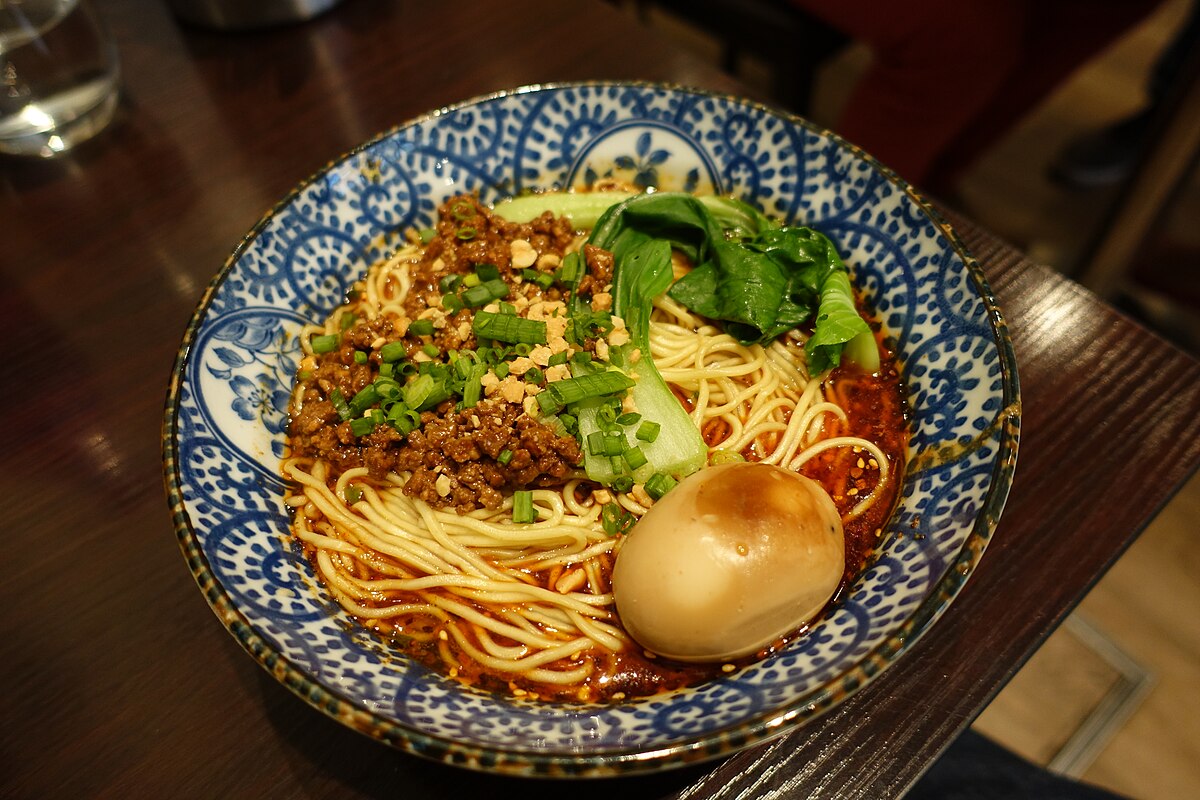
    Xiao Noodles, which was established in 2014, is renowned for its Chongqing-style noodles. With over 500 outlets across China, the restaurant chain has made a significant impact within the domestic food market. Their latest location, at 313@Somerset in Singapore, offers customers a taste of regional Chinese cuisine, with dishes such as Red Bowl Noodle (a spicy mala noodle dish with peas and meat sauce), Golden Bowl Noodle (hot and sour noodles), as well as a variety of Wonton and Maocai Hot Pot options.

    A Systematised Casual Dining Model

    This new outlet also serves as the debut platform for the company’s systemised casual dining model. This innovative model merges customary practices with digital operations, resulting in enhanced efficiency and scalability. Xiao Noodles is thus able to better handle the rising global demand for noodles and spicy foods.

    Taking Chongqing-Style Noodles Global

    Xiao Noodles is positioning itself to capitalize on the international popularity of noodles and the increasing demand for spicy flavours. The company aims to introduce Chongqing-style noodles to customers worldwide. Xiao Noodles’ founder and CEO, Song Qi, sees the Singapore flagship store as a model for future global expansions. He expressed his excitement at the opportunity to bring Chinese street food to tables around the world, establishing this as the official beginning of the company’s global vision.

    Questions & Answers

    What is unique about Xiao Noodles’ business model?
    Xiao Noodles’ business model combines traditional practices with digital operations, enhancing efficiency and scalability.

    What is the significance of the Singapore outlet for Xiao Noodles?
    The Singapore outlet serves as the first international presence for Xiao Noodles, acting as a blueprint for future global locations.

    What are some signature dishes of Xiao Noodles?
    Some of Xiao Noodles’ regional Chinese dishes include the Red Bowl Noodle, Golden Bowl Noodle, and a variety of Wonton and Maocai Hot Pot options.


  • Jollibee Gears Up for US Listing: Spinning Off Global Operations in Strategic Business Split

    Jollibee Gears Up for US Listing: Spinning Off Global Operations in Strategic Business Split

    Jollibee Foods Corp, a major player in the foodservice industry, has announced its intention to separate its international operations from its existing company structure. This significant move involves setting up a new, independent entity, which will be listed on a U.S. securities exchange, according to the company’s recent disclosure to the Philippine Stock Exchange.

    Two Independent Entities with Distinct Goals

    The company’s local operations in the Philippines will continue to be listed on the local stock exchange. The strategic decision to bifurcate the business is aimed at forming two autonomous entities. Each will have its distinct strategic focus and investment profile, allowing each to operate more efficiently within its designated market.

    Following the announcement, Jollibee’s stock experienced an impressive 14.5% surge, marking its most significant one-day increase in over half a decade.

    Timeline and Shareholder Impact

    Jollibee has outlined a tentative timeline for executing the transaction, aiming for completion in late 2027. However, the finalization of this move is subject to various factors including market conditions, thorough due diligence, and gaining necessary regulatory approvals.

    The current shareholders of Jollibee will not be left in the lurch following this corporate restructuring. They will be given shares in the newly formed entity, which will be in line with their existing interest in the company. This distribution, though, will be subject to applicable taxes and legal compliances. The company has noted that this information is still preliminary and may be subject to changes.

    Global Presence

    Jollibee has a formidable global presence with over 10,000 stores spread across 33 countries. Its portfolio includes well-known brands such as Jollibee, Chowking, Smashburger, and Tim Ho Wan, among others.

    Questions & Answers

    When does Jollibee plan to execute this corporate restructuring?
    The company aims to complete the restructuring by late 2027, subject to market conditions and necessary regulatory approvals.

    What will happen to the current shareholders of Jollibee?
    Existing shareholders will receive shares in the newly formed company, which will be proportionate to their current interest in Jollibee, subject to applicable taxes and legal requirements.

    What impact will this restructuring have on Jollibee’s local operations?
    The restructuring is not expected to impact Jollibee’s local operations, which will continue to be listed on the Philippine Stock Exchange.

  • HCMC Aims to Double Vietnam’s Average with $9,800 Per Capita Income in Ambitious 2026 Growth Plan

    HCMC Aims to Double Vietnam’s Average with $9,800 Per Capita Income in Ambitious 2026 Growth Plan

    Ho Chi Minh City (HCMC), Vietnam’s largest city, has outlined ambitious economic goals for the year ahead. The city plans to increase its per capita income by 12%, bringing it to $9,800, a figure that is twice the national average. This is a significant increase from last year’s per capita income in the city, which stood at $8,755, in comparison to the country’s overall average of $5,026.

    Economic Projections and Future Plans

    In terms of economic growth, HCMC is targeting a 10% increase in 2026, a substantial rise from the 8% growth reported last year. The chairman of the city, Nguyen Van Duoc, outlined the main drivers of this growth: manufacturing, consumption and exports. However, the city’s growth plans do not stop here.

    It is also looking to develop three additional areas. An international financial center is being planned, along with a seaport logistics system. Furthermore, the city aims to combine innovation with green and digital transformation for sustainable development.

    Addressing Infrastructure and Environmental Challenges

    Challenges that could potentially hinder the city’s economic growth have also been recognized. The issues identified include flooding, traffic congestion, and environmental pollution. These are referred to as the three “bottlenecks”, and the city has proposed several measures to overcome these problems.

    The city plans to upgrade its infrastructure, with projects such as the widening of National Highways 22 and 13 and Ring Road 4. There are also plans to construct the Can Gio and Thu Thiem bridges, as well as new metro lines. Chairman Duoc believes that if these projects are successfully implemented, they will significantly contribute to the city’s economic growth by surpassing public spending disbursement targets.

    However, this is not without its challenges. Last year, the disbursement was only 74% of the target, amounting to VND89 trillion ($3.39 billion). Despite this, the city remains optimistic about its ambitious economic targets and plans for development.

    Questions & Answers

    What does HCMC plan to increase its per capita income to?
    HCMC is planning to increase its per capita income by 12%, which will bring it to $9,800.

    What are the main drivers of economic growth for HCMC?
    The main drivers are manufacturing, consumption, and exports. However, the city also has plans to develop an international financial center, a seaport logistics system, and combine innovation with green and digital transformation.

    What challenges is HCMC planning to address to ensure its economic growth?
    HCMC plans to address the three “bottlenecks” that are currently holding back its growth. These are flooding, traffic congestion, and environmental pollution. The city plans to address these through various infrastructure projects.

  • Business Class Airfares Set to Skyrocket in 2026 Amid Robust Economic Conditions

    Business Class Airfares Set to Skyrocket in 2026 Amid Robust Economic Conditions

    The current solid economic situation is predicted to lead to a rise in the cost of business class travel during the year. Meanwhile, the prices for economy class are projected to stay relatively steady, according to market experts.

    American Express Global Business Travel Consulting has suggested that a robust demand may trigger a 7.4% surge in business class fares for routes from Asia to the Middle East.

    Routes from Asia to Europe could see a fare increase of around 4.8%, while a 3.4% hike is expected for Asia to Australia journeys.

    The consulting firm also noted that the highly popular route between India and Singapore might witness a significant rise in fares. The air passenger traffic on this route reached an all-time high in 2024, with more than 5.5 million passengers according to data from Singapore Changi Airport.

    American Express Global Business Travel Consulting further mentioned that a hike in business class fares from Singapore to the US is anticipated. From 2026 onwards, all flights departing from Singapore will be required to use sustainable aviation fuel.

    Predictions for the Future

    Linus Bauer, the founder of aviation consultancy BAA & Partners, anticipates that passenger traffic in the Asia-Pacific region will increase moderately by 4% to 6%, equivalent to 150-200 million passengers, taking the total tally to approximately 3.8 billion.

    He believes that 2026 will bring a more mature pricing environment where economy fares will gradually decline, while premium yields will remain relatively stable.

    In the high-density, price-sensitive markets of South-east Asia, South Asia and Oceania, Bauer anticipates that average economy fares will be 5% to 10% lower than in 2025. This decline is expected due to an increase in narrow-body capacity and a larger market share for budget airlines.

    On the other hand, business and first-class fares are projected to remain steady or improve modestly by 2% to 5%. This stability is predicted to be supported by a stronger demand for premium leisure travel and a resurgence in corporate travel.

    Challenges Ahead

    Rico Merkert, a transportation and supply chain management professor at the University of Sydney, warns that inflationary pressures, such as increased airport and labour costs, will burden airlines. These costs are likely to be passed on to passengers, resulting in higher airfares, unless jet fuel prices remain low.

    However, he adds that the continued expansion of budget airlines and new entrants into the low-cost segment should help maintain the affordability of air travel in the Asia-Pacific region in 2026.

    Questions & Answers

    What factors could potentially lead to a rise in business class fares?
    Strong demand and regulatory requirements to use sustainable aviation fuel are two factors that could drive up business class fares.

    What trends are expected in the economy class segment?
    Economy fares are projected to gradually decline due to increased competition from budget carriers and an increase in narrow-body capacity.

    How might inflationary pressures impact airfares?
    Inflationary pressures such as higher airport and labour costs could lead to a rise in airfares, as airlines are likely to pass these costs on to passengers.

  • Singapore Jewelers Reinvent Amid Gold Boom: Rising Prices Shift Consumer Focus to Investment Grade Gold

    Singapore Jewelers Reinvent Amid Gold Boom: Rising Prices Shift Consumer Focus to Investment Grade Gold

    In response to shifting consumer preferences and soaring prices, Singapore-based gold jewelers are rethinking their strategies. They are updating designs and adjusting prices to attract customers, as the demand for gold jewelry takes a hit from a growing interest in investment gold.

    Declining Demand for Gold Jewelry

    Kim Poh Hong Goldsmith, a longstanding family-owned jeweler, revealed in mid-October that demand for its 22-karat gold jewelry had dropped by an approximate 30-40% in the preceding two months. Rising prices have made it more challenging to sell these traditionally favored items in the Asian marketplace. Susan Tan, the owner, stated that they had significantly reduced their orders from wholesalers in response to this decline.

    Recently, retailers throughout the city-state have noticed that even seasonal demand has been tepid, as consumers become increasingly price-conscious. Many customers appear to be taking advantage of the surging gold prices by selling or trading in their old jewelry pieces.

    Gold Prices Surge

    In the backdrop of geopolitical tensions and a rate-easing cycle by the U.S. Federal Reserve, the price of gold soared by 64% last year. This was further fuelled by sustained purchases by central banks and inflows into exchange-traded funds. Gold even broke multiple records, with its value reaching an unprecedented US$4,549.71 per ounce on December 26, 2025. Industry analysts anticipate that the prices will remain elevated this year.

    The steep climb in bullion prices has significantly boosted the demand for gold bars and coins in Singapore. Their demand soared by 47% year-on-year to 1.8 tonnes in the third quarter of 2025. However, there has been an 8% slide in the city-state’s gold jewelry consumption, which fell to 1.4 tonnes during the same period. Even in India and China, the world’s two largest gold-consuming countries, there was a drop in gold jewelry purchases by volume by 31% and 18%, respectively.

    According to the World Gold Council, the high gold prices were primarily responsible for this decline as they impacted affordability.

    Investment Gold Rising

    Ho Nai Chuen, the president of the Singapore Jewellers Association and managing director of On Cheong Jewellery, noted that investment-grade gold bars, also known as Investment Precious Metals, are exempt from the Goods and Services Tax. This exemption has led some consumers to opt for gold bars instead of gold jewelry, as a means to conserve their monetary value.

    As gold prices continue to deter purchases, retailers are now compelled to strike a balance between keeping their products affordable and maintaining their design appeal. Chong Cui Xin, a merchandising manager at G&J Goldsmiths & Jewellery, shared that customers are favoring lighter pieces. The jewelry store has been introducing necklaces and bracelets weighing less than 3g to make them more wallet-friendly for consumers.

    Joanne Sim, co-founder and designer of Eli J Fine Jewelry, expressed similar sentiments. She mentioned that the company had to rethink its pricing strategy as an increasing number of buyers are now choosing lower-priced 14-karat gold jewelry. For those customers who prefer white gold, the brand offers platinum as a more affordable alternative.

    Despite the changes, these jewelers continue to reserve 18-karat gold for heirloom-quality pieces, maintaining their commitment to quality and tradition.

    Questions & Answers

    Why are gold jewelers in Singapore adjusting their prices and designs?
    Gold jewelers in Singapore are adjusting their prices and designs to attract customers, as demand for gold jewelry is decreasing due to a growing preference for investment-grade gold and rising gold prices.

    What is the impact of high gold prices on the jewelry market?
    High gold prices have resulted in a decrease in demand for gold jewelry due to affordability issues. However, it has also led to a significant increase in the demand for gold bars and coins, which are being viewed as investment-grade gold.

    How are jewelers responding to changes in consumer preferences?
    Jewelers are responding by introducing lighter and more affordable pieces, such as jewelry weighing less than 3g, and offering alternatives such as platinum for customers who prefer white gold. They are also focusing on maintaining the design appeal of their products.

  • Vietnam’s Stock Market Blazes into 2026: Skyrockets to Historical Highs in Opening Sessions

    Vietnam’s Stock Market Blazes into 2026: Skyrockets to Historical Highs in Opening Sessions

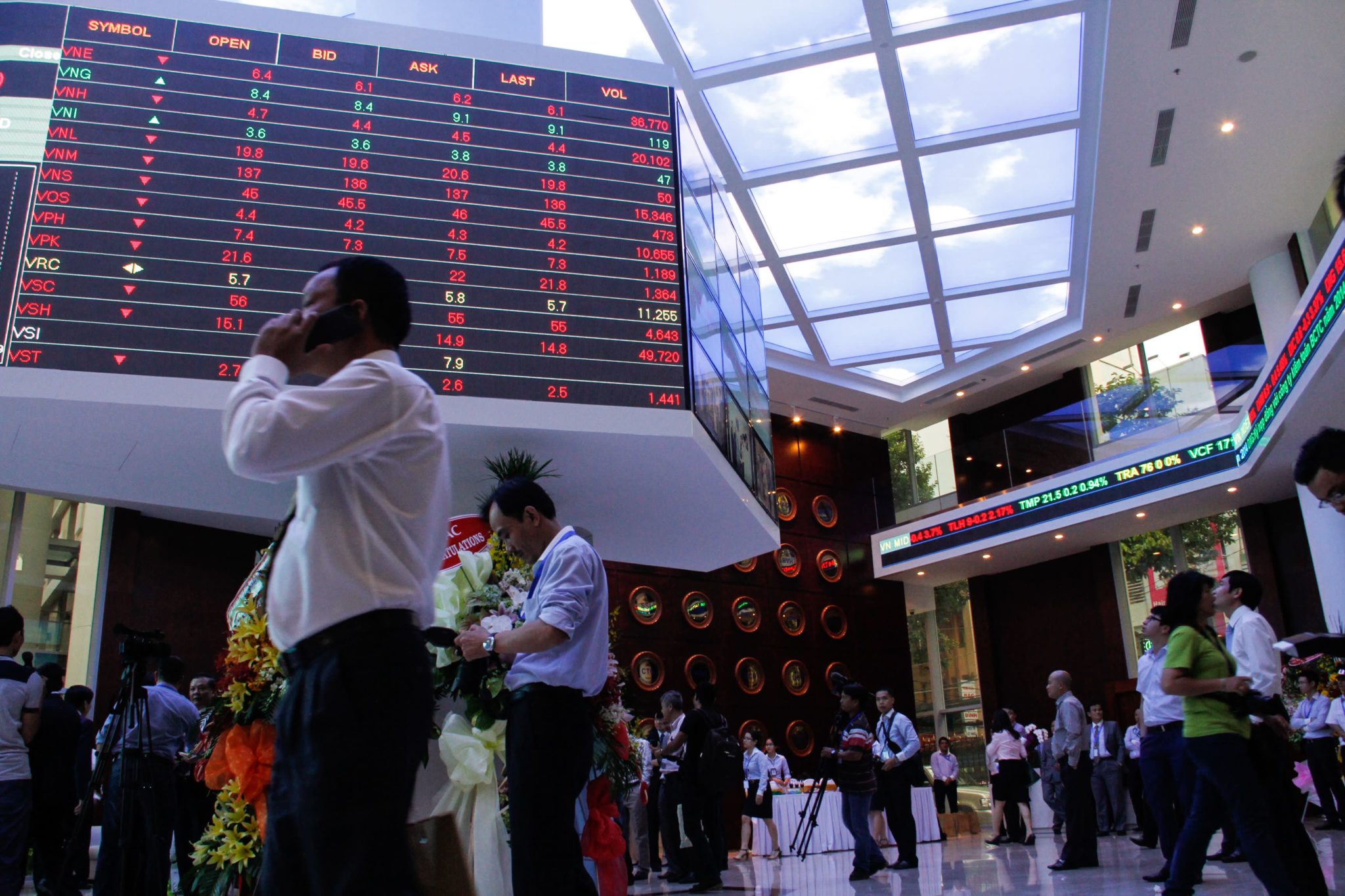
    The Vietnam stock market began the year on a high note, setting two new historic peaks within the first two trading sessions. The VN-Index, Vietnam’s benchmark stock index, closed at a record-breaking 1,788 points on Monday and escalated a further 1.56% to a fresh peak of 1,816 points on Tuesday. After closing the previous year 40% higher, it now ranks as the tenth best-performing stock index globally.

    The Ho Chi Minh Stock Exchange, the basis for the VN-Index, experienced a 6% gain in trading on Tuesday, reaching VND27.45 trillion (US$1.04 billion).

    On the other hand, the VN30 basket, which consists of the thirty largest capped stocks, saw 23 stock tickers rising. Leading the way was GAS, a state-owned Petrovietnam Gas, with a 7% increase, closely followed by property titan Vinhomes’ VHM, which climbed 6.9%.

    Fuel distributor Petrolimex’s PLX finished 6.7% higher, while MB’s MBB, a lending company, rose by 5.1%.

    However, two prominent stocks experienced a decline. Duc Giang Chemicals Group’s DGC dropped 3.8%, while Sacombank’s STB, a lender based in Ho Chi Minh City, fell by 2.1%.

    Foreign investors mainly sold off stocks of the private conglomerate Vingroup’s VIC and VHM, resulting in net sales of approximately VND387 billion.

    Meanwhile, the HNX-Index for stocks on the Hanoi Stock Exchange, which primarily consists of mid and small-cap stocks, fell by 0.09%. The UPCoM-Index for Unlisted Public Companies Market also experienced a drop, declining by 0.39%.

    Questions & Answers

    What were the new historic peaks for the Vietnam stock market at the beginning of the year?

    The VN-Index, Vietnam’s benchmark stock index, closed at a record-breaking 1,788 points on Monday and escalated a further 1.56% to a new peak of 1,816 points on Tuesday.

    Which were the top-performing stocks in the VN30 basket?

    Leading the way was GAS of state-owned Petrovietnam Gas with a 7% increase, followed closely by property giant Vinhomes’ VHM, which climbed 6.9%.

    Which stocks did foreign investors predominantly sell off?

    Foreign investors mainly sold off stocks of the private conglomerate, Vingroup’s VIC and VHM, resulting in net sales of approximately VND387 billion.

  • Chinese Firms Reign Supreme in APAC Investment Banking: Rapid IPO Rise and Offshore Bonds Fuel 2025 Success

    Chinese Firms Reign Supreme in APAC Investment Banking: Rapid IPO Rise and Offshore Bonds Fuel 2025 Success

    In 2025, prominent positions in Asian investment banking fee generation were predominantly filled by Chinese corporations, spearheaded by a surge in offshore bond issues and a remarkable initial public offering (IPO) boom in Hong Kong.

    Leading Positions Dominated By Chinese Companies

    Citic Securities, based in Beijing, took the lead in investment banking fees generated in the Asia Pacific region (excluding Japan) for 2025, raking in $1.45 billion. This figure represented a 5.8 percent share of the total fees generated across the region. Citic Securities was trailed in the ranking by fellow Chinese counterparts, including China Securities, Bank of China, China International Capital, and Guotai Haitong Securities. Notably, Morgan Stanley, headquartered in New York, filled the sixth slot.

    Chinese investment banks asserted their dominance throughout the industry’s regional positions. This success was largely credited to their robust performance in issuing yuan-denominated dim sum bonds and in orchestrating mainland listings in Hong Kong.

    The Global Market Share

    In a broader perspective, investment banking fees across the Asia Pacific region witnessed a 19 percent year-on-year increase in 2025, amassing a total of $24.9 billion. This accounts for 18 percent of the global total fees earned, in contrast to 55 percent from the Americas and 21 percent from Europe.

    The investment banking fees referenced in this report encompass a range of activities including equity capital markets, debt capital markets, mergers and acquisitions (M&A) advisory, and syndicated lending services.

    Questions & Answers

    Who was the leading generator of investment banking fees in the Asia Pacific region in 2025?
    Beijing-based Citic Securities led the pack in 2025, generating $1.45 billion in investment banking fees.

    What factors contributed to the success of Chinese investment banks in 2025?
    Chinese investment banks benefitted significantly from strong performances in the issuance of yuan-denominated dim sum bonds and mainland listings in Hong Kong.

    How much of the global total of investment banking fees did the Asia Pacific region account for in 2025?
    In 2025, the Asia Pacific region accounted for 18 percent of the total global investment banking fees.

  • Alexander Wong: From Credit Suisse to Citi – Shaping Investment Banking in Asia

    Alexander Wong: From Credit Suisse to Citi – Shaping Investment Banking in Asia

    In a recent development, Alexander Wong, ex-managing director of the now-inoperative Credit Suisse, has taken up a new role at Citi’s investment banking division in Asia.

    Alexander Wong Joins Citi’s Investment Banking Division

    Citi has officially announced the appointment of Alexander Wong as their new Managing Director for the investment banking sector. His primary responsibilities in this role will involve bolstering senior coverage within the industrials and mobility sector across the Asia Pacific region.

    Wong brings a wealth of experience and industry knowledge to his new role at Citi. His strategic thinking and leadership skills will be crucial in driving the growth and development of Citi’s investment banking division.

    Reporting to Lei Li

    In his capacity as the managing director, Wong will report directly to Lei Li, who is the APAC head of industrials for the investment banking division. Wong’s appointment is expected to significantly contribute to the strategic expansion and growth of the industrials and mobility sector in the Asia Pacific region.

    Past Experience at Credit Suisse

    Before taking up his new role at Citi, Wong served as a managing director at Credit Suisse. He was instrumental in managing and developing the mobility and industrial technology sectors in his previous role. His past experience and achievements in the industry are expected to contribute significantly to his success at Citi.

    Questions & Answers

    What is Alexander Wong’s new role at Citi?
    Alexander Wong has been appointed as the new Managing Director for the investment banking division at Citi. His role will primarily focus on enhancing senior coverage in the industrials and mobility sector across the Asia Pacific region.

    Who will Alexander Wong report to at Citi?
    In his role as Managing Director, Alexander Wong will directly report to Lei Li, the APAC head of industrials for the investment banking division.

    What was Alexander Wong’s role at Credit Suisse?
    Prior to his role at Citi, Alexander Wong served as a Managing Director at Credit Suisse, where he was responsible for managing the mobility and industrial technology sectors.

  • Yirong Wee Ascends to CEO Role at PROPEL: Singlife’s One-Stop Service Center Celebrates Year of Success

    Yirong Wee Ascends to CEO Role at PROPEL: Singlife’s One-Stop Service Center Celebrates Year of Success

    Insurer Singlife’s comprehensive shared service center, PROPEL, has announced a change in leadership one year after its inception. Yirong Wee has assumed the role of chief executive officer (CEO), succeeding Steven Ong, who will spearhead a new business venture within Singlife, starting 2026.

    A Wealth of Experience

    Yirong Wee brings to the table an impressive 18-year track record in financial services, operations, and distribution strategy. Prior to her appointment as CEO, Wee held the position of chief operating officer (COO) of group distribution at Singlife. Her experience also extends to her role as COO at GROW with Singlife, an integrated investment solutions platform for financial advisor representatives.

    About PROPEL

    PROPEL is an all-inclusive shared service center designed for financial advisory firms under the Singlife group. Since its inauguration in January 2025, it has successfully recruited over 1,300 financial advisor representatives.

    Questions & Answers

    What is the function of PROPEL?
    PROPEL is a comprehensive shared service center for financial advisory firms under the Singlife group.

    Who is the new CEO of PROPEL?
    Yirong Wee has been appointed as the new CEO of PROPEL.

    What will the ex-CEO of PROPEL, Steven Ong, be doing in the future?
    Steven Ong will be leading a new business initiative within Singlife from 2026.

  • Former Bank of Singapore Executive Joins Standard Chartered to Helm New Greater China Team

    Former Bank of Singapore Executive Joins Standard Chartered to Helm New Greater China Team

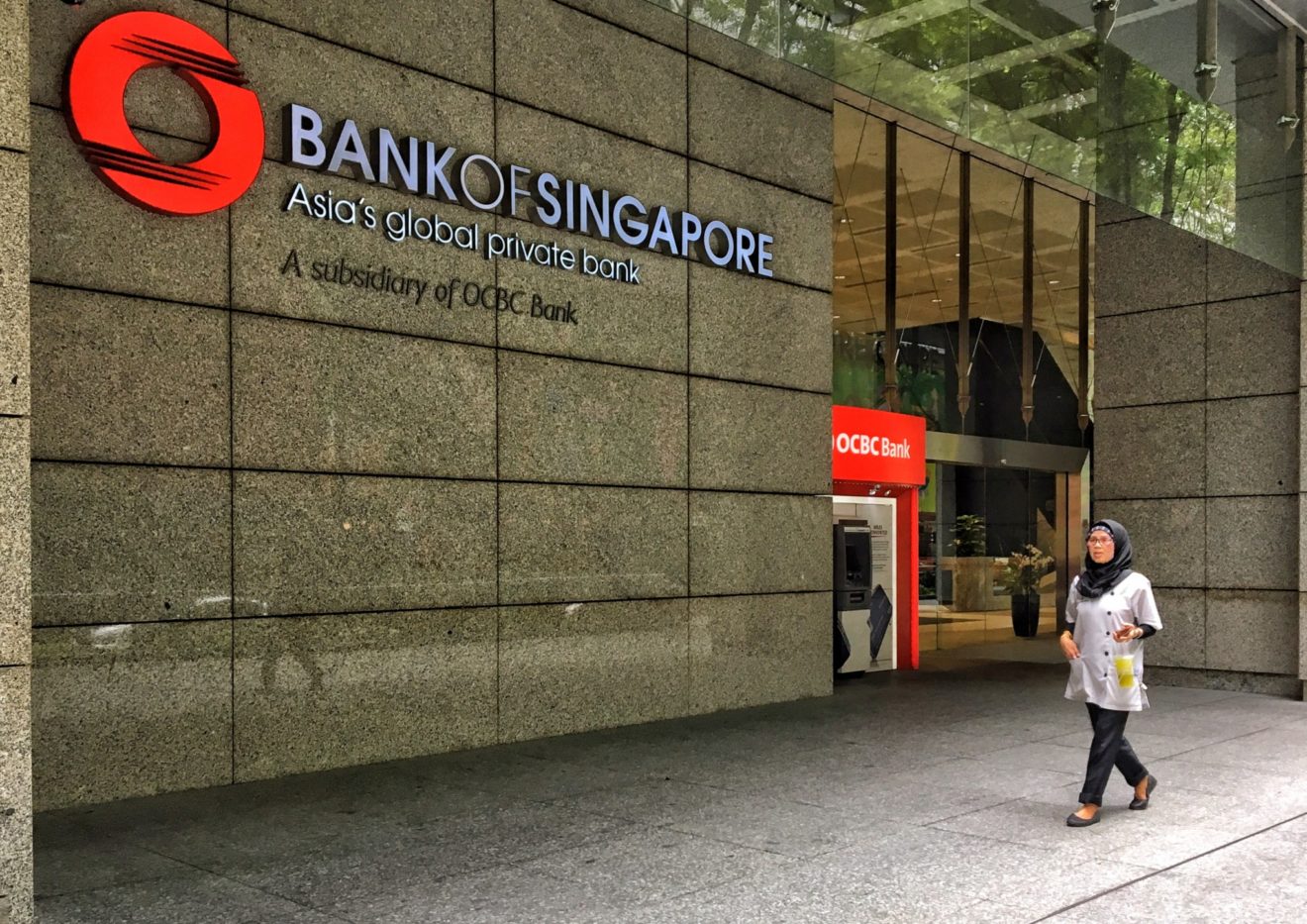
    In the latest series of industry movements, Hu Hong, previously an executive at the Bank of Singapore, has migrated to Standard Chartered. At Standard Chartered, his new role involves the development and expansion of a team dedicated to the Greater China market.

    A New Role at Standard Chartered

    Standard Chartered’s Global Private Bank has welcomed Hu Hong to their team as a group market head. His primary responsibility will be to build and expand a new team dedicated to the Greater China region, based in Singapore. According to an official statement, Hu will report directly to Foo Tian Ong, who is the regional head for Southeast Asia and also the Singapore location head for Standard Chartered’s Global Private Bank.

    A Wealth of Experience

    Hu brings a wealth of experience to his new role at Standard Chartered. He is an established figure in private banking, with a significant track record in covering the Greater China markets. During his stint at the Bank of Singapore, Hu demonstrated impressive leadership skills as he managed three market heads as well as a team of 100 frontline staff members.

    Questions & Answers

    Who has recently joined Standard Chartered’s Global Private Bank?
    Hu Hong, a former executive at the Bank of Singapore, has joined Standard Chartered’s Global Private Bank as a group market head.

    What will be Hu Hong’s primary responsibility at Standard Chartered?
    Hu Hong will be primarily responsible for the development and expansion of a team that focuses on the Greater China region.

    Who will Hu Hong report to in his new role at Standard Chartered?
    In his new role at Standard Chartered, Hu Hong will report directly to Foo Tian Ong, the regional head for Southeast Asia and the Singapore location head for the Global Private Bank.

  • UBS’s Bold Leadership Move to Unlock Post-Integration Value in 2026: Beatriz Martin at the Helm

    UBS is on the verge of a critical phase in its historic integration with Credit Suisse, signified by a strategic leadership change. Since the beginning of 2026, Beatriz Martin has assumed the role of Group Chief Operating Officer, alongside her new responsibility for Group Technology. This move underscores UBS’s focused efforts to enhance execution as the bank nears what is believed by management to be the final stage of the integration process.

    Operational Challenges During Integration

    Credit Suisse’s integration has been more about systems than branding. The greatest hurdles have been complex IT migrations, legacy platform shutdowns, and seamless data transfers. By placing operational control and technological execution under one executive, UBS aims to minimize delays, shorten decision-making time, and speed up problem-solving, particularly in areas where delays could prove costly.

    Industry experts perceive this consolidation of responsibilities as a practical solution to integration risk. Misalignment between operations and IT is a frequent cause of cost overruns and operational incidents during large-scale bank mergers, and UBS seems committed to evading this pitfall.

    The Shift from Consolidation to Performance

    2026 is not just another year for UBS. It signifies the final full year of integration work and, importantly, the point at which the bank expects to fully capitalize on the synergies from the Credit Suisse acquisition. The narrative has shifted from consolidation to performance, a transition eagerly anticipated by investors.

    Thus, Beatriz Martin has a clearly defined mandate: finish the remaining system migrations, decommission obsolete infrastructure, and do so without disrupting routine banking operations. The risk is high but so is the potential reward.

    Cost Discipline and Job Reductions

    Alongside the leadership change, UBS is demonstrating its focus on cost control with another round of job cuts set for mid-January. Although these cuts may be socially and politically sensitive, the markets typically regard them as indications of management’s dedication to efficiency and enhancing margins.

    The timing of these cost reductions is crucial from an investor’s perspective. Implementing these changes before the final integration phase increases the likelihood that synergy benefits will translate into enhanced profitability rather than being consumed by residual restructuring costs.

    Equity Markets’ Reaction

    UBS shares are trading near their 52-week high of 47.27 dollars, signaling growing confidence that the most severe integration costs are behind the bank. The stock rally towards the end of 2025 implies that investors anticipate a noticeable improvement in earnings power from the latter half of 2026.

    The prospect of a structurally lower cost base after years of substantial restructuring costs is becoming a reality. The current market valuation suggests that investors expect the management to deliver and will not easily tolerate execution errors.

    Moving Towards Measurable Results

    By consolidating operational and technological control under Beatriz Martin, UBS is sending a clear message: 2026 is the year of results, not excuses. After a groundbreaking merger and years of internal consolidation, the bank is positioning itself to transform scale and synergies into sustainable returns.

    The message to financially astute investors is clear – the bank’s performance in the next twelve months will shape the post-merger UBS.

    Questions & Answers

    What is the role of Beatriz Martin in UBS’s integration with Credit Suisse?
    Martin, as the Group Chief Operating Officer, is responsible for overseeing operational control and technological execution, critical components of the integration process.

    What do the proposed job cuts at UBS signify?
    Though potentially sensitive socially and politically, these cuts are viewed by markets as evidence of UBS’s commitment to efficiency and margin improvement.

    What is the significance of 2026 for UBS?
    2026 denotes the final full year of the integration process and the point at which UBS aims to fully capitalize on the synergies from the Credit Suisse acquisition. The bank’s narrative has shifted from consolidation to performance during this year.

  • 2026 Health Sector Boom: Five Key Drivers Powering a Robust Year in Healthcare

    2026 Health Sector Boom: Five Key Drivers Powering a Robust Year in Healthcare

    The healthcare industry is entering the new year with a strong momentum, backed by increased transparency surrounding government healthcare policies and a surge of investor interest. The sector’s future earnings prospects are on the rise, spurred by a robust innovation pipeline and the emergence of new market segments. Despite this, healthcare stocks continue to trade at a discount relative to the global market, creating a re-evaluation underway that is accelerating. At present levels, there are still appealing opportunities for increasing exposure to the healthcare sector.

    Five Key Developments Driving the Sector’s Momentum

    The sector’s momentum is being bolstered by five key developments:

    Firstly, policy clarity is attracting investors back to the sector. The pricing agreement reached between the US administration and Pfizer in September, and subsequent agreements with Eli Lilly and Novo Nordisk in November, marked a significant turning point. These developments have resulted in a predictable framework for drug pricing and reimbursement policies, thereby reducing uncertainty and improving planning visibility. Reaction from investors was swift, with healthcare emerging as one of the strongest global stock market performers this quarter, attracting an additional $8 billion in capital to healthcare ETFs worldwide in just three months.

    Secondly, a re-evaluation process has begun, with further potential for catch-up. Healthcare valuations are moving back towards historical averages, but the sector is still valued approximately 13% lower than global stocks. The future looks bright for healthcare companies, with average profit growth predictions for biopharmaceuticals and life science tools between 2024 and 2027 standing at approximately 15%, more than double the historical growth rate of about 7% per year.

    Thirdly, the biopharma sector is set to benefit from formidable growth drivers and high M&A capacity. Looking ahead to 2026, this sector stands to gain from various structural trends such as new oncology treatment classifications, advances in obesity and diabetes treatments, and therapeutic innovations in cardiovascular care.

    Fourthly, the medical technology sector continues to be a key growth driver, spurred by high demand in established markets and the emergence of new billion-dollar niches. Markets such as robot-assisted surgical systems, glucose monitoring devices, and structural heart disease treatment continue to register double-digit growth rates.

    Lastly, emerging markets are boosting their innovation capabilities and market clout. These markets are steadily transforming into innovation powerhouses in their own right. China, for instance, is transitioning from an out-licensing partner to a global pharmaceutical player, while India’s rapidly growing middle class and substantial government healthcare infrastructure spending stand out as growth engines.

    Conclusion

    Entering 2026, the healthcare sector is backed by strong structural growth drivers and improved earnings visibility. Innovation continues to be key, supported by robust pipelines, new therapy platforms, and tech-enhanced solutions. However, the sector’s performance disparity, as measured by the MSCI World Healthcare Index, is also noteworthy, with a performance gap of +72% and -38% between the best and worst-performing stocks in the first half of 2025.

    After a recent period of policy uncertainty, the healthcare sector is back in its historical position of innovation, growth, and high operational visibility, a position from which it has consistently delivered tangible value.

    Questions & Answers

    What has attracted investors back to the healthcare sector?
    Investors are being drawn back to the healthcare sector due to increased policy clarity, including agreements on drug pricing and reimbursement policies between the US administration and pharmaceutical companies.

    What are some key growth drivers for the biopharma sector looking ahead to 2026?
    Key growth drivers for the biopharma sector include new classifications of oncology treatments, advancements in obesity and diabetes treatments, and therapeutic innovations in cardiovascular care.

    How are emerging markets contributing to the growth of the healthcare sector?
    Emerging markets like China and India are increasingly becoming innovation powerhouses in their own right. China is transitioning from an out-licensing partner to a global pharmaceutical player, while India’s growing middle class and substantial government spending on healthcare infrastructure are key growth drivers.

  • Globe and NCS Seal PHP 1.73B Joint Venture, Boosting Yondu’s Digital Services Capability in Asia Pacific

    Globe and NCS Seal PHP 1.73B Joint Venture, Boosting Yondu’s Digital Services Capability in Asia Pacific

    Globe Telecom Inc. has finalized its business arrangement with Singapore-based company, NCS Pte. Ltd., through their joint venture with Yondu Inc., valued at PHP 1.73 billion. This venture was first established on March 26, 2025, and was made public in a disclosure to the Philippine Stock Exchange by Globe.

    The Deal

    NCS, through its subsidiary NCSI Holdings Pte. Ltd, now holds a 51% majority stake in Yondu, leaving Globe with the remaining 49% shares. Concurrently, NCSI Philippines Inc. was acquired by Yondu from NCSI, making it a wholly-owned subsidiary. Yondu will be rebranded as NCS Philippines.

    Globe’s third-quarter financial report indicates the joint venture’s value sits at about PHP 1.73 billion, encompassing PHP 349.06 million in cash and cash equivalents. This figure is a 7.5% decrease from the initial estimate of PHP 1.87 billion in March 2023.

    Impact of The Joint Venture

    Post the completion of the joint venture, Globe’s President and CEO, Carl Raymond Cruz, expressed confidence in Yondu’s enhanced capability to offer superior solutions to customers. Cruz highlighted that the partnership will facilitate service expansion and help reach more customers across the Asia Pacific, leveraging NCS’s regional presence and partner networks.

    Yondu, functioning as Globe’s information and communications technology division, specializes in wireless products and digital services for clients. It concentrates on custom software development, managed security, e-commerce solutions, cloud services, and pre-built platforms. Joint venture partner NCS, owned by Singtel, views this venture as a crucial step in its regional expansion strategy.

    NCS’s CEO, Ng Kuo Pin, anticipates that the expanded team will enhance the company’s digital, cloud, and data services, including those employing artificial intelligence. The team’s size is expected to increase from roughly 150 employees last year to over 1,200.

    Expected Benefits

    In addition to regional expansion, Juan Carlo Puno, Globe’s Chief Finance Officer, stated that the joint venture will ensure more efficient capital use and provide consistent revenue growth support. He emphasized that the venture’s key objective is to create a platform with financial resilience that can deliver long-term shareholder value while ensuring investment capability for next-generation ICT solutions.

    From January to September 2025, Yondu’s non-telecom revenues were reported at PHP 1.7 billion by Globe, showing a 4% decrease from PHP 1.81 billion during the same months of 2024. During this same period, Globe’s total gross service revenues stood at PHP 121.7 billion, with net income falling to PHP 17.7 billion.

    Questions & Answers

    What is the objective of the joint venture between Globe Telecom and NCS?
    The joint venture aims to enhance Yondu’s ability to offer superior solutions to its customers and to expand services across the Asia Pacific region.

    How will the joint venture impact Yondu?
    Yondu will now become a wholly-owned subsidiary called NCS Philippines, and its workforce is expected to grow from about 150 employees to over 1,200.

    What financial impact is expected from this partnership?
    The partnership is anticipated to facilitate more efficient capital utilization, support consistent revenue growth, and offer long-term value to shareholders.

  • Singtel Pioneers Singapore’s First 50 Gbps Fiber Broadband Trial, Ushering in New Era of Ultra-High-Speed Connectivity

    Singtel Pioneers Singapore’s First 50 Gbps Fiber Broadband Trial, Ushering in New Era of Ultra-High-Speed Connectivity

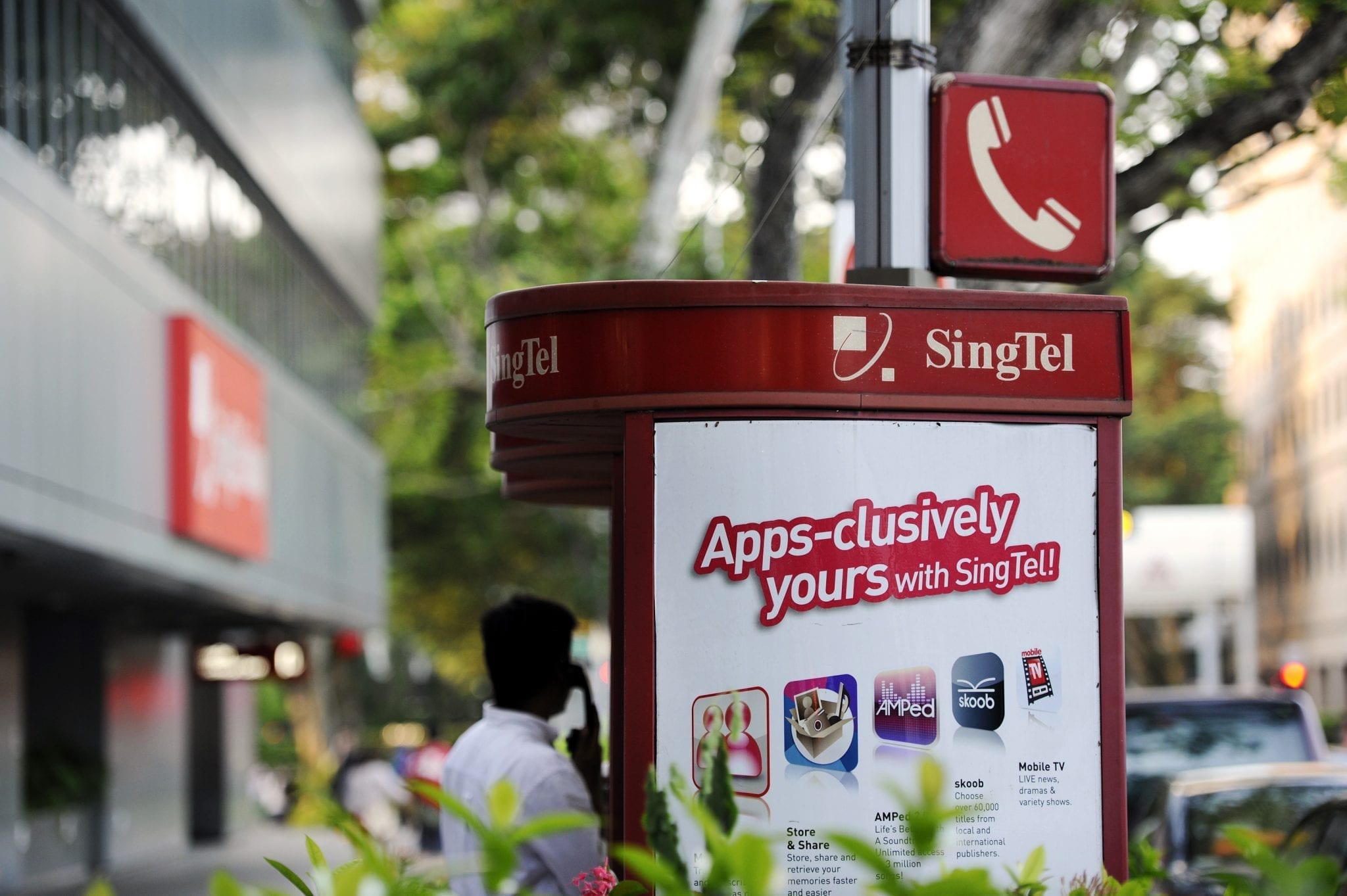
    Singapore’s premier telecommunications company, Singtel, has initiated the country’s inaugural 50 Gbps fiber broadband technical trial. The aim of this groundbreaking move is to fortify the fixed connectivity infrastructure of the country, which is crucial for the delivery of emerging data-intensive digital amenities propelled by Artificial Intelligence (AI).

    Exploring the Potential of Next-Gen Technology

    This technical trial employs the cutting-edge XGS-PON-based fiber technology, which is capable of facilitating speeds of up to 50 Gbps. The trial has been conceptualised keeping in mind the anticipated use cases of the imminent future, such as ultra-realistic Augmented Reality (AR), Virtual Reality (VR), and Mixed Reality (MR), AI-powered smart homes, high-performance remote working setups, and cloud gaming. Singtel’s objective with this initiative is to prepare both residential and commercial customers for the smooth adoption of novel technologies as they become mainstream over the next three to five years.

    Through this trial, Singtel aims to assess the network performance and capabilities needed to support the increasing complexity of multi-device environments driven by AI. Singtel maintains that the trial is a significant milestone towards the future large-scale rollout of ultra-high-speed fiber broadband for diverse users, both residential and commercial.

    Preparing for a Digital Future

    Ng Tian Chong, Singtel Singapore’s CEO, emphasised that digital technologies are already a part of everyday life in Singapore, with near-universal internet access, high device ownership, and extensive use of digital services for work, learning, and entertainment. The next leap in fiber broadband connectivity, he said, will ensure that homes and businesses can keep up with increasingly immersive and AI-enabled digital experiences.

    Singtel insists that its early adoption of the 50 Gbps fiber technology places Singapore at the vanguard of next-generation broadband innovation. This aligns with the nation’s Digital Connectivity Blueprint, which prioritises the construction of a robust and future-ready digital infrastructure.

    Enabling Advanced Applications

    The 50 Gbps trial facilitates a new grade of whole-home, multi-gigabit connectivity. Singtel believes this will support ultra-high-definition entertainment, including 8K and future 12K video streaming, high-quality AR, VR, and XR experiences, and low-latency cloud gaming and cloud PCs. The technology also caters to data-heavy workflows for home-based businesses and professionals, including engineering simulations and secure enterprise-level remote connectivity.

    Moreover, the ultra-high-speed broadband is anticipated to enable advanced telemedicine and remote diagnostics, such as real-time medical imaging transmission, VR-based physiotherapy, and connected at-home medical devices. AI-driven smart homes will reap the benefits of real-time analytics across security cameras, IoT appliances, and autonomous devices. It also provides a solid foundation for next-generation Wi-Fi, dense IoT ecosystems, and emerging AI-generated entertainment formats.

    Questions & Answers

    What is the purpose of Singtel’s technical trial?

    The purpose of the technical trial is to assess the network performance and capabilities needed to support the increasingly complex multi-device environments enabled by AI. It also aims to prepare residential and commercial customers for the smooth adoption of novel technologies as they become mainstream.

    How will the 50 Gbps fiber broadband technology benefit homes and businesses?

    The technology will support ultra-high-definition entertainment, low-latency cloud gaming, high-quality AR, VR, and XR experiences, and data-heavy workflows for home-based businesses and professionals. It will also enable advanced telemedicine and remote diagnostics, as well as provide real-time analytics for AI-powered smart homes.

    How does this initiative align with Singapore’s nationwide digital strategy?

    The trial aligns with Singapore’s Digital Connectivity Blueprint, which focuses on building a robust and future-ready digital infrastructure. By positioning Singapore at the forefront of next-generation broadband innovation, it is helping prepare the nation for a rapidly evolving digital future.

  • Tupperware Makes a Retail Return to Singapore

    Tupperware Makes a Retail Return to Singapore

    The kitchen icon that revolutionised food storage is making a return to the heart of Singaporean homes. Fackelmann Housewares, the exclusive distributor in Singapore, is proud to announce the official retail launch of Tupperware®, bringing the “True Original” back to consumers through a modern retail model.

    For decades, Tupperware was available primarily through direct sales. This new partnership with Fackelmann marks a strategic shift, making the brand’s comprehensive range of innovative, sustainable, and nostalgic products more accessible than ever before via major department stores and digital platforms.

    “Generations of Singaporeans have grown up with the satisfying snap of a Tupperware seal—a sound synonymous with freshness and quality,” says Wendy Tan, Commercial Manager, Fackelmann Singapore. “By bringing Tupperware to retail shelves, we are reviving a heritage of ingenious design and practical function for a new wave of eco-conscious families who value the ‘Buy Once, Love for Life’ ethos.”

    Masterful Design for Modern Living

    The Tupperware legacy is rooted in practical innovation. In the 1940s, chemist Earl Tupper transformed food preservation by adapting the concept behind airtight seal of paint cans for the home, a breakthrough designed to help families reduce food waste during the post-depression and wartime era. This led to the creation of the iconic Wonderlier® Bowl, a product that redefined kitchen habits and set a new global standard for food storage. Today, Tupperware stands as a trusted household name and a global cultural icon, recognised by Euromonitor as the world’s #1 brand in the category (2022).

    The new Singapore collection, curated by Fackelmann, bridges the gap between mid-century nostalgia and 21st-century material science.

    Solutions for Everyday Needs: Product Highlights

    The launch features Tupperware’s most beloved lines, specifically selected to bring seamless organisation and effortless harmony to modern urban living:

    * Pantry Perfection (Modular Bowl Sets): Engineered to maximise vertical space in Singapore’s urban homes, this stackable system transforms pantry storage into an organised masterpiece. These airtight, modular containers ensure staples like flour, rice, and snacks remain fresh and protected. With clear, built-in windows for instant identification, the collection eliminates cabinet clutter and brings effortless efficiency to everyday meal prep.

    * Freshness First (Freezable Container Sets): Tailored for the rigours of the modern freezer, these high-performance containers are crafted from a premium, flexible material, they adapt effortlessly to food expansion during freezing and remain crack-resistant at temperatures as low as -25°C. The flexible material ensures easy unmoulding, keeping your ingredients in pristine condition.

    * The Heritage Collection (Wonderlier® & Servalier Bowls): Reimagined in a dreamy new pastel palette, these global bestsellers return to celebrate a legacy of excellence dating back to 1946. Merging vintage charm with modern durability, the collection features scratch-resistant interiors and the signature “instant seal” technology. By simply pressing the centre of the lid, users can lock in freshness and flavour with a single touch—a testament to the fact that truly iconic design is timeless.

    * Sustainable Living On-the-Go: Committed to a greener future, the collection introduces the Eco Bottle series—a range of durable, leak-proof, and stylish vessels designed to eliminate single-use plastics. For the modern professional, the Microwave series offers a sophisticated solution for healthy, homemade lunches. These microwave-safe bowls feature a specialised steam-vent valve to regulate pressure and a secure, leak-proof seal that prevents splatters, ensuring a seamless and refined dining experience in any workspace.

    Tupperware products are now available online at Metro web site and TikTok shop, and will be available at major departmental stores including Isetan, OG, Metro, Takashimaya and Tangs in the coming months.