Author: Mei Ling Tan

  • Hanoi-HCMC Flight Path Soars: Retains Spot as 4th Busiest Global Route in 2025

    Hanoi-HCMC Flight Path Soars: Retains Spot as 4th Busiest Global Route in 2025

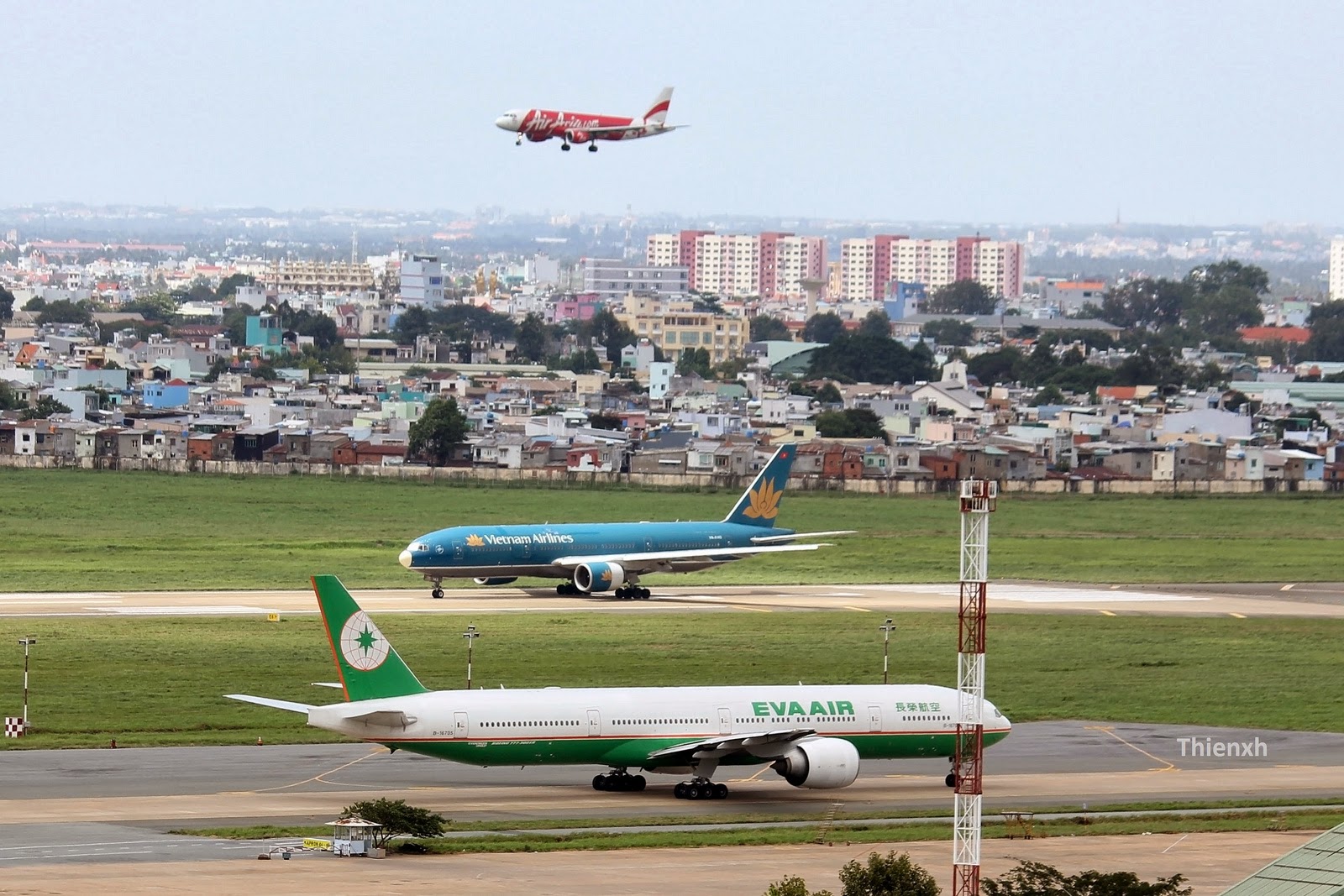
    Data from an aviation intelligence firm has revealed that the flight route between Hanoi and Ho Chi Minh City in Vietnam was the fourth busiest worldwide in 2025, with a total of 11.07 million seats. There was a 4% rise in seat numbers from the previous year, continuing a trend which has placed the route within the top ten busiest globally for eight consecutive years.

    Cost and Competition

    The average cost of a one-way journey on this route was US$67 in 2025, representing an 11% decrease from 2024. Six different airlines operated on this route in 2025, indicating high levels of competition. The largest operators were Vietnam Airlines and Vietjet, both offering numerous flights daily along the 1,000-kilometre route.

    New and Existing Operators

    In the final quarter of 2025, new entrant Sun Phu Quoc Airways began operating on this route. Other airlines offering services on this route included Bamboo Airways, Pacific Airlines and Vietravel Airlines.

    Global Rankings

    The top five busiest flight routes of 2025 were largely consistent with the previous year. Holding the top spot was South Korea’s Jeju International-Seoul Gimpo route with 14.38 million seats. This was followed by Japan’s Sapporo New Chitose-Tokyo Haneda route with 12 million seats, and the Fukuoka-Tokyo Haneda route with 11.5 million seats.

    In fifth place was Saudi Arabia’s Jeddah-Riyadh route with 9.8 million seats, displacing Australia’s Melbourne-Sydney route which fell to sixth place. The Jeddah-Riyadh route also saw the fastest growth rate, with a 13% increase in seat capacity, and was the sole non-Asia-Pacific route among the top ten.

    Questions & Answers

    What has been the trend for the Hanoi-Ho Chi Minh City flight route over the last eight years?
    The Hanoi-Ho Chi Minh City route has consistently been within the top ten busiest flight routes globally for eight consecutive years.

    Which airlines operate on the Hanoi-Ho Chi Minh City route?
    Six airlines operated on this route in 2025: Vietnam Airlines, Vietjet, Sun Phu Quoc Airways, Bamboo Airways, Pacific Airlines, and Vietravel Airlines.

    Which flight route was the fastest growing in 2025?
    The Jeddah-Riyadh route in Saudi Arabia was the fastest-growing in 2025, with a 13% increase in seat capacity.

  • Link Reit Launches Leadership Revamp: John Russell Saunders Appointed Executive Director

    Link Reit Launches Leadership Revamp: John Russell Saunders Appointed Executive Director

    John Russell Saunders has recently been appointed as an executive director of the Link Real Estate Investment Trust (Link Reit), effective immediately. For the time being, Saunders will be leading the group in tandem with Ng Kok Siong, the current executive director and CFO. Both Saunders and Ng will be reporting directly to Duncan Gareth Owen, the independent chair, and the Chairs Committee until a new CEO is hired.

    Saunders’ Role in Link Reit

    Saunders, in his current capacity as group chief investment officer, will keep his focus on investments as well as partnerships with third-party capital. He will also support and manage the assets across Link’s existing portfolio, which is currently being handled by Emmanuel Regis Farcis, the managing director for asset management.

    Ng’s Duties in Link Reit

    On the other hand, Ng will be taking charge of all the corporate functions, which include finance, legal, information technology, human resources, and investor relations.

    Saunders expressed his excitement about joining the Link board as an executive director. He anticipates collaborating with Kok Siong, the Chairs Committee, and the broader board and management team on the forthcoming next stage for Link.

    Owen’s Support during the Transition

    To assist with the transition, Owen has agreed to devote more time under a new contract, running from January of this year until the conclusion of May next year. Despite remaining a non-executive chair, Owen will be responsible for guiding the executive directors and overseeing the process of searching for, hiring, and onboarding the new CEO.

    Owen further stated that the board is concentrating on Link’s robustness and proven record in owning and actively managing shopping malls and parking facilities throughout the Asia Pacific. This focus is especially pertinent in Hong Kong, top-tier cities in Mainland China, as well as Singapore and Australia.

    About Link Reit

    Link Reit is a property owner and manager of a portfolio that includes shopping malls, parking facilities, and other retail assets. The group, which is based in Hong Kong, has properties spread across China, Singapore, and Australia.

    Questions & Answers

    What is John Russell Saunders’ new role in Link Real Estate Investment Trust (Link Reit)?
    John Russell Saunders has been appointed as an executive director of Link Reit.

    What will Saunders’ main responsibilities be in his new position?
    As an executive director, Saunders will focus on investments and partnerships with third-party capital, as well as support and manage the assets across Link’s existing portfolio.

    Who will lead Link Reit alongside Saunders during this interim leadership period?
    Ng Kok Siong, the current executive director and CFO of Link Reit, will lead the group alongside Saunders until a new CEO is hired.

  • Scoot Airline Employee Pilfers $31K from In-Flight Sales: A High-Flying Heist Unravelled

    Scoot Airline Employee Pilfers $31K from In-Flight Sales: A High-Flying Heist Unravelled

    A cabin crew member of Scoot, a low-cost airline based in Singapore, has been found guilty of misappropriating nearly SGD40,000 (approximately US$31,000) from the sales of food and beverages on the airline over the course of almost two years, as revealed by court documents.

    Criminal Breach of Trust

    Luqman Hakim Shahfawi, aged 31, had been serving as a complex leader, a high-ranking role within the cabin crew responsible for supervising inflight operations. Shahfawi admitted his guilt to one charge of criminal breach of trust, which pertained to over SGD22,000. The court is set to consider a second charge concerning the remaining sum of nearly SGD18,000 during the sentencing on February 3.

    Beginning of Misdeeds

    The court found that Shahfawi’s fraudulent actions commenced after he unintentionally lost two bags filled with cash from inflight food and beverage sales. Fearful of being found out by his superiors, he decided to retain the money when the initial loss went unnoticed.

    As a complex leader, Shahfawi was tasked with reconciling the items sold with the sales proceeds and logging this information into Scoot’s system at the conclusion of each flight. He was also responsible for delivering the cash bag to Scoot’s office and depositing it in a safe within 48 hours.

    Escalation of Fraud

    When Shahfawi lost two cash bags in 2023, he failed to report the losses to his superiors. He subsequently decided to keep the bags and the cash they contained, after all his flights, out of fear that his superiors would discover he lost the initial two bags.

    From July 2023 to March 2025, Shahfawi committed a total of 366 offenses. Investigation revealed that he utilized the stolen funds to repay debts he owed to unlicensed moneylenders. He confessed his actions to the company and was arrested in March 2025.

    Questions & Answers

    What was the role of the accused?
    Luqman Hakim Shahfawi served as a complex leader with Scoot, a role that involves supervising inflight operations.

    What led to Shahfawi’s fraudulent actions?
    Shahfawi’s fraudulent actions began after he misplaced two bags of cash from inflight sales and kept the money when the loss went unnoticed.

    What happened after his misdeeds were discovered?
    Shahfawi confessed to the company and was subsequently arrested in March 2025.

  • Gentle Monster, Backed by Google and LVMH, Fights Copycat Designs with Legal Firepower: Blue Elephant under Scrutiny

    Gentle Monster, Backed by Google and LVMH, Fights Copycat Designs with Legal Firepower: Blue Elephant under Scrutiny

    Gentle Monster, an eyewear brand under the ownership of Iicombined, has initiated legal proceedings against a fellow Korean eyewear company, Blue Elephant. The controversy revolves around accusations that Blue Elephant has been replicating Gentle Monster’s product designs and conceptual designs used in physical retail spaces.

    Alleged Copying of Product Designs

    Iicombined has confirmed that Gentle Monster, a brand that has garnered financial support from investment firms connected to Google and LVMH, does not maintain any business or production affiliations with other eyewear corporations. During an internal probe, it was discovered that Blue Elephant had a minimum of 30 eyewear items bearing a significant likeness to those of Gentle Monster.

    It has been noted that Blue Elephant’s products, similar in design, are retailed at a fraction of the price of those produced by Gentle Monster.

    Legal Responses and Actions

    In response to the alleged infringements, a design invalidation trial was lodged with the Korean Intellectual Property Trial and Appeal Board in March 2025. The board’s decision on the matter is still awaited.

    Iicombined is taking a two-pronged legal approach in its pursuit of justice. In December 2024, a criminal complaint was registered against Blue Elephant with investigative authorities. This was followed by a lawsuit in October 2025, in which Iicombined sought an injunction and damages under the Unfair Competition Prevention Act.

    Questions & Answers

    What are the allegations against Blue Elephant?
    Blue Elephant is accused of replicating Gentle Monster’s product designs and physical retail space concepts.

    What legal actions has Iicombined undertaken?
    Iicombined has initiated both civil and criminal legal proceedings against Blue Elephant, including filing a design invalidation trial and a criminal complaint. In addition, they have sought an injunction and damages under the Unfair Competition Prevention Act.

    What was the outcome of the internal investigation conducted by Iicombined?
    The internal investigation by Iicombined revealed that Blue Elephant had at least 30 eyewear items that bore a significant resemblance to Gentle Monster’s designs.

  • Vietnamese Dragon Fruit Exports Hit 11-Year Low Amidst Rising Global Competition

    Vietnamese Dragon Fruit Exports Hit 11-Year Low Amidst Rising Global Competition

    Dragon fruit exports from Vietnam, which historically garnered more than $1 billion annually, have plummeted to their lowest levels in over a decade. The first eleven months of last year saw exports decrease by 0.8% to $485.2 million, a low not seen since 2014, according to the Vietnam Customs.

    Dwindling Dragon Fruit Exports

    Annual exports between 2014 and 2018 regularly exceeded $1 billion, peaking at $1.3 billion in 2018. However, shifts in international competition and consumption markets led to a stagnation and eventual decline in dragon fruit exports.

    China remains the primary recipient of Vietnamese dragon fruit, with more than $301.7 million worth of exports recorded in the first 11 months, a figure that represents around 62% of total exports. Nevertheless, a decrease of 4.5% year on year revealed a slowing demand as China’s domestic supply becomes increasingly abundant.

    The Rise of New Markets

    While the key market dwindles, several new markets are demonstrating growth. Exports to India neared $41.8 million, marking a 6.4% increase, and exports to Thailand rocketed by 71.1% year on year. Despite this growth, the scale of these emerging markets is not yet sufficient to balance the decline in the main market.

    Exporters attribute the fall in exports to rapidly increasing global supply and intensifying competition. China has dramatically expanded its dragon fruit cultivation area, with an output of around 1.6 million tonnes annually, hundreds of thousands of tonnes more than Vietnam. This expansion has substantially reduced China’s import demand.

    Global Competition

    India is also emerging as a dragon fruit producer, with an estimated 3,000–4,000 hectares dedicated to its cultivation, according to the Indian Council of Agricultural Research and industry reports. While India’s current output is a modest 12,000 tonnes annually, it displays a clear upward trend.

    Mexico has successfully entered the dragon fruit market, directly contesting Vietnam’s dominance in the U.S. and Canadian markets. During the early 2010s, Vietnamese dragon fruit was smoothly exported to the U.S. However, Mexico’s geographic proximity to the North American market and expanded production from 2019 have significantly impacted Vietnam’s export of white-fleshed dragon fruit to these regions.

    Industry representatives predict that dragon fruit output and export revenues are unlikely to rebound quickly, especially if China and India continue to expand production. Dang Phuc Nguyen, secretary-general of the Vietnam Fruit and Vegetable Association, highlighted the need for farmers and businesses to reevaluate markets and competitive advantages. He recommended improvements in product quality and presentation and adjustments in cultivation timing to boost off-season production.

    Questions & Answers

    Why have dragon fruit exports from Vietnam decreased?
    Exports have fallen due to shifts in international competition and consumption markets, along with an increase in global supply, particularly from China and India.

    Which countries are emerging as new markets for Vietnamese dragon fruit?
    India and Thailand have demonstrated significant growth as new markets for Vietnamese dragon fruit.

    What strategies are being suggested to improve the dragon fruit sector in Vietnam?
    Industry experts advocate for improvements in product quality and presentation, reevaluating markets and competitive advantages, and adjusting cultivation timing to augment off-season production.

  • India’s Fast-Food Titans, KFC and Pizza Hut, Fuse in Billion-Dollar Powerhouse Merger

    India’s Fast-Food Titans, KFC and Pizza Hut, Fuse in Billion-Dollar Powerhouse Merger

    Sapphire Foods and Devyani International, the operators for KFC and Pizza Hut in India, announced plans to merge in a transaction valued at $934 million. This move will create a major fast-food enterprise in India, the world’s most populated nation. The merger is a strategic decision amidst rising operational costs, slowing sales growth, and squeezed margins, coupled with tough competition from the likes of McDonald’s and Domino’s Pizza in a market where consumers are limiting non-essential purchases.

    Deal Details

    As part of the merger, Devyani will issue 177 shares for every 100 shares of Sapphire. The companies expect annual synergies between 2.1 billion and 2.25 billion rupees ($23.34 million to $25.01 million) from the second year of operations of the merged entity. Both companies, which are partners with Yum Brands, operate over 3,000 outlets throughout India and abroad. Their businesses encompass KFC and Pizza Hut dine-in restaurants and they compete directly with the Indian operators of McDonald’s and Domino’s Pizza – Westlife Foodworld and Jubilant Foodworks.

    Challenges and Opportunities

    Despite their presence in the market, both KFC and Pizza Hut franchises operate at a net loss in India, presenting scalability issues, according to Akshay D’Souza, an independent consumer goods consultant. He suggests that if the merged entity can tap into even half of the expected synergies, it could potentially create a profitable operation with improved cost control. In the quarter that ended in September, Sapphire’s consolidated total costs increased by 10% year-on-year to 7.68 billion rupees, while Devyani’s expenses rose by 14.4% to 14.08 billion rupees.

    Financial Performance

    Devyani reported a net loss of 219 million rupees for the quarter ending September 30, a significant downturn from the previous year’s profit of 170,000 rupees. Similarly, Sapphire posted a larger consolidated net loss of 127.7 million rupees, compared to a loss of 30.4 million rupees the year prior.

    Questions & Answers

    What are the expected benefits of the merger between Sapphire Foods and Devyani International?
    The companies anticipate synergies between 2.1 billion and 2.25 billion rupees ($23.34 million to $25.01 million) from the second year of the combined operations.

    What challenges are the KFC and Pizza Hut franchises facing in India?
    Both franchises are currently operating at a net loss amid rising operational costs, slowing sales growth, and squeezed margins. They also face stiff competition from other fast-food chains like McDonald’s and Domino’s Pizza.

    What is the financial impact of the merger on the two companies?
    In the short term, both companies have reported losses. However, the merger is expected to lead to improved cost control and potential profitability.

  • Game-Changing Telenor Pakistan Sale Complete: PTCL Takes Reigns in Boost to Telecom Sector

    Game-Changing Telenor Pakistan Sale Complete: PTCL Takes Reigns in Boost to Telecom Sector

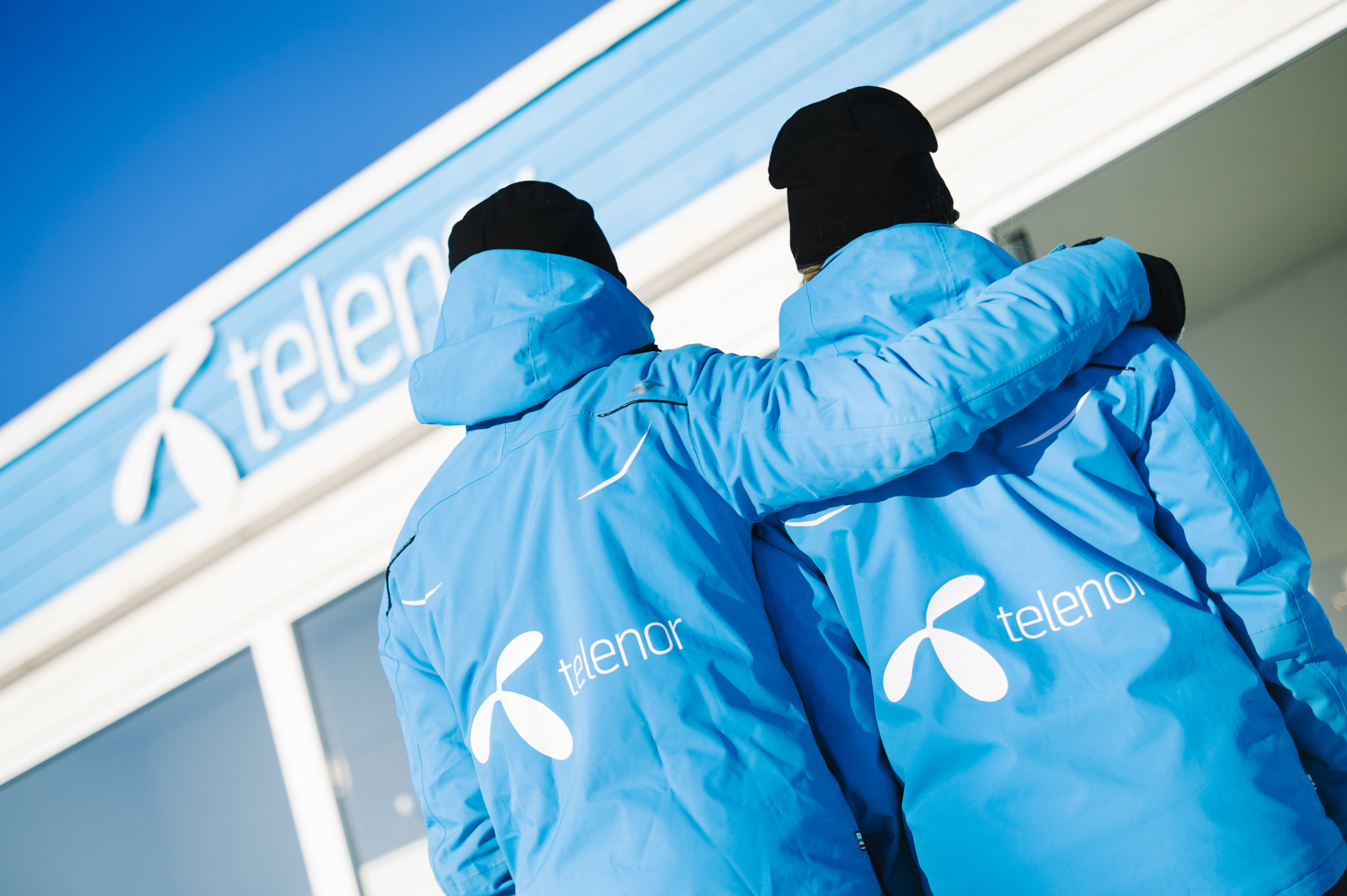
    The Telenor Group, a leading global telecommunications company, recently finalized its sale of Telenor Pakistan to Pakistan Telecommunication Company Limited (PTCL), a member of the international technology conglomerate e&. The transaction, first announced on December 14, 2023, saw Telenor Pakistan valued at NOK 5.3 billion on a cash-and-debt-free basis. The completion of the transaction certifies this valuation, reaching NOK 5.4 billion when factoring in currency rates from September, subject to any final adjustments to be made at year’s end.

    An Overview of the Transaction

    In addition to the finalized sale, Telenor has also acknowledged receipt of NOK 0.9 billion in cash flow from Telenor Pakistan since the announcement of the transaction. For the past two decades, Telenor Pakistan has been a crucial player in providing digital services and connectivity to over 40 million customers. A significant achievement for the company is its introduction of 4G technology in regions that had previously been underserved, thereby promoting digital inclusion throughout Pakistan.

    Telenor Pakistan’s array of products and services have played a significant role in boosting key economic sectors in Pakistan. These sectors span agriculture, banking, and technology freelancing communities. A noteworthy aspect of the company’s journey has been its commitment to empowering local communities through initiatives focused on promoting safe internet use, digital skills, and mobile identity, thereby encouraging responsible connectivity and digital inclusion across the nation.

    Leadership Remarks on the Sale

    Benedicte Schilbred Fasmer, CEO of Telenor Group, commented on the transaction’s completion:

    “Finalizing this transaction signifies Telenor Group’s strategic emphasis on being an active owner of top market positions in Asia, while simultaneously facilitating consolidation and innovation in Pakistan’s telecom sector. As we conclude this sale today, I extend my heartfelt gratitude to our customers, partners, and, particularly, our workers who have been integral to this remarkable journey. Your unwavering support and faith in our mission have brought about transformative changes in Pakistan’s economy and society.”

    Jon Omund Revhaug, Head of Telenor Asia, also expressed his sentiments:

    “Our Telenor Pakistan team members have proven themselves to be genuine trailblazers. Their resilience, innovation, and unwavering commitment have not only propelled the company’s growth but have also had a profound impact on millions of Pakistanis nationwide. Your invaluable contributions have positioned Telenor Pakistan as a model of progress and inclusion. As you embark on this new chapter, your legacy will continue to inspire and shape the future of Pakistan’s digital society.”

    In conclusion, Telenor Group extends its appreciation to the more than 40 million customers of Telenor Pakistan, the partners who collaborated to deliver services, and the employees whose commitment and innovative ideas have shaped the company’s impressive legacy.

    Questions & Answers

    What was the valuation of Telenor Pakistan at the time of the sale?
    The company was valued at NOK 5.3 billion on a cash-and-debt-free basis.

    What has been Telenor Pakistan’s impact on the country’s digital inclusion?
    Telenor Pakistan has provided essential connectivity and digital services to over 40 million customers. This includes bringing 4G technology to underserved areas, thereby promoting digital inclusion throughout Pakistan.

    What sectors has Telenor Pakistan influenced?
    Telenor Pakistan’s products and services have boosted key economic sectors in Pakistan, such as agriculture, banking, and the technology freelancing communities.

  • Japan’s Tech Leap: Quadrupling Budget for Semiconductors and AI Amid Global Rivalry

    Japan’s Tech Leap: Quadrupling Budget for Semiconductors and AI Amid Global Rivalry

    The government of Japan is preparing to significantly increase its investment in the semiconductors and artificial intelligence sectors. In the forthcoming fiscal year, the governmental budgetary support for these sectors is predicted to be almost four times larger than in past years. This initiative is part of the country’s strategy to enhance its technological competitiveness in the midst of a growing global rivalry.

    Boost in Budgetary Support

    According to the government’s latest budget plan, the Ministry of Economy, Trade and Industry (METI) will allocate nearly JPY 1.23 trillion or USD 7.9 billion to advanced semiconductors and AI development in the new fiscal year commencing in April. This allocation marks a significant rise from past funding and is part of a wider expansion that increases METI’s overall budget by approximately 50% year-on-year to JPY 3.07 trillion. The draft budget has been approved by the cabinet of Prime Minister Sanae Takaichi, and parliamentary discussions will begin this year.

    Reason for the Surge in Funding

    The substantial increase in funding is indicative of Japan’s drive to reclaim its position in critical technologies, especially in the backdrop of escalating competition between the United States and China. As global supply chains face pressure and geopolitical risks start to influence technology policy, Tokyo aims to bolster domestic capabilities and reduce dependency on foreign suppliers.

    A significant change in the new budget is that the government plans to transition from ad-hoc supplementary funding to more predictable, regular budget allocations for the semiconductors and AI sectors. This strategy is expected to provide greater assurance for long-term investment and research planning.

    Budget Allocation Details

    The budgetary plan sets aside JPY 150 billion for Rapidus, a state-supported semiconductor venture charged with developing next-generation chip manufacturing capabilities. This allocation pushes the total governmental investment in the company to JPY 250 billion. In the AI sector, JPY 387.3 billion will be devoted to creating domestic foundation models, enhancing data infrastructure, and promoting “physical AI”, which involves integrating artificial intelligence into robotics and industrial machinery.

    Apart from digital technologies, the budget also earmarks JPY 5 billion for the procurement of critical minerals, such as rare earths, which are vital for advanced manufacturing. Another JPY 122 billion will be allocated towards decarbonization efforts, which includes the advancement of next-generation nuclear power technologies.

    Furthermore, the government intends to issue JPY 1.78 trillion in special bonds to reinforce the Nippon Export and Investment Insurance, facilitating Japanese corporate investment in the United States under bilateral trade arrangements.

    The increase in spending highlights Japan’s commitment to secure its place in next-generation technologies while managing the challenges of an increasingly fragmented global economy.

    Questions & Answers

    What is the aim of Japan’s increased investment in semiconductors and AI?
    The increased investment is a strategic move to strengthen the nation’s technological competitiveness amid escalating global competition.

    How is Japan’s funding strategy for semiconductors and AI changing?
    The government plans to transition from ad-hoc supplementary funding to more predictable, regular budget allocations for these sectors.

    What is the purpose of issuing special bonds worth JPY 1.78 trillion?
    The special bonds are intended to reinforce the Nippon Export and Investment Insurance, thereby facilitating Japanese corporate investment in the United States under bilateral trade arrangements.

  • Indian Telecom Giants Challenge New Spectrum Plan, Push for Greater 5G and 6G Allocation

    Indian Telecom Giants Challenge New Spectrum Plan, Push for Greater 5G and 6G Allocation

    The Department of Telecommunications (DoT) in India has formally introduced its National Frequency Allocation Plan 2025 (NFAP-2025), though it has encountered opposition from mobile operators who opine it does not sufficiently address the nation’s future connectivity requirements.

    The NFAP-2025 Policy

    The NFAP-2025, operational since December 30, 2025, outlines the management and allocation of the radio frequency spectrum throughout India. The DoT states that the policy’s objective is to synchronize the national spectrum policy with international standards, while also fostering emerging technologies and next-generation connectivity.

    In line with this plan, the spectrum ranging from 8.3 kHz to 3000 GHz is designated for assorted radio communication services. The government asserts this will facilitate the deployment of 5G, 5G-Advanced, prospective 6G networks, satellite broadband services, and vehicle-to-everything (V2X) communications.

    Contention Around the Upper 6 GHz Band

    Dissent, however, has surfaced over the earmarking of the upper 6 GHz band, particularly the 6425–7125 MHz range for International Mobile Telecommunications (IMT). While increasing the mid-band spectrum availability for mobile services, the Cellular Operators Association of India (COAI) contends it’s insufficient. The COAI has reasserted its established demand that the entire 6 GHz band, spanning 5925-7125 MHz, should be allocated for IMT usage.

    This disagreement partly arises from the government’s previous decision, declared in May 2025, to deregulate 500 MHz of spectrum in the lower 6 GHz band for indoor Wi-Fi use with low power. While expected to hasten the launch of Wi-Fi 6E and Wi-Fi 7, operators maintain it diminishes the spectrum available for wide-area mobile networks.

    Future Data Demand & Spectrum Allocation

    COAI’s Director-General, Dr. SP Kochhar, has cautioned that catering to future data demand will necessitate considerably larger, continuous blocks of mid-band spectrum. He projected that every operator will require a minimum of 400 MHz of such spectrum to provide affordable, high-quality 5G and future 6G services.

    In Dr. Kochhar’s view, next-generation networks will increasingly depend on large, uninterrupted spectrum blocks to support ultra-high data throughput, low latency, immersive digital services, applications driven by artificial intelligence, smart manufacturing, and intelligent mobility.

    As India propels its digital transformation, the debate on the optimal way to balance spectrum allocation between mobile networks, Wi-Fi services, and emerging technologies in the 6 GHz band is projected to escalate.

    Questions & Answers

    What is the main aim of India’s National Frequency Allocation Plan 2025 (NFAP-2025)?
    The primary objective of NFAP-2025 is to align national spectrum policy with global standards while supporting emerging technologies and next-generation connectivity across India.

    What is the contention within the Cellular Operators Association of India (COAI) regarding the NFAP-2025?
    The COAI argues that the allocation of the upper 6 GHz band for International Mobile Telecommunications (IMT) is insufficient. They demand that the entire 6 GHz band should be allocated for IMT usage.

    What future requirements of mobile operators does Dr. SP Kochhar highlight?
    Dr. Kochhar emphasizes the need for considerably large, uninterrupted blocks of mid-band spectrum to cater to future data demand, projecting a minimum requirement of 400 MHz per operator to deliver high-quality 5G and future 6G services.

  • U Mobile Pioneers Nationwide Scam Protection, Blocks Over 265 Million Threats in Malaysia

    U Mobile Pioneers Nationwide Scam Protection, Blocks Over 265 Million Threats in Malaysia

    U Mobile, a leading telecommunications provider in Malaysia, has become the first in the country to introduce a network-level scam protection system. This groundbreaking initiative, operational since February 2025, has successfully intercepted and blocked over 265 million fraudulent phone calls and text messages, according to the company’s recent statement.

    Powered by Advanced Technology

    The scam protection system employs state-of-the-art technology provided by Cellusys, a renowned global provider of mobile operator solutions, including signaling, roaming, and analytics. This technology enables the identification and immediate blocking of suspicious calls and messages at the network level, preventing them from reaching user devices.

    Comprehensive Scam Screening

    According to U Mobile, this new deployment allows for exhaustive screening across 4G and 5G networks. It aims to combat a broad range of digital fraud activities, including scam calls posing as officials or institutions, SMS phishing attempts, spoofed caller identities, and broad fraud campaigns.

    U Mobile’s Chief Technology Officer, Woon Ooi Yuen, expressed his pride in the company’s achievement. He stated that the introduction of the nation’s first large-scale, network-level scam protection has yielded significant results, blocking hundreds of millions of fraudulent calls and messages. Yuen emphasized the company’s dedication to improving their network using the latest technology to enhance customer protection across voice, messaging, and data services. He asserted that as U Mobile expands its next-generation 5G network throughout the country, security continues to be a key priority, as reliable connectivity is crucial for a robust Malaysian digital economy.

    Brendan Cleary, CEO of Cellusys, expressed his company’s pride in providing the technology that powers this nationwide protection. He emphasized that Cellusys’s technology works with the necessary precision, resilience, and scalability to prevent scams from reaching consumers.

    Digital Fraud in Malaysia

    The launch of the scam protection system is timely amid the significant increase in digital fraud incidents in Malaysia. Recent data from the Global Anti-Scam Alliance (GASA) reveals that 73% of Malaysians have reported being targeted by fraudulent calls or messages, ranking the nation as one of the hardest-hit in Southeast Asia.

    Cellusys’s platform leverages signaling and behavioral data analyses at the network level to uncover suspicious activities. This allows operators to quickly adapt their defenses as scam techniques evolve, thereby minimizing disruption to legitimate network traffic.

    Questions & Answers

    What is the purpose of U Mobile’s network-level scam protection system?
    The system identifies and blocks suspicious calls and messages at the network level before they can reach user devices, thereby preventing potential scams.

    Who developed the technology behind this scam protection system?
    The technology powering the scam protection system was developed by Cellusys, a global provider of mobile operator solutions, including signaling, roaming, and analytics.

    How significant is the problem of digital fraud in Malaysia?
    According to the Global Anti-Scam Alliance (GASA), 73% of Malaysians have reported being targeted by fraudulent calls or messages, indicating a serious problem with digital fraud in the nation.

  • Revolutionizing AI: SK Telecom Unveils A.X K1, Korea’s First Hyperscale AI Model

    Revolutionizing AI: SK Telecom Unveils A.X K1, Korea’s First Hyperscale AI Model

    SK Telecom has launched ‘A.X K1’, the first hyperscale artificial intelligence (AI) model in South Korea with an impressive 519 billion parameters. This ambitious project is aimed at helping the country emerge as a major global player in the AI arena, following in the footsteps of AI giants like the U.S. and China. The comprehensive AI ecosystem that A.X K1 creates spans a multitude of areas, from semiconductors to services.

    Boosting Global Competitiveness of Korean AI

    A.X K1 is a significant leap forward in enhancing the worldwide competitiveness of Korean AI, a field currently controlled by the U.S and China. Unlike conventional AI models that absorb knowledge, A.X K1 functions as a ‘Teacher Model’, imparting knowledge to smaller models, notably those below 70 billion parameters. It also serves as a critical digital social overhead capital (SOC) that underpins the AI ecosystem. The SKT consortium plans to extend its research, enabling A.X K1 to transmit its knowledge to smaller, specialized models, thereby fuelling innovation in Korea.

    AI models, particularly those with over 500 billion parameters, demonstrate enhanced stability in complicated mathematical reasoning and multilingual comprehension. This capability makes them suitable for complex tasks such as high-complexity coding and agent-based execution.

    Enhancing Nationwide AI Accessibility

    The SKT consortium is committed to improving AI accessibility across the nation by disseminating A.X K1 through A (A-DoT), a service that boasts over 10 million subscribers. The consortium’s objective is to establish an ‘AI for Everyone’ framework enabling the public to readily access AI via various means, including phone calls, text messages, web-based services, and mobile applications.

    Liner, part of the SKT consortium, offers expert knowledge search services to its 11 million global subscribers. With A.X K1, it is poised to provide highly accurate, reliable multi-language search services.

    Boosting Industrial Competitiveness

    A.X K1 is expected to enhance industrial competitiveness by providing AI solutions such as A. Biz for manufacturing, real-time character dialogue for Krafton’s games, and autonomous behavior for humanoid AI robots.

    The AI model will also play a pivotal role in testing the competitiveness of Korea’s semiconductor industry. AI models that can handle a non-standard workload scale of 500 billion operations or more are crucial for practically verifying memory bandwidth and inter-GPU communication speed, two key performance bottlenecks in high-performance AI semiconductors.

    The SKT Consortium

    The SK Telecom-led SKT consortium comprises eight organizations: SK Telecom, Krafton, 42dot, Rebellions, Liner, SelectStar, Seoul National University, and KAIST. These organizations have collaborated to construct a fully sovereign AI platform based on proprietary technologies across the entire value chain, including AI semiconductors, AI data centers (AIDCs), AI models, and AI services.

    Plans for the Future

    The SKT consortium intends to make A.X K1 available as open-source software to businesses in Korea’s AI ecosystem. The consortium plans to provide open-source access and APIs through major developer communities and SK Telecom platforms, aiming to foster seamless AI agent development.

    The consortium also aims to establish an integrated support framework for AI model development and will disclose portions of the training data used for model development. This will be done through public and private platforms, thereby increasing Korea’s overall AI competitiveness.

    Kim Tae-Yoon, the Head of Foundation Model Office at SK Telecom, commented on the development, stating that it marks a significant moment in Korea’s journey to become one of the top three AI nations in the world.

    Questions & Answers

    What is the A.X K1 AI model?
    A.X K1 is the first hyperscale artificial intelligence model introduced in South Korea. It has 519 billion parameters and is designed to enhance the country’s global AI competitiveness.

    What role will A.X K1 play in Korea’s AI ecosystem?
    A.X K1 will serve as a ‘Teacher Model’, transferring knowledge to smaller AI models. It will enhance AI accessibility nationwide and boost industrial competitiveness. The model will also serve as a testbed for the country’s semiconductor industry.

    What is the aim of the SKT consortium?
    The consortium aims to build a comprehensive AI ecosystem in South Korea, improve AI accessibility, and boost the country’s global AI competitiveness. It plans to make A.X K1 available as open-source software to businesses and provide support for AI model development.
  • Starlink Halts Operations in Papua New Guinea Amid Licensing Legal Battle

    Starlink Halts Operations in Papua New Guinea Amid Licensing Legal Battle

    Starlink, a satellite internet service, has ceased its operations in Papua New Guinea following a directive from the country’s telecommunications regulator. This halt in services comes amidst an ongoing dispute over licensing.

    The Regulatory Standoff

    The National Information and Communications Technology Authority (NICTA), has confirmed that they had instructed SpaceX, the parent company of Starlink, to stop all satellite services in Papua New Guinea due to a lack of a valid operating license.

    Starlink is currently not licensed to operate in Papua New Guinea. Despite this, NICTA reported witnessing continued importation, supply, installation, and use of Starlink terminals in the country over recent months.

    According to a statement by the regulator, anyone involved in these activities is violating the law and may face enforcement action, including prosecution. The regulator’s actions are limited due to an ongoing legal disagreement involving the Ombudsman Commission, which blocked the licensing of Starlink in March 2024 over worries related to regulatory oversight and governance.

    The matter has now been escalated to the National Court, with the regulator seeking judicial clarity that would allow it to proceed with licensing if approval is given.

    Starlink’s Commitment

    Despite the withdrawal of services, Starlink has expressed its continued commitment to Papua New Guinea. The company issued a service notification to its customers, encouraging them to voice their support for its approval.

    Starlink expressed its belief that high-speed, reliable internet would support homes, businesses, schools, and remote communities across the country.

    NICTA has confirmed that about 200 individuals have signed a petition advocating for Starlink to be permitted to operate in the country. However, for the time being, Starlink remains offline in Papua New Guinea as legal proceedings continue to influence the future of satellite broadband access in the country.

    Questions & Answers

    Why has Starlink ceased operations in Papua New Guinea?

    Starlink has stopped its services following a directive from the country’s telecommunications regulator, the National Information and Communications Technology Authority (NICTA), which stated that the company lacked a valid operating license.

    What has been the reaction of Starlink to this situation?

    Starlink has issued a service notification to its customers, urging them to express their support for its approval. The company has reiterated its commitment to Papua New Guinea and believes that high-speed, reliable internet will support various sectors across the country.

    What is the current state of this situation?

    Legal proceedings are ongoing, and the future of satellite broadband access in Papua New Guinea continues to be determined. In the meantime, Starlink remains offline in the country.

  • Revolutionizing Thailand’s Digital Landscape: True Corporation Achieves One Network Integration, Enhancing Nationwide Connectivity

    Revolutionizing Thailand’s Digital Landscape: True Corporation Achieves One Network Integration, Enhancing Nationwide Connectivity

    In 2025, True Corporation celebrated a significant achievement with the successful completion of the One Network project. This accomplishment brought about complete network integration between True and dtac, strengthening Thailand’s telecommunications infrastructure considerably. The project resulted in a robust digital network with broad coverage across the nation, enhanced performance, and a significantly improved mobile experience for customers of both brands.

    Blending Strategy and Technology

    True Corporation’s CEO, Mr. Sigve Brekke, emphasized the project’s success lay not merely in merging towers or upgrading equipment. The One Network project represented a full-scale modernization of the network, encompassing strategic planning, digital infrastructure enhancement, and the integration of new technologies into a single network. The resulting integrated network supports daily usage demands and provides a robust foundation for future technologies. This achievement is a testament to the dedication of the network specialists and their close collaboration with global technology partners to deliver high-quality connectivity nationwide.

    Building Capacity and Boosting Performance

    From 2023 to 2025, True Corporation focused on continually increasing network capacity to cater to growing usage demands, such as those encountered at concerts, major events, and areas with heavy user traffic. The corporation successfully merged 5G and 4G technologies, leading to an average nationwide network capacity increase of 1.37 times. The capacity of the 5G network nearly doubled, reflecting efficient spectrum utilization and network management. These enhancements resulted in faster, smoother, and more reliable connectivity, even in densely populated areas.

    Enhanced Coverage and Signal Quality

    The One Network project resulted in significant improvements in both network coverage and signal quality. This was especially noticeable for former dtac customers. Prior to the integration in 2023, dtac’s 5G coverage stood at 47%, while True’s was at 83%. By 2025, the combined 5G coverage reached 94% nationwide, with 4G coverage at 99%. The average nationwide 5G and 4G signal quality improved by 76%, with the most significant enhancements seen in provinces with high usage.

    Seamless Connectivity for Tourists

    True Corporation also undertook efforts to improve 5G and 4G network quality across major tourist destinations nationwide. This ensured seamless connectivity during the peak New Year travel period. Coverage was expanded to include natural attractions, leading tourism cities, economic hubs, and national landmarks across all regions. In Bangkok, the network covered key tourist, retail, and lifestyle districts, supporting heavy digital usage and communications by residents and visitors, as well as major countdown venues.

    Through the One Network project, True Corporation strives to provide smoother connectivity during peak holiday periods, reduce congestion in densely populated areas, and enhance speedy, reliable digital experiences that support tourism and economic activity across the country.

    The project’s success implies more than just network integration. It represents a transformation towards a smarter, more efficient network that elevates Thailand’s telecom standards and ensures seamless connectivity for True and dtac customers in all situations.

    Questions & Answers

    What is the One Network project?
    The One Network project is a significant initiative by True Corporation that aimed at complete network integration between True and dtac to enhance Thailand’s telecommunications infrastructure.

    What improvements resulted from the One Network project?
    The project significantly increased network coverage and signal quality, especially for 5G and 4G services. The combined 5G coverage reached 94% nationwide, and 4G coverage hit 99% by 2025. It also resulted in a more robust and reliable network with increased capacity.

    How does the One Network project impact tourism in Thailand?
    The project led to improved network quality across major tourist destinations, ensuring seamless digital experiences and connectivity during peak travel periods, supporting tourism and economic activity across the nation.

  • Cambodia Ushers in Digital Transformation with Nationwide 5G Launch in 2026

    Cambodia Ushers in Digital Transformation with Nationwide 5G Launch in 2026

    Cambodia is preparing to introduce 5G mobile services as of January 1, 2026, as reported by the Ministry of Post and Telecommunications. The three major mobile operators in the region, Cellcard (CamGSM), Metfone (Viettel Cambodia), and Smart (Smart Axiata), have already constructed telecommunications antenna stations and equipped these locations with the necessary 5G network infrastructure.

    5G Services Rollout

    Coinciding with New Year’s Day celebrations, customers across the three mobile operators will gain access to 5G services right from 12:01 a.m. on January 1, 2026. The initial phase of the rollout will see 5G services made available in key areas including the capital city, Phnom Penh, and various regions in Siem Reap, Kandal, Svay Rieng, Kampong Speu, Takeo, Kampong Cham, Kampong Thom, Prey Veng, Kratie, Kampong Chhnang, Pursat, Preah Sihanouk, Stung Treng, and Kampot.

    There are plans for subsequent phases to extend the coverage of 5G services throughout the other provinces of the Southeast Asian country.

    The Impact of 5G Services

    The launch of 5G services is anticipated to significantly propel digital evolution across the economic and societal landscape. Key benefits include faster internet speeds compared to the existing 4G, the simultaneous connection of multiple devices, reduced latency, and augmented efficiency in delivering digital public services.

    The new 5G services represent more than just enhanced internet speed. They symbolize an essential digital infrastructure underpinning Cambodia’s digital future. This development is expected to foster innovation and spawn new opportunities.

    As per data from the Ministry of Post and Telecommunications, Cambodia has approximately 19.6 million internet subscribers and around 20.6 million mobile phone users. These figures exceed the country’s total population of 17 million, owing to some individuals subscribing to multiple internet or phone services.

    Questions & Answers

    When will 5G services be launched in Cambodia?
    5G services are set to be launched in Cambodia on January 1, 2026.

    What are some benefits of 5G services?
    Key benefits of 5G services include faster internet speeds, the ability to connect multiple devices simultaneously, low latency, and enhanced efficiency in delivering digital public services.

    What does the introduction of 5G services signify for Cambodia?
    The introduction of 5G services indicates a significant step toward a digital future for Cambodia, expected to foster innovation and create new opportunities.

  • Revolutionizing Workplace Wellness: CelcomDigi Debuts 5G-Enhanced MediHub for Comprehensive Employee Healthcare

    Revolutionizing Workplace Wellness: CelcomDigi Debuts 5G-Enhanced MediHub for Comprehensive Employee Healthcare

    CelcomDigi Berhad, a leading telecommunications company, has launched MediHub, a state-of-the-art healthcare facility utilizing 5G technology. The aim of this facility is to provide its employees with readily available professional healthcare services within their work environment.

    The MediHub: A Comprehensive Healthcare Solution

    MediHub, located within the CelcomDigi compound, is a comprehensive health solution offering both physical and mental health services. It functions as an accessible platform for employees to engage in virtual consultations with licensed healthcare professionals, including medical practitioners, psychiatrists, and psychologists. The primary objective of MediHub is not just to treat illnesses, but also to create a safe and supportive atmosphere for employees to thrive professionally.

    Specialized Areas within MediHub

    The facility comprises two main areas: the Care Room and the Mind Room. The former is a virtual clinic that allows employees to consult with licensed medical practitioners via MediDoc, a secure telehealth platform. As such, employees can receive medical advice, diagnoses, and prescriptions without leaving their workplace. Alongside this, the MediKiosk, a smart health station, performs quick vital checks and provides instant health reports to ensure accurate, real-time data forms the basis of each consultation.

    The Mind Room, on the other hand, focuses on mental wellness. It provides a private space for employees to receive counselling and emotional support from licensed psychiatrists and psychologists. This room also houses stress management sessions and a relaxation area. Moreover, the Mind Room offers self-assessment tools like DASS-21 (Depression, Anxiety, and Stress Scale-21) to help employees understand their emotional health and proactively work towards mental resilience.

    CelcomDigi’s Commitment to Employee Wellbeing

    T. Kugan, Chief Innovation Officer of CelcomDigi, emphasized the company’s dedication to utilizing technology for improving everyday healthcare for its employees. He highlighted how the integration of 5G connectivity with AI-driven solutions from CelcomDigi’s AI Experience Centre (AiX) can deliver accessible healthcare facilities. He further noted that these innovations are contributing to the betterment of Malaysian enterprises and the nation, as well as supporting the holistic wellbeing of their organization.

    CelcomDigi is deeply committed to the wellbeing of its employees and exemplifies this by consistently promoting an inclusive, high-performing work environment. In 2024, it became the first Malaysian organization to achieve ISO 45003:2021 certification, underlining its commitment to a resilient, people-centric culture.

    AiX Innovations in Healthcare

    MediHub represents the application of CelcomDigi’s AiX innovations, combining 5G connectivity and AI to deliver scalable and convenient healthcare solutions. With the support of over 56 local and international ecosystem partners, AiX integrates more than 61 solutions across eight verticals, with 28 use cases already in place. This initiative demonstrates the practical applications of digital healthcare in providing real-time connectivity, AI-driven insights, and a seamless experience.

    Questions & Answers

    What is the purpose of the MediHub?
    The MediHub is designed to provide accessible professional healthcare services to CelcomDigi’s employees within their workplace. It focuses not only on treating illnesses but also fostering a supportive environment for professional growth.

    What services does the MediHub offer?
    The MediHub offers both physical and mental health services. It enables virtual consultations with medical practitioners, psychiatrists, and psychologists. The hub also provides stress management sessions, a relaxation area, and self-assessment tools for mental health.

    How does CelcomDigi use technology to enhance healthcare?
    CelcomDigi utilizes 5G connectivity and AI-driven solutions to provide scalable and convenient healthcare services. The company’s AI Experience Centre (AiX) integrates these technologies to deliver real-time connectivity and insights, demonstrating the practical applications of digital healthcare.