Author: Mei Ling Tan

  • China Strikes Gold: Largest Undersea Gold Deposit in Asia Discovered

    China Strikes Gold: Largest Undersea Gold Deposit in Asia Discovered

    China recently announced the discovery of an undersea gold deposit, touted as the largest in Asia. This remarkable find further augments the existing troves of the precious metal, following other significant discoveries earlier this year.

    New Gold Reserves Discovered

    The newly discovered gold deposit is situated off the coast of Laizhou in Yantai, Shandong Province. This addition has notably increased Laizhou’s confirmed gold reserves to over 3,900 tonnes (137.57 million ounces), making up approximately 26% of China’s total reserves. However, the exact size of this undersea deposit has not been disclosed by officials.

    Recent Discoveries

    In the past month, the nation revealed the discovery of its first super-large, low-grade gold deposit in Liaoning province. The confirmed reserves of this find amount to 1,444.49 tonnes (50.95 million ounces). The Ministry of Natural Resources has stated that this is the largest single gold deposit found since the establishment of the People’s Republic of China in 1949.

    Adding to this, officials also announced the discovery of a gold deposit in the Kunlun Mountains, near the western border of the Xinjiang Uygur autonomous region in November. This deposit is estimated to have reserves of more than 1,000 tonnes (35.27 million ounces).

    In 2023, Shandong Province reported identifying approximately a quarter of the nation’s gold reserves, including over 3,500 tonnes (123.46 million ounces) on the Jiaodong Peninsula, which is recognized as the world’s third-largest gold mining belt.

    China’s Gold Production Status

    Despite being the world’s largest producer of gold ore, producing 377 tonnes (13.3 million ounces) last year according to the China Gold Association, China trails behind South Africa, Australia, and Russia in terms of proven reserves.

    China invested CNY115.99 billion (US$16.47 billion) in geological exploration last year. Since the initiation of its current five-year plan in 2021, the total investment in mineral exploration is nearing CNY450 billion. This has led to the discovery of 150 mineral deposits, as reported by the Ministry of Natural Resources.

    Impact on Gold Prices

    These discoveries are expected to influence global gold prices which continue to rise, driven by currency fluctuations, geopolitical tensions, and hefty purchases by central banks, particularly in emerging markets looking to diversify their reserves.

    Spot gold was trading at US$4,407 per ounce at the time of reporting, marking a 68% increase since the start of the year.

    Questions & Answers

    Where is the newly discovered undersea gold deposit located?
    The undersea gold deposit has been discovered off the coast of Laizhou in Yantai, Shandong Province, China.

    What is the significance of the recent gold discoveries in China?
    These discoveries have considerably increased China’s total gold reserves and position it as one of the leading global producers of the precious metal.

    How are these gold discoveries expected to influence global gold prices?
    The recent discoveries are likely to impact global gold prices, which are already rising due to factors like currency volatility, geopolitical tensions, and heavy purchases by central banks.


  • Ida Liu, Ex-Citi Veteran, Takes Reigns as HSBC Private Bank’s Global CEO: A New Era of Cross-Border Wealth Management

    Ida Liu, Ex-Citi Veteran, Takes Reigns as HSBC Private Bank’s Global CEO: A New Era of Cross-Border Wealth Management

    Former Citi veteran, Ida Liu, has been announced as the new Global CEO of HSBC Private Bank, effective from January 5, 2026. This strategic move aims to enhance the bank’s leadership among ultra-high net worth clients, bolster cross-border connectivity in primary wealth corridors, and spur the global growth of the private banking sector.

    Ida Liu will report to Barry O’Byrne, the CEO of HSBC International Wealth and Premier Banking, in her new role. With 25 years of diverse professional experience, Liu brings a wealth of knowledge to her new position. Her career spans 18 years at Citi, where she most recently served as the global head of Citi Private Bank. Liu has also made a mark outside of the financial sector, previously holding an executive role at the fashion brand, Vivienne Tam.

    Barry O’Byrne expressed his enthusiasm about Liu joining the HSBC team. He praised her profound expertise in strategic wealth advisory, operational transformation, and business growth. Moreover, he lauded her consistent track record of producing results.

    O’Byrne stated, “Ida Liu’s appointment reflects our ambition to further strengthen the Private Bank as the partner of choice for the world’s most sophisticated entrepreneurs and families.” He expressed confidence that her deep expertise and consistent performance would be instrumental in achieving this goal.

    Questions & Answers

    Who is the new Global CEO of HSBC Private Bank?
    Ida Liu, a former veteran of Citi, has been announced as the new Global CEO of HSBC Private Bank.

    When will Ida Liu assume her new role?
    Ida Liu will take over as the Global CEO of HSBC Private Bank from January 5, 2026.

    What are the key responsibilities Ida Liu will undertake in her new role?
    As the Global CEO, Liu will focus on enhancing the bank’s leadership among ultra-high net worth clients, bolstering cross-border connectivity in primary wealth corridors, and accelerating the global growth of the private banking sector.

  • Wi-Fi 7 Revolution: Ushering in the New Era of High-Speed, High-Capacity Connectivity

    Wi-Fi 7 Revolution: Ushering in the New Era of High-Speed, High-Capacity Connectivity

    The progressive evolution of digital ecosystems and escalating user demands for seamless high-speed connectivity have pushed Wi-Fi technology to new frontiers. The next significant milestone in wireless networking is the emergence of Wi-Fi 7, grounded in the IEEE 802.11be standard. Compared to its predecessors — Wi-Fi 6 and Wi-Fi 6E, Wi-Fi 7 brings to the table appreciable enhancements in speed, reliability, capacity and responsiveness.

    Dissecting the Capabilities of Wi-Fi 7

    Wi-Fi 7, or Wi-Fi CERTIFIED 7™, represents the most sophisticated generation of Wi-Fi technology to date. It builds on the base established by its predecessors, offering capabilities designed to meet the rigours of increasingly demanding digital environments. The prime objective of Wi-Fi 7 is to amplify data throughput, latency, and network efficiency to support a broad range of applications, from immersive media to mission-critical enterprise systems.

    Wi-Fi 7 is distinguished by a range of technological advances, including wider channel bandwidth of up to 320 MHz that doubles the maximum channel width of Wi-Fi 6 and 6E, facilitating significantly higher raw data rates. Multi-link operation (MLO) enables devices to use multiple frequency bands simultaneously (2.4 GHz, 5 GHz, and 6 GHz) to improve throughput, reliability, and latency by dispersing traffic across several links. Wi-Fi 7 uses higher modulation through 4096-QAM to pack more data into each transmission, thereby increasing efficiency and overall throughput compared to earlier standards. Multi-user handling is also improved, enabled by enhanced MU-MIMO and OFDMA techniques that allow more devices to share the network simultaneously without performance degradation. Collectively, these advances can deliver theoretical peak speeds surpassing 30 Gbps, a substantial leap over Wi-Fi 6E, and much lower effective latency suited to real-time applications.

    Implications for the Consumer Market

    For consumers, Wi-Fi 7 has the potential to redefine the home wireless experience by addressing the proliferation of connected devices and the surging demand for high-bandwidth use cases. A key benefit for consumers will be improved support for 4K/8K video streaming, cloud gaming, and immersive media such as augmented reality (AR) and virtual reality (VR). With wider channels and increased throughput, Wi-Fi 7 can stream ultra-high-definition content with fewer buffering interruptions, particularly in homes with multiple users and devices.

    Smart homes are also witnessing a rapid increase in device density, from security cameras to smart appliances. Wi-Fi 7’s multi-user management and deterministic latency ensure these IoT devices can function reliably alongside high-data-rate traffic. Wi-Fi 7 also offers features that reduce power consumption in battery-powered devices by coordinating communication windows more efficiently.

    Wi-Fi 7 and the Enterprise Market

    However, despite the promise, the rollout of Wi-Fi 7 in the consumer market faces challenges. The full benefits of Wi-Fi 7 require both routers/access points and client devices to support the standard. Early products may only implement basic features, and device compatibility remains limited. Upgrading the infrastructure can also be costly, as households may have to replace legacy Wi-Fi equipment to unleash the full potential of Wi-Fi 7 speeds and capabilities.

    For enterprises, Wi-Fi 7 offers opportunities beyond simply improving network performance. It can act as the backbone for digital transformation initiatives that depend on robust, high-capacity wireless connectivity. Modern workplaces often have thousands of connected devices that place heavy demands on network infrastructure. Wi-Fi 7’s increased capacity and advanced interference mitigation ensure stable performance even under heavy load, reducing network bottlenecks common in large offices or campuses.

    Support for IoT and Industrial Systems

    Industries such as manufacturing, logistics, and healthcare increasingly rely on connected devices for automation, inventory tracking, telemedicine, and robotic systems. Wi-Fi 7’s enhanced reliability and scalability make it well-suited for these applications, where deterministic performance is mission-critical. However, enterprises face real challenges in planning for the adoption of Wi-Fi 7. Legacy infrastructure can bottleneck performance and undermine the theoretical benefits of Wi-Fi 7.

    Security and Future Proofing

    Wi-Fi 7 supports enhanced security protocols such as WPA3, providing protection against modern threats. As digital demands escalate, driven by cloud computing, collaboration tools, AI, and immersive content, enterprise networks that adopt Wi-Fi 7 can ensure their infrastructure supports next-generation use cases without compromising performance.

    While Wi-Fi 7 promises to drive digital transformation by enabling scalable, high-performance networks, it’s adoption will be gradual. Compatibility, cost, and infrastructure readiness remain barriers. However, as device ecosystems grow and digital demands intensify, Wi-Fi 7 is set to become the infrastructure backbone for the next era of connected living and working.

    Questions & Answers

    What makes Wi-Fi 7 different from its predecessors?
    Wi-Fi 7 offers substantial improvements in speed, reliability, capacity, and responsiveness compared with previous generations. It’s distinguished by advances such as wider channel bandwidth, multi-link operation, higher modulation, and improved multi-user handling.

    How does Wi-Fi 7 benefit the consumer market?
    Wi-Fi 7 enhances the home wireless experience by supporting a proliferation of connected devices and high-bandwidth uses such as 4K/8K video streaming, cloud gaming, and immersive media. It also improves the functionality of IoT devices and reduces power consumption in battery-powered devices.

    What challenges do enterprises face in adopting Wi-Fi 7?
    Enterprises face challenges in planning for the adoption of Wi-Fi 7, including compatibility and cost issues and the readiness of existing infrastructure. Legacy infrastructure can bottleneck performance and undermine the theoretical benefits of Wi-Fi 7.

  • Telkomsat Joins Forces with Space42: A Game-changing Leap Towards Universal 5G D2D Connectivity

    Telkomsat Joins Forces with Space42: A Game-changing Leap Towards Universal 5G D2D Connectivity

    Space42 and PT Telkom Satelit Indonesia (Telkomsat) have agreed upon a memorandum of understanding (MoU) that intends to investigate the potential of direct-to-device (D2D) connectivity collaboration. The partnership will utilize Equatys, a joint initiative of Space42 and Viasat, which was created to ensure seamless 5G connectivity across both satellite and terrestrial networks. This partnership aligns with the objectives of both companies to enhance D2D connectivity beyond conventional infrastructure, leading to a unified communication experience.

    Equatys: Bridging Connectivity Gaps

    Equatys was launched in September 2025 to solve connectivity issues by implementing a 3GPP Release 17+ non-terrestrial network (NTN) framework. It supports over 100MHz of harmonized global mobile satellite services (MSS) spectrum, which allows standard smartphones and IoT devices to connect directly with satellites. This extends seamless 5G access to over 180 markets globally.

    Exploring Potential Collaboration Areas

    The MoU signed by Telkomsat and Space42 is a commitment to explore potential collaboration areas related to NTN and D2D connectivity. This includes examining the possibilities of technical integration to assess the feasibility of technical, commercial, and regulatory cooperation related to D2D and satellite-enabled communication services. This will involve adjusting network infrastructure to ensure a seamless handover between terrestrial and satellite systems without the need for additional hardware and setting service benchmarks for latency, bandwidth, and reliability. Moreover, the partnership will also help to develop new 5G NTN capabilities, ensure local regulatory and security compliance, and uphold data privacy to meet both regional and international standards.

    Joint Innovation Labs and Pilot Programs

    In addition to the above, joint innovation labs and pilot programs will be established to test new technologies, enhance service capabilities, conduct field trials, and assess interoperability with existing 4G and 5G networks. Equatys will be the medium through which Telkomsat can provide improved user experiences, supporting its leading market position as a technology provider.

    Executives’ Statements

    Ali Al Hashemi, CEO of Space Services at Space42, highlighted the importance of this partnership, stating that Equatys represents the future of global connectivity as it addresses current gaps that leave billions unserved by terrestrial networks. On the other hand, Lukman Hakim Abd Rauf, CEO of Telkomsat, reiterated that satellite-based connectivity is crucial to the national network architecture, especially to ensure reliable communication in distant areas.

    The Future of Universal Connectivity

    Operating as a shared “space tower” company, Equatys uses a multi-tenant towerco model that minimizes redundant capital expenditure while offering cost-efficient capacity to multiple operators. Its architecture is designed to serve three market segments through a scalable, infrastructure-grade network, namely D2D, IoT, and MSS. By incorporating this scalable infrastructure with Telkomsat’s accessible markets, Equatys will transition from a mere concept to a commercial venture, transforming universal connectivity into a shared growth opportunity.

    Questions & Answers

    What is the purpose of the partnership between Space42 and Telkomsat?
    The partnership aims to explore potential collaboration areas related to non-terrestrial network (NTN) and direct-to-device (D2D) connectivity.

    What is Equatys and what is its role in this partnership?
    Equatys is a joint initiative between Space42 and Viasat designed to provide seamless 5G connectivity across both satellite and terrestrial networks. It will be a key tool in this partnership, allowing Telkomsat to offer enhanced user experiences.

    What is the significance of this partnership?
    The collaboration between Space42 and Telkomsat represents a new model for universal connectivity and has the potential to transform universal connectivity into a shared growth opportunity.

  • Sri Lanka Surges into Digital Future with Dialog’s Revolutionary 5G Ultra Launch

    Sri Lanka Surges into Digital Future with Dialog’s Revolutionary 5G Ultra Launch

    Dialog Axiata PLC has made a significant stride in propelling Sri Lanka’s digital revolution with the commercial launch of Dialog 5G Ultra. This significant development represents a quantum leap in the nation’s digital transformation and its progression into the 5G era. Dialog’s 5G network, bolstered by over 220 active 5G sites, caters to more than 1.5 million subscribers, making it the pioneer in offering commercial 5G services in Sri Lanka. This underscores its leadership in the provision of next-generation connectivity across the country. The commercial launch comes on the heels of Dialog’s acquisition of a 100 MHz block in the 3500 MHz band and a 200 MHz block in the 27 GHz band during the 5G spectrum auction conducted by the Telecommunications Regulatory Commission of Sri Lanka (TRCSL).

    Advancements in Connectivity

    Dialog 5G Ultra delivers superior 5G connectivity marked by ultra-fast speeds, low latency, and enhanced network performance. This sets the stage for augmented digital experiences for Sri Lankan consumers and offers advanced capabilities for businesses and industries. By employing the 3500 MHz spectrum for broad-area mobile coverage and the 27 GHz spectrum for high-capacity, gigabit-speed applications, Dialog is strategically poised to support future-proof consumer and enterprise applications.

    Supun Weerasinghe, Group Chief Executive Officer of Dialog Axiata PLC, said:

    The introduction of Dialog 5G Ultra signifies a crucial stride in fortifying Sri Lanka’s digital infrastructure for the future. Beyond faster connectivity, 5G is a vital catalyst of innovation, productivity, and inclusion across the digital economy. As Sri Lanka’s largest 5G network, we are committed to investing USD 100 million over the next two years to expand 5G connectivity across the country and ensure that individuals, businesses, and industries can fully participate in a digital Sri Lanka. We are grateful to the Telecommunications Regulatory Commission of Sri Lanka and the Government of Sri Lanka for conducting a transparent auction process to allocate 5G spectrum.

    Continuing the Journey into 5G

    Dialog’s foray into 5G builds upon a robust history of innovation. They were the pioneers in introducing 2G, 3G, and 4G in South Asia, spearheaded early 5G demonstrations, and have operated the country’s most extensive 5G trial network for several years. The commercial launch of Dialog 5G Ultra now makes these advancements widely accessible, integrating high-performance connectivity into daily life and business operations.

    In celebration of the launch, Dialog has unveiled a series of 5G-related promotions, including devices, data plans, and content, enabling customers to fully experience the potential of 5G in mobile and entertainment.

    Dialog also provides the most comprehensive 5G roaming network from Sri Lanka, offering 5G connectivity in 76 countries through collaborations with 155 global mobile operators. This allows Dialog customers with 5G-compatible devices to enjoy uninterrupted, high-speed connectivity while travelling abroad, reinforcing Dialog’s leadership in providing a world-class mobile experience for both Sri Lankans overseas and visitors to the country. As a pioneer in introducing future technologies to Sri Lanka, Dialog is committed to advancing national digital transformation and delivering world-class connectivity experiences that enhance lives, empower businesses, and underpin the country’s long-term development.

    Questions & Answers

    What is the significance of the launch of Dialog 5G Ultra?

    Dialog 5G Ultra is a milestone towards digital transformation for Sri Lanka as it provides high-speed, low-latency connectivity, thereby enhancing digital experiences for consumers and businesses.

    How is Dialog Axiata planning to expand its 5G services?

    Dialog Axiata has committed to investing USD 100 million over the next two years to extend 5G connectivity across Sri Lanka.

    How does Dialog 5G Ultra benefit customers travelling abroad?

    Dialog provides the most comprehensive 5G roaming network from Sri Lanka, enabling customers with 5G-compatible devices to enjoy seamless, high-speed connectivity in 76 countries.

  • Crypto.com Bolsters Fiat Payment Capabilities in Singapore through Enhanced Partnership with DBS Bank

    Crypto.com Bolsters Fiat Payment Capabilities in Singapore through Enhanced Partnership with DBS Bank

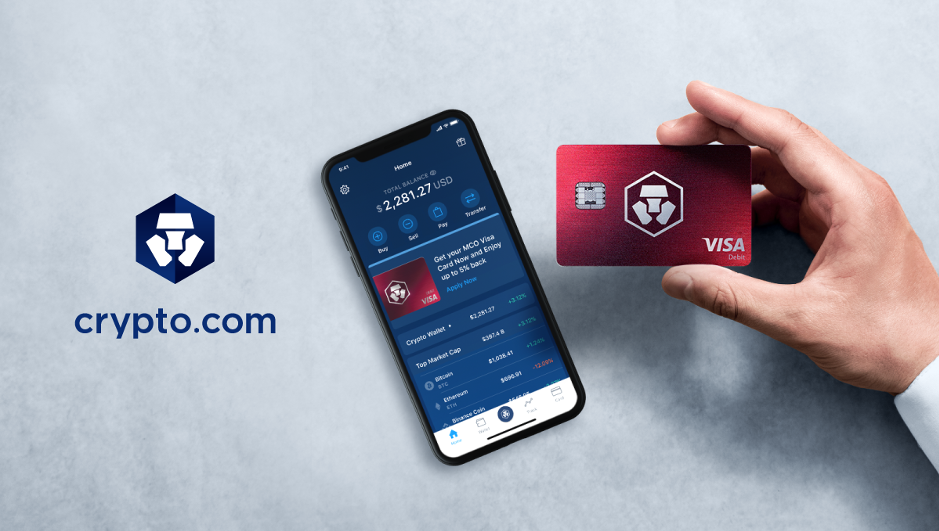
    Crypto.com, a leading cryptocurrency platform, has further established its presence in Singapore’s highly regulated digital asset market with an enhanced partnership with DBS Bank, the largest bank in Southeast Asia in terms of assets. This latest development amplifies Crypto.com’s access to Singapore Dollar (SGD) and US Dollar (USD) deposits and withdrawals. It also underscores the platform’s commitment to integrating cryptocurrency services with solid, bank-grade infrastructure within the Monetary Authority of Singapore (MAS) regulatory framework.

    Implications for Advanced Investors

    For the astute investor, smooth entry and exit points are as crucial as market access. Crypto.com’s addition of DBS to its list of banking partners, alongside its existing affiliation with Standard Chartered, lowers the risk of dealing with a single counterparty. In doing so, it also enhances the redundancy, speed, and reliability of fiat transactions. This multi-layered banking strategy offers a level of resilience that appeals to both serious retail and professional investors.

    Virtual Accounts and Swift Transfers

    A significant improvement brought about by this enhanced partnership with DBS is Crypto.com’s ability to set up unique virtual accounts for its customers. These accounts facilitate quicker and simpler SGD and USD transfers into and out of the Crypto.com App. This new development streamlines the management of funds for active traders and long-term investors who need dependable settlement and efficient liquidity flows.

    Positioning within Singapore’s Regulatory Ambit

    The extended fiat capabilities highlight Crypto.com’s focus on operating within clearly defined regulatory guidelines. Collaboration with leading domestic and international banks signals that it aligns with Singapore’s regulatory expectations surrounding transparency, security, and consumer protection. This is a key factor for investors assessing counterparty and jurisdictional risk.

    Leadership Insights on Expansion and Adoption

    Karl Mohan, EVP Financial Services and General Manager International at Crypto.com, emphasized the company’s commitment to providing secure and regulated fiat payment solutions. He stated that the expanded capabilities in Singapore enhance user experience and promote wider cryptocurrency adoption across the region.

    Chin Tah Ang, General Manager Singapore at Crypto.com, stressed the strategic significance of the Singapore market. As a hub for both Crypto.com’s headquarters and growth, he underscored the importance of their collaboration with DBS in offering seamless SGD and USD transfers for users.

    A Broader View of Crypto Infrastructure

    The quality of a platform’s infrastructure is becoming a defining factor for digital asset platforms as they mature, rather than simply the breadth of their product offerings. Crypto.com’s increased partnership with DBS signifies an industry trend towards models that prioritize integration with banks and regulatory compliance. This development is likely to resonate with investors who value stability, compliance, and operational efficiency in their cryptocurrency market exposure.

    Questions & Answers

    What does Crypto.com’s enhanced partnership with DBS Bank entail?
    The partnership signifies increased access to SGD and USD deposits and withdrawals, along with the ability for Crypto.com to set up unique virtual accounts for customers.

    How does this partnership benefit investors?
    This partnership offers a multi-layered banking strategy that reduces the risk of dealing with a single counterparty, enhances the speed and reliability of fiat transactions, and offers smooth entry and exit points.

    What does the partnership suggest about the broader industry trends?
    The expanded partnership aligns with the industry trend towards bank-integrated, regulation-first models, likely appealing to investors who value stability, compliance, and operational efficiency in their cryptocurrency market engagement.

  • AirAsia strengthens Asean connectivity with new Phuket-Penang Route

    AirAsia strengthens Asean connectivity with new Phuket-Penang Route

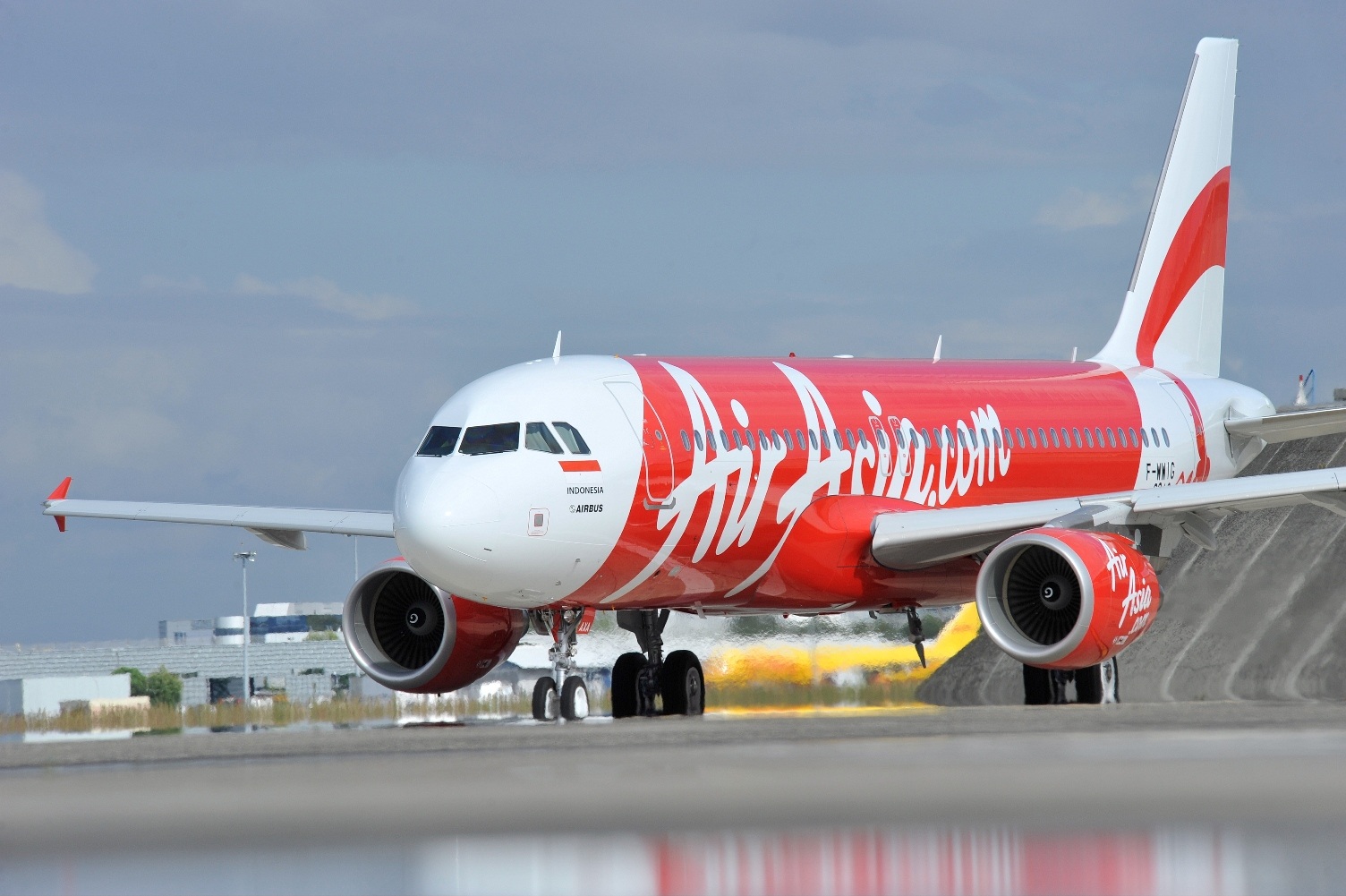
    AirAsia Malaysia (flight code AK) today announced the strengthening of its Asean network with the launch of a new route connecting Phuket to Penang.

    Penang stands out as one of Malaysia’s leading medical-tourism hubs and a key tourism gateway in Southeast Asia, offering world-class hospitals alongside a rich heritage and vibrant food culture. Phuket, meanwhile, is globally recognised for its beaches, wellness centres and dynamic lifestyle appeal. A direct Penang–Phuket service connects these complementary strengths to create a compelling leisure and medical travel corridor, giving guests greater convenience, flexibility and choice while supporting year-round demand and two-way economic activity.

    Penang’s medical-tourism sector continues to show strong momentum, recording over 200,000 foreign patients and nearly RM500 million in revenue as of August 2025, with international arrivals growing steadily since 2023 led by Indonesia, China and Thailand. This growth also mirrors broader regional travel patterns, including Malaysia’s position as Thailand’s top source of foreign tourist arrivals with more than four million Malaysians visiting the kingdom as of November this year – further reinforcing the potential and relevance of enhanced connectivity between the two destinations.

    With four weekly flights between Malaysia and Thailand, the airline continues to expand its second route to Thailand from Penang hub, further enhancing seamless travel and providing more options through its network, which connects to over 130 destinations across Asean and beyond.

    Dato’ Captain Fareh Mazputra, CEO of AirAsia Malaysia, said: “As we approach Visit Malaysia 2026, we remain committed to supporting the nation’s tourism ambitions by strengthening inbound connectivity to key local destinations. Thailand consistently ranks among Penang’s top five sources of foreign tourists and in 2025 alone we have flown nearly 200,000 guests between Penang and Bangkok. With the launch of the new Penang–Phuket route, both inbound and outbound tourist traffic will increase and AirAsia is further enhancing its role in driving tourism growth from this important market.”

    As one of AirAsia’s five major hubs in Malaysia, Penang offers direct connections to 12 domestic and international cities including Singapore, Jakarta, Ho Chi Minh City, Medan and Shenzhen. With the new Penang–Phuket route, we are offering Thai travellers from Phuket and travellers across Asean more convenient, affordable, and seamless travel options. This expansion strengthens Penang’s role as a key regional hub and supports the state’s efforts to boost tourism and economic activity, while highlighting its famous beaches, hawker cuisine, cultural heritage, medical facilities and vibrant nightlife.

    As part of the launch celebrations, AirAsia is offering special promotional fares from Penang to Phuket starting from just THB 1,690 all in one-way*. Flights from Phuket to Penang are also available from THB 1,690 all in one-way*. The promotion is available for booking starting today until 21 December 2025, for travel between 13 March and 24 October 2026, exclusively on the AirAsia MOVE app and the website.

  • Shein Dodges French Site Ban: Court Mandates Age Verification for Adult Products Amidst Childlike Sex Doll Controversy

    Shein Dodges French Site Ban: Court Mandates Age Verification for Adult Products Amidst Childlike Sex Doll Controversy

    The French government has announced its plans to appeal the recent Paris court decision that refused a three-month suspension of Shein, a Chinese online platform. The government’s crackdown on Shein follows outrage over sex dolls resembling children being sold on its platform.

    Legal Measures Against Shein

    The Paris court directed Shein to enforce age verification measures for the sale of adult products on its French website, with a penalty of 10,000 euros for any violation. This ruling is part of an ongoing effort by the authorities to compel Shein to improve the regulation of products sold by third parties on its website.

    However, the court turned down the government’s plea to suspend Shein’s entire website for three months, deeming such a measure as “disproportionate”. Despite the court’s decision, the French government, acting at the behest of the Prime Minister, intends to appeal the ruling in the next few days, asserting its belief in the “systematic risk” linked to Shein’s business model.

    Scandal Surrounding Shein

    Shein has been the subject of controversy after France’s consumer watchdog, DGCCRF, discovered sex dolls imitating children and prohibited weapons for sale on its platform. This prompted the government’s attempt to suspend Shein’s operation.

    A representative from Shein expressed approval of the court’s ruling. The spokesperson stated, “We remain committed to continuously improving our control processes, in close collaboration with the French authorities, with the aim of establishing some of the most stringent standards in the industry. Our priority remains protecting French consumers and ensuring compliance with local laws and regulations.”

    Shein abstained from commenting on the government’s decision to appeal but can now reactivate its marketplace in France, which was suspended last month following the DGCCRF findings.

    Introduction of Age Verification Measures

    The Court of Paris has mandated Shein to establish measures to confirm the age of its users. This is to prevent “sexual products that may constitute pornographic content” from being accessible to minors. On November 3, Shein responded to the consumer watchdog’s findings by banning all sex dolls and suspending the adult products category from its global marketplace.

    French Government’s Stance on Online Platforms

    The French government has been actively targeting online platforms that sell illicit products. Last month, France’s consumer regulator reported that other platforms, including AliExpress, Amazon, Ebay, Joom, and Temu, were selling illicit products in France. However, unlike Shein, these platforms did not suspend their marketplaces, and they have not been the focus of government scrutiny to the same degree.

    This crackdown also extends to policy, with French retailers claiming that Shein’s remarkably low prices and rapid growth are facilitated by a customs duty loophole. Recently, the EU agreed to impose a 3 euro fee on low-value e-commerce packages previously entering the bloc duty-free, echoing similar measures taken by the United States.

    Questions & Answers

    What was the French government’s request to the Paris court regarding Shein’s operation?
    The French government requested a three-month suspension of Shein’s entire website, but the court deemed this measure as “disproportionate”.

    What measures has Shein taken in response to the controversy?
    After the discovery of childlike sex dolls and banned weapons on its platform, Shein suspended its adult products category globally and banned all sex dolls.

    What measures have been taken by the EU to regulate low-value e-commerce packages?
    The EU recently agreed to impose a 3 euro fee on low-value e-commerce packages that were previously entering the bloc duty-free.

  • Pop Mart Marks Entry into Philippines with First Permanent Toy Store in SM Megamall

    Pop Mart Marks Entry into Philippines with First Permanent Toy Store in SM Megamall

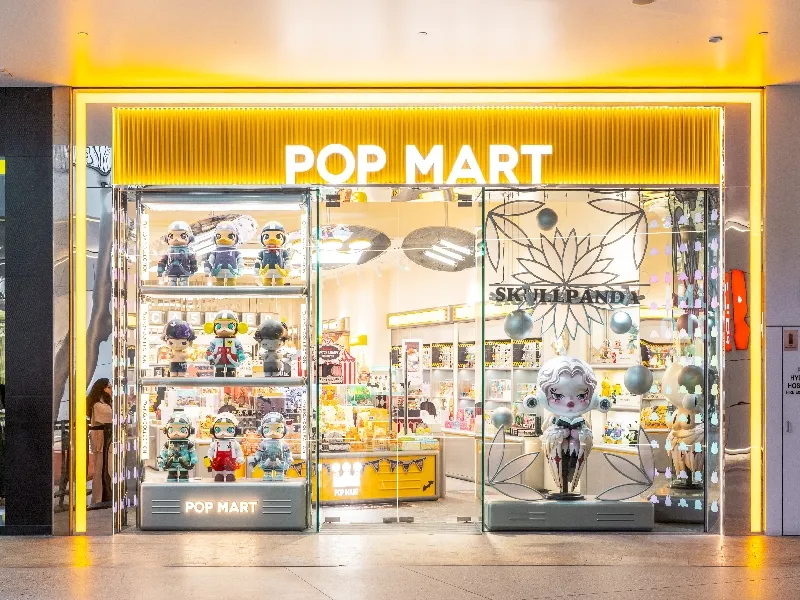
    Pop Mart, a Chinese retailer specializing in collectible toys, has established its first long-term retail store in the Philippines. This move comes after a succession of temporary pop-ups throughout Metro Manila, signalling a more robust presence in the local marketplace.

    The new store is situated in Ortigas’ SM Megamall, one of the busiest shopping destinations in the country, covering an area of 300 square meters. The retail space showcases Pop Mart’s primary product lines such as Labubu, Molly, Skullpanda, and Crybaby. In addition, the store offers a changing selection of limited-edition items.

    Prior to this, Pop Mart had made its initial mark in the country through various pop-up stores located in some of the country’s leading malls, such as SM Mall of Asia, SM Makati, and SM North Edsa.

    Pop Mart’s Philippine venture aligns with its continuing global expansion strategies. The company had previously expanded into the Middle East with its first store opening in October. This was closely followed by the inauguration of the company’s largest store in Japan in September.

    Questions & Answers

    What is Pop Mart’s specialization?
    Pop Mart is a Chinese retailer that specializes in the sale of collectible toys.

    Where is Pop Mart’s first permanent store in the Philippines located?
    The first permanent store of Pop Mart in the Philippines is located at SM Megamall in Ortigas, one of the busiest shopping centers in the country.

    What does the Philippine store offer?
    The Philippine store showcases Pop Mart’s primary product lines such as Labubu, Molly, Skullpanda, and Crybaby, as well as a revolving range of limited-edition releases.

  • Chinese Equity Firm HSG Acquires Majority Ownership of Luxury Sneaker Giant Golden Goose

    Chinese Equity Firm HSG Acquires Majority Ownership of Luxury Sneaker Giant Golden Goose

    Golden Goose, an Italian luxury sneaker manufacturer, announced on Friday that HSG, previously known as Sequoia Capital China, has become its main shareholder. The Chinese private equity firm acquired its stake from the current owner, Permira.

    Additional Investments

    Simultaneously, Temasek, Singapore’s investment firm, along with its subsidiary True Light, has purchased a minor stake in the Venice-based sneaker company. Golden Goose’s sneakers begin retailing at 500 euros a pair.

    This agreement values Golden Goose at approximately 2.5 billion euros (US$3 billion), including debt. The announcement did not disclose further financial specifics.

    Previous Ownership

    Permira, which bought Golden Goose in 2020 for 1.28 billion euros, will maintain a minor stake along with other existing shareholders, including Carlyle.

    Silvio Campara will remain the brand’s chief executive, while former Gucci CEO and current board member, Marco Bizzarri, will assume the role of non-executive chairman.

    Finalization of The Sale

    This sale concludes a process initiated by Permira in 2024. The British-owned private equity firm had attempted to publicly list Golden Goose on the Milan stock market but was compelled to withdraw the initial public offering due to market conditions.

    The transaction is anticipated to be finalized in the third quarter of next year. Earlier this year, HSG purchased a majority stake in the Stockholm-based audio equipment group, Marshall.

    In 2024, Golden Goose reported a revenue increase of 13% to 655 million euros, along with adjusted earnings before interest, tax, depreciation, and amortisation of 227 million euros.

    Questions & Answers

    Who is the new majority shareholder of Golden Goose?
    Chinese private equity firm HSG, formerly known as Sequoia Capital China, has become the majority shareholder of Golden Goose.

    Who are the minor stakeholders in Golden Goose?
    Permira, Carlyle, Singapore’s investment firm Temasek, and its subsidiary True Light hold minor stakes in Golden Goose.

    Who will lead Golden Goose after the change in ownership?
    Silvio Campara will continue as the brand’s chief executive, and Marco Bizzarri will become the non-executive chairman.

  • Bacha Coffee’s Splendid Thai Debut: First Store Launches in Bangkok with Exquisite Moroccan Touch

    Bacha Coffee’s Splendid Thai Debut: First Store Launches in Bangkok with Exquisite Moroccan Touch

    Bacha Coffee, a renowned coffee brand dating back a century, has recently established its first shop in Bangkok, located in Siam Paragon. This milestone marks the brand’s initial foray into the Thai market.

    The New Store: A Blend of Retail and Relaxation

    Bacha Coffee’s latest outlet cleverly integrates a retail boutique with a comfortable coffee room. The store presents an impressive array of specialty coffees, complete with a selection of packaged products and accessories. A relaxed atmosphere is achieved by the store’s design, which echoes Moroccan aesthetics. This is a nod to the brand’s roots, which trace back to the Dar el Bacha palace in Marrakeck, where it was first founded in 1910.

    A Traditional Treat: Slow-Roasted Coffee and Delicate Pastries

    The coffee room entices customers with a menu that focuses on slow-roasted coffee, prepared through time-honoured techniques. This aromatic beverage is perfectly complemented by a range of pastries, such as croissants. Additionally, customers are offered the option of purchasing takeaway drinks – both hot and cold – served with Chantilly cream and raw sugar candy sticks.

    Bacha Coffee’s Global Expansion

    In recent times, Bacha Coffee has undergone significant expansion, spreading its influence across Asia and other international markets. This growth has been facilitated by V3 Gourmet, the parent company of TWG Tea. Bacha Coffee’s presence now reaches far and wide, with stores operating in locations as varied as Singapore, Hong Kong, Japan, South Korea, the Middle East, and Europe.

    Questions & Answers

    What is unique about Bacha Coffee’s new store in Bangkok?
    The store uniquely combines a retail boutique and a coffee room, offering specialty coffees, packaged products, and accessories. Its design draws from Moroccan influences, paying homage to the brand’s origins.

    What food and beverages does the coffee room offer?
    The coffee room offers a menu centered around slow-roasted coffee, paired with pastries such as croissants. Customers can also purchase takeaway drinks, which are served with Chantilly cream and raw sugar candy sticks.

    Where else does Bacha Coffee operate?
    Bacha Coffee has a global presence, with stores in Singapore, Hong Kong, Japan, South Korea, the Middle East, and Europe.

  • Krispy Kreme Doughnuts Rolls $65M Deal with Unison Capital, Transferring Japanese Operations for Sweet Success

    Krispy Kreme Doughnuts Rolls $65M Deal with Unison Capital, Transferring Japanese Operations for Sweet Success

    Krispy Kreme, the renowned doughnut company, has struck a $65 million refranchising agreement with private equity firm Unison Capital. The agreement, which constitutes a significant milestone in Krispy Kreme’s revival strategy, is scheduled for finalization in the initial part of the coming year.

    Two Decades of Krispy Kreme in Japan

    Having established its presence in Japan for the past 20 years, Krispy Kreme boasts of 89 stores and nearly 300 delivery points across the country. The continued growth and presence of Krispy Kreme in Japan underscores the brand’s enduring appeal amongst Japanese consumers.

    Krispy Kreme CEO Josh Charlesworth expressed his satisfaction with the agreement, stating that it signals considerable advancement in a critical facet of the company’s turnaround strategy. He also expressed his confidence in Unison Capital, noting their proven track record and deep-seated experience in the retail beverage and restaurant sectors.

    Charlesworth believes that Unison Capital is the ideal long-term partner for operating and expanding Krispy Kreme’s footprints in Japan. He further noted that the deal’s completion would significantly aid the company’s refranchising efforts, fostering increased financial flexibility and facilitating debt reduction.

    Unison Capital: A Reliable Ally

    Established in Japan in 1998, Unison Capital has managed to raise an impressive $5 billion across six funds in Japan and three more in South Korea. The private equity firm’s successful track record in the region offers confidence for the future growth of Krispy Kreme.

    Tatsuya Hayashi, the co-founder and managing partner at Unison Capital, expressed optimism about the deal. He acknowledged the joy that Krispy Kreme’s fresh doughnuts have brought to communities in Japan over the past two decades. Hayashi also expressed his eagerness to carry forward and build upon this tradition.

    Questions & Answers

    What is the financial value of the refranchising agreement between Krispy Kreme and Unison Capital?
    The agreement is worth $65 million.

    When is the deal expected to be finalized?
    The agreement is anticipated to be completed in the first quarter of the upcoming year.

    How long has Krispy Kreme been present in Japan?
    Krispy Kreme has been operating in Japan for 20 years, with 89 locations and nearly 300 delivery points across the country.

  • Vietnamese Migrant Workers Struggle with Homecoming: An Inside Look at the Tough Transition

    Vietnamese Migrant Workers Struggle with Homecoming: An Inside Look at the Tough Transition

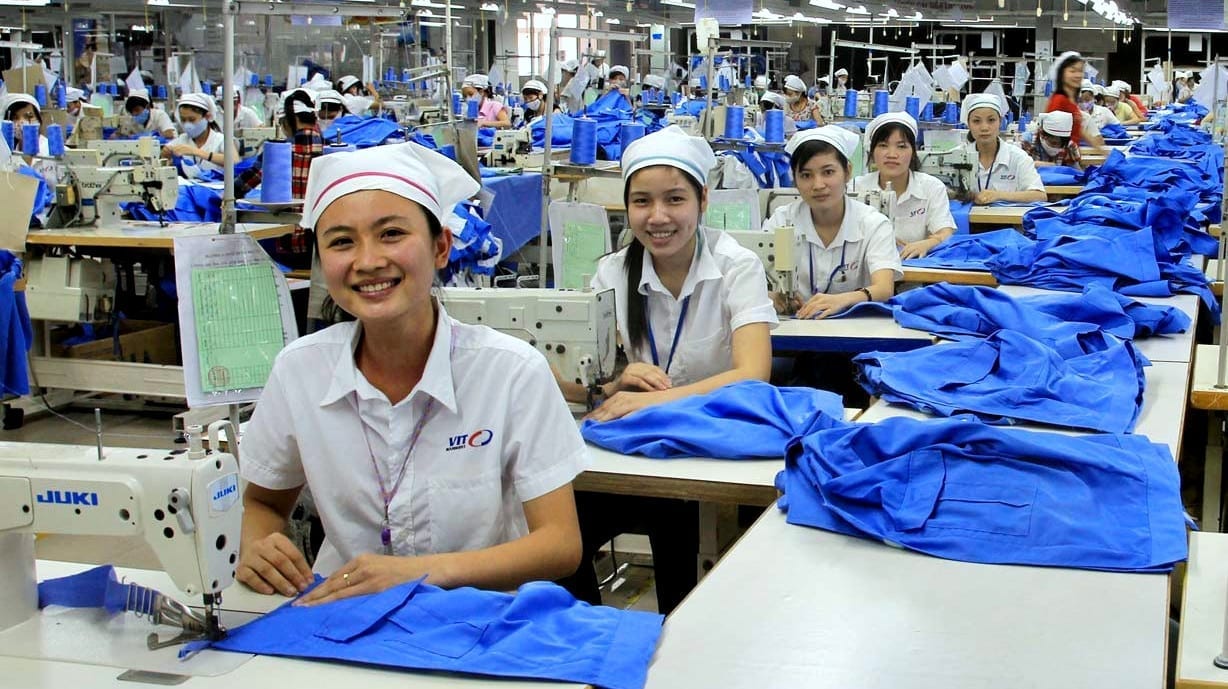
    Three years ago, Thanh Truc, a 33-year-old Vietnamese woman, returned home from Japan with a savings of VND200 million (approximately US$7,600). Now, she finds herself preparing to leave her homeland once more.

    From Beautician to Factory Worker

    Prior to leaving Vietnam in 2016, Truc was employed as an assistant beautician and earned a monthly wage of roughly VND5 million. As her parents’ health deteriorated, she found herself under increasing financial strain. In an attempt to alleviate this burden, Truc took out a bank loan and applied to Japan’s Technical Intern Training Program.

    She was accepted into the program and assigned to a component manufacturing factory in Aichi, Japan. There, Truc capitalized on overtime hours and a robust yen, earning between 150,000 and 160,000 yen (US$954–1,017) per month. After accounting for her living expenses, she was able to send a significant portion of her income back home, ending her financial woes within six months.

    Upon the conclusion of her contract in late 2019, she returned to Vietnam with a sizeable savings, intending to renovate her home and open her own beauty salon.

    Re-entry Struggles

    But reality had other plans for Truc. Finding employment proved immensely challenging and her cosmetology skills had become antiquated during her time in Japan. Standards, tools, and techniques within the industry had advanced considerably, and the cost of updating her skills through refresher courses was prohibitive.

    Employers showed a preference for younger workers, further compounding her difficulties. With her savings depleting rapidly, Truc relocated to Ho Chi Minh City, securing a job at a Japanese-owned packaging factory under the assumption that her language skills would prove advantageous. Unfortunately, even with overtime, she was only able to earn a monthly salary of about VND11 million – a fraction of what she used to earn in Japan.

    By the end of 2023, unable to establish a sustainable lifestyle in Vietnam, Truc resigned from her job and once again applied for a visa to Japan.

    The Challenges Faced by Returnees

    Truc’s experience is far from an anomaly. Data reveals that a mere 26.7% of Vietnamese citizens find steady employment upon their return home, even when they return with savings ranging from VND300–500 million.

    Returnees often face three major challenges. The first is the gap in income and skills. The typical blue-collar worker in Vietnam earns VND8–10 million per month, which is roughly one third of what they could earn in Japan. Moreover, their overseas factory experience often doesn’t prepare them for the white-collar or skilled occupations they aspire to.

    The second challenge is the psychological pressure. There is a societal expectation that returnees should be financially successful, having “made it” abroad, especially in rural regions where employment opportunities are scarce.

    The final challenge faced by returnees is the danger of unsuccessful entrepreneurship. Many invest their savings into small businesses or ventures without possessing the necessary knowledge, resulting in failure.

    A Cautionary Tale

    A case in point is 30-year-old Phan Van Thanh and his wife. After spending six years in Japan, they returned to Vietnam in mid-2023 with VND400 million, intending to be self-employed. They invested VND100 million in wedding decoration equipment, but found no profit in the venture.

    To offset losses, Thanh bought a car and started driving it for ride-hailing apps. Despite the fact their savings were running out, the couple considered going back to Japan. It took a year for their venture to stabilize, but as Thanh mentioned, “Still, compared to my life abroad, things are much tougher.”

    Experts advise migrant workers to plan their careers long-term, ideally five to ten years ahead, and to acquire skills and certifications that will be valuable in Vietnam before they return. The role of employers and labour agencies in providing transparent information and reintegration support is also crucial.

    Without proper preparation, many returnees find themselves starting over again, losing both time and accrued capital. Consequently, it is estimated that 60–70% of Vietnamese workers eventually choose to return to Japan.

    Questions & Answers

    What challenges do returning migrant workers face?
    Returning migrant workers often face an income and skills gap, psychological pressure, and the risk of failed entrepreneurship.

    What advice is given to migrant workers planning to return home?
    Migrant workers are advised to plan their careers long-term, ideally five to ten years ahead, and to acquire skills and certifications that are valuable in their home country before they return.

    What percentage of Vietnamese workers return to Japan?
    It is estimated that 60–70% of Vietnamese workers eventually return to Japan.

  • Vietnam’s Bold Leap: Launch of Innovative International Financial Center Marks New Era in Global Integration

    Vietnam’s Bold Leap: Launch of Innovative International Financial Center Marks New Era in Global Integration

    Prime Minister Pham Minh Chinh recently chaired a conference to declare the creation of an international financial center (IFC) in Vietnam. At the same time, the coordinating council for the IFC was launched, with the Permanent Deputy Prime Minister, Nguyen Hoa Binh, at its helm.

    Significance of the IFC

    Prime Minister Chinh underscored the importance of establishing the IFC, stating that it signifies a major turning point in Vietnam’s integration and development following 40 years of Doi moi (Renewal). The creation of the IFC is an urgent need based on Vietnam’s potential, advantages, and forward-thinking vision for rapid, sustainable progress. It is a strategic choice and an effective solution that reflects the need to restructure global investment flows and Vietnam’s ambition to achieve new heights during the nation’s ascent.

    Chinh emphasized that Vietnam is not seeking to compete with other IFCs worldwide but aims to forge its distinct path with unique, superior mechanisms and policies. This will result in a complementary, interconnected model, providing a cohesive, efficient, and sustainable financial ecosystem.

    According to Chinh, the IFC’s inception marks the start of an innovative process in the financial market development, with widespread implications for all sectors, institutions, and entities within the country.

    Expected Benefits of the IFC

    The IFC is anticipated to enhance Vietnam’s position, making it an essential part of the global financial security network. It will facilitate the mobilization of efficient, large-scale, and low-cost capital for strategic infrastructure development without increasing public debt. Moreover, it will serve as a platform for Vietnamese businesses to expand internationally and adhere to the most advanced governance standards.

    The IFC also represents an institutional breakthrough. The benefits of the IFC extend beyond monetary gains and include innovation in management thought and advanced technology. International competition is expected to drive administrative reforms towards greater transparency and comprehensive digitization.

    For the IFC to operate effectively, Prime Minister Chinh urged ministers, heads of sectors, chairpersons of the People’s Committees of HCM City and Da Nang, and relevant agencies to ensure decisive, collaborative, and productive execution of the assigned tasks and measures.

    Support for the IFC

    Chinh also encouraged partners, domestic and international businesses, and investors, to collaborate and support Vietnam throughout the IFC development process. He stressed the importance of reforming management mindset towards a more enabling and service-oriented approach, aligning socio-economic infrastructure and ecosystem with international standards.

    Chinh requested the supervisory body to operate independently and transparently, in line with international commitments to prevent money laundering and facilitate the flows of clean capital into Vietnam.

    He also advised Vietnamese businesses and investors to remain confident, resilient, and united, seize opportunities, and enhance cooperation to grow. He stated that the IFC is a stepping stone for them to expand their reach regionally and globally.

    Despite the challenges ahead, Chinh expressed confidence that with the consensus of the political system, the active involvement of the business community and people nationwide, and international support, Vietnam will successfully develop a free, digital, green, safe, transparent, competitive, efficient, and sustainable IFC. This will pave the way for the country to progress towards a new era of prosperity, civility, and happiness, and take firm steps towards socialism.

    Representatives of domestic and international businesses and investors lauded the establishment of the IFC and committed to helping attract international capital to Vietnam, implementing financial and banking mechanisms, and investing robustly in digital transformation, green finance, and inclusive finance.

    Questions & Answers

    What is the purpose of the International Financial Center (IFC) in Vietnam?
    The IFC is anticipated to function as a strategic and effective solution to restructure global investment flows, boost Vietnam’s position in the global financial security network, and serve as a platform for Vietnamese businesses to expand internationally.

    What is the expected impact of the IFC?
    The IFC is expected to drive innovation in the financial market and encourage administrative reforms towards greater transparency and comprehensive digitization. It will also facilitate the mobilization of efficient, large-scale, and low-cost capital for strategic infrastructure development without increasing public debt.

    How will the IFC benefit Vietnamese businesses and investors?
    The IFC will provide Vietnamese businesses and investors with a platform to expand their reach regionally and globally. Additionally, it will usher in increased cooperation, resilience, and confidence among businesses, paving the way for growth and prosperity.

  • Unprecedented Surge: Vietnam Gold Soars as Global Rates Smash Historic Records

    Unprecedented Surge: Vietnam Gold Soars as Global Rates Smash Historic Records

    On Monday, the price of gold in Vietnam increased as global rates reached an unprecedented level due to expectations of further reductions in interest rates. The Saigon Jewelry Company saw a 0.57% increase in the price of their gold bars, rising to VND157.5 million (US$5,983.58) per tael.

    Gold Rise Continues

    Furthermore, the cost of a gold ring also saw a surge of 0.20%, escalating to VND154.1 million per tael. One tael is equivalent to 37.5 grams or 1.2 ounces.

    On the global front, gold prices rocketed to a record high on Monday. This surge was fueled by growing expectations for further U.S. interest rate cuts and strong safe-haven demand. Silver also joined in this rally, recording an all-time high.

    Spot gold saw a 1.2% rise, reaching a record of $4,391.92 an ounce. At the same time, spot silver experienced a 2.7% increase, attaining a historic high of $69.23.

    Impressive Gains

    Bullion, or gold and silver in bulk form, has experienced an impressive 67% gain this year, breaking numerous records and surpassing the $3,000 and $4,000 per-ounce milestones for the first time. These gains indicate that it is on track for its largest annual increase since 1979.

    Questions & Answers

    What factors are contributing to the rise in gold prices?
    The rise in gold prices is due to expectations for further U.S. interest rate cuts and strong safe-haven demand.

    What other precious metal has seen significant growth recently?
    Silver has also seen significant growth recently, joining in the rally with gold to reach an all-time high.

    How have these price increases impacted bullion?
    Bullion, or gold and silver in bulk form, has seen an impressive 67% gain this year, surpassing the $3,000 and $4,000 per-ounce milestones for the first time.