Author: Mei Ling Tan

  • Indonesia Breaks Ice with First Direct Durian Shipment to China: A Frosty Triumph for the Tropical Fruit Market

    Indonesia Breaks Ice with First Direct Durian Shipment to China: A Frosty Triumph for the Tropical Fruit Market

    Indonesia has recently achieved a significant milestone in its agricultural export sector with the first direct shipment of frozen durians to China. This 48-tonne shipment, valued at Rp5.1 billion (US$305,000), was processed in West Java and shipped from Tanjung Priok Port in North Jakarta to Qingdao Port, China.

    Long Road to Export Success

    The successful export marks the conclusion of an extensive process that spanned nearly two years, according to Sahat M. Panggabean, the head of the Agricultural Quarantine Agency. Before this breakthrough, Indonesia’s frozen durians used to reach China via intermediaries like Thailand and Malaysia. The fruit was processed in these countries and then re-exported to China.

    This practice underwent a change after an export protocol, which would allow for direct shipments, was finalized and signed by China and Indonesia in May. As a result, eight frozen durian packing facilities in Indonesia have met the standards required to serve as export hubs for China. Industry experts also highlight how direct shipments have drastically cut logistics costs, from approximately $18,000 down to $10,000-11,000.

    China’s Durian Market

    China is deemed the world’s largest durian market. In the previous year, China imported a staggering 15.6 million tonnes of durian valued at US$6.99 billion. The majority of these imports came from Thailand and Vietnam, which made up 57% and 41.5% of the shipments, respectively. The remaining shipments came from the Philippines and Malaysia.

    Despite a slight decrease in demand in the first half of this year, which saw a 15% drop in imports to 708,190 tonnes, the market remains robust. Aditya Pradewo, the secretary general of the Indonesian Durian Plantation Association, mentions that durian prices in China are still five to seven times higher than those in Indonesia.

    Pradewo believes that, with premium varieties such as Bawor, Super Tembaga, and Namlung, Indonesia could secure 5-10% of the Chinese market. This percentage equates to potential annual foreign exchange earnings of Rp6.4-12.8 trillion.

    Indonesia’s Durian Production

    Quarantine agency data shows that in the first 11 months of this year, Indonesia exported 10,162 tonnes of durians, primarily to Thailand, China, and Malaysia. The country’s durian production reached 2 million tonnes in 2024, marking a four-year high. Java, Sumatra, Kalimantan, and Sulawesi emerged as the top durian-growing regions.

    According to Zulkifli Hasan, Indonesia’s Coordinating Minister for Food Affairs, “Durian Nusantara is Indonesia’s strength in Asia”, boasting 21 of the 27 durian species recognized globally. As of 2024, Indonesia has registered 114 new superior varieties.

    Questions & Answers

    What was the significance of the recent durian shipment from Indonesia to China?
    This marked the first instance of a direct export of frozen durians from Indonesia to China, a process that took nearly two years to accomplish.

    How has the new export protocol impacted the logistics cost of durian exports to China?
    Direct shipments have significantly reduced logistics costs from around $18,000 to $10,000-$11,000.

    What potential does Indonesia have in China’s durian market?
    With premium durian varieties, Indonesia could potentially capture 5-10% of the Chinese market, yielding annual foreign exchange earnings of Rp6.4-12.8 trillion.
  • China Mobile Hong Kong Set to Phase Out 2G Services in 2026 to Drive Advanced Network Growth

    China Mobile Hong Kong Set to Phase Out 2G Services in 2026 to Drive Advanced Network Growth

    China Mobile Hong Kong Company Limited (CMHK) has publicized its plans to phase out its 2G services by midnight on June 23, 2026. The aim behind this decision is to sharpen its focus on the development of more sophisticated network technologies.

    Decline in 2G Service Demand

    Following a comprehensive analysis of its services, CMHK has chosen to discontinue its 2G services in response to a slump in demand. By November 2025, less than 2.27% of CMHK’s overall mobile customer base was using 2G. This percentage includes those with service plans, prepaid card products, and mobile virtual network operator (MVNO) products.

    Transitioning to Advanced Mobile Services

    In order to facilitate an effortless transition to next-generation mobile services, CMHK has been proactive in reaching out to impacted customers. Since the fourth quarter of 2023, the company has been advising these customers to upgrade their SIM cards and, where necessary, their mobile phones or devices.

    Commitment to High-Quality Communication Services

    CMHK remains committed to delivering superior quality communication services to both domestic residents and business customers in Hong Kong. The company’s focus is on developing future-ready network technologies.

    Questions & Answers

    Why is CMHK discontinuing its 2G services?
    CMHK is discontinuing its 2G services due to a significant decrease in demand. The company aims to concentrate more on developing advanced network technologies.

    Who will be affected by this discontinuation?
    Less than 2.27% of CMHK’s total mobile customer base, which comprises service plan holders, prepaid card users, and mobile virtual network operator product users, will be impacted.

    What is CMHK doing to ensure a smooth transition for customers?
    CMHK has been in contact with affected customers since the fourth quarter of 2023, advising them to upgrade their SIM cards and, if required, their mobile phones or devices.

  • Groundbreaking Deal: TikTok’s U.S. Assets Acquired by American-led Consortium

    Groundbreaking Deal: TikTok’s U.S. Assets Acquired by American-led Consortium

    The well-known, short-form video application, TikTok, has made strides towards securing its future in the U.S. market. The company’s U.S. assets will be sold to an American investor group following the signing of necessary agreements. This move is a significant step towards relieving the app from its present Chinese owners, ByteDance, as mandated by a law passed last year and validated by the Supreme Court. ByteDance is required to relinquish at least 80% of TikTok’s U.S. assets or face a potential ban.

    Investor Agreements and Implications

    TikTok’s CEO, Shou Chew, informed the company’s staff about the new developments through a memo delivered on a Thursday. The memo highlighted the signing of agreements with investors that would result in the creation of a new TikTok U.S. joint venture. This venture would enable the 170 million American users of the app to continue being part of the global community that TikTok provides.

    The U.S. had previously shown significant bipartisan support for a TikTok ban due to worries about ByteDance’s collection of personal data from American children and possible propagation of Chinese government propaganda through the app’s feeds. However, the company’s crucial algorithm, which powers the ‘For You’ page and controls user feeds, will remain with ByteDance. ByteDance will license a copy of the source code to the new U.S. entity.

    Deadline Extensions and User Preferences

    The deadline for the sale of TikTok had been extended multiple times during the second Trump presidency. The deadline was pushed further when President Trump signed an executive order, following a deal with China, which allowed the transfer of control of TikTok’s U.S. operations to American investors. The executive order provided a qualified divestiture, delaying the enforcement of the deal’s deadline for 120 days.

    Interestingly, Americans spend more time on TikTok each day than on YouTube, Instagram, and Facebook.

    Closing the deal

    Despite the leaps made in the transaction, more work remains before the sale can be finalized. The current target for the deal’s closure is January 22nd, 2026. ByteDance and TikTok have come to an agreement on the terms of the deal. A new American entity, TikTok USDS Joint Venture LLC, will be created as part of the agreement.

    Three companies will jointly own 50% of TikTok USDS Joint Venture LLC. These are Oracle, Silver Lake, and MGX. Oracle is a U.S. firm tasked with storing TikTok’s data in the U.S. Silver Lake is a U.S. private equity firm with ties to the tech and media industries. MGX is an Abu Dhabi-based firm responsible for providing funding.

    Investment Details

    Other equity partners include affiliates of existing investors, who hold 30.1% stake in the venture. These investors are U.S.-based firms, such as General Atlantic and Susquehanna, which had already invested in ByteDance globally. ByteDance, the original Chinese parent company, will retain a 19.9% stake, ensuring that the new venture does not fall under the classification of “foreign controlled”.

    TikTok’s Global Impact

    TikTok’s global influence is undeniable, as its 1.59 billion monthly active users in early 2025 made it the fifth-largest social media platform globally. In the U.S. alone, there are 135.79 million users, the highest of any country. The app also boasts notable financial success, generating $23 billion in global revenue last year, with advertising making up 77% of this revenue.

    In terms of user demographics, the majority of TikTok’s user base (71%) is aged between 18 and 34, totalling 1.05 billion individuals. Users aged 45 and above make up a mere 3.6% of the total user base. Regarding gender distribution, 55.7% of TikTok users are male, with women comprising 44.3%.

    American users spend an average of 52 minutes daily on the platform, surpassing the average time spent on YouTube (48 minutes), Instagram (35 minutes), and Facebook (30 minutes).

    Questions & Answers

    What is the current status of TikTok’s U.S. operations?
    The short-form video app has taken steps towards securing its future in the U.S. market by signing agreements that enable the sale of its U.S. assets to an American investor group.

    What are the implications of the new investor agreements?
    The crucial algorithm of TikTok, which powers the ‘For You’ page and controls user feeds, will remain with ByteDance, while a copy of the source code will be licensed to the new U.S. entity.

    Who are the new investors in TikTok?
    Three companies will jointly own 50% of the newly created entity—TikTok USDS Joint Venture LLC. These are Oracle, Silver Lake, and MGX. Other equity partners include affiliates of existing investors and ByteDance.

  • Muji’s Mega Store: A New Jewel in Bangkok’s Retail Throne Dominates Southeast Asia Market

    Muji’s Mega Store: A New Jewel in Bangkok’s Retail Throne Dominates Southeast Asia Market

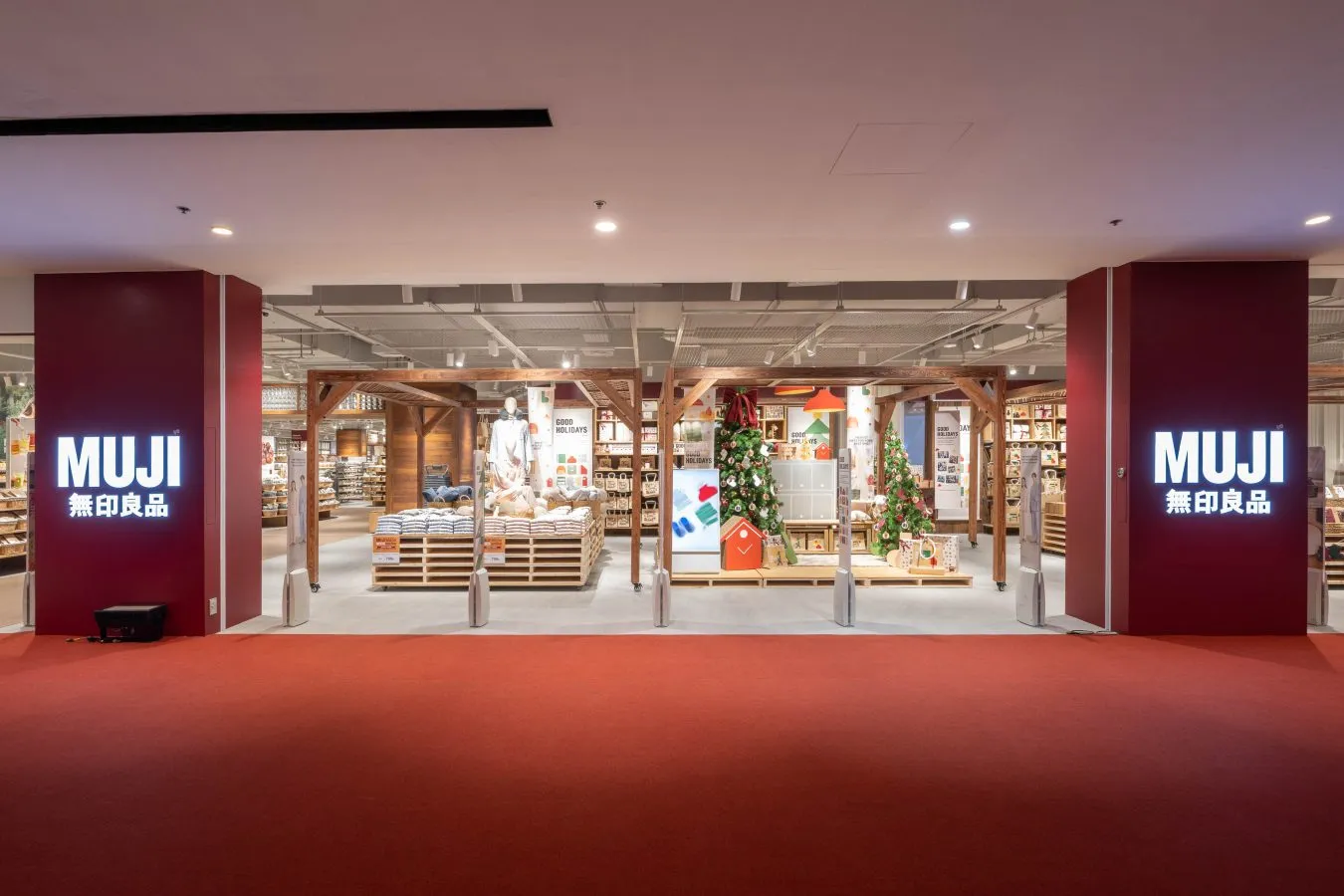
    Ryohin Keikaku, the parent company of Muji, recently unveiled its 40th and largest store in Southeast Asia, located in the bustling heart of downtown Bangkok. This 3,270sqm retail space represents a significant milestone for the company and is part of the new wave of flagship stores that Muji is planning to launch globally, including one in Paris next year.

    The New Muji Flagship Store

    The newly minted Muji store in Central World, Bangkok, boasts a wide frontage that welcomes customers to a variety of shopping experiences. It is designed to take advantage of the natural inclination of customers to navigate stores in a counter-clockwise direction, starting with a comprehensive stationery section.

    The store offers a wealth of products in a clear, systematic fashion. Customers can browse through household items, men’s and women’s clothing, health and beauty products, furniture, kitchenware, and even food and snacks. The layout is clean, functional, and well-organized – a hallmark of Muji’s ‘wa-ke’ philosophy centered around careful materials selection, craftsmanship, and simple packaging.

    One of the key features of this flagship store is its large health and beauty department, filled with a variety of aroma and fragrance products. This is part of Muji’s strategic plan to strengthen its health and beauty business, upgrading its skincare department into a core product category across all its stores.

    Adding to the overall shopping experience, the store also includes a dedicated space for workshops and exhibits named ‘Muji Atelier’. And to enhance customer service, the store employs multilingual staff who are always ready to assist shoppers.

    More Than Just a Flagship Store

    The new Muji store’s launch is part of a larger retail renaissance. The mall owner, Central Pattana, embarked on a significant re-leasing project after the seven-level Isetan department store vacated the premises in 2020. The new tenant mix includes popular American food chains, a mini-department store, a children’s play concept, and a Japanese food court.

    The redesigned mall also features a premium Japanese supermarket stocking more than 10,000 imported products and a small restaurant. The mall’s upper levels are now home to Muji, Japanese furniture retailer Nitori, and the Japanese bookstore Kinokuniya. This has not only revived the space but also created a sustainable rental income for the mall operator.

    Muji’s Global Expansion

    The ambitious Bangkok store is just one part of Muji’s broader expansion strategy. By August 31, the company had opened 1412 stores domestically and internationally, marking an increase of 107 from the previous fiscal year. Of these, 47 were outside Japan, taking the total number of international stores to 729. The company plans to open another 96 stores in fiscal 2026, with the majority set to be in China and Southeast Asia.

    The company’s successful expansion strategy resulted in a considerable boost to its revenues, which rose to US$5.1 billion, marking an 18.6 per cent increase from the previous year. Operating revenue in Japan rose by 20.9 per cent, accounting for almost 60 per cent of the total revenue.

    In line with the company’s global strategy, Muji aims to increase the presence of its Japanese merchandise in its international stores to about 80 per cent, focusing not only on health and beauty products but also on daily essentials and innerwear made from natural materials.

    Questions & Answers

    What is special about the new Muji store in Bangkok?

    The new Muji store in Bangkok is not only the 40th store in Thailand but also the largest in Southeast Asia. It is meticulously designed, taking into consideration customer behaviors and shopping patterns. The health and beauty department is one of its highlights, reflecting Muji’s strategy to strengthen this segment.

    What is the ‘wa-ke’ philosophy mentioned in relation to Muji?

    The ‘wa-ke’ philosophy is Muji’s guiding principle, emphasizing careful selection of materials, craftsmanship, and simple packaging. This philosophy influences the design, layout, and product range of Muji stores.

    What is Muji’s global expansion strategy?

    Muji’s global expansion strategy includes increasing the number of its stores both domestically and internationally, with a particular focus on Southeast Asia and China. The company also aims to enhance its overseas representation of Japanese merchandise to about 80 per cent.

  • Singapore’s ValueMax Faces Legal Battle with Louis Vuitton Over Alleged Trademark Infringement

    Singapore’s ValueMax Faces Legal Battle with Louis Vuitton Over Alleged Trademark Infringement

    Louis Vuitton, the esteemed luxury brand, has recently filed a lawsuit against ValueMax Retail, a wholly owned subsidiary of SGX-listed ValueMax, accusing them of trademark infringement in relation to their jewelry products.

    Allegations of Infringement

    Louis Vuitton has leveled allegations against ValueMax Retail, claiming that two pieces of jewelry sold by the latter bore unmistakable similarities, if not identical, to the marks of Louis Vuitton. These pieces of jewelry have been reported to be on sale at the Yishun Street 22 store in August.

    Furthermore, Louis Vuitton has argued that ValueMax Retail has falsely represented these items as Louis Vuitton products, causing potential harm to the reputation and finances of the luxury brand.

    In the lawsuit, Louis Vuitton has expressed its entitlement to statutory damages under the Trademarks Act. The brand has further demanded an inquiry to assess the damages and to account for the profits that ValueMax Retail may have accrued from the sale of these alleged counterfeit products.

    Louis Vuitton is also seeking a legal injunction to prevent ValueMax Retail from further infringement of Louis Vuitton trademarks. Additionally, it has demanded the forfeiture of all goods, materials, or articles in ValueMax Retail’s possession that may be related to these alleged counterfeit items.

    ValueMax Retail’s Defense

    ValueMax Retail, however, has staunchly refuted these allegations. The company has maintained that the designs used on its jewelry are not similar or identical to any of Louis Vuitton’s marks.

    The Singapore-based retailer has also denied making any false claims about the origin of these products or any supposed financial ties with Louis Vuitton.

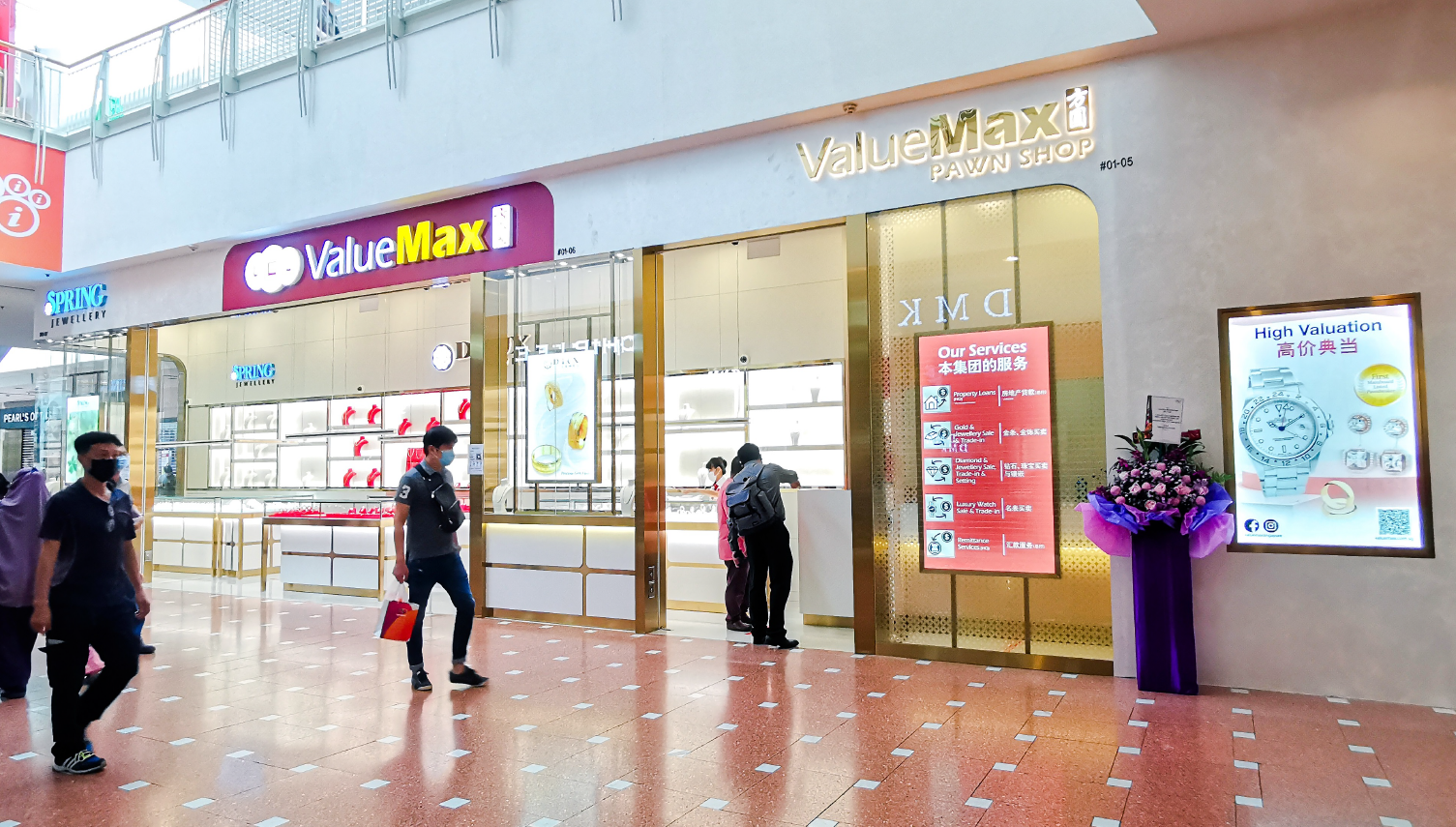
    ValueMax Retail has further highlighted the difference in the nature of their business and Louis Vuitton’s, arguing that they are not in direct competition with the luxury brand. The company has clarified that it operates by selling second-hand merchandise like jewelry, branded watches, and bags, which it sources from a diverse range of partners, including other second-hand dealers, pawnshops, and consumers.

    Questions & Answers

    What are the allegations made by Louis Vuitton against ValueMax Retail?
    Louis Vuitton has alleged that ValueMax Retail has infringed on its trademark by selling jewelry products bearing marks similar or identical to those of Louis Vuitton’s. The luxury brand has also accused ValueMax Retail of falsely representing these items as Louis Vuitton products.

    What is ValueMax Retail’s stance on these allegations?
    ValueMax Retail has denied all allegations, stating that the designs on their jewelry are not similar or identical to any of Louis Vuitton’s marks. They have also refuted claims of falsely representing these products as Louis Vuitton items.

    What kind of business does ValueMax Retail conduct?
    ValueMax Retail operates by selling second-hand items such as jewelry, branded watches, and bags. These products are sourced from various partners, including other second-hand dealers, pawnshops, and consumers.

  • Revolutionizing Connectivity in Southern Philippines: Globe’s Groundbreaking Mindanao Submarine Cable Project Begins 2026

    Revolutionizing Connectivity in Southern Philippines: Globe’s Groundbreaking Mindanao Submarine Cable Project Begins 2026

    Globe Telecom has announced plans to implement a new submarine cable system in Mindanao, set to begin in early 2026. This advancement highlights the ongoing commitment to strengthen network resilience and extend capacity in Southeast Asia’s archipelagic markets.

    Project Details

    The forthcoming project involves the installation of a 48-core, 175-kilometer submarine cable that will link Zamboanga to Isabela City in Basilan, with an extension to Sulu. According to Globe, the infrastructure will bolster both broadband and mobile services by incorporating submarine and inland cable systems, landing stations, fronthaul facilities, and core and access network nodes.

    Survey activities for the submarine cable are slated to commence in early 2026, with full construction anticipated by mid-2027. The operational hub in Isabela City is set to function as a regional aggregation point for high-capacity internet traffic. This will enhance redundancy and service stability in parts of Mindanao and the broader southern Philippines region.

    This innovative initiative aligns with the Philippine government’s National Broadband Plan. It reflects the concerted regional effort to extend digital infrastructure to remote and underserved communities, a persistent challenge for many ASEAN countries with dispersed island geographies.

    More than Infrastructure

    Carl Cruz, President and Chief Executive Officer of Globe Telecom, emphasized the significance of the project beyond its physical infrastructure. He stated, “This is more than infrastructure; it is a bridge to opportunity.” Cruz added that the average monthly data consumption has skyrocketed beyond 30 gigabytes per user, necessitating sustained investment in fiber and broadband networks to support digital services, small businesses, and economic participation.

    The Mindanao submarine cable is part of Globe’s broader network modernization program, which has already transitioned more than 600 towns across 70 provinces to full-fiber infrastructure. This shift from legacy copper networks has enhanced service reliability and reduced energy usage, aligning with regional operators’ sustainability goals.

    Impact on Communities

    Jowin Marquez, Senior Director and Territory Lead for Globe’s Network Technical Group, highlighted the transformative potential of reliable connectivity. He noted that it empowers communities with access to education, bolsters local businesses, and fosters greater participation in the digital economy.

    In the past three years, Globe has invested PHP 228 billion in capital expenditures and PHP 236 billion in operating expenses to fortify and future-proof its network. Its GFiber Prepaid service – a reloadable, no-contract broadband offering – experienced a 53% growth in early 2025. It currently serves approximately 400,000 households nationwide, contributing to Globe’s total broadband subscriber base of 1.83 million.

    Questions & Answers

    What is the purpose of Globe Telecom’s new submarine cable system?
    The new submarine cable system aims to strengthen network resilience and expand capacity in archipelagic markets, particularly in Mindanao, Philippines.

    What does the project entail?
    The project involves the deployment of a 48-core, 175-kilometer submarine cable connecting Zamboanga to Isabela City in Basilan, with an extension to Sulu. It will enhance both broadband and mobile services.

    How does this initiative align with broader efforts in the region?
    The project is consistent with the Philippine government’s National Broadband Plan and mirrors a wider regional effort to extend digital infrastructure to geographically isolated and underserved communities.

  • Thailand’s Digital Leap: The Quest for Universal Internet Access & its Economic Impact

    Thailand’s Digital Leap: The Quest for Universal Internet Access & its Economic Impact

    Thailand’s mission is to provide universal access to affordable and dependable internet services, a goal reflective of a broader international accord. Over the past ten years, the nation has shifted from planning to action, spearheading campaigns such as the Village Broadband Internet (Net Pracharat) program and the Universal Service Obligation (USO) plan. These strategies harness the power of fiber, mobile, and satellite technologies, embodying the nation’s ultimate objective of digital inclusion to boost economic growth, strengthen social services and education, and enhance national competitiveness.

    The Current State of Universal Access in Thailand

    Thailand’s strategy for universal access comprises several critical elements:

    Primarily, the focus is on connecting rural villages and public institutions. The Net Pracharat project, overseen by the Ministry of Digital Economy and Society (MDES), has established fiber and Wi-Fi networks in numerous villages and public locations such as schools and health clinics. This project utilizes an open-access network (OAN) model, which permits licensed operators to share infrastructure for last-mile services. This approach reduces costs, prevents infrastructure duplication, and allows commercial providers to offer services via the government’s network.

    Thailand’s strategy is technology-agnostic, incorporating fiber, mobile, and satellite. Fiber is preferred for speed and reliability, but accessing remote islands, mountainous regions, and thinly populated agricultural areas necessitates a blend of mobile broadband and satellite or low-Earth-orbit (LEO) services. Thailand has already undertaken commercial trials with LEO satellite providers, and there are further plans for satellite coverage in Phase 3.

    Progress Thus Far

    Rapid, noticeable results have been achieved through Net Pracharat and other public initiatives. By December 2017, the MDES and the Telephone of Thailand Public Company Limited (TOT) had completed the deployment of fiber-optic cables to 24,700 rural villages as part of the Net Pracharat initiative. Complementing the fiber rollout, the government installed free public Wi-Fi hotspots in these villages, offering speeds up to 30/10 Mbps (download/upload). In November 2018, approximately 4.5 million users had registered to access Net Pracharat Wi-Fi.

    These enhancements have elevated national internet and mobile data coverage substantially compared to a decade ago. Even though some gaps persist, fixed-line providers are investing in fiber and 5G network upgrades, often in tandem with government initiatives to connect backbone routes and aggregation points. The National Broadcasting and Telecommunications Commission’s (NBTC) spectrum planning, including auctions aimed at 5G-Advanced bands, further exemplifies the policy environment that views broadband as both essential social infrastructure and an economic growth catalyst.

    New Tools in The Toolbox

    A significant development is the emergence of satellite broadband, both geostationary and increasingly LEO constellations, as a supplement to terrestrial infrastructure. Thai commercial agreements and trials with satellite vendors indicate that operators, such as True Corporation, are exploring direct-to-cell (D2C) and consumer LEO services for remote coverage. If these solutions are validated, they could expedite reach to islands and highlands where terrestrial backhaul is expensive or environmentally sensitive.

    Allowing licensed operators to utilize publicly funded backhaul without unjust fees helps Thailand avoid duplicating infrastructure and reduce the cost of acquiring new customers.

    Economic and Social Implications

    International institutions emphasize that digital connectivity is an economic multiplier, affecting productivity, digital services, foreign investment, and SME digitization.

    Thailand’s infrastructure planning aligns with the Thailand 4.0 transformation and its larger goal to attract data center and AI investment. Universal access supports education, health, financial inclusion, and civic participation. However, ongoing digital gaps exacerbate inequality as regions without reliable internet access experience slower growth and fewer opportunities to join the digital economy.

    Projected Near-Term Outcomes

    Thailand’s drive for universal internet access is among the most advanced in Southeast Asia. Armed with backbone fiber, open-access network principles, a growing USO fund, and receptiveness to satellite and mobile tech, the country is poised to bridge the rural-urban digital divide in the future.

    Despite the risks revolving around affordability, transparent procurement, and ensuring quality beyond basic coverage, the existing policies and robust participation from both local and foreign companies provide the necessary tools. If Phase 3 delivers significant infrastructure and the government combines investments with efforts to make the internet affordable and build digital skills, Thailand could transform near-universal access into genuine digital inclusion.

    Questions & Answers

    What is Thailand’s approach to achieving universal access to the internet?
    Thailand’s strategy involves connecting rural villages and public institutions, using an open-access network model, and leveraging fiber, mobile, and satellite technologies.

    How is Thailand utilizing satellite technology in its drive for universal internet access?
    Thailand is testing direct-to-cell and consumer Low-Earth-Orbit services for remote coverage. If validated, these solutions can expedite reach to isolated areas where terrestrial backhaul is expensive or environmentally sensitive.

    What are the potential outcomes of Thailand’s push for universal internet access?
    If successful, Thailand’s universal internet access initiative could result in improved education, health, financial inclusion, and civic participation. It could also bridge the rural-urban digital divide and lead to genuine digital inclusion.

  • Spark NZ and HPE Pioneer Advanced Hybrid Cloud Solutions for New Zealand’s Digital Boom

    Spark NZ and HPE Pioneer Advanced Hybrid Cloud Solutions for New Zealand’s Digital Boom

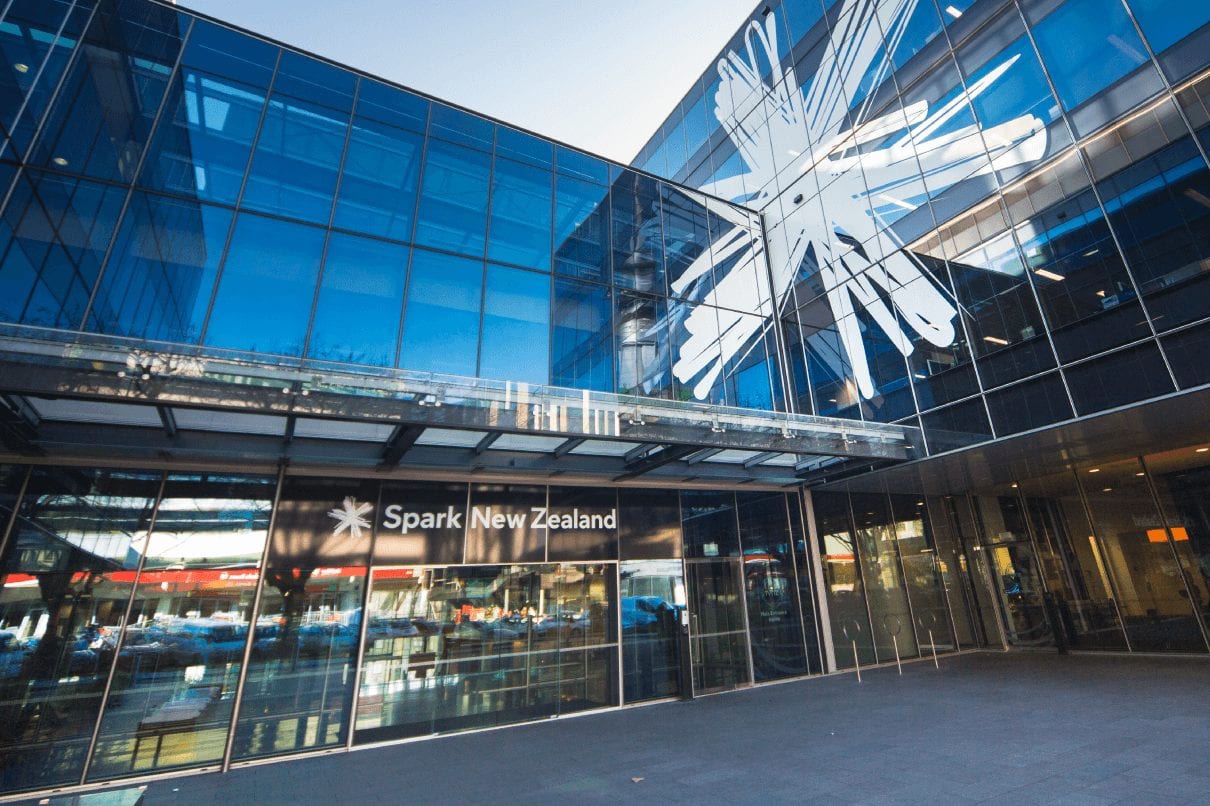
    Hewlett Packard Enterprise (HPE) recently declared that Spark NZ, a leading telecom company in New Zealand, has embarked on a series of substantial infrastructure transformations. Undertaken in conjunction with HPE, these projects aim to provide rapid and reliable hybrid cloud and managed IT services to Spark NZ’s customers. The IT overhaul will integrate new streamlined and automated features for the telecom company. Spark NZ’s objective is to entirely transform its cloud management platform in response to the substantial growth in digital consumption in New Zealand and the escalating demand for quick, reliable, and uninterrupted connectivity across all its services.

    Fostering Hybrid Cloud Growth: Merging Strategies for Optimal Cloud Solutions

    Working in tandem with HPE, Spark NZ has upgraded its antiquated infrastructure, establishing a modern, purpose-built hybrid cloud environment. This includes the integration of HPE GreenLake cloud and HPE Morpheus Enterprise Software to deliver scalable, unified services. This expansion equips Spark NZ to serve its customers more effectively with improved connectivity, advanced scalable AI solutions, and heightened control, agility, and security. The modernization process has been conducted in several stages, aimed at revolutionizing Spark NZ’s crucial infrastructure while concentrating on delivering measurable outcomes that stimulate transformative business change for customers.

    Chris Weber, Vice President and Managing Director at HPE South Pacific, expressed his pride in the partnership with Spark NZ and the innovations it has brought about. He emphasized the broad range of modern solutions HPE offers, from upgrading cloud infrastructure capability to increasing efficiency and scalability. Weber shared his anticipation regarding how the partnership will continue to yield results in the constantly evolving landscape and the business opportunities it will unveil as these projects mature.

    The Changing Face of Telecommunication Services

    The telecommunications sector in New Zealand is structured to cater to a large and widely distributed network of customers, businesses, and enterprises. As global productivity and innovation thrive, there is a rising demand for inventive solutions to meet the requirements of critical national infrastructure and private enterprises. Spark NZ’s proactive approach to embracing new solutions positions New Zealand competitively on the global stage, prioritizing improved customer outcomes and enhanced cost-efficiency.

    Penny White, Business Technology Services General Manager at Spark NZ, emphasized the changing needs of businesses as technology evolves. She noted that depending solely on public or on-premises cloud does not provide the flexibility, control, and speed necessary for them to maximize the benefits of technology to boost productivity. White stated that these barriers can be surmounted by hybrid cloud – the area where Spark NZ is focused. She affirmed that their strategic partnership with HPE has not just fortified their foundational infrastructure but also enabled them to continue delivering a seamless, user-friendly experience to their customers while unlocking enhanced efficiency, tangible business outcomes, and new potential capabilities.

    Questions & Answers

    What is the goal behind Spark NZ’s infrastructure transformation?
    The goal is to provide faster and more reliable hybrid cloud and managed IT services to its customers in New Zealand.

    How is Spark NZ addressing the growing demand for quick and reliable connectivity?
    Spark NZ is addressing this demand by modernizing its cloud management platform and integrating new streamlined and automated capabilities.

    What are the benefits of Spark NZ’s partnership with HPE?
    The partnership enables Spark NZ to serve its customers more effectively with improved connectivity, advanced scalable AI solutions, and heightened control, agility, and security. It also positions Spark NZ to continue delivering a seamless, user-friendly experience while unlocking enhanced efficiency, tangible business outcomes, and new potential capabilities.

  • Tourism Trends Shift in South Korea: Visitors Opt for Affordable, Lifestyle Retail Over Luxury Shopping

    Tourism Trends Shift in South Korea: Visitors Opt for Affordable, Lifestyle Retail Over Luxury Shopping

    Tourists visiting South Korea are increasingly opting for value-driven shopping experiences that align with their personal preferences, marking a departure from the previously popular high-end, large-scale purchases. This shift in consumer behaviour has been highlighted in recent data from the Korea Tourism Organization (KTO).

    Shift in Shopping Patterns

    A comprehensive analysis of foreign credit card transactions from 2018 to September 2024 reveals that shopping remains the primary expenditure for tourists, accounting for 51 percent of total spending. Notably, the nature of these purchases has transitioned over time. The average amount spent per transaction has dropped from 150,000 won in 2019 to 120,000 won in the current year, despite an overall increase in per-person spending by 83 percent. This surge can be attributed to a significant 124 percent rise in the number of purchases, indicating tourists are buying a larger quantity of items at lower prices.

    According to KTO, this change signifies a growing predilection for moderately priced goods and lifestyle products that embody a unique Korean aesthetic. For instance, sales at ‘gacha’ toy capsule shops have seen a remarkable 142 percent rise in the first nine months of the current year compared to the same period in the previous year. Similarly, transactions at stationery stores and bookstores have increased by 48.7 percent and 39.9 percent, respectively. The iconic stationery brand Artbox has seen substantial growth across transportation hubs and regional commercial districts.

    Rise in Fashion and Beauty Purchases

    The fashion sector has also benefited from this trend, recording an increase of 23.4 percent from the previous year. This is largely driven by significant growth in the purchases of underwear, sportswear, and accessories.

    Korean beauty and wellness-related products continue to be strong contenders in the market. Spending in these categories has seen a steady annual growth rate of 19.1 percent from 2018 to 2023, and further expanded by 40.4 percent this year. Retailer Olive Young has experienced phenomenal growth in emerging commercial areas such as Seongsu and around Gyeongbokgung. Pharmacy sales have also seen a boost due to the rising trend of everyday wellness, while the demand for traditional health foods like red ginseng and ginseng continues to ascend.

    Influence of Korean Culture

    Lee Mi-suk, head of KTO’s tourism data strategy team, commented on this evolving consumer behavior. She stated, “The move toward practical, lifestyle-driven consumption shows how Korean culture and K-content are increasingly shaping global tastes.”

    Questions & Answers

    What is the primary expenditure for tourists in South Korea?
    The primary expenditure for tourists in South Korea is shopping, accounting for 51 percent of total spending.

    How has the nature of tourist purchases in South Korea changed over time?
    The average amount spent per transaction has decreased, but the total per-person spending has increased. This suggests that tourists are buying a larger quantity of items at lower prices.

    What are some of the key sectors benefiting from the shift in tourist spending in South Korea?
    Mid-priced goods and lifestyle products have experienced a significant increase in sales. Additionally, the fashion sector, K-beauty, and wellness-related product sectors have also seen a rise in purchases.

  • Lady M Confections Tightens Grip on Singapore Market, Amplifying Southeast Asia Expansion

    Lady M Confections Tightens Grip on Singapore Market, Amplifying Southeast Asia Expansion

    Leading patisserie brand, Lady M Confections, is set to take direct control of its Singapore operations, as part of an ongoing strategy to expand its influence in Southeast Asia.

    Lady M Confections Takes Charge of Singapore Operations

    The esteemed US-based patisserie first gained presence in Singapore in 2013 through a licensing agreement with Caerus Holdings. This marked Lady M’s initial venture into international markets outside of the United States. However, with this affiliation set to end this month, the company has decided to assimilate the Singapore market into its global operations. This shift is aimed at fortifying the brand’s supervision and ensuring consistent quality across all outlets.

    Lady M’s CEO, Ken Romaniszyn, revealed that Singapore holds a significant position in the brand’s international operations. As the brand sets foot into the next phase of its growth strategy, having a more direct involvement in the Singapore market is expected to bring forth a high-quality brand experience and enhanced consistency, thereby better serving its regional clientele.

    Romaniszyn further emphasized that this transition embodies the company’s commitment to long-term brand stewardship. By incorporating Singapore into their global operations, they aim to solidify their groundwork in Southeast Asia. This move is also geared towards ensuring that the Lady M experience remains consistent with the high standards expected by customers worldwide.

    About Lady M Confections

    Lady M Confections, which was founded in New York City in 2001, has gained international prestige for its signature Mille Crepes cake. The brand operates more than 40 boutiques across the globe, merging French pastry techniques with subtleties of Japanese culinary artistry.

    Questions & Answers

    What is Lady M Confections’ latest business strategy for Southeast Asia?
    Lady M Confections is taking direct control of its Singapore operations. This is part of its long-term strategy for growth and brand stewardship in the Southeast Asian region.

    When did Lady M Confections first enter the Singapore market and how?
    The company first made inroads into Singapore in 2013 through a licensing agreement with Caerus Holdings. This was their first venture into markets outside the United States.

    What is Lady M Confections best known for?
    Lady M Confections is best known for its signature Mille Crepes cake. The brand expertly combines French pastry techniques with Japanese culinary influences.

  • Sports Direct Makes Philippine Debut: UK Retail Giant Launches First Store in Manila Bay

    Sports Direct Makes Philippine Debut: UK Retail Giant Launches First Store in Manila Bay

    UK-based sports merchandise giant, Sports Direct, has marked its debut in the Philippine market through a collaboration with Map Active, a sports and lifestyle retailer.

    The Inaugural Store

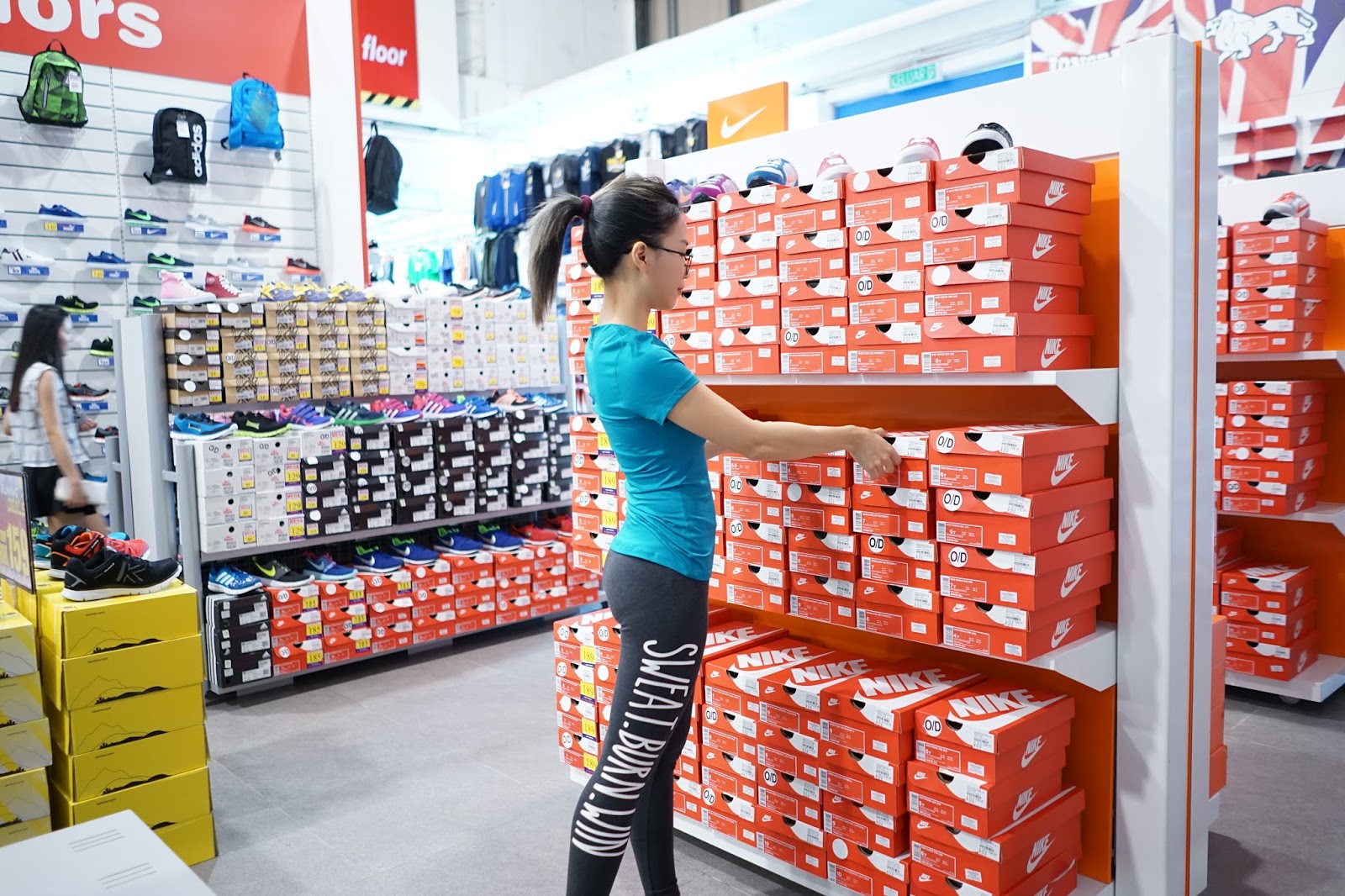
    The first ever Sports Direct store, situated at Ayala Malls Manila Bay, boasts a large variety of sports clothing, shoes, gear, and accessories. The categories span from football, running, training, outdoor activities, and swimming, to racket sports such as badminton, pickleball, and tennis.

    The store will feature in-house brands such as Karrimor, Everlast, Lonsdale, Slazenger, and USA Pro. In addition, it also carries internationally renowned labels including Nike, Adidas, Skechers, New Balance, Converse, Lotto, Diadora, Airwalk, Ellesse, Speedo, Wilson, and Yonex.

    Map Active Philippines’ head of marketing, Bea Madrid, stated that Ayala Malls Manila Bay was a strategic choice for Sports Direct’s local launch.

    “We are continually supported here, and we appreciate the opportunity to collaborate and establish our brand in such a prime location to best cater to the market,” Madrid said.

    Future Expansion

    Sports Direct has ambitious plans for further expansion in the Philippines, with more store inaugurations planned for the forthcoming year. While the initial emphasis is on Metro Manila, the company is also considering expanding into regional markets.

    “This is just the beginning,” declared Anil. “Now that we have launched our first-ever store at Ayala Malls Manila Bay, we are excited about opening more outlets next year to engage with more communities and promote an active, healthy lifestyle nationwide.”

    Questions & Answers

    What is the range of sports categories covered by Sports Direct?
    Sports Direct offers a wide range of sports apparel, footwear, equipment, and accessories across various categories including football, running, training, outdoor activities, swimming, and racket sports such as badminton, pickleball, and tennis.

    What brands will be available at the Sports Direct store in the Philippines?
    The store will carry in-house brands like Karrimor, Everlast, Lonsdale, Slazenger, and USA Pro, and globally recognized labels such as Nike, Adidas, Skechers, New Balance, Converse, Lotto, Diadora, Airwalk, Ellesse, Speedo, Wilson, and Yonex.

    What is Sports Direct’s expansion plan in the Philippines?
    Sports Direct plans to open more stores in the Philippines next year, with a focus not only on Metro Manila but also on regional markets.

  • Chinese Coffee Powerhouse Luckin Bids for Premium Leap with Potential Blue Bottle Acquisition

    Chinese Coffee Powerhouse Luckin Bids for Premium Leap with Potential Blue Bottle Acquisition

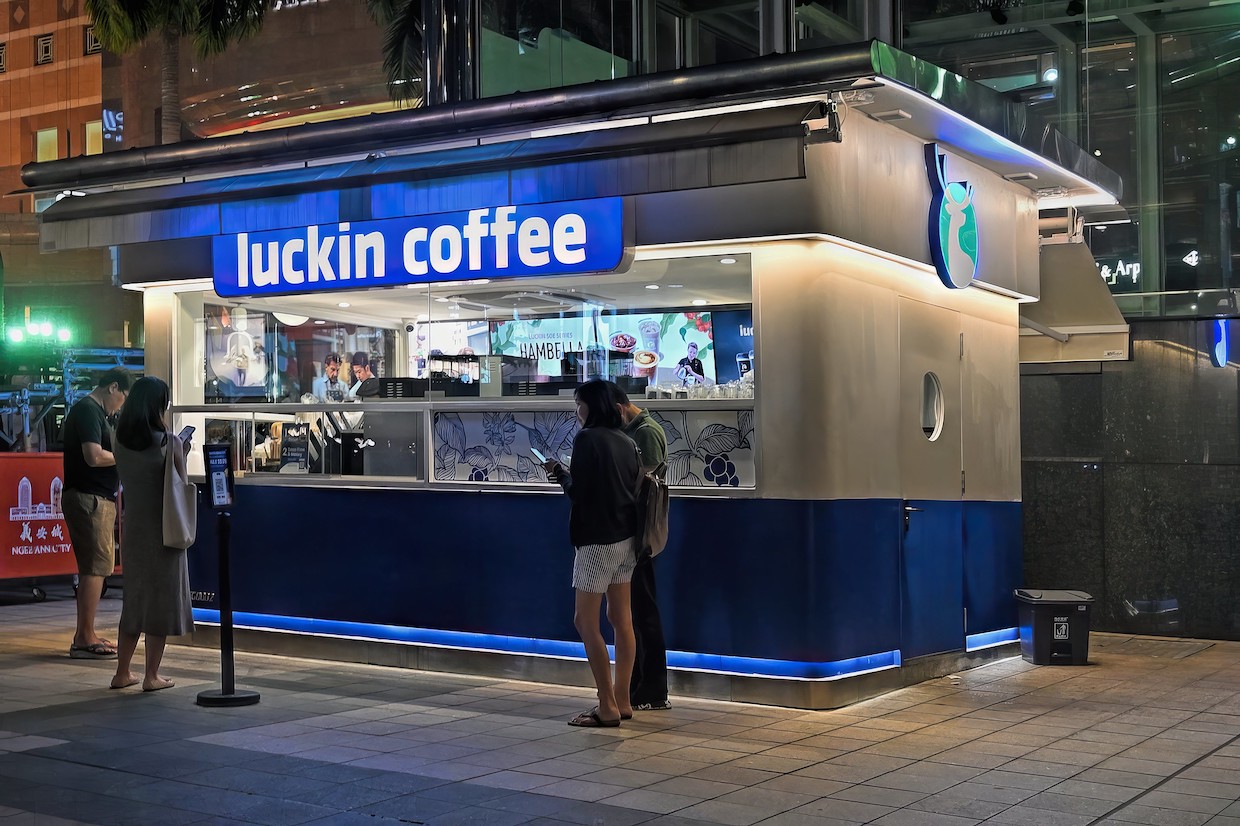
    Luckin Coffee, a major Chinese coffee company, is planning to upscale its operations. The company is currently exploring potential acquisitions to establish a premium coffee business parallel to its mass-market core.

    Acquisition Ambition

    The company is contemplating a bid for Blue Bottle Coffee, a Nestle-owned entity. If successful, such an acquisition would be a considerable leap for Luckin in their pursuit of the specialty coffee market. Additionally, it would provide an opportunity for them to enhance their brand identity beyond their current value-driven model.

    Blue Bottle Coffee, established in 2002, manages over 100 cafes across the United States and East Asia, with 12 in mainland China and four in Hong Kong. It enjoys a reputation as a reputable name in the specialty coffee sector.

    Earlier this month, it was reported that Nestlé, with the assistance of investment bank Morgan Stanley, was considering selling Blue Bottle Coffee. The premium roasting company was acquired by the Swiss food and beverage group in 2017 in a transaction that valued the business at approximately $700 million.

    Luckin Coffee, along with Beijing-based private equity firm Centurium Capital, is also said to be considering a bid for Lucky Ace International. Lucky Ace International possesses the exclusive master franchise rights for the Japanese specialty coffee brand % Arabica, operating in China and Hong Kong.

    Luckin Coffee’s Growth

    Founded in 2017, Luckin Coffee has rapidly become one of China’s largest coffee chains, boasting over 24,000 locations worldwide.

    Questions & Answers

    What is Luckin Coffee’s current initiative?
    Luckin Coffee is planning to upscale its operations and is considering potential acquisitions to establish a premium coffee business.

    Which companies is Luckin Coffee considering for acquisition?
    Luckin Coffee is contemplating a bid for Blue Bottle Coffee, a Nestle-owned entity. It is also reportedly weighing a bid for Lucky Ace International, which holds the exclusive master franchise rights for the Japanese specialty coffee brand % Arabica in China and Hong Kong.

    What is the significance of these potential acquisitions for Luckin Coffee?
    If successful, these acquisitions would represent a significant leap for Luckin’s push into the specialty coffee segment. Additionally, it would provide an opportunity for them to enhance their brand identity beyond their current value-driven model.

  • Vietnam Gold Prices Take a Dive Amid Global Decline: A Look at Market Dynamics and Upcoming US Economic Data

    Vietnam Gold Prices Take a Dive Amid Global Decline: A Look at Market Dynamics and Upcoming US Economic Data

    The cost of gold took a significant plunge in Vietnam on Tuesday afternoon in line with a global downtrend. Saigon Jewelry Company, for example, saw a decrease of 1.02% in the price of their gold bars, which fell to VND155.6 million (US$5,908.47) per tael.

    Simultaneously, the price of a gold ring saw a 1.1% drop, landing at VND152.7 million per tael. For reference, a tael is equivalent to 37.5 grams or 1.2 ounces.

    Despite this recent tumble, bullion prices in Vietnam have seen an impressive increase of 85% since the start of the year.

    Global Gold Prices

    The decline in Vietnam’s gold prices also mirrors a worldwide trend. On Tuesday, gold prices slipped internationally as investors adopted a cautious stance in anticipation of crucial U.S. employment and inflation data. This information is expected to provide indications for the Federal Reserve’s policy as we head into the new year.

    In particular, spot gold decreased by 0.3% to $4,290.33 per ounce. However, despite this decline, bullion has experienced a strong rally of 64% year-to-date, breaking multiple records along the way.

    According to Ilya Spivak, the head of global macro at Tastylive, the market is currently weighing whether there’s sufficient conviction to push prices higher, or if this is the point where momentum begins to wane.

    Silver Prices

    In other commodities, spot silver also experienced a decline, decreasing by 1.4% to $63.03 an ounce. This comes after it reached a record high of $64.65 on Friday.

    Questions & Answers

    What caused the decline in gold prices in Vietnam?
    The decline in gold prices in Vietnam is primarily due to a global decrease in gold prices.

    What is the impact of U.S. employment and inflation data on global gold prices?
    U.S. employment and inflation data are key indicators for the Federal Reserve’s policy. As such, they can influence investor sentiment and cause shifts in global gold prices.

    How has the price of bullion changed since the start of the year?
    Despite the recent downturn, bullion prices in Vietnam have increased by 85% since the beginning of the year. Similarly, globally, bullion has rallied 64% year-to-date.

  • Wellington & Standard Chartered Unveil No-Load Shares, Transforming Wealth Market Dynamics in Singapore

    Wellington & Standard Chartered Unveil No-Load Shares, Transforming Wealth Market Dynamics in Singapore

    Wellington Management has enhanced its alliance with Standard Chartered Bank by launching exclusive no-load share classes of the Wellington Asia Quality Income Fund for the bank’s customers in Singapore. This strategic initiative enhances its competitive standing in an increasingly cost-conscious wealth market.

    Building on Established Collaboration

    Wellington’s new offering, announced on Monday, is an extension of a collaboration that started in 2024. At that time, Wellington’s Credit Total Return strategy was made exclusively accessible to Standard Chartered’s private and retail banking clients in Singapore and Hong Kong. This award-winning UCITS model has since grown to over $1.3 billion in AUM in less than two years, showcasing robust client acceptance.

    Encouraging Long-Term Investment

    The recently launched Class B Shares of the Asia Quality Income Fund eliminates the initial subscription fees, making investment more accessible. The structure incorporates a contingent deferred sales charge of two percent if shares are redeemed within three years, an inventive way to encourage long-term investment rather than short-term trading.

    Chia Chia Chng, Southeast Asian Wealth Head at Wellington Management, noted that this expanded collaboration reflects the mutual emphasis on resilient income strategies. She further emphasized the attractiveness of dividend strategies given the current economic climate characterized by growth uncertainties, trade policy ambiguities, and geopolitical risk.

    A Disciplined Approach to Asia ex-Japan Equities

    The actively managed fund, overseen by seasoned portfolio manager Naveen Venkataramani, targets superior, dividend-paying companies across the Asia ex-Japan region. The investment approach emphasizes three categories; Dividend Compounders, Dividend Leaders, and Dividend Surprisers. It accentuates robust balance sheets, competitive advantages, and sound corporate governance.

    Venkataramani revealed that historically, dividends have constituted approximately 65 percent of total equity returns in Asia ex-Japan. He predicts room for growth in Asia’s dividend payout, supported by improved cash flow generation and relatively low corporate leverage.

    The Significance of this Partnership for Wealth Platforms

    For astute investors and distributors, this partnership signifies a wider industry trend. Global asset managers and banks are leveraging targeted fee structures and exclusive access to differentiate their offerings in competitive wealth markets like Singapore.

    By merging Wellington’s considerable scale – $1.3 trillion in assets under management – with Standard Chartered’s regional distribution capabilities, this initiative aligns product design with changing client expectations around cost transparency and income resilience.

    Questions & Answers

    What does the newly introduced Class B Shares of the Asia Quality Income Fund offer?
    These shares eliminate initial subscription fees, turning investment more accessible. It also includes a two percent deferred sales charge if shares are redeemed within three years, encouraging long-term investment behaviors.

    What is the investment focus of the Asia Quality Income Fund managed by Naveen Venkataramani?
    The fund targets high-quality, dividend-paying companies in the Asia ex-Japan region, emphasizing strong balance sheets, competitive advantages, and good corporate governance.

    What is the significance of this partnership between Wellington Management and Standard Chartered Bank for the wealth market?
    This collaboration, which offers targeted fee structures and exclusive access, signifies a wider industry trend in competitive wealth markets like Singapore. It aligns product design with evolving client expectations around cost transparency and income resilience.

  • Telkom Greenlights InfraNexia’s $5.4B Fiber Spinoff: A Step Forward in Digital Infrastructure Expansion

    Telkom Greenlights InfraNexia’s $5.4B Fiber Spinoff: A Step Forward in Digital Infrastructure Expansion

    Indonesia’s state-owned telecommunications corporation, Telkom Indonesia, recently announced that its independent shareholders have given the green light to partition the company’s wholesale fiber connectivity business and assets. The assets will be transferred to the company’s Fiber-To-The-Home (FTTH) subsidiary, Telkom Infrastruktur Indonesia (TIF), also colloquially known as InfraNexia. Telkom initially shared its plan in September and finalized it in October, with the split slated for execution in two stages.

    Details of the Split

    The initial phase will witness InfraNexia assuming control of more than half of Telkom’s fiber network infrastructure. This includes elements such as access, aggregation, backbone, and other supporting infrastructural components. The second phase involves InfraNexia obtaining the rest of the fiber assets from Telkom, a process expected to reach completion in the second half of 2026. The total asset value is projected to be IDR 90 trillion (USD 5.4 billion).

    Despite the spinoff, Telkom will maintain a hefty 99.9% ownership stake in InfraNexia. Telkom has expressed that this division will enhance operational and investment cost efficiencies. Moreover, it aims to transform InfraNexia into a new growth catalyst for the group, with a particular focus on the development of the wholesale fiber business, forging opportunities for network sharing, and forming strategic partnerships. This strategic shift is vital, given that Telkom’s wholesale fiber capacity is only approximately 40% utilized, primarily by its mobile division, Telkomsel.

    Shareholder Approval

    The partition needed approval from independent shareholders, who lent their support to the plan during an Extraordinary General Meeting of Shareholders (EGMS).

    Telkom’s President Director, Dian Siswarini, expressed that this separation is also a crucial facet of the company’s TLKM 30 strategy. This strategy is designed to metamorphose Telkom into a strategic holding firm that boasts a more niche, nimble, and internationally competitive digital telecommunications profile.

    The approval of the asset and business separation strengthens Telkom’s transformation agenda, aimed at building a more agile and focused business structure. This will enable Telkom to augment its contribution to the acceleration of national digitalization and generate added value for companies, stakeholders, communities, and the nation.

    Questions & Answers

    What is the purpose of the split in Telkom’s business?
    The split is aimed at enhancing operational and investment cost efficiencies, transforming InfraNexia into a new growth catalyst for the group, and focusing on the development of the wholesale fiber business.

    How much of the ownership stake in InfraNexia will Telkom retain after the split?
    Post-separation, Telkom will retain a 99.9% ownership stake in InfraNexia.

    What does Telkom’s TLKM 30 strategy entail?
    The TLKM 30 strategy aims to transform Telkom into a strategic holding company with a more focused, agile, and globally competitive digital telecommunications profile.