Author: Mei Ling Tan

  • Netcracker Boosts AIS’s Digital Transformation with Major Cloud Deployment & Revenue Management Upgrade

    Netcracker Boosts AIS’s Digital Transformation with Major Cloud Deployment & Revenue Management Upgrade

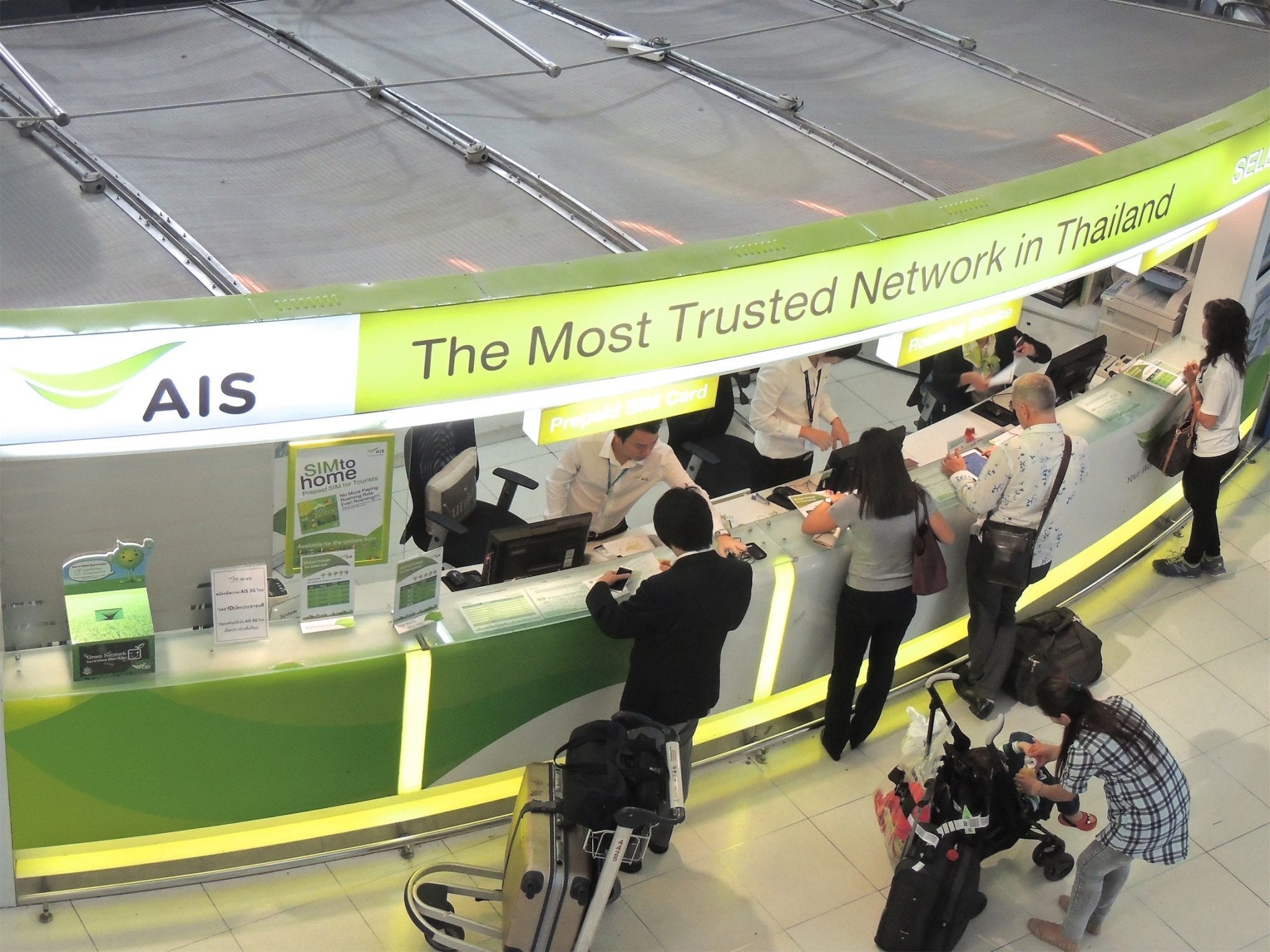
    Netcracker Technology recently completed a significant cloud-native revenue management upgrade for Advanced Info Service (AIS), establishing one of the most substantial cloud deployments in Thailand and the wider Asia-Pacific region. This update signifies a critical progression in AIS’s digital transformation strategy, as the telecom operator enhances its converged mobile and broadband services for its customer base of over 45 million.

    AIS Adopts Netcracker’s Revenue Management Platform

    AIS transitioned to Netcracker’s Cloud-Native Revenue Management platform, a component of the Netcracker Digital BSS suite, to better cater to both B2C and B2B quad-play users. The platform can facilitate flexible subscription billing on monthly, quarterly, and yearly intervals, bolstering customer preference and streamlining billing processes.

    Netcracker has indicated that the launch provides significant operational and commercial advantages, such as increased scalability, cost-effectiveness, and an expedited time-to-market for novel offerings. These features are predicted to bolster AIS’s expanding 5G aspirations, especially in the realms of enterprise 5G and IoT services, as AIS gears up for future market growth.

    Words from the Chief Information Officer and Chief Technology Officer

    AIS’s Chief Information Officer, Bharat Alva, announced that the successful full-circle delivery of the new cloud-native revenue management platform within strict timeframes has already demonstrated its stability and scalability by supporting significant launches and events, such as the most recent iPhone release, without interruption. As AIS continues to transfer customers to this new platform, it plans to capitalize on its momentum with Netcracker by introducing more features and improvements in the immediate future.

    Netcracker’s Chief Technology Officer, Bob Titus, expressed appreciation for their longstanding partnership with AIS, commending them as a genuinely advanced telecommunications operator in a region recognized for numerous innovations. He stated that this launch is the best endorsement of how their customers continue to benefit from their sustained investment in cloud and AI technologies.

    Questions & Answers

    What does the cloud-native revenue management platform do for AIS?
    The platform allows AIS to offer its customers flexible subscription billing on a monthly, quarterly, and yearly basis, enhancing customer choice and making the billing process more efficient.

    What are the benefits of this new deployment for AIS?
    The deployment offers several operational and commercial benefits, including increased scalability, cost optimization, and the ability to bring new offerings to the market at a faster pace.

    How will this upgrade support AIS’s future growth?
    The capabilities provided by this upgrade are expected to support AIS’s growing ambitions in enterprise 5G and IoT services, assisting the company in its preparations for future market expansion.


  • Turbocharging Indonesia’s Digital Journey: GSMA Calls for Heightened Investment in 5G and AI Technologies

    Turbocharging Indonesia’s Digital Journey: GSMA Calls for Heightened Investment in 5G and AI Technologies

    The GSMA has highlighted the need for a more robust, investment-focused strategy to expedite Indonesia’s digital transformation and stimulate innovation, according to its recent findings published in the reports GSMA Digital Nations 2025 and ASEAN Consumer Scam 2025.

    Moving Towards a Digital Future

    The GSMA has proposed a feasible strategy to facilitate the unlocking of private capital and hasten the roll-out of 5G spectrum, fiber backhaul, and AI-optimized data centers. This strategy is underpinned by policy consistency and cooperation across sectors. There is a strong inclination among Indonesian businesses towards digital transformation.

    Indications of such enthusiasm were evident in a recent GSMA Intelligence survey where over 580 firms spanning across ASEAN were surveyed. The results revealed that Indonesian companies intend to dedicate an average of 10% of their revenues to digital transformation between 2025 and 2030, exceeding both the ASEAN (10.4%) and global (9.8%) averages. Two-thirds of the participants prioritized AI in their top three expenditure areas, with over half deeming 5G-powered Internet of Things (IoT) vital for future growth. This underscores Indonesia’s ambition to capitalize on cutting-edge technologies to fortify its competitive edge and security.

    Economic Impact of 5G

    GSMA Intelligence anticipates that the ensuing wave of 5G investments in Indonesia could inject an extra USD 41 billion into the country’s GDP between 2024 and 2030, underlining the transformative economic potential of digital connectivity. Since 2015, mobile operators have pumped nearly USD 29 billion into Indonesia’s network infrastructure and services. Given the right investment conditions, the sector, including operators and ecosystem partners, is projected to inject an additional USD 16 billion from 2024 to 2030, primarily targeting 5G proliferation.

    Julian Gorman, Head of Asia Pacific at the GSMA, expressed his thoughts on the matter, highlighting the unique opportunities presented by Indonesia’s significant scale, entrepreneurial vigor, and youthful, tech-savvy population. The focus now should be on targeted investment in areas such as affordable, dependable spectrum; robust backhaul; and AI-compatible, sustainable data centers, coupled with clear consumer protections.

    Assessing Progress and Challenges

    The GSMA’s Digital Nations report evaluated the advancement of Asia Pacific nations in five key areas: infrastructure, innovation, data governance, security, and people. It provided insights into where investment could yield the highest returns.

    Indonesia ranked midway among the 21 nations assessed. The report underscored Indonesia’s advantages in terms of its population, digital skills, and cybersecurity, while also pointing out areas in need of enhancement, particularly in innovation and investment. Potential obstacles to progress include delays in mid-band spectrum allocation, inconsistent rural coverage, and limited AI-ready capability. Consumer trust is also a matter of concern.

    Findings from the ASEAN Consumer Scam Report 2025 indicate that Indonesia mirrors the wider ASEAN trend, with 45% of adults admitting to having been scammed at some point, and 68% of victims losing money. In Indonesia, scam contacts are predominantly mobile-oriented, with over-the-top (OTT) messaging (50%) and voice calls (44%), both exceeding the ASEAN average.

    Preventing Fraud and Enhancing Security

    On a brighter note, 81% of Indonesians endorse operators sharing minimal, purpose-specific network signals such as SIM-change and number-verification during high-risk instances to prevent fraud, thus setting the stage for a broader application of GSMA Open Gateway anti-fraud APIs. Indonesia’s three primary mobile operators, Telkomsel, Indosat, and XL Axiata, have teamed up to shield customers from scams and other cybersecurity threats by collectively adopting Open Gateway APIs, such as SIM swap, number verification, and device location, to secure payments and logins.

    Questions & Answers

    What approach does the GSMA recommend to accelerate Indonesia’s digital transformation?
    The GSMA suggests a more robust, investment-focused strategy to expedite Indonesia’s digital transformation. This includes unlocking private capital and hastening the roll-out of 5G spectrum, fiber backhaul, and AI-optimized data centers.

    What potential economic impact could the next wave of 5G investment have on Indonesia?
    GSMA Intelligence anticipates that the ensuing wave of 5G investments in Indonesia could inject an additional USD 41 billion into the country’s GDP between 2024 and 2030.

    How are Indonesia’s major mobile operators responding to cybersecurity threats?
    Indonesia’s three major mobile operators, Telkomsel, Indosat, and XL Axiata, have formed an alliance to protect customers from scams and other cybersecurity threats by jointly adopting GSMA Open Gateway anti-fraud APIs, such as SIM swap, number verification, and device location, to secure payments and logins.

  • Uber Japan and Rakuten Drive Up Rewards: Users to Earn More with Rakuten ID Integration

    Uber Japan and Rakuten Drive Up Rewards: Users to Earn More with Rakuten ID Integration

    Rakuten Group, Inc., Rakuten Payment, Inc., Uber Japan Co., Ltd., and Uber Eats Japan, Inc. have revealed plans to augment their strategic alliance by incorporating Rakuten ID. This joint venture connects Uber, a prominent mobility and delivery platform in Japan, with Rakuten ID, an essential element of the Rakuten Ecosystem. The objective is to cultivate new value via Rakuten Points, one of Japan’s most substantial loyalty programs.

    Strategic Partnership and Loyalty Program Integration

    The Uber Japan mobility service and Uber Eats Japan delivery service will progressively roll out Rakuten Payment’s shared point service, known as Rakuten Point Online. This integration will enable users who associate their Rakuten ID with the Uber or Uber Eats app to earn a Rakuten Point for every 200 yen (excluding tax) they spend on these apps.

    Starting from April 2022 for Uber Eats and April 2023 for Uber, users have had the ability to use Rakuten Pay, a cashless payment service. Paying with Rakuten Pay enables users to earn up to 1.5% back in Rakuten Points. With the new integration, users can combine Rakuten Point Online with Rakuten Pay to earn up to 2% back in Rakuten Points. As inflation increases daily living costs, utilizing Uber’s services provides a more beneficial method of earning Rakuten Points.

    Subscription Benefits and Personalized Experience

    Moreover, by subscribing to Uber One, a 498 yen monthly membership, users can earn Uber One Credits equivalent to 10% of the fare amount when using Uber’s mobility service, adding another level of savings. This strategic alliance allows Uber to leverage Rakuten’s large data assets to offer more personalized recommendations and promotions for users.

    The companies collectively aim to offer new experiences that make daily meals and mobility more convenient and rewarding. To commemorate the launch, the companies will run the “Earn up to 1,000 Points by Linking Your Rakuten ID with Uber” campaign until December 22, 2025.

    Special Campaigns and Future Plans

    During this campaign, the first 500,000 users who link their Rakuten ID to the Uber or Uber Eats app and spend at least 1,500 yen (excluding tax) on Uber Eats will earn 300 Rakuten Points. Users who also spend at least 1,500 yen (excluding tax) on an Uber ride will receive 350 Rakuten Points on their first ride and an additional 350 points on their second ride, totaling 1,000 Rakuten Points when combined with Uber Eats benefits.

    Rakuten Mobile subscribers who link their Rakuten ID and pay on Uber or Uber Eats will receive 20 times the standard Rakuten Points. Furthermore, Uber One monthly members who have linked their Rakuten ID will be eligible to purchase the annual plan at a special 70% discount.

    Rakuten, Rakuten Payment, Uber Japan, and Uber Eats Japan are committed to continue strengthening their strategic partnership through the integration of Rakuten ID, expanding collaboration between the Rakuten Ecosystem and the Uber and Uber Eats platforms. The aim is to create new value by offering convenient and rewarding services that support users’ lifestyles and drive business growth for both companies.

    Questions & Answers

    What is the main aim of the strategic partnership between Rakuten and Uber?
    The main aim is to create new value by offering convenient and rewarding services that support users’ lifestyles and drive business growth for both companies.

    What benefits will users get from linking their Rakuten ID with Uber?
    Users will earn Rakuten Points for every 200 yen spent on Uber or Uber Eats, and they can earn up to 1,000 points through a special campaign. Rakuten Mobile subscribers will receive 20 times the standard points.

    What additional benefits do Uber One monthly members receive?
    Uber One monthly members who link their Rakuten ID can purchase the annual plan at a special 70% discount. They also earn Uber One Credits equivalent to 10% of the fare amount when using Uber’s mobility service.

  • Hanoi Apartment Flippers Struggle as Market Cools Amidst Surge in Affordable Housing Options

    Hanoi Apartment Flippers Struggle as Market Cools Amidst Surge in Affordable Housing Options

    In Hanoi, real estate speculators find themselves in difficulty as they attempt to sell apartments, even after dropping prices. The abundance of new, more affordable options coming into the market has caused homebuyers to hold off on purchases.

    Ngoc Huyen, from Hanoi’s Long Bien District, listed her apartment for VND6.2 billion (US$236,000) two weeks ago. Despite reducing her asking price substantially, she has yet to receive any inquiries. Huyen has already paid VND1.4 billion towards her bank mortgage and is currently trying to sell the apartment for VND1.1 billion. However, brokers have warned her that attracting buyers is currently a challenging task.

    Trung Hieu from Dong Anh Commune is facing a similar situation. Despite reducing the price of his VND10.2 billion apartment by VND300 million, he has been unable to find a buyer for over a month.

    The Current Market Landscape

    The market has cooled down significantly following a period of skyrocketing prices, making ‘flipping’ apartments more difficult for speculators. Duc Dung, a broker who specializes in apartments in eastern Hanoi, reveals that the number of sellers reaching out to him has increased by 30-40% from the third quarter. This starkly contrasts with the situation three months ago when most of his calls were from customers looking to buy.

    Vo Huynh Tuan Kiet, director of residential markets at a property consultancy in Vietnam, notes that this year, demand for apartments has been driven primarily by speculators, rather than end-users. Asking prices of more than VND100 million per square meter are considered too steep for buyers with actual residential needs.

    Nguyen Van Dinh, chairman of the Vietnam Association of Realtors, estimates that 70-80% of transactions are from investment and speculation. However, the recent cessation of low-interest mortgage packages by banks has made speculators more hesitant to apply for new loans, thereby reducing demand.

    The Impact of Increased Supply

    An anticipated increase in supply is also dampening the market. In this quarter alone, 11,000 new apartments are expected to enter the Hanoi market. This brings the total launches for the year to more than 32,300 units, surpassing the previous year’s number. Many of these new units are priced more reasonably at around VND50-60 million per square meter.

    Dinh notes that the discrepancy between housing prices and income is discouraging many potential buyers, particularly younger ones. Instead, they are choosing to rent apartments in the city or buy units in suburban areas, where prices are more affordable.

    Questions & Answers

    Why are speculators in Hanoi struggling to sell their apartments?
    Speculators are struggling to sell due to an increase in property supply and a cooling market, coupled with homebuyers waiting for more affordable options.

    What has been the primary driver of apartment demand this year?
    Apartment demand this year has largely been driven by speculators rather than end-users, contributing to the current market conditions.

    How is the anticipated increase in supply impacting the real estate market in Hanoi?
    The expected rise in supply is causing a dampening effect on the market. With more affordable options on the horizon, potential buyers are holding off on purchases, leading to a decrease in demand.

  • Microsoft Commits $17.5B to Boost India’s AI and Cloud Infrastructure: A Game-changer for Asia’s Tech Landscape

    Microsoft Commits $17.5B to Boost India’s AI and Cloud Infrastructure: A Game-changer for Asia’s Tech Landscape

    Microsoft has pledged to invest a staggering USD 17.5 billion in India’s cloud and artificial intelligence (AI) infrastructure, which is its most significant financial commitment in Asia thus far. The investment, scheduled across four years from 2026 to 2029, plans to boost hyperscale cloud capacity, extend data centers, support AI adoption, and introduce sovereign cloud solutions for industries regulated by the government.

    CEO Visit and Plans

    This landmark investment was unveiled during Satya Nadella’s visit to New Delhi, the CEO of Microsoft. Indian Prime Minister Narendra Modi, who met with Nadella, lauded the initiative as a powerful endorsement of India’s technology ecosystem and its proficient workforce.

    Microsoft aims to establish a new cloud region, called India South Central, in Hyderabad. The expected launch date is in mid-2026. Additionally, the tech giant plans to broaden its operations in Chennai, Hyderabad, and Pune. Microsoft also intends to provide sovereign public cloud and sovereign private cloud solutions to support secure, locally hosted workloads for enterprises and government institutions.

    Investment in Skills and Training

    Another part of Microsoft’s ambitious plan is to train 20 million individuals in AI and digital skills by 2030. This project will involve collaboration with educational institutions, startups, and government programs, aiming to cultivate a workforce ready for the future. The company also plans to integrate AI into public platforms, such as e-Shram and the National Career Service (NCS), to deliver predictive analytics, job-matching services, and multilingual access for millions of workers in the informal sector.

    This USD 17.5 billion commitment overshadows Microsoft’s previous announcement in 2025 to invest USD 3 billion to develop cloud and AI infrastructure, new data centers, and workforce skilling over the following two years. Industry experts believe the expanded investment highlights India’s strategic role in the global AI ecosystem and underscores the country’s appeal as a hub for next-generation technology.

    Questions & Answers

    What is the purpose of Microsoft’s investment in India?
    The investment aims to enhance India’s cloud and AI infrastructure, expand data centers, support AI adoption, and introduce sovereign cloud solutions for regulated industries.

    What is meant by ‘sovereign cloud solutions’?
    Sovereign cloud solutions refer to cloud computing services that are hosted within a country’s borders, providing improved security and data sovereignty for enterprises and government institutions.

    How will Microsoft’s investment impact India’s workforce?
    Microsoft plans to train 20 million people in AI and digital skills by 2030, preparing them for the future job market. They will also integrate AI into public platforms to provide job-matching services and multilingual access for millions of workers in the informal sector.

  • UBS Tech Revolution: COO-designate Takes the Reins as Dargan Exits, Setting Stage for AI-Driven Future

    UBS Tech Revolution: COO-designate Takes the Reins as Dargan Exits, Setting Stage for AI-Driven Future

    UBS, the leading global financial institution, is implementing a strategic restructuring of its executive team, aimed at enhancing oversight of its technology operations. This change comes as a critical phase of operational and technology development begins, with the Group Technology division now falling under the purview of the incoming Group Chief Operating Officer.

    Executive Changes on the Horizon

    Mike Dargan, the current Group Chief Operations and Technology Officer, will be leaving his position at UBS at the end of December 2025 to seize a new opportunity elsewhere. This departure has resulted in an immediate reshuffling of responsibilities within the firm’s operational and technology sectors.

    From the start of January 2026, the Group Technology division will report to Beatriz Martin as she steps into her new role as Group Chief Operating Officer. This shift will consolidate the operational responsibility and technology governance on a day-to-day basis under Martin’s leadership.

    Interim Leadership and Continuity

    In the interim, while a permanent successor is sought, Chris Gelvin will assume the role of acting Head of Group Technology. Gelvin, who currently serves as Chief Operating Officer of Group Technology, will maintain continuity and stability within the operation as UBS finalizes its long-term leadership structure.

    UBS has indicated that this expansion of the Group COO role is designed to support seamless operations from beginning to end, prioritizing technology and artificial intelligence initiatives. Furthermore, it is intended to facilitate the completion of the ongoing technology integration process.

    CEO’s Perspective: Growth, Resilience, and Digitization

    Sergio Ermotti, the Group CEO, has praised Dargan for his role in leveraging technology to enhance the company’s business performance. He stated that Dargan had played a pivotal role in positioning the company’s technology as a key factor in business growth and resilience, and in advancing the firm’s strategic shift towards artificial intelligence and digitization.

    It’s important to note that changes to the Group Executive Board are subject to regulatory approval. Revised reporting lines and interim arrangements are being implemented to ensure stable execution during this transition period.

    Questions & Answers

    Q: Who will assume the role of Group Chief Operating Officer at UBS?
    A: Beatriz Martin will take over as Group Chief Operating Officer from January 1, 2026.

    Q: What will be the role of Chris Gelvin during the transition?
    A: Chris Gelvin will serve as interim Head of Group Technology, maintaining continuity during the transition period until a permanent successor is found.

    Q: What is the main goal of these changes in UBS’s leadership?
    A: The main goal is to enhance oversight of technology operations, support seamless end-to-end operations, prioritize technology and artificial intelligence initiatives, and complete the ongoing technology integration process.

  • Taiwan Launches Ambitious $838M 6G Satellite Alliance, Positions as Indo-Pacific Tech Hub

    Taiwan Launches Ambitious $838M 6G Satellite Alliance, Positions as Indo-Pacific Tech Hub

    Taiwan has initiated a significant endeavour to advance next-generation communication technology through the establishment of the Taiwan NextGen Communications Alliance (TNGCA). This alliance comprises over 50 companies and is backed by a six-year national plan involving NTD 27 billion (USD 838 million).

    The Purpose of the Alliance

    The TNGCA is a newly-formed body aiming to bring together a variety of industry players, including telecom operators, satellite developers, chipmakers, system integrators, and AI technology providers. Over 30 technical experts have also become part of this initiative, according to the Taipei Computer Association (TCA).

    The alliance will be led by Chunghwa Telecom Chairman, Chien Chih-cheng. The collective’s primary focus will be to hasten the development of domestically manufactured satellite equipment and user terminals, with the objective of reducing Taiwan’s reliance on foreign suppliers. Currently, the majority of Taiwan’s satellite-related hardware is imported from the United States and South Korea.

    Structuring for Success

    To ensure coordinated advancement, the TNGCA has implemented four committees that will concentrate on policy alignment, technology development, and collaboration across sectors involving government, academia, and industry. This strategic approach is intended to unify resources across Taiwan’s entirety of the communications ecosystem, from upstream to downstream.

    According to Chien, this initiative will position Taiwan to seize significant global market opportunities. The alliance anticipates that the next-generation communications sector will generate an impressive NTD 1 trillion in production value between 2029 and 2030. This growth is expected to come as more domestically produced components achieve international standards and integrate into global supply chains.

    Initial Actions and Future Goals

    Immediately after its inception, the TNGCA embarked on its first international outreach effort. The alliance arranged one-on-one meetings between the Philippine Space Agency (PhilSA) and 10 Taiwanese companies specializing in satellite and communications technologies, with the aim of establishing potential future partnerships.

    The formation of the TNGCA signifies one of Taiwan’s most comprehensive national efforts to date to influence the evolving 6G and satellite communications industry. This move fortifies the island’s ambition to become a strategic technology hub in the Indo-Pacific region.

    Questions & Answers

    What is the Taiwan NextGen Communications Alliance (TNGCA)?
    The TNGCA is a coalition of over 50 companies established to advance next-generation communication technologies in Taiwan. The alliance includes telecom operators, satellite developers, chipmakers, system integrators, and AI technology providers.

    What are the main goals of the TNGCA?
    The TNGCA aims to reduce Taiwan’s dependence on foreign suppliers for satellite-related hardware, accelerate the development of locally made satellite equipment and user terminals, and capture global market opportunities in the next-generation communications sector.

    What are the initial actions of the TNGCA following its establishment?
    The TNGCA immediately initiated an international outreach effort after its launch. It arranged for one-on-one meetings between the Philippine Space Agency and 10 Taiwanese companies specializing in satellite and communications technologies to discuss potential future cooperation.

  • Revolutionizing Telecom Growth: NEC’s Vision for AI-Extended Society through Optical Networks

    Revolutionizing Telecom Growth: NEC’s Vision for AI-Extended Society through Optical Networks

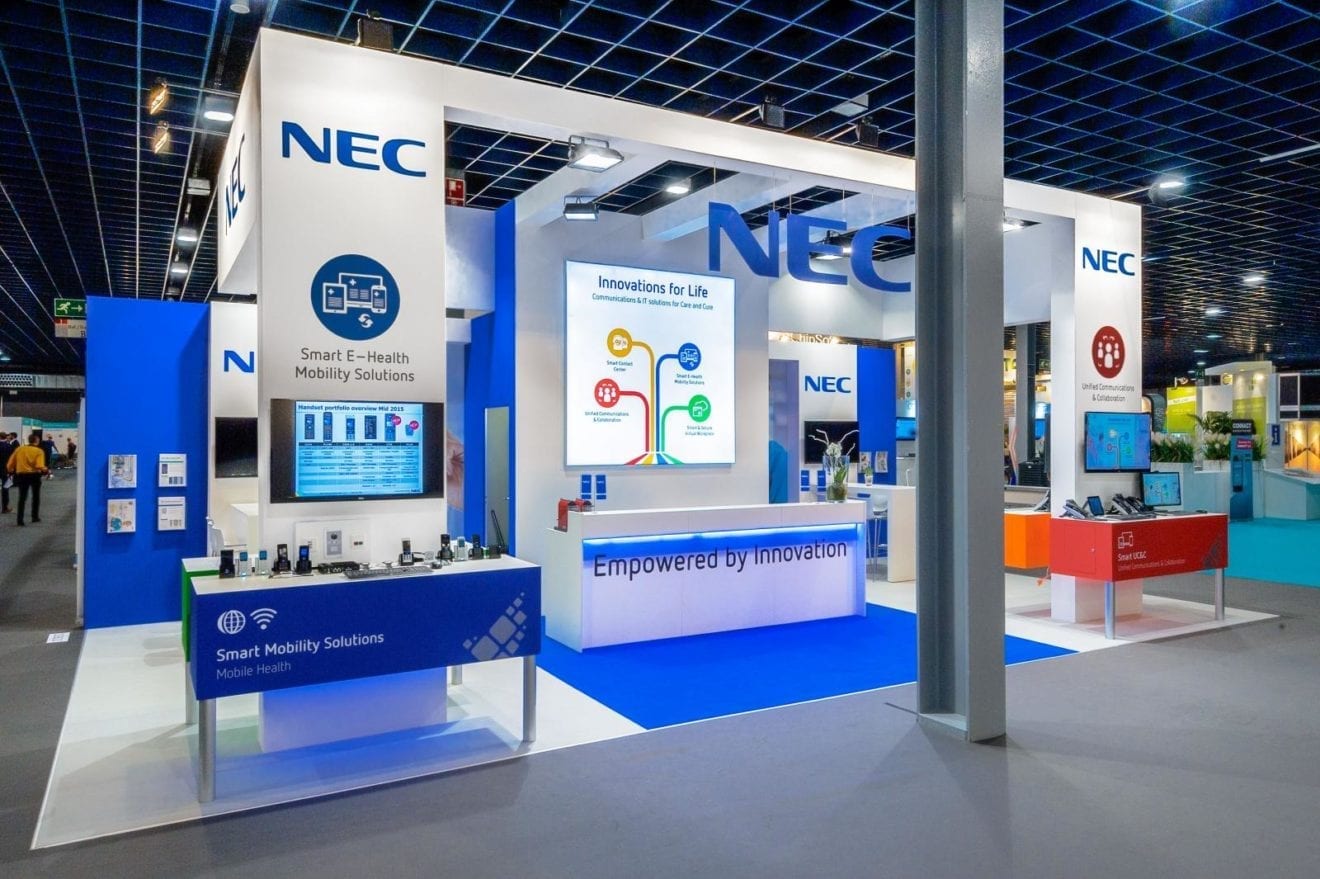
    At the 19th edition of the Telecom Review Leaders’ Summit, the topic of discussion was ‘Tech Intelligence Beyond Mobility’. This event convened in Dubai, UAE, from December 10-11, 2025. One of the key speakers was Kageshima Hideo, Director of NEC’s Open Optical Transport Network Solution. In his presentation titled ‘Redefining Optical Networks as Catalysts for Telecom Growth’, Hideo shed light on the pivotal role optical innovation will play in propelling an AI-extended society by 2030.

    NEC’s Vision for the Future

    Hideo initiated his address by outlining NEC’s long-term vision, which revolves around its corporate purpose and five societal aspirations for the year 2030. These aspirations encompass the environment, society, and human life. At the core of this vision lies the integration of AI and robotics as true human partners. NEC envisions a future where AI collaborates seamlessly with humans and robotics offer tangible real-world solutions. These technologies are anticipated to substantially extend human potential, bringing about increases in productivity, intelligence, and the quality of life.

    Progression Towards an AI-Extended Society

    Hideo traced the progression towards this future through three distinct stages. The initial stage, 2025, saw the rise of agentic AI, which began diminishing the barriers between humans and machines and launched standalone AI data centers that largely operate independently.

    By 2027, AI is expected to permeate everyday work and life, backed by multi-AI data center networking and site-to-site optical interconnections, thereby dramatically increasing connection points.

    By the year 2030, it is predicted that AI will fully amplify human potential through accelerated innovation. This will be facilitated by edge-AI networking, thing-to-thing optical connections, and a surge in network endpoints, leading to a profound evolution in AI networks.

    Optical Networks by 2030: Convergence and Intelligence

    Hideo painted a picture of a future characterized by a blend of computing and network convergence through the concept of ‘optical everywhere.’ Advancements like wavelength optimization, dynamic path provisioning, and on-demand optical networking are expected to maximize resource utilization while offering unparalleled flexibility.

    This view aligns with the Innovative Optical and Wireless Network (IOWN) concept, which rests on three pillars: the all-photonics network, a cognitive foundation, and digital twin technologies. Collectively, these will offer ultra-low latency, high-capacity, and intelligent network operations to cater to the demands of AI.

    Open Optical Networks for the AI Era

    NEC’s answer to these forthcoming challenges is its Open Optical Network Solution. This new-generation data center interconnect model is built for openness and sustainability in the AI era. The strategy lays emphasis on disaggregation and modularity, enabling operators to scale as per their requirements, thereby boosting cost efficiency and agility.

    Key components include multi-vendor whitebox transponders to alleviate supply chain risks, comprehensive multi-vendor system integration, and world-first Linux-based network operating systems that provide server-like operability. Features such as zero-touch provisioning, programmability via TIP MUST controllers, and integrated server-network management aim to streamline operations while optimizing performance.

    Sustainability by Design

    Sustainability was another cornerstone of Hideo’s presentation. NEC’s disaggregated solutions are engineered to support eco-friendly AI data centers, especially in scenarios constrained by power and space. Hardware longevity through modular upgrades and network and power optimization services were underscored as key to minimizing environmental impact while attending to growing AI workloads.

    Hideo concluded his keynote by reinforcing NEC’s strategy through real-world deployments. With global centers of excellence and extensive expertise in multi-vendor, multi-layer integration, NEC is dedicated to continuing the advancement of optical networks to amplify human potential in the forthcoming AI-driven decade.

    Questions & Answers

    What is NEC’s Open Optical Network Solution?
    NEC’s Open Optical Network Solution is a new-generation data center interconnect model designed for openness and sustainability in the AI era. It emphasizes disaggregation and modularity, allowing operators to scale as they grow, therefore improving cost efficiency and agility.

    What are the three stages of progression towards an AI-extended society as proposed by NEC?
    NEC proposes three stages towards an AI-extended society: the rise of agentic AI in 2025, AI becoming pervasive in everyday life by 2027, and AI fully enhancing human potential by 2030 through accelerated innovation.

    How does NEC’s vision for optical networks align with the IOWN concept?
    NEC’s vision aligns with the IOWN concept, which is built on three pillars: the all-photonics network, a cognitive foundation, and digital twin technologies. These elements together aim to provide ultra-low latency, high-capacity, and intelligent network operations to meet AI-driven demands.

  • Audi Teams Up with Revolut: A Fintech Revolution on the Formula One Racetrack

    Audi Teams Up with Revolut: A Fintech Revolution on the Formula One Racetrack

    Audi has officially launched the Audi Revolut F1 Team, an exciting development that firmly establishes the German manufacturer’s presence in Formula One and emphasizes the increasing strategic significance of fintech partnerships in international sports. The team’s name, logo, and Berlin launch date of January 20, 2026, were all announced.

    The partnership with Revolut was officially confirmed in July 2025 and extends far beyond mere logo incorporation. This collaboration places the British fintech firm at the heart of the team’s identity, aligning two brands known for their commitment to innovation, performance, and global influence. For Revolut, this alliance supports its goals to drive global expansion and enhance engagement across one of the most economically potent sports platforms worldwide.

    The Reveal of Brand Identity

    The Berlin launch will represent the first comprehensive public display of the Audi Revolut F1 Team’s identity, including the debut of its 2026 race livery. Designed as an immersive event, the launch aims to exhibit Audi’s design principles of clarity, technical intelligence, and emotion, while also extending access to the public with an opening on the following day.

    Revolut’s role also expands to the team’s business structure. Revolut Business will be incorporated into financial operations, and Revolut Pay will facilitate the team’s online merchandise store. This not only reinforces the commercial rationale behind the partnership but also showcases how fintech solutions can be directly integrated into high-performing organizations.

    Corporate Rebranding Indicates Long-Term Dedication

    Audi Motorsport will replace Sauber Motorsport as part of Audi’s Formula One initiative, and the UK facility in Bicester will be rebranded as the Audi Motorsport Technology Centre UK. These modifications underscore Audi’s goal to function as a fully-fledged factory team while maintaining the Sauber Holding and Sauber Technologies brands to ensure continuity.

    Revolut CEO Nik Storonsky views the partnership as a catalyst for expansion, stating that the team name and logo are the initial signs of a strong alliance that will spur Revolut’s global growth. Audi Chairman Gernot Döllner expressed that the unveiling provides the company’s Formula One dreams a distinct identity, encapsulating a powerful vision and innovative spirit.

    Establishing Reputation Prior to 2026 Regulations Change

    Team leadership emphasized both execution and timing. The Head of the Audi Revolut F1 Team, Mattia Binotto, underscored a culture of “precision and relentless ambition.” Meanwhile, Team Principal Jonathan Wheatley labeled the announcement as a “critical milestone” that concretises the project’s long-term objectives as Formula One braces for new regulations that will increase the electric share of hybrid power units to nearly 50 percent.

    Close Observation by Investors and Strategists

    To astute financial observers, the Audi Revolut F1 Team exemplifies how international brands are utilizing Formula One as a nexus for technology, sustainability, and customer acquisition. As Revolut targets 100 million customers and Audi positions itself at the forefront of electrified performance, the partnership signifies a wider shift: motorsport as a scalable business platform, not just a marketing expenditure.

    Questions & Answers

    What is the aim of the Audi Revolut F1 Team partnership?
    The partnership aims to enhance innovation, performance, and global reach in the Formula One sports platform, while also accelerating Revolut’s international growth.

    How does the partnership impact the business infrastructure of the Audi Revolut F1 Team?
    Revolut Business will be integrated into the team’s financial operations, and Revolut Pay will facilitate the team’s online merchandise store, demonstrating how fintech solutions can be embedded directly into high-performing organizations.

    What changes will take place in Audi’s Formula One programme?
    Sauber Motorsport will be rebranded as Audi Motorsport, and the UK facility in Bicester will be renamed the Audi Motorsport Technology Centre UK. This emphasizes Audi’s intention to operate as a fully-fledged factory team.

  • Johnson & Johnson Slapped with $40M Verdict in Landmark Talc-Ovarian Cancer Case

    Johnson & Johnson Slapped with $40M Verdict in Landmark Talc-Ovarian Cancer Case

    A California court has awarded $40 million to two women who claimed their ovarian cancer was a result of prolonged usage of Johnson & Johnson’s talcum-based baby powder. The Los Angeles Superior Court jury distributed the payout, allotting $18 million to Monica Kent and $22 million to both Deborah Schultz and her husband. This decision was made following the conclusion that Johnson & Johnson was aware of the potential harm their products could cause for several years, yet failed to notify consumers.

    Erik Haas, the current vice president of litigation at Johnson & Johnson on a global scale, announced the company’s intention to appeal the ruling. He expressed confidence that they would eventually emerge victorious, as they typically do in similar cases of adverse verdicts.

    Monica Kent received her ovarian cancer diagnosis in 2014, while Schultz got hers in 2018. Both women, residents of California, reported regular usage of Johnson & Johnson’s baby powder post-bath for around four decades. The pair also testified that their treatments for ovarian cancer included significant surgeries and multiple rounds of chemotherapy.

    According to Andy Birchfield, the women’s attorney, Johnson & Johnson knew as early as the 1960s that their product was potentially carcinogenic. He accused the company of actively trying to suppress this information from public knowledge.

    In response, Allison Brown, Johnson & Johnson’s attorney, insisted that the only people to link the women’s cancers to talc were their legal representatives. Brown argued the alleged connection lacks the support of any significant US health authority and no study exists to prove talc can move from the exterior of the body to reproductive organs.

    Currently, the company faces over 67,000 lawsuits from plaintiffs alleging that they developed cancer following the usage of Johnson & Johnson’s baby powder and other talc products. Despite this, the corporation maintains that its products are safe, asbestos-free, and do not cause cancer. In 2020, Johnson & Johnson ceased the sale of talc-based baby powder in the US, instead opting for a cornstarch product.

    Johnson & Johnson also attempted to address the litigation via bankruptcy. However, this approach has been dismissed thrice by federal courts, most recently in April. Prior to these bankruptcy attempts, Johnson & Johnson had a mixed track record in talc trials, with some verdicts reaching as high as $4.69 billion awarded to women claiming the baby powder caused their ovarian cancer.

    Most of the lawsuits Johnson & Johnson faces are related to ovarian cancer claims. A smaller segment of the claims alleges that talc caused a rare and lethal cancer known as mesothelioma. Over the past year, the company has seen multiple substantial verdicts in mesothelioma cases, including a verdict exceeding $900 million in Los Angeles last October.

    Questions & Answers

    What was the amount awarded to the women claiming Johnson & Johnson’s baby powder caused their ovarian cancer?
    The Los Angeles Superior Court jury awarded a total of $40 million to the two women; $18 million to Monica Kent and $22 million to Deborah Schultz.

    What is Johnson & Johnson’s stance on the issue?
    Johnson & Johnson maintains the position that their products are safe, free from asbestos, and do not cause cancer. They have every intention to appeal the recent verdict.

    What other lawsuits is Johnson & Johnson facing related to its talc products?
    Johnson & Johnson is currently facing over 67,000 similar lawsuits from plaintiffs who claim their cancers were caused by the use of the company’s baby powder and other talc-based products.

  • Mondelez Set to Sweeten US Market with Sugar-Free Oreo – A Healthier Twist to Iconic Snacks

    Mondelez Set to Sweeten US Market with Sugar-Free Oreo – A Healthier Twist to Iconic Snacks

    Mondelez International, recognized worldwide for its Oreo brand, is set to broaden its range of offerings with the introduction of Oreo Zero Sugar and Oreo Double Stuf Zero Sugar in the U.S market, with a planned launch in January.

    This is a first-of-its-kind initiative for the U.S. market, with earlier successful launches of sugar-free Oreo products recorded in regions of Europe and China.

    The new products have been designed to maintain the quintessential Oreo taste and texture but without any added sugar. Mondelez has revealed that the cookies will be sweetened using a specially crafted blend of sugar substitutes, specifically formulated to cater to the health-conscious segment of consumers.

    This strategic move is in line with the evolving trends in the Fast-Moving Consumer Goods (FMCG) sector, where companies are steadily shifting their focus towards creating “better-for-you” snack products. This is in response to the rising consumer interest and increased demand for healthier snack alternatives.

    Questions & Answers

    What are the new products that Mondelez International is launching?
    Mondelez International is launching Oreo Zero Sugar and Oreo Double Stuf Zero Sugar.

    How are these new Oreo products different from the traditional ones?
    The new products maintain the classic Oreo taste and texture but they do not contain any added sugar. They are sweetened using a blend of sugar substitutes.

    Why is Mondelez launching these sugar-free products?
    The launch of these sugar-free Oreo products aligns with the broader industry trends where FMCG companies are responding to growing consumer interest in healthier, “better-for-you” snack options.

  • HelloFresh and Youfoodz in Legal Hot Water Over Alleged Deceptive Subscription Practices

    HelloFresh and Youfoodz in Legal Hot Water Over Alleged Deceptive Subscription Practices

    The Australian Competition and Consumer Commission (ACCC) has recently launched a lawsuit against two meal kit delivery companies, HelloFresh and Youfoodz. The case, filed in Federal Court, accuses the two companies of misleading their customers about the terms of their subscription services.

    Alleged Misrepresentation of Subscription Cancellation

    Both HelloFresh and Youfoodz are subsidiaries of the Germany-based HelloFresh SE. The former provides weekly meal kits while the latter offers pre-made meals on a weekly basis. The ACCC’s contention is that both companies violated Australian consumer law by falsely advertising that new customers could cancel their subscriptions without incurring any charges. In reality, despite cancelling within the specified period, a large number of consumers still faced charges.

    According to a representative from ACCC, while it was easy for customers to sign up for the services via websites and mobile applications, the cancellation of the first order required interaction with a customer service representative.

    Charges Despite Cancellation

    The alleged violations occurred from January 1, 2023, to March 14, 2025, for HelloFresh, and from October 1, 2022, to November 22, 2024, for Youfoodz. The ACCC states that during these periods, “62,061 HelloFresh customers and 39,408 Youfoodz customers were charged a fee despite cancelling their subscription before the specified cut-off time for the first order.”

    Moreover, the ACCC claims that HelloFresh required customers to provide payment details to access the full menu, but assured them during the sign-up process that they wouldn’t be charged unless they selected meals. However, in contrast to its promise, several customers were charged. Similarly, Youfoodz informed customers who had initiated their subscription’s cancellation that their first delivery was cancelled and they won’t be charged, which turned out not to be true.

    Investigation and Public Concern

    The ACCC initiated the investigation into these allegations against HelloFresh and Youfoodz in October 2024, following numerous complaints from consumers. The commissioner, Luke Woodward, expressed that businesses employing confusing and complicated subscription cancellation policies are a significant public concern. He emphasized that the ACCC would take enforcement action as necessary when there’s evidence of violations of the Australian consumer law and consumer harm.

    Questions & Answers

    What is the ACCC’s contention against HelloFresh and Youfoodz?
    The ACCC alleges that both companies violated Australian consumer law by falsely advertising that new customers could cancel their subscriptions without any charges. In reality, many customers incurred charges despite cancelling within the specified period.

    What were the periods during which these alleged violations occurred?
    For HelloFresh, the alleged violations occurred from January 1, 2023, to March 14, 2025. For Youfoodz, the violations are said to have taken place from October 1, 2022, to November 22, 2024.

    What does the ACCC plan to do about businesses with confusing and complicated subscription cancellation policies?
    The ACCC commissioner, Luke Woodward, stated that when there is evidence of breaches of the Australian consumer law and consumer harm, the ACCC will take enforcement action as necessary.

  • Better Beer Unveils ‘Halfy’: A Low-Calorie, Low-Alcohol Lager Answering the Call for Moderation

    Better Beer Unveils ‘Halfy’: A Low-Calorie, Low-Alcohol Lager Answering the Call for Moderation

    Better Beer, a leading brewery company, has introduced Halfy, an ultra-low-carbohydrate lager that contains half the alcoholic content of its flagship product, the zero-carb Better Beer.

    New Addition to the Product Range

    The newly launched Halfy joins Better Beer’s extensive range of low or non-alcoholic beverages. The company’s current offerings include the zero-carb lager, an ultra-low-carb mid-strength beer known as Middy, a low-sugar, gluten-free ginger beer, and Better Cider.

    The Halfy lager is presented in a 355ml can and features an alcohol by volume (ABV) of 2.1 per cent, making it a light beverage option. In addition to its low alcohol content, Halfy also boasts just 57 calories per can. Moreover, the hop profile remains consistent with the original Better Beer, delivering a light and clean finish to satisfy beer connoisseurs.

    Meeting the Demand for Moderate Consumption

    Nick Cogger, CEO and co-founder of Better Beer, sees the launch of Halfy as the company’s answer to an increasing consumer demand for moderate alcohol consumption. Cogger explains that Halfy is designed for genuine Australian drinking experiences, allowing consumers to enjoy the full beer experience without fear of overindulging.

    Cogger notes a significant trend towards moderation, with an increasing focus on wellness and balance, particularly in the world of alcoholic beverages. Halfy is crafted to meet this demand, providing the taste of a conventional beer, but with reduced alcohol content and lower caloric intake.

    Availability and Pricing

    The Better Beer Halfy is currently available for purchase across Australia at Dan Murphy’s and BWS stores. The recommended retail price is $48 for a pack of 24 cans.

    Questions & Answers

    What is the ABV and calorie count for Halfy?
    Halfy has an ABV of 2.1% and contains 57 calories per 355ml can.

    What is the purpose of launching Halfy?
    The launch of Halfy is Better Beer’s response to the growing consumer demand for beer with lower alcohol content and a healthier profile, allowing consumers to enjoy the taste of beer without overindulging.

    Where can consumers purchase Better Beer Halfy?
    Better Beer Halfy is available for purchase nationwide at Dan Murphy’s and BWS stores.

  • Western Australia’s New Liquor Law Reforms: A Toast to Hospitality Growth and Enhanced Tourism Experience

    Western Australia’s New Liquor Law Reforms: A Toast to Hospitality Growth and Enhanced Tourism Experience

    The recently approved revisions to liquor laws in Western Australia are set to streamline processes, reduce bureaucratic hindrances, and inject vitality into the region’s liquor, tourism, and hospitality sectors.

    Enhancements to Alcohol Service and Trading Hours

    The legislation overhaul permits licensed establishments such as hotels, taverns, small bars, and alcohol manufacturers to offer alcoholic beverages with or without an accompanying meal on notable public holidays such as Good Friday and Christmas Day. Furthermore, the trading hours on these holidays, as well as on Anzac Day, will see an extension of up to four hours, permitting operation from 10 am to midnight.

    Introduction of Digital ID Checks

    In alignment with modern technological trends, the Liquor Control Act 1988 will also integrate digital ID checks into its enforcement mechanism. However, the law stipulates that digital evidence such as photographs or screenshots of IDs will not be deemed acceptable.

    Reducing Paperwork and Boosting Growth

    As part of the drive to slash red tape, the new laws will eliminate the need to renew extended trading permits, thus reducing paperwork and related costs for business operators. Small bars stand to benefit from these changes, as the legislation raises their patron capacity limit from 120 to 150.

    Expanding Product Range and Strengthening Penalties

    The reforms also broaden the scope for spirit producers, enabling them to produce a wider array of products, including ready-to-consume beverages like hard seltzers. To address potential alcohol-related issues, the Banned Drinkers Register (BDR) will become a permanent measure in Kimberley, Pilbara, Goldfields, Carnarvon, and Gascoyne Junction. The law will also amplify penalties for unauthorized alcohol sales and distribution.

    According to Racing and Gaming Minister Paul Papalia, these reforms echo the government’s dedication to facilitating business operations in Western Australia. He underscored the legislation’s dual benefit for businesses and customers, stating, “We’re backing growth in tourism, hospitality and the night-time economy with a modern liquor licensing system that works for both businesses and patrons.”

    Questions & Answers

    What are the key changes in Western Australia’s new liquor law reforms?
    The primary changes include extended trading hours on public holidays, introduction of digital ID checks, eradication of extended trading permit renewals, increase in customer capacity at small bars, and expansion of the product range for spirit producers.

    How will the reforms affect small bars?
    The reforms will ease administrative burdens for small bars by dispensing with the need for extended trading permit renewals. They will also allow for an increase in customer capacity from 120 to 150.

    What measures will be taken to address potential alcohol-related issues?
    The reforms will make the Banned Drinkers Register (BDR) a permanent feature in certain areas, and also strengthen penalties for illegal alcohol sales and distribution.

  • Bacha Coffee Brews Global Expansion with Lavish Flagship Store Debut in Tokyo’s Ginza District

    Bacha Coffee Brews Global Expansion with Lavish Flagship Store Debut in Tokyo’s Ginza District

    Bacha Coffee, a Moroccan coffee brand, has made a significant stride in its global growth strategy by establishing its inaugural Japanese flagship store in Tokyo’s luxurious Ginza district.

    Store Features and Design

    The flagship, situated in Ginza’s highly competitive 5-chome luxury retail sector, spans three levels and occupies 377 square meters. It incorporates a retail boutique on the ground floor, complemented by two coffee rooms on the upper levels, thereby positioning the location as a dual-purpose retail and hospitality destination.

    The design concept is inspired by Bacha Coffee’s roots at Dar el Bacha in Marrakech, with the aesthetics adapted to cater to the Japanese market. The interior showcases a blend of red ochre tones, a black-and-white checkered floor, geometric lattice motifs, and intricately carved cedar wood elements, reflecting a perfect fusion of Moroccan and Japanese aesthetics.

    Coffee Selection

    The Ginza-based establishment offers patrons a selection of over 200 varieties of 100% Arabica coffee, which are meticulously sourced from 35 countries worldwide, including Yemen, Ethiopia, Jamaica, and Hawaii. The assortment includes single-origin coffees, blends, and flavored options, alongside Naturally CO2 Decaffeinated coffee varieties.

    Maranda Barnes, Chief Commercial Officer of Bacha Coffee, has described the Ginza location as more than just a boutique. According to her, it serves as an iconic representation of Bacha Coffee in Asia. Barnes further described the location as “a true invitation to travel, a place where each cup tells a story of craftsmanship, passion, and savoir-faire.”

    Earlier in the year, Bacha Coffee indicated plans to expand its footprint in Japan via a franchising agreement with local railway operator The Tokyu Group.

    Global Presence

    Currently, Bacha Coffee operates 37 locations across 14 cities spanning Asia, Europe, and the Middle East. These locations include Paris, Seoul, Dubai, Singapore, Taipei, and Hong Kong. The brand has expressed its ambitious vision of establishing a presence in major global capitals by the year 2030.

    Questions & Answers

    Where is Bacha Coffee’s first Japanese flagship store located?
    The flagship store is located in Tokyo’s luxurious Ginza district.

    What are some unique features of the Ginza store?
    The store is uniquely designed, blending Moroccan and Japanese aesthetics. It spans three levels and incorporates a retail boutique and two coffee rooms.

    What is Bacha Coffee’s expansion target by 2030?
    Bacha Coffee aims to establish a presence in major global capitals by the year 2030.