Author: Mei Ling Tan

  • Sushi Tycoon ‘Tuna King’ Shells Out Record $3.2M for Massive Bluefin at Tokyo’s Prestigious Auction

    Sushi Tycoon ‘Tuna King’ Shells Out Record $3.2M for Massive Bluefin at Tokyo’s Prestigious Auction

    A sushi entrepreneur from Japan, who goes by the moniker “The Tuna King”, set a new record when he purchased a colossal bluefin tuna for an unprecedented 510.3 million yen (approximately US$3.25 million) at an auction held on Monday.

    Record-Breaking Purchase

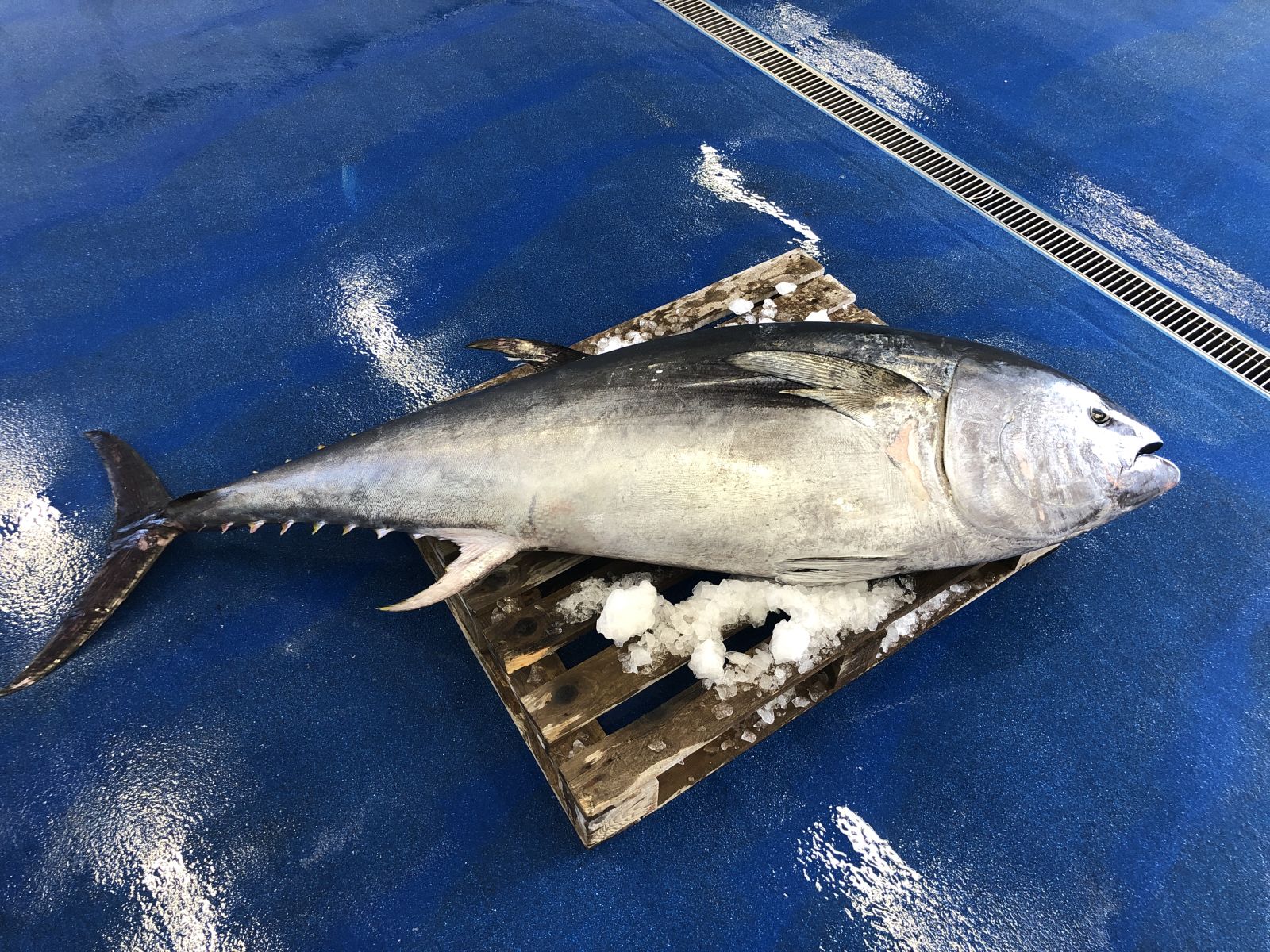
    Kiyoshi Kimura, the owner of a chain of sushi restaurants, emerged as the highest bidder at the esteemed annual New Year auction in Tokyo’s primary fish market. The 243-kilogram tuna that fetched this record price was caught off the northern coast of Japan.

    Kimura candidly expressed his surprise at the rocketing price of the fish. “I had hoped we could secure the fish at a somewhat lower cost, but the price escalated rapidly,” Kimura revealed in the wake of the predawn auction at Tokyo’s main fish market.

    Auspicious Tuna to Usher in the New Year

    Despite the staggering cost, Kimura remained optimistic about his purchase. “The price certainly caught me off guard…but I am hopeful that the consumption of this lucky tuna will invigorate as many people as possible,” he asserted to journalists.

    As the president of Kiyomura Corp., the Tokyo-based company operating the Sushizanmai sushi restaurant chain, Kimura showcased the 243-kilogram bluefin tuna at his flagship restaurant in Tokyo on January 5, 2026, following the New Year’s auction at Toyosu fish market.

    Historical Highs of Tuna Prices

    This auction price is the highest on record since data regarding such figures started being compiled in 1999. The previous record was 333.6 million yen, paid for a 278-kilogram bluefin tuna in 2019, after the fish market relocated from its traditional Tsukiji location in central Tokyo to a more modern facility.

    Last year’s highest bid was 207 million yen for a 276-kilogram bluefin. After this year’s auction, the hefty tuna was promptly prepared into sushi and sold for around 500 yen (about US$3) per roll.

    Customer Reactions

    Diners at one of Kimura’s restaurants in Tsukiji were delighted to partake in such an auspicious meal at the start of the year. “Having had the privilege of eating something so fortunate as the year begins, I feel like I’ve started the year on the right note,” shared 19-year-old Minami Sugiyama. Another patron, a 40-year-old Shinto priest named Kiyoshi Nishimura, shared a similar sentiment, praising the taste and texture of the tuna.

    Effects of the COVID-19 Pandemic

    During the COVID-19 pandemic, the New Year tuna prices plummeted to only a fraction of their regular peak prices as restaurants reduced their operations. However, the purchase of the bluefin tuna this year signals a potential recovery and brighter future for the Pacific bluefin industry.

    Questions & Answers

    What is the highest price ever paid for a bluefin tuna?
    The highest price ever paid for a bluefin tuna was 510.3 million yen (approximately US$3.25 million), by entrepreneur Kiyoshi Kimura in 2026.

    Who is Kiyoshi Kimura?
    Kiyoshi Kimura, also known as “The Tuna King”, is the president of Kiyomura Corp. and the owner of the Sushizanmai sushi restaurant chain in Tokyo.

    How has the COVID-19 pandemic affected the tuna industry?
    During the COVID-19 pandemic, prices for New Year tuna decreased significantly because restaurants had to scale back their operations.

  • Vietnam’s Fruit and Vegetable Exports Soar: $10B Target in Sight for 2026 Amid Global Trade Growth

    Vietnam’s Fruit and Vegetable Exports Soar: $10B Target in Sight for 2026 Amid Global Trade Growth

    According to industry experts, Vietnam’s fruit and vegetable exports could hit the $10 billion mark as early as 2026, provided the current pace is sustained and structural issues are resolved. The total exports are projected to be in the range of $8-8.4 billion in 2025, marking a growth of 18% from the previous year, as reported by the Vietnam Fruit and Vegetable Association.

    Growth Amid Global Trade Volatility

    The resilience and growth of Vietnam’s fruit and vegetable export sector in spite of ongoing global trade instability underscore the enhanced competitiveness of the nation’s agricultural products in global markets. This remarkable performance can be attributed to an array of beneficial conditions, including substantial recovery of demand in major markets such as China, the U.S., South Korea, Japan and the European Union. Furthermore, an increase in official export approvals for Vietnamese fruits to high-demand markets has created new avenues for growth.

    Nguyen Thanh Binh, chairman of the association, indicated that the growth in exports in recent years has evolved from seasonal peaks into a consistent upward trend. An increased emphasis on quality, traceability, and compliance with market standards has aided Vietnamese produce in establishing a more stable presence within global supply chains.

    Despite being the largest market and accounting for a significant proportion of shipments, China also poses the greatest challenges to the industry, as Binh noted.

    Persistent Vulnerabilities

    While there has been a robust increase in export value, market volatility and policy changes continue to cause disruptions in shipments to China. Dr. Nguyen Dinh Bich, an expert in agricultural economics, pointed out that the sector’s greatest vulnerability is seen in production organization. Despite the speedy growth, it lacks a firm grounding and without stronger connections from raw material sources to processing and distribution, the industry could be susceptible to changes such as tightened standards or altered regulations by major markets.

    Learning from past instances of congestion at border gates remains crucial, particularly as importing countries continue to elevate their requirements regarding quarantine, food safety, and sustainability.

    Striving for the $10 Billion Goal

    Despite these challenges, the long-term prospects remain favorable. Riding on the wave of consistent double-digit growth in recent years and Vietnam’s position among the world’s top 25 trading nations, the association is confident that exports could reach $10 billion by 2026.

    Many businesses deem this target achievable if existing roadblocks are overcome. A representative from the Tien Giang Vegetables and Fruits Joint Stock Company said that there remains potential for processed goods and premium fresh fruit. However, businesses require stable policies regarding raw material zones, logistics, and market access.

    Logistics costs, particularly those related to cold-chain logistics, constitute a substantial portion of expenses, compromising competitiveness with regional counterparts.

    Experts emphasize the necessity for comprehensive, long-term solutions, including focused farming zones, standardized production unit codes, and packing facilities certified in line with market demand. Diversifying export markets and increasing the share of processed goods are also seen as essential.

    Binh further underscored that continued government support in areas such as market access, standardization, and credit and logistics infrastructure will be crucial to ensuring sustainable growth.

    Questions & Answers

    What are the main challenges to Vietnam’s fruit and vegetable export industry?
    The main challenges include market volatility, policy changes, high logistics costs, and the need for stronger connections from raw material sources to processing and distribution.

    What are the proposed solutions to these challenges?
    Proposed solutions include the creation of concentrated farming zones, standardization of production unit codes, certified packing facilities, diversification of export markets, and increased government support in various areas.

    What is the projected value of Vietnam’s fruit and vegetable exports in the near future?
    Industry experts believe that Vietnam’s fruit and vegetable exports could reach $10 billion as early as 2026, given the current pace of growth and provided structural issues are properly addressed.

  • Vietnam’s Economy Soars with 8.02% GDP Growth in 2025, Claiming Second Highest Spot in Two Decades

    Vietnam’s Economy Soars with 8.02% GDP Growth in 2025, Claiming Second Highest Spot in Two Decades

    The Vietnamese economy experienced significant growth in the last year, with an impressive rate of 8.02%, marking the second-highest growth rate in the past 15 years. This growth was primarily fueled by the services and industry sectors. In the final quarter of the year alone, the economy expanded by 8.46% on a year-on-year comparison, as per the data from the General Statistics Office.

    Steady Growth Amid Global Economic Volatility

    Vietnam has demonstrated a remarkable economic performance in the face of global economic instability. This instability has been particularly marked by trade tensions and reciprocal tariff policies from the United States. Despite these challenges, Vietnam’s growth rate was the highest amongst Southeast Asian nations and one of the highest globally. The last time the economy grew at a higher rate was in 2022, with an expansion of 8.12%, following the Covid-19 pandemic.

    Economic Indicators

    In 2025, the Gross Domestic Product (GDP) of Vietnam rose to US$514 billion, and the per capita income reached $5,026. These figures have positioned Vietnam as an upper-middle-income nation. Nevertheless, the inflation rate for the year experienced a slight increase, reaching 3.31%.

    The services sector emerged as the largest contributor to the Vietnamese economy, accounting for 51.1% of the total. The industry and construction sectors followed with a 43.6% contribution, while the remainder was made up by agriculture, forestry, and fisheries.

    In terms of trade, Vietnam hit a new record with a total value of $930 billion, reflecting an 18.2% rise from the previous year. The export value increased by 17%, totaling $475 billion.

    In the same year, there was a notable increase in enterprise registration and revival, with 297,500 businesses registered or revived, marking a 27.4% surge.

    Future Economic Prospects

    Looking forward, the National Assembly has set an ambitious GDP growth target of 10% for the upcoming year. Achieving this target will increase the per capita income to a range of $5,400 to $5,500.

    Questions & Answers

    What was the growth rate of the Vietnamese economy last year?
    The Vietnamese economy grew at a rate of 8.02% last year.

    What sectors mainly drove Vietnam’s economic growth?
    The growth of the Vietnamese economy was primarily driven by the services and industry sectors.

    What is the GDP growth target set by the National Assembly for the next year?
    The National Assembly has set a GDP growth target of 10% for the next year.

  • Rising to the Top: Clark International Airport Corporation Paves the Way for Next-Gen Logistics Hub in the Philippines

    Rising to the Top: Clark International Airport Corporation Paves the Way for Next-Gen Logistics Hub in the Philippines

    The Clark International Airport Corporation (CIAC) is taking decisive steps to establish the Clark Civil Aviation Complex (CAC) as the Philippines’ next central hub for cargo and logistics. This development is supported by the extensive redevelopment of the 2,367-hectare property, with CIAC rapidly improving infrastructure, managing the estate, and reforming policies to accommodate the increasing regional demand.

    Heading in a New Direction

    Joseph P. Alcazar, President and CEO of CIAC, states that the corporation has revised its strategy and has refocused on managing the estate and developing airport infrastructure. Their goal is to support the Clark International Airport (CRK) and convert the Clark Civil Aviation Complex into the Clark Aviation Capital.

    Within the first five months of 2025, the Clark International Airport (CRK) doubled its cargo throughput compared to the previous year, handling over 35,900 tonnes across more than 2,500 flights. Historically, CRK has been seen as a strategic alternative to the crowded gateways in Metro Manila. Now, CRK is utilising its prime location, extensive aviation estate, and updated infrastructure to further CIAC’s logistics vision.

    Geography and Policy: The Advantages of Clark

    Central Luzon is the location of CAC, providing it with direct access to major expressways, seaports, and the market in Metro Manila. This connectivity enables quick cargo movement with various transportation options.

    CAC, the largest aviation complex in the Philippines, is uniquely positioned, offering operational and tax advantages due to its status as one of the few freeport zones housing an international airport.

    Claude’s close proximity to the industrial corridors in Luzon and its uncongested airspace make it an ideal location for time-sensitive cargo, including e-commerce deliveries and Maintenance, Repair, and Overhaul (MRO) operations.

    Strengthening Connections

    To keep up with its expanding role in logistics, Clark is investing in long-term infrastructure that improves accessibility to key economic zones and trade routes.

    Cargo volumes have soared at Clark, with a 100% increase in the first five months of 2025, which builds on a 32% increase from 2024.

    Building Infrastructure and Future Hubs

    The progress is supported by a series of infrastructure projects led by CIAC, including a new air traffic control tower, upgraded airfield lighting systems, and radar installations.

    CIAC is also focusing on future growth areas such as temperature-sensitive cargo and e-commerce logistics. For instance, in 2024, CIAC signed a Memorandum of Understanding with Philippine Pharma Procurement, Inc. to explore the development of pharmaceutical logistics capabilities within the complex.

    Enhancing Resilience and Multimodal Mobility

    As part of its long-term strategy, CIAC is considering new infrastructure aimed at resilience and disaster readiness.

    CIAC is also developing plans for a Multimodal Mobility Hub, a compact, connected space that integrates various transport modes, improving urban access and logistics efficiency.

    Governance, Services, and Sustainability

    CIAC plays a crucial supporting role for estate locators and cargo operators, despite not directly operating cargo services.

    Policy reforms are helping to accelerate infrastructure development. The Public-Private Partnership (PPP) Code institutionalises best practices for private-sector participation and offers a transparent framework for implementing major projects.

    Sustainability remains at the forefront of CIAC’s long-term perspective. CIAC actively supports initiatives that promote sustainable aviation.

    Questions & Answers

    What is the strategic plan of CIAC for Clark International Airport?
    CIAC is focusing on improving infrastructure, managing the estate, and reforming policies to support Clark International Airport (CRK) and convert the Clark Civil Aviation Complex into the Clark Aviation Capital.

    Which areas is CIAC targeting for future growth?
    CIAC is exploring potential growth areas such as temperature-sensitive cargo and e-commerce logistics. The corporation is also planning to develop pharmaceutical logistics capabilities within the complex.

    How is CIAC working towards sustainability?
    CIAC actively supports initiatives that promote sustainable aviation. The corporation is planning infrastructure across Clark Aviation Capital that incorporates green building standards, efficient land use, and transport connectivity to reduce the carbon footprint of logistics operations.

  • Thai Giant Central Retail Waves Goodbye to Vietnam’s Electronics Market, Selling Nguyen Kim Amid Mounting Losses

    Thai Giant Central Retail Waves Goodbye to Vietnam’s Electronics Market, Selling Nguyen Kim Amid Mounting Losses

    Thai conglomerate Central Retail has finalized the sale of its entire share in Nguyen Kim Electronics, signifying its departure from the consumer electronics industry in Vietnam following successive years of financial losses.

    Deal Details

    The transaction, which reached completion in the latter part of last year, resulted in the transfer of full ownership of Nguyen Kim to Pico Holdings, a domestic retailer. The deal’s value is believed to be approximately $36 million, equating to a $190 million loss in comparison to the original purchasing price Central Retail paid for the company, without considering any losses incurred through trading activities.

    Strategic Shift

    Insiders from Vietnam suggest that this sale aligns with Central Retail’s strategic vision to refocus its Vietnamese operations towards sectors with more promising growth trajectories. These sectors include supermarkets, food retail, and shopping center management. Central Retail is the parent company of the Go hypermarket and Tops supermarket brands.

    Historical Context

    Central Retail first penetrated the Vietnamese electronics sector over a decade ago. In 2015, the company acquired a 49% stake in Nguyen Kim, before ultimately gaining full control in 2020 after purchasing the remaining 51% of shares.

    Market Challenges

    Industry analysts have pointed out that the electronics chain has grappled with numerous challenges in recent years. These include intensified market competition and weakened consumer demand, both of which significantly contributed to Central Retail’s resolution to exit the market.

    Questions & Answers

    Why did Central Retail sell its stake in Nguyen Kim Electronics?
    Central Retail sold its stake in Nguyen Kim Electronics due to cumulative financial losses and the company’s decision to reorient its focus towards more profitable sectors in Vietnam such as supermarkets, food retail, and shopping center management.

    What was the financial impact of this deal?
    The deal’s estimated value is around $36 million, indicating a $190 million loss for Central Retail when compared to their initial investment, excluding any trading losses.

    What challenges did Central Retail face in Vietnam’s consumer electronics market?
    Central Retail faced numerous challenges in the Vietnamese electronics sector, including increased competition and a decline in consumer demand.

  • Singapore Retail Boom: Record 5.8% Jump in Sales Marks November’s Highpoint of 2025

    Singapore Retail Boom: Record 5.8% Jump in Sales Marks November’s Highpoint of 2025

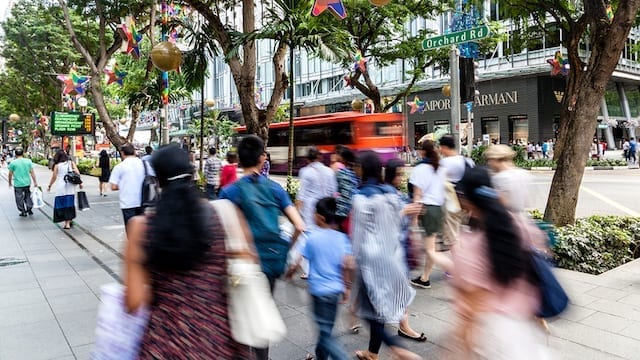
    In November, Singapore’s retail sales, excluding motor vehicles, saw an upswing of 5.8%, making it the most substantial rise recorded for the year 2025.

    Singapore’s Retail Landscape

    Data provided by the Department of Statistics indicates that the estimated total retail sales value for the month was approximately SG$3.9 billion (equivalent to US$3 billion). Of this total, online transactions accounted for nearly a fifth, or 19.3%.

    When comparing the sales on a seasonally adjusted basis, it was found that November’s retail sales witnessed a modest increase of 0.8% in comparison to the previous month, October.

    Performance by Sector

    An industry-wise analysis revealed that several sectors reported significant rises in sales. The sales of recreational goods, watches and jewellery, and cosmetics, toiletries and medical goods saw a surge between 11.4% and 13.9% year-on-year.

    Moreover, other sectors, including apparel and footwear, supermarkets and hypermarkets, mini-marts and convenience stores, furniture and household equipment, and computer and telecommunications equipment, also registered growth, with an increase in sales between 6.1% and 9.4%.

    However, not all sectors experienced growth during this period; petrol service stations and food and alcohol retailers reported sales declines of 6.7% and 3.1% respectively.

    Food and Beverage Services Sector

    Meanwhile, the food and beverage services sector reported a rise of 2.5% in sales during November, a slight increase compared to the 2.4% rise seen in October. The total sales value of the F&B services for the month was estimated at SG$1 billion, with a significant 24.8% derived from online sales.

    Questions & Answers

    What was the overall growth in Singapore’s retail sales in November, excluding motor vehicles?
    The overall growth in Singapore’s retail sales, excluding motor vehicles, was 5.8% in November.

    Which sector reported the most significant growth in sales?
    The sectors of recreational goods, watches and jewellery, and cosmetics, toiletries and medical goods reported the most significant growth, with an increase between 11.4% and 13.9%.

    Did all sectors experience growth in November?
    No, not all sectors experienced growth. Both petrol service stations and food and alcohol retailers saw sales declines of 6.7% and 3.1% respectively.

  • Indian Fast Food Titans Merge: KFC and Pizza Hut Unite under $933M Deal

    Indian Fast Food Titans Merge: KFC and Pizza Hut Unite under $933M Deal

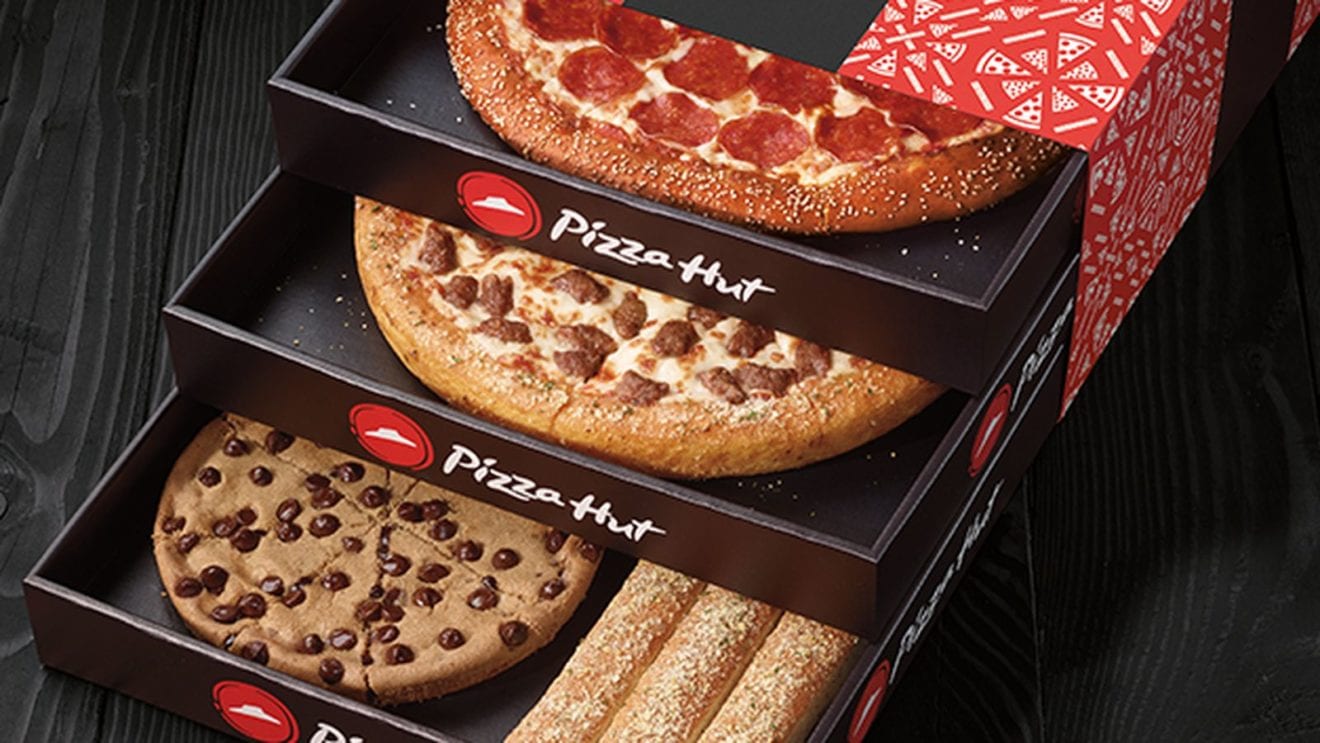
    In a significant move within India’s quick-service restaurant (QSR) industry, Devyani International and Sapphire Foods India, two of the nation’s largest franchise operators for KFC and Pizza Hut, have agreed to join forces. The merger, approved by parent company Yum! Brands, is a $933 million deal that consolidates the operations of the two QSR chains under a singular operator in India.

    Details of the Deal

    The merger process is expected to be completed within 12 to 15 months, subject to regulatory and shareholder approval. Stock exchange filings reveal that Devyani will acquire exclusive franchise rights for the entire Indian market as part of the agreement. Moreover, Devyani will assume control of 19 KFC outlets in Hyderabad, currently directly managed by Yum! India.

    In recent times, Yum! Brands’ Indian operations have been divided between Devyani and Sapphire Foods. While Devyani, a part of Ravi Jaipuria’s RJ Corp, runs several outlets, Sapphire Foods, backed by Samara Capital, operates its own distinct territories.

    Objective of the Merger

    The primary aim of this consolidation is to generate efficiencies driven by scale in the face of increasing costs, escalating competition, and fluctuating consumer demand.

    Ravi Jaipuria, non-executive chairman of Devyani International, expressed confidence that the merger would “allow us to realize meaningful economies of scale, leverage a unified technology platform, and strengthen our supply-chain capabilities.” He added that these advantages would “unlock sustained value creation and long-term growth for our shareholders, customers, employees, and partners.”

    About the Companies

    Devyani International, one of India’s largest QSR operators, manages over 2,000 outlets across India and international markets. It operates several other renowned global food and beverage brands, including Costa Coffee, Tea Live, New York Fries, and Sanook Kitchen.

    On the other hand, Sapphire Foods India, which was established in 2015, operates more than 1,000 KFC, Pizza Hut, and Taco Bell restaurants across India and Sri Lanka in dine-in, takeaway, and delivery formats.

    Questions & Answers

    What is the value of the merger deal between Devyani International and Sapphire Foods India?
    The merger deal is valued at $933 million.

    What is the expected timeline for the completion of the merger?
    The merger is expected to be completed within 12 to 15 months, pending regulatory and shareholder approvals.

    What is the primary goal of the merger?
    The merger aims to achieve efficiencies driven by scale amid rising costs, intensifying competition, and uneven consumer demand.

  • Surplus Food App ‘Too Good To Go’ Soars in Popularity Following Aotearoa Launch

    Surplus Food App ‘Too Good To Go’ Soars in Popularity Following Aotearoa Launch

    Too Good To Go, the surplus food marketplace, is already making strides after launching in Aotearoa, New Zealand, in November of the previous year. The company, which has its headquarters in Denmark, offers a unique platform that enables consumers to purchase excess food from local cafes, bakeries, and retailers through its discounted ‘Surprise Bags’.

    Growth and Expansion in Aotearoa

    Since its inception, Too Good To Go’s partner network in Aotearoa has grown, now encompassing 115 local businesses and boasting over 25,000 registered users in Auckland alone.

    Joost Rietveld, Too Good To Go New Zealand’s country director, shared the company’s excitement about the reception in Auckland. He attributed this success to New Zealanders’ deep cultural connection to both food and sustainability.

    Rietveld also shed light on the company’s business model, which is geared towards providing customers with affordable food options while also enabling hospitality and retail partners to profit from their surplus stock. This approach reduces food wastage, creating what Rietveld describes as a ‘win-win-win’ business model.

    Collaboration with Food Businesses and Chains

    The Too Good To Go application is now collaborating with a variety of independent food businesses and national chains. These include Daily Bread, Crave Cafe, Beau Deli, Rollers Bakery, Bakers Delight, Muffin Break, and Roll’d.

    Rietveld expressed that the early influence of the platform is already incalculable. The company’s rapid traction indicates a real need in the market, which benefits consumers, local hospitality businesses, and the environment.

    Moreover, more than 60 businesses have already partnered with the platform. Discussions are ongoing to welcome more partners in Auckland and other regions as the company plans its nationwide expansion within the year.

    Questions & Answers

    What is Too Good To Go’s business model?
    Too Good To Go’s business model is designed to provide customers with access to discounted food while enabling hospitality and retail partners to generate revenue from their surplus stock. This approach minimises food wastage, creating a win-win-win situation for customers, businesses, and the environment.

    Who are some of Too Good To Go’s partners in New Zealand?
    Too Good To Go is currently working with a mix of independent food businesses and national chains in New Zealand, including Daily Bread, Crave Cafe, Beau Deli, Rollers Bakery, Bakers Delight, Muffin Break, and Roll’d.

    What are the future plans for Too Good To Go in New Zealand?
    Following its successful launch in Auckland, Too Good To Go plans to expand its partner network nationwide within the year. Discussions are underway to bring in additional partners in Auckland and other regions across the country.

  • Kingland Debuts Indulgent Dairy-Free Yoghurt in Hong Kong: A Major Move in Asia-Pacific Expansion

    Kingland Debuts Indulgent Dairy-Free Yoghurt in Hong Kong: A Major Move in Asia-Pacific Expansion

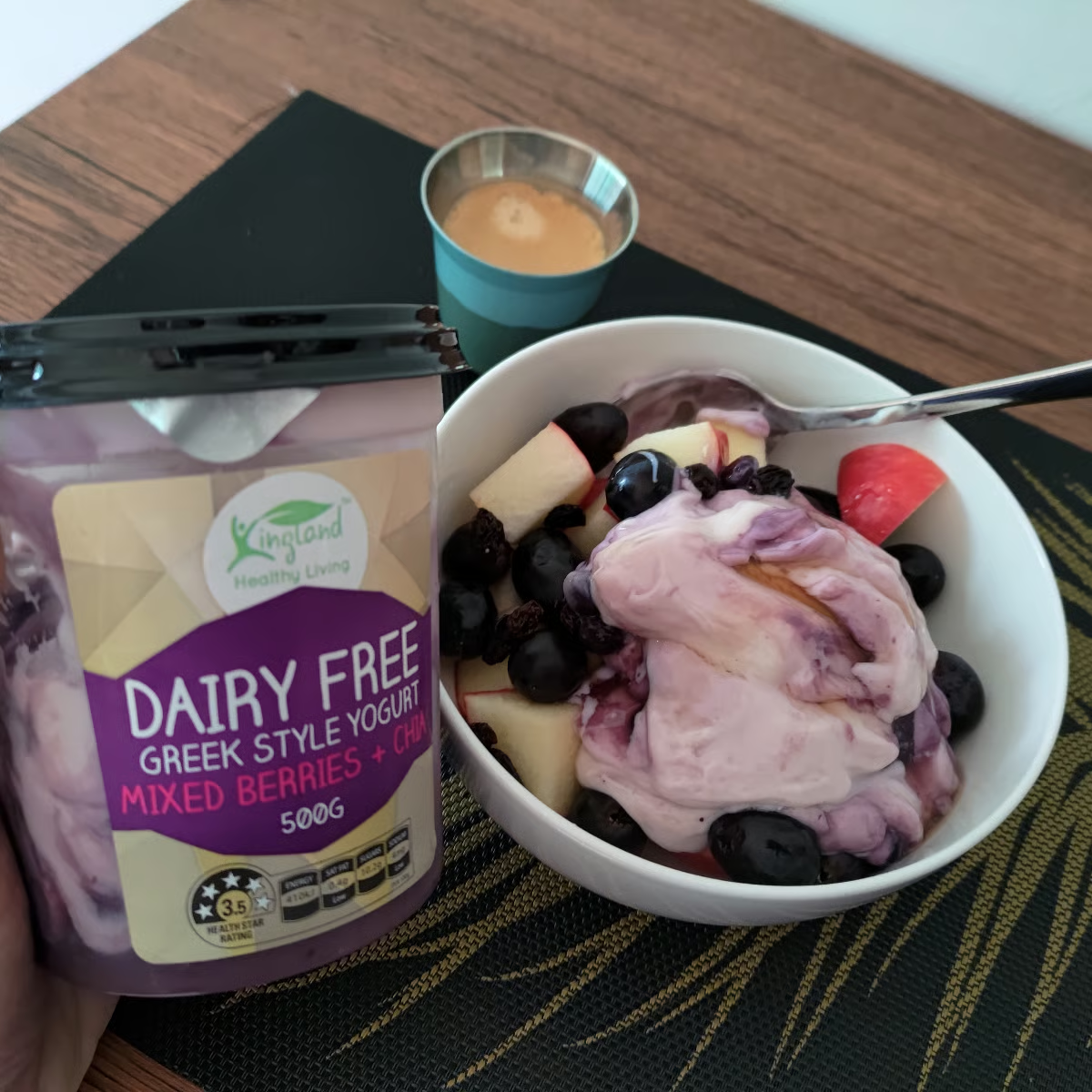
    The Kingland Dairy Free Yogurt range has been introduced in Hong Kong by Australian plant-based food manufacturer, King International. This launch signifies a significant milestone in the company’s expansion strategy within the Asia-Pacific region.

    The Kingland Dairy Free Yogurt range, available in two sizes, can now be found in selected upscale and mainstream retail stores, such as Oliver’s The Delicatessen, Market Place, 3hreeSixty and Wellcome.

    The company offers its Greek Style range in 500g tubs with a variety of flavors including Natural, Mango & Peach, and Apple Cinnamon. Additionally, the Fruit Yogurt range comes in 250g single-serve pots featuring Mango & Peach, and Strawberry flavors.

    Eric Hsu, co-founder and managing director of King International, expressed his joy in launching the dairy-free yogurt in Hong Kong. He described Hong Kong as a dynamic city that perfectly blends tradition and modernity. Hsu emphasized that their products are crafted to offer indulgence without sacrificing nutrition, sustainability, or inclusivity for all lifestyles. He expressed confidence that the quality and consideration put into every pot of Kingland yogurt will appeal to consumers in Hong Kong.

    In terms of health claims, King International stated that all products have a minimum 4.5 Health Star Rating, as per the Health Star Rating System of the Australian and New Zealand governments. This rating reinforces the brand’s health-focused positioning and supports consumer trust in the product.

    King International was established in Queensland in 1987 by Eric and Rachel Hsu. Over the years, the company has transitioned from a local tofu producer to a supplier of plant-based foods throughout Australasia and the Asia-Pacific.

    Questions & Answers

    What is the significance of the Kingland Dairy Free Yogurt range launch in Hong Kong?
    The launch is a crucial step in King International’s expansion strategy within the Asia-Pacific region.

    What variety does the Kingland Dairy Free Yogurt range offer?
    The Greek Style range comes in 500g tubs in Natural, Mango & Peach, and Apple Cinnamon flavors, while the Fruit Yogurt range is offered in 250g single-serve pots in Mango & Peach and Strawberry flavors.

    What is King International’s health rating for their products?
    All products by King International carry a minimum 4.5 Health Star Rating as per the Health Star Rating System of the Australian and New Zealand governments, supporting the brand’s health positioning.

  • Unsafe Landfill Cheese Surfaces on NZ Market: Over The Moon Brand Issues Alert

    Unsafe Landfill Cheese Surfaces on NZ Market: Over The Moon Brand Issues Alert

    Cheese that had been previously discarded in a landfill was discovered being unlawfully sold in Waikato.

    New Zealand Food Safety reports that the cheese seems to have been removed from the Putaruru rubbish tip before being located for sale in the town on Sunday. It was stated that the product had not been kept in refrigerated conditions and was therefore unsuitable for consumption. Additionally, there’s a possibility that this cheese is being sold in other regions as well.

    The Impacted Products

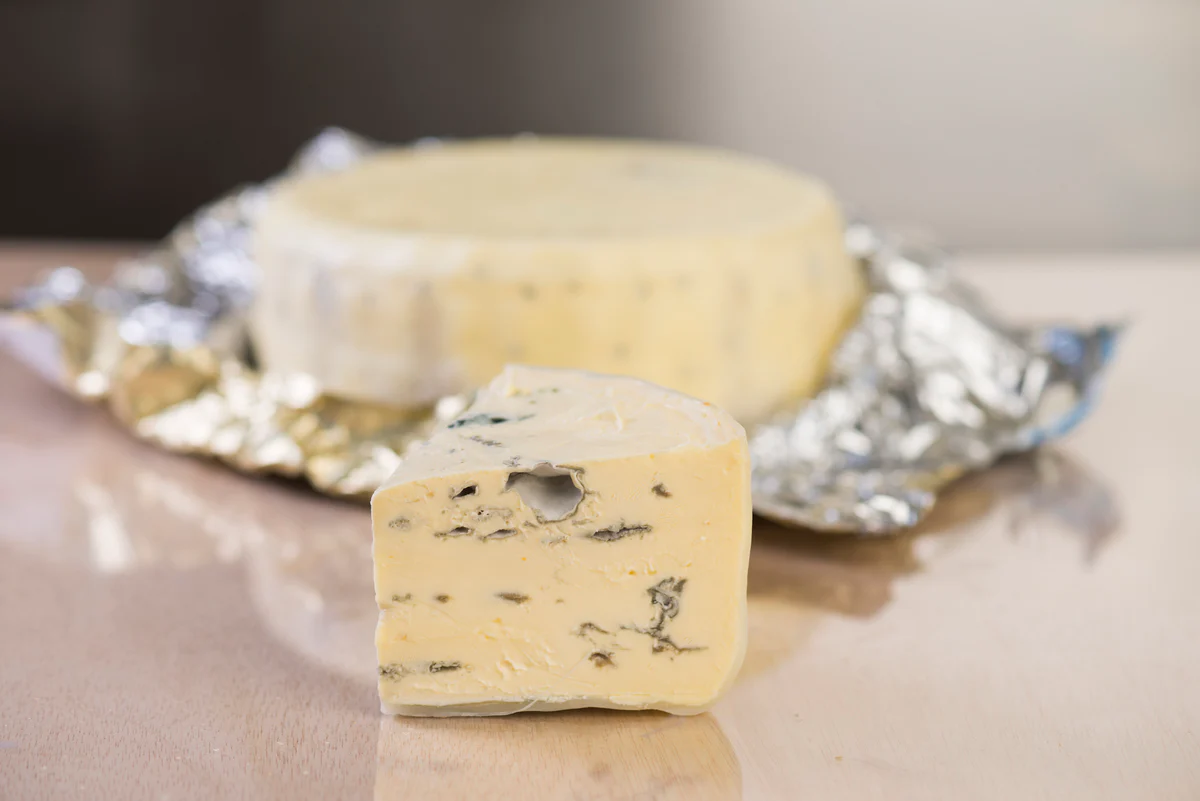
    The cheeses in question are all from the Over The Moon brand. The list of items includes Camembert, OMG, Black Truffle Brie, Galactic Gold, Halloumi, Gee’s Spread (Black Truffle & Garlic Chilli flavors), Smoked Chilli Camembert, Goat Camembert, and Double Delight. The batches affected carry the numbers 18.11.25, 25.11.25, and 26.11.25.

    Over the Moon was the first to bring this issue to the attention of New Zealand Food Safety, and is currently working on alerting its customers.

    Despite the absence of any reported illness linked to the consumption of this product, New Zealand Food Safety expressed “serious concerns” about the product’s safety. This is especially due to the fact that the cheese was deemed unfit for sale by the company and consequently disposed of.

    Vincent Arbuckle, the deputy director general of New Zealand Food Safety, warned about the evident food safety risks connected with the consumption of cheese that has spent a certain period of time in a landfill and outside of the food supply chain. He stated that the cheese should be avoided as it hasn’t been subjected to mandatory food safety controls and its storage, transport, and handling methods remain unknown.

    Customers who come across the affected cheese in unregistered businesses can call the toll-free line 0800 00 83 33. They have been advised to instead buy the legitimate Over The Moon products from the company’s authorized stockists.

    Investigations Underway

    Arbuckle emphasized that the sale of discarded cheese is illegal and poses a considerable risk to public health. He noted that an investigation is underway by New Zealand Food Safety.

    Questions & Answers

    What are the specific cheese products that have been found illegally for sale?
    The implicated products are from the Over The Moon brand, including Camembert, OMG, Black Truffle Brie, Galactic Gold, Halloumi, Gee’s Spread (Black Truffle & Garlic Chilli flavors), Smoked Chilli Camembert, Goat Camembert, and Double Delight.

    What is the risk of consuming these cheeses?
    The cheeses, which were not refrigerated and have spent time in a landfill, could be contaminated and pose significant food safety risks.

    What should customers do if they find the affected cheese for sale?
    Customers should report any sightings of the cheese being sold at unregistered businesses to the toll-free line 0800 00 83 33. They should only purchase Over The Moon products from the company’s authorized stockists.

  • Hong Kong Retail Sales Enjoy 7-Month Winning Streak with 6.5% Rise in November

    Hong Kong Retail Sales Enjoy 7-Month Winning Streak with 6.5% Rise in November

    Hong Kong’s retail sector has seen a seventh consecutive month of increased sales, with a 6.5% rise in value during November, according to government reports. The retail sales for the month totalled HK$33.7 billion (US$4.33 billion), demonstrating a steady incline when compared to the 6.9% increase recorded in October of the same year.

    Volume and Value

    Notably, the volume of retail sales in November saw a 4.4% increase compared to the same month in the previous year. This was slightly less than the 5.3% growth experienced in October. However, despite the ongoing monthly gains, the total retail sales for the first 11 months of 2025 only experienced a slight 0.4% increase in value when compared to the previous year. Furthermore, the volume of retail sales actually decreased by 0.9% over this period.

    Sustained Economic Growth

    A government spokesperson has expressed optimism towards the ongoing retail recovery, stating, “The gradual improvement in local consumption sentiment amid sustained economic growth, combined with the vibrant growth in inbound visitors, will continue to benefit retail businesses.”

    The number of visitors to Hong Kong in November was reported as 4.19 million, marking a 17.4% increase from the previous year. Mainland China contributed significantly to these figures, accounting for 3.04 million visitors – an 18.9% increase year-on-year.

    Sales across Different Sectors

    Different sectors within the retail industry have seen varied degrees of growth. Sales of high-value items such as jewellery, watches, clocks, and valuable gifts saw a smaller increase of 3.6% in November, compared to the revised 9.4% growth in October. Similarly, the sales of clothing, footwear and related products increased by 2% year-on-year in November, following a slight 0.9% rise in October.

    Questions & Answers

    What is the overall trend of Hong Kong’s retail sales?
    The overall trend shows a steady increase, with November marking the seventh consecutive month of growth.

    Which sectors experienced the most growth?
    High-value items such as jewellery, watches, clocks, and valuable gifts, as well as clothing, footwear, and related products experienced growth.

    What factors contributed to the growth of Hong Kong’s retail sector?
    The government spokesperson attributed the growth to improved local consumption sentiment, sustained economic growth, and an increase in inbound visitors, particularly from mainland China.

  • Vietnam’s Gold Prices Skyrocket Amid Global Market Uncertainties: A 83% YoY Leap

    Vietnam’s Gold Prices Skyrocket Amid Global Market Uncertainties: A 83% YoY Leap

    The price of gold in Vietnam experienced a significant surge on Tuesday morning, propelled by the precious metal’s global market gains and political uncertainties.

    Surge in Gold Prices

    Saigon Jewelry Company reported a 0.57% increase in the price of its gold bars, reaching VND158 million (US$6,011.49) per tael. A tael, a unit of weight commonly used in East Asia, is equivalent to 37.5 grams or 1.2 ounces.

    In addition to the rise in price of gold bars, the price of gold rings also saw a notable increase, jumping by 0.39% to VND154 million per tael. Over the past year, the price of gold in Vietnam has soared by 83%.

    Global Impact

    On a global scale, gold prices reached a one-week high following the U.S. strikes in Venezuela, which further enhanced the safe-haven appeal of bullion. Spot gold, or gold that is bought and sold for immediate delivery, saw an increase of 0.39% to $4,465.50 per ounce.

    According to Alexander Zumpfe, a precious metals trader at Heraeus Metals Germany, the situation in Venezuela has clearly stimulated safe-haven demand. This comes in addition to existing concerns related to geopolitics, energy supply, and monetary policy.

    Gold saw a remarkable 64% gain last year, driven by geopolitical flashpoints and the U.S. Federal Reserve’s cycle of easing interest rates. Expectations of even lower rates, combined with central bank purchases and Exchange-Traded Fund (ETF) flows, provided further support to gold’s rising prices.

    Questions & Answers

    What caused the rise in gold prices in Vietnam?
    The rise in gold prices in Vietnam was primarily driven by the precious metal’s global market gains and ongoing political uncertainties.

    How much did gold prices increase globally?
    Globally, spot gold experienced an increase of 0.39% to $4,465.50 per ounce.

    What factors contributed to the 64% gain in gold prices last year?
    The remarkable 64% gain in gold prices last year was propelled by geopolitical flashpoints, the U.S. Federal Reserve’s cycle of easing interest rates, and the expectation of even lower rates. Central bank purchases and ETF flows also provided additional support.

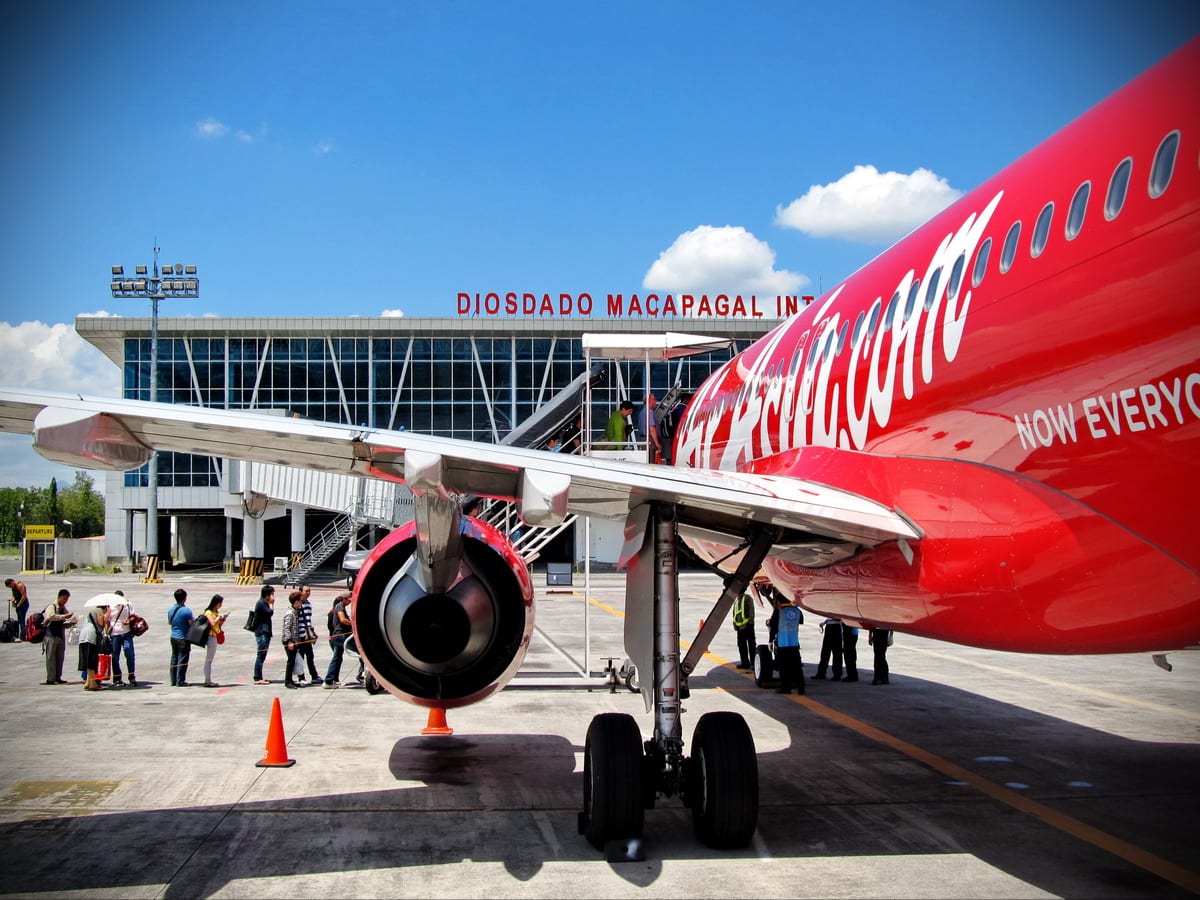
  • Pattaya Airways Bolsters Southeast Asia Air Freight Access via WebCargo by Freightos Partnership

    Pattaya Airways Bolsters Southeast Asia Air Freight Access via WebCargo by Freightos Partnership

    Freightos, a global frontrunner in online reservation and payment systems for the international freight industry, has recently confirmed the addition of Thai carrier, Pattaya Airways, to the WebCargo by Freightos’ platform. This collaboration enables freight forwarders to digitally reserve and pay for cargo space throughout Pattaya’s robust Southeast Asia network.

    Platform Integration and Expansion Plans

    The integration provides freight forwarders on the platform with digital access to Pattaya Airways’ regional routes. This facilitates connections between several major economic centres of the Association of Southeast Asian Nations (ASEAN). The initial phase of this integration will allow bookings between Bangkok and Ho Chi Minh City. Future plans include expansion to other countries such as Thailand, Myanmar, Cambodia, Vietnam, and Laos.

    Freightos CEO, Zvi Schreiber, expressed great enthusiasm about the integration, stating that welcoming Pattaya Airways to their platform is a significant step towards streamlining global trade and enhancing responsiveness. As Thailand continues to bolster its position in global trade networks, having immediate digital access to regional carriers like Pattaya Airways enables freight forwarders to build more adaptable supply chains for their clients.

    Digital Transition and Enhanced Accessibility

    Nat Boonyavichkanont, CEO of Pattaya Airways Company Ltd., emphasised that the transition to digital is not just about modernisation, but also about staying attuned to the realities of contemporary freight movement. He expressed pride in the company’s collaboration with WebCargo by Freightos, stating that it will significantly improve digital air-cargo accessibility across Southeast Asia.

    Boonyavichkanont also highlighted that this partnership reinforces their commitment to providing quicker booking capabilities, increased transparency, and seamless regional connectivity for their customers. In the current scenario, forwarders want to compare routes, make bookings swiftly, handle cargo payments, and ensure customer satisfaction. The expansion of Pattaya Airways’ services on the WebCargo by Freightos platform allows them to cater to these evolving needs, benefiting everyone involved in the process, from local shippers to large regional players.

    Questions & Answers

    What is the significance of Pattaya Airways joining the WebCargo by Freightos’ platform?
    The integration of Pattaya Airways into the platform allows freight forwarders to digitally reserve and pay for cargo space across Pattaya’s Southeast Asia network. This enhances transparency, efficiency, and connectivity in the region’s freight industry.

    What are the future expansion plans for this integration?
    Initially, bookings will be available between Bangkok and Ho Chi Minh City. There are plans to expand this service to other Southeast Asian countries such as Thailand, Myanmar, Cambodia, Vietnam, and Laos.

    What are the benefits of this digital transition for freight forwarders?
    This digital transition facilitates quicker booking capabilities, increased transparency, and seamless regional connectivity. It allows forwarders to compare routes, make bookings swiftly, and handle cargo payments, thereby ensuring higher customer satisfaction.

  • Dreame Technology Unveils First Flagship Store in Hong Kong: A New Era for Smart Home Appliances

    Dreame Technology Unveils First Flagship Store in Hong Kong: A New Era for Smart Home Appliances

    Dreame Technology, a leading name in smart home appliances, has further solidified its foray into the brick-and-mortar retail sector by opening its inaugural flagship store in Hong Kong.

    Premier Location

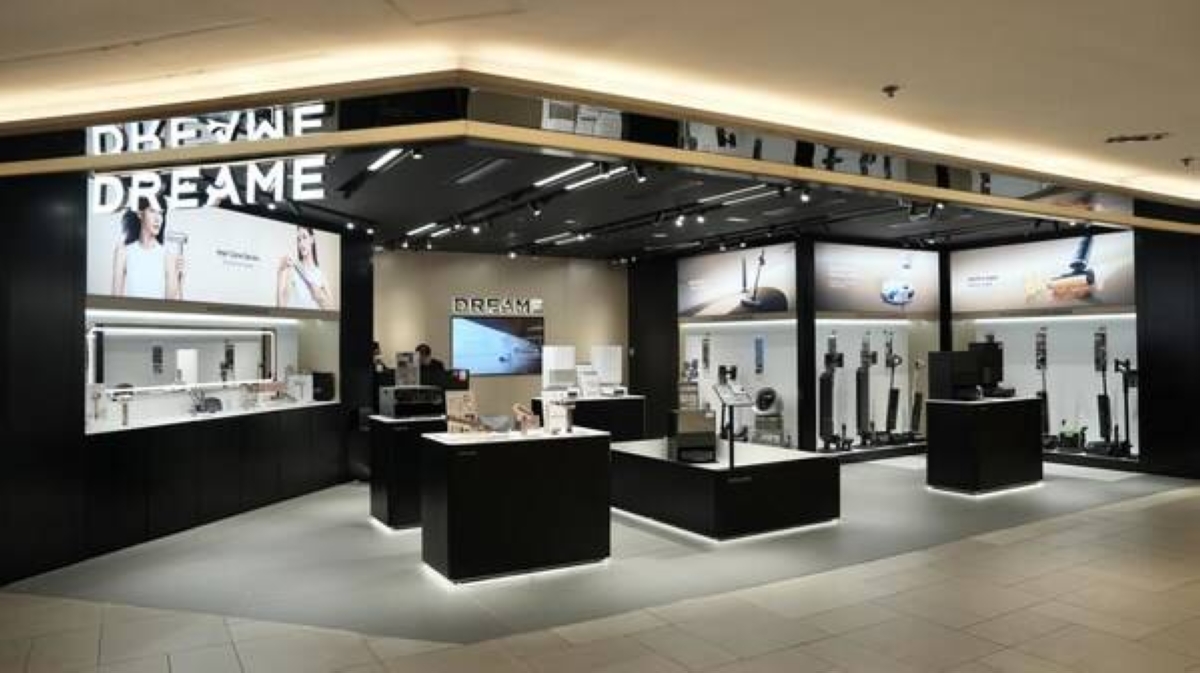
    Nestled within Mira Place in the bustling district of Tsim Sha Tsui, the store proudly displays the full array of Dreame’s product portfolio. This includes a wide range of smart home appliances, such as robotic vacuum cleaners, wet-and-dry floor cleaners, cordless vacuum sticks, hair care equipment, and air purifiers.

    Experience-Centric Space

    The flagship store has been thoughtfully curated as an experiential hub, where consumers have the opportunity to physically interact with the products and test them out before making a purchase. While the store prominently features floor-care solutions, it also introduces a variety of personal care and air treatment products to the Hong Kong market for the first time. These include high-speed hair dryers and an innovative all-in-one air purifier.

    Commitment to Premium Retail Experiences

    Before establishing its physical presence, Dreame initially made its way into the Hong Kong market via online platforms and collaborations with third-party retailers. The launch of this flagship store is a clear indication of Dreame’s ongoing commitment to providing premium retail experiences to consumers. It also underscores the company’s dedication to direct consumer engagement and its strategic plans for long-term growth in major urban markets.

    Questions & Answers

    What is the location of Dreame Technology’s new flagship store?
    The new flagship store is located in Mira Place in the Tsim Sha Tsui district of Hong Kong.

    What types of products does the store feature?
    The store showcases a wide range of Dreame’s smart home appliances, including robotic vacuum cleaners, wet-and-dry floor cleaners, cordless vacuum sticks, hair care equipment, and air purifiers. It also introduces several personal care and air treatment products to the Hong Kong market.

    What does the launch of the flagship store signify for Dreame Technology?
    The opening of the flagship store shows Dreame’s commitment to providing premium retail experiences, engaging directly with consumers, and planning for long-term growth in urban markets.

  • Vinpearl CEO Resigns Amid Revenue Decline, Remains on Board: Search for Successor Underway

    Vinpearl CEO Resigns Amid Revenue Decline, Remains on Board: Search for Successor Underway

    Dang Thanh Thuy, who most recently held the position of CEO at Vinpearl, the hospitality division of Vingroup conglomerate, has tendered his resignation. Despite his resignation as CEO, Thuy will continue to serve on the Vinpearl board.

    Immediate Successor Yet to Be Named

    The news of Thuy’s departure from the CEO position was made public on a recent Thursday. However, Vinpearl has not yet announced who will take over the role or the specific reasons for Thuy’s resignation.

    About Dang Thanh Thuy

    Thuy, aged 56, holds a Bachelor’s degree in literature. He has been part of Vinpearl since 2004. Thuy has had a significant career with Vinpearl, having held the position of chairman from January 2023 to March 2024. Moreover, he has also served as Vingroup’s deputy CEO from 2012 to 2016.

    Overview of Vinpearl

    Recognized as one of Vietnam’s leading hospitality brands, Vinpearl boasts a vast portfolio of 48 hotels, resorts, theme parks, and golf courses, spread across 18 cities and provinces in the country.

    Vinpearl’s Financial Performance

    The third quarter of 2025 saw the hospitality giant report revenues of VND3.09 trillion (US$117.5 million), indicating a significant drop by 40.7% compared to the previous year. The company’s post-tax profits for the same period were marked at VND169 billion, showing a decline by 66.6%. Furthermore, the company’s profits for the first nine months fell by 86%.

    Vinpearl is 85% owned by Vingroup, a conglomerate chaired by billionaire Pham Nhat Vuong.

    Questions & Answers

    Who is Dang Thanh Thuy?
    Dang Thanh Thuy is the former CEO of Vinpearl, a division of Vingroup conglomerate. He joined Vinpearl in 2004 and has contributed significantly to the company in various roles.

    Who will replace Dang Thanh Thuy as CEO of Vinpearl?
    The successor to Dang Thanh Thuy as CEO of Vinpearl has not yet been announced following his recent resignation.

    How has Vinpearl’s financial performance been in recent times?
    Vinpearl’s third quarter report of 2025 showed a significant drop in revenues and post-tax profits, with a year-on-year decline of 40.7% and 66.6% respectively. The company’s profits for the first nine months fell by 86%.