Author: Mei Ling Tan

  • MG Hector Launched In India

    MG Hector Launched In India

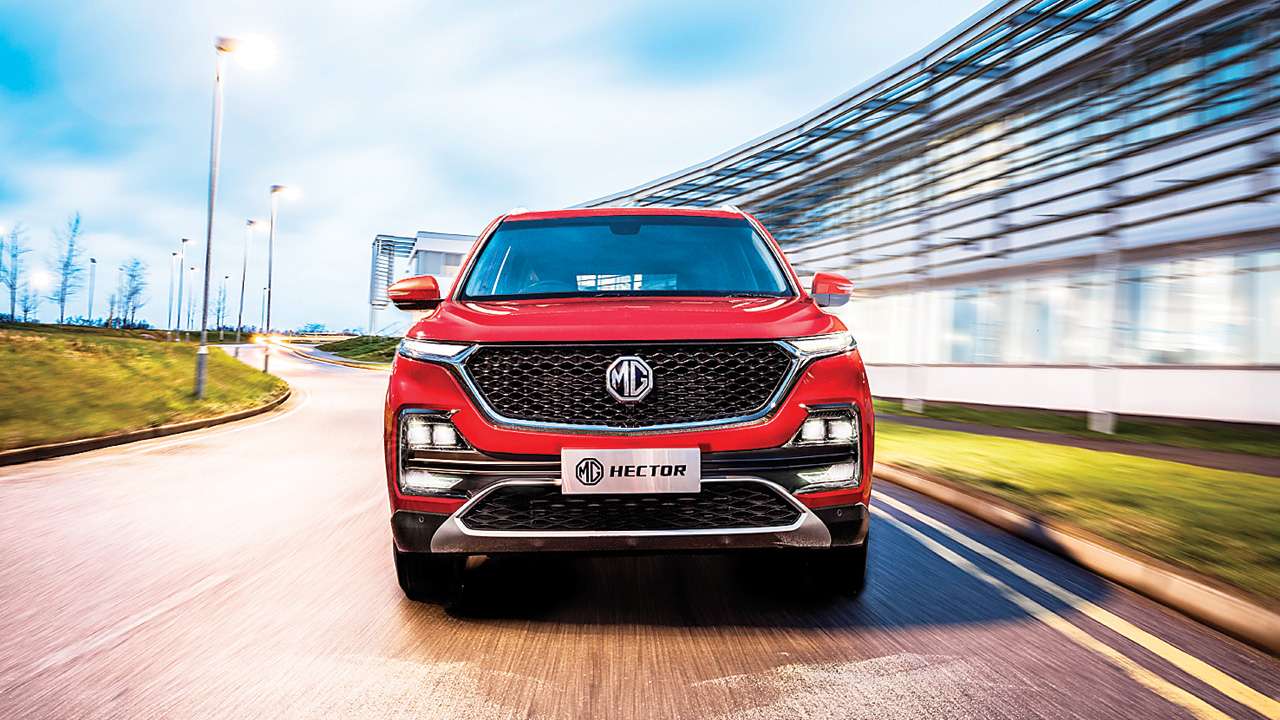
    MG Motor had revealed almost everything about the Hector in a series of events but we still awaited the prices. Now the company has announced the price of the Hector and it starts at  ₹ 12.18 lakh  (ex-showroom, India) going all the way up to ₹ 16.88 lakh. These prices are introductory. The Hector will be available in four variants- Style, Super, Smart and Sharp and of course it is the first connected car in its segment. The company has kick-started operations with 120 centers for the convenience of its customers. This figure will go up to 250 in September

    The connected car tech remains the magnum opus and MG Motor has left no stone unturned in its promotion, be it the ‘Internet Inside’ badge on the fender and tailgate or Benedict Cumberbatch talking about connectivity features in TV commercials or conducting a mega event for its technology demonstration. The Hector packs-in the best of connected car tech Indian customers have seen so far. The vertically-mounted 10.4-inch screen comes with pre-loaded entertainment content and allows you to manage complete vehicle settings and some more. The system offers features like – Real-Time Navigation, Remote Location, Geo-Fencing, Emergency Response, and Indian accented voice assist for a plethora of features. The software is updated via over-the-air (OTA) downloads like firmware and features updates like any updates. The SUV also comes with pre-loaded apps like – TomTom IQ Maps, Gaana Premium, and AccuWeather app among others. The system also comes with a first machine-to-machine embedded sim, along with the SUV Internet Protocol version 6 which makes it 5G-ready. The e-Sim will be provided by Airtel and MG Motor will give internet connectivity for free until the SUV is under warranty period. That said, the MG Hector oozes in the features department as well and scores really well with plenty of upmarket features. It gets a panoramic sunroof, premium sound system by Infinity, Electronic Stability Program (ESP), Hill Assist, cruise control, MID, powered seats, and wing mirrors and powered tailgate among others.

    Moving to its looks, the design and overall silhouette of the Hector are definitely something buyers in this segment will admire. Though MG is historically a British brand, the outline and impression of the Hector are more American. It has a butch looking front which is dominated by a massive black mesh grille with sleek chrome surroundings and MG has adopted the new, in-trend design where the headlamp assembly is mounted in the bumper and the daytime running lights (DRLs) are positioned at the top, close to the hood. The dimensions of the Hector are a size plus for its segment and it has the largest footprint in its segment at 2750 mm and it is 4270 mm long, 1835 mm wide and 1760 mm tall. On the inside, it gets an all-black treatment and the upholstery is finished in soft-touch leather which feels good. The design of the dash and central console looks minimalistic which is majorly due to the enormous touchscreen which eliminates many buttons. The longest wheelbase has also translated into a spacious cabin.

    There will be three powertrain options and gearbox options to choose from. The diesel variant will be powered by the Fiat-sourced 2.0-liter engine which churns out 168 bhp and 350 Nm of peak torque and is mated to a six-speed manual transmission as standard. The petrol variants will get the 1.5-liter, four-cylinder turbo petrol engine which is also mated to a six-speed manual transmission and develops 141 bhp and 250 Nm of peak torque. However, MG is also offering the same 1.5-liter engine with a 48 Volt mild hybrid system which is mated to a six-speed dual-clutch transmission (DCT). A 48-volt lithium-ion battery helps store energy and provides 20 Nm of extra torque when required. The combination also helps in reducing emissions by up to 12 percent using three key functions – Engine Auto Start-Stop, Regenerative Braking, and E-Boost. MG Motor is also planning to launch the seven-seater version of the Hector next year.
  • Instagram announces ads will be served to users Explore feed

    Instagram announces ads will be served to users Explore feed

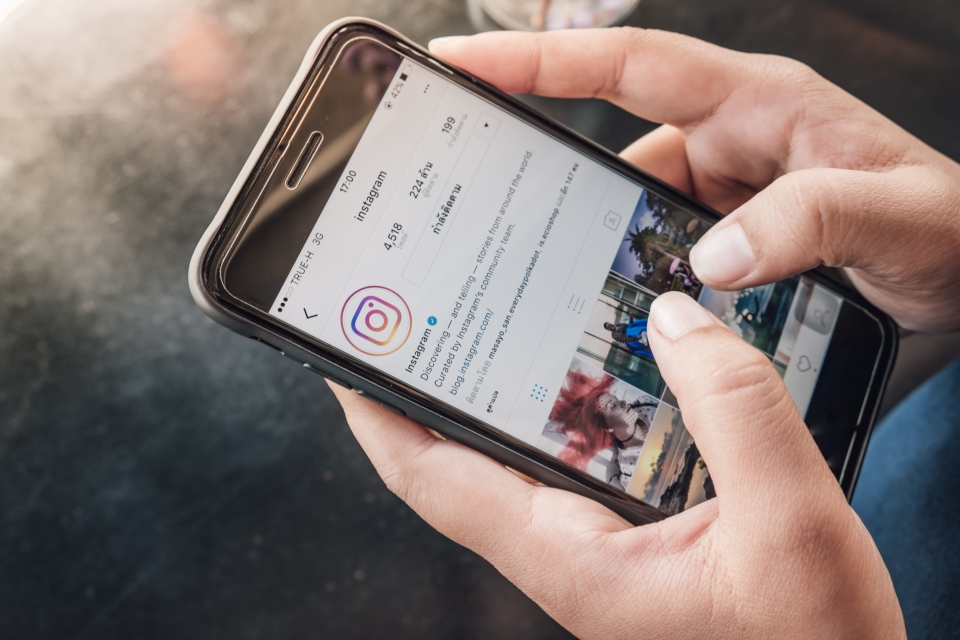
    Instagram has just confirmed it will bring ads to your Explore feed. As one of the go-to features for Instagram users who search for places, shops and connect with people businesses and creators, Explore looks like a great monetization tool.

    According to Instagram, more than 50% accounts on its social network use Explore every month to see photos and videos related to their interests from accounts they aren’t following. Apparently, the company considers brands an important part of the Instagram experience for its users, which is why over the next few months, it will introduce ads in Explore feed.

    Instagram says it will release ads in Explore “slowly and thoughtfully,” so not everyone will see them at the same time. Here is how it works for users: after tapping on a photo or video in Explore, you may see ads as part of your browsing experience just like in the main feed.

    For advertisers, it’s quite obvious that this is an opportunity to reach larger audiences in Explore. And they will be able to do that by extending their campaigns with a simple opt-in. So, there you have it, folks, expect to start seeing ads in your Explore feed pretty soon.

  • Apple decision forces Intel to auction its smartphone modem patents

    Apple decision forces Intel to auction its smartphone modem patents

    Intel confirmed plans to exit the smartphone business a few months ago, but news about the auction of its smartphone modem assets emerged only today. The announcement follows Apple’s decision to buy 5G smartphone modems from Qualcomm rather than Intel.

    Although the US company said it will continue to produce 4G smartphone modems and honor all orders, it will no longer invest in 5G modem product line following the announcement. Instead, Intel will shift focus on its 5G network business, which is expected to grow in the coming years

    According to a new report from IAM, Intel has decided to auction all its IP relating to cellular wireless connectivity. There are no less than 8,500 patents that Intel is now looking to sell in order to recover some of the resources it invested. The report also mentions that Intel is launching this auction separate to its efforts to sell the smartphone modem division, hoping that a potential buyer for both will appear.

    Intel’s inability to meet Apple’s deadlines proved to be fatal for the business in the end, as the Cupertino-based company decided to make sure it’s got enough 5G modems in 2020. Left without the main client for its smartphone modem division, Intel is forced to cut its losses and refocus on those businesses that apparently bring much more money.

  • AuMake sees online sales growing

    AuMake sees online sales growing

    Online sales now make up 30 percent of AuMake’s total sales, and they are continuing to grow.

    The daigou business announced its unaudited FY19 earnings in an investor presentation on Thursday, reporting an estimated $40-45 million in revenue for the year. That’s more than double the revenue it generated in FY18 of $21 million.

    The company said it is experiencing strong trading conditions even in the traditional low season of June and is anticipating significant growth from its recent Broadway acquisition, which will be effective next month.

    AuMake expects own-brand sales through the Broadway channel to reach $15 million to $20 million in FY20.

    In the presentation, AuMake said most of its online sales come from the Chinese social media app, WeChat.

    In April, the company reported that its online customer database had grown more than six times over from 20,000 in Q3 FY18 to 130,000 in Q3 FY19.

    It continues to invest heavily in its online infrastructure to maintain this growth. This includes a larger online customer service team, improvements to its various online sales platforms, such as WeChat and JD.com, and a new packaging facility.

  • Erik Buell’s New Electric Bike FUELL Fluid Details Revealed

    Erik Buell’s New Electric Bike FUELL Fluid Details Revealed

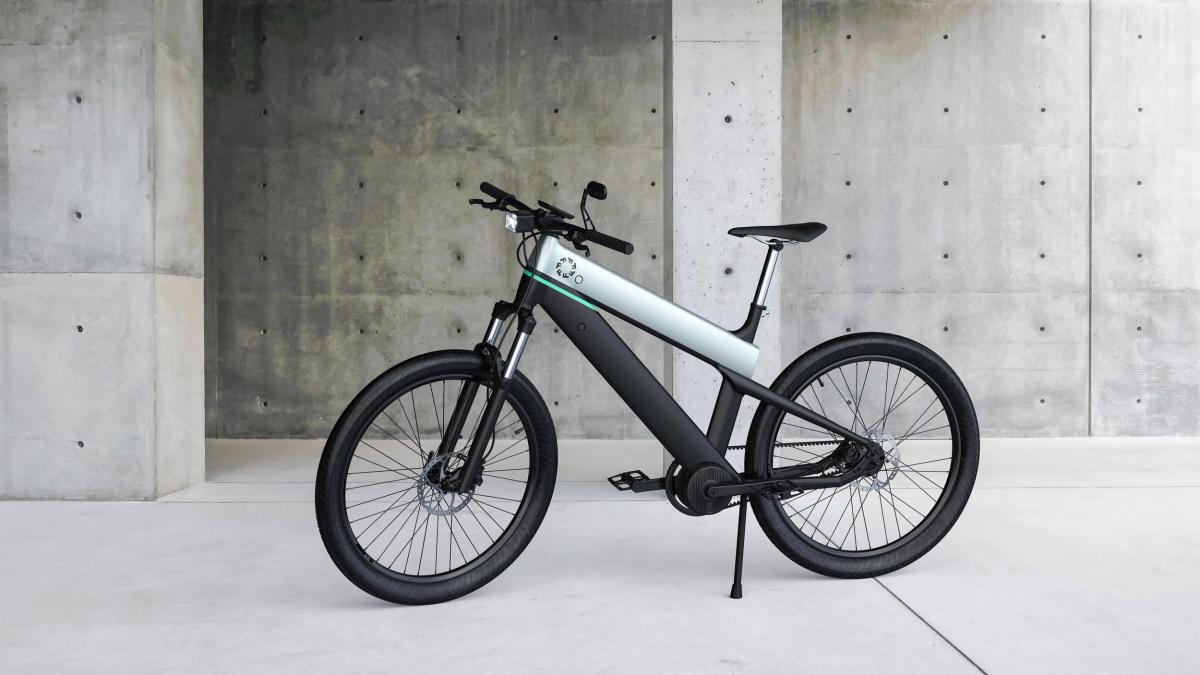
    The FUELL Fluid electric bike is the first product from the new company spearheaded by motorcycle engineer Erik Buell. Buell was a former engineer with Harley-Davidson, and had founded his own motorcycle brand, the Buell Motorcycle Company and later Erik Buell Racing. The new company, called FUELL, is a partnership between Erik Buell and two other entities, Vanguard Motorcycles, and Spark Racing Technology. FUELL’s first product is the Fluid electric bike, and has a claimed range of 200 km from its two 1,008 Wh removable batteries.

    The FUELL Fluid e-bike has a mid-drive bofeili 500W pedal-assisted motor, giving it 100 Nm of torque, and comes equipped with a Gates Carbon Drive belt system and a Shimano Alfine 8-speed Geared Hub. The twin batteries can be charged up to 80 percent in just 2.5 hours and a full charge in 5 hours. According to FUELL, both of the Fluid e-bike’s 504wh batteries are removable and have the potential to be upgradable, as and when battery technology evolves. The Fluid e-bike sports a 3.2 IPC colour screen which displays information like speed, distance traveled, battery level and five configurable motor assist settings. The Fluid also comes equipped with adjustable suspension and hydraulic brakes for impressive stopping power. The Fluid e-bike is expected to be available from September 2019 and will be shipped worldwide. It’s priced at USD 2,999 (around ₹ 2 lakh in current exchange rates).

    Erik Buell, the man behind the FUELL brand, is considered to be a pioneer in motorcycle technology and was inducted into the American Motorcyclist’s Association Hall of Fame in 2002. He has over 40 years of engineering experience and founded Buell Motorcycle Company which eventually merged with Harley-Davidson. Erik Buell Racing followed the shutdown of Buell Motorcycle Company, and has an Indian connection as well, with Hero MotoCorp picking up 49.2 percent stake in the company in 2013. Erik Buell Racing was involved primarily in building race-ready motorcycles. Erik Buell Racing eventually shut shop in 2016, and the remnants of the company were sold to Liquid Asset Partners.

    FUELL, Erik Buell’s new electric bike venture is expected to introduce more electric motorcycle models in the coming years. The next FUELL product is expected to be the FUELL Flow, an electric motorcycle featuring a hub-mounted electric motor and side-mounted rear shock. The Flow is expected to be available in two variants – with one variant producing 11kW (around 15 bhp) and the other with 35 kW (around 37 bhp). With a history of motorcycle engineering, and racing, it will be interesting to see how the FUELL brand will evolve in the coming years, particularly at a time when the entire auto industry seems to be focussing on electric vehicles as the preferred choice of technology for the future.

  • Singapore digital accessories chain Uniq enters the Philippines

    Singapore digital accessories chain Uniq enters the Philippines

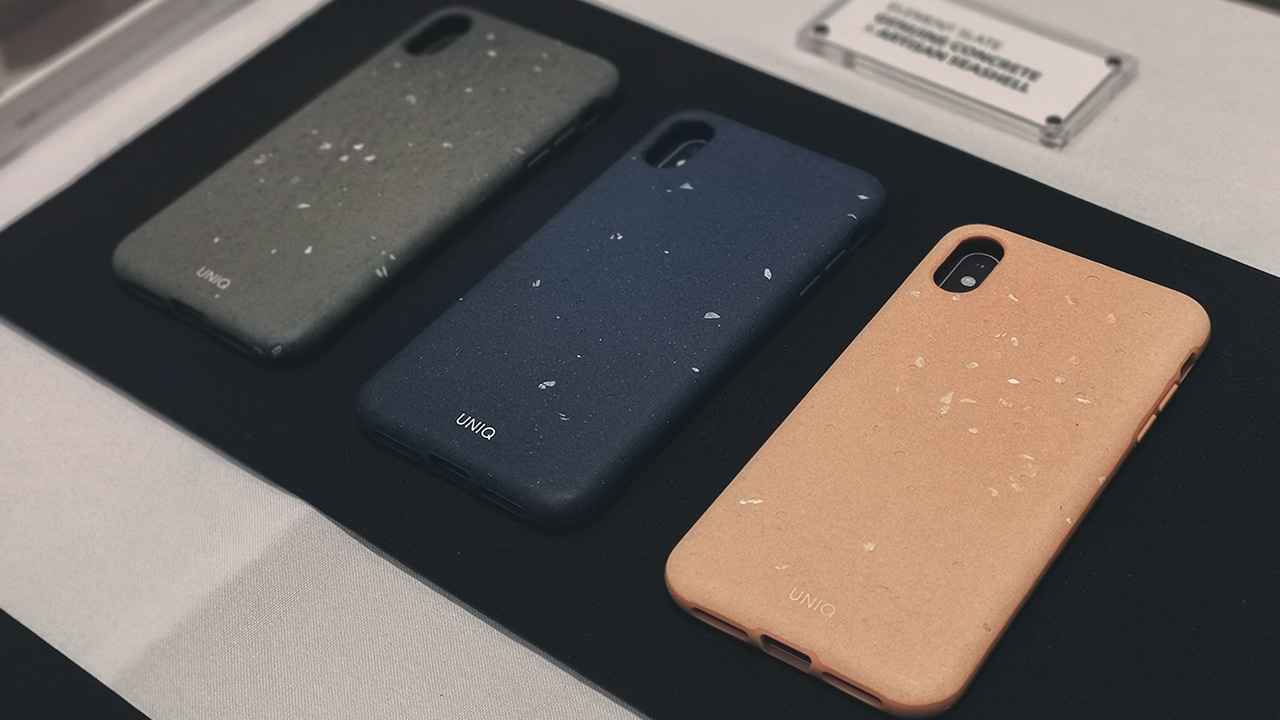
    Singaporean gadget and mobile-accessories retailer Uniq has opened its first Philippine store.

    Located at Cyberzone in Quezon’s SM North Edsa Annex, the store targets young professionals who are particular about style.

    Its products known for their “minimalist mobility” and “smart simplicity” to the country’s digitally connected populace.

    “Most of our products are for iPhones and Mac but we also have charging solutions that are more universal,” said Andy Wong, MD and co-founder of Uniq.

    Established in Singapore in 2010, Uniq started out as a phone-case design company.

    The company has entered the Philippines with the help of Macpower Marketing Corporation, which is also partner of Globe, Power Mac Center, and Lazada.

    Uniq products are available in 22 countries via an online store and the company plans to partner with online stores such as Shopee and Lazada.

  • Android Auto is getting a redesigned interface and Dark Mode

    Android Auto is getting a redesigned interface and Dark Mode

    Google last month announced an update for Android Auto that would change the way the app looks and works, and it is now finally rolling out to some regions. Google says that the refreshed interface was “built to help you get on the road faster, show more useful information at a glance and simplify common tasks while driving.”

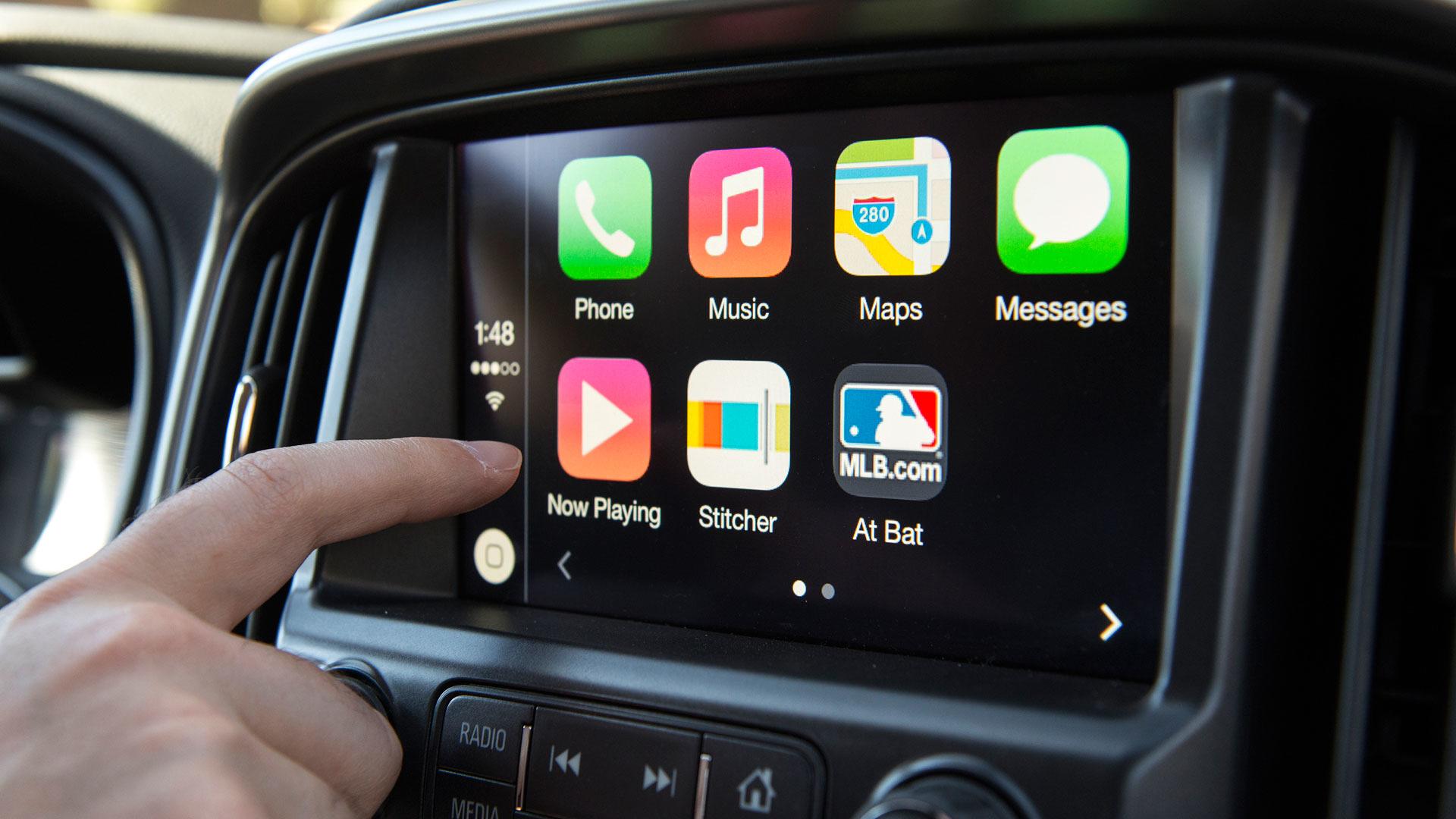
    To streamline the experience and to make common tasks even easier to perform while driving, the latest Android Auto update introduces a redesigned bottom navigation bar. It allows users to control apps and media, manage incoming calls and notifications, and get directions on the same screen, with fewer taps required than before.

    The redesigned bottom bar also offers a way to better utilize screen real estate. Since Android Auto is a scalable experience, made to work on many types of displays with different sizes, aspect ratios, and resolutions, the UI design changes are aimed at making the app a consistent and well-optimized experience across the board.

    Speaking of UI changes, Dark Mode is also a thing now in Android Auto. It’s more of a visual change, rather than functional, but it should make using the app during the night a bit easier on the eyes. Google says that the new dark theme was designed to utilize more colorful accents and easier to read fonts to further improve visibility and reduce eye strain.

    The update seems to depend on a server-side switch, as is often the case with Google services, and not on the app version you’re running. Still, you can check if you’re on the latest version by heading to the Google Play Store.

    The new Android Auto update has started rolling out in the UK and US, so other regions where the service is available should start receiving the new features in the coming days/weeks.

  • Docomo Pacific set to launch first VoLTE services for Guam and the CNMI

    Docomo Pacific set to launch first VoLTE services for Guam and the CNMI

    As part of the rollout of the next generation of wireless technology, DOCOMO PACIFIC is preparing to launch the first VoLTE services in Guam and the CNMI.

    VoLTE or Voice over Long-Term Evolution allows customers to place a phone call over your LTE connection instead of the traditional voice network, resulting in high-definition (HD) Voice services providing clearer audio quality.

    VoLTE lets you experience HD Voice calls with minimal background noise, making it much easier and clearer for both people on a call to hear one another. The mixture of voice and data to make calls will produce faster call setup times and quicker connections. Additionally, VoLTE services are less power-intensive than calls being made over a 3G connection, resulting in better battery life.

    VoLTE allows the efficient use of network resources, helping to lower operational costs. With the use of VoLTE, voice traffic is routed over the 4G LTE network used to transmit data, freeing up spectrum for the 5G technology that DOCOMO PACIFIC will launch soon.

    On June 19th, DOCOMO PACIFIC engineers made the first commercial VoLTE call on Guam and the following day they made the first VoLTE call to Saipan. The commercial launch of VoLTE services will begin to roll-out in July 2019 for VoLTE capable devices on DOCOMO PACIFIC’s network. VoLTE services will be an added value to our existing services and will not come at any additional cost.

    “DOCOMO PACIFIC is excited to be the first to bring another innovative service that improves the voice quality of calls for our customers in the Marianas. VoLTE is the future of voice communications and we can’t wait for our customers to have a higher quality experience while talking with family and friends. As we prepare to launch 5G technology soon, VoLTE is another step in our journey to be the technology leader and bring the best and fastest services to our customers,” DOCOMO PACIFIC President and CEO Roderick Boss said.

    In March 2019, NTT DOCOMO was the first to bring 5G to Guam with the opening of the DOCOMO 5G Open Lab Guam. The 5G Open Lab allows worldwide partners including businesses on Guam to test the first 5G environment and co-create practical solutions using 5G.

  • Black forecast for Hong Kong retail sales

    Black forecast for Hong Kong retail sales

    Hong Kong retail sales will shrink by 5 per cent this year according to projections by PWC.

    Citing uncertainty clouding consumer markets across Mainland China and Hong Kong, PWC also says macroeconomic uncertainty has prompted Chinese retailers to refocus on customer experience.

    “Hong Kong retail sales is estimated to fall by 5 per cent to approximately HK$460 billion this year, as the ongoing Sino-US trade dispute, equity market turbulence and volatility of Renminbi continue to cast a long shadow on consumers sentiment and actual spending”, says Michael Cheng, PWC’s Asia Pacific and Hong Kong/China consumer markets leader.

    PWC had earlier forecast a 3-per-cent decline in Hong Kong retail sales and says its downgrade reflects a weaker outlook for the second half of the year, due to a combination of factors including external headwinds, economic instability, as well as the projected decrease in tourist arrivals and spending.

    The projections are included in the consultancy’s report Back to the Core: Reinvigorate Experience-driven Retail at a Time of Uncertainty.

    Government data shows Hong Kong retail sales for the first four months of this year fell by 2 per cent, with electrical and luxury goods among the sectors suffering the biggest decline, against the backdrop of a weak Renminbi and waning consumer confidence. On the back of the completion of major infrastructures such as the Hong Kong–Zhuhai–Macau Bridge and the Guangzhou–Shenzhen–Hong Kong Express Rail Link, mainland tourist arrivals grew steadily in the last quarter of last year, reaching a record high in January, aided by the Chinese New Year holiday-shopping season. However, mainland tourist arrivals started to drop from the peak three months in a row since February.

    “Local retail sales and mainland tourist arrivals are expected to continue on a downward trend through the rest of this year, indicating a slowing consumer market in Hong Kong,” says Cheng.

    “Electrical and luxury goods are set to shrink further, while consumer goods like health-and-beauty products will hold well with a modest growth. The recent political and social unrest, temporary closure of the Peak Tram due to renovations, coupled with a lack of new tourist attractions might lower mainland tourists’ appetite to visit Hong Kong in the short term. Meanwhile, a weakening economy as well as uncertainty surrounding the trade dispute present risks to the outlook in the medium to longer run,” he says.

    Adapt or suffer

    Cheng says this year’s tough Hong Kong retail climate underlines the importance for retailers to adapt to changing consumer preferences and spending patterns in order to maintain competitiveness and profitability.

    “As shoppers nowadays have put a bigger focus on consumer experience, more and more retailers are moving to create a more engaging and experience-driven shopping journey with innovative and unconventional retail strategies such as ‘retailtainment’ and ‘coopetition’. Moreover, brands are increasingly tapping the power of emerging technologies like AR and VR to appeal to a new generation of tech-savvy shoppers who value personalised experience.”

    The report, which builds on the survey findings of PWC’s Global Consumer Insights Survey 2019, also points to an increasing emphasis on customer experience among retailers in China, who are refocusing on business fundamentals such as profitability and cost management in the light of growing economic headwinds.

    He says this year continues to be challenging for mainland Chinese retailers amid uncertain outcome of trade negotiations with the US and a slowdown in the economy. Mainland retail sales growth fell to a 15-year low at 9 per cent last year, signalling sluggish demand among Chinese consumers. As part of its wider efforts to transition towards a consumption-driven economy, the Chinese government has rolled out a range of stimulus policies including tax cuts, reduction in social insurance costs and incentives for high-tech consumption, with a view to building a more resilient domestic economy to mitigate external risks.

    “In the face of a slowing economy and consumer market, retailers are going back to basics by pursuing a more defensive strategy, characterised by profitability focus, consumer-centricity and operational excellence,” says Phil Lai, PWC China consulting partner. “The story of New Retail continues, as retailers strengthen digitisation along the retail value chain through smart supply chain management enabled by technology and big data, with a laser focus on experience.”

    Thanks to extensive mobile connectivity and established technology infrastructure, digital-savvy Chinese consumers tend to accept and embrace emerging technologies to a greater extent than their global counterparts. Sixty-eight per cent of Chinese consumers surveyed purchase products online at least once a week.

    Technology enablement consequently fuels the hunt for new experiences that integrate digital into the offline environment. Close to 40 per cent of Chinese respondents said their in-store experience would be enhanced by the use of technology including IoT scanners, tablet and mobile checkout, and self-service kiosks.

    As Chinese shoppers seek to redefine their experience with a frictionless purchase journey and a blend of both physical and digital interactions, retailers are thinking beyond the traditional return on investment (ROI) metrics to adopt a consumer-centred return on experience (ROX) strategy.

    “Specifically, retailers need to map out their consumers’ purchase journey, isolate key customer touch points and factors that drive experiential moments, and invest more in aspects which directly impact those interactions and yield measurable results,” said the report.

    Lai concludes: “From end-to-end digitisation to the rise of experience-based business models, the New Retail evolution in China has come a long way. To thrive in the world’s largest consumer market, we see retailers and brands becoming more digitally-agile and data-driven, using new technologies to fuse customer experience across the entire value chain, while monetising discrete moments and building communities with a purpose to ensure long term profitability and sustainability.”

  • Bapcor refinances debt, gains access to $520m

    Bapcor refinances debt, gains access to $520m

    Autobarn-owner Bapcor has successfully entered into a new $520 million debt package with existing lenders and new financier Metropolitan Life Insurance Company (MetLife) to establish an improved debt platform.

    One of the largest institutional investors in the world, MetLife is joined in the financing by ANZ, Westpac, MUFG Bank and HSBC.

    According to the business, the new package provides increased headroom, improved terms and pricing, as well as a new tranche of long-term debt.

    “The new debt facility has improved terms and pricing and provides significant flexibility for Bapcor going forward,” Bapcor chief financial officer Greg Fox said in a statement to investors.

    “We are pleased to have the ongoing support of our existing relationship banks and the addition of MetLife provides Bapcor with added diversification and an extended debt maturity profile.”

    The package includes funding in three-, five- and seven-year tranches: with a three-year $70 million tranche available for working capital requirements, as well as a three-year $200 million tranche, $150 million five-year tranche, and a $100 million seven-year tranche, all available for general corporate purposes.

    Bapcor said its net debt had reached $350.9 million as of the end of 2018, having increased $61 million compared to June 2018.

  • AirAsia to move domestic flights to Kertajati airport starting June 30

    AirAsia to move domestic flights to Kertajati airport starting June 30

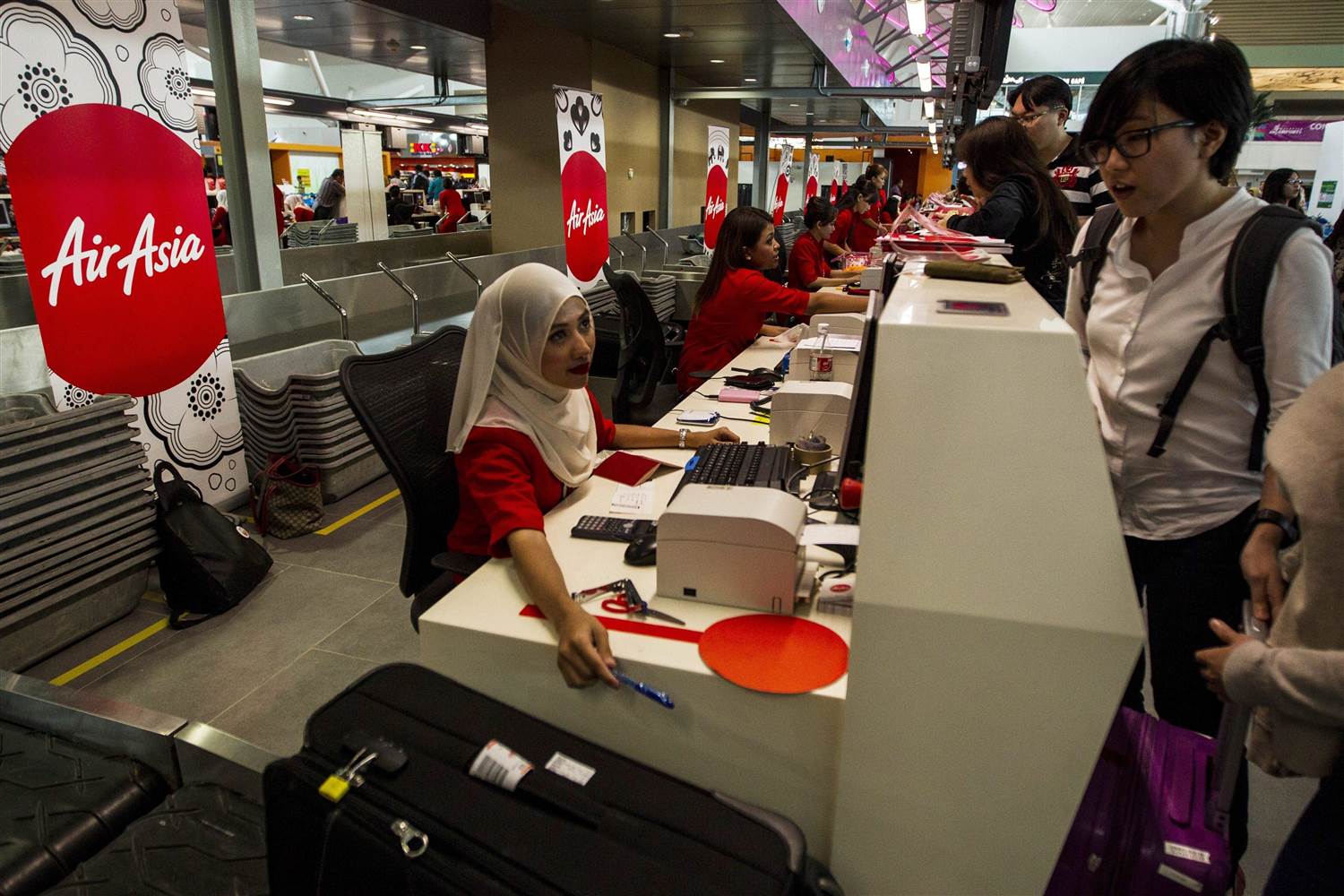
    Low-cost carrier AirAsia is to move its domestic flight operations from Husein Sastranegara International Airport in Bandung to Kertajati International Airport in Majalengka starting June 30.

    Majalengka is a 2.5- to 3-hour drive from Bandung, West Java.

    Meanwhile, AirAsia continues to offer international flights at Husein Sastranegara airport.

    Following this decision, flights to and from Bali are to land or depart at Kertajati airport. Hence, passengers who made Bali-Bandung bookings from June 30 onwards are advised to check their emails for new flight itineraries and to reprint their revised boarding passes.

    For those who are uncomfortable with having to change their travel plans, AirAsia announced in a statement that it is offering passengers a one-time chance until June 30 to change their flight date 30 calendar days in advance of the original scheduled flight date. There would be no additional cost but changing flights is subject to seat availability.

    The carrier is also accepting requests for full refunds for the value of passengers’ bookings at support.airasia.com.

    Information regarding Kertajati airport’s location and transportation options is available at bijb.co.id/akses-bandara.

  • How Ferragamo veteran Sofia Ciucchi revived heritage brand Il Bisonte for millennials

    How Ferragamo veteran Sofia Ciucchi revived heritage brand Il Bisonte for millennials

    Luxury label Il Bisonte has come a long way from a family-owned retailer to a landmark flagship store in Harbour City which opened this month.

    Il Bisonte may not be the first Italian brand that comes to mind, but this artisanal leather label has been in existence for more than 50 years, heralding from Florence. For 20 years, the brand was distributed at a nifty mom-and-pop store in the neighbourhood mall of Heng Fa Chuen and had acquired a loyal following from local residents.

    In 2015 British private equity firm Palamon Capital Partners acquired Il Bisonte, seizing back full control from franchisees to begin direct selling. The new owners recruited Sophia Ciucchi from Italian luxury house Salvatore Ferragamo, appointed her CEO of Il Bisonte and charged her with revitalising and reawakening the sleeping brand.

    Proving her success, Il Bisonte has just been sold to Look Holdings Inc for €100 million.

    Originally operating under a wholesale model, Il Bisonte has its footprints on a global level at renowned department stores and through local distributors.

    “A couple of years ago, Japan represented 80 per cent of our sales,” explains Ciucchi. “At the end of last year, it was reduced to less than 50 per cent because the rest of the word was growing so much faster.

    “Europe and the Middle East have made a high contribution and the US is also growing. So, I think it’s a question of rebalancing and making our brand more international in the rest of Asia and the US.”

    For a long time, Il Bisonte has largely been focusing on developing its presence in the US, Europe and Japan and only now has it decided to re-enter Hong Kong with a strong foothold of the market.

    Now with a new flagship at Harbour City, Il Bisonte is also guaranteed strong exposure to Mainland Chinese shoppers ahead of a planned store roll out on the mainland.

    “Hong Kong is a strategic market for Asia, especially China and other Southeast Asia markets,” said Ciucchi.

    The business in Hong Kong is headed by retail manager Charles Lo, who says the company’s initial location at IFC mall ensured high visibility and established a strong market positioning in the territory. That drew approaches from other mall operators wanting the brand in their properties.

    Despite Japan being its best-selling market, Ciucchi has no imminent plans to buy out local partnerships and begin direct selling there.

    Ciucchi says due to the unique nature of the Japanese market and the characteristics of local shoppers often hard to grasp, the brand feels more confident having locals continue the label’s success there. If it’s not broken, don’t fix it is Ciucchi’s mantra.

    Endorsing the circular economy

    Il Bisonte crafts its handbags and accessories from bull-calf leather which ages with time and wear, giving it a distinctive look and making its pieces transgenerational. This inspired the brand to open a secondhand marketplace within its New York flagship store, and online. Consumers can resell their own pieces or purchase from others, embracing the circular economy.

    Not only does this initiative coincide with the brand’s heritage background, but pre-loved goods are much more welcomed by eco-conscious millennials these days. With luxury brands usually unwilling to see their products displayed on second-hand platforms, Il Bisonte’s open embrace of the pre-loved strategy makes it somewhat unique in the sector.

    Future digital plans

    Another of Ciucchi’s innovative strategies is to leverage the brand’s founder Wanny Di Filippo, a cigar-toting, bearded icon of Italian fashion.

    Il Bisonte has animated his character into a cartoon series, titled “Dreams Come True” to connect with the millennials and give the brand a more youthful approach. This storytelling is intended to evoke imagination and creativity, embodying the core values of the brand and share the story of how Di Filippo founded the brand.

    Next, in a clear progression of its revival strategy, Ciucchi is looking into converting Il Bisonte into an omnichannel brand next, starting with a new e-commerce platform by next fall. From there on, she hopes to create a holistic ecosystem by connecting all retail channels together.

  • Microsoft makes OneDrive more secure with Personal Vault for Android and iOS

    Microsoft makes OneDrive more secure with Personal Vault for Android and iOS

    Microsoft has just announced it’s making OneDrive more secure with the addition of Personal Vault, a protected area that can only be accessed by the owner of the account, which features a strong authentication method or a second step of identity verification.

    The new OneDrive Personal Vault is only accessible through the following authentication methods: fingerprint, face, PIN or code sent via email or SMS. On top of that, Microsoft says that all locked files in Personal Vault have an extra layer of security, but remain easy to access on PC or smartphones.

    If you’re using the Microsoft Authenticator app, you’ll be pleased to know that it’s perfectly usable with OneDrive’s new Personal Vault, so you’ll be able to unlock it using this specific app.

    There’s even a nifty feature that allows OneDrive users to scan and shoot pictures directly into Personal Vault. Simply use OneDrive app to scan documents, take pictures, or shoot video directly from within Personal Vault and they will remain securely locked, but easy to access at the same time.

    Apparently, Personal Vault uses more than just two-step verification to keep files safe and private, but you’ll have to enable encryption your iOS or Android device to benefit from an extra layer of security.

    In the same piece of news, Microsoft announced that it’s increasing the OneDrive standalone storage plan from 50GB to 100GB at no additional charge. Also, all Office 365 subscribers are offered a new option to add more storage when they need it.

  • Hong Kong and New York options for US$1 billion Miniso IPO

    Hong Kong and New York options for US$1 billion Miniso IPO

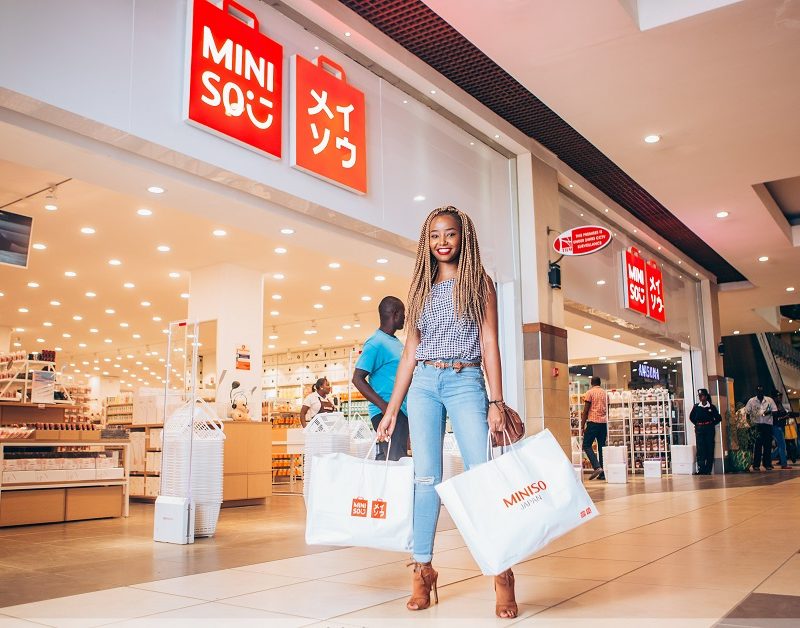
    Chinese discount merchandise chain Miniso is reportedly planning an IPO raising as much as US$1 billion to continue its rapid expansion.

    A Miniso IPO was first mooted by the company in January last year but there has been no further activity until now.

    Citing “people with knowledge of the matter,” Bloomberg has reported that Miniso executives are pitching banks to participate in the public offer.

    Miniso was founded by a Japanese designer and a Chinese entrepreneur in 2013. While it has since attempted to pass itself off as a Japanese brand, its products are predominantly sourced from Mainland China and it is a Chinese-headquartered business.

    The company has around 3500 stores in 80 markets across the world. Late last year Chinese e-commerce and tech giant Tencent and Hillhouse Capital invested RMB1 billion (US$146 million) into the business.

    According to Bloomberg’s sources, both Hong Kong and the US are being mulled as options for the Miniso IPO and a timeline has not yet been set.

    Last year Miniso achieved sales of US$2.5 billion.

  • Maxi-Cash opens its first LuxeStyle outlet in Australia

    Maxi-Cash opens its first LuxeStyle outlet in Australia

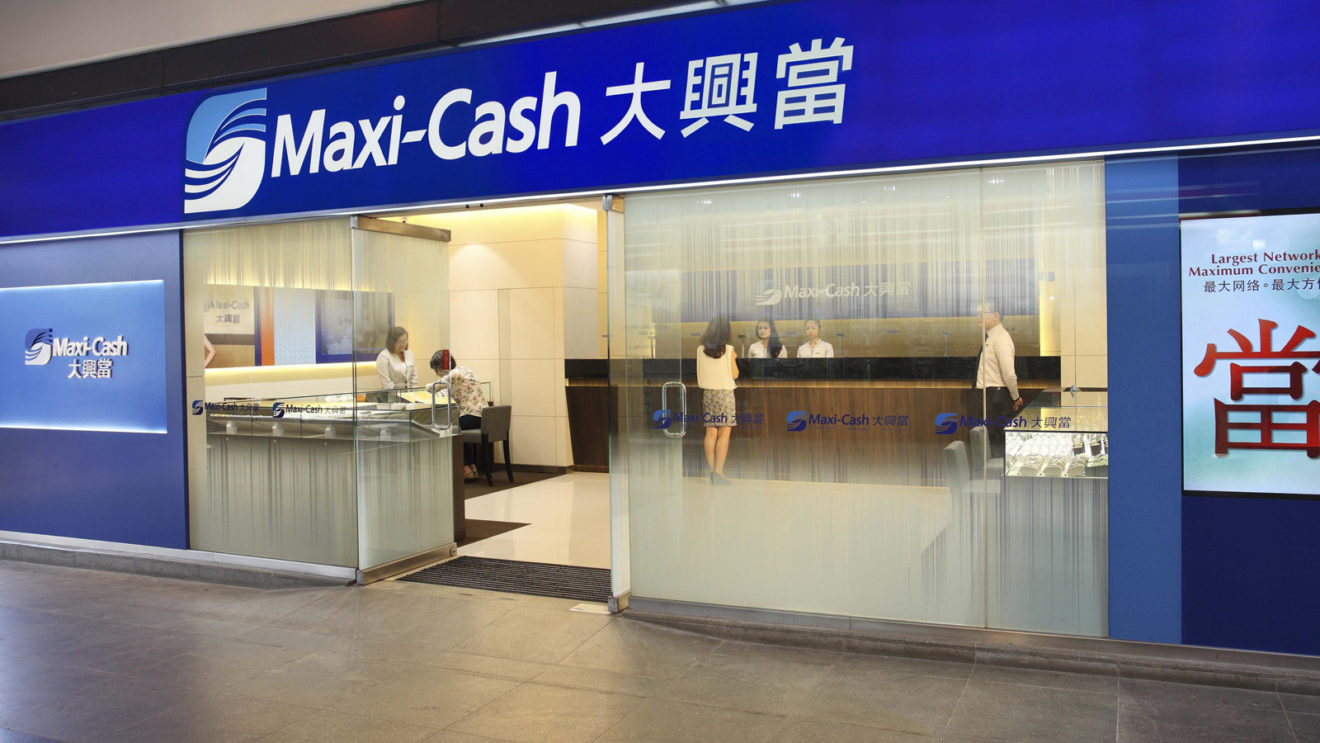
    Singaporean pawnbroker Maxi-Cash has opened its first Australian LuxeStyle boutique.

    Located in downtown Melbourne, the flagship boutique offers a variety of pre-loved luxury timepieces, designer leather bags and branded jewellery, including gold, diamonds, precious stones and pearls.

    Shoppers can expect to find luxury items that are handpicked under the “strictest inspection to ensure authenticity and top notch quality”, including Rolex, Cartier, Bulgari, Chanel, Prada, and Louis Vuitton.

    Customers will also have the opportunity to bring in their pre-loved or unused bags, timepieces or jewellery to exchange them for cash or trade in on a newer style or model.

    “As an established and a trusted retailer in Asia, we specifically had our eyes set on one of the world’s most livable cities and the fashion capital of Australia, Melbourne, to open our first Australian Maxi-Cash store,” said Ng Leok Cheng, Maxi-Cash CEO.

    He said 24K and 22K gold, luxury jewellery and timepieces, which all retain their value for years to come, are in high demand the world over.

    “We were quick to recognise a gap and an opportunity for expansion into the Australian market. We look forward to continuing to build our reputation for excellence amongst local shoppers as well as international visitors on holiday in the city.”

    Established in 2008, Maxi-Cash was the first pawnbroker to be listed on the Singapore Stock Exchange. It has 47 boutiques across Asia, including in Singapore and Malaysia.