Author: Mei Ling Tan

  • Australian dollar rises slightly

    Australian dollar rises slightly

    The Australian dollar is only slightly changed Wednesday, buying 69.61 US cents from 69.60 US cents on Tuesday.

    Yesterday, the local currency was on track for a sixth straight session of gains against a US dollar weakened by expectations for an aggressive cut in interest rates by the Federal Reserve next month.

    The Australian dollar climbed to a two-week high of 69.72 US cents on Tuesday and was last quoted at 69.65.

    The New Zealand dollar also jumped to a two-week top of 66.46 US cents.

    The six-day rally comes as yields on US Treasuries inched lower with Fed futures fully pricing in a quarter-point easing and a real-chance of a 50 basis point cut at the next FOMC meeting in July.

    The strength in the antipodean currencies was limited to the US dollar, however, as Australian and New Zealand central banks themselves are on an easing path.

    Against the Japanese yen and the euro, the currencies were hovering near multi-month lows.

    The Reserve Bank of Australia (RBA) is widely expected to cut interest rates to a new record low of 1.00 per cent at its July 2 meeting after already lowering once in June.

    However, given more aggressive pricing for the Fed many analysts expect the Aussie may not fall much further despite easings at home, a concern that RBA Governor Philip Lowe highlighted on Monday.

    “But if everyone is easing, there is no exchange-rate channel,” Lowe told a public forum in Canberra.

    “We trade with one another, we don’t trade with Mars, so if everyone’s easing, the effect that we get from exchange-rate depreciation via the transmission mechanism isn’t there.”

  • UOB and Zilingo tie up to drive the growth of ASEAN’s fashion industry

    UOB and Zilingo tie up to drive the growth of ASEAN’s fashion industry

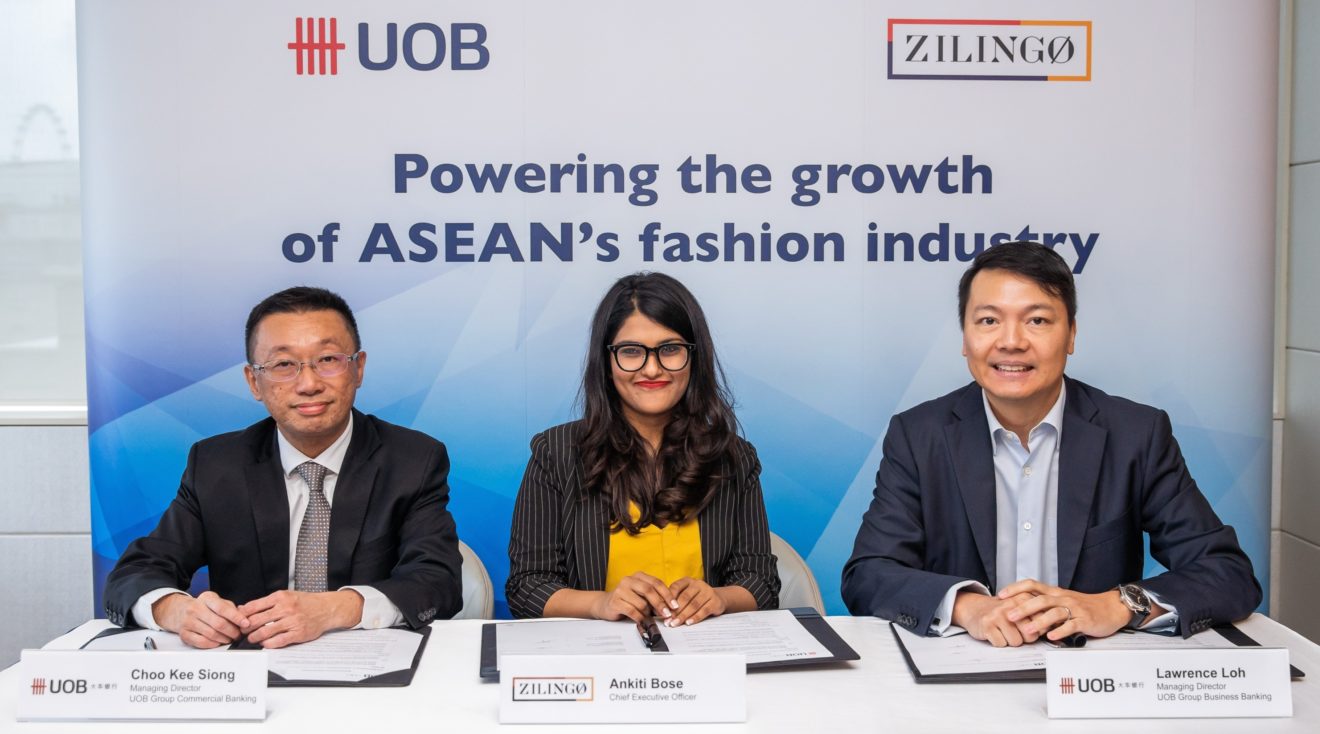
    United Overseas Bank Limited (UOB) and Zilingo, a fashion and lifestyle e-commerce platform, today announced that they have signed a Memorandum of Understanding (MOU) to support the growth of ASEAN’s fashion industry. Under the MOU, businesses on Zilingo’s platform, which are mostly small- and medium-sized enterprises (SMEs), will be able to access UOB’s banking solutions through the e-commerce platform. The greater access to banking solutions will enable Zilingo’s merchants and manufacturers across the region to manage their cash flow better and to grow their businesses more efficiently and easily.

    Ms Ankiti Bose, CEO and Co-founder, Zilingo, said, “Through this collaboration with UOB, we want to reaffirm our commitment towards empowering merchants and manufacturers with everything they need to run their business. Where businesses may find difficulty in accessing capital due to insufficient financial records, Zilingo’s unique position as a connector of the fashion supply chain will allow us to leverage a bird’s eye view of the supply chain to make a comprehensive assessment of the business’ capabilities and value proposition”.

    Mr Choo Kee Siong, Head of Industry Groups, Group Commercial Banking, UOB, said, “At UOB, we have been working with various ecosystem partners to offer our banking products and services to companies across entire supply chains, helping them pursue growth strategies and seize business opportunities. Through our MOU with Zilingo, fashion businesses across ASEAN will be able to access our comprehensive range of banking solutions seamlessly to meet their operational and financial needs.” In addition to supporting Zilingo’s merchants, UOB will also explore support for the e-commerce platform in a number of other areas, from cash management and foreign exchange services to workplace banking services

  • Aeon Vietnam to build another Hanoi mall

    Aeon Vietnam to build another Hanoi mall

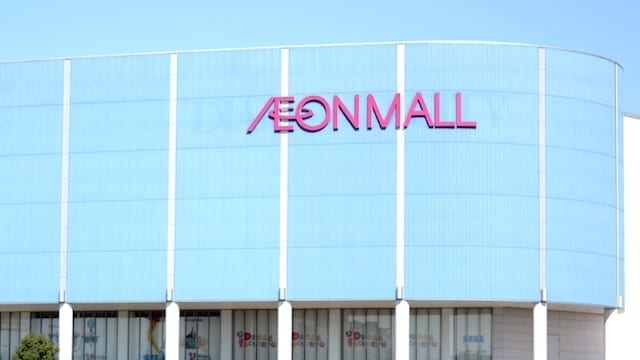
    Aeon Vietnam will invest US$280 million for its third property in the capital city, Hanoi.

    The mall, in South Hanoi, is scheduled to open by the end of next year, according to Aeon executive director and general director of Aeon Mall Vietnam, Yasutsugu Iwamura.

    The Japanese retail giant plans to have 20 malls in Vietnam by 2025. It already has four trading,  in Ho Chi Minh City, Hanoi and the southern province of Binh Duong. Two others are under construction in Hanoi and the northern city of Hai Phong.

    The retailer hopes to have a strategic partnership with Vietnam retailers, increasing sales of agricultural products to Japan through its system.

    It plans to double imports from Vietnam to US$500 million next year, and double again to US$1 billion by 2025.

    Last year Aeon’s imports were worth US$245 million, with clothing accounting for 55 per cent of that figure.

  • Mercedes-Benz To Start Assembling Cars In Egypt

    Mercedes-Benz To Start Assembling Cars In Egypt

    Mercedes-Benz and the Egyptian government have signed a Memorandum of Understanding to locally assemble the company’s passenger cars in the country. This is the result of successful discussions with the Egyptian government. This planned commitment is set to further improve the market position of Mercedes-Benz Cars in Egypt. The Memorandum of Understanding not only describes a local Mercedes-Benz passenger car assembly, but also contains other potential fields of cooperation. The assembly will be set up by a local business partner. At the same time, Mercedes-Benz Cars emphasises the involvement and know-how of Egyptian suppliers.

    “In building up a local car assembly, we will be able to structure our production network even more flexibly and efficiently and respond even better to the needs of our customers,” says Jorg Burzer, Executive Board member Mercedes-Benz Cars, Production and Supply Chain.

    In view of the long-term market potential, further investments are also conceivable, for example expansion of the dealer network, a logistical hub in the Suez Canal Special Economic Zone and a training centre. Furthermore, the company has offered to make its specialist expertise with respect to modern mobility concepts, e-mobility and electric vehicles, as well as autonomous driving, available.

    With the planned car assembly operation in Egypt, Mercedes-Benz Cars is supporting Egypt as an industrial location. Already now, Mercedes-Benz is securing more than 1,000 direct and indirect jobs in Egypt with its own import and sales organisation, a central spare parts warehouse and numerous authorised retailers and workshops in Cairo, Gizeh, Alexandria and Hurghada. With the new car assembly operation, Mercedes-Benz Cars will create new employment and contribute to better training opportunities with the planned training centre.

  • Apple Buys Self-Driving Car Startup Drive.ai

    Apple Buys Self-Driving Car Startup Drive.ai

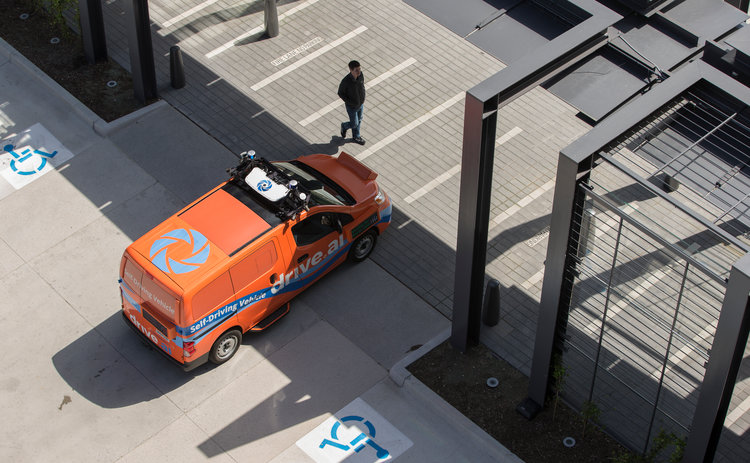
    Apple Inc on Tuesday confirmed that it has acquired self-driving shuttle firm Drive.ai.

    Technology news website The Information reported earlier this month that the iPhone maker was considering acquiring the firm as a move to bring aboard some of its engineering talent to boost Apple’s own self-driving efforts.

    One of hundreds of startups pursuing autonomous vehicles, Drive.ai had been running a small fleet of test shuttles in Texas, The Information reported. But the startup told California regulators that it plans to lay off 90 people in a permanent closure. The San Francisco Chronicle earlier reported the closure.

    In Silicon Valley, it is common for larger companies to acquire struggling startups primarily to hire their engineers, a move known in the industry as an “acqui-hire.”

    Apple is vying against rivals such as Alphabet Inc’s Waymo to develop self-driving vehicles. In the past year, Apple has revamped its efforts, bringing former Tesla Inc engineering chief Doug Field to oversee the operation, which includes more than 5,000 workers.

    Apple is also working on key components such as sensors in addition to holding talks with potential suppliers.

  • Deliveroo Launches Virtual Restaurant Brands in Hong Kong, Boosting Restaurant Operator Income by 85%

    Deliveroo Launches Virtual Restaurant Brands in Hong Kong, Boosting Restaurant Operator Income by 85%

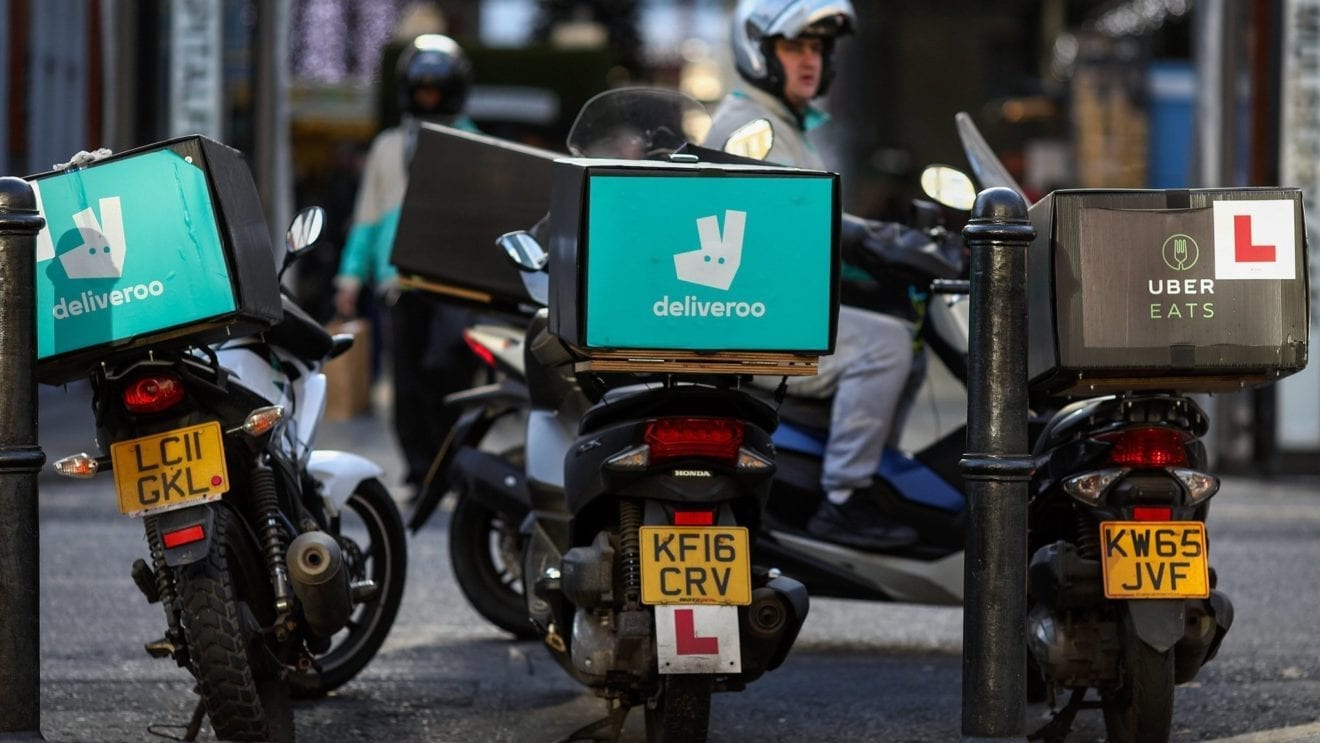
    Deliveroo, the food delivery service leader who has over 60% market share in Hong Kong, has today revealed how it is working with restaurants to create additional ‘virtual restaurants’, including in its state-of-the-art, delivery-only Editions kitchens. Deliveroo uses its expertise to help restaurants create, test and bring to market new brands that would be only possible due to the nature of online delivery.

    Creating virtual restaurants allows existing restaurants to increase revenue and customers by offering new or complementary cuisines from their current kitchen, but under new branding. Restaurants are able to therefore improve productivity and efficiency of existing kitchen staff and chefs and save on food costs and cut wastage, without increasing any of the fixed costs such as rent and other operating costs. For an industry that operates under challenging economic headwinds, virtual brands therefore provide a low cost, low risk way of increasing revenue and profit.

    Deliveroo currently has more than 100 virtual brands live across the platform in Hong Kong, and will have 200 by the end of the year. The most popular virtual brand cuisines in Hong Kong are first – Chinese; second – Hawaiian Poke; third – Chicken Wings. The most popular Chinese virtual brand is Soupday; the most popular Hawaiian Poke brand is Kai; the most popular Chicken Wing brand is Wingman. Since the inception of virtual brands, Deliveroo has seen web and app traffic from prospective customers to these brands jumped by 800% since January 2019. Furthermore, sales per store of virtual brands have also increased by 3-fold since the beginning of the year.

    Creating a successful virtual brand is no easy feat – Deliveroo works closely with their partners from start to finish.  It starts with big data, which is used to identify hotspots for growth, areas with high customer demand that are being underserviced with missing cuisine types, unsuitable price points, or a lack of restaurants in general. That data is then used to guide the creation of an optimal menu, from layout, to pricing recommendations, to featured items, all designed to help restaurants leverage existing ingredients and under-utilized kitchen space.  After a strong quality control process which involves tasting a lot of food and operational checks, Deliveroo also provides strong marketing support through online and offline channels, sponsored promos and discounts, and post-launch diagnostics of customer behavior towards the brand, not to mention partners getting access to Deliveroo’s global network, with opportunities to source cheaper packaging or food ingredients, learn new recipes, or even license foreign brands.

    There are 18 virtual brands at Editions sites in Hong Kong, with nine in Wan Chai and nine in Sai Ying Pun.

    A virtual brand appears as a separate restaurant on Deliveroo with a new identity driven by a new cuisine or menu offering. It means BBQ joints launching Mexican menus, Greek restaurants offering healthy protein bowls, or a favourite pizza joint delivering gourmet wraps.

    In markets around the world, restaurants on Deliveroo that launched virtual brands with the company have seen on average a 70% increase in revenues as a result of those brands. In Hong Kong this is higher at 85%.

    Commenting, Brian Lo, GM Deliveroo Hong Kong, said:

    “Virtual restaurants mean more great food for our customers. By creating new brands out of existing kitchens, restaurants can really boost their business and try new ideas without the need for expensive new premises. At Deliveroo we are using our knowledge, data and insight to help restaurants launch new brands in Deliveroo Editions and from their high street kitchens. We work with chefs every step of the way to make virtual restaurants a success from concept to delivery. The end result is great for restaurants and is helping to increase customer choice across Hong Kong.”

    Case study: Wingman

    Launching a new virtual concept and successfully opened its first brick & mortar restaurant in Central after proof of concept.

    What’s the background?

    Despite the growing trend for fried chicken, and wings in particular, no restaurants in Hong Kong specialised in them. Deliveroo shared the insights of this market potential with two entrepreneurs, Jack and Elliot who later became the founders of Wingman. The two parties decided to work together and build a virtual brand on Deliveroo platform.

    What were the solution and results?

    With the food trend and market data provided by Deliveroo, the founders created a range of wings infused with the most popular flavors. Once the flavours, brand and packaging were finalised, Wingman was launched just in time for the World Cup in July 2018, riding on the late night delivery offered by Deliveroo to kick this off a great start. Through July and August Deliveroo supported the brand with an OOH advertising campaign, and backed it up with a strong social media presence. Since its launch in July 2018, the brand has been growing in popularity via delivery business, acquiring new customers and expanding to new locations. Not only they have been acquiring 35% new customer growth month on month, but also opening its own restaurant door in Central in May 2019 – all happened within a year.

    To celebrate the opening, Wingman created an exclusive combo and partnered with Deliveroo in a flash marketing campaign to deliver hot wings by hot guys. In this campaign, the brand has acquired more than 100 new customers and generated 150% more traffic to their website. The revenue they gained in May has tripled than previous months, which creates a solid ground for its 1st restaurant in Central.

    “Here at Wingman, we owe a large portion of our success to Deliveroo! With their help, we were able to gain a foothold in the market that we would never have been able to achieve otherwise. By giving us a platform to sell, develop and refine our product, we were able to gain a market share without the large investment usually associated with opening an F&B outlet in Hong Kong. Working alongside the Deliveroo team, we were able to run a number of cross promotion campaigns, as well as providing us with a number of great data points we could utilise to improve our business model. This platform has allowed us to develop to the point that we have now opened our first sit-in restaurant, less than a year after delivering our first box of chicken wings! It really is a dream come true!” Jack Law and Elliot Nicholas, Founders of Wingman.

    Case Study: PizzaExpres

    Subject line: Introducing a new food type to an area and achieving new customer growth

    This was an opportunity to introduce a new dining concept and serve a creative menu at new targeted market segments.

    What’s the background?

    PizzaExpress always strives to bring delightful dining experiences to customers. In addition to the existing menu the brand provides, there is a demand gap in pasta and salad based on customer feedback and the data and analysis provided by Deliveroo. The kitchens also have the capacity to deliver more food during lunchtime and in the afternoon.

    What was the solution?

    Leveraging existing knowledge and manpower, PizzaExpress has launched The Pasta Project at Editions, a platform introducing new dining concept and serving a creative menu. Deliveroo consulted the brand with menu setting and operation by identifying relevant food trends using big data.The virtual brand has particularly focused on delivering great food to customers during lunchtime to capture new target segment and generate additional revenue.

    What were the results?

    The Pasta Project brand kicked off its first service zone in Wan Chai and received tremendous feedback from the consumers and has now expanded to five locations. This allows the brand to see the response from respective areas and the potential of the brand. With The Pasta Project, PizzaExpress has successfully tripled lunch turnover without having to invest in additional staffing, overhead cost and kitchen space. In addition, the brand has acquired new customers from The Pasta Project and is working to develop other virtual brands in the pipeline to delight diners with more variety and choices during different parts of the day and locations where Deliveroo’s data and analysis show cuisine and price gaps.

    Case study: Soupday

    Subject line:  Offering a wider variety of cuisine and geographic reach with virtual brands and Deliveroo

    What’s the background?

    Soupday was launched in June 2018 in Central. The innovative menu, food ingredients and the thematic shop design had gathered the likes of its neighbourhood in the Central area. Though, the founder felt that a personal touch is missing especially when ones are sick or tired as they wouldn’t want to leave their beds or sofas.

    What was the solution and results?

    Soupday partnered with Deliveroo to launch its first virtual brand, CongeeDay, on the platform. With the food trend information, data and the additional Wanchai Edition site provided by Deliveroo, Soupday was able to target the right customers from Sai Ying Pun to Causeway Bay and achieve 20% customer and revenue growth in only one month between April and May 2019, not to mention the great results by CongeeDay. Following the success of CongeeDay, the parties launched another virtual brand – Dim Chill in May 2019 after identifying the cuisine gap.

    Eric Fung, founder of Soupday said “All we want to do is to let our customers enjoy great food. This is why food quality is so important to us that we have to control it very closely. We preserve hotness and freshness of food by delivering via Deliveroo. We want customers to enjoy our quality food in the comfort of their own home or in their own environment. As we don’t have a kitchen or restaurant everywhere to deliver our food to customers, having a virtual brand on Deliveroo helps us be everywhere in Hong Kong to grow the business quickly without a massive investment upfront. The personal touch given by the Deliveroo team has been amazing and is the key ingredient to the success of our partnership.”

  • Sephora reveals final four cities on ‘Beauty Bus’ tour

    Sephora reveals final four cities on ‘Beauty Bus’ tour

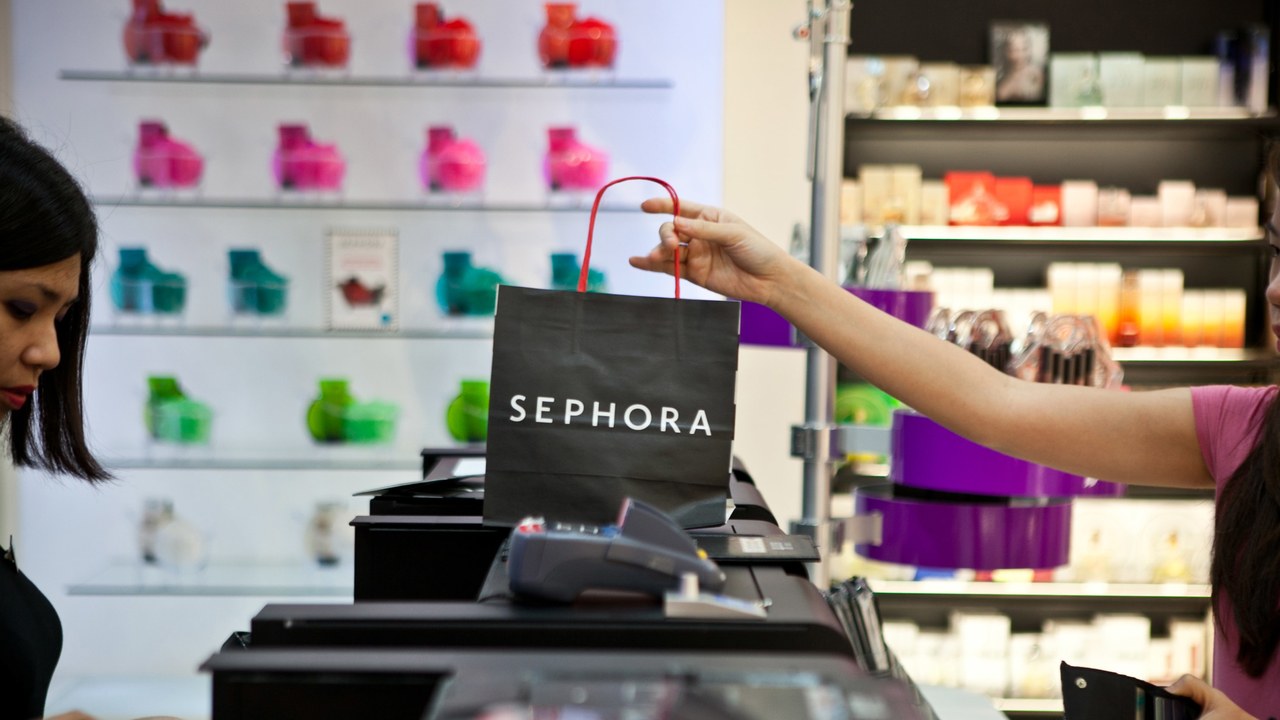
    Sephora has announced Christchurch, Wellington, Hamilton and Auckland as the final four cities to be visited by the retailer’s double-decker ‘Beauty Bus’ in July.

    The Beauty Bus will feature Sephora’s own products, as well as Fenty Beauty by Rihanna, tarte, Huda Beauty, Marc Jacobs Beauty on-board, but the products will not be available for purchase.

    “The Sephora Beauty Bus is all about the Sephora experience,” Sephora national artistry lead Alphie Sadsad said.

    “We have an online presence in New Zealand via our online store and app already, so this tour is all about letting our customers swatch, try and play with the products they’ve never seen in person.

    “Come in, try something new and then shop the full Sephora assortment online if you liked what you tried. It’s a whole new way of shopping, and we are excited for New Zealand to be the first to experience it.”

    Wrapped in Sephora’s white and black stripes, the 11-metre bus also offers custom-built makeup stations manned by Sephora makeup artists.

    The Beauty Bus is traveling around New Zealand next month in anticipation of the retailer’s first store in the country, set to open on Queen Street in Auckland in early July.

    The locations of the bus tour were chosen in the retailer’s ‘bring Sephora to your town’ competition, which encouraged Kiwis to vote for the chance to have the bus visit their town.

    While the brand has been tightlipped about its store launch, it is believed to be part of a larger push into the Asia market, which will also see stores opening in Korea and Hong Kong.

    Sephora Asia president Benjamin Vuchot has earlier said New Zealand will be a key market in building the Sephora brand in Asia.

    “This expansion to a new market will allow Sephora to continue to amplify global beauty trends locally, elevate what our clients expect of the in-store experience and bring fresh, digital touch points to the retail environment,” Vuchot said.

    Sephora Beauty Bus locations and dates:

    • Cathedral Square, Christchurch – 12 to 4 pm, 6 July
    • Northlands Mall, Christchurch – 12 to 4 pm, 7 July
    • Oldins Plaza, Wellington Waterfront – 12 to 4 pm, 10 and 11 July
    • Garden Place, Hamilton – 12 to 4 pm, 13 July
    • The Base, Hamilton – 12 to 4 pm, 14 July
    • Sylvia Park, Auckland – 12 to 4 pm, 17 July
    • The Viaduct, Auckland – 12 to 4 pm, 18 July
  • Capital Gains Studio launches the Second Edition of Wongamania: Banana Economy

    Capital Gains Studio launches the Second Edition of Wongamania: Banana Economy

    Capital Gains Studio is proud to announce the launch of the second edition of the best-selling financial boardgame – Wongamania: Banana Economy with more visually attractive graphic design, new mechanics, a new educational guide and a Chinese – English duo edition.

    “Thanks to the popularity of our first edition, we decided to launch the 2nd edition with many upgrades,” said Wongamania Creator, Xeo Lye. “Other than an overhaul of the mechanics and graphic designs, we have included an educational guide to help players understand how the game ties in with real-life economics. As the financial literacy movement in Singapore becomes more vibrant, we hope that Wongamania can become an invaluable tool to make financial education fun and approachable.”

    Economic Lessons from Wongamania: Banana Economy

    While everyone loves money, most people hate learning about finance and economics. This irony is a result of all the thick tome of financial jargons, formulas and charts that many presumed that they have to master to be proficient in economics and investing. Capital Gains Studios is challenging and changing that status quo through their flagship board game, Wongamania: Banana Economy.

    In the second edition of Wongamania: Banana Economy, the new educational guide would provide you a brief outline of economics by putting you in the role of an elite in a Banana Republic, controlling a corporation with the power to influence government policies on interest rates or tax policy, with the purpose of enriching your own investment interest. At the same time, you will play the role of market forces, defeating others at their own game by personal hardships and economic turbulence, therefore raising a necessary of purchasing insurance to cover yourself against insurable events and controlling your own fate/state of retirement.

    A game will see you learning how to juggle different asset classes to maximize your income in good and bad times by depicting an economic cycle including 4 different segments: Recession. Recovery, Growth and Stagnancy. During each stage of the economic cycle, you have to allocate your assets most effectively, through diversification or focus investing.

  • Tmall Global launches new English-language website

    Tmall Global launches new English-language website

    Tmall Global today launched its first English-language website to attract more merchants and businesses from around the world to join China’s largest cross-border online shopping platform.

    The portal makes it easier for sellers of all sizes to capitalize on burgeoning demand from Chinese consumers for high-quality imported products.

    Tmall Global already features 20,000 international brands in over 4,000 categories from 77 countries and regions. This outreach aims to make Tmall more appealing to small, medium-sized and niche brands from other countries with products that would sate the demands of China’s post-1995 generation.

    The website details Tmall Global and the solutions it offers to overseas merchants entering the China market. It includes steps on how to open a flagship store on Tmall Global and tap direct import tools, such as Tmall Overseas Fulfillment (TOF), a new initiative launched later last year to provide international merchants a low-cost, low-risk way to take a first step toward selling to China before making a more full-fledged market entry.

    The portal also provides tools that streamline the process to join Tmall Global. Businesses wanting to open a flagship store can fill out a questionnaire and input basic information about their operation. That information will be pre-screened, and qualifying applicants will be contacted within 72 hours. Apart from offering assistance during the onboarding process, Tmall Global will also advise merchants on how to optimize their operations after they establish a presence on the platform.

    “Tmall Global’s mission is to connect high-quality international brands across the globe with Chinese consumers. We believe the launch of this English-language website will expedite the process for brands and merchants to introduce their products to Chinese consumers. The website will widen our reach to merchants, especially to those medium and small sized businesses around the world,” said Yi Qian, Deputy General Manager of Tmall Global.

    In addition to English, Tmall Global plans to launch other language versions of its entry portal for merchants, including Spanish, Japanese and Korean.

    Tmall Global has notched significant growth in the past year and looks to continue the strong momentum. In 2018, the number of new flagship store openings on Tmall Global doubled from the previous year, and that growth rate is expected to accelerate further this year.

  • Vinomofo looks beyond massive bulk orders

    Vinomofo looks beyond massive bulk orders

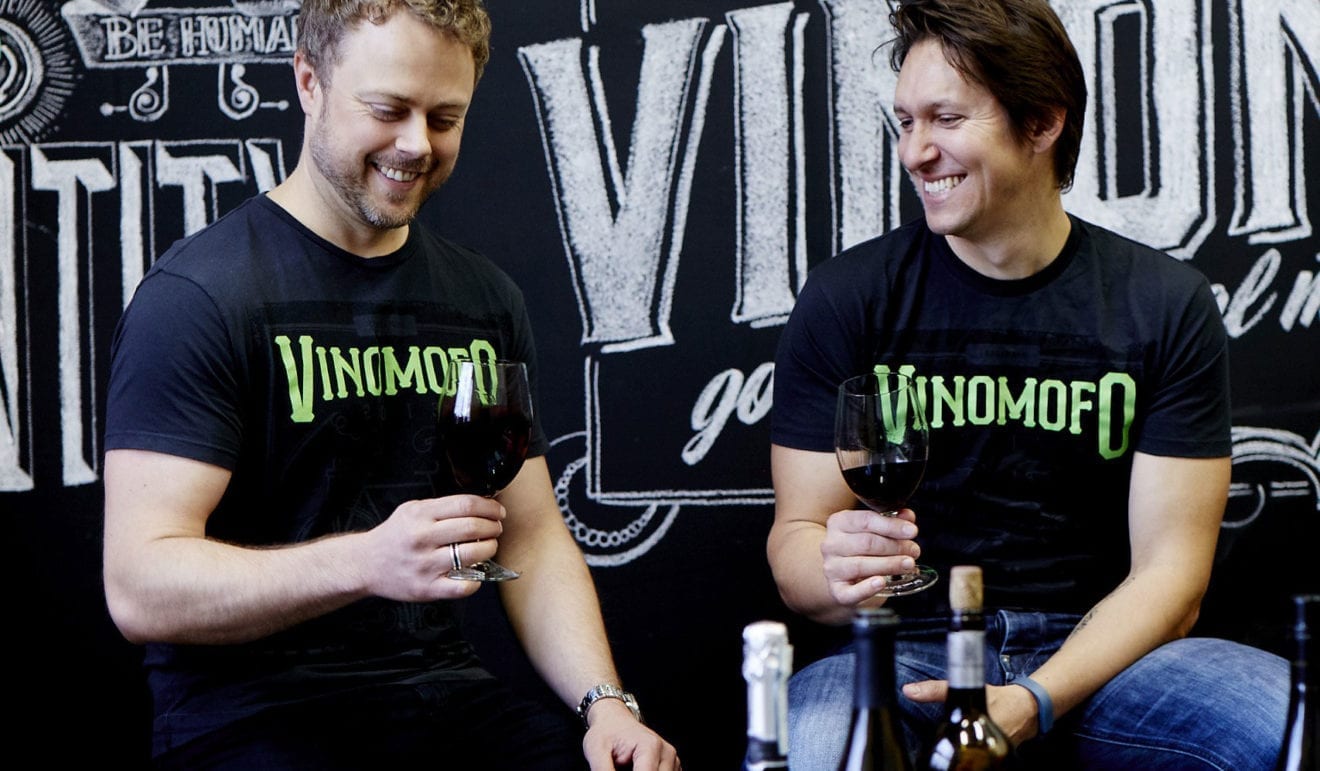
    Vinomofo is thinking outside the box to give new customers a better first experience with the brand.

    The online wine retailer last week launched a ‘welcome kit’, including a three-pack of red, white or mixed wine, as well as a magazine filled with articles, advice and recipes that explain what Vinomofo is all about.

    The kit is like a physical manifestation of the welcome email that most online retailers send. But while digital versions typically include a discount for the next purchase, or a call-to-action to sign up for the loyalty program, Vinomofo’s welcome kit is all about introducing customers to the culture and ethos of the brand.

    “The idea came about during a session we had exploring how to deliver a more beautiful and complete welcome experience,” Justin Dry, Vinomofo co-founder and CEO said.

    “It was important to us that this was simple and elegant but clearly represented who we are and the why and how of what we do.”

    The company has made a name for itself by offering great wine at low prices, which it makes possible by buying large volumes from growers. Customers typically are required to buy six or 12 bottles of the same vintage to access the enticing per bottle discount that Vinomofo advertises.

    For some customers, however, this is a significant investment they may not be confident making online. For others, they simply don’t know the ins and outs of how Vinomofo works. The welcome kit, which costs $69 and up, aims to tackle both issues.

    “We know that once someone has tried Vinomofo, they’re very likely to stay, so if we can remove as many barriers as possible, it’s a good thing,” Dry said.

    “However it’s mostly about delivering a beautiful experience for our new mofos and introducing them to who we are and what we do.”

    Vinomofo recently appointed its first employee in Singapore. Michael Parmeter has been appointed general manager, and will look after ground operations, strategic growth, merchandise and local area marketing.

    The country represents a strong growth market for Vinomofo, which also operates in New Zealand, and is looking to launch in the US in the near future.

    Dry said that Vinomofo has achieved its goal of returning to profitable growth in FY19, and will be looking to accelerate its global growth again in FY20.

  • Irfan Wahab Khan at MWC Shanghai 2019

    Irfan Wahab Khan at MWC Shanghai 2019

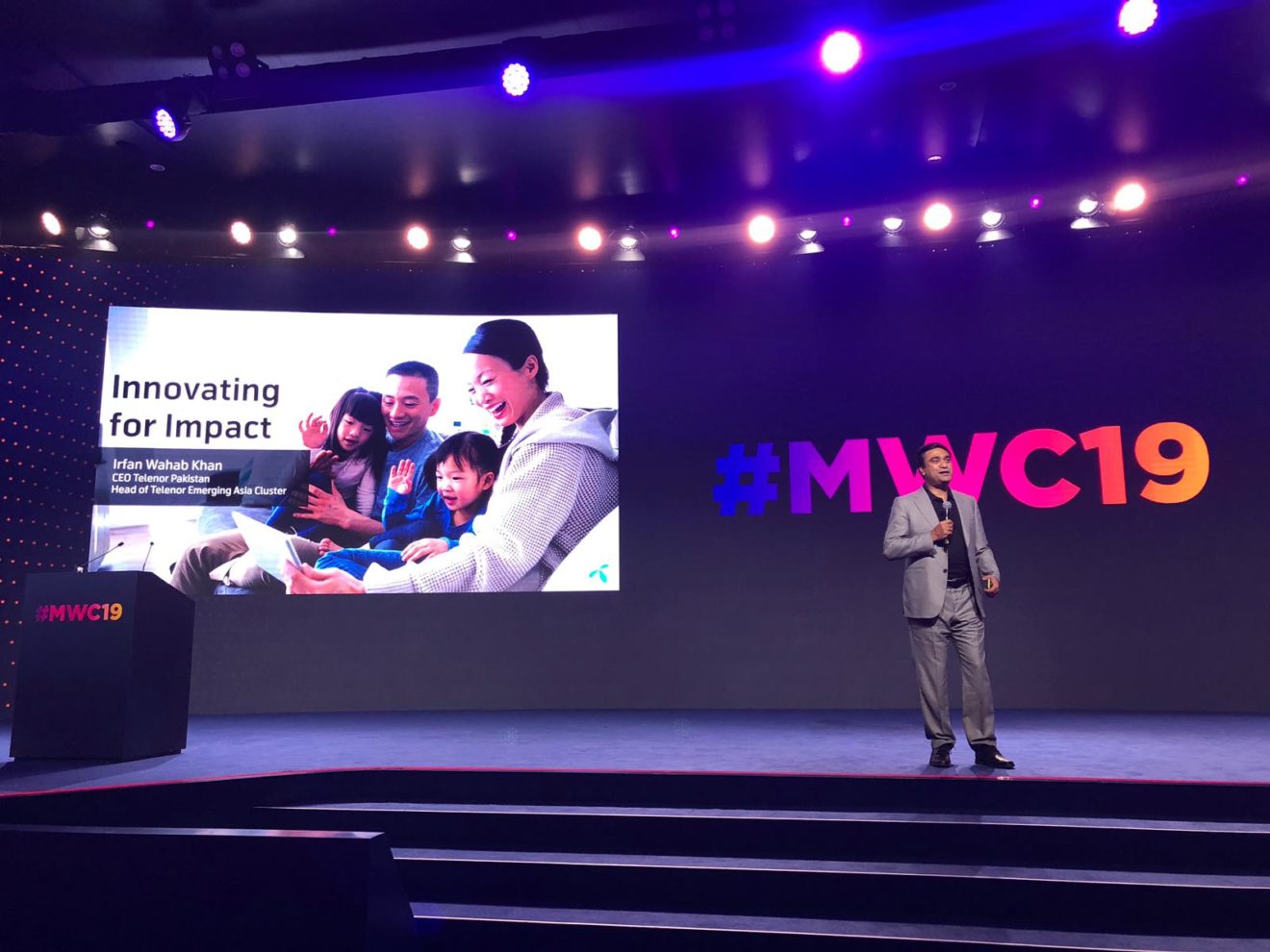
    Telecommunications has accelerated development of key sectors, spurring economic growth and opening countless avenues to empower individuals and societies, said Irfan Wahab Khan, Head of Telenor Group’s Emerging Asia Cluster and CEO of Telenor Pakistan, at the Mobile World Congress (MWC) in Shanghai. His keynote at MWC, ‘Pioneers of Intelligent Connectivity’, also shed light on how intelligent connectivity and Telenor Group’s disruptive innovation are transforming lives of millions, enabling basic civic rights through mobile birth registration and equipping the unbanked with mobile financial services, among others.

    MWC Shanghai 2019 highlighted how ICT-powered solutions and services are creating strong socioeconomic impact. Irfan highlighted the advent of the Asian Century and role of Telenor Group in transforming health, financial services and agriculture in Asia. In particular, he listed innovative mobile-based solutions like Bangladesh’s ‘Tonic’, Myanmar’s ‘WaveMoney’, and Thailand’s ‘Smart Farmer’, which are providing a myriad of digital health services, safe money transfers, and IoT farming solutions respectively to millions of people.

    In addition, he shared how Telenor Group is using big data to help predict outbreak of chronic diseases like dengue in Pakistan and malaria in Bangladesh. The partnership between Telenor Microfinance Bank in Pakistan with its Malaysian counterpart Valyou has also introduced Pakistan’s first blockchain-based cross-border remittance service, powered by industry-leading blockchain technology developed by Alipay of the Ant Financial Services Group.

    “Mobile connectivity and the internet are the greatest equalisers of our day. They impact nearly every aspect of life today, driving social interactions and creating new business opportunities. Through the power of connectivity, Telenor Group has been connecting people to what matters most for the past 160 years. We will continue to do so through disruptive innovation that empowers societies and improve lives, in order to secure a better future for all,” said Irfan.

    MWC Shanghai 2019 is focusing on technologies of the future that include 5G, IoT, AI, big data, blockchain and beyond. The event features the most influential and industry dominating companies and organizations coming together to explore the depths of Intelligent Connectivity. Through the MWC19 Shanghai platform, leading companies take charge of industry-focused discussions, influence the future of connectivity, and unveil new intelligently connected technologies. In addition to his keynote and other MWC engagements, Irfan is also set to hold meetings with global tech leaders, partners and innovators in technology to explore opportunities through the technology-driven ecosystem.

  • Serving You in Style with KFC x Thomas Wee

    Serving You in Style with KFC x Thomas Wee

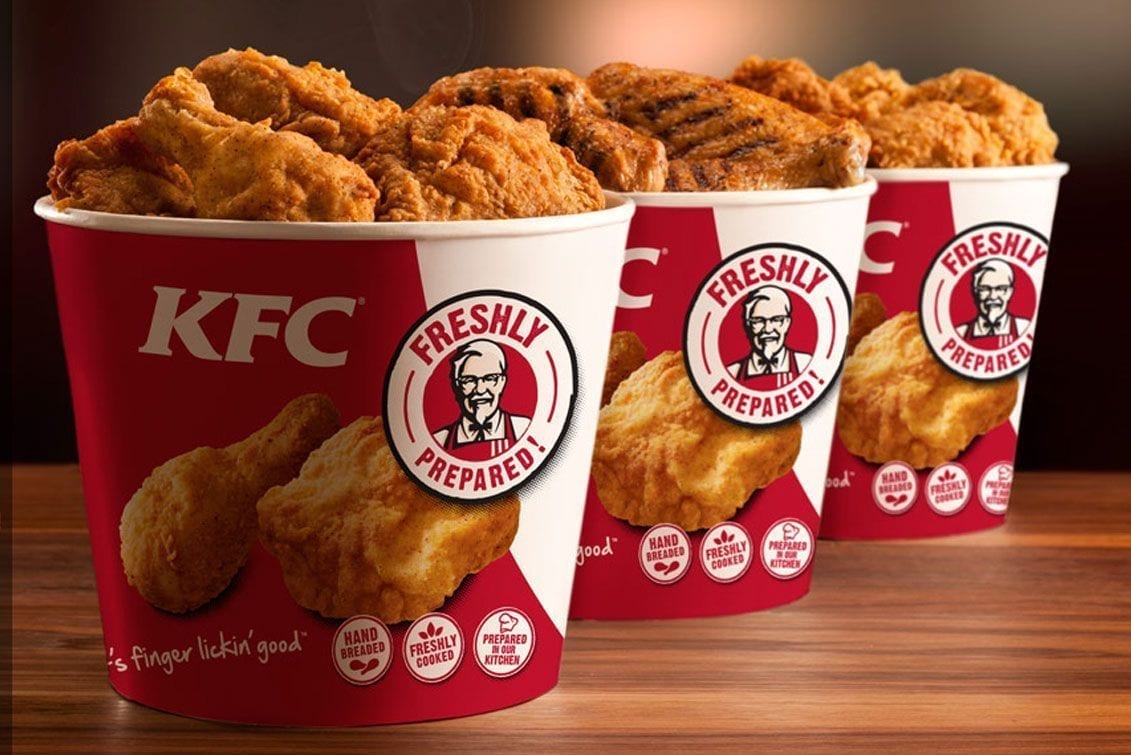
    What’s cookin’, good lookin’? Following the success of our first-time limited edition sneaker drop, KFC Singapore is launching a collection of stylish apparel in collaboration with one of Singapore’s award-winning designers, Thomas Wee. And this time, in the form of brand-new on-fleek uniforms for every member of the KFC family.

    More than a sartorial overhaul, the launch of KFC x Thomas Wee is a tribute to the phenomenal people who built KFC to what it is today, and an appreciation of their individual roles, contribution, and dedication to excellence every day.

    With the launch of KFC’s new uniforms, we hope that every one of our KFC family members will feel the pride and appreciation that we have for them. Because it’s all about being our best selves and so that we can make a difference   Lynette Lee, General Manager of KFC Singapore

    Designed and created by Thomas Wee, the new uniforms mark the first time that KFC will be collaborating with a local fashion designer on such an endeavor, as well as the first time Thomas Wee will be designing for a local F&B brand in almost 40 years of his illustrious career. As opposed to the previously standard uniform of a red dry-fit polo tee, this latest venture boasts not one, not two, but four different types of designs that cohere with each KFC crew member’s role and responsibilities so that you’ll know who to look for when you’re dining at KFC. In addition, all designs were thoughtfully crafted to maximize peak comfort and functionality for every member of the KFC family.

    I was inspired by KFC’s show of appreciation for every single one of their staff members and this translated to my approach to the designs. I wanted to create a collection of uniforms that will look smart on every one of the KFC team, regardless of gender, age, skin tone or size. I hope the new uniforms will boost the morale of the service team and allow everyone to feel confident and excited to wear them in the day-to-day! Thomas Wee, veteran designer

    What’s more, in conjunction with the launch of KFC x Thomas Wee collaboration, we are working with KFC crew members and local visual artist Izzraimy, co-founder of the Island Boys Collective, on a photoshoot that celebrates our diverse KFC family.

    Pop over to check out these uniforms in action in all KFC outlets across Singapore come July, while tucking into your favorite finger-lickin’ good chicken!

  • DB Schenker goes LIVE in Bangladesh

    DB Schenker goes LIVE in Bangladesh

    Schenker (Asia Pacific) Pte Ltd, subsidiary of DB Schenker, the transport and logistics division of the Deutsche Bahn Group, has expanded its presence in the Indian subcontinent with the launch of a new entity in Bangladesh.

    With effect from 26th June 2019, Schenker Logistics (Bangladesh) Limited is  fully operational as a local entity under the global freight forwarder’s India cluster organization.

    Bangladesh is recognized as one of the fastest growing economies in the world with a consistent nominal GDP growth. It is also the world’s second largest exporter of apparels after China, and plays a pivotal role in strengthening DB Schenker’s position as a leader in the global textile market, especially since Bangladesh has duty-free access for garment exports to certain countries.

    The new Bangladesh organization will be led by Chester Hodgson who has over 20 years of experience in the Freight and Logistics industry in South Asia and is no stranger to Bangladesh. “Our greatest pride is our customers and that our success is measured by how we can use our network to facilitate the progress of your business, the fruition of our vision to strategy implementation to become PRIMUS,” says Mr. Hodgson.

    Ditlev Blicher, CEO Asia Pacific, DB Schenker, described establishing an owned entity as an “important step for the organization that comes after many years of careful planning and preparation, which will greatly enhance DB Schenker’s service portfolio and footprint in the Indian subcontinent.”  The new entity will have two offices, in Dhaka and Chattagram, with over 150 experienced employees across the core product offering (Air Freight, Ocean Freight, Contract Logistics, Land & Cross-Border Transportation, Global Projects and Fairs & Exhibitions), spread across six vertical markets namely Aerospace, Electronics & Solar Semiconductor, Automotive, Retail & Consumer, Healthcare and Industrial & Chemical.

    DB Schenker works closely with locally trained experts and partners in order to deliver the best service to customers on the ground. Through such partnerships, the organization also recognizes its role in creating more job opportunities and upskill trainings for the local talent market, while at the same time strengthening its logistics capabilities in Bangladesh.

    “Bangladesh is one of the priority markets for our Indian subcontinent and will help shape a new growth trajectory in the years to come. We are well prepared to expand aggressively in the country so as to better serve our customers,” said Vishal Sharma, Chief Executive Officer, Cluster India and Indian subcontinent, Schenker India Private Limited.

  • Volkswagen Opens IT Centre In Dresden

    Volkswagen Opens IT Centre In Dresden

    Volkswagen has opened a new IT Development Centre in its Glaserne Manufaktur in Dresden. In the Software Development Centre Production (SDC Production), up to 80 newly hired IT specialists will be working on the Volkswagen Industrial Cloud. In the future, the Industrial Cloud will link all 122 Group-wide Volkswagen production facilities. The goal is to amalgamate all data, and in doing so consistently digitalize production and logistics.

    One of the main focus points is the use of artificial intelligence, which suitably simulates human eyesight. The SDC developed the software for the visual quality checks of automated priming tasks for the door and side windows – this robot application comes from the Dresden-based start-up Wandelbots.

    Martin Hofmann, Head of IT for the Volkswagen Group, stated: “With the new IT Development Centre in the Glaserne Manufaktur, our expert knowledge will continue to grow; skills in important areas of technology secure our future.”

    The Industrial Cloud brings together data from all factories. For example, the material flow can be organized more efficiently and delivery bottlenecks and process disruptions can be detected at an early stage. It enables smart real-time control – simultaneously in Wolfsburg and Shanghai, Dresden and Uitenhage (South Africa)

    The Industrial Cloud is being established together with Amazon Web Services (AWS). AWS is a leader in the field of the Internet of Things (IoT), machine learning and computer services. In the Industrial Cloud, these technologies are being developed specifically for the automotive production environment. With Siemens, Volkswagen has gained its first major integration partner. Siemens contributes know-how in automation, connectivity of machines and systems, and the industrial IoT world to the collaboration.

  • Alipay’s e-wallet partner GCash introduces GCash Forest in the Philippines

    Alipay’s e-wallet partner GCash introduces GCash Forest in the Philippines

    Filipinos who want to contribute to environmental preservation can now conveniently use an innovative mobile phone app to help plant trees and increase the Philippines’ forest cover.

    Leading mobile wallet, GCash, is introducing an exciting “green” feature on the app called GCash Forest, which lets subscribers plant virtual trees that will have real-life counterparts. By the end of 365 days, GCash Forest aims to plant 365 thousand trees with the help of GCash subscribers.
    According to the Department of Environment and Natural Resources’ Forest Management Bureau (FMB), the Philippines is losing 47,000 hectares of forest cover every year. The FMB also reported the need to rehabilitate 1.2 million hectares of forest lands by 2022 to prevent landslides, ensure water availability, and preserve biodiversity.

    “GCash Forest is about making it easier, more convenient, and even rewarding for everyone to take care of our environment for the benefit of future generations,” said Mynt CEO Anthony Thomas. “GCash is no longer just providing an excellent platform for accessible financial products and services but also enabling Filipinos to be more active in responding to real-life issues, such as climate change mitigation through reforestation.”
    GCash considers GCash Forest as the last mile initiative that fully recognizes the emergence of an all-digital Filipino lifestyle.

    To implement its tree-planting initiatives, GCash Forest partnered with the Department of Environment and Natural Resources (DENR), World Wildlife Fund (WWF) and The Biodiversity Finance Initiative (BIOFIN). The DENR will provide land resources in Ipo Watershed, an essential component of the Angat-Umiray-Ipo watersheds system supplying 98 percent of Metro Manila’s water. WWF will be providing trees and manpower while BIOFIN will provide expertise on monitoring.

    Thomas added that recent findings on the Philippines’ vulnerability to climate-related hazards call for greater collective action. Results of the Global Peace Index 2019 identified the Philippines as the most susceptible country to the adverse effects of climate change. By leveraging the GCash platform and scale, GCash Forest aims to rally a coalition of individuals, non-government organizations, and international organizations to meet its 2020 targets.
    To plant trees through GCash Forest, GCash users need to collect “green energy” by frequently using the app. Users who get enough green energy can choose which species of trees they want to plant in a selected area at the Ipo watershed. Once the trees are physically planted, users get to receive a certificate of ownership with a serial number, fun facts and updates on the growth of their trees on their GCash apps.

    “Many Filipinos, especially the younger ones, care about the environment but a lot of them don’t know how they can actively take part in environmental protection. This is a barrier that GCash Forest addresses because they only need to use their smartphones—an already integral part of their daily lives—to make a difference,” concluded Thomas.

    The new feature is inspired by Alipay Ant Forest, a product operates by Ant Financial, an Alibaba affiliate and the parent company of the world’s leading payments and lifestyle platform, Alipay. Via the mobile platform, more than 500 million users have planted 100 million real trees and advanced a shared vision of sustainable and inclusive development.