Author: Mei Ling Tan

  • Singapore Popular Games

    Singapore Popular Games

    Gaming is growing quickly in Singapore. This is due to a number of different reasons. The economy is now booming in Singapore which means that there a range of different games for customers to play. Also, they have more leisure time which makes them seek out the most entertaining games. Also, playing baccarat online is getting popular in Singapore. This is one of the most popular games due to its intense gameplay. In this article, we will look at why baccarat is so popular and also explore other popular games in Singapore. We will also detail the specific business conditions which have led to a gaming boom within Singapore.

    What is Baccarat

    Baccarat is a card game which has become popular around the world. It can be played in casinos, however recently there have been many online baccarat games being developed. These provide an engaging and realistic gameplay experience. One of the reasons why it is so popular is because the rules are simple to learn. It does not have the same complexity as other games, which makes it highly accessible. However, there are also many strategies and side-bets that come into play. This makes the game exciting to learn and to master.  You can find the best baccarat gaming websites on baccarat.net. They have a wide selection of websites on view. Additionally, they also go in depth about the rules and also discuss the best strategies for winning.

    Most Popular Games in Singapore

    Even though online gambling is illegal in Singapore, many have been enjoying legal casinos operating worldwide that accept players from Singapore. Some of the most popular casino games include the classics such as poker and blackjack. However, many Singapore players have also been enjoying highly engaging video slots. Mobile phone gaming is also very popular in Singapore. Smartphones offer a way for people to enjoy the gaming experience wherever they go. Hence, mobile casinos and other mobile games have become very popular. The high powered graphics and engaging gameplay on smartphones is a major reason for this.

    Alongside gambling games, video games are also highly popular. Singapore is the country where people spend the most hours on gaming in the South-East Asia region. On average they spend 7.44 hours on gaming. Some of the most played games include Overwatch which is an online game that is available on all platforms such as PC, PS4, and Xbox ONE. Role-playing games such as Devil May Cry 5 are also very popular. The Singapore public is fond of these games because they provide an immersive and enthralling experience. The storyline and quests are highly engaging.

    Business Conditions in Singapore

    The current business and retail conditions have been positive for Singapore. Traditional retailers have been facing stiff competition from innovative e-commerce companies. This has forced them to change their ways to evolve in order to compete in the new marketplace. They are creating new shopping experiences that are tailored to the customer. Physical stores aim to recapture the customer base from Amazon and Alibaba. The demand for necessity goods has remained as high as ever. Another key development is unmanned stores which could become even more common in the near future. Overall, there have been a few bumps, however, the long term economic and retail outlook is positive. The people of Singapore like to enjoy their earnings on playing games that allow them to relax.

    Conclusion

    You will now have a better idea on which games are most popular in Singapore. You will also have an understanding of what is causing a surge in popularity for many games. Baccarat continues to be one of the most played games in Singapore due to its exciting and addicting gameplay. However, other games are also being enjoyed, and the business boom means that gaming will continue to grow in Singapore. We look forward to new innovations and developments of gaming in Singapore.
  • Hyundai To Bring N Performance Brand To India

    Hyundai To Bring N Performance Brand To India

    In a bid to create excitement around its brand, Hyundai Motor is set to bring the N brand to India. N is the performance division of Hyundai worldwide, and works with Hyundai motorsport too. All N badged cars are the higher performance versions of the production models they use as their base. The plan for India is two-pronged though, given that India remains a price sensitive market – and also the limited demand for hard core performance cars. And so while some N cars will be brought in to create a flutter and build image, they may not be sold through the regular retail channel. Those cars will help build aspiration and instead Hyundai will eye volumes from what it calls the N-Line range of products. It is likely we shall see some N products at the 2020 Delhi Auto Expo, with an official announcement for the brand’s India launch as well.

    Hyundai has already carried out some customer clinics for the N and N-Line cars in India. While it is still early days, the initial feedback for the N-Line range is very positive. Sources within the company have exclusively told carandbike that there is a move to see how the N brand could be used to further penetrate the Indian market. The target would be younger buyers and hence the two-pronged approach to justify the investments needed to bring N to India.

    The N-Line feature stock cars with some minor tweaking to enhance performance, but much visual embellishment – like spoilers, side skirts, aggressive bumpers and of course the requisite stickers, and badges. These are more variants than standalone different models. A full fledged N car would also sport a proprietary N engine that’s specially developed for use only by the N range. N-Line cars feature the same engines as the regular model but with some extra power or torque on offer, as also the most powerful engine that model like has to offer.

    The first N production model was the Hyundai i30 N and now the range also includes the i30 Fastback N and the Veloster N. The latter has especially impressed with its performance credentials. The N-Line range includes the i30 N Line, i30 Fastback N Line, and Tucson N Line. There are unconfirmed plans afoot to also look at an N version of the i20 (likely with the next generation only) as well as adding N-Line variants for cars like the Kona, and Creta. It is these models that would hold interest for the Indian market.

    Maruti Suzuki has attempted to bring a performance range to India with its RS range – albeit halfheartedly. The Baleno RS simply sports the company’s 1.0 boosterjet engine – which is sold as the stock Baleno engine in most other markets. The car also does not have many obvious visual or styling cues to separate it. Volkswagen has also launched the Polo GTrange and subsequently the truly high performance GTI – but both have met with limited success. Hyundai N and N-line cars are offered in specific paint schemes and with more styling elements – which may be the advantage for them when they launch.

  • Japanese-born Pronto Caffe & Bar is opening in Singapore

    Japanese-born Pronto Caffe & Bar is opening in Singapore

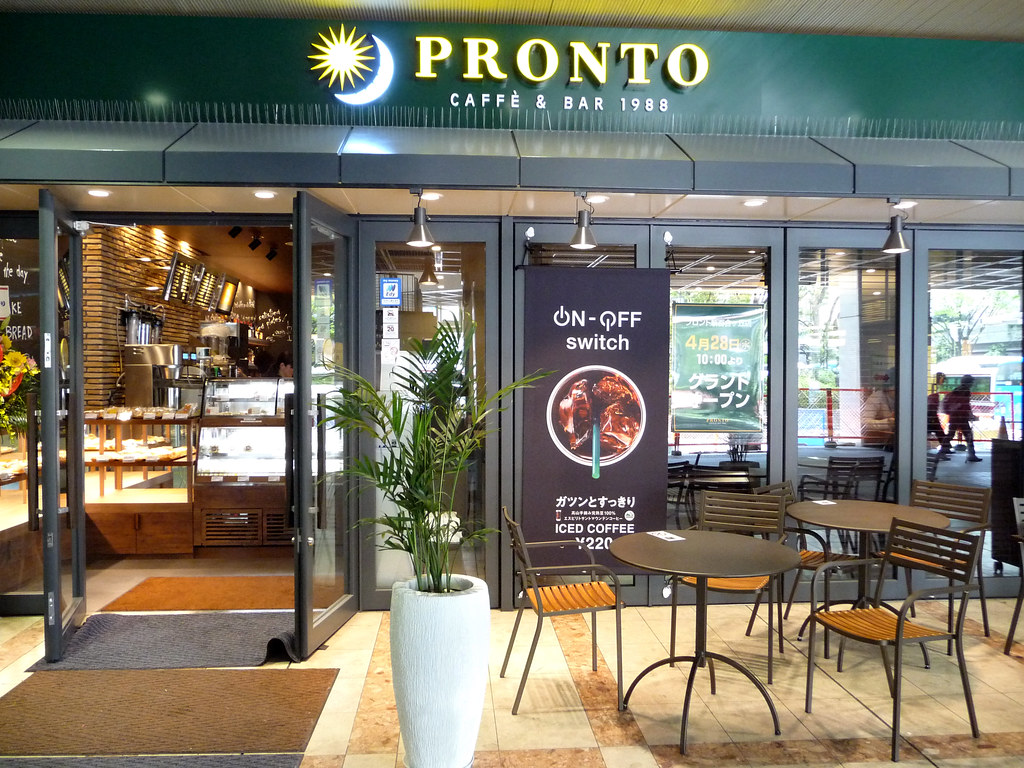
    Japanese-Italian cafe chain Pronto Caffe & Bar is opening in Singapore this week.

    Set to open on Thursday (June 13) at Capital Square, the outlet will serve breakfast sets, pastas, pizzas, desserts and coffee by day; and alcohol and bar food by night.

    The menu features a mixture of Japanese-influenced dishes, including Japanese Style of Pork and Spicy Greens, along with more traditional western fare, such as Eggplant with Bacon in Tomato Sauce pasta.

    Green tea beverages are available as well as coffee.

    First opened in 1988, and jointly owned by Suntory and UCC, Pronto now has more than 260 outlets in Japan.

    There are plans to open more outlets in Singapore next year.

  • Sim Lim Square goes online, opening an E-commerce site

    Sim Lim Square goes online, opening an E-commerce site

    Sim Lim Square plans to launch its new e-commerce platform while it prepares for a collective sale.

    The platform is being tested before it goes live to the public on July 1.

    The initiative is a bid to develop new channels of customer outreach and engagement for Sim Lim Square’s tenants.

    Each of the mall’s tenants will run their own e-commerce business on a common platform, which has categories including computer accessories, desktop computers, laptops and repair services.

    Currently, around 50 tenants are on the new marketplace, with the aim to eventually include  about 300 of the 480 Sim Lim Square retailers.

    Training sessions for all tenants are being conducted to train them on the capabilities of e-commerce and how to manage their online shops.

    Advertising on digital media, radio, TV, other media platforms and newspapers will drive traffic to the site.

    Sean Chia, head of advertising and promotions at Sim Lim Square said the mall needs to “constantly evolve” to meet the needs and demands of its digital-savvy customers.

    “With our new e-commerce website, we are proud to be at the forefront of IT retail,” he added.

  • Gram Cafe & Pancakes Opening in Singapore

    Gram Cafe & Pancakes Opening in Singapore

    Japanese-based Gram Cafe & Pancakes will open its first Singapore franchised outlet at VivoCity mall.

    Gram is being brought to Singapore by three locals who travelled to Japan and ‘adored’ the chain’s pancakes. A Japanese business partner linked them up with Gram’s owner Takeda Takeshi.

    Established in Osaka in 2014, Gram has six franchised international outlets in Hong Kong, Bangkok, San Francisco, and now, Singapore.

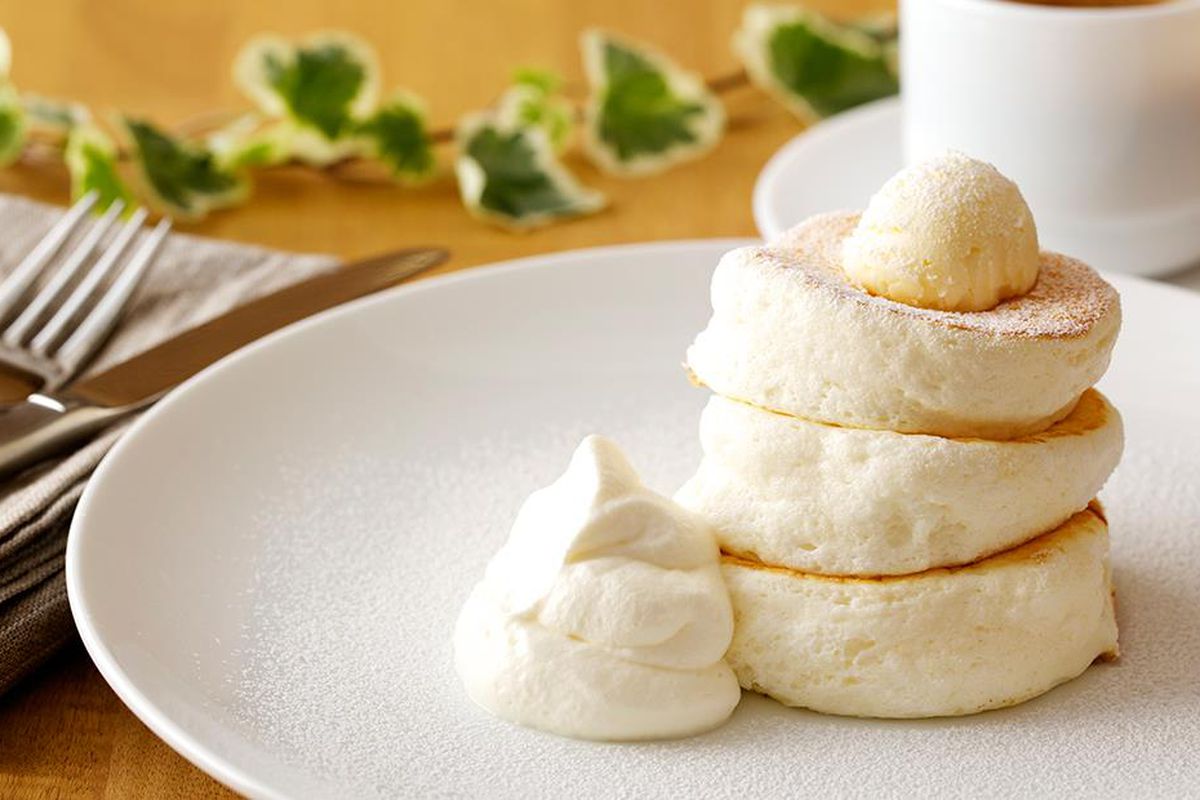
    The 40-seat VivoCity cafe will offer savoury pancakes, such as chilli beef version, as well as an exclusive Japanese Curry pancake set.

    For those who are not pancake fans, the cafe serves French Toast topped with fresh cream, maple syrup, bananas, chocolate sauce and a scoop of vanilla ice cream.

  • Massive slump in Le Saunda sales

    Massive slump in Le Saunda sales

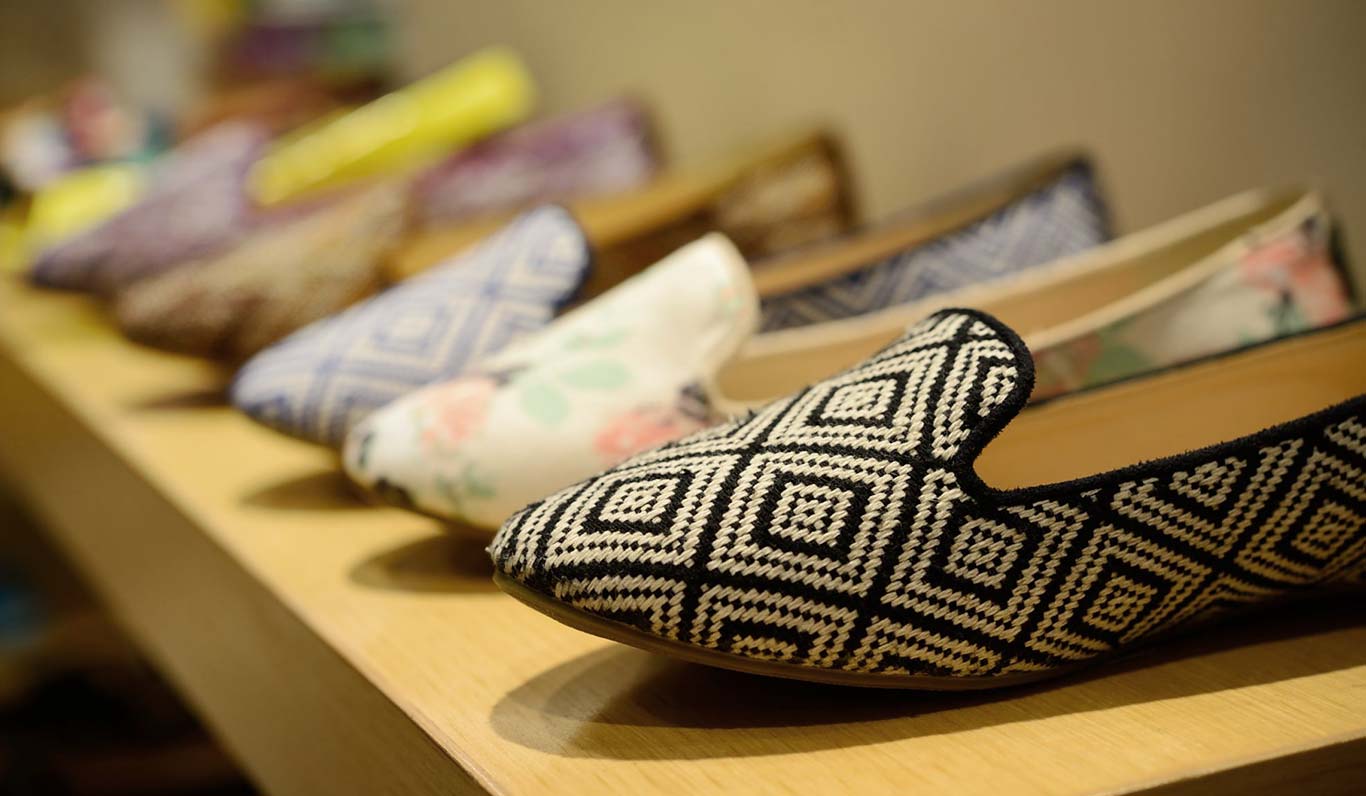
    After reporting another full-year loss last month struggling footwear retailer Le Saunda said it was expecting a return to same-store sales growth after the bulk of its restructuring program had been implemented.

    Yesterday, however, the company reported a first-quarter slump in sales of 25.2 per cent. Same-store Le Saunda sales fell 6.6 per cent and online sales were down 16.1 per cent.

    The company did not release sales figures in currency terms, just percentage changes – and it reminded shareholders that the data was based on unaudited operational data.

    Last financial year the company closed 126 stores, but as of May 31 this year, store count was down 178 outlets compared with the same period last year, suggesting the closures are continuing.

    Announcing the results last month, chairman James Ngai said the company’s objective in the new financial year was to return to same-store sales growth to improve overall performance.

    “After this year’s restructuring exercise, the group believes that its physical store network has resumed to a relatively healthy level. The management team will continue to monitor closely the operating performances and timely eliminate low-efficient stores so that we can concentrate our resources in developing new stores with greater growth potential,” he said.

    However this month’s trading update suggests substantial work has yet to be completed before Le Saunda returns to positive sales growth – and profitability. Ngai’s comments were reported on May 22, just nine days before the end of the quarter in which the company’s sales performance was trending in the opposite direction to his upbeat comments.

    As at May 31, the group had 486 outlets in Mainland China, Hong Kong and Macau. Of those 428 were self-owned outlets across the markets and 58 were franchised stores on the mainland.

  • AI-powered retail store We9go opens

    AI-powered retail store We9go opens

    Accrelist-owned AI retail store We9go has fully launched after an eight-month trial.

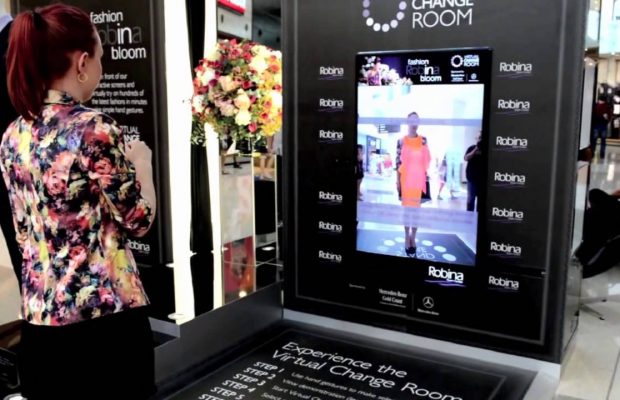
    The Geylang Road shop uses AI, facial recognition and radio frequency identification to track inventory, collect data on shopper preferences, facilitate payment processes and recognise product movements.

    When it soft launched last October it was open only to invited customers, so as to test and demonstrate its features.

    Accrelist says it will now focus on strengthening AI solutions and facial-verification services.

    “The company intends to move beyond smart retail-technology solutions,” said Terence Tea Yeok Kian, Accrelist’s executive chairman and MD.

    “We aim to offer a wider range of smart-and-secure cloud-based solutions as a systems integrator through its collaboration with technology companies to broaden the group’s revenue stream.”

    After its full launch, the 24/7 We9go store has an AI-powered robot that greets shoppers and assists them with product information and availability.

  • Ramen chain Afuri Opening in Singapore

    Ramen chain Afuri Opening in Singapore

    Japanese ramen chain Afuri is to open its first outlet in Singapore, at Funan mall.

    Brought to Singapore by F&B group Japan Foods Holding, the Funan outlet will be known as Afuri Ramen + Dumpling.

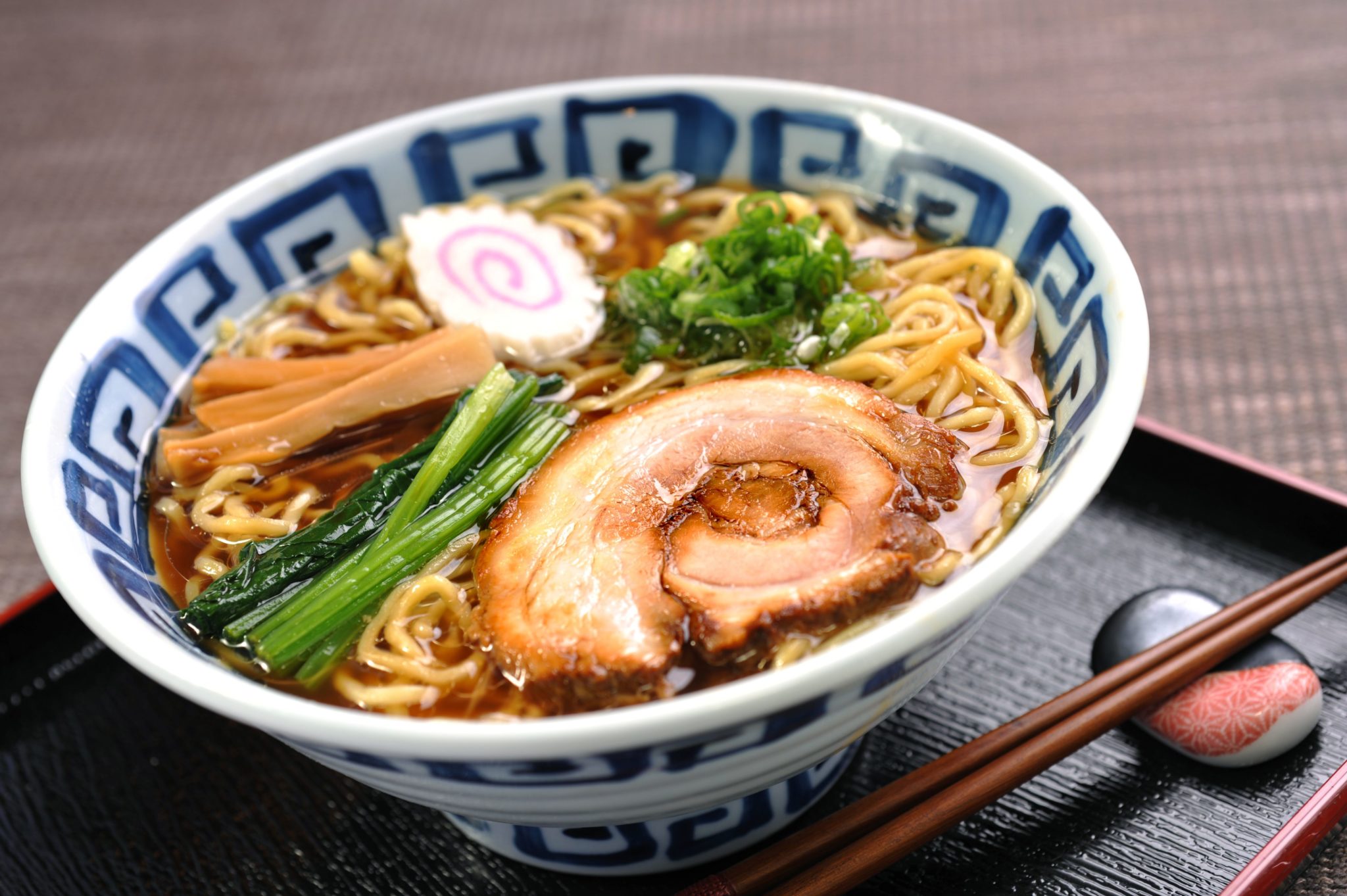
    Besides Afuri’s signature yuzu ramens, the expanded menu will have small plates options as well as gyoza (dumplings).

    Funan mall will open its doors to shoppers on June 28, after a three-year redevelopment.

    Afuri ramen adds to the food options at Funan, including Japanese restaurant Noka, urban farming outfit Edible Garden City, Taiwanese bubble tea brand Milksha, and modern Peranakan restaurant Godmama.

    Named after Mount Afuri in Japan, the chain first started in 2001, known as Zund-Bar, at the foot of Mount Afuri.

    It changed brand to Afuri in 2003, and now has 15 outlets worldwide.

    The latest location was Lisbon, Portugal.

    Afuri ramen instant noodles have been sold in Singapore at selected supermarkets and Japanese speciality food marts.

  • Car Sales Down By 20.55 Per Cent In May

    Car Sales Down By 20.55 Per Cent In May

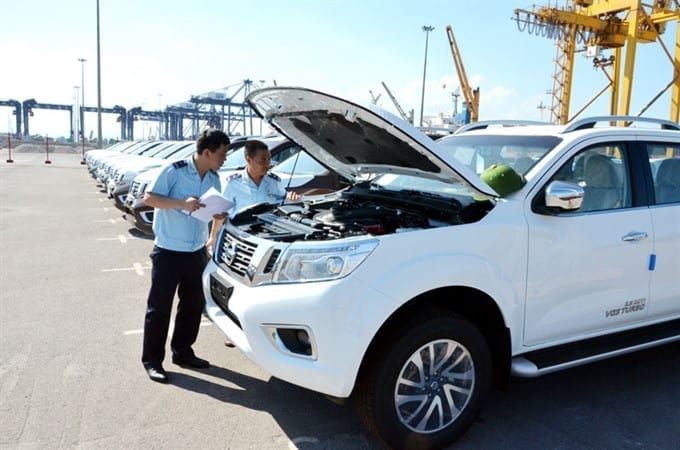
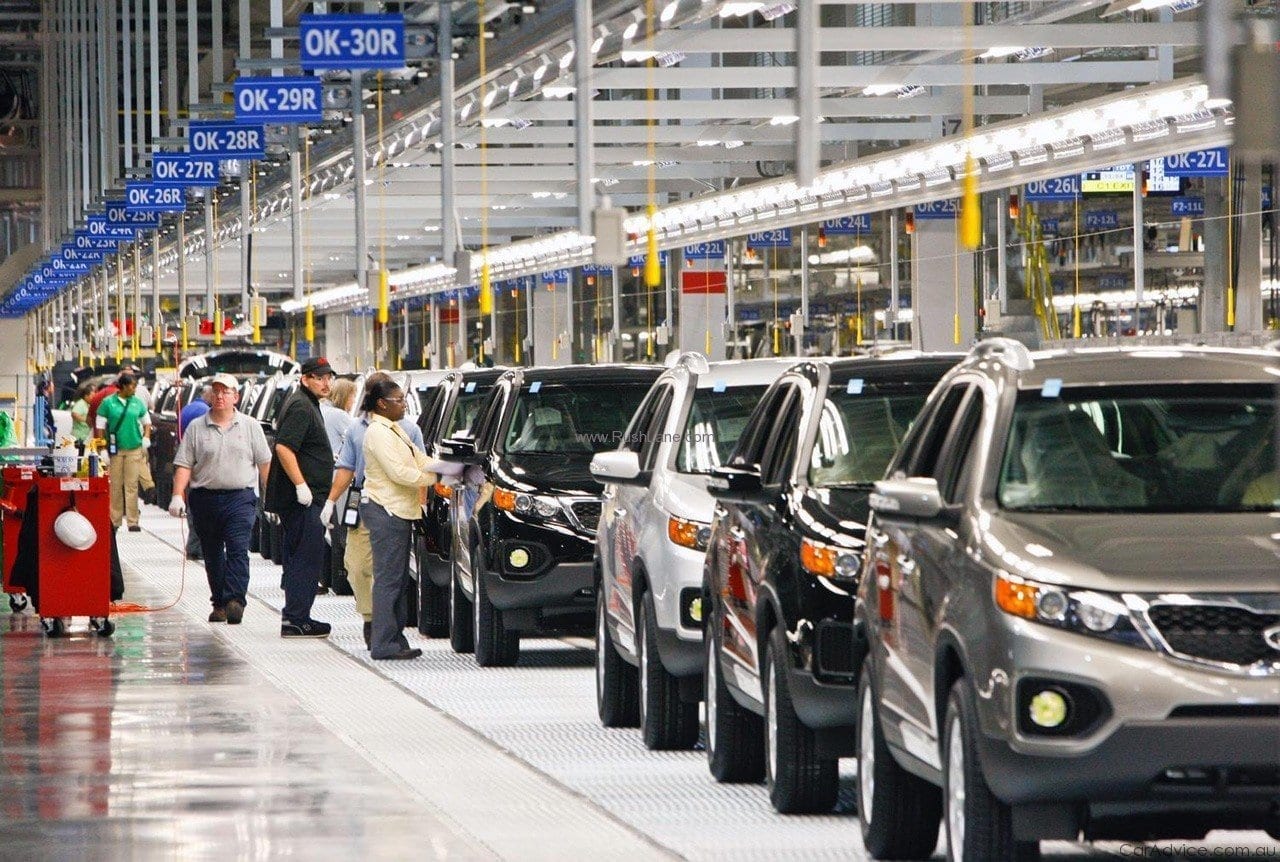
    De-stocking is a common phenomenon in the auto market when the demand is not adequate. Also, the industry is on the verge of a big upgrade and automakers have also started to keep a check on inventories at the onset of Bharat Stage 6 (BS6) and BNVSAP (crash test norms) which will require them to introduce updated models which will adhere to all the upcoming regulations. Mahindra has already announced to shut down their production plant for up to 13 days and other carmakers as well are keeping a check on production.

    In May 2019, the passenger vehicle (PV) segment witnessed a decline of 20.55 per cent selling 239,347 units as against 301,238 units which were sold in the same month last year. However, retail sales which is the real reflector of market demand is down by just 1.46 per cent in the same month selling 270,048 units as compared to 274,037 units which were sold last year. The difference between the wholesale and retail figures itself speaks about the stock correction measures taken by the industry. Moreover, the production figures are down by 12.23 per cent as well which also substantiates the fact that carmakers are avoiding accumulation. The industry manufactured 315,168 units in May 2019 as against 359,078 units which were manufactured in the same month last year.

    Other than de-stocking, sales were also down due to general elections and low credit availability. Speaking on the industry outlook, SIAM has requested the government to reduce the GST on cars to 18 per cent which will help the industry to absorb the cost of BS6 transition. “Cars are set to become expensive post BS6. Hence, we have asked the government to bring down the GST rates which will help to keep a check on the prices to a certain extent,” said Vishnu Mathur, Director General, SIAM.

    SIAM is also requesting the government to reduce the corporate tax as government has withdrawn incentives on R&D. Lower corporate tax will also help the industry to use the saved money on development of new technologies. That said, the only thing that can work in favour of the industry at this point is the new launches which are expected to bring in some excitement among car buyers.

  • Deliveroo Hong Kong launches loyalty program

    Deliveroo Hong Kong launches loyalty program

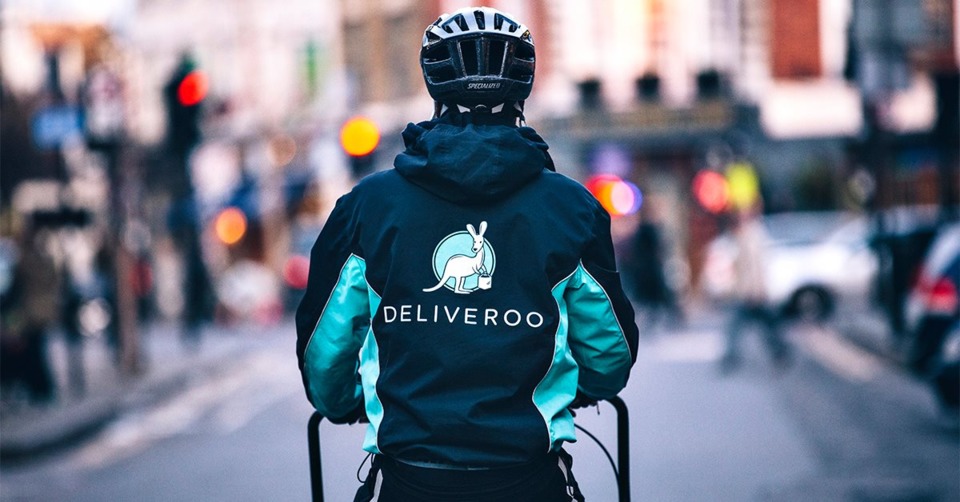
    Deliveroo Hong Kong believes a new loyalty program it has launched will drive retail-order growth by 75 per cent and increase order frequency by 85 per cent.

    Launched yesterday at the company’s Food Market in Sai Ying Pun, the program rewards customers who order food with an e-stamp for every HK$50 spent at Food Market. After they collect 10 stamps they can redeem a $100 coupon redeemable in store. Or they can save 20 stamps for a $150 in-store cash coupon; 30 stamps for $200. Members of the program can also enjoy birthday rewards of 10 per cent off any purchase during their birthday month.

    “Our aim is to reward customers with more opportunities to enjoy a delicious meal, support our restaurant partners via a new platform for sales, brand love and publicity; and to bolster Deliveroo’s bold expansion plans,” said Brian Lo, GM of Deliveroo Hong Kong.

    Food Market was launched last December, as the food-delivery service’s first direct-to-consumer location, letting customers walk in off the street and order their food for takeaway. Food Market also prepares food orders for delivery via the Deliveroo platform.

    Lo says the market has brought an additional 50 per cent in order volume and 26 per cent in new customer acquisition within the area during the past six months.

    It is currently home to five restaurant partners offering 15 dining concepts, including new virtual restaurant brands which are exclusively available via Deliveroo. Chinese restaurant Crystal Jade launched the delivery-only virtual brands Lao Er and Brother Kwok aimed at younger consumers. Other new brands launched through Food Market include The Pasta Project by Pizza Express, Shaka, Kai and Blazed by Pololi Group, and Leaves & Liberty and The Dogg Pound by Beef & Liberty.

    Deliveroo is now planning to expand Food Market, exploring new partnerships with student unions and looking at ways to further scale the concept’s success across the territory.

  • Fosun Fashion seeking investors

    Fosun Fashion seeking investors

    Chinese conglomerate Fosun is looking to sell a stake in its luxury fashion business, which includes Lanvin.

    According to a report by Bloomberg, an investor is being sought for the Fosun Fashion unit to help revamp and grow the business.

    Fosun’s fashion division owns shareholdings of varying size in German fashion retailer Tom Tailor,US women’s fashion label St John Knits, Greek jeweller Follie Folli and Italian suit maker Raffaele Caruso. The company’s industrial division owns a majority stake in Wolford, the Austrian textile maker.

    Bloomberg reports Fosun is seeking US$100 million and is negotiating with several prospective partners including Asian family businesses.

    Investors who come on board may stand to gain from an IPO of Fosun Fashion in Paris under consideration for several years in the future, according to Bloomberg sources.

    In the meantime, the capital would be used to grow the brands and boost profitability.

    If a suitable partner cannot be located, Fosun may invest more of its own funds in the business.

  • Bogart Group to be bought by Israeli company

    Bogart Group to be bought by Israeli company

    Israeli apparel group Delta Galil Industries is to buy Hong Kong-headquartered  intimate apparel maker Bogart Group.

    Delta Galil is a global manufacturer and marketer of branded and private label apparel products for men, women and children, as well as leisurewear, activewear and denim.

    Bogart designs, develops and manufactures fashion bras, sportswear and swimwear and is a strategic partner with global brands including Victoria’s Secret, Jockey, Adore Me, Vanity Fair and Hanes.

    Delta Galil will also acquire Bogart’s subsidiaries Brunet, a lace manufacturer, and B&B, a leading padding manufacturer.

    Last year, Bogart achieved sales of US$230 million. The deal, announced today, is expected to close at the beginning of the third quarter.

    “Expanding our footprint in the bra category has been a long-term goal for Delta Galil,” said Isaac Dabah, CEO of Delta Galil. “This is a unique strategic opportunity, where I see great potential for Delta to leverage Bogart’s strong market position to further build its company, while also helping Delta’s business units expand to the next phase of growth.”

    Founded in 1975, Delta Galil designs, develops, markets and sells branded denim apparel under the brand 7 For All Mankind, ladies apparel under the brand Splendid and a raft of lingerie and clothing for all ages.

  • Jeep Compass Trailhawk Bookings Start In India

    Jeep Compass Trailhawk Bookings Start In India

    FCA India today announced that it has opened bookings for the Jeep Compass Trailhawk. Customers can now book the Trailhawk at a fully refundable ₹ 50,000 at any of the 82 FCA all-brand showrooms across 70 Indian towns and cities. The Trailhawk is the first Made-in-India Jeep to have earned the coveted Trail Rated badge, a global benchmark that is given to Jeep 4×4 SUVs which are developed to have much superior off-roading capabilities compared to regular 4×4 Jeep models

    The Trailhawk gets an anti-glare decal on the hood which ensures the sun does not hamper the driver’s visibility; the front bumpers are redesigned and are now devoid of the aerodynamic overhang. The air dam has been provided at the bottom of the front bumper for enhanced air intake. The Trailhawk also comes with the comfortable frequency damped suspension, albeit has ground clearance much higher than the regular Compass to aid extreme on- and off-road conditions. The Compass Trailhawk monograms on the front and rear are now matte, neutral grey and the 7-slots in the grille also gets matte, neutral grey frames. The Trailhawk is given a tow hook at the rear which makes it capable of pulling out a stuck vehicle

    Announcing bookings open, Kevin Flynn – President and Managing Director, FCA India said, “The Trailhawk is a product which is developed for customers looking for a hugely capable and exclusive SUV in the compact category. It is the first compact SUV to be offered the BS VI turbodiesel engine, nearly a year before the new emission norms come into effect and, it is the only compact SUV which comes with a 9-speed automatic transmission.”

    Under the hood, the Trailhawk gets a 2-litre turbodiesel engine is re-engineered with additional technology to make it fully compliant with the BS 6 norms which come into play on April 1, 2020. As the engine will be available in all Trailhawks nearly one year before the norms become effective, it uses urea technology that will ensure peace of mind for customers. This means that the BS VI engine is capable of running on BS IV diesel until BS VI diesel is widely available in the country.

  • Suning presents it’s Technology at CES Asia

    Suning presents it’s Technology at CES Asia

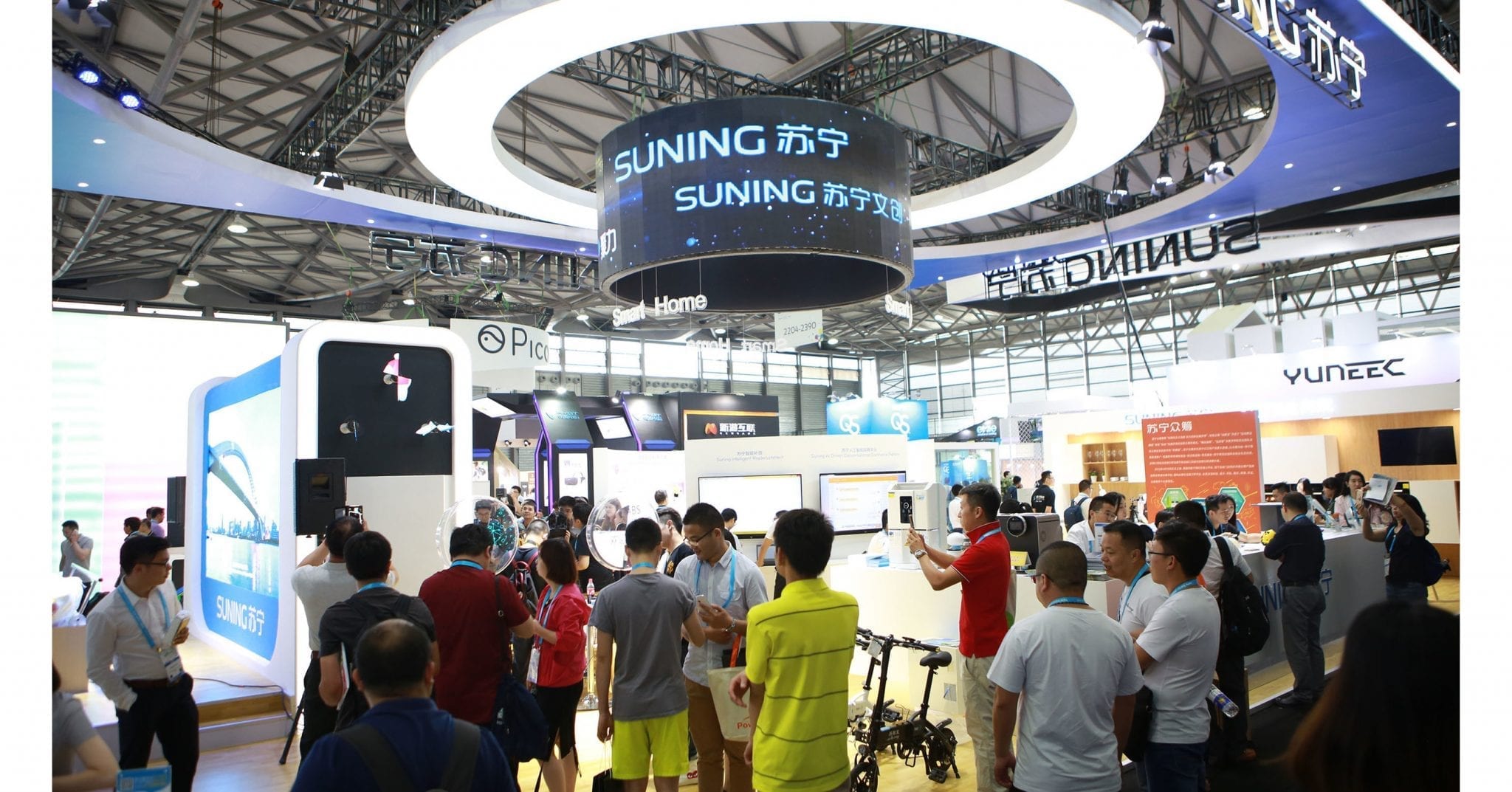
    Chinese retailer Suning will present its latest smart technologies at this year’s CES Asia.

    Suning will be demonstrating its smart home appliances based on its proprietary Biu OS system, which aims to create an open platform for sharing resources across the smart home appliance industry. Products include Biu refrigerators, air conditioners, washing machines, automatic washing machines, new fans, and smart security kits.

    The company intends to release its BiuLink Open Agreement at a press conference held on June 12, through which Suning will work with partners to explore cross-brand connectivity.

    “Nowadays, an increasing number of SME in the retail industry is facing crucial challenges,” said Suning Technology Group COO Dr Jack Jing. “As the leading omni channel smart retailer, Suning has deep insights into how technology is reshaping retail. Suning is willing to share its technology and experience to enable refined internal management and accelerate the digitalisation of the retail industry.”

    As the largest omni-channel retailer in China, Suning will also be showcasing its core smart retail technology innovations at CES, including a self-service cash register, weighing rack, off-hook system, commodity heat, and track heat, which aim to help increase retail operation efficiency and improve customer experience.

    The firm will also demonstrate its four cloud solutions designed to enable retailers to access its basic technology tools to increase industry efficiency.

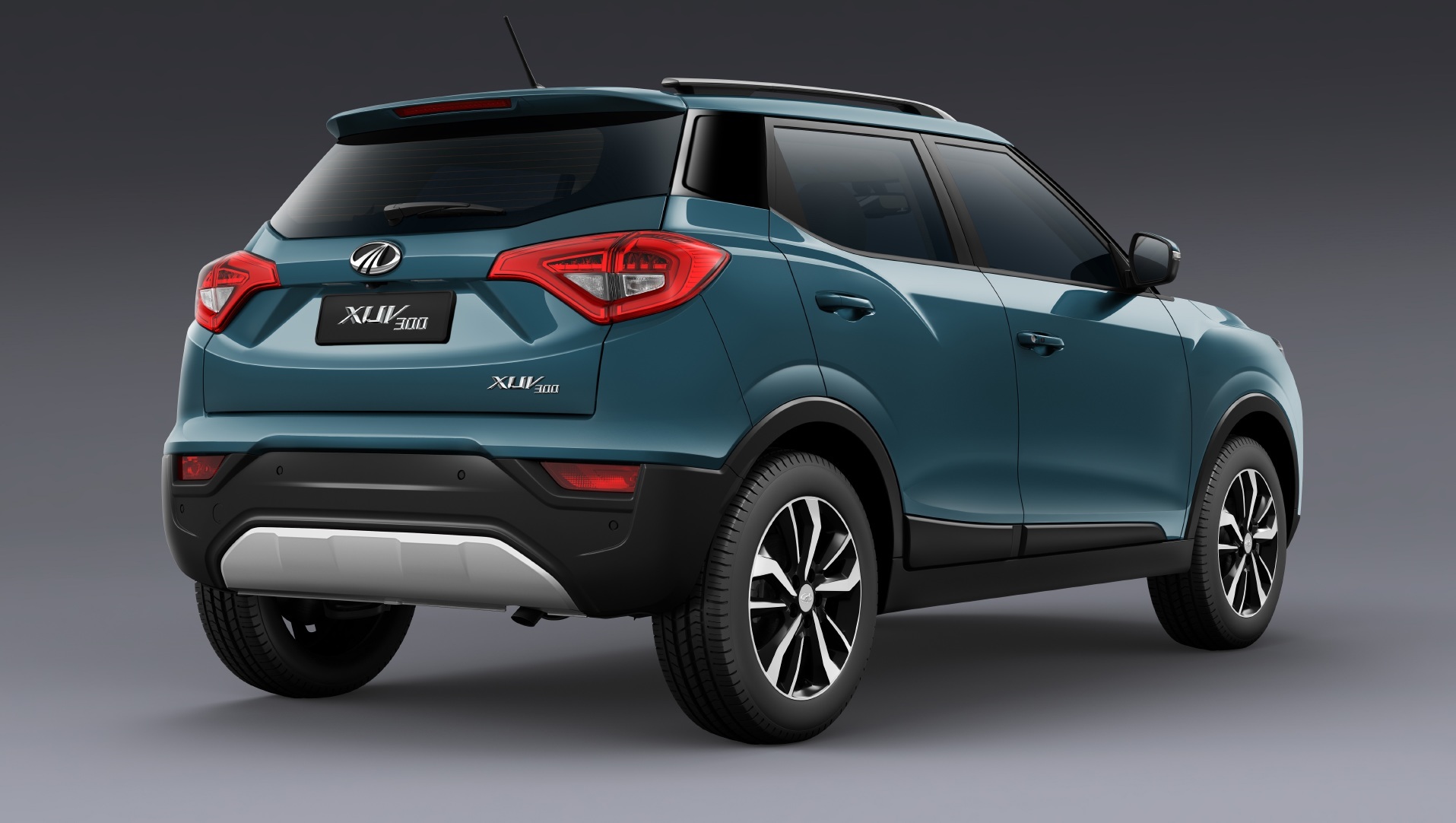
  • Mahindra To Stop Production Of All Vehicles For Up To 13 Days Due To Low Demand

    Mahindra To Stop Production Of All Vehicles For Up To 13 Days Due To Low Demand

    Indian Auto Industry has been under turmoil since the start of 2019. In April, the Passenger Vehicle segment recorded the lowest sales in the last eight years witnessing a decline of 17.07 per cent. The drop in sales has continued in May as well and all major carmakers have again recorded de-growth. Mahindra also has been recording decline in sales and to the extent that the company had to shut down its production plants for up to 13 days, pertaining to the low demand.

    The Indian UV maker has issued a notification on the Bombay Stock Exchange (BSE) saying, “The Company at its Automotive Sector and Farm Equipment Sector, and Mahindra Vehicle Manufacturers Limited, a wholly owned subsidiary of the Company (‘MVML’), as part of aligning its production with sales requirements, would be observing ”No Production Days” ranging between 5 – 13 days in various plants of the Company and MVML during the first quarter of the Financial Year 2019-2020. The Management does not envisage any adverse impact on the availability of vehicles in the market due to the adequacy of vehicle stocks to serve the market requirements.”

    Mahindra & Mahindra sold a total of 43,721 vehicles in April 2019 compared to 48,097 vehicles during April 2018 which is a decline of 9 per cent. In the Commercial Vehicles segment, the company sold 17,321 vehicles in April 2019, as against 18,963 vehicles in April 2018 which marked a drop in sales by 9 per cent. In the Medium and Heavy Commercial Vehicles segment, M&M sold 474 vehicles for the month. Exports for April 2019 stood at 2,118 vehicles. In May 2019, the carmaker’s total sales stood around 45,421 units as against 46,848 units during the same month last year, which is again a de-growth of 3 per cent. That said, new models like the XUV300 and Marazzo have been well received in the market and Mahindra is soon going to introduce an automatic variant of both models which is likely to give a fillip to the overall sales.