Author: Mei Ling Tan

  • Australian dollar strengthens again

    Australian dollar strengthens again

    The Australian dollar has risen Wednesday, buying 69.62 US cents from 69.55 US cents on Tuesday.

    The local currency was on the back foot yesterday as its US counterpart continued to benefit from the trade truce with Mexico, even as Washington kept up the war of words with China.

    The Aussie was pinned at 69.56 US cents on Tuesday, having lost 0.6 per cent on Monday in the wake of the trade truce with Mexico.

    It had reached as high as 70.25 US cents at one stage before retreating.

    President Donald Trump’s decision not to impose tariffs on Mexico was taken as lessening the risk of recession in the United States and lifted 10-year Treasury yields up to 2.15 per cent from a  two month low of 2.05 per cent.

    It also led investors to trim expectations for interest rates cuts from the Federal Reserve, though futures are still wagering heavily on a move in July.

    Trump did not sound so conciliatory toward China, however, threatening another round of tariffs if no progress was made on trade at a Group of 20 summit later this month.

    China is Australia’s single largest export market and investors use the Aussie as a liquid proxy for positions on its economic outlook.

    The Aussie has troubles of its own as a survey of Australian business showed activity faltered in May even as confidence got a rare boost.

    The Reserve Bank of Australia has already cut interest rates to a record low of 1.25 per cent and markets imply around an 86 per cent probability of a further reduction by August.

    “Today’s survey again suggests increased risk that the unemployment rate will not make the further gains the RBA expects and strongly argues the case for further near-term easing in monetary policy,” said Ivan Colhoun, NAB’s chief economist, markets.

    “A weak outcome for unemployment would likely cement a July cut,” he added, referring to the official jobs report for May which is due on Thursday.

    Median forecasts are that employment rose a solid 17,500 in May, nudging the jobless rate down a tick to 5.1 per cent – an outcome that would likely lessen the urgency for a rate cut as early as July.

    Australian government bond futures were lower on Tuesday as risk appetite globally got a boost from the US-Mexico trade news. The three-year bond contract fell 2.5 ticks to 98.920, while the 10-year contract slipped 3.0 ticks to 98.5100.

  • King Power Thailand Acquires More Monopolis

    King Power Thailand Acquires More Monopolis

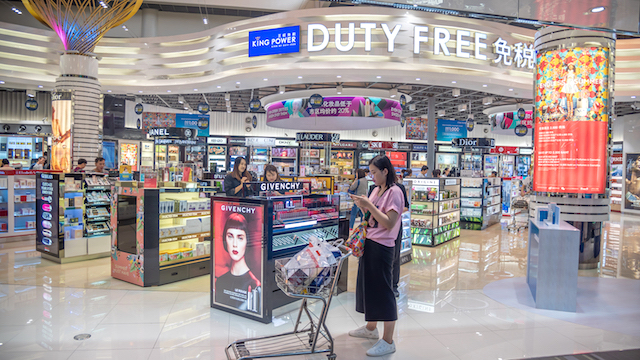
    King Power Thailand has won extended exclusive rights to operate at three additional Thai airports for a further 10 years.

    The firm won tenders for Phuket, Chiang Mai and Hat Yai airports, just a week following a win at the country’s main international airport at Suvarnabhumi near Bangkok.

    The contracts were subject to some criticism from observers such as the Thai Retailers Association, who were hoping to see Airports of Thailand bring greater competition to the US$2.1 billion duty-free retail sector. The airport operator responded to criticism in saying King Power had submitted the best proposal above close rivals Lotte Group and Dufry.

    In short, King Power bought the rights, the cost of which will inevitably be passed on to travellers. Rival companies have called for a “more opaque” tender process.

    The tenders reaffirm King Power’s status as effectively the only duty-free store provider at major airports in Thailand.

  • Farfetch opens flagship on JD.com China

    Farfetch opens flagship on JD.com China

    Farfetch China has opened a flagship store on JD, one of its strategic investors.

    The move follows Farfetch China’s purchase of Toplife announced in February and gives the global luxury-fashion technology platform access to more than 300 million customers in Mainland China.

    According to a statement, Farfetch now has a ‘Level 1’ entry point on the JD app, providing customers with instant access to more than 3000 brands via Farfetch’s network of more than 1000 luxury brand and boutique partners.

    “The partnership builds on the existing successful relationship between Farfetch and JD, started in July 2017,” said Farfetch China MD Judy Liu.

    Since then, the fashion platform has built its China presence by sharing JD’s logistics capabilities and its insights into the behaviour of Chinese luxury consumers.

    “Brands crave ever-better access to the Chinese market, and we are thrilled to deliver this for them,” said Liu.

    “This is an important expansion of our strategic partnership with JD, which strengthens the Farfetch China business as part of our truly global offering. Being able to offer the full suite of Farfetch’s technology and logistics platform to brands wanting to reach high-end Chinese consumers is a major competitive advantage as we seek to continue to grow market share in the rapidly expanding online luxury market.”

  • Amazon introducing 30 minute drone delivery

    Amazon introducing 30 minute drone delivery

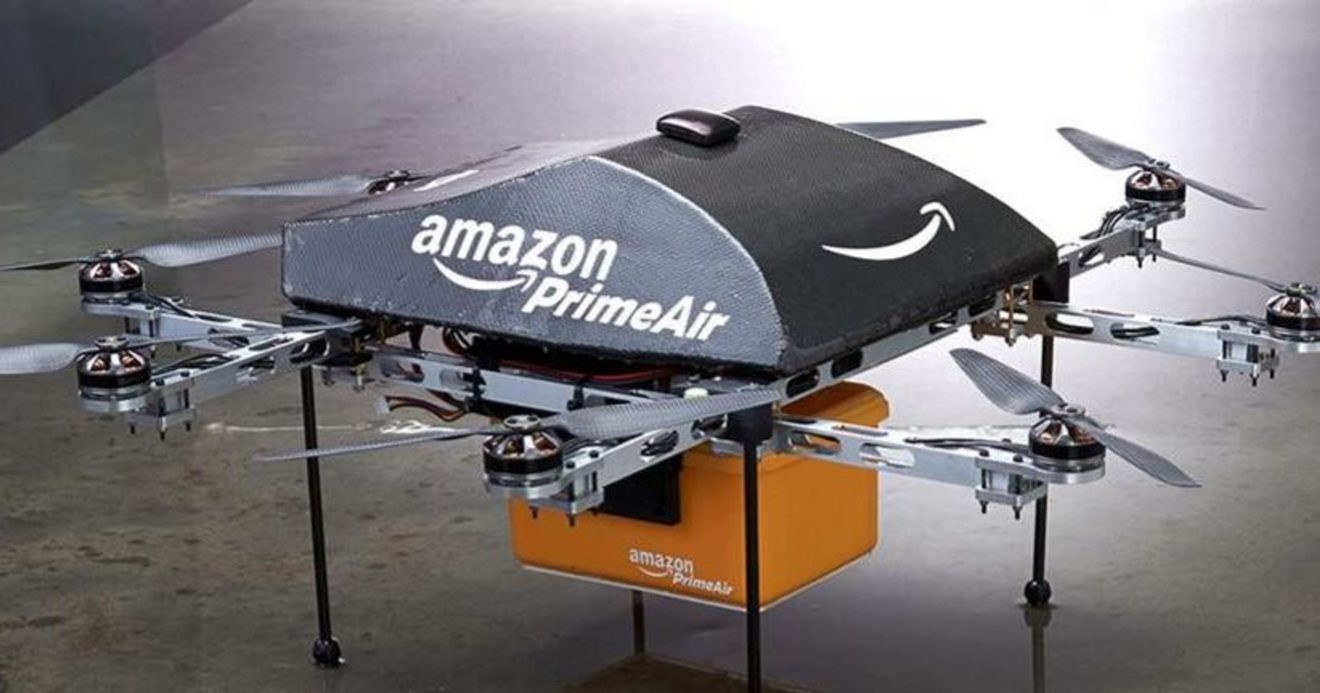
    Amazon expects to offer customers drone delivery in under 30 minutes ‘within months’.

    The e-commerce giant unveiled the latest Prime Air drone design at its re:MARS Conference in Las Vegas last week.

    Jeff Wilke, CEO of global consumer at Amazon said in a blogpost that the company has been working hard at building “fully electric drones that can fly up to 15 miles and deliver packages under five pounds to customers in less than 30 minutes”.

    “With the help of our world-class fulfillment and delivery network, we expect to scale Prime Air both quickly and efficiently, delivering packages via drone to customers within months,” Wilke said.

    The Prime Air drone features a hybrid design and can do vertical takeoffs and landings.

    Wilke said that Prime Air is one of many sustainability initiatives to help achieve Shipment Zero, the company’s vision to make all Amazon shipments net zero carbon, with 50 per cent of all shipments net zero by 2030.

    “When it comes to emissions and energy efficiency, an electric drone, charged using sustainable means, traveling to drop off a package is a vast improvement over a car on the road,” Wilke said.

  • VF Corporation to collaborate with Redress

    VF Corporation to collaborate with Redress

    Global apparel, footwear and accessories retailer VF Corporation is entering an exclusive collaboration with environmental charity Redress to deliver the Redress Design Award 2019 x VF Challenge in Hong Kong.

    The award is the world’s largest sustainable fashion design competition and works to educate emerging fashion designers around the world about sustainable design techniques to drive growth towards a circular fashion system.

    The collaboration is being supported by financial contributions from VF and charitable grants from the VF Foundation, a private philanthropic foundation funded by VF Corporation.

    “This collaboration presents a unique opportunity for VF to provide mentorship to the next generation of fashion leaders while also learning from them,” said VF executive VP & group president APAC region Kevin Bailey, “all with an emphasis on advancing a more sustainable business model for our industry.”

    VF’s collaboration with Redress will provide 10 shortlisted emerging designers the opportunity to learn from one of the world’s foremost leaders in apparel and footwear.

    Designers will present their competition collections on September 5th at the live Grand Final at Centrestage in Hong Kong.

  • Booktopia expires crowdfunding plans

    Booktopia expires crowdfunding plans

    Booktopia has pulled out of plans to raise $10 million from customers and everyday Australians after struggling to reach its minimum goal for investment.

    The business announced last year that it was looking to raise at least $3 million and up to $10 million through the crowdfunding platform Equitise.

    At the time, it was publicised as the biggest ever crowdfunding attempt through Equitise. But the company on Tuesday revealed that it is ending the crowdfunding round early after raising just short of $900,000.

    Booktopia founder Tony Nash said that while the funding never stopped coming in, the company decided to let the campaign peter out after it received significant interest from the wholesale investment community.

    “Taking a larger investment from one or two strategic investors right now is the best partnership we can secure for our customers and our future growth,” Nash said.

    “If we weren’t talking to the investors looking to invest $20 million to $30 million we would have done a big push to say the offer is ending, and probably got to the $3 million.”

    Nash confirmed the funds raised through the campaign are currently held in trust, and will be returned to equity investors soon.

    Booktopia may consider using the platform again in the future when the “time is optimal and we’ve been able to scale thanks to larger investment.”

    Nash noted that the business is successful enough as is, and that the purpose of the extra funding is simply to reach its goals faster.

    “We are happy to bring on some strategic partners who have experience in the area that we do not have, and that is a key component on taking on the extra funding,” Nash said.

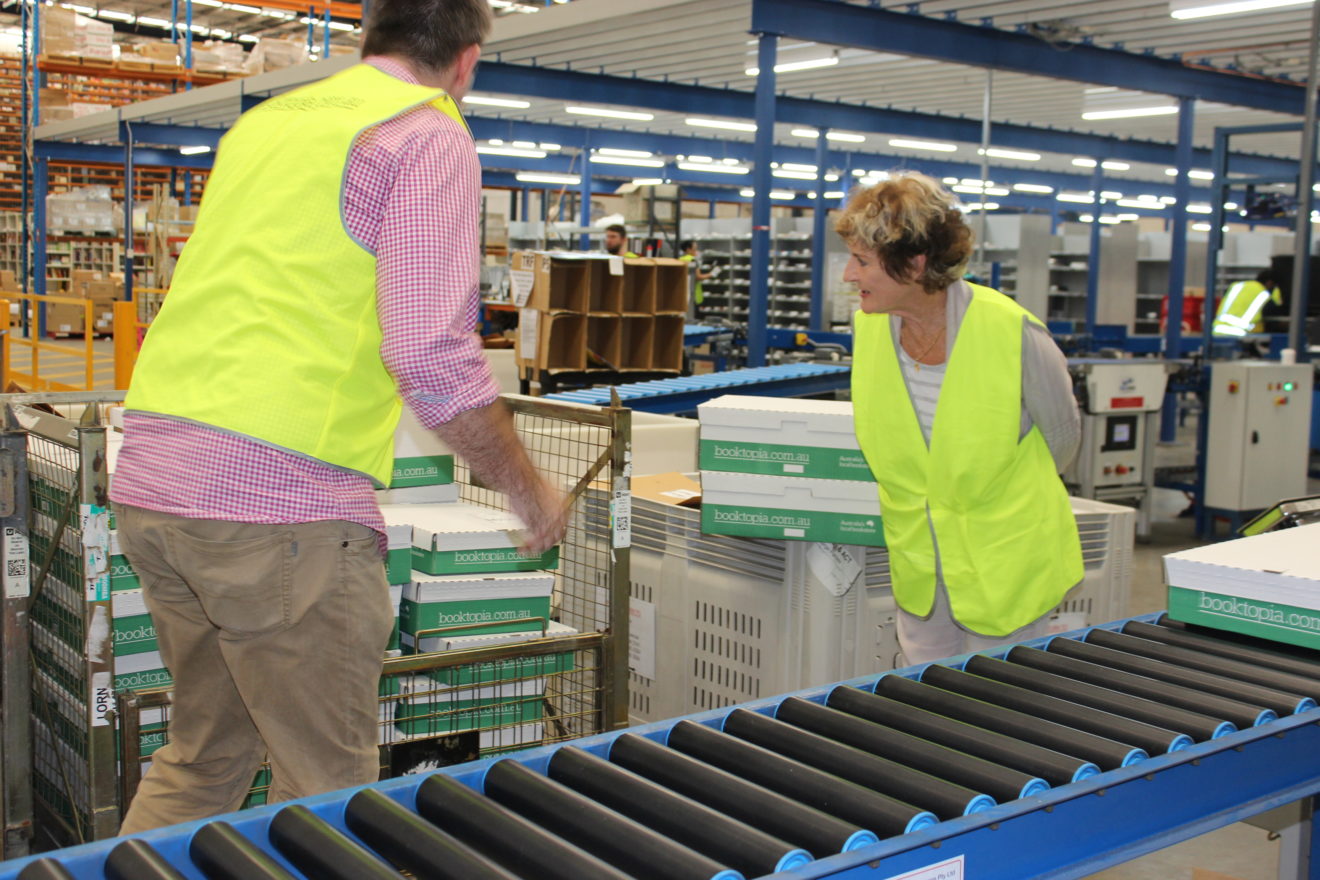
    The equity funding would have been used to drive an expansion in warehouse automation, hold more stock (the business estimates it is only using 25 per cent of its space), and continue to fund the liquidity of the business.

    Booktopia’s Equitise campaign would have allowed 8.1 per cent of the business to be owned by everyday Australians, something Nash said he still likes the idea of.

    Equitise co-founder Chris Gilbert stated he ultimately agrees with the Booktopia board’s decision, noting he looks forward to working together with the book retailer again in the future. 

  • Second Innisfree store opens in SM Megamall Philippines

    Second Innisfree store opens in SM Megamall Philippines

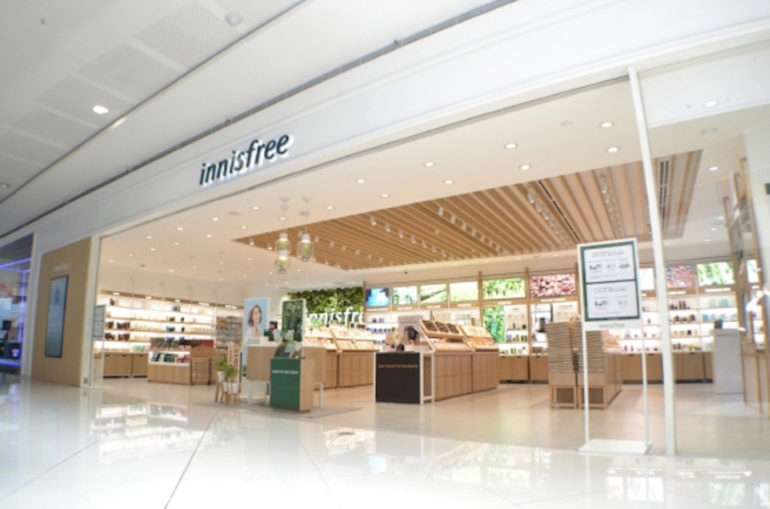
    Innisfree Philippines has opened its second outlet, at SM Megamall, a year after first launching at Mall of Asia.

    One of Korean beauty-and-skincare giant Amorepacific’s fastest-growing brands, Innisfree’s key ingredients are sourced from popular South Korean destination Jeju island. The new store will stock some of the brand’s best-selling products.

    “In today’s culture, Filipinos are naturally drawn to Korean influences, especially the K-beauty skin care regimen,” said Innis­free Philippines brand GM Stephen Lee. “With our brand, we are excited to offer our Filipino consumers skincare with quality selection of products and green sustainable practices. We are also committed to expanding and establishing a long-term presence here.”

    The new Innisfree Philippines store opening coincided with the launch of Innisfree’s empty bottle recycling campaign, which encourages customers to donate their empty Innisfree bottles to either branch.

  • Amazon listed as most valuable brand

    Amazon listed as most valuable brand

    E-commerce giant Amazon has clinched the top spot in the world’s most valuable brand ranking, surpassing Google and Apple, according to a recently released ranking of global companies.

    The Seattle-based retailer has been valued at US$315.5 billion, up 52 per cent on last year with tech giant Apple coming in second, valued at $309.5 billion and Google in third place at $309 billion, Brand Z’s Top 100 Most Valuable Global Brand 2019 ranking (compiled by WPP research agency Kantar) revealed.

    Google and Apple had spent a combined 12 years at the top of Brand Z’s list, with Google taking the top spot last year.

    “Amazon’s smart acquisitions that have led to new revenue streams, excellent customer service provision and its ability to stay ahead of its competitors by offering a diverse ecosystem of products and services, have allowed Amazon to continuously accelerate its brand value growth,” Brand Z’s report indicated.

    Chinese e-commerce company Alibaba has overtaken Tencent for the first time to become the most valuable Chinese brand, moving up two places to number seven, growing 16 per cent to $131.2 billion.

    Tencent dropped three places to number eight, declining by 27 per cent to $130.9 billion year-on-year.
    Social media platform Facebook has retained its sixth spot while Instagram, at number 44, was named as this year’s fastest riser, climbing 47 places with a massive 95 per cent growth in brand value with $28.2 billion.

    Athleisure retailer Lululemon was named the second fastest riser, showing a 77 per cent growth year-on-year to $6.92 billion.

    “We’re seeing a move from individual product and service brands to a new era of highly-disruptive ecosystems,” said David Roth, CEO of The Store WPP EMEA and Asia and chairman of Brand Z.

    “Brands need to understand the value this type of model can create and should embrace its approach to be successful in the future,” Roth said.

  • Metro Wholesale Myanmar Looking for Expansion

    Metro Wholesale Myanmar Looking for Expansion

    The German-headquartered wholesale food-and-grocery retailer is looking to open in Mandalay, Nay Pyi Taw, Taunggyi and other major metropolitan locations in the region.

    “We are constantly expanding our customer base and have set a very ambitious target. You will see good news in the very near future,” said Metro Wholesale Myanmar CEO Jens Michel. “The market response to our launch in March has been absolutely phenomenal. We have experienced huge customer interest in what we are doing, and have seen an enormous amount of new customers coming.”

    The firm now has more than 300 customers in the region’s hotel, restaurant and catering industries. The majority of Metro’s customers are local companies, including mega-hotel groups and big names as well as small and medium-sized enterprises.

    “We are here in a highly emerging market,” said Michel, “and do not underestimate its potential. We are always looking at how to achieve our target by working closely with local partners and our customer base.

    “We are conducting general and modern trade. This will enable our customer base to benefit from a wide range of products. We help customers to spend more time on their own businesses, focus on their own vision and strategies, while we take care of all food and non-food items they require as well as delivery to their businesses.”

    Metro Myanmar currently has a 5800sqm warehouse in the Thilawa special economic zone, and employs 150 staff of which 92 per cent are locals. It has invested about €10 million (US$11.33 million) and intends to keep boosting its investment in the territory.

  • Five Guys confirms Singapore Restaurant Opening

    Five Guys confirms Singapore Restaurant Opening

    American burger chain Five Guys is set to open in Singapore within six months.

    Local franchisee Zouk Group says the first outlet will open somewhere “central”.

    “There will definitely be more than one outlet here, depending on how many the market can sustain,” Andrew Li, Zouk Group CEO said.

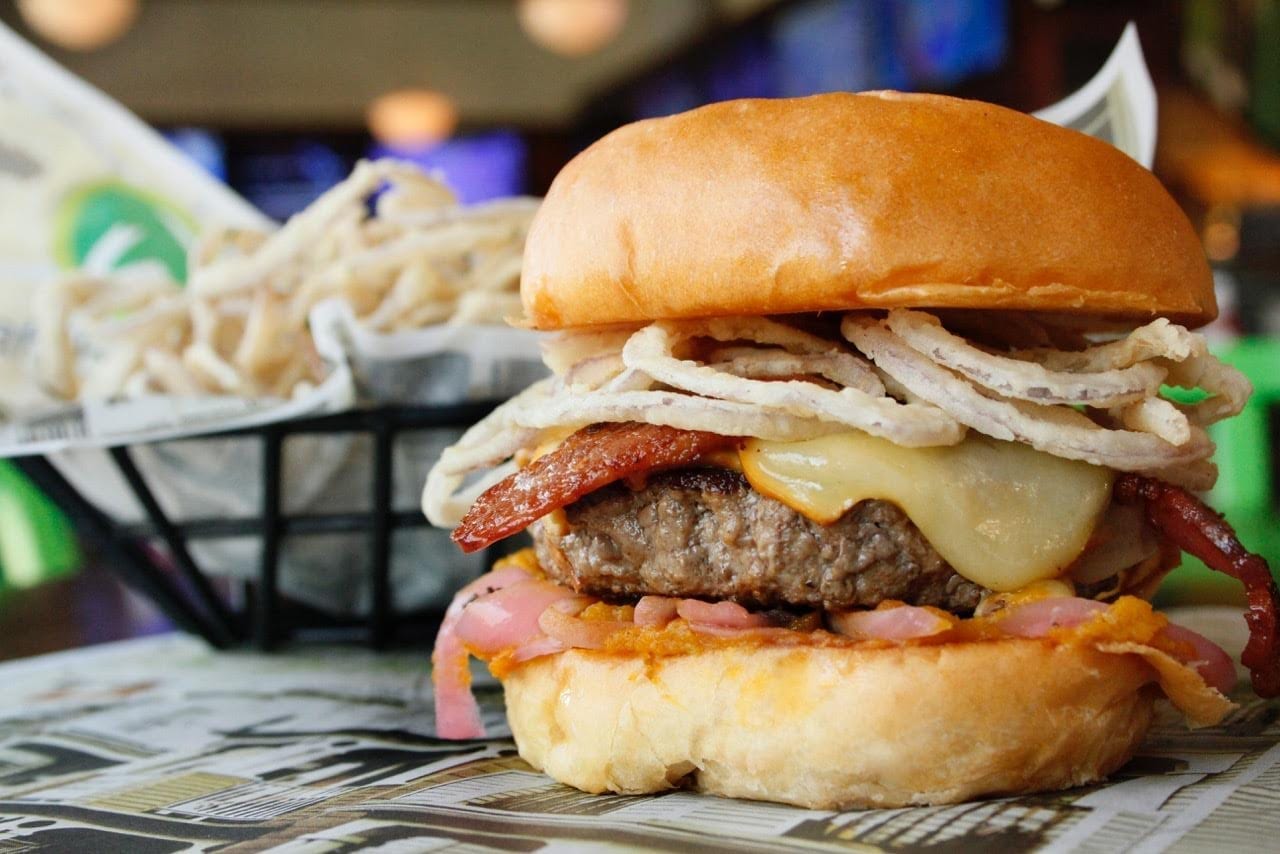
    Five Guys is known for its customisable beef burgers, hotdogs, milkshakes and sandwiches.  Singapore outlets have the same menu as the US and Hong Kong.

    Prices have yet to be confirmed, but the outlet will serve alcohol including craft beer.

    Founded in Virginia in 1986, the brand now has more than 1600 restaurants worldwide across the US, Europe, Middle East and Asia.

  • Aldi China where Quality meets Value

    Aldi China where Quality meets Value

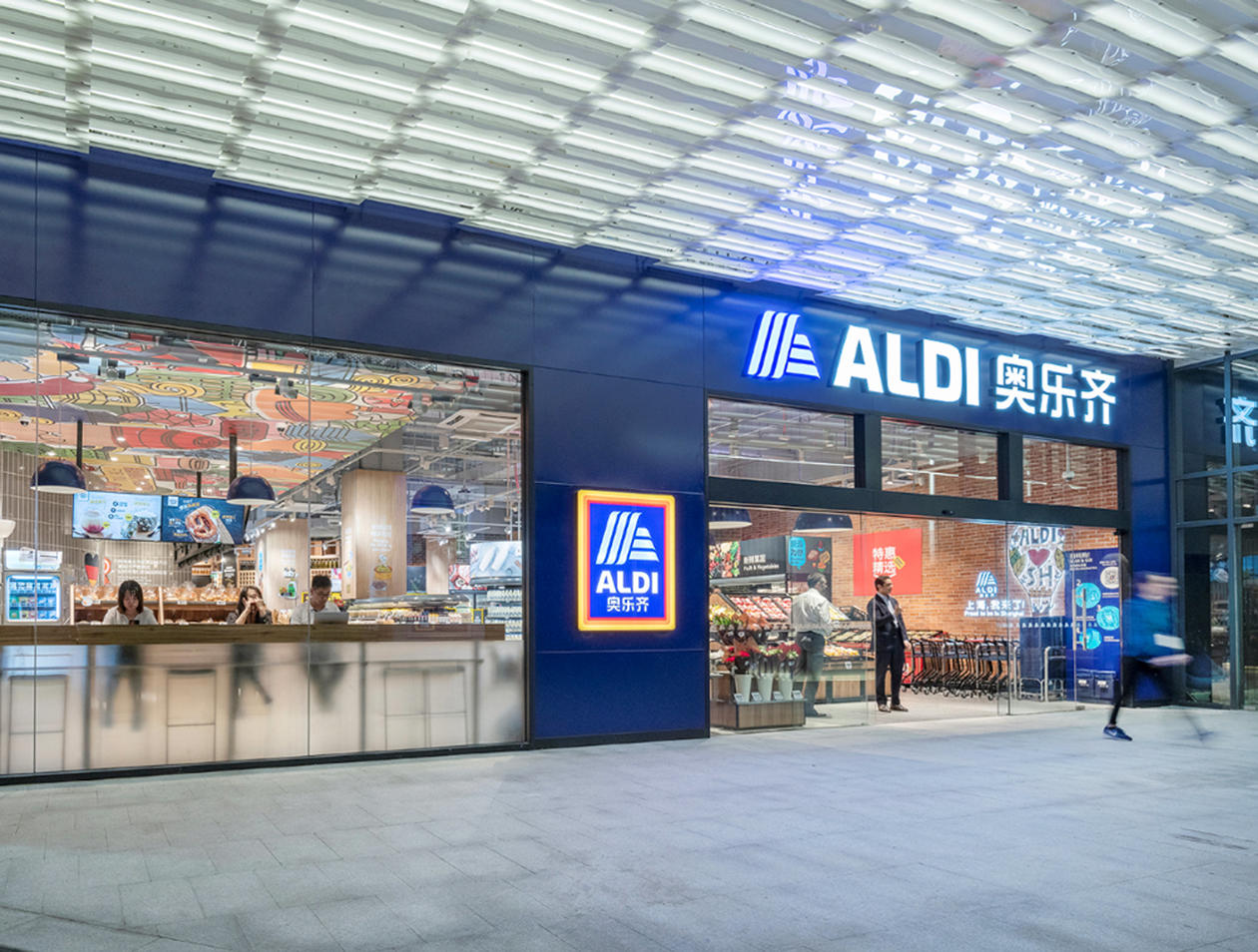
    The first professional photos have emerged of Aldi China’s two pilot stores in Shanghai, which opened weeks ago.

    Designed by Australian-headquarted Landini Associates for Audi Sud (South), the two stores are both about 336sqm in size. They feature a more upmarket look than Aldi’s European stores and are described by Landini as “an evolution of Landini Associates’ work for Aldi Australia, aimed at celebrating and conveying product quality and value”.

    The stores represent a new trading format for Aldi and are the first of up to 100 planned for the city. Aldi has been testing the Chinese market online for about two years, selling its own-brand products on Alibaba’s Tmall to gain an understanding of consumer buying preferences and acceptance to hitherto unknown brands.

    But as the photos show, the store is very obviously targeted not only at Chinese consumers, but the burgeoning expat community in the city – all signage is in English as well as Chinese.

    Landini highlights key differences in the scale, layout and tone of the Aldi China stores, compared to the latest designs implemented in Australia.

    “In line with Chinese consumer habits, where the preference is to visit multiple small shops per week, the stores are a much smaller format. The emphasis is on fresh produce and ready meals, with certain categories articulated for greater consistency, and key products placed at the entry of each aisle alongside messaging to appeal to and drive shoppers,” the company says.

    “Key departments developed were snacks, produce, bakery, alcohol, imported goods, health, and beauty. The most noticeable difference for the Chinese market is the development of an on-site Food Station, as well as the addition of ready meals to take away or consume at the in-store dining kiosk.”

    Low cost yet “real” materials were specified for the fitout, including locally sourced brick, terrazzo, an open concrete ceiling, warm timbers, and yellow accents which add to the perception of freshness throughout the stores.

    LED lighting reduces glare and running costs while improving ambience and colour rendering, changing from day to night. Landini says the lighting was designed to create a pleasant atmosphere and let the products speak, enhancing colour, texture, and freshness. Energy-saving LED has also been incorporated in the fridges and wine displays.

    Landini also designed an extensive series of messaging and graphic illustrations that are entirely unique to the Aldi China stores. More than 40 messaging boards were developed to communicate the brand ethos, product freshness, value, quality, and European and Australian products on sale.

    There is no signage or ticketing displayed from the ceiling. Instead, category signage around the store perimeter offers greater visibility across the stores and thus encourage cross-store shopping. A vibrant, colourful mural on the ceiling above the service counter and checkouts is a playful hero graphics feature.

    “Our two new stores are designed as pilot stores where retail approaches will be trialled and adjusted according to data and feedback from customers,” said an Aldi spokesperson. “This new store format has been customised and tailored specifically for the China market to better understand and interact with Chinese consumers.”

    Ben Goss, design director at Landini described the project as “a significant milestone for the brand”.

  • Wesfarmers to purchase Catch Group

    Wesfarmers to purchase Catch Group

    Australian retail conglomerate Wesfarmers has entered an agreement to acquire Catch Group for $230 million.

    Should the deal be cleared by the Australian Competition and Consumer Commission, the online marketplace will continue to operate as an independent business unit under the leadership of Kmart Group managing director Ian Bailey.

    Bailey noted Catch has built a successful marketplace underpinned by leading technology and data capabilities, and that these capabilities would be leveraged to grow the capabilities and accelerate the consumer-driven, omni-channel initiatives across department stores Kmart and Target.

    “This will further drive best practice in supply chain, fulfilment and online execution across our brands, including opportunities for Target to secure online fulfilment capability and productivity benefits,” Bailey said.

    “Catch will also benefit from the support of Kmart Group’s scale and capabilities to drive its continued growth in its existing marketplace business.”

    Catch Group managing director and chief executive Nati Harpaz said the Catch team was looking forward to working with Kmart, and that the marketplace would continue to focus on delivering great value and savings to its customers.

    The merger, according to Wesfarmers managing director Rob Scott, is consistent with Wesfarmers’ approach to capital allocation, focus on improving its digital and data capabilities, and investment in opportunities adjacent to its existing businesses.

    “Catch Group has a high calibre management team and a leading e-commerce platform with quality fulfilment assets,” Scott said.

    “This acquisition represents an opportunity to accelerate Wesfarmers and Kmart Group’s digital and e-commerce capabilities whilst continuing to invest in the unique customer and supplier proposition provided by Catch Group.”

    Wesfarmers confirmed the acquisition will be funded by existing debt facilities, and is not expected to affect the business’ existing credit ratings. The business completed a demerger from Coles last year, providing further capital for investments, while retaining a minority ownership in the supermarket.

  • Oppo India opens first flagship store in Hyderabad

    Oppo India opens first flagship store in Hyderabad

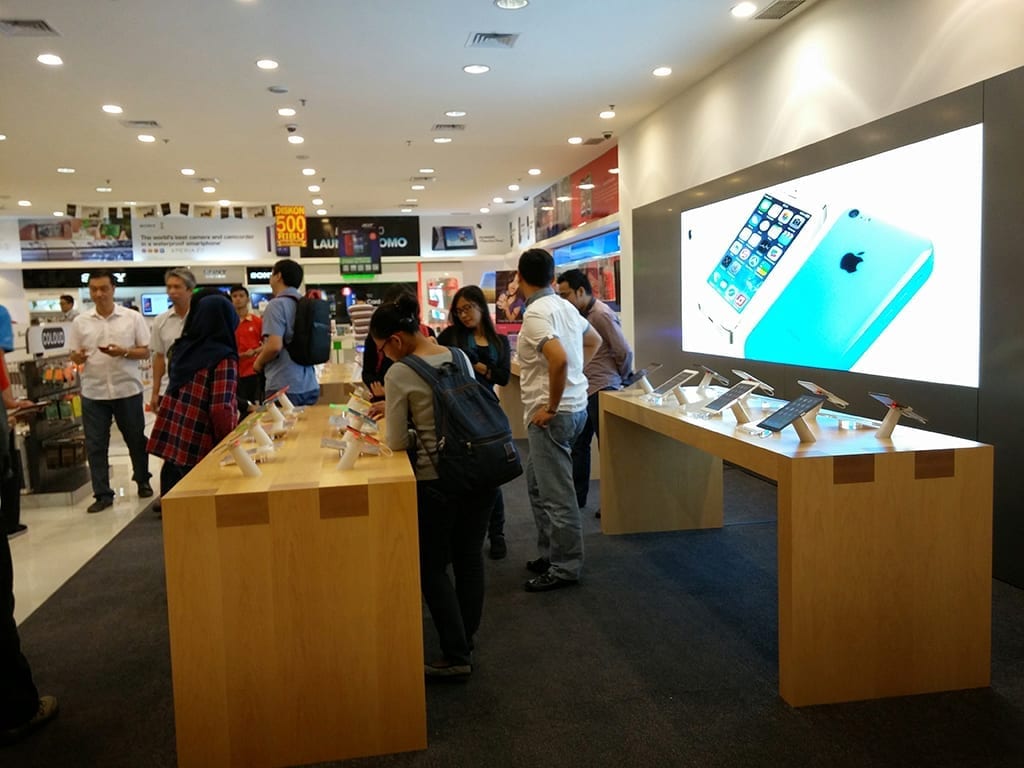
    Oppo India has launched its first premium flagship in South Asia at Sharath Capital Mall in Kondapur.

    The opening coincides with the release of the brand’s new Reno series phone model.

    The new venue has been designed to engage customers while encouraging them to explore and appreciate the craftsmanship and technological features of Oppo’s product range. According to product manager Jithin Abraham, it is divided into different areas that respectively deal with Indian culture and heritage, Oppo’s evolution in the mobile market, the brand’s technologies, and other consumer experiences.

  • India’s Myntra Starts Selling on Walmart USA

    India’s Myntra Starts Selling on Walmart USA

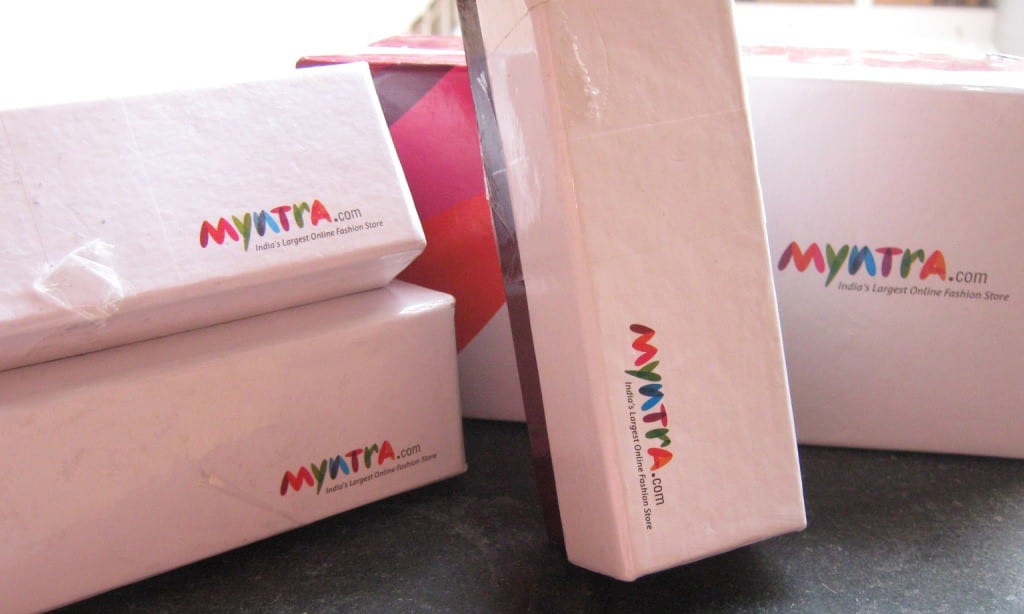
    India’s Myntra is expected to begin selling its brands’ products to the US via Walmart.

    The online fashion retailer was acquired by Walmart 10 months ago, since which time Myntra’s brands have been available through Walmart Canada.

    “We enabled Myntra to be online in Canada and we are also anticipating launching Myntra brands in our stores in Canada in Q3,” said Walmart International executive VP and chief administrative officer JP Suarez, “a nice compliment for an omnichannel experience for our customers. We are exploring with US for any Myntra product to be available on the US online marketplace.”

    Walmart is also expected to conduct a study of Myntra’s operations to assess what strategies may be applicable to other markets. The firm holds a major market share in India along with Jabong and Flipkart Fashion.

  • Ted Baker reaches balancing point

    Ted Baker reaches balancing point

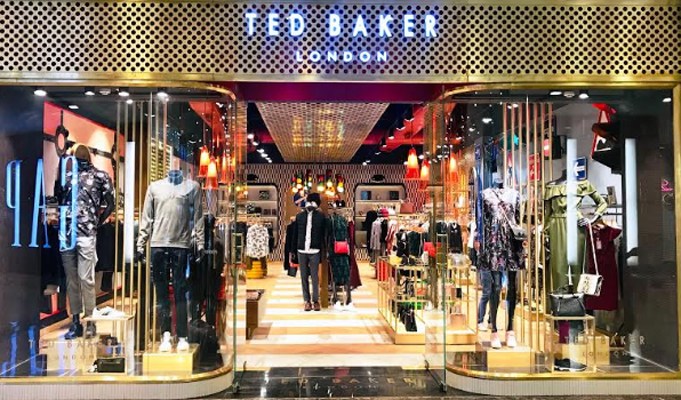
    Shares in UK-headquartered Ted Baker slumped 25 per cent as the latest financial results show the fashion label may be losing its mojo.

    After years of strong growth, the previously infallible Ted Baker says retail revenue fell by 1.1 per cent on a reported basis, and by 2.9 per cent at constant currency during the 19 weeks to June 8. The company warned shareholders its profit for the current financial year may fall by as much as 20 per cent to somewhere in the range of £50 million to £60 million.

    CEO Lindsay Page blamed the result on weaker trading due to unseasonable weather in North America and a highly promotional retail environment worldwide which impacted on gross margins.

    “As a team, we are proactively addressing the challenges we face as an industry,” said Page.

    “Several of our new product initiatives will commence imminently and we are confident in our collections for the coming season. We are relentlessly focused on achieving cost efficiencies as well as further cost savings throughout the business.”

    Sofie Willmott, lead retail analyst at GlobalData, believes Ted Baker is suffering from overexposure.

    “As a result of its past success and demand for the brand, Ted Baker products are widely available from department store players like John Lewis and House of Fraser, and online pureplays including Asos and Very.co.uk. But overexposure can damage brand appeal particularly when it is positioned at a premium level.

    “Alongside this, the struggles of department store retailers coupled with the misconduct allegations against the brand’s founder, Ray Kelvin, who stepped down permanently in March, will not have helped its performance. To reverse its sales decline, Ted Baker must rein in the number of distribution partners it has, to reaffirm its premium positioning.”

    Willmott said Ted Baker has reached a point where “it will either sink or swim”.

    “For the brand to be able to survive without its former leader and retain its loyal shopper base, it must seize the opportunity to shake up the business and re-establish its brand identity.”