Author: Mei Ling Tan

  • Six European Mobile Wallets and Alipay Collaborate to Promote Digital Payment Interoperability across Europe

    Six European Mobile Wallets and Alipay Collaborate to Promote Digital Payment Interoperability across Europe

    Six prominent mobile wallets across Europe, together with Alipay, announce today a collaboration to promote QR code-based digital payment interoperability for travelers both in Europe and from China.

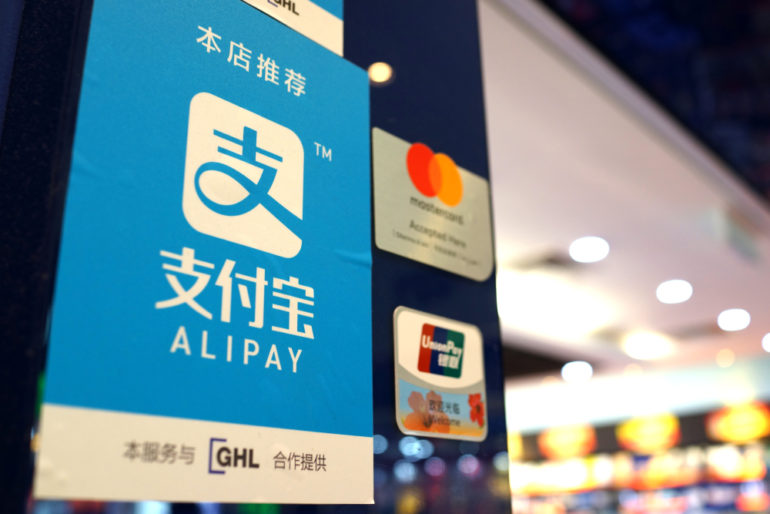
    Bluecode, ePassi, momo pocket, Pagaqui, Pivo, Vipps and Alipay are working towards adopting a unified QR code, marking a milestone in connecting Europe’s thriving yet fragmented mobile payment landscape. When fully realized, users of the six participating European digital wallets will be able to make QR code-based payments with their home apps to local merchants in 10 European countries where those apps are accepted. At the same time, merchants that already accept mobile payments via the six apps in their respective domestic markets will also be able to easily accept payments made by customers of the other countries covered by the collaboration. In addition, Alipay’s Chinese users can also make payments to merchants that accept these wallets.

    Helsinki-based ePassi and Oslo-based Vipps have started to prepare the roll-out of this QR code format for users across several Nordic countries, while the Spanish payment company MOMO, Portugal’s Pagaqui and Austria’s Bluecode intend to extend the collaboration further later this summer in their respective home markets. Built on the back of a similar partnership announced in December between two Nordic firms, Vipps and ePassi, and Hangzhou, China-based Alipay, this open-ended collaboration is expected to continue to expand into more European countries and companies in the future.

    The collaboration, the first of its kind in Europe, will bring together the six mobile wallet partners’ users, which are more than 5 million in total, and around 190,000 merchants in Europe, as well as a fast-growing number of travelers from China. In addition, as each of the participating firms grows the user base and merchant network, the growth is also beneficial to all of the collaborating firms’ merchants and users, respectively.

    The partnering firms have agreed to apply a compatible QR code format provided by Alipay, the world’s most-used app outside social apps. ePassi and Bluecode will offer technical services to the participating wallets to simplify the integration process among them.

    “With over 12 years’ experience, ePassi is already a mobile payments front-runner in QR code-based payments in the Nordic and selected European countries. We are proud and honored to be part of this unique collaboration of European payment wallets, and to support other partners with their integration as well,” said Risto Virkkala, CEO of ePassi.

    “It has always been our vison to enable European banks with a widely accepted European mobile payment offering”, said Christian Pirkner, CEO of Blue Code International. “As a payment solution provider, we naturally support this collaboration of European wallets agreeing on a technical format. Even more compelling that it is compatible with Asia’s leading lifestyle app Alipay.”

    The announcement came on the heels of Alipay activating the eight-year global partnership with UEFA in Porto, where the inaugural Nations League Final just concluded. “We feel honored to help promote a smart lifestyle and digital experiences in Europe, while continuing to connect more merchants with more Chinese tourists. We believe mobile payment is a universal language that can help connect people just as football does,” said Eric Jing, Chairman & CEO at Ant Financial.

    Alipay currently serves over 1 billion users with its Asia-based local e-wallets partners. Launched in 2004, Alipay has evolved from a digital wallet to a lifestyle enabler. Users can hail a taxi, book a hotel, buy movie tickets, pay utility bills, make appointments with doctors, or purchase wealth management products directly from within the app.

    In addition, Alipay’s technology is being used to enable over 200 Chinese financial institutions to improve efficiency and lower operational costs. Alipay’s in-store payment service covers over 50 markets across the world, and tax reimbursement via the app is supported in 35 markets.

    Nearly 60 per cent of overseas bricks-and-mortar merchants that adopted Alipay saw a subsequent growth in both foot traffic and revenue, according to a report by Nielsen earlier this year.

    “Momo were first to process payments via mobile devices in Spain six years ago, starting in Malaga. Since then, we’ve expanded to also help our merchants increase their sales by accepting QR payments from thousands of Chinese tourists via Alipay.” says Mariano de Mora, CEO of MOMO Group. “We are excited to see how this collaboration with other European payment wallets can bring millions of users to our merchant network here in Spain and offer our users hundreds of thousands of places to pay with their local momo app across Europe.”

    “This unique cooperation is a testament to how collaboration in Europe can simplify the market for businesses and users to create better outcome for everyone.” said Rune Garbog, CEO of Vipps. “We are extremely enthusiastic about new partners joining this collaboration, giving all our combined users broader possibilities for using their preferred mobile app also when travelling abroad.”

    “As a Portuguese company and a stakeholder in this project, Pagaqui rejoices in the choice of venue for this announcement, and is extremely proud to participate in such an ambitious and innovative undertaking”, says João Barros, CEO of Pagaqui. “As in football, European firms can be more successful when playing together as a team. This is a real game changer for businesses and users across Europe, and we are excited to see so many partners taking part in it.”

    Pivo, the largest mobile wallet in Finland with over 1 million registered users, is welcoming the collaboration and the benefits it will provide to all mobile wallet customers. “Interoperability will allow us to offer a simple and unified customer experience across services and points-of-sale internationally. The collaboration will create additional value for Pivo as a service platform, and it is a welcome initiative for the ecosystem and our customers,” said Masa Peura, CEO of Pivo.


  • Parkson Holdings Extends Store Lease in China

    Parkson Holdings Extends Store Lease in China

    Parkson Holdings’ Beijing operation Parkson Retail Development (PRD) has extended a department store lease in the city until the end of 2021.

    PRD’s Hong Kong-based owner PRGL announced in a stock exchange filing in Hong Kong the firm has signed a new lease agreement for a 189sqm area from the China National Arts and Crafts Group in Beijing’s Fuxingmen. It has agreed to pay a quarterly rental of RMB2.5 million (US$361,800).

    The group has been conducting retail activities at the site for 20 years and this lease follows renewals of seven other leases in the same building back in February. In total, Parkson leases 23,887sqm in other areas of the museum from the same landlord for terms extending as far as the end of November 2028.

    A statement from PRGL said the operation has brought stable revenue in the past, and that the new lease brings continuity to the group’s retail efforts in a location familiar to its long-term customers.

  • Facebook reportedly launching new cryptocurrency in June

    Facebook reportedly launching new cryptocurrency in June

    Facebook is expected to announce its digital currency at some point this month, as the social network company has found outside backers that will help strengthen the trust in its upcoming cryptocurrency.

    The report mentions the digital token used by Facebook will work as a borderless currency without transaction fees. Apparently, Facebook employees who work on the project are given the option to be paid in the cryptocurrency token instead of real money.

    The new cryptocurrency will be available through Facebook’s app, including WhatsApp and Messenger, and is meant to help users in developing countries with volatile currency. Moreover, Facebook plans to make the cryptocurrency available through customized ATM physical terminals.

    The project also mentions sign-up bonuses for merchants that will allow customers to pay with Facebook’s digital tokens. Although the report contains pretty in-depth the details about the cryptocurrency, it misses one important aspect: release date. Well, at least the timeframe is narrowed down to June, so we won’t have to wait too long now.

  • Love, Bonito to open in Funan Mall

    Love, Bonito to open in Funan Mall

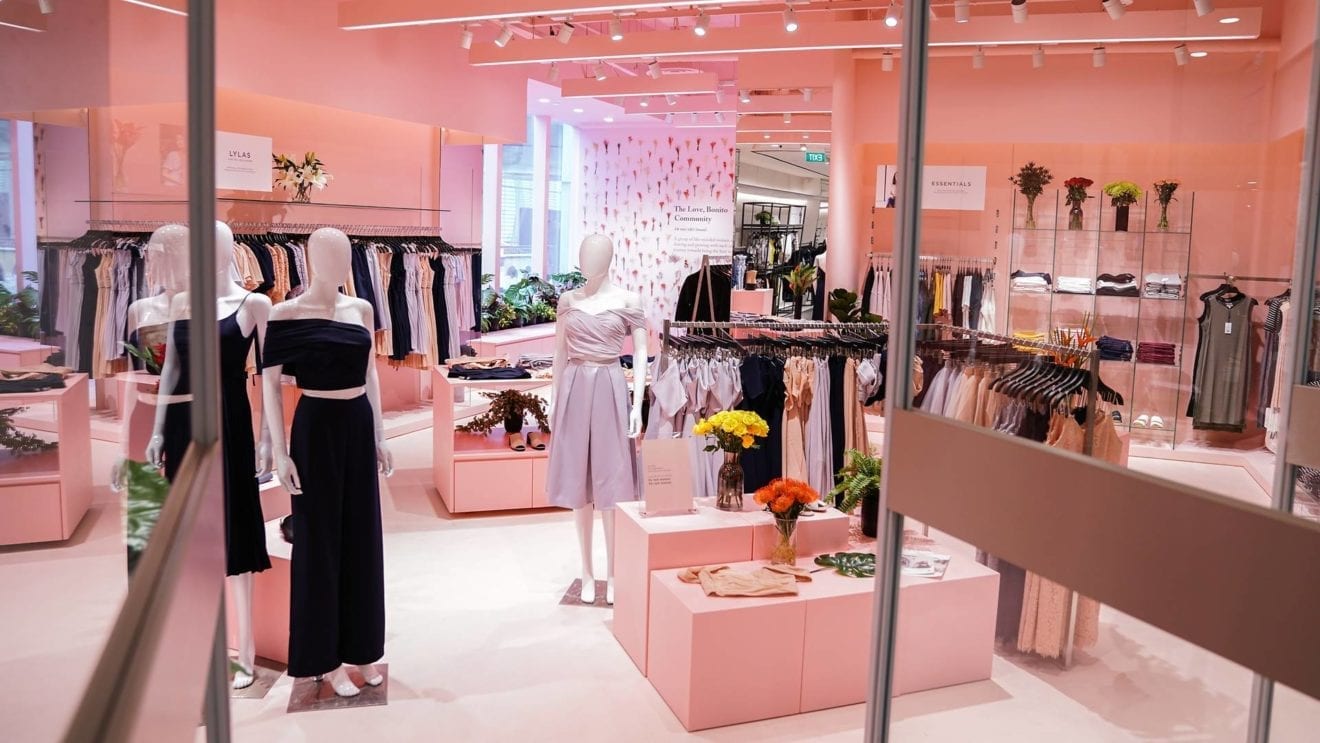
    Online fashion retailer Love, Bonito is about to open its third and largest physical store yet, at Funan mall.

    Set to offer a “thoughtful and feminine” retail experience, the store will have customer touch points such as “Instagrammable” spots, and an express counter for click-and-collect orders.

    “More importantly, the store will hold dedicated and designated space for us to bring our community together to experience the brand, via workshops and events,” Rachel Lim, Love, Bonito co-founder said.

    The store will also offer personal stylists on demand who will be ready to give fashion advice to customers.

  • Jaguar XE SV Project 8 Touring Breaks Cover

    Jaguar XE SV Project 8 Touring Breaks Cover

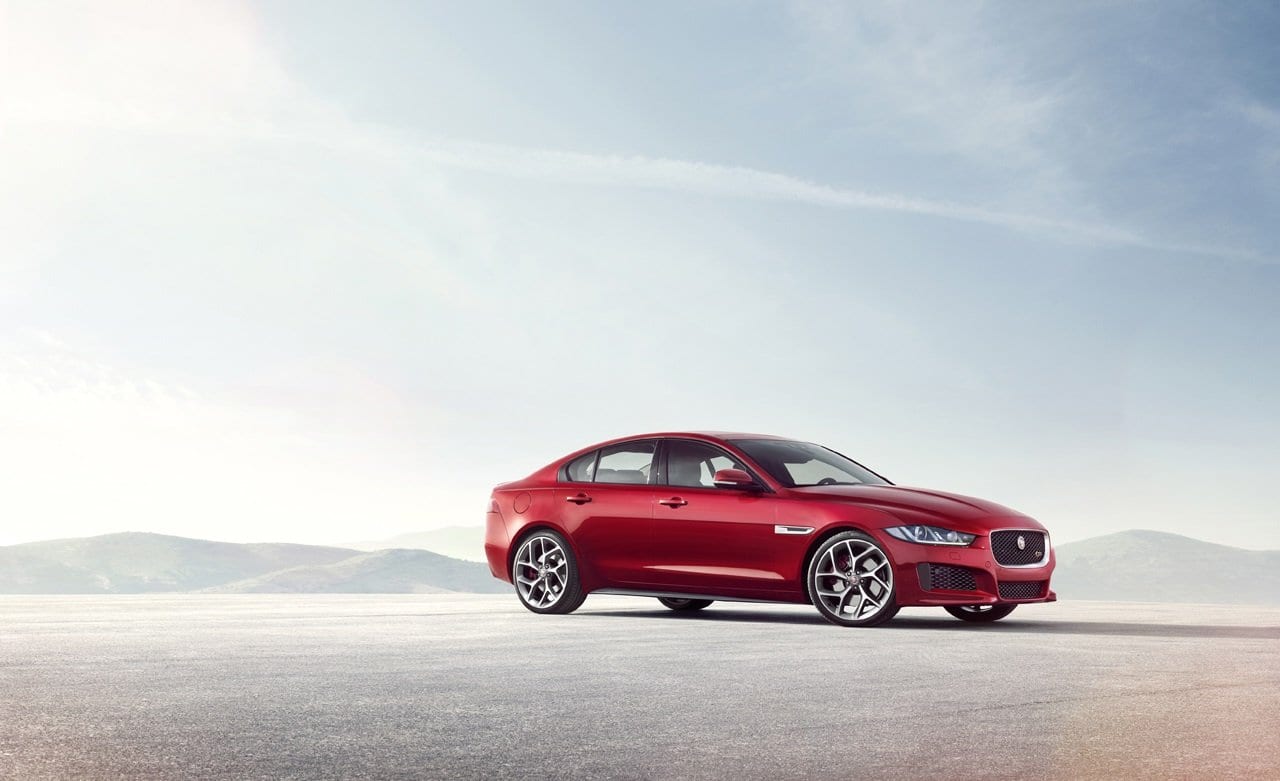
    Trust Jaguar’s Special Vehicle Operations (SVO) division to come with some absolutely menacing offerings and it sure doesn’t disappoint. This time though, the special division has developed a more restrained version of the absolutely bonkers XE SV Project 8 that adds the Touring badge to its name and gets revised to more road-friendly mannerisms. The Jaguar XE SV Project 8 Touring swaps the imposing rear wing for a subtle spoiler that lends a calm look to the 599 bhp car’s track-focussed capabilities. The new Touring version will be sold alongside the Project 8 and much like its track-honed sibling.

    Speaking about the new Jaguar XE SV Project 8 Touring, Jamal Hameedi, Engineering Director, Jaguar Special Vehicle Operations, said, “Project 8 has received outstanding critical acclaim since its launch, demonstrating the Special Vehicle Operations team’s ability to create a compact Jaguar sedan with supercar-rivalling performance. Touring specification extends the appeal of Project 8 to performance car enthusiasts and collectors who prefer a more discreet appearance, without compromising its driver-focused on-road dynamics.”

    So what changes on the Jaguar XE SV Project 8 Touring, the adjustable carbon-fibre rear wing that generates over 122 kg of downforce at 300 kmph and has been swapped for a lip spoiler on the boot-lid. The Touring also has a fixed front splitter to “maintain aerodynamic balance,” even as all other aspects remain the same. The special version based on the XE sedan is offered in four colour options – British Racing Green, Corris Grey Satin, Valencia Orange, and Velocity Blue – while the standard Project 8’s decals and stripes are now offered as optional. The big change though comes in the top speed of the car that has been reduced from 320 kmph on the Project 8 to 300 kmph on the Project 8 Touring.

    Power continues to come from the same 5.0-litre Supercharged V8 Project 8 motor that can accelerate from 0-100 kmph in 3.7 seconds. The Special Vehicle Operations division will hand assemble only 15 examples on the XE SV Project 8 Touring exclusively in the four-seat configuration at the Technical Centre in Warwickshire, UK. The 15 cars of the Touring version are part of the 300 units that were originally announced for the Project 8 and is priced at the same $185,495

  • New Instagram feature turns your Story into a sing-along

    New Instagram feature turns your Story into a sing-along

    Remember when Instagram was known for its photo filters? Back in the day, when Instagram added a new filter to the app, it was a newsworthy story. In 2016, the site added its Stories feature (copied from Snapchat) and last year Instagram had more than one billion monthly active users. Facebook bought Instagram for approximately $1 billion back in 2012, and daddy’s deep pockets allow Instagram to continue developing new features.

    For example, Instagram revealed that users can now automatically add song lyrics to a Story. To do this, they will have to add a music sticker to their story and search for a song. If lyrics are available for the song selected, the user will be able to choose from different fonts and designs for the words to the song. Members will also be able to edit which part of the song to play on their Stories. Once someone selects that Story to view, the lyrics will appear automatically. If someone taps on the lyrics, they will be able to hear the song continue playing and learn more about the artist who sings it. Before this feature was added, an Instagram user could add music to a Story, but if he wanted the lyrics to appear, they would have to be typed out by the member.

    The new feature is available in all markets that support the use of Instagram’s music stickers. To add the music sticker, after you create a photo or text for your Story, tap on the sticker icon at the top of the screen. Then click on the Music sticker and select a song. If lyrics are available for that tune, you’ll see them on the screen even while you preview your Story. If lyrics are not offered for the song you select, a notification saying this will appear at the top of the screen.

  • Hella Develops Battery Solutions For Mild Hybrid Vehicles

    Hella Develops Battery Solutions For Mild Hybrid Vehicles

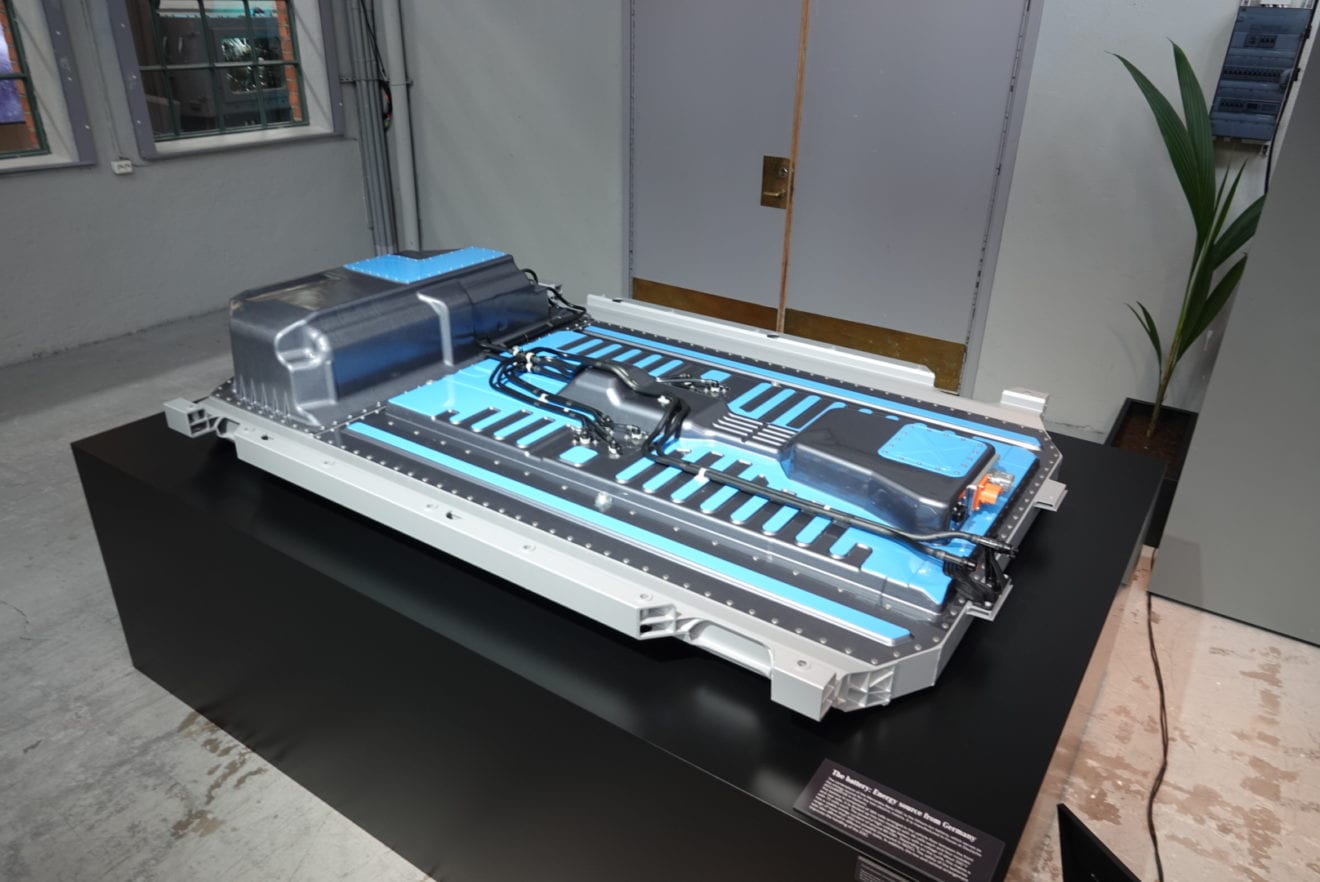
    Hella announced that it will develop and manufacture products that support all stages of automotive electrification. With new products like dual voltage battery management system and powerpack 48 Volt, the company is now one of the first on the market to offer innovative battery module solutions for mild hybrid vehicles. The new solutions enable savings of 5 to 6 grams of CO2 per kilometer and thus help to achieve CO2 targets in the short term.

    Starting 2020, newly registered vehicles in the EU will not be allowed to exceed a limit value of 95 grams of CO2 per kilometer. Hella’s dual voltage battery management system for the compact and mid-range class allows vehicles with internal combustion engines to be converted to a mild hybrid. It combines the conventional separate core elements such as 48 V battery, 12 V battery and voltage transformer (DC-DC converter) within a single product in the package space of a conventional lead-acid battery. This makes it easy to integrate the system into the existing vehicle architecture. Another advantage: The Dual Voltage Battery Management System eliminates the need for a lead-acid battery in the car. The innovative system consists of lithium-ion cells that are switched intelligently depending on the application. Thus the capacity can be used specifically in the 12-volt or 48-volt vehicle electrical system.

    Hella has designed the PowerPack 48 Volt for vehicles in higher power rating classes. It combines a 48-volt lithium-ion battery pack including battery management and DC-DC converter. In addition to the 12-volt battery, the PowerPack 48 is also drawn into the vehicle. It enables hybrid functions such as recuperation (ability to recover energy while braking) or active coasting (the internal combustion engine is switched off while driving) as well as other comfort functions for the luxury class. These include ambient lighting, automatic climate control and active chassis control.

  • Her in Causeway Bay mixed fashion and food

    Her in Causeway Bay mixed fashion and food

    Hong Kong stylist Hilary Tsui has opened a cafe connected to her fashion boutique designed to “transport guests to a new planet”.

    The store – Her in Causeway Bay – serves coffee, cookies and ice-blended coffees to browsing customers, marrying Tsui’s passion for fashion and gastronomy. It was designed by studio Clap, based in Valencia, Spain.

    According to design news site Dezeen, the retail space features stacked terracotta display plinths and celestial aluminium partitions help create “an other-worldly atmosphere”.

    “Tsui’s desire was to create a retail space dedicated to contemporary women that brings together her two passions in one place: fashion and gastronomy,” explained the studio’s design team.

    “So we imagined Her as a sinuous landscape, with impressive mountains and pure materials – all together as a new space that’s yet to be discovered, like planet Mars.”

    Clothing items are hung from wavy racks that are suspended from the ceiling. Jewellery is presented on pale circular tables supported by thin metal stems, intended to resemble “small white lotus leaves that grow from the mountains”.

    Terracotta tiles are stacked to form a series of blocky plinths that the studio likens to “reddish mountains”, where accessories can be displayed or visitors can sit and rest.

    See more images and further commentary about Her in Causeway Bay here on Dezeen.

  • Topshop future in stretch as crucial vote delayed

    Topshop future in stretch as crucial vote delayed

    The future of fashion label Topshop is in limbo after a crucial vote on a Company Voluntary Arrangement for parent Arcadia Group was delayed last week.

    Arcadia’s chairman Sir Philip Green is trying to gather approval from creditors for a scheme which would see them convert debt to future equity and rents reduced on UK stores in return for sa further investment by Green’s family of £50 million (US$63.8 million). The scheme would also see 23 stores shuttered in the UK and the closure or sale of all 11 of Topshop’s US stores – on top of 25 UK store closures already planned.

    “Against a backdrop of challenging retail headwinds, changing consumer habits and ever-increasing online competition, we have seriously considered all possible strategic options to return the group to a stable financial platform,” Arcadia CEO Ian Grabiner said when unveiling the CVA last month.

    “This has been a tough but necessary decision for the business.”

    But a meeting of creditors – who include suppliers landlords and pension funds – was postponed last week when it became clear support would fall short of the 75 per cent required for it to be approved. That vote will now likely be held this week. However if it fails, creditors may call in administrators opening the possibility of a sale of Arcadia’s brands, which also include Miss Selfridge, Dorothy Perkins, Evans and Topman.

    UK retail industry sources say landlords are especially cynical to the CVA, casting doubts on whether Green can revive the troubled business in an era of dwindling high-street retail sales and growing e-commerce.

    One major retail landlord told The Business of Fashion that cutting rents to Arcadia to help its survival would be “quite a tough message to communicate to other tenants paying full rent”.

    Arcadia’s like-for-like sales reportedly fell 7.5 per cent in the year to August 2018, with total sales down 10.5 per cent to £1.7 billion. That decline was largely due to a 20 per cent slump in Topshop sales.

    The chances of Green’s plan did receive a boost last week after The Pensions Regulator and Pensions Protection Fund indicated their support. That followed a commitment by Sir Philip’s wife Lady Tina Green to invest a further £100 million in the fund to protect staff.

    Lady Green has also promised landlords who accept the deal a 20 per cent share of the proceeds should Arcadia be sold.

  • Nok Air launched direct flights to Hiroshima, Japan

    Nok Air launched direct flights to Hiroshima, Japan

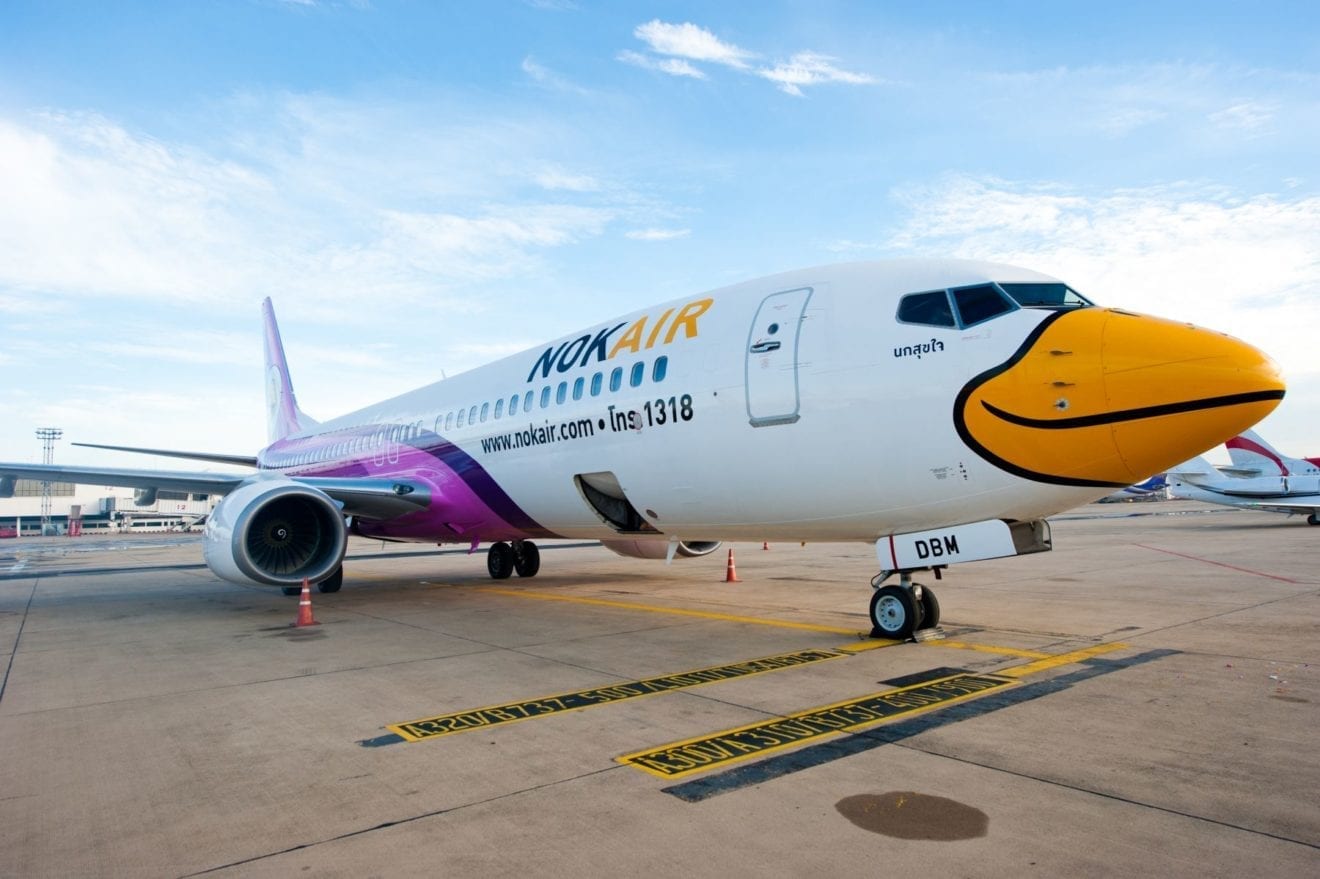
    The first phase is charter flights which have begun on 1st and 5th May 2019. This route is one of the many of the Nok Air’s turnaround plan by looking for the potential routes. Now, Nok Air is available and intend to create an impressive experience for the passengers.

  • Land Rover Discovery Launched In India

    Land Rover Discovery Launched In India

    Jaguar Land Rover India has launched the 2-liter diesel variant of the 2019 Land Rover Discovery in India and prices start from ₹ 75.18 lakh (ex-showroom India). The 2019 Discovery is available in S, SE, HSE & HSE Luxury trim, The new diesel engine churns out 237 bhp while torque figures stand at 500 Nm. This advanced engine is the first Jaguar Land Rover powerplant to feature series sequential turbo technology to deliver its additional thrust.

    The 7 seater Discovery is feature rich and comes with features like electrically reclining seats, intelligent Seat Fold, four-zone climate control, powered third-row seats, a panoramic sunroof, cabin air ionization, 360 Degree surround camera, adaptive cruise control, protect and remote. It also gets the best in class off-road capability because of the approach and departure angle as also the ramp angle.

    The Land Rover Discovery has a water wading depth capability of 900 mm and a 3500 kg towing capacity, all of which makes it a very capable and versatile SUV.

    Rohit Suri, President & Managing Director, Jaguar Land Rover India Ltd. (JLRIL), said, “The Discovery’s unmatched capability and versatility has now been enhanced with the introduction of the high powered Ingenium diesel variant at an attractive price that we believe will enable the Discovery to appeal to a wider customer base.”

  • Cebu Pacific to expand its hubs in Clark, Cebu

    Cebu Pacific to expand its hubs in Clark, Cebu

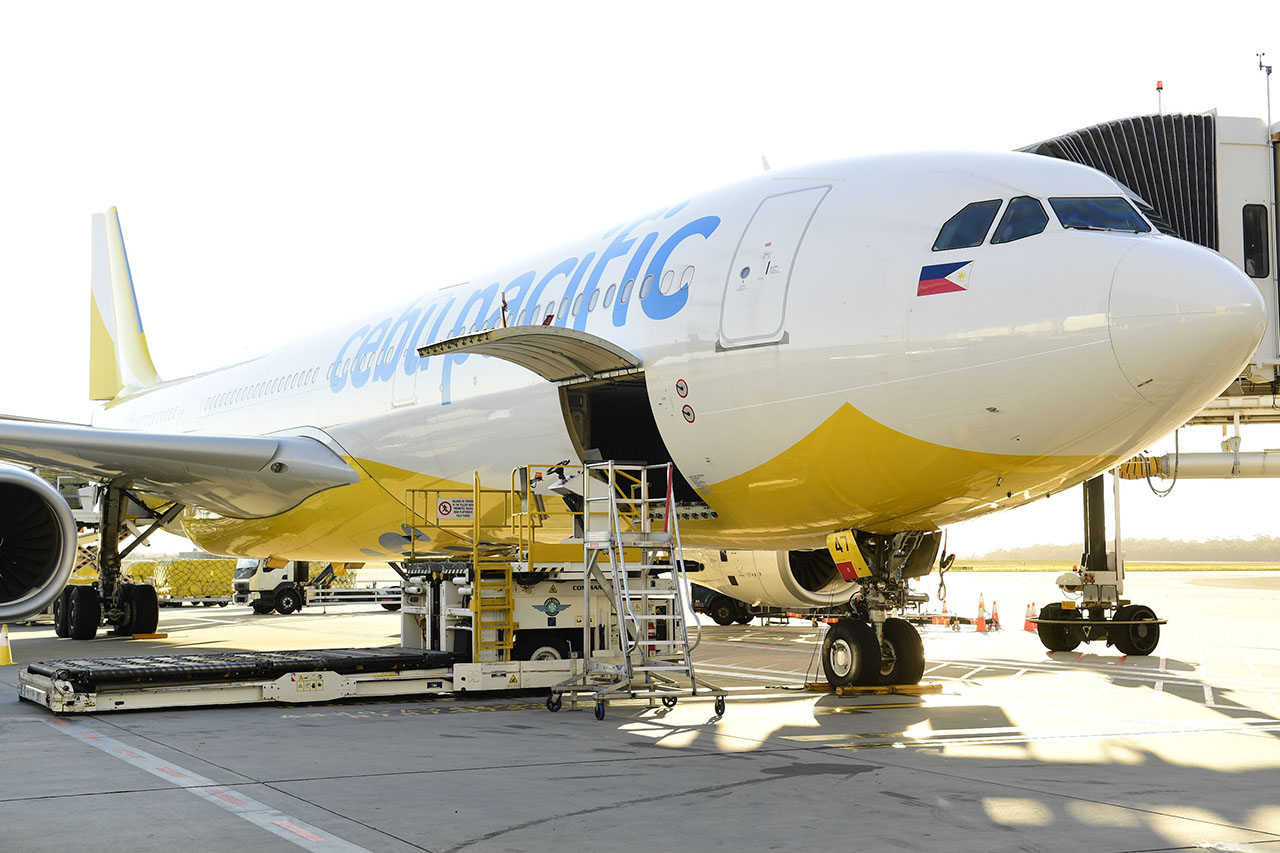
    Cebu Pacific said it is eyeing to expand its hubs in Clark and Cebu as it continues to boost its fleet with a target of 83 aircraft by end-2022.

    Lance Y. Gokongwei, president of Cebu Pacific operator Cebu Air, Inc., said the budget carrier will be adding “a lot of frequency” in its hubs in Cebu and Clark.

    “In Clark, we’re going to try to connect the dots so that a lot of North Asia will be able to fly into the south without having to connect through Manila… I think in the next two to three years, you’ll see a lot of flights into Japan, (South) Korea and China from Clark,” he told BusinessWorld on the sidelines of the JG Summit Holdings, Inc. stockholders’ meeting last week.

    For Cebu, Mr. Gokongwei said they will ramp up the frequencies of its existing routes, which currently connect the city to both Japan and South Korea. Cebu is a popular destination for Japanese and Korean tourists.

    “The (Airbus A321neos), we put them into Manila. Then we pull out the (Airbus A320s) and put them to Clark or to Cebu,” he said.

    The carrier is currently on fleet expansion mode and expects the delivery of 12 new aircraft this year, namely six Airbus A321neos (new engine option), five A320neos and one ATR 72-600.

    Mr. Gokongwei said in the long term, what Cebu Pacific wants is to make its Clark operations as big as its Manila operations. “We have to complete the Bacolods, the Iloilos, the Taclobans, the CDOs. Whatever we have in Manila, we’ll replicate in Clark,” he said, but noted it may take about 15 years from now.

    Cebu Pacific said its hubs in Clark and Cebu have already seen rapid growth since the start of the year, both in terms of new routes and frequency of flights.

    For the Clark hub, the carrier already increased its capacity to and from Caticlan by 231% after shifting to use the bigger Airbus A320 starting March 31 from the 78-seater ATR 72-600.

    It also noted it will be opening daily from its Clark hub going to and from Iloilo, Bacolod and Narita by Aug. 9, and daily flights to and from Puerto Princesa by Oct. 9.

    For its Cebu hub, the airline noted it already added frequency to its flights going to Cagayan de Oro, Dumaguete, Siargao, Iloilo, Caticlan, Ozamiz and Zamboanga by an average of 63% since April 15.

    “Flights between Manila and Cebu had likewise increased 24%. The increase in flights from its Cebu hub is on top of its six-times weekly Cebu-Shanghai and Shanghai-Cebu routes which began on April 15, 2019,” it added.

    Cebu Pacific currently has flights from Clark to Cebu, Caticlan, Tagbilaran, Davao, Singapore, Macau and Hong Kong.

    In its Cebu hub, the carrier flies to and from Bacolod, Caticlan, Butuan, Cagayan de Oro, Calbayog, Camiguin, Clark, Davao, Dumaguete, General Santos, Iloilo, Kalibo, Legazpi, Ozamis, Pagadian, Puerto Princesa, Siargao, Surigao, Tacloban, Zamboanga, Hong Kong, Macau, Tokyo (Narita), Singapore and Incheon.

    Listed Cebu Air posted a net income of P3.43 billion in the first quarter, up 138.4% from the same period last year due to a growth in passenger volume and average fares

  • Shakey’s Pizza Asia Ventures acquires Restaurants

    Shakey’s Pizza Asia Ventures acquires Restaurants

    Shakey’s Pizza Asia Ventures has fully acquired local Philippines restaurant chain Peri-Peri Charcoal Chicken.

    The firm has also recently signed a memorandum of understanding to buy artisanal pizza brand Project Pie, including all assets and intellectual property. The brand was previously owned by Shakey’s parent firm Century Pacific Group and Singaporean sovereign wealth fund GIC.

    As of June 1, Shakey’s is now the owner-operator of all Peri Peri stores owned by the company, as well as brand owner and franchisor of the remaining outlets.

    Peri-Peri now has 23 locations throughout the Philippines.

  • Jaspal Thailand concept store opens at IconSiam

    Jaspal Thailand concept store opens at IconSiam

    New 460sqm boutique at IconSiam was designed by Milan-based Studiopepe. A new Jaspal concept store has opened at IconSiam in Bangkok, designed by Milan-based Studiopepe and featuring local materials.

    The 460sqm flagship store is the Thai fashion label’s largest to date and provides a contemporary backdrop to Jaspal’s collections using contrasting materials. The store uses large columns affixed with handmade ceramics and a tile motif that extends throughout the retail area in an homage to traditional local craftsmanship while still sticking close to the brand’s colour scheme.

    “The concept is based on the interpretation of the free plan, a fluid and continuous design that incorporates different spaces without setting any barriers,” the studio explained, in a profile published by Dezeen.

    “The repetition of vertical lines contrasts the soft forms of the furnishings, while rough materials are juxtaposed with glossy and lacquered surfaces.”

    Mannequins are positioned to appear to have climbed a circular display of ladder-like shelves in one part of the store and the fitting room area features diamond-shaped natural wood blocks on the walls to create a graphic 3D look.

    The brand marked the opening featuring its limited edition collaboration with London-based artist Lynnie Z, one of a series of partnerships between Jaspal and global artists to ensure that unique styles emerge each season.

  • Singapore Airlines adds another Airbus A350 to Perth

    Singapore Airlines adds another Airbus A350 to Perth

    Singapore Airlines is continuing its rolling upgrade of flights to Australia, with Perth set to see a second Airbus A350 from July 1, 2019.

    The advanced jet, which boasts Singapore Airlines’ latest flat-bed regional business class seats in what the airline calls a ‘medium-range’ configuration, will slot into daily flights SQ214 (departing Perth at 5.10pm) and SQ223 (wheels up from Singapore at 9.30am).

    SQ226/SQ213 already hosts an A350, with a Boeing 787-10 Dreamliner rostered onto SQ216/SQ215.

    This leaves just one daily flight on the Star Alliance member’s older Airbus A330, and its days are surely numbered.

    The Airbus A350’s 40 business class seats are arranged in a 1-2-1 layout, providing every passenger with direct aisle access, with access to inflight WiFi if you need to work rather than rest – or luxuriate over your Book the Cook meal – on the quick five-hour hop.

    Singapore Airlines intends to roll out lie-flat beds across its entire fleet from 2020, from the longest of globe-spanning trips to short hops such as Singapore-Kuala Lumpur on SilkAir, which will be adopting new flat-bed business class seats on its factory-fresh Boeing 737s.