Author: Mei Ling Tan

  • 6 Main Causes of Car Accidents

    6 Main Causes of Car Accidents

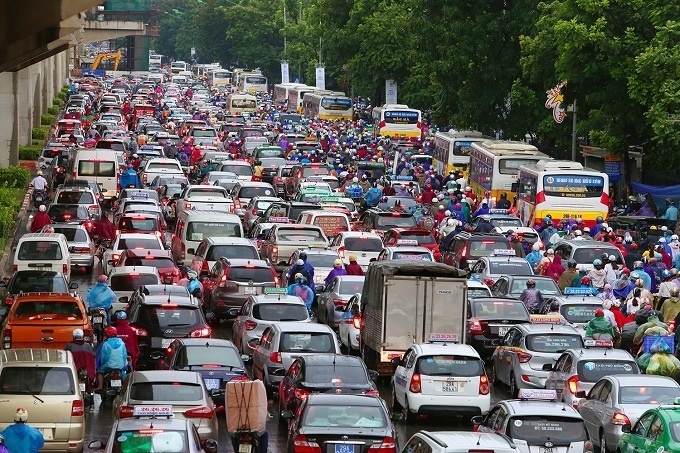
    Car accidents are an unfortunate part of our everyday lives, whether you live in a large metropolis or small town. People are almost always the cause of these accidents; and unfortunately, accidents can result in significant injuries and even worse, fatalities. Your life is not the one at stake when driving, so be sure to use good judgment, follow the laws of the road, and be cautious. 

    Of course, just because you are a safe driver, or think that you are, does not mean that all the other drivers are. For this, be sure to protect yourself and anyone else in your vehicle by always having car insurance and filing claims when necessary. The ignorance and errors of other drivers should not fall upon your shoulders. The leading causes of car accidents are listed below and what you should when in these situations. 

    Distracted Driving: 

    More now than ever, are more drivers unfocused on the road. No longer is eating, applying makeup, reading or other crazy things drivers do that can cause an accident, but most accidents happen because of the phone. Currently, nearly every state or city has laws that apply to people driving with their phones and for an excellent reason. Jeffrey Preszler from www.preszlerlaw.com says that as of 2018, the number one leading cause of traffic accidents in Canada was distracted driving due to using a cell phone or other handheld electronic device. When you are driving, let that be it, and put the phone away; it may sound like common sense, but people still find ways to do something other than driving. Distracted driving is now the primary cause of all car accidents. 

    Drunk Driving: 

    Drinking and driving has been around for ages, yet for some reason, people are still doing it. There are other options such as rideshare or a classic taxi. Do not let someone drink and drive; if they have no other choice, let them sober up or have someone take them home. There is never an excuse to drink and get behind the wheel or watch someone do it. 

    Irresponsible Driving: 

    The irresponsibility of some drivers can shock a lot of people. Speeding, tailgating, changing multiple lanes and aggressiveness are just a few of the ways that plenty of preventable accidents can happen. Even if you are running late or the car in front of you is going way to slow, calm down, and realize that it is not just you that is driving. Others can feel the impatience or frustration of another driver on the road. 

    Lawlessness: 

    Running red lights, improper turns, lack of a turn signal, we all have been behind those drivers. They have almost caused you or someone else you know an accident because they either did not pay attention to the signs or they did not care. Look for all the traffic signs and any other visuals that will help you be a more conscientious driver. If you know the rules of the road and follow them, it will be more beneficial to you and other drivers. 

    Weather: 

    Other people are not only out of our control, but the weather is too. If it is raining, snowing or there are storms, try to stay off the road if at all possible. Severe weather causes many accidents and only because of a slick road. If you are in the car during a storm and you have a chance to pull over to wait it out, do that first. Otherwise, drive with extreme caution, paying close attention to your driving and other vehicles. 

    Construction and Roads: 

    The roads need to be maintained, so that means there is always construction going on, especially if you live in the bigger cities. Make sure you slow down since you would not want to hurt one of the workers. Also, as tempting as it is to swerve from the potholes or bumps in the road, you cannot do that with oncoming traffic or someone next to your lane. Slow down and watch for people and the state of the road to avoid an accident. 

    When you head for the car and get behind the wheel of your car, think for a moment that you have the luxury of being able to do it. Now think of all the other people that you will come into contact with on the road since you must share it with others and realize they have families and loved ones too. Getting distracted behind the wheel is not worth what could happen to you or others.
     

  • Pernod Ricard calls for Hong Kong to mind its throw-away fashion and glass this Responsib’ALL Day

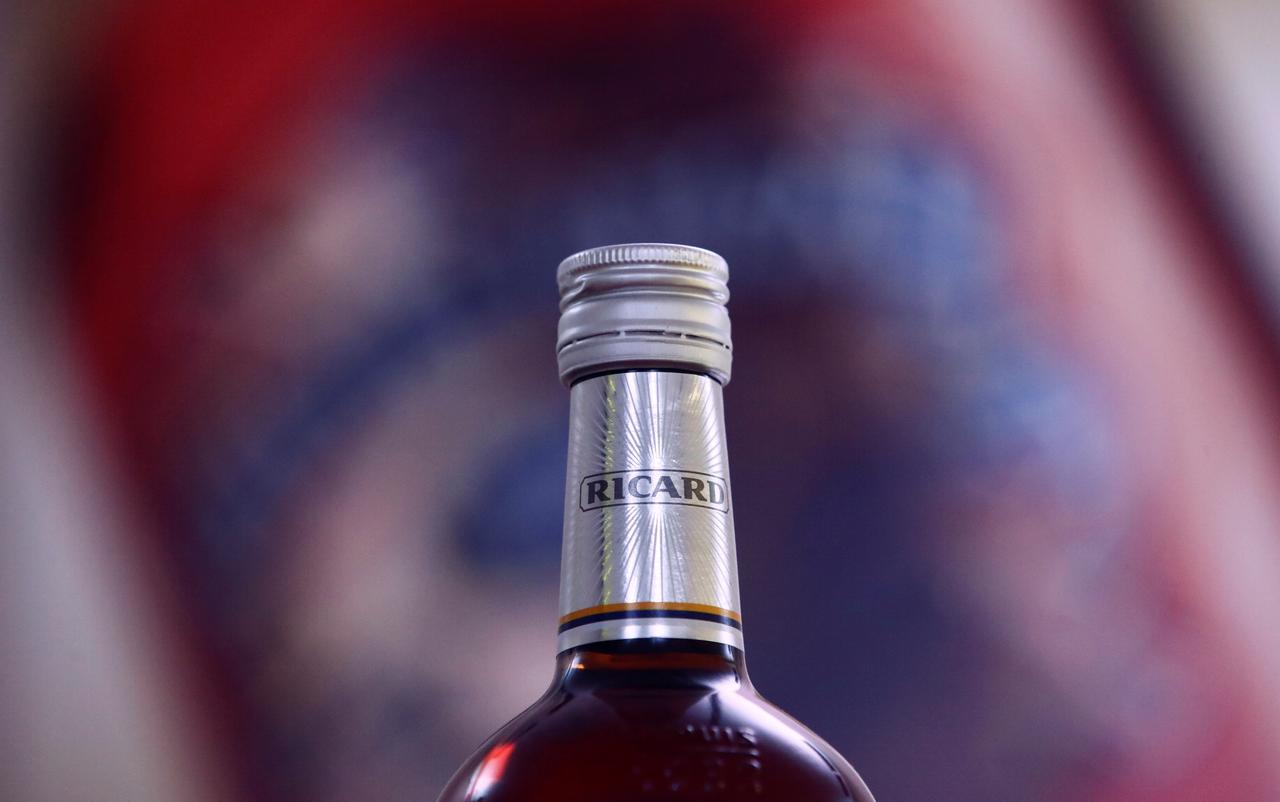
    Pernod Ricard calls for Hong Kong to mind its throw-away fashion and glass this Responsib’ALL Day

    Hong Kong-based entities of Pernod Ricard – Pernod Ricard Asia HQ, Pernod Ricard Hong Kong and Macau and Pernod Ricard Travel Retail Asia – will be helping to tackle the growing problem of throw-away fashion and glass by partnering over 200 of its employees with non-profit organisation ‘HandsOn Hong Kong’, turning waste into reusable items for people in need.

    Known globally as ‘Responsib’ALL Day’, it will see local employees creating street mats for the homeless and bath mats for the elderly out of discarded t-shirts and upcycling unwanted bottles into glass lamps that will all be donated to four respective non-profit organizations and schools in need.

    Cyril Sayag, Vice President, Corporate Affairs of Pernod Ricard Asia, says that by participating in upcycling workshops such as these, we all have the chance to bring life back to glassware and textiles that would otherwise be going to landfill.

    “Sustainability and Responsibility have always been at the heart of Pernod Ricard and that’s why we want to foster circularity across the business, to encourage employees to reimagine the way they use, dispose, and minimise waste,” says Mr Sayag.

    “For the 9th consecutive year, all 19,000 employees of Pernod Ricard in 86 countries are mobilized on the Responsib’ALL Day to minimizing waste and make the most of resources in their local community.”

    Every minute in Hong Kong, 1,400 t-shirts are being sent to landfill as a wasted resource, adding up to 110,000 tonnes of textiles thrown away each year. Textile waste is also the second largest source of pollution in the world.*

    This is in addition to the 300 tonnes of glass, mostly bottles, sent to landfills every day, despite a local levy on imports made of them into Hong Kong.**

    Sue Toomey, Executive Director of HandsOn Hong Kong, says that the generation of waste has been growing at an increasingly alarming rate and Hong Kong’s consumption-led lifestyle is putting enormous pressure on local landfills.

    “With more than 300 tonnes of textile waste discarded in the city’s landfills each day, there is a greater need than ever to raise awareness around the importance of reclaiming discarded items and recycling them for local use,” says Ms Toomey. “That’s why partnerships such as this with Pernod Ricard are so valuable to the environmental health of the local community.”

    The initiative follows Pernod Ricard’s 2030 Sustainability & Responsibility roadmap , “Good Time from a Good Place”,  which focuses on all aspects of the business from ‘grain to glass’ and supports the United Nations’ Sustainable Development Goals.

    Its four pillars, Nurturing Terroir, Valuing People, Circular Making and Responsible Hosting, bring alive the Group’s vision ‘créateurs de convivialité’ by mobilising all employees to engage with local communities on Responsib’ALL Day across the world on the same day.

  • Visa and LINE pay to partner on next-generation fintech solutions

    Visa and LINE pay to partner on next-generation fintech solutions

    Visa (NYSE: V), the global payments leader, and LINE Pay Corporation, operator of digital wallet and fintech services on the LINE messaging app, today announced a strategic partnership that will see them create new financial services experiences for their collective user bases of millions of consumers and merchants worldwide[1].

    The two companies will collaborate across multiple areas, including:

    • Everyday consumer payments: LINE’s 187 million global monthly active users will be able to apply for a digital Visa card from within the LINE app, and over time, add any of their existing Visa cards to make seamless payments from their mobile phone.  The companies will also offer consumers additional and enhanced experiences like integrated loyalty programs and tailored offers and new payment capabilities for users when they travel overseas.
    • Solutions for merchants: Through Visa, LINE Pay consumers will be able to use LINE Pay branded capabilities at Visa’s 54 million merchant locations worldwide, enabling them to take advantage of LINE Pay offers and services. They will also be able to see these transactions in their LINE Pay digital wallet, even where LINE Pay is not directly accepted. In addition, Visa and LINE Pay will collaborate on ways for merchants to interact with the LINE Pay service as well as LINE Pay digital wallet, supporting the continued growth of globally interoperable payments.
    • Fintech services: LINE Pay and Visa will develop new experiences based on blockchain that enable B2B and cross-border payments and alternative currency transactions.
    • Marketing: Ahead of the Tokyo 2020 Olympic Games, Visa and LINE Pay will partner on exclusive marketing campaigns and promotions to contribute to Japan’s acceleration towards a cashless society in the lead-up to and after the Olympic Games.

    Messaging apps are a fast-growing frontier in digital commerce, as consumers look for more of their everyday tasks, like payments, to be integrated with the apps where they’re spending more of their time. As consumer preferences shift further towards a single app from which they can do everything – transfer money, make an online purchase, pay bills, book travel, and order food – LINE Pay and Visa’s partnership will make that seamless experience a reality for millions of users while ensuring LINE Pay and Visa further drive the expansion of globally interoperable, open-loop payments.

    This new partnership extends the existing relationship between Visa and LINE Pay, which includes co-branded LINE Pay Visa cards in Taiwan and to be launched later this year in Japan.

    “The Visa co-brand program that currently serves 2.3 million customers in Taiwan is one of Visa’s fastest-growing programs globally,” said Chris Clark, Regional President, Asia Pacific, Visa.  “We are excited to extend this momentum to a range of new solutions in more markets around the world.  As the LINE Pay team continue to enhance the utility of the LINE messaging application for consumers’ everyday lives, we are impressed by the potential of LINE’s distribution power and consumer loyalty to further drive the growth of the global, open-loop payments ecosystem to benefit all players on our network – consumers, merchants, and issuing and acquiring banks.”

    “LINE Pay is more than just a payment method. As we transition to a cashless society, LINE Pay is focused on delivering added value to LINE’s users around the world and business partners,” said Youngsu Ko, CEO of LINE Pay and LINE’s Fintech Company. “With Visa’s global network and infrastructure, LINE Pay users will be able to enjoy the advantages of that innovative, worldwide network.”

    As payments move away from traditional plastic cards into smartphones, connected devices, and other digital formats, Visa is working with its partners around the world to enable new consumer experiences that are based on digital cards and extending its network to collaborate with new players. This includes the Visa fintech fast-track program, which makes it quicker and easier to build and deliver new commerce experiences on Visa’s payments network.

  • Woolworths plans store restructure and addition of two new departments

    Woolworths plans store restructure and addition of two new departments

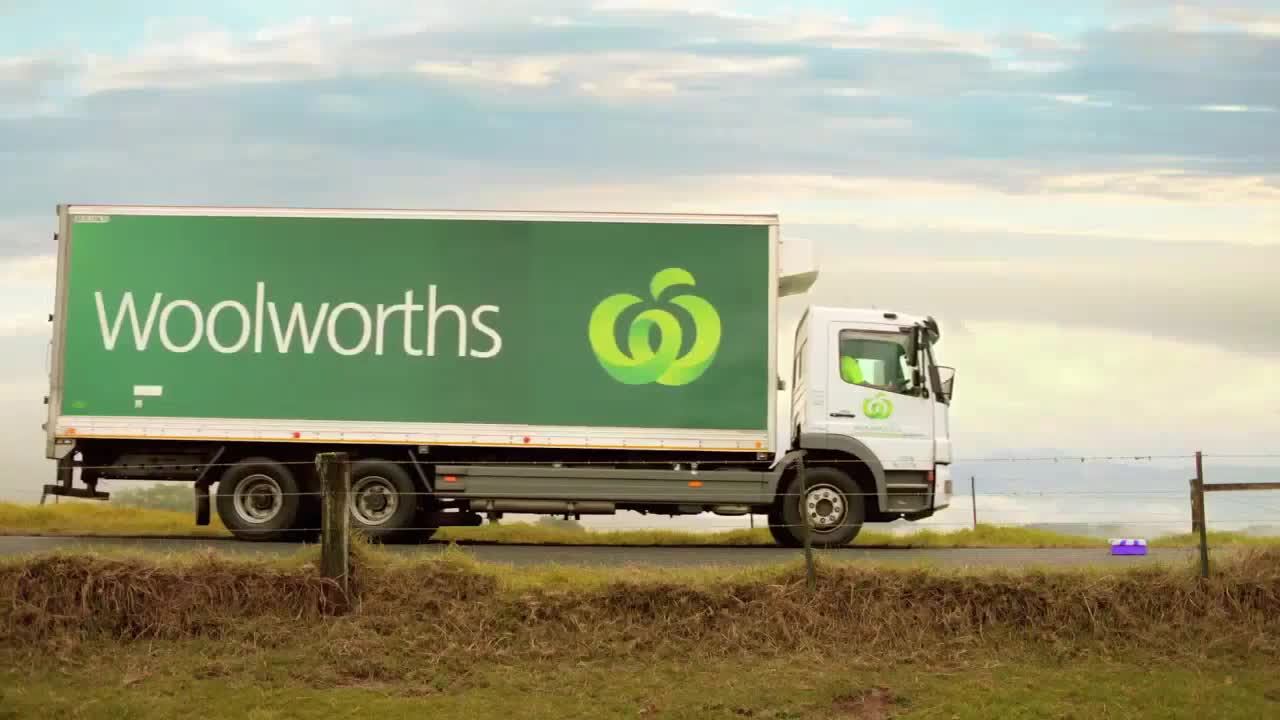
    Woolworths will revamp its store operating model for the first time since 2011, to put a greater focus on fresh food, convenience and customer service to suit changing customer needs.

    The supermarket briefed team members on Wednesday about the implementation of the store model which will see the creation of two new fresh food departments at stores in the coming months.

    Fresh Service will manage customer service at the deli, butchery and seafood counters while Fresh Convenience will cover dairy, eggs, pre-pack meat, branded bread and meal solutions.

    “Over the last few years our customers’ needs have changed, but the way we have been operating our stores has stayed the same,” Claire Peters, managing director, Woolworths Supermarkets said.

    “With customers’ ongoing expectations in fresh, and more shoppers looking for increased convenience, our stores need to deliver the best possible customer experience, every time.”

    Peters said the new model will allow team members to be “more customer focused than ever before”.

    Last week at the AFGC’s Food & Grocery conference, Woolworths highlighted the need for better convenience offerings for time-poor customers, as well as new and different choices that are good for health, wellbeing and the planet.

    While the number of team members required in the new structure will not change, some current roles will be made redundant. Woolworths said that it aims to provide “as many redeployment opportunities as possible”.

    Woolworths will invest more than $10 million in team training and development as part of the restructure and will add Assistant Team Manager roles to facilitate better management progression.

    The operating model has already been rolled out across a group of stores in New South Wales, with changes to other stores to be phased in over the coming months.

    The supermarket recently revealed plans to further reduce promotions and focus on everyday value in stores in an effort to gain better “price trust” among consumers.

    Shopper feedback revealed that price is the most important element of customer’s trust and is a key area of focus for the retailer.

  • Myer implementing new payment options in-store

    Myer implementing new payment options in-store

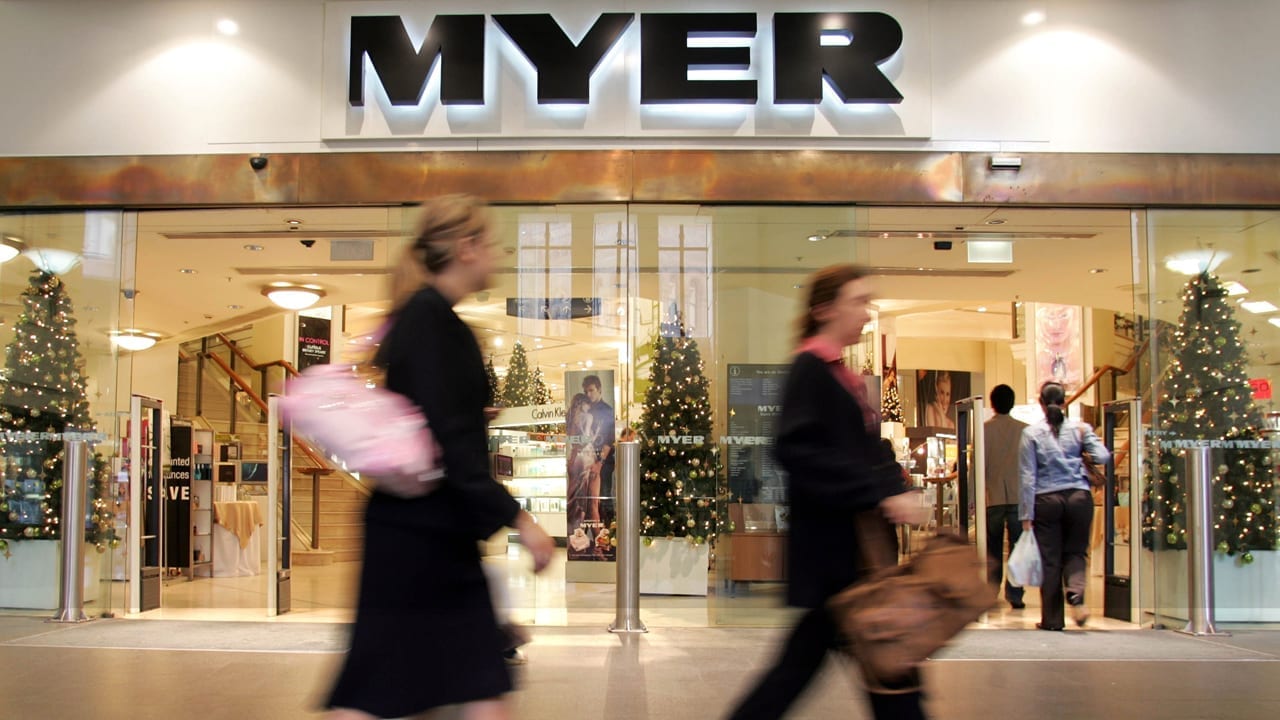
    Department store Myer will be implementing buy now, pay later service Afterpay in-store in 2020, in an effort to incentivise the 2.7 million active Afterpay customers to visit its retail locations.

    “Our customers have responded positively to the Afterpay offering since we launched it online in April 2017,” Myer general manager for financial services Spencer May said.

    “We now look forward to extending provisions of buy now, pay later services for our customers, with both Afterpay and humm in-store from late 2019.”

    The decision comes amid Myer’s customer-first turnaround strategy, in which it seeks to bring customers back in-store by transforming the in-store customer experience, expanding the retailer’s ‘Only at Myer’ offering, and improving its online channel.

    The plan seems to have started off on the right foot, having led to a 3.1 per cent increase in net profit after tax in the first half of FY19 to $41.3 million, according to Myer chief executive John King.

    In-store is a growing segment for Afterpay, accounting for about 20 per cent of total ANZ underlying sales for the 5 months to May 2019, compared to 15 per cent over the first half of FY19.

    Additionally close to a quarter of the service’s new customers are being driven by in-store, rather than online, sales.

    Myer has been contacted for comment.

    According to UBS analyst Ben Gilbert, the impact of implementing buy now, pay later services drives an incremental increase in sales, as customers that did not necessarily have the ability to purchase at that store are now able to.

    However, this growth in sales tends to stabilise after 12 to 18 months.

    “The emergence of buy now, pay later has been a key driver of both traditional and online retail,” Gilbert said.

    “Growth largely reflects a shift to online, with retailers telling us buy now, pay later offers can make up over 50 per cent of online sales.”

    UBS estimates that buy now, pay later providers Afterpay and Zip accounted for approximately 16 per cent of incremental discretionary retail growth in the first half of FY19.

    Gilbert does raise the possibility that these extra sales have been brought forward, creating a risk to profit forecasts as customers buy early.

    “While we have some concerns, we note large retailers have largely cycled this in their online sales, momentum has continued and retail sales are holding up better than feared, with (early) post-election feedback on trade positive,” Gilbert said.

    “As a consequence we are becoming less concerned, and see an opportunity now to potentially try to negotiate better terms on the buy now, pay later options.”

  • Facebook, Instagram, and WhatsApp will no longer be pre-loaded on Huawei phones

    Facebook, Instagram, and WhatsApp will no longer be pre-loaded on Huawei phones

    While Huawei continues to see a road ahead for its US government-threatened smartphone division, the exodus of major business partners, key components suppliers, and allies is far from over, posing new difficulties and creating bigger and bigger problems almost every single day.

    The latest bridge to be reportedly burned as a direct consequence of President Trump’s controversial executive order last month (which was since suspended for a period of 90 days) is arguably less critical than similar decisions previously made by the likes of Google, Qualcomm, Intel, and Arm. But it’s yet another thing that complicates Huawei’s existence, threatening to severely damage its Western brand image.

    Facebook is getting ready to pull out its support for future Huawei handsets, planning to no longer allow the pre-installation of the social networking giant’s crazy popular apps on the Chinese tech behemoth’s mobile devices. We’re obviously talking about the main Facebook platform first and foremost, but also WhatsApp and Instagram, all three of which are typically available for users of existing Huawei phones at first boot.

    The handsets that are already in circulation are unlikely to be affected by Facebook’s decision, as they will continue to receive any and all updates delivered to social networking and instant messaging apps. But Huawei phones that are not yet released and have not yet left factories are expected to come without the aforementioned services pre-loaded. That wouldn’t be such a big problem if Google wasn’t intent on cutting off access to the Play Store for future Huawei devices as well in compliance with the US ban expected to be enforced in a couple of months.

    Without Facebook, possibly Twitter, and other Western-leading apps and services, it seems Huawei truly needs to build its Android and Google Play alternatives from scratch. That’s probably going to take a while (if it’s even doable to begin with), during which time the company’s sales numbers could fall off a cliff. Of course, Facebook is still blocked in China, so at least there’s that.

  • Google Search results are improved in response to user feedback

    Google Search results are improved in response to user feedback

    A series of tweets from the Google SearchLiaison Twitter account indicates that Google is making a small change to Google Search in response to user feedback asking for more variety in its Search results. The tweak is designed to prevent a search result from containing multiple listings from the same site. As Google says, the changes are “designed to provide more site diversity in our results.”

    Google says that with the new site diversity change, top results will show no more than two listings from the same company. But Google adds that “…we may still show more than two in cases where our systems determine it’s especially relevant to do so for a particular search….” Despite the new diversity for Google Search results, the way sites are ranked will not change. So while highly ranked sites will continue to appear near the top of search results, they just won’t be repeated as often. This is good news for smaller companies looking to drive more traffic to their sites.

    While the update is being disseminated now, it shouldn’t be confused with the June 2019 Core Update that makes changes to the algorithms used by Google Search. Nor should it be mixed up with an update that was sent out last month by Google. The latter update improves mobile search results by adding the name, URL, and logo of the website that certain information was sourced from. For example, let’s say that you were searching for some news on President Donald Trump. Depending on your political leanings, you could scan through the results and either ignore or read information pertaining to your search from Fox News.

  • Waterstones parent to buy Barnes & Noble

    Waterstones parent to buy Barnes & Noble

    The parent of British bookseller Waterstones, Elliott Management, will purchase Barnes & Noble – the last remaining big-box bookseller left in the US following the departure of rival Borders – for about US$683 million.

    Once the deal is finalised in Q3 of this year, Waterstones CEO James Daunt will also assume control of all Barnes & Noble operations, although the two firms will remain independent.

    Dive Insight says: “The deal with Elliott could mark the closing of a turbulent chapter in Barnes & Noble’s story, one that included a failed merger, a legal battle with a former executive and agitation by activist investors. And prior to that there were years of management turnover, strategic misfires and lost sales as the last box book seller tried to hold off Amazon.”

    “As it happens, I know James Daunt fairly well,” said Barnes & Noble chairman Leonard Riggio in a letter to employees, “and I am delighted to have him as our new leader.

    “Like me, James believes our culture has to be more store-centric, which means more localisation of assortments and operations. It follows that he believes local managers must have more authority to get the job done.”

    A press release from Barnes & Noble read that Waterstones “has successfully restored itself to sales growth and sustainable profitability, based on a strategy of investment in their store estate and the empowerment of local bookselling teams.”

    Elliott, which has owned Waterstones for about a year, has US$825 million in debt financing available banks to fund the Barnes & Noble acquisition.

  • Mini Cooper SE Electric Teased Towing An Aircraft

    Mini Cooper SE Electric Teased Towing An Aircraft

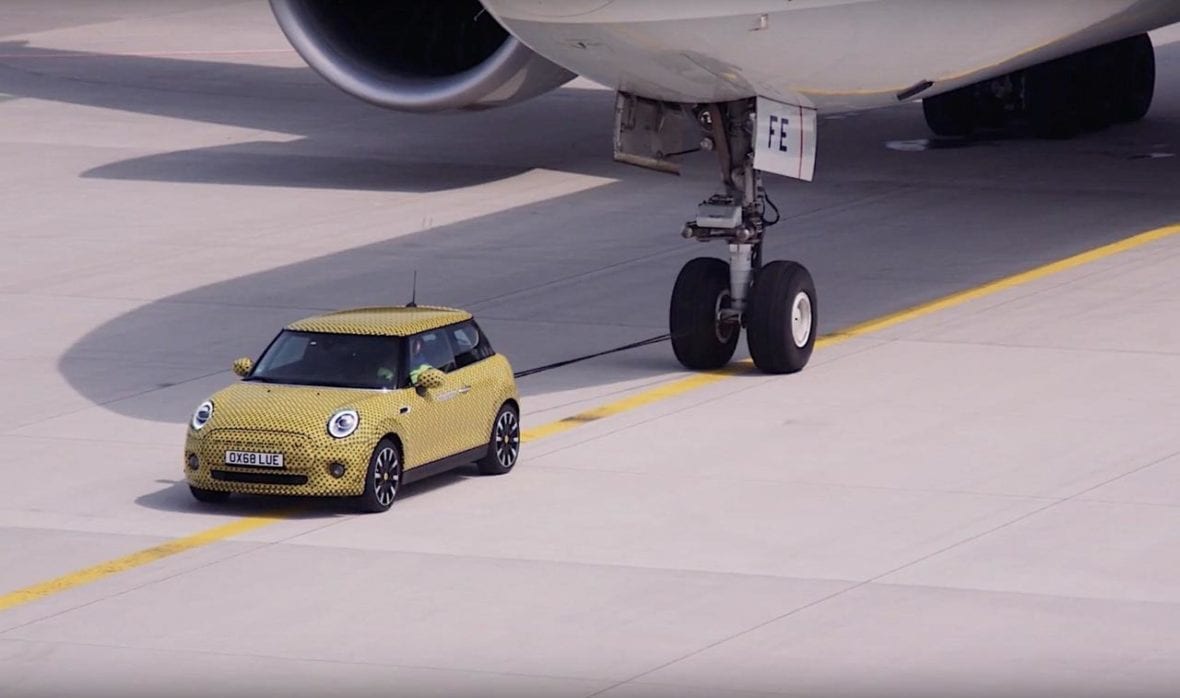
    The Mini Electric will soon be launched internationally but of course, the teasers have started to fall in place. The recent ‘testing programme’ for the first purely electrically powered MINI was an unconventional one. The company chose Frankfurt airport as its venue and a close-to-series prototype of the new model demonstrated just what electromobility in the style of MINI is capable of setting in motion. The Mini Cooper SE slipped straight into the role of an aircraft tug, setting off to the loading point towing a Boeing 777F freight aircraft with an unladen weight of some 150 tons. The unusual hook-up was filmed in a video clip. Created collaboratively by the BMW Group and Lufthansa Cargo, the 45-second commercial shows the Mini Cooper SE as a ‘muscle car’ pulling the significantly larger and heavier transport aircraft across the airfield.

    The MINI Cooper SE will go into serial production at the British plant in Oxford as of November 2019. It is based on the Mini 3 door and combines locally emissions-free driving with the brand’s characteristic go-kart feeling, premium quality and expressive design. After the BMW i3 it is the second purely electrically powered model within the company’s premium automobile portfolio. Helping the Mini Cooper SE perform its muscle car role, the performance characteristics of the electric motor combine spontaneous power delivery with a high level of torque available directly from standing.

    Although the company has not revealed any details for the electric mini, the iconic car maintains its traditional design while also keeping up with the future. According to the company, the electric concept brings ‘the iconic design, city-dwelling heritage, and customary go-kart feeling’ into the modern motoring era. Up front, the closed-off grille and simulated air intakes remind that this is an electric car. There are no exhaust outlets, but a tweaked rear clip with a rear diffuser giving the car a muscular look. The bolt-on side panels are made of fiberglass in order to keep the overall weight of the car under check. MINI EV Concept gets LED taillamps that make an interesting Union Jack pattern.

  • New Bentley Flying Spur To Be Unveiled This Month

    New Bentley Flying Spur To Be Unveiled This Month

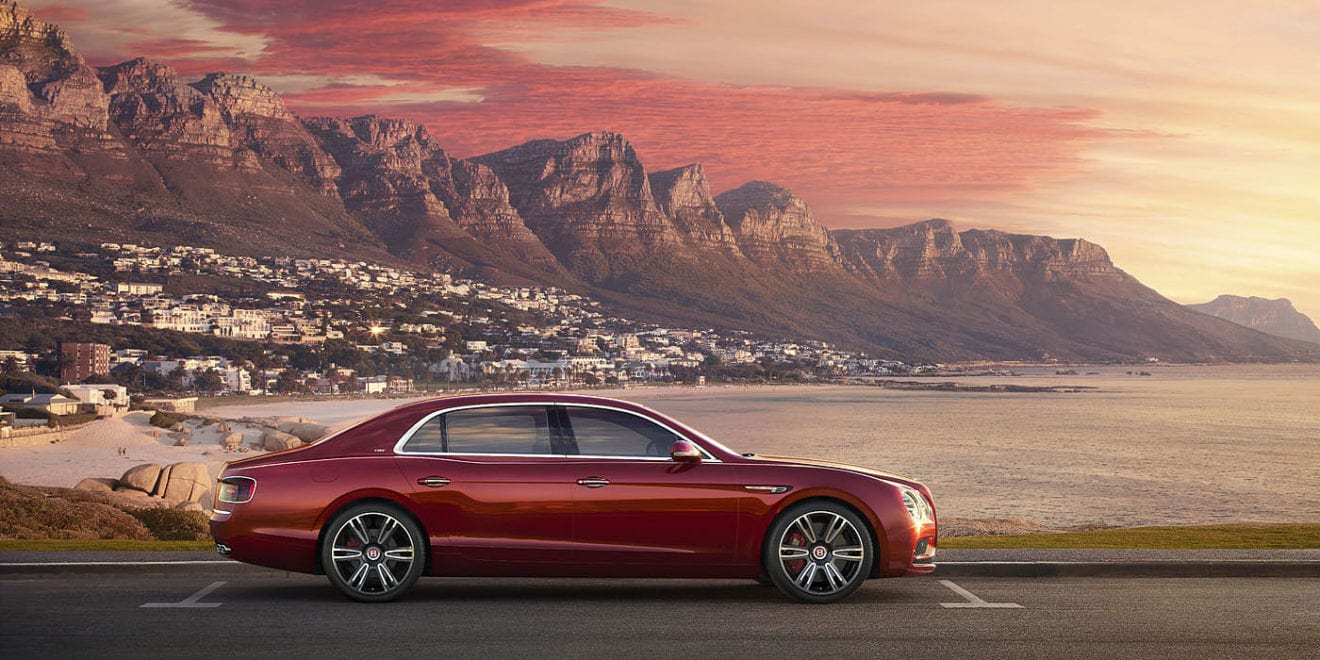
    The third-generation 2020 Bentley Flying Spur Grand Touring Sedan is all set to make its global debut this month, on June 11, 2019. This year also marks the 100-year-anniversary of the British luxury carmaker, which calls the new-gen Bentley Flying Spur a combination of a sports sedan and luxury limousine. Among its key highlight, the new 2020 Flying Spur will be the very first Bentley to get an All-Wheel Steering, enhancing both stability at cruising speeds and agility.

    Bentley says that similar to the recently launched Continental GT, the all-new Flying Spur is also a ground-up development that offers superior technology and craftsmanship to deliver high levels of performance and refinement. In fact, the four-door sport sedan will come with the same 6.0-litre twin-turbo W12 engine that powers the new Continental GT. The motor is tuned to churn out a massive 625 bhp and develops a monstrous 897 Nm of torque. Having said that, Bentley is expected to a couple more engine options later in the future – a smaller 4.0-liter twin-turbo V8 that makes 542 bhp and 770 Nm torque, along with a 2.9-litre V6 plug-in hybrid engine as well.

    In addition to the all-wheel steering, the new Bentley Flying Spur will also get an updated All-Wheel Drive system. Interestingly, the new AWD has been designed to supply power only to the rear wheels in standard road conditions, thus offering the classic sports sedan handling characteristics. However, if the system detects any kind of slip, it’s capable of instantly sending power to the front wheels providing active All-Wheel Drive, fully automatically. This is the first time that Bentley has introduced such an AWD system for the first time.

    Furthermore, for superior ride and comfort, the new Flying Spur now also comes with a new suspension setup that allows you to change the stiffness setting on demand to combat cornering forces and minimise body roll. However, other technical specifications and details will be revealed at the time of the official unveiling.

  • Alibaba signs deal for AliExpress Russia

    Alibaba signs deal for AliExpress Russia

    Alibaba Group has formed a US$2 billion joint venture AliExpress Russia to create a major e-commerce venture in the Russian-speaking market.

    Alibaba and the Russian government-backed RDIF sovereign wealth fund will each invest US$100 million in the venture which will absorb Alibaba’s existing AliExpress business. Russian mobile phone network Megafon will sell its 9.97 per cent interest in internet group Mail.ru to Alibaba in return for a 24.3 per cent stake in the new JV.

    In return, Mail.ru will roll its Pandao e-commerce business into AliExpress Russia and contribute $184 million in cash for a 15 per cent share.

    AliExpress Russia has been created to expand the three companies’ e-commerce offer in both Russia and neighbouring countries.

    Documents to create AliExpress Russia were signed last week. The company will be jointly run by Alibaba and Mail.ru, each of which will appoint a CEO.

    “This partnership will enable the AliExpress Russia JV to accelerate the development of the digital consumer economy of Russia and CIS countries in ways that no one party could accomplish alone,” said Daniel Zhang, CEO of Alibaba Group. “Together, we are uniquely positioned to offer consumers in Russia and neighbouring countries an innovative shopping experience by combining social platforms with commerce, as well as enabling regional brands and SMEs to sell their products locally and globally.”

    He said Alibaba’s mission is to make it easy to do business anywhere. “This JV is an important part of Alibaba’s international expansion and step toward our goal of supporting 10 million small businesses reach profitability and serving 2 billion consumers around the world.”

  • Single-use cup consumption on the fall in South Korea

    Single-use cup consumption on the fall in South Korea

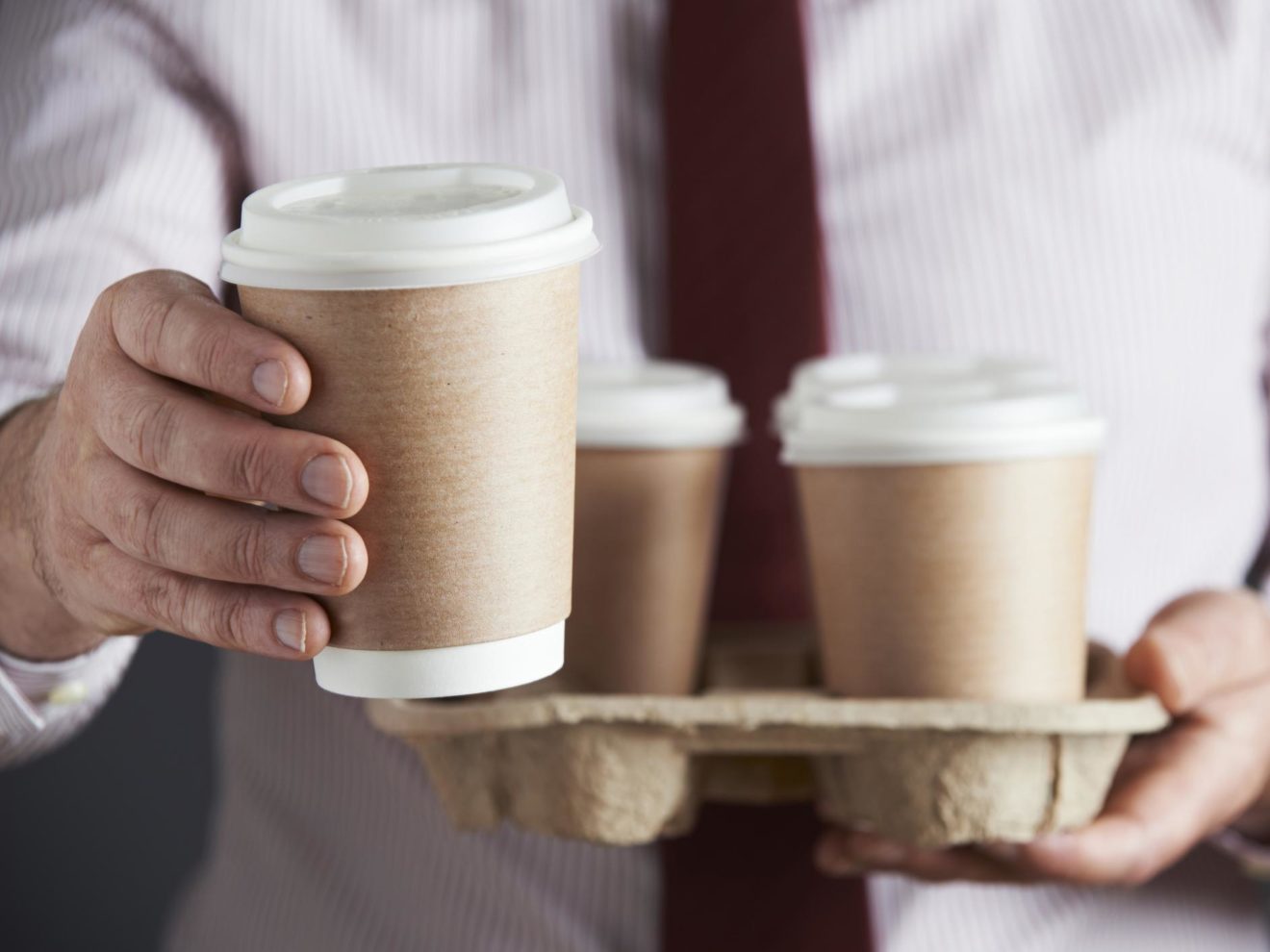
    Single-use cup consumption at Korean fast-food restaurants has plunged by 72 per cent.

    The changes have occurred in the year since establishments began to participate in a move initiated by the government to pull back plastics use.

    The Korean Ministry of Environment assessed 1000 outlets under 21 brands over the past year, of which 16 were coffee chains (including Starbucks) and five fast-food restaurants (including Lotteria and McDonald’s) all located in metropolitan Incheon and its environs.

    The findings showed that 81 per cent of the outlets served beverages in multi-use cups, reducing the stores’ reliance on disposable cups from 206 tons last July to 58 tons in April. All brands assessed offered discounts to customers bringing their own cups, and many replaced plastic drinking straws with other alternatives.

    “We can live without disposable products and they can be replaced,” said a ministry official. “It is inconvenient without them, but we have to make the effort.”

  • Mercedes-Benz GLB All Set To Make Its World Debut

    Mercedes-Benz GLB All Set To Make Its World Debut

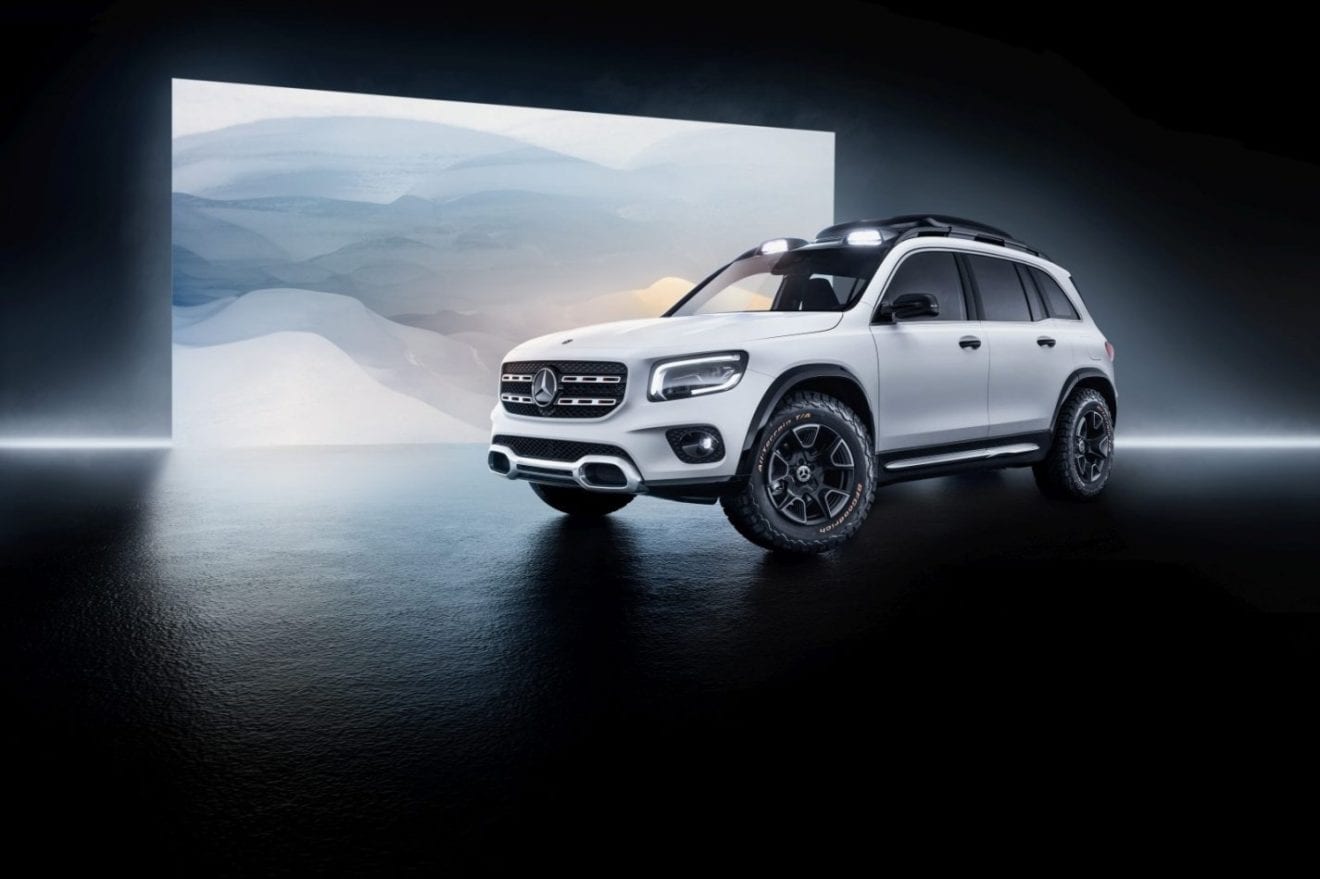
    Mercedes-Benz has dropped a teaser of its upcoming GLB and it’s all set to make it’s world debut on June 10, 2019. The GLB, as the name suggests is based on the B-Class and is built on the MFA2 platform, which underpins the latter. It will be positioned between the GLA and the GLC models. Spy shots of the car give us a peek into what the GLB will look like and the teaser confirms much of these details. The size shows that the GLB is likely to be a 7 seater model and it’s a far cry from being a baby G-Class as it was rumoured to be. The long hood, short overhangs, and the boxy rear end all point out to a GLB being a bigger SUV.

    The upcoming Mercedes-Benz GLB is expected to be a family car like the B-Class so expect a spacious five-seater cabin with a large boot space, possibly above 500 litres. It’s said that Mercedes might even consider offering an optional third row in certain markets. In terms of design and styling for the cabin, we expect the GLB to take inspiration from the new-gen A-Class’ cabin, which was revealed last year.

    Engine options are still not confirmed but, we expect the Mercedes-Benz GLB to get the same engine options as the new A-Class. It could also get the new engines that have been developed in partnership with the Renault-Nissan alliance. The GLB is also expected to get a new electronically controlled four-wheel drive system, but can only confirm that when the SUV make its official debut.

  • A New Maruti Suzuki Dzire Is Sold In India Every 2 Minutes

    A New Maruti Suzuki Dzire Is Sold In India Every 2 Minutes

    Maruti Suzuki has been selling the Dzire compact sedan in India for over 10 years now and till now has reached around 19 lakh customers. The Dzire, now, is a subcompact sedan but Maruti Suzuki has had a compact sedan iteration before and the number of customers it has reached to is a combination of sales of both these cars. In 2018-19, Maruti Suzuki sold over 2.5 lakh units of the Dzire subcompact sedan averaging a monthly sales of 21,000 units. There’s no doubt it leads the pack in the segment and boasts of a market share of 55 per cent, while the Amaze is a distant second.

    Shashank Srivastava, Executive Director (Marketing & Sales), Maruti Suzuki India Limited said: “The brand Dzire has been a major contributor to Maruti Suzuki’s journey and we express our gratitude to customers. With the launch of Dzire, we created a new ‘compact sedan’ segment. This segment is continuously evolving and growing. Over the years, Maruti Suzuki Dzire has led this growth and it continues to be relevant and attractive to customers. A testimony to its strong customer connect is that the sales of third generation Dzire went up by nearly 20%.”

    The automatic variant of the Dzire too has received significant success with close to 13 per cent buyers opting for the AMT version. The Maruti Dzire is offered in a 1.2-litre petrol and a 1.3-litre diesel engine along with automated manual transmission or AMT offered on both models. The petrol engine makes 82 bhp and 113 Nm of peak torque while the diesel engine makes 74 bhp and 190 Nm of peak torque. The petrol model has a claimed mileage of 22 kmpl while the diesel Dzire has a claimed mileage of 28 kmpl.

  • Snapchat working to bring Facebook-like functionality to users

    Snapchat working to bring Facebook-like functionality to users

    Facebook has been guilty for copying many features from competitors, but that doesn’t mean it can’t go the other way around in some instances. Snapchat is reportedly working on a brand new feature that Facebook already offers to its users for quite some time.

    App researcher Jane Wong discovered a new Snapchat feature that will allow users to add events in the app. Support for events, once added to Snapchat, will open up new options for users, like the possibility to join group chats for the event.

    Once you create an event, you can invite Snapchat friends in a group chat. Also, swiping up on an invite will allow you to join a group chat for the event. The events a Snapchat users will be able to create can be assigned to specific locations, which means that they’ll likely to be integrated with Snap Map.

    Obviously, since the new feature hasn’t been made official, it’s unclear when exactly Snapchat will launch it. In fact, we’re not even sure whether or not it will make it to the general public.