Author: Mei Ling Tan

  • European Union Says BMW, Daimler, VW Colluded To Limit Emissions Technology

    European Union Says BMW, Daimler, VW Colluded To Limit Emissions Technology

    European Union authorities said Friday that German automakers BMW, Daimler and Volkswagen colluded to limit the development of emissions-cleaning technology in cars. The finding adds to the car industry’s woes after Volkswagen in 2015 admitted to cheating on emissions tests in the U.S., which led to a worldwide reevaluation of how cars are tested and how to limit emissions to make air cleaner and fight climate change.

    The EU antitrust regulator said that after an in-depth investigation, it found that BMW, Daimler and Volkswagen, including its Audi and Porsche units, broke EU laws from 2006 to 2014 by illegally agreeing among themselves to limit the roll-out of the technology. The technology helps eliminate nitrogen oxides, which can be harmful to human health, from both gasoline and diesel passenger cars.

    The alleged actions could have limited Europeans’ opportunities to buy less polluting cars, but would not have affected price, the EU said. It did not explain how the companies might have profited.

    The probe is separate from other legal procedures against carmakers for allegedly breaching environmental laws or using illegal software in car engines. EU authorities raided the offices of the three companies in October 2017 and opened their investigation on this case in September last year.

    BMW said discussions among engineers were meant to improve exhaust gas technologies and that the whole industry was aware of these talks. It said they did not involve any secret agreements or intend to hurt customers.

    Daimler said it was cooperating with the EU and does not expect to receive a fine. Volkswagen said it was also cooperating and would issue a statement once it has reviewed the EU investigation. The EU noted that its preliminary findings do not prejudge the final outcome of the investigation.

    The case comes after Volkswagen admitted four year ago to using software in diesel car engines to cheat on U.S. emissions tests. It has set aside some 27.4 billion euros ($32 billion) for fines, settlements, recalls and buybacks. Former CEO Martin Winterkorn was criminally charged by U.S. authorities but cannot be extradited; Audi’s division head was jailed.

    Renewed scrutiny of diesel emissions revealed that cars from other automakers also showed higher diesel emissions in everyday driving than during testing, thanks in part to regulatory loopholes that let automakers turn down the emissions controls to avoid engine damage under certain conditions. The EU subsequently tightened its testing procedures.

    Anti-trust fines can be steep. In 2016 and 2017 the EU Commission imposed a fine of 3.8 billion euros after it found that six truck makers had colluded on pricing, the timing of introduction of emissions technologies and the passing on of costs for emissions compliance to customers.

  • Snapchat announces Snap Games and Snap Originals programs

    Snapchat announces Snap Games and Snap Originals programs

    Snap, the company behind the Snapchat social network and services, announced earlier today a host of new features that will come to its mobile apps in the coming weeks. During its Snap Partner Summit, the social network company revealed two new programs that will be available to all Snapchat users, Snap Games, and Snap Originals.

    Another major announcement concerns important improvements to the popular Snap Lenses. Also, a new set of development tools grouped together as Snap Kit, which will allow developers to include Snapchat functionality directly in their apps. But let’s start with the first major feature that Snapchat users will be given access to very soon: Snap Games. The new feature will be available right from the Chat bar within the Snapchat app on Android and iOS devices.

    What’s really interesting about Snap Games is that you won’t have to install anything. Also, you’ll be able to see all your friends who are playing games, send them a message, play with them instantly and even talk like with voice chat.

    Initially, Snap Games will be available with six mobile games: Bitmoji Party, Tiny Royale, Snake Squad, C.A.T.S. Drift Race, Zombie Rescue Squad, and Alphabear Hustle. Since Snap Games will begin rolling out for Android smartphones and iPhones today, you can expect to be able to check out the new feature very soon.

    Snapchat starts offering original shows watchable on the go

    Snap Originals is a series of shows such as documentaries, comedies, and teen dramas, which, as the name suggests, will be original. Snap also mentions that this original content will clearly stand out from the rest because of the way they’re told: “they’re personal, intimate, and made for the way you use your phone today.”

    No less than 10 shows will be available at launch for those who want to check out Snap Originals: Two Sides, Can’t Talk Now, Sneakerheads, Commanders, Denton’s Death Date, While Black, BuzzFeed, Dead of Night, Compton Dreams, and Stranded with Sam and Colby.

    The new Snap Originals will be available starting this week, but more series will be added in the coming months. Remember that you can watch these shows anywhere you are directly from your smartphone, as long as you have access to the internet.

    Snapchat Lenses get upgraded to the next level

    As far as the Lenses go, Snap announced that in just over a year after the feature was made available to users, more than 400,000 Lenses have been created by the Snapchat community. Moreover, users have played over 15 billion times with these Lenses.

    To advance Lenses to the next level, Snap announced the addition of Creator Profiles, a new way to help Lens Creators to showcase their work and learn more about their audience.

    Also, Snap introduced an easier method to find the right Lenses when you need them. Simply press and hold on your camera screen to scan the world around you. For example, you can scan a math problem to get the answer, or a product to see it listed on Amazon and learn about its price. You can even scan your dog to give it glasses, or a song to see who sings it.

    Last but not least, Lens Studio has been updated to include more templates for those creators who prefer augmented reality over traditional Lenses, including Landmarkers. The update adds new templates for hand-tracking, body-tracking, and more, which can be used to create Lenses that might pop up when Snapchat users use Scan.
    But there are more changes coming to Snapchat, such as App Stories, which allow users to share content directly from the Snapchat camera to a Story inside another app. And for creators, there are a few new kits that will allow them to share their custom stickers from their favorite services directly on a Snap.

    The Creative Kit, Bitmoji Kit, and Ad Kit are now available for creators, each allowing Snapchat users to interact easier than ever with customized Snaps.

    As mentioned earlier, all features announced today by Snap will be available starting this week, but some Snap Originals shows will go live in the coming months.

  • Google Maps is using Waze Features

    Google Maps is using Waze Features

    Google paid almost a billion dollars for the popular Israel-based Waze navigation app back in 2013, but curiously enough, the search giant took an awfully long time to integrate some of the basic features of its daughter service into the main Maps platform.

    For instance, Google Maps users barely started seeing options to report crashes and speed traps added to their navigation service of choice a few months ago, with a wider rollout of these two features subsequently noticed and a handy third option seemingly enabled as we speak. As usual, we’re looking at a staggered release, with a handful of screenshots shared by Android Police proving some people can add reports of crashes, speed traps, andslowdowns, while others are still waiting to get the first two parts of the incident reporting functionality.
    With the traffic slowdown feature, also known as congestion in certain regions, Google Maps users should be able to contribute to a smoother navigation experience, with more realistic ETAs and helpful re-routing suggestions during peak hours. Along with the crash and speed trap reporting functionality, this will make Google Maps bear an even stronger resemblance to Waze, possibly escalating speculation that something might be going on soon.
    Of course, unlike services like Google Plus, Inbox, or Allo, Waze is actually beloved and actively used by millions of people around the world. Specifically, more than 90 million drivers, according to the company’s latest official count, spending an average of 438 minutes in the app each and every month. That’s not something you can afford to throw away very easily, so we’re guessing Google Maps and Waze will remain separate but increasingly similar for many years to come.
  • Fitbit partners with Snapchat to make Apple Watch owners jealous

    Fitbit partners with Snapchat to make Apple Watch owners jealous

    Fitbit may have joined the “true” smartwatch game a bit late compared to Samsung or Apple, but after a somewhat slow start in this potential-brimming market, the Versa seems to have put the company on the right track. The world’s second-largest smartwatch vendor took quite a risk by developing its wearable software from scratch rather than adopting Google’s Wear OS, but this proprietary platform continues to grow at a healthy pace in terms of capabilities and ease of use.

    Of course, everyone needs high-profile partners to boost the appeal and trendiness of today’s wearable devices, and Fitbit’s newest ally in its fight against Apple and Samsung is as high-profile as they come. We’re talking about Snap, the company behind one of the world’s most popular social networks.

    Snapchat users who just so happen to own a Fitbit Versa, Versa Lite, or Ionic as well can now connect their Bitmoji account to their smartwatch to display their “personal emoji” on their wrist. For those unfamiliar with the Bitmoji app, we should probably mention the experience is very similar to what Apple offers with Memoji and Animoji on iPhones and Samsung’s own AR Emoji experiments for recent high-end Galaxy handsets.

    Obviously, the main difference is you can have fun with Bitmoji on both Android and iOS, as well as on Fitbit devices starting today. Your cartoon avatar will show up on the “first-ever” Bitmoji clock face (once you download it from the Fitbit App Gallery, that is), aiming to motivate you to be more active, help you create healthier habits, and celebrate personal achievements.

    While unlikely to be as expressive as its smartphone counterpart, your wrist Bitmoji promises to support more than 50 fun clock face variations, changing throughout your day to reflect your activity and progress towards your fitness goals. For instance, your personal emoji will wave hello to start your day, dance with your alarm clock to annoy help you wake up in a better mood, throw confetti after you hit your daily step objective, meditate when you’re totally relaxed and zen, carry an umbrella if there’s a chance of rain, and much more.

    That definitely sounds like something Apple Watch and Samsung Galaxy Watch owners could also appreciate, but for the time being, all we can do is wait and see if there are any Memoji or AR Emoji expansions planned for the near future.

  • Samsung forecasts massive Q1 profit decline

    Samsung forecasts massive Q1 profit decline

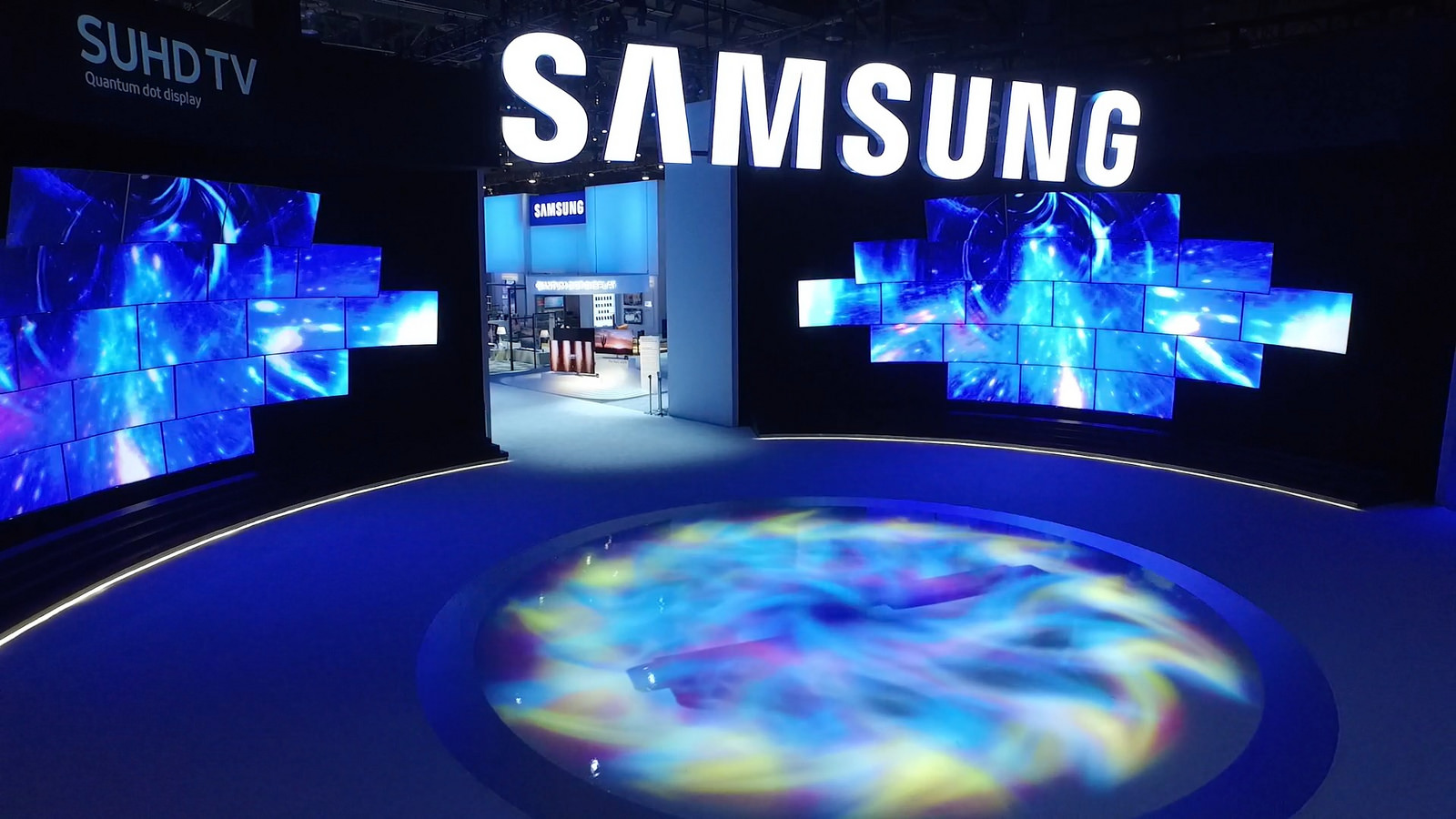
    Samsung is not only the world’s top smartphone vendor, but also the number one chipmaker and the largest television manufacturer out there. Despite all these incredible accomplishments and supremacy over several branches of the tech industry, the company seems to be going through somewhat of a rough patch.

    While we’re obviously not talking about the kind of trouble LG or Sony’s mobile divisions have been facing for a number of years now, it’s certainly worrying when quarterly profits go down 60 percent over the course of 12 months. Samsung’s full Q1 2019 financial results are not in yet, but if today’s earnings guidance pans out (which usually appears to be the case), consolidated sales for this January – March timeframe will circle 52 trillion Korean won, with operating profit sitting at around 6.2 trillion won.

    Those figures roughly equate to $45.7 billion and $5.5 billion respectively today, comparing rather unfavorably to over 60 trillion won in revenue and nearly 16 trillion won in profits reported this time last year for 2018’s first calendar quarter. The estimated Q1 2019 sales and profit scores are also down 12 and 42 percent respectively from Q4 2018, which was hardly considered a good quarter for Samsung.

    Until the tech giant releases the final, detailed numbers for 2019’s first 90 days later this month, breaking down the results by individual business, we can make several educated guesses as to what went “wrong” this past quarter. For starters, the company’s global smartphone shipments have been declining for a few quarters, and the Galaxy S10 family was probably released a little too late to reverse that trend. Or perhaps the newest flagships are not significantly more popular than their predecessors after all.

    Meanwhile, it’s important to point out that Samsung’s semiconductor business proved by far the most profitable among the company’s different branches lately, losing quite a bit of steam as demand for memory chips continues to drop. Samsung basically sells its chips to every major smartphone vendor today, so the market slowdown has impacted the company in a number of ways. Last but not least, weak iPhone sales probably took a toll on Samsung’s financials from an OLED display supply standpoint as well. Of course, at the end of the day quarter, the Korea-based tech giant still earned $5.5 billion, which is certainly nothing to sneeze at.

  • Maruti Suzuki Cuts Vehicle Production By Around Half

    Maruti Suzuki Cuts Vehicle Production By Around Half

    The country’s largest car maker Maruti Suzuki India (MSI) cut vehicle production by around 21 per cent across its factories in March due to subdued demand. The auto major produced a total of 1,36,201 units in March, including Super Carry LCV, down 20.9 per cent from 1,72,195 units in the year-ago period, it said in a regulatory filing. The production of passenger vehicles, including Alto, Swift, Dzire and Vitara Brezza, declined by 20.6 per cent to 1,35,236 units as compared with 1,70,328 units in March 2018.

    The compact segment saw 7.5 per cent decline in production to 81,163 units, while utility vehicle witnessed a drop of 26.4 per cent to 17,719 units in March.

    However, production of vans rose by 6 per cent to 15,710 units last month as compared with 14,822 units in March 2018.

    When contacted, MSI declined to comment on the reason for decrease in production.

    In February, MSI had cut production by over 8 per cent to 1,48,959 units from 1,62,524 units produced in the year-ago period.

    In January, the company had reported a total production of 1,83,064 units, up 15.6 per cent from 1,58,396 units produced in January 2018.

    MSI’s installed manufacturing capacity at its two plants in Gurgaon and Manesar stands at 15.5 lakh units per annum. Besides, the Suzuki-owned Hansalpur (Gujarat) plant also has an installed capacity of 2.5 lakh units from the first line.

    The second production line has been commissioned at the plant, but is yet to reach its peak capacity of 2.5 lakh units per annum.

  • Apple poached one of Google’s best AI specialists recently

    Apple poached one of Google’s best AI specialists recently

    We all get to see changes in market share percentages, sales numbers and all sorts of data showing how competing companies on the mobile market exchange blows all over the world. In California’s Silicon Valley there is another, less covered fight going on between the tech giants that call it home: the war for talent. There are only a few people at the top of each field and if you want to be the best, you have to get them.

    It seems that Apple did just that last month, CNBC reports, as it managed to bring a very important specialist to Cupertino. His name is Ian Goodfellow and for the last two years, he was a Senior Staff Research Scientist with a focus on machine learning at Google. Since March, however, he’s the Director of Machine Learning in the Special Projects Group at Apple, according to his LinkedIn profile.

    Just by comparing the two titles, Senior Staff versus Director, you get an idea about why Ian might have taken the job at Apple. Of course, we have no doubt that the new position came with a significant salary bump as well. Which seems completely justified considering his expertise. According to his own summary, Goodfellow is “an industry leader in machine learning”, and while that might sound a bit cocky, it’s not wrong. Ian has co-authored tens of publications about machine learning, including the book Deep Learning. He’s also invented multiple machine-learning algorithms that we’re not even going to try to describe here.

    As you might have noticed if you’re following closely the mobile technology scene, AI and machine learning are already deeply integrated within smartphones and other gadgets. This makes it harder to guess what exactly is Ian going to work on as part of Apple’s Special Projects Group. Is he tasked with the development of a brand new product? Is the “special project” making Siri actually useful? Are we going to see even more AI in Apple’s upcoming smartphone cameras? With a company the size of Apple, the possibilities are endless.

    It will take months, if not years before we see the results of Mr. Goodfellow’s work at Apple, but one thing is certain, the move is a huge win for Apple and an equally huge loss for Google. It’s not like AI geniuses are dime a dozen. At least we shouldn’t see any regression in Google Assistant if that’s any consolation.

  • Elon Musk Loses $1 Billion In Two Minutes

    Elon Musk Loses $1 Billion In Two Minutes

    Elon Musk saw $1.1 billion wiped from his net worth in the first two minutes of New York trading as Tesla Inc. shares sank as much as 11 percent.

    The fall cut his net worth to $22.3 billion on the Bloomberg Billionaires Index as of 9:32 a.m. The electric-car maker had reported a record decline in deliveries during the first quarter, down to 63,000 vehicles in the three months that ended in March, from 90,966 in the fourth quarter.

    About $10 billion of Musk’s fortune is derived from Tesla with approximately $13 billion coming from his stake in closely held rocket business Space Exploration Technologies Corp., according to calculations by the ranking.

  • Pininfarina Launches New Website To Strengthen Its Online Presence

    Pininfarina Launches New Website To Strengthen Its Online Presence

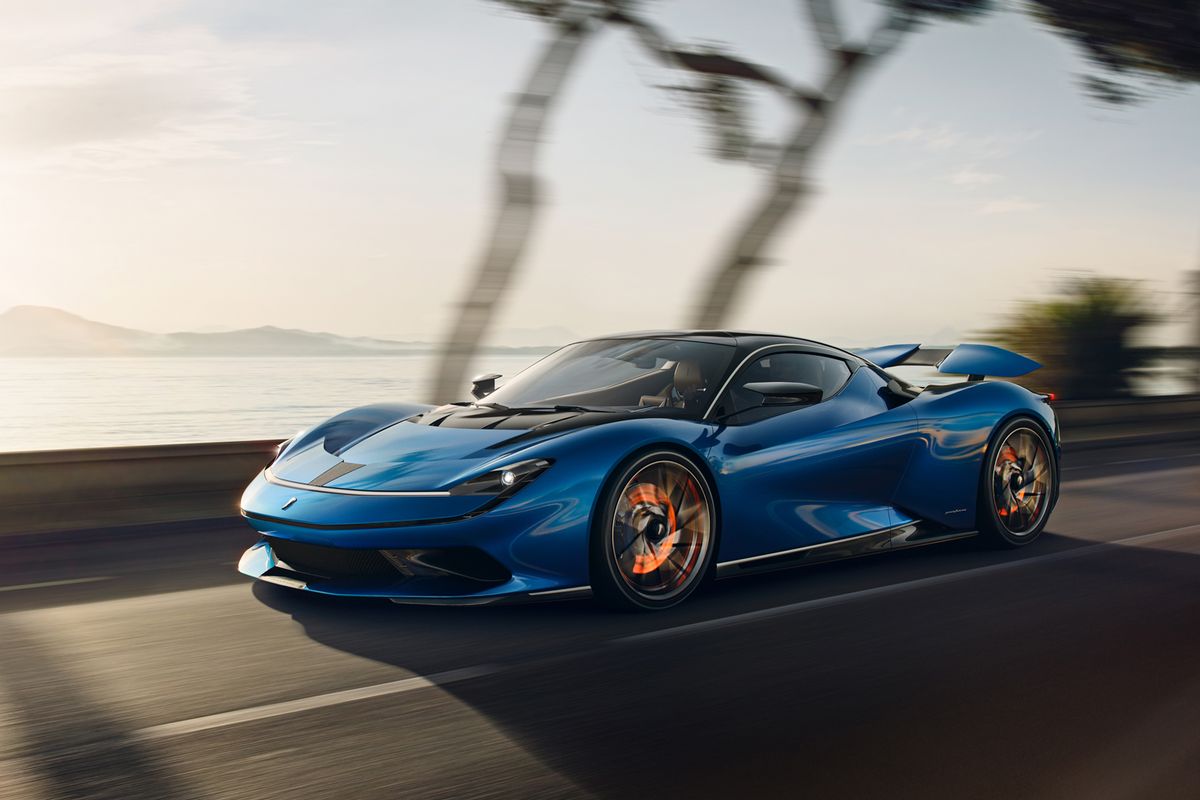
    Mahindra-owned Pininfarina has announced the launch of its new website detailing out its complete product and service that are on offer. The Italian marque says that the new website will further aid to strengthen the company’s digital presence and showcase how broad and structured its service offer is. For this project, Pininfarina has roped in the creative agency Vangogh from Milan, which has designed and developed the new website.

    Talking about the company’s new website, Giuseppe Bonollo, Director Sales and Marketing, Design, Pininfarina S.p.A. said, “We are a company made up of people with a multitude of skills, from car design to engineering, from industrial design to architecture, from digital design to the ability to build prototypes and cars in small series. A wealth of skills that allows us to have a unique and comprehensive approach to projects, always consistent with our mission from the beginning: the creation of products and services that transform and innovate the experience for the end user. The new site is, therefore, the global showcase of the plurality of our skills and services”.

    In addition to the company’s several design projects, the website also offers details about its all-new fully-electric hypercar the Battista, which was revealed early this year in Cambiano, Turin. Furthermore, the website also talks about Mahindra’s recently launched intermediate commercial vehicle, the Mahindra Furio.

    Max Galli, President of vangogh said, “We are excited to collaborate with Pininfarina, another Italian excellence that entrusts to our agency the objective of enhancing the Made in Italy talent oriented to the global export of quality. Creativity, innovation and effectiveness are the levers that will guide us in this precious “collaboration”, in which the values of Pininfarina reflect those of our agency”.

  • Integration will define the 2019 smart home

    Integration will define the 2019 smart home

    IDC says the global market for smart home devices will grow 26.9% year over year in 2019 to 832.7 million units shipped. The analyst predicts consumers to adopt multiple devices within their homes, which will result in 1.6 billion devices shipped by 2023.

    “2018 was all about getting products into consumers’ homes and both Amazon and Google excelled at this through low-cost smart speakers and multiple bundles across device categories,” said Jitesh Ubrani research manager for IDC Mobile Device Trackers. “However, 2019 will be more about tying the various devices together to form a more cohesive experience and more importantly, layering in additional services.”

    The smart home will be dominated by the likes of Amazon and Google, with Apple following suite. The popularity of iOS and macOS devices combined with the availability of Apple apps/services on non-Apple products will help the company slowly entice more consumers into their ecosystem while also attracting third parties to build compatible devices.

    “One important trend to watch is how smart assistants become integrated throughout the home,” said Ramon T. Llamas, research director for IDC’s Consumer IoT Program. “Smart assistants will act as the point of contact with multiple smart home devices and essentially become the cornerstone of the smart home experience. Already we’ve been seeing that with smart speakers and this will eventually move on to appliances, thermostats, and all sorts of video entertainment.”

  • Harley-Davidson’s New Engine Revealed

    Harley-Davidson’s New Engine Revealed

    Harley-Davidson is working on a new liquid-cooled engine that is expected to power a range of new middleweight models including the production versions of the Harley-Davidson Pan America adventure tourer, Harley-Davidson Custom 1250 and the Harley-Davidson Streetfighter. The engine designs filed with the European Union Intellectual Property Office reveals quite a few details about the new engine, which is expected to be used in several new models to be launched between 2020 and 2022. The new engine will be a 60-degree v-twin which will be fully liquid-cooled, with a compact crankcase and transmission.

    The design images of the new engine shows mounting points behind the transmission and on either side of the cylinder heads, and the concept designs of the upcoming models also suggested that the engine will act as a stressed member of the chassis. The latest design images don’t indicate any engine displacement, but Harley-Davidson has already announced that engine sizes will vary from 500 cc to 1250 cc. But these lack the traditional pushrods and will have double overhead cams.

    The original concept images of the upcoming Harley-Davidson models reveal that the engines on each model are slightly different. The Custom 1250 had different coloured covers for the heads for a two-toned effect. The Streetfighter 975 also had a two-toned engine but with a difference in colours. The latest design filings are a mix of the engine types seen on the concept images. The head covers and cylinder covers are all separate pieces on the engine design images. At least three new models, showcased as concept images, will be launched in the next few years. First up, will be the Harley-Davidson Pan America adventure tourer, which will likely be launched in 2020, as a 2021 model. Next up will be the Streetfighter, which is expected sometime later, followed by the Custom 1250.

  • Apple ‘fixed’ thousands of fake iPhones

    Apple ‘fixed’ thousands of fake iPhones

    Counterfeit goods are a big problem for any established brand, but when Apple is involved, you know that there will be both demand and supply through the roof given the iPhone role as a status symbol, especially in Asia where most of the fake goods originate from.

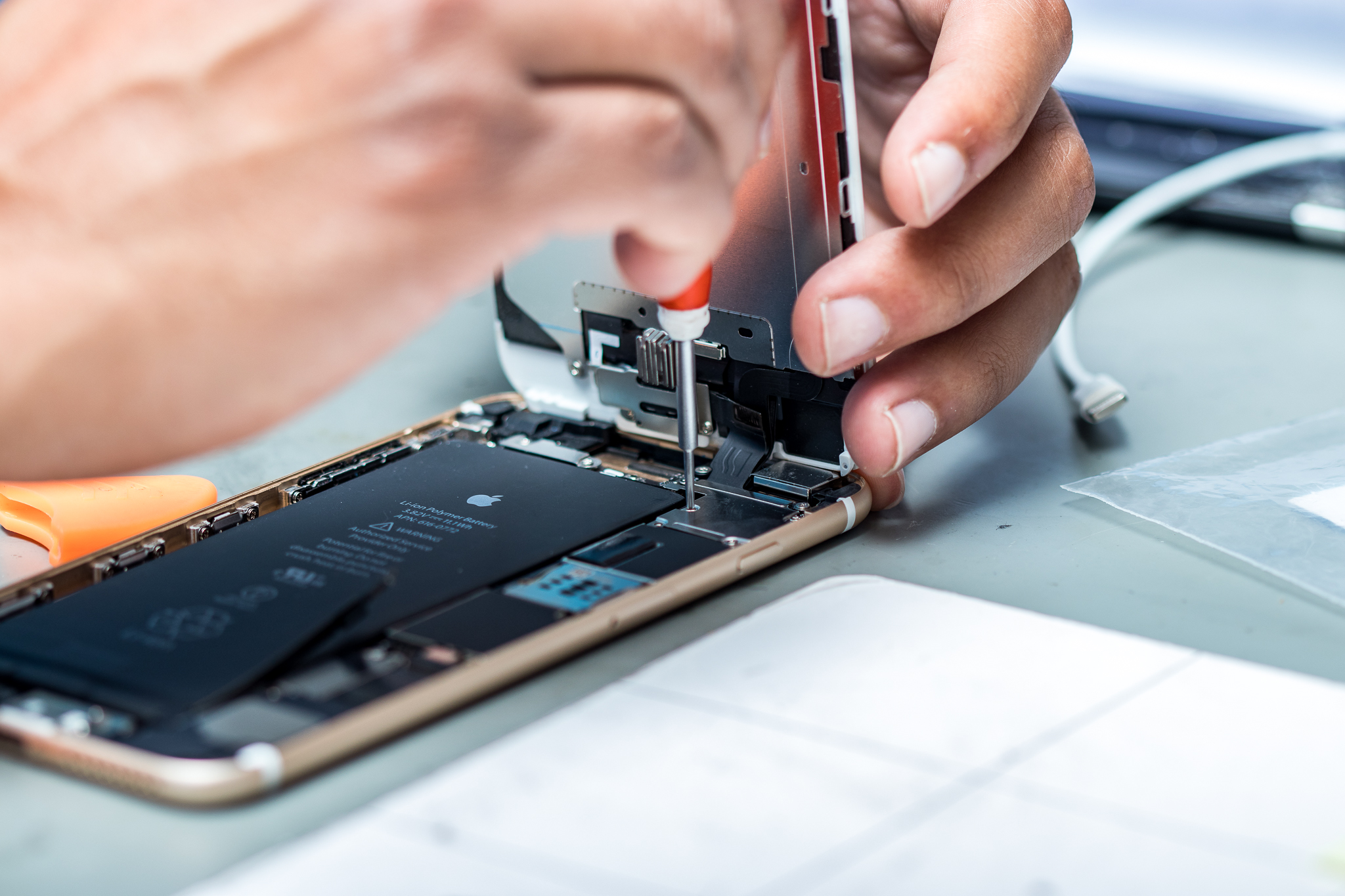
    Two Chinese students in Oregon,  Yangyang Zhou, and Quan Jiang, have been running a fake iPhone repair scheme since 2017, it turns out, defrauding Apple of $895,800 in total, according to the company’s estimates. They had bulk shipments of counterfeit handsets shipped to them from China, and submitted those to Apple as “iPhone won’t power on” cases, both online and in stores. The replacement phones were then shipped back to the source in China who deposited money into Jiang mother’s account he had access to in the States.

    Apple “repaired” (most likely just swapped them for refurbished ones) and returned 1,493 of the more than three thousand fake iPhones that were sent to its service before it got an alert that something was amiss on a grand scale. When the situation was raised with Apple’s fraud department in the summer of 2017, they sent Jiang two cease-and-desist orders to stop the scheme but got no response, presumably since the notices were sent to Zhou’s listed address.

    It’s not clear if the fraud alert came within Apple, or the port authorities that have been investigating suspicious bulk iPhone shipments from China since the spring of 2017 but in any case, the scheme started falling apart for the two Chinese on an engineering student visa. Zhou’s lawyer claims that his client will be “vindicated” as he did not know that the iPhones sent to him from China were counterfeit, and thought he was simply taking a cut for a service.

    Ditto for Jiang, who has been accused of wire fraud, as well as trafficking in counterfeit devices, so we’ll see if Apple manages to retrieve anything from the scheme, considering that the repaired real iPhones have already been sent to the vast Chinese prairies.

  • Argomall partners with CoinGate to adopt Bitcoin and cryptocurrency payments

    Argomall partners with CoinGate to adopt Bitcoin and cryptocurrency payments

    Online shopping website Argomall.com now takes payment in cryptocurrencies and is the first Filipino online retailer in Southeast Asia to accept Bitcoin and around 50 other cryptocurrencies as payment.

    In line with Argomall’s value proposition of personalized convenience, it has added cryptocurrencies, also called Altcoins, to its already wide list of payment options, which include cash on delivery (COD), credit/debit cards, online installment via Home Credit, online banking, over-the-counter payments in banks and non-bank institutions, G-cash and PayPal.

    This option became available on April 1 and is only available for straight payments.

    Argomall partnered with CoinGate to make this project possible. CoinGate is an online trading platform for Bitcoin, Ethereum, Litecoin, XRP and other coins like: Bitcoin Cash (BCH), Sirin Labs (SRN), Telcoin (TEL), Nano (NANO), TRON (TRX), Dai (DAI), Bitcoin SV (BSV), Zcash (ZEC), Ethereum Classic (ETC), Augur (REP), Dogecoin (DOGE), Golem (GNT), DigixDAO (DGD), Wings DAO (WINGS), iEx.ec (RLC), Decred (DCR), Stellar (XLM), Basic Attention Token (BAT), Aragon (ANT), Bancor Network Token (BNT), Civic (CVC), EOS (EOS), TenXPay (PAY), OmiseGo (OMG), Monaco (MCO), 0x Protocol Token (ZRX), Qtum Ignition (QTUM), Storj (STORJ), FunFair (FUN), Salt (SALT), Bitcoin Gold (BTG), DigiByte (DGB), district0x (DNT), Power Ledger (POWR), Populous (PPT), Bread (BRD), Noah (NOAH), Binance token (BNB), Polymath (POLY), Kyber Network (KNC), TrueUSD (TUSD), Mithril (MITH).

    In a report by Entrepreneur magazine: “Compared to its Southeast Asian neighbors, the Philippines has been relatively more open to using Bitcoin and other cryptocurrencies, according to a report in FT.com, the Financial Times newspaper’s online site.” It will be recalled that the Bangko Sentral ng Pilipinas (BSP) released a circular in February with regulations for businesses that want to sign up as a virtual currency exchange. It is the only central bank in five countries cited in the FT.com report to do this.

    Some 2.9 percent of Filipinos are adopting Bitcoin, according to a survey conducted by FT.com, second only to the 3.3 percent of Indonesians doing the same. Overall, Southeast Asia’s cryptocurrency adoption rate is 2.5 percent.

    According to a report written by Financial Times’ Confidential Research analysts Prinz Magtulis and Andi Haswidi: “Among the five ASEAN countries we survey, the Philippines has made the most regulatory progress. Since February, its central bank has required all exchanges to obtain a permit for trading cryptocurrencies and to register with the country’s Anti-Money Laundering Council. They are also subject to annual fees. We expect the rest of Asean-5 to follow, in response to concerns that Bitcoin is being used to fund terrorism and other crimes.”

    Prominent global companies that accept Bitcoin include Microsoft, British Airways, McDonald’s and Shopify.

    Established in November of 2015, Argomall grew out of a creative dream by the Filipino-owned conglomerate Transnational Diversified Group to deliver trustworthy and efficient solutions to the discerning Filipino tech shopper.

    “These solutions,” Argomall Chief Argonaut Karel Holub said, “now include the opportunity to pay in Bitcoin and around 50 more Altcoins, because it is part of our mission and vision at Argomall to make the discovery, selection and purchase of smartphones—or any other related gadget—in the Philippines easy, while providing the best service on the internet to our consumers.”

    “Enabling online shoppers in the Philippines to pay with Bitcoin and around 50 more Altcoins is our way of providing good service, as well as opening up another means by which to earn,” Holub said. “This, to us, is a win-win situation where everyone gets good benefits. After all, our vision is that anyone in the Philippines will be able to easily upgrade their smartphone from anywhere, anytime—and that includes giving our customers all the ease and convenience they need to do just that. We aim to make their new device shopping journey as easy and comfortable as possible.”

    CoinGate Marketing Manager Veronika Mishura said this partnership with Argomall is a large step for cryptocurrency adoption, adding that this is CoinGate’s first such integration in Southeast Asia. Moreover, Mishura said, using cryptocurrencies as payment for online purchases present a cheaper and faster alternative to traditional payment methods.

    “Crypto-adoption among retailers is definitely what we need to strive for,” Mishura said. “When more stores accept digital currencies, more users are prompted to buy all types of goods with cryptocurrency. This is exactly what crypto-industry needs for recognition that would lead to it becoming a standard payment method along with credit cards.”

    “Technologies like Lightning Network have already made it more convenient and profitable for businesses to accept cryptocurrency rather than fiat,” she added. “We are thrilled to have Argomall on board. Hopefully, Philippine crypto enthusiasts won’t stay aside, and will start using this new payment method!’

    While Argomall does not endorse the purchase of Bitcoin or any of the other 50 or so Altcoins, the company provides opportunities for those who do have these cryptocurrencies to pay with them at argomall.com in a safe way.

  • Android Q will bring an iconic Apple iPhone feature

    Android Q will bring an iconic Apple iPhone feature

    Introduced in 2015 with the Apple iPhone 6s and iPhone 6s Plus, 3D Touch allows iOS users to press the screen to see previews, details, and shortcuts. Some applications allow users to Peek and Pop. For example, you can get a preview of an address in the Maps app. That’s a “Peek.” Applying a little harder force will “Pop” you into the app. Note that for technical reasons related to the Liquid Retina display on the iPhone XR, that model does not feature 3D Touch.

    In Android 8 Oreo, Google added a long press gesture that allows Android users to see shortcuts related to certain apps. That feature was continued on Android 9 Pie. For example, press hard on the YouTube icon in either build, and you’ll see shortcut options that can take you to the app’s search feature, and a list of your YouTube subscriptions. Documentation for Android Q reveals that the next Android build will allow users to see the same information, only faster, with a “deep press.”

    Found inside documentation for MotionEvents is a statement that says a touch on the touchscreen can be classified as a “deep press” when a user presses harder on the screen intentionally. This will “accelerate the long press behavior.” In other words, a “deep press” will reveal the same information as a long press, only quicker. Unlike 3D Touch, it doesn’t appear that Android devices will be able to distinguish between a light press, a medium press, and a hard press.

    Google could turn to algorithms to determine whether a user is using enough force to count a touch as a “deep press.” Or, the new feature might require specialized hardware. Either way, we could hear more about this during Google I/O. The annual developer conference will run from May 7th through May 9th. During the conference, Google traditionally reveals new features that will be found on the upcoming Android build.

    Just the other day, Google disseminated the second beta preview for Android Q. This included a foldable device emulator to help developers see how their apps will look on one of the new foldable phones that will be released soon. That includes the Samsung Galaxy Fold, due out on April 26th, and the Huawei Mate X. That model will be launched sometime this summer. Another feature called Bubbles allows you to take the functionality of certain apps with you from screen to screen on Android Q.

    Google plans on releasing six beta versions of Android Q with the final version scheduled to drop during the third quarter. If you have a Pixel handset, you can quickly sign up to receive the Android Q beta versions OTA. Simply head to the Android Beta for Pixel website and click on the Devices tab. Scroll down to “Your Eligible Devices” and tap the Opt-in button. Expect to wait up to 24 hours before the update arrives. When you’re ready to return to the public version of Android, repeat the process and tap on the Opt-out button. Keep in mind that the beta versions of Android are unstable and many of the features that you might depend on could fail to work. As a result, you might want to think twice before signing up to receive the Android Q beta previews.

  • AirAsia takes partnership with World Surf League to new heights

    AirAsia takes partnership with World Surf League to new heights

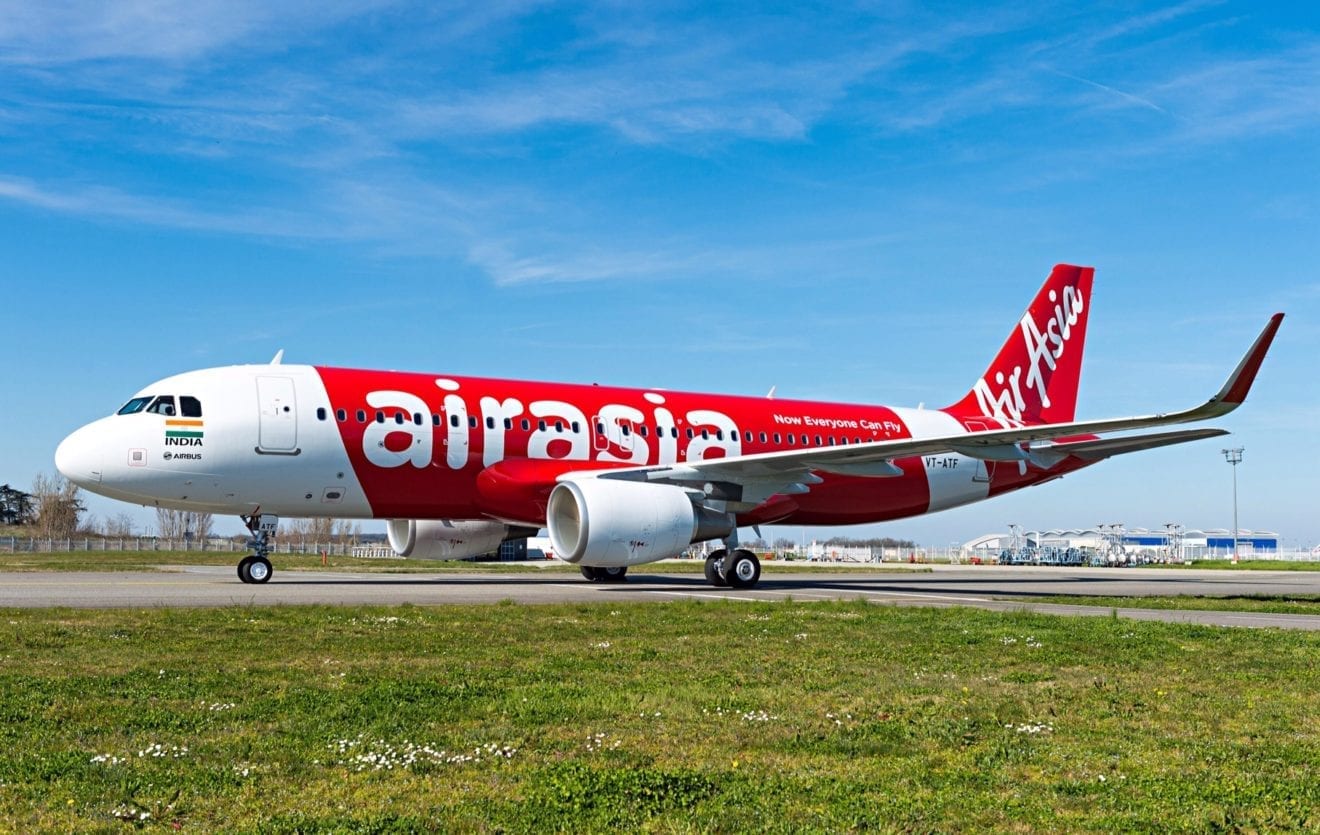
    AirAsia and the World Surf League (WSL) Australia / Oceania are excited to announce the extension of their partnership to support the three Australian Championship Tour events in 2019.

    As the Official Airline Partner of the WSL, the world’s best low-cost airline has unveiled an AirAsia Beach Club and the AirAsia Flight Cam at each event, beginning with the Quiksilver Pro and Boost Mobile Pro Gold Coast this week, and continuing through to the Rip Curl Pro Bells Beach and Margaret River Pro.

    AirAsia will also extend its ‘Surfboards Fly Free’ initiative in 2019, meaning surfers from Australia will be able to travel with their surfboard with no excess luggage cost, to any of the surfing hotspots found in AirAsia’s network of more than 140 destinations.

    “We are really excited to be continuing our partnership with a company that keeps the dream of the perfect surfing holiday a reality for Australians from all walks of life. We’re really excited about the continuation of these programs but especially the engagement of our fans through this partnership,” said Andrew Stark, General Manager, WSL Australia and Oceania.

    “Partnering with the WSL is a natural fit for AirAsia. Since announcing the deal last year, we’ve been able to showcase the breadth and depth of our fast-growing network. Take Padang in Indonesia, for example – the gateway to the Mentawais – where we now see thousands of surfers each year travel with us. This is what makes the partnership so unique,” said AirAsia Group Head of Branding Rudy Khaw.

    To celebrate the renewed partnership, AirAsia and WSL are offering two lucky winners with the chance to see pro-surfing at its best, including access to corporate hospitality and multi-day passes for each event. To enter, simply follow @AirAsiaAustralia on Facebook and look out for the competition details.

    The AirAsia Beach Club is now open at the Quiksilver Pro and Boost Mobile Pro Gold Coast on at Snapper Rocks in Queensland, Australia