Author: Mei Ling Tan

  • Important change for next-gen Apple Watch Screen

    Important change for next-gen Apple Watch Screen

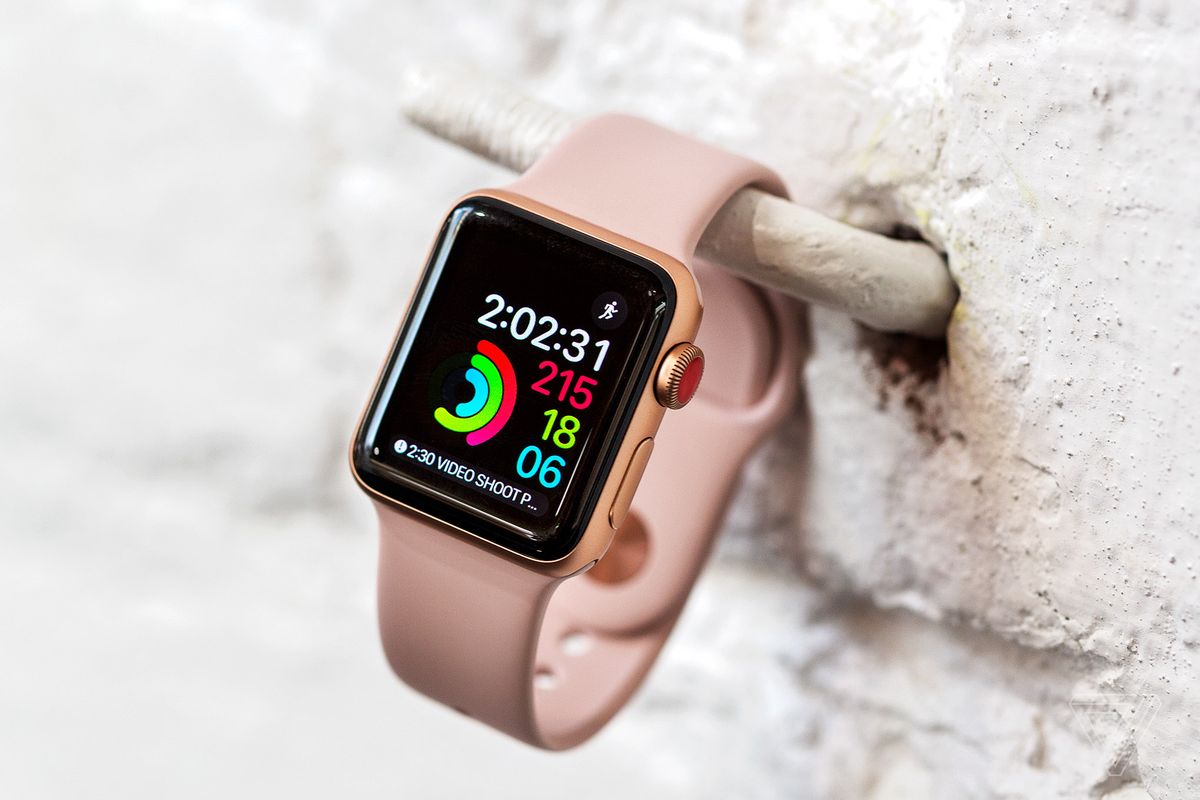
    It’s a little premature to make anything more than educated guesses regarding the key selling points and major new features of an Apple Watch Series 5 expected out sometime in the fall. But it’s certainly not too early for the manufacturer of the world’s most popular smartwatch family to line up its component suppliers and lay out some general production plans.

    While these are obviously rarely made public, we can typically rely on inside sources to spill the beans for reputable news organizations like Reuters. These often rock-solid informants are claiming Apple has reached a deal with Japan Display that represents a major breakthrough for the financially struggling screen manufacturer. The company, which is a long-time Apple partner, should start supplying OLED panels for the Apple Watch lineup at some point “later this year.”

    Even though there’s absolutely nothing wrong with the Apple Watch Series 4 screen, supply chain competition is always good, generally driving progress and innovation forward at a much faster pace than when a company holds a monopoly on one or several essential components. Unless we’re talking about Samsung, which has managed to exclusively take care of the iPhone X, XS, and XS Max OLED panels while maintaining an impressively high standard of quality and performance.

    By the way, you might be surprised to hear Samsung doesn’t also handle the production of the small but sharp OLED display on the Apple Watch Series 4. That’s actually LG’s business, which is soon expected to be shared with Japan Display. If and when that happens, Apple’s bill of materials could go down, as increased competition among suppliers has a tendency of impacting component prices.

    In other words, LG is likely to charge less for its Apple Watch Series 5 screens than those of the next-gen wearable’s predecessor, as Japan Display finally joins the OLED supply game. This company, which was born as an LCD technology joint venture by Sony, Toshiba, and Hitachi, realized the full potential of OLED (organic light-emitting diode) panels a little too late, staying focused on liquid-crystal displays past their prime. While Japan Display’s financial troubles are far from over, any OLED partnership with Apple would provide a welcome boost to a fledgling business division.

    What it means for future iPhones

    In short, not much. After all, it’s taken LG a long time to start supplying a small number of OLED iPhone screens. Meanwhile, Apple’s two 2019 and three 2020 OLED iPhones are all expected to primarily use Samsung-made displays. That’s obviously because the world’s largest smartphone vendor makes the most sophisticated handset panels out there, lightyears ahead of LG or Japan Display’s alternatives.

    Therefore, as much as Apple would like to further diversify its iPhone supply chain and reduce the company’s reliance on its Korea-based arch-rival, quality trumps any discounts Samsung’s display-making rivals could offer. Basically, unless Apple plans to release a lower-quality, lower-cost OLED iPhone variant in the near future, Japan Display is facing quite an uphill battle here.

    The same goes for LG, although the backup supplier could earn a slightly larger share of 2019 and 2020 OLED iPhone orders, offsetting its Apple Watch losses caused by Japan Display’s newly reported “breakthrough.”

    In theory, all these possible changes and shifts of suppliers could yield lower retail prices for future Apple Watch and iPhone generations, but knowing how the Cupertino-based tech giant typically operates, we wouldn’t hold our breath. After all, the best way to make up for shrinking sales numbers is to jack up profit margins.

  • Benoy completes design work of Jewel Changi

    Benoy completes design work of Jewel Changi

    International architecture and design firm Benoy has completed work on the interiors for Singapore’s new airport shopping centre, Jewel Changi.

    Opening its doors on April 17, the new 137,000sqm space connects three of Changi Airport’s current four terminals, making it easily accessible to the public and passengers. With more than 65 million passengers passing through Changi Airport last year, Jewel is designed to establish a new airport typology as a destination promoting community, commerce and entertainment.

    “We are incredibly proud of the work we have done for Jewel,” said Benoy director and head of Singapore studio Terence Seah. “We’ve created a dynamic environment that becomes a unique place for travellers and residents alike. This addresses the important question of place making in the aviation context.

    “In the process too, Jewel has enhanced the Changi experience. We are confident that other cities will be inspired to rethink the future of airports.”

    Benoy has drawn its capacities in retail, mixed-use, hospitality and leisure to deliver an experience-led destination for the city, offering a renewed sense of place for locals and visitors in connecting the city to the airport. The interiors navigate the many interfaces between aviation facilities and the retail centre.

    Celebrating the natural light offered by the forest valley at Jewel’s core, the retail design enables visitors to experience the vastness of the open space and the intimacy of nature throughout their elliptical journey of the building, reinterpreting the traditional sense of the commercial space.

    The expanded Terminal 1 also offers new pedestrian linkages to other terminals and the MRT via Jewel, improving connectivity and accessibility for all.

  • Westpac introduces Apple Pay in New Zealand

    Westpac introduces Apple Pay in New Zealand

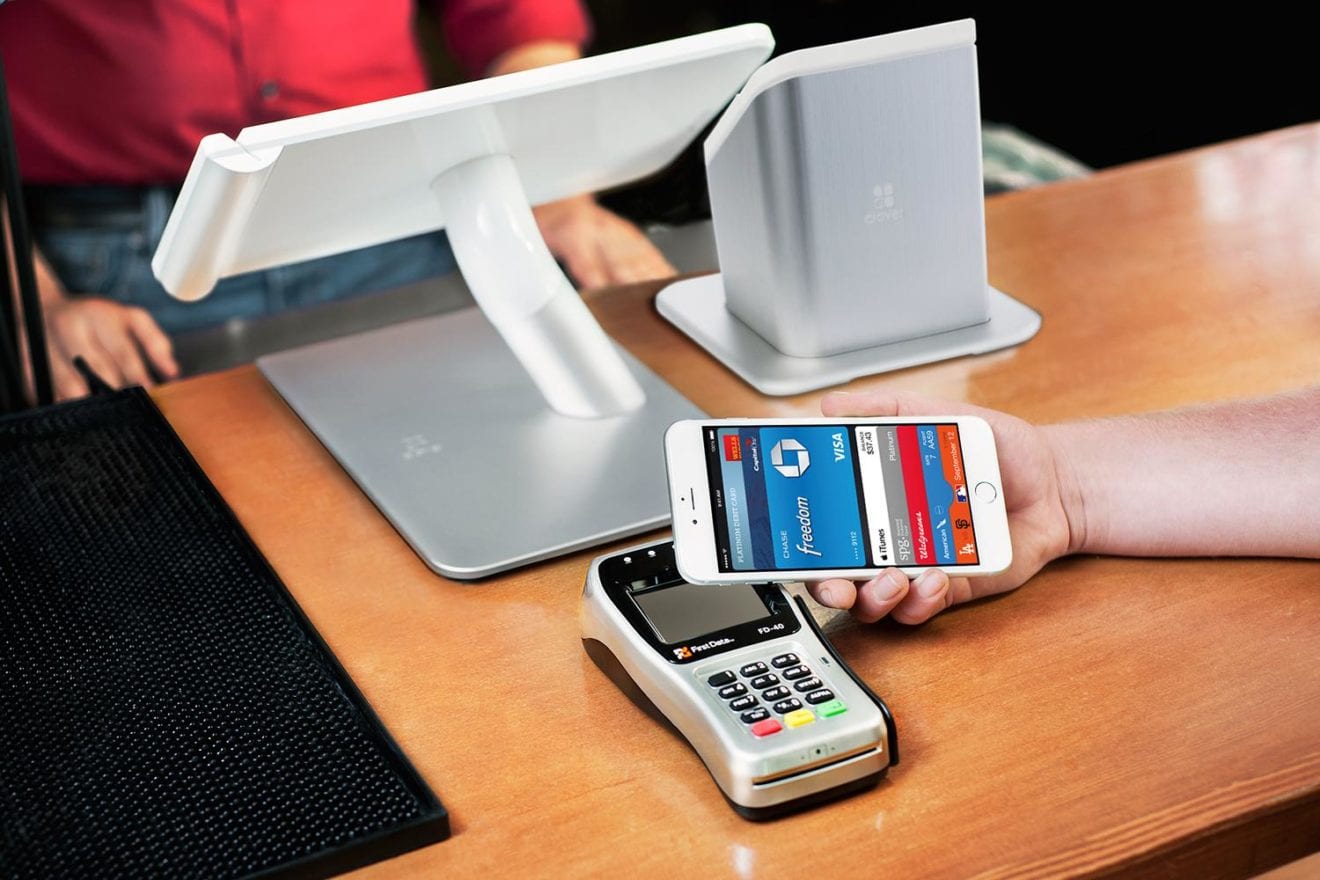
    Westpac New Zealand customers can now use Apple Pay wherever contactless payments are accepted.

    This reflects the findings of a recent study by Allied Market Research, which found that younger consumers appreciate the simplicity of mobile payments.

    The mobile payment market is expected to reach $4.5 trillion by 2023, according to the research firm, which also notes the market is growing with a “lightning-fast” rate in Asia-Pacific.

    However, even mobile payments are beginning to be superseded.

    The report noted that near field communication (NFC) and QR technology is fast becoming standard in various parts of Asia-Pacific, and various market players are already investing in this new technology.

    Westpac is celebrating the launch of Apple Pay by donating $2.50 for every customer who uses Apple Pay five times before May 2, 2019, to charity. Each customer will also receive a one-off payment of $10.

    “It is yet another reason for our customers to get excited about Apple Pay,” Shane Howell, Westpac’s chief experience officer, said.

    The four charities that will benefit from the initiative are the Mental Health Foundation, Shine, Sustainable Coastlines, and New Zealand’s rescue helicopter services.

  • The Athlete’s Foot to open several more stores in New Zealand

    The Athlete’s Foot to open several more stores in New Zealand

    Performance footwear retailer The Athlete’s Foot has confirmed it will be opening at least 12 new stores across New Zealand and Australia in the next year.

    The news comes as the retailer opens a new flagship in Melbourne Central shopping centre in Australia today, featuring a new format that it hopes to replicate in upcoming store openings.

    “We’re not going to waste any time once we’ve proved this concept over the next couple of months,” The Athlete’s Foot general manager Steve Cohen told.

    “I think The Athlete’s Foot hasn’t opened a lot of stores over the last couple of years, and we have the appetite to absolutely get onto the expansion path.

    “If the Melbourne Central flagship works, and we’re confident that it will work, we see another half dozen of these across Australia and New Zealand pretty quickly… plus another half dozen that we’ve highlighted across the country.”

    The new store features an expanded product line and new technology to better suit product to consumer needs, and provides a roadmap for the future of the business.

    “We have had a few different store evolutions, but it’s been a couple of years now since we’ve really gone out and started again,” Cohen told.

    “Being a flagship, it needed to be at the forefront of the performance footwear space. I think our investment in the store, and the way we’ve progressed the whole experience, is leaps and bounds from where we’ve been in the past.”

    For the first time, The Athlete’s Foot has ditched the traditional foot measuring tool, the Brannock, in favour of its new MyFit3D measurement technology, which creates a 3D render of a customer’s feet and measures their gait and pressure points within 1mm.

    This technology is set to be pushed out across the brand’s 140 stores in the next nine months.

    “It gives you a lot more information relating to the consumer’s foot, and it actually ranks their foot relative to the rest of the population,” Cohen said.

    “People like hearing about themselves, so when you put them on the MyFit3D and you show them how long, or wide, or deep their foot is compared to the rest of the population, it’s a nice interactive way to engage with the customer.”

    With a more accurate measurement, the team in the Melbourne Central store will be able to recommend footwear from its expanded product line, which includes exclusive ranges from Asics and New Balance.

    The store also features LED screens that react to consumer behaviour; for instance, by displaying information about a particular shoe after the customer picks it up off the shelf. This keeps customers in the moment, rather than browsing for additional product information on their phones – and potentially purchasing an item online from another retailer.

    “The main thing is that we can be a lot more nimble in our messaging to the consumer [about] our new arrivals, or product or brand that we want to call out in store,” Cohen said.

    “It’s touch screen as well, so if we decide to go down the path of shopping online or engaging with the consumer from a people point of view we can do that as well.”

    The location played a large part in the product line The Athlete’s Foot was able to secure, with suppliers having been asking for a “cutting-edge performance execution” for some time.

    “What we’ve found off the back of that is that the suppliers are giving access to product that we might not have had access to, and we think that this is an exciting step forward for our brand,” Cohen said, indicating this access will filter through the rest of the business moving forward.

  • Vinomofo partners with US wine Startup

    Vinomofo partners with US wine Startup

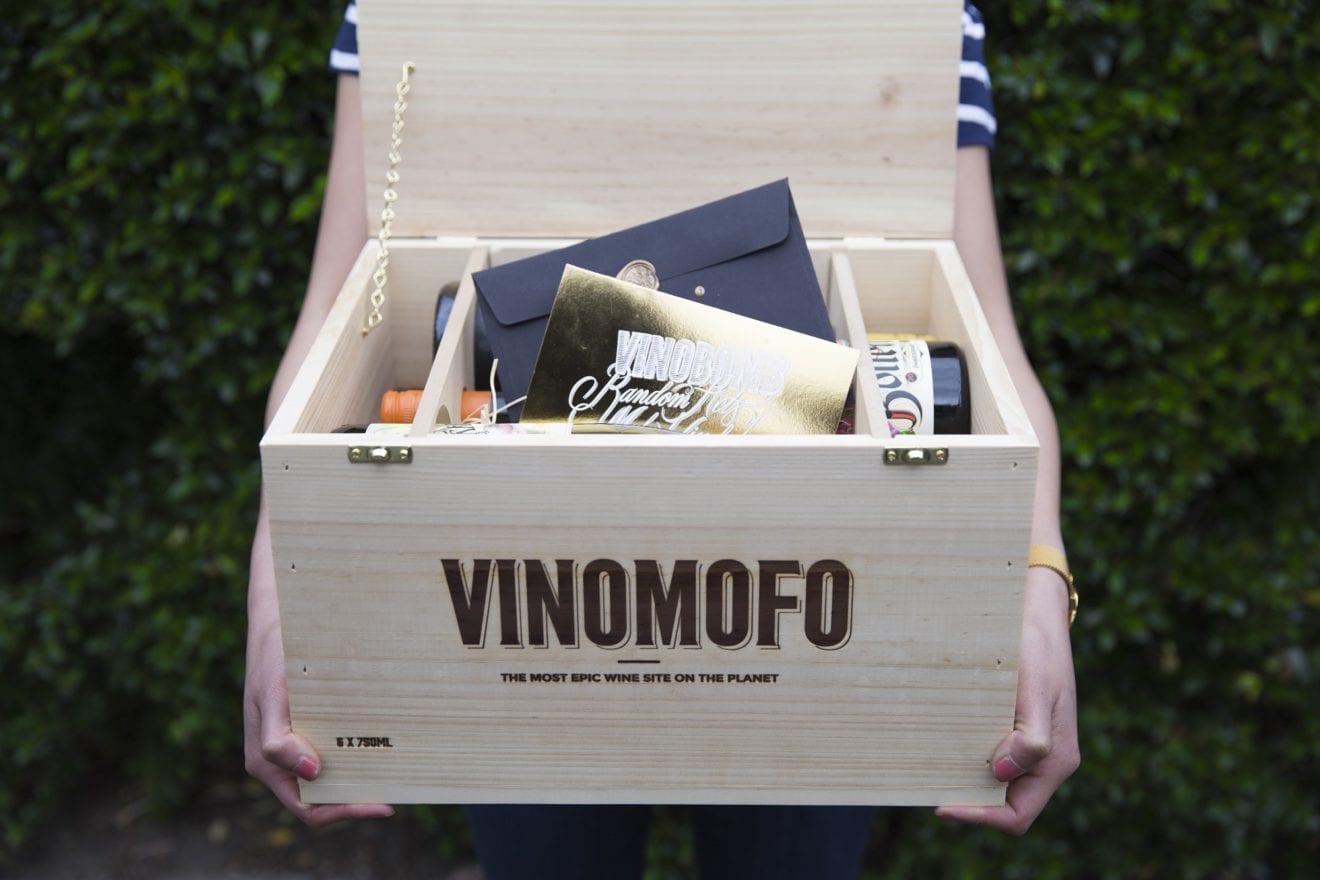
    Online wine retailer Vinomofo has partnered with US wine media mogul Gary Vaynerchuk to bring the inaugural wine from his label, Empathy Wines, to its customers in Australia, New Zealand and Singapore.

    The wine, which Vinomofo is launching this month, is available exclusively for pre-order from the online retailer.

    Vinomofo co-founder and CEO Justin Dry said the partnership was fitting, since Vaynerchuk’s approach to the industry aligns perfectly with Vinomofo’s mission to offer great wine at the right price.

    “The inclusion of Empathy Wines is an exciting one for us,” Dry said in a statement.

    “It strengthens our offering as well as supporting Californian winemakers who’ve been devastated by fires recently and cements our commitment to bringing really cool wines to our wine lovers.”

    This is just the first step in a bigger effort to introduce more wine from overseas to Vinomofo’s customers in Australia, New Zealand and Singapore, Dry told

    “We’re currently buying for our second container – after filling the first one with Gary Vee’s Empathy Wines Rosé – so look out for some super cool wines by iconic US winemakers like André Hueston Mack hitting our shores in 2019,” he said.Adtech Ad

    But there is still no word on when Vinomofo will officially launch in the US market, which it had previously planned to do in 2018.

    “We have some very exciting things happening in the background at Vinomofo. We will share these with you as soon as we can,” Dry said.

    “In the meantime, we are super excited to be forming this partnership and can’t wait for what’s ahead.”

    Gary Vaynerchuk, also known as Gary Vee, took his parents’ liquor business in the US, Shopper’s Discount Liquors, online in 2006, and started Wine Library TV, a daily webcast covering wine.

    He later started a digital ad agency, which provided social media and strategy services to several Fortune 500 companies, including Anheuser-Busch, Mondelez and PepsiCo.

  • RFG back to square one in asset sale process

    RFG back to square one in asset sale process

    Retail Food Group on Tuesday said sale talks with a potential buyer of its Donut King, Pizza Capers and Crust businesses have ended in disappointment, following months of negotiations.

    The deal fell through after the two parties failed to reach a formal binding agreement on terms that the board considered to be in the best interests of the company as a whole, RFG said in a statement.

    “Our Donut King and QSR brands [Pizza Capers and Crust] continue to provide solid earnings contributing to the company’s underlying profit,” Peter George, executive chairman of RFG, said.

    “The potential sale of any of these assets must be at a price not only acceptable to our board but in the best interests of our shareholders.”

    The franchisor, which operates Gloria Jean’s Coffees, Brumby’s Bakeries, Donut King, Michel’s Patisserie, Di Bella Coffee, The Coffee Guy, Café2U, Pizza Capers and Crust, had been pursuing an asset sale to help pay down its net debt of roughly $258.9 million, after restructuring costs and write-downs wiped out its declining profit in the first half of FY19.

    An RFG spokesperson said the failure to sell its Donut King and QSR brands will not impact the company’s recent agreement with NAB and Westpac to reset its financial covenants and waive a review of the business.

    The company continues to work closely with its lenders and maintains their support, the spokesperson said.

    The RFG board is investigating a range of other options to pay down its debt, including equity, other debt funding options and potential asset sales, and will update the market of any definitive option being reached.

    In response to a report that the Australian Securities and Investments Commission is “keeping an eye” on the franchisor, particularly around big announcements, the RFG board said it has not been made aware of any current investigations.

    A spokesperson for ASIC told that “ASIC supervises the market, so we monitor all share trading”.

  • The dying art of a good conversation

    The dying art of a good conversation

    What with Facetime, Skype, Whatsapp and Snapchat, for many people, face-to-face conversation is used less and less often.

    These apps allow us to converse with each other quickly and easily – overcoming distances, time zones and countries. We can even talk to virtual assistants such as Alexa, Cortana or Siri – commanding them to play our favourite songs, films, or tell us the weather forecast.

    Often these ways of communicating reduce the need to speak to another human being. This has led to some of the conversational snippets of our daily lives now taking place mainly via technological devices. So no longer do we need to talk with shop assistants, receptionists, bus drivers or even coworkers, we simply engage with a screen to communicate whatever it is we want to say.

    In fact, in these scenarios, we tend to only speak to other people when the digital technology does not operate successfully. For instance, human contact occurs when we call for an assistant to help us when an item is not recognised at the self-service checkout.

    And when we have the ability to connect so quickly and easily with others using technological devices and software applications it is easy to start to overlook the value of face-to-face conversation. It seems easier to text someone rather than meet with them.

    Bodily cues

    My research into digital technologies indicates that phrases such as “word of mouth” or “keeping in touch” point to the importance of face-to-face conversation. Indeed, face-to-face conversation can strengthen social ties: with our neighbours, friends, work colleagues and other people we encounter during our day.

    It acknowledges their existence, their humanness, in ways that instant messaging and texting do not. Face-to-face conversation is a rich experience that involves drawing on memories, making connections, making mental images, associations and choosing a response. Face-to-face conversation is also multisensory: it’s not just about sending or receiving pre-programmed trinkets such as likes, cartoon love hearts and grinning yellow emojis.

    When having a conversation using video you mainly see another person’s face only as a flat image on a screen. But when we have a face-to-face conversation in real life, we can look into someone’s eyes, reach out and touch them. We can also observe the other person’s body posture and the gestures they use when speaking – and interpret these accordingly. All these factors, contribute to the sensory intensity and depth of the face-to-face conversations we have in daily life.

    Speaking to machines

    Sherry Turkle, professor of social studies of science and technology, warns that when we first “speak through machines, [we] forget how essential face-to-face conversation is to our relationships, our creativity, and our capacity for empathy”. But then “we take a further step and speak not just through machines but to machines”.

    In many ways, our everyday lives now involve a blend of face-to-face and technologically mediated forms of communication. But in my teaching and research I explain how digital forms of communication can supplement, rather than replace face-to-face conversation.

    At the same time though, it is also important to acknowledge that some people value online communication because they can express themselves in ways they might find difficult through face-to-face conversation.

    Look up from your phone

    Gary Turk, is a spoken word poet whose poem Look Up illustrates what is at stake by becoming entranced by technological ways of communicating at the expense of connecting with others face-to-face.

    Turk’s poem draws attention to the rich, sensory aspects of face-to-face communication, valuing bodily presence in relation to friendship, companionship and intimacy. The central idea running through Turk’s evocative poem is that screen-based devices consume our attention while distancing us from the bodily sense of being with others.

    Ultimately the sound, touch, smell and observation of bodily cues we experience when having a face-to-face conversation cannot be fully replaced by our technological devices. Communicating and connecting with others through face-to-face discussion is valuable because it is not something that can be edited, paused or replayed.

    So next time you’re deciding between human or machine at the supermarket checkout or whether to get up from your desk and walk to another office to talk to a colleague – rather than sending them an email – it might be worth following Turk’s advice and engaging with the human rather than the screen.

  • Ex-Nissan Chief Ghosn Rearrested In Tokyo

    Ex-Nissan Chief Ghosn Rearrested In Tokyo

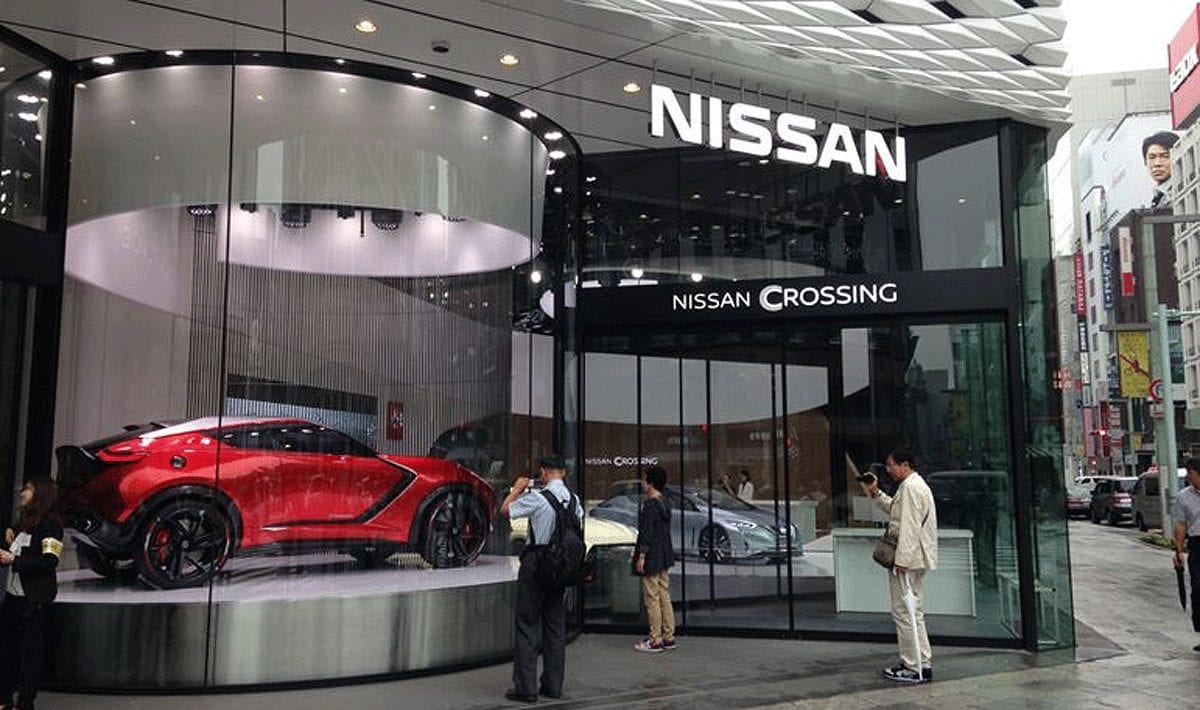
    Former Nissan chief Carlos Ghosn was rearrested early Thursday in Tokyo on fresh financial misconduct allegations, with the auto tycoon slamming his detention as “outrageous and arbitrary”.

    Authorities arrested the 65-year-old less than a month after he was dramatically freed on bail following more than 100 days in detention. Local media said prosecutors had entered Ghosn’s temporary accommodation in central Tokyo early Thursday morning and that he left with them by car shortly afterwards.

    An AFP reporter outside the home saw three men in dark suits guarding the entrance to the building’s car park and a police officer patrolling, as dozens of journalists gathered. Ghosn issued a statement through his representatives after the arrest calling it as “outrageous and arbitrary”.

    “It is part of another attempt by some individuals at Nissan to silence me by misleading the prosecutors. Why arrest me except to try to break me? I will not be broken,” he said, insisting that he is innocent of the claims against him. Reports emerged Wednesday that prosecutors were weighing rearresting Ghosn as they investigate claims related to at least $32 million in Nissan funds transferred to a distributor in Oman.

    According to a source familiar with the matter, some of this money is believed to have been used to buy a luxury boat for Ghosn and his family. The former high-flying executive already faces three charges of financial misconduct related to allegations he under-reported his compensation and sought to transfer losses to Nissan’s books.

    He has denied any wrongdoing and took to Twitter for the first time Wednesday, using a newly created account that his spokespeople confirmed was authentic, to announce plans for a press conference.

    “I’m getting ready to tell the truth about what’s happening. Press conference on Thursday, April 11,” said the tweet, sent in English and then Japanese.

    The ‘Razor’

    Ghosn currently faces two separate charges of deferring his salary to the tune of nine billion yen ($81 million) and not revealing this in official documents to shareholders. The Brazil-born auto sector pioneer, widely credited with saving Nissan from the brink of bankruptcy, also faces a charge of seeking to shift personal investment losses onto Nissan’s books and then using company funds to pay a Saudi associate who stumped up collateral for him.

    The case has been a rollercoaster ride of unexpected twists and turns from the moment Ghosn was first arrested at a Tokyo airport out of the blue on November 19.

    He has since been re-arrested on multiple occasions over a series of allegations, employed a little-used article of Japanese law to force a day in court and emerged on bail dressed in a workman’s uniform and cap in a bizarre attempt to avoid the media.

    Since his release on bail on March 6, he has kept scrupulously quiet despite daily attempts by local and international media to interview him. His lawyer Junichiro Hironaka, known as the “razor” for his mental sharpness, has done the talking for him, appearing twice in front of the foreign media to plead his client’s innocence.

    In his latest appearance on Tuesday, Hironaka announced he had filed a petition with the Tokyo District Court so that Ghosn’s case would be heard separately from that of Nissan and his former right-hand man Greg Kelly. Nissan has been indicted alongside Ghosn, as they filed the shareholders’ documents that allegedly mis-stated the then chairman’s income.

    Hironaka said this would not be a fair trial as Nissan has effectively sided with the prosecutors by providing them with documents they say show further malpractice.

    – ‘Trap’, ‘plot’ –

    Under Ghosn’s management, Nissan recovered and formed a three-way alliance with Renault and Mitsubishi Motors that has become one of the world’s top-selling auto groups.

    In an interview with AFP from his detention centre in January, Ghosn denounced a “trap” and a “plot” by Nissan prompted by opposition to his plans to bring the companies closer together.

    He was removed as chairman by Nissan and Mitsubishi Motors almost immediately after his arrest. Renault was slower to react but Ghosn eventually himself resigned from the head of the French firm.

    Ghosn’s arrest and a string of alleged financial misconduct has sparked questions over Nissan’s own corporate governance and the company established an independent body to propose changes to prevent a recurrence.

    The advisory group suggested doing away with the vacant role of chairman and laid the blame for the lapse in governance at the feet of Ghosn.

    The main cause of the misconduct was “the concentration of authority in Ghosn”, the group concluded.

    “He created a situation in which it would be difficult to detect his pursuit of personal gain.”

  • WhatsApp is now rolling out a renewed privacy feature

    WhatsApp is now rolling out a renewed privacy feature

    Groups are a vital part of WhatsApp, although as the Facebook-owned messaging platform has grown in popularity so has the number of unwanted group chats. But today, after testing them for a while on iOS, WhatsApp is rolling out new privacy settings which should help control this.

    Until now, group admins could add any WhatsApp user to a group without needing their consent – the only requirement being that the user is a contact in the admin’s phone. As part of this latest rollout, though, WhatsApp users will now be able to choose which people can add them to groups.

    In order to access the new feature, users need to simply head over to the Settings menu within WhatsApp and tap Accounts. Then a quick tap on Privacy and later Groups will present users with the choice of three options: ‘Everyone,’ ‘My Contacts,’ or ‘Nobody.’ Each one is pretty self-explanatory with ‘Nobody’ meaning users will have to approve every single group with ‘Everyone’ allows users to leave their group invitations completely open, as they are today.

    WhatsApp’s latest privacy feature will begin rollout out today to a select number of users before expanding globally across the coming weeks.

  • Google Assistant finally gets the celebrity voice

    Google Assistant finally gets the celebrity voice

    Back at Google I/O in May of 2018, Google promised users a special treat with Google Assistant — the addition of John Legend’s voice as an option for Google Home products and the Assistant on your phone. We’re now just about one month away from Google I/O 2019 and that promise has finally become a reality.

    All you have to do to get John Legend’s voice is to ask your Assistant to “talk like John Legend.” After that, you’ll have John Legend’s voice for a limited selection of things like giving weather updates, answering questions, and telling jokes, while “the regular Assistant” does everything else. We tested it out for a couple minutes and the general voice does sound like John Legend, even if it is a bit robotic, and there are fun Easter eggs to find, like when you ask “Do you like Chrissy Teigen?” or “What’s your middle name?” or “What’s your favorite song?” or “Serenade me.” In generally, questions about music will get something good from the voice.

    The one thing to remember is that Google has said this special voice will only be available for a limited time, although there’s no indication what that actually means. However, it seems like John Legend won’t be the only celebrity voice for the Google Assistant because this is Google’s way of showing off its WaveNet voice synthesis engine. The idea is that with a certain amount of data, it can impersonate anyone, so maybe at next month’s Google I/O we’ll hear about new voices in the works.

    https://www.youtube.com/watch?v=AgHghcYqeto&feature=youtu.be

  • Bajaj Launches CT100 And Discover 125 With CBS

    Bajaj Launches CT100 And Discover 125 With CBS

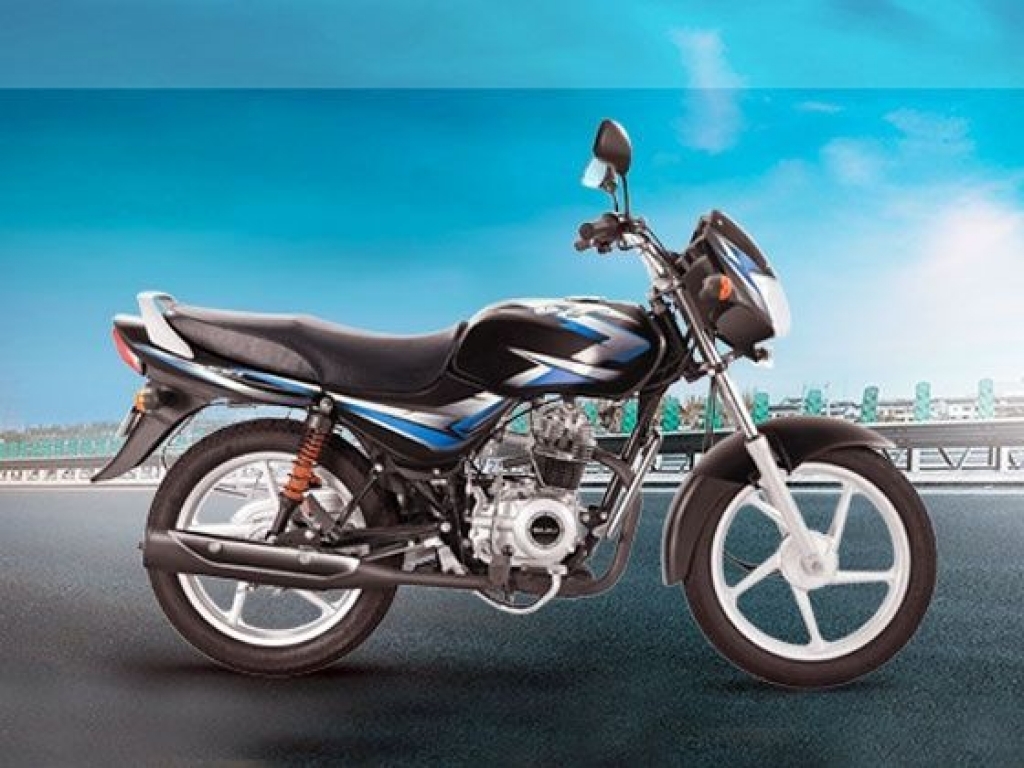
    Bajaj Auto has introduced combined braking system on the Bajaj CT100 and the Bajaj Discover 125, in accordance with the law of all two-wheelers in India needing to have either CBS or ABS compulsorily after 1 April, 2019. The Bajaj CT100 will be available in three variants which are spoke, alloy, and alloys with electric start. The spoke model is priced at ₹ 33,152 while the alloy model is priced at ₹ 35,936 and the top model with alloys and electric start is priced at ₹ 41,587. The overall hike in prices of the CT100 ranges from ₹ 700 to ₹ 1,100.

    The Bajaj Discover 125 is available in two variants which are disc and drum. The drum variant of the Discover 125 with CBS is priced at ₹ 58,000 and the disc variant of the CBS is priced at ₹ 61,500. Both variants get a price hike of ₹ 800 and ₹ 2,000 respectively. Apart from the addition of combined braking system on both motorcycles, everything else remains the same.

    Bajaj had a decent FY2019, reporting a growth of 25 per cent in total sales for the financial year 2018-19. The company sold 50, 19,503 units (motorcycles + commercial vehicles), as opposed to 40, 06,791 units sold during FY2017-18. This was also a new milestone for the company recording its highest ever sales in a fiscal. The company’s domestic sales for the year stood at 29, 40,773 units, growing by 25 per cent over 23, 44,214 units sold during the previous year.

  • BMW F 850 RS Patented In Brazil

    BMW F 850 RS Patented In Brazil

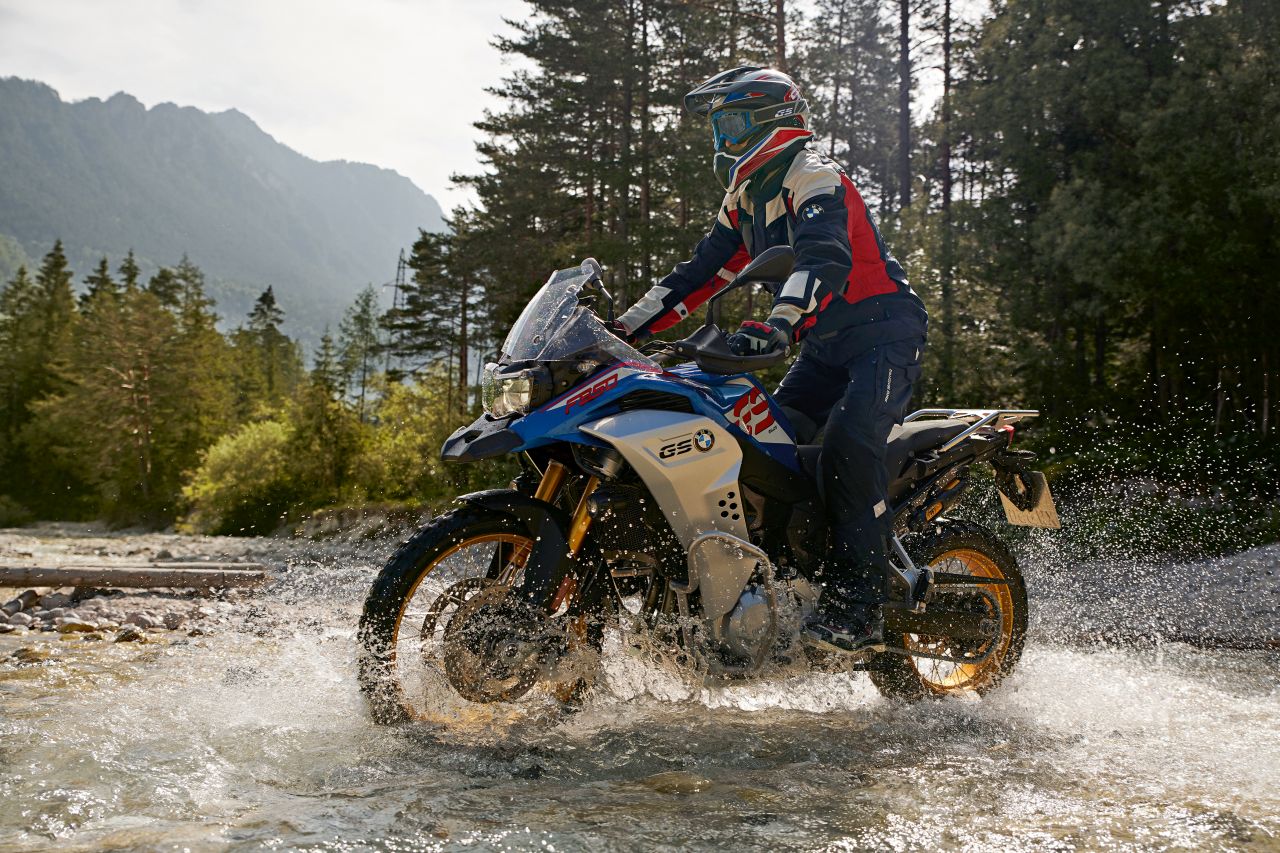
    BMW Motorrad has applied for a patent for the F 850 RS in Brazil with the National Institute of Industrial Property (INP). Yes! It spawns from the company’s F 850 GS motorcycle but while the GS is an off-road biased model, the F 850 RS will be a tarmac loving sport-touring machine, somewhat similar to the BMW S 1000 XR. The F 850 RS began life as the stunning 9Cento concept which was showcased in May 2018 at the Concorso d’Eleganza Villa d’Este in Italy which had a rather sexy, head-turning design. In fact, the production version of the 9Cento concept was spied testing sometime in November 2018 and then, it was rumoured to be called the F 850 GT, but a leaked dealer brochure confirmed the name of the new motorcycle as the F 850 ₹

    The patent image shows that the overall look and design of the F 850 RS will be quite similar to the 9Cento concept. And the engine on the F 850 RS will be the same as the one on the F 850 GS, which is a 853 cc parallel-twin, liquid-cooled motor making 93 bhp of max power and 92 Nm of peak torque while being paired to a six-speed gearbox. Expect the engine to be tuned differently for on-road touring. Also, the RS could be wearing thicker on-road rubber with alloys instead of spoked rims and dual-purpose tyres that the F 850 GS is shod with. We expect the BMW F 850 RS to be unveiled at the 2019 EICMA Motorcycle Show in November this year. Once it is internationally launched, we expect BMW Motorrad to eventually bring the F 850 RS to India sometime later in 2020 as well.

  • Walmart partners with Google for voice shopping

    Walmart partners with Google for voice shopping

    US retail giant Walmart and tech company Google have collaborated on voice technology to assist customers with grocery shopping.

    Starting this month, Walmart Voice Order will allow consumers to order groceries through Google Assistant by saying, “Hey Google, talk to Walmart”.  Google Assistant will then follow the orders directly and add grocery items to their Walmart Grocery cart.

    “We continue to innovate for the future and look to technology to make great services even better in the future. Introducing: Walmart Voice Order,” said Tom Ward, senior vice president, Digital Operations, Walmart US.

    “With the new voice ordering capabilities we’re building across platforms with partners like Google, we’re helping customers simply say the word to have Walmart help them shop … literally.”

    “Best of all, customers can be extra confident that we can quickly and accurately identify the items they are asking for with the help of information from their prior purchases with us. The more you use it, the better we’ll get,” added Ward.

    When shoppers say “add milk to my cart,” the Google Assistant will add the specific milk brand the customer usually buys, meaning there is no need to continually repeat the brand, volume and whether it’s a low fat or whole milk.

    Shoppers can use Walmart Voice Order on Smart Displays like Google Home Hub, Android phones, iPhones, watches, etc.

    “We know when using voice technology, customers like to add items to their cart one at a time over a few days – not complete their shopping for the week all at once. So, this capability aligns with the way customers shop. We can’t wait to hear what they think about it and how it’s making shopping easier for them,” Ward explained.

    Walmart, Amazon competes in the US grocery sector

    Walmart’s latest move comes in light of Amazon’s plans to slash prices at Whole Foods Market and to give major discounts to Amazon Prime members. Amazon also offers voice-activated shopping using its own Alexa-enabled devices, which dominates the US smart speaker market, with 67 per cent market share in 2018.

    “We still don’t see a lot of people shopping and buying with smart speakers yet, but this may change if more lower-cost models begin to incorporate screens. We’re also likely to see people doing more things with their voice assistants as they find their way into cars and other home-based devices,” said analyst Victoria Petrock.

    There are still a minimum number of shoppers who are using speakers to shop. Voice commerce in 2018 accounted for approximately 0.4 per cent of US e-commerce sales. Analysts expect it to increase in the next few years.

  • 2019 BMW Z4 Teased Ahead Of Its India Launch

    2019 BMW Z4 Teased Ahead Of Its India Launch

    The all-new third-generation BMW Z4 was revealed globally last year and is one of the 12 new models which BMW has planned to launch in India this year. The new Z4 has also been spied before in India and the new teaser reaffirms it being one of the models in the pipeline. BMW India took to Twitter and Instagram to tease the third-generation Z4 and has hinted about its launch which could be sooner than you can guess and the company is planning to unfold it today.

    The test mule which underwent the homologation process was the Z4 M40i variant which is most likely to be the one for India. It is powered by a 3.0-litre, twin-turbo, inline six-cylinder engine which churns out 340 bhp and takes 4.6 seconds to clock triple-digit speed. Its top speed is electronically limited to 250 kmph. The Z4 will also feature sports suspension with electronically controlled dampers, M-Sport brakes and an electronically controlled M-Sport differential in the rear-mounted transmission. The car also has 50-50 weight distribution.

    The new BMW Z4 is quite close to its concept design and has retained the new conjoined Kidney Grille which we have also seen on the 8-Series. In fact, the fascia overall is related to quite an extent sporting the almost identical headlamp cluster with typical BMW daytime running lights. The rear of the car, however, is discrete and looks very similar to the outgoing model. The cabin is similar to what we have seen in the M-Sport variants of BMWs. You get a three-spoke steering wheel, a very typical BMW centre console and a central tunnel with a silver finish too. The silver or brushed accents also continue on the steering wheel and on the dashboard. You also get an all-digital instrument cluster panel.

    The new BMW Z4 is expected to cost around ₹ 1 Crore and will take on an array of different drop tops. Obvious rivals for the Z4 are the Porsche 718 Boxster, the Jaguar F-Type 2.0 Roadster and the Mercedes-AMG SLC43. However, it will also go up against slightly more relaxed cabriolets like the C-Class cabriolet and the Audi A5 Cabriolet.

  • Rolls-Royce Appoints Jozef Kaban As The Head Of Design

    Rolls-Royce Appoints Jozef Kaban As The Head Of Design

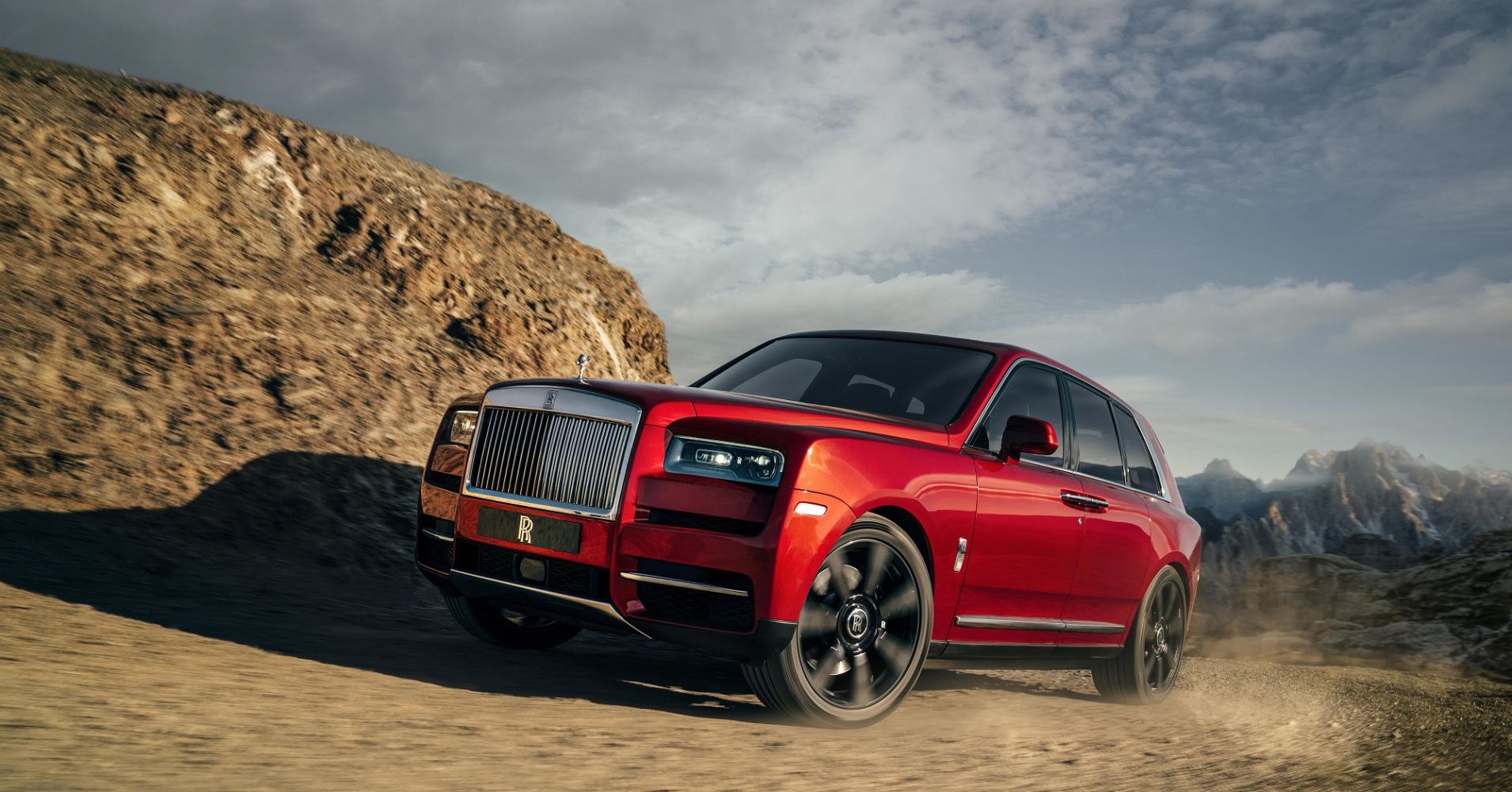
    Rolls-Royce Motor Cars has appointed Jozef Kaban as the new design chief. 46-year-old Kaban who was earlier the Head of Design Studio at its parent company- BMW started working with the Group two years back in 2017. Kaban started his career as a car designer with the Volkswagen Group after he graduated from the Royal College of Art, London in 1997 and in 1998 he got the project lead for the iconic Bugatti Veyron.

    On Kaban’s joining, Torsten Muller-Otvos, Chief Executive Officer, Rolls-Royce Motor Cars said, “I am delighted to announce that Jozef Kaban has been appointed Head of Design. He is an exceptionally talented designer with a strong track record and a wide breadth of ability. It is testament to the success of our business that, as the world’s leading luxury house, we are able to attract the world’s very best design talent.” He continued, “This is an exciting time for our brand and I look forward to welcoming Jozef to the Rolls-Royce family.”

    Prior to joining the BMW Group, Kaban worked as a lead designer of Exterior roles, first at Audi AG and then Skoda Auto.