Author: Mei Ling Tan

  • Hyundai’s Virtual Cockpit Concept Gets Steering-Mounted Touchscreens

    Hyundai’s Virtual Cockpit Concept Gets Steering-Mounted Touchscreens

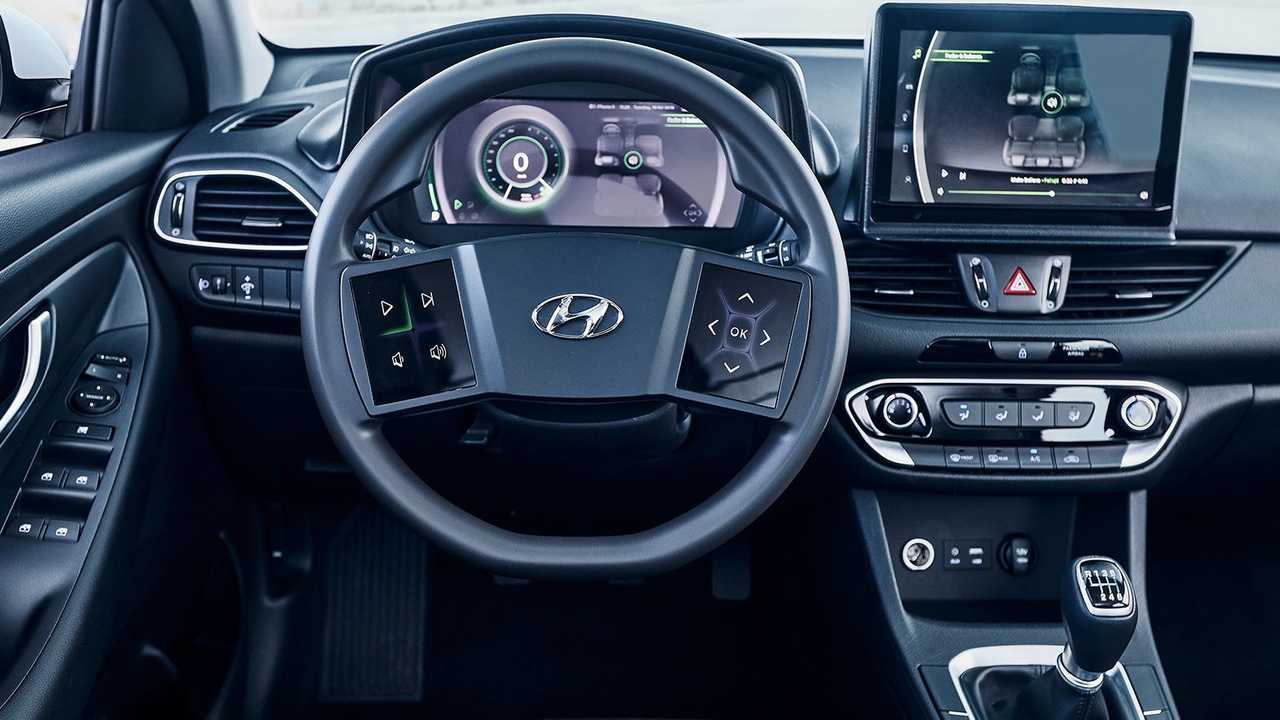
    The Hyundai i30 with the new virtual cockpit comes with a new steering wheel that comes with wide bridges one either side to house the two vertical displays. The touchscreen offers the driver controls to the music system, menu and mode change among others. In fact, the display even comes with a new, freely configurable icon design for easier understanding and two actuator modules underneath the surface allowing for a stronger and more consistent haptic feedback which optimises the usability for the driver. Hyundai focused on improving the existing concept of touch displays with haptic feedback on the steering wheel, similar to the centre display. The centre display can be used to control the car’s features like climate control, speaker setting and much more.

    As for the instrument cluster, it comes with a multi-layer display (MLD) that is claimed to come with a new, very natural way of attention control. Unlike regular displays, the MLD consists of two displays, which are stacked behind each other at a distance of 6mm that offer visual 3D effects – While one part of the graphic is shown on the front display and the other part on the rear display. In the area where the graphics overlap, the impression of an object in space is created. Regina Kaiser also said that “We are doing research on the learnability, intuition and potential driver distraction of the virtual cockpit.” In fact, the company study revealed that Hyundai’s new cockpit is significantly below the limits of the globally acknowledged motor vehicle safety associations AAM and NHTSA.

    Hyundai says that to date, the company’s steering wheels and cockpits have undergone a major development process and the technology continues to evolve. “We are continuously working on new technologies that make our cars perfectly intuitive and user-friendly”, said Regina Kaiser. While the cockpit is still in the early prototype stage, the company says that it’s nonetheless an important milestone and fairly advanced compared to the existing technology, parts of which we’ll be seeing in some of the future models from Hyundai.

  • Ford Unveils Their Puma Crossover

    Ford Unveils Their Puma Crossover

    Ford has revealed the first image of the Puma – an SUV-inspired compact crossover and the company says that it comes with hybrid technology. The Puma will go on sale in the global markets by the end of 2019 and will be manufactured at the company’s Craiova Assembly Plant, Romania, following nearly 1.5 billion Euros investment since 2008.

    The first image of the Ford Puma reveals its styling cues and we can see the distinctive wing-top mounted headlamps and the curves on the side of the car which brings out the athletic side of the car and also showcases the aerodynamic ability too. The company has not said much about the ride height but does mention that the luggage capacity is 456 litres.

    The company says that discussions with customers have led to it providing for flexible luggage space. The Puma’s innovative rear stowage can swallow small furniture and the company says that the versatile storage compartment is capable of comfortably accommodating two golf bags in an upright position.

    Under the hood is Ford’s 1-litre, 3 cylinder EcoBoost Hybrid technology which delivers 153 bhp and a belt-driven integrated starter/generator (BISG) enables recovery and storage of energy usually lost during braking and coasting to charge a 48 volt lithium-ion air-cooled battery pack.

    The BISG also integrates with the engine and uses the stored energy to provide torque substitution – which reduces the amount of work required from the petrol engine to maximise fuel savings, and torque supplementation – which increases the total torque available from the powertrain for optimised performance.

    The Puma joins Ford’s expanding line-up of SUV and SUV-inspired crossover models in Europe, including the Fiesta Active, Focus Active, EcoSport, Kuga, Edge, and the all-new Explorer Plug-In Hybrid among others. The SUVs now account for more than one in five Ford vehicles sold in Europe, and sales rose more than 19 per cent in 2018.

  • Motorola’s preparing an insane looking quadruple-camera phone

    Motorola’s preparing an insane looking quadruple-camera phone

    Just two days after the design of Motorola’s first ever triple-camera smartphone was revealed, tipster Steve Hemmerstoffer is back with yet another Motorola-branded device. This time, though, it sports a whopping four rear cameras and presents a very unique design.

    Over the past couple of years, Motorola has developed two clear design languages – Moto smartphones boast circle-shaped camera modules on the rear while One-branded devices feature vertical camera setups in the corner. But this yet-to-be-named model doesn’t fit in anywhere.

    Rather than adopting Motorola’s usual camera setups, the smartphone boasts an array of sensors which are arranged into a square – some could argue that the device resembles Huawei’s Mate 20 Pro because of this. These cameras sit directly above a large Motorola logo and, together, are contained within a large rectangular bump.

    This huge camera module sits in the center of the phone’s rear panel, which itself may be carved out of brushed aluminum rather than glass. The cameras are accompanied by a dual-LED flash and ‘48MP’ branding which suggests the primary sensor will sport a 48-megapixel resolution, like the one expected on the Motorola One Vision.

    Details about the remaining cameras remain unclear at the moment, but Motorola could potentially fit the phone with a wide-angle camera and a telephoto alternative. The remaining fourth camera could then be one of three: a depth sensor, a monochrome sensor, or a Time-of-Flight sensor.

    Yes, there’s a headphone jack too

    Like the Motorola One Vision and One Vision Plus which have already leaked, this Motorola device sports a large 6.2-inch display. There are, however, some very important changes.

    At first glance, the most noticeable difference is the lack of a cutout in the top-left corner. On the One Vision devices, Motorola uses this to house the selfie camera but on this particular smartphone, the Lenovo-owned brand has reverted back to the trusty U-shaped notch. This is paired with thin side bezels, a slightly thicker one above the display, and a larger chin below which is home to the Motorola branding. Also present is an in-display fingerprint scanner.

    Another key difference that may not be as noticeable in the renders is the different aspect ratio. The upcoming Motorola One devices sport extra-tall 21:9 displays, but this smartphone appears to boast a much more traditional 19:9 panel. This results in a device which is slightly wider but much shorter.

    Elsewhere, users can expect a USB Type-C port and a 3.5mm headphone jack along the bottom. Up top sits a SIM card tray and a speaker, while along the right side of the frame is a volume rocker and a power button. The left side of the phone is bare.

    This could be an iPhone XR & Galaxy S10e competitor

    This unknown Motorola smartphone will presumably be announced sometime later this quarter alongside the brand’s other devices – it’s currently working on the two One Vision devices mentioned above in addition to the Moto Z4 and Moto Z4 Play.

    The internal specifications of this device currently remain a mystery, but the 48-megapixel resolution of the rear camera does give us an indication of how the phone will be positioned. After all, this sensor has become popular among mid-range devices lately and is even expected to make its way into the OnePlus 7.

    This factor, combined with everything else the smartphone has to offer suggests it could be positioned as a Galaxy S10e and iPhone XR competitor, or perhaps just below these models at a cost of around $600 to $650. A premium model designed to compete with the Galaxy S10+ and iPhone XS Max does seem unlikely, though, considering Motorola exited that segment last year.

  • Google will allow Pixel owners to customize the icons

    Google will allow Pixel owners to customize the icons

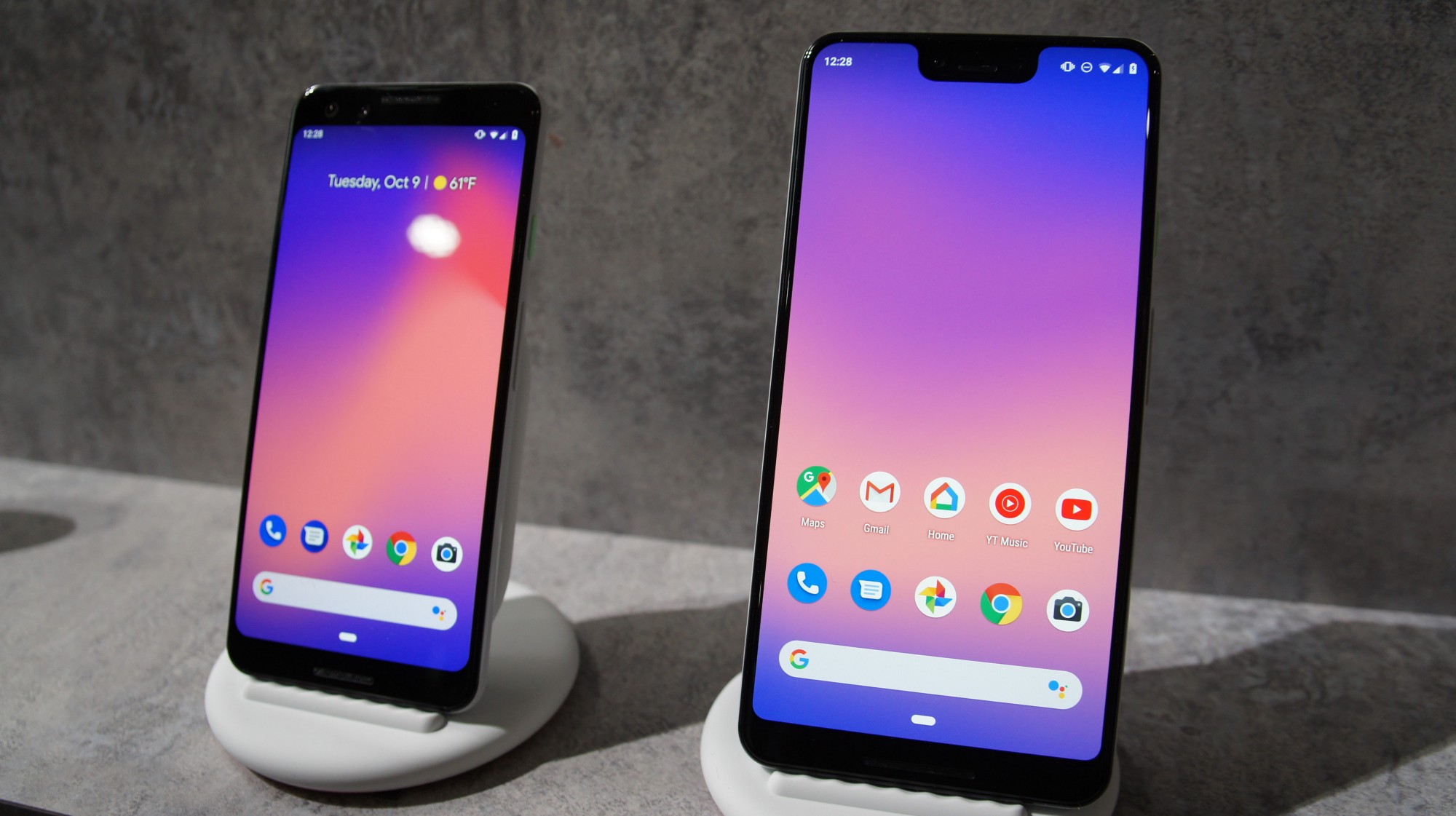
    It appears that Pixel users will soon get more customization options for their phones. XDA opened the product image for the Google Pixel 3 XL in the Android Q Beta 2 update revealing that a future app called Pixel Themes will eventually be listed in the Google Play Store. The themes will allow users to change the colors, icon shapes and fonts used on Pixel handsets.

    Right now, Pixel Themes is a “stub,” or an empty shell of an app already pre-installed in the Google Play Store. This is done so that when the time is right, the app can be instantly launched in the Play Store. There was some code found in the stub that contains previews of what each theme will look like. Three different themes were discovered:

    • Anthony: Rounded or Squircle shaped icons, Black accent, Rubik font.
    • Johanna: Filled icons, Green accent, Arvo and Lato font.
    • Reiko: Circular/Teardrop shaped icons, Purple accent, Arbutus font.

    These are the customization overlays that will be available from the Pixel Themes app

    When the app is ready to launch, you’ll find it in the Google Play Store right here. Until that day comes, clicking on this link will show you nothing more than an error message. And we would be remiss if we didn’t point out that Pixel Themes will use overlays to make the changes based on the theme selected. It also appears that Pixel users will get a small selection of new wallpapers to choose from once this app officially is released.

    With the app, users will be able to change icon shapes in additional locations related to the Settings, SystemUI, and Android framework. That can be seen from the image below.

  • Changing of guard at Spark

    Changing of guard at Spark

    New Zealand incumbent Spark announced that its managing director Simon Moutter (pictured) has resigned from the telco. Moutter will leave the positions of MD and a director of the company from July 1. Jolie Hodson, currently customer director at Spark, will take over as chief executive.

    Spark chair Justine Smyth said the company has been undertaken succession plan from within the business by giving potential internal candidates opportunities over time to demonstrate they have the right leadership capabilities.

    “Jolie is an accomplished leader with a strong record of delivering results and managing complex business units and to be able to appoint an executive of Jolie’s calibre and experience is a testament to the quality of the talent within the company,” she said.

    She has led major programmes related to Spark’s business transformation and has been a key driver of the company’s growth strategies in business cloud and IT services. Her most recent role has been customer director, with responsibilities across Spark’s consumer and retail operations, large corporate and government customers, and cloud services businesses.

    Previously, she was CEO of the former Spark Digital unit and chief financial officer.

    Smyth said Moutter became MD in 2012 and had done so in the expectation of a likely five- to seven-year tenure.

    “In almost every respect, Spark today is a vastly different company to the one that Simon re-joined in 2012. We are New Zealand’s leader in wireless communications, with a rejuvenated mobile business across both Spark and Skinny brands, a promising IoT business and a determination to be at the forefront of 5G,” she said.

    In 2014, Moutter led the transition of Spark changing its name from Telecom. He had helped the telco transform in many other ways including improving diversity and inclusion in the workplace, Smyth said.

    Moutter has also recently driven an “agile” restructure of Spark and an aggressive drive into sports content and streaming.

    This will be the second time Moutter has left the telco.

    Moutter served as chief operating officer between 2003 and 2008 before leaving to become chief executive of Auckland Airport.

    Moutter returned to Spark in 2012 to take the top job with the expectation that he help turn around the company after a demerger of Chorus in 2011.

    “I’ve given my absolute best to putting Spark onto a positive track over the last seven years, so the company can fully deliver on its purpose to ‘help all of New Zealand win big in a digital world,” he said.

    “I feel it’s the right time to pass the leadership baton on.”

    Moutter said he hadn’t made any decision about what he will do after he finish at Spark, other than spend the first couple of months with his family.

  • Consolidation to accelerate in APAC pay TV market

    Consolidation to accelerate in APAC pay TV market

    The Asia-Pacific pay TV market is set to experience a period of accelerated consolidation in the face of deteriorating subscriber and revenue growth, according to research from Media Partners Asia.

    The latest edition of the research and consulting group’s Pay TV Networks Channel Database finds that aggregate revenues across 13 of Asia’s major pay TV networks grew by a mere 1% in 2018 to around $4.9 billion. This compares to a 5% growth in 2017.

    Meanwhile aggregate ebitda across the 13 operators declined by 5% for the second straight year to $900 million.

    “Consumer demand for traditional pay-TV has been impacted forever by high-speed broadband, which is driving rapid increases in online video consumption as well as piracy,” Media Partners Asia executive director Vivek Couto said.

    “These trends have intensified downward pressure across Asia’s pay-TV ecosystem, especially in Southeast Asia, led by Singapore and Malaysia, alongside secular shifts in

    Australia and New Zealand. This will accelerate consolidation as well as major shifts in how channels and content are marketed and sold.”

    The company is predicting that a wave of consolidation will sweep Asia-Pacific over the next year.

    “Future consolidation and rationalization will be defined by global moves and M&A possibilities involving large assets in India,” Couto said.

    “Major players such as Discovery, CBS, Viacom, A+E, Sony and Universal are now competing for the consumer wallet with an increasingly scalable Disney and a newly integrated WarnerMedia within AT&T.”

  • Call Screen support is officially coming to Motorola One

    Call Screen support is officially coming to Motorola One

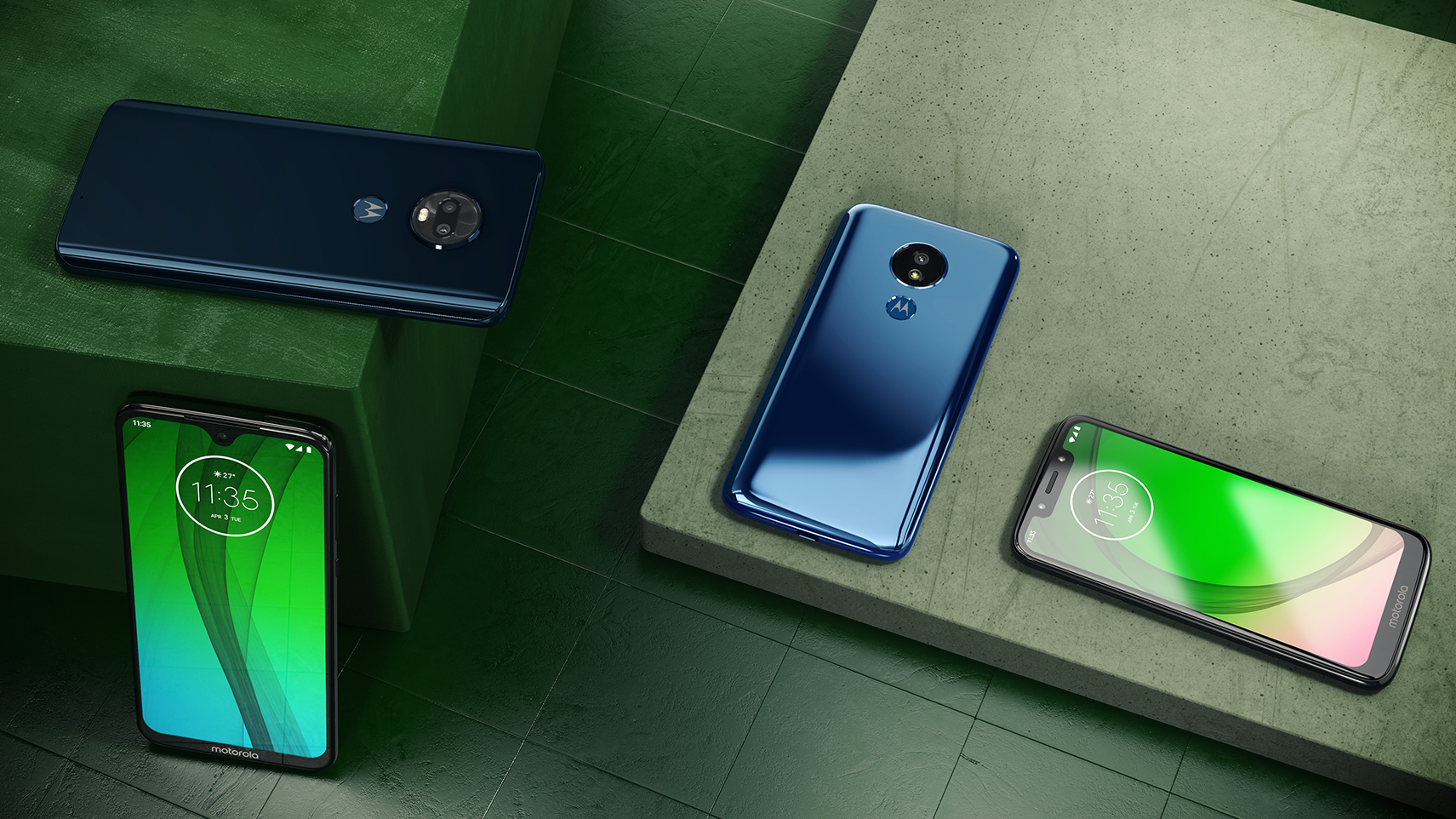
    Motorola has today announced that Google’s Call Screen feature is coming to the Moto G7 family and the Motorola One lineup. Until today, the feature was exclusively available on Google’s Pixel smartphones.

    Call Screen basically lets you use the Google Assistant to screen incoming phone calls, with the idea being that it’ll help avoid any scammers or unwanted callers. If you choose to use the feature, the Google Assistant will first ask callers why they are calling and relay the ongoing conversation in real-time on the screen. If you wish to answer the call yourself, you can do so at any time. Alternatively, you can choose to hang up or select another response such as “Is it urgent?” or “Tell me more.”

    Motorola says that it already “began rolling out,” although it didn’t specify when or how long it will take. Nevertheless, these things typically take a couple of weeks before everyone receives the update so if you own a Moto G7, Moto G7 Power, Moto G7 Play, Motorola One, or Motorola One Power be sure to be on the lookout.

    This feature’s release was hinted at as recently as yesterday by an update to Google’s Phone app. It also contained references to support for Nokia smartphones, which means these devices will likely be the next ones to receive the feature. However, as things stand, nothing has been announced officially.

  • Philippines’ House to hold common tower hearing

    Philippines’ House to hold common tower hearing

    A Philippines’ House of Representatives committee will next week hold a hearing on the government’s common tower policy to address the industry opposition and potential legal hurdles of the proposal.

    The House Committee on ICT will look into the status of the Department of ICT’s common tower policy during a hearing scheduled for Monday, committee chairman Victor Yap told.

    Representatives of Globe Telecom and PLDT, the National Telecommunications Commission, the Department of ICT and the Philippines Competition Commission are all expected to attend.

    Under the proposed policy, tower companies will be allowed to build and operate common telecom towers that can be leased to operators. The DICT has signed agreements with a number of tower companies ahead of the introduction of the policy.

    As well as helping to improve the Philippines’ telecommunications infrastructure, the common tower policy is aimed at allowing the market’s upcoming third operator Mislatel more quickly deploy a mobile network.

    But Globe and PLDT have objected to the draft terms, which had proposed that the number of cell site builders be restricted to two registered tower providers.

    According to the operators, this could lead to an infringement of the rights to own and establish cell sites that is stipulated in their legislative franchises.

  • Cineleisure mall unveils new retail concept

    Cineleisure mall unveils new retail concept

    Cineleisure mall has unveiled its new look, welcoming three new tenants. Targeting youth, the revamped mall gets interiors fitted with concrete juxtaposed against rustic wood timber, with a blend of earthy hues and cool steel palettes.

    The mall also extends its mix of food, fashion, and entertainment choices.

    Three new concepts are added this month including Tenkaichi Japanese BBQ and Shabu Shabu, The Alley Luxe, and Amazing Castle.

    New tenants

    Making its debut in Singapore, Taiwanese bubble tea chain The Alley is set to feature its first-ever premium lifestyle cafe concept The Alley Luxe. The outlet will offer the brand’s beverages alongside European-inspired foods such as croissants and cruffins.

    Japanese restaurant Tenkaichi Japanese BBQ & Shabu Shabu will offer a premium buffet, along with Donburi sets.

    As the first of its kind in Singapore and in Asia, Amazing Castle is a kingdom-themed entertainment play centre consisting of nine different activity stages.

    Based on the legend of a fairy kingdom being attacked by invaders, each activity stage features a physically interactive game for participants to confront challenges and ‘fight off invaders’.

    New redemption

    Cineleisure has also launched the Cathay Lifestyle Mall Redemption Mobile app, which allows shoppers to make redemptions seamlessly anywhere, anytime.

    Shoppers who spend a minimum amount at the mall have to photograph their receipt and upload via the app. Once verified, e-vouchers will be sent to the shopper for use at participating shops.

  • V2X apps to drive $1.2b market by 2022

    V2X apps to drive $1.2b market by 2022

    The latest SNS Telecom & IT research, V2X (Vehicle-to-Everything) Communications Ecosystem: 2019 – 2030 – Opportunities, Challenges, Strategies & Forecasts, suggests that global spending on V2X (Vehicle-to-Everything) communications technology – based on both IEEE 802.11p and C-V2X (Cellular V2X) standards – will reach $1.2 billion annually by the end of 2022.

    V2X communications technology allows vehicles to directly communicate with each other, roadside infrastructure, and other road users to deliver an array of benefits in the form of road safety, traffic efficiency, smart mobility, environmental sustainability, and driver convenience.

    V2X is also helping pave the way for fully autonomous driving through its unique non line-of-sight sensing capability which allows vehicles to detect potential hazards, traffic, and road conditions from longer distances and sooner than other in-vehicle sensors such as cameras, radar, and LiDAR (Light Detection and Ranging).

    Adoption on track

    Although legacy V2I (Vehicle-to-Infrastructure) technologies are currently in operational use worldwide for ETC (Electronic Toll Collection) and relatively simple V2I applications, advanced V2X systems – capable of supporting V2V (Vehicle-to-Vehicle), V2I and other forms of V2X communications – are beginning to gain broad commercial acceptance with two competing technologies vying for the attention of automakers and regulators. These are the commercially mature IEEE 802.11p/DSRC (Dedicated Short Range Communications) standard, and the relatively new 3GPP-defined C-V2X (Cellular V2X) technology which has a forward evolutionary path towards 5G.

    With an initial focus on road safety and traffic efficiency applications, Toyota and General Motors (GM) have already equipped some of their vehicle models with IEEE 802.11p-based V2X technology in Japan and North America.

    Volkswagen will begin deploying IEEE 802.11p on volume models in Europe starting from 2019, while Geely and Ford plan to integrate C-V2X in their new vehicles by 2021 and 2022 respectively.

    Luxury automakers – including BMW, Daimler, Volkswagen’s subsidiary Audi, and Volvo Cars – already deliver certain V2X-type applications through wide-area cellular connectivity and supporting infrastructure such as appropriately equipped roadwork trailers.

    Challenges ahead

    Despite the ongoing 802.11p/DSRC versus C-V2X debate, regulatory uncertainty and other challenges, global spending on V2X communications technology is expected to grow at a CAGR of more than 170% between 2019 and 2022. SNS Telecom & IT predicts that by the end of 2022, V2X will account for a market worth $1.2 billion, with an installed base of nearly 6 Million V2X-equipped vehicles worldwide.

    The report noted that despite the ongoing 802.11p/DSRC versus C-V2X debate, regulatory uncertainty and other challenges, global spending on V2X communications technology is expected to grow at a CAGR of more than 170% between 2019 and 2022. SNS Telecom & IT predicts that by the end of 2022, V2X will account for a market worth $1.2 billion, with an installed base of nearly 6 Million V2X-equipped vehicles worldwide.

    While Toyota and other Dedicated Short Range Communications (DSRC) proponents are pushing ahead with their plans to roll out IEEE 802.11p in North America, Europe and Japan, pre-commercial C-V2X deployments have recently gained considerable momentum, spearheaded by cellular industry giants such as Qualcomm and Huawei – with support from automakers including Ford, BMW, Daimler, Groupe PSA, SAIC, Geely, Volkswagen’s luxury brand Audi, and Jaguar Land Rover (JLR).

    Regional markets are also visibly divided with the Chinese Government backing C-V2X, Europe leaning towards IEEE 802.11p through its recently published delegated act on C-ITS (Cooperative Intelligent Transport Systems), and heated debates ensuing in the United States as a result of the 5GAA’s waiver request to allow C-V2X deployments in the 5.9-GHz band.

    Betting on the future

    As a result, a number of automotive OEMs are beginning to adopt a flexible approach by choosing to deploy different technologies in different regions as they commit to V2X. For example, although GM has equipped its Cadillac CTS sedan vehicles with IEEE 802.11p in North America, the automaker is actively working with business partners to prepare for C-V2X deployment in China.

    Besides becoming a standard safety feature on an increasing number of vehicles, V2X communications technology – through its unique non line-of-sight sensing capability – will play a critical role in ensuring the safe and efficient operation of autonomous driving systems, particularly with the commercialization of next-generation V2X standards, specifically 5G-V2X and IEEE 802.11bd.

    The globally harmonized 5.9-GHz band continues to remain the preferred spectrum for V2X communications technology, with the exception of Japan – where the national regulator has allocated a single 9 MHz channel in the frequency range 755.5 – 764.5 MHz for safety-related applications based on V2V and V2I communications.

    Early discussions are ongoing for the potential use of new bands, most notably in the 3.4 – 3.8 GHz and 5.9 – 7.2 GHz frequency ranges, as well as millimeter wave spectrum for LOS (Line-of-Sight) and high data rate V2X applications. Recent field trials using 39-GHz spectrum in the United States have demonstrated that millimeter propagations for V2V communications can work well in the distance range of 100 meters, without advanced beamforming techniques.

  • AlipayHK Collaborates with McDonald’s Hong Kong to Steer Digital Transformation

    AlipayHK Collaborates with McDonald’s Hong Kong to Steer Digital Transformation

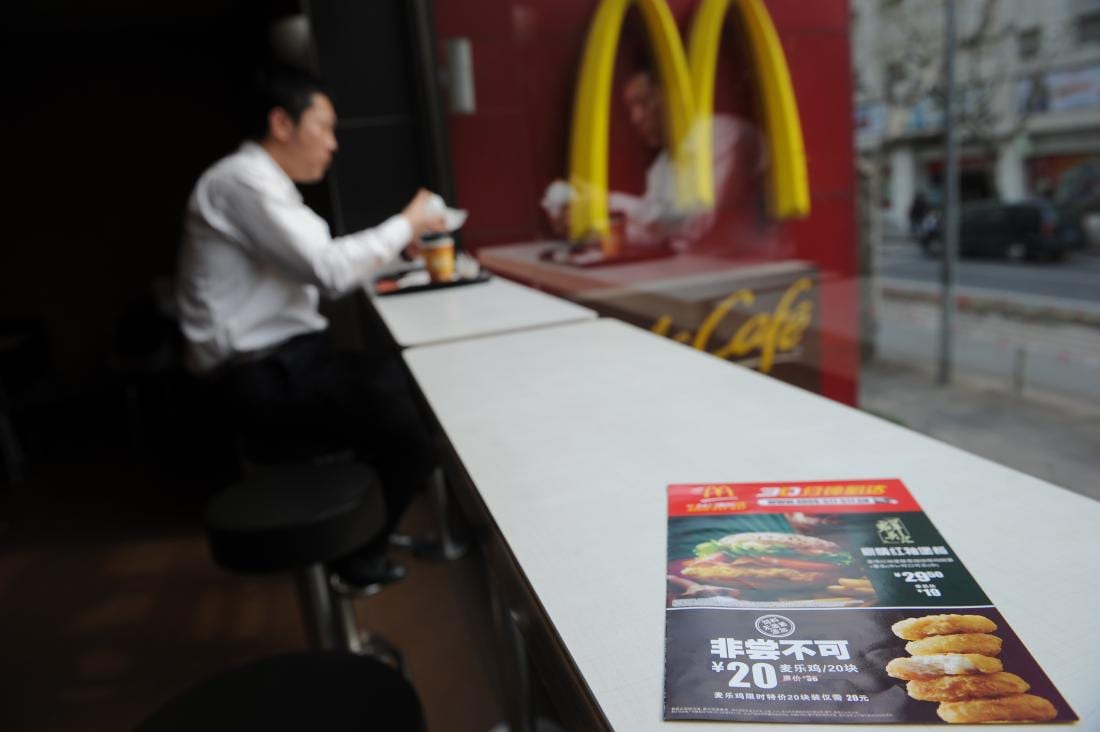
    With ubiquitous popularity on cashless payment services, AlipayHK has partnered with a plethora of merchants to engage users to harness the convenience of mobile payment. Today AlipayHK has collaborated with McDonald’s Hong Kong to steer profound digital transformation in catering industry – of which AlipayHK users can use the e-wallets to order gourmet food and pay in McDonald’s App on smartphones. Along with enhanced mobile ordering features in McDonald’s App, AlipayHK users can tap and swipe to enjoy “Exclusive rewards on delicacies”. Be familiar with QR code-based payment system to reap incredible rewards!

    First e-wallet integrated in McDonald’s App for mobile ordering and grab delicious deals

    With the advent of mobile payment services and big data analytics, restaurants are going full steam on digitalization craze. It is a prominent trend for the food and beverage sector to pursue digital transformation to boost operational efficiency, delivering customers seamless shopping and dining experience. Over the past year, AlipayHK has partnered with numerous merchants and restaurants to offer customers electronic coupons and stamps endlessly and to go green by using digital coupons. With McDonald’s launch of self-service ordering kiosks and mobile ordering, customers have appreciated the novelty and convenience of ordering scrumptious foods anywhere.

    It is an unrivalled convenience and unparalleled experience for AlipayHK customers to use the e-wallets integrated in McDonald’s App for placing orders.AlipayHK has strived to foster brand new consuming trend by embracing mobile wallet services – powered by futuristic technology – in Hongkongers’ daily lives. It has co-operated with McDonald’s to roll out “Exclusive rewards on delicacies” in McDoanld’s restaurants citywide, fostering mobile ordering and checkout as well as forging mobile payment as most preferred payment tool in Hong Kong.

    Ms. Jennifer Tan, Chief Executive Officer of Alipay Payment Services (HK) Limited, said, “AlipayHK expects that mobile payment services are geared to extensive and in-depth applications and development through the latest co-operation with McDonald’s Hong Kong. Currently, Alipay customers can use the e-wallets to make payment in nearly 10,000 restaurants. In collaboration with McDonald’s Hong Kong, AlipayHK hopes the initiative will help spearhead and incentivize more restaurants to engage in digital transformation in food and beverage sector. It will surely let customers gain bespoke experience and amazing convenience on mobile ordering and payment, turning the concept of smart living a reality.”

    Ms. Randy Lai, Chief Executive Officer of McDonald’s Hong Kong, said, “We have been committed to expanding our electronic payment platform to give customers’ unparalleled experience with McDonald’s in recent years. Since our collaboration with AlipayHK last year, customers have greatly enjoyed various special and incredible offers. To enhance co-operation, AlipayHK e-wallet is available in McDonald’s App for mobile ordering and payment from today, along with paying with credit cards and cash. I would like to express my sincere gratitude to AlipayHK for giving full support to McDonald’s Hong Kong and a wide array of exclusive offers to our customers. We will be dedicated to bringing our customers the next generation of premium restaurant experience.”

    AlipayHK debuts virtual KOL AliSa and leads Hong Kong people to immerse in smart living

    AlipayHK officially debuted its first beloved virtual KOL “AliSa” to bring Hong Kong people close together to explore future living. The well-loved virtual character AliSa literally means “happiness” and “pleasure” in Hebrew language. The beloved and delightful AliSa has truly lived up to make your life hassle free with cheers and fun everyday.

  • Fashion Brand Alexander McQueen joins Tmall

    Fashion Brand Alexander McQueen joins Tmall

    British fashion house Alexander McQueen — known for its unique tailoring and audacious designs — has soft-launched a virtual store on the Tmall Luxury Pavilion, Alibaba Group’s platform for luxury and premium brands.

    It will be the first online store in China that’s directly run by the house itself, rather than through a local partner, giving it full creative control over the look and feel of the site, the Pavilion said.

    The luxury brand was founded in 1992 by the late Lee Alexander McQueen, known for combining a respect for traditional craftsmanship with provocative, darkly romantic designs. Today, his eponymous label remains hugely influential, seen as synonymous with modern British couture. Following his death in 2010, Sarah Burton was appointed creative director of the house. Burton, who worked alongside McQueen for 14 years, currently oversees the creative direction of all the brand’s collections.

    The Alexander McQueen brand oversees a network of 73 directly operated brick-and-mortar boutiques, as well as several franchises and specialty stores worldwide, with flagships stores due to open in Shanghai and Hong Kong in 2019, per its parent Kering Group.

    The Tmall Luxury Pavilion Alexander McQueen store will officially launch on April 16, featuring items that incorporate images from the John Daekin Archive as part of the designs. The archive manages the work of John Daekin, the 20th-century British photographer who captured the lives of his artist and poet friends in London’s bohemia, Soho.

    Alexander McQueen is the third Kering-owned luxury brand to join the Pavilion, following Hong Kong-based jeweller Qeelin and Italian fashion house Bottega Veneta. Launched in 2017, Tmall Luxury Pavilion now offers more than 100 brands, ranging from apparel and beauty items to watches and luxury cars, including Valentino, Burberry, Tod’s, Versace, Stella McCartney, Moschino, Giuseppe Zanotti, MCM, La Mer, Maserati, LVMH-owned Rimowa, Guerlain, Givenchy, Tag Heuer and Zenith.

    Sherry Lang, MD of Tmall’s luxury division, said the Pavilion helps maisons and premium brands engage with China’s younger generation of consumers, delivering the same brand exclusivity and tailored shopping experience online that they would get in a brick-and-mortar store.

    “We also want to help luxury brands expand their reach in smaller cities and rural areas, where purchasing power is growing, but offer limited access to luxury goods,” said Lang. “The Pavilion is well-positioned to fill that gap.”

    The growth of the Pavilion comes as Chinese consumers drive global high-end spending, with Mainland China’s luxury sales growing 20 per cent to €23 billion ($25.8 billion) last year, according to Bain & Co. The consulting firm forecasts that by 2025, Chinese consumers will account for 46 per cent of the global market, up from 33 per cent last year.

  • Vietnam Airlines, Jetstar to sell million tickets during month-end holidays

    Vietnam Airlines, Jetstar to sell million tickets during month-end holidays

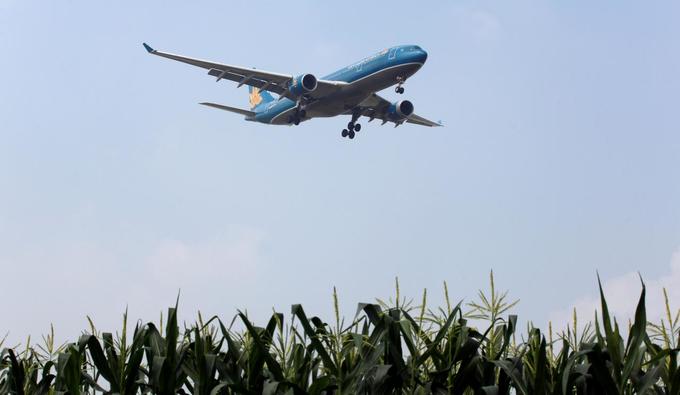
    Vietnam Airlines and Jetstar Pacific will sell nearly one million seats on 4,700 domestic and international flights during the Reunification Day (April 30) and Labour Day (May 1) holidays from April 26 to May 5.

    Vietnam Airlines will sell nearly 800,000 of them, 78,000 more than last year.

    The State-owned carrier will focus on services from Hà Nội, HCM City, Đà Nẵng, Phú Quốc, and Nha Trang domestically and the Japan, South Korea, Thailand, and Cambodia sectors.

    It owns a 70 per cent stake in Jetstar.

    The two airlines have urged passengers to plan their travel early, use online check-in services and kiosks at airports to save time.

    They should buy their tickets at www.vietnamairlines.com and www.jetstar.com/vn or from their offices and official agents, and request invoices to ensure they are not deceived by fake tickets or high fares.


  • Lexus Vietnam introduces new Lexus RC 2019

    Lexus Vietnam introduces new Lexus RC 2019

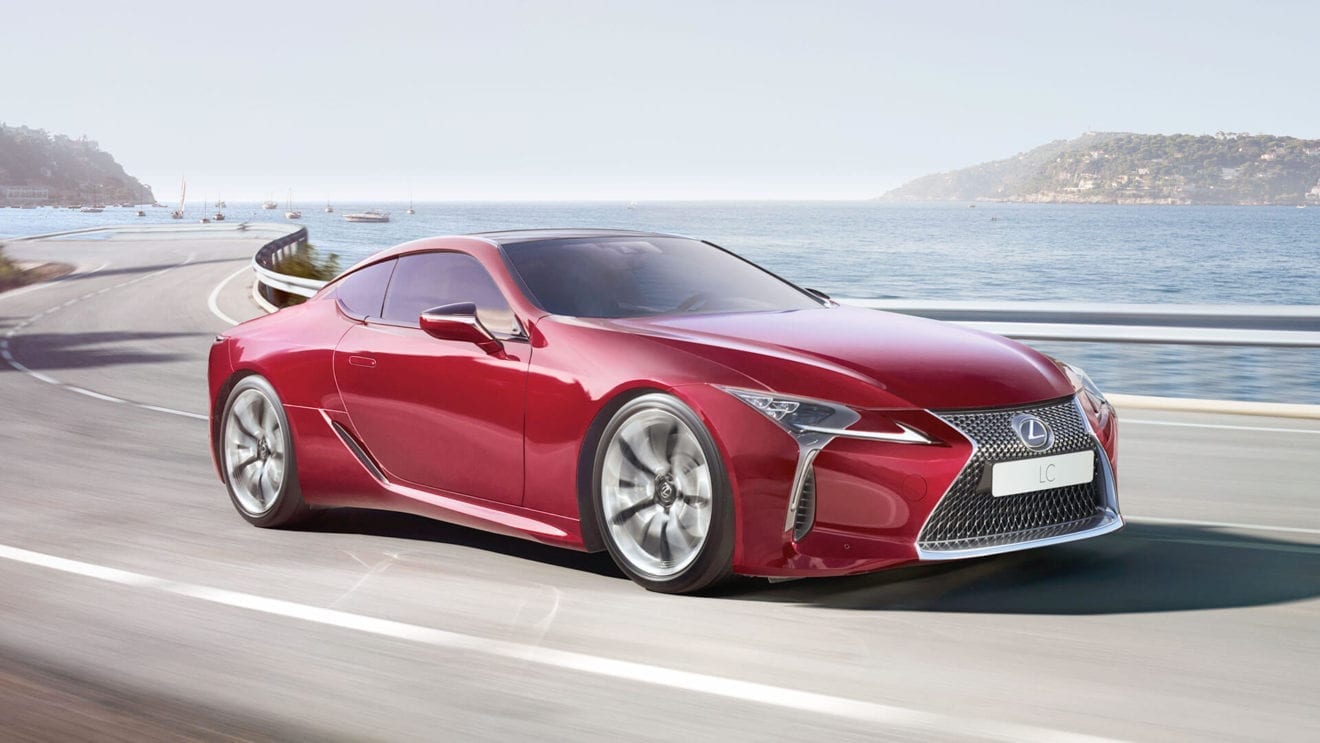
    Lexus Vietnam on Monday introduced new Lexus RC 2019 – a luxury sports coupé.

    Taking the driving concept of “sharper and more graceful” that defined the LC, Lexus engineers have succeeded in making the new RC fun to drive by focusing their attention on details.

    The new Lexus RC300 2019 will be available in two Lexus dealers of Thăng Long in Hà Nội and Saigon in HCM City since April 2019.

    The Lexux RC 300 costs up to VNĐ 3.3 billion (US$142,200).

  • Counterfeit goods seized in Stanley retail raids

    Counterfeit goods seized in Stanley retail raids

    Hong Kong Customs seized about 1300 fake branded items with a street value estimated at $600,000 during Stanley retail raids yesterday.

    The raid followed an earlier patrol where officers found suspected counterfeit goods were being sold at retail shops in the seaside suburb.

    The goods seized included handbags, leather products and clothing.

    A Customs spokesperson said that with the assistance of trademark owner, Customs officers took enforcement action, raiding two retail shops and one storage facility in the district.

    One man and two women were arrested – a shop owner and two salespersons, all aged between 34 and 47.

    The investigation is ongoing.

    Customs has previously said it will continue to step up inspection and enforcement to combat the sale of counterfeit goods and the number of raids in the territory has increased this year.

    “Customs reminds traders to be cautious and prudent in merchandising since the sale of counterfeit goods is a serious crime and offenders are liable to criminal liability,” said the spokesperson.

    Under the Trade Descriptions Ordinance, any person who sells or possesses for sale any goods with a forged trademark commits an offence. The maximum penalty upon conviction is a fine of $500,000 and imprisonment for five years.