Author: Mei Ling Tan

  • Hyperscale operators to boost colocation market

    Hyperscale operators to boost colocation market

    Synergy Research Group (SRG) says hyperscale operators are the fastest growing customer category for colocation providers. For both wholesale and retail colocation, 2018 revenue from hyperscale customers grew much more rapidly than revenues from other service provider customers and from enterprises.

    While the overall colocation market grew by 10% in 2018, revenues from hyperscale operators grew by 24% in the wholesale segment of the market and by 16% in the retail segment. Enterprise spending on wholesale colocation was relatively flat in 2018 compared to 2017, while enterprise spending on retail colocation grew by 7%.

    Synergy’s Q4 and year-end data shows that the total colocation market grew to over $34 billion in 2018.

    Growth was strongest in the APAC region, with China, Hong Kong, Japan and Singapore showing the highest growth rates in the region. Hyperscale operators comprise the world’s major cloud and internet service firms, including the largest operators in IaaS, PaaS, SaaS, search, social networking and e-commerce. The other service provider category includes telcos, non-hyperscale cloud providers and internet service firms, hosting/outsourcing companies and content & digital media service providers. The enterprise category includes all other industry verticals plus government and the public sector.

    “It comes as no surprise that hyperscale operators are providing a boost to colocation providers, as they are on a charge to rapidly extend their worldwide data center footprint and in 2018 ramped up their capex by no less than 43%,” said John Dinsdale, a chief analyst at Synergy Research Group.

    “In order to support this rapid growth they cannot just build their own data centers, so they also need to rely on colocation providers to lease out both large wholesale facilities and capacity at smaller edge locations. Hyperscale operators are becoming an ever-more important source of business for leading colocation companies such as Equinix, Digital Realty, Interxion, CyrusOne, QTS and GDS.”
  • Four in five Thais tries going cashless as confidence in digital payments grows

    Four in five Thais tries going cashless as confidence in digital payments grows

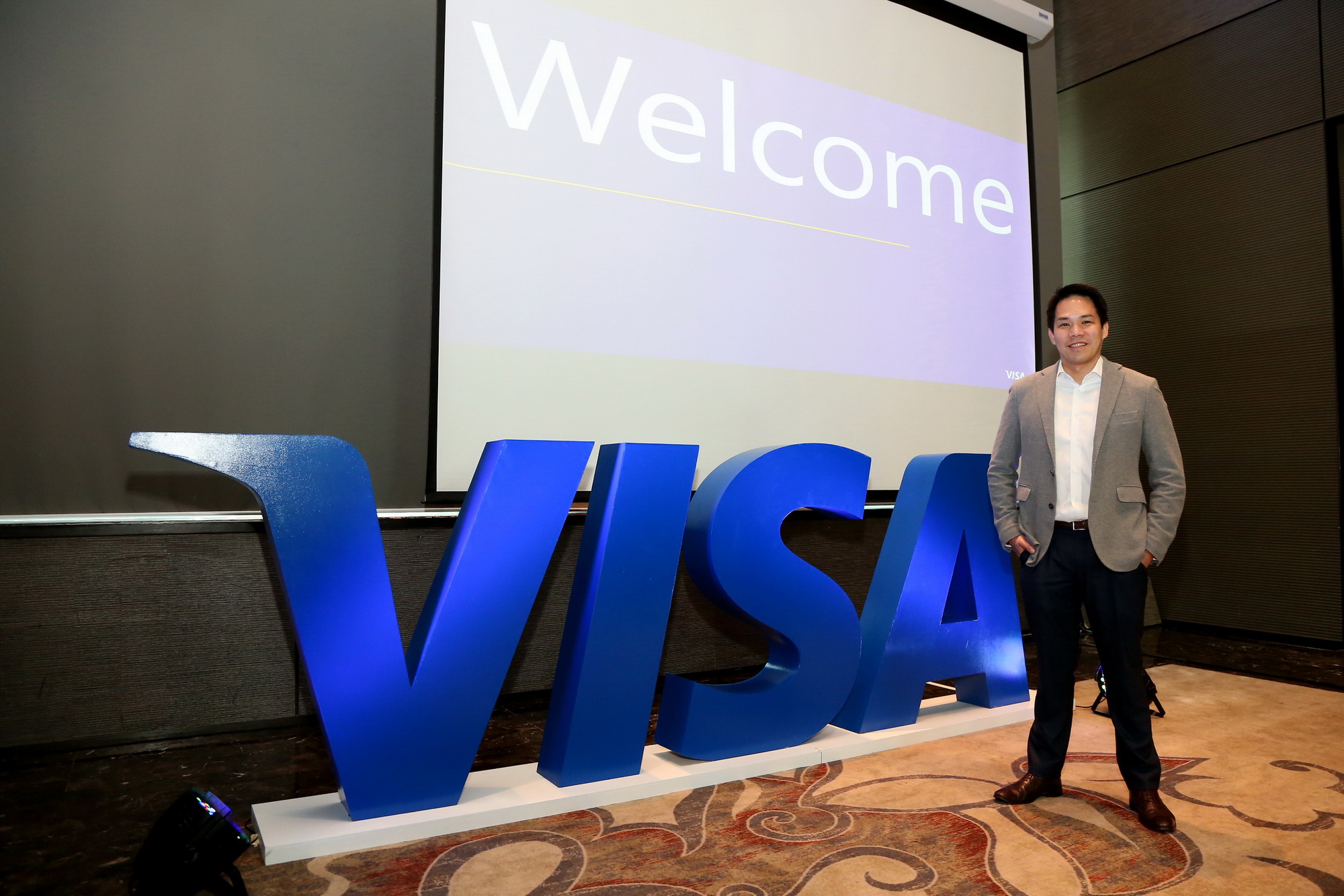
     Four in five Thai consumers (78 percent) have tried going cashless in 2018, compared to only fifty percent in previous year as confidence in digital payments grew, according to the 2018 Visa Consumer Payment Attitudes study (the “Study”). The study tracks payment habits and attitudes as well as exploring emerging topics related to payments among 4,000 consumers across eight Southeast Asian countries, including 500 respondents from Thailand.

    For Thai consumers, digital payment methods, such as cards, in-app mobile payments and QR payments combined together have a larger preference (57 percent) over cash (43 per cent).

    Suripong Tantiyanon, Country Manager for Visa Thailand said: “The higher preference towards using digital payments and the rise of confidence in going cashless are credited to industry players and the government, who have been relentlessly driving the national e-payments agenda.

    “In addition, we believe that the higher preference towards digital payments can be attributed to the proliferation of payment form factors and acceptance points.  More than ever before, Thai consumers can make payments with a wider range of connected devices and payment applications on smartphones, such as wearables and mobile payments.  At the same time, QR code offers merchants in traditionally cash-based segments with a fast, cost-effective and secure digital payments solution.”

    According to the study, two in five Thais (42 percent) said they carried less cash than they did two years ago, compared to 26 percent in 2017.  Top reasons for the decrease in cash in wallet are cash is unsafe (65 percent), higher adoption of digital payments (65 percent) and the hassle of using cash (39 percent).

    The study also showed  that of those who tried going cashless, more than half (60 percent) could manage a day without cash and forty-five percent could last without cash for more than three days.

    Overall, in terms of future expectation, more Thais are confident about the country becoming a cashless society.  Nearly one in three (29 percent) are confident that Thailand can become a cashless society in less than three years, compared to 11 percent in 2017.  Thirty-nine percent believed it will take between four to seven years while only six percent believed it will take longer than 15 years.

    “The findings are encouraging.  We believe that we are on the right track and it is important to help more consumers and merchants understand and embrace the benefits of digital payments.  At the same time, we are committed to innovate and collaborate with all stakeholders in the payment industry and beyond as we continue our journey towards transforming Thailand into a cashless society,” Suripong concluded.

  • Dtac, CAT, TOT to collaborate on 5G testbeds

    Dtac, CAT, TOT to collaborate on 5G testbeds

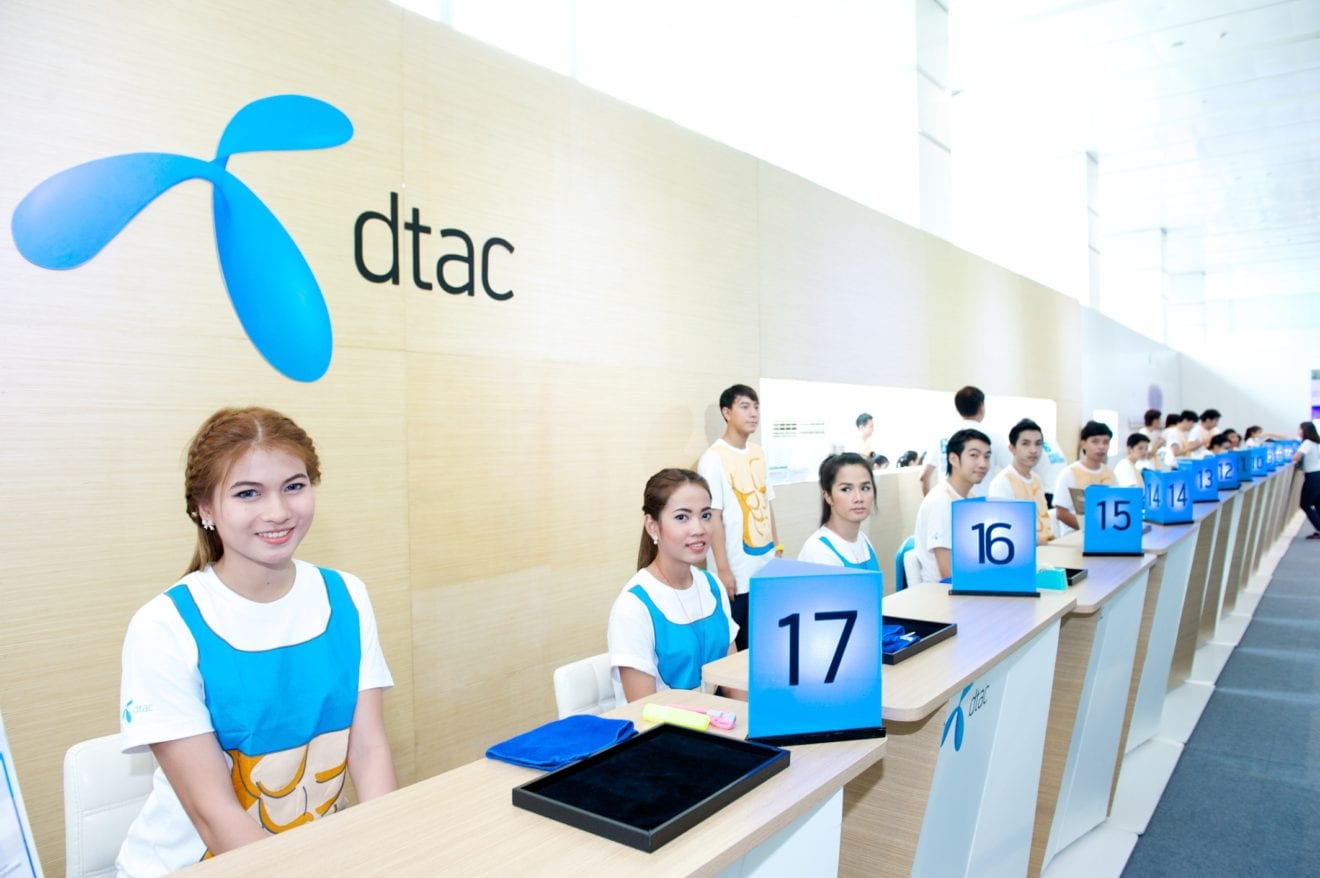
    Thai state owned operators TOT and CAT Telecom and privately-owned operator Dtac will collaborate on the development of 5G testbeds in the nation.

    The operators have signed a public-private partnership agreement to conduct both laboratory and live testing of 5G use cases at the 5G testbeds at Chulalongkorn University and the Eastern Economic Corridor.

    Applications due to be tested will focus on applications including smart farming, smart cities and environmental management.

    Specifically, TOT will test smart poles for smart city applications, CAT Telecom will trial 5G equipped air pollution sensors, and Dtac plans to test 5G connected drones to support real-time precision farming.

    The report cites Dtac CEO Alexandra Reich as noting that collaboration with vertical industries including co-investments will be essential for securing the resources required to pay for 5G infrastructure development.

    Meanwhile Dtac is urging the government to develop a clear 5G spectrum roadmap encompassing high, mid and low band spectrum, and including a clear allocation timeline, in order to support the industry’s preparations for the launch of 5G in Thailand.

  • Shanghai launches 5G trial district

    Shanghai launches 5G trial district

    The City of Shanghai has launched 5G trials in the Hongkou district, which also has the distinction of having a gigabit broadband network.

    The 5G trial, backed by China Mobile, involves providing full coverage of the district.

    During a commencement ceremony for the trial, a 5G video call was placed using the Huawei Mate X foldable 5G smartphone.

    The city plans to deploy over 10,000 5G base stations by the end of the year, and over 30,000 by 2021.

    As part of the trials, the city also plans to provide support for over 100 companies developing 5G-related application scenarios.

    The wide-scale trial follows Huawei’s deployment of trial 5G services at Shanghai’s Hongqiao Railway Station in February.

    Other Chinese cities are also investing in taking an early lead with 5G deployments, including Chengdu in the Sichuan province and Wuhan in Central China.

    The latter city has deployed a trial 5G network encompassing over 100 5G base stations to explore developments in autonomous vehicles, drones and satellite-based positioning, the report states.

  • Soul Origin offers free toast

    Soul Origin offers free toast

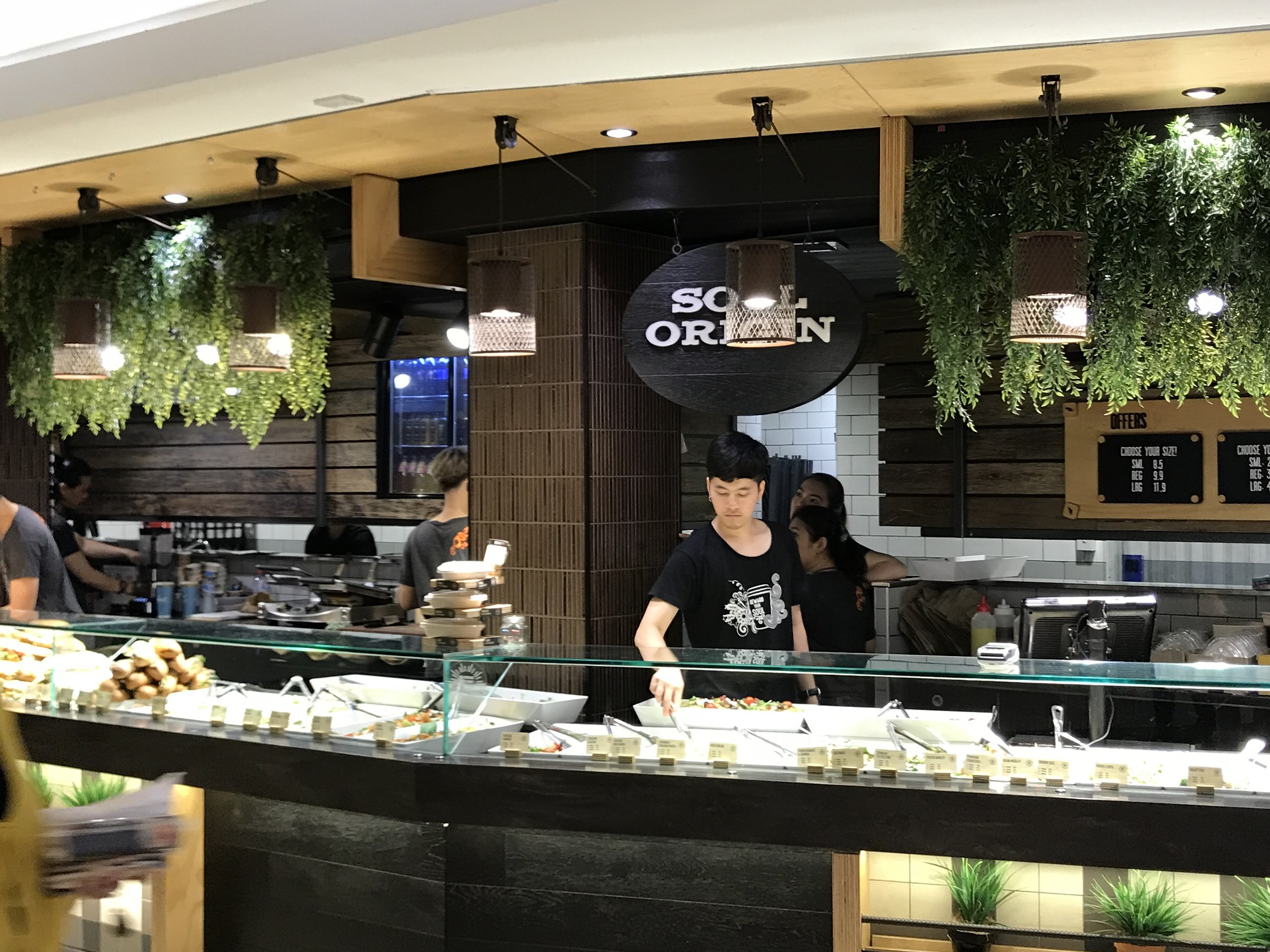
    Cafe chain Soul Origin is giving away a free slice of Vegemite toast with any coffee purchase on Wednesday, after an imprompt national debate broke out yesterday over the correct amount of Vegemite on a slice of toast.

    The debate started when a customer took issue with the scant serving of Vegemite on their toast and posted an image to the Breakfast sub-Reddit page, calling the Soul Origin cafe in the Domestic Terminal of Sydney Airport that served it to them “un-Australian”.

    The image was widely shared across social media, where thousands of Vegemite fans and haters weighed in.

    “I’m fairly sure that’s illegal in Australia,” one Redditor commented on the original photo, while another noted, “I hate the stuff and even I know that isn’t quite enough.”

    On the other side of the fence, some pushed for the option to throw the toast in the bin and replace it with peanut butter instead.

    Soul Origin chief executive Chris Mavris took the frenzy in stride. He released a statement Tuesday afternoon announcing customers would receive a free slice of Vegemite toast with any coffee purchase on Wednesday, and encouraging customers to tell their local cafe exactly how they like it.

    “There’s nothing more Australian than Vegemite on toast but it’s no secret that everyone has their own personal way of enjoying this national delicacy,” Mavris said.

  • SF Express Logistics shuts SF Best retail network

    SF Express Logistics shuts SF Best retail network

    Chinese logistics firm SF Express is reportedly closing its network of SF Best offline retail stores in major Chinese cities.

    The move, which has seen the shuttering of the firm’s e-commerce and retail business SF Best, has been prompted by a slowing economy and thin margins in the sector. The brand was formally considered at the head of China’s e-commerce wave.

    Just two years ago, SF Best announced plans to open 10,000 outlets within three years. Its aggressive offline expansion plans, however, saw heavy retail losses and a high turnover in management that sent the firm into a dive.

    A spokesperson for the firm announced that it is currently undergoing restructuring and plans to ramp up operations in Beijing and southern China before further expansion. It is also working to strengthen its online brand.

  • New NBA China store the largest outside USA

    New NBA China store the largest outside USA

    The US National Basketball Association (NBA) has partnered with Chinese sports retailer Topsports and its official on-court apparel provider Nike to open the league’s largest store outside North America.

    The new 1145sqm NBA China store at Intime Mall on Beijing’s premier shopping street Wangfujing spans two floors and carries a range of products from jerseys and footwear through to basketballs and memorabilia. Customisable jerseys will be available for fans to personalise via the store’s “NBA Me” service, while other products are designed to reflect Beijing-specific themes including Chinese opera masks and local food. The store’s design is inspired by authentic NBA arenas with a hardwood floor.

    “Our largest NBA Store outside North America underscores the NBA’s long-standing commitment to serving our fans in China,” said NBA China CEO Derek Chang.

    “As the appetite for official NBA products continues to grow in China, this brand-new retail space will provide fans with authentic NBA gear and accessories, exclusive memorabilia and localised products that celebrate their passion for the NBA.”

    “Our goal is to make the Beijing flagship NBA Store a landmark for NBA fans in Beijing by offering them the new retail experience and wide category of merchandise,” said Topsports deputy GM Tian Zhong.

    “We will leverage our extensive retail experience to work closely with the NBA and Nike to provide a variety of products, good customer experience and membership service to all the NBA fans in China.”

  • Japanese lingerie brand Wacoal Expanding in India

    Japanese lingerie brand Wacoal Expanding in India

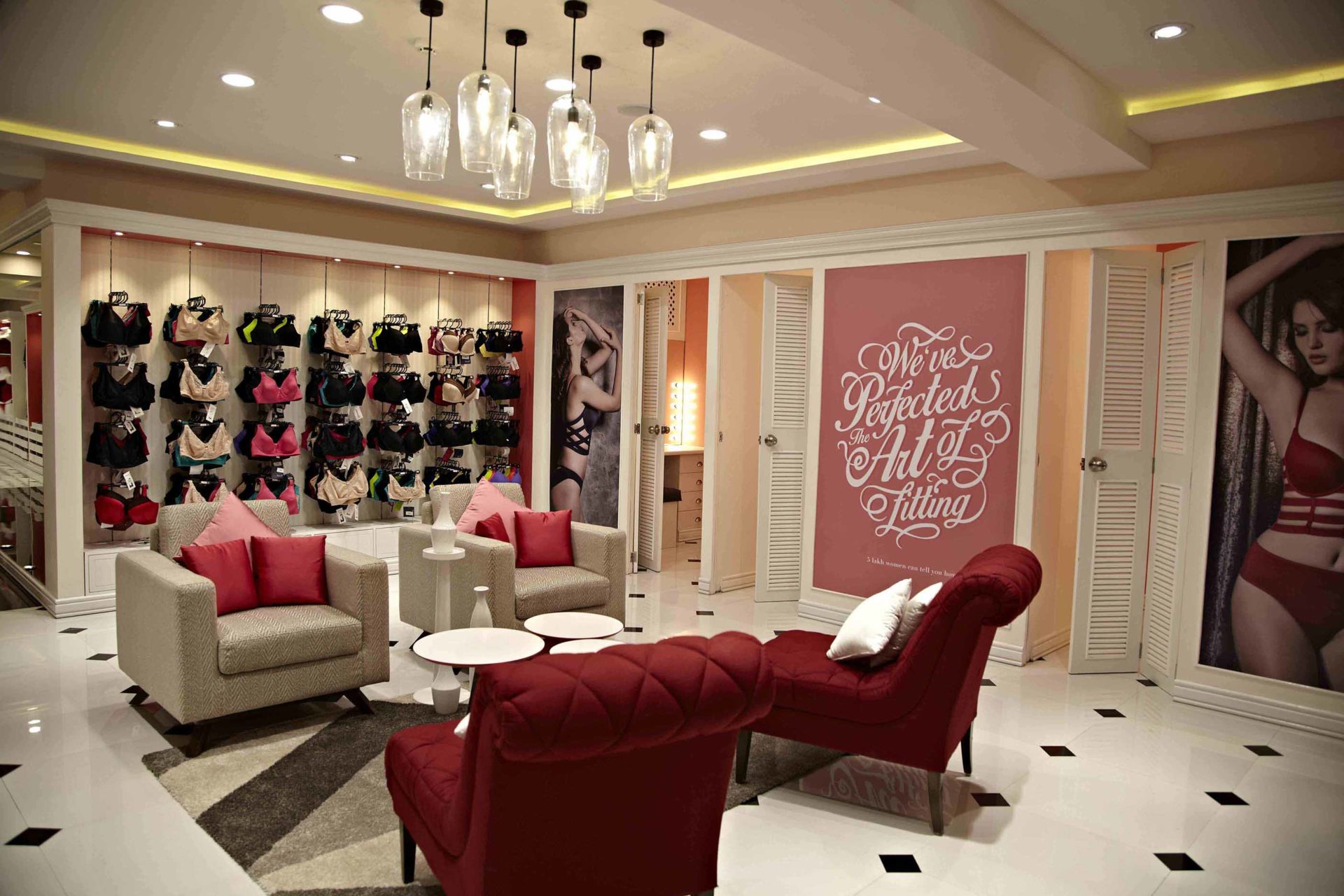
    Premium Japanese lingerie brand Wacoal will invest around ₹100 crore (US$14.5 million) over three years to boost its presence in India.

    A statement released by the firm revealed it will build on its current 11 outlets in the territory to reach 70 exclusive stores and 80 shop in shops across 30 cities.

    The brand will advance sales in India via its partnership with several e-commerce platforms accompanied by an intensive cross-platform marketing and a PR campaign.

    “We have seen an exponential growth seen in the Indian market since Wacoal’s entry in 2015,” said WacoalCorp representative director, president and corporate officer Tomoyasu Ito.

    “With this expansion, we aim to explore its full potential, and further solidify our position as a leading entity in the country’s luxury lingerie market. Our presence in additional metros will introduce a wider audience to the fit and comfort of our innerwear, crucial elements in the life of the modern woman.

    “Our stellar success since launch has rapidly established Wacoal as an indispensable part of India’s inner-wear scene, showcasing India as a mature market with a desire for Wacoal’s innovative, timeless collections.”

  • Fabernovel supports the global digital transformation of Shiseido

    Fabernovel supports the global digital transformation of Shiseido

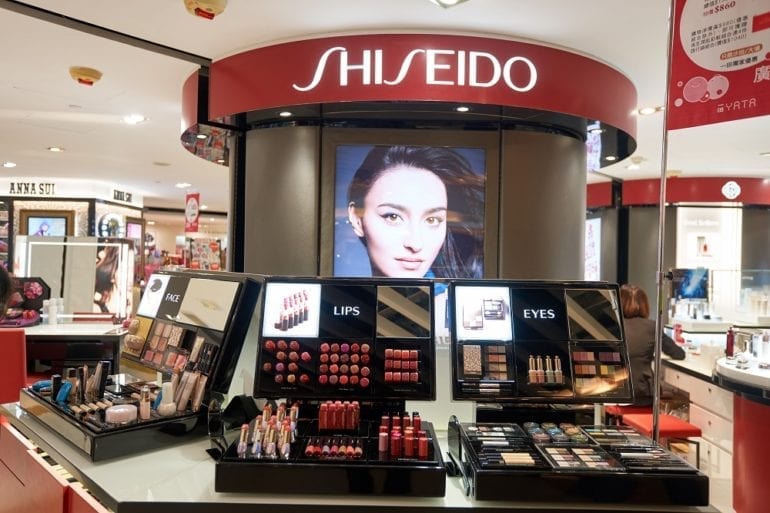
    Fabernovel supports the leading international cosmetic company Shiseido to achieve its digital transformation at a global level by 2020. Shiseido has just received the Valiente’s Transformation Award at SXSW in Austin, Texas, acknowledging its excellence in digital transformation empowered by the SHISEIDO+ Digital Academy program launched in 2016 in collaboration with Fabernovel.

    Creation of a worldwide digital platform

    With Fabernovel, Shiseido launched the SHISEIDO+ Digital Academy program, creating a new approach of learning, both online and offline, to enable digital education and transformation at a global level.

    Shiseido executives and employees have been immersed in the innovation landscape through this fully fledged online learning platform comprised of 24 customized curriculums targeting various job functions, with more than a dozen of collaborative events (live sessions, learning expeditions, summits) in the world’s most advanced ecosystems from the Americas to Asia in order to accelerate digital transformation, stay ahead of the latest trends in their local markets, and adjust their business strategies accordingly.

    This digital transformation was a cultural challenge, as the project has to adapt to the way Shiseido communicates to over 30 different nationalities within the company. The customized curriculums have been created to meet the needs of each job function, both in terms of the specific issues they want to address and their level of digital maturity. In addition, the program is delivered in English, Japanese and Chinese (Mandarin) to maximize its effectiveness for each region.

    Over 2,000 employees across the globe are benefiting from the SHISEIDO+ Digital Academy and the company is getting closer to the objective of making Shiseido the most digitally fit beauty company by 2020. Thus, the program will continue expanding through its ongoing partnership with Fabernovel.

    “It is probably Fabernovel’s most ‘global’ project to date, and it means we can approach the digital transformation of a large organization from all angles, including cultural ones.” explains Dominique Piotet, International Development Director at Fabernovel

    Project awarded at SXSW

    The Valiente Awards recognize marketers as Angelica Munson, Global President of Shiseido Digital Center of Excellence, who have disrupted the status quo and who embrace the role of the modern marketer. The advisory panel showcase marketing change agents who have shown courage, ingenuity and spirit in delivering remarkable results for their organizations.

    “When I joined Shiseido Group in 2016, I considered myself extremely lucky to be part of the company’s Digital Center of Excellence and now even more so to lead that function for the global organization. Shiseido is such an innovative company, not only in terms of its cutting-edge products and progressive marketing strategies, but in its approach to professional development, particularly its commitment to “future-proof” the careers of its employees. The SHISEIDO+Digital Academy, overseen by my colleague Rosina Cascos, Executive Director, Global Programs, Shiseido Digital Center of Excellence, and developed in close collaboration with our agency partners at Fabernovel, is a prime example of that commitment.” Angelica Munson, Global President of Shiseido Digital Center of Excellence

  • Healthy Life to join Go Vita network Immediately

    Healthy Life to join Go Vita network Immediately

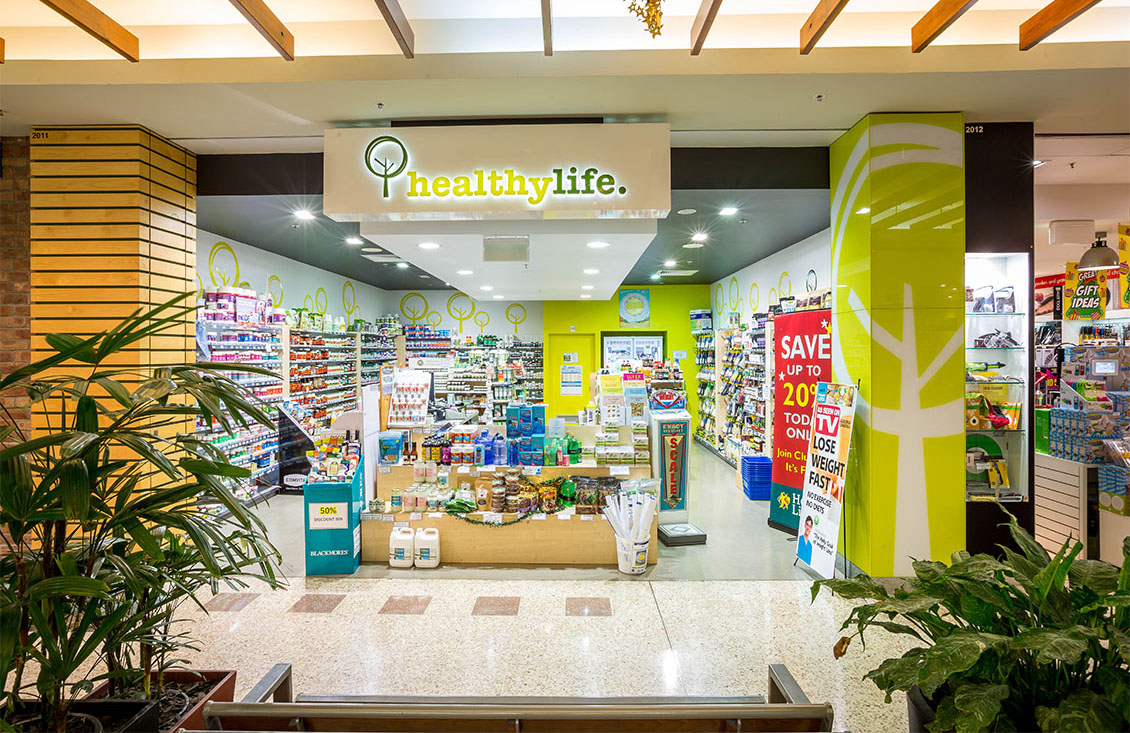
    Australian retailer Healthy Life will join the nation’s largest health food store group, Go Vita, in the hope of strengthening the retail health channel.

    GoVita has more than 135 independently-owned and operated health stores in its network. Going forward, Healthy Life’s 50-plus store network will be co-branded as GoVita & Healthy Life, and both brands will retain their current identity.

    “In the face of an increasingly competitive and challenging retail environment, we believe this move will strengthen the retail health channel for the future,” said Healthy Life general manager, Craig Johnston in a statement on Tuesday.

    Healthy Life Group also plans to boost growth by investing further in its private label range for export.

    “By joining forces with Go Vita and shoring up the retail health channel we can both benefit from the significant growth that has seen the complementary medicine sector grow by 70 per cent in the last five years alone to an estimated $4.9 billion and the organic food market, which has grown by 88 per cent to an estimated $2.4 billion in Australia,” Healthy Life chairman Rolf Krecklenberg said.

    Go Vita CEO Terry Hughes said the move is great for both parties and will give Australians easier access to premium health and wellness products and services.

    “They Healthy Life have joined as members of Go Vita, enabling Go Vita to have a larger footprint to better serve the health & wellness sector across Australia with an increased store base just short of 180 stores nationally,” Terry Hughes CEO Go Vita told.

    “Health food stores play a vital role in the growth of Australia’s health and wellness industry. They are the incubators and launch pads for new, innovative products onto the Australian market and are a critical part of our retail landscape; ensuring consumers have diversity of choice about what they buy, and where they shop.”

    Commenting on whether there would be store closures in areas where Healthy Life/Go Vita store locations overlap Hughes said, “this will be reviewed on a case by case situation”.

    “If the Healthy Life store is within 1 km of the existing Go Vita store we will look to relocate the Healthy Life store.”

  • Vingroup buys Vietnam c-store chain Shop&Go

    Vingroup buys Vietnam c-store chain Shop&Go

    Vingroup has acquired 87 Vietnamese Shop&Go convenience stores for just US$1.

    Vingroup’s retail arm VinCommerce, which manages Vinmart supermarkets and Vinmart+ convenience stores, will upgrade infrastructure, staff and goods at the acquired stores by the end of next month.

    According to a VinCommerce statement, Shop&Go made the approach and offered to sell itself.

    “The competition is more intense than we imagined; that is why we’ve decided to leave,” a Shop&Go spokesperson said, admitting Vietnamese retail market still has potential for growth.

    “We have sold our stores to Vingroup so it can continue to develop them.”

    Opened in 2006, Shop&Go was one of the earliest convenience store chains in Vietnam.

    By 2016, it had aggregated losses of almost VND205 billion (US$8.81 million).

    VinCommerce runs 108 VinMart supermarkets and 1900 VinMart+ convenience stores.

    Last year, it acquired supermarket chain Fivimart with 23 outlets.

    In a report last year, Nielsen Vietnam observed a rise in visits by Vietnamese to convenience stores. The average shopper uses a convenience store 4.5 times per month – three times the frequency of 2010.

  • South Korean online retail sales show steep climb

    South Korean online retail sales show steep climb

    South Korean online sales posted double-digit growth in February, underpinned by soaring demand for air purifiers.

    The spike in demand was caused by an instance of fine-dust pollution that hit Korea during the month.

    The findings were published in a Ministry of Trade, Industry and Energy report last Thursday that registered a 12 per cent advance in online retail sales compared with the same period last year.

    Home appliances sales, encompassing air purifiers, grew 62.2 per cent over the course of the month.

    The February figures contrasted with a 0.4 per cent dip in revenue by both online and offline major retailers and a 7.1 per cent decline in offline sales. Discount outlet sales also dropped by 13.7 per cent.

  • Zivame Lingerie raises expansion capital to expand in India

    Zivame Lingerie raises expansion capital to expand in India

    Indian lingerie retailer Zivame has raised about US$8.6 million to fund expansion.

    The funds were raised through Allana Investment and Trading Company, in a round led by existing investor Zodius Technology and individual investors.

    The new capital will be used for store expansion, technology augmentation, product development and omnichannel strategy. Zivame now has more than 30 offline retail stores, and aims to expand to more than 60 in the next year.

    “The funding will enable us to further enhance our footprint and leadership in existing and newer markets as we continue to build on our mission to be the destination for women for all her intimate needs,” said Amisha Jain, Zivame CEO.

    “We continue to build the category as the Indian lingerie market is largely unorganised and under-served.”

    The company plans to a larger fundraising round in coming months.

    Founded in 2011 as a marketplace for lingerie brands, Zivame has expanded into fashion apparel, activewear, sleepwear, and shapewear as well as developed its private labels including Penny and Coucou.

  • Sephora Hong Kong Reopening Soon

    Sephora Hong Kong Reopening Soon

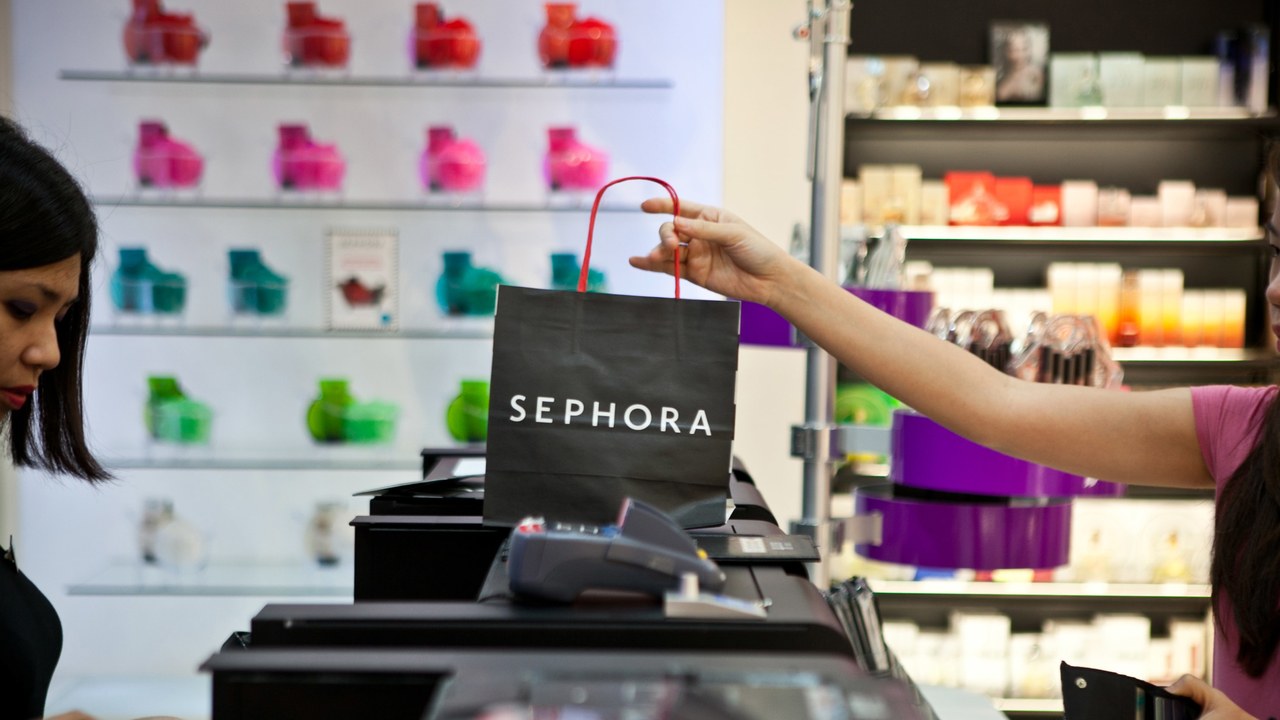
    Makeup superstore Sephora has confirmed its widely anticipated return to Hong Kong in physical store form.

    The LVMH-owned cosmetics retailer will sublease a 4000sqft space in the Zara store at IFC Mall in Central, nine years after it closed its last store in the territory.

    Despite its physical absence in the market, Sephora Hong Kong has continued to sell products online to loyal customers.

    The last Sephora Hong Kong store traded for just two years in Mong Kok, closing in 2010. At the time, retail commentators said the brand failed due to poor store location, lacklustre marketing and high rents.

    Sephora is popular in Mainland China and has stores across Southeast Asia trading profitably, especially in Singapore and Malaysia.

    According to news reports in Chinese media, Sephora has subleased the space from Zara for HK$2 million (US$254,800) per month.

  • Ikea to open first small-format store in Sydney

    Ikea to open first small-format store in Sydney

    Ikea Australia’s first small-format store is set to open in Sydney’s Westfield Warringah Mall at the beginning of May.

    The Ikea Planning Studio will provide shoppers on the Northern Beaches with a place to plan and build their dream kitchens and bedrooms. Staff on-site will be equipped with tablets and provide one-on-one consultations to help customers select the right products from Ikea’s range of furniture, appliances, storage solutions and more.

    This stands in sharp contrast to the massive, showroom-cum-warehouse stores that Ikea traditionally has been famous for. But the shifting retail landscape has seen the Swedish furniture giant globally adapt its offer by launching e-commerce sites, providing more do-it-for-me services and, increasingly, experimenting with smaller stores in urban centres.

    “At Ikea, we know Australians are looking for new and more convenient ways to shop their favourite products. We’re excited to be bringing bespoke Ikea shopping experiences to Aussies around the country in locations that suit them,” Ikea Australia country manager Jan Gardberg said.

    “We’ve chosen Warringah Mall as our first location in order to reach even more Australians that live within urban areas, outside of the city centre.”

    The Planning Studio seemingly aims to provide a more immersive shopping experience, with a “luxe bedroom environment” that will transport shoppers to a “hub of femininity through floral scents and classic detailing” and a “soothing wellness sanctuary” that will feature a variety of kitchen solutions.

    In a separate initiative, the retailer currently is hosting a series of “sleepovers” at stores across the country, where select customers can experience how Ikea’s range of sleep solutions – that is, mattresses, bedding and other items – provide a better night’s sleep. This suggests Ikea is looking for ways to interact with customers on a more personalised and experiential level.

    “We want to inspire people to get creative and explore the possibilities of our range. The launch of our small format stores is just another way we’re helping Australians to create personalised and functional spaces within the home,” Gardberg said.

    The Planning Studio’s design was inspired by Scandinavian modern style and Ikea’s design values of sustainability, quality, form, function and affordability, the retailer said, and created with the eco-friendly shopper in mind.