Author: Mei Ling Tan

  • OneDrive for iOS update brings deeper functionality

    OneDrive for iOS update brings deeper functionality

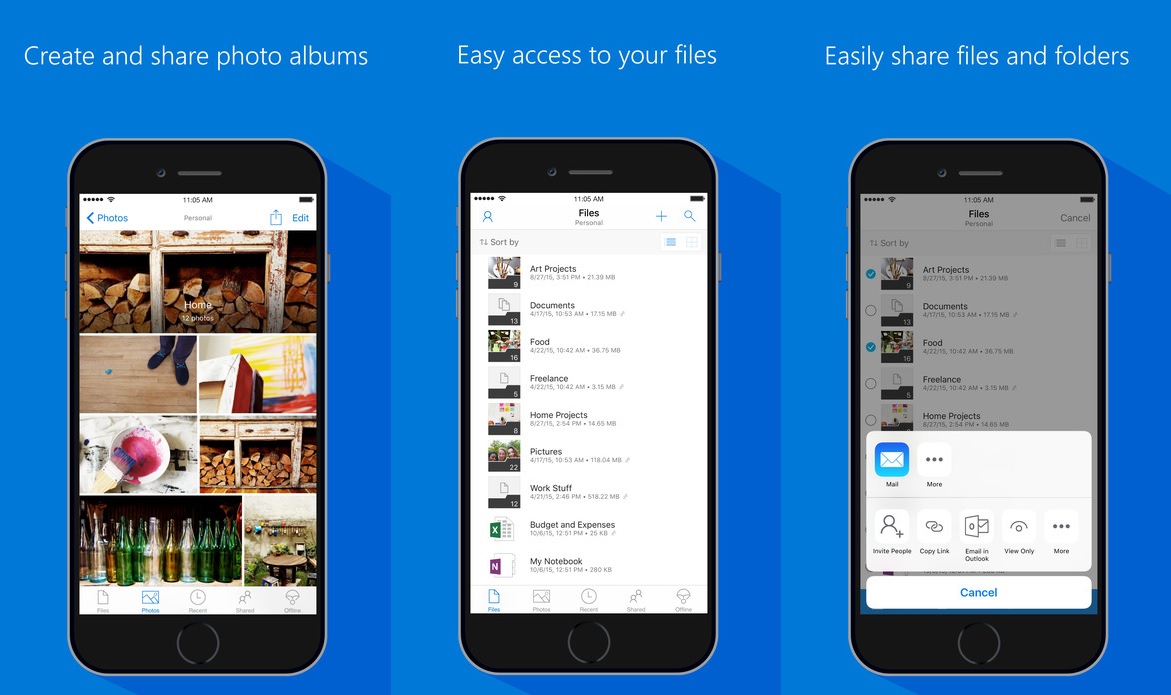
    In between bug squashing and adding new features, OneDrive benefits from a steady flow of updates meant to enhance user experience. The latest update brings support for specific features aimed at iPhone users like Siri Shortcuts. You can turn on shortcuts by heading to Settings / Siri & Search, which will allow you to use your voice for various tasks.

    For example, you can say “Hey Siri, scan a business card” and the app should do it for you. Of course, you can scan anything from a document or photo to a whiteboard if the need arises. But Siri Shortcuts is not the only new addition to this OneDrive build.

    The official changelog mentions that the VoiceOver experience in the Shared paged has been fine-tuned, which means it should now behave a little more human and more accessible. Also, a minor issue in the iMessage where the app’s icons were showing up pixelated has been addressed.

    The final change introduced in the update targets business users, but something rather minor. The name of the Sites view has been changed to Libraries, but that’s about all there is, the feature should work the same.

  • Google’s mobile payment service expands to more banks

    Google’s mobile payment service expands to more banks

    If you’re anxious to use Google Pay, but can’t because your bank doesn’t yet support the mobile payment service, you’ll be happy to know that Google is working hard to bring the product to as many consumers as possible. At least in the United States.

    We’re back with the monthly list of banks and credit unions that are about to receive Google Pay support, and this time there are only 15 of them. If your bank is among them, but you still can’t use the service, then give a few days. Without further ado, here is the full list of banks and financial institutions that should now offer Google Pay support.

    American State Bank & Trust Company, Commercial Bank, Community First Bank of Indiana, First National Bank of Paragould, Generations Bank (AR), Generations Bank (NY), Greensboro Municipal Federal Credit Union, Harvard State Bank, Heartland State Bank, Minnesota National Bank, People’s Bank of Commerce, PrimeWay Federal Credit Union, Spring Bank, Tampa State Bank, Walden Savings Bank, and Zellco Federal Credit Union.

    To find out if your bank or card works for in-store purchases with Google Pay on your phone, you should check out the full list from the service’s support site.

  • 4 Reasons Why Crypto Transactions Could Dominate the Payment Markets in the Future

    4 Reasons Why Crypto Transactions Could Dominate the Payment Markets in the Future

    Over time, the position of the payment markets in the global economy has been invariably shaped and defined by the traditional payment systems. However, as with all technologies, it is not without its pitfalls.
    While these payment systems are equipped to handle the level of transactions well enough, they still have several faults. Thus, in the bid to survive the rapid pace at which revolution is taking place globally, the payments market had to accept the innovative power wielded by cryptocurrencies.

    As a result, these traditional payment systems have to compete with cryptocurrencies for dominance. However, given the pace at which crypto adoption is going, experts believe that crypto transactions could dominate the payments market at some point in the future.
    Let’s see why.

    Crypto Transactions have Blockchain Technology as their Backbone

    With blockchain technology being the primary backbone of crypto transactions, the payments market get to experience innovations in various ways. One such way is decentralization. No one wants to wake up to find their accounts frozen for something they are not aware of. Centralized services do this to people — with central authorities in control, there is limited freedom for flexibility in transactions. PayPal, for instance, imposes daily transaction limits on users and sometimes suffers from delayed services due to many glitches.

    Blockchain technology, on the other hand, is glitch-free. Furthermore, there are no limits as users get to transfer as much money as they want to anyone they want. This, of course, is a recipe for a high influx of people into the payments market.

    Let’s Talk About Scalability

    No one wants to wait for several hours or days before getting their transactions confirmed. A slow system can be really frustrating. This is where crypto transactions stand out. Created as an electronic cash system, they are better equipped to deal with the high demand for services.

    Cyber Security

    The evolution of technology means that keeping one’s transactions and accounts protected from prying eyes is quite difficult. This is particularly true of traditional online transactions.
    With the immutable force of tamper-proof ledger system offered by blockchain, crypto transactions are safe from these threats. Blockchain technology works in such a way that transactions and data can only be added to it but cannot be altered afterward.
    Thus, with crypto transactions, chances of intercepting transfers or installing malicious software are curtailed. This is particularly the case with crypto transactions performed through cold wallets and decentralized exchanges.

    The Future is Going Cashless

    The world is increasingly adopting digital economy which means that soon fiat currencies could be ditched and replaced with different forms of electronic cash systems. The fact that cryptocurrencies were introduced to the world as digital money means they could one day be the way to go. Even though the possibility of crypto transactions being used with different businesses is limited at the moment, the future appears to be bright. In fact, cryptocurrencies like Ripple and Stellar are gradually making the cut in larger circles.
    IBM, for example, recently announced that it was adopting Stellar as its native currency. This is definitely a move in the right direction for all cryptocurrencies.

    Learn more about crypto transactions and related subjects by checking out the infographic originally published at Bitcoinfy.net.

  • Chanel Opens Flagship Store in Seoul

    Chanel Opens Flagship Store in Seoul

    A new Chanel South Korea flagship has opened in Seoul.

    The Cheongdam-dong boutique opening provided the opportunity for the brand to unveil its latest ready-to-wear collection alongside its capsule accessories collaboration with musician Pharrell Williams, who performed at the event.

    The capsule collection is a bright combination of pop music and street-art motifs, and is currently selling at the new Seoul store, pending global release on April 4.

  • AirAsia prepares to fly to Japan starting in July

    AirAsia prepares to fly to Japan starting in July

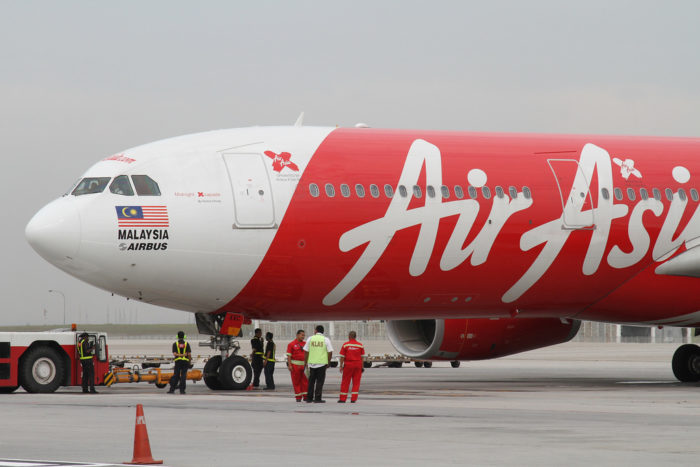
    Budget carrier AirAsia Philippines is launching its first flights to Japan on July 1 this year. The carrier, a unit of Malaysia’s AirAsia Berhad, said in a statement over the weekend that it would link its Manila hub to Osaka, paving the way for direct flights to Japan.

    “The launch of direct flights between the Philippines and Japan is a milestone occasion, and we’re excited to connect our capital, Manila, with Osaka,” said AirAsia Philippines President and CEO Dexter Comendador.

    “We are also excited to welcome guests from Osaka and its neighboring regions to the Philippines. This international route will contribute to the government’s target of 8.2 million visitors this year,” he added.

    Similar to the launch of other new routes, the budget airline said it would offer promotional fares at P1,990 for a one way ticket.

    For the whole of 2018, AirAsia Philippines carried 6.87 million passengers, a gain of 30 percent.

    Capacity for the year also rose 34 percent as it increased its fleet of Airbus A320s to 22 planes in 2018 versus 17 aircraft the previous year.

    AirAsia Philippines was established in 2012 with a fleet of two A320s operating out of Clark International Airport.

    Since then, it has opened new hubs, including Manila’s Ninoy Aquino International Airport and Mactan Cebu International Airport.

    At present, it flies to 13 international destinations from Manila in the Philippines, including Kuala Lumpur, Kota Kinabalu, Bangkok, Bali, Seoul, Taipei, Kaohsiung, Shanghai, Guangzhou, Shenzhen, Hong Kong, Macau and Ho Chi Minh City.


  • Fritz Hansen Opens First Store in China

    Fritz Hansen Opens First Store in China

    Furniture firm Fritz Hansen has launched a Jaime Hayon-designed showroom in the Chinese city of Xi’an.

    The new 1000sqm gallery, represents a stage in the brand’s ambition to become the largest Danish brand in China, is Fritz Hansen’s first store in China and its largest in the world.

    “You always need to find a way to be new, never done before – you need to create an experience,” said Fritz Hansen’s Asia CEO Dario Reicherl in an interview with Dezeen. “Through a series of steps, I believe we can be the biggest Danish brand in China in a couple of years.”

    The gallery/store is designed to resemble a temple with high ceilings, warm-hued walls and vaulted walkways created by the Spanish designer. Furniture on display is arranged in living room-style set-ups. Fourteen more intimate show spaces are accessible by a grand staircase.

    “Like in a labyrinth, you start to discover the little areas and each one has the furniture of Fritz Hansen,” said designer Jaime Hayon, “from the historical ones to the new ones I have designed, and pieces from other designers. The lighting and everything has been composed together with some art, carpeting, plants and small objects. So in this way we can inspire the client.”

    “China is the second biggest luxury market in the world, soon overtaking the US,” according to the brand’s executive VP of sales and marketing Lars Hardboe Galsgaard. “It will definitely be the biggest market and economy in the world in terms of private consumption and commercial consumption within a few years. So if you look at that marketplace, we needed to move here. We need to be part of that and we need to be part of defining design, furniture and lifestyle in China.”

  • Minimum wage increase Kicked off in April

    Minimum wage increase Kicked off in April

    The minimum wage increase announced by the government last December is set to kick in on April 1. Starting Monday, the adult minimum wage will rise from the current rate of $16.50 per hour to $17.70 per hour.

    This means that businesses that have adult employees earning less than $17.70 an hour are legally required to increase their wage rates.

    Businesses will need to advise the employee of this and record the change in writing, such as by drafting a ‘Variation Letter’ for the employee to sign.

    The industry association advises employers should keep a copy for their records in case of an audit by the Labour Inspectors.

    The minimum rates apply to all employees whether they work full-time, part-time or casually and whether they are paid a wage for time worked, a salary, partly or wholly on a commission basis, or for what they produce (piece rates).

    The minimum adult rate applies to any employee aged 16 years and over unless they are eligible for the ‘starting-out’ wage or the ‘training’ wage.

    There is no legal minimum rate for employees aged 15 years or younger.

    If a business has salaried employees, it will need to make sure the employees’total remuneration meets minimum wage requirements for each individual pay period, taking into account any overtime, meetings, or time spent opening and closing stores.

    While the new minimum wage will likely put pressure on other business costs, the association said there are a number of ways to combat this, and to incentivise employees other than simple pay increases.

  • Subway strikes delivery deal with Uber Eats In New Zealand

    Subway strikes delivery deal with Uber Eats In New Zealand

    Subway has struck a deal with Uber Eats to offer delivery from more than 100 restaurants in select New Zealand cities. Chris Churchmichael, country director for Subway New Zealand, said the agreement would allow Subway restaurants to tap into the rapidly growing delivery market in New Zealand, at breakfast, lunch, dinner and anytime in between.

    “We know Kiwis want freshly-made and nutritious delivery choices, however, having their favorite Subway foot long meal delivered hasn’t been an option until now,” Churchmichael said.

    Church Michael said all the Subway favorites like meatball and pork riblet will be available for delivery along with fresh new choices like spicy buffalo chicken with blue cheese dressing and smashed falafel with tsatziki.

    “Searches for ‘nutritious’ options in the app are increasing and Subway is the perfect partner to help us respond to this demand and provide a greater selection of delicious meals to eaters whether they are at work, home or even the park,” said Andy Bowie, Uber Eats country manager for New Zealand.

    Subway recently unveiled a brand refresh to modernize its offerings and a new website that highlights key supplier stories and educates customers about the chain’s fresh ingredients.

    According to Subway, its new “Real Fresh” website aims to give guests a look behind the scenes at some local growers and suppliers who support the business from all over New Zealand.

    Ben Miles, senior manager for brand marketing at Subway, said the sandwich chain is a strong supporter of Kiwi produce. Some of their supply partners include local business Yarrows, which has supplied Subway New Zealand with their dough for more than 20 years and NZ brand Tegel, which has partnered with Subway since the brand opened its first restaurant in the country in 1995 and now supplies restaurants with a range of chicken and turkey products.

    “We estimate we’re one of the largest national purchasers of fresh produce in New Zealand and we’re committed to supporting farmers, growers and producers around the nation,” Miles said.

    “We wanted to shine a light on the incredible work they do, bringing the fresh factor to our restaurants multiple times a week.”

    Miles said many of the company’s customers are unaware that their fresh vegetables are sliced and prepared in-restaurant before serving, so this information is also shared on the site.

    “We also know it’s important to our guests that each ingredient in their sub is of the highest quality – for both freshness and taste,” he said. “We’ve been making considerable changes to our menu and we’re committed to ensuring as many of our ingredients as possible are locally sourced.”

    The Real Fresh website was recently awarded a Gold Ava Digital Award, an international competition reorganizing excellence in website design and creative.

  • Drop in Hong Kong retail sales

    Drop in Hong Kong retail sales

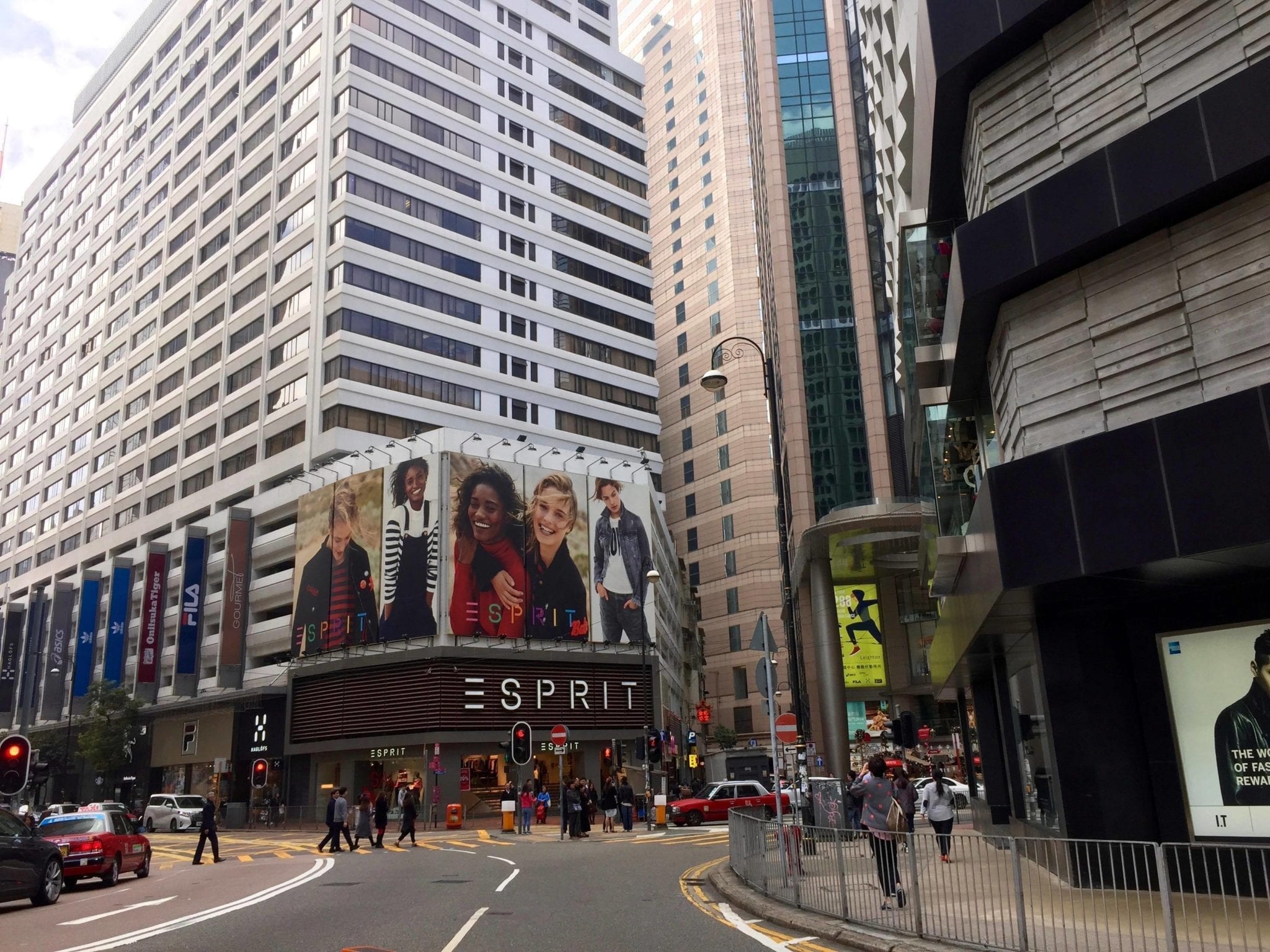
    Hong Kong retail sales fell 1.6 per cent in the first two months of this year.

    February’s sales were always expected to be down on last year due to the timing of Lunar New Year. They fell 10.1 per cent, while the revised figure for January was an increase of 7 per cent.

    As always, the Census and Statistics Department (C&SD) warned not to read too much into either month’s performance alone, asserting the combined January-February figures for each year provide a more accurate assessment of the state of retail sales growth.

    A government spokesman said the weak performance of retail sales in recent months reflected that consumer sentiment remained cautious amid “various external uncertainties”.

    “The near-term outlook for retail sales should continue to be affected by moderating global economic growth and various external uncertainties, but the full-employment situation and the sustained growth in inbound tourism should provide some support.”

    After netting out the effect of price changes over the same period, Hong Kong retail sales for the first two months of the year decreased by 1.8 per cent year on year.

    Combining the two months, sales of jewellery, watches and clocks decreased by 2.8 per cent. Other categories to fall included apparel down 3.7 per cent; food, alcoholic drinks and tobacco down 1 per cent; electrical goods and other consumer durable goods down 18.3 per cent; Chinese drugs and herbs down 1.7 per cent; and optical shops, down 2 per cent.

    However sales of medicines and cosmetics increased by 2.3 per cent; department store sales rose 4.2 per cent; supermarket sales by 1.5 per cent; footwear and accessories by 1.3 per cent; furniture and fixtures by 3.4 per cent; and books, newspapers, stationery and gifts by 1.7 per cent.

    The C&SD estimated the value of retail sales decreased by 0.6 per cent during the three months to February compared with the preceding three months, while the volume declined by 1.2 per cent.

  • Mexican investor Bought three quarters of Restaurant Brands

    Mexican investor Bought three quarters of Restaurant Brands

    Restaurant Brands has announced Mexican investor Finaccess Capital SA de CV now has a controlling stake in the company after acquiring three quarters of the company’s shares.

    The deal closed on March 26 following Finaccess’ offer through its subsidiary, Global Valar SL, for up to 75 per cent of Restaurant Brands New Zealand shares at NZ$9.45 cash per share.

    Finaccess informed Restaurant Brands, the New Zealand franchise operator of Pizza Hut, KFC and Carl’s Jr, on Tuesday that it has paid shareholders for shares taken up under the partial takeover.

    The Mexico-based company, which also has a stake in AmRest, which operates KFC and Pizza Hut among other brands across Europe and China, said in its offer letter last year that it chose not to make a full takeover bid because there were benefits to Restaurant Brands remaining on the NZX and ASX.

    “By remaining a public company, Restaurant Brands will have access to capital to fund future growth while also providing existing shareholders an opportunity to continue participating in the business over the long term,” Finaccess said at the time.

    Restaurant Brands today also announced the appointment of Jose Pares Gutierrez and Emilio Fullaondo Botella as directors, and resignation of Stephen Copulos, Vicky Taylor and David Beguely as directors.

    As required by the NZX Listing Rules, Gutierrez and Botella will each stand for re-election at Restaurant Brands’ next annual meeting of shareholders.

    Ted van Arkel and Hamish Stevens will each remain on the board as independent directors, and Van Arkel will continue as chairman, until Restaurant Brands’ next annual meeting of shareholders on July 10. Both have announced their intention to retire as directors at the conclusion of that meeting.

    Gutierrez, the CEO of Global Valar SL and its parent, Finaccess Capital, is also the chairman of the board and a proprietary director of AmRest Holdings SE, the director of the board of Crown Imports, Chicago, Il, vice chairman of the board of MMI, Toronto, Canada, director of the Board of DIFA, Mexico, and former member of the Beer Chamber of Mexico.

    Botella, a senior executive with over 23 years of experience in the beer industry, has previously worked in a number of finance roles for Grupo Modelo, including four years as chief financial officer.

    Following the acquisition of Grupo Modelo by AB InBev in 2013, Gutierrez oversaw significant cultural and organisational changes at AB InBev (Mexico) as vice president, human resources (to 2017) and vice president, Projects until his resignation in January 2019.

  • China, Hong Kong, Kowloon Team Heads Change at UBS

    China, Hong Kong, Kowloon Team Heads Change at UBS

    Following a realignment of its senior regional management last week, Swiss bank UBS has now rejigged its middle management, or country team heads as they are referred to at the bank.

    Kenny Wai, country team head for Kowloon, has resigned from the bank after seven years with UBS having previously been a desk head for both the Hong Kong and China International markets. In May 2018, Wai was made country team head for Hong Kong when Adeline Chien was promoted to a larger role as head of Hong Kong. Prior to UBS, Wai worked variously in compliance and as a client advisor, most recently at Merrill Lynch.

    His responsibilities will be taken up by Wai Man Chiu who joined UBS last year from Hang Seng Bank where she led a team of 30 colleagues. When she assumed the role of country team head at UBS, several members of her team from Hang Seng followed her to the Swiss bank. Most notable amongst them were desk head Jonathon Yeung and client advisors Aubrey Cheung, Connie Chan, and Raymond Yung.

    According to an internal memo seen from Marina Lui, the newly appointed head of wealth management China, she confirms the resignation of Wu Ya Ju, country team head of China International. Wu had been with UBS since 1996, starting as a client advisor with the bank. She is believed to be retiring from the industry. Also retiring is Philip Mak, country team head Hong Kong Domestic.

  • Indian online grocer BigBasket raises Millions for next Phase

    Indian online grocer BigBasket raises Millions for next Phase

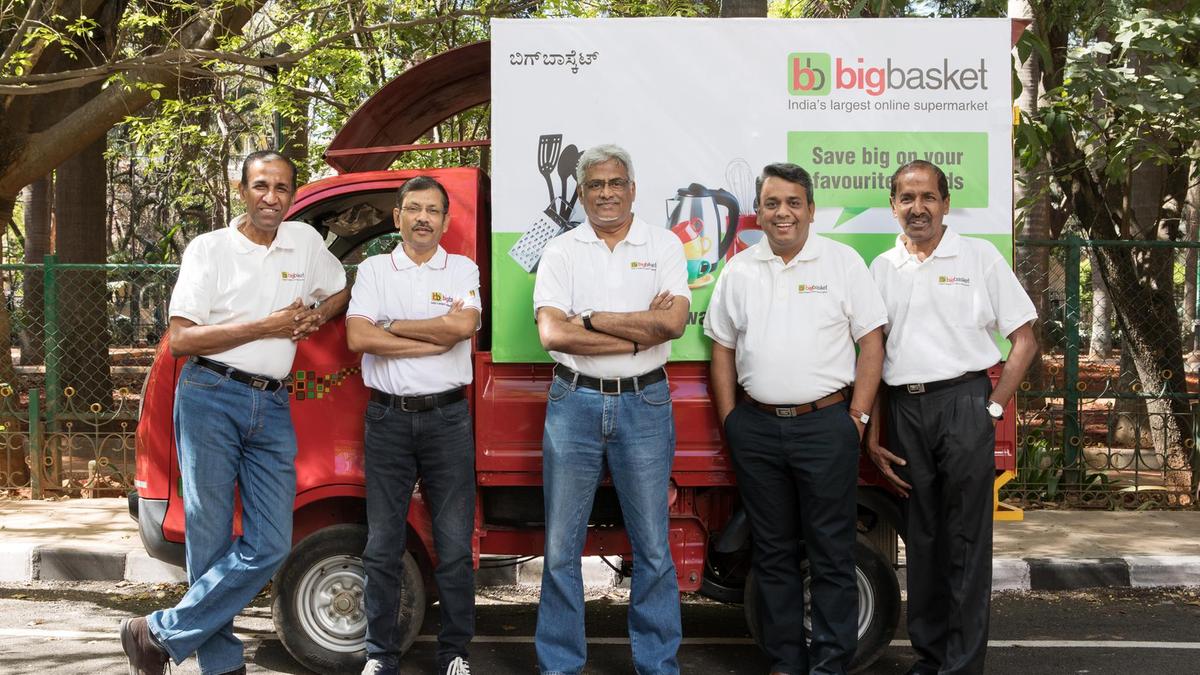
    Indian online grocery platform BigBasket has raised investment capital of about US$150 million.

    The investors include South Korean Mirae Asset Management (at about $60 million), the UK’s CDC Group (at $40 million), and existing investor Alibaba (about $50 million). The investment figures were shown in documents submitted to the Ministry of Corporate Affairs.

    BigBasket received $300 million in February last year from Alibaba and other investors and has been discussing seeking further funding since last November. The firm aims to generate revenues of the equivalent of $2.5 billion by next year.

    The online-grocery market is burgeoning in India, and accounts for a sizeable proportion of unorganised retail in the country.

  • KResearch revises downward its 2019 economic projection to 3.7 percent

    KResearch revises downward its 2019 economic projection to 3.7 percent

    KResearch held a panel discussion on “Measuring the Thai Economic Temperature after Election” on Tuesday April 2, 2019. According to KResearch poll conducted among members of the general public and the business sector before and after the election, it was found that the election has given a boost to confidence. Nevertheless, close attention should be paid to the formation of the new government which may influence the confidence.

    Ms. Nattaporn Triratanasirikul, KResearch Assistant Managing Director, holds the view that, “No matter how the government is formed, Thailand will be challenged by the global economic slowdown which will, in turn, affect its exports. The new government has to expedite the implementation of economic stimulus policies under the FY2019 budget, including the passing of the FY2020 budget bill. If the new government can be formed within June 2019 and the economic stimuli can be implemented as expected, household consumption will be boosted by 0.2-0.4 percent of GDP, and the Thai economy in 2H19 will be brighter than in 1H19.”

    However, KResearch has revised downward its growth forecast for the 2019 Thai economy to 3.7 percent, or within a band of 3.2-3.9 percent, from the 4.0 percent pace before. The new economic growth projection reflects an expected slowdown in Thai exports resulting from the economic downturn in Thailand’s key trade partners despite better-than-expected improvements seen in the US-China trade dispute. KResearch has also cut its export growth projection for 2019 to 3.2 percent from previously 4.5 percent, and its 2019 import growth forecast to 4.3 percent from 5.3 percent.

    For the outlook of domestic interest rates, Ms. Nattaporn expects the policy rate to be kept at the 1.75 percent throughout this year. High liquidity in local commercial banks and the banks’ approach to gradually approve loans currently should not intensify the competition in the commercial banks’ interest rates. As for the movement of Thai Baht, KResearch forecasts that the Thai Baht will weaken and move within the range of THB31.20-32.50 per dollar.  Factors deserve close attention are domestic issues, especially, political and economic situations.

  • VF Corp names Daughter Company Kontoor Brands

    VF Corp names Daughter Company Kontoor Brands

    Kontoor Brands – that’s the name chosen for the denim-led fashion business being spun off by VF Corporation next month.

    The US branded lifestyle apparel, footwear and accessories company released an update on the plan, announcing its has filed the necessary regulatory paperwork to start the process rolling.

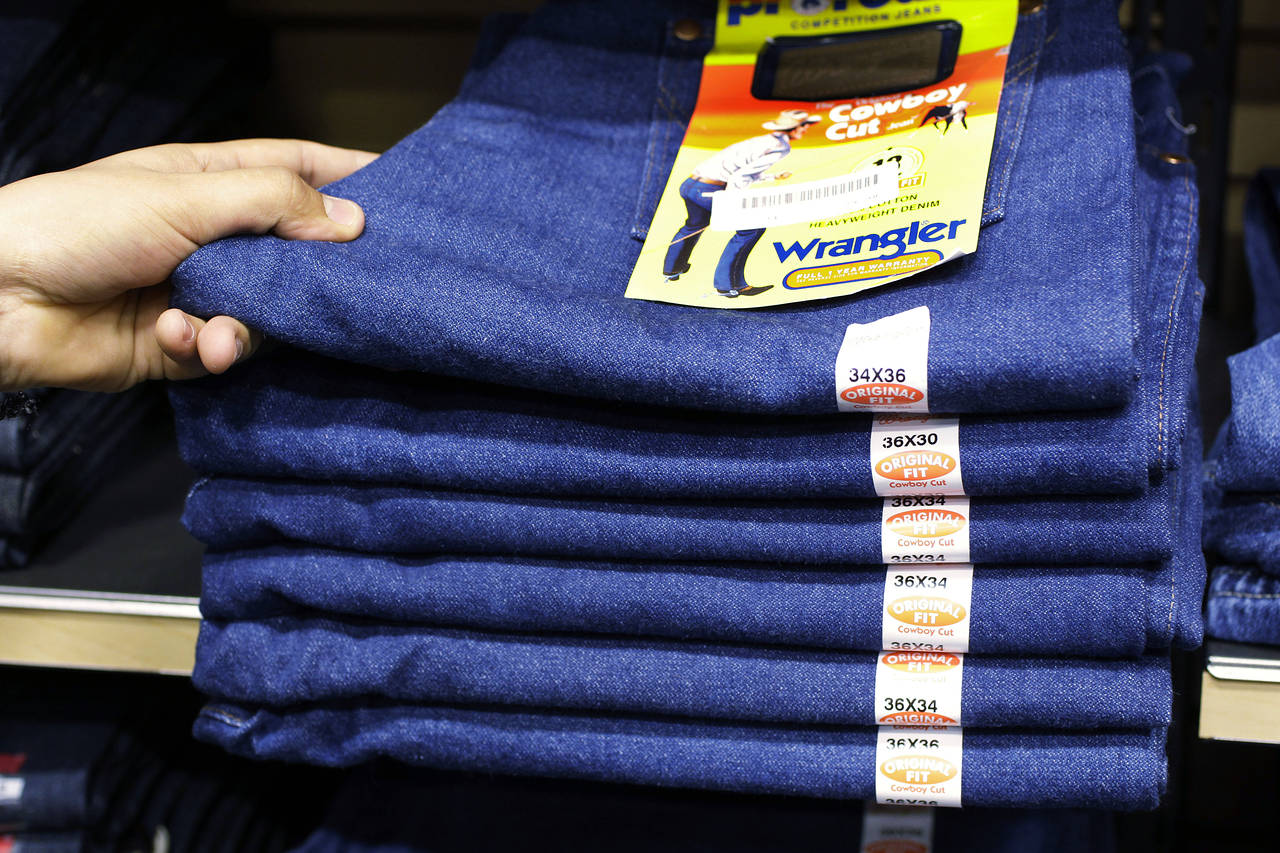
    Kontoor Brands, to be publicly listed, will take over the Wrangler, Lee and Rock & Republic brands, along with VF’s outlet business.

    “Our teams across VF have made tremendous progress to prepare for the successful separation of Kontoor Brands from VF and this filing is a significant next step in this process,” said Steve Rendle, chairman, president and CEO of VF Corporation. “We are highly confident that the separation is the best path forward for both organisations to achieve even greater potential and enhance long-term shareholder value.”

    He said the split is on track to be completed next month, subject to final approval by VF’s board, customary regulatory approvals, and tax and legal considerations.

    “Today’s filing marks an important milestone in the process of establishing Kontoor Brands as an independent company,” said Scott Baxter, named CEO of Kontoor Brands. “As we prepare for life as a separate, publicly traded organisation, I am confident that Kontoor Brands is strongly positioned to thrive as a leader in the global apparel industry and deliver long-term value for all of our stakeholders.”

    VF’s decision to split the business in two was announced last August. Rendle said at the time that since 2017, the company had been reshaping of its brand portfolio to better position the company for long-term success. In that time, VF had bought Williamson-Dickie, and the Icebreaker and Altra brands, and sold Nautica and its Licensed Sports Group, including the Majestic brand. The brands that will remain in VF’s portfolio include Vans, The North Face, JanSport, Timberland, Smartwool and Eagle Creek.

  • Gome Retail’s loss soars tenfold After Restructuring

    Gome Retail’s loss soars tenfold After Restructuring

    Gome Retail’s loss tenfold last year to RMB4.887 billion (US$728 million), compared with RMB450 million in the previous year.

    The loss – projected early last month in a profit warning – was largely due to massive write downs as the once brick-and-mortar based retailer continued its transformation into a New-Retail-era business, with its focus moving online. On a day-to-day trading basis, the company has almost broken even.

    During the reporting period, GMV (gross merchandise volume) from its ME Shop increased by 368 per cent, while GMV from new businesses such as home solution and integration of kitchen cabinets with electrical appliances increased by 116 per cent and from smart products by 89 per cent. Services GMV rose by 51 per cent.

    “The booming new business indicates that the group’s strategic transformation is progressing well,” the company said in an earnings statement.

    Overall sales revenue fell 10 per cent to RMB64.356 billion, and consolidated gross profit margin of 16.8 per cent was down on the 18.26 per cent of 2017.

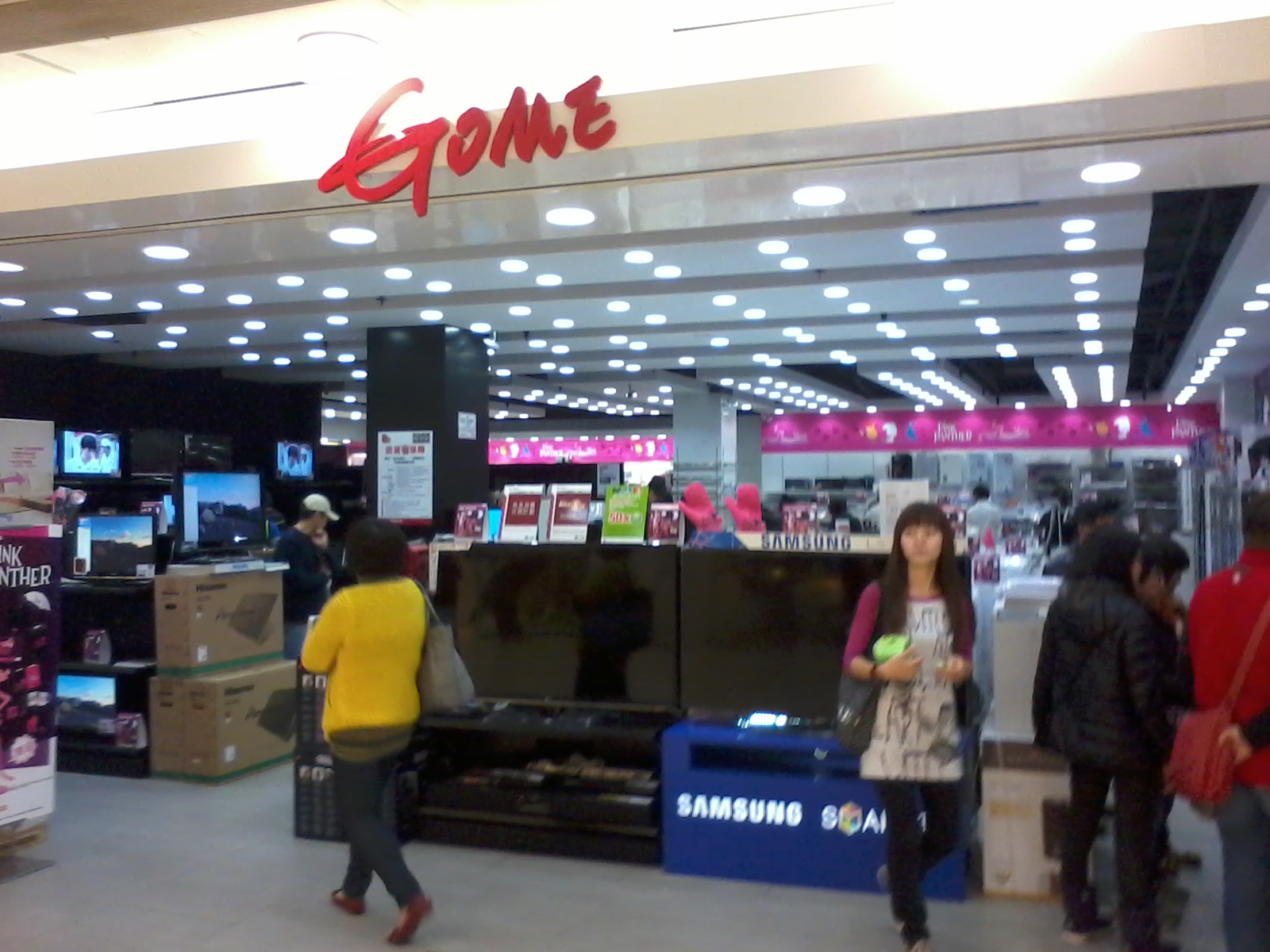
    “Looking forward, Gome will continue to focus on major large-scale integrated flagship store projects in the first- and second-tier cities in an effort to provide one-stop comprehensive household solution, from home appliance to decoration, construction and household services,” the Hong Kong-listed company said.

    The group expects to open 16 large-scale integrated flagship stores and 200 home-decoration materials and home furnishing shops this year.

    “Gome will step up the output of its supply-chain service in the third- to sixth-tier cities to achieve swift development of store coverage in county-level cities, with an emphasis on franchising. It is expected that 500 franchise “new retail stores” and 200 self-operating county-level stores will be opened this year.”