Author: Mei Ling Tan

  • Gmail is getting scheduled send time and Smart Compose is now on more devices

    Gmail is getting scheduled send time and Smart Compose is now on more devices

    Amidst all the absurd products Google is “announcing” as part of its April Fools campaign, there is also legitimate news coming from the company. With a post on its blog, Google is making official its Smart Compose functionality available for all Android devices with Gmail (iOS support “coming soon”). The feature had already appeared with an update on some devices besides Pixel smartphones, but today marks its broader release.

    For those unfamiliar with Smart Compose, it helps you type in your emails faster by suggesting phrases with which you can autocomplete your sentences. Unsurprisingly, the feature is powered by Google’s AI and its suggestions are based not only on the context of the email but on your writing style as well. So if you’re commonly using certain phrases in your emails, it shouldn’t take long before Smart Compose starts offering them as soon as you type in the first word or two.

    Another, this time “brand new” feature coming to Gmail is scheduled email sending. Once it’s available to you, there will be an arrow next to the send button through which you can select “Schedule send” and choose a date and time when you want your email to be sent. We assume the implementation for the Gmail app will be similar.

    This is a very convenient feature that has many use cases: preparing emails for when you’re going to be out of the office, on a plane or on vacation. Of course, you’ll also have the option to cancel the email at any point before its departure date and time. Considering it’s not a very complex one, we’re surprised it took so long for Google to implement it.

    It matters not, however, as now your Gmail client is gaining new features to make your life easier. How long will it be before we can just say “OK, Google, reply to all my emails.” and not have to bother at all?

  • Over 1 million Xiaomi Mi 9 units have already shipped worldwide

    Over 1 million Xiaomi Mi 9 units have already shipped worldwide

    Just over one month after the Mi 9 flagship was first announced, Chinese smartphone brand Xiaomi has today revealed that it has already shipped over one million units of its latest premium device.

    The majority of these devices were undoubtedly supplied to consumers in China, where Xiaomi conducts roughly 60% of its business and where the smartphone was made available to purchase just days after its unveiling. Europe, however, is becoming increasingly important for Xiaomi – sales surged over 415% in the region last year – and likely played a big role in the phone’s short-term success.

    The Xiaomi Mi 9, which retails at just €449 across Europe, offers a variety of impressive features such as a large 6.4-inch AMOLED display manufactured by Samsung, Qualcomm’s Snapdragon 855, up to 128GB of storage, and as much as 8GB of RAM. The smartphone also includes a 3,300mAh battery, support for extremely fast 20W wireless charging, and Android 9 Pie straight out of the box.

    Alongside the Mi 9, Xiaomi also sells two other devices in the form of the cheaper Mi 9 SE and the more expensive Mi 9 Explorer Edition. The sales figures for these two models weren’t broken down, but Xiaomi did confirm that they push the total number of Mi 9 sales to 1.5 million units, an even bigger achievement for the low-cost brand.

  • Apple cuts the prices of its devices in China

    Apple cuts the prices of its devices in China

    Earlier this year, there were quite a few reasons why Apple decided to cut the wholesale price of the 2018 iPhone models in China. First, the strength of the U.S. Dollar against the Chinese Yuan forced Apple to price the ‘more affordable’ iPhone XR higher than the premium-priced Huawei Mate 20 Pro in China. When the dollar is stronger against the Yuan, it means that Apple gets fewer dollars back when it converts the Yuans it receives from sales of its products in China. At this point, Apple has a choice; it can keep pricing the same and suffer the consequences, or it can lower its prices in China and take a hit to its margins.

    In addition, a rise of Chinese nationalism hurt iPhone sales as consumers in the country protested the U.S.-China trade war and the U.S. government’s treatment of Huawei. There was the overall sluggishness in the smartphone market due to high prices, lack of innovation and high penetration rates for smartphones. Lower sales in China of iPhone models forced Apple to cut its revenue guidance for the fiscal first quarter, leading to a selloff in the company’s stock. At the time, Apple CEO Tim Cook said, “If you look at our results, our shortfall is over 100 percent from iPhone and it’s primarily in greater China.” As it turned out, Apple ended up shipping 20% fewer iPhone units to China during the three month period, and its overall revenue in the market declined by 28% or $5 billion.

    Caixin reports today that Apple has made another bold pricing move in China, this time slashing prices of certain devices in the company’s own online and physical stores by as much as 6%. The affected products include iPhones, iPads, AirPods and Macs. For example, in China’s version of the Apple Store, the 64GB iPhone XR is now priced at 6,199 Yuan (equivalent to $924 USD at current exchange rates), a 4.6% decline from the 6,499 Yuan that the phone was listed at just a few days ago. The price cut took 500 Yuan ($74.50 USD) off the prices of the iPhone XS and iPhone XS Max.

    This is why Apple cut its prices in China today

    However, unlike the previous price cut in China, this time the reason has nothing to do with the supply-demand balance. Starting today, new regulations dropped the value-added tax (VAT) for manufacturers in China to 13% from 16%. This gives Apple some leeway to lower the pricing of Apple devices in the country. Still, consumers in China often find better pricing for the company’s products online. Prices for the iPhone XS Max and iPhone XS declined by as much as 2,000 Yuan ($298 USD) last month on these sites due to tepid sales of the phones. E-commerce firms in China such as Tmall and JD.com have now cut their prices on the 2018 iPhone models twice this year.

    It wasn’t until 2009 that a Chinese wireless provider offered the Apple iPhone to consumers. Before the iPhone 3GS became available from China Unicom, iPhone models could only be purchased from the black market.

  • Renault Captur 2019 Launched With More Safety Features

    Renault Captur 2019 Launched With More Safety Features

    Renault India has introduced the updated Captur in India with more safety features with prices starting at ₹ 9.50 lakh (ex-showroom, Delhi). The compact SUV now meets the upcoming safety regulations, and as a result, gets a number of new active and passive tech on board as standard. In addition, the RXL and the RXT trims have been discontinued on the 2019 Renault Captur. The SUV is now offered in two variants – RXE and the range-topping Platine – available with both petrol and diesel engine options.

    All variants now come with a rear parking sensor, driver and passenger seatbelt and a speed alert system to meet the new safety norms. Renault India says the model is certified to “exceed frontal, lateral and pedestrian safety and is compliant with safety features stipulated by the Indian authorities.” The new norms will be implemented across all vehicles from October 2019. The car uses a reinforced body shell that increases torsional rigidity to ensure occupant safety. Othe safety systems on include ABS with EBD, Brake Assist, height adjustable seatbelts, ISOFIX child seat anchor, and more.

    In terms of features, the Renault Captur continues to come diamond-cut alloy wheels, LED headlamps, 7-inch touchscreen infotainment system that supports Apple CarPlay and Android Auto, as well as voice recognition. The cabin also comes with newly upholstered seats, cruise control, multi-function steering wheel, and more.

    In terms of power, the Renault Captur uses the 1.5-litre petrol engine that churns out 104 bhp and 142 Nm of peak torque, while paired with a 5-speed manual gearbox. The petrol motor returns an ARAI certified fuel efficiency of 13.87 kmpl. The diesel version uses a 1.5-litre CRDi engine as well that develops 108 bhp and 240 Nm of peak torque, while paired with a 6-speed manual transmission. The diesel returns a fuel economy of 20.37 kmpl.
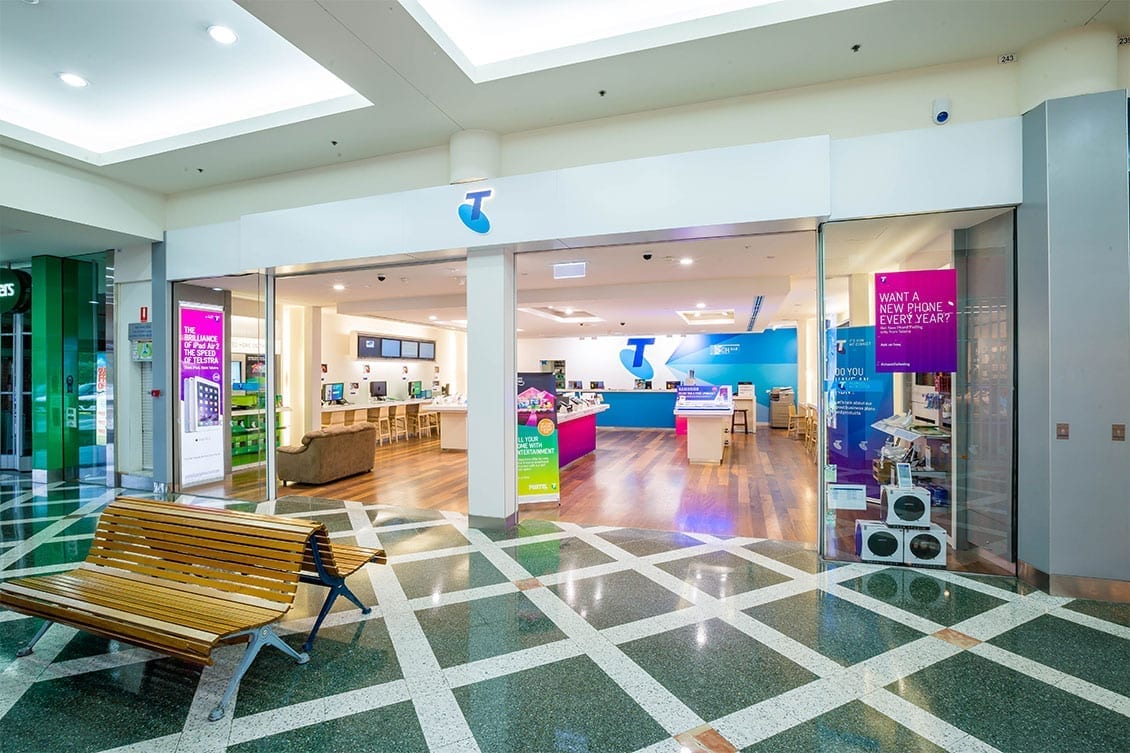
  • Telstra launches tiered loyalty program

    Telstra launches tiered loyalty program

    Australia’s Telstra has announced a new tier-based loyalty program designed to allow customers to earn points for every dollar they spend with the operator.

    The Telstra Plus program will be available to both prepaid and postpaid customers. Members will accumulate points they will be able to exchange for discounts on new devices and accessories.

    Through partnerships, Telstra will also offer access to benefits such as discounted sport and movie tickets and complementary extras.

    Membership to the tiered system will be calculated based on spend over the previous 12 months. The higher tier services include benefits such as priority call handling and 24×7 tech support, as well as yet to be announced entertainment bonuses.

    Telstra CEO Andy Penn said Telstra plans to extend the new offering to its roughly 8 million customers from May.

    “Every service, subscription or hardware repayment will see customers earn points towards new technology, and we think that’s a pretty powerful offer,” he said.

    “The first 5G devices will be available with Telstra soon, opening up even more opportunities for Australians to get more out of life through technology and helping our customers take advantage of all our network has to offer… In addition to the better value we provide our customers through our larger network coverage and data speeds, we’re upping the ante through rewarding our customers for their loyalty over time.”

  • Dialog Axiata announces 5G pilot service

    Dialog Axiata announces 5G pilot service

    Sri Lanka’s Dialog Axiata has launched what it says is South Asia’s first fully standards based 5G pilot service in collaboration with Huawei.

    The successful demonstration involved the use of the operator’s Huawei-based RAN and core network with the most current 5G non-standalone architecture to transmit data to a 5G smartphone.

    Dialog Axiata group chief executive Supun Weerasinghe said the trial marks another step towards the operator’s introduction of 5G in the region. The operator has to date upgraded over 20% of its base stations to support Massive MIMO technology, giving them 5G ready status.

    “The success of South Asia’s first demonstration of a mobile 5G service is yet another milestone following our launch of a fully functional pre-commercial 5G network and builds on our significant investments into high speed broadband network infrastructure in Sri Lanka,” he said.

    “Dialog will continue to deliver on its promise of delivering the future today by leveraging the unique capabilities of 5G technology, to spearhead the country’s transformation into a regional technology hub.”

    Dialog Axiata launched its pre-commercial 5G network at the end of last year, demonstrating South Asia’s first fully functional and standards compliant 5G transmission using commercial grade base stations.

  • Vivent Les Vins Libre Festival 2019 – A Celebration of Natural Wines

    Vivent Les Vins Libre Festival 2019 – A Celebration of Natural Wines

    For the first time in Singapore, come drink and be merry as you learn from some of the best natural winemakers at the Vivent Les Vins Libre (VLVL) Festival 2019.

    Meaning “Live Free Wine”, the Les Vivent les Vins Libres is a collective of natural winemakers with a common goal — to share their passion for natural wines and winemaking philosophy.

    Since it started a little more than a decade ago, natural winemakers have gathered every June in Paris showcasing their wine and fuelling their passion. And as the natural wine movement grew, the group decided to bring this annual gathering out of France to share and spread their love for natural wines with the rest of the world, including Amsterdam, Bruxelles, New York, Montreal and Hong Kong over the years.

    And for the first time, the VLVL Festival is travelling to the sunny island of Singapore.

    Brought to you by Drunken Farmer, this three-day event will host 19 winemakers and is set to excite wine enthusiasts from Singapore and around the region.

    WHEN:
    13 – 15 April 2019

    13 – 14 April:
    Paired food and wine tastings at various restaurants around Singapore, including three of Spa Esprit Group’s very own dining establishments — Bochinche, Tippling Club and Ding Dong

    15 April:
    11am – 6pm: Wine tasting and masterclasses
    S$25 per pax.

    6pm – 11pm: Wine Down with the Farmers
    Expect a merry night with food, drinks and lots of good vibes with DJ Titus spinning tunes throughout the night. For more infomation, visit the Wine Down with the Farmers Facebook page (https://www.facebook.com/events/689790524751121/)

    HIGHLIGHTS: 
    Three Masterclasses featuring all 19 wine makers. Each session covers a different topic focusing on natural wines and consists of a meet-and-greet session as well as a chance to interact with the different wine makers. A S$25 cover charge gets you a tasting glass to sample over 90 labels offered.

  • Coco Republic Expands Into New Zealand

    Coco Republic Expands Into New Zealand

    After almost 40 years in business, upmarket furniture brand Coco Republic is set to open the doors to its first ever international store in New Zealand mid-year.

    The 1000sqm store will be located within Westfield Newmarket, the brand’s second shopping centre location.

    “I think we’ve got a very steady approach to growth, and we’re really now in a position that when a unique and compelling proposition presents itself such as this one, we’re not forcing our growth, we’re just taking advantage of those opportunities,” Coco Republic’s CEO Nicholas Foster told.

    According to Foster, the Newmarket site brings together the best of Coco Republic’s destination and boutique offerings. This will include the brand’s chic in-store cafe, L’Americano.

    “Newmarket is going to be incredibly convenient for our core customer demographic in Auckland,” he said.

    “We’ve also secured a site that gives us prime ground level frontage to Broadway, the main arterial road through Newmarket and having a large footprint in that centre will allow us to curate a range of over 300 products to be showcased in that facility. We’re also going to take the food and beverage into that environment.”

    For the last few years, Foster says the furniture brand has focused on several key areas of the business, including investing in in-house design and sourcing teams and attracting talented local interior designers.

    Coco Republic has also been working on offering customers an elevated in-store experience.

    “We’re focused on delivering a unique and inspiring retail experience, where customers come into our showrooms and enjoy being part of the experience. That’s where we’ve also invested in food and beverage in L’Americano, particularly for our larger design centres,” Foster explained.

    “People often come in half a day or a whole day and get inspired and work out their design solutions and enjoy the extension by having a light lunch or a coffee.”

    “We’ve been on an exciting growth strategy over the last few years. We’re a premium aspirational design services brand but we’ve consciously focused on ensuring that we remain accessible from a customer’s perspective.”

    The business has also spent some time investing in its supply chain to increase its speed to market. There is a new 11,000sqm logistics hub in the Quarry in Greystanes too, which will form the basis of logistics for Coco Republic, sister brand Max Sparrow and New Zealand distribution.

  • Google continues to improve the security and privacy

    Google continues to improve the security and privacy

    Google today released its annual security and privacy report, looking back at 2018. In the report, Google says that it has a three thronged approach to Android security. It uses layered security that all work together to protect the operating system and apps. Transparency creates openness and trust, says Google. Taking a shot at the walled gardens of iOS, the report states “closed platforms lead to distrust and a dangerous false sense of security through obscurity.” The third part of Android security is called Backed by Google and means that Android is backed by world-class professionals in computer science and security who bring expertise in AI, cloud security, identity management and more.

    Android’s native defense system, called Google Play Protect, scans all apps on a device looking for Potentially Harmful Applications (PHAs). Google says that last year, only 0.08% of Android devices that exclusively use the Google Play Store to install apps were affected by PHAs. Android devices that sideloaded apps from outside of the Google Play Store were affected by PHAs more than eight times as often, or at a rate of .68% But even those phones with sideloaded apps installed saw 15% fewer issues with malware than seen in 2017. In 2018, Google says that .45% of all devices running Google Play Protect had installed a PHA compared to .56% the year before. That represents a 20% decline year-over-year, which Google calls an “improvement to the health of the Android ecosystem.”

    In the five largest Android markets, Google saw PHAs installed at a lower rate year-over-year in three of them (India, Indonesia, Brazil), while one market was flat (Russia) and one had an increase (U.S.). In the biggest market for Android, India, PHA installation declined 35% as .65% of all Android devices in the country had a PHA installed. Many of these apps were pre-loaded through the supply chain, and were on affected phones right out of the box. In the U.S., the number of Android devices with a PHA installed rose 25% from 0.4% to 0.5%. Most of the malware in the states was malware that ran hidden advertising in the background. This “click fraud” enables those behind these PHAs to collect advertising revenue illegally. Click fraud wasn’t considered a PHA by Google before last year.

    The inclusion of Click Fraud as a PHA led to the doubling of the PHA install rate from Google Play to 0.04% in 2018 from 0.02% in 2017. Remove this category from the data and the number of PHAs installed from the Google Play Store actually declined 31% year-over-year. And Google Play Protect also blocked 1.6 billion PHA installations from being completed last year outside of the Google Play Store.

    As each new build of Android is released, Google improves the security features for its open-source operating system. Last year, .65% of devices running Android 5 Lollipop had a PHA installed compared to .55% for devices powered by Android 6 Marshmallow and .29% for devices using Android 7 Nougat. Phones and tablets running the last two builds, Android 8 Oreo and Android 9 Pie, had PHAs installed on only .19% and .18% of devices, respectively.Every day, Google Play Protect scans 50 billion apps on over 2 billion devices. The feature is now enabled by default on all new Android phones. Last year Google also added notifications that warn Android users when they are installing an app outside of the Google Play Store, and when they are about to install a harmful app. In 2018, Google also started automatically disabling apps that created issues with privacy or had deceptive behavior or content.

    Google also improved its Find My Device feature last year by adding indoor maps so that lost handsets could be found in large buildings like an airport. A work profile can now be used to register for Find My Device, and if a user locks his device remotely, he is prompted to perform a security update.

    Also helping to reduce security issues is Google’s monthly security update program. Working with Android manufacturers, SoC suppliers and carriers, Google has been increasing the number of devices that receive regular security updates. In fact, during the fourth quarter of last year, 84% more devices received a security update compared to the same quarter the previous year. And as of December, 95% of active Pixel 3 and Pixel 3 XL models were running a security update no older than 90 days.As Android turned 10 last year, Google continued to make strides in its efforts to improve Android security and privacy. As long as it can stay ahead of the malicious actors looking to trick users into installing apps that play hidden ads, or steal personal data, the Android ecosystem should get safer every year.

  • Skype automatically answers calls on Android due to a bug

    Skype automatically answers calls on Android due to a bug

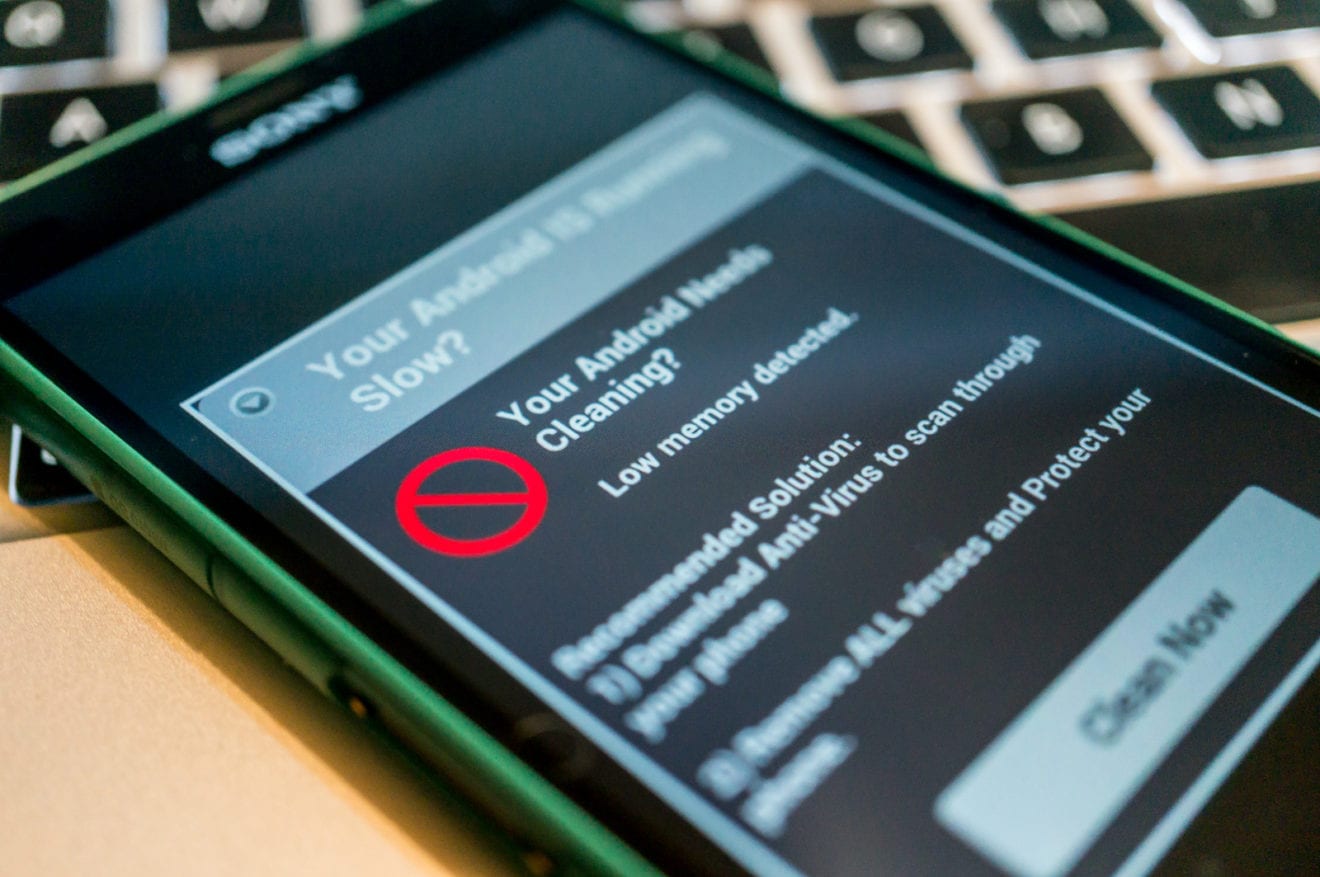
    If you’re using Skype for your day to day communication with friends, co-workers or business partners, there’s a high chance that you’ve been affected by a nasty bug that makes the app automatically answer all calls on Android devices.

    Microsoft is probably the only one that can tell for sure when exactly the issue started to manifest for the first time, but reports go back as far as January, probably soon after the developers updated the app. Sadly, it appears that the issue now affects even more users, as we’re seeing lots of recent reports posted on Microsoft’s support forum.

    For the time being, there’s no workaround to prevent Skype from answering calls that you want to ignore, so the only way to avoid the issue is to uninstall the app until Microsoft fixes it. Not even having the “Answer incoming calls automatically” option disabled will not stop Skype from doing just that.

    The good news is Microsoft has already identified the issue and managed to patch it, but only in the latest Skype preview app. If you want to continue to use the app without being affected by the bug, you can download the beta until the final version gets updated later this month.

  • CapitaLand sells stake in CapitaMall Wuhu

    CapitaLand sells stake in CapitaMall Wuhu

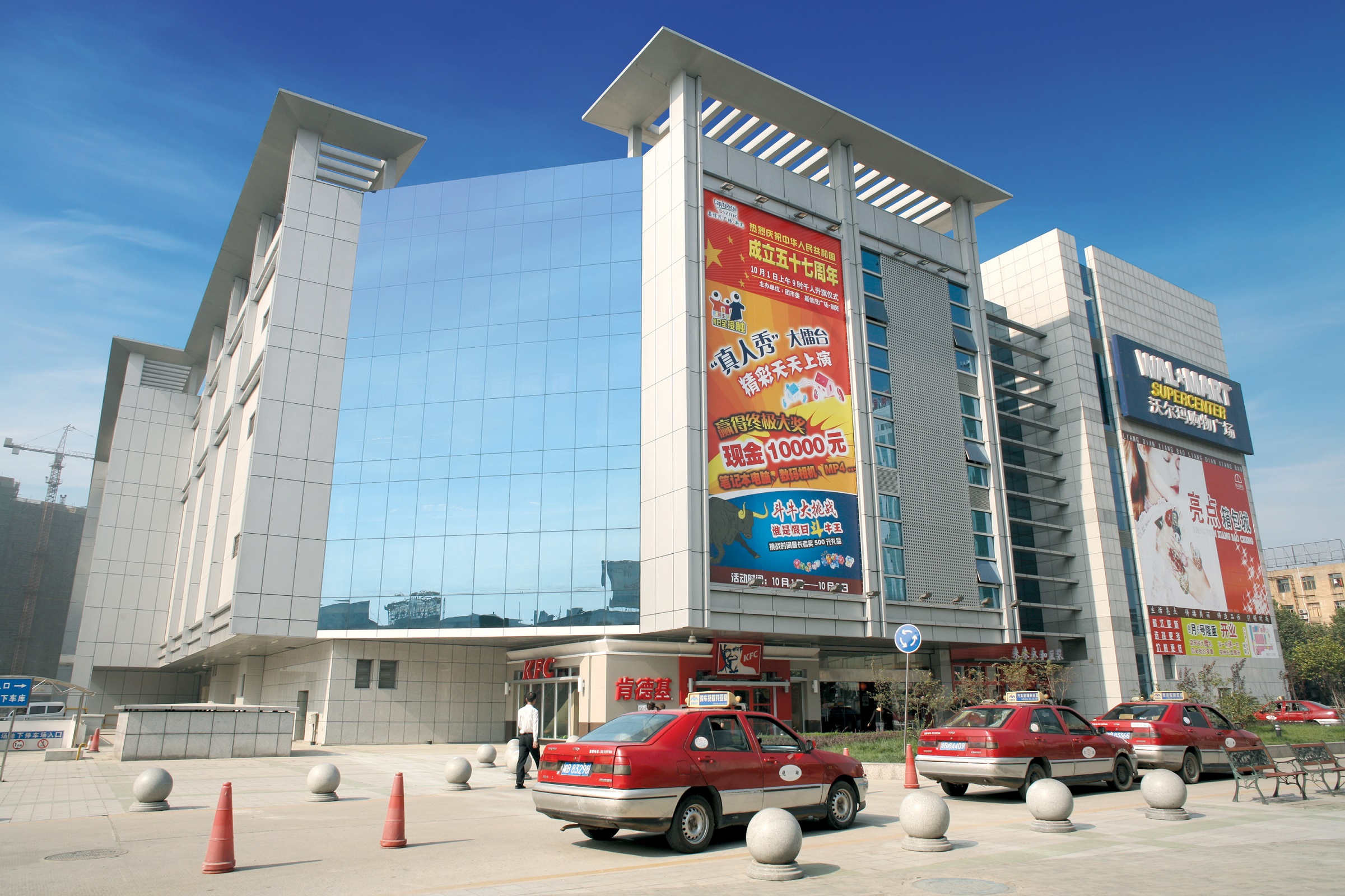
    CapitaLand Retail China Trust (CRCT) and CapitaLand will divest their combined 100 per cent interests in CapitaMall Wuhu to an unrelated third party.

    Located in Wuhu city in China’s Anhui Province, CapitaMall Wuhu is a five-storey shopping mall of around 45,000sqm that has been closed since the third quarter of last year, following the exit of its anchor tenant.

    “The divestment of CapitaMall Wuhu is in line with our proactive asset-management strategy to optimise CRCT’s portfolio and enhance returns,” said CRCT Management Ltd CEO Tan Tze Wooi.

    “As our 51-per-cent stake in CapitaMall Wuhu accounts for less than 1 per cent of CRCT’s asset size, its sale is expected to have minimal impact on CRCT’s core business. The sale proceeds will provide CRCT with greater financial flexibility to take advantage of market opportunities. We remain on the lookout for strategic opportunities to reconstitute and strengthen our portfolio.”

    The transaction between the firms’ respective subsidiary and associate is based on the company’s adjusted net asset value – including (but not limited to) its interest in CapitaMall Wuhu of RMB210 million (US$31.25 million).

    After taking into account the estimated fees, taxes and other related expenses, it is estimated that the net proceeds from the divestment would be RMB90.6 million ($13.48 million). The net divestment proceeds may be used for reducing existing debt and/or financing general corporate or working capital requirements.

    CapitaLand Group’s president Lucas Loh commented: “The sale of CapitaMall Wuhu will unlock capital that can be redeployed to core assets in cities where CapitaLand enjoys scale and competitive advantage. We will stay disciplined in our capital-recycling efforts and continually review opportunities to optimise CapitaLand’s portfolio, which includes divestment of assets that are non-core or have limited growth.”

    The divestment of CapitaMall Wuhu is expected to be completed in the second half of this year.

    Following the divestment, CRCT’s portfolio will have 10 malls in seven Chinese cities, while CapitaLand’s retail network in China will comprise 51 malls in 21 cities.

  • Kiehl’s opens biggest store in Asia Pacific since their Launch

    Kiehl’s opens biggest store in Asia Pacific since their Launch

    New York pharmaceuticals firm Kiehl’s has launched its largest boutique in the Asia-Pacific region at Senayan City mall in Jakarta.

    The opening of the 137sqm store marks the brand’s 10th anniversary in the territory and is designed to evoke classic New York themes, such as the iconic Brooklyn Bridge.

    “We work hard to remain alongside current innovations and to stay relevant,” said Caroline Foo, GM of L’Oreal Luxe Division, which oversees Kiehl’s. “What has really helped us stay relevant and modern in the business landscape today is that Kiehl’s always personalises its service and moves alongside with innovations to meet consumer needs.”

    Kiehl’s operates 10 boutiques in 21 Indonesian locations as well as an online store.

  • Shiseido Global Innovation Center Commences Full-Scale Operation

    Shiseido Global Innovation Center Commences Full-Scale Operation

    Shiseido’s new research hub, the Shiseido Global Innovation Center (GIC, also referred to as S/PARK), will commence full-scale operation in the Minato Mirai 21 area in Yokohama, Japan from April. As an urban open lab, the GIC supports and promotes comprehensive communication and collaboration with consumers, researchers, business partners and experts inside and outside of Japan, achieving new, flexible and diverse working styles and inspiring researchers’ creativity and imaginations through the state-of-the-art research facilities and equipment of its newly styled offices. Through these activities, Shiseido achieves “the fusion of diverse people and knowledge” to create unprecedented value. The GIC will open its public communication spaces on the first and second floors starting Saturday, April 13, 2019 and welcomes the interaction of visitors. By creating and communicating innovations of Japanese origin beyond borders and across industries, Shiseido strives to accomplish its new corporate mission, BEAUTY INNOVATIONS FOR A BETTER WORLD.

    R&D policy

    Shiseido Company, Limited (“Shiseido”) was established as a Western-style pharmacy in 1872, and opened its Testing Room in 1916 for the purposes of product development and improvement. Since then, Shiseido has created high-quality products on the strength of its fundamental research into sensitivity analysis, safety and reliability, and dermatology for over 100 years. Today, Shiseido’s global research centers, located in five countries including Japan, are engaged in various research and development activities to study and analyze the skin conditions and makeup activities of consumers in each region. Going forward, and aiming to take the lead in an ever-diverse global market, Shiseido will enhance its research in digital and environmental technologies. In addition, the company will accelerate its research and development centered on three key categories: 1) The Cosmetics, the improvement cosmetics research, 2) New Category, the proposal of unprecedented areas on the cosmetics spectrum, and 3) Unlimited Beauty, the exploration of new beauty solutions going beyond cosmetics. To this end, Shiseido will shift its research style, integrating outside expertise with its continuing focus on new findings. Through these activities, Shiseido offers new value and aims to “Be a Global Winner with Our Heritage.”

    GIC (S/PARK) overview

    The first and second floors of the GIC are a dedicated open communication space where visitors and researchers can interact, offering various content based on the concept of “get inspired by beauty.” The open communication spaces are produced by Mr. Kundo Koyama (Orange and Partners) and designed by Mr. Naoki Sato (nendo). The collaboration area on the fourth floor includes a lab for joint research with outside institutes and a space for business negotiations, which is quite unique for a research center. Superior research facilities and equipment to support various fundamental research are installed on the fifth through fifteenth floors. Thanks to an out-of-the-box office layout, researchers can pursue more flexible and diverse working styles, while ad hoc work and communication spaces welcome to the free-flowing exchange of ideas and opinions.

  • Track-Only Aprilia RSV4 X Revealed

    Track-Only Aprilia RSV4 X Revealed

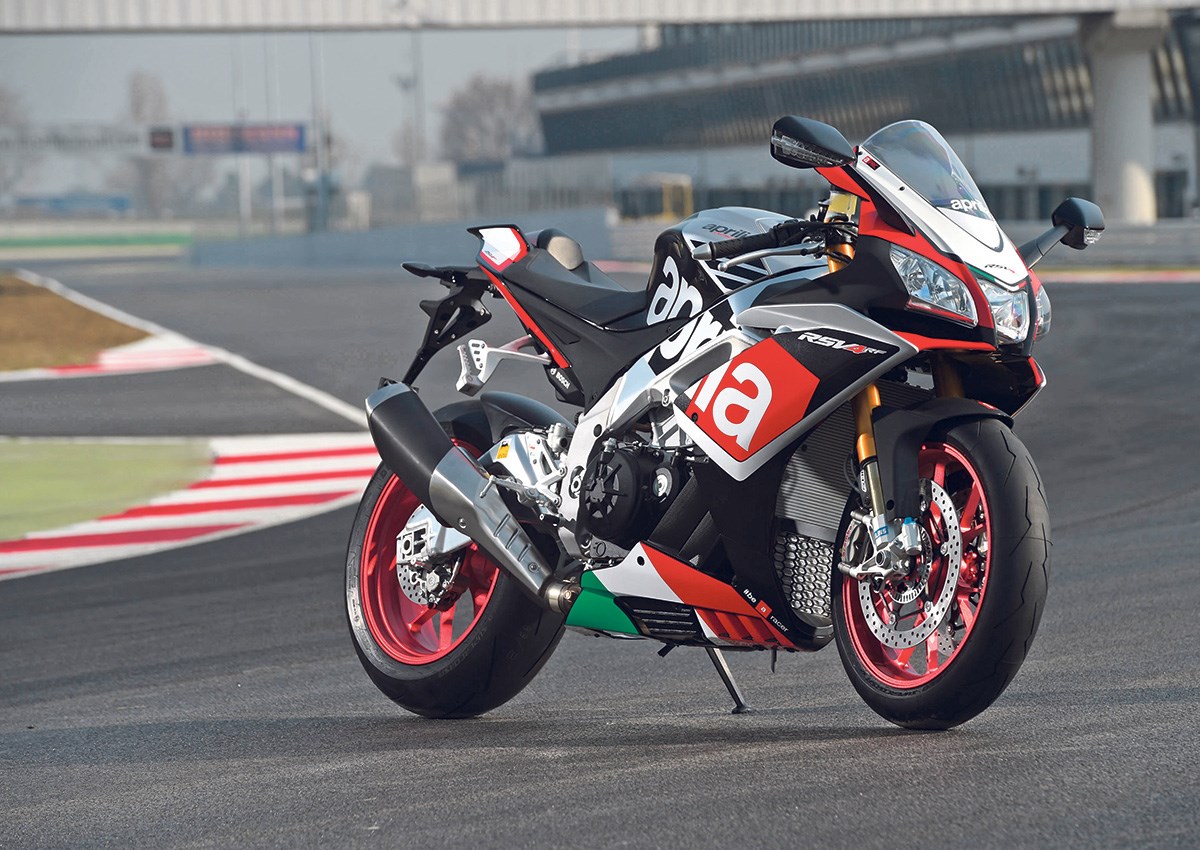
    Italian bike maker Aprilia makes some high-revving performance bikes that enthusiasts swoon over, and now it has added a new name to that list of performance offerings. The company has unveiled the new Aprilia RSV4 X, which is a track-only motorcycle and has been developed by Aprilia Racing with components derived from its WSBK and MotoGP race bikes. The RSV4 X is limited to a production run of just 10 units, which makes a rare motorcycle to get your hands on. The X marks the completion of 10 years of the RSV4 and comes with state-of-the-art equipment.

    The Aprilia RSV4 X borrows the 1077 cc V4 engine from the Factory bike, but gets more power

  • Meet Alipay’s Western Expansion Partner: RiverPay

    Meet Alipay’s Western Expansion Partner: RiverPay

    Alipay is one of the dominant forces in Chinese mobile payments solutions, but its ultimate goal, like with any payments company, is global expansion. You’ve recently covered some of Alibaba’s expansion into the UK through their partnership with Barclaycard, but there’s an unknown partner I want to introduce you to that’s giving Alipay access to over 12,000 store locations and over 30,000 points of sale in the U.S., Canada and Europe.

    Meet RiverPay: Alipay’s authorized payment service partner that connects global merchants with over 1 billion Alipay users around the world, especially Chinese travelers abroad. (69% of whom used mobile payments last year, according to Nielsen.)

    All of RiverPay’s merchant customers are adopting Alipay as a payment option, including top luxury retailers like Saks Fifth Avenue, Hudson’s Bay, Dolce & Gabanna and Prada. With payments integration in less than two weeks and compatibility with over 80 percent of mainstream enterprise resource planning systems, RiverPay can help merchants adopt Alipay fast without interruption to cashiering systems.