Author: Mei Ling Tan

  • Tesla Model 3 Outsells C-Class and 3 Series In Europe

    Tesla Model 3 Outsells C-Class and 3 Series In Europe

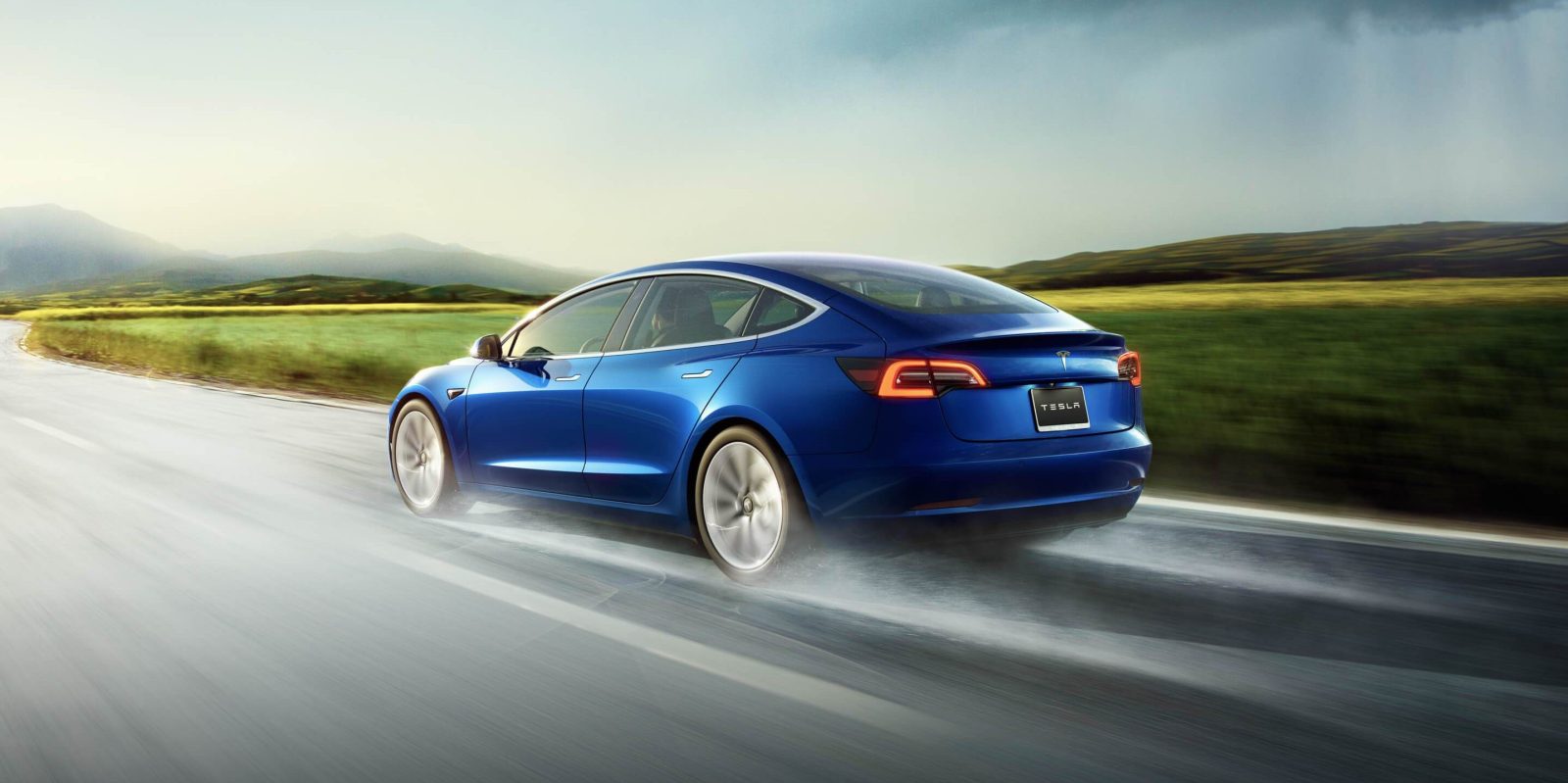
    February has not been a great month for carmakers in Europe as the market registered its sixth consecutive month of decline as 1.14 million vehicles were registered. This was largely because February marked a month of uncertainty for many of the bigger European markets, such as Spain and the Netherlands. However, according to a report by Jato, pure electric vehicles or BEVs showed a big growth in sales. Although their market share remained marginal at 1.9 per cent, their volume increased by a huge 92 per cent to 20,000 registrations.

    BEVs continued to gain traction in markets like Norway, where they counted for 40 per cent of overall registrations, and the Netherlands, where they counted for 7 per cent. Demand also increased by 81 per cent in Germany, which was the largest market for BEVs in February. This increase can be explained by the introduction of new models – most notably the Tesla Model 3. The hotly anticipated car excelled during its first full month on the European market and became the best-selling BEV. The Model 3 quickly outsold other big players like the Nissan Leaf and Renault Zoe, despite being more expensive and only available for a short amount of time.

    In fact it also was the top-selling premium midsize sedan in Europe – outperforming the popular Mercedes C-Class, Audi A4 and BMW 3-Series which speaks volumes about the success of the car. It’s also notable that most of the Model 3’s volume in February came from private registrations, which breaks the usual trend of a new vehicle’s volume being made up of business/fleet registrations.

  • Google Photos update helps Android users capture receipts and documents

    Google Photos update helps Android users capture receipts and documents

    Google Photos, the popular photo sharing and storage service created by Google, is now getting a small but important update on Android. A lot of users are taking advantage of the app/service combo and capture documents or receipts and store them for later use.

    Up until now, if you wanted your picture to look nice and show just the document or receipt, you needed to crop it yourself. Of course, that could have been done very easily with the tools provided by Google Photos, but it took extra time.

    Starting this week, Google Photos will automatically crop receipts and documents for all Android users. Google has just announced that an update to the Android app is now rolling out to all users as we speak.
    Every time you capture a document or a receipt, you should see suggestions to crop them to remove the background and clean up the edges. Everything is done automatically, so you just need to press the “Crop & adjust” option and your pictures will look the way they should (hopefully).

    Naturally, you can further crop or adjust your pictures if the tool provided by Google doesn’t get it right, so this option is not going away. However, for those who just need to remove and/or rotate an image of a document, this update will save you a lot of time.

  • BMW Previews iX3, i4 and iNext EVs

    BMW Previews iX3, i4 and iNext EVs

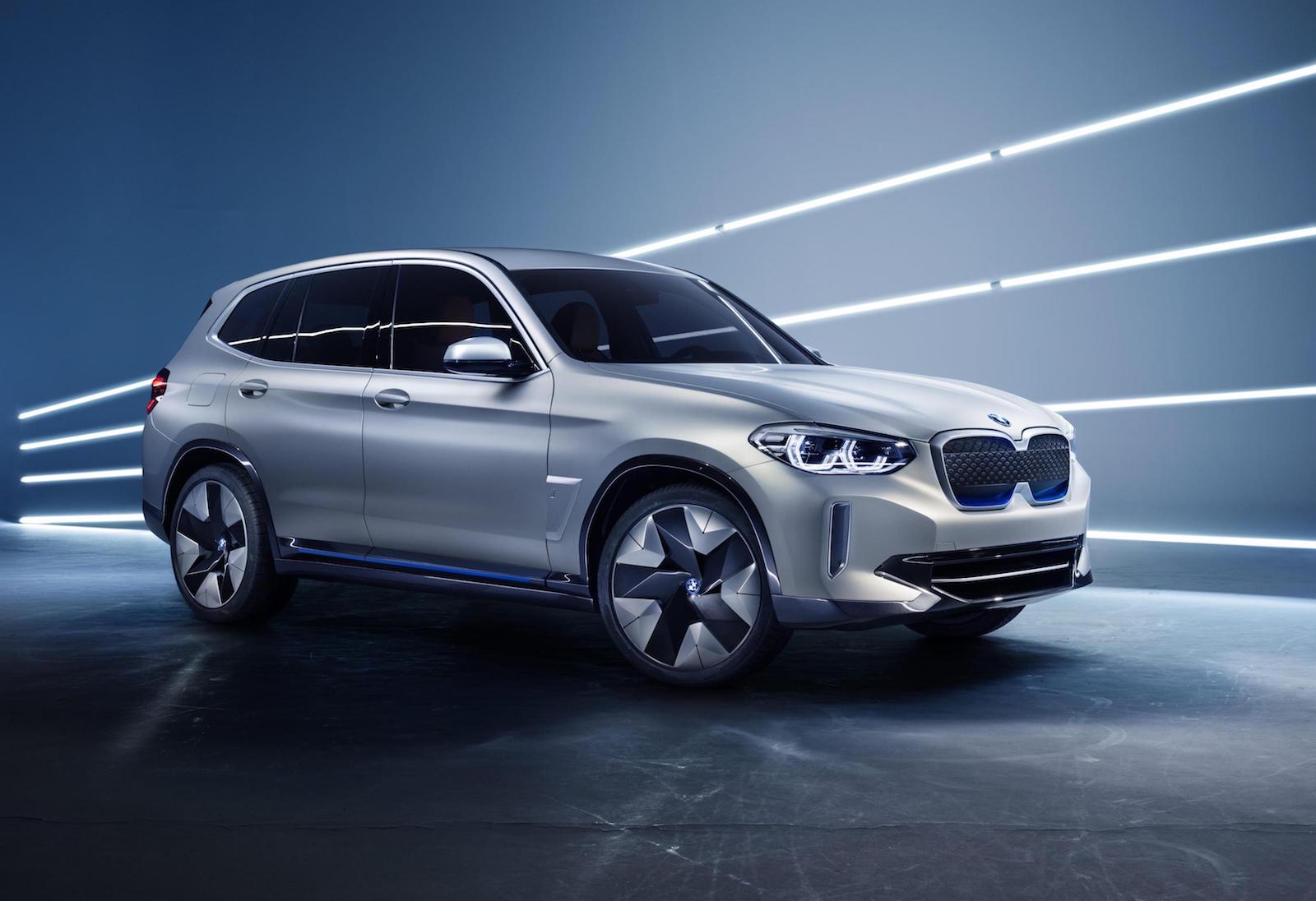
    BMW i is preparing to launch the next generation of pure electric models and three of its cars are currently going through a key phase of their series development process at the BMW Group’s winter test centre in Arjeplog, Sweden. In fact the company is so kicked about this, that they couldn’t help but share a teaser of the cars undergoing some winter testing at the edge of the Arctic Circle. Seen here in the picture are the BMW iX3, i4 and the iNext  all-electric vehicles.

    Together with the BMW iX3 already due to go on sale next year, the BMW i4 and the BMW iNEXT, will be brought to market in 2021. These are currently completing an intensive test programme. The drive and suspension components of these electric cars are being put to the test under extreme weather and road conditions. On the icy surfaces of frozen lakes, on snow and in the bitter cold, the electric motors, the high-voltage batteries and the power electronics of BMW eDrive technology as well as the suspension control systems will be put to the test in terms of durability and reliability.

    The BMW iX3 will already feature the fifth generation of BMW eDrive technology for the first time. It’s a powerful electric motor and a high-voltage storage unit featuring state-of-the-art battery cell technology facilitate purely electric driving pleasure in a new dimension. With a range of over 400 kilometres and the possibility to use DC charging stations with a capacity of 150 kW to charge its battery, the first all-electric SAV is ideally suitable for day-to-day use and long-distance travel. The BMW iX3 will be the first model produced for the entire global market by the BMW Brilliance Automotive Joint Venture at the Chinese production location in Shenyang.

    The BMW i4 is a four-door coupe positioned in the premium midrange segment  and will use the fifth-generation BMW eDrive technology. This will give the car an all electric range of over 600 kilometres. The BMW i4 sprints from a standstill to 100 km/h in a mere 4 seconds and reaches a top speed of over 200 km/h. The BMW i4 will be produced at the BMW Munich plant starting 2021.

    The BMW iNEXT is based on the Group’s future modular construction system, it combines the latest innovations in the areas of design, automated driving, connectivity, electrification among others. The BMW eDrive ensures a range exceeding 600 kilometres and the car is equipped with the latest connectivity features and designed for Level 3 automated driving. The BMW Group’s new technology flagship will be produced at the BMW Dingolfing plant as from 2021.
  • Hyundai Venue Subcompact SUV India Debut

    Hyundai Venue Subcompact SUV India Debut

    Hyundai India will be entering the subcompact SUV segment later this year with an all-new offering. The company recently confirmed that the new model will be called the Hyundai Venue upon launch, carandbike can now confirm that the new SUV will be unveiled on April 17, 2019. The Venue is a Maruti Suzuki Vitara Brezza, Ford EcoSport and the Mahindra XUV300 rival, and will be positioned below the Hyundai Creta in the automaker’s line-up. Interestingly, the India unveil coincides with the world debut that is slated to take place at the New York Auto Show. The Venue nameplate is also what the subcompact SUV will be called globally, and not Styx as it was previously perceived.

    Hyundai says the Venue subcompact SUV will come loaded with features because the big USP of this car to stay connected with the rest of the world. The Korean giant is generous with its vehicles on the feature front and we do expect to see some segment first tech including wireless charging and possibly ventilated seats too. The car was also spotted on a number of occasions recently, revealing what to expect on the design front.

    The boxy proportions of the test mule promise a small yet imposing design on the Hyundai Venue, and will come with an upright cascading grille, along with led daytime running lights that are positioned above the headlamp assembly. The fog lamp housing is rectangular and the car gets dual-tone alloy wheels that lend a nice stance.

    Expect to see wide wheel arches, lower body cladding and large glasshouse area, with the latter bringing more light into the cabin. Under the hood, the Hyundai Venue is expected to be offered with 1.2-litre and a 1.5-litre petrol and diesel engines. Transmission options will include a manual, while an automatic is also likely.

  • Mercedes-Benz Is Evaluating Electric Vehicles In India

    Mercedes-Benz Is Evaluating Electric Vehicles In India

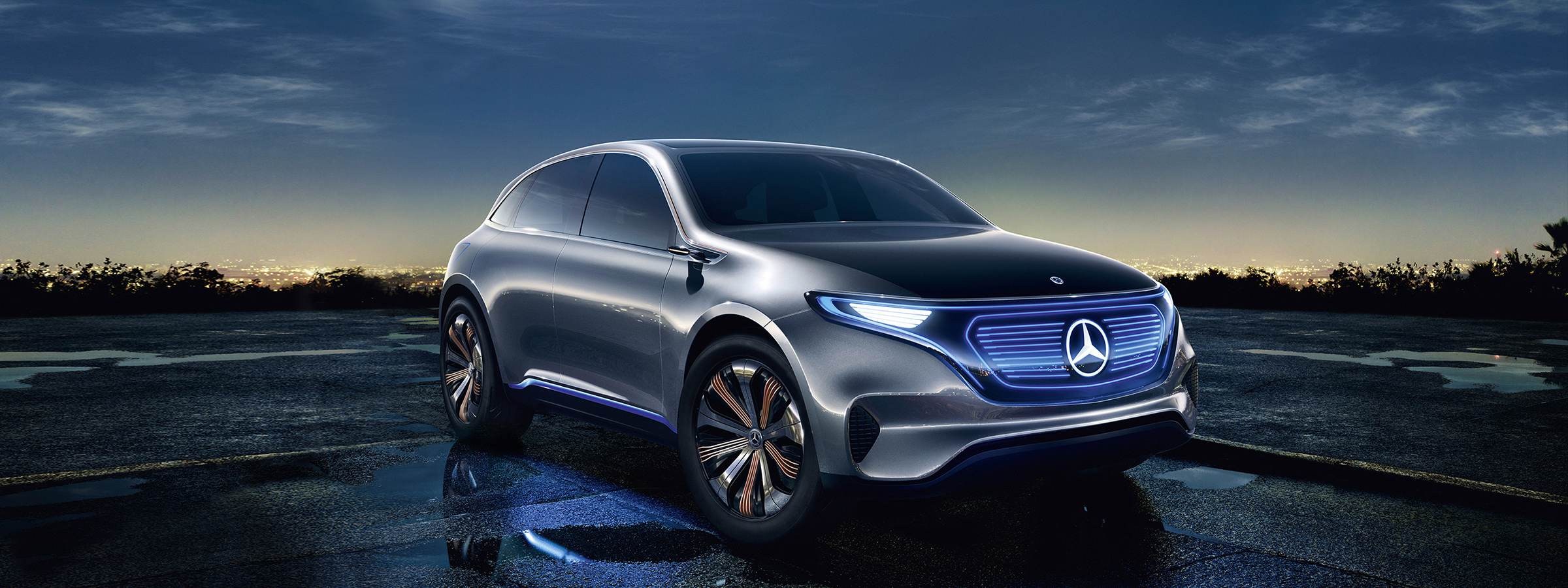
    The FAME 2 scheme has brought cheers to the automakers in India. The Union Cabinet on February 28 allocated ₹ 10,000 crore to speed-up the development of the EV infrastructure in the country a major chunk of which will be channelised to set up fast-charging stations on a large scale. Many carmakers had already announced launching or at least evaluating the viability of electric vehicles in India beforehand. For instance, Audi has already decided to launch the e-Tron in our market and Porsche will be bringing the Taycan. While Mercedes-Benz was uncertain of EVs prospects in our country, FAME 2 has come as a silver lining for the company.

    The German carmaker is finally doing a feasibility study for the EQ range in India and is looking at it as a potential product in the future. “We do the feasibility studies because we have to think of the future. The feasibility study is done for our entire portfolio. And the same happens now for the battery electric vehicles and plug-in hybrids, we look into which models could be appealing to the customers, we look into where we think is the momentum developing and based on that we also start assessing our options. So it’s not that we wait and see, we look into the options by evaluating and that’s happening right now,” Martin Schwenk, Managing Director & CEO, Mercedes-Benz India told carandbike.

    Schwenk agrees that the FAME 2 scheme is a step taken in the right direction but Mercedes cannot completely rely on the infrastructure and be late to the party. “Looking into the infrastructure, we cannot fully wait for the infrastructure because if we do that, it will take quite some time,” Schwenk said. That said, the newly appointed India head also feels that the FAME 2 scheme completely misses out on the plug-in hybrid models which have immense market potential given the fact that it brings the best of both the powertrains. “Electric infrastructure has sometime in India to develop which leads me to the question that should it be electric or plug-in? I would say that the plug-in has some opportunities here because you can do your daily commute basically by charging the car at home and then if you want to go on longer drives, you’re not limited by any infrastructure,” Schwenk added.

    Mercedes-Benz has also been working extensively on plug-in hybrids as the company finds electrified models more flexible to own and run. The German carmaker has already expanded the electric range in its hybrid models to up to 70 km and is intending to take it over 100 km which should be sufficient for intra-city commutes. It doesn’t mean that the company has diverted its focus from electric vehicles and will have 10 electric models in its portfolio by 2022 including an electric iteration of the recently launched V-Class MPV.

  • Automobili Pininfarina’s SUV PF1 Will Compete Against Ferrari & Lamborghini

    Automobili Pininfarina’s SUV PF1 Will Compete Against Ferrari & Lamborghini

    It was at the 2019 Geneva Motor Show that Mahindra-owned Pininfarina unveiled its first production hypercar – the Battista and we got know a lot about the car as well; of course we told you all about it too. While the company wants to keep the production of the Battista limited, there’s no denying that there will be people who would want to get their hands behind the wheel of one. The Battista stands out amongst the others in this segment and yes, there are quite a few hypercars entering this segment very quickly, but of course, Pininfarina is not stopping there and it’s already embarking on its next project an SUV or as Automobili Pininfarina CEO, Michael Perschke likes to call a ‘Sports Activity Vehicle’

    He confirmed the development on the sidelines of the 2019 Geneva Motorshow. He said, “The board sanctioned 3 to 4 cars including the Battista. The second one is probably going to be somewhere between a Lamborghini Urus and a Ferrari GTC4 Lusso. A super spectacular sports activity vehicle which is probably closer to a sports car than an SUV.”
    While there’s no doubting why the company is diving into the SUV segment, considering how big a global trend the segment is; it’s interesting to see Pininfarina taking the bull by the horns and streamlining its strategy for the Indian market. While it’s currently under development, and hence not much is known about it, of course, there are some details that Perschke threw some light on. He said “It’s going to have 4 seats, maybe 5 people can sit in, but it’s going to be super functional, super emotional, superb designwise and it’; be a little higher, little longer than the Battista and it’s going to be super exciting and we have to do justice to this brand.”

    The SUV is called the PF1 for now and will go up against the likes of the Lamborghini Urus and even the Ferrari GTC4 Lusso and it’s likely to come with more than 1000 bhp and of course it’ll be all electric. It’s likely that the company will borrow Rivian’s modular skateboard platform for the PF1 SUV and while there’s no formal announcement yet on that development, it’s likely that the powertrain for this will come from Rimac. We can’t wait to know more about the PF1 soon.

  • Daimler To Develop Smart Brand Together With Geely

    Daimler To Develop Smart Brand Together With Geely

    Daimler on Thursday said it will develop its next generation of Smart electric vehicles in China through a joint venture with rival Geely, deepening an alliance between the two carmakers.

    Daimler said it will build next generation Smart vehicles at a purpose built factory in China, and share its expertise in manufacturing, engineering and design with Geely.

  • LINE FRIENDS to expand its business in China throughstrategic partnership with Xiaomi

    LINE FRIENDS to expand its business in China throughstrategic partnership with Xiaomi

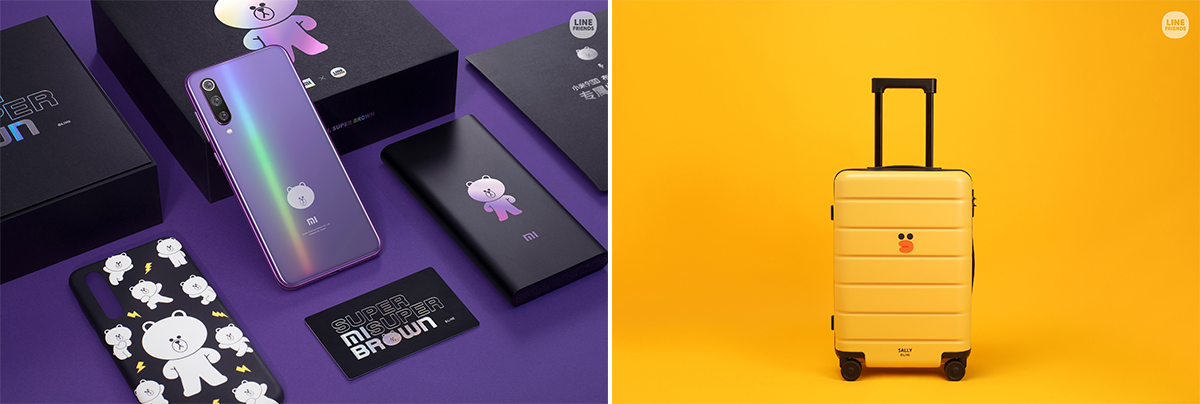
    LINE FRIENDS announced that it has formed a strategic partnership with the Chinese IT giant, Xiaomi and will launch the ‘MI9 SE BROWN EDITION’ package under the concept of ‘SUPER MI, SUPER BROWN’ in China on April 9.

    The first collaboration under the strategic partnership, ‘MI9 SE BROWN EDITION’ has garnered explosive responses from both local and global media as well as consumers after it was presented at the media event hosted by Xiaomi and personal social media account of Xiaomi CEO, Lei Jun on April 1 prior to the official release.

    ‘MI9 SE BROWN EDITION’ will be released at Xiaomi’s official stores on April 9, and LINE FRIENDS will expand the partnership with Xiaomi to launch a wider array of collaborative products with its character IPs.

  • Mister Donut China to close down Stores

    Mister Donut China to close down Stores

    Mister Donut China will soon be no more, Japan’s largest donut chain calling time there after losses mount.

    All 10 remaining Mister Donut stores in Shanghai will close their doors on April 1, victims, the company says, of rising labour costs and other overheads.

    Mister Donut China launched in 2000, its parent the Japanese cleaning services company Duskin foreseeing huge potential for sweet treats in the fast-growing economy. While it expanded quickly at first, rising competition and costs saw the company begin to trim its store network in recent years.

    After Mister Donut China announced it was closing via its Chinese website, a Duskin spokesperson told the Nikkei that while the company was leaving for now, it may pursue other opportunities in Chinese food retailing in the future.

    “China’s desserts market holds the promise of further growth. This is without a doubt an attractive region.”

    In Asia, Mister Donut will continue to operate in Thailand, Taiwan, the Philippines and Indonesia.

  • Milan Station losses halve after store closures

    Milan Station losses halve after store closures

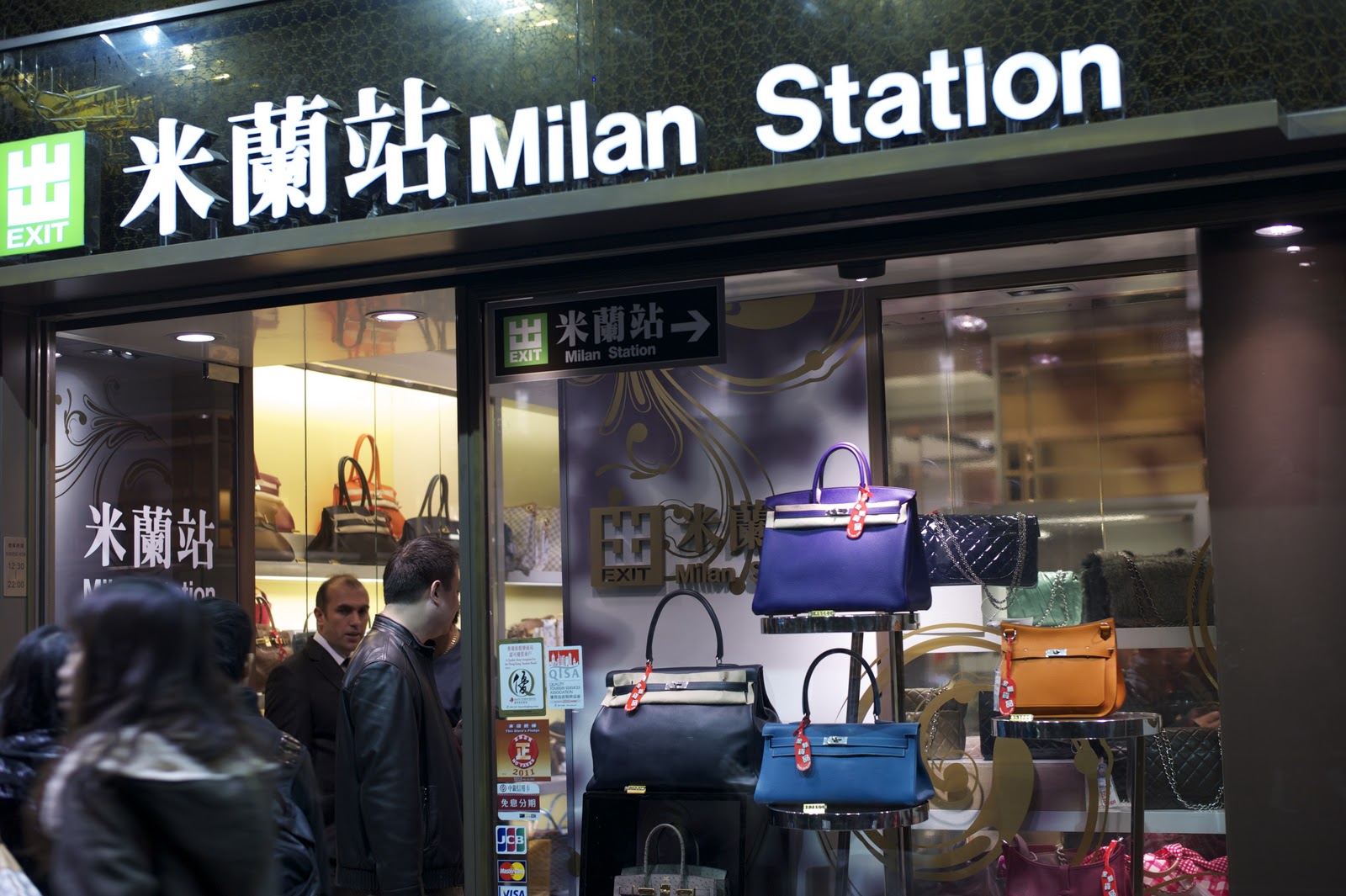
    Hong Kong handbag retailer Milan Station losses halved last year, despite a 17 per cent fall in sales to HK$264.3 million.

    The company reported a net loss for the year of $40 million, compared to $80.8 million the prior year, mainly due to decreased rental expenses due to the closure of unprofitable stores, and the absence of an impairment loss the prior year.

    Milan Station derived 95 per cent of its sales from Hong Kong and the balance from Macau after earlier closing its stores in Mainland China.

    Hong Kong sales decreased 18.7 per cent to $250.2 million, revenue coming from its seven Milan Station stores and six Thann stores, and its online platform. Sales in Macau rose by 36.9 per cent to $14.1 million as the territory’s gambling and tourism industries recovered.

    The company’s inventory turnover improved from 79 days in 2017 to 75 days last year.

  • Gentle Monster, Huawei team up over smart eyewear

    Gentle Monster, Huawei team up over smart eyewear

    South Korean eyewear label Gentle Monster has partnered with Chinese tech giant Huawei to produced connected eyewear.

    The networked eyeglass frames allow wearers to answer calls without picking up their phone, and feature antennae, noise-reduction microphones and speakers tucked behind the ear.

    “Smart eyewear is different than the smart phone or the smart watch,” said Gentle Monster co founder and CEO Hankook Kim. “The smart eyewear is on our face … It is normal but actually it is slightly different. We believe the small difference changes everything.”

    The label, known for its trendy and futuristic individualised store designs, has 18 locations selling both futuristic and more conservative eyewear.

    “If you want to see how it looks on normal people, you can look at me,” said Kim.

    “I really appreciate Huawei because they realise that eyewear comes first and smart comes later,” he added.

  • Pret-a-Manger owner JAB Holding in difficult position

    Pret-a-Manger owner JAB Holding in difficult position

    JAB Holding, the German owner of Krispy Kreme and Pret-a-Manger, has pledged to pay US$11.3 million to charity after the family-owned company’s ties to the Nazi party were revealed. The German newspaper uncovered a significant historical connection between the wealthy Reimann family and the Nazis. The Reimann forebears were ardent anti-semites and strong supporters of Hitler, and used both Russian and French slaves in their factories.

    JAB Holding recently divested the Jimmy Choo and Bally businesses to shift its focus from apparel to food. It also owns Green Mountain Coffee, Panera bread, Mighty Leaf Tea, Caribou Coffee, Jacobs Douwe Egberts, Einstein Bros Bagels and a 38-per-cent stake in cosmetics giant Coty, among other investments.

    According to the German newspaper report, back in the Hitler era, its factory workers were treated brutally, with female slaves forced to attend barracks checks naked – suffering beatings and sexual abuse as punishment for refusal.

    In a 1937 letter to SS leader Heinrich Himmler, Albert Reimann Jr – the father of the four Reimann family members who now own the businesses – wrote that his company was more than 100 years old, and that the owners at the time were unconditional followers of the race theory.

    “It is all correct,” family spokesman Peter Harf, who is one of two managing partners of JAB Holdings told. “Reimann Senior and Reimann Junior were guilty. The two men have passed away, but they actually belonged in prison.”

    The family has commissioned historian, Paul Erker of Munich University, to study its ties to the Nazi regime. Already four years in the making, more information will be released to the public when it is complete.

    The report was commissioned by the family because it wanted to better understand the extent of their past connection to the Nazi regime. They are currently the second richest family in Germany.

  • Dominic Barton joins Singtel board

    Dominic Barton joins Singtel board

    Singtel has appointed Dominic Barton (pictured) as an independent director with immediate effect, the Singaporean telco announced Monday.

    Barton is currently global managing partner emeritus of McKinsey & Company. Prior to that he was global managing partner of McKinsey until July 2018, a role he held for nine years. He has also served as chair of the board of Canadian mining company Teck Resources since October, 2018.

    “Dominic brings rich expertise and insights from across a broad swathe of industries, having advised clients in banking, consumer goods, tech and industrials over three decades of consulting,” said Singtel chairman Simon Israel said. “The diversity of his experience will be invaluable as Singtel’s digital transformation takes the group into businesses and partnerships that cut across multiple industries.”

    The Singtel Board now comprises 12 directors: Simon Israel (chairman), Chua Sock Koong (Group CEO), Gautam Banerjee, Dominic Barton, Bobby Chin Yoke Choong, Venky Ganesan, Bradley Horowitz, Gail Kelly, Low Check Kian, Peter Mason, Christina Ong, and Teo Swee Lian.

    HKBN names Elinor Shiu marketing chief for residential services

    Elinor Shiu, CMO, Residential Services, HKBN Group

    HKBN Group has named Elinor Shiu (pictured) as chief marketing officer, residential services.

    In her new role, Shiu will lead the marketing strategies and operations of the group’s residential market business. She has also joined the group’s management committee, overseeing HKBN’s continued growth with six other senior executives, according to a company announcement.

    Shui has extensive experience in marketing management and business operations. She has held several senior positions across the group’s residential and enterprise solutions business before becoming head of marketing in 2018.

  • Digital Realty breaks ground on third Singapore data center

    Digital Realty breaks ground on third Singapore data center

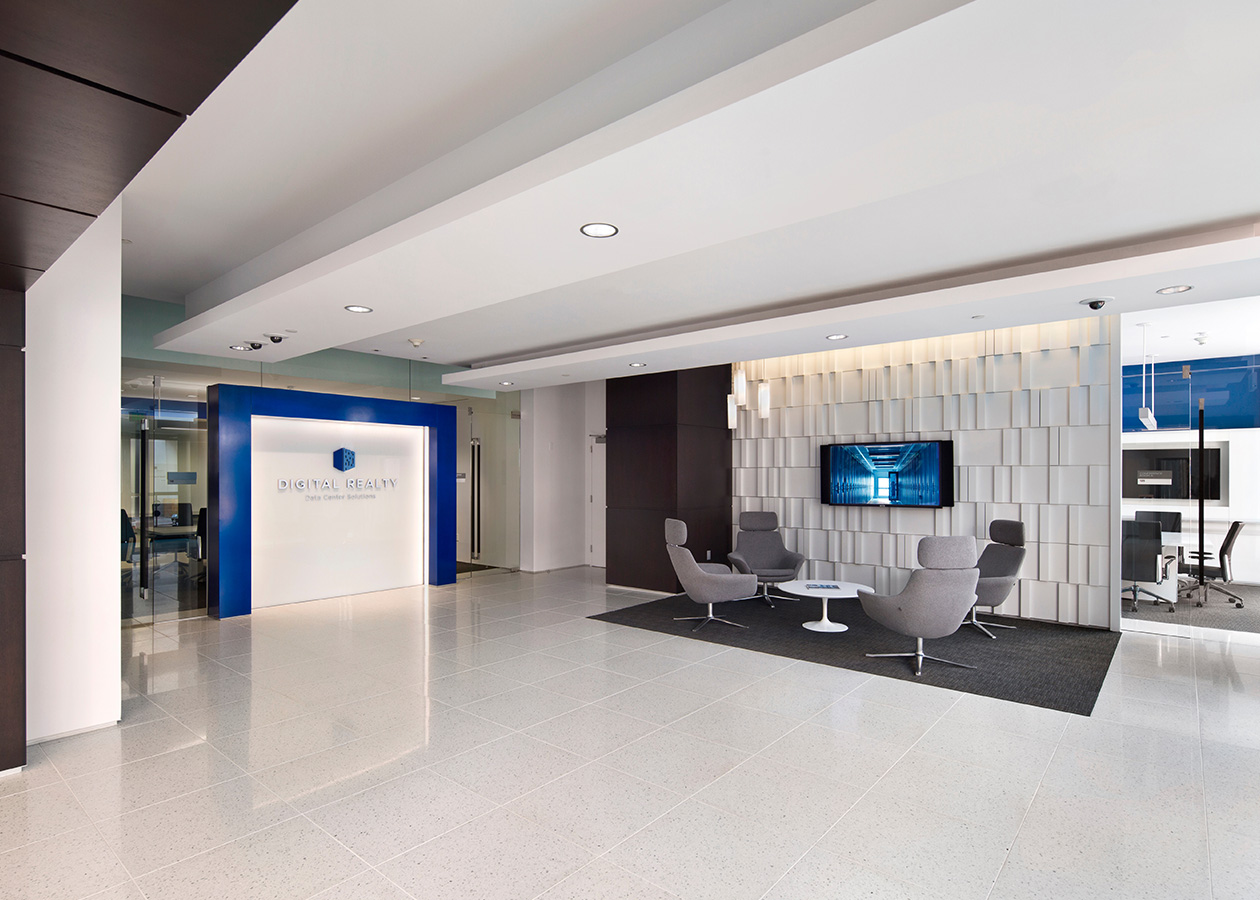
    Data center, colocation and interconnection provider Digital Realty has commenced construction of its third data center facility in Singapore.

    The 12,800 square meter plot of land will be the foundation of Digital Loyang II (SIN12), an expansion and further development of a Digital Loyang Connected Campus.

    SIN12 will be located less than 25km from Singapore’s CBD and will capable of supporting up to 50 megawatts (MW) of IT capacity. The new facility will span a gross floor area of 34,000 square meters.

    The facility is expected to be operationally ready in the second quarter of 2020.

    Digital Realty has so far invested a total of $500 million developing its first two facilities in Singapore.

    “The development of SIN12 reaffirms Digital Realty’s commitment to supporting Singapore’s digitalization efforts and smart nation initiative,” Digital Realty CEO A. William Stein said.

    “As more global technology brands increasingly look to expand their digital footprint, Singapore remains their preferred destination. With the addition of SIN12 to our connected campus, customers will soon be given new ways to connect, extend their reach and find new business opportunities through our global data center platform.”

    SIN12 will also be incorporating sustainability features into the construction of the facility that aims to lower power usage effectiveness (PUE) to between 1.2 to 1.3, making it the best PUE in a commercial data center in Singapore.

    “Sustainability will also play a big role in the development of SIN12. Our vision is to build the greenest commercial data center within the region,” added Stein.

  • AS Watson South Korea health and beauty launched

    AS Watson South Korea health and beauty launched

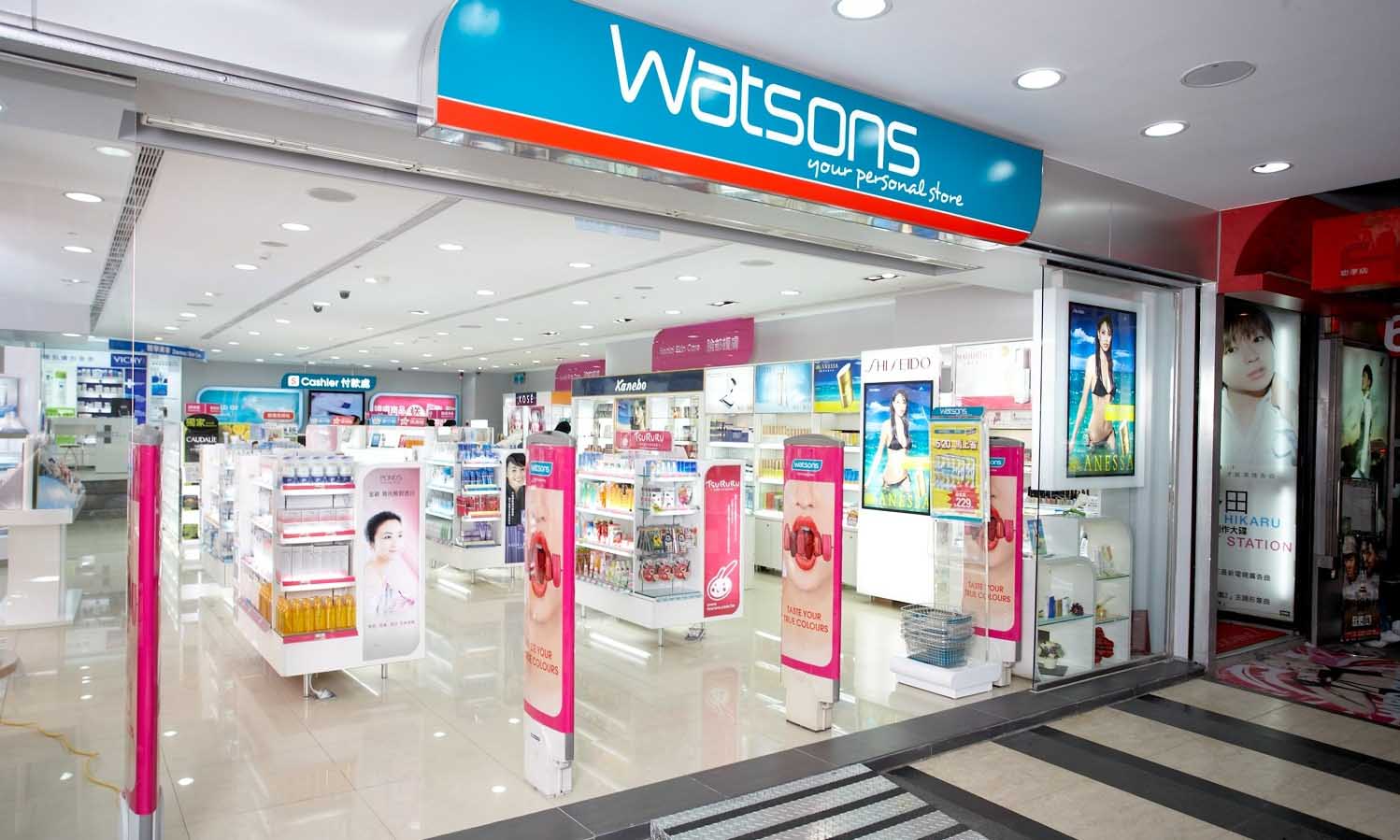
    Hong Kong-based AS Watson has chosen its part-owned German subsidiary Rossmann for its next Asian market debut, South Korea. The German drug-store brand has confirmed it will begin selling products in South Korea on May 1, shipping direct from Germany. It will sell online only. Dirk Rossmann GmbH, named after its founder, is 40 per cent-owned by AS Watson, but the Hong Kong company includes its store network in its fast-growing tally of stores. The company opened its 15,000th store in Kuala Lumpur this week and is currently expanding internationally at a rate of one new store every seven hours.

    A joint venture between AS Watson and Rossmann operates more than 3100 stores in Germany, Poland, Czech Republic, Hungary and Albania. According to a report, the company plans to make “full-scale inroads into the domestic health and beauty market” through Rossmann Korea.

    It will adopt a direct-to-market business model, rather than stock goods in existing retail chains.

    An AS Watson spokesperson told Inside Retail ASia that Rossmann’s Own Brand products are famous not only in countries where they operate a retail network, but also in Eastern Europe where they are distributed in Watsons stores, and in Switzerland where they are distributed in a local supermarket chain. Online, Rossmann sells in China.

    Rossmann chose South Korea as its first Asian market “as Korean consumers were a match with the company’s meticulousness and strictness on their products, where both parties value safe, good quality products offered at reasonable prices”.

    “For South Korea, Rossmann will be launching via online platforms about 100 SKUs of its own products in body and skin care, baby care, and organic food,” the AS Watson spokesperson told.

    According to a Rossmann spokesperson, Korean consumers will experience reliable goods and services through official fast-paced shopping malls. “Rossmann will do its best to help more people make direct transactions with ease.”

    The brand will host quiz events on its Instagram and Facebook pages until April 8 and promotions include prizes of Starbucks coupons and Rossman Korea goods such as water bottles and umbrellas for winners.

    The Rossman family own 60 per cent of the business, which is headquartered in the German town of Burgwedel near Hanover.