Author: Mei Ling Tan

  • Japanese firm eyes stake in ailing Vietnamese bank

    Japanese firm eyes stake in ailing Vietnamese bank

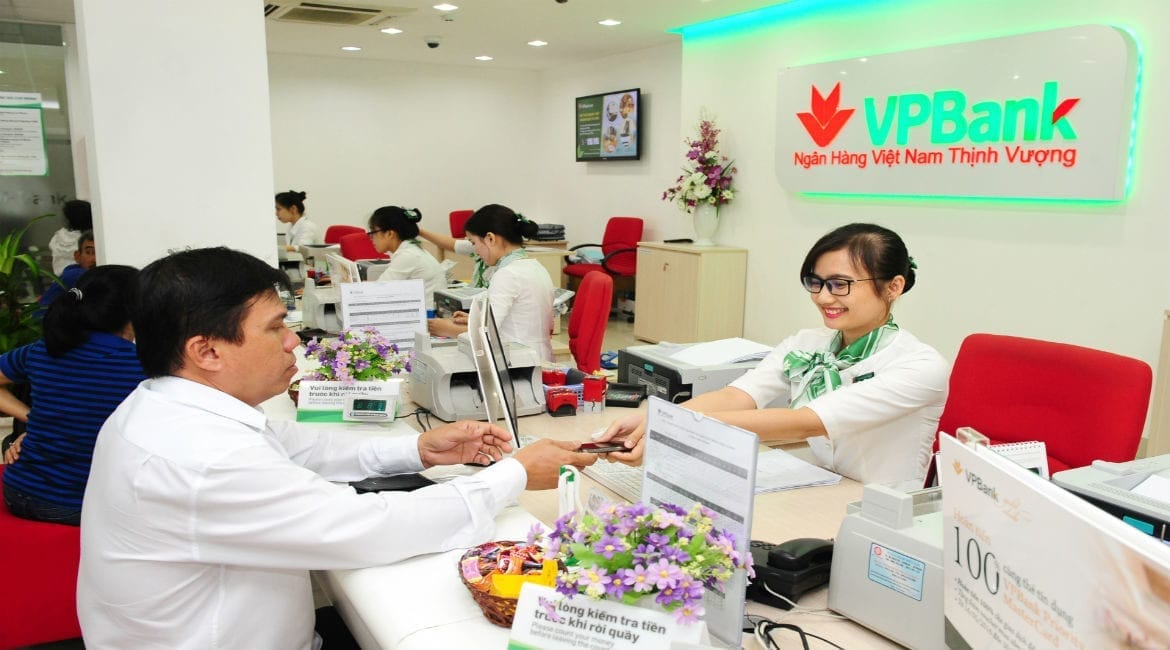
    Japan’s J Trust has expressed interest in acquiring a stake in Vietnam Construction Bank, one of three weakest state-owned banks in the country. Nobiru Adachi, senior managing director and executive officer of finance firm J Trust, told Deputy Prime Minister Vuong Dinh Hue Friday that he wanted to restructure the Vietnam Construction Bank (CB).

    J Trust will also support CB in terms of technology and financial operations, he added.

    Hue responded that J Trust’s proposal was in line with the government’s wish for local or foreign investors to buy weak banks. The government wants to sell CB to an investor to restructure it, he added.

    J Trust should discuss its proposal with the State Bank of Vietnam so that the deal could be presented to the Prime Minister for consideration, he added.

    Hue said last year that the government would allow foreign investors to fully acquire weak banks that it had bought for zero dong. These banks are CB, Oceanbank and Global Petro Commercial Jsc Bank.

    CB, formerly Trust Bank, was acquired by the government in 2015 and was given the new name. By 2017, it managed to recover over VND5.7 trillion ($245.73 million) of its bad debt.

    J Trust engages in commercial banking services, retail financial services and debt collection services throughout Asia. It has experience in assisting struggling financial institutions and has successfully restructured weak banks in South Korea and Indonesia.

    Vietnam has nine wholly-owned foreign banks, four state-owned banks and 31 joint-stock banks.
  • Two execs quit ride-hailing firm Go-Viet

    Two execs quit ride-hailing firm Go-Viet

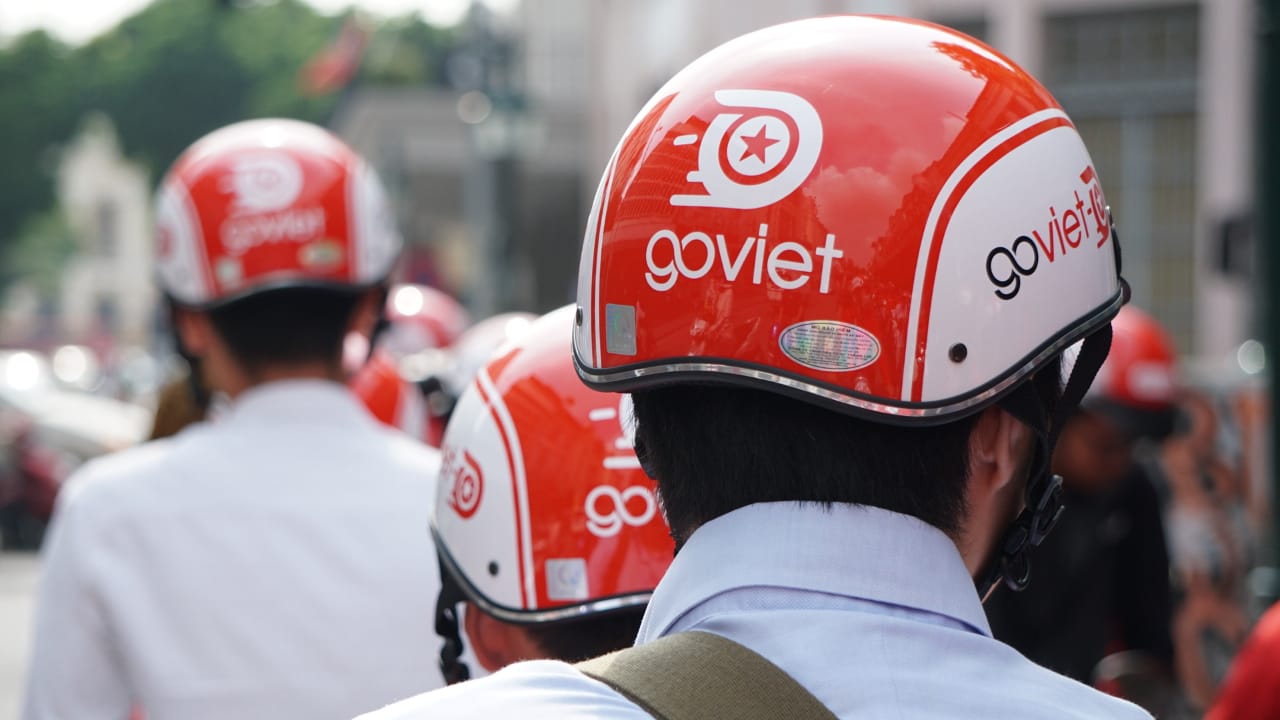
    Go-Viet has confirmed that its general director and deputy general director have quit their positions. General director Nguyen Vu Duc and deputy general director Nguyen Bao Linh have resigned from their positions, the Vietnamese ride-sharing firm announced Friday.

    The two would continue to work as advisors for Go-Viet and its Indonesian counterpart Go-Jek from Vietnam, while the management of Go-Viet’s day-to-day work will be handled by the company’s remaining leaders, it said.

    Phung Tuan Duc, Go-Viet’s managing director, said the company would continue working closely with Duc and Linh to help develop the platform.

    According to Deal Street Asia, the news of Duc and another of Go-Viet’s senior directors resigning was already announced internally earlier this week. The news site also claimed the two had demanded large sums of money in compensation upon resigning, but the company did not comment on this.

    Nguyen Vu Duc graduated from Harvard University, the U.S., with a master’s degree in business administration and worked for nearly a decade at a major bank in Vietnam. In 2014, he helped deploy ride-hailing firm Uber’s services in Vietnam and went on to launch a fintech firm in 2015-2018.

    Duc eventually returned to the ride-sharing market as co-founder and CEO of Go-Viet, which began operations last August. At press meetings, he has said that Go-Viet was a Vietnamese startup with funding and technology support from Go-Jek.

    Duc and Linh’s resignations have come at a time when Go-Viet has been stagnating in all its services – ride-sharing, food delivery and package delivery. Since the start of this month, the company has cut its drivers’ revenue to 20 percent, prompting many drivers to consider switching to another ride-sharing service.

    Meanwhile, its main competitor Grab has been expanding its food delivery service and its cashless payment service GrabPay by Moca, which now has new features allowing users to pay electricity, water and phone bills.

    The Be Group, the latest ride-sharing market entrant in Vietnam, has announced it has recruited over 15,000 drivers in just three months and is planning to expand its presence to 22 provinces and municipalities this year.

  • Deutsche Bank Appoints Head of Thailand

    Deutsche Bank Appoints Head of Thailand

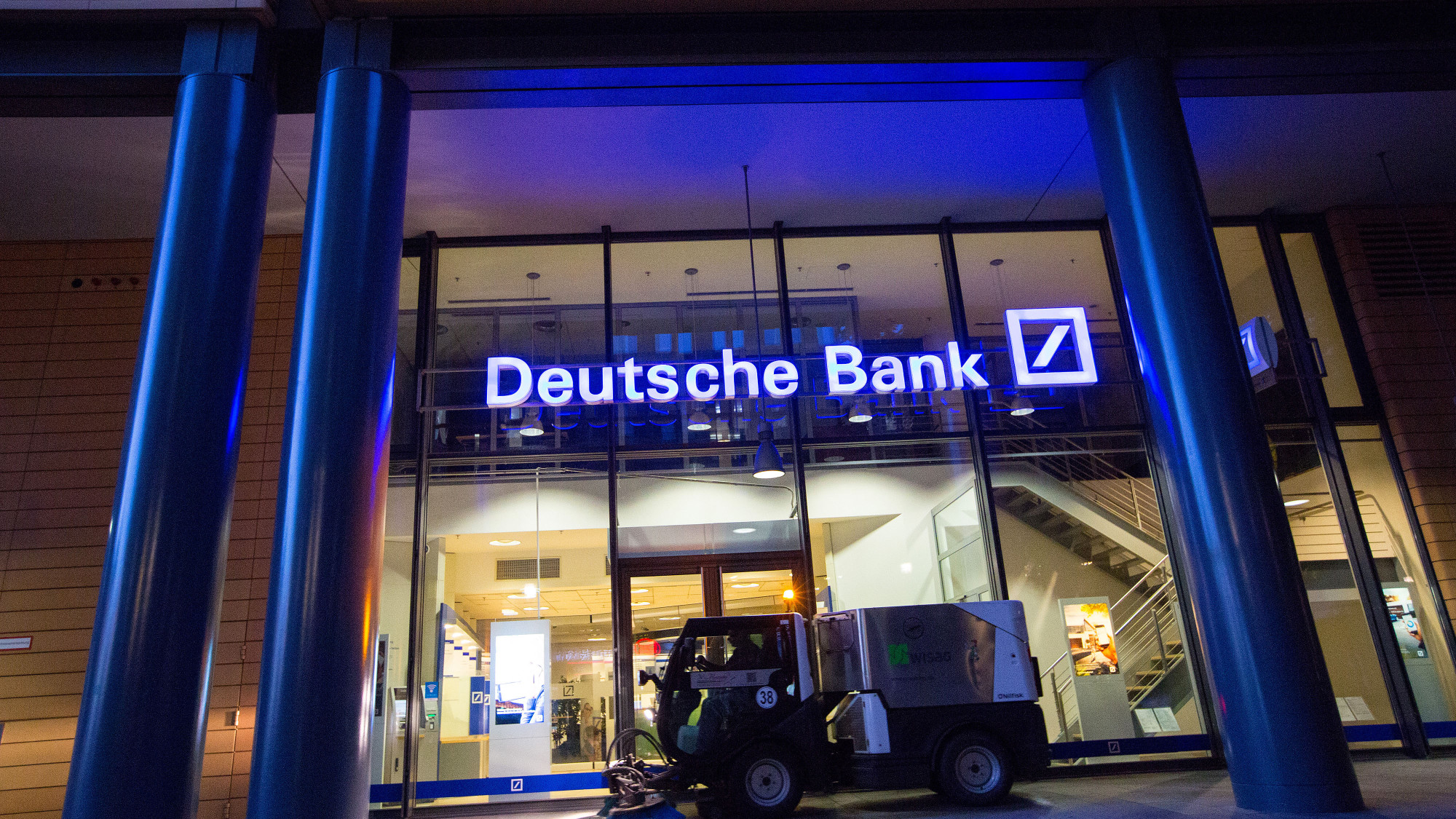
    The German lender hires a new head from Siam Commercial Bank to fill the position left vacant since 2018. Deutsche Bank (DB) will get a new head for its Thailand operations in May, with the appointment of Pimolpa Suntichok as chief country officer and head of the financing and solutions group for Thailand, according to people close to the matter.

    Suntichok fills a position left by Phumchai Kambhato, who left the bank in 2018. She will report to Werner Steinmueller in her country management capacity and to Sreenivasan Iyer for her FSG responsibilities.

    Suntichok was previously the Senior Executive Vice President serving as the Head of Commercial Banking Solutions at Siam Commericial Bank, Thailand’s largest commercial bank. She brings over 20 years of experience in banking, having worked at Bangkok Bank, Jardine Fleming Thanakom Securities, Fitch Ratings (Thailand), and Standard Chartered Bank (Thailand). She joined SCB in 2008 to lead the structured finance practice for the Capital Markets Division and became the Head of Corporate Segment in 2015 and the Head of MultiCorporate Segment in 2016, according to SCB’s website.

    Future Uncertainty 

    Deutsche Bank in recent months has seen a raft of departures in Asia, including Southeast Asia Vice Chairman Philip Lee, Jakarta-based managing director Kunardy Lie, and North Asia COO

    Katherine Lai.

    DB, on its third CEO in four years, has in recent years scaled down its Asian operations as its focus has shifted towards Europe amid difficulties in the region. However, Thailand remains an important market for DB in Asia-Pacific, with the bank having a 40-year history in the country.

    The bank is currently in the midst of merger discussions with Commerzbank, which has cast uncertainty over Deutsche’s general strategy for the future.

  • Vietnam’s Q1 coffee exports down 15.3 percent on-year

    Vietnam’s Q1 coffee exports down 15.3 percent on-year

    Vietnam’s coffee exports in Q1 are expected to fall 15.3 percent from a year earlier to 477,000 tonnes, government data showed Friday.

    Coffee

    Coffee exports from Vietnam will likely fall an estimated 15.3 percent in the first quarter of this year from a year earlier to 477,000 tonnes, equal to 7.95 million 60-kg bags, the General Statistics Office said in a report on Friday.

    Coffee export revenue for Vietnam, the world’s biggest producer of the robusta bean, will likely decline 23.8 percent to $830 million in the three-month period, the report said.

    The country’s coffee shipments in March are estimated at 160,000 tonnes valued at $278 million, it said.

    Rice

    Rice exports in the first quarter from Vietnam were forecast to fall 11.5 percent from a year earlier to 1.31 million tonnes.

    Revenue from rice exports in the period was expected to drop 23.6 percent to $567 million.

    March rice exports from Vietnam, the world’s third-largest shipper of the grain, totalled 600,000 tonnes, worth $256 million.

    Energy

    Vietnam’s first-quarter crude oil exports were seen rising 7.7 percent from the same period last year to an estimated 1.07 million tonnes.

    Crude oil export revenue in January to March is expected to fall 3.5 percent to $507 million.

    Oil product imports in the first quarter were estimated at 2.0 million tonnes, falling 42.6 percent from the same period last year, while the value of product imports fell 47.6 percent to $1.17 billion.

    Vietnam’s January to March liquefied petroleum gas imports were seen falling 7.9 percent from a year earlier to 349,000 tonnes.

  • Visa launches payments security roadmap for Vietnam

    Visa launches payments security roadmap for Vietnam

    It was one of four initiatives the company outlined in the “Future of Security” roadmap it launched. Visa said the roadmap focuses on a number of key initiatives that would enable security to evolve at the same pace as the technologies changing the way of paying.

    Dang Tuyet Dung, Visa’s country manager for Viet Nam and Laos, said: “Securing the commerce eco-system is our highest priority and one we view as a shared responsibility between payment networks, consumers, banks, and the Government.

    “Technology has enabled new innovative ways to pay and be paid, but it has also brought unique risks. To stay ahead of fraud, we need to work together and give security the same attention and investment as we do the innovations driving new e-commerce experiences.”

    The other three initiatives are devaluing data by removing sensitive data from the eco-system, thus making stolen account details useless; protecting data by implementing safeguards to protect personal data as well as account details and harnessing data by identifying potential fraud before it occurs and increase confidence in approving good transactions.

    The release of Visa’s roadmap comes at a time of rapid change for payments in Viet Nam with innovations such as mobile payments set to enhance the payment experience for consumers.

    According to Visa’s study titled Consumer Payment Attitude, security remains a key consideration for consumers across Southeast Asia with 67 per cent concerned about the safety of their personal information when using their mobile phones to make payments.

    Asked specifically about what their top three concerns were, consumers in Viet Nam said losing their phone or having their phone stolen, the phone getting hacked or someone intercepting data and malware or viruses being installed on the phone.

    Visa works with industry stakeholders including financial institutions, merchants, policy makers, law enforcement, and accountholders to secure payments.

    The Visa Future of Security Roadmap is a product of comprehensive consultations and collaboration, making it an authoritative document on Vietnam payments security.

    Visa is delivering roadmaps around the world to ensure the security of the global commerce eco-system and in Viet Nam also working with industry bodies to align security initiatives.

  • Singaporean firm’s taxi joint venture in Vietnam suffers losses

    Singaporean firm’s taxi joint venture in Vietnam suffers losses

    ComfortDelgro Savico Taxi, a joint venture between a Singaporean transport corporation and Vietnamese motor vehicle dealer, lost $103,000 last year. This figure is mentioned in the latest financial statement published this month by local retail, motor vehicle and parts dealer Savico, the Vietnamese joint venture partner. ComfortDelgro Savico Taxi has been in constant trouble in the last few years. After nearly ten years of operation, the joint venture had to restructure and upgrade its fleet to maintain an exploitation rate of 90 percent, which meant heavy investments.

    However, just when it was becoming profitable enough to offset cumulative losses of the previous years, the joint venture met fierce competition from ride-hailing start-ups Grab and Uber.

    Savico decided to close the taxi firm’s operations last March to preserve its capital. At closure time it had 352 cars but only 140 drivers.

    Following the joint venture’s closure, ComfortDelGro’s revenue in Vietnam fell to $3.3 million in 2018 compared to $6.8 million the previous year, down by more than half.

    ComfortDelGro’s Vietnam earnings now account for less than 1 percent of its total revenue. The firm also has business in Singapore, the U.K., Australia, China and Malaysia.

    According to financial statements, ComforDelGro’s non-current asset value in Vietnam has also fallen from $12.8 million in January 2017 to only $4.8 million in 2018.

    Although the Singaporean transport firm’s management did not give a reason for the fall, experts have not ruled out the possibility that it has already liquidated all its long-term assets in the joint venture and is waiting to complete dissolution procedures.

    ComfortDelgro Savico Taxi, formerly known as Tourism Taxi Savico Enterprise, was established in March 2005 as a joint venture between Savico (40 percent) and ComfortDelGro (60 percent) – a leading public passenger transport operator in Singapore.

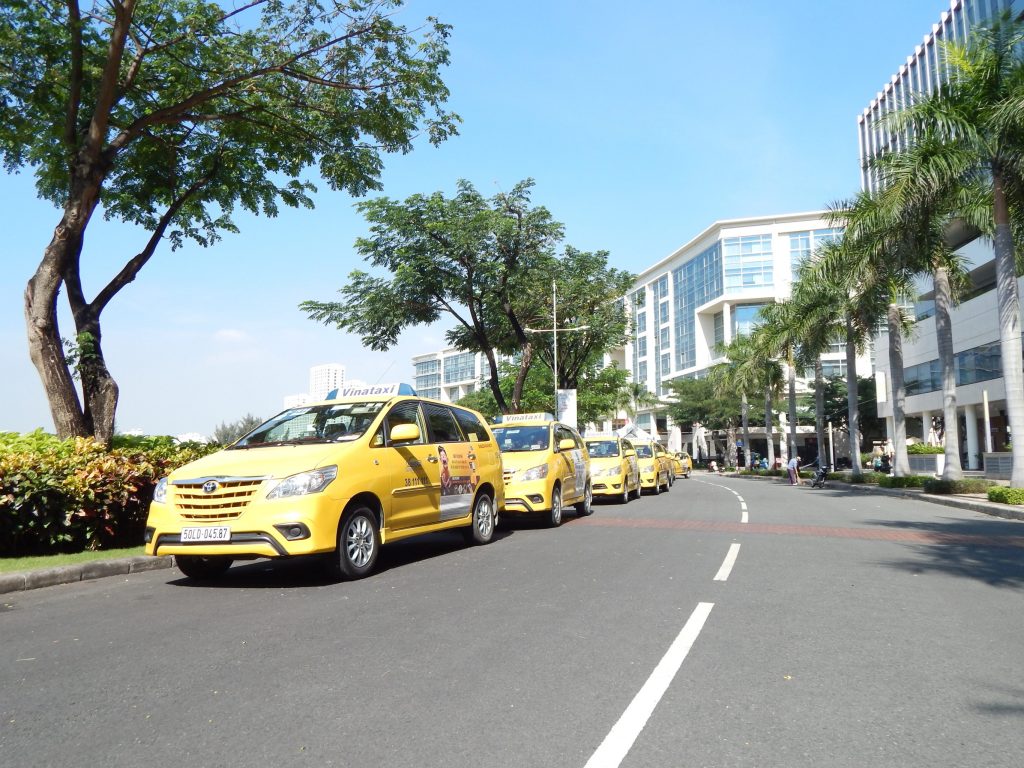
    ComfortDelGro still owns a 70 percent stake in another local taxi firm called VinaTaxi, which takes up the third largest market share in the HCMC taxi market.

    However, last November, its Vietnamese partner, the Transport and Industry Development Investment Corporation (Tracodi), withdrew its 30 percent stake from the joint venture, citing poor business performance.

  • Kia Showcasted Three Concept Cars At The Seoul Motor Show

    Kia Showcasted Three Concept Cars At The Seoul Motor Show

    Kia Motors is all set to reveal a trio of new concepts at the 2019 Seoul Motor Show and they will preview the brand’s future design direction. Two of the three concepts make their international debut in Seoul, with the rugged Kia Masterpiece Concept which shows off a large SUV body with a luxurious, high-tech cabin. The Masterpiece is accompanied by the Kia Signature which is essentially the SP concept that the company showcased at the 2018 Auto Expo and finally the Imagine by Kia concept car which is an all-electric sports sedan which embodies Kia’s desire to create exciting low-emissions passenger cars.

    Each of the cars illustrate different elements of the brand’s future model strategy. The Kia Masterpiece concept makes its first public appearance, with a rugged and robust large SUV. The Masterpiece hints at how the brand could adapt its latest designs and features for the large off-road SUV segment. It sees sculpted bodywork and bold lines and it combines a purposeful SUV stance and raised body, and an all-wheel drive system. The front of the car features Kia’s new tiger nose grille, extended outwards across the whole front section of the concept, with no clear boundaries between grille and LED headlamps. The design of the front of the car is echoed in the rear of the car, with signature lines at both ends of the vehicle giving the car a consistent design all round.

    The Signature Concept is the made its international debut at the India’s Auto Expo 2018 in Delhi. Driven by advanced technology, the Kia SP Concept hints at the company’s plans to introduce a new small SUV for its global markets as well. The SP Concept gets a wide grille and long hood at the front, and a rear design which emphasises stability with wide rear lamps and body lines, the Signature stands out on the road. At the front, its lamps are connected to the ‘tiger nose’ grille, with integrated daytime running lamps. Its strong shoulder line, with a glasshouse which tapers towards the rear of the car, lends the compact SUV an air of understated sportiness. The exterior is completed with a series of distinct styling features, contributing to the car’s contemporary, technical design. These include thin LED lamps at the front and rear, sharp lines pressed into the bodywork, and precise metallic details. Of course the production ready version will be revealed later this year.

    Finally, it’s the Imagine by Kia concept which was revealed at the 2019 Geneva International Motor Show, but it’ll now make its Asian debut. The fully-electric sports sedan concept has been designed at Kia’s European design center in Frankfurt, Germany. This concept is Kia’s first pure electric four-door passenger car. The Imagine by Kia concept represents a more progressive Kia design language for the future, with intelligent reinterpretations of existing Kia motifs and a bodywork characterized by a blend of tautly-drawn sheet metal, crisp lines, and efficient aerodynamics.

    The design team has exploited the chassis architecture of the powertrain’s all-electric layout to maximise cabin space and create an airy and spacious interior. The concept features 21 individual ultra high-resolution screens. While not immediately destined for production, the Imagine by Kia concept hints at interior and exterior design elements that could be adapted for future production models from the brand.

  • Vietnam’s fashion enters the world market

    Vietnam’s fashion enters the world market

    The aim of both My and Tri was to open shops that sell high-end made-in-Vietnam fashion products in the US.

    “What I am concerned about is whether we can approach a new market after the event. I attended fashion week not just to polish the brand name, which can help boost sales in Vietnam,” My said.

    He has been working with leading music stars to popularize his design brand. In 2017, Rhihana chose a design of Tri in his Em Hoa Collection introduced at Tokyo Fashion Week for a shoot to advertise a shoe brand. Meanwhile, Katy Perry ordered Tri three outfits for her world tour Witness.

    Phuong My, a graduate of the Academy of Art University in California, has appeared in prestigious catwalks and fashion journals. She has stated that her designs target the one percent of ultra-wealthy people.

    My’s products are available in 30 shops in 20 countries, mostly in the Middle East and Asia. Lydia Hearst appeared on Genlux’s cover with My’s design in 2014. Elizabeth DiPrinzio chose My as her designer and Coco Rocha chose My’s products for her working days in Vietnam in March 2017.

    Another Vietnamese designer, Tom Trandt, has gained big success despite his young age.

    Graduating from Parsons The New School for Design and spending five years in New York, he is one of very few young designers who want to ‘tell their own stories’.

    In 2016, Moi-Dien, a clothing brand created by Tom Trandt, debuted and immediately caught attention. Each product sells at VND600,000-2 million.

    Trandt is the only Vietnamese representative out of 16 designers  chosen for the International Fashion Showcase 2019 (IFS) in London.

    Hai Minh, who lived and worked in France, has returned to Vietnam to build the Leinne brand, specializing in bags and hat accessories, with a family-run workshop which has been operating for 20 years. Minh is making hectic preparations to participate in Paris Fashion Week later this year.

    Meanwhile, foreign designers can see bright future for Vietnam’s fashion. Luis Antonio Torres, one of the top luxury designers in Vietnam, said in an interview to the local press that the country could become Southeast Asia’s biggest fashion hub.

  • Ducati Diavel 1260 Receives 2019 Red Dot Design Award

    Ducati Diavel 1260 Receives 2019 Red Dot Design Award

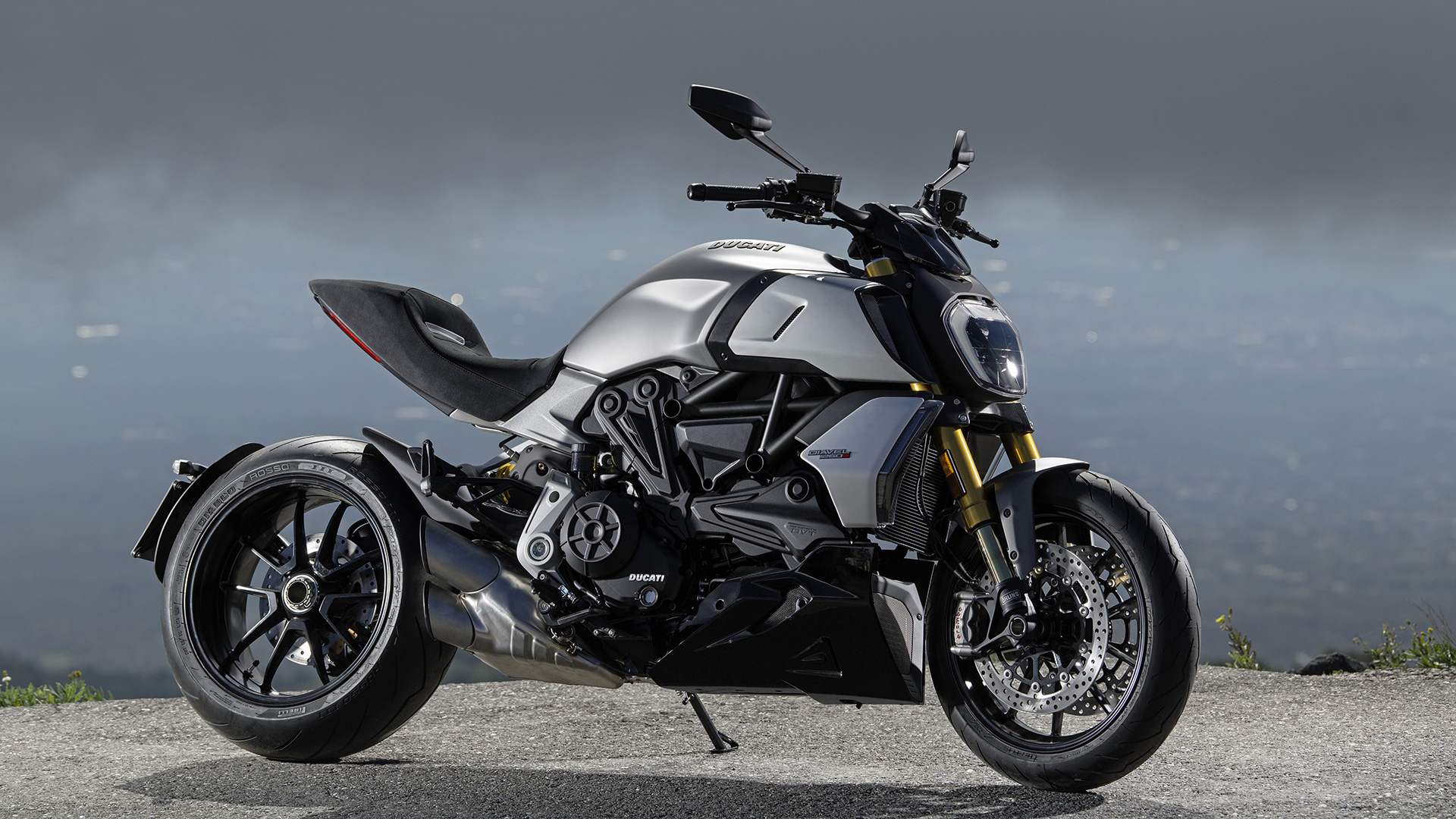
    Ever since it came into existence, the Ducati Diavel has been a standout motorcycle as far as design and performance is concerned. Its raw sex appeal and power cruiser styling has been liked by enthusiasts. And furthering its reputation, the new Ducati Diavel 1260 has won the Red Dot Award “best of the best” in the product design category this year. The Diavel 1260 won the award amongst 5,500 products, with 40 international jury members voting for it to be the winner. This is the third time that Ducati has won a Red Dot award with previous winners being the 1199 Panigale in 2013 and the XDiavel S in 2016. Yes! It is a second for the Ducati Diavel family as well.

    The 2019 Ducati Diavel 1260 makes 159 bhp at 9500 rpm and 128 Nm of peak torque kicking in at 7500 rpm, from the 1,262 cc, Testastretta V-twin with desmodromic valve timing. The new Diavel offers three riding modes – Sport, Touring and Urban. Each mode has its own engine map, as well as distinctive settings for traction control, wheelie control and cornering ABS. Other features include a full-colour TFT display, hands-free ignition, and cruise control.

    The S variant gets Bluetooth connectivity on the TFT screen and full LED lighting. The top-spec S variant gets fully adjustable 48 mm fork and rear shock from Ohlins. The S model also uses Brembo M50 monobloc front brake calipers, whereas the regular Diavel 1260 uses Brembo M4.32 calipers. Both variants use twin 320 mm front discs and a 260 mm rear disc.

  • Nissan India To Increase Prices Of The Datsun GO And GO+

    Nissan India To Increase Prices Of The Datsun GO And GO+

    The 2018 Datsun GO and GO+ will be getting more expensive from April. Nissan India has announced to increase the prices of both the models by up to 4 per cent which will be effective from next month i.e. April 1. Nissan has decided to increase the prices after a series of price hike announcements made by other carmakers such as Mahindra, Tata Motors and Renault. Similar to other carmakers, even Nissan has cited rising input costs as the primary reason for the price hike.

    Hardeep Singh Brar, Director Sales and commercial, Nissan Motor India said, “Datsun believes in offering accessible and value-for-money products powered by Japanese engineering. With the rise in input costs and several economic factors, we are making a nominal price adjustment to our Datsun GO and GO+ models.”

    Nissan had launched the facelifted Datsun GO and GO+ last year after giving both the models an extensive update. The top-end variants of the 2018 Datsun GO and GO+ come equipped with a touchscreen infotainment system and get some segment first features like Daytime Running Lights and Vehicle Dynamic Control. Both the cars are powered by a 1.2-litre, three-cylinder petrol engine which produces 67 bhp and 104 Nm of peak torque.

  • Fiat Chrysler To Cut 1,500 Jobs At Canadian Minivan Plant

    Fiat Chrysler To Cut 1,500 Jobs At Canadian Minivan Plant

    Fiat Chrysler Automobiles NV said on Thursday it will eliminate one shift at its Windsor, Ontario, assembly plant where it builds minivans, resulting in the loss of 1,500 jobs.

    The Italian-American automaker said in a statement the elimination of a shift, which will take effect on Sept. 30, was to address slowing global demand. The company said it would offer retirement packages to eligible employees and attempt to place indefinitely laid off hourly employees in open full-time positions. Earlier this week, Canadian media outlets reported Fiat Chrysler would idle the plant for two weeks in April, the third time this year the plant has been temporarily closed.

  • Isuzu To Increase Prices Of The D-Max

    Isuzu To Increase Prices Of The D-Max

    Isuzu Motors India has announced to increase the prices of its commercial pick-up range- the D-Max Regular Cab and the D-Max S-Cab. The company has decided to increase the prices by 2 per cent which will be effective from April 1. Following a series of price hike by carmakers like Mahindra, Tata Motors, Renault and Nissan, even Isuzu has made the price hike announcement citing similar reasons. The company has cited rising input costs and distribution costs as the reason for the increase in prices.

    It has become a common practice for automakers to adjust prices of select models at the beginning of a financial year in a bid to sustain their margin. Isuzu has increased the prices of its commercial range which means only the D-Max pick-up trucks will get more expensive. The Isuzu D-Max V-Cross which is more of a lifestyle vehicle will see no change in the prices.

    The D-Max Regular Cab and the S-Cab are priced at ₹ 7.40 lakh and ₹ 8.89 Lakh, respectively (all prices ex-showroom, Delhi). Both the pick-up trucks are powered by a 2.5-litre, four-cylinder, turbocharged engine which churns out 78 bhp and 176 Nm of peak torque and is mated to a five-speed manual gearbox as standard.

  • Honda Motorcycle And Scooter India Inaugurates Its 1,000th Dealership

    Honda Motorcycle And Scooter India Inaugurates Its 1,000th Dealership

    Honda Motorcycle and Scooter India recently inaugurated its 1,000th dealership in India at Zirakpur in Punjab. The 1,000th Honda Exclusive Authorised Dealer is a 4S facility. With an aggressive expansion plan, Honda has added 3,300 touch-points in the last five years across the country. At present, HMSI has a total of 6,000 touch-points in India, one of the highest for a two-wheeler manufacturer. Recently, Honda also achieved another milestone, with customers in north India crossing the 60 lakh sales mark in the company’s 18th year of operations. The 60,00,000 sales milestone has been driven by demand for Honda two-wheelers in the states of Jammu and Kashmir, Rajasthan, Punjab, Haryana, Himachal Pradesh and in Delhi and Chandigarh. For Honda, the first 10 lakh customers were added in the initial 9 years (from 2001 to 2010), but the next 50 lakh Honda customers took the same duration (2010-2019). The most recent 10 lakh Honda customers were added in a little over a year.

    Minoru Kato – President & CEO, Honda Motorcycle & Scooter India Pvt. Ltd. said, “I am delighted to be present here on milestone 1000th Honda dealer inauguration. Honda also fulfilled its commitment of providing 6000 network touchpoints to our valuable customers by the end of current financial year. This landmark achievement brings Honda closer to the hearts of its customers, who have reposed their trust in the brand.”

    Honda’s increasing customer base in India is attributed to the growing acceptance of scooters in the region. And the growing sale of scooters in the past decade has also led to a huge spurt in automatic scooters contribution to overall two-wheeler sales. In the last 10 years, automatic scooter sales have nearly doubled from 10 per cent to 19 per cent. This trend is attributed to more women joining the workforce, faster expanding road network in rural areas, and increasing demand for unisex two-wheelers which fulfil the needs of every family member. HMSI currently is the largest seller of scooters in India, and the Honda Activa is one of the highest selling two-wheelers in India.

  • Renault Samsung XM3 Unveiled At The Seoul Motor Show

    Renault Samsung XM3 Unveiled At The Seoul Motor Show

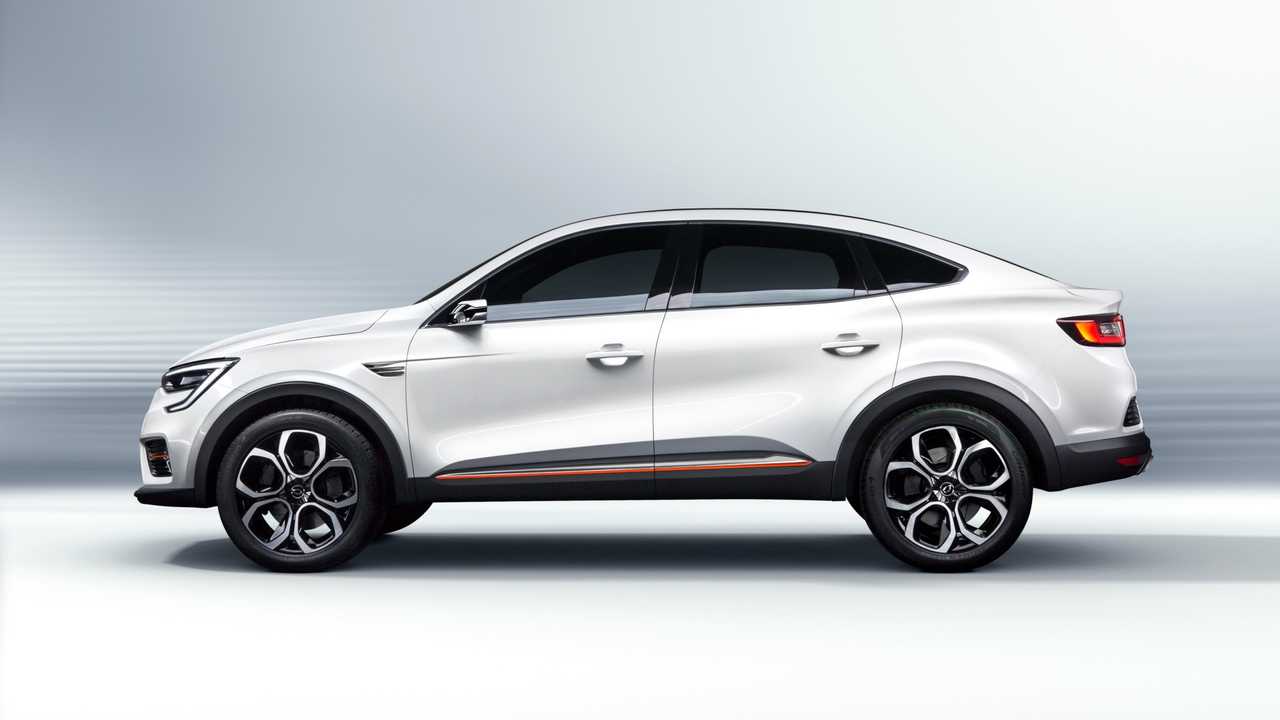
    Renault and Samsung who operate in a joint venture in the South Korean market have unveiled a new C-segment coupe SUV at the 2019 Seoul Motor Show. The Renault Samsung XM3 Inspire concept was first showcased at the Arkana concept last year at the Moscow Auto Show and has been rebadged for the South Korean market. To be specific, the second party in the JV- Samsung Motor is different from Samsung electronics which manufacture electronic goods and smartphones. The company was commissioned in 1994 and started market operations in 1998.

    The key difference between both the show cars is limited to the grille which has been tweaked and sports the Renault-Samsung logo instead of Renault’s diamond logo and is finished in white paint shade. The Renault Samsung XM3 Inspire being a coupe concept sits high up the ground wearing the top hat of a sedan. It gets a tapering roofline and a panoramic glass roof along with massive wheel arches that cover the 19-inch alloy wheels. It is also equipped with LED headlights with C-Shaped daytime running lights.

    The XM3 Inspire concept is a part of Renault Samsung Motor’s future product line up. The production model of the Renault Samsung XM3 Inspire will be launched in the South Korean Market in 2020.

  • Tesla Supplier Agrees To Buy GM’s South Korean Plant

    Tesla Supplier Agrees To Buy GM’s South Korean Plant

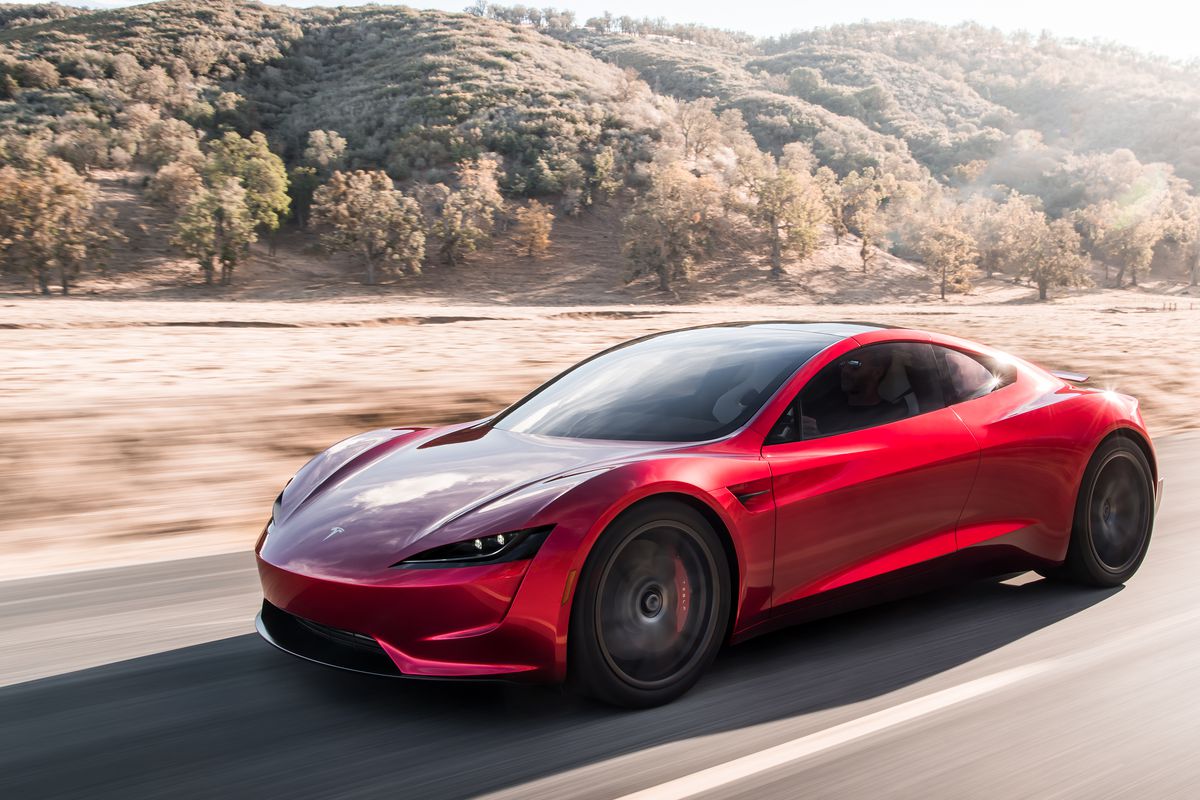
    A South Korean supplier of Tesla Inc said on Friday it had agreed to buy a shuttered auto factory from General Motors’ local unit to start contract manufacturing of electric vehicles. The deal comes after GM closed one of its four South Korean plants in late May and let go thousands of workers, as part of a global restructuring drive which culminated in a major financial support package from the South Korean government. GM did not disclose the sales price of the Gunsan factory, but auto parts maker Myongshin said it would buy the land and buildings of the GM facility for 113 billion won ($99.5 million)on June 28.

    Myongshin, also a Hyundai Motor supplier, is part of a consortium which would initially spend a total of 200 billion won on the factory to produce 50,000 EVs starting 2021 and 150,000 EVs in 2025, according to a statement by a provincial government.

    “We aim to close this deal as soon as possible to ensure that there will be ongoing economic activity,” GM Korea said in a statement.

    The consortium was in talks with an unidentified global automaker to manufacture electric vehicles at the facility, a source with direct knowledge of the matter earlier told Reuters, adding that it was not Tesla.The plant could take advantage of South Korea’s free trade deal with the United States and Europe, as well as the country’s electric car supply chain, he said.

    The electric car factory would create 900 jobs and another 2,000 at suppliers and other firms, the North Jeolla Province government said.

    GM’s loss-making South Korean operation used to be a key manufacturing base for the company in Asia but it has been hit hard by the U.S. automaker’s exit from Europe, a major export market. GM executives have also complained about labor costs and disputes.