Author: Mei Ling Tan

  • Tower market to grow at 4.56% CAGR from 2019-24

    Tower market to grow at 4.56% CAGR from 2019-24

    The global telecom tower market is on track to grow at a CAGR of over 4.56% between 2019 and 2024, according to Research and Markets.

    In a new report, the research firm stated that tower sharing has become one of the major growth drivers for the telecom industry as the tower leasing concept takes hold.

    This leasing concept has enable mobile operators to invest heavily in developing their infrastructure in rural areas, which is in turn bringing in new revenues to tower operators.

    Major market trends include expected significant growth in demand for lattice telecom towers, designed to manage heavy loads making them suitable for central communication hubs and backbone sites in disaster-prone areas.

    The primary purpose of a lattice tower is to support more than one antenna for communication purposes.

    The report also notes that the telecom tower market is currently highly competitive, with several major players dominating the market in terms of total share. These include India’s Bharti Infratel, China Tower – the joint venture established to operate the towers of China’s big three mobile operators, Helios Towers Africa and American Tower Corporation (ATC).

  • How to quickly turn your smartphone into a desktop PC

    How to quickly turn your smartphone into a desktop PC

    Today’s smartphones are incredibly powerful. From replying to emails, to checking out your daily feed on social media, and uploading the occasional selfie to share to the world, smartphones can do a bunch of imaginable things. They fit snuggly in our pockets, but don’t let their small and compact sizes fool you because they can do many things that our everyday laptops and desktops offer us.

    Quite simply, we all have portable mobile computing devices in the palm of our hands – capable of helping us to stay productive and get work done! As much as they’re endowed with incredible power, productivity can still sometimes be limited due to their diminutive sizes. Some smartphones, however, can even transform into versatile desktop PCs of sorts with the aid of some additional accessories. In order to achieve that, we’re going to dive into how you can achieve this possibility with your own smartphone, assuming it’s still a few years old at the most.

    Transforming the smartphone into a desktop PC naturally requires the following main components below to imitate the experience, which we’ll go through in detail below.

    Getting your smartphone to connect to a display

    With the smartphone acting as the brains behind the scenes, the components listed above help to reach the fundamental desktop PC experience. The external display is needed to give users a more pleasing viewing experience working on a desk or something, as opposed to trying to get stuff done on the tiny screens on our smartphones. Whether it’s an over-sized television, your traditional PC monitor, or one of those newer portable external displays, the most convenient way to connect your smartphone to them is by using a Chromecast if you own an Android smartphone (or Apple TV for iOS devices).

    Yes, a Chromecast is by far the simplest and most convenient solution, not only for the fact it’s a wireless solution, but because it’s the most compatible solution among Android smartphones. You can essentially use the screen mirroring function of Android to cast your phone’s screen to the connected external display/TV. Conversely, the process is pretty similar with iOS devices using an Apple TV. You’re simply leveraging AirPlay to achieve this, which is done by simply toggling on the Screen Mirroring function within Control Center.

    Once you’ve gotten everything connected and working properly, your smartphone’s display is being projected to your connected display. The only issue here is that latency can be hindered, so watching videos can be accompanied with choppy connections because of this. That’s the only downside, but the vast majority of Android smartphones are compatible to project their displays using a Chromecast.

    Wired connections: Direct with no latency, but not as convenient

    The single reason why going the wired route is more difficult than wireless is because of all the different ports found in smartphones. Even though the Lighting port is the single standard among iOS devices, Android smartphones have slowly transitioned from microUSB to the newer USB Type-C format. Due to these varying ports, getting a smartphone connected to a display may be trickier.

    In the case of Android smartphones with USB Type-C connections, you may still need to buy an adapter if your external display doesn’t feature USB Type-C ports. Alternatively, if you have one of those handy USB Type-C adapter hubs that may have come with a newer laptop, you could use that to connect to an external display using an HDMI connection.

    Now, the issue lies in the fact that not all smartphones offer the mirror display function using a wired connection. Phones like the LG V40, Google Pixel 3, and OnePlus 6T don’t work at all using this method. And even if you have older Android smartphones with microUSB ports, using an MHL adapter as the connector, doesn’t always work because they may not even be MHL-compatible.

    As for those with iOS devices, you have to give Apple credit for following one standard that applies to all of its devices. Using a Lighting to HDMI adapter, you can just about easily connect your iOS device to your television in a cinch! It’s really a testament to Apple’s effort to standardized things with its products. As the saying goes, “it just works.” And in this particular case for iOS devices, it does exactly that.

    Custom desktop experiences on some phones

    For some newer phones like the Samsung Galaxy S10 series or Huawei Mate 20 series, they have their own custom desktop experiences when they’re connected to an external display. Better yet, they don’t require any sort of special cable or dock to access. You simply connect them to your external display, and bam, you’ll be instantly transported to their respective desktop-like experience.

    Unlike the mirrored experience that most devices offer, these desktop-like experiences do a great job to emulate the feel of interacting with a real desktop operating system – much like having multiple windows running simultaneously. Huawei’s interpretation, in particular, seems like they’ve simply masked the traditional Windows experience. Still, it’s unbelievable that some of these smartphones are capable of offering these experiences. When they said that you have the power of a computer in the palm of your hands, they’re not kidding because some of them really do!

    Some smartphones even feature their very own custom desktop experiences, such as the case for some Huawei and Samsung smartphones. Shown here is the Huawei Mate 20 Pro and its EMUI 9.0 Desktop Mode.

    Connecting a mouse & keyboard

    In order to achieve that true desktop experience, the last pieces to the puzzle are connecting a mouse and keyboard into the mix. We’d recommend relying on Bluetooth enabled ones, just because connecting them is done much like any other Bluetooth accessory. Once they’re paired and connected, they’re pretty much good to go! For Android smartphones, the process in getting them connected is no different from laptops and desktops. However, you can’t connect any sort of mouse to an iPhone – it’s just not possible, but Bluetooth keyboards aren’t a problem.

    Conversely, if you still prefer going down the wired route, you’ll need to purchase additional adapters in order to achieve that – including a USB hub to connect both the mouse and keyboard simultaneously. Again, the process is pretty simple with Android smartphones, but there’s no way to use a wired keyboard or mouse with an iPhone. Therefore, if you’re an iPhone user, your only option is to use a Bluetooth keyboard.

    Real on-the-go mobile computing

    As we’ve shown, you can quickly and easily transform your smartphone into a versatile desktop PC! Even though this solution won’t totally replace the desktop experience, it’s an option worth checking out when the situation presents itself. If you’re on-the-go and really need to get some serious work done, you can even get yourself acquainted with a mobile setup that you can get up and running in a jiffy. Take a Bluetooth keyboard and mouse, along with one of those portable external displays, and you can basically get your desktop setup situated just about anywhere!

    All we’re trying to say here is that today’s smartphones are more advanced than ever before. The beauty in all of this is the heightened level of productivity that can now be achieved by our smartphones. We’re limited in our engagement when using the smartphone by itself, but with the addition of these peripherals and accessories to help them transform into desktop-like experiences, we can do even more in the same amount of time.

  • Vestiaire Collective overhauls commission structure, cementing its position as the most desirable fashion site

    Vestiaire Collective overhauls commission structure, cementing its position as the most desirable fashion site

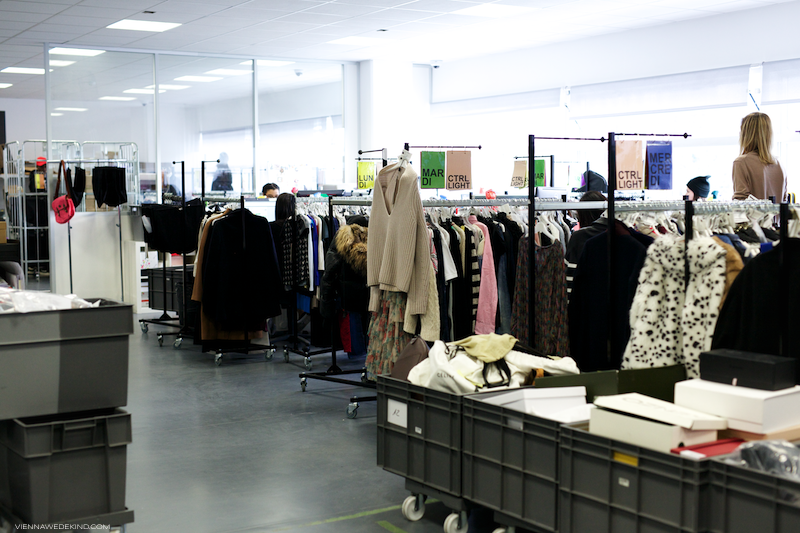
    Vestiaire Collective, the leading global resale site for desirable pre-owned fashion today reveals substantial changes to its commission structure. The move will significantly reduce the cost of pieces across the site’s desirable inventory, ensuring that Vestiaire Collective is the most appealing resale site for buyers and sellers alike.

    The resale industry is currently estimated to be around 8% of the 260€ billion luxury market* with forecasters predicting that the industry will double in size by 2022. As more fashion consumers turn to resale as a sustainable way to access the products they desire, the next few years will prove to be a turning point for the industry and consumers alike. With its strong fashion DNA, Vestiaire Collective is perfectly placed to capture this market, offering a unique desirable inventory, engaged global community and rigorous quality and authenticity checks.

    As part of the new vision for the company, under the leadership of new CEO Max Bittner, Vestiaire Collective reveals a significant overhaul of its commission structure, ensuring that Vestiaire Collective remains the most competitive resale site in the market. The new changes will reduce Vestiaire Collective’s commission and prices by an average of 10% across the catalogue, meaning the price of its highly desirable inventory will be made significantly more accessible overnight. The commission drop will also positively impact sellers who will be able to sell their items at a faster rate. The change will most significantly impact customers looking to buy and sell pieces at more accessible price points and also items that fall into the rare, desirable high-luxury category, as these pieces will enjoy a capped commission.

    “This commission restructure is one of the first major changes I wanted to impact the business since joining Vestiaire Collective at the start of this year. This significant drop in commission will encourage more sellers to the site, knowing they will be able to sell their item at a fast rate whilst also making a strong profit. For the buyers, it means they can purchase the desirable pieces they’ve always wanted at even more accessible prices. I believe that giving our users more direct value is the most powerful medium to keep them engaged and excited. This is a significant moment for Vestiaire Collective as we continue to ensure we remain the most desirable global resale site for must-have pre-owned fashion,” says Max Bittner, CEO Vestiaire Collective.

    Vestiaire Collective will continue to offer the same level of exceptional service across all customer touch-points, from the carefully curated highly desirable inventory to rigorous physical quality control, meticulous authenticity checks and high level of customer service. The company curates and connects the world’s most desirable wardrobes, whilst providing a trusted and sustainable new way of buying and selling pre-loved fashion.

  • Dole Appoints Pier Luigi Sigismondi as GlobalPresident for Packaged Foods

    Dole Appoints Pier Luigi Sigismondi as GlobalPresident for Packaged Foods

    Dole Asia Holdings Pte. Ltd., a subsidiary of ITOCHU Corporation, today announced the appointment of Pier Luigi Sigismondi as President of its Worldwide Packaged Foods business.

    Sigismondi joins Dole with over 20 years of industry experience in consumer goods. Before joining the company, he was President of Unilever Southeast Asia and Australasia, where he led the business of this fast-growing region. Prior to that, Sigismondi held multiple global senior executive, operations and board roles with Unilever and Nestlé, in addition to NED positions in Europe and the USA.

    Based at its headquarters in Singapore, Sigismondi is responsible for the global operations of Dole Packaged Foods and for driving the company’s continued innovation, growth and transformation across all markets. “We are very pleased to welcome Pier Luigi to the Dole family,” said Takeshi Kumekawa, President and CEO of Dole Asia Holdings. “With his diverse experience in leading growth for consumer goods across an extensive range of markets, we are confident that Pier Luigi will successfully combine the best from Dole’s 168 year expertise, the strengths of ITOCHU and lead us towards a healthy and sustainable future.”

    “I am thrilled to join Dole, an iconic brand that has long been committed to bring a healthy lifestyle to people around the world for generations,” said Sigismondi. “I look forward to building further this purpose and fulfilling Dole’s true global long-term profitable growth potential.”

    An Italian citizen born in Venezuela, Sigismondi holds a Master’s Degree from the Georgia Institute of Technology in the United States.

  • New Head of Swiss Business Hub in Singapore

    New Head of Swiss Business Hub in Singapore

    The Swiss Embassy in Singapore appointed a new Head of the Swiss Business Hub for the ASEAN region.

    Renee Koh joined the Swiss Embassy already in November 2018 as the new Head of the Swiss Business Hub for the ASEAN region, according to a news release on Thursday.

    The Swiss Business Hub ASEAN is part of the Embassy of Switzerland in Singapore with antenna offices in the Embassies of Switzerland in Malaysia (Kuala Lumpur), Vietnam (Hanoi) and at the Consulate General of Switzerland in Ho Chi Minh City.

    The Swiss Business Hub facilitates commercial relations between Switzerland and ASEAN. Its activities are supported by Switzerland Global Enterprise (S-GE), which has been officially commissioned by the Swiss government to promote exports and investments.

  • Legacy Banks Must Become Agile, Says Citi

    Legacy Banks Must Become Agile, Says Citi

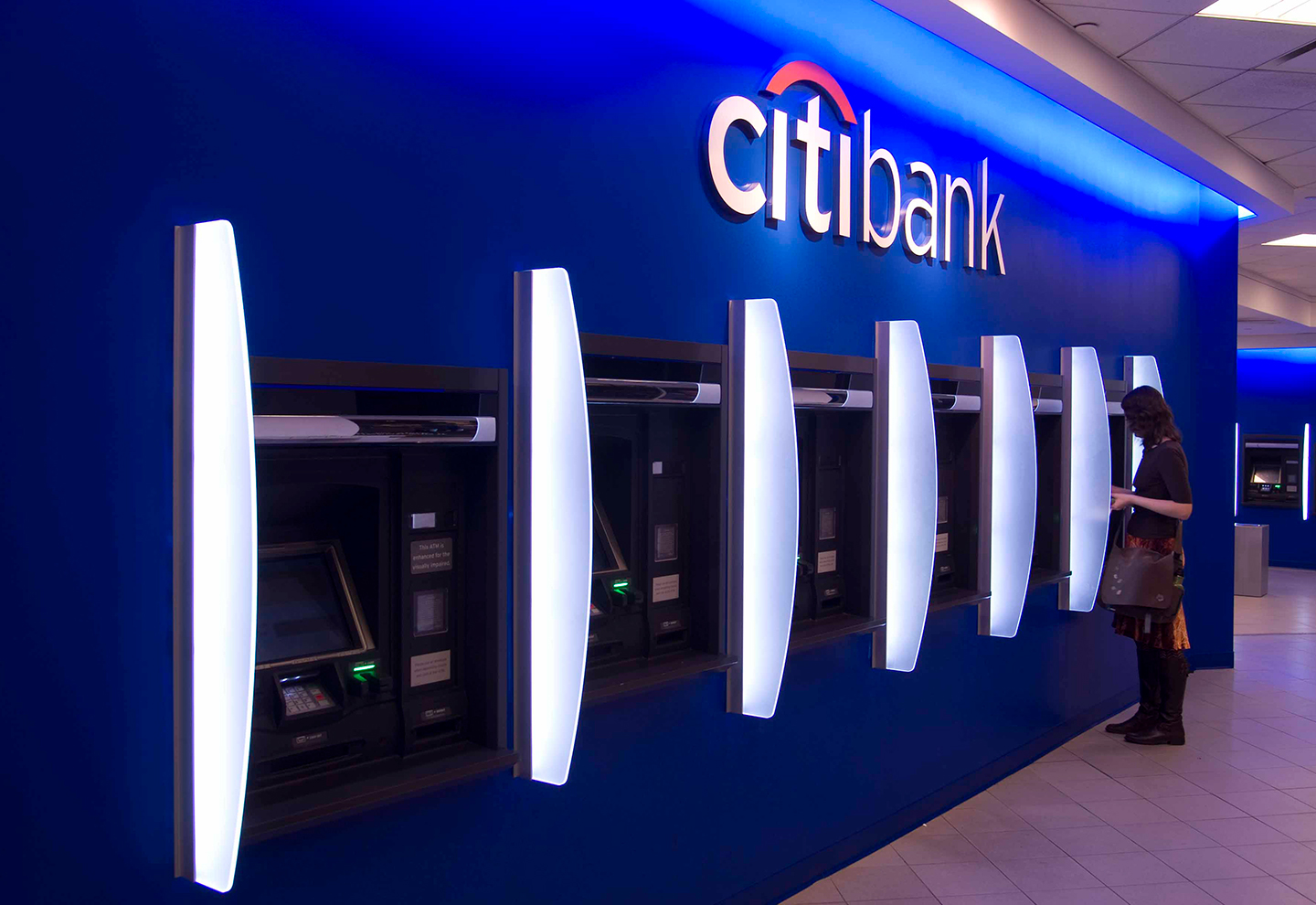
    New entrants and increased competition brought about by challenger banks could result in revenue losses of up to 30 percent among legacy banks over the next 10 years. While digitalization can lower costs for incumbent banks by 30 to 50 percent, new competition and greater transparency in the banking market, prompted by the emergence of challenger banks driven by fintech startups, are likely to lower revenues by 10 to 30 percent in the next decade, according to the report “Bank X: The New New Banks” published by Citi on Thursday.

    As legacy banks recognize the threat that new entrants into banking are posing to revenue and customers, they need to reinvent themselves and reimagine banking. This involves legacy banks partnering with technology companies to create effective joint ventures as well as moving into more disruptive technology and business models to transform themselves into digital competitors, the report said.

    If banks successfully transform digitally, their ROEs will rise from 8 percent in Europe and 16 percent in the U.S. to 15 percent and 24 percent respectively in a bullish scenario, and 5 percent and 10 percent respectively in a bearish scenario, the report noted.

    Bank X

    Built by new entrants, challenger banks designed around new digital technologies, leveraging data insights via agile technology stacks to offer customers better personalization and fully digital banking experiences. As they offer their services remotely via online or mobile banking, challenger banks tend to be quicker at incorporating new products or processes into their platforms and help easily connect with third-party products, ultimately offering more choices to the end-user.

    By creating their own Bank X, we believe legacy banks can transform themselves from slow-moving caterpillars to agile butterflies, Ronit Ghose, Citi Global Head of Bank Research, said.

    The report noted that while creating a new digital-only bank can help incumbent banks meet an evolving set of customer expectations quickly and effectively, setting up an independent challenger bank needs to be differentiated from digital transformations and core banking overhauls that they undertake. This is because creating their own Bank X requires independent application programming interfaces (APIs) and technology stacks, which is a significant departure from the operating model of incumbent banks.

    Need for Regulation in Asia

    Apart from the lower number of challenger banks in Asia compared to the U.K. and U.S., Citi noted that challenger banks in Asia are largely offshoots of big tech, telcoms, and banks. For example, WeBank, MYbank, and Kakao Bank are all backed by tech firms, KBank and Jibun Bank are backed by telcoms, while DBS has made progress in Indonesia and India with digibank, its own challenger bank.

    While Asia has several challenger banks originating from startups aiming to disrupt the financial system, Neat in Hong Kong or Paytm in India, they are exceptions. This is a result of the limited regulatory framework for challengers in Asia, with the emerging exception of Hong Kong, and the presence of large tech companies, particularly in China.

    Conversely, challenger bank activity is vibrant in the U.K. and Europe as a result of progressive regulations enacted to promote competition and break up the banking monopoly, the report said.

  • Is Asia the Art Market’s New Frontier?

    Is Asia the Art Market’s New Frontier?

    Despite pre-opening jitters over the state of the Chinese economy, Art Basel Hong Kong has already reported brisk sales at its seventh edition, which opened to the public today.

    With the region’s growing wealth and appetite for art, art fairs like Art Basel Hong Kong, which opened to the public today, are big business, drawing collectors from China and across Asia, as well as farther afield. Of the 80,000 visitors expected at the Hong Kong Convention and Exhibition Centre, 40,000 are coming from abroad, Art Basel said.

    The Art Market, a report jointly published by Art Basel and UBS earlier in March noted that art fairs are highly important in Asia, with between 92–97 percent of HNWI collectors from Hong Kong and Singapore having purchased from an art fair in the past.

    It’s not just China—it’s Singapore, it’s Malaysia, it’s Taipei. It’s not one market, Artnet quoted New York-based dealer Sean Kelly as saying about the fair, which has 242 galleries from 35 countries participating through the weekend.

    Increasingly, the market’s center of gravity does feel as if it is being pulled eastward,» Artnet reported from the exhibition floor, while Artnews reported «high energy» at the fair and quoted a dealer as saying, The quality of this fair is now on par with the great European fairs. It is highly sophisticated.

    Swift Sales

    The Art Newspaper also reported swift sales among the 107 galleries – 75 percent of which are Asian – at the Art Central fair concurrently taking place just around the corner from Art Basel. Here at we’re meeting a lot of Australian and Chinese collectors. Hong Kong is a very good market, a dealer exhibiting from the Philippines was quoted as saying.

    Art Basel reported that sales already concluded include a significant work by Andy Warhol at White Cube for $2.85 million, a work by Alice Neel for $1.7 million at David Zwirner, and a painting by George Condo at Almine Rech Gallery for between $1.2 million to $1.4 million. David Zwirner sold its entire booth, including four new sculptures by Carol Bove for $400,000 to $500,000 each, on Wednesday, the first VIP day.

    China Dominates

    We previously reported that the global art market grew by 6 percent in 2018, reaching total sales of $67.4 billion – its second-highest level in 10 years.

    Asia’s has recorded a growing share of world imports of art and antiques in the past decade, which mirrors the growing regional wealth. In particular, sales in China reached $12.9 billion in 2018. China accounted for 45 percent of all art imports into Asia (compared to 17 percent in 2000), with 95 percent of these imports going into Hong Kong, according to «The Art Market» report.

  • Singapore Fintech Launches Platform for Personal Loans

    Singapore Fintech Launches Platform for Personal Loans

    The new digital platform, which offers lower lending rates and encourages prompt debt repayment, could compete with banks’ personal loan facilities. Singapore fintech company Credit Culture has announced the launch of its moneylending platform, making it the first licensee from a pilot by the Ministry of Law for new business models in the personal loans industry, to do so.

    Promising transparent loan terms with no late interest and no early repayment fees, Credit Culture says its platform allows 24/7 access to personal loans with monthly interest capped at 1 percent, disbursed within only 10 minutes.

    We have seen how inefficiencies have affected the industry for years and the move to use technology to improve the system is long overdue. This is a win-win situation whereby improving the ecosystem, customers will be able to gain better access and management of their finances, said Edmund Sim, founder and CEO of Credit Culture.

    New Models for Loans

    Credit Culture’s credit scoring and application process is simpler, cheaper and more transparent than the manual processes offered by traditional banks. Its platform is built on the Amazon Web Services (AWS) cloud and taps on MyInfo, the central data repository of Singapore citizens’ information to populate loan applications.

    A proprietary credit-scoring engine then uses this data to assess the creditworthiness of a customer instantly. Apart from lower backend costs, the AWS approach is also scalable depending on customer demand, allowing the firm to grow quickly and roll out in new markets with ease.

    The rates charged by Credit Culture are significantly lower than those charged by banks on overdue credit card payments, which average 24 percent per annum, or more than 2 percent per month. However, the effective interest rate could turn out higher than personal loan rates offered by some banks.

    Ministry of Law Pilot

    Credit Culture was founded by a group of banking industry veterans with knowledge of the consumer credit and technology space. In December 2018, the firm was among six selected by the Ministry of Law as part of a pilot to professionalize the personal loans space in Singapore.

  • OCBC Forms Committee to Ensure Responsible Banking

    OCBC Forms Committee to Ensure Responsible Banking

    The bank’s new ethics and conduct board committee wants to ensure that the group’s core values of trust and integrity continue to anchor the way it conducts its business.

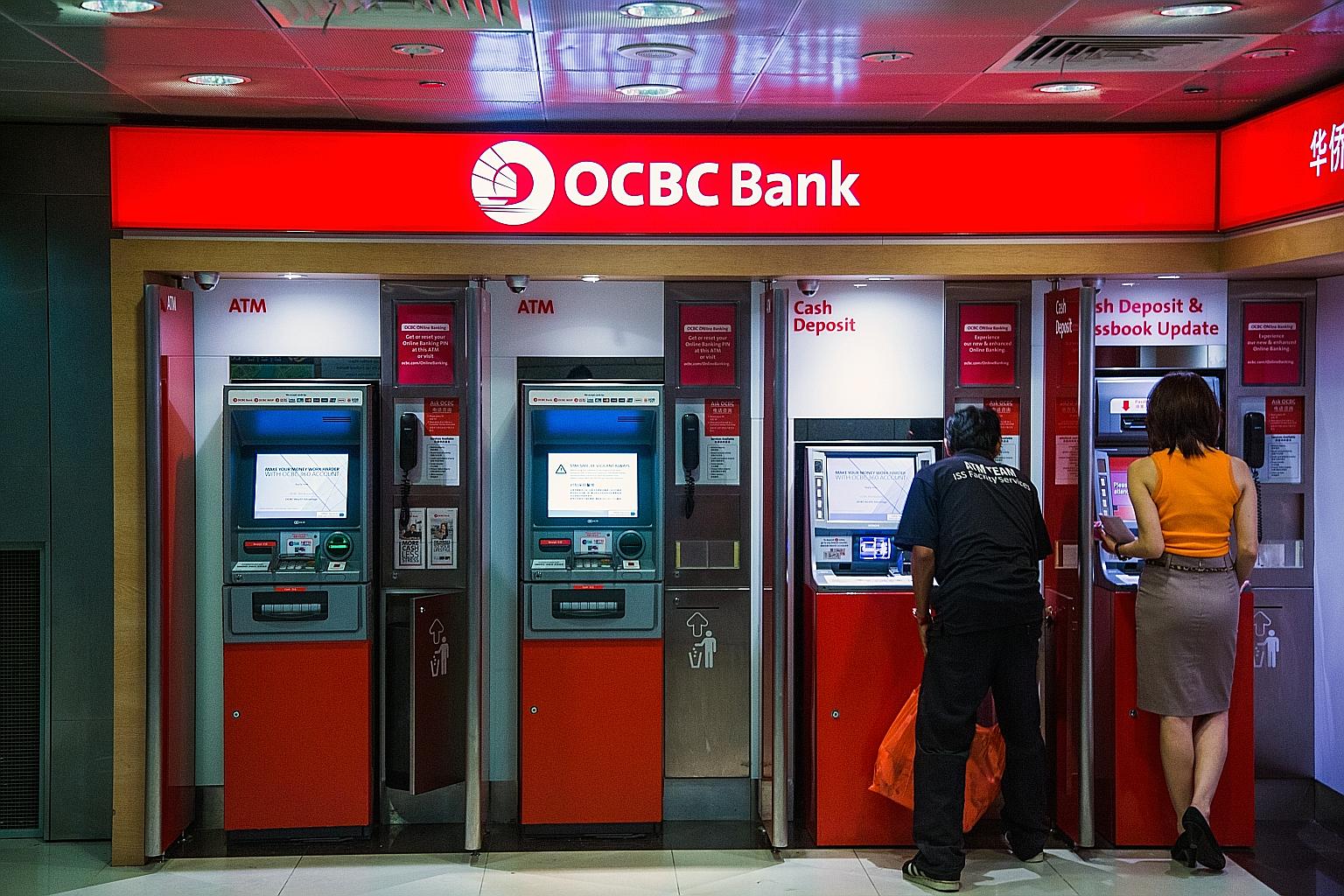
    OCBC Bank has formed an ethics and conduct board committee, which is chaired by OCBC chairman Ooi Sang Kuang and includes directors Lee Tih Shih and Christina Ong, according to a news release on Thursday.

    While the industry is seeing ethics and compliance as an area of greater concern, the committee, which provides oversight of the group’s policies, guidelines, and programmes, is a first among Singapore banks.

    Laying Out Standards

    It held its first meeting on Wednesday, laying out expectations and standards for the group’s 29,000 employees as it aims to «sustain and grow a strong culture of responsible banking and fair dealing» and ensure that responsible banking is rigorously enforced across the whole OCBC group, the bank said.

    In the last decade, there have been several high-profile examples of questionable conduct by financial institutions. These examples span the globe and the misconduct ranges from extreme over-leveraging to violating international sanctions, tax fraud, and money laundering. The misconduct stems mostly from an imbalance between the pursuit of financial goals and responsible banking, Ooi said.

    Transforming Rapidly

    The banking industry is transforming rapidly due to technological advancements, and customers’ expectations have also changed. However, what has not changed is that our customers still expect us to be utterly worthy of their trust. That is why amid so much change in the banking industry, our underlying values of integrity and honesty must never change, Ooi added.

    The ethics committee also oversees a new culture and conduct committee, chaired by group chief executive Samuel Tsien. The committee will implement initiatives to enhance existing policies and programmes on ethics and conduct, as well as roll out new ones to strengthen these values among all the group’s employees.

  • Vietnam to end plastic scrap imports from 2025

    Vietnam to end plastic scrap imports from 2025

    Vietnam will not import plastic scrap from 2025 and will deal with the scrap consignments stuck at ports, the government has said. It has ordered the Ministry of Natural Resources and Environment to work with other government bodies to eliminate unnecessary procedures which are delaying their delivery.

    Customs data shows almost 21,600 containers of scrap remain uncleared at ports as of February 22, 44 percent of them for more than three months.

    The government instructed the environment ministry to issue environmental safety certificates to eligible containers so that their importers could use them to manufacture products. All imports of plastic scrap as feedstock would cease on December 31, 2024, it said.

    Prime Minister Nguyen Xuan Phuc ordered to scrap imports temporarily last July, saying Vietnam must not become a dumping ground for other countries’ scrap, leaving thousands of containers stuck at ports for months.

    His orders followed a surge in imports in the first six months after China banned imports of certain wastes.

    But steel, paper and plastic industries have expressed concern since they need to import metal, paper and plastic scrap as feedstock.

    Vietnam imported 9.2 million tons of scrap last year, up 14 percent from 2017, according to Vietnam Customs.

  • AirAsia to launch Phuket-Phnom Penh direct flights

    AirAsia to launch Phuket-Phnom Penh direct flights

    Thai AirAsia CEO Santisuk Klongchaiya said the airline has devoted great importance to adding routes to its regional flight bases, looking to build a strong network of destinations that provide the opportunity to add even further routes, providing ever greater convenience to travellers who will no longer need to stop over in Bangkok, said a release today (April 1) announcing the new flights.

    “Phuket is a very important strategic flight base for AirAsia that has grown steadily along with the addition of direct flights to CLMV (Cambodia, Laos, Myanmar, Vietnam) cities such as Siem Reap.

    “With the positive response we have received from international travellers, we decided to add Phuket-Phnom Penh, connecting the resort town to Cambodia’s capital. The route should well serve tourists as well as members of the business community of both countries,” Mr Santisuk added.

    The flights will operate on Monday, Tuesday, Friday and Saturday.

    Thai AirAsia operates nine international routes out of Phuket: Phuket-Wuhan, Phuket-Kunming, Phuket-Hong Kong, Phuket-Macau, Phuket-Siem Reap, Phuket-Singapore, Phuket-Kuala Lumpur (Code AK), Phuket-Penang (Code AK) and the latest addition Phuket-Phnom Penh starting June 1.

  • Bamboo Airways inks deal for 26 Airbus aircraft

    Bamboo Airways inks deal for 26 Airbus aircraft

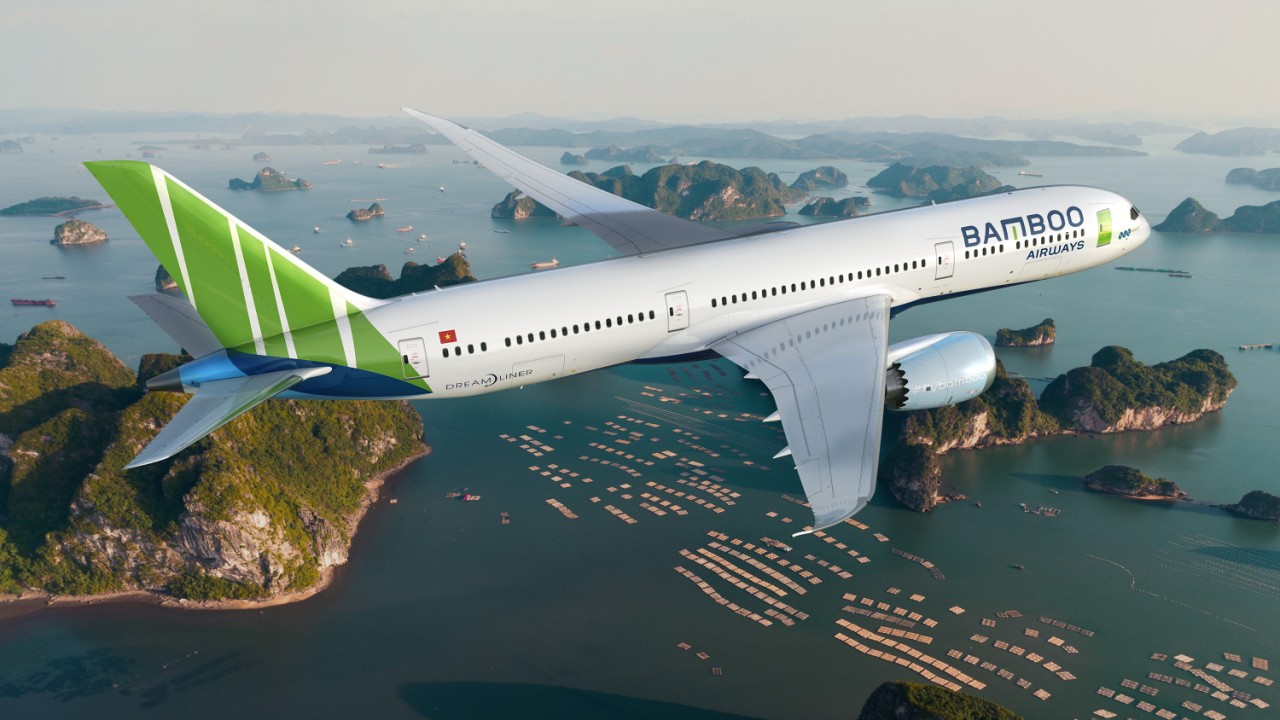
    Private airline Bamboo Airways will buy 26 new narrow-body Airbus aircraft as it expands operations. The value of the deal is $6.3 billion, based on list price, chairman Trinh Van Quyet told. With the previous order of 24 aircraft of the same model last year, the airline has ordered 50 in total.

    Quyet said that the first of the A321Neo planes will be delivered in 2022.

    Bamboo Airways had previously said that it was considering purchasing 25 narrow-body Boeing 737 MAX, which has been grounded internationally after two deadly crashes within a space of five months.

    Last month, Bamboo Airways had inked a deal with Boeing for 10 wide-body 787-9 Dreamliners worth almost $3 billion.

    Starting this year, the airline operates 17 domestic flight routes. It plans to start international flights next month, with Japan, Singapore and South Korea mentioned as possible destinations.

    It also plans to fly to Europe in June and directly to the U.S. by the end of this year or early next year.

    Bamboo Airways is one of five airlines operating in Vietnam. The others are state-owned Vietnam Airlines, budget airline Vietjet, low-cost carrier Jetstar Pacific and Vietnam Air Services Company (VASCO).

    Local airlines served almost 50 million passengers last year, up 10 percent from 2017.

  • FPT, Grab team up to develop 4.0 tech solutions

    FPT, Grab team up to develop 4.0 tech solutions

    Vietnamese tech giant FPT and Singaporean ride-hailing firm Grab will work together on smart city solutions, AI and smart payments. The two companies signed a strategic partnership agreement to this effect Friday. Specifically, they will cooperate on piloting a traffic signal monitoring system in Ho Chi Minh City. FPT will provide the traffic light monitoring software, while Grab will provide data and traffic analysis from its ecosystem. Based on data transferred from GrabCar and GrabBike vehicles, the two sides will jointly develop a real-time traffic monitoring portal to be used in several major cities.

    Grab and FPT also plan to develop electric vehicle charging stations in Vietnam and explore multimodal transport solutions that can integrate FPT’s digital public transport schedule with Grab’s network.

    “We hope the application of 4.0 technology by the partnership will bring new experiences and conveniences to the Vietnamese people. The two sides will share data and solutions to solve traffic challenges in big cities,” said Le Hong Viet, technology director of FPT.

    Jerry Lim, Grab Vietnam director, said that with available traffic data, analysis capacity and experience of public transport in Vietnam and Southeast Asian countries, Grab will work closely with FPT to develop smart city solutions, thereby making commuting easier, more convenient and safer for Vietnamese people.

    FPT has also committed to integrate the GrabPay by Moca e-wallet platform into its e-payment ecosystem in 2019, while Grab will cooperate with its international financial partners to provide suitable financial services to Vietnamese users.

    Grab’s loyalty programme, called GrabRewards, will also be available across FPT’s network. Users will be able to accumulate points by purchasing FPT products.

    Grab and FPT will also develop AI technologies in areas such as facial recognition, authentication and real-time communication in order to increase safety and security for drivers, passengers and business partners.

    FPT is currently the first and only enterprise in Vietnam to own a comprehensive artificial intelligence platform – FPT.AI.

    This platform allows programmers to create interactive language interfaces, such as chatbots, which help with customer engagement; voice recognition used in automatic switchboards; and image recognition used for processing ID documents along with face recognition.

    FPT is the largest information technology service group in Vietnam with its core business focusing on the provision of IT-related services.

    Grab, a Singaporean transport network company, provides ride-hailing services in Singapore, Malaysia, Indonesia, the Philippines, Vietnam, Thailand, Myanmar, and Cambodia. It is Southeast Asia’s first “decacorn”, a startup with a valuation of over $10 billion.

  • GTN Foods rejects Vinamilk acquisition bid

    GTN Foods rejects Vinamilk acquisition bid

    Vinamilk’s bid to acquire a 49 percent stake in GTN Foods, which owns 51 percent of Moc Chau Milk, has been rejected. The board of GTN Foods passed a resolution turning down the public offer made by Vinamilk, Vietnam’s largest dairy company. It would have increased Vinamilk’s stake in GTNFoods from 2.32 percent to 49 percent.

    The offer was for 116.7 million shares at VND13,000 (56 cents) per share for a total value of VND1.5 trillion ($64.5 million).

    At the meeting March 23, the board was evenly split with three directors each supporting and opposing the Vinamilk bid. But the chairman Ta Van Quyen had the casting vote and he voted against the offer.

    In a report filed to the State Securities Commission, the company explained that Vinamilk is a direct competitor of Moc Chau Milk, one of its main subsidiaries.

    The acquisition and resulting 49 percent stake would have made Vinamilk a principal shareholder. GTN indirectly owns 51 percent of Moc Chau Milk through its subsidiary the Vietnam Livestock Corporation (Vilico).

    Besides, Vinamilk had only registered its public offer but had not written to GTNFoods about the plan, direction or strategy to contribute to the development of the company, it said. “They have not given us sufficient grounds to agree to the public offer.”

    Moc Chau has the biggest dairy farm in the north, and in recent years has been a major revenue earner for GTN.

    Vinamilk has a 58 percent share of the dairy market and Moc Chau, around 2.7 percent, according to international consumer statistics firm Kantar Worldpanel.

    Vietnam’s dairy industry reported revenues of more than VND100 trillion ($4.4 billion) in 2017, with Vinamilk commanding more than a 50 percent market share.

    According to a report by the EU-Vietnam Business Network, the market is expected to double in size by 2020 as the country’s population, personal incomes and dairy consumption increase.

  • Update to Google’s Duo changes how you use the application

    Update to Google’s Duo changes how you use the application

    The Google Duo app allows users to stream live video, make calls or send video and voice messages to their Duo contacts. A server-side update performed by Google has changed how users select contacts, and whether they are streaming them video or making a voice call to them. In the olden days (like a week or so ago), one would open the Duo app, go to contacts, and tab the video or audio tabs before selecting the recipient.
    After the update, when you open the Duo app, you first select the contact that you want to connect with. Only then do you decide if you are going to stream live video or simply make a phone call to your selected contact. If you want to send a message, as soon as you open Duo, you swipe down on the screen. You then are given the option of creating a voice or video message. Once you create that message, you are given the option of sending it to five contacts simultaneously.
    The Google Duo app is available from both the Google Play Store and Apple App Store for Android and iOS devices, respectively.