Author: Mei Ling Tan

  • Sharp has patented a sleek foldable phone

    Sharp has patented a sleek foldable phone

    Sharp is not a smartphone brand that makes the news frequently. Its phones are mostly sold in Japan with some models making an appearance in Europe as well but in fairly small numbers. This is probably no one is expecting them to have a go at the latest trend in mobile tech: foldable smartphones. By now, you’re probably familiar with the Galaxy Fold and the Huawei Mate X, the two phones of that new class that you’re most likely to see in the real world (if you’re lucky). We’ve also seen hints that Motorola and Google are working on their own interpretations as well.

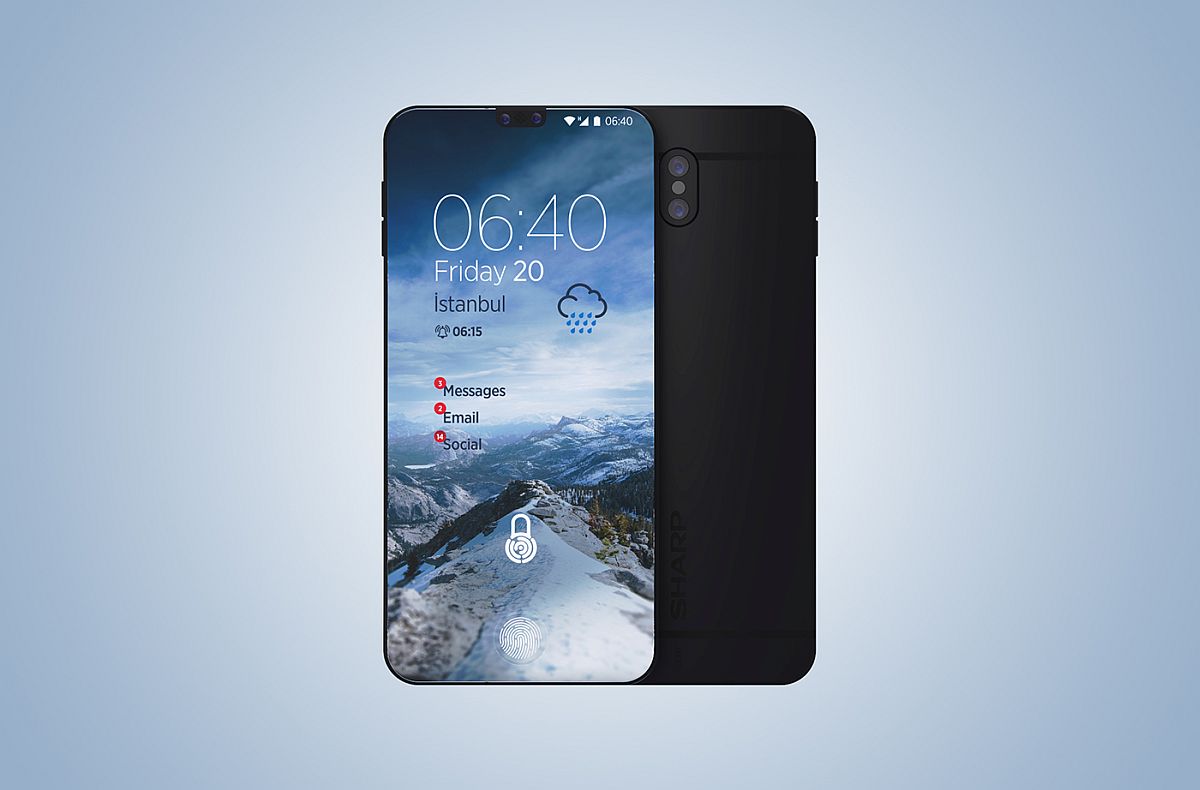
    Coming from patents yet again is information about Sharp’s intentions for a foldable phone. Picked up by LetsGoDigital and visualized in renders are drawings from an application to WIPO (World Intellectual Property Office) that was submitted by the Japanese tech giantThe design proposed by Sharp has some familiar elements with a twist. The fold of the display is horizontal, similar to that of the rumored Motorola phone, which means the screen size will be similar to current flagship phones, but the device will be more compact when folded. That approach has its advantages, but it seems that users have now accepted the form factor of current phones and prefer to get a larger display if their device is to be foldable.

    There are two things that grab our attention when looking at these renders. First, there seems to be no gap when the device is folded, which is something current foldable displays can’t accomplish. Of course, devices in renders are often quite different from real products, so it’s too early to judge. Sharp is one of the major display manufacturers, however, and it’s possible that the company is working on its own tech to achieve those results.

    The other curious thing is that the device has two hinges about half an inch apart, which allows the lower panel to either completely cover the top one or to leave about an inch of the display clear for notifications and other system indicators. While that might be handy in some situations, the added hinge is also another weak point for this device.

    There also appears to be no selfie camera in the drawings Sharp submitted, but this is likely just another omission until the design reaches a stage closer to realization.

    Currently, there are no hints from Sharp when or if we should expect a device like the one pictured above, but we certainly hope that more companies will join the foldable phone stage with their own ideas.
  • Suzuki Access 125 Drum Brake With CBS Launched

    Suzuki Access 125 Drum Brake With CBS Launched

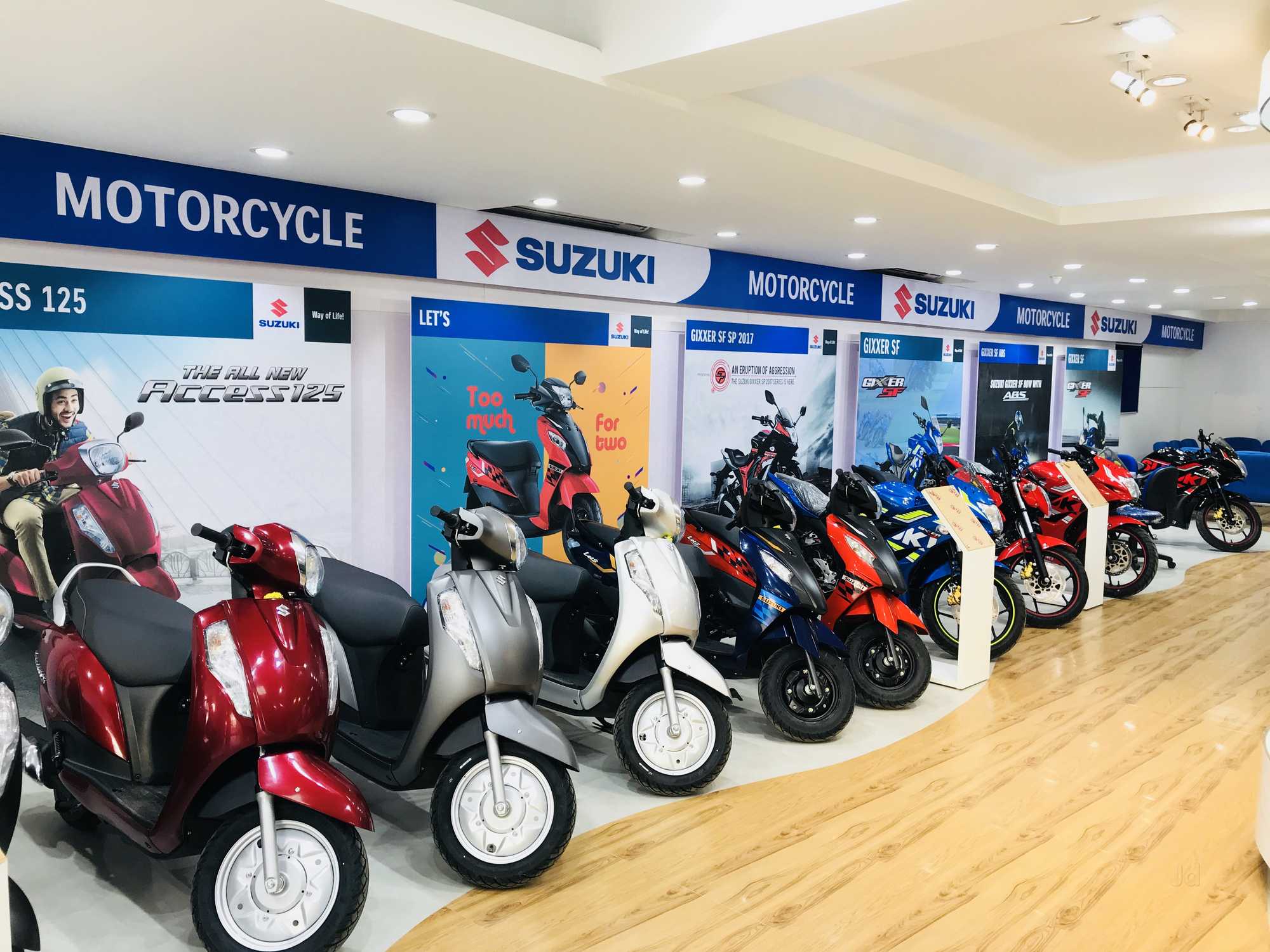
    Suzuki Motorcycle India has introduced the Combined Braking System (CBS) on the drum brake version of Access 125 scooter. The Suzuki Access 125 CBS on the drum brake version is priced at ₹ 56,667, about ₹ 500 more than the non-CBS model and is now a standard feature on the scooter in compliance with the upcoming safety norms. The new regulations mandate CBS on all two-wheelers below 125 cc and ABS for everything with a larger displacement. The deadline for the norms is March 31, 2019. The Access 125 already gets CBS on the disc brake variant, which was introduced last year and has received positive feedback from the customers, according to the company.

    Commenting on the development, Suzuki Motorcycle India – Vice President, Sales, Marketing & After-Sales, Devashish Handa said, “It gives us immense pleasure to introduce the CBS equipped Access125 drum brake variant. Suzuki Motorcycle is committed to improving and innovating its products for better riding experience and introduction of CBS to Access125 drum variant is a step further to fulfilling this promise. Suzuki now has standardized its complete range of scooters with this safety feature. We are confident that with the new enhancements, we will be able further add to the riding experience provided by our products.”

    The Suzuki Access 125 drum brake CBS variant will enable riders to operate the front and rear brakes by only pressing left brake lever. CBS helps reduce the braking distance with a good balance between front and rear brake forces. Apart from CBS, the Access 125 gets no changes to the styling or powertrain. Power comes from the 124 cc single-cylinder air-cooled engine tuned for 8.5 bhp and 10.2 Nm of peak torque. The motor is paired with an automatic transmission.

    The retro styling on the Access remains unchanged, and the scooter continues to use telescopic forks up front and hydraulic shock absorbers at the rear. The Access can be had with a front disc brake as an option, with 130 mm drum brakes available at either end as standard. The Suzuki Access continues to be one of the best-selling 125 cc scooters despite competition from the Honda Activa 125, Aprilia SR 125, Vespa LX, and the TVS NTorq among others.

  • V-MORE expands their redemption product range to users

    V-MORE expands their redemption product range to users

    Today, V-MORE makes an indelible mark in the e-commerce space with the launch of a luxury fashion line for redemption. Consumers are able to redeem more than 800 products ranging from iconic luxury bags, shoes, apparels to exclusive accessories on V-MORE shopping site. International renowned brands, Gucci, Balenciaga, Burberry, Jimmy Choo, LV and Tods are amongst the swish brands that make their presence on V-MORE with their latest and new season range; giving consumers the widest and trendiest choice for redemption.
    V-MORE shop, save and earn program rewards sellers and buyers. Sellers list for free on V-MORE. Buyers receive rebates and earn points to redeem quality products. The more consumers shop, the more they are rewarded. The luxury products are offered to V-MORE customers for redemption globally.

    “V-MORE teams up directly with renowned fashion houses to offer luxury products for redemption that will be delivered to members right to their doorsteps globally. We will continue to provide an even wider range of products for our members to choose from,” said Sir Eldee Tang, CEO and Founder of Noble Vici.

    “Based in Singapore, Noble Vici boasts of a new five-storey HQ facility at Ubi Crescent specifically designed to oversee V-More operations regionally as well as to provide financial administration. E-commerce and luxury products are readily embraced by the Singapore market, forming a base ground here for us to have a foothold in and more importantly for us to expand regionally,” Sir Eldee added.

  • AirAsia X Wants To Launch Airbus Flights To Europe

    AirAsia X Wants To Launch Airbus Flights To Europe

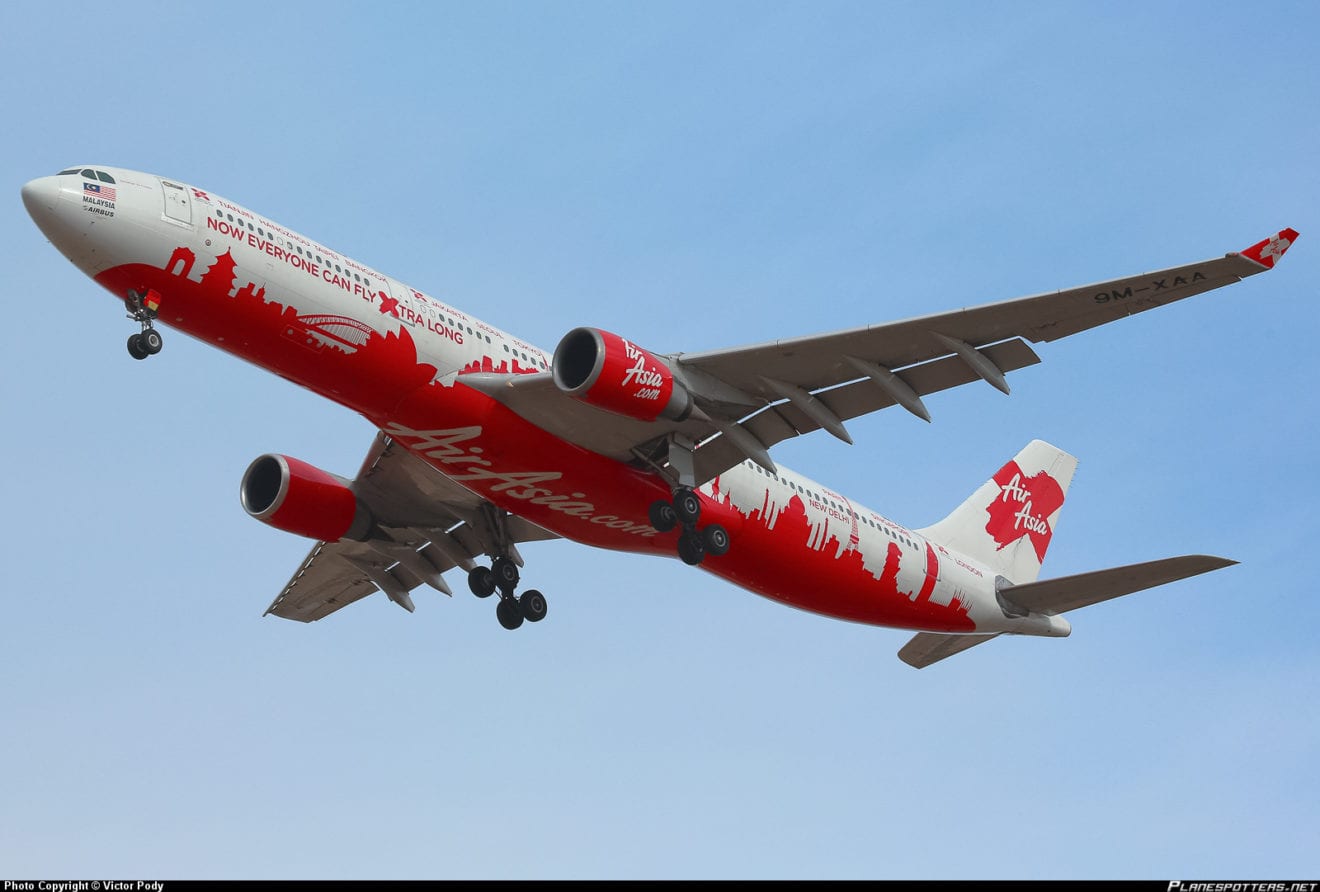
    AirAsia X is looking to launch flights to Europe using the Airbus A330neo. Flights could commence as soon as 2019, with the airline keen to reenter the market as quickly as possible.

    AirAsia X previously operated flights to Europe, but suspended these flights back in 2012. Now, it seems that the airline is ready to restart these flights. AirAsia X have 100 A330neo aircraft on order, with deliveries due to start later this year. As well as eyeing European service for these new planes, they may also look to start flying to the US too.

  • Two L(I)PS, Secret of the Spotless with UNDERCOVER

    Two L(I)PS, Secret of the Spotless with UNDERCOVER

    Just like the skin on our face and body is prone to blemishes and scars, so too, is the skin on the vulva. However, blemishes on the vulva are less openly discussed, which may make it seem like a minor, uncommon issue when in fact, they are. Blemishes are usually
    stubborn dark spots caused by a variety of reasons, such as acne scars, ingrown hair and even ageing of the skin. Unfortunately, many women are unaware of how to treat them. Having cared for over four million bushes and vulvas with STRIP, Spa Esprit Group maven Cynthia Chua has been privy to the multitude of vulva woes of women. And this is what led to the creation of TWO L(I)PS, a collection of intimate care products for the vulva.

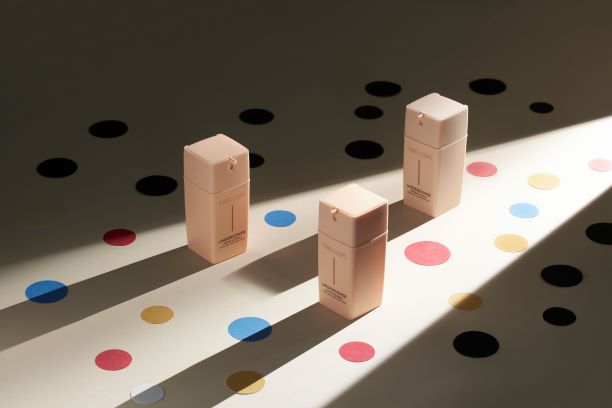
    After the successful launch of Blackout, the world’s first activated charcoal sheet mask for the vulva, TWO L(I)PS offers a new product to give your precious part even more T.L.C. Introducing: Undercover, an anti-blemish cream that promises to reduce the appearance of blemishes that can mar clear skin on the vulva.

    MISSION: CLEAN STATE

    The key active ingredient in Undercover is Palmitoyl Hexapeptide-36 (Peptide-36 or P-36). It seeks out and targets blemishes by preventing the production of excess melanin and pigmentation, while also preventing inflammation, leaving skin even-toned.

    Its three-prong battle plan works by:

    • Inhibiting melanogenesis, which is the process of melanin production and distribution in the skin, causing pigmentation and blemishes;
    • Inhibiting the excess production of tyrosinase, which is the enzyme that stimulates melanogenesis and is key in the production of pigments in the skin (what gives skin its colour);
    • Inhibiting inflammatory cytokines, which is ultraviolet-induced inflammation in the skin cells, reducing the occurrence of blemishes.

    More importantly, Undercover is gynaecologically and dermatologically tested, and is made without petrochemicals, parabens and sulphates, making it safe and gentle to be used on the delicate skin of the vulva. Best bit? You can even use it on any part of the body.

    Just one pump daily before bedtime is all you need. The result is lightened blemishes and even- toned skin in just three to four weeks. Say goodbye to pesky blemishes and hello to clear, even-toned skin, be it up top or down below.

    *A study of 33 women over a two-week trial found that the product did not cause any adverse reactions, making it safe to use.

    CONTINUE THE LOVIN’

    The launch of Blackout in 2018 was just a sneak peek of what was to come by TWO L(I)PS. In 2019, the vulva care brand has also rolled out two new products along with Undercover that can be used not only on the vulva, but on the body and face as well:

    • Diamond – Brightens dull skin
    • Pout – Hydrates and plumps skin

    Be sure to look out for them as you continue to #LoveYourVulvaMore with TWO L(I)PS!

  • Union calls out Noni B over workplace issues

    Union calls out Noni B over workplace issues

    The Shop, Distributive and Allied Employees Association (SDA) says it has received numerous complaints from Noni B employees on a range of workplace issues, from cuts to part-time hours and take-home pay, to health and safety concerns, to consistent understaffing and pressure to meet unrealistic sales targets. The complaints follow the SDA’s refusal earlier this month to approve a proposed enterprise bargaining agreement that it had been negotiating with Noni B after the Fair Work Commission ordered the fashion chain to scrap its previous agreement by March 4.

    That agreement, which expired in 2014, allowed staff at the recently acquired Specialty Fashion Group chains – including Autograph, Crossroads, Katies, Millers and Rivers – to be paid below the industry award, with no overtime, evening or weekend penalty rates. The SDA was on board with the proposed new agreement until Noni B declined to back pay employees and cut part-time hours by 20 per cent in the final days of the old agreement. Despite the fact that 81 per cent of employees who voted were in favour of the deal, the union has refused to sign it, which could prevent Fair Work from approving the proposed agreement.

    A Noni B spokesperson told at the time that the move was “unprecedented”.The Retail and Fast Food Workers Union has also attempted to block the deal.

    The SDA on Sunday said that Noni B’s decision to cut hours for part-time workers has placed excessive sales demands and work tasks on remaining staff, resulting in them being unable to take breaks to go to the bathroom.

    “In some cases, this deliberate understaffing meant retail employees were at times left in stores alone and could not take toilet breaks or were forced to lift heavy boxes and work up ladders in an unsafe manner,” Gerard Dwyer, national secretary of the union for workers in retail, fast food and warehousing, said in a statement.

    “The lack of staff has also resulted in masses of stock remaining unprocessed and being stacked in change rooms and blocking fire escapes, clearly in breach of WHS [workplace health and safety] laws.”

    A spokesperson for Noni B, which also operates the Rockmans, W Lane, Beme and Table Eight chains, told IR it was “most unfortunate that the SDA has decided to wage its campaign through the media against Noni B Group’s enterprise agreement, which has been approved by 81 per cent of the group’s relevant employees.”

    “The company has tried to arrange a meeting with the SDA to discuss its specific concerns, and a meeting arranged for last week was cancelled by the union. The safety and wellness of the group’s people are critical to the company and all concerns are investigated and where appropriate addressed,” the spokesperson said.

    A further statement from Noni B Group is expected later today.

    The SDA claims the company has attempted to force managers to sign “individual contracts” that could leave them worse off when compared with the Award, “depending on their rosters”.

    “As a result of these multiple workplace breaches and some shortcomings in the proposal itself, the SDA has refused to approve the proposed Noni B enterprise bargaining agreement,” Dwyer said.

    “The message is clear. It’s time for Noni B to clean up its act and to adhere to good workplace practices for its retail staff.”

  • Strong potential’ for sharing economy in China

    Strong potential’ for sharing economy in China

    New research suggests strong potential for the sharing economy in China, with just 30 per cent of consumers there saying they only want to use brand-new products.

    Mintel says the figures highlight the significant market for selling second-hand products and targeting consumers who will rent out rather than buy.

    Mintel says 91 per cent of Chinese consumers said they have rented or bought second-hand bicycles/electric bicycles in the past year. This was followed by cars (61 per cent), books/audio-visual products (25 per cent), digital products such as mobile phones and cameras (25 per cent), furniture (18 per cent) and home appliances such as fridges (12 per cent). While the clothes and accessories sharing category has been making headlines, just 9 per cent of urban Chinese consumers have rented or bought them second-hand.

    “The current consumer landscape in China shows great potential for the sharing economy to develop further,” said Mintel China associate research analyst Scarlett Zhao. “Largely driven by substantial promotions and subsidies, high penetration in rental and second-hand businesses is more focused on the transportation industry; including cars and bicycles. But while the sharing economy in China is dominated by transportation, we see this trend slowly extending to knowledge sharing through books or audio-visual products.

    “At the moment, consumers are not as open to other product categories in the sharing economy space such as clothes and accessories, probably because consumers have not yet cultivated the habit to rent or buy second-hand products. China’s sharing economy still stands in an emerging to growth stage, where market rules and regulations need to be further improved. As a result, this has caused many to remain on the sidelines just like when e-commerce was first introduced.”

    Mintel research reveals that the majority of consumers in China acknowledge the benefits of the sharing economy, with as many as 86 per cent of them appreciating the convenience that sharing products and services bring. Meanwhile, 59 per cent of Chinese consumers cite affordability as a reason to participate in the sharing economy, making it the greatest motivation for them to choose renting or buying second-hand products.

    Environmental factors are also proving important to consumers. Fifty-one per cent of urban Chinese consumers say that they will rent or buy second-hand products as it is good for the environment.

    “Under the healthy wave, consumers today not only look inward to their body health, but are also paying more attention to the whole ecosystem they are interacting with,” added Zhao. “When communicating with and marketing to consumers, companies in the sharing economy space can make consumers feel good about themselves by emphasising how this concept can help reduce the carbon footprint – benefiting the public and the environment.”

  • Greater China delivers record sales numbers for Tiffany & Co

    Greater China delivers record sales numbers for Tiffany & Co

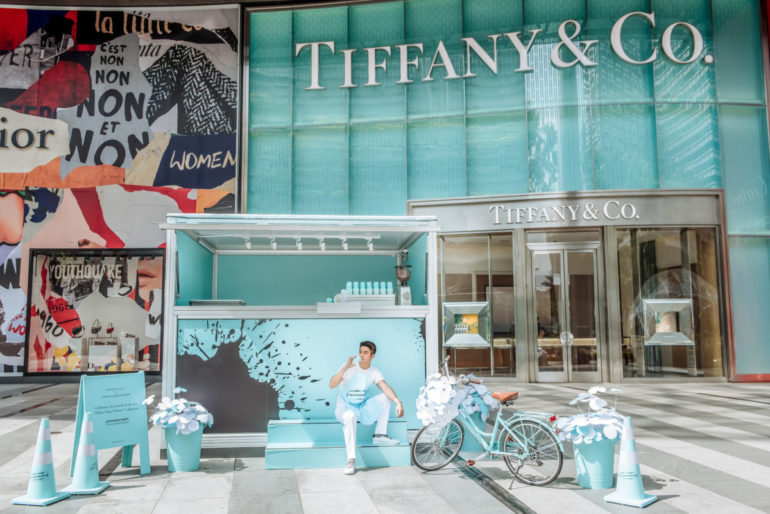
    Tiffany & Co has reported worldwide net sales rose by 7 per cent to a record US$4.4 billion last year, fuelled by solid growth across almost every Aian market.

    In Asia-Pacific, total net sales increased 13 per cent to $1.2 billion for the full year, with Greater China leading the charge. However, sales slipped 1 per cent to $316 million in the fourth quarter, largely due to a slowing of spending in Mainland China.

    Comparable sales rose 5 per cent during the full year and fell 3 per cent in the fourth quarter. In Japan, total net sales increased 8 per cent to $643 million in the full year and 3 per cent to $196 million in the fourth quarter. Comparable sales increased by 7 per cent and 3 per cent, respectively.

    The company’s net earnings for the full year benefited from a lower effective tax rate, rising to $586 million. 75 per diluted share.

    CEO Alessandro Bogliolo said softer trends in the second half of the year reflected, in part, what the company believes were external challenges and uncertainties.

    “Most important, we are still in the early stages of a journey to achieve long-term sales, margin and earnings growth for this legendary brand, and are making progress across our key strategic priorities. I continue to strongly believe that Tiffany has vast global growth opportunities and we look forward to realising our full potential in the future.”

    During the year, Tiffany opened 10 company-operated stores, closed four and relocated 10. As at the end of January, the company operated 321 stores (124 in the Americas, 90 in Asia-Pacific, 55 in Japan, 47 in Europe, and five in the UAE). There was a net gain of three in Asia.

  • Gucci invests 10 Million in diversity programs

    Gucci invests 10 Million in diversity programs

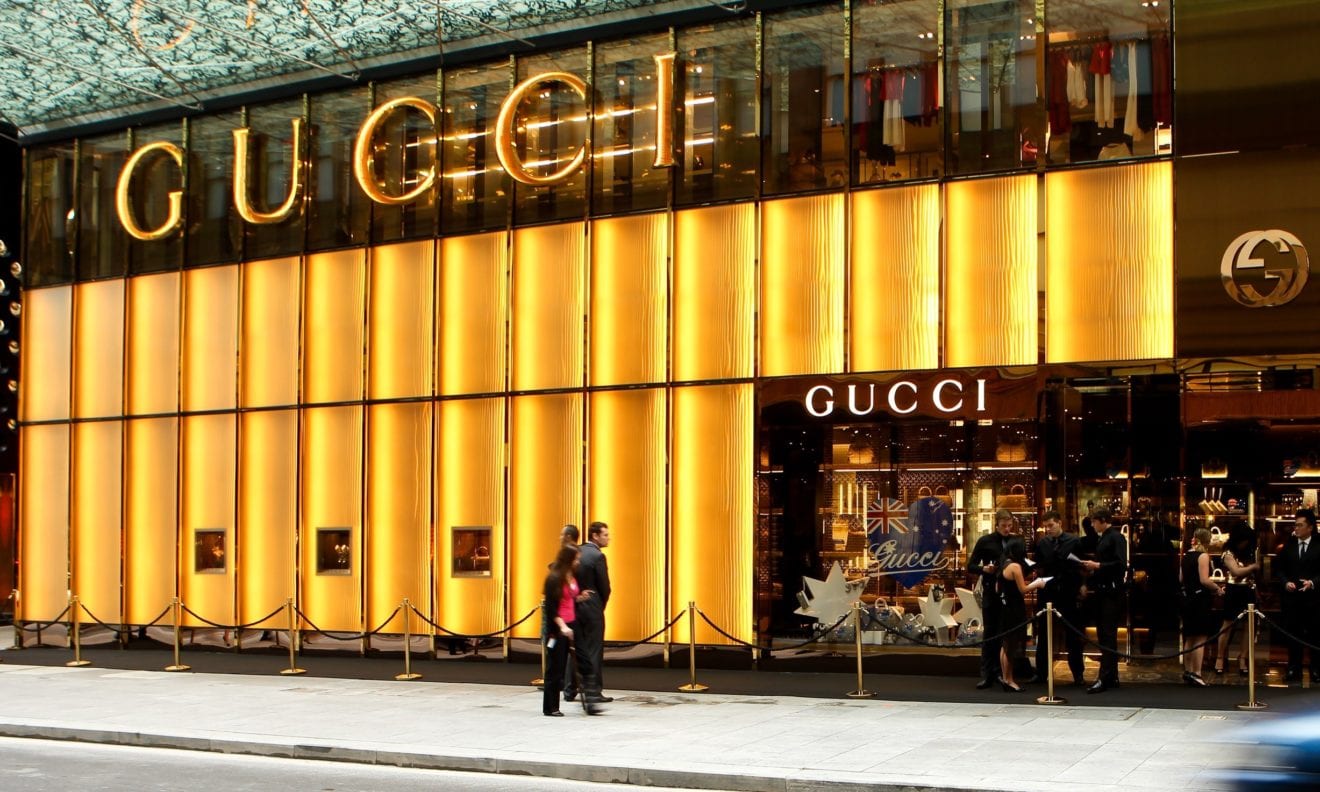
    Luxury apparel retailer Gucci has invested US$10 million into a diversity program to foster inclusion within the firm.

    The Gucci Changemakers scheme responds to public outcry over a black turtleneck jumper released by the brand with a mouth slit highlighted by thick red lips, resembling blackface makeup.
    Gucci promptly pulled the controversial item from sale and issued an apology.

    “Gucci deeply apologises for the offence caused by the wool balaclava jumper,” said the brand in a press statement. “We consider diversity to be a fundamental value to be fully upheld, respected, and at the forefront of every decision we make.”

    The Gucci Changemakers program, launched internally last year, is reing ramped up in the wake of the scandal. It will involve the recruitment of a global director for diversity and inclusion and a training scheme to bolster cultural awareness amongst all 18,000 global staff, as well as an internal exchange program that will bring five staff from diverse backgrounds to work in its creative studio in Rome. The scheme will also provide paid leave for employees to volunteer at various social programs.

    Further initiatives will provide scholarships for fashion students in North America and make funds available to benefit communities in several North American cities and in the Asia-Pacific region.

    “I believe in dialogue, building bridges and taking quick action,” said Gucci CEO Marco Bizzarri. “This is why we started working immediately on the long-term infrastructure at Gucci to address our shortcomings.

    “And now through our Changemakers program, we will invest important resources to unify and strengthen our communities across North America, with a focus on programs that will impact youth and the African-American community.”

  • 200 Mr Bean stores Set To Open for Vietnam

    200 Mr Bean stores Set To Open for Vietnam

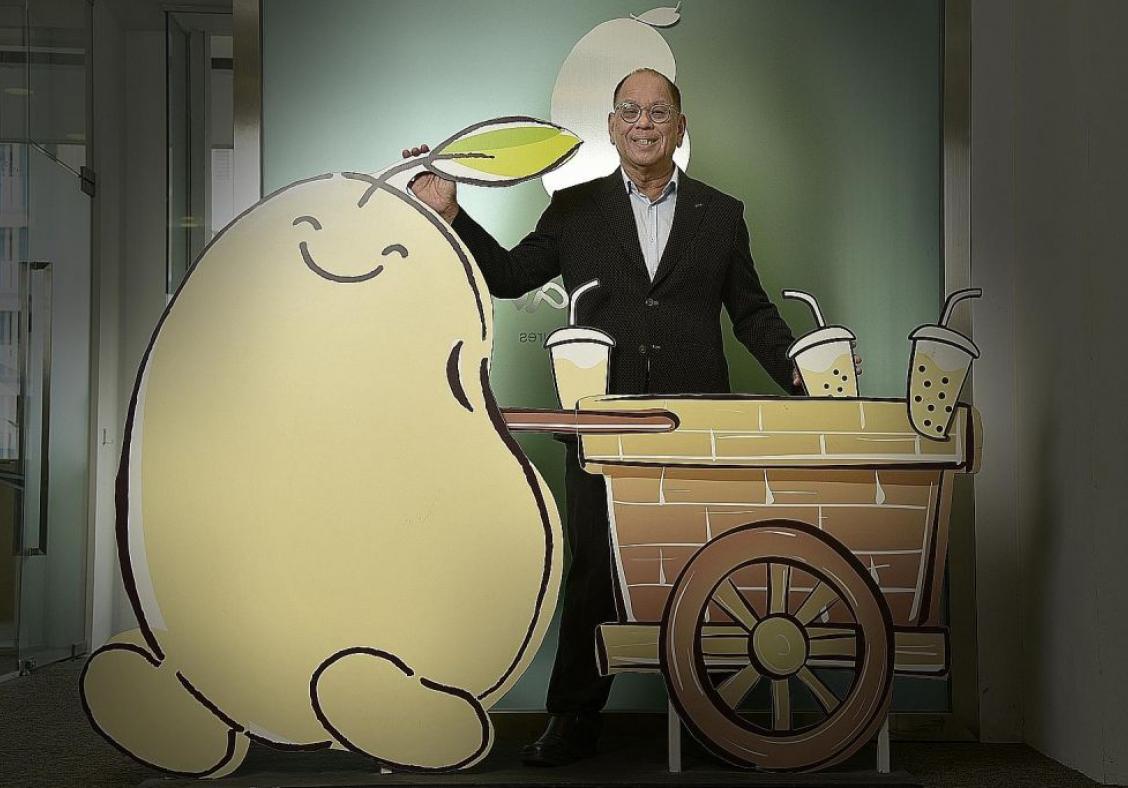
    Soy-milk retailer Mr Bean has entered into a franchise agreement with EGroup to launch 200 stores in Vietnam.

    Mr Bean VN

    The stores will be rolled out gradually over the next decade, following the first five locations in Hanoi and Ho Chi Minh City, which opened yesterday.

    Mr Bean VN 1

    “Markets overseas are bigger than Singapore and chuan zong jie dai (carrying on the family line) has always been my dream,” said founder and CEO Loh Jwee Poh.

    Mr Bean VN 2

    “What sets [Mr Bean] apart is the fact that [Loh] works with contract farmers in North America to ensure a consistent supply of non-genetically modified soybeans used for their products,” said EGroup’s president and founder Nguyen Ngoc Thuy.

    Poh has taken the brand to several overseas locations. Only Japan, South Korea and Singapore have met with success. He launched Mr Bean as a hawker stall in Singapore’s Chinatown in 1995.

  • Hermes Thailand opens new Concept store in Phuket

    Hermes Thailand opens new Concept store in Phuket

    Hermes Thailand has opened a store in Phuket, within the Central Phuket Floresta mall.

    The 172sqm outlet, Hermes’ first in the country outside of the capital, Bangkok, signals the brand’s increasing confidence in the market and willingness to expand in the territory. It also attests to the emerging importance of Phuket’s burgeoning population and popularity with both Thai and foreign tourists.

    Hermes Thailand Phuket 1The store was designed by French architectural firm RDAI to fit with the mall’s main entryway with an exterior and an interior facade, admitting daylight from outside filtered by a bamboo claustra and featuring lacquered metal on the inside. The store’s lighting uses the Grecques lights designed for the brand in 1925.

    Featuring a range of curated local materials, the new Hermes Thailand store blends contemporary architecture with Thai cultural elements, with colours that reflect the sunny coastal location.

  • Canon Philippines redesigns concept store in Pampanga

    Canon Philippines redesigns concept store in Pampanga

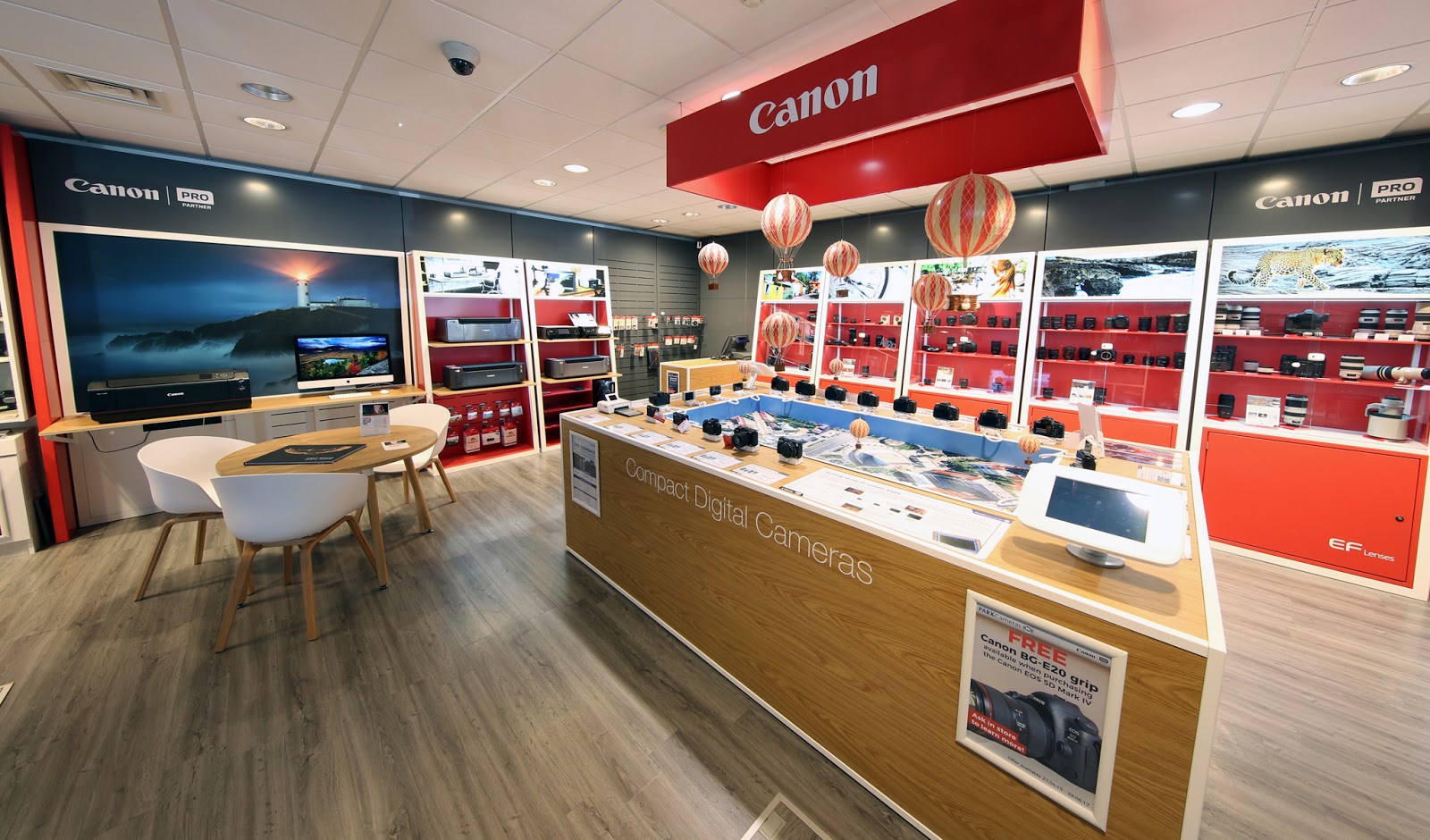
    Canon Philippines has opened its redesigned “Image Square” concept store at SM City Pampanga.

    The outlet, located near the entrance to the mall’s Cyberzone area, showcases a full line-up of Canon’s products and includes a service centre.

    “The logic behind this is that after version 1.0, we jumped into version 3.0”, said Canon assistant sales manager Roshan Daryani. “This is a one-stop shop for all Canon lovers and from the input to the output, we have it all here because our goal is to provide everything our clients need the moment you step inside the booth.”Canon Philippines

    Featured among the products on offer are Canon’s new mirrorless cameras and a pocket-sized Bluetooth printer. Canon’s personnel on-site are fluent in the technologies as well as related image-specific elements such as post-processing.

    “The booth is really made for a wide-range of markets,” added Daryani. “We have products for professional photographers and even just the hobbyists who wanted to upgrade their skills in photography. The Image Square is basically covering all the needs in the camera industry.”

  • Daesang to sell Ministop stake to partner Aeon

    Daesang to sell Ministop stake to partner Aeon

    South Korean food manufacturer Daesang is reportedly exiting the convenience store business, selling its stake in the Ministop chain.

    A cut-throat industry in the territory, competition between players has become so intense that legislation is now in effect to forbid the opening of new convenience stores within 50 metres of existing outlets.

    Daesang’s withdrawal will likely result in the sale of its 20 per cent shareholding in the Ministop Korea brand to its Japanese partner Aeon, which attempted unsuccessfully to sell its own shares in the business last year.

    Insiders familiar with the transaction have revealed that talks between the partners are well-progressed and that the shares are likely to be transferred for KRW80–90 billion (US$70.8–$79.6 million).

    Daesang established Ministop with Aeon in 1997, but courted Aeon to purchase a majority stakeholding plus management rights to the business in 2003. The current transaction would remove Daesang from the business entirely, leaving Aeon with a 96.06 per cent stake of the country’s weakest contestant in the nationwide convenience-store playing field.

    Ministop achieved KRW2.6 billion ($2.3 million) in profits in 2017, compared with KRW13.3 billion ($11.76 million) in 2015.

  • Dunhill New York Finally opens Hudson Yards store

    Dunhill New York Finally opens Hudson Yards store

    Dunhill New York has opened a store in the city’s new Hudson Yards development.

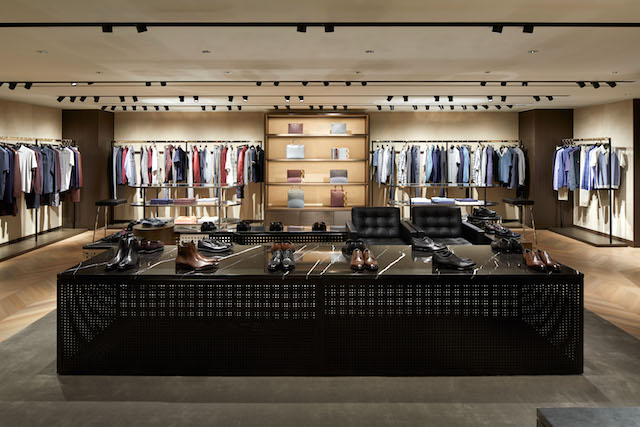
    The 2600sqft outlet showcases the brand’s British luxury menswear against a backdrop of modern retail design – a contemporary space combining bronzed brass and walnut, together with leather and metal details, all recognisable codes of the house.

    dunhill Hudson Yards 2

    dunhill Hudson Yards 3

    “Dunhill has traded in New York City for decades, from Rockefeller Centre to Madison Avenue,” said CEO Andrew Maag. “Hudson Yards is the next wave of retail and we are thrilled to be there from the start. We are part of the fabric of the city and we keep moving with it.”

    dunhill Hudson Yards 5

    The grey marble storefront takes inspiration from the facade of the brand’s 1950s South Rodeo Drive store. White wood panelling frames collections by creative director Mark Weston. Walnut burl cabinets, housing men’s accessories, are inspired by the original furniture from London’s Duke Street and Paris’ Rue de la Paix stores. Fluted metal details recall the textures and finishes of the Rollagas lighters.

    dunhill Hudson Yards 6

    The new Dunhill New York City store will retail a curated selection of luxury pieces, as well as ready-to-wear, leather goods and fine accessories.

  • PVH to buy back Tommy Hilfiger licence in five major Asian markets

    PVH to buy back Tommy Hilfiger licence in five major Asian markets

    The US-listed fashion brand owner has entered into a definitive agreement to reacquire the license from Dickson Concepts, along with some related leases and retail assets. Terms of the transaction were not disclosed, but the deal is expected to be settled in the second quarter of this year.

    PVH Corp, which also counts Calvin Klein, Van Heusen, Izod, Arrow, Warner’s, Olga and Geoffrey Beene in its portfolio, said the deal is in line with the company’s strategy of gaining more direct control over its brands, including through the acquisition of licensed businesses. The transaction is intended to allow the company to capitalise on the significant growth opportunity in the region.

    “This transaction demonstrates our commitment to making strategic investments to support the long term growth of PVH and our Tommy Hilfiger business, while leveraging our well-established infrastructure, our leadership expertise and strong brand momentum across both our Tommy Hilfiger and Calvin Klein businesses in the region,” said Emanuel Chirico, PVH Corp’s chairman and CEO.

    Daniel Grieder, Tommy Hilfiger Global CEO, said after taking back the Tommy Hilfiger licence, the company will execute “a more fully integrated strategy for the Greater China market in coordination with our directly operated Mainland China business”.

    “This transaction should allow us to further realise the growth opportunities that exist for the Tommy Hilfiger brand by enabling the introduction of a wider range of product lines, and offering consumers a more immersive and elevated brand experience. Building on our strong existing regional foundation, we plan to accelerate the growth of the Tommy Hilfiger business and invest further in driving the expansion of the brand.”