Author: Mei Ling Tan

  • Telstra awarded 131 cell sites under Black Spot program

    Telstra awarded 131 cell sites under Black Spot program

    Australia’s Telstra has announced it has been awarded 131 sites as part of the fourth round of the government’s Mobile Black Spot program.

    The operator will deploy a mixture of new mobile base stations and small cells at the 131 locations, and will contribute $23.3 million of the $55.6 million co-investment required to fund the new sites, with the remainder coming from the federal and state governments.

    The new sites will include 49 in New South Wales, 23 in Western Australia, 22 in Victoria, 19 in South Australia, and 18 in Queensland.

    Telstra said it has so far deployed more than 550 new mobile base stations across regional and rural Australia as part of the Mobile Black Spot program.

    Meanwhile the operator expects to have spent a total of around A$8 billion ($5.66 billion) in total mobile investment over the five years ending in June, with nearly A$3 billion of this spent in rural areas.

    “Our investments will help towns and communities relying on mobile connected devices more than ever before,” Telstra CEO Andy Penn said.

    “The partnerships we have formed with Governments at all levels are providing connectivity and services to many areas of Australia where it was otherwise uneconomical to do so.”

    He said Telstra’s mobile network now spans nearly 10,000 base stations covering more than 2.5 million square kilometers.

    The announcement came shortly after the government revealed it has allocated a further A$160 million for the Mobile Black Spot program, which has now been extended to a further two rounds.

  • Huawei, ZTE consider local manufacturing in India

    Huawei, ZTE consider local manufacturing in India

    Both Huawei and ZTE are evaluating plans to establish local manufacturing facilities in India to avoid the 20% tariff imposed on the import of telecommunications equipment.

    ZTE is carefully evaluating the feasibility of local manufacturing in India, including of mobile devices, the company’s president of global sales Xiao Ming told.

    If the government offers enough incentives to support a cost advantage, ZTE would love to shift many of its manufacturing factories in India.

    Meanwhile Huawei is progressing a plan to resume Indian manufacturing of telecom equipment and enterprise products, the report states.

    Huawei ceased production from its Indian facilities last year due in part to low demand, but the company is evaluating establishing a new plant for its carrier business and enterprise as a result of the tariffs.

    Meanwhile Ericsson, which already has manufacturing facilities in India, plans to expand these capabilities to commence exports of locally-manufactured equipment to more countries.

    Nokia also manufactures equipment in India, and has developed a local supply chain for components to minimize the 10% duty on imports of components to be manufactured locally.

  • Tigers is launch customer for new instant freight rate quote enginepowered by tech start-up Doozee

    Tigers is launch customer for new instant freight rate quote enginepowered by tech start-up Doozee

    Tigers is the launch customer for a new instant freight rate quote engine developed by tech start up Doozee, as Tigers continues to embrace the digital revolution in logistics. The new tool will be available to Tigers’ extensive international agent network and will be hosted on the Tigers SmartHub:Connect portal following the release of future versions of Doozee.

    Doozee will then allow customers to access live quotes between all Tigers locations globally, and to customise the service they receive through SmartHub:Connect.

    “This is a significant step in the digitalisation process for Tigers,” said Mark Gatenby, Chief Information Officer, Tigers.

    “Doozee is a free of charge, agnostic ‘plug-in and play’ for everybody, and it is unique because it allows for community and collaboration between a company and its agents.”

    The current version of the Doozee Cloud-based engine will enable Tigers agents to send customers full quotes in seconds via email or as an online link, with customers able to respond with the click of a button.

    In the future, Tigers’ customers will be able to see instant quotes on SmartHub:Connect by inputting details of their consignment and route on their dashboard.

    USA-based start-up Doozee will further develop the engine’s functionality to include links to postal operators, supporting Tigers’ e-commerce customers.

    Doozee was founded by tech pioneer Dr Scott Deerwester who co-invented Latent Semantic Analysis (LSA) technology, which has become a commonly used tool in search engine optimisation (SEO).

    “Tigers is a forward-thinking global company, and, as a technologist, I share their commitment to embracing digitalisation, which makes SmartHub:Connect the perfect platform to launch Doozee,” said Deerwester.

    “Doozee has been designed in a way that is appropriately transparent and the business rules are clear, so that it is easy to use.”


    Doozee is available in 12 different languages and contains an algorithm for ranking freight forwarders by transit times, reliability, price, and online ratings.

  • Apple may have a surprise subscription service

    Apple may have a surprise subscription service

    We’ve heard a lot about what to expect from Apple’s planned event on Monday. We know that Apple likely won’t have any hardware to announce since it quietly already launched two new iPads and its second generation AirPods as well. We’re expecting some sort of TV service and a news subscription service, maybe even an Apple credit card, but a new report says there might be another subscription service announced that we didn’t know about.

    Apple might be getting ready to announce a game subscription service for iOS devices. Many will call it “Netflix for games,” but calling everything the “Netflix of whatever” often ignores companies that actually exist, so we’ll say it’s more like a digital version of Gamefly. Although it’s unclear if Apple will be announcing the game service on Monday, the report says Apple is talking to partners to build up the service. The way it would work is users would pay a monthly fee to get access to select games that would normally be paid and Apple would distribute the revenue (minus its cut) to developers based on how long users spend playing each game.

    Depending on the games made available as part of such a service, it could end up being the surprise star of the show for Apple. As we get closer and closer to the event, Apple’s video service is sounding less interesting as the latest rumors make it out to be a glorified Apple TV homescreen rather than a real competitor to something like Netflix or Hulu. Apple’s news service may be okay, but without big names like the New York Times, it’s hard to imagine that generating much excitement. But, a subscription game service could be pretty great if done right.

  • Vietnam ride-hailing app FastGo to hit Singapore streets

    Vietnam ride-hailing app FastGo to hit Singapore streets

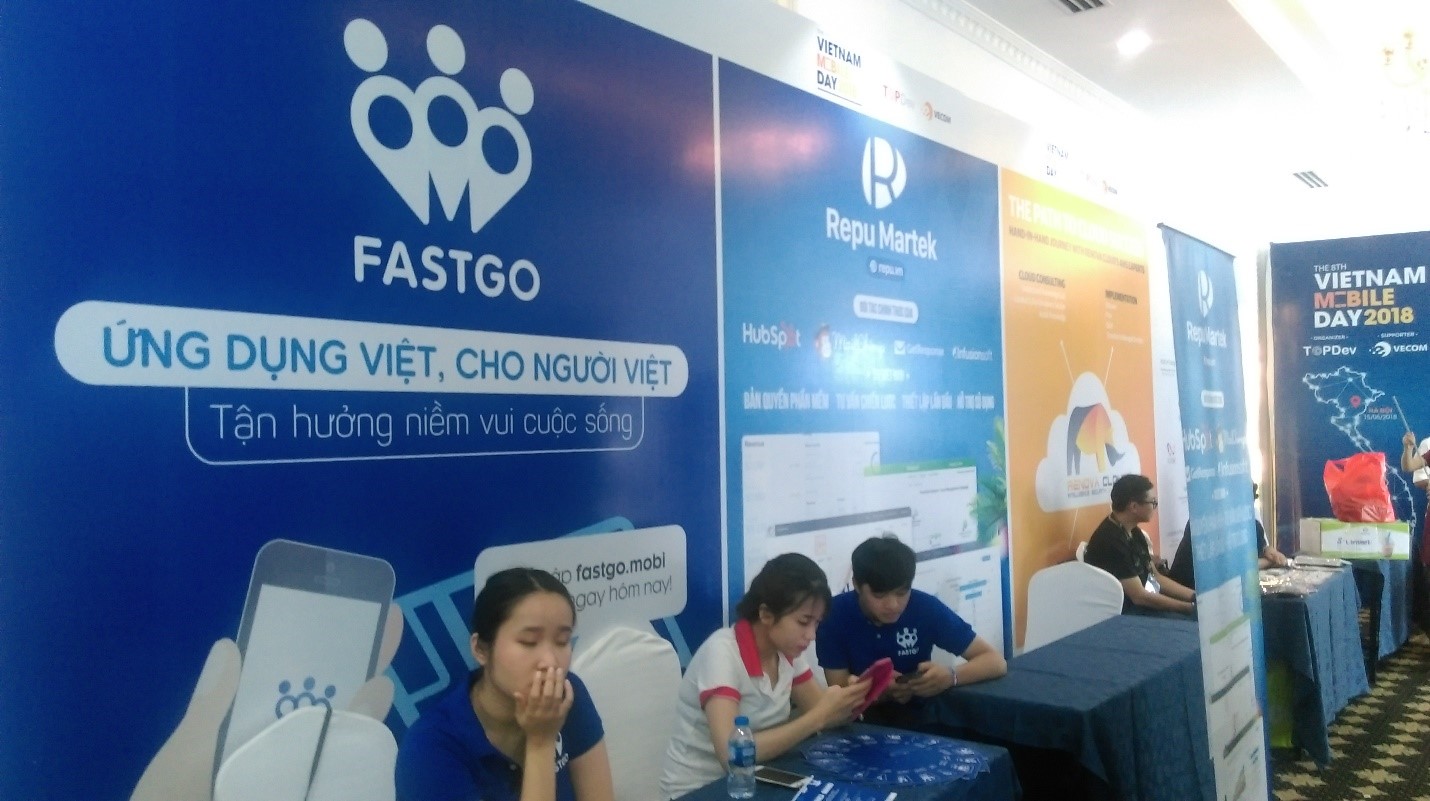
    Vietnamese ride-hailing firm FastGo is set to launch Singapore operations in April as part of its regional expansion plans. The nine-month old Vietnamese start-up has announced that drivers will be able to register on its ride hailing application from April 1, and customers can use the service from April 30. Diep Nguyen, country manager for FastGo Singapore, said the company’s fleet size will be at least 3,000 cars.

    Singapore is the third country in which FastGo will operate, after Vietnam and Myanmar. The firm is expected to face fierce competition from market incumbents including  Singapore’s Grab, Indonesia’s Go-Jek, as well as local startups Ryde and TADA.

    FastGo, which is part of Vietnamese technology startup NextTech Group, has plans to launch in five other countries in the region, including Indonesia and the Philippines, by the end of 2019.

    While FastGo has not yet publicised fares, but the ride-hailing app will not charge peak period surcharges, and customers can tip drivers. FastGo aims to undercut competitors like Grab and Go-Jek, who collect 20 percent of ride fares from drivers, by charging them a fixed daily subscription fee of $5 if a driver’s income exceeds $30 a day.

    However, an associate professor at the Singapore University of Social Sciences, as saying “another small entrant” will not make a difference to the local ride-hailing market, unless the new player is financially backed by a strong sponsor or a well-known Singaporean firm.

    “Other than GoJek and Grab, the other (existing) players have very small market share and have difficulty making much impact locally. The market is easy to enter but it’s very hard to get a substantial market share,” he said.

    Founded in April 2018, FastGo Vietnam JSC launched its service after Uber’s exit from Southeast Asia last June. With almost 60,000 drivers onboard, the company claims to be the second most popular ride-hailing firm in Vietnam, following Grab. After receiving an undisclosed sum in a Series A investment from venture capital platform VinaCapital Ventures in August last year, FastGo is aiming to raise another $50 million in its Series B investment round over the next few months.

    According to the company’s statements, FastGo will diversify its services to include food delivery and financial services.

  • Nearly half of Vietnamese shoppers buy premium products online

    Nearly half of Vietnamese shoppers buy premium products online

    Forty-eight percent of Vietnamese consumers buy premium products online from local retailers, with cosmetics the top category, a report says. Although the majority of survey respondents, 69 percent, said that they still purchase their premium products at local physical stores, the online ratio was higher than the global rate of 45 percent, says a global report by market research firm Nielsen.

    Nielsen’s Changing Consumer Prosperity study also found over a quarter of Vietnamese respondents, 27 percent, were inclined to buy online from overseas e-retailers, and 23 percent even travel overseas for these premium goods.

    Cosmetics are the top premium products that Vietnamese consumers spend their money on, according to 46 percent of respondents, following by clothing/shoes (44 percent), electronics (43 percent), body care (41 percent) and meat or seafood (38 percent).

    What Vietnamese people care most about a premium product is its high quality, according to 65 percent of respondents, and superior performance, 58 percent. Over half the respondents also seek premium products that contain environmentally friendly materials or natural/organic ingredients.

    When it comes to trying new premium products, Vietnamese rated peer recommendations as the most influential factor.Half of the respondents said that recommendations and encouragement by friends and family influenced their decision, followed by product research (46 percent), online advertising (42 percent), television advertising (39 percent) and in-store advertising (39 percent).

    In another survey released recently, Nielsen said that Vietnamese people remain among the most optimistic consumers even as global confidence fell in Q4 2018. Despite considerable increase in savings, Vietnamese consumers are still willing to fork out just as much or possibly even more money on big-ticket items such as new clothes, holidays or out-of-home entertainment, it said.

    Vietnam’s e-commerce sector has been booming in recent years. E-commerce revenue reached $2.26 billion last year, a growth of 30 percent over 2017, according to Germany-based data portal Statista. It estimated that this figure will reach $2.7 billion this year.

  • Grab now has more rivals than ever before in Vietnam

    Grab now has more rivals than ever before in Vietnam

    From an e-hailing app, Grab has made great steps forward, providing many different services. Most recently, it started the payment service GrabPay and lending service Grab Financial. The consumer lending market in South East Asia is very large. As estimated by the World Bank, about 2 billion people in the world cannot access bank services, and most of them are in Asia Pacific.

    The non-cash payment market, according to Grab, is worth $500 billion in South East Asia. An analyst commented that Grab is wise taking a ‘roundabout’ approach to consumer lending (it conquered the transport market first before aiming for the consumer credit market).

    Consumer lending is a fertile business field for Chinese e-commerce firms. The firms offer online payment apps to users to ‘learn’ about their financial capability.

    Grab, as an app, quickly attracted users, especially investors. Just within six years, Grab became an unicorn company, i.e. an unlisted technology firm with valuation of $1 billion and higher, in South East Asia. Analysts estimate that Grab is valued at $6 billion.

    The challenges

    The total number of Grab downloads has reached 95 million all over South East Asia. This could serve as the launch pad for it to conquer the consumer lending market.

    “GrabPay e-wallet will be used for both transport and food delivery services, two of the most used services in South East Asia,” said Jerry Lim, director of Grab Vietnam.

    However, the analyst said, by expanding its business, Grab would have to compete with more rivals who are ‘powers’ in their fields. In online payment, for example, it will have to compete not only with AirPay (Sea) and Alipay (Alibaba Group), but also with local firms such as ZaloPay (VNG) and MoMo.

    In Indonesia, Grab bought an e-commerce platform, Kudo, in April 2017. Grab believes that this is the factor which can help expand GrabPay. However, in Vietnam, Grab’s two big rivals – Sea and Alibaba — both have strong support from two popular e-commerce floors – Shopee Vietnam and Lazada Vietnam.

    Similarly, GrabFood has rivals in the food delivery sector, where Sea’s Now, which inherited the large custom from Foody, is the leader.

  • Former ANZ employee to stand trial in million dollar fraud case

    Former ANZ employee to stand trial in million dollar fraud case

    A former ANZ Bank employee will be tried for allegedly falsifying customers’ signatures and misappropriating over VND91.3 billion ($4 million). Ho Chi Minh prosecutors have submitted to the court an indictment against Nguyen Pham Gia Tho, a former employee of ANZ, and his sister-in-law Nguyen Tuong Vi, director of an agricultural product export/import company, for appropriating property through fraud.

    According to the indictment, in 2015, Tho was head of customer relations at ANZ’s South Saigon branch in District 7 and was tasked with mobilizing savings deposits, providing insurance sales advice and proposing mortgages.

    During his time, he allegedly falsified signatures of customers with saving accounts to register for internet banking service and then transferred their money into his or his relatives’ accounts. Specifically, in early 2016, Tho was asked by a customer named Mai to help manage her bonds worth VND3 billion ($130,000) with securities firm VPBS. Abusing her trust, he falsified six contracts to mortgage the bonds and secure loans from VPBS.

    Tho asked his mother to impersonate Mai and register for internet banking service, then transferred the VND3 billion to her account so that he could withdraw from it. In July 2017, to have money for a fruit trading business with his sister-in-law Vi, Tho falsified signatures of several ANZ customers to open joint bank accounts in their names and one of his relatives.

    He then falsified documents to secure loans from the bank for the joint accounts before appropriating the money by transferring them into Vi’s and his own accounts. In total, Tho was determined to have misappropriated a total of VND91.3 billion (nearly $4 million), with Vi an accomplice in the misappropriation of over VND80 billion of this money. The relatives of Tho and Vi, whose identities were used to open the joint accounts, will not be prosecuted as investigators concluded they were unaware of the fraud and did not benefit from it.

  • Vietnam electricity prices go up again after two years

    Vietnam electricity prices go up again after two years

    Vietnam’s power prices went up 8.36 percent Wednesday after remaining unchanged for two years. A senior official of the Ministry of Industry and Trade told that prices have gone up from VND1,720 (7.4 cents) per kWh to VND1,864 (8 cents), exclusive of VAT.

    The ministry had said earlier this month that the Prime Minister had approved an increase in power prices. Vietnam’s power consumption has been increasing by about 10 percent each year, but generation has not kept pace.

    The hike could lower Vietnam’s GDP this year by 0.22 percent and increase its consumer price index (CPI) by 0.29 percent, the ministry said. Vietnam’s CPI increased 3.54 percent in 2018. Vietnam’s electricity prices have almost doubled in the last decade, but the last time they were raised was in 2017.According to Vietnam Electricity (EVN), its overall production costs rose by VND5.48 trillion ($235.46 million) year-on-year in 2018 mainly due to exchange rate differences in electricity purchase contracts and gas price increases.

    The utility expects costs to rise by VND15.25 trillion ($655.34 million) in 2019. This is not to mention other expected increases in costs of production, as well as coal and electricity imports, EVN said. Hoang Quoc Vuong, Deputy Minister of Industry and Trade, had noted earlier that Vietnam’s electricity prices were 8.1 percent lower than that of China and India, 18 percent lower than Laos and 26.5 percent lower than Indonesia. Even with the latest increase, the prices would only be on par with China and India, he said.

    “The fact that Vietnam’s electricity prices are lower than other countries is also why foreign investors are not interested in investing in electricity projects here,” he said. Vietnam, one of Asia’s fastest-growing economies, has been struggling to develop its energy industry. World Bank country director for Vietnam Ousmane Dione said at a recent forum that Vietnam would need to raise up to $150 billion by 2030 to develop its energy sector. Dione added that electricity demand in the country is set to grow by about 8 percent a year for the next decade.

  • Vietnam tops world in growth of mobile payments

    Vietnam tops world in growth of mobile payments

    The number of Vietnamese people making mobile payments in stores this year has grown fastest globally by 24 percent. A survey by the audit, tax and consulting services provider PwC found 37 percent of the respondents making mobile payments in 2018, but it went to 61 percent this year, placing Vietnam fourth below China at 86 percent, Thailand at 67 percent and Hong Kong at 64 percent.

    In terms of growth, the Middle East ranked second at 20 percent, said the Global Consumer Insights Survey 2019, which polled 21,000 online consumers in 27 territories.

    “Mobile payment is becoming a new trend with the rise of technologies such as QR codes, contactless payments, and the tokenization of card information,” Nghiem Thanh Son, deputy director of the Department of Payments at the State Bank of Vietnam (SBV), had said earlier.

    The Vietnamese government is working to accelerate the use of cashless transactions. In a resolution released January, it tasked the central bank to come up with solutions that would promote the use of e-wallets, which allow users to deposit cash into their e-wallets without the need for a bank account.

    However, Vietnam is still far away from becoming a cashless society, given low financial literacy and the lack of an ecosystem, experts say.

    The use of cash in Vietnam remains high. World Bank’s statistics released last year showed that Vietnam had the lowest percentage of cashless transactions in the region with only 4.9 percent, while this value for China and Thailand were 26.1 percent and 59.7 percent respectively.

  • Hanoi to limit new motorbike registration from 2020

    Hanoi to limit new motorbike registration from 2020

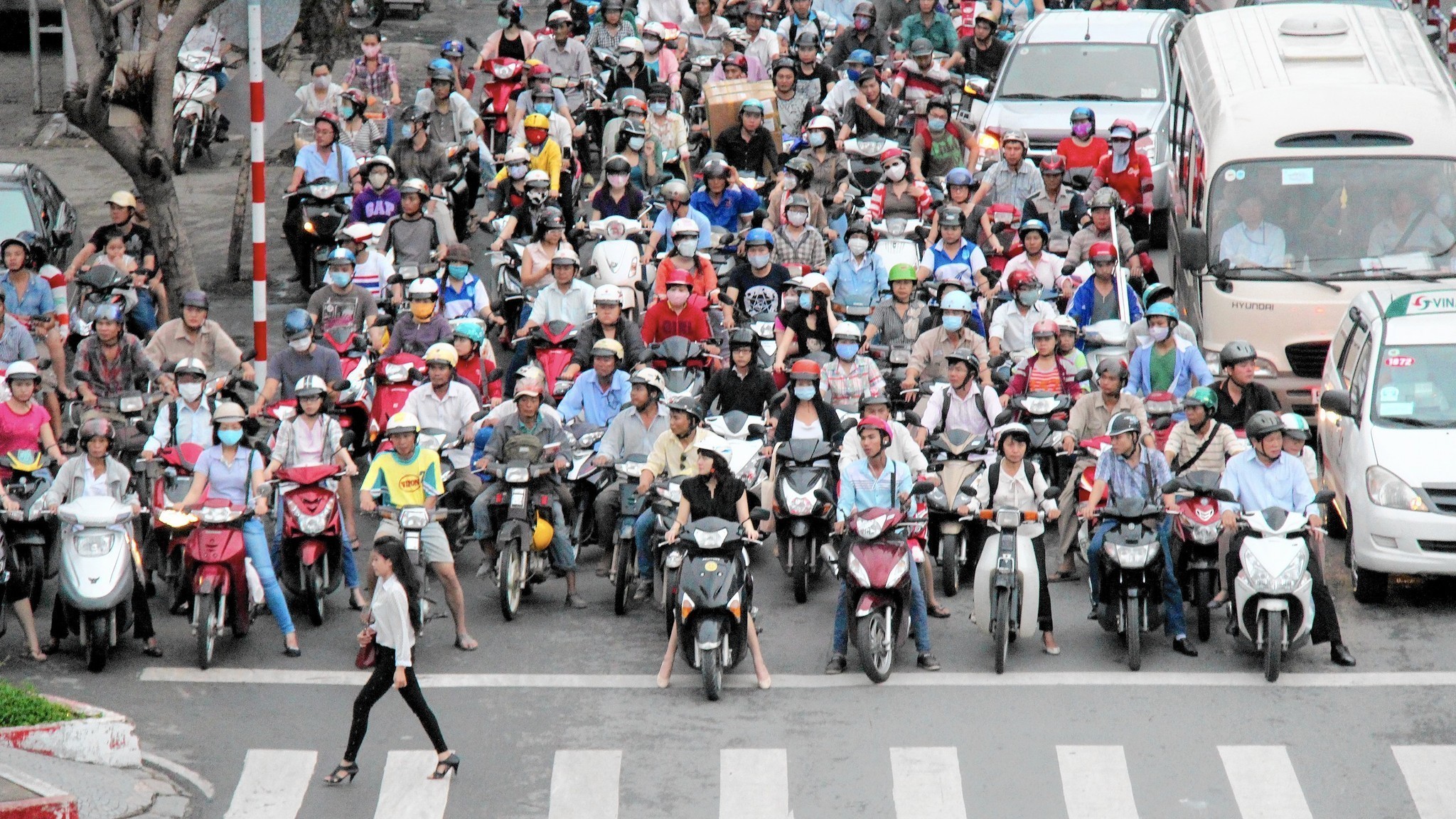
    Hanoi is considering limiting the registration of new motorbikes in the downtown area from next year to reduce traffic jams. It will start with the districts of Hoan Kiem, Hai Ba Trung, Ba Dinh, Dong Da, and Tay Ho, and will expand to the districts of Cau Giay, Hoang Mai, Long Bien, Thanh Xuan, Gia Lam, and Dong Anh in 2025.

    The city said that a motorbike ban during rush hour would be trialed on a stretch of Nguyen Trai Street in Thanh Xuan District this year or next year. The stretch runs about 2.2 kilometers from the Nguyen Trai – Third Ring Road intersection to the Nguyen Trai – Lang intersection. A similar ban will take effect on Xuan Thuy Street in Cau Giay District when the metro starts operating after 2020. Other roads the city is considering are Giai Phong, Nguyen Van Cu, Le Van Luong, Tran Duy Hung, and Nguyen Chi Thanh Streets.

    In 2021-2025 Hanoi plans to ban motorbikes on Friday nights and during weekends on six streets near Hoan Kiem Lake: Hang Dau, Tran Nhat Duat, Tran Quang Khai, Tran Hung Dao, Le Duan, and Phung Hung. In the 2026-2030 the city will limit motorbikes in the area enclosed by the first ring road, an area of 26 square kilometers with a population of 700,000.

    From 2030 it will ban motorbikes in most districts and has promised public transport will meet 70 percent of the public’s needs. There will be 180 bus routes with 2,700 buses, nine metro lines, 30,000 taxis, 30,000 contracted vehicles and 10,000 public bicycles available at that time, it has added.

    The city will offer to buy used motorbikes less than 10 years old, said the plan, which was issued at a recent meeting. Vu Van Vien, director of the city Department of Transport, said Hanoi has been dealing with traffic jams by limiting cars in some areas since 2013, and the city has recently restricted taxis and technology taxis (such as Grab) on certain streets.

    “Motorbikes are just one of the vehicles that will be restricted. Our plan limits and manages all vehicles. We do not want to cause trouble to residents and seek to discuss before implementing.”

    The city is still studying the proposal and would consult other authorities, and wherever the ban applies, public transport should be available to meet the public’s needs, he said, adding that the city will seek public opinion on the plan.

    In 2017 the city People’s Committee approved a plan to ban motorbikes in downtown districts by 2030 and restrict the use of all private vehicles in areas well served by public transport. The city said it polled 15,000 respondents in 30 districts at that time and 90 percent supported the ban.

    The city tried in 2003 to stop the registration of new motorbikes in the districts of Ba Dinh, Hoan Kiem, Dong Da, and Hai Ba Trung, and expanded it to Thanh Xuan, Tay Ho and Cau Giay in 2005. However, it later scrapped the ban since it was not effective.

    Hanoi’s plan to ban motorbike has met with opposition from transport experts, who said public transport is inadequate. The capital, with a population of 7.5 million, has 5.6 million motorbikes and around 550,000 cars, besides some 1.2 million bikes brought in from elsewhere, according to police figures.


  • Vietnam’ E-commerce revenue forecast to hit $15 bn in 2020

    Vietnam’ E-commerce revenue forecast to hit $15 bn in 2020

    With 53 per cent of its population using the internet and nearly 50 million smartphone subscribers, Vietnam’s e-commerce market is expected to beat the previous revenue forecast of $10 billion in 2020 and may reach $15 billion, according to experts. The country’s e-commerce sector records annual average growth of 35 per cent; 2.5 times higher than the figure in Japan, making it one of the countries with the fastest e-commerce growth in the world.

    Mr. Dang Hoang Hai, Director of the E-Commerce and Information Technology Agency under the Ministry of Industry and Trade,  as saying that retail sales from e-commerce earned $8 billion in 2018, much higher than the forecasted figure of $7 billion.

    Therefore, revenue from e-commerce in 2020 could surpass the projected $10 billion, he said.

    A report on online shopping in 2018 conducted by market researchers Q&Me shows that Shopee accounts for the lion’s share of the domestic e-commerce market, at 35 per cent, with over 700 active brands and sellers, according to the news agency.

    It quoted Mr. Le Anh Huy, Deputy General Director of the Sen Do Technology JSC, the operator of the Sendo online commerce platform, as reporting that it recorded a threefold surge in 2018 over the previous year, serving more than 10 million consumers around the country.

    Experts have said, however, that e-commerce in Vietnam still faces various obstacles, including legal issues, skills for e-commerce development, security rights for concerned parties, and infrastructure for the sector.

    Support for e-commerce development in Vietnam’s remote and mountainous regions also remains modest.

    According to experts, Vietnam should consider the establishment of a State management agency to tackle those challenges and bolster the development of logistics in line with the digital economy, or assign such tasks to a ministry.

    Vietnam should also regularly update its legal system as well as develop synchronous infrastructure and a national payment system for e-commerce development, the experts suggested.

  • Hanoi plans to offer 15-day free travel on first metro line

    Hanoi plans to offer 15-day free travel on first metro line

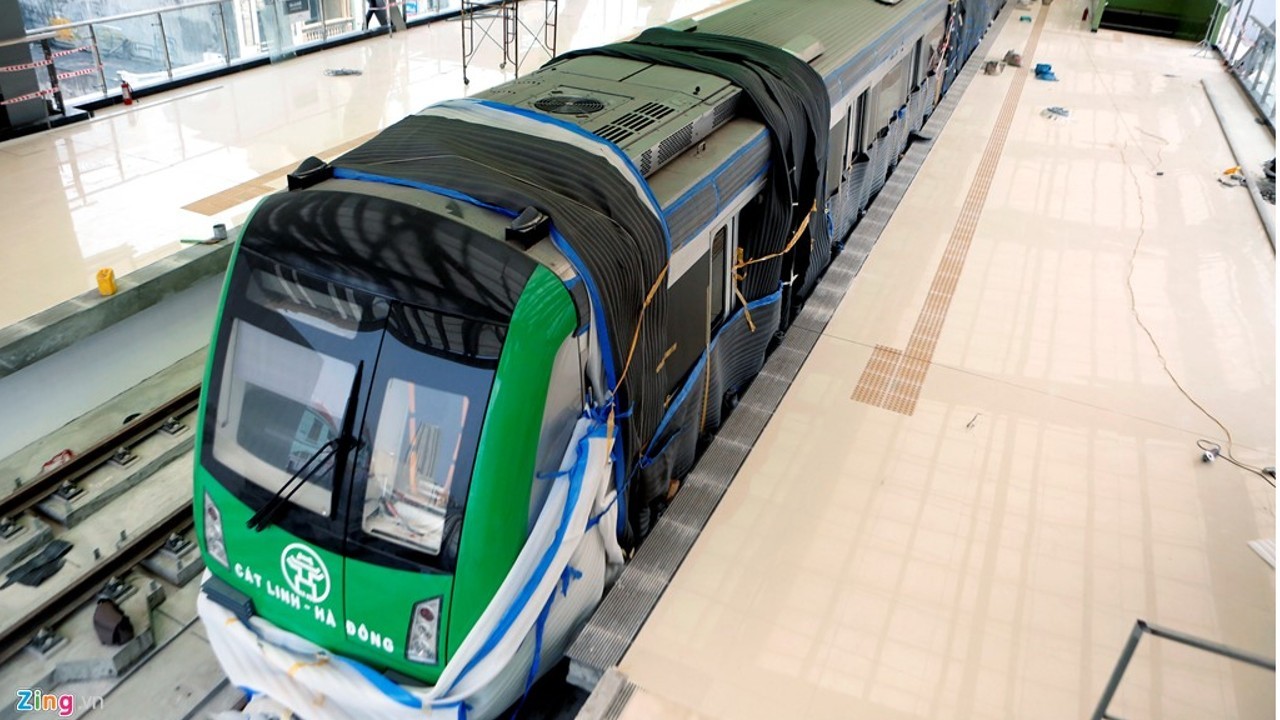
    The Hanoi People’s Council has proposed 15 days of free travel after the first metro line opens. The proposal, released for public comment Friday, will apply once the Line 2A: Cat Linh-Ha Dong elevated railway starts operating commercially.

    The city also plans to subsidize 50 percent of the monthly fare for students, workers from industrial parks, and senior citizens. Officials and employees working outside industrial zones would get a discount of 30 percent if they buy group monthly tickets.

    Individual passengers can buy monthly season tickets for VND200,000 ($8.61) or daily tickets for VND30,000 ($1.29), both allowing unlimited trips. Single trips will cost from VND7,000-15,000 ($0.3-0.65) per person depending on the distance travelled.

    Tickets can be paid for with cards or cash. Card payments will get discount of VND500 (2.2 cents) per single trip. Although the price is higher than a bus ticket, the train runs twice as fast. From one end of the 13km Cat Linh – Ha Dong route to the other, the journey takes just 22 minutes, he said.

    The route runs from Cat Linh Station in downtown Dong Da District to the Yen Nghia Station in the south-west Ha Dong District. The Chinese contractor of the metro, China Railway Sixth Group Co., Ltd, plans to finish trial runs this month, and begin commercial operations in April.

    However, according to a recent inspection by the Ministry of Transport, installation of devices and machinery on the metro line is only 90 percent complete.

    Vu Hong Phuong, deputy director of the metro project, said several parts of the project, including sanitation, air conditioning, water supply system and drainage system in stations along the line have not been completed.

    Hanoi, a city of more than 7.5 million people, has 5.2 million motorbikes and around 550,000 cars, besides some 1.2 million vehicles brought by non-residents, according to police figures.
  • Cebu Pacific offers P299 promo fare for all domestic flights

    Cebu Pacific offers P299 promo fare for all domestic flights

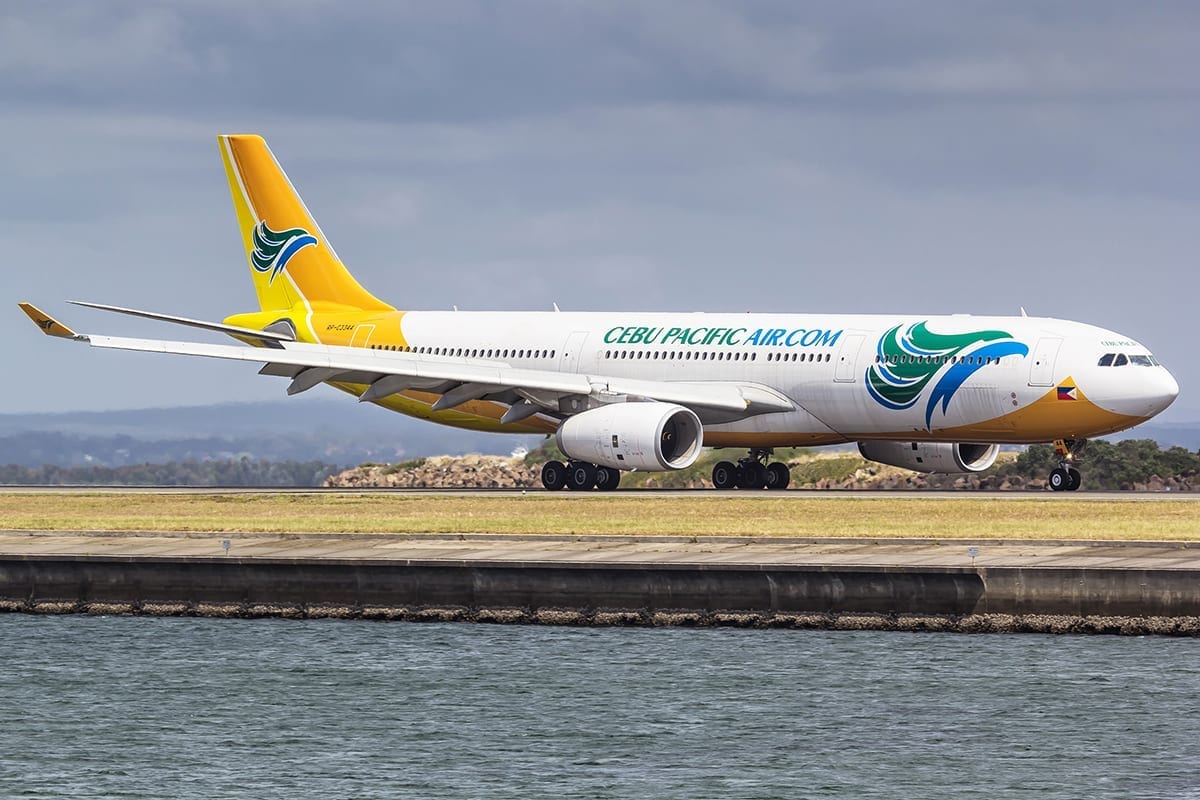
    Cebu Pacific on Friday announced a P299 seat sale promo for all domestic flights as part of its “Super Seat Fest” that kicked off on March 1.  Flights to all domestic destinations are available for as low as P299 from March 1 to March 2, the country’s largest carrier said in a Twitter post. No promo code is needed to book discounted seats.

    Travel period for the availed flights are from April 1 to July 31, 2019, the airline said.

    Cebu Pacific earlier said “1 million seats and deals” would be available for the entire month of March to mark its 23rd anniversary.

    Philippine Airlines, meanwhile, announced a P78/$78 base fare promo for domestic and international flights to mark its 78th anniversary.

  • Jaguar Land Rover wins case in China against Evoque copycat

    Jaguar Land Rover wins case in China against Evoque copycat

    Jaguar Land Rover won a legal victory and compensation after a court in China ruled that the Jiangling Motor’s Landwind X7 SUV was too similar to the Range Rover Evoque. The Beijing Chaoyang District Court agreed with JLR that that Landwind copied five unique features of the Evoque, which led to widespread customer confusion, JLR said.

    The court ruled that Landwind must pay JLR compensation. The ruling refers to the original Landwind X7 from 2014 rather than the more recent facelifted model, which toned down some of the more blatant similarities, JLR said. Landwind can continue selling the facelifted version.

    The two SUVs have a similar shape, with the roof and windows tapering from front to back, and near-identical tail lights and character lines on the side paneling.

    JLR said the court’s decision suggests China is taking copying claims more seriously. “This ruling is a clear sign of the law being implemented appropriately to protect consumers and uphold their rights so that they are not confused or misled, while protecting business investment in design and innovation,” Keith Benjamin, Jaguar Land Rover’s legal affairs chief, said in a statement.

    Western automakers have faced difficulties in China caused by domestic brand imitating their designs.  Also, a lawsuit can be bad for branding if the Chinese public think a foreign company is bullying domestic competitors.

    “The ruling is highly significant,” said Michael Dunne, CEO of Hong Kong-based automotive consultant firm ZoZoG. “For years, foreign companies have taken Chinese rivals to court for purloining designs and lost. GM, Mercedes, BMW, Toyota, you name it.”

    At certain times, Chinese leaders will allow a high-profile foreign “win” in order to win international support, Dunne said.

    JLR had its patent on the shape of the Evoque canceled in China in 2016 after a court ruled it was void because the company had patented it outside China first. It responded by suing Jiangling.

    The new Evoque will be launched in China in April.

    Landwind is one of the few Chinese automakers that does not break down its sales by model, but industry observers estimated the X7 accounted for the bulk of the brand’s 80,000 sales in 2016 at the height of the SUV’s popularity. The X7 costs from the equivalent of 17,100 euros in China, compared to almost 50,000 euros for the Evoque.

    The new Range Rover Evoque will be launched in China in April.

    Landwind sold 2,746 cars in China in the first two months, making it the 61st best-selling brand, according to figures from sales aggregator Bestsellingcarsblog.com. Land Rover was No. 59 with 3,342 sales, down 61 percent on the year before. Jaguar was No. 68 with sales down 60 percent to 1,931.

    JLR’s court victory is rare in China where courts often side with domestic automakers. Fiat lost a case against Great Wall in 2008 after a court ruled that the GW Peri was not a direct copy of Fiat’s Panda, despite strong similarities. Fiat was ordered to pay court costs.

    More successful was German coach-maker Neoplan in 2006, after a court ruled that the A9 bus made by the Zonda Industrial Group was a direct copy of the Neoplan Starliner. Zonda was ordered to stop making and selling the bus and ordered to pay 20-million-yuan compensation to Neoplan.

    JLR’s China deliveries fell 22 percent to 115,000 last year after the automaker faced quality problems that caused Jaguar and Land Rover owners to protest outside its China headquarters in Shanghai.