Author: Mei Ling Tan

  • Global Sportswear brand Lotto to accelerate omnichannel presence in India

    Global Sportswear brand Lotto to accelerate omnichannel presence in India

    With the aim towards consolidating its presence in India’s growing athleisure market, Global Sportswear brand Lotto’s Indian association, SSIPL Lifestyle Pvt. Ltd. has partnered with Ace Turtle, Asia’s leading omnichannel platform company. Ace Turtle’s omnichannel technology platform will play a pivotal role in accelerating Lotto’s digital presence in India. Along with expanding its physical presence in India through exclusive stores, Lotto is aggressively looking to be truly omnichannel by expanding its digital presence.

    In India, Lotto has an exclusive license agreement with SSIPL, one of the leading companies in the footwear manufacturing and retailing industry. Its portfolio includes renowned sportswear brands like Nike, Asics, Adidas, Reebok, Puma, Converse to name a few. Speaking on the partnership, Amit Pahuja, BRAND HEAD, LOTTO said “The athleisure market is poised to grow 15-20 percent year on year in India. Seeing the immense scope in the category going ahead, Lotto aims to scale its omnichannel presence to expand its reach to customers who do not have access to our physical stores. Ace Turtle, in the last few years has grown rapidly to become market leader in omnichannel enablement, and we are confident that their technology platform will play a significant role in accelerating our omnichannel strategy”.

    The flourishing online retail market is a catalyst that has been successful in bolstering the growth of sportswear market in India. Ecommerce has especially been instrumental in aiding brands reach smaller cities and towns where they are not physically present of yet. Speaking on the partnership, Nitin Chhabra, CEO, Ace Turtle said “With customers increasingly switching between various sales channels (offline and online), it only makes sense for brands to adopt a robust omnichannel strategy. This will go a long way in increasing the reach of the brand and in building a strong customer base. Our omnichannel platform plays a pivotal role in helping brands build a truly omnichannel presence. We are excited to partner with Lotto, who have witnessed tremendous growth over the last few years. Our platform would play a critical role in enabling a unified brand experience for Lotto’s customers across various channels”.

    Lotto has around 40 stores and plans to add another 60 stores every year. The brand has created a niche in the Indian sportswear market targeting value segment customers. It has grown significantly over the last two or three years at a healthy CAGR of 50 per cent. Over the years, it has invested significantly in strengthening its in-house design capability and operational processes.


     

  • Reliance Finance and Robocash Group launch a sharia compliant fintech service in Indonesia

    Reliance Finance and Robocash Group launch a sharia compliant fintech service in Indonesia

     Robocash Group announced the launch of sharia compliant service Penyaluran Dana Syariah (PDS), which is a sharia compliant funding facility. The service has been developed from the ground up in partnership with the financing company Reliance Finance and close consultation with Sharia Supervisory Board (Dewan Pengawas Syariah). Operated by the legal entity PT Usaha Pembiayaan Reliance Indonesia (REFI), the product falls under the supervision of the Financial Services Authority (OJK) and the Sharia National Board in Indonesia. The launched service PDS will provide access to fintech products for the millions of Indonesians following Shariah principles, or the Islamic shariah law. The fundamentals include sharing of risk, profits and loss and prohibition of interest (riba).

    According to the Islamic Finance Development Report, in 2023, the global Islamic finance industry is projected to grow to USD 3.8 trillion in assets from USD 2.4 trillion in 2017. However, considering that Indonesia has the largest Muslim population in the world, the country is only on the 6th place in the Islamic Finance Country Index 2018.

    Speaking about the start of the service PDS, Denny Karim, Reliance Group Marketing Director said, “When we looked at the personal financing market in Indonesia, we saw many attractive products, but a very low degree of Syariah adoption. We decided to make it our goal to ensure financial inclusion for this exciting technology to our millions of customers who follow Sharia principles. However, with powerful technology comes responsibility. We believe that all financial services are a partnership, which should benefit all parties. We are committed to offering a range of financial services and – where appropriate – financial education, to help our customers make the best possible financial decisions.

    In the announcement of the expansion to Indonesia, Sergey Sedov, Chief Executive Officer of Robocash Group added, “We are very positive about the future of the Indonesian fintech market. The overall digital adoption and initiatives supporting the industry will definitely allow the country to see an exponential growth of the market volumes and attract more investments. However, the focus should always stay on customers and their needs. Strengthened by the local expertise of Reliance Finance, we have customized technologies of Robocash Group for the market so that they provide the best user experience.”

    The service PDS has combined technology-enabled application process, which requires adding only an identity card (KTP) and a selfie, with artificial intelligence applied in scoring and fraud detection filters to offer an advance up to USD 715 (IDR 10,000,000) in a few minutes. The advance can be paid directly to a bank account or e-wallet, or withdrawn as cash in one of the participating outlets.

    PDS is fully supported by Reliance Capital Management (RCM) as a holding company, which covers several financial services companies including PT Usaha Pembiayaan Reliance Indonesia (Reliance Finance). In 2014, PT Reliance Capital Management has received investment from Leapfrog Investment, a global investor company that has invested heavily in companies in Asia and Africa.

  • Singapore’s Start-Up To Launch World’s First All-In-One Digital Currency App

    Singapore’s Start-Up To Launch World’s First All-In-One Digital Currency App

    A team of Singaporean startup will be launching the world’s first all-in-one digital finance mobile application to help general public come onboard to the world of digital currency or better known as cryptocurrency.

    Started off as a media portal AsiaTokenFund, the company has launched the app called ATF to integrate its media platform with a dynamic cryptocurrency “store & utilize” platform. The company realized that as more and more real-businesses are moving into blockchain and adopting cryptocurrency, there is a need to bring more people from the general public into the industry by adopting and utilizing cryptocurrency in everyday life. The main issue is that, at the present moment, it is very difficult or troublesome for a new-to-crypto user to come onboard as the processes are so segmented.

    Right now if a new user wants to obtain a cryptocurrency, he/she have no idea what it is. He/she will have to read information about it somewhere. Next, he will need to download and set up a wallet and thereafter find a OTC or platform to buy his first cryptocurrency. Thereafter, he’ll have to find other platform to trade or download other app to make payments. It’s just too fragmented with too many processes. You can’t drive mass adoption this way” Said Ken N, Co-Founder & CEO of ATF.

    With ATF Platform / App , users will be able to read the latest news on what’s happening in the blockchain & cryptocurrency space , get the latest market analysis , find out what new currencies are out there to purchase and learn some basic information.

    Adding to that, users will also be assigned their own asset function which comes with a secured wallet to store and utilize their cryptocurrency. In the asset function, users can also purchase cryptocurrency using fiat via bank-transfer or credit / debit cards. Users can also sell their cryptocurrency with the same method.

    In Addition, users can transfer cryptocurrency to peers for free. With the added supported merchant function, users can now purchase items listed in the app by merchants and pay by cryptocurrency. What more, users can also use the ATF app to scan & pay directly at merchant physical shop using their digital currencies.

    “We’ve real companies embarking to accept digital currencies. Recently, we’ve seen news that Starbucks will soon start to accept bitcoin as payment in the US. We’ve also seen news on Facebook announcing its cryptocurrency. I foresee in the near future, more real businesses especially merchants will be able to accept cryptocurrency. There is a gap in the market to provide a one-stop-solution. I hope we are able to do just that” Said Ken N.

    The full function of the app can be summarized as follow:

    • News, Research Articles & Market Analysis.
    • Latest Project Fundraising, issuing new cryptocurrency for purchase.
    • Secured Wallet to store cryptocurrency.
    • OTC, fiat-to-crypto purchase or sell cryptocurrency.
    • Aggregated to Exchange for trading.
    • Transfer crypto peer-to-peer for free.
    • Purchase in-app merchant listed items.
    • Scan & Pay at merchant physical store using crypto.

    ATF currently have over 80,000 subscribers on their media channel www.atfnews.com and social media following of over 140,000 in facebook and other platforms. Headquartered in Singapore, ATF have international teams based in Shanghai, Vietnam, Thailand, Philippines and Germany.

    ATF Mobile App will be launched in both Google Play store and Apple store in first week of April 2019. The company is now set to raise its Series A equity funding to support its global expansion initiatives.

  • Telenor Pakistan and National Defence University exchange Ideas to Leverage Technology for Development

    Telenor Pakistan and National Defence University exchange Ideas to Leverage Technology for Development

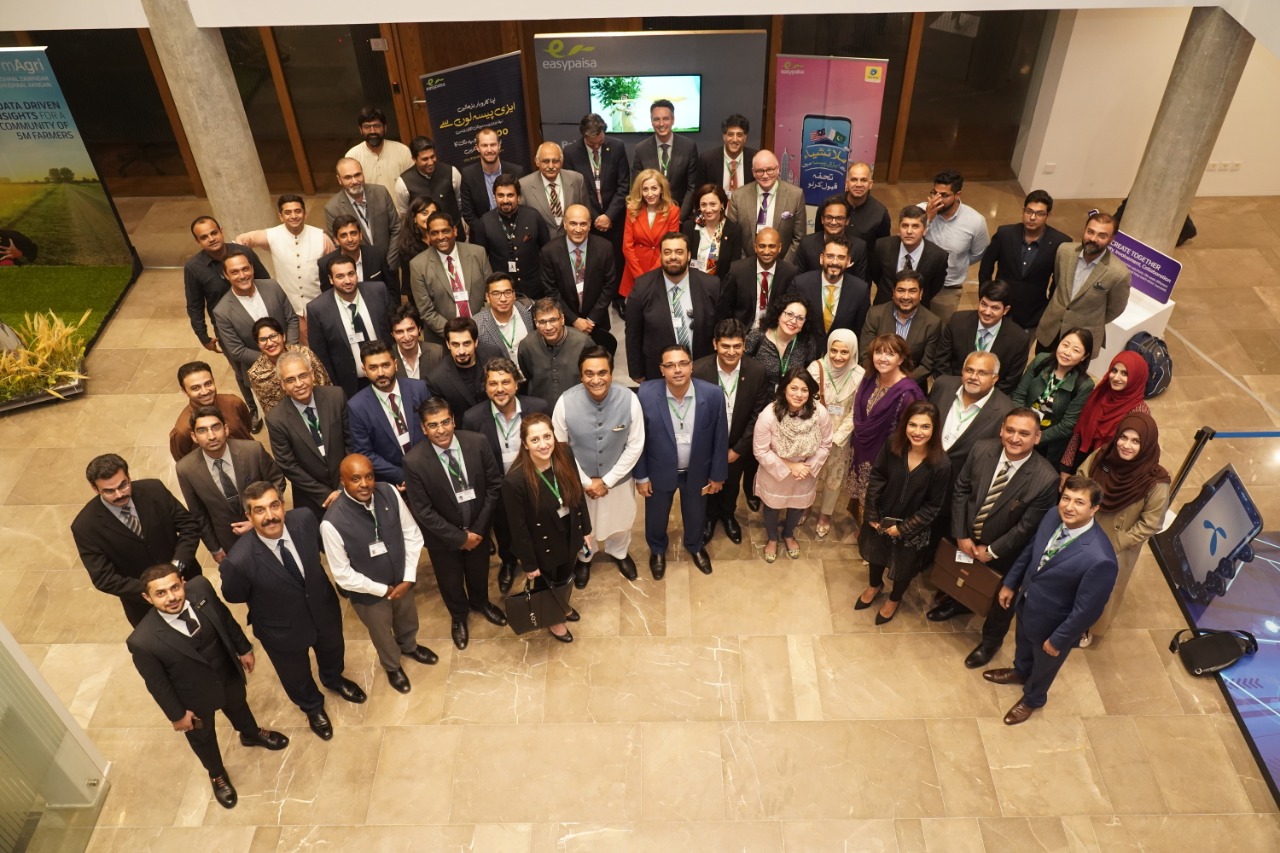
    Telenor Pakistan recently hosted a dinner for a delegation from National Defence University (NDU) Islamabad at its 345 Campus comprising of management of two organizations and participants of International Workshop on Leadership and Security (IWLS).The purpose of the event was to engage in a dialogue on how technology can play a vital role towards national development and empowering societies and to highlight to the international delegates some of the successful and impactful digital initiatives of Telenor Pakistan.

    The high level event was hosted by Irfan Wahab Khan, CEO Telenor Pakistan along with his management team and attended by the faculty and participants of IWLS-1 including delegates from China, Kingdom of Saudi Arabia, Jordan, Myanmar, Tunisia, South Africa, Argentina, Portugal, New Zealand, Sri Lanka, Finland, Romania, UAE, Syria and The UK. The delegates were given a walkthrough of the latest digital innovations at Telenor Pakistan followed by the tour of the Telenor 345 Campus.

    Mr. Irfan Wahab Khan, CEO Telenor Pakistan opened the event and said that access to technology can have important ancillary benefits and it can help empower people, increase productive investment and consumption and raise productivity and income. “As Pakistan’s leading digital services provider with a strong rural presence, and movers of many industry-first initiatives, we at Telenor Pakistan are fully geared to impact and transform various sectors of Pakistan’s economy through smart connectivity, digitalization of services and platforms and greater financial inclusion of the people of Pakistan. As a forward-looking growth organization, Telenor Pakistan is driven by its ambition to provide intelligent technologies to create better national outcomes through our innovation focus involving the use of Artificial Intelligence, Data Analytics and Blockchain. This model is aligned with our purpose to provide the Government, businesses and people of Pakistan to what matters most to them and allows us to be their partner of choice in their digital transformation.” he added.

    Telenor is leading the ICT-powered digital revolution in Pakistan with a number of innovative products and industry first solutions. The company is firmly focused on digitalization for the masses and has pioneered financial services aimed at higher financial inclusion.

    The participants of the International Workshop being held at NDU appreciated Telenor Pakistan’s ambitions for digital development which are well aligned with the Government’s ambition of a Digital Pakistan. “It’s imperative that we know what developments have taken place in the recent past and what technology holds in store for our future, in order to harvest the benefits. Our findings show that responsible tech is on the rise, even in the midst of technology’s rapid leaps. Technology used in the efficient way will contribute to a sustainable tomorrow.” they added.

    Telenor Pakistan believes there are immense opportunities through technology with a stronger focus on value creation, innovation, enterprise solutions, customer experience and strategic partnerships which are aligned with the company’s promise to deliver on its vision of empowering societies and connecting people to what matters most.

  • L’Oréal Paris revamps its store at the Bangkok King Power Downtown II Srivaree

    L’Oréal Paris revamps its store at the Bangkok King Power Downtown II Srivaree

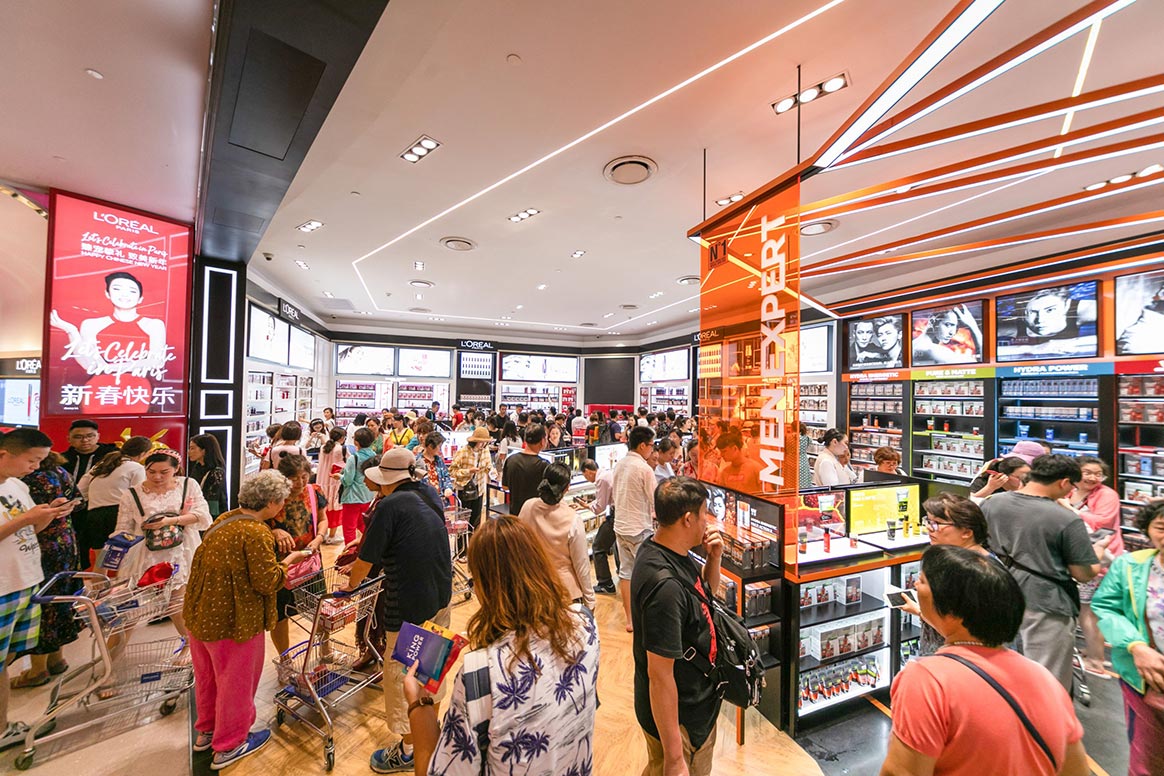
    The makeover of the L’Oréal Paris store in King Power Downtown II Srivaree is the latest in a series of important openings at L’Oréal Travel Retail Asia Pacific. Unlike anything Bangkok has ever seen beforethe expanded flagship store is the biggest L’Oréal Paris store worldwide. This new design concept officially invites travelers to an elevated shopping experience to discover L’Oréal Paris’ accessible luxury products for both men and women.

    Having undergone a major transformation, the 110 square meter flagship store offers a wide range of make-up and skincare for men and women with a best-in-class retail experience. The space expansion now welcomes travelers with three contrasting zones – the first ever L’Oréal Paris make-up boutique in Travel Retail Asia Pacific, Revitalift Classic Red Carpet Zone and a dedicated Exclusive Men skincare area.

    The make-up boutique invites travelers to discover a wide range of make-up offers with a strong color appeal and a large LED screen to express L’Oréal Paris’ creativity. Products at the Revitalift zone take center stage, while the Men Expert area in black color tone is focused on men’s specific needs.

    “We are extremely delighted to relaunch our L’Oréal Paris store with King Power International on a scale that has never been seen before. Thailand is one of the most exciting markets with thriving tourism, and we see great potential in the first L’Oréal Paris flagship store in Travel Retail worldwide,” says Emmanuel Goulin, Managing Director of L’Oréal Travel Retail Asia Pacific.

    “This is a celebratory moment of our strong partnership with L’Oréal Travel Retail Asia Pacific in bringing a first-class duty free shopping experience to millions of Chinese tourists. We are optimistic that the biggest L’Oréal Paris store worldwide will continue to attract more shoppers, confirming King Power Downtown II Srivaree as an exceptional retail destination,” says Susan Whelan, Senior Executive Vice President at King Power International.

  • KiKi Tea@Sun’s Bazaar Partnering Old Bazaar Kitchen  with Pop-up Spring Menu Inspired by Sister Brand KiKi Noodles

    KiKi Tea@Sun’s Bazaar Partnering Old Bazaar Kitchen with Pop-up Spring Menu Inspired by Sister Brand KiKi Noodles

    Pacific Place’s popular casual Asian dining concept KiKi Tea@Sun’s Bazaar has teamed-up with iconic Hong Kong restaurant Old Bazaar Kitchen for a new pop-up menu. Curated by renowned chef Billy Chung of Old Bazaar Kitchen, three Asian-inspired specialties incorporating KiKi Tea’s sister brand KiKi Noodles are served from now to 30 April 2019.

    Available from 3:00 p.m. o 10:30 p.m. on weekdays and whole day on weekends, Chef Billy’s signature style of Southeast Asian favourites are reinvented with a modern twist.

    Mixed KiKi Noodles in Thai Herbs, Minced Beef (HK$118) twins KiKi’s popular sun-dried noodles with colourful fresh spices and herbs for bold flavours; Singaporean Curry Soup KiKi Noodles, Shredded Chicken (HK$118) embraces the sun-dried noodles with rich coconut flavour and fresh seafood; and Mixed KiKi Noodles in Thai Tom Yum, Prawn reinvents the spicy Thai favourite with complex hot and sour flavours, priced HK$128.

    Kiki Tea has also styled two refreshing spring-themed concoctions to pair with Chef Billy’s three hearty noodle creations.  Inspired by classic Taiwanese favourite drinks, thirst quenching Winter Melon Tea, Butterfly Pea Flower, Lime, Aloe Vera (HK$35) also brings calming and natural anti-oxidant benefits, while aloe vera is high in fibre and low fat. Jasmine Tea, Orange Juice, Lime, Aiyu Jelly (HK$35) likewise balances the hearty, savoury cuisine, embracing refreshing orange juice and fresh lime with low fat Aiyu Jelly.

    Completing the pop-up promotion is a new dessert Chestnut Mont Blanc (HK$38), KiKi Tea’s re-interpretation of the classic French dessert of puréed, sweetened chestnuts topped with a dab of whipped cream. Enjoy it with Ms KiKi Premium Black Tea (HK$35) for a perfect afternoon tea experience.

    Old Bazaar Kitchen originated as an iconic private kitchen popular with locals, expats, tycoons and celebrities alike for showcasing Hong Kong’s ‘melting pot’ of Asian cuisines. With the backing of F&B powerhouse Lai Sun F&B Management, Chef Billy Chan cemented its glowing reputation C opening a fully-fledged Old Bazaar Kitchen restaurant at 32-38 Cross Lane in Wanchai.

    KiKi Tea@Sun’s Bazaar has become an instant hit at Pacific Place, twinning the brand’s premium Taiwanese teas and bubbles with affordable modern Asian favourites.  It stands out from the bubble tea crowd using quality natural ingredients including premium Taiwanese tea leaves, black sugar and cane sugar C along with authentic handmade pearls and pressed-to-order House Blend Teapresso.  Popular favourites include Pineapple Green Teapresso (HK$38), Winter Melon Tea, Sichuan Pepper Flavoured Pearls topped with Cream Mousse (HK$36), Jasmine Tea, Chinese Herbal Tea Pearls (HK$33), KiKi Roasted Tea topped with Caramel and Nuts Cream Mousse (HK$34), and Brown Sugar Milk with Pearls (HK$35).

    Different ‘bubbles’ (add HK$5) are also available: the most popular Brown Sugar Pearls; a favourite in Taiwan; Mini Taro Balls, Sichuan Pepper Flavoured Pearls with a spicy kick of ‘KiKi Sichuan Pepper Seasoning’ blended from natural peppercorns and premium chilli; and Chinese Herbal Tea Pearls with prunella ‘heal-all’ tea (xia ku cao) used in Chinese medicine, all beloved by celebrities including Shu Qi and Kimbee Chan.

  • Vodafone Fiji to spend $97m to expand 4G coverage

    Vodafone Fiji to spend $97m to expand 4G coverage

    Vodafone Fiji is investing $207 million Fijian dollars ($96.9 million) to expand its LTE-Advanced coverage to around 96% of the population, from the current 60%. The operator has announced plans to expand the coverage of its “4G plus” network to almost all of Vanualevu, Tavueni, Rabi and the Laucala Island. The 5G-ready upgrade will also cover expanding capacity to meet demand for high speed mobile broadband coverage in the uva-Nausori-Lami Corridor, and the Western Division areas.

    The phased rollout program will involve expanding the number of base stations from 390 to more than 600, almost all of which will support LTE-Advanced. In addition, 100 existing 3G base station will be converted to 4G+ and pre-5G base stations.

    Announcing the investment, Vodafone Fiji regional CEO Pradeep Lal said data usage on the company’s network has surged from 10 petabytes to 400 petabytes over the past two years.

    “Globally, for network technology providers like us, the demand for data is driven largely by Internet of Things (IoT) and the need for access to data at any time anywhere,” he said.

    “It has therefore become a business imperative for network technology providers like Vodafone to provide ubiquitous access to data 24/7. Every electronic gadget that now gets produced in the world, comes with the option to be connected to the internet either through a SIM card or WIFI.”

    Fiji’s smartphone penetration has meanwhile grown to 78%, ahead of the global average of 75%, while the number of active connections to the Vodafone Fiji network now exceeds 1 million.

  • Mislatel postpones launch date to early 2021

    Mislatel postpones launch date to early 2021

    The Philippines’ Mislatel has postponed the expected start date of its commercial operations to early 2021 as a result of delays receiving a key certificate that will allow it to operate.

    Mislatel, the joint venture established and selected to become the Philippines’ third operator, has moved the start date from its initial target of late 2020.

    Mislatel is jointly owned by China Telecom and local businesses owned by tycoon Dennis Uy.

    The company is still waiting on the issuance of a certificate of public convenience, but the Department of ICT is still waiting on a ratified Congressional resolution on the validity of Mislatel’s operating franchise before this certificate can be issued.

    If the certificate is still not issued this month as anticipated, the commencement date could potentially be delayed further.

    Last month the Senate approved a change in ownership of the franchise Mislatel intends to operate under to the consortium, in order to circumvent issues surrounding the validity of the franchise as a result of former non-compliance with its terms.

    The franchise, which had been held by a company owned by Uy that was also known as Mislatel, had required the commencement of operators within a year of its issuance. This requirement had not been fulfilled, leading to concerns that the franchise was null and void. The Mislatel consortium had also failed to notify the government about a change in ownership of the franchise.

    But the Senate overwhelmingly voted for a resolution to approve the change of ownership to maintain the validity of the franchise.

  • Jury decision means Apple must pay Qualcomm millions

    Jury decision means Apple must pay Qualcomm millions

    Earlier today, we updated a story to tell you about a ruling made by Judge Gonzalo Curiel of the U.S. District Court for the Southern District of California. The judge said that Qualcomm is obligated to pay Apple nearly $1 billion in rebated royalties that it promised to pay Apple as long as the company didn’t attack the chip maker in court or to regulators.

    But another legal decision involving Qualcomm and Apple was announced today. A jury sitting in federal court in San Diego today, awarded Qualcomm the $31 million it was seeking from Apple after finding that the latter infringed on a trio of Qualcomm patents. That works out to $1.41 for each iPhone sold without a license for the Qualcomm technology used inside each device. Despite the award, when you consider the $1 billion that Qualcomm will have to rebate to Apple, the latter ended up approximately $969 million in the black.

    The $31 million that was awarded to Qualcomm covers a trio of patents. One allows a phone to connect to the internet as soon as it is booted-up. Another helps conserve the amount of battery power consumed by the graphics processor when in use, and the third covers how traffic flows between the app processor and the modem on a handset. As you might imagine, Qualcomm was happy with the jury’s decision while Apple said it was disappointed with it. Apple and Qualcomm still have a number of court battles remaining. For example, next month a trial will start up in San Diego that will deal with billions of dollars in royalties.

    “Today’s unanimous jury verdict is the latest victory in our worldwide patent litigation directed at holding Apple accountable for using our valuable technologies without paying for them. The technologies invented by Qualcomm and others are what made it possible for Apple to enter the market and become so successful so quickly.”-Don Rosenberg, general counsel, Qualcomm

    “Qualcomm’s ongoing campaign of patent infringement claims is nothing more than an attempt to distract from the larger issues they face with investigations into their business practices in US federal court, and around the world.”-Apple

    Qualcomm could be forced the way it sells chips to phone makers

    Qualcomm is also awaiting a couple of key rulings that could change the way chips are sold to smartphone manufacturers in the future. The court battle it had with the FTC earlier this year revealed why many phone manufacturers hate dealing with the chip maker. Qualcomm’s “no license, no chips” policy has infuriated these handset vendors because each of them end up paying for the Qualcomm chips used in its phones, and a license that is based on the number of phones each manufacturer ships whether it contains a Qualcomm chip or not.  Qualcomm also has been accused of not licensing its standards essential patents in a fair, reasonable and non discriminatory manner. These are patents that cover technology that a device must include in order to meet technical standards.

    On March 26th, the International Trade Commission (ITC) is expected to make another important ruling involving Qualcomm. In this case, an ITC judge originally ruled that while Apple had infringed on a Qualcomm patent, it would be against the public interest to give Qualcomm the iPhone sales and import ban in the U.S. that Qualcomm was seeking. But ITC regulations call for a review of that decision by the entire commission, and the result of that review will be announced a week from this coming Tuesday.

    Depending on how this all shakes out, Qualcomm could end up with a whole new method of selling chips to smartphone manufacturers. And if it shows remorse and promises to reform, it just might be able to win back Apple’s business. From 2011-2015, Qualcomm was the exclusive supplier of modem chips for the iPhone. In 2016 and 2017, Qualcomm and Intel both supplied Apple with this component. Intel was the sole supplier of modem chips for the 2018 iPhone models, and is rumored to be the sole source of 5G modem chips for the 2020 iPhones.

  • Issues with Samsung Galaxy S10 line results in shorter battery life

    Issues with Samsung Galaxy S10 line results in shorter battery life

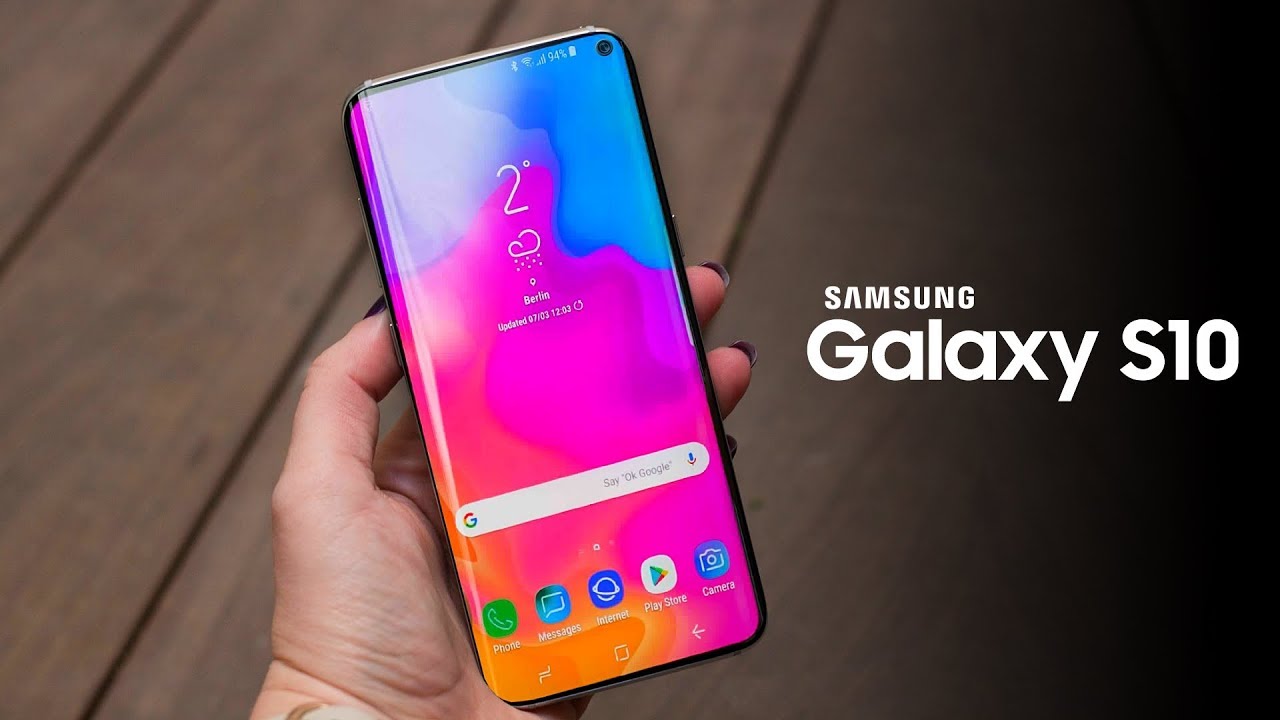
    According to posts on Reddit and the Samsung U.S. community forum made by owners of the new Samsung Galaxy S10 line, the accidental touch protection feature on the phone is not working. This includes the “Block accidental touches” option that is supposed to keep the display off when the phone is in a dark place, like a user’s pocket. The latter uses the handset’s proximity sensor. As a result, not only is the phone butt-dialing random people, when the device is pulled out of a pants pocket, the dialer is often on the display with a bunch of numbers, letters and symbols typed in. Some are blaming the placement of the proximity sensor, which is found on the status bar just above the “%” symbol used to show how much battery life is on the phone.

    Galaxy S10 users say that their phone takes screenshots, opens apps and even turns on the flashlight while in a pocket or a purse. The latter is quite an achievement since it requires the screen to be dragged down twice and the flashlight icon to be tapped. For some users, they can feel the handset vibrating in their pocket and when the device is pulled out from there, it is running hot and the battery is draining faster than it should be. The failure of the accidental touch protection feature to work can lead to some embarrassing moments. For example, a Galaxy S10 owner didn’t realize that his phone had butt-dialed the police emergency number. When he returned home, the cops were there asking if he had an emergency.

    Butt-dialing calls, overheated phones and shorter battery life are some of the symptoms

    One Galaxy S10 user had an interesting theory. He said that the proximity sensor might be seeing light through his pants, keeping the screen on as a result. The sensor is designed to turn off the screen when something is in close proximity to the display. This turns off the screen when you are on a call and the device is placed to your ear, in order to save battery life and prevent accidental touches. The original Apple iPhone was the first smartphone to offer this feature. Testing his theory, this Galaxy S10 user covered up the proximity sensor with his hand with the device in his pocket, and the screen stayed. He believes that Samsung has not calibrated the accidental touch protection correctly. Another user figured that because he had the fingerprint unlock turned on, his phone was constantly scanning for a fingerprint when the display was pressed against his leg with the device in his pocket.

    While many Galaxy S10 owners listed a variety of problems they had trying to keep their phone asleep inside their pocket, one Galaxy S10e user says that he was able to prevent the phone from turning on and butt-dialing from his pocket by disabling the “Lift to Wake” setting. Another user noted that disabling “Always On Display” and “Double Tap to Wake” resulted in more battery life on his phone when he pulled it put of his pocket (50% vs 20%), which he cited as an indication that turning off those features managed to fix the issue.

    But not every Galaxy S10 user who disabled these settings found success. While Samsung forum moderators are certainly aware of this issue, there has been no reaction from Samsung itself. Perhaps Samsung is working on a software update that will fix the problem. For now, if disabling some of the aforementioned features does not help, you might want to consider topping off the battery before you head out just in case your

  • Kia Partners With Amazon To Sell Charging Stations For Electric Vehicles

    Kia Partners With Amazon To Sell Charging Stations For Electric Vehicles

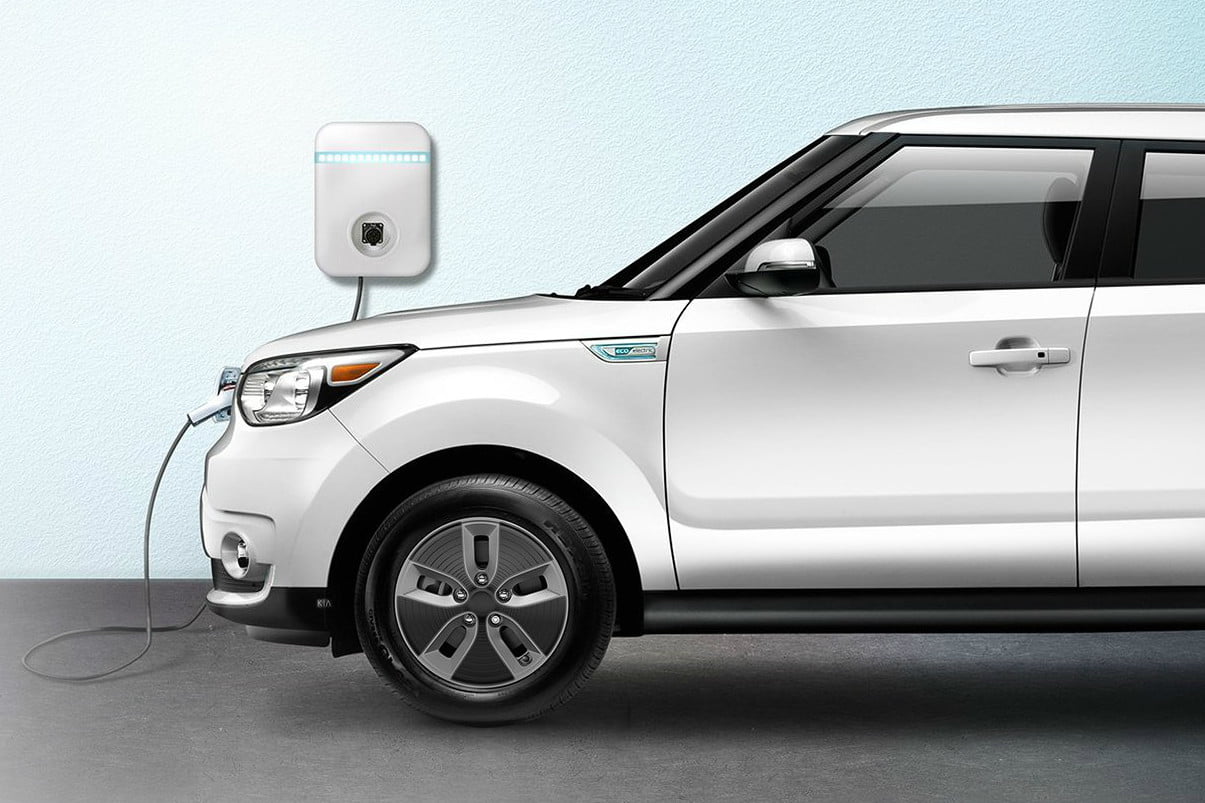
    Kia Motors America (KMA) in partnership with Amazon Home Services has announced a new program for its plug-in vehicle customers. The program will see Amazon sell and install electric vehicle charging stations at the customers house or office. The tie-up makes Kia, the second automaker after Tesla in America to offer the service online with the electric charging network. The manufacturer says the process of purchasing and installing a charging station will be as easy as buying other products on Amazon.

    Speaking about the new initiative, KMA – Car Planning and Telematics, Executive Director, Orth Hedrick said, “Home-charging can’t get any easier than this. Being able to order a Level 2 charger and installation through Amazon further demystifies and simplifies the experience for new Kia EV and PHEV owners. It’s just another example of how we’re constantly striving to provide the very best vehicles and customer experience.”

    Kia Motors has been actively working on improving its charging infrastructure in the US as it adds more electric cars to its portfolio. The company currently retails the Soul EV, Niro EV1, Niro PHEV and Optima PHEV, among other models in the country. Customers will find recommended Level 2 or 240-volt charging units selected by Kia on Amazon, along with information about home charging installation and customer reviews. The site also gives customers the cost for the installation and will schedule a licensed electrician for the same, if needed. The charging stations are backed by Amazon’s Happiness Guarantee plan. Kia’s vehicles in the US are offered with a 10 year/160,000 km warranty cover and roadside assistance.

    Kia and Amazon have set up a new ‘Charge my Kia’ portal for the sale of the electric charging stations. While buyers can purchase the Bosch 40-amp station that is available in partnership with the manufacturer, there are other charging stations available as well from companies like Chargepoint and Juicebox.

  • Most Affordable Bugatti Launched

    Most Affordable Bugatti Launched

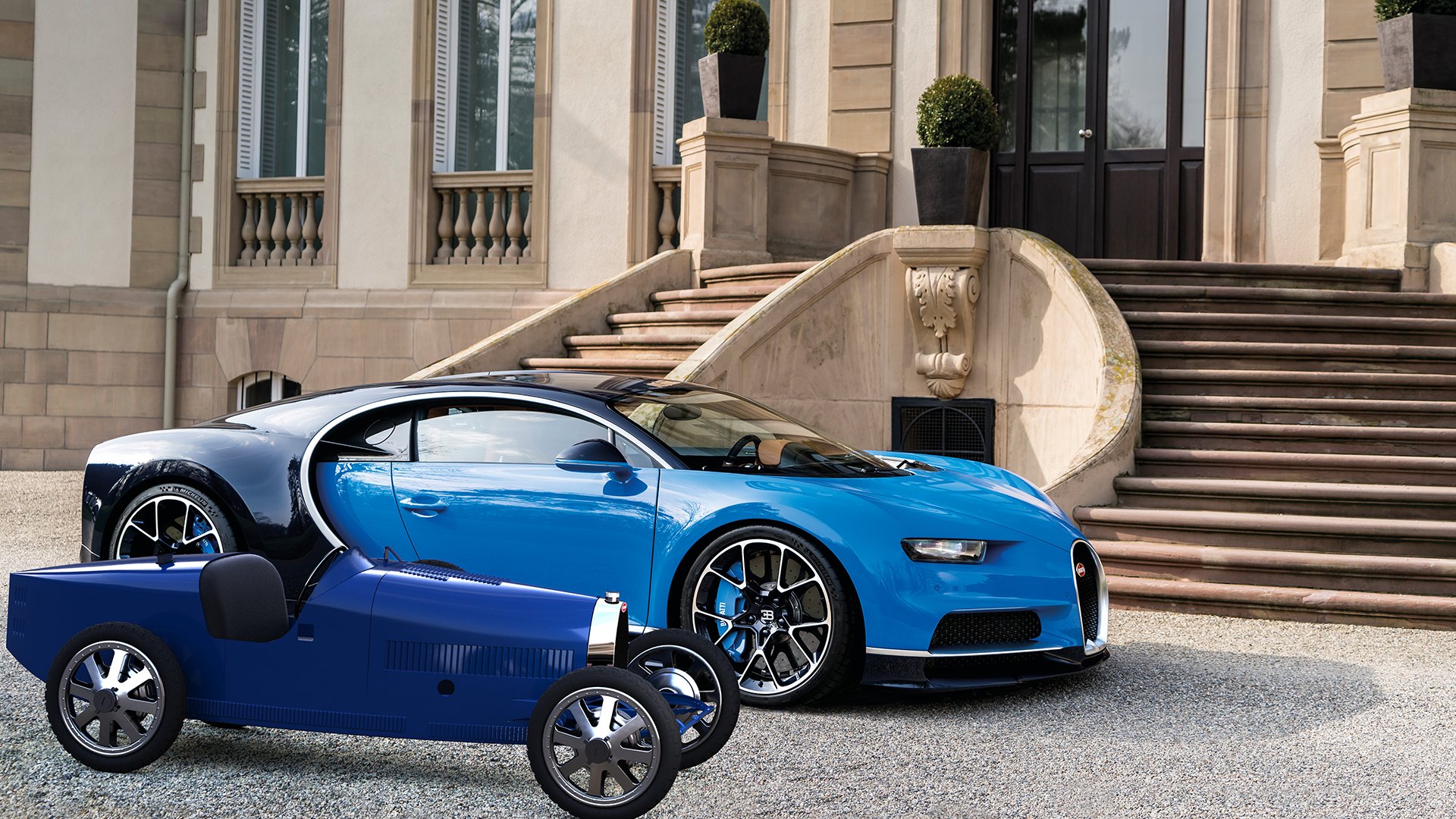
    If you thought this was a click-bait headline, we wouldn’t blame you for it. Bugatti and cheap or affordable rarely go together in a sentence and only even then, the figures resemble a small country’s GDP. This time, however, we actually mean it. Bugatti, the creator of hypercars like the Veyron and the Chiron, has launched its most affordable offering. This time though, it’s in the toy sector with its new Bugatti Baby II ride-on electric vehicle. Inspired from the Bugatti Baby I, the toy car can be driven by both kids and adults, and is priced at $34,000.

    The Bugatti Baby II is a modernised version of the half-scale Type 35 race car replica that the automaker’s founder Ettore Bugatti had built for his son nearly a century ago. While the original Baby I built between 1927 and 1936, was specifically for children, the Baby II is more accommodating and can be driven by adults too thanks to the larger proportions. The toy car gets an electric motor and with two power modes – child and adult. The child mode restricts the top speed to 20 kmph with power limited to 1.3 bhp, while the adult mode will let you top it out at 45 kmph. Much like the Chiron though, the Baby II also comes with a “speed key” that allows you to remove the limiter altogether unleashing all the 13 horses from the electric motor. The higher speed though, we reckon will come at the cost of battery life.

    The Bugatti standards of manufacturing apply to its most affordable offering as well. The cockpit is fitted with all plush materials including the aluminium dashboard, leather upholstered seat, an old-fashioned Type 35-style four-spoke steering wheel and a Bugatti instrument panel. You can also match the Baby II’s colour scheme with that of your Chiron, plus eight-spoke aluminum alloy wheels and fully functioning headlights can be added as optional extras. Definitely an upgrade over the toy cars sold at Hamleys.

    At $34,000, the Bugatti Baby II is not cheap. In fact, for those in the US, a couple of extra thousand dollars will get you a Tesla Model 3. But then again, this is for the ultra rich that may have a Veyron or a Chiron stacked up in a garage somewhere. The fact that only 500 of these will be made (just like the original), certainly makes them a lot more rare than we’d expect.

  • Suzuki Ertiga Black Edition Just Launched In The Philippines

    Suzuki Ertiga Black Edition Just Launched In The Philippines

    The Maruti Suzuki Ertiga was introduced in India last year and is sold in a number of markets including several South East Asian countries. The new generation model is being offered with several upgrades overseas and latest one is a new special edition model for Philippines. The Suzuki Ertiga Black Edition brings an all-black interior to the MPV without making any changes to the exterior of the vehicle, which can otherwise be seen on the special edition Ertiga GT set for debut later this month in Indonesia.

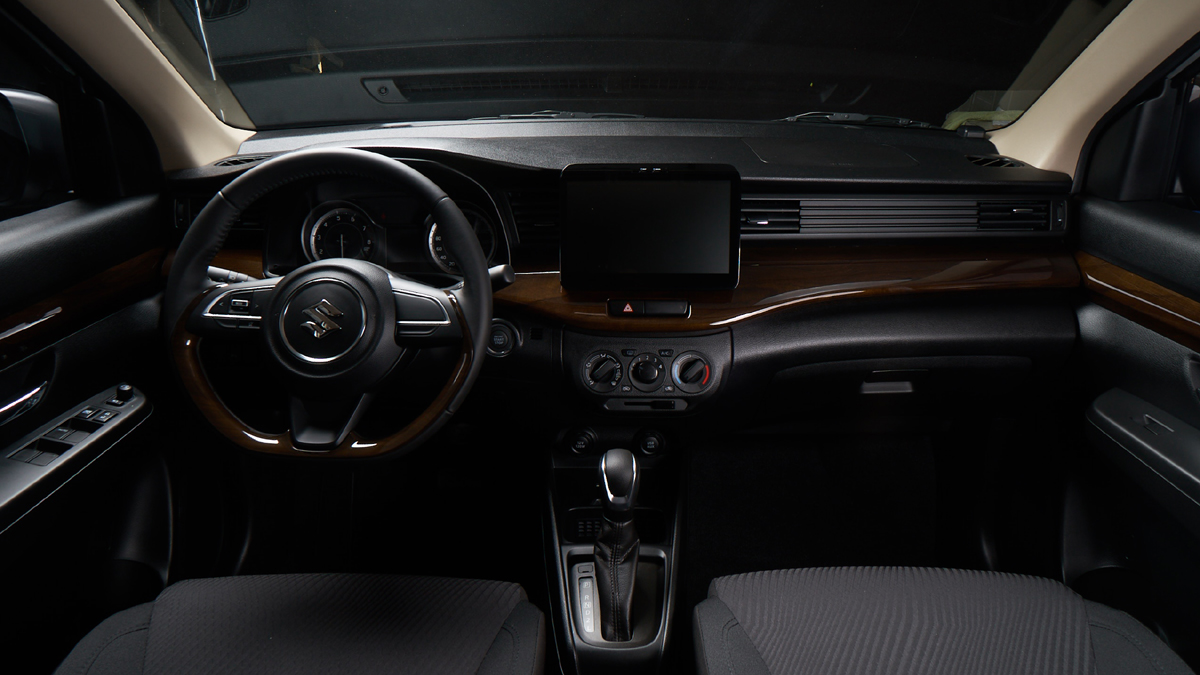
    Coming to the changes on the Suzuki Ertiga Black edition for Philippines, the model gets the all-black treatment in place of the beige themed cabin on the standard version. The automaker has also used darker wood trims on the dashboard to match the overall theme, while the plastics inside the cabin are black as well. The wood finished multi-function steering wheel continues to be on offer. The car continues to be offered as a seven-seater with the 2+3+3 layout. Internationally, the Ertiga misses out on the SmartPlay Studio infotainment system but does get a 10-inch touchscreen display with with Bluetooth, USB and AUX connectivity.

    Under the hood, the Philippines-spec Suzuki Ertiga draws powered from the 1.5-litre K-Series petrol engine tuned for 103 bhp, and is paired with a 5-speed manual and 4-speed automatic transmission. The engine is also offered in India alongside the 1.3-litre DDiS diesel motor with 89 on tap. That said, reports suggest that the Maruti Suzuki Ertiga for India is all set to get the new Suzuki-developed 1.5-litre diesel engine under the hood. The new motor will meet the stringent BS6 norms and will effectively replace the 1.3 Fiat-sourced mill across the Maruti Suzuki vehicle range. There are also reports of a more premium six-seater version coming later this year and could be sold exclusively via the Nexa outlets.

  • Silent roamers in decline as “roam like at home” goes global

    Silent roamers in decline as “roam like at home” goes global

    A Juniper Research study revealed that operator revenues from international mobile roaming are expected to recover slightly, following a decline in 2017 after the introduction of RLAH (Roam Like at Home) in Europe and other markets.

    But overall roaming revenues are expected to stay flat over the next 4 years, representing around 6% of total operator billed revenues and $51 billion in value.

    RLAH enables mobile users to use their monthly voice, data and messaging allowance while roaming without incurring additional charges.

    RLAH going global

    The new research, Mobile Roaming: Regulations, Opportunities & Emerging Sectors 2019-2023, found that, driven by the introduction of RLAH packages in EU and other regions such as North America and Asia-Pacific, the roaming market witnessed a significant rise in data usage and traffic.

    In 2017, Juniper estimates that data traffic grew by 200% globally and by 260% in West Europe.

    Research author Nitin Bhas added: “While the overall proportion of silent roamers continues to fall in many markets, driven by RLAH and cheaper bundles, the market also witnessed operators extending RLAH to more countries over the past 12-18 months. Additionally, a number of neighboring countries are announcing roam-free intra-regional agreements, similar to the EU.”

    Juniper estimated that the proportion of silent roamers not using any data roaming services in 2018 accounted for 51% of total data roamers globally, down from 72% in 2013.

  • V-MORE announces planned Thailand expansion

    V-MORE announces planned Thailand expansion

    V-MORE, an e-commerce supply chain management platform, has revealed its intention of expanding into Thailand.

    V-MORE aims to recruit new Thai e-commerce merchants as part of its expansion strategy and has rolled out onboarding programs for new merchants and users.

    V-MORE is a one-stop marketplace where consumers can shop and be rewarded at over 500 marketplace and shopping sites including leading online brands, hotel and flight booking sites, technology as well as food and beverages merchants. Thai merchants can participate in its e-commerce program and increase their exports to other countries in Asia and beyond.

    “We are pursuing a plan of expansion and hope to achieve revenue growth through mass adoption by users and merchants in our ecosystem. Thailand is fast becoming the leading e-commerce market, and we seek to increase our user and merchant base through user incentive programs, brand awareness and marketing programs,” said Sir Eldee Tang, CEO and Founder of Noble Vici Group.

    According to research, there are more than 57 million internet users in Thailand who are well-versed with digital technologies, mobile and e-commerce. The market is valued at $3.5 billion and is expected to generate revenue growth rate of 13.2% annually, reaching $5.8 billion by 2022.

    “We look forward to new local merchants to come on board our platform and welcome sellers and buyers to experience the online marketplace for the first time,” Eldee added.