Author: Mei Ling Tan

  • Ferrero Rocher Sweetens the Season: Introduces New Festive Treats to Christmas Range

    Ferrero Rocher Sweetens the Season: Introduces New Festive Treats to Christmas Range

    This festive season, Ferrero Rocher is enriching its Christmas assortment with two additional seasonal products, aimed at gifting and holiday merriment.

    New Additions to the Festive Selection

    The first of these holiday additions is Ferrero Rocher’s “Merry Christmas Gift Pack”. Priced at $15, this pack includes 10 individually packaged chocolates along with a gift tag that can be personalised to suit the recipient.

    The second product is the “Christmas Cracker” by Ferrero Rocher. This item, priced at $7.50, promises to bring a candy-focused twist to traditional table decorations. It contains five chocolates aimed at satisfying those after-dinner sweet cravings.

    Enhancing the Existing Collection

    These new introductions serve to supplement Ferrero Rocher’s existing festive range. The current collection comprises a variety of gift-centric products specially curated for the holiday season, such as Ferrero Rocher Origins, Ferrero Rocher Bell, Ferrero Rocher Star, and the Ferrero Rocher Christmas Tree.

    All of Ferrero Rocher’s products stay true to the brand’s signature format – a whole hazelnut cloaked in a creamy filling, enclosed within a crunchy wafer, and finally, enrobed in chocolate.

    Questions & Answers

    What are the new additions to Ferrero Rocher’s Christmas lineup?
    The new additions are the “Merry Christmas Gift Pack” and the “Christmas Cracker”.

    What does the Ferrero Rocher Christmas Cracker offer?
    The Ferrero Rocher Christmas Cracker offers a sweet take on traditional holiday table decorations with five chocolates inside, intended to be an after-dinner treat.

    What is the signature style of Ferrero Rocher chocolates?
    Ferrero Rocher chocolates are known for their whole hazelnut surrounded by a creamy filling, encased in a crisp wafer and coated in chocolate.

  • Huawei Unveils Snow-Capped Mountain Inspired WiFi 7 Router: A Blend of Artistic Design, AI Intelligence, and Blazing Performance

    Huawei Unveils Snow-Capped Mountain Inspired WiFi 7 Router: A Blend of Artistic Design, AI Intelligence, and Blazing Performance

    Huawei has raised the bar for Wi-Fi routers with the introduction of its new product, the Huawei Wi-Fi Mesh X3 Pro. This device, which serves as a central hub for home internet connections, combines functional excellence with a stunning aesthetic design.

    An Artistic Masterpiece

    The Huawei Wi-Fi Mesh X3 Pro is endowed with an artistic design that embodies the beauty of a snow-capped mountain. This artistic look is further enhanced by lights that illuminate the router and mimic the radiant glow of sunset and sunrise. The device’s lighting system is designed to adjust automatically based on the time of day and prevailing weather conditions. It’s also customizable, allowing users to tap it on or off at will.

    A Fusion of Beauty and Power

    While the Wi-Fi Mesh X3 Pro is visually captivating, it is also a powerhouse of efficiency and cutting-edge technology. The router, equipped with the state-of-the-art Wi-Fi 7 technology, offers tremendous capabilities for a seamless and superior internet experience. It fully leverages the high-speed capabilities provided by gigabit+ fiber networks, enabling users to download large 4K/8K video files nearly instantly, enjoy lag-free 3A game streaming, and maintain simultaneous connections across multiple devices even in busy households.

    Extending Coverage and Enhancing Connectivity

    To ensure extensive coverage, the Wi-Fi Mesh X3 Pro comes with an extender that shares the router’s exceptional design. It operates using Huawei WiFi Mesh+ technology to keep devices connected to the strongest available signal as users move around the house. This ensures seamless roaming with very low latency below 50ms.

    The Huawei WiFi Mesh X3 Pro Suite, which includes the router and the extender mesh network, provides adaptable coverage suitable for various apartment layouts. It delivers up to 120+ square meters of whole-home Wi-Fi coverage, ensuring a strong signal in all rooms.

    The device supports Wi-Fi 7, which offers speeds of up to 3.6Gbps. Huawei has also incorporated advanced features such as Multi-Link Operation (MLO) for dual-band connections and 4K-QAM for efficient data transfer. Completing the device’s impressive feature set is a 2.5GE port that delivers speeds 2.5 times faster than standard Gigabit Ethernet.

    Smart Performance

    The performance of the Huawei Wi-Fi Mesh X3 Pro is powered by the first-party Gigahome SoC. The router’s operation is further optimized through the use of Artificial Intelligence (AI) capabilities, ensuring the network is smooth and efficient. This, combined with a powerful processor and 4-channel signal amplifiers, allows the router to maintain a reliable connection through multiple concrete walls.

    Questions & Answers

    What is the design inspiration for the Huawei WiFi Mesh X3 Pro?
    The Huawei WiFi Mesh X3 Pro is designed to resemble a snow-capped mountain and includes an automatic lighting system that emulates the glow of sunsets and sunrises.

    What are some of the advanced features of the Huawei WiFi Mesh X3 Pro?
    The Huawei WiFi Mesh X3 Pro comes with Wi-Fi 7, which delivers speeds of up to 3.6Gbps. It also features Multi-Link Operation for simultaneous dual-band connections and 4K-QAM for efficient data transfer, and a 2.5GE port for faster connectivity.

    How does the Huawei WiFi Mesh X3 Pro ensure extensive coverage?
    The device includes an extender that uses Huawei WiFi Mesh+ technology to maintain a strong signal throughout the home. The suite provides up to 120+ square meters of Wi-Fi coverage with a strong signal in every room.

  • Bhutan Pioneers Digital Gold Revolution with Launch of Sovereign-Backed Token: A New Era of State-Led Digital Asset Innovation

    Bhutan Pioneers Digital Gold Revolution with Launch of Sovereign-Backed Token: A New Era of State-Led Digital Asset Innovation

    The Kingdom of Bhutan is preparing to launch one of the first-ever sovereign-backed gold tokens, a groundbreaking move that places it at the forefront of governmental digital asset innovation. This bold step signifies the country’s attempt to combine traditional stores of value with cutting-edge financial infrastructure.

    Introducing TER: A Gold-Backed Token

    Bhutan’s new token, known as TER, is completely backed by physical gold and is expected to launch on 17 December 2025. This marks a significant step forward for Gelephu Mindfulness City, which aims to become a global center for responsible digital finance.

    TER, which is derived from the Dzongkha word for “Treasure,” represents Bhutan’s ambition to preserve its cultural heritage while embracing digital transformation. This token is part of Bhutan’s wider national strategy to incorporate blockchain technology into public and financial systems. The launch emphasizes the country’s commitment to fostering a digital economy that is driven by values and grounded in sustainable, tangible assets.

    Gelephu Mindfulness City: A Hub for Mindful Innovation

    TER, issued by Gelephu Mindfulness City, aims to set a new benchmark for asset-backed digital currencies underpinned by sovereign trust. The initiative is in line with Gelephu’s vision of becoming a hub for mindful innovation, utilizing technology in a manner that is transparent, secure, and in sync with Bhutanese values.

    Board Director Jigdrel Singay has stated that the launch of TER is a foundational move towards building a value-driven digital economy based on real-world assets and sovereign trust.

    Ensuring Security with DK Bank

    DK Bank, Bhutan’s premier digital bank, will function as the exclusive distributor and custodian to ensure utmost security and regulated access. Governed by the Royal Monetary Authority and the Gelephu Mindfulness City Authority, DK Bank provides the necessary infrastructure to reassure both domestic and international investors. The first phase of distribution will allow users to buy TER directly through the bank, with tokens kept in institutional-grade custody.

    Using Solana’s Blockchain Infrastructure

    TER will be issued on Solana’s enterprise-grade blockchain, chosen for its speed, low transaction costs, and minimal environmental impact. This technical foundation fortifies Bhutan’s strategy to deploy efficient, scalable, and eco-friendly digital systems.

    Collaboration with Matrixdock Strengthens Credibility

    Matrixdock, a leading entity in real-world asset tokenization and a Matrixport subsidiary, has been chosen as the technology partner for TER. This partnership strengthens the credibility of Bhutan’s digital asset ambitions by adding institutional weight and adhering to international best practices.

    A Digital Gateway for Gold Investors

    TER provides a modern, tax-efficient alternative to physical gold, offering international investors a secure digital means to access one of the world’s safest assets. It is designed to emulate the trusted experience of buying physical gold through a major financial institution, while improving liquidity, accessibility, and settlement efficiency.

    Bhutan’s Digital Sovereignty

    Bhutan has already made significant strides in digital initiatives. Notable achievements include integrating various digital assets into Gelephu Mindfulness City’s strategic reserves, implementing a national digital identity system based on the Ethereum blockchain, utilizing Binance Pay for crypto-based transactions, and becoming one of the first nations to mine Bitcoin using renewable hydropower. These accomplishments underscore Bhutan’s evolving concept of digital sovereignty and its dedication to merging innovation with sustainability.

    State-Backed Assets: A New Model

    With the introduction of TER, Bhutan showcases how a nation can transition from traditional resource security to digital-era asset management while upholding cultural and regulatory integrity. As the global demand for reliable, gold-backed digital instruments grows, Bhutan’s initiative could serve as a model for other countries looking to combine heritage and advanced technology in the creation of contemporary financial ecosystems.

    Questions & Answers

    What is TER?
    TER is a gold-backed digital token issued by the Kingdom of Bhutan.

    What does the introduction of TER signify for Bhutan?
    The introduction of TER represents Bhutan’s intention to both preserve its cultural heritage and embrace digital transformation.

    Why is DK Bank involved in the distribution of TER?
    As Bhutan’s premier digital bank, DK Bank will ensure robust security and regulated access for the distribution of TER.

  • Delivery Showdown: Woolworths Teams Up with DoorDash as Coles Partners with Uber Eats in Australian Market

    Delivery Showdown: Woolworths Teams Up with DoorDash as Coles Partners with Uber Eats in Australian Market

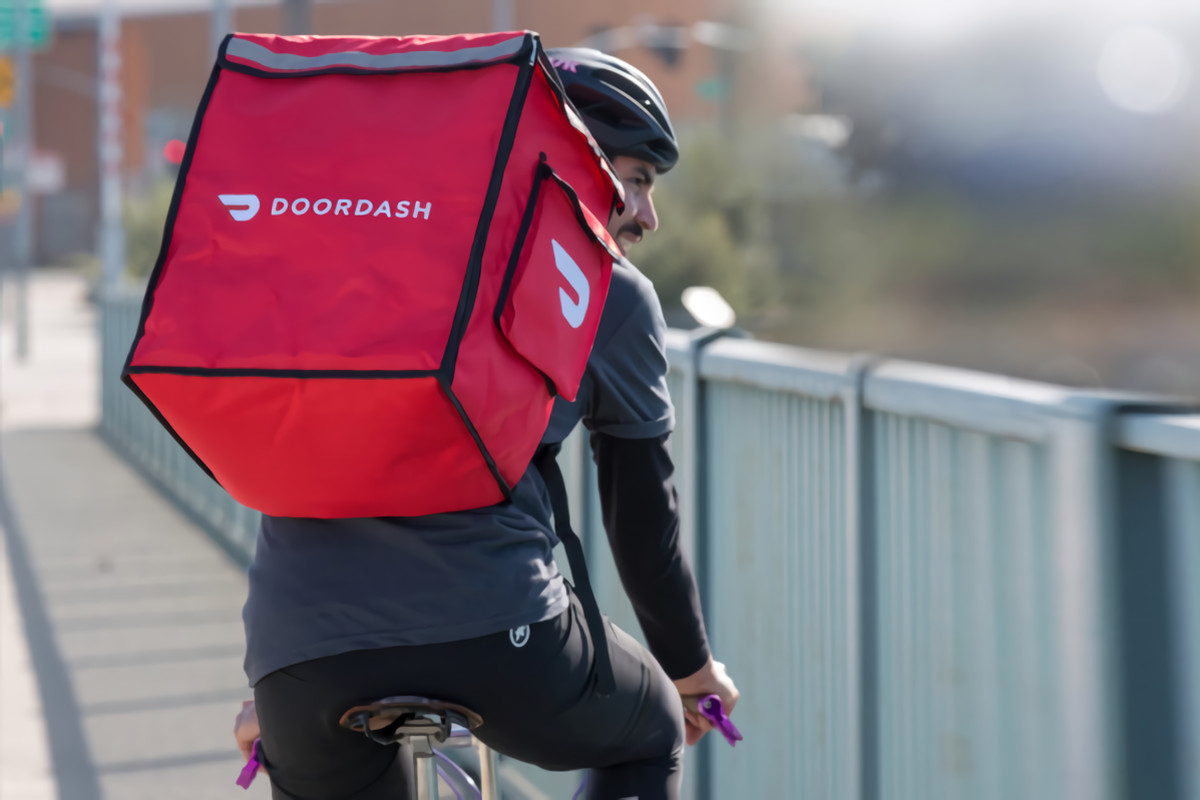
    In the world of grocery delivery services, competition is heating up as two major players, DoorDash and Uber Eats, expand their alliances with top Australian supermarkets. Woolworths, the country’s largest supermarket, has recently joined DoorDash’s delivery platform. This news was quickly followed by the announcement that Uber Eats has expanded its service with Coles and secured an exclusivity agreement.

    The Shift Towards Third-Party Delivery Services

    These developments come in the wake of the dissolution of Menulog, a food delivery brand that ended all its operations in Australia on November 26 after two decades of service. Despite this, Woolworths persists in providing deliveries via its own label, Milkrun, which currently serves over 500 suburbs in Australia’s largest cities, utilizing the brand’s Metro stores.

    Simon Rossi, DoorDash’s VP of Apac, happily welcomed Woolworths to the platform. He expressed that Woolworths’ impending arrival on their platform signifies their commitment to enhancing customer choice, convenience, and value.

    Expansion of Uber Eats and Coles Partnership

    Coles, previously partnered with DoorDash, announced its plans to enhance its product range on Uber Eats by 50%, offering up to 17,000 products. The companies revealed their intention to enter an exclusive partnership by December 26.

    Lucas Groeneveld, Uber Eats’ regional GM of retail across Apac, noted that for many Australians, having their Coles shopping delivered through the Uber Eats app has become an integral part of their daily lives.

    DoorDash Completes Australian Market Penetration

    For DoorDash, Woolworths represents the last of Australia’s top four brands to join its service. Coles, Aldi, and IGA are all current partners, though Coles plans to leave the service on December 26. In the meantime, Woolworths continues to deliver with Uber Eats.

    Amitabh Mall, Woolworths group MD, spoke on the importance of providing customers with fast, flexible options for their grocery needs. He affirmed that the partnership with DoorDash will enable them to leverage their extensive store network to reach more customers on platforms they use every day.

    Jonathan Torr, Coles’ executive GM of e-commerce, lauded the move as “another way of helping our customers get what they need, wherever they need it”.

    Questions & Answers

    Q: What is the significance of Woolworths joining DoorDash?
    A: Woolworths is Australia’s largest supermarket, and its addition to DoorDash’s platform signifies the company’s commitment to expanding customer choice, convenience, and value.

    Q: What changes are taking place in Coles’ partnership with Uber Eats?
    A: Coles is expanding its product range on Uber Eats by 50%, offering up to 17,000 products. The companies also plan to enter an exclusive partnership by December 26.

    Q: How is Woolworths responding to consumer demand for flexible grocery options?
    A: Woolworths continues to invest in a variety of on-demand options, including its own label, Milkrun, and partnerships with third-party delivery services like Uber Eats and DoorDash.

  • Decoding Australia’s Health Star Rating: The Struggle for Parents Amid Confusion and Misinformation

    Decoding Australia’s Health Star Rating: The Struggle for Parents Amid Confusion and Misinformation

    Food labels are designed to facilitate healthier lifestyle choices. However, not all label systems are equally effective. Currently, a voluntary Health Star Rating system is in place in Australia, allowing food manufacturers to voluntarily label their products with a star, indicating how it compares to similar goods on the market. Yet, some manufacturers opt not to rate their products at all. There is an ongoing discussion within the Australian government about making these labels mandatory.

    The Health Star Rating system, while potentially useful, has proven to be often confusing and lacking credibility among consumers, according to new research on parenting and food in Australia. If it becomes mandatory, the system will require significant adjustments in order for consumers to trust and find it useful.

    Understanding How Health Star Ratings Work

    The Australian government, in association with the food industry, public health, and consumer groups, introduced the Health Star Rating system in 2014. Products are rated from an unfavorable half-star to a desirable five stars. Factors such as calories, saturated fats, sugars, and sodium lower the product’s rating, while fibre, protein, and the content of fruits, vegetables, nuts, and legumes increase it.

    The system works on a balance of good and bad factors. This allows companies to tailor their products strategically to enhance the rating, possibly obscuring unhealthy ingredients. The ratings do not take into account processing and additives like sweeteners, coloring, emulsifiers, preservatives, and artificial flavorings. Prior research has indicated that the ratings can inadvertently promote ultra-processed foods over unprocessed foods and misrepresent their healthiness.

    Consumer Confusion and Skepticism

    Recent interviews with 34 parents in Australia revealed that the Health Star Ratings are often perceived as “misleading,” “unhelpful,” and “misapplied”. Some even thought the ratings were a paid marketing tactic used by companies.

    One common issue is the positivity bias of the symbol. Stars are generally perceived as positive, causing confusion when applied to food ratings. Despite the product’s star rating, parents reported that they still had doubts:

    Another issue is the assumption that all packaged food rated five stars is healthy. Parents also expressed concern that some unhealthy foods were assigned stars, which they thought was misleading. This has led to many parents disregarding the rating system and relying on ingredient lists, apps, and extensive internet research to make healthier choices. However, this has also led to frustration as these parents feel that the burden of making healthy choices is being unfairly placed on them.

    Need for a Better Food Labelling System

    Despite these issues, the parents interviewed believed that a front-of-pack system is valuable but wished for transparency, trustworthy information, and food policies that prioritize consumer health. They expressed the need for government intervention, as they felt the food industry would not independently prioritize consumers’ health.

    Other nations like Chile, Mexico, Brazil, and soon Canada, have adopted a ‘stop-sign’ warning system to deter consumers from least healthy products. These large Black Octagons warn consumers about high sugar, sodium, and saturated fats, and ultra-processing. Evidence suggests these warning labels have had a positive impact on nutrition and public health in these countries and might be a viable option for Australia.

    To support healthier eating, a fit-for-purpose food labelling system needs to be mandated. Governments should prioritize consumers’ voices in these and other national food policies to ensure they function as intended.

    Questions & Answers

    What is the Health Star Rating system?

    The Health Star Rating system is a voluntary label system in Australia that rates food products from half a star to five stars. The rating is based on the nutritional content of the product.

    What are the issues with the current Health Star Rating System?

    The system has been found to be often confusing and lacking credibility among consumers. It doesn’t consider processing and additives, which can lead to ultra-processed foods being rated higher than minimally or unprocessed foods.

    How can the food labelling system be improved?

    The system needs to be more transparent and trustworthy. One approach could be adopting a ‘stop-sign’ warning system like in Chile, Mexico, Brazil, and soon Canada, which alerts consumers about high sugar, sodium, and saturated fats, and ultra-processing.

  • Mr Cheesecake Breaks Ground in Hong Kong: Unveils Petite Series and Seasonal Flavors in First International Store

    Mr Cheesecake Breaks Ground in Hong Kong: Unveils Petite Series and Seasonal Flavors in First International Store

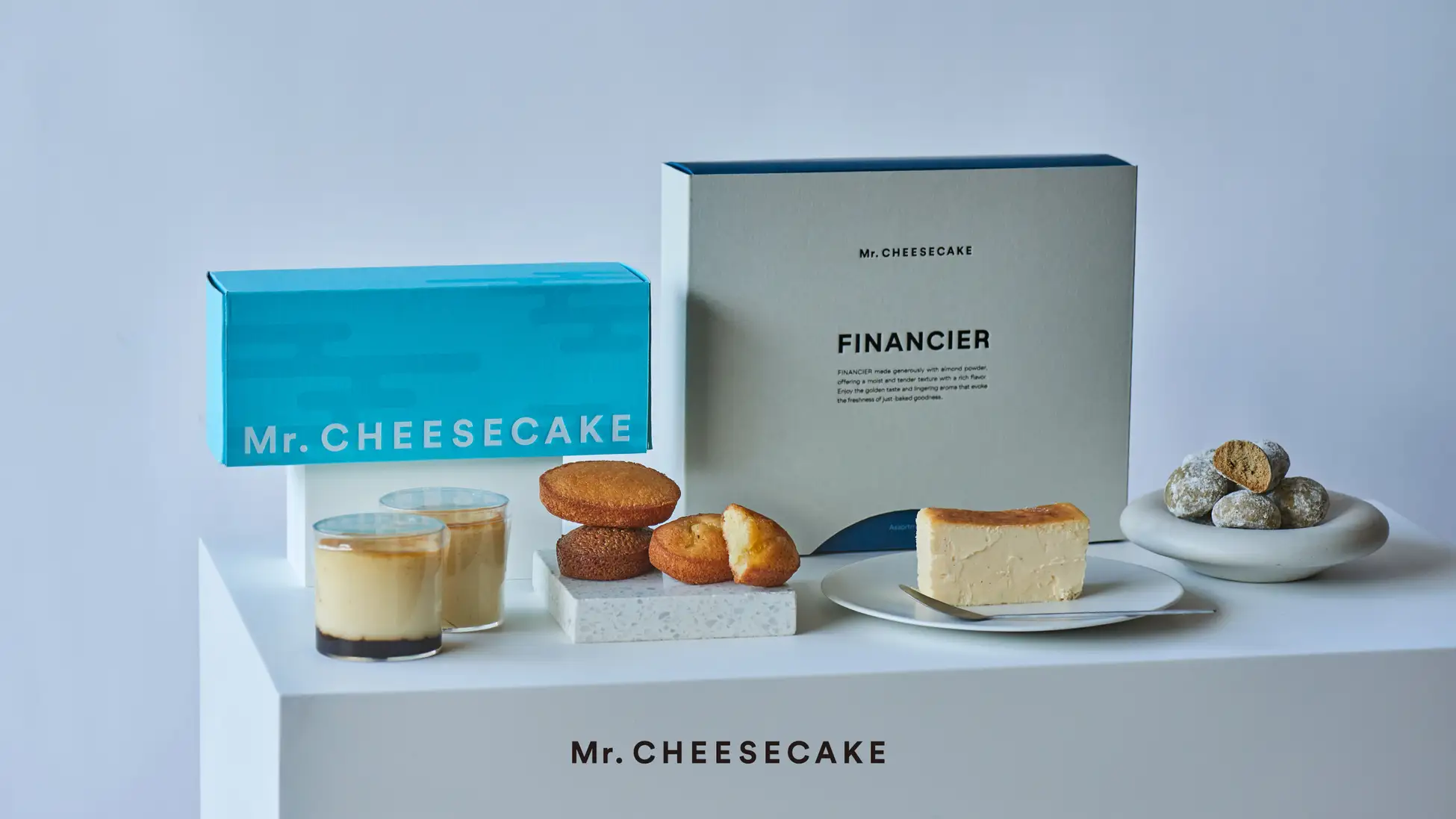
    Mr Cheesecake, a renowned Japanese dessert brand, has established its first ever permanent outlet beyond the domestic Japanese market. The new store is situated in Hysan Place, Causeway Bay, marking the brand’s international debut.

    Expansion in Hong Kong

    Prior to the launch of this permanent store, Mr Cheesecake had a strong presence in Hong Kong via a succession of pop-up stores. These temporary installations were spread across multiple locations, such as K11 Musea, Pacific Place, and IFC Mall.

    Product Innovations

    Coinciding with the Hong Kong store launch, Mr Cheesecake is broadening its product portfolio with a novel addition – the Mr Cheesecake Petit Series. This innovative product is a cup-shaped cheesecake designed to cater to daily dessert needs.

    In addition to the new product, the store is reintroducing the popular Praline Pistachio flavour for the festive season. However, this particular item will only be available for a limited period leading up to Christmas.

    Mirroring Japanese Retail Model

    Mr Cheesecake’s operator in Hong Kong, Yaichi, has stated that the Hysan Place store will replicate the Japanese retail model. This means customers can anticipate a dynamic offering of signature items, along with new releases that correspond with product improvements in the Japanese market.

    Notably, Yaichi is not new to introducing Japanese brands to the Hong Kong market. Earlier in July, it facilitated the entry of the Japanese household goods retailer 3Coins into Hong Kong.

    Questions & Answers

    What is the significance of Mr Cheesecake’s new store in Hysan Place?
    The new store at Hysan Place, Causeway Bay, is the first permanent international location for the Japanese dessert brand, Mr Cheesecake.

    What new products are being launched at the Hong Kong store?
    The store is launching the Mr Cheesecake Petit Series, a cup-shaped cheesecake for daily consumption. Additionally, the seasonal Praline Pistachio flavour is being reintroduced for a limited period.

    What strategy will the new Mr Cheesecake store follow in Hong Kong?
    The Mr Cheesecake store in Hong Kong, operated by Yaichi, will follow the Japan retail model. This includes keeping a rotating lineup of signature items and new releases in line with product developments in Japan.

  • Coupang CEO Steps Down Amidst South Korea’s Largest Data Breach Scandal: Security Measures Revamped

    Coupang CEO Steps Down Amidst South Korea’s Largest Data Breach Scandal: Security Measures Revamped

    In light of a severe data breach, one of the most significant in South Korea’s history, Coupang Corp’s CEO, Park Dae-jun, has resigned. The cyberattack exposed the personal details of approximately 33.7 million customers, including their names, email addresses, phone numbers, shipping addresses, and certain order histories. However, payment details and login credentials were not compromised in the breach.

    Park’s Tenure and Resignation

    Park Dae-jun had been a part of Coupang Corp since 2012, ascending to the position of co-CEO in 2020, and subsequently becoming the sole CEO in May amid a company-wide leadership restructuring. Following the data breach incident, Park accepted responsibility for the breach and its handling, expressing his deep regret for letting down the public. He announced his decision to resign from all his positions within the company.

    In response to the significant breach, the e-commerce giant issued an apology, expressing deep regret for the anxiety caused by the data leak. The company pledged to work diligently to regain customer trust and strengthen security protocols to prevent future data breaches.

    Leadership Transition

    In the wake of Park’s resignation, Coupang Inc., Coupang Corp’s US-based parent company, has appointed Harold Rogers, the company’s chief administrative officer, as the interim CEO for the Korean branch.

    The appointment comes in the aftermath of one of South Korea’s most devastating data breaches, believed to have originated in June.

    South Korean Prime Minister Kim Min-seok announced earlier this week that the government would be investigating any possible legal violations made by the company. In response, police subsequently initiated a raid on the company’s office in Seoul.

    Under the new interim CEO, the company’s key focus will be on relieving customer anxiety, resolving the data breach issue both from within and outside the company, and restoring stability to the organization. The leadership transition signifies the parent company’s proactive approach to managing the fallout from the data leak incident.

    Questions & Answers

    Why did Coupang Corp’s CEO, Park Dae-jun, resign?
    Park Dae-jun resigned from his position due to a major data breach that exposed personal information of about 33.7 million customers.

    Who has been appointed as the interim CEO following Park’s resignation?
    Harold Rogers, the chief administrative officer of Coupang Inc., the US-based parent company of Coupang Corp, has been appointed as the interim CEO.

    What are the company’s plans following the data breach?
    The company has pledged to restore customer trust, enhance security measures, and focus on resolving the data breach issue, both internally and externally, under the new interim CEO.

  • Coca-Cola Charts New Course: Henrique Braun to Succeed James Quincey as CEO

    Coca-Cola Charts New Course: Henrique Braun to Succeed James Quincey as CEO

    The Coca-Cola Company recently announced that Henrique Braun, currently serving as executive Vice President and Chief Operating Officer, is set to become the organization’s next Chief Executive Officer. This change in leadership is scheduled to take effect from March 31, with Braun succeeding James Quincey.

    Quincey is not leaving the company entirely, however. He will be transitioning to the role of Executive Chairman. Furthermore, the board has plans to nominate Braun for election as a director during the annual shareholder meeting next year.

    Quincey’s tenure as CEO, which lasted nine years, was marked by his effective leadership in guiding the company through significant shifts and changes. He notably spearheaded the company’s transition towards a comprehensive beverage strategy. This involved restructuring its operational model, advancing its digital and marketing transformation, and overseeing the launch of over 10 billion-dollar brands. Additionally, he steered the company through the challenges posed by the Covid-19 pandemic.

    Quincey’s leadership style has been lauded by David Weinberg, Coca-Cola’s lead independent director, who described Quincey as a transformative leader. He further commended Quincey for setting and implementing a strategy that has bolstered Coca-Cola’s standing as a global leader. Quincey is expected to remain an active participant in the company’s operations through his new role as executive chairman.

    Reflecting on his time as CEO, Quincey expressed gratitude for the opportunity to have served such a robust and enduring business over his 30-year career with the company. He voiced his confidence in his successor, praising Braun as a trusted and highly experienced business partner. He expressed his belief that Braun is the ideal person to navigate the company and the Coca-Cola system towards future growth and success.

    In his new role as CEO, Braun will concentrate on identifying and capitalizing on global growth opportunities, reinforcing consumer connections, and harnessing technology to bolster business performance.

    Braun expressed his pleasure at being given this new responsibility. He pledged to maintain the momentum established by the company and to strive for future growth in collaboration with their bottlers.

    Weinberg expressed confidence in a smooth transition of leadership, stating that Quincey has fulfilled his role as a strong CEO and that Braun has demonstrated his suitability to lead Coca-Cola into the future.

    Questions & Answers

    Who will be the new CEO of The Coca-Cola Company?
    Henrique Braun will become the new Chief Executive Officer of The Coca-Cola Company.

    What role will James Quincey assume after stepping down as CEO?
    James Quincey will transition to the role of Executive Chairman after his stint as CEO.

    What will be Henrique Braun’s primary focus as the new CEO?
    As CEO, Braun will aim to leverage global growth opportunities, strengthen consumer connections, and harness technology to boost business performance.

  • EU Regulators Stoke Action Against Temu: Chinese Subsidy Probe Targets Dublin HQ

    EU Regulators Stoke Action Against Temu: Chinese Subsidy Probe Targets Dublin HQ

    Last week, EU regulators conducted an unannounced raid on the Dublin-based European headquarters of Temu, an online retailer and subsidiary of China’s e-commerce titan, PDD Holdings. The action arose from concerns regarding potential Chinese state subsidies extended to the company.

    As of yet, Temu has not issued a response to the matter.

    This event coincides with escalating concerns within the EU about an influx of inexpensive Chinese imports. The surge has come via low-value e-commerce shipments, largely due to a customs exemption on packages valued under 150 euros. European retailers argue that this waiver gives e-commerce platforms such as Temu and Shein an undue competitive edge. To address this, the EU executive intends to eliminate this duty exemption by year-end.

    The Foreign Subsidies Regulation (FSR)

    The European Commission’s Foreign Subsidies Regulation (FSR) has been enacted to address this issue. Its purpose is to curb competition from non-EU companies that receive subsidies from their respective governments. The FSR empowers the Commission to levy penalties equating to 10% of a company’s aggregated yearly turnover for any infractions.

    The Commission confirmed it executed an unannounced inspection on an EU-based e-commerce business under the FSR. However, they have not disclosed the identity of the company or the location of the raid.

    Temu’s Global Success and Troubles with EU Authorities

    Temu has amassed a global customer base in the tens of millions via its online store. The e-commerce platform sells a wide range of items from smartphones to duvet covers and leggings at incredibly low prices. This has even prompted Amazon to introduce its rival service, ‘Amazon Haul’.

    Under the tagline “shop like a billionaire”, Temu has attracted approximately 116 million average monthly users in the EU, according to its most recent transparency report. This is an impressive feat considering it only expanded into the European market in April 2023.

    EU regulators typically conduct raids when they have evidence of regulatory violations, which can originate from whistleblowers or their own investigations. These actions often result in companies offering concessions or cooperation in exchange for reduced penalties.

    However, this is not Temu’s first encounter with EU authorities. The Commission initiated an investigation into Temu under the Digital Services Act, a regulation overseeing online platforms, last year. In July, the Commission released preliminary findings claiming that Temu has not done enough to prevent the sale of illegal products on its platform.

    Foreign subsidies may come in various forms such as zero-interest loans, below-cost financing, tax breaks, or preferential tax treatment, among others.

    In November, China’s trade surplus exceeded US$1 trillion for the first time, with manufacturers rerouting more goods to non-US markets due to tariffs, resulting in an export boom to Europe, Australia, and Southeast Asia.

    Questions & Answers

    What spurred the raid on Temu’s headquarters by EU regulators?
    The raid was prompted by concerns regarding potential Chinese state subsidies to the online retailer.

    How does the EU’s Foreign Subsidies Regulation (FSR) aim to address competition from non-EU companies?
    The FSR aims to curb competition from non-EU firms that receive government subsidies. The regulation allows the Commission to impose fines of up to 10% of a company’s annual aggregated turnover for breaches.

    What were the findings of the European Commission’s previous investigation into Temu?
    The Commission’s preliminary findings suggested that Temu was not taking sufficient actions to prevent the sale of illegal products on its platform.

  • Keppel & Uniqlo Parent Ink Deal for Exciting Retail Expansion in Asia-Pacific

    Keppel & Uniqlo Parent Ink Deal for Exciting Retail Expansion in Asia-Pacific

    Singapore’s Keppel Corporation and Japan’s Fast Retailing, Uniqlo’s parent company, have entered into a Memorandum of Understanding (MOU) to investigate the potential for retail-oriented real estate opportunities throughout the Asia-Pacific region.

    Key Signatories

    Christina Tan, CEO of fund management and chief investment officer at Keppel, and Takayuki Miki, group executive officer at Fast Retailing, were the signatories to the agreement.

    Promising Collaboration

    The partnership is already bearing fruit with Uniqlo set to become a tenant in Keppel’s forthcoming Hanoi Centre in Vietnam. Slated to open next year, the Hanoi Centre is expected to be the city’s largest shopping destination.

    Uniqlo first made its entrance into the Vietnamese market in 2019 and has since established 30 stores nationwide. These are primarily located within major malls and shopping centres.

    A Year of Record Profits

    Fast Retailing recently announced record profits for the year ending in August. The company also forecast a fifth straight year of record earnings for fiscal 2026, attributing this predicted success to its aggressive expansion in North America and Europe.

    Questions & Answers

    What is the purpose of the MOU between Keppel Corporation and Fast Retailing?
    The MOU signifies the two companies’ intent to explore retail-focused real estate opportunities in the Asia-Pacific region.

    What is the first visible outcome of this collaboration?
    The first notable outcome of this partnership is that Uniqlo is set to become a tenant in the Hanoi Centre, a major retail mall being developed by Keppel in Vietnam.

    How is Fast Retailing performing financially?
    Fast Retailing recently reported a record profit for the year ending in August, and anticipates a fifth consecutive year of record earnings by fiscal 2026, largely due to its rapid expansion in North America and Europe.

  • US Fed Makes Historic Third Consecutive Rate Cut, Slashes Interest Rates by 0.25%

    US Fed Makes Historic Third Consecutive Rate Cut, Slashes Interest Rates by 0.25%

    The US Federal Reserve has announced a reduction in interest rates by 0.25 percentage points, marking the third consecutive cut this year. However, further reductions in the near future seem unlikely.

    Federal Reserve’s Position

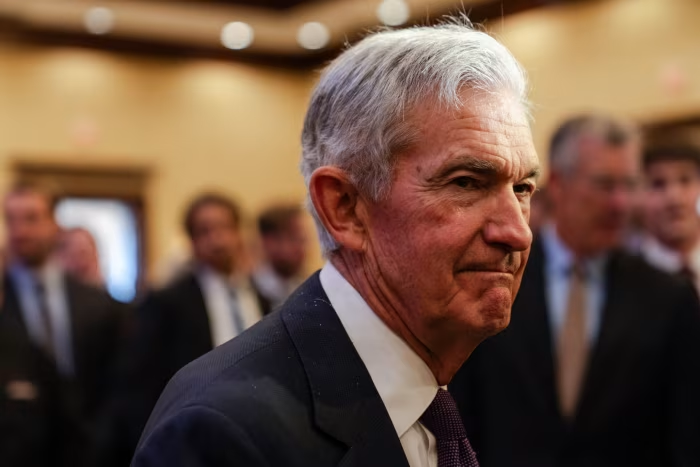
    According to Jerome Powell, the Chair of the Federal Reserve, the central bank is poised to observe the economic evolution before taking any further action. The statement also reiterated language previously used in late 2024, indicating a pause in any additional rate cuts. Powell emphasized that the bank is well-equipped to determine the “extent and timing of additional adjustments” based on incoming data, the evolving outlook, and balance of risks.

    Impact of Reduction

    The latest reduction of a quarter percentage point sets the rates to a range between 3.50-3.75%, the lowest in around three years, aligning with market expectations. The Federal Reserve has also projected one more rate cut for the next year, while acknowledging increased employment risks.

    Internal Rifts

    The recent decision has led to deeper divisions within the central bank, with three officials voting against the reduction. Austan Goolsbee, president of the Chicago Federal Reserve, and Jeffrey Schmid, president of the Kansas City Federal Reserve, both advocated for maintaining unchanged rates. Fed Governor Stephen Miran continued to support a larger half-percentage-point cut.

    Balancing Act

    Acknowledging some level of disagreement, Powell highlighted the challenge of balancing concerns of inflation risks and a potentially weakening jobs market. He stated that the Federal Reserve currently operates at the higher end of the “neutral” rates range, a level that neither stimulates nor restricts economic activity. This “neutral” designation could imply less urgency to lower rates quickly.

    Future Outlook

    Powell emphasized the need for several years of wages surpassing inflation for economic stability and improved affordability for the public. The Federal Reserve also raised its 2026 growth forecast, while moderating inflation expectations and maintaining unemployment rate projections. However, these forecasts could be altered as the bank navigates the delay in federal economic data releases due to the prolonged government shutdown.

    Challenges Ahead

    As the Federal Reserve heads into 2026, it faces a period of significant change. A new chief is set to take over after Powell’s term ends in May, amidst mounting political pressures. In particular, President Trump has expressed his desire for more aggressive rate cuts. Trump’s chief economic adviser, Kevin Hassett, is considered a strong contender for the role. Furthermore, the impending expiry of Miran’s term in January will create a vacancy within the Federal Reserve’s top leadership.

    Questions & Answers

    What was the extent of the recent rate cut by the US Federal Reserve?
    The US Federal Reserve cut interest rates by 0.25 percentage points.

    What challenges did the Federal Reserve face in making this decision?
    The decision led to a rift within the central bank, with three officials voting against the reduction, reflecting differing views on the balance between inflation risks and the softening job market.

    What changes are expected within the Federal Reserve in 2026?
    Significant changes are expected in 2026, including the appointment of a new chief following the end of Powell’s term in May. Additionally, the expiry of Fed Governor Stephen Miran’s term in January will result in a vacancy within the top leadership.

  • VinFast Smashes Sales Record in November with Unprecedented Delivery of Electric Vehicles

    VinFast Smashes Sales Record in November with Unprecedented Delivery of Electric Vehicles

    VinFast, a leading automaker, reported a record-breaking delivery of 23,186 electric vehicles in November. This figure contributes to the company’s impressive tally of 147,450 units supplied since the start of the year, reinforcing its dominant position in the market.

    Driving Success:

    VinFast’s Green line, particularly the Limo Green model, spurred the company’s sales in November. The Limo Green model alone achieved the highest monthly sales for any single VinFast model, with 9,642 units delivered.

    After-Sales Service Expansion:

    Alongside its escalating sales, VinFast is also expanding its service network. By November, the company had inaugurated its 350th service workshop and is ambitiously aiming for a total of 400 by the end of the year. This progress solidifies VinFast’s status as the automaker with the most extensive after-sales network in Vietnam.

    December Deliveries:

    VinFast has significant plans for December. The company is set to commence deliveries of the mini EC Van and the four-seat Minio Green, indicating its ambition to fortify its presence in the rapidly expanding Vietnamese electric vehicle market.

    Questions & Answers

    What was a significant contributor to VinFast’s sales record in November?
    The Green line, particularly the Limo Green model, significantly contributed to VinFast’s sales record in November.

    How is VinFast expanding its after-sales service?
    VinFast is expanding its after-sales service by increasing the number of its service workshops. The company had inaugurated 350 service workshops by November and aims to reach 400 by the end of the year.

    What are VinFast’s plans for December?
    In December, VinFast plans to begin deliveries of the mini EC Van and the four-seat Minio Green to strengthen its presence in the electric vehicle market.

  • Aussie Kaimana Lychees: A Winter Delight in Vietnam at $30 per Kilo

    Aussie Kaimana Lychees: A Winter Delight in Vietnam at $30 per Kilo

    Australian-imported Kaimana lychees are fast becoming a hot commodity in Vietnam, fetching as much as VND800,000 (US$30.35) per kilogram despite a scarcity of local varieties during the off-season.

    High Demand Despite High Prices

    Phuong, a fruit vendor in the Nha Be Commune of Ho Chi Minh City, reveals that she had recently imported 30 boxes of this coveted fruit. Each box, with a total weight of five kilograms, is going for a whopping VND4 million per box.

    Significantly, these prices are 20% lower than the previous year due to an increase in overall supply. However, they remain seven times higher than premium local varieties such as the Luc Ngan lychees from the Bac Giang Province.

    The Allure of Kaimana Lychees

    As Phuong explains, Kaimana lychees hold a premium status in Australia. They are known for their vibrant dark red skin, thick and crisp flesh, petite seeds, and a refreshing, sweet flavor.

    The fruit is harvested with stems intact and air-transported for maximum freshness upon arrival. This method of transportation ensures the fruit remains fresh and crisp upon reaching consumers.

    Selling Like Hotcakes

    Another fruit seller, Lan Anh of Binh Thanh Ward, shares that her store has sold approximately 100 five-kilogram boxes of this fruit since mid-November. She plans to further import before the supply begins to wane in January.

    Despite the high demand for Kaimana lychees, sellers like Lan Anh only import a few dozen boxes at a time due to the fruit’s short shelf life.

    Australian Lychees in Vietnam

    In the Australian market, premium lychee varieties are typically sold in five-kilogram boxes for US$80 each. Among the country’s 40 lychee varieties, Kaimana is the most common one exported to Vietnam.

    The popularity of Australian lychees in Vietnam can be attributed to their arrival a few months after the local supply has been exhausted post the main season which runs from April to July.

    Questions & Answers

    Why are Kaimana lychees from Australia popular in Vietnam?

    These lychees are popular due to their premium status, unique flavor, and their arrival in Vietnam at a time when local lychee supply is low.

    How are Kaimana lychees transported from Australia to Vietnam?

    These lychees are harvested with stems intact and air-freighted to Vietnam to maintain their freshness.

    Why do sellers import only a few dozen boxes of Kaimana lychees at a time?

    Due to the fruit’s short shelf life, sellers import only a limited quantity at a time to avoid wastage.

  • Vietnam’s Aquatic Exports Soar to Historic Heights, Anticipating $11.3B Record Despite Global Challenges

    Vietnam’s Aquatic Exports Soar to Historic Heights, Anticipating $11.3B Record Despite Global Challenges

    Vietnam’s seafood exports have consistently shown strong growth, and they are on track to reach an unprecedented high this year, despite certain obstacles. In the initial 11 months of 2025, the total revenue from seafood shipments was over US$10.5 billion, marking an increase of 14.6% compared to the same period in the previous year, as reported by the Vietnam Association of Seafood Exporters and Producers.

    Breakdown of Seafood Exports

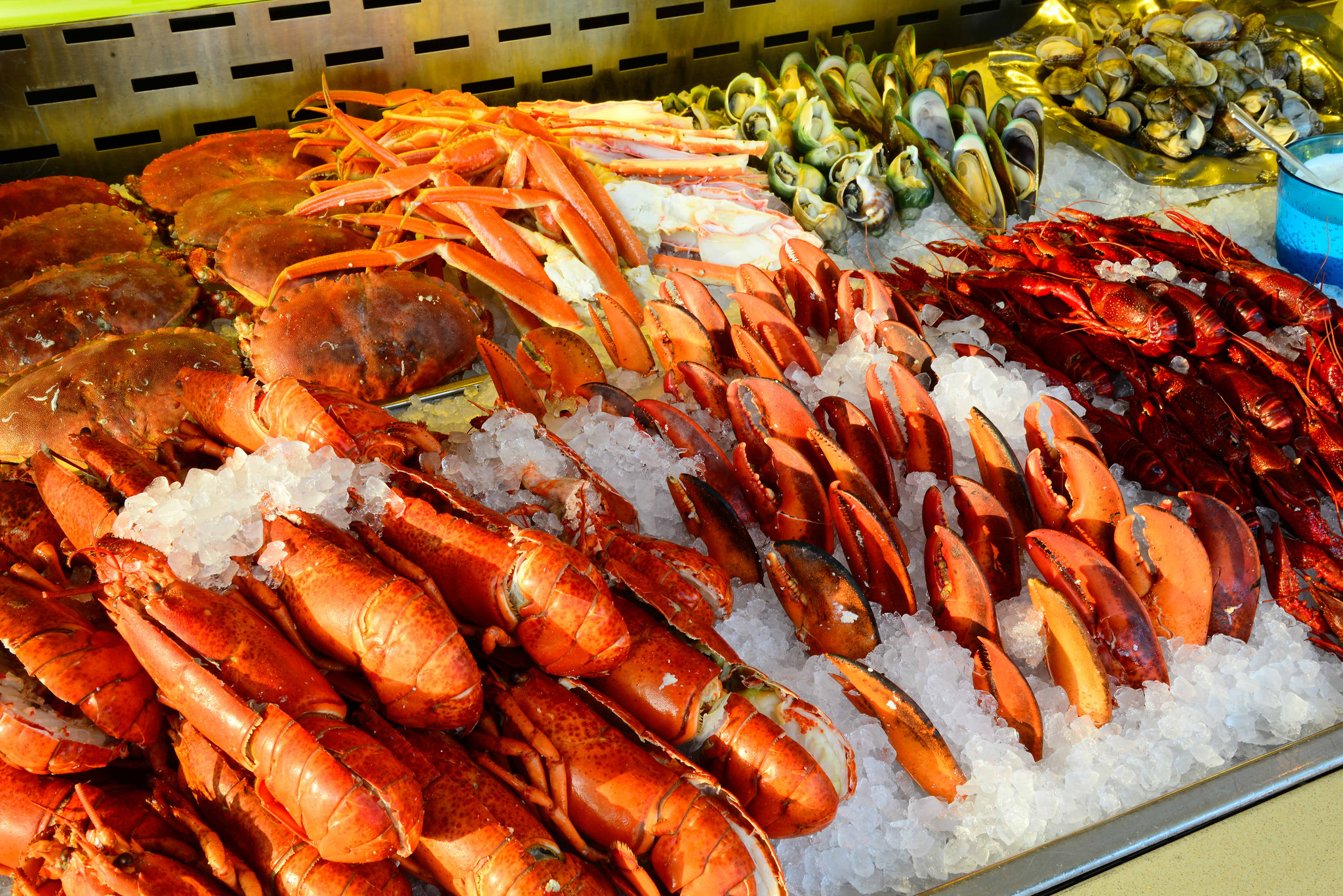
    Among the various types of seafood, shrimp was a significant contributor to the overall growth, generating $4.31 billion, representing a 21.2% increase year-on-year. Pangasius, a type of catfish, brought in over $2 billion, a rise of 9%, and tuna accounted for $855.7 million. Furthermore, molluscs, marine fish, and value-added products all experienced growth in the double digits.

    Major Export Markets

    Countries that are part of the Comprehensive and Progressive Agreement for Trans-Pacific Partnership (CPTPP) were the primary recipients of Vietnam’s seafood exports, accounting for 27.2% of total shipments. The volume of exports to these nations grew by 24.3% year-on-year.

    China and the EU also saw significant increases in shipments, with growth of 30.6% and 11.9% respectively. Additionally, exports to the U.S. increased by 8.1%, reaching $1.78 billion.

    Le Hang, the deputy general secretary of the association, observed that the success of Vietnam’s seafood exports, in spite of an unpredictable global market, is a testament to the strategies adopted by its exporters, which are both proactive and adaptable.

    Outlook for December and the Future

    The exports are expected to experience a minor decline in December due to seasonal impacts and a cautious approach from exporters dealing with the U.S., as several businesses have chosen to temporarily limit new orders from the U.S. due to the impending guidance on its Marine Mammal Protection Act. However, shrimp shipments may not be significantly affected due to steady demand from Japan, the EU, and CPTPP nations.

    Looking at the current data and end-of-year projections, it is anticipated that the annual revenue from seafood exports will reach somewhere between $11.2 and $11.3 billion, which would be the highest figure to date. Shrimp exports are projected to exceed $4.6 billion, thereby setting a new record, and it is forecasted that the shipments of pangasius will surpass $2.1 billion due to the recovering demand in Asia. Tuna exports are also estimated to surpass $900 million.

    Questions & Answers

    What factor contributed the most to the growth in Vietnam’s seafood exports?
    The largest contributing factor to the growth in Vietnam’s seafood exports was shrimp, which generated $4.31 billion and saw a 21.2% increase compared to the previous year.

    How have Vietnam’s seafood exports fared in the global market?
    Despite uncertainties in the global market, Vietnam’s seafood exports have shown consistent growth due to the proactive and adaptable strategies of its exporters.

    What is the projected revenue from Vietnam’s seafood exports this year?
    Based on current data and end-of-year predictions, the annual revenue from seafood exports will likely reach between $11.2 and $11.3 billion, which would be the highest figure to date.

  • Casino Operators Battle Proposed Doubling of Monthly Entry Fees to $1,900: A Game Changer?

    Casino Operators Battle Proposed Doubling of Monthly Entry Fees to $1,900: A Game Changer?

    Casino operators are voicing their concerns over a proposed plan by regulatory bodies to increase the monthly casino entry fee to VND50 million ($1,900). Some operators suggest this amount should instead be set as the annual entry fee.

    Increased Entry Prices

    The Ministry of Finance is currently inviting feedback on an initiative to raise the entry fees for casinos. The proposal also includes an increase in the price of a one-day ticket by 2.5 times to VND2.5 million. At the moment, there is no option to purchase annual tickets.

    The Ho Tram Project Company, the entity operating the Ho Tram Casino in Ho Chi Minh City, has put forward a suggestion for the introduction of an annual ticket at a cost of VND50 million, with no changes to the existing rates. This initiative would equate to approximately VND4.2 million per month, or 16.8% of the present VND25 million. The company states that this pricing structure aligns with that of Singapore, where visitors pay VND3 million for a 24-hour pass and VND60 million for an annual pass.

    The Corona Casino, located on Phu Quoc Island, has proposed fixing the one-day ticket price at VND1.5 million, with a VND35 million monthly pass. These prices are 30-40% lower than the new proposed rates.

    Opposition to the Proposal

    The ministry, however, has dismissed both proposals, arguing that increased pricing is necessary to dissuade individuals with insufficient funds from engaging in gambling activities. The Ministry of Justice previously stated that using entry prices as a measure of a player’s finances is not an effective approach.

    At present, Vietnamese citizens are permitted to enter three casinos, the third being the Van Don Casino in Quang Ninh province near the Chinese border. Vietnam has six other casinos; however, these are exclusively open to foreign visitors, as the government continues to maintain strict control over the gambling industry.

    The Phu Quoc casino, which is operated by a subsidiary of Vingroup, was the pioneer in allowing local entry through a pilot program initiated in 2016. The venue houses 1,470 slot machines and 147 gaming tables. Over the past five years, Vietnamese patrons have made up 52% of the casino’s clientele and contributed to 88% of its revenue. However, these figures have seen a downward trend following the Covid-19 pandemic, with local patronage dwindling to a mere 12% last year.

    Questions & Answers

    Why have casino operators objected to the proposed increase in entry prices?
    Casino operators argue that the suggested price hikes could deter visitors, leading to a decrease in revenue. They propose that these increased fees should instead be applied to annual tickets.

    Why does the Ministry of Finance believe higher entry prices are necessary?
    The Ministry of Finance maintains that increased entry prices are a means to discourage individuals who may not have sufficient financial resources from indulging in gambling activities.

    Why have the numbers of Vietnamese patrons at the Phu Quoc casino decreased since the onset of the Covid-19 pandemic?
    The reduction in local patronage may be due to factors such as economic hardship caused by the pandemic, increased health concerns, and the implementation of social distancing measures.