Author: Mei Ling Tan

  • Corby Spirits Sells Leading Rum Brand Lambs for $55.5 Million in Strategic Deal

    Corby Spirits Sells Leading Rum Brand Lambs for $55.5 Million in Strategic Deal

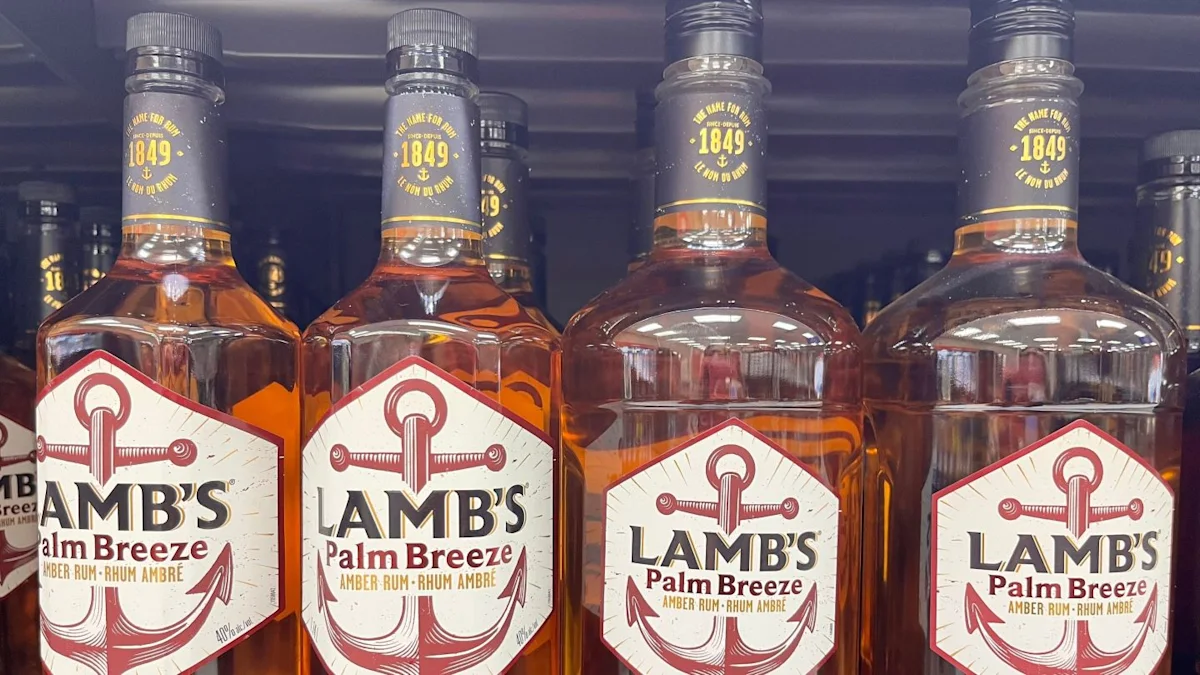
    Corby Spirit and Wine Limited has divested its British rum brand, Lamb’s, for the sum of US$39.2 million ($55.5 million) to Canadian and French firms, Phildan and Cofepp, respectively. Lamb’s holds a predominant position among rum brands in the UK and Canada, with its unique blend also available in Australia via select merchants and liquor retailers. The brand was acquired by Corby in 2006.

    Portfolio Simplification and Strategic Acquisition

    The business arrangement sees Phildan, a subsidiary of the Dandurand Group, taking over the North American rights to the brand, while Cofepp will hold the rights for the rest of the globe. The deal is part of a strategic decision by Corby to streamline its business portfolio and concentrate its efforts on growing priority categories, such as premium spirits and ready-to-drink beverages. According to Corby President and CEO, Florence Tresarrieu, the selling off of Lamb’s is a disciplined portfolio management decision that aligns with Corby’s long-term goals.

    The acquisition serves to bolster Phildan’s spirits portfolio, reflecting its sustained dedication to investing in brands with robust consumer recognition and growth potential. Hugues Gauthier, the president of Phildan, expressed his pride at the addition of one of Canada’s most recognized rum brands to their portfolio.

    Christophe Pichambert, the International Director at Cofepp’s subsidiary La Martiniquaise-Bardinet, stated that Lamb’s, being an established brand, would supplement their existing portfolio and align with their strategic objectives. He conveyed their excitement for the future opportunities and their commitment to support the continued success of the brand.

    Awaiting Deal Completion and Support Agreement

    While the transaction is still pending customary adjustments, Corby and its associated companies have pledged to provide post-closing production and distribution support to the new brand owners.

    Questions & Answers

    Who are the new owners of the Lamb’s brand?
    Corby Spirit and Wine Limited has sold the Lamb’s brand to the Canadian firm, Phildan, and the French firm, Cofepp.

    Why did Corby Spirit and Wine Limited decide to sell the Lamb’s brand?
    The decision to sell Lamb’s was made as part of a strategic plan to streamline Corby’s portfolio, enabling them to focus on growth categories including ready-to-drink beverages and premium spirits.

    What will be the future role of Corby Spirit and Wine Limited concerning the Lamb’s brand?
    Corby and its affiliates will provide post-closing production and distribution support to the new brand owners, Phildan, and Cofepp.


  • Noon Breakfast Beverage Storms US Market with Nationwide Target Launch

    Noon Breakfast Beverage Storms US Market with Nationwide Target Launch

    Noon, the breakfast beverage company, has recently broadened its horizons with a comprehensive launch across the United States. The nationwide debut, which features both physical store availability at Target and online accessibility through Target.com, represents the brand’s most significant retail expansion thus far.

    The US launch follows the successful completion of a $2.5 million seed funding round. This financial backing was provided by BFG Partners, RiverPark, and Habitat Partners. According to the company, these funds will bolster Noon’s ongoing expansion across the American market.

    Initially established in New Zealand by Cade Fleming and Tamir Triguboff, Noon introduces a shelf-stable breakfast drink that boasts 20g of protein, 5g of fibre, and zero added sugars. The product range includes delectable flavors such as Creamy Vanilla, Milk Chocolate, and Honey Banana.

    Noon’s mission is to address the growing consumer need for convenient, high-protein breakfast alternatives. Cade Fleming, co-founder and CEO, identified evolving eating practices, the surge in clean-label products, and the increased usage of GLP-1 medication as primary catalysts for the expansion in this sector.

    Fleming said, “We’ve designed Noon to fill this void by rethinking breakfast from its core. Every ingredient, every nutritional calculation, and every design decision was taken with one objective in mind: to develop a breakfast option that’s clean, wholesome, and effortless.”

    Earlier this year, Noon marked its entry into the Australian market, with its products becoming available across Woolworths Group stores.

    Questions & Answers

    What does the Noon beverage provide in terms of nutritional value?
    Noon’s breakfast beverage is specifically designed to be a high-protein, high-fibre drink with no added sugars. Each serving provides 20g of protein and 5g of fibre.

    What are the available flavors of the Noon beverage?
    Noon’s product range currently includes three flavors: Creamy Vanilla, Milk Chocolate, and Honey Banana.

    What was the capital raised in the recent seed funding round and how will it be used?
    Noon recently closed a $2.5 million seed funding round. The company plans to use this capital to support its expansion across the United States.

  • Casella Family Brands Broadens Beverage Array with Strategic Partnerships with Heaps Normal and Four Loko

    Casella Family Brands Broadens Beverage Array with Strategic Partnerships with Heaps Normal and Four Loko

    Casella Family Brands (CFB), a renowned name in the beverage industry, has recently formed strategic alliances with Heaps Normal and Four Loko. These partnerships are aimed at expanding and diversifying CFB’s product range, marking a shift from wine to a broader selection and catering to changing consumer preferences.

    Exploring New Avenues with Heaps Normal and Four Loko

    As part of these new agreements, CFB will extend its reach beyond its traditional wine base. It will manage the packaged distribution of Heaps Normal products in New South Wales, Victoria, South Australia, and Queensland. This distribution deal includes non-alcoholic beer, while Heaps Normal will continue to handle its wine and draught products.

    Andy Miller, the CEO and co-founder of Heaps Normal, emphasized the importance of quality time and strong relationships in the industry. He expressed his confidence in CFB’s ability to support Heaps Normal’s goal of enhancing its customer experience.

    On the other hand, the collaboration with Four Loko will involve the manufacturing and distribution of the US brand’s products in Australia. This will include the introduction of a vodka-based ready-to-drink (RTD) beverage in three different flavors, presented in a 440ml single-serve can designed specifically for the Australian market. This collaboration is set to bolster Four Loko’s local supply capability and availability, driving its next growth stage in the market.

    Four Loko, a product of Phusion Projects, is celebrating its 21st anniversary this year. It holds a strong international presence in the RTD category across North America, South America, and Europe. Jeff Wright, a co-founder of Phusion Projects, articulated his confidence in CFB’s manufacturing and distribution capabilities in supporting Four Loko’s ongoing expansion in Australia.

    Strategic Growth and Future Prospects

    CFB’s General Manager of Sales, Chris Blockley, highlighted the company’s advanced production facility and comprehensive expertise as key factors in its ability to partner with globally recognized brands that lead their respective categories.

    Blockley stated, “These partnerships reflect a deliberate strategy to focus where we can make the greatest impact, using our scale and customer relationships to build stronger brands.” He also noted that these brands perfectly complement CFB’s wine portfolio and broaden its relevance to more consumers and occasions. Blockley concluded by expressing confidence in the company’s growth prospects and its ability to adapt to evolving consumer needs.

    Questions & Answers

    What products are included in the CFB and Heaps Normal partnership? The agreement covers the packaged distribution of non-alcoholic beer. Wine and draught products will continue to be managed by Heaps Normal.

    What does the Four Loko deal entail? The agreement involves CFB manufacturing and distributing Four Loko products in Australia. This includes the launch of a vodka-based RTD beverage in three flavors, presented in a 440ml single-serve can format.

    What is the strategic focus of these new partnerships? These partnerships aim to diversify CFB’s product range, cater to changing consumer preferences, and build stronger brands using CFB’s scale and customer relationships.

  • Cascade Brewery Debuts First Mid-Strength Beer, Expanding Portfolio with Cascade Draught 3.5

    Cascade Brewery Debuts First Mid-Strength Beer, Expanding Portfolio with Cascade Draught 3.5

    Cascade Brewery, a long-standing Tasmanian beer maker, has diversified its product range by launching a new mid-strength beer — Cascade Draught 3.5 per cent. This venture marks the first time the company has introduced a mid-strength variation of its traditional beer.

    New Beer Targets Changing Consumer Preferences

    The new brew is a conscious effort to provide a lower-alcohol alternative that still retains the distinctive taste, malt attributes, and bitterness found in its full-strength counterpart. The mid-strength Cascade Draught promises to deliver the flavor of a standard beer but contains just one standard unit of alcohol per 375ml can.

    Brendan Flanagan, the head of manufacturing at Cascade Brewery, emphasized the importance of this launch. He stated that Cascade has been an integral part of Tasmania for over 60 years, and launching a mid-strength beer was a challenge they undertook seriously. Flanagan adds, “This is a perfect illustration of our commitment to ensuring that Cascade continues brewing quality beer in Tasmania, for Tasmanians, for many more years.”

    Investing in Future Growth

    The introduction of Cascade Draught 3.5 per cent comes on the heels of the company’s recent efforts to rejuvenate the infrastructure of their historic production facility. This move signifies Cascade Brewery’s intention to continue investing in its future growth and maintain its presence in the Tasmanian market.

    The new product is sold in packages of thirty 375ml cans and is only distributed within Tasmania. Local independent retailers, hospitality venues, and Cascade Brewery’s central brewery outlet will exclusively sell the new mid-strength brew.

    Questions & Answers

    What is the alcohol content in the new Cascade Draught?
    The new Cascade Draught has an alcohol content of 3.5%, making it a mid-strength beer.

    What sets the mid-strength Cascade Draught apart from the full-strength version?
    While the mid-strength Cascade Draught contains less alcohol, it is designed to match the taste, malt characteristics, and bitterness of its full-strength counterpart.

    Where can consumers purchase the new Cascade Draught?
    The new beer is available exclusively in Tasmania through regional independent retailers, hospitality venues, and Cascade Brewery’s central outlet.

  • Tech Industry Strains Cause Apple to Scrap Visionary iPhone 20 Pro Design

    Tech Industry Strains Cause Apple to Scrap Visionary iPhone 20 Pro Design

    Apple had in store an impressive three-year plan for its flagship product, the iPhone, which would have reached its peak next year – the 20th anniversary of the iconic smartphone range. However, a recent report indicates a change in plans as the company has had to abandon its ambitious iPhone 20 Pro project.

    Scrapping of the iPhone 20 Pro

    The iPhone 20 Pro was set to be a remarkable device, featuring an all-glass screen design. The concept involved no bezels, giving the impression of the screen floating above the chassis. It also proposed to relocate the Face ID component and the selfie camera underneath the display.

    The display was designed to seamlessly merge into the phone’s body, creating a bezel-less effect without distorting the content displayed on the screen. This concept was intended to take a step ahead of Samsung’s Edge phone models. However, Apple has had to abandon the original design of the iPhone 20 Pro.

    It seems that the company has discontinued this model. In its place, a different type of iPhone will be released next year.

    Production Challenges Derail 20th Anniversary Plans

    The technology industry’s existing strained state led to yield issues that forced Apple to change its plans. The 20th anniversary of the iPhone, which was supposed to mark a significant restructuring of the smartphone world, will now be a less extraordinary event.

    Apple’s devoted fans, although disappointed with this news, understand the industry’s current state and do not fault the company.

    Expectations for the 20th Anniversary

    Next year’s 20th anniversary marks a significant milestone for one of the most transformative devices ever created. With the cancellation of the all-glass iPhone 20 Pro, expectations should be adjusted for something less than groundbreaking.

    Industry insiders have recently shared renders of an iPhone 20 Pro that boasts a bezel-less design and a Dynamic Island cutout. It’s highly probable that this is what the new iPhone 20 Pro will look like.

    The dream of a phone with a cutout-free display had many, including me, eagerly awaiting the iPhone 20 Pro’s release before considering switching to Apple. This recent development not only postpones this potential switch but also increases the likelihood of an Android manufacturer outpacing Apple in this innovation.

    Questions & Answers

    What changes were planned for the iPhone 20 Pro?
    The iPhone 20 Pro was supposed to feature an all-glass, bezel-less screen. The Face ID component and the selfie camera were to be moved under the display.

    Why did Apple cancel the iPhone 20 Pro?
    Due to the existing strained state of the technology industry, Apple encountered yield issues, which forced the company to abandon its original plans for the iPhone 20 Pro.

    What should we expect from the 20th anniversary iPhone?
    With the cancellation of the all-glass iPhone 20 Pro, the 20th anniversary iPhone is expected to be less groundbreaking. It’s likely to feature a bezel-less design and a Dynamic Island cutout.

  • Shein Shrinks Vietnam Operations Amid US Trade Policy Shifts and Local Workforce Challenges

    Shein Shrinks Vietnam Operations Amid US Trade Policy Shifts and Local Workforce Challenges

    Over a year ago, Chinese fast-fashion retailer Shein embarked on an ambitious plan to make Vietnam its main export base. Shein started leasing 15 hectares of warehouse facilities near Ho Chi Minh City, which is approximately the size of 21 football pitches. The strategy seemed to be a high-risk, high-reward approach during its conception in late 2024.

    At that time, the US seemed likely to scrap its duty exemptions for small parcels from China, which formed the backbone of Shein’s business model. Simultaneously, the newly re-elected US President Donald Trump was fueling apprehensions about an intensified trade war. By April 2025, US tariffs on numerous Chinese commodities had soared to an astounding 145%. This environment prompted Shein to encourage its major Chinese suppliers to establish manufacturing bases in Vietnam.

    A Sudden Change of Plans

    However, this ambitious plan has not unfolded as Shein had hoped. Presently, Shein, which is preparing for its Initial Public Offering (IPO), has significantly scaled back its operations in Vietnam. The company, popular for its affordable range of apparel, has reduced its leased area to 6 hectares from the original 15, according to insiders familiar with the matter. One individual with direct knowledge of the situation even suggests that only one-third of the initially planned site is currently operational.

    Since April, the company has started massive layoffs, with more expected to follow. Warehouse workers have reported significant downsizing, with some teams retaining only a quarter of their workforce, while others have experienced even more layoffs. During a recent site visit, only a few employees and a handful of trucks were observed, indicating a sharp contrast to the bustling activities in adjacent warehouses.

    Scalability and Speed Over Tariffs

    Contributing factors to Shein’s decision to scale back include abrupt shifts in US trade policies, the company’s heavy reliance on Chinese suppliers, and the realization that manufacturers in other countries may not accept the same supplier conditions. Moreover, Vietnamese workers have shown reluctance to work the long hours for low wages, a business model Shein’s Chinese network of suppliers complied with.

    Shein’s business model depends on speed and flexibility, producing millions of styles in small batches at very low margins. However, manufacturers who moved their operations to Vietnam have found it less viable due to lower efficiency and have subsequently returned to China.

    As a result, Shein is now focusing more on its operations in Guangzhou and the broader Guangdong province. CEO Sky Xu announced a plan to invest 10 billion yuan (US$1.5 billion) in a smart supply-chain system in the region.

    Despite Shein’s recommitment to China, some domestic suppliers are hesitant to reciprocate, as they have experienced stagnation or minimal growth in orders from Shein. Some have begun supplementing their income by opening stores on other e-commerce platforms.

    Questions & Answers

    Why did Shein scale back its operations in Vietnam?
    Shein’s move was influenced by abrupt shifts in US trade policies, the company’s heavy reliance on Chinese suppliers, and Vietnamese workers’ reluctance to work long hours for low wages.

    How was Shein’s business model affected by these changes?
    The company’s business model, which depended on speed, flexibility, and low margins, was disrupted as manufacturers found operations in Vietnam less viable due to lower efficiency.

    What is Shein’s current strategy following this setback?
    Shein has chosen to refocus on its operations in Guangzhou and the broader Guangdong province in China, with plans to invest 10 billion yuan in a smart supply-chain system in the region.

  • Third-Party App Store Aptoide Games Launches on Google Play: Heres What You Need to Know

    Third-Party App Store Aptoide Games Launches on Google Play: Heres What You Need to Know

    The Google Play Store is now offering a new third-party app outlet known as Aptoide Games, featuring a variety of free and paid games. Accessing this new store is straightforward; simply launch the Play Store app on your Android device, tap on the profile icon located in the upper right corner, and scroll down the menu until you find the “Third-party app stores” option.

    Exploring Aptoide Games: A Third-Party App Store within Google Play

    Upon clicking, you are presented with a list of third-party app stores available, currently headlined by Aptoide Games. By selecting this entry, you are directed to an installation button for the alternative app store.

    The Aptoide Games platform offers an array of applications available for installation, including:

    – Huawei Health: An app that tracks your health metrics, workouts, and calorie consumption on any Android 6.0 or higher device, regardless of whether it’s a Huawei product or not.
    – Clash of Kings: A real-time strategy game that thrusts you into the shoes of a lord responsible for constructing a castle.
    – Vikings: War of Clans PvP: A game that makes you a Viking chieftain tasked with building a stronghold, training armies, and participating in both player vs player and player vs environment battles.
    – Legend of Mushroom: This role-playing game allows you to embark on a journey to become human as a mushroom character.
    – LUDUS: Merge Arena PvP: A game where you can collect and upgrade over 100 unique heroes for arena combat.
    – Wartune Ultra: A mobile strategy-based role-playing game where you command a city and ally with others to combat the forces of darkness.
    – Saint Seiya: Legend of Justice: This game tasks you with assembling the ultimate underworld team to dominate the Sanctuary War as Hades arrives.
    – Duck Survival: A roguelike shooter game with thrilling survival scenarios against zombies and giant bosses.
    – The Ants: Underground Kingdom: An immersive game where an ant colony endeavors to survive crises, protect the Queen, and construct an anthill.

    The Backstory: Why Google Now Allows Third-Party App Stores

    The presence of third-party app stores within Google Play Store stems from court orders resulting from the Epic Games v Google lawsuit. The conflict began when Epic Games, developer of Fortnite, sued Google over the 30% commission it took on in-app purchases. To circumvent this fee, Epic Games implemented a direct payment system within Fortnite, which violated Play Store’s regulations.

    Following the introduction of this direct payment system, Google removed Fortnite from the Play Store on August 13, 2020. This event sparked lawsuits that ultimately compelled Google to permit third-party apps within the Play Store. Notably, while Google lost a significant antitrust lawsuit initiated by Epic Games, Apple triumphed in most of its 2021 legal skirmish with Epic and is not subject to the same court order as Google.

    Questions & Answers

    What is Aptoide Games?
    Aptoide Games is a third-party app store accessible via Google Play Store. It offers a variety of free and paid games.

    How can I access Aptoide Games?
    To access Aptoide Games, open your Google Play Store app, tap on the profile icon, scroll down the menu until you find the “Third-party app stores” option, and click to view.

    Why does Google now allow third-party app stores within Play Store?
    Google’s decision to allow third-party app stores is due to a court order that came about as a result of the Epic Games v Google lawsuit.

  • Google Messages Levels Up: Unveils User-Friendly Features in New Update

    Google Messages Levels Up: Unveils User-Friendly Features in New Update

    Following the termination of Samsung Messages, Google Messages has risen to prominence as the primary texting application for Android. It boasts notable features such as Rich Communication Services (RCS) support and end-to-end encryption. However, it has been criticized for its lack of some fundamental features. According to reports, these missing features might soon be introduced, as they have been seen in the app’s beta version.

    Enhancements to the Long Press Menu

    The current long press menu in Google Messages has faced criticism for being less than user-friendly. When a message is long-pressed, a ‘pill’ with emoji actions and Photomoji is displayed, followed by four action buttons: copy, delete, star, and a three-dots button.

    Tapping the three-dots button reveals an extra menu with options like reply, share, forward, and view details. The user has to navigate through multiple steps to access even basic actions. With the new update, this is set to change.

    In the updated version, long-pressing a message will bring up a new menu that contains all the essential action buttons. Moreover, a blur effect has been added to the background, modernizing the app’s look. The emoji bar remains unchanged and still appears when a message is long-pressed.

    This adjustment was first noticed in January, but it was only accessible to a select few testers. Now, it’s widely available on almost every device registered to receive the latest Google Messages beta version.

    Text Selection Feature

    One of the most significant issues with Google’s messaging app is its inability to select a specific part of a message. For instance, from a message saying, “Hey, this is Aman from PhoneArena,” it’s impossible to choose and copy a particular section like “from PhoneArena”; users can only select and copy the entire message.

    The current solution is to copy the entire message, paste it where required, and manually remove the unwanted part. Recognizing that users sometimes want to copy a particular section from a lengthy message instead of the whole text, Google has introduced the capability to select only the needed part of a message.

    This change first surfaced months ago, but it now seems to be reaching more Google Messages beta testers.

    Users’ Long-Standing Demands

    Following Samsung Messages’ discontinuation, its users were urged to transition to Google Messages. Nevertheless, some users expressed dissatisfaction with the Google messaging application’s lack of basic features, such as the ability to select and copy a specific part of a text message. One user, evidently a former Samsung Messages app user, mentioned that they started using a third-party SMS application specifically because Google Messages didn’t offer this feature.

    Another user humorously remarked on how long the above-mentioned features have been in the beta phase, a sentiment shared by many, given that it’s been over six months since they were first noticed, yet they remain unavailable in the stable version of the application.

    Progress Towards Completeness

    Despite offering impressive features like RCS, Google Messages lacks several basic functions typically expected in any texting application. The good news is that these shortcomings are being gradually addressed. It recently introduced the trash feature. It now also allows theme changes, which was a significant complaint among Samsung Messages users.

    The new long press menu and the ability to select only the desired text are also on the verge of being added to the app’s stable build. All these improvements are steadily shaping Google Messages into one of the top messaging applications for Android.

    Questions & Answers

    What are the new features being introduced in the Google Messages update?
    These include an enhanced long press menu and the ability to select a specific part of a message.

    Why was there criticism regarding Google Messages?
    Critics pointed out that it lacked some basic features, such as a user-friendly long press menu and the ability to select and copy specific parts of a text message.

    What improvements have been made to address these criticisms?
    Google has introduced an improved long-press menu and the ability to select and copy a specific part of a text message. Additional features, such as the trash feature and theme changes, have also been added.

  • Treasury Wine Estates Swallows $558m Blow in US Market Downsize: Total Write-Downs Top $1.2 Billion

    Treasury Wine Estates Swallows $558m Blow in US Market Downsize: Total Write-Downs Top $1.2 Billion

    Treasury Wine Estates (TWE), the company behind the Penfolds brand, has experienced an additional financial setback of $558.4 million following the scaling back of its operations in the United States. This recent loss brings the total write-downs to over $1.2 billion.

    Operational Changes and Focus on Underperforming Markets

    In June, the company announced to its investors that it intends to significantly downsize its brand portfolio and withdraw from underperforming assets, with a particular focus on its underperforming US market. TWE’s CEO, Sam Fischer, stated that the company is taking decisive steps to align supply with a stringent model of future demand, in light of an evolving US wine market.

    This strategic shift will lead to a reduction in the company’s yearly grape intake, with $137 million of the write-down projected to come from asset divestments. Despite these financial setbacks, the news was accompanied by an anticipated, above-estimate full-year earnings figure of $492 million.

    Future Prospects and Business Performance

    Fischer added that both the company’s ascent transformation program, and the strategic review of potential options for the future of its US business, are making good progress. He emphasized the continued positive momentum in the business, with key brands such as Penfolds, Daou, and Frank Family Vineyards outperforming their respective categories. Fischer also expressed confidence that the full-year earnings would surpass the guidance shared earlier in June.

    In TWE’s half-year financial report, the company disclosed a close to $650 million loss, with a dip in sales reported across all markets. Despite this, the company maintains optimism that it will rebound and achieve growth by the 2028 fiscal year.

    Questions & Answers

    What is the total amount of Treasury Wine Estates’ recent financial setback?
    The company has taken an additional $558.4 million hit, bringing total write-downs to over $1.2 billion.

    What strategic changes is Treasury Wine Estates making in response to its underperformance?
    The company plans to significantly reduce its brand portfolio and withdraw from underperforming assets. It will also align supply with a stringent model of future demand, focusing on the evolving US wine market.

    How does Treasury Wine Estates perceive its future prospects?
    Despite current financial setbacks, the company expressed optimism about its future. It expects key brands like Penfolds, Daou, and Frank Family Vineyards to continue outperforming, and aims to achieve growth by the 2028 fiscal year.

  • Coles Transitions Hundreds of Jobs to India Amid Intense Retail Competition

    Coles Transitions Hundreds of Jobs to India Amid Intense Retail Competition

    Australia’s supermarket behemoth, Coles, has announced that it will be outsourcing numerous jobs to India through a strategic alliance with Accenture, management consultants. This move comes as a result of the intensifying competition within the retail industry.

    Technological Advancement and Cost Reduction

    Coles asserts that this initiative will enhance its technological and specialist capacities to adapt to evolving customer demands. Simultaneously, the partnership with Accenture spanning over several years will decrease the cost of backroom operations. Coles, already the second-largest supermarket retailer in Australia, revealed that some of its corporate workforce’s roles would be transferred to Accenture’s international branches.

    The company voiced its concern for the employees affected by this transition, acknowledging the significant impact it might have on them and their teams. A spokesperson for the company emphasized, “These decisions are never made lightly.” They went on to add that the company plans to reassign as many impacted employees as possible, providing opportunities for them to acquire new skills and transition into different roles within the company.

    The information surfaced ahead of the company’s intended announcement, revealing that Accenture has already started recruiting for the program, primarily situated in Mumbai. One of the job listings sought a marketing campaign management specialist with seven to eleven years of experience, offering the chance to collaborate with the “Coles 360 teams on cross-functional campaigns.” However, the advertisement did not disclose any salary or pay scale details.

    Minimal Impact on Workforce, Future Plans

    Coles was prompt in pointing out that these changes would only affect a small fraction of its 115,000 Australian employees and would not impact the majority of its team members working in stores across the country.

    The retailer affirmed its commitment to compensate for any job losses resulting from the offshoring deal through its ongoing store expansion program. It also suggested that individuals affected by the Accenture arrangement might be reassigned within the Coles Group. However, the spokesperson had to admit that redundancies would be an inevitable part of this process.

    Questions & Answers

    What is the primary reason for Coles’ decision to offshore jobs to India?
    The decision was influenced by the mounting competition within the retail sector. Coles intends to strengthen its technological and specialist skills while also reducing backroom operation costs through this move.

    How will the offshoring affect the current employees at Coles?
    While the changes will impact a small portion of the workforce, Coles has committed to redeploying as many of the affected employees as possible and providing reskilling opportunities.

    Will the offshoring lead to a reduction in the overall number of jobs at Coles?
    Coles maintains that any jobs lost due to offshoring will be compensated for through its ongoing store expansion program. However, there may be some redundancies.

  • S&P Soars as Crypto, Gold Tumble: How the Feds Shift Shakes Up Market Landscape in 2026

    S&P Soars as Crypto, Gold Tumble: How the Feds Shift Shakes Up Market Landscape in 2026

    As we approach the midway point of 2026, a stark disparity has emerged across various asset categories. The S&P 500 is showing an upward trend with a 5.7 percent increase so far this year. However, cryptocurrencies like Bitcoin and Ethereum have experienced significant losses, with a 32.2 percent and 46.4 percent decrease respectively. Likewise, precious metals like gold and silver, having initially surged due to geopolitical tensions earlier in the year, have since suffered losses of 7.5 percent and 19.4 percent respectively.

    Shifting Dynamics in the Financial Landscape

    This contrast raises a straightforward question among multi-asset allocators – why has the same macro environment produced such a sharp divergence? To answer this, we need to observe the two concurrent structural forces that lead to this phenomenon.

    During his inaugural Federal Open Market Committee (FOMC) meeting in June, the new Chair of the Federal Reserve, Kevin Warsh, made a significant policy statement. He reduced the statement from 341 words to a mere 130, eliminated forward guidance, and ended with a promise in six words – “The Committee will deliver price stability.”

    This statement led to an immediate shift in rate expectations as projections turned from cuts to a higher year-end target. This stark reversal marked the closing of the window for a liquidity-driven recovery in risk assets, resulting in the evaporation of speculative risk capital, particularly in cryptocurrency markets.

    The Resilience of Equities

    Contrarily, large-cap equities have shown impressive resilience, bolstered by strong employment rates and a flourishing AI and services sector. This resilience is due to a structural reason – corporate earnings are majorly concentrated in sectors that directly benefit from the current macro environment, and hence, are capable of absorbing higher rates.

    Precious metals and crypto assets, however, lack this buffer. They rely on favorable liquidity conditions and the opportunity cost of capital, both of which have moved decidedly against them. Gold and silver, which initially spiked due to geopolitical tensions and rising energy costs, were hit hard by the aggressive stance of the Federal Reserve following persistently high inflation readings. This led investors to move away from these non-yielding assets towards risk-free cash yields.

    Questions & Answers

    What has caused the stark disparity in performances across asset classes in 2026?
    The divergence comes as a result of two concurrent structural forces in the market. The aggressive stance of the Federal Reserve and the booming AI and services sectors have affected different asset classes differently.

    Why have cryptocurrencies and precious metals performed poorly?
    These assets rely heavily on favorable liquidity conditions and the opportunity cost of capital. The aggressive stance of the Federal Reserve, coupled with rising inflation, has moved decisively against them, resulting in significant losses.

    Why have large-cap equities shown resilience despite the current macro environment?
    Corporate earnings in large-cap equities are majorly concentrated in sectors that directly benefit from the current macro environment, such as the booming AI and services sectors. This has allowed them to absorb higher rates and maintain steady growth.

  • Fly High for Less: Vietnams Sky-High Slash in Airfares to Singapore and Thailand

    Fly High for Less: Vietnams Sky-High Slash in Airfares to Singapore and Thailand

    The surge in international flights operated by Vietnamese airlines has led to a reduction in airfare, even during the peak summer travel period. This is evident from the noticeably lower fares to popular destinations like Singapore and Thailand which are currently priced at half of last year’s rates. For instance, Hoang Loan, a resident of Ho Chi Minh City (HCMC), voiced his surprise at the reduced price while booking a flight to Singapore for a business trip, stating it was the lowest since the Covid-19 pandemic. According to him, “Last year, a one-way ticket from HCMC to Singapore cost VND3.2 million (US$122), while this year I paid just over VND1.6 million.”

    Growth in Capacity and Competitive Rates

    The significant rise in capacity by Vietnamese airlines this year has led to increased competition, resulting in lower airfares. Currently, tickets on these airlines for flights from HCMC to Singapore start at VND1.6 million, and VND1.9 million for flights to Bangkok. However, some foreign airlines operating on these same routes continue to charge two to three times these rates. The HCMC-Jakarta route has also seen a decline in fares, dropping from VND7-10 million in the past to VND6.3 million. In addition, airfares from Hanoi and HCMC to destinations in Europe and Northeast Asia have also experienced a 10-15% drop from last year’s prices.

    According to data from the British aviation provider OAG, Vietnam is expected to account for 7.3 million available seats in August, marking a 10% increase from the same period last year. This figure positions Vietnam second in Southeast Asia, surpassed only by Indonesia. Of the total available seats, Vietnam Airlines will account for 2.8 million and Vietjet Air for 2.2 million.

    Increased Flight Frequencies and New Routes

    Additionally, flight frequencies on some international routes have been increased and several new routes are set to be introduced. For instance, Vietjet has announced the increase of frequency on its HCMC-Kuala Lumpur route to seven flights a week during peak season. Furthermore, the budget airline is set to launch the HCMC-Colombo route on August 18 and the Hanoi-Almaty and Hanoi-Prague routes in October.

    Hong Thanh, the owner of a HCMC-based airline ticket agency, attributes the decline in international airfares to the increase in supply and competition among airlines. Particularly as the demand for overseas travel remains diminished this year. Contributing to this cooling is the fact that fuel costs have declined. On July 1, the government reduced preferential import tariffs, environmental protection taxes, and value-added tax policies on gasoline and aviation fuel until September 30, aiding in the reduction of airlines’ costs.

    Questions & Answers

    What has caused the reduction in airfare on Vietnamese airlines?
    Increased capacity and competition among airlines, along with reduced fuel costs, have contributed to the decline in airfare.

    How has the frequency of flights changed?
    Vietjet, for instance, has increased the frequency on its HCMC-Kuala Lumpur route to seven flights a week during peak season.

    What new routes are to be introduced by Vietjet?
    Vietjet plans to launch the HCMC-Colombo route on August 18 and the Hanoi-Almaty and Hanoi-Prague routes in October.

  • Bentley Unveils Sneak Peek of Torcal EV’s Interior, Marrying Tradition and Innovation Ahead of September Debut

    Bentley Unveils Sneak Peek of Torcal EV’s Interior, Marrying Tradition and Innovation Ahead of September Debut

    Bentley has provided an initial, comprehensive view of the interior design of its forthcoming Torcal EV, slated for its worldwide premiere on September 23. The Torcal EV will be Bentley’s premier fully electric production car, with the initial stages of assembly having commenced at the company’s Crewe factory in England in November 2025.

    Maintaining Physical Controls

    The initial glimpse of the car’s interior validates Bentley’s decision to retain physical controls rather than embracing a fully digital cabin. The Torcal features tangible buttons on the steering wheel and central console, encompassing controls for the air-conditioning system, audio, and the ignition.

    A contoured climate control panel is strategically positioned in the central console, presumably incorporated within the infotainment system. Temperature and blower controls exhibit silver finishes and textured surfaces, while a volume scroll wheel provides a tangible element. This approach is likely to appeal to Bentley customers who appreciate the functionality and tactile experience of traditional controls.

    Four Cabin Modes

    One of the distinctive features is the illuminated rotating dial surrounding the ignition button. This controls Bentley’s Curation Engine, offering four modes: Bentley, Comfort, Sport, and Refresh.

    These modes are designed to do more than just alter the car’s driving response. Bentley suggests that the Curation Engine can also modify interior lighting, sound, and air quality to create a unique ambiance for each mode. The goal is to tailor the car’s interior to adapt to the driver’s mood and the nature of the journey.

    Materials and Design

    The preview reveals light-hued seats adorned with embroidered Bentley logos and winged headrests. The door panels are a blend of fabric, carbon fiber, and leather, while the dashboard combines carbon fiber and wood trim. Round speakers, circular air vents, ambient lighting, and physical door-lock buttons contribute to the cabin’s meticulously planned design.

    The interior is expected to maintain the artisanal nature synonymous with Bentley, while incorporating a more modern layout for the electric era. The full cabin will be unveiled at the event in September.

    Electric Powertrain

    The Bentley Torcal is built on the Volkswagen Group’s Premium Platform Electric (PPE) architecture, which also powers the Porsche Cayenne Electric. It is forecasted to employ a 113 kWh battery capable of up to 390 kW DC rapid charging. Bentley has previously suggested that customers view a range of approximately 483 km to 563 km as a suitable benchmark for the model.

    The car is expected to feature a dual-motor all-wheel-drive layout, although definitive output figures are yet to be released. The launch of the Torcal was initially scheduled for 2025 but was postponed as Bentley reevaluated its electric vehicle strategy in light of decreased demand for luxury electric vehicles.

    Questions & Answers

    What is Bentley’s Curation Engine?
    Bentley’s Curation Engine is a control system providing four modes to adjust the car’s driving response, interior lighting, sound, and air quality.

    What is the expected battery capacity of the Bentley Torcal?
    The Bentley Torcal is expected to use a 113 kWh battery capable of up to 390 kW DC rapid charging.

    When will the full cabin of the Bentley Torcal be revealed?
    The full cabin design of the Bentley Torcal will be unveiled at an event in September.

  • 60 Years of Speed: Lamborghini Honors Miura with Exclusive Revuelto Special Edition

    60 Years of Speed: Lamborghini Honors Miura with Exclusive Revuelto Special Edition

    To mark the 60th anniversary of the iconic Miura, Lamborghini has unveiled a limited-run special edition vehicle named the Revuelto Miura 60 Degree Homage. This unique series, which will only have 99 units available globally, is the brainchild of the brand’s Ad Personam personalisation division and Centro Stile. The anticipated public debut for this special edition will take place during Monterey Car Week in 2026.

    Design Inspired by Miura

    The Revuelto Miura 60 Degree Homage incorporates numerous visual cues from the original Miura, all set within Lamborghini’s current plug-in hybrid flagship. Buyers have the option of nine heritage-inspired exterior paint shades – Arancio, Giallo, Blu Tahiti, Blu Notte, Rosso Arancio, Verde Metallic, Verde Scandal, Nero Noctis, and Bianco Monocerus.

    There are also two exclusive paint schemes available. The Oro Elios theme merges gold-coloured accents with gloss gold wheels, and the Grigio Nimbus variant features grey detailing and matte titanium-finish wheels. Additionally, owners of the original Miura models can collaborate with Lamborghini’s Ad Personam department to reproduce their classic car’s original colour scheme on the new Revuelto.

    Further design aspects include Miura-inspired lower body graphics, a subtle Miura 60 logo nestled within the side graphics, and a gloss-black Lamborghini wordmark at the car’s rear. Black brake callipers and matte-black exhaust tips complete the exterior design.

    Customised Interior

    The cabin of the special edition continues the retro influence. Tan leather upholstery and classic “cannelloni” seat stitching inspired by the original Miura lend a vintage appeal. The seats feature an embroidered Miura 60 logo, and a carbon-fibre plaque inscribed with “Miura 60 Degree – Serie Speciale 1 di 99” adorns each car.

    While these additions are primarily aesthetic, they forge a deeper connection to the car’s heritage. The treatment also highlights the fact that this model is collector-focused, not mechanically redesigned.

    Despite the changes in design, the Revuelto Miura 60 Degree Homage maintains the standard model’s plug-in hybrid powertrain. This combines a 6.5-litre naturally aspirated V12 engine with three electric motors and an 8-speed dual-clutch automatic transmission. The powertrain generates a total output of 1,015 hp and 807 Nm, driving all four wheels. Lamborghini claims the car can accelerate from 0 to 100 km/h in just 2.5 seconds, with a top speed exceeding 350 km/h.

    Although Lamborghini has yet to release the pricing details for the Revuelto Miura 60 Degree Homage, it’s expected to command a considerable premium given the standard Revuelto’s price tag of Rs 8.89 crore (ex-showroom) in India.

    Questions & Answers

    How many units of the Revuelto Miura 60 Degree Homage will be produced?
    Only 99 units of the Revuelto Miura 60 Degree Homage will be produced.

    What is unique about the Revuelto Miura 60 Degree Homage’s design?
    The design of the Revuelto Miura 60 Degree Homage includes numerous visual cues from the original Miura model. This includes a choice of nine heritage-inspired exterior colours and two exclusive paint schemes.

    What is the powertrain of the Revuelto Miura 60 Degree Homage?
    The Revuelto Miura 60 Degree Homage retains the standard model’s plug-in hybrid powertrain, which combines a 6.5-litre naturally aspirated V12 engine with three electric motors and an 8-speed dual-clutch automatic transmission.

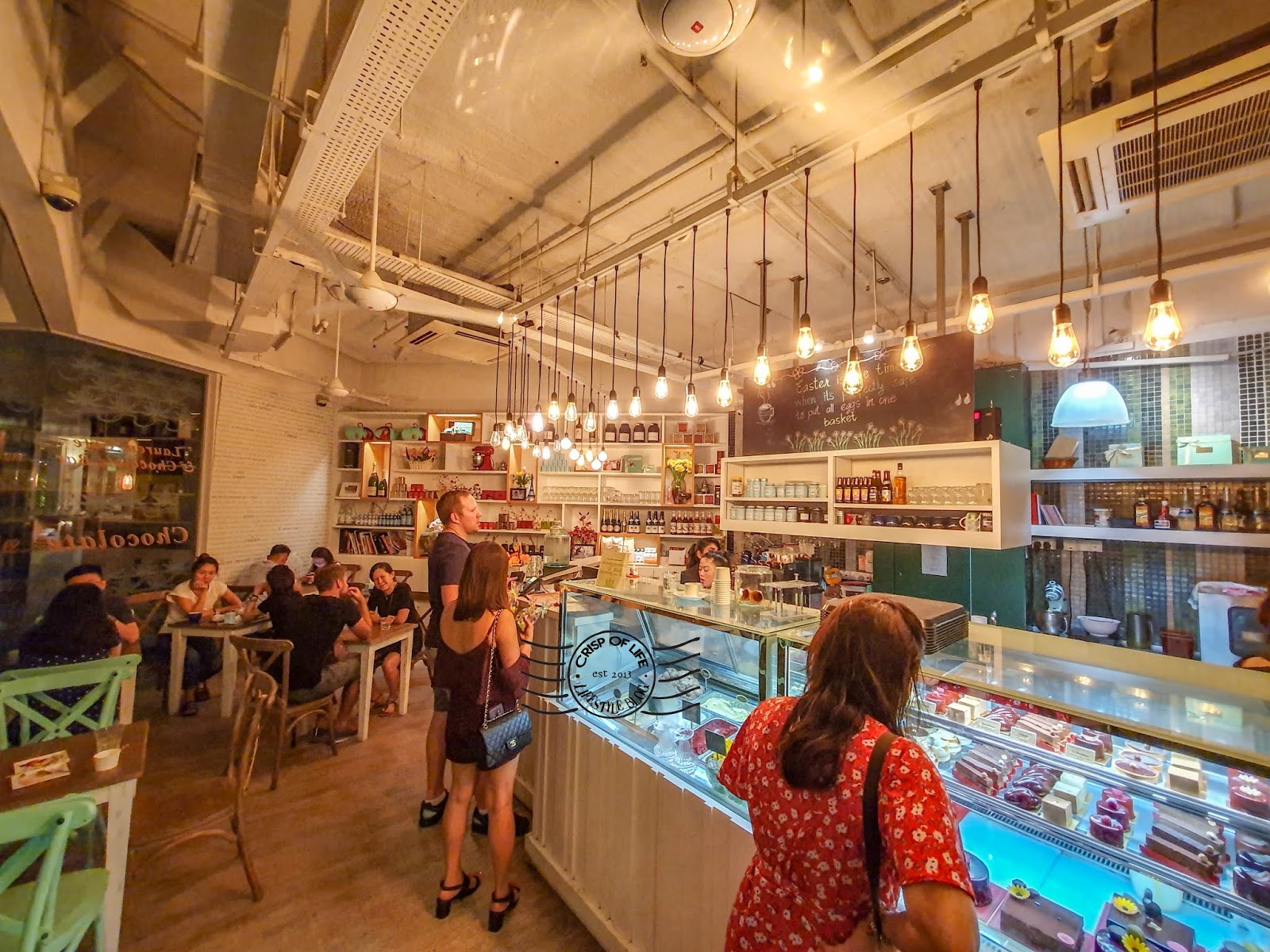
  • End of an Era: Singapores Iconic Laurent Cafe & Chocolate Bar Bids Adieu after Two-Decade Run

    End of an Era: Singapores Iconic Laurent Cafe & Chocolate Bar Bids Adieu after Two-Decade Run

    After two decades of serving artisanal chocolates in Singapore, Laurent Cafe & Chocolate Bar is set to close its doors on August 10 due to escalating costs and financial strain. The renowned Robertson Quay-based chocolatier made the announcement on Facebook, marking a significant day of melancholy for the team. Originally, closure was set for the day of the announcement, however, the final day of operation was later adjusted to August 10.

    The inception of Laurent Cafe & Chocolate Bar in 2006 came via French pastry chef Laurent Bernard and his wife Iveta. Their establishment has been instrumental in moulding Singapore’s artisanal chocolate industry, long before local specialty chocolate brands gained popularity. The cafe earned recognition for their handcrafted chocolate bonbons, soufflés, and cakes.

    Bernard disclosed to the media that the business could no longer sustain the financial weight of running the cafe after being given a week’s notice to clear the premises due to overdue rent. The change of ownership for the building brought additional challenges to the business, as the new landlord demanded a year’s rent upfront. A decrease in footfall in the Robertson Quay area, coupled with increasing rental costs, contributed to the cafe’s struggles.

    Bernard expressed his emotional loss over the impending closure, stating that it’s far more impactful than any financial detriment. He appreciated the empathy shown by his customers and acknowledged the significance of the cafe to many local residents. Despite the closure of the physical cafe, Bernard confirmed that the brand, Laurent Bernard Chocolatier, would continue to operate online, offering delivery and self-pickup options from the company’s central kitchen on MacTaggart Road. With no immediate plans to open a new cafe, Bernard’s focus will shift towards expanding the online business.

    In related news, Pantler, a River Valley patisserie renowned for Japanese-French pastries and desserts, also announced its closure slated for August 30, unless a new owner steps in. This announcement came over an Instagram post, in which they extended gratitude to their loyal patrons for their support over the past 12 years. Escalating operating costs and a challenging business environment were the primary reasons behind the planned closure.

    These closures underline the growing pressure on Singapore’s food and beverage industry, where increasing costs and decreasing consumer spending have become frequent concerns. Singapore has seen 1,267 food business closures between January and April this year, nearly half the total number of closures recorded in the previous year.

    Questions & Answers

    Why is Laurent Cafe & Chocolate Bar closing?
    The escalating costs and financial pressures, coupled with a decrease in foot traffic in the Robertson Quay area, have forced the cafe to close.

    What will happen to the Laurent Bernard Chocolatier brand?
    The brand will continue to operate online, with options for delivery and self-pickup available.

    Are other businesses in the food and beverage sector in Singapore also facing these challenges?
    Yes, rising costs and weaker consumer spending have been cited as the primary challenges within the food and beverage industry in Singapore, leading to an increasing number of closures.