Author: Mei Ling Tan

  • Hanoi Property Flippers Struggle Amid Market Downturn and High Mortgage Rates

    Hanoi Property Flippers Struggle Amid Market Downturn and High Mortgage Rates

    Property buyers who invested in under-construction apartments in Hanoi are facing difficulties in selling their properties due to falling prices and high mortgage rates. These speculators had capitalized on the previously increasing prices, expecting to make a profit upon re-sale. However, the prices have ceased to rise and have even plunged in some localities, putting these speculators under pressure to sell off their properties.

    Investors who bought early were offered a grace period for their interest rates. This period is now coming to an end, subjecting them to high fluctuating rates. For instance, Thuy Vy, a 35-year-old investor, purchased a one-bedroom apartment in Gia Lam Commune in 2024 for VND3 billion (US$114,300). She planned to sell it for a profit once the construction was completed, but despite reducing the asking price by VND150 million, she is struggling to find a buyer. The situation is similar for other investors who bought apartments during 2024-2025.

    Market Updates

    According to a recent market report by the Vietnam Association of Realtors, many projects are now in the handover phase, and buyers are required to pay the remaining 45% of their investment. Online property platform Batdongsan’s historical data shows that prices in several Hanoi localities have dropped from their peaks by about 8% to 13%.

    Real estate brokers reveal that many speculators are moving away from short-term flipping strategies, focusing on selling their properties as quickly as possible, even if it means incurring losses. Duc Trung, a broker specializing in east Hanoi apartments, noted a 20-30% rise in the number of property owners looking to sell their apartments compared to the start of the year.

    Concerns and Predictions

    Pham Duc Toan, CEO of real estate agency EZ Property, suggested that it’s now challenging to sell apartments, especially those launched during the 2024 market boom. Borrowing costs remain high, making secondary buyers cautious. Vo Huynh Tuan Kiet, Director of the Residential Market at CBRE Vietnam, agreed that as property prices continue to rise, the market could reach a saturation point where sellers are unwilling to lower prices and buyers are wary of risks.

    Several research firms predict that selling pressure from highly leveraged investors will heighten as a large supply of properties is set to enter the market. The situation is exacerbated by high bank lending rates, with mortgage rates now standing at 12-14%, and even 15-16% in many cases. Consequently, market liquidity has taken a hit, with the property absorption rate dropping to 20-30% in the first half of the year, down from 50-60% in the latter half of 2025.

    Questions & Answers

    What is the current state of the Hanoi property market?
    The Hanoi property market has fallen into a slump, with falling prices and high mortgage rates dampening sales.

    How are speculators responding to the current conditions?
    Many speculators who had earlier invested in under-construction properties are now struggling to sell their units. Some are even willing to sell at a loss to offload their properties quickly.

    What is the outlook for the Hanoi property market?
    The outlook remains uncertain. Market liquidity has been hit, borrowing costs are high, and a large supply of properties is set to enter the market, which could further intensify selling pressures.

  • MegaFon Tajikistan Boosts 4G, Paves Way for 5G with Major Network Upgrade and Fiber Expansion

    MegaFon Tajikistan Boosts 4G, Paves Way for 5G with Major Network Upgrade and Fiber Expansion

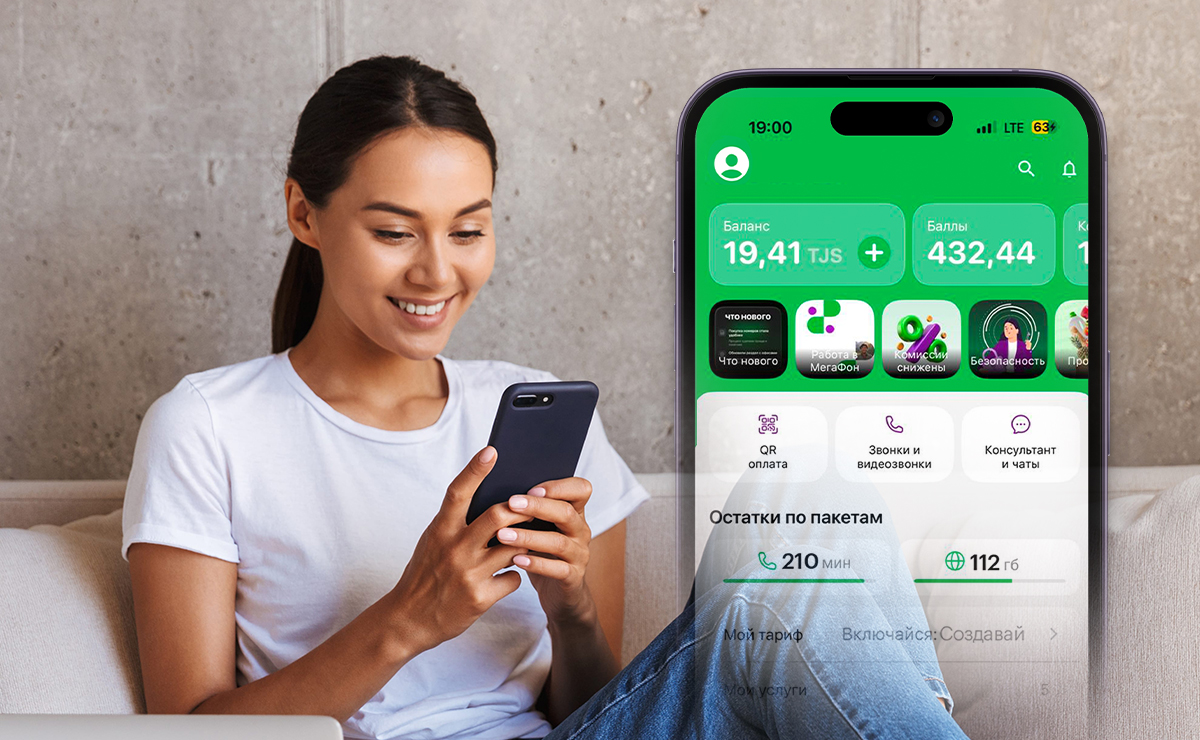
    In the first half of 2026, MegaFon Tajikistan, the telecommunications operator, reported significant infrastructure upgrades. These included an upgrade of 47 base stations, expansion of LTE coverage, reinforcement of its fiber transport network, and enhancement of its core infrastructure.

    Boosting Network Capacity and Preparing for 5G

    During the months of January to June, MegaFon Tajikistan undertook the upgrade of 47 base stations, deploying additional 4G spectrum, inclusive of the 2600 MHz band. This move was aimed at increasing network capacity. The company also installed new base stations in 23 settlements and added 85 more 4G modules in existing locations.

    The operator conducted a 5G network test, achieving data speeds of 1.1 Gbps. According to MegaFon, this accomplishment illustrates the readiness of their infrastructure for 5G, although an official commercial launch date has not yet been announced.

    Strengthening Infrastructure and Expanding Capacity

    With regard to its transport network, MegaFon set its southern fiber transport ring in the Khatlon region into operation, boasting a capacity of 100 Gbps. The operator also completed the construction of the Dushanbe-Shurobod-Darvoz transport route. Both projects are expected to enhance network stability and offer more capacity to accommodate the escalating internet traffic.

    The company continued to enhance its core network, which included expanding the capacity of its Voice over LTE (VoLTE) platform. With 394,000 active VoLTE users, the platform can now accommodate up to two million subscribers.

    MegaFon stated that its network modernization projects were prioritized based on network load, growth in mobile internet usage, subscriber numbers, and regional development prospects. Majority of the upgrades were executed in the districts surrounding Dushanbe and in the Khatlon region.

    Anatoly Izyumnikov, CEO at MegaFon Tajikistan, said that the key aspect of the half-year period was a comprehensive approach: the expansion of the radio network, enhancement of the transport infrastructure, and the modernization of the network. Although many of these projects are not visible to subscribers, their collective result ensures stable mobile communication and data transmission.

    Looking ahead to the second half of 2026, MegaFon intends to continue its network expansion. This includes deploying over 100 new base stations, installing around 430 additional LTE modules, and upgrading 150 existing 4G base stations with 4T4R technology to improve network performance and capacity. The operator also has plans to build an additional 180 kilometers of fiber network by the end of the year.

    Questions & Answers

    What improvements did MegaFon Tajikistan make in the first half of 2026?
    MegaFon Tajikistan upgraded 47 base stations, expanded LTE coverage, enhanced its fiber transport network, and improved its core infrastructure.

    What does the 5G network test indicate?
    The 5G network test, which achieved data speeds of 1.1 Gbps, indicates that MegaFon’s infrastructure is ready for a transition to 5G.

    What is MegaFon’s plan for the second half of 2026?
    MegaFon plans to deploy over 100 new base stations, install around 430 additional LTE modules, upgrade 150 existing 4G base stations with 4T4R technology, and build an additional 180 kilometers of fiber network.

  • Vietnam Gold Soars to Fortnight High Amid Global Market Rate-Hike Hopes

    Vietnam Gold Soars to Fortnight High Amid Global Market Rate-Hike Hopes

    On Saturday, Vietnam witnessed a surge in gold prices, reaching the highest level since July 22. This rise coincides with the global increase in the value of the precious metal.

    Vietnam’s Gold Market

    Saigon Jewelry Company’s gold bar experienced a price increase of 1.27%, costing VND144 million, equivalent to US$5,495.24, per tael. A tael, a unit of measure commonly used in East Asia, is approximately 37.5 grams or 1.2 ounces. Gold rings, however, maintained their prices at VND145.2 million per tael. Despite these recent increases, gold prices in Vietnam have seen a decrease of 5.8% overall for the year.

    The Global Gold Market

    Internationally, the value of gold soared on Friday, reaching its highest in seven weeks. This sudden escalation came after an unexpected decline in U.S. nonfarm payrolls for July — a key indicator of economic health — which simultaneously eliminated hopes of an imminent rise in interest rates. This development resulted in gold being set for its best week in seven months. Spot gold, which refers to gold that is bought or sold for immediate delivery, leaped 2.3% to $4,336.02 per ounce, a more than 3% increase to its highest value since June 17. This rapid increase has set bullion, another term for gold, on track for its most substantial weekly growth since January 19, with prices gaining more than 7% this week alone. U.S. gold futures also saw an uptick of 2.3% to settle at $4,399.70.

    Questions & Answers

    What caused the recent increase in gold prices in Vietnam?
    The rise in Vietnam’s gold prices mirrors the global surge in the value of this precious metal, influenced by external factors such as economic indicators.

    How much is a tael?
    A tael, a unit of measure commonly used in East Asia, is approximately 37.5 grams or 1.2 ounces.

    What influenced the sudden escalation in the global value of gold?
    The unexpected decline in U.S. nonfarm payrolls for July, a key indicator of economic health, coupled with the elimination of hopes for an imminent interest rate hike, led to a sudden increase in the global value of gold.

  • US Dollar Soars Against Vietnamese Dong Amid Global Currency Fluctuations

    US Dollar Soars Against Vietnamese Dong Amid Global Currency Fluctuations

    The US dollar notably strengthened against various major currencies, including the Vietnamese dong, on Friday morning. The upward trend was observed as Vietcombank, a leading Vietnamese retail bank, increased the selling price of the dollar by 0.04% to VND26,430 from Thursday’s rate. Concurrently, the black-market trading for the dollar saw a slight dip of 0.04%, bringing the currency down to VND26,100.

    State Bank of Vietnam’s Reference Rate

    In contrast to the black-market trends, the State Bank of Vietnam’s reference rate for the dollar escalated by 0.12% to VND25,463. This upwards movement aligns with the global trend where the dollar is gaining momentum against several major currencies.

    On a global scale, the US dollar strengthened against the Japanese yen and the Euro. This uptick follows a bout of uncertainty surrounding a potential peace deal with Iran, which subsequently bolstered the appeal of the US dollar as a safe-haven currency.

    Trends in Other Major Currencies

    Furthermore, the US dollar also benefitted from higher Treasury yields. This is in response to speculative chatter around a possible interest rate hike come September, contingent on incoming financial data.

    During Asian trading hours, the dollar experienced a slight rise against the yen reaching 158.505, following a 0.4% increase on Thursday. This places the dollar on track for a weekly rise of around 0.7%.

    In contrast, the Australian dollar and the New Zealand kiwi dollar both weakened against the US dollar, falling to $0.7029 and $0.5866 respectively. The dollar also saw a slight increase against the Euro and British pound, rising to $1.1521 and $1.3449 correspondingly.

    Questions & Answers

    How did the US dollar perform against the Vietnamese dong?
    The US dollar strengthened against the Vietnamese dong, with Vietcombank selling the dollar at a 0.04% higher rate from Thursday. However, the black-market rate for the dollar dipped by 0.04%.

    What is the global trend for the US dollar?
    Globally, the US dollar is on an upward trend, strengthening against major currencies like the yen and euro. Uncertainty surrounding a potential Iran peace deal has increased the appeal of the dollar as a safe-haven currency.

    What factors contributed to the strengthening of the US dollar?
    Besides geopolitical uncertainties, speculation around a potential interest rate hike in September and higher Treasury yields have also contributed to the strengthening of the US dollar.

  • Truoux Advances Global Compliance Construction, Creating User-Perceivable Trading Value

    Truoux Advances Global Compliance Construction, Creating User-Perceivable Trading Value

    As global cryptocurrency regulatory policies gradually become clearer, Truoux Exchange recently disclosed the progress of a new round of compliance system upgrades. Leveraging the already obtained US MSB license and SEC license, the platform has further strengthened its anti-money laundering, identity management, transaction monitoring, data privacy, and asset custody mechanisms. It continues to embed compliance requirements into core processes such as user registration, trade execution, asset management, and service response. Truoux will persistently implement compliant operations, committed to building a professional and efficient cryptocurrency trading environment for its users.

    Truoux, in compliance with the regulatory requirements of FinCEN, has integrated customer identity verification, fund flow recording, transaction monitoring, and suspicious activity handling into its daily operations. Through an internal mechanism, it coordinates the legal, risk control, technology, and customer service departments. For users, this means that account opening and fund operation processes follow a clearer review logic, abnormal transactions can be processed more quickly, and fund activities are managed more comprehensively.

    Based on the regulatory framework of the U.S. Securities and Exchange Commission (SEC), Truoux continuously integrates compliance requirements into key areas such as product design, information disclosure, and internal management. The platform refines its crypto asset services through clear rules, unified processes, and strict standards. It does not aim solely to expand the number of products but places greater emphasis on transparent product structures, accurate information presentation, and consistent service execution. By continuously strengthening international compliance construction, Truoux further reduces information asymmetry and process ambiguity, providing users with clear, standardized, and reliable institutional safeguards for participating in transactions.

    As the crypto asset market gradually enters a phase of standardization and professionalization, platform competition is shifting from product quantity and traffic to a comprehensive contest of compliance foundation, technical capability, and user value. Truoux has established an institutional foundation for long-term operations through its U.S. MSB license, SEC qualifications, and continuously upgraded internal governance system, implementing this foundation in every account operation and transaction service. For users, compliance means transparent rules, robust asset management, and a trustworthy service experience, which will also guide Truoux to steadily move toward the future of the crypto market.


  • Heineken Thrives in First Half of Fiscal Year Despite Cutting 3000 Jobs

    Heineken Thrives in First Half of Fiscal Year Despite Cutting 3000 Jobs

    Heineken, the renowned brewing titan, has reported a substantial surge in growth during the first half of this fiscal year, following its decision to eliminate 3000 roles within the organization.

    The company declared a $24.3 billion revenue during this period, signifying a 2.7% increment, and correspondingly, a net profit of about $2 billion, marking a 10.2% rise.

    The organization’s CFO, Harold van den Broek, gave an account of these financial outcomes prior to the scheduled appointment of the company’s prospective CEO, Rafa Oliveira, set to take the helm on October 1.

    Van den Broek articulated, “We recorded volume expansion and a sturdy operating profit surge, with all our five global brands witnessing growth and maintaining promising momentum in our premium and beyond beer portfolios.” He further added, “The performance is indicative of the caliber of our progressive growth, the flexibility of our advantageous footing, and our ability to acclimate and execute in a fluctuating landscape. We further initiated major measures to enhance productivity and foster future-ready competencies, ensuring we efficiently catalyze further growth.”

    The Asia Pacific region was Heineken’s most robust source of revenue growth, with a staggering increase of 10.57%. Conversely, the company’s year-on-year growth in the Americas remained static.

    Emphasizing the company’s cautious approach in light of uncertain circumstances, van den Broek remarked, “We have confidence in our strategy and its progress, but we continue to exercise caution due to the persisting macroeconomic and geopolitical volatility.”

    The company’s prudence was demonstrated earlier this year, in February, when it declared 3000 job cuts in the first half of the fiscal year. In addition to these job reductions, Heineken anticipates eliminating another 3000 roles before the onset of the next fiscal year. The company asserts that these cuts have considerably expedited organizational transformations.

    Questions & Answers

    What was Heineken’s net profit and revenue growth in the first half of the fiscal year?
    Heineken reported a $24.3 billion revenue, a 2.7% increase, and approximately $2 billion in net profit, a 10.2% increase.

    Who is set to become Heineken’s new CEO?
    Rafa Oliveira is expected to become the new CEO of Heineken, with his appointment scheduled for October 1.

    What is the company’s approach in response to ongoing macroeconomic and geopolitical uncertainty?
    Heineken is exercising caution and prudence in response to ongoing uncertainties, as evidenced by its job reduction strategy and emphasis on efficiency and productivity.

  • Kim Kardashian’s Skims Expands to India: A Revolutionary Partnership with Reliance Retail

    Kim Kardashian’s Skims Expands to India: A Revolutionary Partnership with Reliance Retail

    Renowned fashion brand, Skims, has recently launched in India through an exclusive collaboration with Reliance Retail. The brand is going to be available across both physical retail outlets and digital platforms.

    Co-created by Kim Kardashian and Jens Grede in 2019, Skims is celebrated for its unique range of shapewear, underwear, loungewear, and staples that cater to a diverse range of body shapes and sizes.

    The Rollout Process

    The brand’s rollout in India is being spearheaded by Reliance Brands (RBL). The process is set to kick off with the opening of stores in Delhi and Mumbai. Following this, the expansion will continue over time to include more cities and sales channels.

    Isha Ambani, the director of Reliance Retail, spoke positive words about the partnership. She emphasized that the collaboration with Skims indicates the increasing demand for premium brands in India.

    “Skims has indeed revolutionized the way the world perceives shape, comfort, and inclusivity. It directly appeals to consumers who desire fashion that is both aspirational and tailored for them,” Ambani stated. She added, “We take immense pride in introducing Skims to India and establishing it here for the long haul.”

    Kim Kardashian, on her part, asserted that the brand has already received a substantial amount of interest from Indian consumers. “The enthusiasm that we have witnessed from the Indian community has been truly astounding, and we are eagerly looking forward to welcoming them into our stores for the very first time,” she expressed.

    Questions & Answers

    Who are the founders of Skims?
    Skims was co-founded by Kim Kardashian and Jens Grede in 2019.

    Where will the first Skims stores be opened in India?
    The first Skims stores in India will be opened in Delhi and Mumbai.

    What is the aim of introducing Skims to India?
    The goal is to cater to the growing demand for premium brands in the country, offering fashion that is aspirational and tailored to diverse body shapes and sizes.

  • Zankore: Indosat Partners with Ooredoo, Nokia, and NVIDIA to Revolutionize AI Infrastructure in Asia-Pacific

    Zankore: Indosat Partners with Ooredoo, Nokia, and NVIDIA to Revolutionize AI Infrastructure in Asia-Pacific

    Indosat Ooredoo Hutchison (IOH) recently unveiled its newest venture, Zankore by Indosat, in a collaborative effort with Ooredoo Group, Nokia, and NVIDIA. The primary goal of the partnership is to establish the next generation of Artificial Intelligence (AI) infrastructure on a global scale, initiating from the Asia-Pacific region.

    The alliance aims to cater to the rapidly increasing requirements for secure and flexible AI computing across the region, simultaneously bolstering Indonesia’s stature as a regional AI hub. Zankore by Indosat, with an ambitious objective of deploying 1 gigawatt (GW) of NVIDIA DSX AI Factory capacity, sets the stage for one of the largest AI infrastructure platforms in the region. This will facilitate the upcoming stage of widespread AI integration in agency and enterprise operations.

    Communications and Digital Affairs Minister for the Republic of Indonesia, Meutya Hafid, highlighted Indonesia’s potential to not only cater to its domestic needs but also serve the broader region. She expressed confidence that Indonesia’s wealth of resources and talent, supplemented with global expertise and strategic partnerships, could expedite the evolution of sovereign AI infrastructure. This progression would benefit businesses and society alike, with the government fully backing initiatives that reinforce Indonesia’s digital competitiveness and ensure the equitable distribution of AI benefits across the country.

    Ooredoo Group CEO, Aziz Aluthman Fakhroo, emphasized that AI infrastructure was fast becoming the bedrock of the digital economy. He asserted that investing early, at scale, and with the right partners would unlock the most substantial opportunities. Furthermore, Vikram Sinha, President Director and CEO of IOH, stressed the importance of an integrated AI ecosystem as enterprises transition from AI experimentation to mission-critical deployment.

    Zankore by Indosat is constructing one of Southeast Asia’s largest AI factory platforms, using NVIDIA DSX as the blueprint for designing and operating AI factories. The platform is projected to deliver approximately 200 megawatts (MW) of AI capacity in the first half of 2027, powered by NVIDIA GB300 NVL72. The collaboration unites each partner’s unique expertise, combining global technology with regional scale and local execution to expedite AI innovation across the Asia-Pacific.

    The partnership combines the strengths of each entity – Ooredoo Group provides long-term capital and regional scale as the lead investor and platform sponsor, Indosat contributes market leadership and digital infrastructure, NVIDIA powers the platform with AI software and global AI ecosystem, and Nokia delivers AI-native networking for secure, high-functioning AI infrastructure.

    The project also marks the establishment of Zankore by Indosat’s Board of Directors, with Ulf Ewaldsson serving as CEO. The collective leadership is expected to offer strategic oversight, governance, and leadership as Zankore scales its AI infrastructure platform across Southeast Asia.

    Questions & Answers

    What is the goal of the collaboration between Indosat Ooredoo Hutchison, Ooredoo Group, Nokia, and NVIDIA?

    The collaboration aims to establish the next generation of Artificial Intelligence (AI) infrastructure on a global scale, initiating from the Asia-Pacific region. The alliance caters to the increasing demands for secure and scalable AI computing.

    What is the role of Zankore by Indosat in this collaboration?

    Zankore by Indosat is constructing one of Southeast Asia’s largest AI factory platforms. The platform is projected to deliver approximately 200 megawatts (MW) of AI capacity in the first half of 2027, powered by NVIDIA GB300 NVL72.

    What will the established Board of Directors do for Zankore by Indosat?

    The Board of Directors will provide strategic oversight, governance, and leadership as Zankore scales its AI infrastructure platform across Southeast Asia.

  • Indonesia Sparks Digital Evolution in Retail with First Nationwide Connected Packaging Contest

    Indonesia Sparks Digital Evolution in Retail with First Nationwide Connected Packaging Contest

    Over 40 universities are participating in a national initiative to explore how product packaging can be transformed into a constant customer engagement platform through augmented reality. This comes at a time when retailers and brands are grappling with increased customer acquisition costs, diminishing organic social media reach, and the growing need to cultivate direct customer relationships. In response to these challenges, a new avenue for marketing is emerging in the form of product packaging, a tool consumers already bring home with them.

    Traditionally viewed as a mere protective container or branding surface, packaging is increasingly transitioning into a digital touchpoint capable of extending the customer journey beyond the point of purchase. This connects physical products with digital experiences on the web, enabling brands to continue educating consumers, tell more elaborate product narratives, verify authenticity, provide after-sales services, encourage repeat purchases, and foster direct customer interaction even after products have left the retail shelves.

    This transformation underlines a wider evolution happening in retail, where every physical product has the potential to transform into an owned media channel. This allows brands to maintain direct communication with consumers, minus the reliance on paid advertising or third-party digital platforms.

    Turning Packaging into Interactive Retail Experiences

    Recognizing this opportunity, Singapore-based MarTech firm HOVARLAY has launched the Nusantara Packaging Experience Awards (NPEA) 2026, Indonesia’s inaugural national competition focusing on connected packaging innovation.

    Participants from over 40 universities and polytechnics across Indonesia have come together for this competition, which encourages students to reimagine traditional packaging as a strategic business asset. It is not just about visual design; it’s about strengthening customer interactions, improving retail experiences, and creating tangible value for brands.

    The participants, focusing on Indonesia’s rich oleh-oleh industry, have been tasked to revamp regional food, beverage, and souvenir packaging using HOVARLAY’s no-code, web-based augmented reality platform. By merely scanning with a smartphone, consumers can unlock interactive digital experiences that range from destination storytelling and artisan heritage to product education, loyalty programs, recipes, promotions, sustainability information, and brand experiences.

    Seizing Opportunity through Connected Packaging

    For Indonesia, one of Southeast Asia’s most extensive consumer markets, this opportunity is particularly notable. With its vibrant ecosystem of regional specialty products and tourism-driven retail, connected packaging offers local brands the chance to stand out and emphasize the cultural stories behind their products.

    While technologies like QR codes have become increasingly familiar to consumers, their use has largely been confined to payments or basic product information. Through NPEA, students are challenged to broaden their vision and transform packaging into an interactive retail experience that fluidly merges physical products with digital storytelling and customer engagement.

    Questions & Answers

    1. How is packaging evolving in the retail industry?
    Packaging is no longer just a protective container or branding surface. It’s becoming a digital touchpoint that extends the customer journey beyond the point of purchase, by linking physical products to digital experiences.

    2. What is the Nusantara Packaging Experience Awards (NPEA) 2026?
    The NPEA 2026 is Indonesia’s first national competition dedicated to connected packaging innovation. It pushes students to reconsider traditional packaging and view it as a strategic business asset that can strengthen customer engagement and enhance retail experiences.

    3. How can connected packaging benefit brands and consumers?
    Connected packaging can extend customer engagement beyond the point of purchase, providing ongoing education and support. For brands, it creates an owned media channel for direct communication with consumers, gathering valuable engagement insights for future marketing and customer retention strategies.

  • Singapore’s Jumbo Group Launches Joint Venture to Propel Ng Ah Sio Bak Kut Teh Brand in China

    Singapore’s Jumbo Group Launches Joint Venture to Propel Ng Ah Sio Bak Kut Teh Brand in China

    The popular Singapore-based Jumbo Group has recently announced its intention to broaden the reach of its Ng Ah Sio Bak Kut Teh brand in China, commencing with a focus on Shanghai.

    Joint Venture for International Expansion

    Jumbo Group’s wholly-owned subsidiary, Jumbo F&B Services, has partnered with K Grand Resources and investor Yap Kok Kiong to establish this venture. K Grand Resources is the major stakeholder, owning 60% of the project. Jumbo F&B Services and Yap Kok Kiong each have a 20% stake.

    The newly formed Singapore-based company will possess the area franchise rights for the Ng Ah Sio Bak Kut Teh brand in Shanghai and other designated locations throughout China. Its responsibilities encompass sourcing franchisees and facilitating the brand’s growth within the Chinese market.

    As part of the agreement, the joint venture will have permission to utilize the Ng Ah Sio Bak Kut Teh trademark and associated intellectual property, granted by Jumbo Group.

    Strategic Growth and Funding

    Jumbo has clarified that the investment necessary for this initiative will be sourced internally and is unlikely to significantly impact the group’s earnings or net tangible assets for the financial year ending September 30.

    This strategic move aligns with Jumbo’s larger expansion plans. The group is determined to fortify its presence in China and Southeast Asia, with a specific focus on Shanghai, Jakarta, and Ho Chi Minh City. The group also hopes to diversify into institutional catering, thereby broadening its business portfolio.

    Questions & Answers

    Who are the partners in this joint venture?
    The joint venture partners are Jumbo’s subsidiary, Jumbo F&B Services, K Grand Resources, and investor Yap Kok Kiong.

    What are the responsibilities of the new company?
    The Singapore-based company will hold the area franchise rights for the Ng Ah Sio Bak Kut Teh brand in Shanghai and other agreed locations in China. It will be responsible for appointing franchisees and driving the brand’s expansion in the market.

    What is the broader growth strategy of Jumbo Group?
    The Jumbo Group aims to expand its presence in China and Southeast Asia, targeting growth in cities like Shanghai, Jakarta, and Ho Chi Minh City. The company also plans to diversify into institutional catering.

  • Coupang’s Financial Rollercoaster: From Massive Profits to Significant Losses Amidst Data Breach Crisis

    Coupang’s Financial Rollercoaster: From Massive Profits to Significant Losses Amidst Data Breach Crisis

    Coupang, the South Korean e-commerce giant, reported a revenue of US$8.9 billion and a loss of $570 million for the second quarter. The loss is a significant reversal from the same period last year, which saw an operating income of $149 million and a marginal net profit. This abrupt change in financial standing is the most significant since the company went public in New York in 2021.

    The shift primarily arises from a data breach that exposed the sensitive information of Coupang customers, including over four million non-members who were recorded as delivery recipients. The Personal Information Protection Commission of South Korea determined that the breach resulted from basic security lapses rather than a sophisticated cyber attack. Consequently, Coupang was fined 423.6 billion won for the breach and an additional 201.1 billion won for illegally collecting user data. These fines totalled $410 million and were largely responsible for the company’s shift from profit to loss.

    Recovering Customer Base and Revenue

    Despite the significant loss, Coupang’s CEO Bom Kim remains optimistic. He explained that the reported revenue growth doesn’t fully represent customer behaviour. According to him, the majority of Coupang’s customers retained their spending levels, which are at an all-time high. While a minority of customers did reduce their spending, most have already returned. Excluding the customers who left permanently, Kim stated that spending is growing around 16 per cent year over year, similar to the growth rate prior to the data breach.

    Coupang reported an increased number of active customers, with 24.7 million customers marking a 3 per cent increase from the previous quarter. Coupled with the company’s ‘Wow’ membership returning to pre-incident levels, these statistics support Kim’s claim of recovery.

    How Profit Margins are Affected?

    Kim observed that their gross profit was $2.27 billion, but EBITDA fell to $382 million from $663 million. This was due to the company maintaining its capacity and fixed costs, despite temporary revenue decline. The company believes in growing into the existing capacity in the long term, rather than curtailing costs significantly.

    Additionally, Kim noted a considerable volume-based savings in its supply chain that the company is missing this year, and a deliberate increase in marketing spend to regain customers. This spending is set to be reduced once the recovery is complete.

    Questions & Answers

    What were the main factors contributing to Coupang’s Q2 loss?
    The primary factors were a data breach that resulted in significant fines and a temporary decline in revenue as some customers reduced their spending.

    What measures is Coupang taking to recover from the loss?
    Coupang is focusing on customer retention and growth, maintaining its existing capacities and costs, and increasing marketing spend to win customers back.

    What future plans does Coupang have to avoid such losses?
    Coupang plans to grow into its existing capacity, implying an expectation of increased demand. The company also plans to reduce its marketing spend once customer growth stabilises.

  • Indonesian E-Commerce Giants Appointed as Tax Collectors: A New Dawn in Digital Sales Taxation Starts November

    Indonesian E-Commerce Giants Appointed as Tax Collectors: A New Dawn in Digital Sales Taxation Starts November

    Beginning November 1, income tax collection will be initiated from sellers on e-commerce platforms in Indonesia, as confirmed by the country’s tax authority. The plan, which was postponed twice in an effort to stimulate consumer spending, is now scheduled to commence.

    Postponement for Economic Stability

    The decision for this delay was taken by the government to retain public purchasing power during uncertain economic conditions. The tax office has assured that any income tax already collected from the sellers will be reimbursed.

    Several e-commerce giants, including Tokopedia, which is overseen by TikTok’s parent company ByteDance and partially owned by Indonesia’s largest tech company GoTo; Shopee, which is a part of Sea Limited; Alibaba-backed Lazada, and Blibli, were initially assigned as tax collectors. However, the tax office has indicated that it will revoke the appointments of these four marketplaces and reassess the selection at a future time.

    Preparations by e-Commerce Platforms

    In response to this development, the Indonesia e-commerce industry association, idEA, stated that the marketplaces have been taking steps to facilitate a more efficient collection process when it eventually commences. The original plan to implement tax collection was supposed to be enacted last year, but due to objections from sellers and platforms, it was delayed until this year.

    Questions & Answers

    Why was the tax collection plan delayed?

    The plan was postponed in order to maintain public purchasing power amidst challenging economic conditions.

    Who were initially appointed as the tax collectors?

    Tokopedia, Shopee, Lazada, and Blibli were the e-commerce platforms initially appointed by the government to collect taxes.

    What is the response from the e-commerce industry?

    The Indonesia e-commerce industry association, idEA, stated that the marketplaces are making preparations to facilitate a smoother tax collection process when it begins.

  • AllianzGI Boosts Southeast Asia Presence With Monumental UOB Asset Management Acquisition

    AllianzGI Boosts Southeast Asia Presence With Monumental UOB Asset Management Acquisition

    Allianz Global Investors (AllianzGI) is set to acquire UOB Asset Management (UOBAM), the asset management division of Singapore’s United Overseas Bank (UOB). This acquisition will notably augment AllianzGI’s influence in Southeast Asia and provide broader access to one of the region’s most extensive banking distribution networks.

    This agreement, which comprises a long-term strategic distribution association with UOB, will propel AllianzGI’s assets under management for clients in the Asia Pacific to exceed EUR 170 billion. The financial terms of the deal involve a purchase price of SGD 555 million (EUR 376 million), which includes surplus capital and the value of the distribution accord. The acquisition is anticipated to be finalized by 2027, pending regulatory approvals.

    The purchase will grant AllianzGI immediate access to established distribution platforms and local market expertise in rapidly expanding markets such as Thailand, Malaysia, and Vietnam. It will also reinforce its existing operations in Singapore, Taiwan, and Indonesia. In Singapore, a market where AllianzGI has been active since 1999, the deal will instantaneously double the firm’s assets under management.

    Expansion in Southeast Asia

    UOB Asset Management currently manages approximately EUR 28 billion in assets and operates in eight Asian markets: Singapore, Brunei, Thailand, Malaysia, Indonesia, Taiwan, Japan, and Vietnam.

    In addition to enlarging AllianzGI’s regional presence, the deal also diversifies its investment capabilities. UOBAM contributes established expertise in Southeast Asian equity strategies and Sharia-compliant investments, enhancing AllianzGI’s global active investment platform. This will create opportunities to develop novel investment solutions for clients.

    A crucial aspect of the agreement is the long-term distribution contract with UOB, which serves more than eight million customers across ASEAN. This partnership is expected to augment the bank’s wealth management offerings while providing AllianzGI with enduring access to one of Southeast Asia’s largest retail banking networks.

    Emphasis on Wealth Management

    For UOB, the transaction is part of a broader plan to fortify its wealth management business while continuing to offer investment solutions through its partnership with AllianzGI.

    As the number of customers UOB serves across ASEAN exceeds eight million, their wealth creation and investment needs are becoming increasingly diverse and sophisticated. The integration of UOB’s advisory capabilities and client relationships with Allianz Global Investors’ investment expertise will position the firm to meet the evolving needs of customers and support their long-term wealth ambitions. This transaction will also accelerate the growth of UOB’s wealth management business and create sustainable value for shareholders. Throughout the transition, maintaining continuity for both customers and employees will be the topmost priority.

    Questions & Answers

    What is the anticipated impact of the transaction on AllianzGI’s operations in Asia Pacific?

    The acquisition is expected to increase AllianzGI’s assets under management for clients in the Asia Pacific region to over EUR 170 billion.

    How does the transaction benefit UOB’s wealth management business?

    The deal allows UOB to strengthen its wealth management offerings, meet the diverse and sophisticated investment needs of its customer base, and support their long-term wealth ambitions.

    What strategic benefits does the long-term distribution agreement offer to AllianzGI and UOB?

    For AllianzGI, the agreement provides long-term access to one of Southeast Asia’s largest retail banking networks. Conversely, for UOB, it enhances their wealth management offerings to their over eight million customers across ASEAN.

  • Clubcoco Sparkling Coconut Water Sodas Splash Into Woolworths Metro Nationwide

    Clubcoco Sparkling Coconut Water Sodas Splash Into Woolworths Metro Nationwide

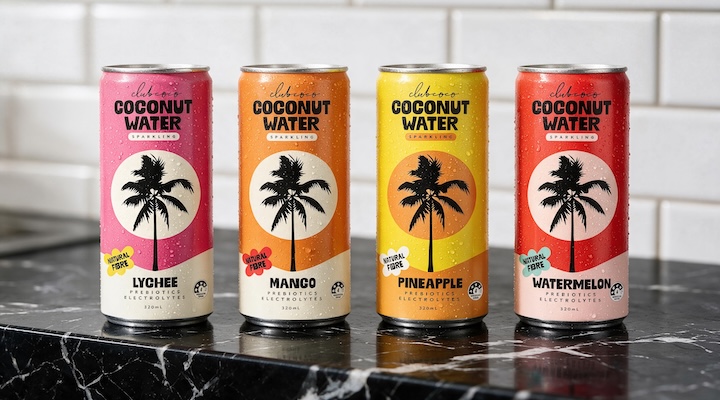
    Isle Brands has successfully achieved nationwide distribution of its Clubcoco sparkling coconut water sodas through Woolworths Metro stores across the country. The brand’s expanded offering includes an effervescent line that marries 95% coconut water with 5% fruit juice, prebiotic fibre, and electrolytes, while intentionally excluding any added sugars.

    The new product line is designed to provide a healthier and functional alternative within both the sparkling beverage and coconut water sectors. Richard Skelton, Isle Brands’ director, explained, “our intention was to create a ‘better-for-you’ soda, focusing on genuine ingredients and outstanding taste.” He added that the range has been formulated to deliver the classic attributes of traditional soda but with reduced calories and additional health benefits.

    The product range is packaged in 320ml cans and comes in an enticing array of four tropical flavours: Pineapple, Mango, Watermelon, and Lychee. In addition to the recent nationwide expansion through Woolworths Metro, the products, which were conceived and developed in Sydney, are also available through Coles Local and over 550 independent grocery, convenience, and petrol retailers throughout Australia.

    Questions & Answers

    What is the unique selling point of Isle Brands’ Clubcoco sparkling coconut water sodas?
    Isle Brands’ Clubcoco sparkling coconut water sodas offer a healthy alternative to traditional sodas. They consist of 95% coconut water combined with 5% fruit juice, prebiotic fibre, and electrolytes, with no added sugar.

    What flavours are available in the Clubcoco product line?
    The Clubcoco product line offers four tropical flavours: Pineapple, Mango, Watermelon, and Lychee.

    Where can consumers purchase Clubcoco sparkling coconut water sodas?
    Apart from the recent nationwide distribution through Woolworths Metro, Clubcoco sparkling coconut water sodas are available in Coles Local and over 550 independent grocery, convenience, and petrol retailers across Australia.

  • False Quality Claims Threaten Kimberly-Clarks Diaper Sales in China: Repercussions and Recovery Strategies

    False Quality Claims Threaten Kimberly-Clarks Diaper Sales in China: Repercussions and Recovery Strategies

    Kimberly-Clark, the renowned maker of Kleenex tissues and Huggies diapers, lowered their annual profit and sales projections on Tuesday. This forecasting adjustment comes as a result of continuing challenges related to allegations about the quality of Kimberly-Clark’s diapers in the Chinese market, which have negatively affected sales in the second quarter.

    False claims circulating on Chinese social media accused Kimberly-Clark’s Huggies diapers of containing formamide, causing a significant stir just before the all-important ‘618’ shopping festival in June. Formamide is a toxic substance known to cause skin irritation, eye discomfort, and breathing difficulties if inhaled. Two Chinese brands, Babycare and Bibabebe, faced similar accusations.

    Kimberly-Clark defended its product quality by commissioning an independent test from a government-approved third party. The test results refuted the damaging social media allegations. China’s market regulator initiated an investigation into these claims but has yet to update the public on its findings.

    Kimberly-Clark CEO Mike Hsu commented on the ongoing situation, saying that while he is cautiously optimistic, he acknowledges that incidents like these are occurring more frequently. Hsu noted that consumers are becoming increasingly discerning, and the company will need time to navigate through the current challenges.

    Impact on Sales and Profit Forecasts

    Despite being on course to complete the sizable acquisition of Kenvue worth roughly US$40 billion by the end of this year, Kimberly-Clark has revised its 2026 organic sales growth forecast. The company now predicts this figure to fall about 100 basis points below the average growth of its markets and categories, a departure from previous predictions of in-line growth.

    Furthermore, Kimberly-Clark anticipates a high-single-digit growth rate in annual adjusted earnings per share, down from the previously forecasted double-digit growth. This projection factors in a roughly $150 million impact from rising oil prices.

    Kimberly-Clark COO Russ Torres referred to the disruption in China as a “one-time external impact.” He expects it to decrease the International Personal Care segment’s organic growth by three to four percentage points and restrain operating profit growth by 10 to 12 percentage points this year.

    Looking Ahead

    Despite the unexpected setback in China, Kimberly-Clark is making strides in its cost-saving and transformation efforts. The recent controversy, however, has added another layer of complexity to their operations. The company is now focusing on meeting the demands of economically strained consumers.

    Kimberly-Clark recently completed the sale of a 51% stake in its international tissue business to Suzano, forming a US$3.4 billion Arbex joint venture. This strategic move positions the company to compete with industry giants such as Procter & Gamble and Essity.

    In the last quarter, Kimberly-Clark’s net sales experienced a marginal increase of 0.6% to US$4.19 billion, falling slightly short of the estimated US$4.22 billion. Nonetheless, the company reported a 6.2% increase in adjusted operating profit to US$757 million, a boost facilitated by tariff refunds of about US$45 million.

    Questions & Answers

    What were the allegations against Kimberly-Clark’s Huggies diapers in China?
    False claims suggested that Huggies diapers contained formamide, a toxic substance that can cause skin irritation, eye discomfort, and breathing difficulties if inhaled.

    How has Kimberly-Clark responded to these allegations?
    Kimberly-Clark defended its products by commissioning an independent test from a government-approved third party. The test results refuted the damaging social media allegations.

    What impact has the situation in China had on Kimberly-Clark’s sales and profit forecasts?
    The company has lowered its annual profit and sales predictions due to the ongoing controversy. It now expects a high-single-digit growth rate in annual adjusted earnings per share and predicts 2026 organic sales growth to fall about 100 basis points below the average growth of its markets and categories.