Author: Mei Ling Tan

  • Tic Tac Two: Doubling the Flavorful Fun with New Dual-Layer Mints in Australia

    Tic Tac Two: Doubling the Flavorful Fun with New Dual-Layer Mints in Australia

    In a move to appeal to the modern, adventurous consumer, iconic mint-based sweets brand, Tic Tac, has introduced a new product line in Australia, Tic Tac Two. This evolutionary version of the classic mint is dual-layered and twice the size of the original Tic Tac.

    The sugar-free Tic Tac Two comes in two exciting variants: Raspberry & Lemon and Peppermint Fresh Mild. The brand’s aim with this new range is to deliver a unique sensory experience, differing from the traditional Tic Tac products.

    New Flavours, New Experiences

    Azzura Puricelli, the head of business development for Ferrero Australia, expressed the company’s enthusiasm for the new product. “By introducing surprising combinations in a fun, fresh format, we’re blending the familiarity of Tic Tac with cutting-edge flavour innovation. Our goal is to cater to today’s adventurous consumers who are always seeking new taste experiences,” she said.

    According to the brand, the introduction of Tic Tac Two aligns with the rising consumer interest in flavoured, convenient confectionery products. It also resonates with recent trends towards larger portion sizes and multi-texture formats in the mint sweets category.

    Availability and Pricing

    Tic Tac Two is now available for purchase in major supermarkets and convenience stores across Australia. The recommended retail price is set at $4.

    Questions & Answers

    **What are the new variants of Tic Tac Two?**
    The new Tic Tac Two comes in two flavours: Raspberry & Lemon and Peppermint Fresh Mild.

    **How does Tic Tac Two differ from the original Tic Tac product?**
    Tic Tac Two offers a unique sensory experience with its dual-layer and twice the size of the original Tic Tac. It also introduces new flavours, creating a different taste to the classic Tic Tac mint.

    **Where can consumers purchase Tic Tac Two?**
    Tic Tac Two is now available in major supermarkets and convenience stores across Australia.

  • Emma & Tom’s Unveils Zesty Lemonade Range in Australia and New Zealand, Reinventing the Classic with a Healthy Twist

    Emma & Tom’s Unveils Zesty Lemonade Range in Australia and New Zealand, Reinventing the Classic with a Healthy Twist

    Emma & Tom’s, the health-focused beverage company, has expanded its product offerings by launching the Old Fashioned Lemonades range in Australia and New Zealand. The newly introduced range includes Classic Lemon and Pink Lemonade flavors, and is now available for purchase at major supermarkets, independent retailers, cafes, and lunch bars across both nations.

    In addition to the new lemonade line, Emma & Tom’s have also revamped their Quencher product line by introducing the Light Lemonade range. This range, which is free from added cane sugar and sweetened with white grape juice, is available in Light Lemon and Light Pink varieties. Consumers can find these products on the shelves of Coles Group supermarkets.

    Emma & Tom’s was established two decades ago, centering its business on the philosophy of self-care. Their extensive range of products is health-oriented, while maintaining a strong commitment to social and environmental responsibility. Last year, the company was integrated into the food and beverage group, Soulfresh.

    Questions & Answers

    What new products has Emma & Tom’s launched?
    Emma & Tom’s has introduced the Old Fashioned Lemonades range and the Light Lemonade range to its beverage lineup.

    Where can the new products be purchased?
    The new lemonade ranges are available at major grocery stores, independent retailers, cafes, lunch bars, and at Coles Group supermarkets in Australia and New Zealand.

    What is the unique feature of the Light Lemonade range?
    The Light Lemonade range is free from added cane sugar and is sweetened with white grape juice, aligning with Emma & Tom’s health-oriented business philosophy.

  • French Luxury Chocolatier La Maison du Chocolat Expands Korean Presence with New Pop-Up in Seoul’s Lotte Department Store

    French Luxury Chocolatier La Maison du Chocolat Expands Korean Presence with New Pop-Up in Seoul’s Lotte Department Store

    La Maison du Chocolat, a renowned French luxury chocolatier, is expanding its presence in South Korea, launching a new pop-up boutique in the central Seoul location of the Lotte Department Store Main B1.

    Expanding Partnership with Bluebell Korea

    This latest venture is in cooperation with Bluebell Korea, a notable distributor recognized for handling an assortment of luxury and premium labels throughout the broader Asian region. The partnership serves to introduce La Maison du Chocolat’s revitalized branding and retail design to the Korean market, using the pop-up boutique as an experimental platform for potential future growth.

    Exquisite Chocolate Selection

    The temporary store will exhibit a curated selection of La Maison du Chocolat’s signature offerings. Their variety of products range from truffles, chocolate tablets, and macarons, to a host of seasonal creations, offering a tantalizing treat for all chocolate connoisseurs.

    Brand History

    Established in 1977 by chocolatier Robert Linxe, La Maison du Chocolat has since been spearheaded by Nicolas Cloiseau, who stepped into his role as creative director in 2011. The brand made its debut in the Korean market in 2015, opening a boutique in the main branch of Shinsegae Department Store situated in Sogong-dong.

    Questions & Answers

    Who is the current leader of La Maison du Chocolat?
    Nicolas Cloiseau has led La Maison du Chocolat as its creative director since 2011.

    When did the brand first enter the Korean market?
    The brand made its first foray into the Korean market with a boutique in Shinsegae Department Store’s main branch in Sogong-dong in 2015.

    What products does the new pop-up boutique in Seoul offer?
    The boutique offers a range of La Maison du Chocolat’s offerings, including truffles, chocolate tablets, macarons, and seasonal creations.

  • Stella McCartney Joins Forces with H&M for a Sustainable Fashion Revolution: A Glimpse into the Eco-Friendly Collection

    Stella McCartney Joins Forces with H&M for a Sustainable Fashion Revolution: A Glimpse into the Eco-Friendly Collection

    Swedish multinational clothing-retail company H&M is gearing up for a collaborative venture with renowned fashion designer Stella McCartney. This partnership comes as a celebration of their first collaboration that took place in November 2005, marking two decades of their professional relationship.

    The forthcoming collection, slated for a Spring release in the upcoming year, is designed to resonate with McCartney’s sustained dedication to sustainable fashion. This will be achieved through the use of responsible and recycled materials, embodying a conscious approach to fashion design.

    Audiences had the opportunity to get a first look at the collection during the Fashion Awards held in London on December 1. A line-up of models and celebrities including Amelia Gray, Anitta, Emily Ratajkowski, Yasmin Wijnaldum, Bel Priestley, Alton Mason, and Kiara Nirghin debuted pieces from the much-anticipated line.

    McCartney expressed her views on the collaboration as an opportunity to contemplate the advancements made in areas of sustainability, cruelty-free practices, and conscious design. However, she also acknowledged the substantial amount of work that remains to be done. She further stressed the importance of effecting change from both outside and within the industry, advocating for a comprehensive approach to progress.

    The collaboration is also set to introduce an Insights Board. This initiative is targeted at promoting discourse and innovation around sustainability and animal welfare within the fashion sector. The main goal of the board is to bring together a diverse range of voices from across the industry, fostering an exploration of novel approaches to responsible design and industry transformation.

    Questions & Answers

    What is the aim of the upcoming H&M and Stella McCartney’s collaboration?
    The collaboration aims to reflect Stella McCartney’s commitment to sustainable fashion by featuring responsible and recycled materials in its collection.

    What is the role of the Insights Board introduced in this partnership?
    The Insights Board is designed to promote discussion and innovation around sustainability and animal welfare within the fashion industry. It will bring together voices from across the industry to explore new approaches to responsible design and changes in the industry.

    What is Stella McCartney’s view on the progress of sustainable fashion?
    Stella McCartney views the collaboration as a chance to reflect on progress in sustainability, cruelty-free practices, and conscious design. However, she acknowledges that there’s still a significant amount of work to be done. McCartney believes in effecting real change by pushing from both outside and within the industry.

  • Vietnam Navigates Stormy Trade Seas, Eyes $11B Seafood Export Milestone Amid Global Demand Surge

    Vietnam Navigates Stormy Trade Seas, Eyes $11B Seafood Export Milestone Amid Global Demand Surge

    Vietnam’s seafood export industry is on track to hit its projected target of $11 billion this year, despite experiencing slower growth in exports to the U.S. due to increased tariffs. In the first 10 months of the year, exports witnessed a 15% year-on-year increase and reached a figure of $9.5 billion. This surge was primarily driven by shrimp exports, which contributed to more than 40% of the total exports, according to the Vietnam Association of Seafood Exporters and Producers (VASEP).

    U.S. Export Slowdown

    The third quarter saw a slow down in exports to the U.S., particularly in shrimp and pangasius, following the 20% tariff on seafood imports from Vietnam, which was implemented in August. However, this slump has not hampered overall growth.

    Emerging Markets and Opportunities

    Promising opportunities for export growth are emerging in other markets, particularly China. In the first 10 months of the year, China purchased over $2 billion worth of seafood from Vietnam, marking a significant increase of 32%. The main products exported to China include lobster, marine fish, and live crab, with demand consistently on the rise.

    Despite a weakening yen, exports to Japan also increased, witnessing a 15.2% rise to $1.4 billion. Other rapidly expanding markets include Canada and Australia.

    Challenges Ahead

    Despite the promising figures, VASEP has cautioned that the fisheries sector could encounter challenges in the coming year. The main concerns comprise the increased tariffs, potential impacts of the U.S. Marine Mammal Protection Act, and the likelihood of the E.U. maintaining its yellow card on Vietnam due to illegal, unreported, and unregulated fishing.

    The competition presented by India, Ecuador, and Indonesia is also expected to intensify in the near future, adding to the list of potential hurdles.

    Questions & Answers

    What factors have contributed to Vietnam’s seafood export growth this year?
    The main factors include a surge in shrimp exports and increasing demand from markets such as China, Japan, Canada, and Australia.

    What challenges could potentially impact the seafood export industry in Vietnam?
    Increased tariffs, potential ramifications from the U.S. Marine Mammal Protection Act, the likelihood of the E.U. continuing its yellow card on Vietnam for illegal fishing practices, and rising competition from India, Ecuador, and Indonesia could pose challenges.

    What is the projected seafood export target for Vietnam this year?
    Vietnam aims to achieve a seafood export target of $11 billion this year.

  • Vietnam Airlines Teams Up with Pizza 4P’s: Savour In-Flight Meals like Never Before!

    Vietnam Airlines Teams Up with Pizza 4P’s: Savour In-Flight Meals like Never Before!

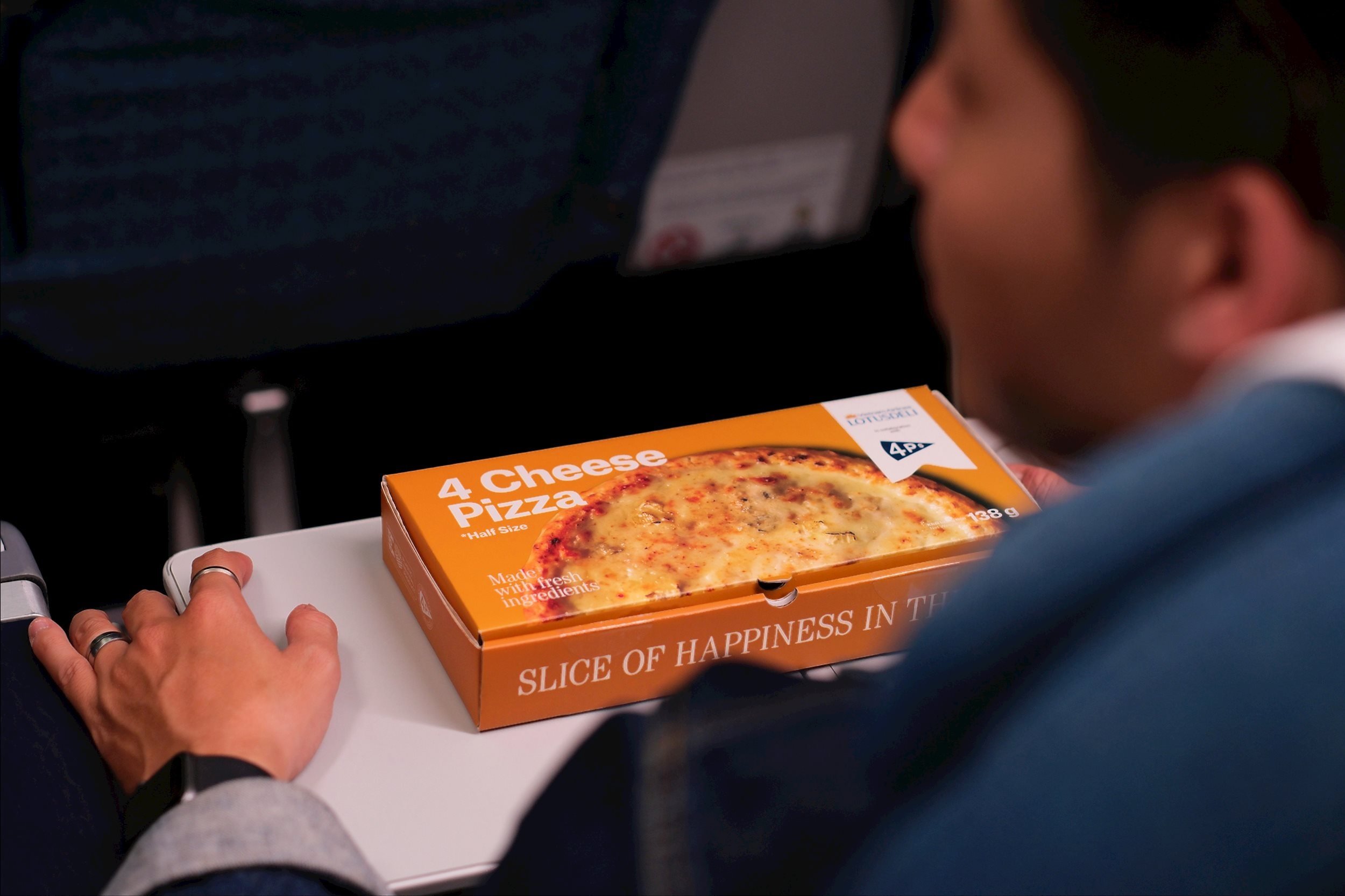
    Vietnam Airlines has recently introduced a new feature, offering meals sourced from the immensely popular Pizza 4P’s restaurant chain. The airline commenced the sale of these meals on Monday, on select domestic flights lasting 60 minutes or more and international flights that are a minimum of 90 minutes departing from Hanoi and HCMC, according to an official statement.

    Menu and Pricing

    Among the meal options available are Margherita and 4 cheeses, priced at VND119,000 dong (US$4.51) for half a standard pizza. However, potential customers are required to place their orders a minimum of 24 hours in advance, either via the airline’s official website or mobile app.

    Other airlines in Vietnam like Vietjet, Bamboo Airways, and Vietravel Airlines have already ventured into the sale of food and souvenirs on board their flights. In 2022, Vietnam Airlines also began selling milk tea on board, with prices set at VND49,000 per cup on domestic routes and VND100,000 on international flights.

    Shift Towards Personalized Offerings

    The initiative is part of Vietnam Airlines’ strategic shift towards offering more personalized, co-branded products that cater to the evolving needs of younger travelers, families, and international passengers.

    Pizza 4P’s, established in 2011 by Japanese duo Yosuke Masuko and Sanae Takasugi, is renowned for its pizza. Despite pizza being the main dish on its menu, the brand positions itself as a restaurant chain instead of a fast-food outlet. It now boasts 40 restaurants, with 35 locations in Vietnam and additional branches in Cambodia, Indonesia, Japan, and India.

    Questions & Answers

    What are the new meal options available on Vietnam Airlines?
    Vietnam Airlines has introduced meals from the popular Pizza 4P’s restaurant chain, including Margherita and 4 cheeses options.

    How can customers purchase these meals on Vietnam Airlines?
    Customers are required to place their orders a minimum of 24 hours in advance, either through the official website or mobile app of Vietnam Airlines.

    What is the goal of Vietnam Airlines in introducing these new meal options?
    Introducing meals from Pizza 4P’s is part of Vietnam Airlines’ strategic shift towards offering more personalized, co-branded products to cater to the evolving needs of younger travelers, families, and international passengers.

  • Singapore Workforce Trends 2026: Job Hugging, Emotional Salaries and the Death of 9-to-5

    Singapore Workforce Trends 2026: Job Hugging, Emotional Salaries and the Death of 9-to-5

    Recent data from the international payroll and HR platform, Deel, has highlighted five emerging trends that are set to significantly influence Singapore’s work culture and employee decision-making processes by 2026. These findings present a significant shift in the current landscape, challenging employers to rethink strategies surrounding talent retention, workspace design, and compensation.

    Decrease in Job Switching

    Singapore’s workforce has recently observed a notable decline in the frequency of job switching. This rising preference for maintaining a steady career, termed “job hugging,” is not fueled by employee loyalty but rather by a careful approach to career stability. Given the current state of economic unpredictability, workers are beginning to prioritize job security over swift career progression.

    Increasing Importance of Emotional Salary

    With the growing strain on standard pay packages due to inflation and budget constraints, employers are starting to focus on “emotional salary” to attract and retain talent. This concept encompasses various aspects such as recognition, flexibility, autonomy, purpose, and opportunities for personal development. Statistics highlight this trend, showing that only 13% of employees believe their salary has maintained pace with inflation, while 79% desire more flexible payment schedules, and 54% seek greater control over their compensation structure. This data indicates a workforce that values emotional and financial well-being as much as monetary compensation.

    Adoption of Microshifting

    Traditional 9-to-5 workdays are evolving into a more adaptable model through the concept of “microshifting.” This model allows employees to segment their workday into shorter, concentrated periods of work that align with their energy levels and personal needs, ranging from rest to exercise to caregiving. The outcome is a more flexible, productivity-centered work rhythm.

    Shift Towards Conscious Unbossing

    “Conscious unbossing” is a new trend where employees, particularly Gen Z, are consciously moving away from managerial roles to prioritize balance, autonomy, and wellness. This gradual shift is leading employers to reconsider their leadership succession plans as fewer employees express interest in climbing the corporate ladder.

    Rising Career Pressures

    The surge of polished success narratives on professional networks is amplifying what is known as “LinkedIn envy,” a phenomenon where employees grapple with feelings of inadequacy by constantly comparing themselves to others. As career achievements become more public, the emotional pressure escalates, reminding employers of the increasing correlation between psychological well-being and career contentment.

    Forecast for Singapore’s Talent Landscape in 2026

    These emerging trends suggest that employees are reshaping their definition of success and adjusting their expectations of employers. Organizations can seize this opportunity by accommodating these changing priorities through enhancing emotional and financial support, modernizing payroll systems, and overhauling the employee experience from its very foundation.

    Karen Ng, the Regional Head of Expansion, Enterprise, North and South Asia at Deel, explains, “In Singapore, the traditional career path is undergoing a transformation process as employees navigate not only economic turbulence but also evolving personal priorities. The trend of employees ‘hugging’ their current roles due to a yearning for stability is on the rise. When employees feel financially stable and emotionally supported, they are not only more likely to stay but also more likely to positively contribute to organizational growth.”

    Questions & Answers

    What is “job hugging”?
    Job hugging refers to the trend of employees opting to remain in their current roles rather than seeking new opportunities. This trend is driven by a desire for stability and predictability in uncertain economic times.

    What is “emotional salary”?
    Emotional salary refers to non-monetary benefits used to attract and retain talent. This can include recognition, autonomy, purpose, flexibility, and personal development opportunities.

    What is “conscious unbossing”?
    Conscious unbossing is a trend where employees, particularly from Gen Z, are intentionally stepping away from management tracks in pursuit of balance, autonomy, and well-being.

  • India Boosts Cybersecurity: Enforces New Compliance Rules on OTT Platforms and Smartphone Manufacturers

    India Boosts Cybersecurity: Enforces New Compliance Rules on OTT Platforms and Smartphone Manufacturers

    In a bid to enhance digital security due to increasing episodes of online fraud and mobile-related cybercrime, India has released two key directives. These new rules demand compliance from Over The Top (OTT) communication platforms and smartphone manufacturers.

    Ensuring Secure Communication

    The Department of Telecommunications (DoT) in India has instructed messaging platforms such as WhatsApp, Telegram, Snapchat, Signal, and Arattai to enable SIM binding within a 90-day timeframe. According to the Telecommunications (Telecom Cyber Security) Rules, 2024, these applications must remain connected to the mobile number and active SIM card of a user’s device. Moreover, web and desktop versions must log users out every six hours, requiring them to reauthenticate via QR code pairing. Non-compliance will result in penalties as stipulated by the Telecommunications Act.

    This decision has been made in response to the increasing number of cyber fraud cases involving OTT apps accessed without the corresponding SIM or from foreign locations. Such situations allow for identity spoofing and misuse. This order has been issued following nearly a year of discussions between government officials and OTT companies.

    Representatives of the industry have expressed concerns about the impacts on user experience and technical feasibility. They emphasized that not all platforms, particularly iOS, can consistently carry out SIM checks. They also warned about potential disruptions for legitimate uses, including eSIM and dual-SIM devices, international travel, small businesses relying on persistent desktop sessions, and elderly user accessibility. Companies are also unsure if SIM binding will effectively decrease fraud involving Indian SIM cards obtained through intermediaries.

    Demand for Preloaded Cyber Safety App

    On the same day, the telecom ministry of India issued another mandate for leading smartphone manufacturers including Apple, Samsung, Vivo, Oppo, and Xiaomi. They are required to preload the government’s Sanchar Saathi cyber safety app on all new devices sold in the country. Users will not have the option to delete or disable this app. Devices that are already in the supply chain must receive the app via software updates.

    Sanchar Saathi, launched in January, allows users to block and track lost or stolen phones, verify device authenticity, and detect fraudulent mobile connections. Government data reveals that the app has assisted in the recovery of over 700,000 phones, including 50,000 in October alone, and has facilitated the blocking of over 3.7 million lost or stolen devices. Additionally, more than 30 million fraudulent mobile connections have been disconnected using its systems.

    Questions & Answers

    What is the purpose of the new directives issued by India’s Department of Telecommunications (DoT)?
    The new directives aim to tighten digital security due to rising incidents of online fraud and cybercrime related to mobile devices. They introduce new compliance requirements for Over The Top (OTT) communication platforms and smartphone manufacturers.

    What measures are messaging platforms expected to implement under these directives?
    Messaging platforms such as WhatsApp, Telegram, Snapchat, Signal, and Arattai are required to implement SIM binding, which means these apps must remain linked to the user’s mobile number and active SIM card. Web and desktop versions of these apps must also log out users every six hours and require reauthentication through QR code pairing.

    What is the Sanchar Saathi app and why are smartphone manufacturers required to preload it on new devices?
    The Sanchar Saathi app is a cyber safety application launched by the Indian government. It allows users to block and track lost or stolen phones, check device authenticity, and identify fraudulent mobile connections. Smartphone manufacturers are required to preload this app on all new devices sold in India to enhance digital security.

  • StarHub and NeutraDC Collaborate on Quantum-Secure Connectivity, Boosting Regional Digital Ecosystem

    StarHub and NeutraDC Collaborate on Quantum-Secure Connectivity, Boosting Regional Digital Ecosystem

    StarHub, in partnership with NeutraDC, a division of Telkom Indonesia specializing in data centers, has announced the signing of a Memorandum of Understanding (MoU). The agreement is set to improve their joint efforts on quantum-safe connectivity solutions, which incorporates quantum-resistant encryption, post-quantum cryptography, and secure network infrastructure for the next generation. The intention behind these efforts is to bolster the digital services ecosystem in the region.

    Enhancing Regional Connectivity

    As part of their strategy to enhance regional connectivity, StarHub plans to establish a point of presence (PoP) at NeutraDC’s SNG-3 location in Singapore. This entails the integration of StarHub’s Low-Latency Data Centre Connect solution within NeutraDC’s digital infrastructure network. The result of this would be the enablement of enterprises to enjoy low-latency interconnectivity between data centers, cloud platforms, and essential business applications.

    This joint effort further bolsters Singapore’s role as a regional digital hub, providing enterprises with seamless, efficient, and secure access to data resources across Southeast Asia.

    Low-Latency Data Centre Connect Solution

    In the current digital economy, enterprises require a high-performance data exchange system between multiple data centers, cloud platforms, and applications. StarHub’s Low-Latency Data Centre Connect solution offers ultra-low-latency interconnect in Singapore, featuring a path with less than one millisecond to cable landing stations (CLS) for extensive regional reach.

    Quantum Security Adoption

    With the rise in security threats, quantum security is progressively being adopted as a substitute for current encryption standards. The collaboration between StarHub and NeutraDC aims to encourage the broad adoption of quantum-encrypted connectivity.

    Through the PoP at NeutraDC’s SNG-3, customers can benefit from direct CLS connectivity. This includes a fully comprehensive regional access route from data center to CLS to subsea cable, as well as software-defined networking (SDN) features like network slicing, multi-tenancy portals, and bandwidth-on-demand for dynamic scalability with data-intensive workloads. Additionally, quantum-safe encryption using post-quantum cryptography offers future-proof data protection, along with service orchestration that enables faster service provisioning and improved network agility.

    Tan Kit Yong, Chief of Regional Enterprise at StarHub, said, “Enterprises are currently facing unprecedented data demands. They require infrastructure that can match their growth pace. By collaborating with NeutraDC, we aim to simplify the process for businesses to move, protect, and scale their data. This will help them gain real performance advantages and expedite their digital transformation across the region.”

    NeutraDC Singapore’s CEO, Sendang Praptomo, expressed excitement about the collaboration with StarHub. He stated, “This strategic initiative strengthens NeutraDC’s strategy of providing seamless, secure, and cloud-ready connectivity to our regional Neutra Compute GPU clouds. Quantum-secure connectivity represents the new frontier of security, overcoming the limitations of current encryption standards. This will empower our customers to stay ahead of emerging threats and meet evolving business requirements.”

    Questions & Answers

    What is the aim of the MoU signed between StarHub and NeutraDC?
    The Memorandum of Understanding (MoU) aims to enhance collaboration on quantum-safe connectivity solutions, with a focus on quantum-resistant encryption, post-quantum cryptography, and next-generation secure network infrastructure.

    How will the collaboration between StarHub and NeutraDC benefit enterprises?
    The collaboration will provide enterprises with low-latency interconnectivity between data centers, cloud platforms, and critical business applications. This will effectively strengthen Singapore’s role as a regional digital hub and offer efficient and secure access to data resources across Southeast Asia.

    What does the quantum-safe connectivity solution entail?
    Quantum-safe connectivity includes quantum-resistant encryption, post-quantum cryptography for future-proof data protection, and service orchestration for faster service provisioning and enhanced network agility.

  • Australia Paves the Way: Unprecedented Legislation for Nationwide Mobile Coverage

    Australia Paves the Way: Unprecedented Legislation for Nationwide Mobile Coverage

    The Australian government has put forth a draft bill that would mandate leading mobile carriers, including Telstra, Optus, and TPG, to ensure baseline outdoor mobile coverage countrywide. The bill, known as the Universal Outdoor Mobile Obligations (UOMO), is meant to extend voice and SMS services to regions currently devoid of such amenities.

    An Innovative Method for Broadening Mobile Coverage

    The proposed legislation, hailed as a pioneering endeavor by the government and interested parties, suggests blending present terrestrial networks with direct-to-device (D2D) services transmitted via low-Earth orbit (LEO) satellites. The desired outcome is to stretch mobile services to remote and regional zones where commercial mobile services have previously been nonviable.

    It is projected that UOMO would extend to an area of up to 5 million square kilometers of Australian territory. Baseline services under this legislation would commence with voice calls and SMS. The possibility of integrating data services in the future has not been ruled out, contingent on technological advancements and market dynamics.

    Benefits to Remote and Regional Australians

    The draft bill outlines a proposed commencement date of December 1, 2027. The introduction of UOMO promises to enhance access to vital services and emergency assistance for Australians in regional and remote districts. It also aims to foster competition in the satellite-aided mobile services industry.

    Anika Wells, the Minister for Communications, stated, “The Universal Outdoor Mobile Obligation, in ensuring Australians receive a mobile signal almost anywhere they can see the sky, proves that no Australian should be left behind. It will offer regional and remote communities better connectivity, access to essential services, and ensure safety for Australians by providing emergency aid when necessary.”

    Kristy McBain, the Minister for Regional Development, Local Government, and Territories, also voiced her support, stating, “This significant reform will enhance connectivity for individuals in regional and remote Australia. Mobile connectivity dead zones can not only be annoying but also obstruct basic tasks. Improved connectivity not just keeps people connected, but it also ensures safer roads, stronger businesses, and easier access to services.”

    Stakeholders, such as the National Farmers’ Federation, have applauded the initiative, recognizing its potential to enhance connectivity, safety, and productivity in rural communities. Hamish McIntyre, the National Farmers’ Federation President, emphasized that “Mobile connectivity is not a luxury for farmers and regional Australians; it’s a necessity for safety, businesses, connecting families, and staying safe in emergencies. Improved outdoor mobile coverage will help bring regional Australians in line with their urban counterparts. If we get this right, Australia could become the gold standard for regional communications.”

    However, the bill remains in draft form, and successful execution will hinge on the successful deployment and functioning of satellite-based technologies.

    Questions & Answers

    What is the primary goal of the UOMO bill?
    The primary goal of the UOMO bill is to extend mobile coverage to remote and regional parts of Australia that lack access to such services, using a blend of terrestrial networks and satellite technology.

    What services will the UOMO cover initially?
    The UOMO will initially cover voice calls and SMS services. The inclusion of data services may be considered in the future, depending on technological and market developments.

    What is the proposed start date for the UOMO?
    The proposed start date for the UOMO is December 1, 2027.

  • Singapore’s 2026 Economy: Navigating Tariffs, Tech, and Transformation Amid Weakening External Demand

    Singapore’s 2026 Economy: Navigating Tariffs, Tech, and Transformation Amid Weakening External Demand

    In 2026, Singapore is slated to encounter a crucial year in which its economic resilience will be put to the test by changing geopolitical scenarios, trade fragmentation, and a moderating technology cycle, according to a recent report by DBS, the nation’s leading bank.

    Projecting Economic Trends

    DBS Group Research predicts a GDP growth of 1.8 percent, which, while proximate to potential, is down from an estimated 4.0 percent in 2025. The city-state will be managing the dual challenges of tariffs and tech, often referred to as the “two Ts” by analysts.

    It is projected that export-dependent sectors will experience a slowdown due to the ongoing impact of increased global tariffs and potential new semiconductor charges that could be imposed by the US. The World Trade Organization anticipates world merchandise trade volume to grow by a mere 0.5 percent in 2026, a sharp decrease from over 2 percent in the previous two years. This suggests a waning external demand.

    Slowing Tech Momentum

    Singapore’s electronics strength, fuelled by AI-related components, has now reached a mature phase, following an 18-month growth period. Global semiconductor sales growth is expected to slow down to 9.9 percent in 2026, from 15.4 percent in 2025. This could potentially curb manufacturing momentum if the AI boom subsides or if proposed US chip tariffs come into effect.

    In contrast, the services economy, particularly finance and insurance, information and communications, and professional services sectors, is anticipated to balance overall performance. Over the past decade, these modern services have demonstrated stronger and more consistent growth compared to manufacturing. This has been facilitated by digitisation, favourable financial conditions, and robust regional investment flows.

    Infrastructure Projects Boosting Growth

    Major infrastructure projects, such as Changi Airport Terminal 5, Tuas Port, and the North-South Corridor, are expected to stimulate the domestic construction sector. This sector is forecasted to generate an annual demand of S$39-46 billion from 2026 to 2029, indicating a structurally stronger outlook than both the post-pandemic recovery and the pre-COVID times.

    Headline and core inflation are predicted to average 1.2 percent and 1.0 percent, respectively, in 2026. This inflation rate is higher than the post-pandemic low in 2025, but still falls within the Monetary Authority of Singapore’s target range. Imported disinflation is diminishing, while domestic costs will modestly increase as productivity trails behind wage growth.

    Climate Policies and Price Pressures

    Changes in green policies, such as a planned 1.8 fold carbon tax increase and a sustainable fuel levy for aviation, are forecasted to drive up utility and travel prices. It is estimated that the carbon tax adjustment could increase electricity tariffs by approximately four percent in 2026. However, inflation of essential services is expected to be controlled by healthcare subsidies and reduced education fees.

    Policy Focus on Economic Blueprint

    With a refreshed political leadership, Singapore is preparing to launch an updated strategy to boost competitiveness and ensure long-term vibrancy. This will include technology adoption, attracting global investments, and strengthening roles in emerging sectors like low-carbon energy and data flows.

    Year of Cautious Confidence

    Singapore’s status as a trusted hub, coupled with government buffers and policy continuity, forms the foundation of what DBS refers to as “measured resilience”. This refers to a type of growth that withstands challenges while also preparing for the next stage of economic transformation.

    Questions & Answers

    What are the “two Ts” that Singapore is expected to navigate in 2026?
    The “two Ts” refer to tariffs and technology. These are the two major challenges that are anticipated to impact Singapore’s economic growth in 2026.

    How is Singapore’s services economy expected to perform in comparison to the manufacturing sector?
    The services economy, particularly sectors like finance and insurance, information and communications, and professional services, is expected to balance overall performance in 2026. These sectors have shown stronger and more stable growth than manufacturing over the past decade.

    What is the predicted impact of green policy changes on Singapore’s economy in 2026?
    Changes in green policies, including a planned increase in carbon tax and a sustainable fuel levy for aviation, are expected to drive up utility and travel prices. However, inflation of essential services should be kept in check due to healthcare subsidies and reduced education fees.


  • Malaysia’s Strategic Moves to Regain Palm Oil Dominance in China Amid Market Challenges

    Malaysia’s Strategic Moves to Regain Palm Oil Dominance in China Amid Market Challenges

    Malaysia is taking proactive measures to reclaim its portion of China’s palm oil market, following a precipitous drop of almost 39% in export volumes year-on-year in the first ten months of 2025.

    Factors Influencing the Decline

    According to Malaysia’s Plantation and Commodities Minister, Datuk Seri Johari Abdul Ghani, this dramatic decrease can be attributed in part to logistics issues and a surge in palm oil prices. The latter has overtaken the costs of soybean oil, making soybean oil more attractive to Chinese buyers.

    Chinese Market Significance

    China holds a pivotal role as a strategic market for Malaysia, having consistently been one of the leading destinations for Malaysian palm oil exports for over a decade. Ghani remarked that the steep decrease points to deeper problems, extending beyond simply competitiveness and logistics. The issues also involve pricing dynamics and market positioning.

    Transparent Export Policies

    Ghani underscored that Malaysia remains committed to maintaining clear and predictable export policies. This approach is designed to ensure that the nation’s activities do not interfere with the interests of its key trading partners.

    Promoting Continuous Dialogue

    In addition, Malaysia is open to ongoing discussions to better synchronize expectations regarding pricing trends, market developments, and long-term supply planning, the minister added.

    Questions & Answers

    What has caused the drop in Malaysia’s palm oil exports to China?
    The drop in exports has primarily been attributed to two factors: challenges in logistics and a rise in palm oil prices, which have made soybean oil a more attractive choice for Chinese buyers.

    Why is the Chinese market significant to Malaysia?
    China is a key and strategic market for Malaysia, consistently standing as one of the top destinations for Malaysian palm oil exports for over a decade.

    How does Malaysia plan to address the current challenges and regain its market share?
    Malaysia intends to maintain transparent and predictable export policies and is open to continuous dialogue on pricing trends, market developments, and long-term supply planning to better align expectations.

  • Vietnam Stocks Soar to Six-Week High: A Remarkable Upsurge on the VN-Index

    Vietnam Stocks Soar to Six-Week High: A Remarkable Upsurge on the VN-Index

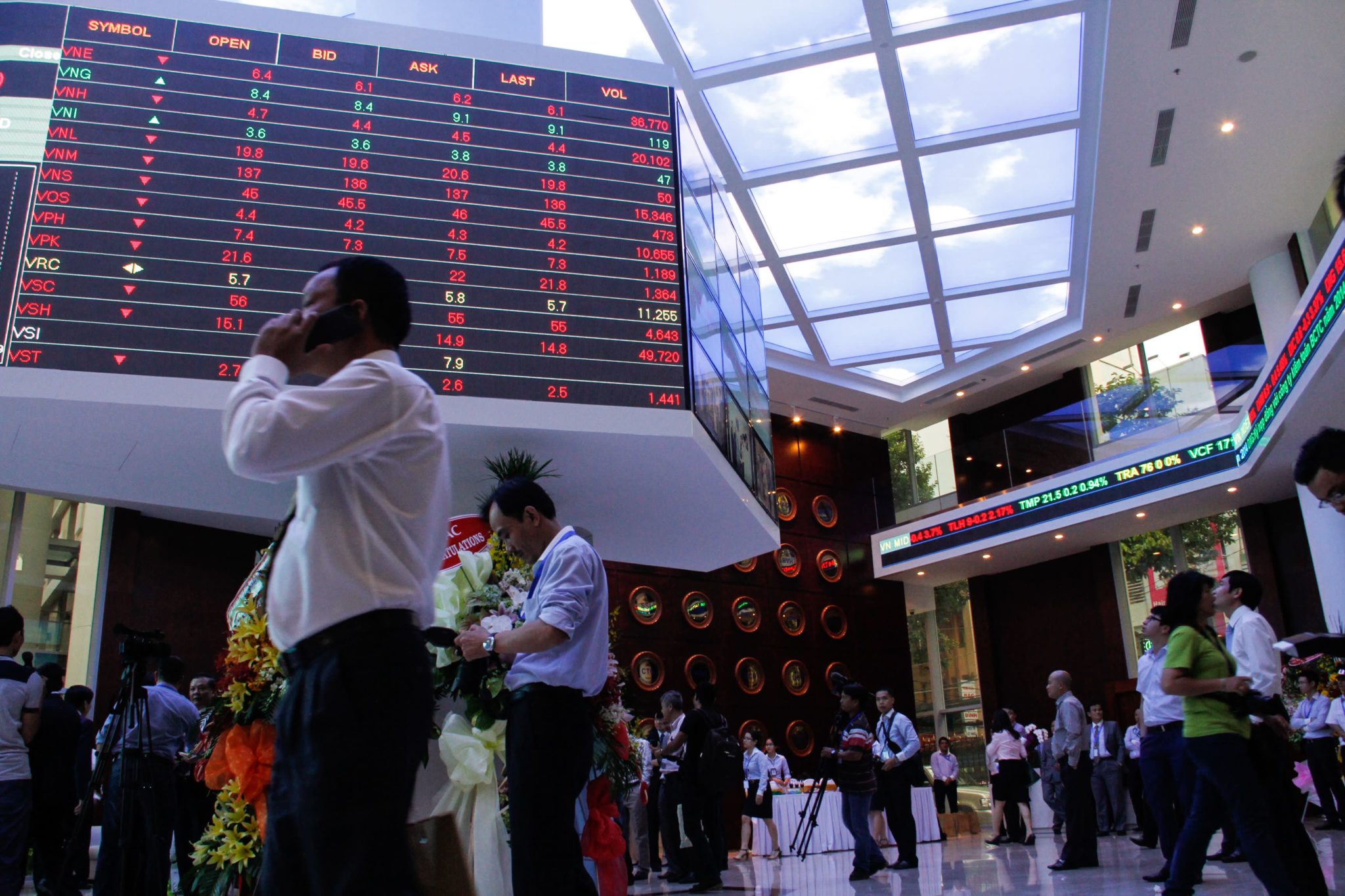
    On Tuesday, the VN-Index, Vietnam’s benchmark index, rose by 0.9% to reach 1,717.06 points. This marked the highest level it had reached since October 17. The index ended the day 15 points higher, with a total increase of over 56 points across the previous five sessions.

    Growth in Trading

    The Ho Chi Minh Stock Exchange, where the index is located, experienced a 6.4% increase in trading. The trade value came to VND22.39 trillion, equivalent to US$849 million.

    Significant Stock Movements

    The VN30 basket comprises the 30 largest capped stocks, of which 20 saw an increase in their share prices. Leading the pack was Sabeco’s SAB and Vietjet’s VJC, both of which saw a significant 6.9% increase in their share prices. They were closely followed by the Vietnam Rubber Group’s GVR, which saw an increase of 3.9%, and Techcombank’s TCB, which experienced a 3% hike in its share price.

    On the other hand, five blue-chip stocks experienced a drop, with VPBank’s VPB seeing the most significant decline of 1.4%.

    Foreign Investment

    In terms of foreign investment, investors were net buyers, with VND637 billion invested predominantly in Vietjet’s VJC and Vingroup’s VIC.

    Other Indices

    Other exchanges also saw a rise in their indices. The HNX-Index on the Hanoi Stock Exchange, famous for mid and small-cap stocks, saw an increase of 0.37%. Meanwhile, the UPCoM-Index for the Unlisted Public Companies Market experienced an increase of 0.47%.

    Questions & Answers

    What was the highest point reached by the VN-Index on Tuesday?
    The VN-Index reached its highest point since October 17 on Tuesday, concluding at 1,717.06 points.

    Which stocks led the increase in the VN30 basket?
    The stocks that led the increase in the VN30 basket were Sabeco’s SAB and Vietjet’s VJC, each experiencing a 6.9% rise in share price.

    What was the trend among foreign investors?
    Foreign investors were predominantly net buyers, notably investing in Vietjet’s VJC and Vingroup’s VIC.

  • Festive Travel Gets An Upgrade: Vietjet Provides Free eSIM to International Passengers Flying to Vietnam

    Festive Travel Gets An Upgrade: Vietjet Provides Free eSIM to International Passengers Flying to Vietnam

    Festive travel gets an upgrade: Vietjet provides Free eSIM to international passengers flying to Vietnam

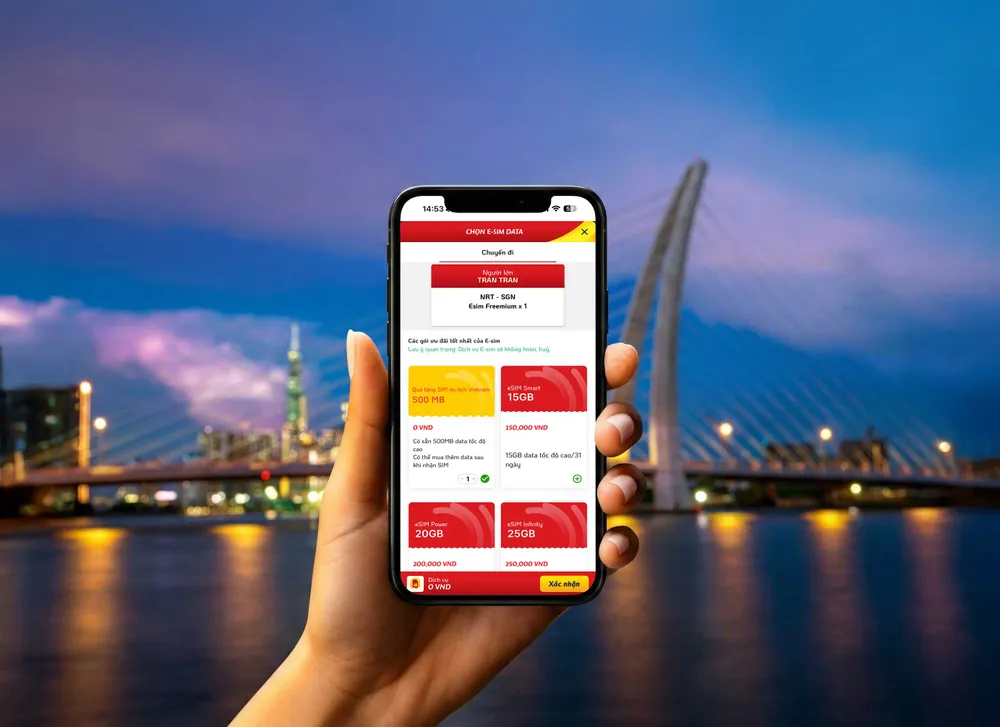
    This festive season, Vietjet is enhancing the holiday experience for international travellers by offering a complimentary SkyFi eSIM on all flights to Vietnam. Passengers departing from Singapore can enjoy seamless connectivity as they travel directly to Hanoi, Ho Chi Minh City, Da Nang and Phu Quoc, making it easier to stay connected while exploring vibrant cities or relaxing on Vietnam’s scenic beaches.

    From now until 31 December 2025 (while supplies last), travellers who book any international flight to Vietnam via www.vietjetair.com or the Vietjet Air mobile app will receive a free SkyFi eSIM loaded with 500MB of high-speed data. The eSIM is valid for 31 days from arrival in Vietnam (terms and conditions apply). Travellers simply need to select the complimentary eSIM during the add-on service step, after which the eSIM will be emailed directly for instant activation with a quick scan.

    The festive season is an ideal time to discover Vietnam’s diverse attractions, whether it is the lively energy of Ho Chi Minh City, the gentle year-end cool in Hanoi or the coastal tranquillity of Phu Quoc. The SkyFi eSIM allows travellers to stay in touch with loved ones and share their holiday moments with ease.

    Whether travellers are reuniting with family, journeying with friends or enjoying a well-deserved personal escape, Vietjet invites them to “Thank Yourself with Festive Flights”. The campaign offers passengers a chance to unwind, reconnect and celebrate the close of a hardworking year. Onboard, they can look forward to Vietjet’s modern, fuel-efficient fleet, professional crews and a selection of Vietnamese and international dishes such as pho, banh mi and other inflight services.

    Enjoy flying with Vietjet!


  • Rev Up for the Harley Davidson X440T: Next-Gen Motorcycle Sneak Peek Ahead of Official Debut

    Rev Up for the Harley Davidson X440T: Next-Gen Motorcycle Sneak Peek Ahead of Official Debut

    In December 2024, Hero MotoCorp announced through a Securities and Exchange Board of India (SEBI) filing a continuation of its partnership with Harley-Davidson beyond the X440, revealing plans for new variants. Now, one year later, the first of these new additions, the X440T, is set to make its debut. This new motorcycle retains the familiar features of its X440 predecessor while introducing several key improvements.

    Design Distinctions of the New Harley-Davidson X440T

    Among the noticeable revisions on the X440T is an entirely restyled rear three-quarters section. A longer cowl graces the tail of the X440T, likening its design to that of other commuter motorcycles. While Harley-Davidson has yet to release a front-angle image of the new model, it is anticipated to bear a close resemblance to the original X440. Additional changes include bar-end mirrors and a fresh color palette featuring red, black, blue, and white options.

    Anticipated Advancements in the X440T

    Beyond the aesthetic upgrades, the X440T is expected to unveil several feature enhancements. Among these is the possibility of a ride-by-wire system, which could introduce additional riding modes and switchable traction control, among other advancements.

    As yet, further details remain undisclosed. However, it is predicted that the X440T will share much of its hardware with the X440, such as the chassis, engine, suspension, wheel sizes, and braking setup. For reference, the existing Harley-Davidson X440 is equipped with a 440 cc, oil-cooled, 2-valve SOHC single-cylinder engine that produces 27 bhp at 6,000 rpm and 38 Nm of torque at 4,000 rpm, coupled with a 6-speed transmission.

    History of the Hero-Harley Partnership

    The Hero-Harley alliance was forged in 2020 when the American motorcycle brand joined forces with Indian two-wheeler powerhouse Hero MotoCorp to manage local sales and service networks and co-develop high-end models. The first motorcycle resulting from this collaboration was the H-D X440 introduced in 2023, followed by Hero’s Maverick 440 in early 2024.

    There is yet to be a decision on whether the new X440T will replace the existing X440, or if both models will be sold concurrently. The Hero equivalent on this platform is still listed on the company’s website despite reaching the end of its production run. Currently, only selected dealerships with remaining stock are selling the Maverick 440.

    Questions & Answers

    What are the anticipated feature enhancements of the new X440T?
    The X440T is expected to introduce several feature advancements, such as a ride-by-wire system, potentially offering additional riding modes and switchable traction control.

    What is the current status of the Maverick 440?
    While the Maverick 440 has reached the end of its production run, it is still listed on the company’s website and is available at select dealerships with remaining stock.

    Will the existing X440 be replaced by the new X440T?
    It is not yet decided whether the X440T will replace the X440 or if both models will be sold concurrently.