Author: Mei Ling Tan

  • South Korea’s Startup Boom: How Flexible Digital Regulations Could Unleash a ₩2.4 Trillion Venture Capital Upsurge

    South Korea’s Startup Boom: How Flexible Digital Regulations Could Unleash a ₩2.4 Trillion Venture Capital Upsurge

    South Korea has the potential to draw an extra ₩2.4 trillion in yearly venture capital investment and launch numerous additional startups if it were to adopt more favorable digital regulations, a recent study conducted by Oxford Economics for Digital Prosperity Asia (DPA) suggests.

    The study claims that while digital regulations are vital to ensuring trust, security, and consumer protection, growing compliance requirements are exerting additional pressure on startups. This burden impacts their innovation capabilities, their potential to raise capital, and their ability to scale their businesses.

    Statistical modeling by Oxford Economics suggests that a more lenient regulatory framework from 2026 to 2035 could escalate the annual startup formation by nearly 15 percent, which translates to about 240 additional startups per year. It could also support around 21,000 startup jobs by 2035. In contrast, a tighter regulatory atmosphere could decrease startup formation by 8 percent and diminish annual venture capital investment by an estimated ₩1.3 trillion.

    Despite South Korea boasting one of the most robust startup ecosystems in Asia, the research indicates that regulatory design is increasingly becoming a crucial factor in future growth. While regulation is critical to building trust and safeguarding consumers, the economic implications are considerable. A more conducive regulatory environment could stimulate increased startup formation, lure more investment, and aid job creation over the coming decade, thereby ensuring South Korea maintains its status as a premier destination for digital innovation.

    The research was based on a survey of 500 participants in South Korea’s startup ecosystem, reinforced by expert interviews and economic modeling.

    The Increasing Cost of Compliance

    The study posits that compliance has shifted from a regulatory obligation to a significant business cost for many startups. The survey reveals that 86 percent of South Korean startups believe that digital regulation imposes operational constraints, with almost a quarter describing the impact as major or severe. Over 75 percent allocate more than 5 percent of their operating costs to compliance, with 44 percent spending above 15 percent of their operating expenses on meeting regulatory requirements.

    Nearly 80 percent of startups reported restructuring their operations to comply with digital rules, including adopting compliant cloud infrastructure, implementing new compliance processes, and leaning more on external legal and advisory services.

    The report also suggests that regulatory requirements are increasingly channeling resources away from innovation. Approximately 77 percent of startups reported that digital regulations had affected their capacity for innovation, while 58 percent had to redirect financial resources from research and development towards compliance. Almost half stated that regulatory obligations had caused delays in product launches or extended time-to-market.

    Investor Worries

    The study further reveals that digital regulations also impact fundraising. Half of the startups surveyed indicated that digital regulations create uncertainty about investment returns, thereby complicating the process of raising capital. Among venture capital investors, 58 percent claimed that regulatory requirements make expected returns less predictable. Half of them indicated that they would lessen their exposure to higher-risk startups if regulations became stricter.

    The study emphasizes the necessity of ensuring that regulatory frameworks are risk-based, proportionate, and practical, taking into account businesses of various sizes and stages. It concludes that the design of digital regulation will play an increasingly influential role in determining South Korea’s competitiveness as one of Asia’s premier technology and innovation hubs, particularly as policymakers aim to strike a balance between consumer protection and economic growth and investment.

    Questions & Answers

    What is the potential impact of more enabling digital regulations in South Korea?
    A more enabling regulatory environment could boost the annual startup formation by nearly 15 percent, equating to about 240 additional startups per year, and could support about 21,000 startup jobs by 2035.

    How are regulatory requirements affecting startups in South Korea?
    Regulatory requirements place operational constraints on startups, with compliance now representing a significant business cost. These obligations are increasingly diverting resources away from innovation and leading to delays in product launches or extended time-to-market.

    How do digital regulations impact fundraising for startups?
    Digital regulations create uncertainty around investment returns, making it more difficult for startups to raise capital. Regulatory requirements also make expected returns less predictable, causing some investors to reduce their exposure to higher-risk startups.
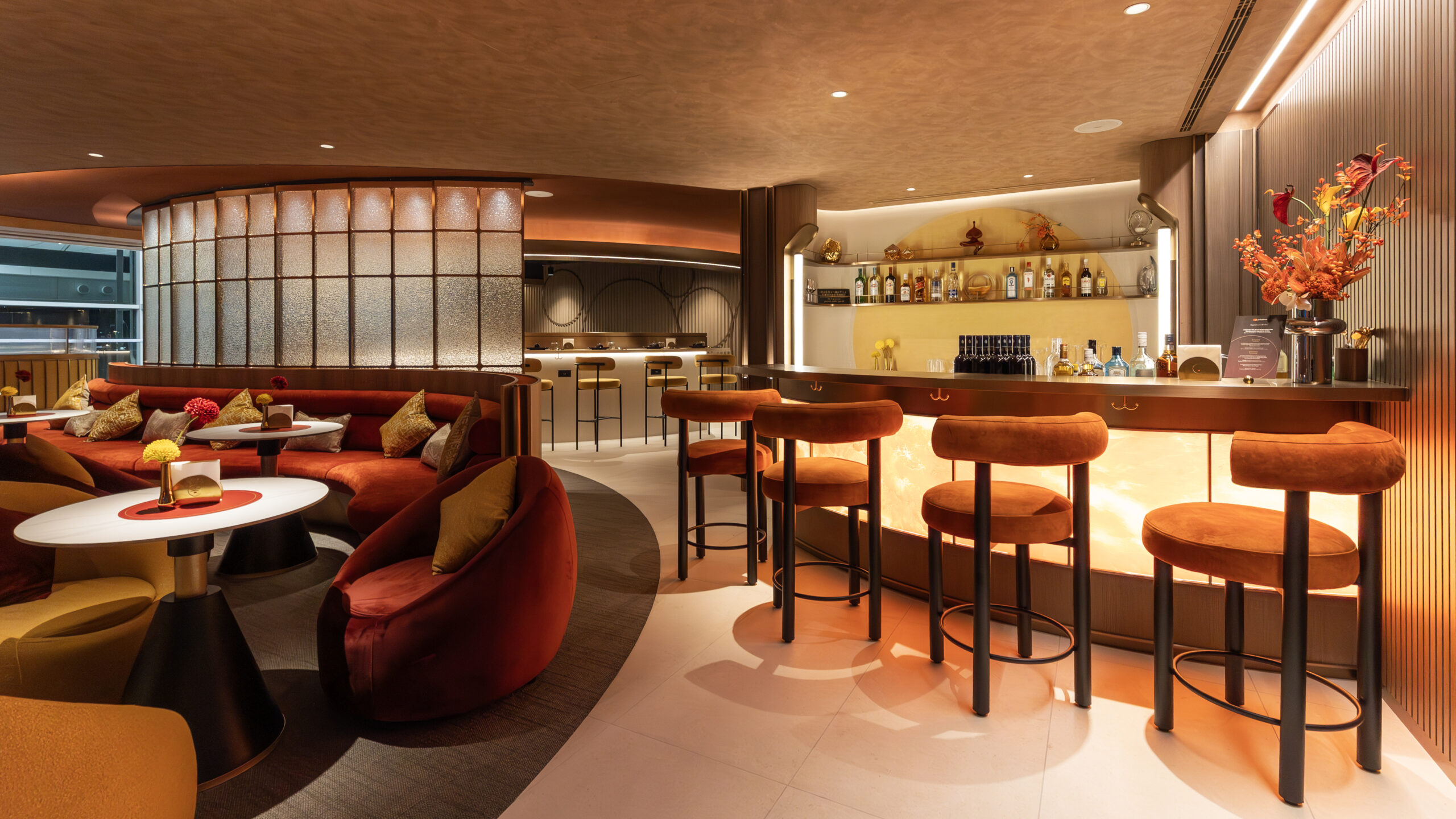

  • Asia Pacifics First Mastercard Airport Dining Club Debuts in Hong Kong: A Premium Travel Experience for Affluent Flyers

    Asia Pacifics First Mastercard Airport Dining Club Debuts in Hong Kong: A Premium Travel Experience for Affluent Flyers

    Mastercard has broadened its premium travel services in the Asia Pacific region by launching the first Taste by Priceless dining club at Hong Kong International Airport. This move is aimed at bolstering the company’s allure for wealthy travelers. The dining club, located in Terminal 1 near Gate 40, is open to eligible World Legend, World Elite, and World Mastercard cardholders traveling via Hong Kong, irrespective of the country of card issuance. This airport-based venture forms part of The Mastercard Collection, the corporation’s global array of premium travel, dining, and entertainment benefits.

    Adapting to Changing Travel Trends

    The unveiling of this dining club showcases the rising significance of lifestyle and travel privileges in the race for high-value cardholders. Payment providers are now focusing on more than just traditional incentives to distinguish their premium services. Joyce Bo, Executive Vice President, Core Payments, Asia Pacific at Mastercard, observes that travelers now view airports as integral parts of their journeys, rather than merely transit points. Consequently, more travelers are seeking worthwhile experiences that justify arriving early at airports.

    Mastercard reports that World Legend cardholders enjoy complimentary access for themselves and up to three guests, while World Elite and World Mastercard holders can enter at discounted rates. Eligible travelers can gain access to the dining club within three hours of departure without requiring a prior reservation.

    Unique Dining Concepts and Expansion Plans

    The venue in Hong Kong showcases two unique dining concepts: The Counter and The Cove. The Counter provides a chef-curated tasting menu, while The Cove offers an à la carte menu that combines Asian and Western dishes. The experience is enhanced by exclusive desserts and cocktails crafted specifically for the Taste by Priceless brand.

    The introduction of the Taste by Priceless dining club in Hong Kong is Mastercard’s first airport-based venture of this nature in the Asia Pacific region. This follows the inaugural launch in São Paulo’s Guarulhos International Airport. Another location is set to open in Mexico City later this year. In addition to airports, Mastercard continues to broaden its comprehensive Priceless portfolio by offering curated dining experiences in locations such as Hong Kong, Rome, Mexico City, and São Paulo. This supports its strategy of incorporating premium experiences throughout the customer journey.

    Questions & Answers

    What is the Taste by Priceless dining club initiated by Mastercard?
    This is a premium dining experience offered by Mastercard at select airports, targeted at its affluent cardholders.

    Who can access the Taste by Priceless dining club at Hong Kong International Airport?
    World Legend, World Elite, and World Mastercard cardholders are eligible to access the dining club.

    What unique dining experiences does the Taste by Priceless dining club offer?
    The venue showcases two unique dining concepts – The Counter and The Cove, offering a chef-curated tasting menu and à la carte selections of Asian and Western cuisine, respectively. Exclusive desserts and cocktails are also a part of the experience.

  • Bain Capital Acquires Bubble Tea Giant Gong Cha for $635 Million in Surprise Deal

    Bain Capital Acquires Bubble Tea Giant Gong Cha for $635 Million in Surprise Deal

    Private equity firm Bain Capital has successfully completed the acquisition of the global bubble tea franchise, Gong Cha, a deal estimated to be worth around US$635 million. This figure falls significantly short of the $2 billion valuation that was initially sought by Gong Cha’s owner, TA Associates, earlier in the year.

    Exploring Strategic Options

    Speculation about the acquisition began circulating months ago, after it was revealed that TA Associates had engaged the services of JPMorgan Chase & Co. The global financial services firm was to explore strategic options for Gong Cha, which was founded in Taiwan, including the potential for a sale.

    Initial discussions proposed that the business could be valued at approximately $2 billion. However, these talks were still in the preliminary stages and a transaction was far from guaranteed. During the sale process, TA Associates, the bubble tea chain’s owner since 2019, reportedly piqued the interest of several private equity firms, including Bain Capital and General Atlantic.

    Global Bubble Tea Giant

    Since its establishment in 2006, Gong Cha has evolved into one of the largest bubble tea franchises in the world. The brand currently operates more than 2,100 stores across over 30 markets. Its franchise model extends across the Asia-Pacific, North America, Europe, and the Middle East.

    The acquisition is expected to finalize before the close of the current year.

    Questions & Answers

    What is the estimated value of the Gong Cha acquisition by Bain Capital?
    The acquisition is estimated to be worth around US$635 million.

    Who was engaged to explore strategic options for Gong Cha?
    Global financial services firm, JPMorgan Chase & Co, was engaged to explore strategic options for Gong Cha.

    How many markets does Gong Cha operate in worldwide?
    Gong Cha operates in over 30 markets across the globe.

  • Singapore Retail Sales Surge: Recreational Goods and Jewellery Take the Lead in June

    Singapore Retail Sales Surge: Recreational Goods and Jewellery Take the Lead in June

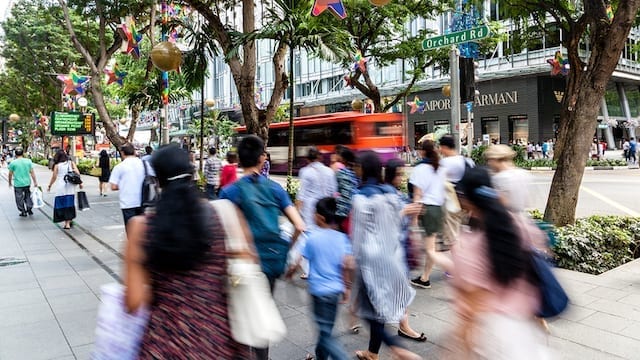
    Retail sales in Singapore experienced increased growth in June, with most sectors seeing improvements, with the most significant ones being recreational goods, watches, and jewelry.

    According to the Department of Statistics, retail sales—excluding motor vehicles, parts, and accessories—rose by 4.1 per cent year-on-year in June, which shows an acceleration from the 3.6 per cent increase in May.

    Sectoral Breakdown and Online Sales

    The estimated total value of retail sales for this period was SG$3.5 billion (US$2.7 billion), with online sales making up 19.5 per cent.

    On a seasonally adjusted basis, retail sales in June saw a slight increase of 0.2 per cent compared to May.

    In terms of sectors, recreational goods recorded the highest growth with sales shooting up by 11.4 per cent, followed closely by watches and jewelry with a 10.5 per cent rise. These significant increases were mainly driven by higher sales of sporting goods and jewelry.

    Other sectors like computer and telecommunications, cosmetics, supermarkets, and petrol service stations also saw solid improvements between 7.3 per cent and 9.8 per cent.

    Declining Sectors

    Contrastingly, department stores experienced the most significant decline during this period, with a drop of 9.5 per cent. Similarly, sales of apparel and footwear, food and alcohol, and convenience stores also saw decreases ranging from 0.6 per cent to 1.7 per cent.

    Sales of food and beverage services also saw a decrease of 2.3 per cent to SG$1.5 billion, a stark contrast to the modest 0.1 per cent growth recorded in May.

    Questions & Answers

    Which sectors recorded the highest growth in Singapore’s retail sales?
    Recreational goods saw the highest growth in sales at 11.4 per cent, followed by watches and jewelry at 10.5 per cent.

    How much did retail sales grow in June year-on-year?
    Retail sales, excluding motor vehicles, parts, and accessories, rose by 4.1 per cent year-on-year in June.

    Which sectors saw a decline in sales during June?
    Department stores saw the steepest decline at 9.5 per cent, while sales of apparel and footwear, food and alcohol, and convenience stores fell by 0.6-1.7 per cent.

  • Fila Amplifies Malaysian Retail Presence with Four Innovative Stores

    Fila Amplifies Malaysian Retail Presence with Four Innovative Stores

    Misto Holdings has significantly broadened Fila’s retail presence in Malaysia with the launch of four new stores in the first half of this year. This expansion has increased the brand’s footprint in the country to a total of 14 locations.

    Strategic Expansion Across Malaysia

    The new stores are situated in prime commercial districts, including Kuala Lumpur and Penang. This expansion is part of Misto Holdings’ strategy to enhance its standing in Malaysia, which is one of the key retail markets in Southeast Asia.

    Among these new additions is the first-ever Fila 1911 Store in Southeast Asia, strategically situated at Gurney Plaza in Penang. This innovative retail format showcases Fila’s lifestyle and performance collections, accompanied by a Heritage Zone specifically dedicated to the brand’s rich history and deep roots in sports.

    Adding to its achievements, the Penang establishment becomes Fila Malaysia’s third flagship store, following those at Sunway Pyramid and Mid Valley Southkey, each covering an area exceeding 200 sqm.

    Misto Holdings announced that the Fila 1911 concept would be rolled out to other Southeast Asian markets from the upcoming year.

    Retail Innovation and Expansion

    A spokesperson from Misto Holdings recognized Malaysia as an important hub for their Southeast Asian operations. They noted that while expanding their retail network is important, their commitment to creating unique retail spaces where consumers can connect with Fila’s values, history, and sports heritage is equally as significant. They further pledged to continue bolstering their retail presence while simultaneously expanding the Fila 1911 concept across Southeast Asia.

    The recent retail expansion comes on the heels of a successful start to the year for Misto Holdings. The company reported robust growth in the first quarter, bolstered by strong demand for its golf equipment business and K-fashion brands.

    Questions & Answers

    What is the significance of the new Fila stores in Malaysia?
    The new stores represent an expansion of Fila’s retail presence in Malaysia, increasing its total footprint in the country to 14 locations.

    What is unique about the Fila 1911 Store in Penang?
    The Fila 1911 Store is the first of its kind in Southeast Asia, featuring a unique retail format that showcases Fila’s lifestyle and performance collections and a Heritage Zone dedicated to the brand’s history and sports roots.

    What are Misto Holdings’ future plans for the Fila 1911 concept?
    Misto Holdings intends to introduce the Fila 1911 concept to other Southeast Asian markets starting from next year.

  • Hermès Reveals Nautical-Themed Boutique Makeover in Taiwans Kaohsiung City

    Hermès Reveals Nautical-Themed Boutique Makeover in Taiwans Kaohsiung City

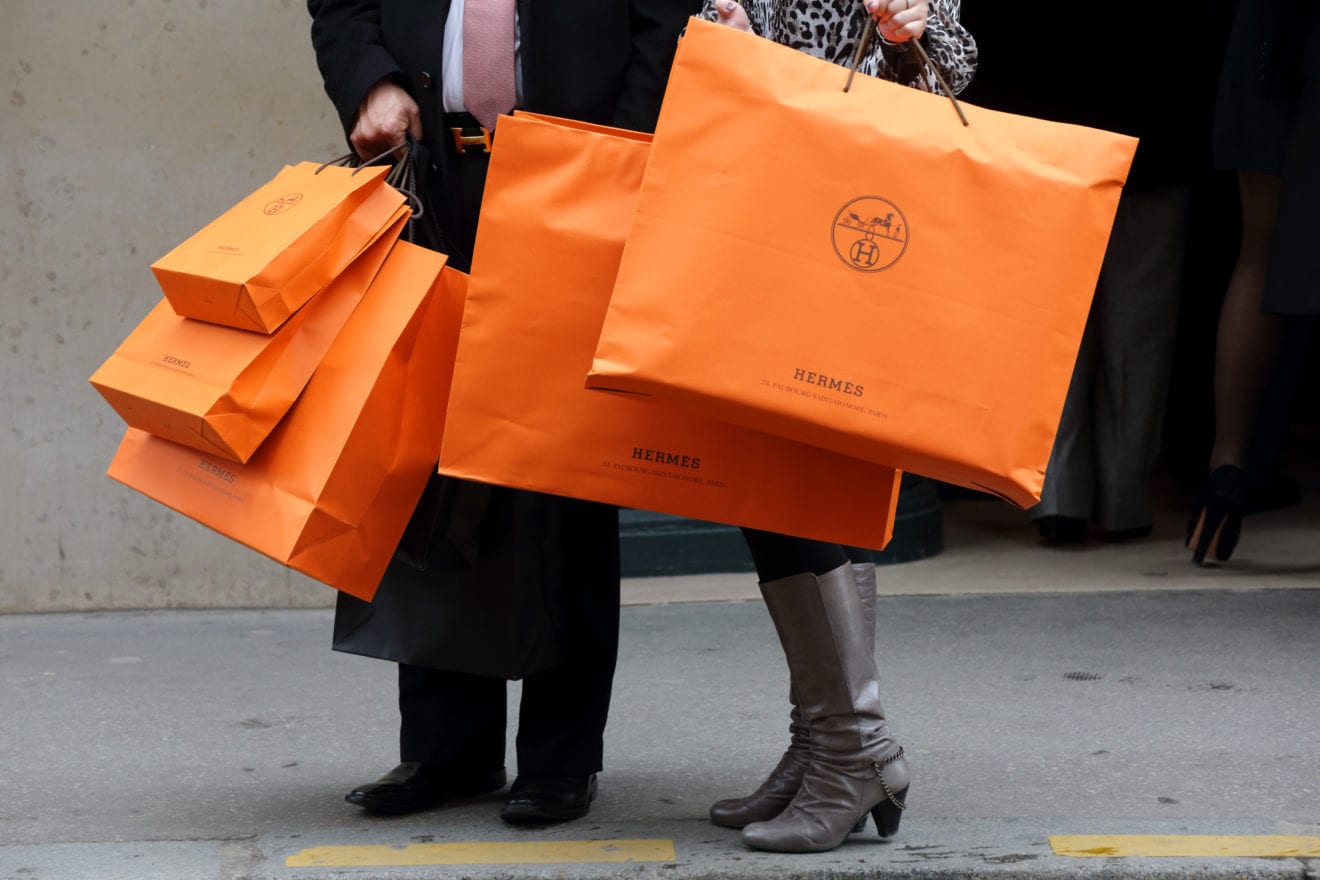
    Hermès, the renowned luxury brand, is welcoming back its patrons to its newly renovated and expanded retail space in Hanshin Mall, located in Kaohsiung, Taiwan. The boutique, which was initially launched in 1996, now sprawls over two levels after undergoing a major renovation helmed by the esteemed Parisian architectural firm, RDAI.

    Reflecting Kaohsiung’s Unique Charm

    The reinvented store is said to draw its aesthetic influence from the architectural and maritime elements of Kaohsiung. The boutique’s design successfully marries handcrafted finishes with specially made furnishing, effectively echoing the city’s rich seafaring history.

    The boutique’s ground level now serves as the showcase for Hermès’ illustrious series of silk products, designer jewellery, leather accessories, timepieces, and jewellery collections. Meanwhile, the boutique’s basement is dedicated to men’s and women’s ready-to-wear apparel, shoes, home accessories, and equestrian gear.

    Art and Luxury meet in Hermès Boutique

    Art enthusiasts will find the boutique a treat, as it now hosts pieces from the Émile Hermès Collection and the Hermès Collection of Contemporary Photographs. These include works by French photo artist, Aurore Bagarry, and Colombian creative, Francisce G. Pinzón.

    In line with unveiling the revamped store, Hermès extended an invitation to its loyal clients and prospective customers to come and explore the brand’s timeless pieces in a setting that is both fresh and inspired by the spirit of nature.

    Questions & Answers

    What changes were made to the Hermès boutique in the Hanshin Mall?
    The boutique was expanded to span two levels and underwent a renovation to reflect the city’s maritime heritage.

    What collections does the Hermès boutique feature?
    The boutique features the brand’s silk, fashion jewellery, leather goods, watches, and jewellery collections, as well as men and women’s ready-to-wear apparel, shoes, home accessories, and equestrian gear.

    Who are the artists featured in the artworks showcased in the boutique?
    The boutique showcases artworks from the Émile Hermès Collection and the Hermès Collection of Contemporary Photographs, including works by French photographer Aurore Bagarry and Colombian artist Francisce G. Pinzón.

  • Polène Captivates Singapore with Unique Marina Bay Sands Boutique

    Polène Captivates Singapore with Unique Marina Bay Sands Boutique

    Polène, the renowned French luxury leather goods company, has opened its first boutique in Singapore at Marina Bay Sands, the iconic destination designed by architect Moshe Safdie. Spanning 84 square metres, the store draws inspiration from traditional fishing dwellings and features a distinctive canopy of suspended leather panels that distributes light evenly throughout the space.

    According to Polène, each panel was meticulously handwoven using premium full-grain Italian leather. The striking walnut finishes and clean architectural lines create a richly tactile and welcoming retail environment.

    The boutique also features an installation titled “Craft at Work – A Puzzle of Leather”, offering customers an intimate look at the construction process behind the brand’s products.

    As part of the installation, an innovative machine developed specifically for the Singapore boutique allows visitors to observe the precision involved in cutting the 36 individual leather pieces that make up the Mokki bag. The pieces are subsequently assembled by skilled artisans in Ubrique, Spain.

    The opening of the Singapore boutique follows Polène’s recent expansion into other international markets, including China, the US, Japan and South Korea.

    Questions & Answers

    Who designed the new Polène boutique in Marina Bay Sands, Singapore?
    The 84-square-meter Polène boutique at Marina Bay Sands was conceived in-house by the French leather goods brand, drawing inspiration from Singapore’s coastal fishing huts with architectural translation assistance from Marina Bay Sands master architect Moshe Safdie.

    What unique installation does the Polène boutique in Singapore feature?
    The Polène boutique in Singapore includes an installation called “Craft at Work – A Puzzle of Leather,” which gives customers a deeper understanding of the process behind making the brand’s products.

    What recent expansion efforts has Polène undertaken?
    Polène has recently expanded its international presence with new boutiques in China, the US, Japan, and South Korea, along with its latest addition in Singapore.

  • Bain Capital Acquires Global Bubble Tea Giant Gong Cha in $635 Million Deal

    Bain Capital Acquires Global Bubble Tea Giant Gong Cha in $635 Million Deal

    Private equity firm Bain Capital has finalized the purchase of the globally recognized bubble tea franchise, Gong Cha, in a deal worth roughly $635 million USD.

    This acquisition comes after widespread speculation concerning the future of the well-known Taiwan-based brand. The deal’s value falls significantly short of the $2 billion estimation initially posited by its former owner, TA Associates, earlier this year.

    Deal Developments

    Earlier reports suggested that TA Associates sought strategic options for Gong Cha, including the potential for a sale. The valuation placed on the business was thought to be around the $2 billion mark, but these discussions were preliminary, and a guaranteed transaction wasn’t certain.

    TA Associates became the owners of Gong Cha in 2019 and saw keen interest from various private equity firms including Bain Capital and General Atlantic during the sale proceedings.

    Brand Background

    Since its inception in 2006, Gong Cha has successfully expanded its reach to become one of the most recognized bubble tea franchisors globally. It boasts over 2100 stores spread across more than 30 markets, relying mainly on a franchise model. The brand has a significant presence in the Asia-Pacific, North America, Europe, and the Middle East.

    The deal between Bain Capital and Gong Cha is expected to reach completion before the year ends.

    Questions & Answers

    Who has acquired the Gong Cha franchise?
    Private equity firm Bain Capital has acquired the Gong Cha franchise.

    What was the estimated worth of the deal?
    The deal is approximately worth $635 million USD.

    When is the transaction expected to close?
    The transaction is projected to close before the year ends.

  • Lululemon Amplifies Community Retail Strategy with Reopened Hong Kong Store

    Lululemon Amplifies Community Retail Strategy with Reopened Hong Kong Store

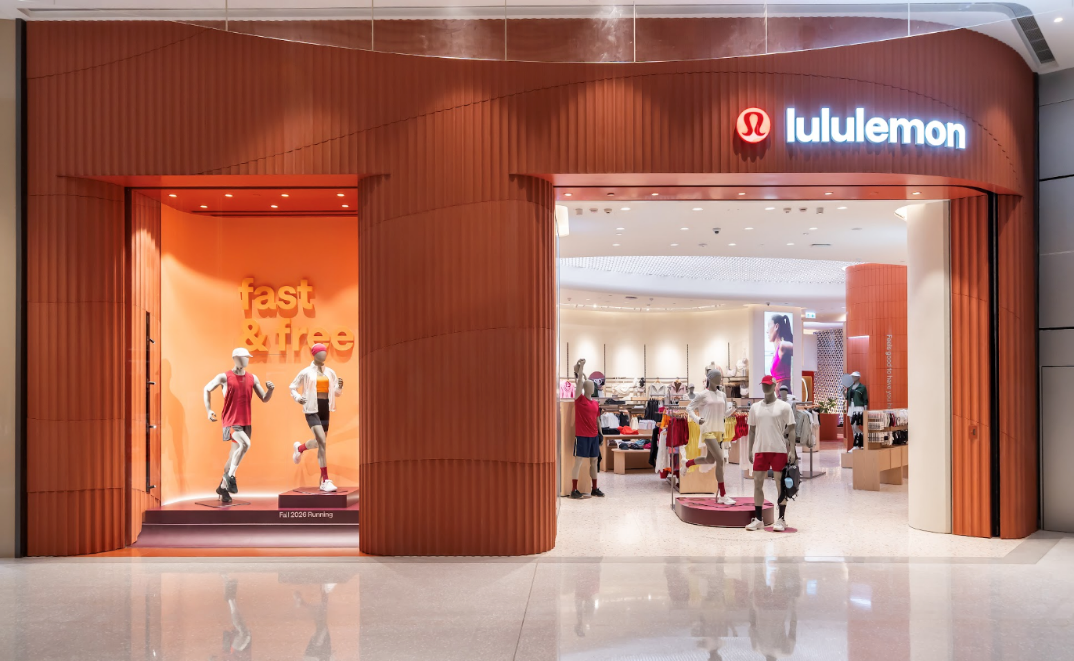
    Lululemon, the athletic apparel retailer, has once again opened the doors of its Hysan Place store in Hong Kong’s bustling Causeway Bay neighborhood. This is a part of the company’s ongoing effort to expand its community-driven retail model and solidify its physical store presence in the region.

    The store is quite generous in space, stretching over 3000 square feet. It brings to life Lululemon’s newest international retail concept, a seamless blend of a traditional retail environment and spaces dedicated to community interactions. These spaces will be the venues for monthly running events and various wellness-centric initiatives. This is reflective of the growing trend among retailers to enhance customer engagement through an experience-oriented shopping journey.

    Found in one of the busiest shopping areas of Hong Kong, the store displays a wide variety of Lululemon’s offerings. These include yoga, training, casual wear, golf, tennis, and running gear. The company has emphasized that running products will be a primary focus at this location, and will be supported through product launches and community events.

    The revamped store boasts an open layout and features a wall dedicated to celebrating the brand’s local ambassadors. The reopening of the store is also timed with the release of new additions to Lululemon’s Fast and Free running collection.

    In the words of Joey Chan, the regional director of Lululemon Hong Kong, Macau, and Taiwan, the store is designed as a well-being hub. She stated that the store reflects their continued optimism regarding the Hong Kong market and their commitment to supporting its burgeoning wellness community. “In addition to providing a superior in-store experience, we’re broadening our community activities to enable more opportunities for our customers to connect through physical activities,” added Chan.

    The reopening marks the addition of the 13th store to Lululemon’s Hong Kong portfolio, highlighting the integral role the market plays in the company’s Asia-Pacific expansion strategy. Only last month, Lululemon made its entry into the Japanese market with a flagship store in Harajuku, Tokyo.

    Questions & Answers

    What new concept is Lululemon introducing in its reopened Hysan Place store in Hong Kong?
    Lululemon is introducing its latest international retail concept at the Hysan Place store. This involves a combination of traditional retail space with areas designed for community activities and wellness programs.

    What focus area will be emphasized at this Lululemon location?
    Running will be a key category emphasized at the Lululemon Hysan Place store, supported by product launches and community events.

    How is Lululemon’s store reopening significant in its broader retail strategy?
    The reopening of the Hysan Place store in Hong Kong underscores the significance of the Hong Kong market in Lululemon’s Asia-Pacific growth strategy, and its commitment to invest in physical retail presence. It also serves as a testament to its strategy of strengthening customer engagement through experiential shopping and community-focused retail.

  • Hong Kong Retail Market Records 14th Month of Sturdy Growth, Despite Slight Cool-Off

    Hong Kong Retail Market Records 14th Month of Sturdy Growth, Despite Slight Cool-Off

    In June, Hong Kong saw an impressive rise in retail sales, with a 4.6% increase compared to the same month in the previous year. This resulted in a total of HK$31.5 billion (US$4.02 billion) in sales, signifying a consistent growth pattern for the 14th consecutive month according to government statistics released on Tuesday.

    Continued Growth Despite Global Economic Conditions

    The positive trend in Hong Kong’s retail market continued in June, with growth observed across various retail categories. For instance, retail sales in May saw a substantial rise of 7.9% on a year-on-year basis. When assessing the volume of sales, a 2.3% increase was recorded in June, compared to a 4.8% increase in May.

    For the initial half of the year 2026, the cumulative retail sales value showed an increase of 9.6% from the same period in the previous year. In terms of volume, there was a 7.2% rise in retail sales.

    A government official attributed this growth trend to factors like the ongoing economic expansion, rising local incomes, and a steady influx of inbound tourists. However, the spokesperson also acknowledged that global conditions pose a potential risk to local consumption patterns, which will be closely monitored by the government.

    Visitor Influx and Varied Category Performance

    In terms of inbound tourism, there was a 6.9% year-on-year increase in visitor arrivals in June, totaling 3.72 million visitors, as per data provided by the Hong Kong Tourism Board. Remarkably, visitor arrivals from mainland China surged by 10.5% to 2.88 million.

    The sales of lucrative items such as jewelry, watches, clocks, and other valuable gifts saw a substantial jump of 20.1% in June, following a revised growth rate of 26% in May. However, not all retail categories shared this upward trend. Sales of motor vehicles and parts experienced a decrease of 4.3% in June, following a modest growth of 1.8% in the previous month.

    However, sales of clothing, footwear, and related products saw a slight increase of 0.5% in June, following a revised May gain of 2.6%.

    Questions & Answers

    What was the percentage increase in retail sales in Hong Kong in June?
    The retail sales in Hong Kong saw a 4.6% increase in June compared to the same period the previous year.

    What factors contributed to the growth in the retail sector according to government officials?
    Government officials attributed the growth in the retail sector to ongoing economic expansion, rising local incomes, and a steady influx of inbound tourists.

    How did visitor arrivals from mainland China influence the retail sector in June?
    Visitor arrivals from mainland China surged by 10.5% to 2.88 million in June, indicating a potential positive impact on the retail sector due to increased consumer spending.

  • Coupang Suffers Q2 Loss Amid South Korean Data Breach Fines, Despite Rising Sales

    Coupang Suffers Q2 Loss Amid South Korean Data Breach Fines, Despite Rising Sales

    E-commerce heavyweight, Coupang, experienced a marked downturn in the second quarter, with a considerable net loss despite an uptick in sales. This negative financial impact was primarily due to substantial penalties linked to a massive data breach in South Korea.

    Coupang’s financials took a significant hit this quarter, with the company posting a net loss of US$570 million for the three months ending June 30. This marks a stark contrast to the profit of $32 million achieved in the same period the previous year. Moreover, an operating income of $149 million last year was replaced with an operating loss of $556 million this quarter.

    The High Cost of a Data Breach

    The bulk of the losses suffered by Coupang can be traced back to a fine estimated to be $410 million. This significant financial penalty was a result of a considerable data breach that compromised the personal information of more than 33 million customers in South Korea.

    According to the local privacy authority, the company’s security system proved vulnerable to a hacker, who was previously an employee of Coupang. This former staff member was able to access the personal data of all customers without any notable difficulty. The company also missed detecting an abnormal surge in customer data traffic until a customer brought it to their attention.

    In addition, the privacy authority discovered that the company’s marketing program had been collecting information on the online activities of approximately 11 million customers, without their explicit consent.

    With the exclusion of administrative fines, the net loss for the period was $160 million, and the operating loss stood at $146 million.

    Sales Remain Robust Despite Losses

    Despite the significant losses, the company’s sales performance was still positive in the second quarter. Sales rose by 4 per cent on a reported basis and 10 per cent on a constant currency basis, amounting to a total of $8.9 billion.

    The product commerce segment generated $7.4 billion in revenue, a slight 1 per cent increase on a reported basis and an 8 per cent climb on a constant currency basis. Active customer numbers also experienced growth, with a 3 per cent rise to 24.7 million.

    In the developing offerings sector, sales saw a 20 per cent boost on a reported basis and a 24 per cent rise in constant currency.

    Questions & Answers

    What led to Coupang’s net loss in the second quarter?
    The net loss was mainly due to a $410 million fine related to a massive data breach that affected over 33 million customers in South Korea.

    What was the net loss Coupang reported for the second quarter?
    Coupang reported a net loss of US$570 million for the second quarter.

    Did Coupang’s sales performance suffer due to the losses?
    Despite the losses, sales increased 4 per cent on a reported basis and 10 per cent on a constant currency basis, totaling $8.9 billion.

  • SmarTone Waves Goodbye to 3G, Eyes 5G Expansion in Hong Kong This October

    SmarTone Waves Goodbye to 3G, Eyes 5G Expansion in Hong Kong This October

    SmarTone Mobile Communications Limited has announced its plans to permanently halt its 3G mobile services come October 9, 2026. The move is part of the company’s proactive transition to more sophisticated mobile technologies.

    Shifting to Advanced Technologies

    The decision, according to SmarTone, will aid in the enhancement of its 5G network. This comes as the company sees a steady decrease in 3G usage within its clientele, with only about 1% of its total mobile customer base still utilizing the 3G network as of June 2026.

    In preparation for this imminent network shift, SmarTone has been informing impacted clients since last year, urging them to update their mobile devices and SIM cards prior to the shutdown of the 3G network.

    This impending shutdown comes on the heels of SmarTone’s previous discontinuation of its 2G network in 2022, a move that mirrors the wider sector’s gradual withdrawal from outdated mobile technologies.

    Established in 1992, SmarTone is a Sun Hung Kai Properties affiliate based in Hong Kong. The operator, which once had a foothold in Macau, withdrew from the market in 2024.

    Retiring Legacy Networks

    SmarTone joins the list of Hong Kong operators bidding farewell to legacy networks. China Mobile Hong Kong (CMHK) also closed its 3G services the previous year as part of a territory-wide shift to modernize infrastructure.

    On a global scale, telecom operators are ceasing operations of 2G and 3G networks to free up beneficial spectrum for 4G LTE and 5G services. This strategic move not only increases network capacity and efficiency, but also caters to the escalating demand for mobile data.

    Questions & Answers

    What is the reason behind SmarTone’s decision to stop its 3G services?
    SmarTone is discontinuing its 3G services to make way for advanced mobile technologies, specifically to strengthen its 5G network.

    When is the scheduled shutdown of SmarTone’s 3G network?
    SmarTone’s 3G network is scheduled to shut down on October 9, 2026.

    What is the industry trend concerning legacy mobile technologies?
    The industry trend is to phase out legacy mobile technologies, such as 2G and 3G networks, to free up spectrum for more advanced services such as 4G LTE and 5G.

  • Boosting Transparency and Trust: Singapore FinTech Association Launches Payments Code of Conduct

    Boosting Transparency and Trust: Singapore FinTech Association Launches Payments Code of Conduct

    The Singapore FinTech Association (SFA) has introduced a voluntary code of conduct for payment service providers (PSPs). This sets new industry standards intended to bolster transparency, protect consumers, and build trust within the Singaporean payments sector.

    The Payments Industry Code of Conduct is accessible to a range of organizations. These include holders of major and standard payment institution licenses, money-changing licensees, and exempt payment service providers providing regulated fiat currency payment services in line with Singapore’s Payment Services Act.

    Increasing Transparency and Consumer Protection

    The code sets robust guidelines across several crucial areas, which include pricing transparency, fair advertising, fraud prevention, card dispute liability, data protection, and operational resilience.

    Companies who choose to adhere to the code are obliged to disclose the total cost of transactions upfront. This includes all fees, exchange rates, and mark-ups. The code discourages hidden fees and deceptive “zero-fee” advertising claims, while advocating for robust fraud prevention measures and more robust customer protections.

    Adherence to the code is voluntary and based on self-assessment. Companies who opt to adopt the code can publicly declare their compliance for one year before undergoing a reassessment.

    Enhancing Trust in Digital Payments

    The SFA stated that the code is intended to supplement existing regulatory requirements under the Payment Services Act and the Monetary Authority of Singapore’s regulations, not replace them. As the payments industry evolves, the code will be regularly revised.

    “Payments play a significant role in the daily lives of people in Singapore. Consumers have a right to know exactly how much they are paying and what protections they have,” stated Holly Fang, president of the Singapore FinTech Association. “From an industry perspective, it elevates the level of trust, which is the foundation of successful businesses.”

    According to SK Saraogi, the outgoing co-chair of the SFA Payments Subcommittee and CEO of Wise Asia Pacific, increased pricing transparency will empower consumers to make better-informed decisions. This will also encourage fair competition among payment providers.

    Jeremy Tan, CEO of Liquid Group and co-chair of the SFA Payments Subcommittee, believes this initiative will boost confidence in digital and cross-border payments. It will also solidify Singapore’s status as a global leader in payments and fintech.

    Questions & Answers

    What is the purpose of the Payments Industry Code of Conduct?
    The code aims to bolster transparency, consumer protection and trust within Singapore’s payments sector.

    Who can adhere to this new code of conduct?
    The code is accessible to organizations such as holders of major and standard payment institution licenses, money-changing licensees, and exempt payment service providers operating under Singapore’s Payment Services Act.

    What does the code mandate for participating companies?
    The code requires these companies to disclose all transaction costs upfront, discourage hidden fees and deceptive advertising claims, and promote robust fraud prevention measures and more robust consumer protections.

  • HSBC Surpasses Earnings Predictions, Upping Cost-Savings and Resuming $1B Share Buyback Program

    HSBC Surpasses Earnings Predictions, Upping Cost-Savings and Resuming $1B Share Buyback Program

    HSBC has reported a robust 23 percent hike in its first-half profit, surpassing market predictions. The banking major has also upgraded its cost-saving goal and announced the launch of a new share buyback programme worth 1 billion dollars.

    The bank’s pre-tax profit for the first half of the year stands at 19.5 billion dollars, a significant leap from 15.8 billion dollars during the same time frame last year. This outcome surpassed the market consensus prediction of 18.9 billion dollars. The elevating growth in earnings stems from higher net interest income from the bank’s operations, an uptick in fee and other income – particularly from its Wealth and Wholesale Transaction Banking businesses – and a positive net influence from notable items. Revenue also witnessed a year-on-year growth of 16 percent, backed by a 1.3 billion dollar gain from notable items, inclusive of 200 million dollars in restructuring charges.

    Revival of Share Buyback Programme

    HSBC has declared the resumption of its share buyback programme, introducing a fresh tranche of up to 1 billion dollars. This is the bank’s first buyback initiative following the privatization of its Hang Seng Bank subsidiary listed in Hong Kong.

    Earlier in the year, HSBC confirmed the 14 billion dollar purchase of the remaining shares in Hang Seng Bank that were not yet in the bank’s possession. Consequently, the bank had put share buybacks on hold in recent months. However, the bank now deems its capital standing robust enough to recommence the repurchase of its own shares.

    Speeding Up of Restructuring

    HSBC CEO Georges Elhedery now anticipates the group’s annual cost savings to reach 2 billion dollars, marking an increase from the prior goal of 1.5 billion dollars.

    Elhedery initiated a comprehensive restructuring programme after stepping into the CEO role in 2024. The bank has consequently phased out several thousand jobs and has closed or pulled out of several business areas. This includes the sale of its insurance unit in Singapore, the termination of its retail banking operations in Egypt, and the sale of its Australian mortgage portfolio.

    The bank has also elevated its guidance for net interest income, now projecting to generate more than 46 billion dollars, as compared to its earlier forecast of hitting 46 billion dollars.

    Questions & Answers

    What was the first-half pre-tax profit reported by HSBC?
    HSBC reported a pre-tax profit of 19.5 billion dollars for the first half of the year.

    What significant change has been introduced in HSBC’s share buyback programme?
    HSBC has resumed its share buyback programme with a new tranche of up to 1 billion dollars, marking the first buyback since the privatization of its Hang Seng Bank subsidiary.

    What alterations has HSBC’s CEO Georges Elhedery made since his appointment in 2024?
    Since his appointment, Elhedery has initiated a comprehensive restructuring programme, resulting in significant job cuts and the termination or exit from several business lines, including the bank’s insurance unit in Singapore, retail banking operations in Egypt, and Australian mortgage portfolio.

  • Massimo Dutti Debuts Cultural Fusion Flagship Store in Seoul: A New Retail Epoch in South Korea

    Massimo Dutti Debuts Cultural Fusion Flagship Store in Seoul: A New Retail Epoch in South Korea

    Spanish fashion retailer, Massimo Dutti, has expanded its presence in South Korea with the opening of a novel flagship store in Seoul’s Hannam district. This store, which is a blend of fashion, design, and cultural experiences, marks the brand’s first foray into street-level retail in the country.

    A Groundbreaking Retail Concept

    Located on Itaewon-ro in Yongsan-gu, the multi-level flagship store showcases the brand’s women’s and men’s collections. It represents a unique retail concept that merges local culture, architecture, and fashion, offering a fusion of tradition and contemporary creativity.

    The brand stated, “Our first street-level store in Korea repurposes a historic building in Seoul, where heritage and modern creation intersect. It is a space that successfully melds fashion, architecture, and local culture.”

    The design of the store has been a collaborative effort, involving local galleries, artists, landscape designers, and tea artisans. These collaborations have incorporated elements of Korean culture into the customer experience, through curated exhibitions and dedicated cultural spaces.

    Continued Investment in Asian Market

    The launch of this flagship store is indicative of Massimo Dutti’s ongoing commitment to investing in both physical and digital channels across Asia. In 2024, the brand made a significant move when it collaborated with a popular Chinese e-commerce platform to launch a flagship store that offers over 1000 products spanning men’s and women’s fashion, accessories, and a range of exclusive curated items.

    Questions & Answers

    What is unique about Massimo Dutti’s new flagship store in South Korea?
    The new store is unique in that it is Massimo Dutti’s first street-level store in Korea, located in a historic building and incorporating elements of local culture, fashion, and architecture.

    Who did Massimo Dutti collaborate with for their store design?
    Massimo Dutti collaborated with local galleries, artists, landscape designers, and tea artisans to incorporate elements of Korean culture and create a unique customer experience.

    What does the launch of this new store indicate?
    The opening of this flagship store indicates Massimo Dutti’s continued commitment to investing in both physical and digital retail channels across Asia.