Author: Mei Ling Tan

  • Human Made Leaps to Tokyo Stock Exchange: A Pivotal Move in Global Retail Expansion Strategy

    Human Made Leaps to Tokyo Stock Exchange: A Pivotal Move in Global Retail Expansion Strategy

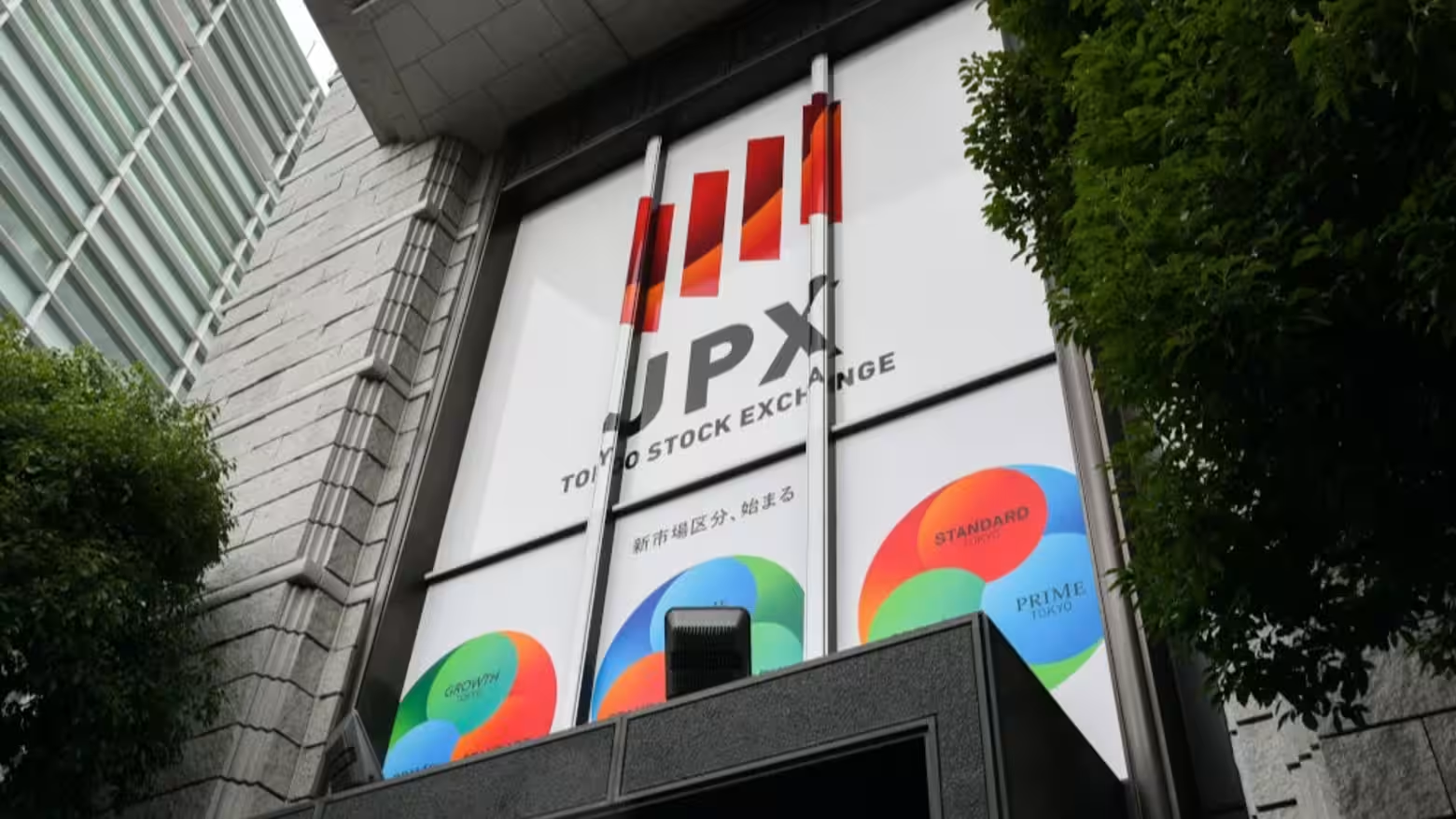
    Japanese lifestyle company Human Made has successfully been registered on the Tokyo Stock Exchange Growth Market, indicating a significant development in the firm’s expansion strategies both locally and internationally.

    Company Overview

    Human Made was established in 2010 by designer Nigo, gaining recognition for its streetwear design. The brand has gradually grown its presence, both within Japan and globally. Presently, Human Made runs seven outlets throughout Japan and has extended its reach to China, Hong Kong, and South Korea. Additionally, it has formed alliances with local distributors in Singapore, Thailand, Indonesia, and Australia.

    Diversification of Business

    Apart from its fashion-centric operations, Human Made has branched out into the food and beverage industry with its Curry Up restaurant chain. The chain expanded its operations beyond Japan for the first time, opening a location in Hong Kong in the previous year.

    Global Creative Direction

    In the previous year, the company welcomed global music and fashion figure Pharrell Williams as a creative advisor. This move reinforced the company’s global creative direction. In alignment with its flagship lifestyle brand, the company changed its name from Otsumo Co to Human Made Inc in May.

    Future Prospects of the Company

    Looking forward, Human Made has plans to inaugurate its first-ever global flagship store in Harajuku in the summer of 2026. This will be followed by a second store opening in Aoyama in 2027. These plans underscore the brand’s dedication to creating immersive retail experiences.

    Questions & Answers

    What is Human Made’s primary line of business?
    Human Made is a lifestyle brand known for its streetwear designs.

    What other industry does Human Made operate in?
    Apart from fashion, Human Made is also involved in the food and beverage sector through its Curry Up restaurant chain.

    What are some future plans of Human Made?
    The company plans to open its first global flagship store in Harajuku in 2026, followed by a second location in Aoyama in 2027.

  • Packamama Lands $1M Grant to Revolutionize Wine Industry with Low-Carbon, Recyclable Bottles

    Packamama Lands $1M Grant to Revolutionize Wine Industry with Low-Carbon, Recyclable Bottles

    Packamama, a leading innovator in packaging, has secured a government grant totaling $1 million. The funds will bolster their efforts to develop and perfect an advanced circular polymer wine bottle. This product promises to reduce carbon emissions without negatively affecting the quality of the wine it holds.

    Earlier Funding and Research

    The substantial funding follows an initial $100,000 feasibility grant provided by the Business Research and Innovation Initiative (BRII). The initial grant supported Packamama’s preliminary study, which effectively demonstrated the technical viability of the project, along with impressive potential for emissions savings.

    Packamama’s bottles underwent independent life cycle analyses, which confirmed the impressive reduction in carbon emissions. The findings showed that emissions were cut by over 50% when compared to conventional glass bottles. In addition to being environmentally friendly, the bottles are lighter, shatterproof, and fully recyclable using existing systems.

    Recognition and Future Plans

    As one of only two proof-of-concept recipients amongst a group of six participants in the Alternative Packaging for Australian Wine challenge, Packamama views the grant as a powerful affirmation of its vision. The company is driven to engage consumers and make the wine industry more sustainable through forward-thinking design and technology.

    Over the forthcoming 18 months, Packamama will move forward with validating its innovative bottle design. This will involve material trials, recyclability testing, and consumer research.

    The company is also investigating opportunities for retail collaborations both domestically and in the UK. These efforts will build on existing relationships with major retailers like Coles, Tesco, and Aldi.

    Comments from the CEO

    Packamama’s CEO and founder, Santiago Navarro, expressed his excitement and motivation at being chosen by the Australian Government and Wine Australia to spearhead the industry’s transition to more sustainable packaging.

    He stated, “This shows that innovation in materials, design, and technology can preserve both wine and the environment. Together, we can transition the wine bottle from being part of the problem to being part of the climate solution.”

    Questions & Answers

    What is Packamama’s mission?
    Packamama aims to excite consumers and decarbonize the wine industry through innovative design and technology.

    What makes Packamama’s bottles environmentally friendly?
    Packamama’s bottles significantly reduce carbon emissions compared to traditional glass bottles. They are also lighter, shatterproof, and fully recyclable using existing systems.

    What are the company’s next steps?
    Packamama plans to validate its innovative bottle design through material trials, recyclability testing, and consumer research. They are also exploring possibilities for retail collaborations locally and in the UK.

  • Netflix Disables Mobile Casting to Most Modern TVs in Unexplained Update

    Netflix Disables Mobile Casting to Most Modern TVs in Unexplained Update

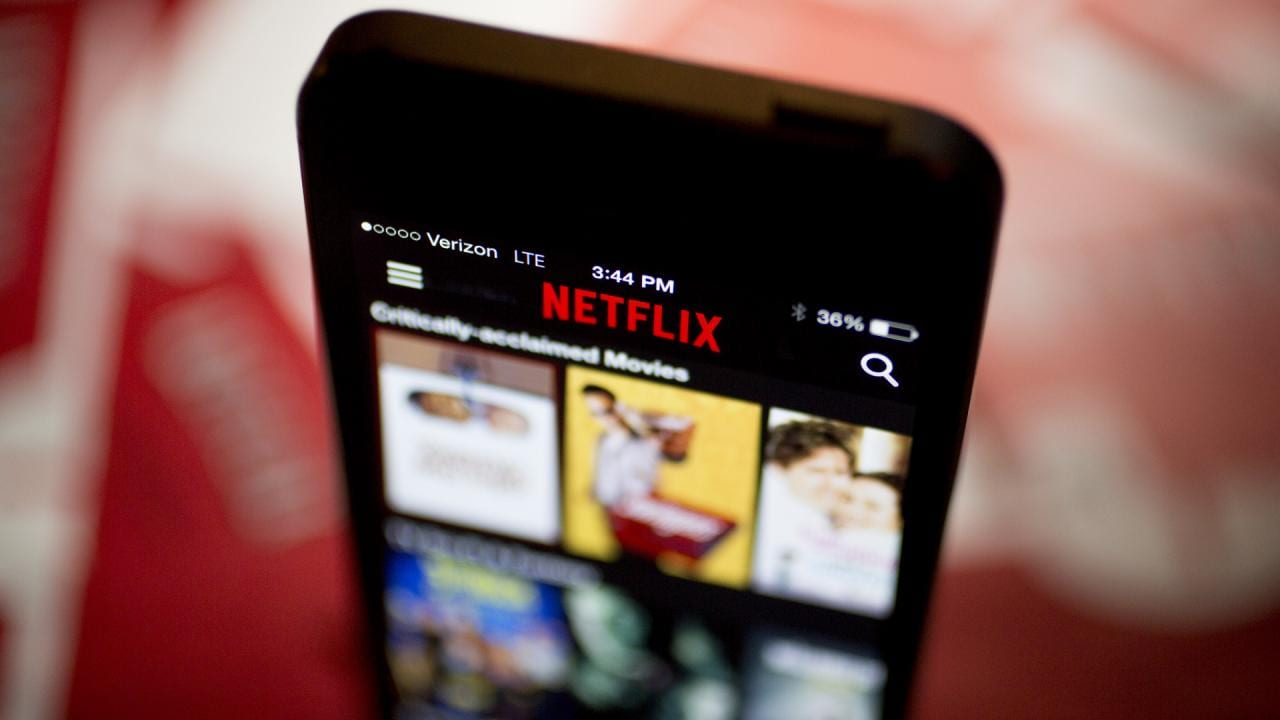
    The popular streaming platform, Netflix, has recently discontinued a feature that allowed shows to be cast from mobile devices to the majority of contemporary televisions. The reasons behind the decision remain unexplained.

    Changes in Casting Accessibility

    Netflix subscribers can no longer cast their desired shows from mobile devices to virtually any modern TV. According to an announcement on Netflix’s help page, the app has ceased to support casting shows from a mobile device to the majority of TVs and TV-streaming devices. For viewers to access Netflix, they’re now required to use the remote of their TV or streaming device to navigate the platform.

    The only exception to the new rule pertains to casting to older Chromecast devices and televisions that are compatible with Google Cast. Netflix has clarified that this privilege is only available to users who are subscribed to its ad-free plans. Unfortunately, those who own a Google TV Streamer, Chromecast with Google TV, or an Android TV-powered television will no longer be able to cast Netflix from its mobile app.

    Netflix’s decision to disable this feature is not entirely surprising. Back in 2019, the streaming giant discontinued support for Apple’s AirPlay feature, citing the inability to differentiate between the diverse range of devices that support AirPlay as the reason. This made it difficult for Netflix to ensure the highest-quality viewing experience across all devices.

    The Ad-Supported Tier

    Netflix’s ad-supported subscription model, introduced in 2022, never offered support for Google Cast and Chromecast-only devices. However, the “Basic with ads” plan previously permitted casting to Google TV-equipped devices, including both the 4K and HD versions of the Chromecast with Google TV.

    Implications for Netflix Users

    Netflix has always been stringent about password sharing and the use of accounts on TVs situated in different locations. Historically, casting from a mobile device was a secure workaround, particularly for those on the move or visiting friends and family.

    The recent change complicates the process of watching Netflix on hotel TVs, which may cause some users to reconsider their subscriptions.

    Questions & Answers

    Why can’t shows be cast from mobile devices to most modern TVs anymore?
    Netflix has stopped supporting the casting of shows from mobile devices to most TVs and TV-streaming devices, although no specific reasons were provided.

    Are there any exceptions to this new rule?
    Yes, casting is still possible to older Chromecast devices and TVs that support Google Cast, but only for users on Netflix’s ad-free plans.

    How has this change affected the viewing habits of Netflix users?
    This change could potentially complicate the viewing habits of users who frequently travel or prefer casting shows from their mobile devices to TVs in different locations.

  • Metcash Battles Tough Trading Climate: Mixed Results and Strategic Market Gains Detailed in Interim Report

    Metcash Battles Tough Trading Climate: Mixed Results and Strategic Market Gains Detailed in Interim Report

    In the first half of the fiscal year, Metcash released a diverse range of results as the firm navigated a challenging trading period. The group’s revenue for the six months concluding on October 31 saw a slight increase of 0.1%, amounting to $8.5 billion. This figure rose to $9.6 billion, an increase of 0.4%, when charge-through sales were included.

    Segment Performance

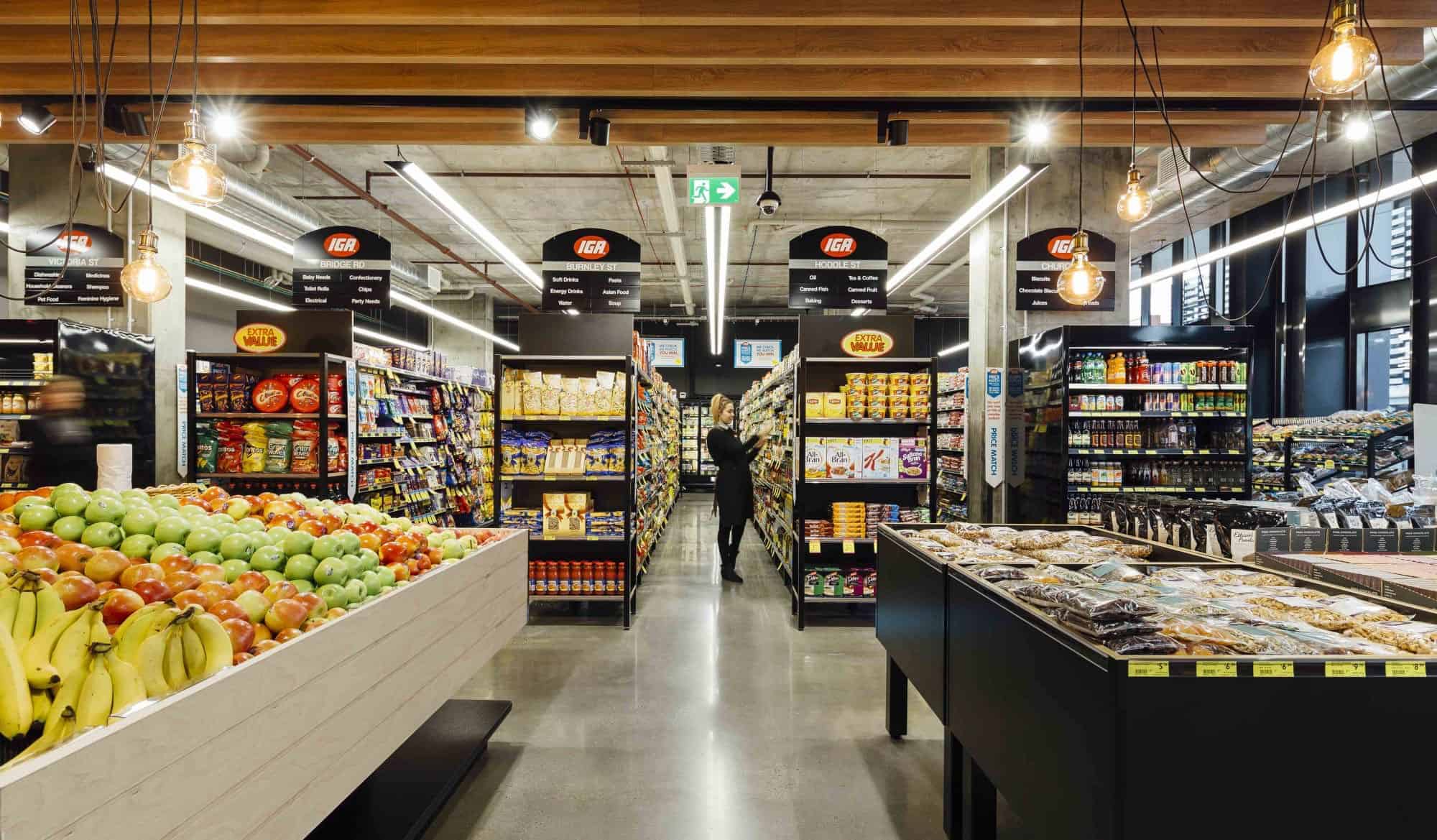
    Metcash’s food segment, with the exception of tobacco, witnessed a 7.2% surge, indicating growth in both its supermarket business (IGA) and foodservice and convenience operations (Campbells & Convenience and Superior Foods).

    However, when tobacco was included, food sales decreased by 0.8%. This decline in tobacco sales, which accelerated to 35%, was reportedly due to the implementation of new regulations in July.

    In the liquor sector, Metcash saw sales rise by 1.4%, reflecting a growth in market shares in Australian packaged liquor and a surge in wholesale sales to on-premise patrons.

    The hardware segment of the business also experienced growth, with sales rising by 2.4%. Similarly, Total Tools sales saw a 3% increase.

    Financial Outcomes

    Regarding the bottom line, the group’s EBITDA increased by 2% to $367.2 million. Contrarily, the underlying profit after tax witnessed a decline of 5.9%, amounting to $126.7 million. This decrease was due to a combination of lower hardware and liquor earnings, an increase in finance costs, and increased depreciation and amortization.

    Future Prospects

    Despite the challenging trading conditions, Metcash group CEO Doug Jones expressed satisfaction with the company’s results. According to Jones, the company has been making substantial progress in their strategy of extending through the value chain and ‘winning with independents’. This strategy presents opportunities to extend their addressable markets while also providing attractive margins.

    Jones went on to express optimism about Metcash’s future prospects, stating that the company is well set for continued success. He emphasized the company’s robustness, diversity, and resilience, as well as the considerable opportunities for accelerating growth.

    Questions & Answers

    What was the increase in Metcash’s revenue for the first half of the fiscal year?
    The revenue saw a slight increase of 0.1%, amounting to $8.5 billion.

    How did the new regulations in July affect Metcash’s tobacco sales?
    The decline in tobacco sales, which accelerated to 35%, was reportedly due to the implementation of new regulations in July.

    What is Metcash group CEO Doug Jones’s outlook for the company’s future?
    Jones expressed optimism about Metcash’s future prospects, emphasizing the company’s robustness, diversity, and resilience, as well as the considerable opportunities for accelerating growth.

  • Coupang Data Breach: Unmasked Details of 33 Million Customers Sparks Privacy Fears

    Coupang Data Breach: Unmasked Details of 33 Million Customers Sparks Privacy Fears

    Increased apprehension has gripped South Korea following a significant data leak at e-commerce giant, Coupang. Officials have indicated that this breach could have been overlooked for an extended period.

    Scale of Data Leakage

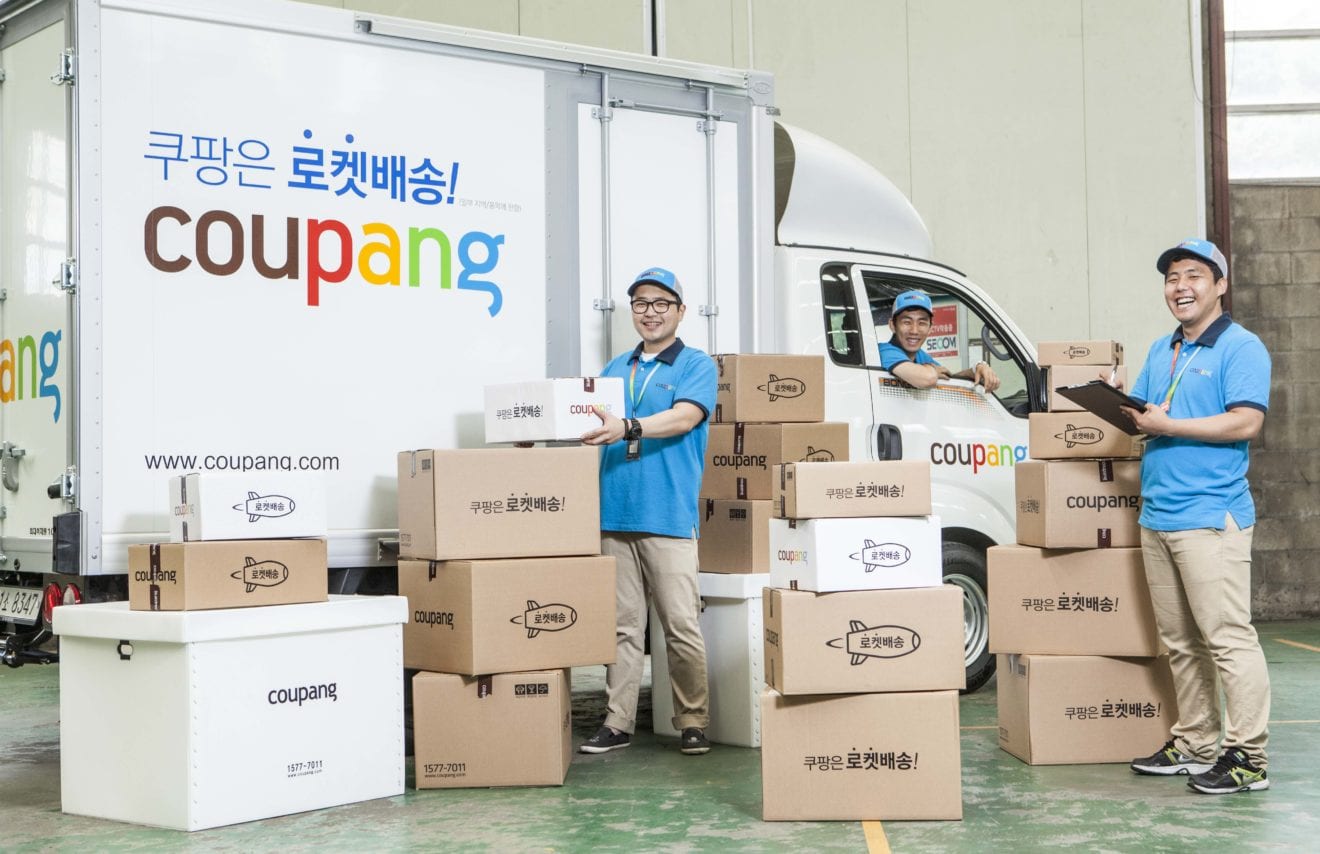
    Coupang, a United States-listed merchant, revealed on a recent Saturday that the private information of 33.7 million consumers, essentially its entire client base, had been jeopardized. The vulnerable data encompass names, contact numbers, email addresses, and delivery locations. The company reassured that financial information, credit card specifics, and login details remained untouched.

    Based on Coupang’s findings, unauthorized infiltration into the delivery-related private data seems to have been carried out via foreign servers from June 24 onwards.

    Investigation Update

    Individuals familiar with the situation have shared that the police have pinpointed at least one suspect. The person is allegedly a former Chinese worker of Coupang who has since dissociated from both the company and the nation. The authorities initiated an inquiry after receiving a complaint.

    Coupang confirmed detecting the data leak on November 18 and informed the regulators within the subsequent two days. The corporation initially stated that approximately 4,500 accounts had been impacted.

    Implications of the Breach

    The magnitude of the data exposure, which is now proven to be considerably more extensive and long-standing than initially conveyed, has unsettled consumers. They are apprehensive that their data might be exploited for fraudulent activities or phishing strategies. The event now surpasses the cyber breach at SK Telecom in April, which affected data from 23.2 million users and led to a record penalty of 134.8 billion won.

    The final repercussions could escalate as the investigation progresses. A similar recent incident involving Lotte Card initially denied leakage of financial data following a breach in September. The company had to backtrack two weeks later and admit that credit card numbers and other critical data had indeed been laid bare.

    Questions & Answers

    What type of data has been compromised in the breach at Coupang?
    Names, phone numbers, email addresses, and delivery locations of customers have been exposed.

    Who has been identified as a possible suspect in this data breach incident?
    The police have identified a former Chinese worker of Coupang as a possible suspect.

    What are the possible implications of the data breach at Coupang?
    This breach has unsettled consumers who fear their personal data might be exploited for fraudulent purposes or phishing schemes. There is also a possibility of monetary penalties for the company.

  • Hong Kong Retail Market Sizzles: Six Months of Consecutive Growth Capped by a Strong October

    Hong Kong Retail Market Sizzles: Six Months of Consecutive Growth Capped by a Strong October

    Hong Kong’s retail sector has seen a significant upswing, with October marking the sixth consecutive month of sales increase. As per data from the Census and Statistics Department, there was a year-on-year increase of 6.9% in retail sales, provisionally estimated at HK$35.2 billion (US$4.5 billion) for the month. This represents the highest monthly increase witnessed over the past half year. Despite this, the retail sales over the first ten months remained largely on par with the same period the previous year.

    Noteworthy Sector Performances

    Specific sectors within the retail industry reported varying degrees of performance. Sales of electrical goods and other consumer durable goods took the lead with a significant increase of 24.6% in October. This was closely followed by jewellery, watches, clocks, and valuable gifts, which saw an increase of 9.5%. Alcoholic drinks and tobacco reported an increase of 6%, while department store commodities saw a 5.8% increase in sales.

    On the other hand, several sectors reported a decline in sales. Motor vehicle and parts sales saw the most significant drop, falling by 20%. This was followed by fuel sales, which decreased by 8.7%, and Chinese drugs and herbs, which fell 6.6%. Furniture and fixtures also saw a slight decrease in sales, falling by 2.3%.

    Government Statement

    The government has also weighed in on the positive trend in retail sales, with a spokesperson attributing the increase to an ongoing improvement in consumer sentiment. They noted that the retail sales recovery gathered momentum in October, indicating a forward progression from the sales increase in the previous month. The spokesperson expressed confidence in the continued improvement in local consumer sentiment and the sustained growth in visitor arrivals. These factors are expected to provide further support for retail businesses in the coming months.

    Questions & Answers

    What was the year-on-year increase in Hong Kong’s retail sales in October?
    The year-on-year increase in Hong Kong’s retail sales in October was 6.9%, according to the Census and Statistics Department.

    Which sectors reported the highest increase in sales?
    Electrical goods and other consumer durable goods reported the highest increase in sales, with a growth of 24.6%. They were closely followed by jewellery, watches, clocks, and valuable gifts, which saw a 9.5% increase.

    Which sectors saw a decrease in sales?
    Motor vehicle and parts experienced the most significant drop, falling by 20%. Fuels also decreased by 8.7%, with Chinese drugs and herbs falling 6.6%, and furniture and fixtures by 2.3%.

  • Instagram’s Hashtag Revolution: Limiting Tags Per Post, A Millennial Nightmare or Gen Z Evolution?

    Instagram’s Hashtag Revolution: Limiting Tags Per Post, A Millennial Nightmare or Gen Z Evolution?

    Over the past decade, hashtags have stood as a vital feature of Instagram, rarely experiencing any significant changes since their introduction in 2011. However, Meta, the tech giant behind Instagram, is in the process of testing what could potentially be the most significant change to the platform’s hashtag system to date.

    Testing Hashtag Limitations

    Instagram appears to be experimenting with restricting the number of hashtags users can include in their posts. Some users have taken to online forums to voice their experiences with the new limitations, reporting that the platform is preventing them from adding more than three hashtags to a post’s description. If users attempt to go beyond this limit, they are met with an error message.

    This restriction has not been officially announced by the platform and does not appear to be universally applied to all accounts. It seems that Meta is currently in the process of testing the change on a select number of accounts before deciding whether to roll it out platform-wide. Alternatively, the feature could be in the early stages of a gradual rollout, similar to Instagram’s recent interface redesign.

    Instagram’s Changing Landscape

    When Instagram launched its hashtag feature in 2011, it became one of the most effective methods for users to discover posts related to specific topics. For many users, particularly those looking to reach beyond their immediate follower base, the use of up to 30 hashtags per post was key to expanding their reach.

    However, the perceived importance of hashtags has been diminishing in recent years. Instagram’s ‘Explore’ page now curates posts and reels for users based on a variety of factors, including content and description, rather than just hashtag use. Instagram CEO Adam Mosseri has also publicly stated that hashtags do not contribute to a post’s reach, instead serving as a tool for categorization.

    Hashtag Use and Generational Differences

    For millennials, understanding and strategically using hashtags was a valuable skill in the mid-2010s. Yet, the perception of hashtags has changed, with their use now potentially being seen as outdated or even as an indication of trying too hard. Some have argued that changing the hashtag system is unnecessary and could be seen as an unwarranted critique of millennials. If, as stated, hashtags do not significantly impact the reach of posts, the utility of changing the system is questioned.

    Questions & Answers

    What changes are being tested by Instagram?

    Instagram is currently testing a limitation to the number of hashtags users can include in their posts, restricting them to a maximum of three.

    How important are hashtags in increasing a post’s reach on Instagram?

    According to Instagram’s CEO, Adam Mosseri, hashtags do not significantly increase the reach of a post, instead functioning as tools for categorization.

    What is the perception of hashtag use across different generations?

    While hashtag use was a valuable skill for millennials in the mid-2010s, it is now potentially viewed as outdated or trying too hard, particularly among newer generations of social media users.

  • Wave Goodbye to High Bills: YouTube TV Contemplates Budget-friendly ‘Skinny Bundles’

    Wave Goodbye to High Bills: YouTube TV Contemplates Budget-friendly ‘Skinny Bundles’

    Google is reportedly considering restructuring its extensive channel offering on YouTube TV into smaller, more affordable packages. This move could provide relief for subscribers who have been grappling with the platform’s escalating costs.

    Proposed Changes

    YouTube TV is renowned for offering one of the smoothest live TV experiences. However, its price has surged to an eye-watering $83 per month for the base plan, up from an appealing $35 in 2017. A recent report suggests that YouTube TV could introduce lower-cost “skinny bundles” within the year.

    Presently, YouTube TV subscribers have to accept a “take it or leave it” deal, with a single plan providing access to over 100 channels. It is rumored that the service may change, allowing you to select specific genres. The most tantalizing rumor is the potential introduction of a dedicated sports package. This would allow users to access popular sports channels such as NBC Sports, Fox Sports, and ESPN without the additional cost of numerous reality TV channels. This is an adjustment that users have been eagerly requesting.

    The shift in streaming services towards cable-like bundles has made the landscape increasingly convoluted. Rival platforms like Sling TV have already addressed this issue. Sling TV offers its divided “Orange” and “Blue” packages, enabling users to focus on sports and family content (Orange) or news and entertainment (Blue), each for approximately half the price of YouTube TV. By resisting the move to unbundle, Google has been effectively directing budget-minded cord cutters to explore other options.

    These proposed changes are significant as they indicate that the $80+ pricing strategy is reaching its limit. Consumers are growing weary of paying for content they do not consume. If Google implements these changes successfully, it would position them in direct competition not only with traditional cable providers but also with more affordable streaming alternatives. This evolution is crucial for Google to continue growing in a market where subscription fatigue is a genuine concern.

    Anticipating the Changes

    If the rumors materialize, it would indeed be a timely adjustment. Users have long cherished YouTube TV’s limitless DVR and user-friendly interface, but paying more than eighty dollars to watch just a few games feels exorbitant. If Google introduced a sports-focused package that eliminated non-sports content, many past subscribers might be enticed to return.

    However, the expectations must be managed. Broadcasting networks are infamous for pressuring providers to bundle less popular channels with highly demanded ones. Observing how Google negotiates these contracts could be insightful. While the stripped-down package sounds appealing, it would be prudent to withhold judgment until official pricing is released.

    Questions & Answers

    What changes are expected for YouTube TV?
    Google is reportedly considering restructuring its channel offering on YouTube TV into smaller, more affordable packages, potentially including genre-specific bundles.

    What is the likely impact of these changes?
    The changes could make YouTube TV a more appealing option for budget-conscious consumers tired of paying for unwanted content, and could position it in direct competition with both cable providers and more affordable streaming services.

    What challenges might Google face in implementing these changes?
    Broadcasting networks often pressure providers to bundle less popular channels with highly demanded ones, so how Google negotiates these contracts will be crucial to the success of the proposed changes.

  • DHL Express Boosts Trade Potential with Expanded Cargo Capacity on Hong Kong-Penang Route

    DHL Express Boosts Trade Potential with Expanded Cargo Capacity on Hong Kong-Penang Route

    DHL Express has enhanced its network with increased capacity for the Hong Kong to Penang route. A Boeing 767 freighter will now ply the route, taking over from the previous Airbus A321, adding an extra 20 tons of cargo capacity per flight.

    Meeting Rising Demand

    Operating on a daily basis with its partner Raya Airways, DHL is poised to meet the increasing demand for time-sensitive shipments from technology and semiconductor manufacturers in Malaysia’s northern manufacturing hub. The Boeing 767 freighter provides enhanced payload and range capabilities, thus accommodating more shipments. This ensures that clients in Penang are better linked to their trading partners in Hong Kong and beyond.

    Peter Bardens, Senior Vice President for Network Operations & Aviation – Asia Pacific, DHL Express, expressed pride in the firm’s significant footprint and network that have contributed to the growth in Penang, a long-standing attractive destination for tech giants. “The introduction of a larger aircraft and a daily schedule not only increases capacity, but it also reaffirms our commitment to connecting Asia’s innovation hubs with the rest of the world. As trade routes evolve, we remain focused on maintaining our network’s flexibility and agility to cater to changing customer needs,” Bardens said.

    Supporting Malaysia’s Growing Role

    This strategic enhancement reflects DHL’s commitment to bolster Malaysia’s growing role in global supply chains, particularly in the electronics and semiconductor sectors. This move is timely as Penang continues to attract high-value investments and expand its footprint in the global tech ecosystem. The state marked a significant manufacturing investment of approximately EUR2.56 billion (RM12.5 billion) in the first half of 2025, a 150% increase compared to the same period in 2024.

    Julian Neo, Country Manager, DHL Express, Malaysia, affirmed that the network enhancement aligns with findings from the DHL Global Connectedness Tracker 2025. It showed that Asia Pacific is increasingly central to global trade, despite geopolitical tensions and tariff disruptions. “Intra-Asia trade continues to show momentum, with Malaysia ranked among the top 10 fastest-growing trading nations globally in the first half of 2025,” said Julian Neo.

    Strengthening Partnerships

    “Our partnership with DHL Express has grown over the years through operational reliability and close collaboration. The introduction of the Boeing 767 further strengthens our support for Penang’s expanding electrical and electronics industries, while enhancing Malaysia’s connectivity to global markets. We look forward to continuing this partnership as we grow our capacity and serve the evolving needs of our customers,” said Mohamad Najib Ishak, Group Managing Director, Raya Airways.

    Malaysia’s trade value growth highlights its resilience and increasing significance in global supply chains, despite shifting trade dynamics. DHL Group has identified Malaysia as one of the 20 global markets with the highest growth potential. The recently concluded DHL GoTrade Summit 2025, held for the first time outside Germany in Kuala Lumpur, also underscores the logistics provider’s commitment to elevating local enterprises and reinforcing Malaysia’s position as a key player in the global marketplace.

    Questions & Answers

    What is the significance of the Boeing 767 freighter in DHL’s operations?
    The Boeing 767 freighter adds an extra 20 tons of cargo capacity per flight, offers enhanced payload and range capabilities, and accommodates more shipments.

    How does the network enhancement impact Malaysia’s position in global trade?
    The enhancement bolsters Malaysia’s growing role in global supply chains, particularly in the electronics and semiconductor sectors, and strengthens Malaysia’s connectivity to global markets.

    What does the DHL GoTrade Summit 2025 signify?
    Held in Kuala Lumpur, the summit underscores DHL’s commitment to supporting local enterprises and reinforces Malaysia’s position as a key player in the global marketplace.

  • Holiday Sales Set to Soar as FedEx Survey Reveals Business Confidence Bolstered by E-commerce Shopping Festivals

    Holiday Sales Set to Soar as FedEx Survey Reveals Business Confidence Bolstered by E-commerce Shopping Festivals

    Federal Express Corporation (FedEx), a global leader in express transportation, has shared valuable data from a survey conducted to understand attitudes and trends related to the year-end festive shopping period among businesses and consumers in the Asia Pacific and European regions.

    Survey Insights

    The survey, conducted in September 2025, collated responses from 850 small and medium-sized enterprises (SMEs) and 850 consumers from 13 Asia Pacific markets, as well as more than 1,200 SMEs from nine European markets. The study aimed to identify business expectations for the holiday shopping season and highlight consumer preferences and concerns.

    The results indicated a strong sense of optimism, with over 70% of Asia Pacific businesses and more than 80% of European businesses anticipating improved holiday sales compared to the previous year. Asia Pacific businesses are preparing for a significant cross-border demand from Europe during the year-end shopping season.

    This rise in e-commerce across borders and the influence of major online shopping festivals are driving demand. This year, 88% of Asia Pacific consumers are planning to do at least a quarter of their holiday shopping online, with 53% intending to ramp up their online activity. Shopping festivals such as Double 11, Black Friday, and Cyber Monday are particularly influential, with 83% of Asian shoppers incorporating these events into their holiday purchasing plans. SMEs are modifying their strategies accordingly, with 91% of Asia Pacific businesses and 83% of European businesses considering these e-commerce shopping festivals vital for capturing seasonal demand.

    Consumer Preferences

    While there is strong demand among Asia Pacific shoppers for European goods, more product choices, competitive delivery speed, and costs remain paramount. Almost nine in ten Asia Pacific shoppers identify efficient shipping as crucial when buying holiday gifts online.

    However, delays in delivery (55%) and high shipping costs (45%) are the main issues faced in previous seasons, highlighting the need for e-tailers to enhance logistics performance and customer experience. These concerns directly influence purchasing decisions, with more than half of Asia Pacific consumers suggesting that lower shipping costs (53%) and faster delivery times (50%) would make them more likely to buy from European vendors.

    Business Response

    Businesses in both regions are elevating their efforts to meet growing customer expectations. Close to one-third of businesses in the Asia Pacific (29%) and Europe (33%) are improving their fulfillment and delivery operations to better accommodate cross-border demand. Over one-third of enterprises in the Asia Pacific (34%) and Europe (32%) are bolstering their customer service capabilities. Interestingly, 85% of businesses in both these regions are confident about meeting delivery deadlines during this year’s holiday season.

    Integrated E-commerce and Digital Logistics Solutions

    Salil Chari, Senior Vice President of Marketing and Customer Experience at FedEx Asia Pacific, said, “In Asia Pacific, the festive gifting season extends beyond Christmas and into the Lunar New Year, forming one of the world’s most dynamic periods for cross-border commerce. E-tailers are poised to maximize sales with the surge in e-commerce across Asia Pacific and Europe. We assist businesses in delivering superior customer experiences and optimizing logistics, particularly during the business holiday season, through our extensive network and smart, digital solutions.”

    FedEx’s comprehensive e-commerce solutions aid e-tailers in streamlining order fulfillment. The company has integrated its Ship Manager platform with prominent e-commerce marketplaces such as Shopify and BigCommerce, allowing Asia Pacific e-tailers to manage shipments and paperwork directly from their online orders. These user-friendly, seamless services are essential for e-commerce merchants, especially during the bustling holiday season when order volumes spike.

    To meet increasing expectations for speed and reliability, FedEx offers services such as FedEx® International Connect Plus (FICP), which enables merchants to ship within the Asia Pacific and to the U.S. and Europe. This affordable international solution typically delivers most shipments within one to three business days, closely aligning with consumer demand for speedy delivery.

    Questions & Answers

    What is the primary expectation of Asia Pacific consumers when shopping online for the holiday season?
    Efficient shipping is the top expectation of almost nine in ten Asia Pacific consumers when they shop online for the holiday season.

    What percentage of Asia Pacific consumers plan to do their holiday shopping online?
    According to the survey, 88% of Asia Pacific consumers plan to conduct at least a quarter of their holiday shopping online.

    What actions are businesses in the Asia Pacific and Europe taking to meet growing customer expectations?
    Approximately one-third of businesses in both regions are enhancing their fulfillment and delivery operations to accommodate increased cross-border demand, while over one-third are strengthening their customer service capabilities.

  • Vietjet Resumes Con Dao Routes, Unlocking Budget-Friendly Travel to Vietnam’s Island Paradise

    Vietjet Resumes Con Dao Routes, Unlocking Budget-Friendly Travel to Vietnam’s Island Paradise

    Vietjet will restart its direct services from Hanoi and Ho Chi Minh City to Con Dao on 3 December 2025, providing international travellers more affordable options to explore one of Vietnam’s most captivating island destinations. With daily flights between Singapore and two of Vietnam’s biggest hubs, Hanoi and Ho Chi Minh City, travellers can now pair a short regional hop with an easy domestic connection to reach one of Vietnam’s most scenic island destinations.

    Tickets are now available for booking as Vietjet restores one daily round-trip service from both Hanoi and Ho Chi Minh City. Starting 15 December 2025, frequencies on both routes will double to two round-trip flights per day to accommodate surging year-end travel demand to the island.

    The resumption of these flights provides an excellent opportunity for leisure and adventure seekers from Singapore to explore Con Dao’s pristine beaches, rich biodiversity, and historic sites. Known for its untouched beaches, crystal-clear waters and protected marine ecosystems, Con Dao has emerged as one of Vietnam’s most captivating island escapes. The archipelago is home to vibrant coral reefs, sea turtle nesting sites, lush tropical forests and historically significant landmarks. Its serene, low-density environment makes it a rising favourite among Singaporean travellers seeking quiet, nature-led holidays away from crowded resort hubs.

    Vietjet is offering promotional one-way fares from only approx. SGD24 (excluding taxes and fees) for flights from and to Ho Chi Minh City and Hanoi, making travel to Con Dao more accessible for both local and international visitors. Tickets are now available at www.vietjetair.com, the “Vietjet Air” mobile app, and through Vietjet’s worldwide network of ticket offices and authorised agents.

    With the resumption of these services, Vietjet continues to strengthen domestic connectivity while unlocking more opportunities for international travellers to discover Vietnam’s natural and cultural destinations.


  • Global frozen potato brand Lamb Weston brings crispy fries to Singapore

    Global frozen potato brand Lamb Weston brings crispy fries to Singapore

    Lamb Weston, a global leader in frozen potato products, celebrates its 75th anniversary by launching its retail range in Singapore, marking the brand’s first retail entry into Southeast Asia. Starting this month, Singapore consumers can now enjoy Lamb Weston’s restaurant-quality fries at home, available exclusively at FairPrice, FairPrice Xtra, and FairPrice Finest outlets.

    Founded in 1950 by Gilbert Lamb on a small farm in Weston, in the Pacific Northwest of the United States, Lamb Weston has grown into one of the world’s largest frozen potato companies and a trusted partner for restaurants worldwide. Over the decades, the company has led the industry in innovation – from inventing the water gun knife (an innovative potato cutting technology), in the 1960s to pioneering its proprietary Stealth™ batter coating and developing a variety of unique fry cuts enjoyed by consumers globally.

    Four signature fries now in Singapore

    The new retail range brings four distinct fry styles to Singapore, each designed to deliver crispy perfection every time:

    1. Original Fries: Classic skin-on cut for a rustic, hand-cut appeal and authentic potato flavor
    2. Grill Fries: Bold crinkle grooves seasoned with salt and pepper for a crunchy exterior and fluffy interior
    3. Ziggy Fries: Signature zig-zag cut with deep ridges for unbeatable crispiness
    4. Potato Dippers: Unique scoop-shaped fries perfect for dipping, sharing, and adding fun to any meal

    Each fry is coated with Lamb Weston’s exclusive Stealth™ batter, an invisible, innovative coating that locks in crispiness for up to twice as long as regular fries – whether cooked in the oven or air fryer. All products are Halal-certified, vegan, and gluten-free, catering to diverse dietary preferences.

    Sustainability at the core

    Lamb Weston goes beyond product innovation with its sustainable packaging. The new retail packs are 20% thinner and contain at least 60% bio-renewable polyethylene made from used cooking oil, cutting their carbon footprint by around 30% compared to conventional packaging. This initiative supports the company’s global sustainability targets to halve food waste and reduce carbon emissions by 25% by 2033.

    Exclusive launch offers

    To celebrate its debut, Lamb Weston fries are available at a special introductory price of SGD 6.15 (usual price SGD 6.65) for a limited time at FairPrice stores across Singapore.

    From 22 November, weekend sampling roadshows will be held at select FairPrice locations, where shoppers can taste the new fries and redeem a free Lamb Weston Fry Clip Fridge Magnet – a fun and practical food sealer shaped like a fry – with any two-pack purchase in a single transaction. Redemptions are available only during sampling events and while stocks last.

  • Rosec Jewels Redefines Luxury: Launches Lab-Grown Diamond Jewelry Collection

    Rosec Jewels Redefines Luxury: Launches Lab-Grown Diamond Jewelry Collection

    Rosec Jewels, a leading name in fine gemstone and diamond jewelry, proudly announces the launch of its Lab-Grown Diamond Jewelry Collection, marking a bold step toward a more sustainable and ethical future for luxury.

    With this new collection, Rosec Jewels blends timeless craftsmanship with modern innovation, introducing lab-created diamonds that match the brilliance, beauty, and durability of mined diamonds—without the environmental and ethical concerns.

    “Our vision has always been to make luxury both accessible and responsible,” said a spokesperson for Rosec Jewels. “The new lab-grown diamond collection reflects that vision by offering the same sparkle and sophistication customers love, while aligning with their values of sustainability and conscious consumption.”

    The collection features an array of engagement rings, wedding bands, earrings, pendants, and bracelets, all handcrafted in 14K and 18K gold. Each piece is designed to celebrate individuality, love, and authenticity—qualities that define both the wearer and the brand.

    Key Highlights of the Collection:

    Ethically Sourced & Sustainable: Lab-grown diamonds with minimal environmental impact.

    Certified Quality: Every piece comes with independent grading and certification for authenticity.

    Affordable Luxury: Premium designs made accessible without compromising craftsmanship.

    Modern Designs: Sleek solitaires, halo styles, and Toi et Moi inspirations that reflect contemporary tastes.

    This launch aligns with Rosec Jewels’ ongoing mission to redefine modern luxury—proving that elegance and ethics can coexist. The brand continues to inspire conscious consumers who seek beauty with purpose.


  • Onitsuka Tiger Makes Paw-Print in Fragrance Industry: Unveils Debut Perfume Line with Four Signature Scents

    Onitsuka Tiger Makes Paw-Print in Fragrance Industry: Unveils Debut Perfume Line with Four Signature Scents

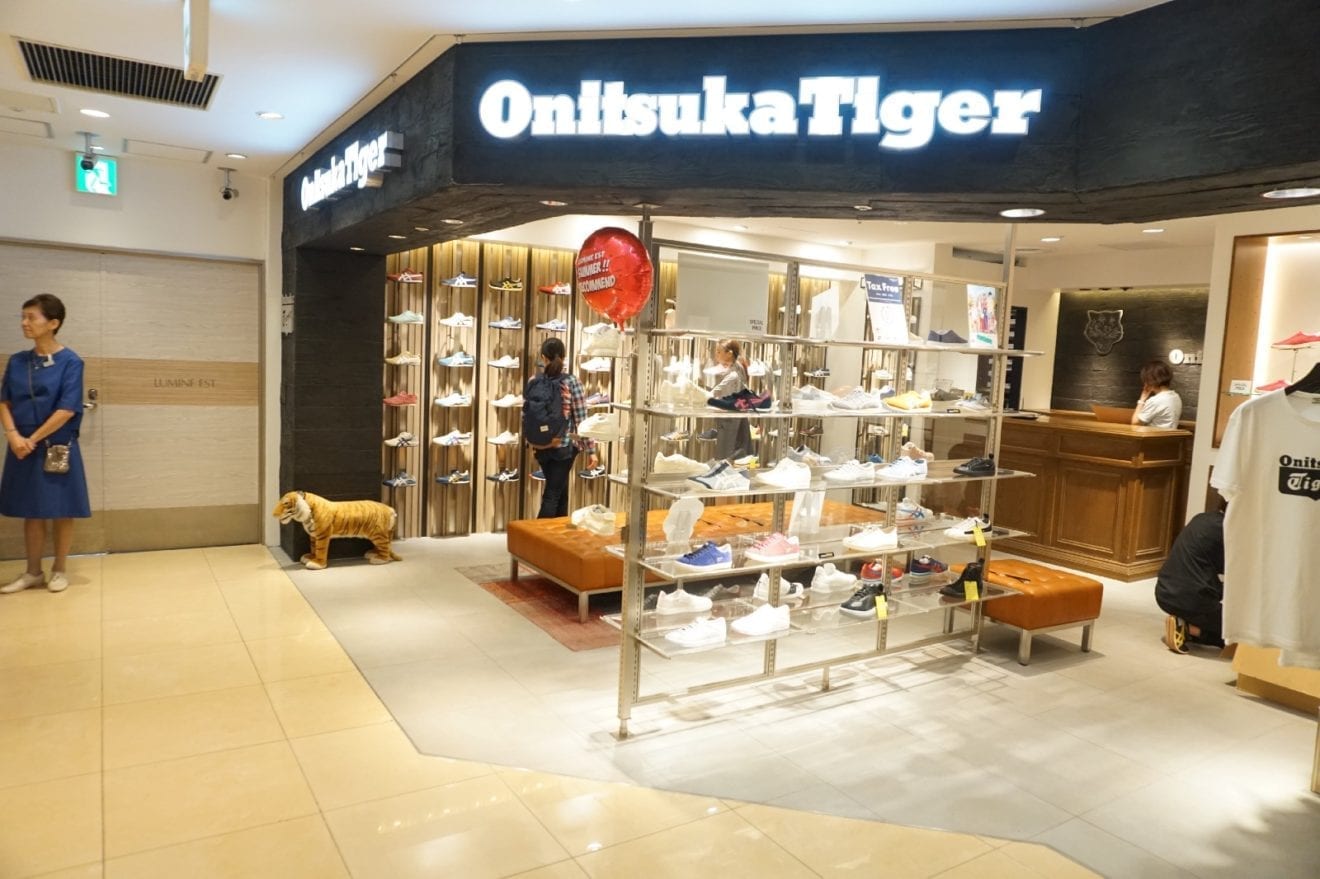
    Onitsuka Tiger, a well-known Japanese shoe brand, has expanded its horizons with an entrance into the realm of fragrance. Their maiden collection of eau de parfum features four unique scents, each distinctively embodying the theme of “Wearing Quiet Radiance.”

    The brand collaborated with the skilled perfumer Mark Buxton to craft this exceptional range of fragrances, each named in a simple, sequential manner: Onitsuka Tiger One, Onitsuka Tiger Two, Onitsuka Tiger Three, and Onitsuka Tiger Four.

    The Fragrance Profiles

    Each fragrance in the collection presents a carefully balanced blend of notes, creating a diverse array of sensory experiences.

    Onitsuka Tiger One is a layered concoction, starting with the freshness of green notes, mint, and citrus. This is followed by white florals and incense, culminating in a warm base of patchouli, leather, and woods.

    Onitsuka Tiger Two takes a softer approach. The opening notes of bergamot and lemon transition into a heart of geranium and incense, with the fragrance eventually settling into a cozy base of powdery musk and sandalwood.

    Onitsuka Tiger Three delivers a warm blend that is anchored by the vibrant scents of orange, angelica, and violet. The addition of sea notes and smoky woods provides a textured, earthy finish.

    Finally, Onitsuka Tiger Four introduces itself with a zesty burst of peppermint and bergamot, which is then sharpened by the unique notes of absinthe and nutmeg. This evolves into a satisfying finish of vanilla, vetiver, and woods.

    Signature Presentation

    Each fragrance is elegantly presented in the brand’s signature yellow bottles. Designed to “play with light and shadow,” these bottles showcase the distinct logo lettering of Onitsuka Tiger and reflect the brand’s aesthetic.

    The company has lauded Buxton’s creations for their audacious and bold nature, which often exudes an energy that surpasses conventional norms. They further stated that the four scents embody their cherished aesthetic of contrast, meant to evoke tranquillity that reconnects with the essence while also radiating powerful brilliance.

    Onitsuka Tiger’s perfume collection is now available across the globe.

    Questions & Answers

    What inspired Onitsuka Tiger to venture into the fragrance industry?
    The company was inspired to create a fragrance collection that embodied their aesthetic of bold contrasts and tranquillity.

    What are the key characteristics of the Onitsuka Tiger perfume range?
    The perfumes are characterized by their unique blends of notes, creating diverse sensory experiences. They are presented in the brand’s signature yellow bottles.

    Where can the Onitsuka Tiger perfume collection be purchased?
    The collection is now available for purchase globally.

  • Amazon and Flipkart Set to Disrupt India’s Banking Sector with Innovative Consumer Loan Products

    Amazon and Flipkart Set to Disrupt India’s Banking Sector with Innovative Consumer Loan Products

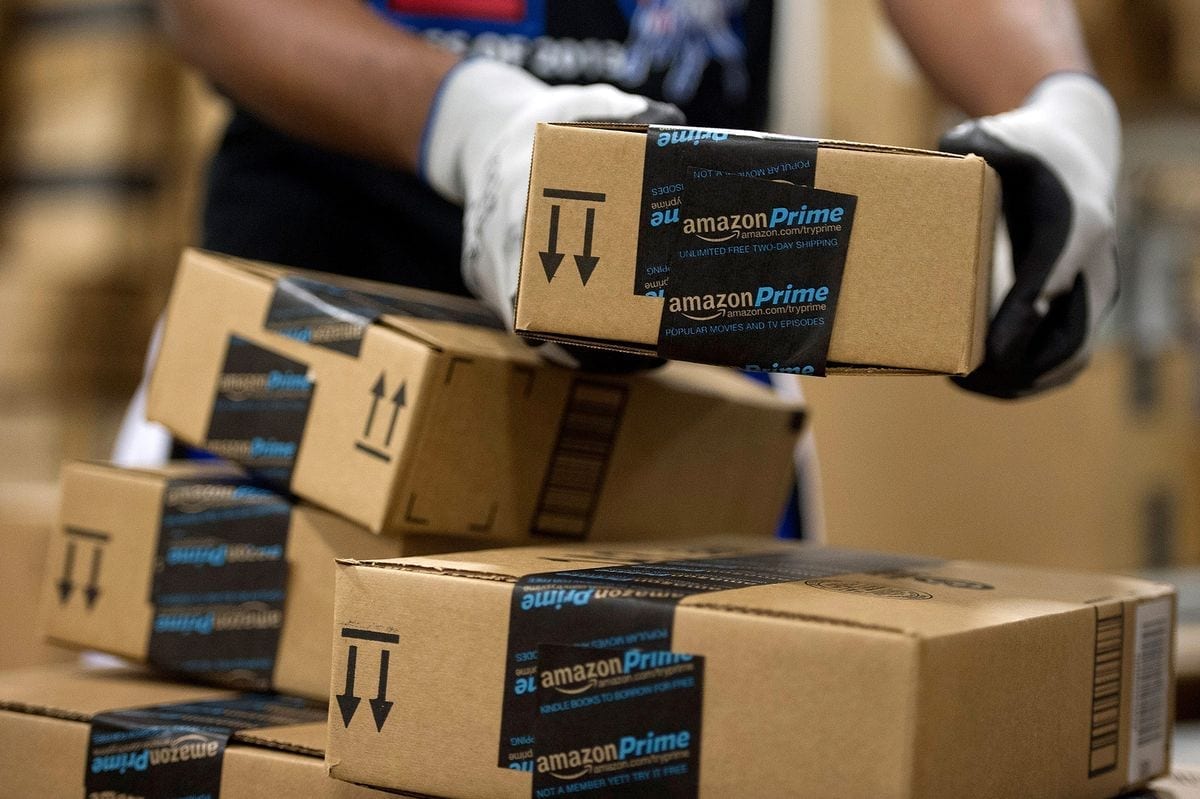
    E-commerce heavyweights, Amazon and Flipkart, are planning to venture into the financial services sector in India, by offering loans and buy-now, pay-later (BNPL) options. This strategic move is poised to challenge the traditional banking sector.

    Amazon’s Plans

    Earlier this year, Amazon purchased Axio, a non-bank lender based in Bengaluru. The company primarily focuses on BNPL and personal loans. However, with Amazon’s acquisition, Axio is expected to recommence providing credit facilities for small businesses and initiate cash management services.

    Mahendra Nerurkar, VP for payments for emerging markets at Amazon, emphasized the potential for expanding credit growth, especially among digitally engaged customers and small businesses operating outside of major cities. He further revealed that the company has plans to develop specialized lending propositions to enhance cash flow management efficiency and unlock capital for merchants and small businesses.

    Flipkart’s Interest

    Flipkart, which boasts a significant stake by Walmart, has registered Flipkart Finance, its non-bank lending branch. The company is awaiting final approval from the Reserve Bank of India (RBI) for its business strategy. The plans feature two types of pay-later offerings:

    1. No-cost monthly installment loans for online shoppers ranging from 3 to 24 months.
    2. Loans for consumer durables at an interest rate of 18 per cent–26 per cent per annum.

    Typically, interest rates on loans for consumer durables from traditional lenders oscillate between 12 per cent and 22 per cent. A confidential source revealed that Flipkart aims to launch these financial products in the coming year.

    Growth of the Consumer Loan Market

    Data from credit bureau CRIF High Mark shows that India’s consumer loan market has expanded from nearly US$80 billion in March 2020 to approximately US$212 billion by March 2025. However, there are indications of a slowdown in recent quarters. Consumer loans encompass unsecured personal loans, credit cards, and loans for consumer durables.

    Both Amazon and Flipkart operate apps ranking in the top 10 platforms for payments via India’s Unified Payments Interface. Earlier this year, the RBI granted them the ability to lend directly to customers, marking a significant step towards opening India’s financial services market to foreign-backed tech firms.

    Rohan Lakhiyar, partner at consultancy Grant Thornton Bharat’s financial services risk division, stated that given their access to both supply-side and demand-side customer data, both Amazon and Flipkart have immense potential to disrupt the sector. However, he stressed that execution would be crucial as they expand beyond core retail.

    Amazon has also partnered with several local lenders to offer fixed deposit savings products with minimum amounts of 1000 rupees (US$11) to customers on its Amazon Pay platform, according to Nerurkar.

    Questions & Answers

    What are Amazon’s plans in the financial services sector in India?
    Amazon plans to offer credit to small businesses and provide cash management services through Bengaluru-based non-bank lender Axio. They also aim to develop specialized lending propositions to help improve cash flow management efficiency and release capital for merchants and small businesses.

    What types of financial products is Flipkart planning to offer?
    Flipkart intends to offer two types of pay-later offerings – no-cost monthly installment loans for online shoppers, and loans for consumer durables at an interest rate of 18 per cent–26 per cent per annum.

    What is the current status of the consumer loan market in India?
    The consumer loan market in India has grown from nearly US$80 billion in March 2020 to around US$212 billion by March 2025, according to data from credit bureau CRIF High Mark. However, recent quarters have shown signs of a slowdown in growth.