Author: Mei Ling Tan

  • DC Coffee Unveils New Fuel Your Creativity Range, Exclusively at Woolworths

    DC Coffee Unveils New Fuel Your Creativity Range, Exclusively at Woolworths

    DC Coffee, a specialty coffee roaster based in Melbourne, has broadened its unique range of offerings at Woolworths by introducing a new 600g variety under the ‘Fuel Your Creativity’ line.

    DC Coffee’s Growth and Expansion

    Established in 2004, DC Coffee had an impressive reach of over 200 wholesale cafe clients across the country by 2016. The brand’s exclusive move into Woolworths in the previous year was a significant landmark in its retail growth journey. This move allowed the coffee brand to bring its signature blends and distinctive packaging to regular supermarket shoppers in Australia.

    The latest addition to its collection, a 600g range priced at $23, enhances DC Coffee’s existing portfolio. This expansion portrays the brand as an easily accessible specialty coffee provider, reinforcing its sustained investment and commitment to the grocery channel.

    Supporting Campaign and Refreshed Brand Identity

    To augment the retail introduction, DC Coffee has launched its inaugural integrated campaign, bringing its ‘Fuel Your Creativity’ platform to life. This initiative aims to redefine coffee and applaud those who use it as a source of inspiration and motivation, interpreting and acting on it in their unique ways.

    In collaboration with the creative agency Hellions, the campaign will be implemented nationally across various channels such as BVOD, YouTube, out-of-home, paid and organic social, e-commerce, and emails.

    Commenting on the campaign, Trevor Simmons, CEO of DC Coffee, said that DC Coffee is the most dynamic and engaging coffee brand present today. The campaign perfectly encapsulates the brand’s unique, irreverent post-specialty attitude.

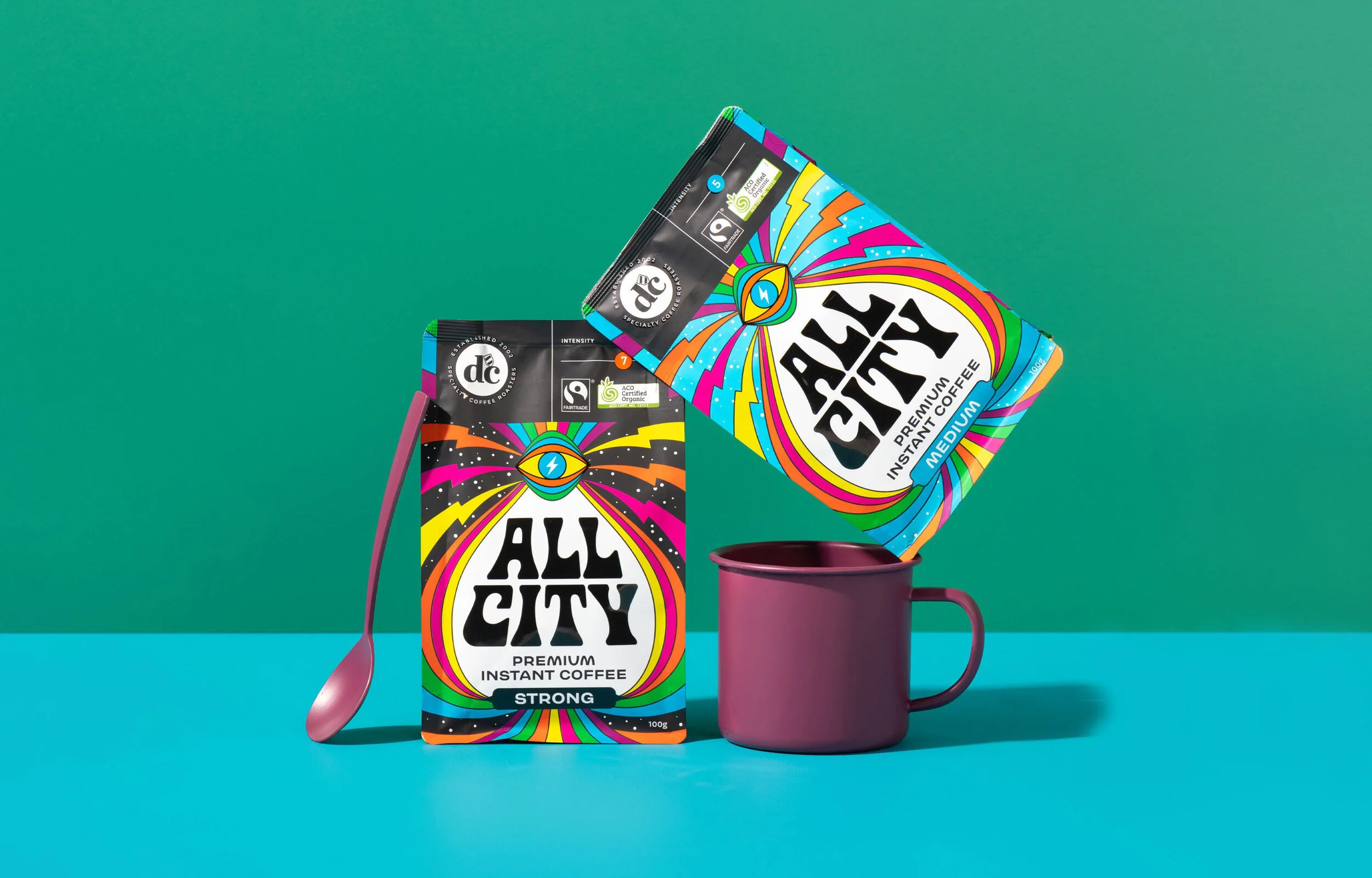
    The brand enhancement also includes an updated packaging design aimed at enhancing shelf impact and fortifying brand recognition. The new packaging continues to feature the brand’s artist-led creative direction across various elements like typography, illustration, colour, photography, and motion.

    “DC Coffee is synonymous with awesome coffee, unique packaging, and incredible value. It’s all about fuel and energy,” added Simmons.

    Questions & Answers

    What is DC Coffee’s new initiative ‘Fuel Your Creativity’ about?
    DC Coffee’s ‘Fuel Your Creativity’ is an integrated campaign aimed at redefining the perception of coffee. It celebrates individuals who use coffee as a source of inspiration and motivation to interpret and act uniquely.

    How will the new ‘Fuel Your Creativity’ campaign be implemented?
    In collaboration with the creative agency Hellions, the ‘Fuel Your Creativity’ campaign will be implemented nationally across various channels, including BVOD, YouTube, out-of-home, paid and organic social, e-commerce, and emails.

    How does the new packaging design impact DC Coffee’s brand?
    The updated packaging design, featuring various elements like typography, illustration, colour, photography, and motion, is aimed at enhancing shelf impact and strengthening brand recognition.


  • Me Today Skincare Brand Boosts Earnings Outlook Amid Global Expansion Opportunities

    Me Today Skincare Brand Boosts Earnings Outlook Amid Global Expansion Opportunities

    New Zealand’s publicly traded skincare company, Me Today, is adjusting its earnings forecast upwards, spurred by promising growth and robust global prospects.

    Boosting Revenue and Slowing EBITDA Decline

    In advance of the company’s forthcoming disclosure of its annual financial results, Me Today has announced that it anticipates a significant increase in gross revenue. Furthermore, the EBITDA decline is projected to be less severe than previously estimated.

    The company’s accomplished performance in its home territory, New Zealand, has paved the way for possible international growth. The co-founders of Me Today have recently come back from trips to Southeast Asia and China, where they participated in events aimed at promoting their brand.

    Expansion into Asia and New Product Rollouts

    During a visit to Malaysia, Me Today was launched at the second anniversary celebration of its distributor. Michael Kerr and Stephen Sinclair, co-founders of the brand, shared the brand’s origin story and introduced the initial product range to an audience of over 600 influencers and reseller partners.

    Ahead of its official launch in Southeast Asia, the company has shipped its products to the region, with nine products now up for sale in that market. Additionally, Me Today had the opportunity to exhibit its brand to an estimated 100,000 purchasers at the Children, Baby, and Maternity Expo in Shanghai.

    Back home in New Zealand, Me Today is preparing to further expand its product portfolio. The company has plans to launch an additional 20 products before the year’s end.

    Questions & Answers

    What are Me Today’s plans for international expansion?
    According to the brand’s co-founders, Me Today is focusing on Southeast Asia and China for its international expansion. The company has already begun promoting its brand in these regions and has introduced its product range to hundreds of potential partners and influencers.

    How many products does Me Today plan to introduce by the end of the year?
    Me Today aims to introduce 20 new products in its home market, New Zealand, by the end of the year.

    What is the company’s revised earnings guidance?
    While the exact figures are yet to be released, Me Today anticipates a rise in gross revenue and a slower decline in EBITDA than previously predicted.

  • Tim Ho Wan Set to Double Taiwan Presence by 2030: A Growth Strategy Focused on Convenient Dining

    Tim Ho Wan Set to Double Taiwan Presence by 2030: A Growth Strategy Focused on Convenient Dining

    Tim Ho Wan, under the ownership of Jollibee Group, is set to expand its retail footprint in Taiwan by doubling its store count from 16 to 32 by 2030. This growth strategy will be spearheaded by Hoyii Life, Tim Ho Wan’s Taiwan franchise partner, in line with Jollibee Group’s ongoing objectives for international growth via franchising.

    Strengthening Presence in Established Markets

    Taiwan holds a significant place in Tim Ho Wan’s international market portfolio, having been operational in the region since 2015. The planned expansion is not merely numerical, but also includes the introduction of a fresh store format. This new concept aims to cater to customers who prefer quicker and more accessible dining solutions.

    Lee Yeong Sheng, the CEO of Tim Ho Wan, expressed confidence in the brand’s future growth in Taiwan, attributing this optimism to the brand’s strong standing, the proficiency of the Taiwan franchisee, and the long-term potential of the market. He further elaborated, “The novel concept store layout that we are planning to test run in Taiwan is aimed at engaging with an increasingly mobile consumer base and gathering insights that can bolster Tim Ho Wan’s expansion in other markets.”

    A Journey from Hong Kong to the World

    Jollibee Foods Corporation took complete control of Tim Ho Wan in November 2024, purchasing the remaining 8 per cent stake in Titan Dining LP for SG$20.2 million (US$15.1 million). This acquisition brought the dim sum brand, which originated in Hong Kong in 2009, directly under the umbrella of Jollibee’s portfolio. As of now, Tim Ho Wan operates over 80 restaurants globally, spanning several international markets.

    Questions & Answers

    What is the plan for Tim Ho Wan’s expansion in Taiwan?
    Tim Ho Wan, partnering with its Taiwan franchisee Hoyii Life, plans to double its store count from 16 to 32 by the year 2030.

    What is the idea behind the new store format?
    The new store format is designed to cater to customers who prefer quicker and more accessible dining solutions. The concept is set to be pilot tested in Taiwan.

    When did Jollibee Foods Corporation take full control over Tim Ho Wan?
    Jollibee Foods Corporation assumed complete ownership of Tim Ho Wan in November 2024.

  • Boosting Retail Margins: Uniting Fragmented Product Data through AI

    Boosting Retail Margins: Uniting Fragmented Product Data through AI

    While customers continue to make purchases across various channels, several retail businesses struggle with outdated and disconnected systems. These systems were designed during a simpler time and are now proving to be inadequate in handling the dynamic market trends.

    As products’ lifecycles become shorter and sales channels multiply, businesses that fail to connect product data to their decision-making processes are at a disadvantage. Disconnected systems can result in losses even before a customer reaches the checkout counter. However, retailers that integrate these systems can improve their speed, profit margins, and customer experience.

    The Challenge of Retail Market

    The shift from physical purchases to online buying or social media shopping has made the retail market more challenging. This trend has highlighted the fragmented product management within many organizations. Different departments often manage design and development, merchandise planning, pricing, and product information. This lack of integration introduces delays, inconsistencies, and missed opportunities which become more costly as businesses expand across various channels and markets.

    To cope with this, some businesses are focusing on brand management and outsourcing manufacturing, while others own product design and pass production to manufacturing partners. Regardless of the strategy, Artificial Intelligence (AI) provides an opportunity to connect teams across different geographies and stages of the product lifecycle.

    However, retailers are faced with more than the challenge of selling through various channels. They also have to navigate an increasing number of online shopping events and promotions where demand can change rapidly, and inventory decisions carry greater financial implications.

    Balancing product assortment with inventory levels is a constant struggle. Having too much stock results in markdowns, while offering too little causes customers to shop elsewhere. Thus, the ability to react quickly to market demands has become a crucial factor in the retail industry.

    The Role of AI and Data in Retail

    AI and data play a crucial role in making informed decisions. Without reliable and accessible product data, the impact on businesses can be immediate and severe. Customers now expect accurate information, competitive pricing, and immediate availability, regardless of where they choose to shop.

    AI can support better commercial decision-making, but only if organizations first establish a trusted data foundation. Beyond its use in language translation and communications, AI has a far greater potential in product management. It can enable retailers to better understand customer demand and reduce the time between product concept and market launch.

    Speed to market is often a key focus, but it’s equally important to identify where profitability is being lost throughout the product lifecycle. Retailers often overlook customer feedback within their own businesses. The information needed to make better decisions is already there; it’s just a matter of utilizing it.

    Retailers can identify changing customer preferences earlier by using AI to analyze their daily or weekly data, improving product selection while reducing excess inventory and missed sales opportunities.

    Questions & Answers

    How can retailers benefit from integrating their disconnected systems?
    By integrating their systems, retailers can improve their speed, profit margins, and overall customer experience.

    What role does AI play in the retail industry?
    AI can support better commercial decision-making by helping retailers understand customer demand, reduce time between product concept and market launch, and analyze existing data to identify changing customer trends.

    How can retailers utilize their existing data more effectively?
    Retailers generate vast amounts of customer, sales, and product data every day. By using AI, they can analyze this data to forecast future trends and make more informed decisions.

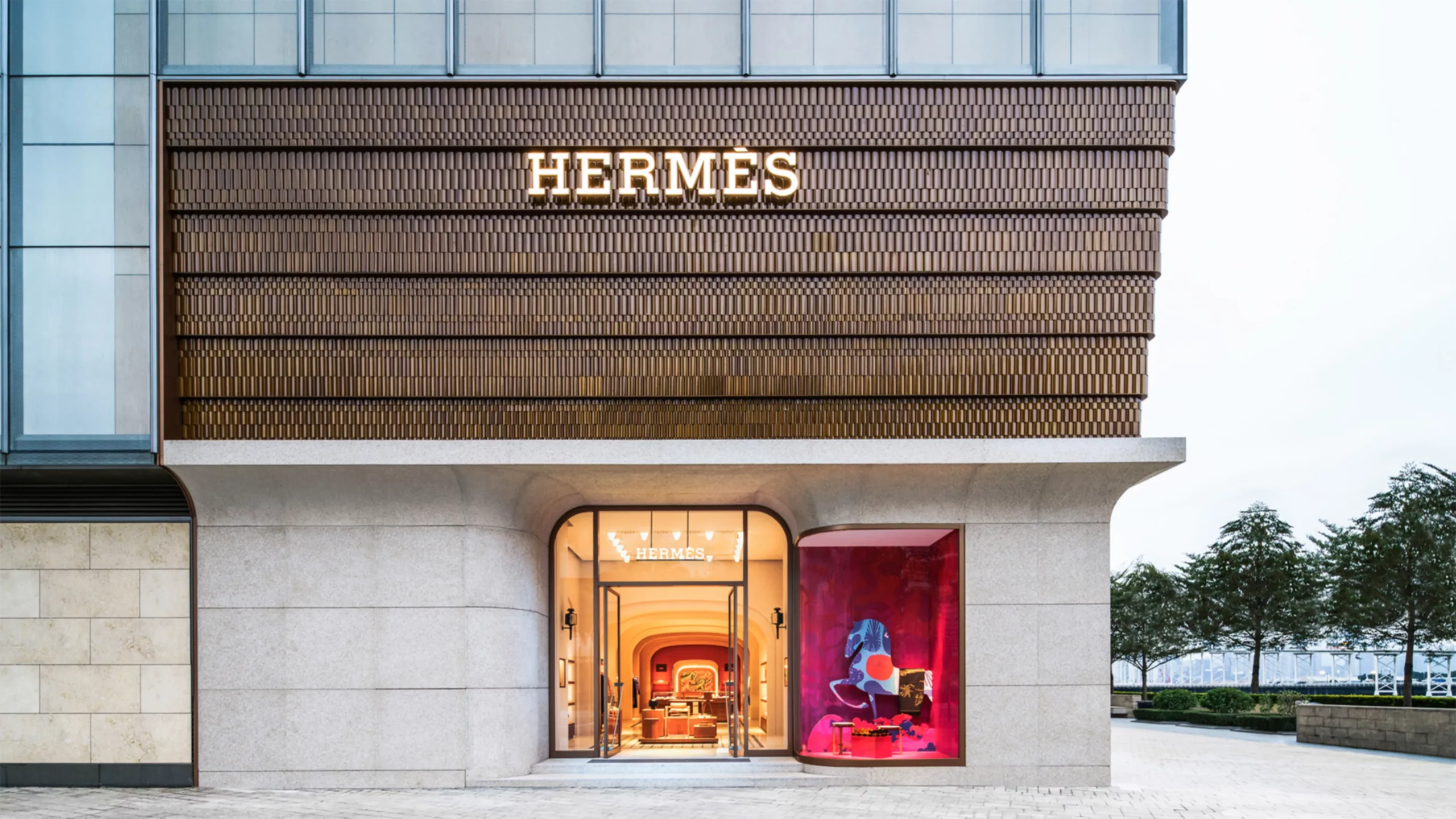
  • Hermès Witnesses Stellar Growth in Asia, Japan Leads Charge with 11% Sales Increase

    Hermès Witnesses Stellar Growth in Asia, Japan Leads Charge with 11% Sales Increase

    Luxury goods retailer Hermès has reported a notable surge in sales for the first half of this fiscal year, with the Asian market, particularly Japan, demonstrating substantial performance.

    During the six-month period ending in June, the company garnered a revenue of €8.2 billion (US$9.39 billion), marking a growth of 6 per cent at constant exchange rates and 2 per cent at current exchange rates. The second quarter of the year witnessed a 7 per cent increase in sales at constant exchange rates, hitting €4.1 billion.

    Geographical Growth

    Although all regions exhibited growth, the Middle East was an exception, suffering the repercussions of ongoing turmoil. In Asia, Japan emerged as the region with the highest growth, witnessing an 11 per cent surge in sales in constant currency. This impressive performance was primarily backed by significant customer inflow and consistent customer loyalty. Following the expansion and renovation of Osaka’s Hilton Plaza East store in May, Hermès introduced its new store in Nagoya in June.

    Other Asian markets, including Greater China and South Korea, experienced a 2 per cent growth. In January, the company opened a store in Hanoi, subsequently launching the new Sanlitun store in Beijing and reopening the Hong Kong Elements and Taipei Sogo Fuxing stores in April.

    Sales in the Americas rose by 15 per cent, France saw a 2 per cent improvement, and Europe excluding France reported a 9 per cent growth. In contrast, the Middle East experienced a 4 per cent decline in sales. Despite the unstable geopolitical climate, Hermès noted that the market demonstrated resilience, with the second quarter showing signs of gradual recovery.

    Sales by Category

    In terms of product categories, both leather goods and textiles segments posted sales growth of 10 per cent. The ready-to-wear and accessories sector observed a modest 2 per cent increase, while perfume and beauty suffered a 4 per cent decline. Watch sales remained steady.

    From a financial perspective, the recurring operating income rose slightly to €3.4 billion, whereas the consolidated net profit remained steady at €2.2 billion.

    Looking ahead, Hermès confirmed its medium-term revenue growth outlook at constant exchange rates, despite the prevalent economic, geopolitical and monetary uncertainties.

    Questions & Answers

    What were Hermès’ first-half fiscal year sales results?
    For the first half of the fiscal year, Hermès reported strong sales growth, particularly in Asian markets, with revenue totalling €8.2 billion (US$9.39 billion).

    How did Hermès perform in different geographical markets?
    The company witnessed growth in all regions except the Middle East. The Americas reported a 15 per cent increase in sales, France a 2 per cent rise, and Europe excluding France a 9 per cent growth. Asian markets, particularly Japan, demonstrated significant performance.

    How did different product categories at Hermès perform?
    Leather goods and textiles witnessed a sales growth of 10 per cent, ready-to-wear and accessories experienced a slight 2 per cent increase, while perfume and beauty saw a 4 per cent decline. Watch sales remained stable.

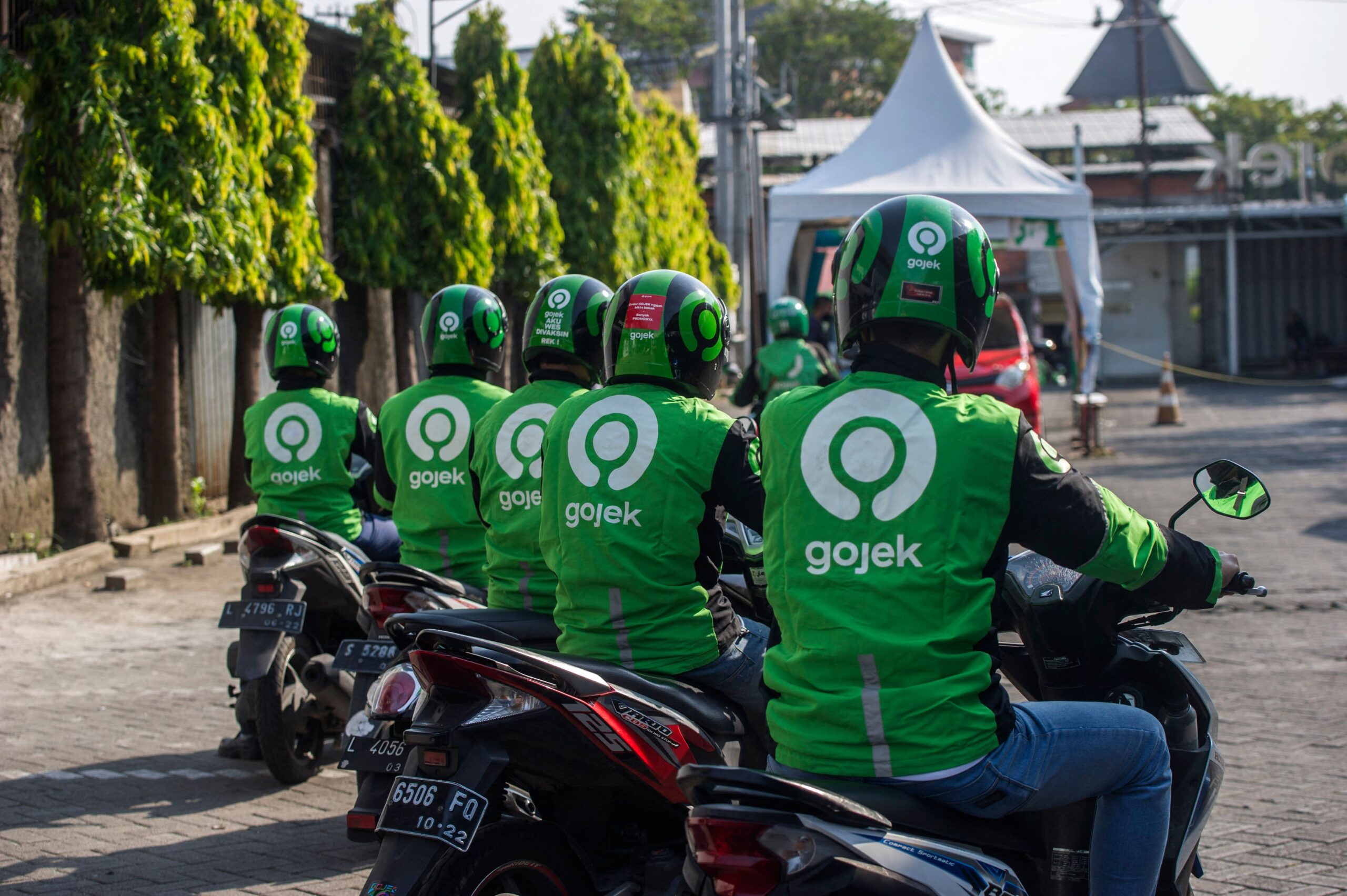
  • GoTo Sees Second Quarter of Profit, Fueled by Fintech Boom

    GoTo Sees Second Quarter of Profit, Fueled by Fintech Boom

    Indonesia’s leading ride-hailing company, GoTo, announced its second successive quarterly net profit on Wednesday. The positive financial outcome was underpinned by significant expansion in its fintech sector and continued fiscal prudence.

    For the quarter ending June 30, the firm posted earnings of 350 billion rupiah (US$19.40 million). This marks a significant turnaround from the same period last year, which saw a loss of 297 billion rupiah. GoTo’s second quarter net revenues amounted to 5.7 trillion rupiah, reflecting a year-on-year increase of 31%.

    Fintech Outperforms On-Demand Services

    The adjusted EBITDA of GoTo’s fintech operation, GoPay, experienced an impressive growth of over five times to reach 481 billion rupiah in the quarter. Intriguingly, this is the first time it has surpassed the company’s on-demand services, Gojek.

    GoTo also noted the potential impact of Indonesia’s cap on ride-hailing commissions, which came into effect on July 1. The cap is anticipated to affect Gojek’s two-wheel ride-hailing services – contributing to approximately 7% of its total net revenue – and could potentially impact third quarter earnings.

    Despite this, GoTo maintains its full-year adjusted EBITDA prediction of between 3.2 trillion rupiah and 3.4 trillion rupiah. This projection anticipates a reduced contribution from its on-demand services and a greater contribution from its fintech operations.

    GoTo’s first-half attributable profit was 607 billion rupiah, in contrast to a loss of 50 billion rupiah in the previous year.

    Sustained Profitability Through Cost Discipline

    The company attributes its sustained profitability to disciplined cost management, which was first flagged in the previous quarter. This approach has been effective in tandem with the implementation of its technology and AI strategy.

    Questions & Answers

    What contributed to GoTo’s second successive quarterly net profit?
    The profit was mainly aided by strong growth in its fintech business, GoPay, and a commitment to cost control.

    How has the introduction of a cap on ride-hailing commissions in Indonesia affected GoTo?
    The cap, which came into effect on July 1, might potentially impact GoTo’s third quarter earnings, as it affects Gojek’s two-wheel ride-hailing business.

    What is GoTo’s full-year adjusted EBITDA forecast?
    The company expects its full-year adjusted EBITDA to be between 3.2 trillion rupiah and 3.4 trillion rupiah, with a decreased contribution from on-demand services and a larger one from fintech.

  • Taco Bell’s Former Asia Pacific MD, Anita McDonnell, Snapped Up by Pret A Manger as New International President

    Taco Bell’s Former Asia Pacific MD, Anita McDonnell, Snapped Up by Pret A Manger as New International President

    Anita McDonnell, formerly the Managing Director for Taco Bell in the Asia Pacific region, has recently been designated as the International President for Pret A Manger. This new appointment will commence in late August.

    McDonnell comes to the position with a wealth of experience spanning over twenty years in the food and beverage franchise industry. Her professional journey includes impressive stints at Domino’s and Costa Coffee. Pret A Manger’s CEO, Pano Christou, expressed his delight at her appointment, citing her substantial global experience and profound knowledge of franchise businesses as key assets. He commended her proven leadership abilities, which have been continually demonstrated across numerous markets.

    In her new role, McDonnell will be cooperating with Felipe Athayde, the President for North America, and Ross Warnes, the company’s representative for the UK and Ireland. Christou expressed his anticipation of working with her to fortify Pret A Manger’s international business and offer support to the franchise partners worldwide. He acknowledged the rarity of finding an individual with such comprehensive expertise in the food, coffee, and hospitality sectors across an array of Asian markets.

    McDonnell is replacing Eira Jarvis, who has dedicated thirteen years of service to Pret A Manger. Jarvis will remain in her current role until the year concludes to ensure a smooth transition of duties. Recognizing her impactful contributions, Christou praised Jarvis for her instrumental role in laying the foundation for the company’s international business and her unwavering support to teams and franchise partners across various markets. Jarvis’ role as a mentor to many colleagues, wherein she has generously imparted her experience and nurtured the future leaders of Pret, was also highly commended.

    Questions & Answers

    Who has been appointed the International President of Pret A Manger?
    Anita McDonnell, the former Managing Director for Taco Bell in the Asia Pacific region, has been appointed as the International President of Pret A Manger.

    What experience does Anita McDonnell bring to her new role at Pret A Manger?
    Anita McDonnell brings over two decades of experience in the food and beverage franchise industry to her new role. Her impressive track record includes roles at Domino’s and Costa Coffee.

    Who will Anita McDonnell be succeeding in her new position?
    Anita McDonnell will be succeeding Eira Jarvis, who has served Pret A Manger for thirteen years and will continue in her role till the end of the year to facilitate a smooth transition.

  • Authentic Brands Group Boosts Nautica and Spyder Growth in China with New Operating Partner, Shanghai Hui Zhong

    Authentic Brands Group Boosts Nautica and Spyder Growth in China with New Operating Partner, Shanghai Hui Zhong

    Authentic Brands Group has announced Shanghai Hui Zhong as its primary operational partner for the Nautica and Spyder brands in mainland China, Hong Kong, and Macau. The new appointment aims to bolster the brands’ growth trajectory in these regions.

    Strengthening Local Operations

    Shanghai Hui Zhong will be responsible for managing local operations, encompassing supply chain management, wholesale distribution, and the operation and expansion of the brands’ physical retail stores. Leveraging its understanding of the local market and its robust distribution channels, the company will support the expansion of Nautica and Spyder in the region.

    The partnership, according to Authentic, is a strategic blend of its global brand development platform with Hui Zhong’s local capabilities. This is expected to reinforce Nautica’s and Spyder’s presence in the Chinese market.

    Authentic stated, “This partnership demonstrates our continued dedication to collaborating with top-tier partners to extend the reach and influence of our global brands in the Chinese market. Through global brand management and localized operations, Authentic and Huizhong will cooperate to unveil new growth avenues for Nautica and Spyder in China.”

    Transition from Tristate Holdings

    Since 2018, Tristate Holdings had maintained the management of Nautica and Spyder in China through licensing agreements with Authentic Brands Group. This agreement was extended through December 2032 for Nautica following amendments to the licensing agreements in 2021.

    According to the 2025 annual report, Nautica’s revenue saw a 12% decrease year over year, and Spyder’s experienced a 24% drop due to weakened consumer spending affecting China’s retail market. This led to the company optimizing its store network, ending 2025 with 70 directly managed Nautica stores, 44 partner stores, and 42 Spyder stores spread across China.

    Tristate recently disclosed in a Hong Kong Stock Exchange filing that Authentic had issued notices to terminate the Nautica and Spyder license agreements, which are still under legal proceedings. Authentic did not comment on the status of its licensing arrangements with Tristate in its announcement of the Shanghai Hui Zhong partnership.

    Earlier in the year, Authentic had also chosen NewRee Sports as Reebok’s main operating partner for mainland China, Hong Kong, and Macau, marking a shift in the brand’s operating structure in the region.

    Questions & Answers

    Who has been chosen as the new operating partner for Nautica and Spyder in mainland China, Hong Kong, and Macau?
    Shanghai Hui Zhong has been selected as the new operating partner for these brands in the specified regions.

    What led to the decline in Nautica’s and Spyder’s revenues in 2025?
    The brands’ revenues were impacted by weakened consumer spending in China’s retail market.

    Who was previously managing Nautica and Spyder in China?
    Prior to the new appointment, Tristate Holdings held the management responsibilities for these brands under a licensing agreement with Authentic Brands Group.

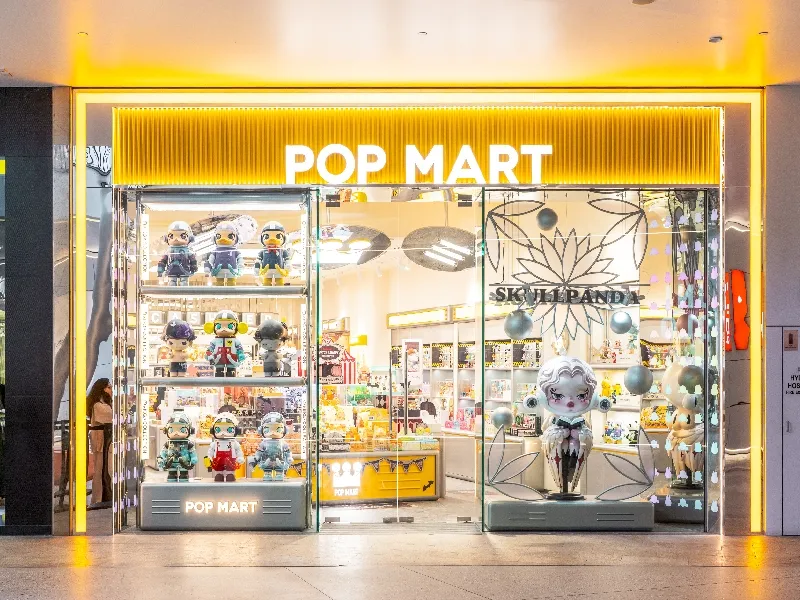
  • Edible Adventures: Pop Marts Toy-Inspired Desserts Invade Singapore in Global Bakery Debut

    Edible Adventures: Pop Marts Toy-Inspired Desserts Invade Singapore in Global Bakery Debut

    Beijing-based creator of popular ‘blind box’ toys, Pop Mart, is branching out with a new line of business, launching its premiere international bakery in Singapore. The company is giving a fresh, three-dimensional, and edible spin to its famous characters, such as the wide-eyed Labubu and the adorable Molly. From black sesame Labubu popsicles to double cheesecake Molly, these delightful treats will now take the form of pastries and beverages. The bakery, located opposite Universal Studios Singapore, showcases a line-up of 45 toy-inspired treats with prices ranging from S$5 to S$32 (approx. US$3.87 to US$24.77).

    From Toys to Tasty Treats: Pop Mart Expands

    Singapore is just the beginning for Pop Mart’s global culinary conquest. The company is contemplating setting up bakeries in Europe and the United States, according to Zhang Xiaoyang, the head of Pop Bakery at Pop Mart. However, the company is aware that it will have to navigate complex issues such as establishing local supply chains. The company’s strategy also includes launching dessert shops across Southeast Asia, specifically in Thailand, Indonesia, and Malaysia.

    This move to extend the brand into the bakery business follows the successful launch of Pop Mart’s first bakery in the Chinese coastal city of Qinhuangdao in April. Before this, the company had tested the concept through over 30 dessert truck pop-ups within China.

    A Strategic Move Amidst Challenges

    The foray into the bakery business comes at a time when Pop Mart is grappling with inflated production costs. The company’s business model has recently been met with skepticism from analysts as they have observed the company’s annual sales and earnings growth fall short of expectations in recent quarters.

    “Pop Mart’s diversification into the bakery business is a smart move. There’s only so much a toy company can do, and they’ve likely reached their limit with toy manufacturing,” said Laura Pan, a lecturer at a prominent school of management. However, she notes that the reception of Pop Mart’s bakeries in the United States remains uncertain, considering the waning popularity of the Labubu series.

    In the face of a global surge in demand for its plush toys, bag charms, and collectibles, Pop Mart has been innovatively expanding its business beyond toy selling. The company hopes to emulate Disney’s success in transforming short-term popularity into long-lasting success.

    In line with this strategy, Pop Mart has made notable strides this year. It has announced a collaboration with Sony Pictures to produce a Labubu movie and has expanded its Beijing theme park, Pop Land.

    “We aim to integrate our IP (intellectual property) into all aspects of consumers’ lives, and desserts are one part of this mission,” Zhang said.

    Questions & Answers

    What is Pop Mart’s new business venture?
    Pop Mart has launched its first international bakery in Singapore, featuring pastries and beverages inspired by their popular toy characters.

    Is Pop Mart planning to open bakeries in other countries?
    Yes, the company is considering setting up bakeries in Europe and the United States and also plans to launch dessert shops across Southeast Asia, specifically in Thailand, Indonesia, and Malaysia.

    How is Pop Mart diversifying its business?
    Aside from launching a bakery business, Pop Mart is also developing a Labubu movie in partnership with Sony Pictures and has recently expanded its Beijing theme park, Pop Land.

  • Thai Gem and Jewelry Industry Shines in China: New Deal to Skyrocket Exports

    Thai Gem and Jewelry Industry Shines in China: New Deal to Skyrocket Exports

    The Gem and Jewellery Institute of Thailand (GIT) has formalized a strategic partnership with two prominent Shanghai-based firms with the aim of bolstering Thai gem and jewellery enterprises’ market penetration in China. The collaborations have been established with the Shanghai Jing’an Real Estate Group Import and Export Co. and the China Gems & Jade Exchange. Their collective goal is to establish industry standards, streamline market access, fortify trade connections, and heighten the competitiveness of Thai gemstone and jewellery enterprises.

    Looking into the Collaboration

    As part of this alliance, GIT will contribute its technical proficiency, establish product standardization, and offer quality assurance services. It will also aid in bridging the gap between Thai businesses and prospective associates. On the other hand, the Chinese collaborators will provide critical insights into import regulations, guide through customs procedures, offer bonded warehouse services, handle logistics, arrange product exhibitions, and create business opportunities within the Chinese market.

    The importance of China as a primary market for Thailand’s gemstone and jewellery industry has been recognized by GIT. It anticipates that this reinforced collaboration with Chinese partners will allow Thai businesses to penetrate the market more efficiently while fostering bilateral cooperation in the sector.

    Aligning with SMART JEWELER Program

    This move is in line with the objectives of the SMART JEWELER scheme by GIT. The program is designed to enhance the competitiveness of players in the industry. This is achieved through brand development, fostering design innovation, analyzing consumer trends, and creating international business networks.

    Questions & Answers

    What is the primary objective of the collaboration between GIT and the two Shanghai firms?
    The aim is to establish industry standards, streamline market access, fortify trade connections, and heighten the competitiveness of Thai gemstone and jewellery enterprises in the Chinese market.

    How will GIT contribute to this collaboration?
    GIT will offer its technical expertise, establish product standardization, and provide quality assurance services, along with connecting Thai businesses with potential partners.

    What role will the Chinese partners play in this collaboration?
    The Chinese partners will offer insights into import regulations, guide through customs procedures, provide bonded warehouse services, manage logistics, and arrange product exhibitions, creating business opportunities within the Chinese market.

  • Vietnam Sets Stage for Globally Competitive CEO’s: Launches Trailblazing Leadership Program

    Vietnam Sets Stage for Globally Competitive CEO’s: Launches Trailblazing Leadership Program

    The Vietnam Chamber of Commerce and Industry (VCCI) recently rolled out a leadership advancement initiative aimed at fostering a new cohort of globally competitive CEOs within the nation. The undertaking, dubbed “CEO Vietnam The New Era,” aims to imbue top executives with globally recognized management acumen and ready them for digital metamorphosis, ecological transitioning, and further integration into global supply chains.

    Shaping Leadership for Economic Growth

    This move coincides with Vietnam’s accelerated economic growth ambitions, and an intensified focus on cultivating business leadership that is in sync with governmental priorities of expanding the private sector’s role. Ho Sy Hung, the chairman of the chamber, emphasized at the initiative’s unveiling that Vietnamese enterprises require leaders who possess a future-oriented vision, modern managerial abilities, and the flexibility to navigate swift technological and geopolitical shifts.

    The VCCI has plans to draw on the support of its extensive in-country networks, business organizations, training collaborators, industry experts, international bodies, and the wider business sector to execute this program.

    Educational Collaboration and Curriculum Highlights

    Prof. Dr. Nguyen Thi Thanh Mai, president of Vietnam National University–Ho Chi Minh City, highlighted the program’s goal of fortifying collaboration amongst the government, educational institutions, and businesses in the areas of education, research and knowledge-sharing.

    The university, collaborating with partners such as A11 Management Consulting Vietnam and INSEAD Business School, has developed a comprehensive curriculum suitable for a broad spectrum of participants, ranging from top-tier corporate heads to executives of small to medium-sized businesses, family-run ventures, and startups. Key focus areas of the program will encompass strategic leadership, corporate governance, digital transformation, finance, sustainability, ESG, and international business growth.

    In the words of Professor Sameer Hasija, Dean of Executive Education and Dean of the Asia Campus at INSEAD, as Vietnam maintains its impressive economic stride, the cultivation of future-ready business leaders will be pivotal to sustaining growth and pioneering innovation.

    Questions & Answers

    What is the purpose of the “CEO Vietnam The New Era” program?
    The program aims to equip business leaders with globally recognized management skills and prepare them for digital transformation, green transition, and deeper integration into global value chains.

    Who are the key partners in developing the curriculum for this program?
    The Vietnam National University–Ho Chi Minh City has partnered with A11 Management Consulting Vietnam, INSEAD Business School, and other partners to create the curriculum.

    What will be the primary focus areas of the program?
    The program will cover strategic leadership, corporate governance, digital transformation, finance, sustainability, ESG, and international business development.

  • Singapore Announces $230 Boost in Living Support Vouchers Amid Rising Mid-East Conflict Costs

    Singapore Announces $230 Boost in Living Support Vouchers Amid Rising Mid-East Conflict Costs

    In response to escalating costs associated with the Middle East conflict, the government of Singapore has announced its intention to provide each household with an additional allotment of Community Development Council (CDC) vouchers, valued at SGD 300 (USD 230). This additional distribution, set for January of next year, supplements the SGD 500 in CDC vouchers that were disbursed recently.

    Voucher Distribution and Utility Rebates

    Fifty percent of these vouchers can be utilized at select local merchants and food stalls, with the remainder to be used at participating supermarkets. The validity of these vouchers extends until December 31, 2027. Alongside these vouchers, eligible households can anticipate double the usual amount in U-Save utility rebates in October of this year and in January of the next. These rebates will range from SGD 110 to SGD 190.

    These additional vouchers and rebates are part of a SGD 900 million assistance package designed to alleviate the burden of heightened energy costs linked to the Middle East conflict. This package represents the second round of support measures initiated by the government in response to the conflict, following an initial SGD 1 billion package launched in April. The first package expedited the delivery of CDC vouchers and provided SGD 200 in cash to workers in the platform industry, private-hire car drivers, and taxi drivers. It also increased a cash assistance program called the Cost-of-Living Special Payment, enabling eligible Singaporean adults to receive SGD 400 to SGD 600 in September.

    Economic Forecast and Support Measures

    Despite a stronger than anticipated performance from Singapore’s economy, which saw a 6.3% growth in the first quarter and an estimated 5.7% growth in the second quarter, the government continues to listen to sectors of the economy indicating the need for ongoing assistance. Predicting the future is challenging given the considerable uncertainty over the coming months, and it remains unclear whether current economic conditions will deteriorate or if strong economic performance will continue.

    Implemented in 2020 and subsequently expanded, the CDC vouchers have been distributed annually to assist households in managing increasing living costs and to support businesses. Senior Minister of State for Trade and Industry, Low Yen Ling, reported that between January and July 28, households have spent about SGD 1.03 billion worth of CDC vouchers and SG60 vouchers which were distributed last year to celebrate Singapore’s 60th anniversary.

    Questions & Answers

    What is the purpose of the Community Development Council (CDC) vouchers?
    The CDC vouchers were introduced by the Singapore government to help households manage rising living costs and to support local businesses.

    Who are the recipients of the CDC vouchers and the U-Save utility rebates?
    Every household in Singapore is eligible to receive the CDC vouchers. The U-Save utility rebates are given to specific households that meet certain criteria.

    How can the CDC vouchers be used?
    Half of these vouchers can be used at eligible local merchants and food stalls, and the remaining half can be spent at participating supermarkets.

  • Singapore’s Affluent Investors Neglect Retirement Plans, Despite Confidence in Financial Future: HSBC Survey

    Singapore’s Affluent Investors Neglect Retirement Plans, Despite Confidence in Financial Future: HSBC Survey

    Affluent investors in Singapore are optimistic about their financial future, though many are overlooking the crucial aspects of retirement and wealth-transfer planning. This is according to recently released data from a survey by HSBC.

    There’s a noticeable contradiction among these investors; despite their confidence in their future financial status, their readiness for significant life-stage events is still lacking. HSBC’s Global Affluent Investor Snapshot 2026 reveals that a mere 20% of affluent investors in Singapore currently utilize retirement-planning services. Even fewer, just 9%, use wealth-transfer planning services, despite both being high on their list of financial priorities.

    Opportunities for Private Banks and Wealth Managers

    The survey’s findings indicate a sizable opportunity for private banks, wealth managers, and family-office advisors. This comes as Singapore’s wealthy population expands and the complexity of portfolios increases.

    The trend of international diversification is being led by younger investors. More than half (55%) of affluent Gen Z investors in Singapore prefer investing outside their home market. This surpasses both the average of 50% for Singapore and the global Gen Z average of 49%.

    However, the confidence of Gen Z investors has significantly declined. This is especially apparent in their medium-term financial goals, with confidence dropping from 73% the previous year to just 48%. HSBC reports that despite this decline, the younger generation remains strongly focused on wealth creation and financial security. The rising market uncertainty seems to be impacting their expectations.

    Investor Confidence Remains Robust

    Despite these concerns, the overall investor sentiment in Singapore is still strong. Confidence in achieving short-term financial goals increased to 78%, while faith in medium- and long-term goals reached 63% and 65% respectively. Retirement planning, wealth preservation and financial security continue to be high priorities for affluent investors.

    International diversification continues to be a crucial strategy. Half of Singapore’s affluent investors are now looking for investment opportunities beyond their domestic market, which is above the global average of 47%.

    Increasing Demand for Diverse Investment Products

    The study also points to a growing demand for a wider variety of investment products. Across the globe, investors plan to raise allocations to insurance products, alternatives and gold over the next year. Ownership of insurance products is anticipated to rise from 39% to 57%, and alternative investments could increase from 27% to 44%. Interest in gold is also on the rise.

    Younger investors are projected to be the main drivers of demand for alternative investments, private equity, and digital assets. Ashmita Acharya, Head of International Wealth and Premier Banking at HSBC Singapore, says the findings underline the necessity for more comprehensive wealth-planning solutions.

    She points out that as portfolios become increasingly international and diversified in nature, many investors are finding it challenging to turn financial ambitions into actionable plans.

    Questions & Answers

    Why are affluent investors in Singapore overlooking retirement and wealth-transfer planning?
    The exact reasons vary, but one possible explanation could be the lack of awareness or understanding of the importance of these financial planning aspects.

    What is the significance of the growing trend towards international diversification among Singapore’s investors?
    This trend indicates that Singapore’s investors are seeking to spread their investments geographically to mitigate risk and potentially take advantage of higher returns in other markets.

    How are financial institutions responding to the growing demand for a broader range of investment products?
    Financial institutions are increasingly offering more diverse and sophisticated products to meet the evolving demands of their clients, including alternative investments and digital assets.

  • Wild Game to Wholesome Meals: New-Zealand Hunters and Butchers Unite for Local Foodbanks

    Wild Game to Wholesome Meals: New-Zealand Hunters and Butchers Unite for Local Foodbanks

    Food banks in Wellington have experienced a significant boost due to a cooperative initiative that integrated the hunting industry, community organizations, and local enterprises. A total of 775 meals were contributed due to the joint effort of the NZ Game Animal Council, Game Changer NZ, the Wellington Branch of the New Zealand Deerstalkers Association, and Cameron Harrison Butchery. These meals are a much-appreciated result of a unique project that combines community involvement with natural resources.

    Wild Game as a Resource

    Corina Jordan, CEO of the Game Animal Council, explained the importance of these meals to families under economic strain. “As many households are experiencing strain due to the cost of living, the provision of high-quality protein can considerably impact their wellbeing,” she said. The New Zealand wild game is an incredibly valuable resource, Jordan pointed out. This project demonstrates how hunters can convert wild venison into nourishing meals for families in need, embodying a remarkable example of hunters applying their abilities and enthusiasm to make a positive impact on their communities.

    The project was financed by Game Changer NZ through the Game Animal Council’s hunt-and-share meat platform. Wayne Langford, the founder and chair of the Wild Game Recovery Trust, confirmed the effectiveness of this new model.

    Community Collaboration for a Greater Good

    Showcasing the benefits of community funding, proficient hunters, accommodating butchers, food banks, and charities, Langford highlighted how we can transform a valuable wild game resource into high-quality meals. “This project offers a practical model that could be reproduced in communities all around New Zealand, allowing more hunters and local businesses to make a significant contribution,” he stated.

    Questions & Answers

    What impact did the project have on food banks in Wellington?
    The project led to the donation of 775 meals, providing a significant boost to local food banks.

    Who are the primary participants in this initiative?
    The initiative is a collaboration between the NZ Game Animal Council, Game Changer NZ, the Wellington Branch of the New Zealand Deerstalkers Association, and Cameron Harrison Butchery.

    How does this project utilize the resource of wild game?
    Hunters harvest wild venison, which is then turned into high-quality, nutritious meals for families in need, showcasing an effective utilization of the wild game resource.

  • Solbevi’s Limoncello Spritz Makes a Splash in Singapore with Nationwide Relaunch

    Solbevi’s Limoncello Spritz Makes a Splash in Singapore with Nationwide Relaunch

    Solbevi, the Australian creator of an Italian-inspired Limoncello Spritz, has recently revitalised its distribution in Singapore. This development follows a shift in local distribution partners, which confirms the availability of the company’s canned Limoncello Spritz at all Cold Storage supermarkets across Singapore.

    Marking a Distribution Milestone

    The recent relaunch signifies the first country-wide distribution for a canned Limoncello Spritz in Singapore. The brand debuted in the Singaporean market nine months ago but faced logistical constraints. This limitation restricted its preliminary retail exposure to on-board sales with Scoot Airlines.

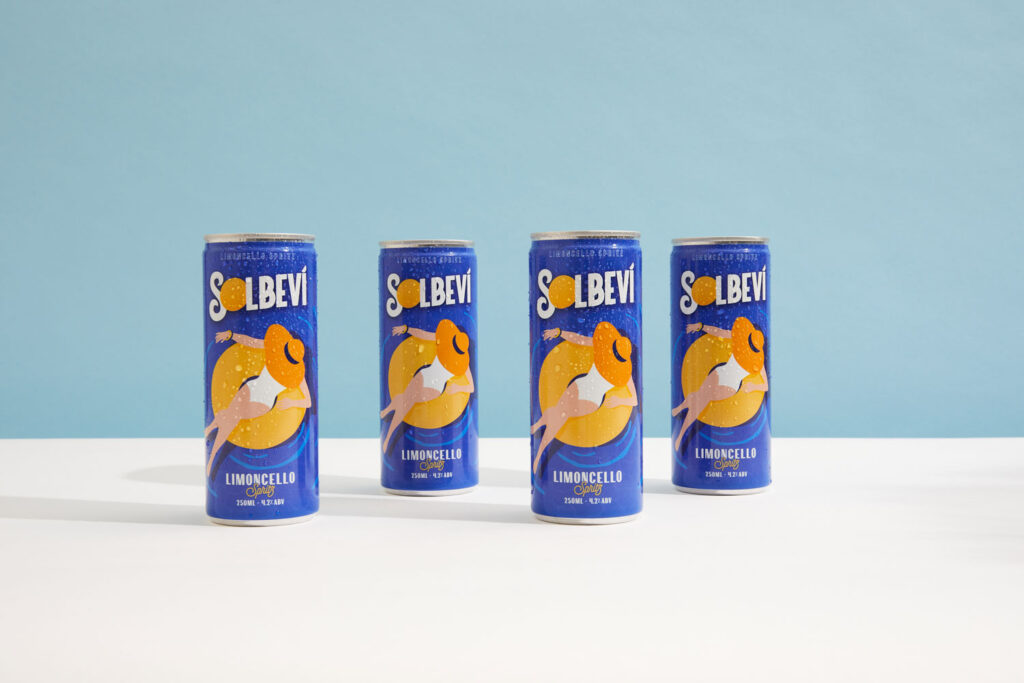
    Solbevi, with its headquarters in South Melbourne, Australia, markets its Limoncello Spritz in a 250ml can that holds 4.2 per cent Alcohol By Volume (ABV). In addition to the canned spritz, Solbevi also offers a bottled limoncello liqueur. The brand has maintained a robust retail distribution across Australia and New Zealand (ANZ), coupled with a continual expansion overseas into markets such as Malaysia and Thailand.

    Learning and Growing

    In response to this relaunch, Stefan Di Benedetto, founder and CEO of Solbevi, expressed his insights into the competitive yet fulfilling Singaporean market. He highlighted the value of selecting the right distribution partner, a lesson derived from Solbevi’s initial market entry attempt.

    The achievement of securing 100 per cent distribution with Cold Storage, along with forging partnerships with Mondrian and Mama Shelter, marks a significant turning point for Solbevi in Asia. The relaunch events are not just about celebrating this accomplishment, but also a way of expressing gratitude to the city for providing a second opportunity to succeed.

    Questions & Answers

    What is Solbevi?
    Solbevi is an Australian-based company that produces an Italian-inspired Limoncello Spritz. They offer their product in both canned and bottled forms.

    What change has recently taken place with Solbevi’s distribution?
    Solbevi has revitalised its distribution in Singapore, successfully securing placements for its canned Limoncello Spritz across all Cold Storage supermarkets in the country.

    What challenges did Solbevi face when they entered the Singaporean market?
    When Solbevi first entered the Singaporean market, they faced distribution challenges that limited their early retail presence to on-board sales with Scoot Airlines.