Author: Mei Ling Tan

  • Vietnam’s Gold Market Stumbles as Stronger Dollar Devalues Precious Metal

    Vietnam’s Gold Market Stumbles as Stronger Dollar Devalues Precious Metal

    Gold prices in Vietnam experienced a downturn on Tuesday as the dollar gained strength, affecting the value of the precious metal in global markets. The Saigon Jewelry Company reported a 1.05% decrease in the price of gold bars, now valued at VND141.5 million (US$5,373.89) per tael. It should be noted that a tael is equivalent to 37.5 grams or 1.2 ounces.

    The price of gold rings also plummeted, falling by 1.39% to VND142 million per tael. Thus far, this year has seen a 7.4% decrease in gold prices in Vietnam.

    On the global stage, the value of gold also depreciated. The strength of the dollar played a significant role in this decline, as investors eagerly awaited cues from the Federal Reserve’s imminent policy decision regarding the future of interest rates. Spot gold saw a 0.7% decrease on Tuesday, falling to $4,044.81 per ounce. This came after a potential 1% rise on Monday. U.S. gold futures for August delivery also took a hit, dropping by 0.8% to $4,045.40.

    The dollar’s value remained near a one-month high, making bullion priced in dollars less accessible for holders of other currencies. Ilya Spivak, head of global macro at finance content network Tastylive, commented on the situation saying, “We’re oscillating in this narrow range between $3,950 and $4,200, and I think the market is just waiting for Fed signals.”

    Questions & Answers

    What caused the decrease in gold prices in Vietnam?
    The strengthening of the dollar put pressure on the precious metal on global markets, leading to a decrease in gold prices in Vietnam.

    How much did the price of gold bars and gold rings decline?
    Gold bars decreased by 1.05% to VND141.5 million (US$5,373.89) per tael, while gold rings declined by 1.39% to VND142 million per tael.

    What is the current situation of gold prices on the global stage?
    Gold prices have fallen worldwide, with spot gold decreasing by 0.7% to $4,044.81 per ounce. The rise of the dollar’s value is making dollar-priced bullion more expensive for holders of other currencies.

  • Vietnams Central USD/VND Exchange Rate Soars to All-Time High Amid Rising Dollar Strength

    Vietnams Central USD/VND Exchange Rate Soars to All-Time High Amid Rising Dollar Strength

    The State Bank of Vietnam has adjusted its central USD/VND exchange rate to an unprecedented high, reflecting a strong U.S. dollar in global markets. The central bank’s rate has escalated to VND25,306, marking a 0.05% increase from the previous day. Notably, this surpasses the previous high established in August last year, which stood at VND25,298.

    Vietcombank increased its rate by 0.02%, selling the U.S. dollar at VND26,525. Meanwhile, the black market recorded a steady rate at VND26,420. The State Bank of Vietnam modifies the central exchange rate daily, factoring in the interbank foreign exchange market’s fluctuations, a compilation of currencies from significant trading partners, macroeconomic conditions, and monetary policy objectives. This rate serves as a guide for commercial banks to determine their trading prices within a 5% trading band.

    Global Impact on US Dollar

    Internationally, the U.S. dollar reached a one-month high on Tuesday. Traders are considering the slim yet persistent possibility of a rate hike at the upcoming Federal Reserve meeting. This speculation comes amidst falling oil prices, which have alleviated some inflation concerns.

    The dollar index, tracking the U.S. dollar against a selection of currencies, including the yen and the euro, rose by 0.03% to 101.55. The euro experienced a slight decrease of 0.01%, standing at $1.1366. Against the Japanese yen, the dollar saw a 0.05% rise to 163.82, while the sterling dipped by 0.02% to $1.3284.

    Chris Weston, head of research at Pepperstone, noted that the absence of substantial buying at the Treasury curve’s front end contributed to the U.S. dollar’s robust performance.

    Earlier this month, the State Bank of Vietnam’s Deputy Governor, Pham Thanh Ha, commented during a press briefing about the recent external pressures on the exchange rate and foreign exchange market. These pressures are a result of intricate and unpredictable shifts in international markets, compounded by domestic challenges.

    According to Ha, the central bank’s strategy involves managing the exchange rate flexibly to buffer external shocks. This approach is coupled with the use of a variety of monetary policy tools to stabilize the foreign exchange market, maintain macroeconomic stability, and keep inflation in check.

    Questions & Answers

    What led to the State Bank of Vietnam adjusting the central USD/VND exchange rate?
    The adjustment followed the U.S. dollar’s strengthening in global markets.

    What factors influence the daily modification of the central exchange rate by the State Bank of Vietnam?
    The bank’s daily adjustments consider the interbank foreign exchange market’s changes, a collection of currencies from major trading partners, macroeconomic conditions, and monetary policy objectives.

    What is the State Bank of Vietnam’s strategy in managing external pressures on the exchange rate and foreign exchange market?
    The bank employs a flexible approach in managing the exchange rate to absorb external shocks. Additionally, it uses several monetary policy tools to stabilize the foreign exchange market, maintain macroeconomic stability, and control inflation.

  • Costco’s Online Leap into China: Partnership with JD Expands Nationwide Reach

    Costco’s Online Leap into China: Partnership with JD Expands Nationwide Reach

    Costco, the multinational warehouse retailer, has embarked on an exciting new chapter in its expansion efforts within China. The company recently inaugurated an online flagship store on JD, China’s leading e-commerce platform. This online presence is set to enhance Costco’s reach beyond its existing physical warehouse network.

    The collaboration with JD provides nationwide consumers with access to an impressive array of approximately 700 products. These offerings encompass various categories, such as groceries, household essentials, health supplements, beauty, and Costco’s exclusive Kirkland Signature private-label line. Significantly, this also includes regions where Costco currently lacks a physical presence.

    This strategic partnership with JD serves as a critical step in augmenting Costco’s business operations in China. It goes beyond the restricted physical scope of their membership warehouses. As stated by Costco China, “Our alliance with JD, utilizing its robust online platform and extensive logistics network, allows us to overcome regional boundaries. It facilitates the expansion into wider markets and ensures effective delivery of Costco’s distinctive merchandise and service value to consumers across the country.”

    The online flagship store underwent a trial phase that commenced in late May. According to Costco, during the first month of the trial period, the store attracted over 30 million visits and gained nearly 200,000 followers. These figures underscore the strong consumer interest leading up to the store’s official inauguration.

    This development materializes as Costco continues to cautiously extend its footprint in Mainland China. Since the establishment of its maiden warehouse in Shanghai in 2019, Costco has introduced a few additional stores in the nation’s major cities. Concurrently, the retailer is increasingly incorporating digital channels to augment its market reach.

    Questions & Answers

    What is the significance of Costco’s partnership with JD?
    The collaboration with JD enables Costco to extend its reach across China, beyond the physical boundaries of its warehouse network. It allows consumers from various regions, including those where Costco has no physical presence, access to an array of products.

    How many products will be available through Costco’s online flagship store on JD?
    The online store offers nationwide consumers access to around 700 products spanning various categories.

    What was the consumer response during the trial phase of the online store?
    During the trial phase in its first month, the online store attracted over 30 million visits and gained nearly 200,000 followers, indicating strong consumer interest.

  • J&T Express Hits Record with Daily Parcel Volume Surpassing 100 Million in Q2 of 2026

    J&T Express Hits Record with Daily Parcel Volume Surpassing 100 Million in Q2 of 2026

    J&T Global Express Limited (J&T Express), a premier international logistics provider, has shared its business performance and operating statistics for the second quarter which concluded on June 30, 2026.

    Business Milestones and Growth Metrics

    The company reported that its total parcel volume for the said quarter reached a significant 9.177 billion, marking a 24.2% increase from the same period the previous year. The average daily parcel volume for the quarter also hit a milestone, surpassing 100 million which underscores a new phase in the company’s growth. Parcels delivered outside of China reached 2.966 billion, a 66.9% rise year-on-year, making up 32.3% of the total parcel volume. This represented an 8.3 percentage point increase from the same period the previous year. For the first half of the year, the company’s total parcel volume rose to 17.503 billion, a 25.1% increase year-on-year. Non-China parcels accounted for 33.6% of this, marking a 9.4 percentage point increase. The company saw robust growth overall, with Southeast Asia and other markets experiencing high growth rates, China showing steady growth, and continued improvements in the scale and operational capabilities of their global network.

    In Southeast Asia, J&T Express, as a leading express logistics provider, reported strong growth in the second quarter with parcel volumes in the region hitting 2.755 billion, a 63.2% increase year-on-year. The average daily parcel volume in the region reached 30.3 million. For the first half of the year, the regional parcel volume climbed to 5.523 billion, marking a 71.2% increase year-on-year. To continue enhancing its regional operational abilities, the company focused on network optimization and infrastructure investment. By June 30, 2026, the number of sorting centers in Southeast Asia had grown by 6 to 127 from the end of 2025, while automated sorting lines increased by 11 to 75, providing solid support for the region’s strong e-commerce and express delivery demand.

    Business Prospects and Market Positioning

    In China, J&T Express adjusted to industry shifts by proactively tweaking its strategy and continually optimizing its network structure, customer resources, and operational efficiency. For the second quarter, the parcel volume in China rose to 6.211 billion, a 10.6% increase year-on-year, with an average daily parcel volume reaching 68.2 million. In the first half of the year, automated sorting lines in China increased by 8 to 346, bolstering parcel volume growth and enhanced sorting efficiency.

    In other markets, the parcel volume for the quarter reached 211 million, a 136.5% increase year-on-year, with an average daily parcel volume of 2.3 million. The company continued to leverage e-commerce development and cross-border logistics opportunities across regions including Latin America and the Middle East. It has also deepened its partnerships with global e-commerce platforms such as TikTok, TEMU, SHEIN and AliExpress, as well as local platforms like Mercado Libre, thereby broadening its business prospects in emerging markets. To accommodate this expanding business, the number of outlets in other markets increased by about 700 to 2,700, and the number of sorting centers rose by 8 to 52 by June 30, 2026.

    J&T Express’s global reach and growth potential continue to pique the interest of capital markets. In June, the company was included as a constituent of the Hang Seng Index, joining the ranks of Hong Kong’s elite blue-chip stocks. This reflects the market’s strong belief in the company’s business resilience and long-term value. The company will persist in enhancing service quality and operational efficiency around customer needs, continue investing in infrastructure, and fortify the development of its global logistics network, laying a solid foundation for long-term and steady development.

    Questions & Answers

    What was the total parcel volume for J&T Express in the second quarter of 2026?
    The total parcel volume for J&T Express in the second quarter of 2026 was 9.177 billion.

    How has non-China parcel volume contributed to the company’s growth?
    Non-China parcel volume contributed significantly to the company’s growth, accounting for 32.3% of the total parcel volume in the second quarter of 2026 and marking a 66.9% increase year-on-year.

    What are the company’s future plans to maintain growth and resilience?
    J&T Express plans to continue improving service quality and operational efficiency around customer needs, invest in infrastructure, and strengthen the development of its global logistics network as part of its strategy for long-term and steady development.

  • Bank of America Bolsters DACH Presence: New Leadership Roles for Markus Meier and Thore Zimmermann

    Bank of America Bolsters DACH Presence: New Leadership Roles for Markus Meier and Thore Zimmermann

    Bank of America has broadened the remit of Markus Meier, appointing him as the Head of Equity Capital Markets (ECM) for Germany, Austria, and Switzerland. This expanded role builds on his previous responsibilities in Germany and Austria, with the addition of the Swiss market. Meier will continue to operate from Frankfurt and report to James Palmer, the Head of EMEA Equity Capital Markets. Meier has been with Bank of America since 2007 and has been instrumental in growing the ECM business in Germany and Austria.

    Meier’s Expanded Role in the DACH Region

    This new assignment consolidates the bank’s equity capital markets activities across the entire DACH region under Meier’s leadership. Bank of America views the DACH market as one of Europe’s most significant and thoroughly integrated capital markets. The bank has been involved in a series of substantial equity transactions in the region, such as the €9.4 billion IPO of Porsche AG, the CHF 2.3 billion IPO of Galderma, and the €935 million flotation of Schott Pharma. The bank has also been engaged in capital market operations with notable organizations such as Fresenius Medical Care, Deutsche Post DHL, Qiagen, Rheinmetall, and Hensoldt, as well as participating in the spin-off and listing of Siemens Energy.

    Thore Zimmermann has also been assigned a new role as the Head of EMEA Equity Linked, having joined Bank of America in 2021. Zimmerman played an instrumental role in developing the bank’s Equity Linked platform through collaborations across corporate banking, investment banking, global capital markets, and global markets.

    The Growing Relevance of Equity-Linked Instruments

    Equity-linked instruments, encompassing convertible and exchangeable bonds, are gaining heightened importance as they allow companies to mesh capital raising with acquisition financing and capital structure optimization. Bank of America anticipates further growth in this area as its corporate clients increasingly lean towards flexible financing solutions that integrate elements of debt and equity.

    These changes form part of a broader investment in leadership across Bank of America’s international investment banking and global capital markets businesses. Recent changes have included the appointment of Olof Engelbrekts as Country Executive for Switzerland, the appointment of various roles covering Germany and Austria, and Thorsten Pauli taking over as Head of Asia Pacific Global Capital Markets.

    Questions & Answers

    What is Markus Meier’s new role?
    Markus Meier has been appointed as the Head of Equity Capital Markets for Germany, Austria, and Switzerland by Bank of America.

    Who is the new Head of EMEA Equity Linked?
    Thore Zimmermann has been named the Head of EMEA Equity Linked.

    What are equity-linked instruments?
    Equity-linked instruments include convertible and exchangeable bonds. They are becoming increasingly important as they allow the integration of capital raising with acquisition financing and capital structure optimization.

  • FedEx Smooths APAC Business Compliance with New US Product Safety E-file Requirements

    FedEx Smooths APAC Business Compliance with New US Product Safety E-file Requirements

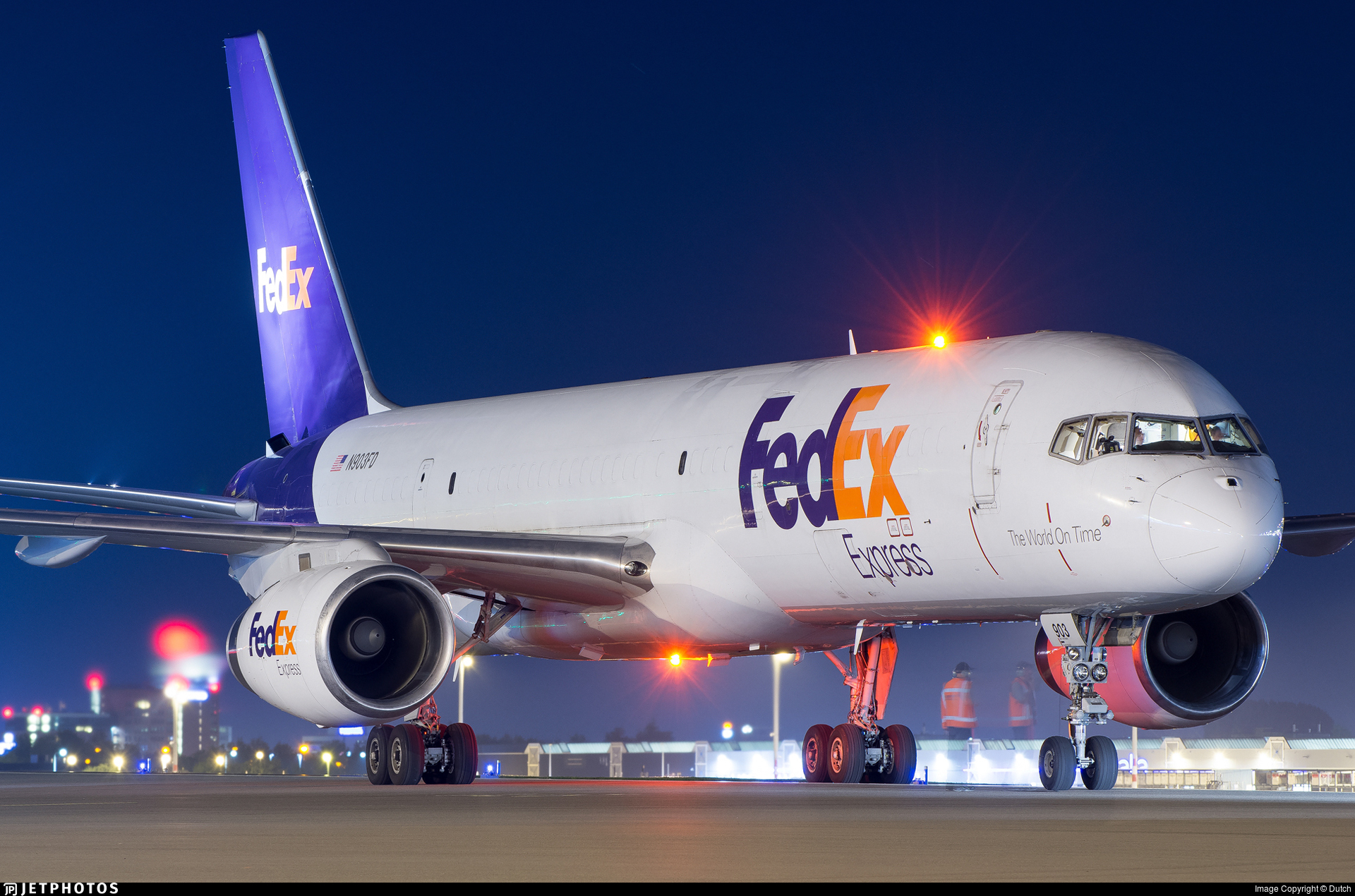
    FedEx Corporation, a major global express transportation company, is intensifying its support for businesses in the Asia Pacific (APAC) as they gear up for the forthcoming compulsory U.S. Consumer Product Safety Commission (CPSC) e-filing requirements, which are scheduled to become effective on July 8, 2026.

    The incoming requirement stipulates that all U.S. importers of CPSC-regulated products must e-file the necessary data elements for clearance when the goods enter the United States. This is designed to enhance safety supervision and improve compliance transparency. U.S. importers of CPSC-regulated products are required to include the complete CPSC PGA message set for each product imported. To make the process more efficient, importers have the option to pre-file product information in CPSC’s Product Registry, which allows them to send a condensed CPSC message set. This signifies a noteworthy change for APAC exporters, as this product information will now be made available before shipment.

    Awareness Versus Readiness

    While overall awareness of the mandatory CPSC e-filing is on the rise, operational readiness remains limited. Almost two-thirds (64%) of APAC businesses exporting consumer products to the U.S. are not yet prepared, with 28% understanding the requirements but yet to act, and 18% anticipating significant disruptions to U.S.-bound shipments. Only 15% of businesses are currently fully operational. Those businesses that have not yet addressed product safety data requirements, electronic documentation standards, and certificate referencing may face clearance delays, penalties, or denial of entry at U.S. borders.

    Businesses need clarity on identifying products within the CPSC scope which is the primary need (32%), followed by digital tools for pre-validating data (23%) and simplified guidance on scope, registration, and documentation (19%). In preparation for the new requirements, businesses are looking for solutions that minimize clearance delays and integrate compliance into their operations.

    The Role of FedEx

    Salil Chari, President, Asia Pacific, FedEx, noted that changes of this scale can introduce complexity for businesses operating across borders. His focus is on making compliance effortless for customers, so they can continue moving goods seamlessly while confidently meeting new standards.

    FedEx is assisting customers in navigating this transition more confidently through integrated digital solutions, regulatory guidance, and operational expertise. By simplifying compliance processes and integrating requirements into existing shipping workflows, FedEx aims to reduce disruptions while supporting timely, accurate submissions.

    Questions & Answers

    What is the new requirement set by the U.S. Consumer Product Safety Commission (CPSC)?
    The new requirement mandates all U.S. importers of CPSC-regulated products to e-file the needed data elements for clearance at the time of entry into the United States.

    What are the top needs of APAC businesses in relation to these new requirements?
    The primary need is clarity on identifying products within the CPSC scope, followed by digital tools for pre-validating data and simplified guidance on scope, registration, and documentation.

    What is FedEx doing to help businesses navigate these changes?
    FedEx is enabling customers to manage this transition more confidently through integrated digital solutions, regulatory guidance, and operational expertise.

  • Formula 1’s Malaysian Comeback: An Economic Boost through Tourism and Global Exposure

    Formula 1’s Malaysian Comeback: An Economic Boost through Tourism and Global Exposure

    Malaysia is poised to host the Formula 1 Bahrain Grand Prix in October, an event that is projected to give a significant boost to the country’s economy through tourism and related sectors. Analysts believe that the race will have long-term economic benefits for the country, contributing to an increase in tourism, attracting more international investment, and promoting the organization of other world-class events.

    Race Details and Economic Impacts

    Deputy Prime Minister Ahmad Zahid Hamidi stated that the economic impacts of hosting such a prestigious event extend beyond simply increasing tourist numbers. The global media coverage and viewership that the race attracts will also greatly contribute to promoting Malaysia on an international scale. Formula 1 and the Fédération Internationale de l’Automobile (FIA) recently announced that Malaysia has been selected to host the Bahrain Grand Prix at the Sepang International Circuit (SIC) from October 2-4, 2026. This is contingent upon final agreements and official approval, including endorsement from the World Motor Sport Council.

    The upcoming race, set to take place between the Azerbaijan and Singapore Grands Prix, is a one-off replacement for the Bahrain GP, which has been postponed due to regional conflicts. Malaysia has been chosen as the host country due to the SIC having been the venue for F1 on numerous occasions between 1999 and 2017.

    Positive Reactions and Expectations

    The decision has been well-received in Malaysia, with former Sepang International Circuit CEO, Datuk Razlan Razali, stating that the choice of Malaysia as host makes strategic sense. Razali also believes that hosting the Bahrain GP will not pose any major operational challenges and that the SIC will not require any significant modifications for Formula 1.

    While the idea of Formula 1’s permanent return to Malaysia remains unlikely due to the high costs associated with hosting the championship, Razali is confident that the upcoming race will benefit domestic tourism and create opportunities for local suppliers and food and beverage businesses.

    Motorsports Association of Malaysia president Tan Sri Mokhzani Mahathir also welcomed the return of Formula 1 to Sepang, stating that it would be particularly meaningful for younger motorsport fans who missed the championship after it left Malaysia in 2017. Mahathir is optimistic that the hospitality, tourism, airline, and F&B sectors will all see benefits from the event.

    Questions & Answers

    What are the expected benefits of Malaysia hosting the Formula 1 Bahrain GP?
    Hosting the race is expected to boost Malaysia’s economy through increased tourism and related industries. In the long run, it could potentially attract more international investment and encourage organization of other world-class events.

    Why was Malaysia chosen to host the Bahrain GP?
    Malaysia was selected due to its successful track record of hosting F1 at the Sepang International Circuit, having done so 19 times between 1999 and 2017.

    Is there a possibility of Formula 1 permanently returning to Malaysia?
    The likelihood of a permanent return is currently considered remote due to the high costs associated with hosting the championship. However, this upcoming race could potentially pave the way for further discussions.

  • Riding the Durian Express: Cambodia Boosts Exports to China with 5,700 Tons of Fresh Fruit

    Riding the Durian Express: Cambodia Boosts Exports to China with 5,700 Tons of Fresh Fruit

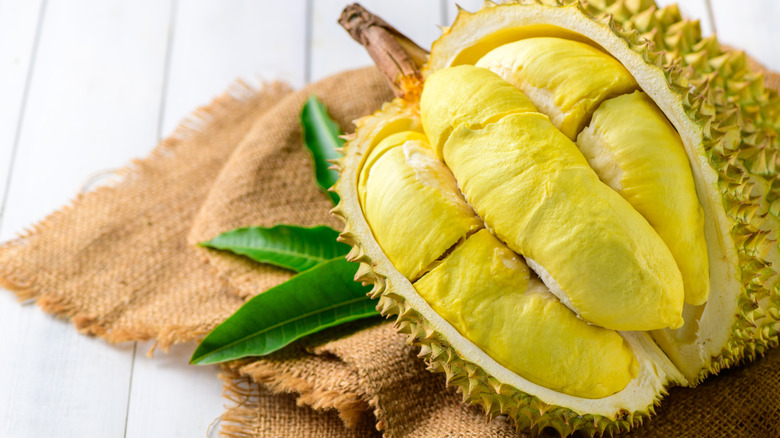
    In the first seven months of 2026, Cambodia managed to export a significant amount of fresh durians to China. Specifically, 5,738 metric tons of the fruit were exported, largely due to improvements in overland logistics. This advancement has been credited to the Ministry of Agriculture, Forestry and Fisheries, with the undersecretary of state, Khim Finan, highlighting the opening of a new overland route from Cambodia to China via Laos as a key factor.

    Boosting Trade via Overland Route

    The implementation of this new land route has not only opened fresh avenues of trade but also significantly reduced transit times. As Mr. Finan pointed out, the duration has been slashed from 15-20 days by sea to just 5 days overland. This route was officially inaugurated in late June and serves as a convenient channel for transporting a range of Cambodian agricultural products to China.

    The list of approved commodities for transport through this route includes bananas, mangoes, rice, Pailin longan, cassava starch, and durian. Each of these products has received official approval for shipment, boosting Cambodia’s export potential.

    Chinese Market’s Fondness for Durian

    China holds the distinction of being the world’s largest market for durian. In the previous year, China purchased an impressive 1.87 million tons of the fruit, amounting to a total worth of US$7.49 billion.

    The first half of this year has already seen an import of 1.07 million tons. Thailand remains the largest supplier, accounting for 81% of the total durian delivered to China. Vietnam follows close behind, contributing 18% to the supplies, while the remaining stocks are provided by Malaysia and the Philippines.

    Cambodia’s fresh durian exports to China have been on a sharp incline since July of the previous year. This was when the first shipment was sent after Chinese authorities granted approval to over 100 durian farms and 30 packaging facilities in Cambodia.

    Durian is the fifth fresh fruit from Cambodia to be given direct access to the Chinese market. It joined the ranks of bananas, mangoes, longans, and coconuts that have been enjoying this privilege.

    It was reported that Cambodia has more than 11,000 hectares devoted to durian cultivation, which yields an estimated 120,000 tons of the fruit annually.

    Questions & Answers

    What led to Cambodia’s significant export of fresh durians to China?
    The exports were largely facilitated by the opening of a new overland route from Cambodia to China through Laos, reducing transit times considerably.

    What are the other agricultural products Cambodia exports to China via this route?
    In addition to durian, Cambodia also exports bananas, mangoes, rice, Pailin longan, and cassava starch to China through this route.

    What is the significance of durian in the Chinese market?
    China is the world’s largest market for durian, having purchased 1.87 million tons of the fruit worth US$7.49 billion in the previous year.

  • Uniqlo Plans Major Expansion in India: 100 New Stores by 2031

    Uniqlo Plans Major Expansion in India: 100 New Stores by 2031

    Uniqlo, a renowned clothing brand, is set to significantly extend its footprint in India. The company’s ambitious expansion plan aims to increase its store network in the country by five times, amounting to over 100 stores within the next five years.

    Expansion Strategy and Local Production

    Uniqlo’s primary expansion target will be New Delhi and other major Indian cities. The company has a comprehensive strategy in place, which includes importing apparel from its Asian factories. However, in accordance with local regulations, Uniqlo will also initiate production within India.

    Uniqlo, a subsidiary of Japanese retail mogul Fast Retailing, boasts a presence in over 25 global markets and a network of more than 2,500 stores worldwide. The brand made its entry into India in 2019, and as of June this year, it had 20 stores operating across the nation, notably in major cities like New Delhi, Mumbai, and Bengaluru.

    This expansion forms a part of Uniqlo’s business strategy to reinforce its presence in the Global South, encompassing South Asia and Southeast Asia.

    Focus on Southeast Asia

    Uniqlo’s operational presence in Southeast Asia is already substantial when compared to its Indian market. The brand has 81 stores in the Philippines, 78 in Indonesia, 73 in Thailand, 60 in Malaysia, and approximately 30 each in Singapore and Vietnam.

    The combined sales of Uniqlo in South Korea, Southeast Asia, India, and Australia have witnessed a robust increase of 32% for the first nine months ending in May. The growth in sales in India and Southeast Asia alone has continued to exhibit a sustained double-digit increase.

    Takeshi Okazaki, CFO of Fast Retailing, stated that the company views Asia as the next major global growth center for the long term. He added that, similar to successful strategies implemented in the US and Europe, Fast Retailing aims to enhance its brand power in Asia by improving its product lineup and store operations.

    Questions & Answers

    What is Uniqlo’s expansion plan in India?
    Uniqlo aims to expand its store network in India fivefold, reaching over 100 stores within the next five years.

    Where will the expansion primarily focus?
    The primary focus of the expansion will be in New Delhi and other major cities in India.

    What is the company’s strategy for product sourcing in India?
    Uniqlo plans to import clothes from its factories in Asia and also initiate production within India, in accordance with local regulations.

  • Australia’s Growing Craving for Authentic Italian Fare: A Boon for Local Importers

    Australia’s Growing Craving for Authentic Italian Fare: A Boon for Local Importers

    Italian food has consistently been a staple for Australian consumers, wholesalers, and retailers. However, the reasons for this popularity are shifting. While items like pasta, olive oil, and cheese continue to be popular, consumers are more interested in the origins, production methods, and authenticity of these products.

    This shift in consumer behavior is opening new avenues for businesses that can provide authentic ‘Made in Italy’ products. Simona Bernardini, Trade Commissioner and Director of the Italian Trade Agency (ITA) in Sydney, has noted these developments.

    Recent statistics indicate a growing demand for these products. Accounting data shows that Australia’s imports of Italian food and beverage products amounted to $1.47 billion in 2025, making up 5.5% of total imports in the category. This makes Italy Australia’s fourth-largest supplier of these goods.

    Bernardini mentioned that Italian products, including processed tomatoes, pasta, cheese, olive oil, sauces, wine, and premium bakery products, continue to perform well. This reflects a growing appreciation for authentic, high-quality food that is strongly connected to its origin.

    The recently concluded Australia-European Union Free Trade Agreement is expected to further bolster this bilateral trade by reducing barriers for exporters and creating more opportunities for Australian buyers.

    A Strategic Export Market and Premium Credentials

    Australia is not just a destination for Italian food exports, but also a gateway market for broader growth across the Asia-Pacific region. The country offers a stable economic environment, a sophisticated retail sector, and consumers with a growing appreciation for authentic, high-quality imported food products.

    As consumers pay greater attention to the origin and production methods of their food, premium, sustainable, and traceable food is in high demand. European quality schemes like Protected Designation of Origin (PDO) and Protected Geographical Indication (PGI) provide strong guarantees of authenticity, traceability, and production standards. These certifications are becoming increasingly valuable to Australian consumers looking for genuine and premium food experiences.

    Building Resilient Supply Chains and Supporting Long-term Partnerships

    Despite the growing demand, global supply chains are under pressure due to geopolitical uncertainty and increased freight costs. Italian exporters have responded by becoming more agile and collaborative, diversifying transportation routes, and investing in efficient supply chain management practices.

    For Italian businesses looking to enter the Australian market, understanding Australia’s regulatory environment and building local partnerships is crucial. Bernardini advises that companies must consider biosecurity requirements, labeling regulations, logistics costs, pricing strategies, and finding the right importer or distributor.

    The Italian Trade Agency’s Sydney office plays a vital role in this, providing market information, sector insights, guidance on local requirements, identification of potential business partners, and promotional opportunities.

    Trade exhibitions, such as Fine Food Australia, are effective ways for Italian producers to connect with Australian retailers, importers, distributors, and foodservice operators. The Italian National Pavilion, organized by the Italian Trade Agency’s Sydney office, promotes the diversity and innovation of the Italian food and beverage sector, further strengthening commercial and institutional relationships between Italy and Australia.

    The Pavilion, which will host 23 Italian companies, will give Australian buyers access to internationally recognised brands and smaller regional producers. Bernardini emphasizes that the Pavilion is not just a showcase of Italian products but also representative of the robust partnership between Italy and Australia in the food and beverage sector.

    Questions & Answers

    What has led to the change in Australian consumers’ preference for Italian products?
    Consumers are now more interested in the story behind the products – their origins, production methods, and authenticity.

    What role does the Italian Trade Agency’s Sydney office play for Italian businesses entering Australia?
    The agency provides market information, sector insights, guidance on local requirements, identification of potential business partners, and promotional opportunities.

    How do Italian producers connect with Australian buyers and retailers?
    Trade exhibitions, such as Fine Food Australia, are an effective platform for Italian producers to directly present their products to Australian buyers, distributors, retailers, and food service operators.


  • J&J’s Talc-Cancer Lawsuits: 69,000 Cases at Risk of Dismissal as Judge Demands Stronger Evidence

    J&J’s Talc-Cancer Lawsuits: 69,000 Cases at Risk of Dismissal as Judge Demands Stronger Evidence

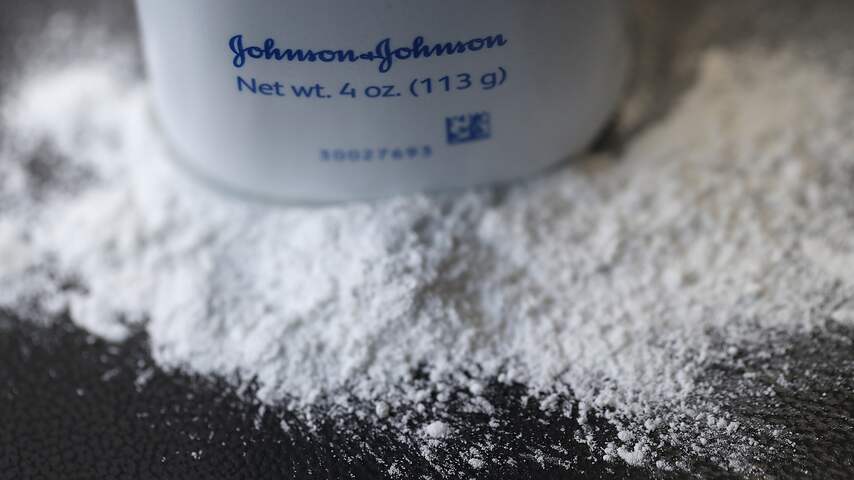
    A U.S. federal judge on Wednesday expressed skepticism regarding the accusations of roughly 69,000 individuals who assert that Johnson & Johnson’s baby powder and other talc-related products led to ovarian cancer. The judge stated that the plaintiffs must offer more definitive evidence or face the possibility of their lawsuits being dismissed.

    Doubts Over Evidence

    US Magistrate Judge Rukhsanah Singh, based in Trenton, New Jersey, noted that recent testimonies from two expert witnesses representing the plaintiffs raised questions about the validity of their claims. The experts had testified that talcum powder usage specifically caused the plaintiffs’ ovarian cancer. These expert testimonies were part of a preparation for a set of six pivotal, or ‘bellwether’, trials aimed at assessing the potential worth of the remaining claims and guiding settlement discussions.

    The experts in question, Judith Wolf and Daniel Clarke-Pearson, delivered their testimonies in May. Despite their involvement, they were unable to conclusively rule out other potential causes for the plaintiffs’ ovarian cancer, leading to further doubts about the lawsuits.

    Johnson & Johnson’s Stance

    Johnson & Johnson has consistently refuted the allegations that its talc products cause cancer. The company maintains its stand that talc is safe and asbestos-free. Erik Haas, Johnson & Johnson’s VP of litigation, stated that the recent decision edges these cases closer to a fair and suitable outcome – the complete dismissal of the talc lawsuits. At the time of writing, both a spokesperson for Johnson & Johnson and a lead attorney for the plaintiffs had not responded to requests for comments.

    Despite the concerns raised, Judge Singh stated that the ongoing debate over causation would not lead to an immediate dismissal of the consolidated federal lawsuits. Instead, the plaintiffs have been given until November 19 to provide a response and a reason why their case should not be dismissed due to the failure to provide an admissible expert opinion that Johnson & Johnson’s talc caused their specific cancer.

    In addition to these federal cases, Johnson & Johnson also faces lawsuits in state courts across the US. The company has seen victories in some recent trials, but large verdicts have also been awarded to plaintiffs in other cases. The litigation process resumed in March 2025 after being paused for over three years due to unsuccessful attempts by Johnson & Johnson to resolve the lawsuits through a shell company’s bankruptcy.

    As a response to the ongoing controversy, Johnson & Johnson ceased sales of talc-based baby powder in the US in 2020, opting instead for a cornstarch product.

    Questions & Answers

    What was the recent decision made by the US Magistrate Judge Rukhsanah Singh about?
    The decision expressed skepticism about the accusations made by individuals who assert that Johnson & Johnson’s talc products caused their ovarian cancer. The judge noted that the plaintiffs must provide more definitive evidence or risk their lawsuits being dismissed.

    What impact did the expert testimonies have on the case?
    The expert witnesses, Judith Wolf and Daniel Clarke-Pearson, were unable to rule out other potential causes for the plaintiffs’ ovarian cancer. This uncertainty has raised further questions about the validity of the lawsuits against Johnson & Johnson.

    What is Johnson & Johnson’s stance on the allegations about their talc products?
    Johnson & Johnson has consistently refuted the allegations, maintaining that their talc products are safe and asbestos-free. The company believes that a fair and suitable outcome would be the complete dismissal of the talc lawsuits.

  • Nestlé Partners with Platinum Equity: Spins off Premium Water Business into Multibillion-Dollar Joint Venture

    Nestlé Partners with Platinum Equity: Spins off Premium Water Business into Multibillion-Dollar Joint Venture

    Nestlé has revealed plans for a significant reorganization of its worldwide water division through a new collaborative endeavor with the private equity company, Platinum Equity. This move will see both Nestlé’s water and premium beverage businesses incorporated into a new autonomous company named Peranel. The 50:50 partnership with Platinum Equity will oversee this process.

    Peranel is set to manage an assortment of high-end brands, including Perrier, S Pellegrino, Acqua Panna, Maison Perrier, Buxton, and La Vie, across more than 120 countries globally.

    Financial Aspects and Benefits of the Partnership

    From this arrangement, Nestlé is projected to receive around €3 billion (US$3.4 billion) in cash while still holding a 50% stake in the newly formed business. Nestlé has communicated that this partnership will offer increased strategic focus and operational flexibility for the water division, allowing the company to redirect its attention towards its primary growth categories.

    Emphasizing the benefits of this partnership, Nestlé’s CEO, Philipp Navratil, stated that, “By partnering with Platinum Equity, Peranel will be better positioned to execute its strategy with enhanced agility. With added focus, it will be better equipped to drive its long-term growth ambitions by bolstering this unique portfolio of international and local brands, through continued investment in innovation, premiumization, operational excellence, and sustainability.”

    The new company, Peranel, will be under the leadership of the current CEO of Nestlé’s waters and premium beverages, Muriel Lienau, along with a team of seasoned management personnel. The transaction, which assigns an enterprise value of $5.6 billion to Peranel, is anticipated to be finalized in the first half of the ensuing year.

    Steady Growth and Future Outlook

    Nestlé’s announcement of this restructuring aligns with the multinational FMCG company’s release of its first-half results. The company reported sales of CHF43.1 billion (approximately US$ 52.76 billion) for the six months ending June 30, with an organic growth of 3.7%. This growth was supported by 1.8% real internal growth and 1.9% pricing. The coffee and confectionery sectors continued to perform exceptionally well, while pet care sustained its positive momentum.

    Nestlé’s CEO, Philipp Navratil, commented on the company’s performance stating, “Emerging markets growth accelerated, and we delivered solid performance in developed markets. We are increasing and prioritizing our investment behind our leading brands and growth platforms, sharpening our portfolio focus and driving further efficiencies to reinvest. While the external environment remains uncertain, we are taking actions to accelerate consistent growth.”

    Navratil also confirmed the company’s full-year guidance, with an expectation of achieving organic sales growth of between 3 and 4 percent.

    Questions & Answers

    What is the purpose of creating the new company, Peranel?
    The formation of Peranel will allow Nestlé’s waters and premium beverages business to execute its strategy with greater agility and focus.

    Who will be leading the new company, Peranel?
    Peranel will be led by Muriel Lienau, the current CEO of Nestlé’s waters and premium beverages, and a team of seasoned management personnel.

    What are Nestlé’s growth expectations for the year?
    Nestlé expects organic sales growth of between 3 and 4 percent for the year.

  • Uniqlo Targets Massive Expansion in India with Over 100 Stores by 2031

    Uniqlo Targets Massive Expansion in India with Over 100 Stores by 2031

    Uniqlo, a highly recognized retail brand, is set to embark on a substantial expansion plan in India. The company’s strategy involves a fivefold increase in its store network, boosting the number from 20 to over 100 within the next five years.

    The company’s expansion will primarily concentrate on New Delhi and other significant urban areas, as per inside sources. Uniqlo, a division of the Japanese retail powerhouse Fast Retailing, has a presence in more than 25 markets and boasts a global network of over 2,500 stores.

    Local Production and Global Expansion

    In line with local regulations, Uniqlo will not only import clothes from Asian factories but will also initiate production within India. This move is consistent with the company’s broader strategy to expand its influence in the Global South, encompassing South Asia and Southeast Asia.

    The retail brand’s presence in Southeast Asia is considerably more extensive than in India. Uniqlo operates 81 stores in the Philippines, 78 in Indonesia, 73 in Thailand, 60 in Malaysia, and approximately 30 in both Singapore and Vietnam.

    Impressive Sales Growth

    Uniqlo’s consolidated sales in South Korea, Southeast Asia, India and Australia experienced a surge of 32 per cent for the initial nine months ending in May. Sales in India and Southeast Asia alone continued to demonstrate double-digit growth. “We see Asia as the next global growth centre in the long term,” stated Takeshi Okazaki, CFO of Fast Retailing. The brand aims to bolster its reputation in Asia, with plans to enhance its product lineup and store operations.

    Questions & Answers

    What is Uniqlo’s expansion plan in India?
    Uniqlo plans to expand its store network in India fivefold, from 20 to over 100 stores within the next five years.

    What strategy will Uniqlo employ to meet local regulations?
    To adhere to local regulations, Uniqlo will not only import clothes from Asian factories but will also begin manufacturing in India.

    How has Uniqlo performed in other Asian markets?
    Uniqlo has seen significant growth in Southeast Asia. The brand operates numerous stores in the Philippines, Indonesia, Thailand, Malaysia, Singapore and Vietnam, and has experienced a 32% increase in sales in South Korea, Southeast Asia, India and Australia.

  • Shein’s Q1 Losses: Tariffs, Slowing Sales, and Their Toll Ahead of Hong Kong IPO

    Shein’s Q1 Losses: Tariffs, Slowing Sales, and Their Toll Ahead of Hong Kong IPO

    Online retailer Shein recently reported a notable quarterly loss of $99 million, as indicated in its pre-IPO financial filings. This downturn comes in the wake of the United States lifting an import duty exemption on small packages along with a significant, one-time accounting charge. These events led to the company’s first quarter of 2026 posting a loss, in contrast to the net income of $395 million that was recorded during the same period in the previous year.

    Challenges and Changes

    Shein, a company that originated in China but is now headquartered in Singapore, is currently faced with an array of challenges. These include a new €3 fee imposed by the European Union on low-value e-commerce imports, a measure designed to address what the EU perceives as unfair competition from China. The company’s financials now reveal the strain these new circumstances are putting on Shein, as it contends with rising costs, slower growth, and heightened regulatory scrutiny from its key markets.

    Shein’s first quarter loss in 2026 was partly influenced by an accounting change that resulted in a $328 million fair-value charge on convertible redeemable preferred shares, which are investor shares that can later convert into ordinary shares. This accounting loss occurred as Shein, a company that sells affordable fashion to approximately 160 countries, experienced a sharp decrease in its valuation, largely resulting from the fading online shopping boom produced by the pandemic and the closure of the ‘de minimis’ duty loophole in the US.

    In the wake of the ‘de minimis’ exemption being removed in May 2025, Shein acknowledged a negative impact on its sales in the US, its largest market. The ‘de minimis’ rule had previously allowed packages valued at under $800 to enter the US without duties. Shein is now grappling with tax rates ranging from 10% to 87.5% on Chinese-origin products sold by the company or through its marketplace and shipped to the US. In an effort to counteract these increased duties and taxes, Shein is considering a range of options, including raising its prices in the US market.

    The company reported a 14.3% drop in US revenue to $2.04 billion in the first quarter, down from $2.38 billion during the same period in the previous year. With Europe accounting for about one-third of Shein’s revenues in 2025, the company has also expressed concerns about the potential impact of the new EU duty.

    Regulatory Concerns and Future Plans

    Regulatory scrutiny and trade tensions between the US and China have put Shein in a challenging position. Criticisms have been raised regarding the retailer’s working conditions in supplier factories, the potentially addictive features of its shopping app, and the environmental impact of air shipping large volumes of goods.

    In response, Shein has reiterated its zero-tolerance policy on labor abuses and has pledged to invest in risk assessments and mitigation frameworks to safeguard its users. Shein also revealed that the majority of products manufactured by its supply chain partners are stored in central warehouses in China before being shipped. Proceeds from its IPO will be used to improve technology, raise brand awareness, expand its global presence, and promote corporate responsibility.

    Questions & Answers

    What factors contributed to Shein’s recent quarterly loss?
    Shein’s loss was influenced by the US lifting an import duty exemption on small packages, the introduction of a fee on low-value e-commerce imports by the EU, and a one-time accounting charge related to a change in the valuation of investor shares.

    How has the removal of the ‘de minimis’ rule affected Shein’s operations?
    The removal of the ‘de minimis’ rule has resulted in a notable decrease in Shein’s sales in the US and an increase in the company’s expenses.

    What measures is Shein considering to counteract these increased costs?
    Shein is currently exploring several options, including the possibility of raising prices in the US market to offset a portion of the increased costs.

  • Crackdown on Underground Hospitality: Thailand Targets Illegal Hotels on Phuket Island

    Crackdown on Underground Hospitality: Thailand Targets Illegal Hotels on Phuket Island

    The Thai government is stepping up its measures against unauthorized accommodations, following the discovery of three illegal hotels on Phuket, the nation’s largest island. During a recent operation, Deputy Interior Minister Polapee Suwunchwee led a task force targeting three hotels consisting of approximately 200, 240, and 45 rooms. The investigation revealed that none of the properties held valid construction permits or operating licenses.

    Two of these establishments had initially received approval as residential buildings or condominiums but had been unlawfully converted into hotels. In addition, officials conducted online booking simulations, which showed that the hotels were mostly selling rooms to European and other international tourists, with very few Thai patrons.

    Illegal Ownership and Consequences

    The investigation further exposed suspected nominee ownership arrangements, involving companies with a shareholding structure that is 49% foreign and 51% Thai. In some instances, the properties were legally owned by Thai citizens but rented out to Chinese investors, who allegedly ran the hotels without the necessary licenses.

    This operation is part of a larger scheme covering over ten locations across Phuket. Local authorities, under the instruction of Phuket Governor Sophon Suwannarat, have been directed to immediately close businesses that fail to provide the necessary documentation.

    Director-General of the Department of Provincial Administration, Narucha Kosasivilize, highlighted the triple-edged harm of illegal lodging operations. They disadvantage legal, tax-paying businesses, pose safety hazards due to non-compliance with government safety standards, and damage Thailand’s reputation, thereby undermining long-term confidence in its tourism industry. Efforts are being made in conjunction with the Royal Thai Police, Ministry of Commerce, Department of Special Investigation, and other agencies to broaden probes into foreign business networks nationwide.

    In a separate development, Deputy Government Spokeswoman Lalida Pervsivatan announced that Thailand will implement a new intelligence-based screening system on August 1 to enhance the detection of nominee businesses. This system will scrutinize company registration records, shareholder structures, and financial statements to pinpoint high-risk firms with Thai shareholders in suspicious circumstances. Lalida emphasized, however, that these measures are not designed to deter rightful foreign investment but to distinguish legal investors from those employing nominee structures to operate illicitly.

    Questions & Answers

    What is the focus of the crackdown in Thailand?
    The Thai government is focusing on the detection and closure of illegal hotels without the necessary operating licenses.

    What consequences do these illegal operations bring?
    Illegal hotels disadvantage legal businesses, pose safety threats due to non-compliance with government safety regulations, and tarnish Thailand’s reputation, undermining confidence in its tourism sector.

    What is the future plan of the Thai government to curb these illegal operations?
    Thailand plans to introduce a new intelligence-based screening system to improve the detection of businesses that are high-risk or suspicious, focusing on those with Thai shareholders.