Author: Mei Ling Tan

  • Shein’s Brick-and-Mortar Debut: A Lifeline or Death Blow for Department Stores?

    Shein’s Brick-and-Mortar Debut: A Lifeline or Death Blow for Department Stores?

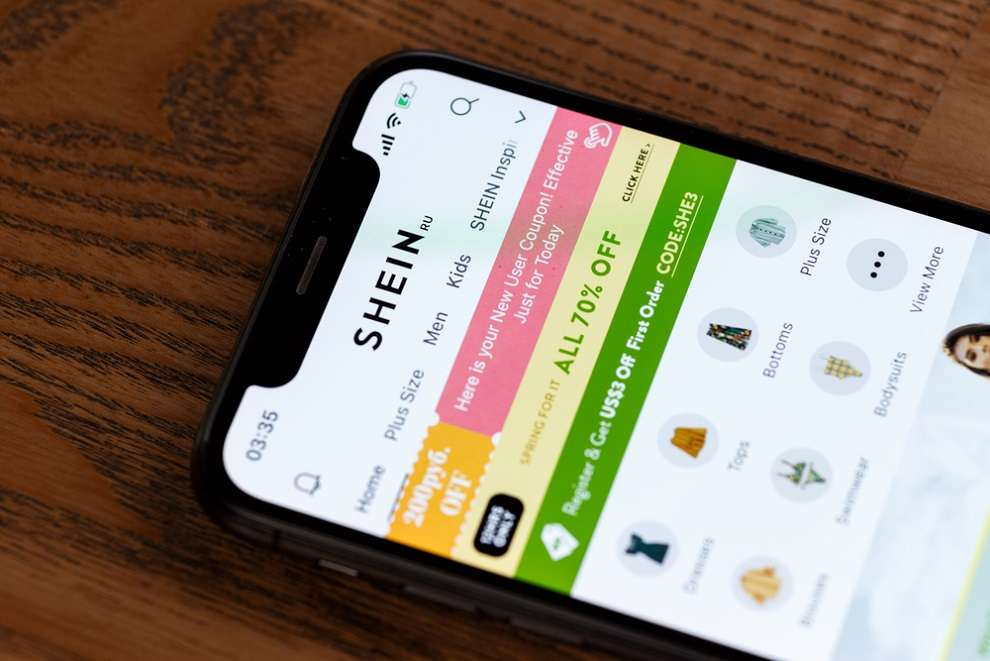
    The recent entry of Chinese budget retailer Shein into the flagship BHV in Paris has stirred up a political storm, adding to the ongoing struggles of department stores worldwide. These traditional retail outlets are grappling with the seismic shift of consumers towards online shopping and ultra-fast fashion.

    Shein opened its inaugural brick-and-mortar shop in the BHV department store, situated on the Rue de Rivoli in the heart of Paris, earlier this month. This move sparked a backlash from lawmakers and fellow retailers, who argue that Shein’s low-cost business model has been detrimental to the traditional shopping streets of France.

    For BHV, a store recognized for its diverse array of products, this partnership was a strategic move designed to lure younger consumers. This demographic has increasingly turned to online platforms, such as Shein, for a variety of needs, ranging from cosmetics to fashion.

    The shift to online shopping, further exacerbated by the pandemic, has posed a significant challenge to department stores around the globe, with many still struggling to recover from a steep decline in physical footfall during the crisis.

    New Threat from Ultra-Fast Fashion

    Laetitia Henry, general manager of the iconic Printemps Haussmann store in Paris, noted that while competition from other large local department stores was once the norm, the rise of online platforms has led to a new international threat. Ultra-fast fashion can replicate a designer dress in as little as three weeks and sell it for a fraction of the original cost.

    This competitive landscape has prompted top-tier department stores like Macy’s to close outlets, while Saks Fifth Avenue’s parent company, Saks Global, is exploring divestments to manage its debt.

    The Société des Grands Magasins (SGM), which acquired BHV from the Galeries Lafayette group two years ago, is banking on its partnership with Shein to safeguard its future. On the day of Shein’s launch at BHV, store traffic surged by 50%, with a quarter of Shein’s customers going on to make additional purchases at BHV.

    Department Stores Innovate to Attract Consumers

    Several prominent French department stores, including Printemps, Galeries Lafayette, and LVMH-owned Le Bon Marché, have sought to redefine themselves as lifestyle destinations. They are aiming to attract more shoppers by offering unique luxury experiences.

    Le Bon Marché, for instance, organizes regular events such as concerts and dance performances. Printemps offers fine dining and beauty treatments, even featuring an in-store ice rink during the holiday season. Galeries Lafayette invested over 100 million euros (approximately US$115.06 million) in renovations during the pandemic, which helped boost visitors and foot traffic.

    However, these innovative strategies have not been as successful for mid-range stores trying to break into the luxury experience market. These stores are keenly observing the publicity generated by Shein’s partnership with BHV.

    Late payments to brands at BHV have resulted in product shortages, impacting sales and causing job security concerns among workers. Despite these challenges, SGM president Frederic Merlin maintains that retailers should collaborate with new models like Shein’s. He argues that moving forward is vital, even in the face of criticism.

    However, the launch of Shein’s physical outlets hasn’t been without controversy. When Shein’s Paris store opened, France temporarily suspended its French marketplace after discovering inappropriate items for sale on the platform.

    Questions & Answers

    Has the shift towards online shopping affected traditional department stores?

    Yes, the move towards online retailers and ultra-fast fashion has posed a significant challenge to traditional department stores, many of which are still struggling to recover from the pandemic-induced drop in footfall.

    What strategies have department stores adopted to stay relevant in the market?

    Department stores have been attempting to innovate in various ways. Some are partnering with online retailers like Shein to attract customers, while others are reinventing themselves as lifestyle destinations, offering unique luxury experiences such as concerts, fine dining, and beauty treatments.

    Did the opening of Shein’s store in BHV increase footfall?

    Yes, the launch of Shein’s shop in BHV led to a surge in store traffic by 50%, with a quarter of Shein’s customers making additional purchases at BHV.

  • Waze Unleashes Phone Access: Major Android Auto Hurdle Finally Overcome

    Waze Unleashes Phone Access: Major Android Auto Hurdle Finally Overcome

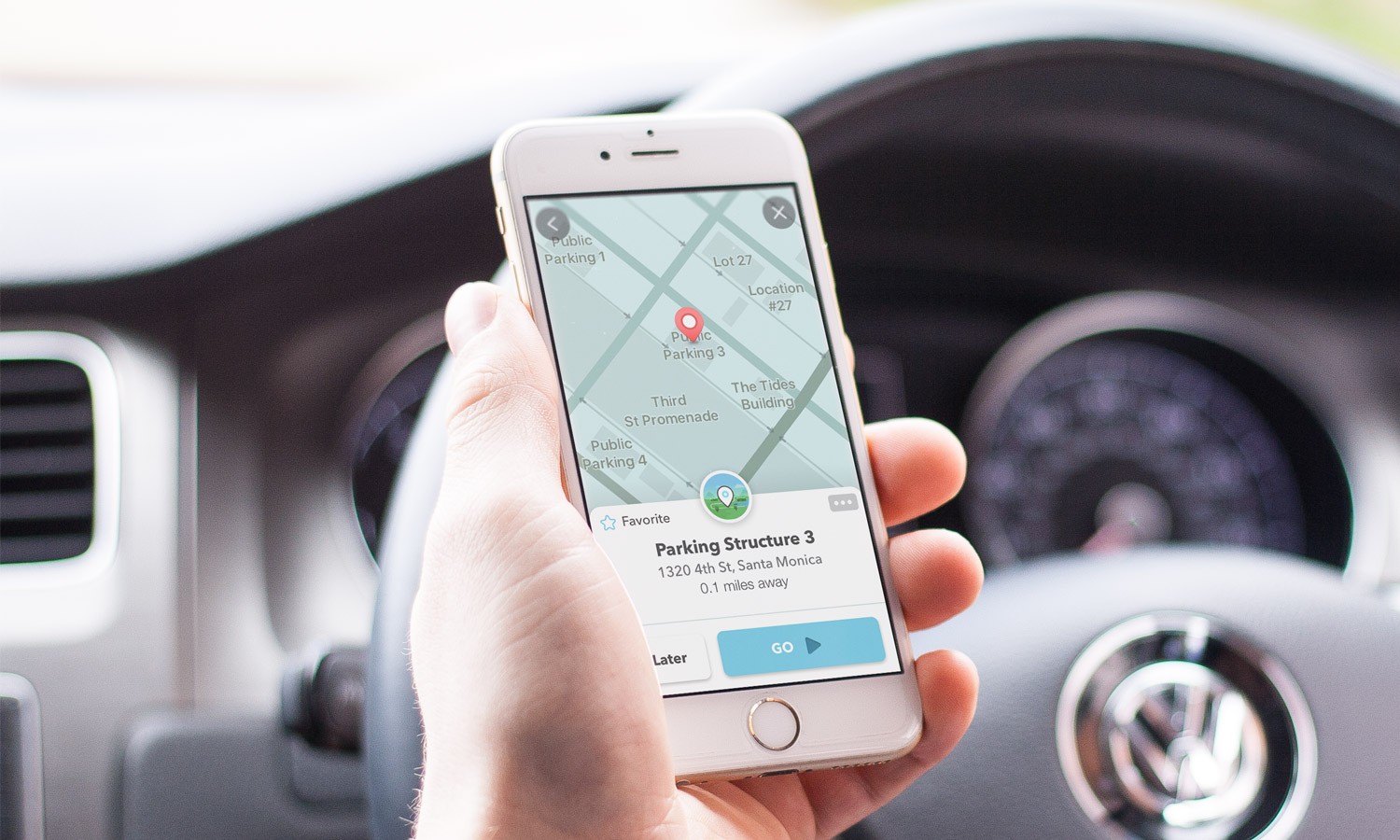
    Waze, the popular navigation application, is set to enhance its user experience on Android Auto by finally removing a significant hurdle that has been a point of frustration for many of its users. The app will now allow the use of phones while connected to the vehicle, aligning its functionality more closely with its direct competitor, Google Maps.

    Unlocking the User Experience

    Android Auto users who are fans of Waze have had a notably frustrating issue for some time. Upon connecting their device to their vehicle, the application would effectively freeze on their phone, often presenting a black screen or a banner urging the user to concentrate on the dashboard. This made the phone virtually impractical for entering directions. Fortunately, this source of exasperation is now being addressed.

    A widespread update is being rolled out that permits users to access and operate the Waze app on their mobile device while it concurrently runs on the car’s display. Although this feature has been seen in beta versions over the last few months, it now seems to be accessible to all in the stable builds.

    This enhancement has been anticipated for quite some time. Google Maps, a close cousin and rival to Waze, resolved this exact restriction back in 2023. Prior to this amendment, Maps users faced the same predicament of a ‘locked screen,’ a situation that was universally disliked.

    The Importance of This Update

    The significance of this update lies in the fact that in-car infotainment systems are often less responsive than smartphones. Inputting an address on a dashboard touchscreen can be clumsy, slow, and distracting. Older vehicles or specific models frequently rely on rotary dials instead of touchscreens, making the task of typing an address like ‘Main Street’ by scrolling through an alphabet wheel incredibly tedious.

    However, this alteration evens the odds. It enables a passenger to conveniently pick up the phone to add a stopover or check alternative routes without obstructing the driver’s map view on the larger screen. This update recognizes that the phone is often the superior input device, even though the vehicle may offer a better viewing experience.

    A Timely Improvement

    Many users, including myself, find themselves in a constant quandary over which of the two navigation behemoths – Google Maps or Waze – to choose. While Google Maps scores higher for its neater user interface and superior lane guidance, Waze is unmatched in its real-time police spotting and hazard alerts. Nonetheless, the inability to swiftly grab my phone and change a destination on Waze was a significant disincentive that often led me back to Maps.

    This update overcomes that obstacle. It makes Waze significantly less restrictive and considerably more contemporary. It’s a quality-of-life improvement that may sway me to consistently use Waze for my daily commute. If you are yet to see this feature in action, try force-stopping the app and reopening it while connected; this appears to activate the new pop-up.

    Questions & Answers

    What does the new Waze update entail?
    The update allows Waze users to access and operate the app on their phone while it’s simultaneously running on their car’s display.

    Why is this update significant?
    This update brings an end to the frustration of being unable to use the phone for navigation once connected to the car, a problem that had been a major issue for Waze users on Android Auto.

    Is this feature already available on Google Maps?
    Yes, Google Maps resolved this exact issue back in 2023, allowing users to operate the app on their phone while it’s connected to their vehicle’s infotainment system.

  • Microsoft Bridges Android-Windows Gap: Seamless Transition across Devices Now Possible with Windows 11

    Microsoft Bridges Android-Windows Gap: Seamless Transition across Devices Now Possible with Windows 11

    Microsoft continues its quest to enhance Android compatibility with Windows 11, introducing exciting updates that aim to facilitate a smoother interaction between the two platforms.

    Expanded App Integration

    Previously, Microsoft had introduced the capability to resume playing Spotify tracks on Windows 11 from the exact point where users had paused on their Android phones. Now, this functionality is being expanded to include a wider range of applications. The integration is currently being rolled out incrementally, starting with the Windows 11 Insider Preview Build 26220.7271 (KB5070307). While it remains in its beta stage, with positive user feedback, it is expected to become available to all Windows 11 users in the near future.

    This expanded feature means integration is no longer limited to Spotify alone. For instance, users of vivo Android phones can now pick up their web browsing on their PC from where they left off on their mobile’s vivo browser.

    Moreover, owners of Samsung, Oppo, Huawei, Honor, or vivo devices can open files from the M365 Copilot apps, including Word, Excel, and PowerPoint, on their PCs. Depending on whether the app is installed, the files will either open within the app or in the user’s default browser. However, it is important to note that offline files stored on the phone are currently not supported.

    Closing the Android-Windows Gap

    The integration also allows users to resume using other applications on their PCs from where they left off on their Android devices, similar to the Spotify feature. This is a significant step forward in bridging the gap between Android and Windows, a challenge that has long been frustrating due to the numerous variations of Android and different device manufacturers involved.

    The challenge is further amplified when compared to the seamless cross-device continuity enjoyed by Apple users, who can start a task on an iPhone and continue on a MacBook or iPad. However, Microsoft’s recent efforts to emulate this seamless transition, albeit across different brands within the ecosystem, are quite promising and could prove to be a game changer for both Windows and Android users.

    Improved Mobile Experience

    Once this feature is accessible to all, it is expected to significantly enhance the user experience. The ability to transition seamlessly between an Android phone and a Windows laptop without losing one’s progress is a minor convenience that could make a major impact.

    Questions & Answers

    What is the main update provided by Microsoft for Windows 11?
    The key update allows users to resume their activities on Windows 11 from where they left off on their Android phones across a wider range of apps, not just Spotify.

    What are the M365 Copilot apps and how are they integrated into this feature?
    The M365 Copilot apps include Word, Excel, and PowerPoint. Users with certain Android devices can now open files from these apps on their PCs.

    What does this update mean for Android and Windows users?
    This update signifies a major step towards bridging the gap between Android and Windows, offering users the potential for a more seamless cross-device experience.

  • Malaysia Tightens Digital Safety Nets: ID Checks and Under-16 Social Media Ban on the Horizon

    Malaysia Tightens Digital Safety Nets: ID Checks and Under-16 Social Media Ban on the Horizon

    Beginning in 2026, Malaysia will prohibit individuals under 16 years old from registering for social media accounts. Communications Minister Datuk Fahmi Fadzil emphasized this government initiative during a recent cyber scam awareness seminar, highlighting the goal to enhance online safety for minors. Consequently, from next year onwards, social media platforms will need to introduce identity verification procedures to confirm that their users meet the requisite age threshold.

    Global Safety Measures

    Fadzil clarified that this new regulation, which restricts social media usage for individuals younger than 16, is set to be implemented in Australia in the coming month. Malaysia will be monitoring the effectiveness of similar initiatives in other nations to inform the development of its own safeguards.

    This strategy forms an integral part of a wider campaign to guard Malaysian children under the Online Safety Act, which will take effect from January 1, 2026. Fadzil also advised parents to promote their children’s participation in outdoor activities to reduce their screen time on digital devices, while simultaneously supervising their usage of these technologies.

    Raising the Age Limit

    The Malaysian Cabinet resolved last month to increase the minimum age for social media users to 16, a rise from the formerly proposed age of 13. This decision also necessitates that social media platforms authenticate users’ ages during the registration process using official identification documents like the MyKad, passports, and MyDigital ID. Furthermore, the Cabinet debated the formation of a dedicated task force to detect issues impacting schools across the country.

    Prime Minister Datuk Seri Anwar Ibrahim also disclosed that the Cabinet is contemplating prohibiting smartphone usage for those under the age of 16.

    Questions & Answers

    What is the new minimum age for social media registration in Malaysia from 2026?

    The new minimum age for social media registration in Malaysia will be 16 years old from 2026.

    Why is the Malaysian Government introducing this regulation?

    The Malaysian Government is introducing this regulation to enhance online safety for minors, reducing their exposure to potential cyber threats.

    What measures will social media platforms need to take?

    Social media platforms will be required to implement identity verification measures during registration to confirm the age of users. This may involve the use of official identification documents such as the MyKad, passports, or MyDigital ID.

  • Magnum Ice Cream: Sweet Independence Ahead as Unilever Spinoff Approaches Amid Health Trends and Trade Challenges

    Magnum Ice Cream: Sweet Independence Ahead as Unilever Spinoff Approaches Amid Health Trends and Trade Challenges

    Unilever’s ice cream subsidiary, Magnum Ice Cream Company, is preparing for a significant spin-off worth billions next month. As it separates, the business is set to navigate various obstacles, including logistics issues and the emerging popularity of weight loss medications. The head of its supply chain, Sandeep Desai, discussed these challenges and the company’s strategies.

    Positioning as an Ice Cream-Focused Business

    Magnum Ice Cream Company is gearing up for its listing in Amsterdam on December 8th, a move that will put its sugar-rich products to the test in terms of investor interest. This comes at a time when GLP-1 weight loss drugs are shifting consumer behaviors and amidst a health campaign in the U.S. The company is presenting itself as a business centered around ice cream and is banking on the lingering appeal of ‘treat’ foods that consumers continue to desire. It includes its own Magnum ice creams and other brands like Solero, Viennetta, and Ben & Jerry’s.

    Desai stated, “We are focused on ice cream and ice cream only.” He mentioned the company-wide mindset of finding ways to produce and sell more ice cream, arguing that this provides a unique level of focus.

    Addressing the Impact of Weight-Loss Drugs

    Magnum recognizes the potential impact of GLP-1 drugs on its business but remains optimistic about the long-term demand for its products. Desai acknowledged the importance of the weight-loss drug trend but emphasized that ice cream remains a sought-after indulgence.

    In an effort to adapt, the company is introducing products that emphasize hydration and protein. Jamie Farrell, the head of the company for UK and Ireland, highlighted the lower-sugar options and smaller portions that Magnum has already introduced. When asked about the rising popularity of weight-loss drugs, Farrell stated, “We see it as a challenge. Can we create… more new products that move with the times?”

    Overcoming the Impact of Tariffs

    The company has invested 50 million pounds ($66 million) in its Gloucester factory in West England, as part of a 350-380 million euro ($403-438 million) plan to overhaul its supply chain as it separates from Unilever. This investment is projected to increase capacity by 50% from 2023 levels by 2027, with the factory currently churning out 600 million ice creams annually.

    The singular focus on ice cream increases Magnum’s exposure to price fluctuations in cacao bean and sugar but also offers an opportunity to tailor its commodities hedging and risk management strategies. Although trade restriction could disrupt its supply chain and escalate costs, Desai mentioned that local production in the U.S. has largely protected the company from the impact of U.S. tariffs on imports.

    Questions & Answers

    How is Magnum Ice Cream Company positioning itself in the market?
    Magnum is positioning itself as a business solely focused on ice cream, relying on the enduring appeal of indulgent treats.

    How is Magnum responding to the rising popularity of weight-loss drugs?
    Magnum recognizes the challenge but remains optimistic about long-term product demand. Adaptation strategies include the introduction of products more focused on hydration and protein, as well as lower-sugar options and smaller portions.

    How is Magnum handling the impact of trade tariffs?
    Despite potential disruptions to its supply chain and increased costs due to trade restrictions, local production in the U.S. has largely mitigated the impact of these tariffs, according to Sandeep Desai.

  • Harrods Ramps up Digital Strategy, Scaling Down Physical Presence in China

    Harrods Ramps up Digital Strategy, Scaling Down Physical Presence in China

    The iconic British department store Harrods has decided to scale back its physical presence in China. Its most significant move in this direction is the impending closure of its upscale hospitality spaces in Shanghai.

    Closure of Premium Spaces

    The Shanghai Tea Rooms and the ultra-exclusive private member club, The Residence, are scheduled to shut their doors in January. This move signifies the end of an era that began in 2020, initiated by an exclusive personal shopping concept that was only available via invitation.

    Both the Shanghai Tea Rooms and The Residence were designed with the intention of offering well-heeled Chinese customers a taste of classic British luxury. They were spaces where social, lifestyle, and retail experiences were effectively blended.

    Maintaining Presence through Other Channels

    Despite the closures, Harrods is not completely pulling out of China. The retailer aims to maintain its presence in the country by hosting exclusive pop-up events and activities. They also plan to continue their engagement with Chinese consumers through digital channels and by exploring local wholesale opportunities.

    Harrods has additionally discontinued its membership program, which was specifically designed for Chinese consumers. However, the retailer’s senior leadership is committed to supporting local partners and plans to conduct a series of visits over the next year.

    Earlier Developments

    In 2021, Harrods unveiled a second version of The Residence in Beijing. The brand then embarked on a partnership with The Opposite House, which is part of Swire Hotels’ Upper House Group, to launch The Harrods Residence Suite. This marked the opening of its first hotel suite in Asia.

    Questions & Answers

    Why is Harrods closing its hospitality spaces in Shanghai?

    Harrods is reducing its physical footprint in China and focusing more on digital channels, local wholesale opportunities, and exclusive pop-up events.

    Will Harrods completely withdraw from the Chinese market?

    No, despite the closure of some physical spaces, Harrods intends to maintain its presence in China through various channels and activities.

    What was the purpose of the Shanghai Tea Rooms and The Residence?

    These venues were designed to offer affluent Chinese customers a taste of traditional British luxury, blending elements of social, lifestyle, and retail experiences.

  • Yum China’s Bold Leap: 30,000 Stores by 2030 and Why the Best is Yet to Come

    Yum China’s Bold Leap: 30,000 Stores by 2030 and Why the Best is Yet to Come

    Yum China, operating KFC and Pizza Hut in China, is strategically planning to double its store count within the next six years. This ambitious plan is built on the company’s consistent growth record and the vast untapped potential of the Chinese consumer market.

    Aggressive Expansion Goals

    Yum China has put forth a bold vision to reach 20,000 stores by next year and more than 30,000 by 2030, a significant increase from its current count of over 12,600. The company’s plan is driven by an understanding of the vast potential that exists within the Chinese consumer market, the largest of its kind in terms of purchasing power. Despite 38 years of operation, Yum China currently serves only about a third of the Chinese population, according to CEO Joey Wat. Their midterm goal is to serve half of the population by 2028.

    The next phase of the company’s growth will be fueled by its expansion into lower-tier cities. These regions are experiencing swift income growth, but the availability of branded food service options remains limited. Wat expressed confidence in the company’s potential to capture a larger share of the market in these cities, backed by their innovative store model, high-quality products, and value for money.

    Broadening KFC and Pizza Hut’s Reach

    Plans are underway to increase KFC’s footprint in lower-tier cities from the current 2,500 to approximately 4,500 by 2030. Similarly, Pizza Hut sees opportunity in over 3,500 cities where it has yet to enter.

    In order to penetrate these markets, Yum China has reimagined its store formats. For instance, KFC’s “small town model,” which requires an investment of RMB 500,000 – 700,000, has already been introduced in 400 cities. Pizza Hut’s Wow stores have also demonstrated promising results with payback periods of just two to three years.

    New Concepts and Resurgence

    In addition to expanding its primary brands, Yum China is also betting on new concepts like KCoffee and KPRO. KCoffee, a coffee chain embedded within KFC locations, already operates over 1,800 stores and is projected to exceed 5,000 by 2029. KPRO, a light-meal concept that emphasizes energy bowls and healthier choices, has gained popularity in Tier 1 markets where consumers are seeking lighter options.

    Pizza Hut’s resurgence in the Chinese market is another notable accomplishment for the company. After years of strategic repositioning, Pizza Hut has reported consistent growth, expanding its reach to previously untapped cities and attracting new customer groups.

    Digital Advancements and Supply Chain Strength

    A key strength of Yum China is its advanced infrastructure, including a supply chain that can serve 5,000 cities. The company is also utilizing cutting-edge technology such as generative and agentic AI applications to enhance its operations and customer service.

    Future Projections

    By 2030, Yum China is aiming to have more than 30,000 stores, with expectations of an operating profit margin of at least 11.5% and more than $1 billion in annual capital returns starting in 2027. The company’s leadership remains confident in their ability to meet these ambitious targets and sees promising signs of improving consumer sentiment.

    Questions & Answers

    What is Yum China’s expansion plan?
    Yum China aims to reach 20,000 stores by next year and more than 30,000 by 2030.

    What strategies will Yum China employ to achieve these goals?
    The company plans to tap into the untapped potential of lower-tier cities, redesign store formats for quicker and affordable entry into new markets, and leverage advanced technology to enhance operations and customer service.

    What new concepts is Yum China introducing?
    Yum China is introducing KCoffee, a coffee chain embedded within KFC locations, and KPRO, a light-meal concept focused on healthier choices.

  • Malaysia Amplifies Youth Online Safety: Social Media Age Limit Raised to 16 with Mandatory ID Checks from 2026

    Malaysia Amplifies Youth Online Safety: Social Media Age Limit Raised to 16 with Mandatory ID Checks from 2026

    Starting from 2026, Malaysia has decided to raise the age restriction for social media registration to 16 years old. This decision was announced at a recent cyber scam awareness seminar, led by Minister of Communications, Datuk Fahmi Fadzil. The Malaysian government has expressed its commitment to safeguarding children online, and these steps are part of that pledge.

    Identity Verification and Age Restrictions

    Social media platforms will be required to put identity verification measures into place. The aim is to ensure that young users meet the revised age limit. Datuk Fahmi Fadzil explained that a similar regulation has already been planned for implementation in Australia, and that Malaysia will study and learn from the implementation strategies of other countries to develop the most effective practices.

    This initiative is part of an overarching plan to safeguard Malaysian children online. This plan will become law with the Online Safety Act, which will be effective from January 1, 2026.

    Guidance for Parents

    Parents have been encouraged to promote outdoor activities for their children and to monitor their usage of electronic devices closely, in order to reduce screen time. The intention is to cultivate healthier habits in children and to prevent them from becoming overly reliant on digital media.

    Addressing Social Media Use in Schools

    Last month, the Malaysian Cabinet proposed an increase in the minimum age for social media users to 16, a change from the previously suggested age of 13. In order to ensure this, social media platforms will need to verify the ages of users during registration using official identification documents such as MyKad, passports, and MyDigital ID.

    Furthermore, the Cabinet reviewed the idea of establishing a special task force to identify and address issues that schools across the country might be encountering due to the use of social media among students. In line with these discussions, Prime Minister Datuk Seri Anwar Ibrahim has disclosed that the Cabinet is also considering imposing a ban on smartphone usage for individuals below the age of 16.

    Questions & Answers

    Q: What changes are being made to social media registration in Malaysia?
    A: From 2026, the minimum age for social media registration in Malaysia is being raised to 16 years. Social media platforms will also be required to implement identity verification measures during registration.

    Q: What is the purpose of these changes?
    A: These changes are part of the Malaysian Government’s plan to protect children online. The measures are intended to ensure that young users meet the age requirement for social media usage.

    Q: What else is the Malaysian government considering to protect children online?
    A: In addition to the changes in social media registration, the Malaysian government is considering the establishment of a task force to address issues arising in schools due to students’ use of social media. There are also discussions about potentially banning smartphone usage for those under 16 years old.

  • Singapore’s Changi Airport Shatters Record with 58 Million Passengers in 2025: A Post-Pandemic Travel Triumph!

    Singapore’s Changi Airport Shatters Record with 58 Million Passengers in 2025: A Post-Pandemic Travel Triumph!

    Changi Airport has continued to demonstrate its resilience and recovery from the pandemic-era downturn, with a recorded 5.8 million passengers in October. This figure represents an increase of 3.4% compared with the same period in the previous year and is one of the airport’s most successful months since the full resumption of global travel.

    Robust Passenger Numbers

    Data released by the Changi Airport Group (CAG) on November 21 revealed that the airport successfully handled 57.9 million passengers in the first ten months of 2025. This record surpasses the 56.2 million and 55.5 million passengers recorded over the same period in 2019 and last year, respectively.

    Predictions that passenger traffic in 2025 would surpass pre-pandemic levels have been validated by these statistics.

    Consistent Aircraft Movements

    Aircraft movements have also shown consistent resilience. In October alone, there were 31,200 takeoffs and landings, mirroring figures from the previous year. Cumulatively, the first ten months of this year have seen a total of 310,000 aircraft movements, outpacing the 302,000 recorded in 2024.

    Rapid Network Expansion

    Changi’s success is bolstered by its rapid network expansion. On October 9, Chinese airline, Loong Air, initiated a thrice-weekly service to Zhangjiajie, increasing the number of Chinese cities Changi services to 35. From December 8, Batik Air Malaysia will start offering daily flights to Ipoh, Penang, and Subang. To cater to the growing demand, Batik Air Indonesia and Thai Lion Air will shift operations to Terminal 4.

    Budget airline company, Scoot, will also contribute to Changi’s growth, with new flights to Labuan Bajo, Medan, Palembang, and Semarang set to launch from December through February.

    Currently, around 100 airlines operate approximately 7,000 weekly flights at Changi, connecting Singapore to over 160 cities globally. With the completion of the massive Terminal 5 project in the mid-2030s, the airport aims to extend its connections to over 200 cities.

    Solid Cargo Volumes

    Cargo volumes at Changi have been consistent, with 182,000 tonnes of air freight handled in October, showing an increase from the 178,000 tonnes recorded a year earlier.

    Questions & Answers

    What are the recorded passenger numbers at Changi Airport for October?
    Changi Airport recorded 5.8 million passengers in October.

    What is the significant addition to Changi’s network in October?
    Chinese airline, Loong Air, launched a thrice-weekly service to Zhangjiajie in October, raising the number of Chinese cities served to 35.

    What are Changi Airport’s plans for the near future?
    Changi Airport plans to expand its network, aiming to connect to over 200 cities globally by the mid-2030s with the completion of Terminal 5.

  • Popeyes Singapore Halts Fish Burger Sales Amid Mold Scare: An Investigation Underway

    Popeyes Singapore Halts Fish Burger Sales Amid Mold Scare: An Investigation Underway

    Popeyes Singapore recently halted the sale of its limited-edition Poppy Fish Burger throughout all its branches following an incident where a customer found mold on her burger bun at the Orchard Xchange outlet. This occurrence has led to a comprehensive investigation.

    The fast-food chain’s decision to suspend the sale of the burger is a precautionary measure while the inquiry is ongoing. In a statement, they expressed sincere apologies for the incident and emphasized their commitment to food safety, stating that it is their topmost concern and they take such matters very seriously.

    Popeyes also revealed that the Singapore Food Agency (SFA) had already inspected the Orchard Xchange outlet and found their food-safety controls to be satisfactory. Currently, Popeyes is collaborating with the SFA, its suppliers, and its operations team to identify the root cause of the mold incident and avert any similar issues in the future.

    The customer, identified as Teng, shared that she had consumed most of the Poppy Fish Burger before noticing the mold on the bun. She explained that she did not see it sooner because she had been focused on her computer while eating. Upon discovering the mold, Teng discarded the remaining burger and lodged complaints with both Popeyes and the SFA.

    The SFA confirmed its inspection of the Orchard Xchange outlet and stated it had sternly cautioned the management to improve their procedures. The agency assured that it would continue to monitor the outlet for compliance.

    Popeyes, on its part, pledged to scrutinize its internal processes to understand the cause of the mold incident. It has already performed a thorough inspection of all food items, required suppliers to confirm the integrity of the shelf-life of their products and reinforced food-safety checks across all its locations. Furthermore, recommendations from the SFA have been received, which the fast-food chain promised to implement immediately.

    Questions & Answers

    What action was taken by Popeyes Singapore following the discovery of mold on a burger bun?
    Popeyes Singapore suspended the sale of its limited-edition Poppy Fish Burger at all its locations as a precautionary measure and initiated a thorough investigation into the incident.

    How is Popeyes Singapore addressing the issue to prevent a repeat occurrence?
    Popeyes Singapore is reviewing its internal processes, performing comprehensive inspections of all food items, asking suppliers to verify their product shelf-life, and reinforcing food-safety checks at all outlets. The chain is also implementing recommendations from the Singapore Food Agency.

    What role has the Singapore Food Agency (SFA) played in this incident?
    The SFA inspected the implicated Popeyes outlet, found its food-safety controls satisfactory, issued a stern warning to the management to improve their procedures, and committed to ongoing monitoring for compliance. The agency also provided recommendations to Popeyes Singapore which the chain has pledged to implement immediately.

  • Swift Strike: Vietnamese Gang Cracks Motorbike Theft in 5 Seconds Flat

    Swift Strike: Vietnamese Gang Cracks Motorbike Theft in 5 Seconds Flat

    In central Vietnam, law enforcement authorities have successfully brought down a criminal ring suspected of swiftly stealing motorbikes across the provinces of Nghe An and Ha Tinh. The official inquiry began on Friday, led by Nghe An police, focusing on Truong Hoang Hiep, 18 years old, believed to be the gang’s ringleader, along with five other suspects. The charges faced by the alleged criminals are of “property theft.”

    Method of Operation

    The police claim that the alleged thieves, under Hiep’s leadership, specifically targeted residences and motorbike shops situated in both provinces. Their modus operandi was remarkably fast, involving a technique where they would cut into the motorbike’s wiring to hot-wire it. This method enabled them to start the ignition and escape with the motorbike within an estimated five seconds.

    Their next step would be to conceal the license plates using tape, post which they would trade the stolen motorbikes for cash. As per the police, the criminals usually traveled together, wearing face masks and sun-protection clothing to hide their identities while on the lookout for potential victims.

    Investigation and Arrest

    Reports from victims ultimately led the Nghe An police to launch investigations. By mid-November, the officers had successfully tracked the suspects’ movements, which resulted in their arrest. All the suspects have reportedly confessed to their crimes.

    The police authorities have accused the gang of committing 13 motorbike thefts from May until their eventual capture. The estimated total value of the stolen motorbikes from both provinces is said to be around VND230 million (US$9,600).

    Questions & Answers

    Who are the suspects in the motorbike theft case?
    The chief suspect is Truong Hoang Hiep, an 18-year-old who is believed to be the leader of the gang. There are five other individuals involved in the case.

    How did the gang execute the thefts?
    The gang employed a quick technique to hot-wire the motorbikes by cutting into the wiring. They would then ride away with the motorbike, cover the license plates with tape, and sell the stolen vehicles for cash.

    What led to the gang’s capture?
    Reports from victims led the Nghe An police to initiate investigations. By successfully tracing the suspects’ movements, the officers were able to arrest them. All suspects have confessed to their crimes.

  • Driving into the Future: Singapore’s Punggol District to Host Country’s First Residential Autonomous Shuttle Service

    Driving into the Future: Singapore’s Punggol District to Host Country’s First Residential Autonomous Shuttle Service

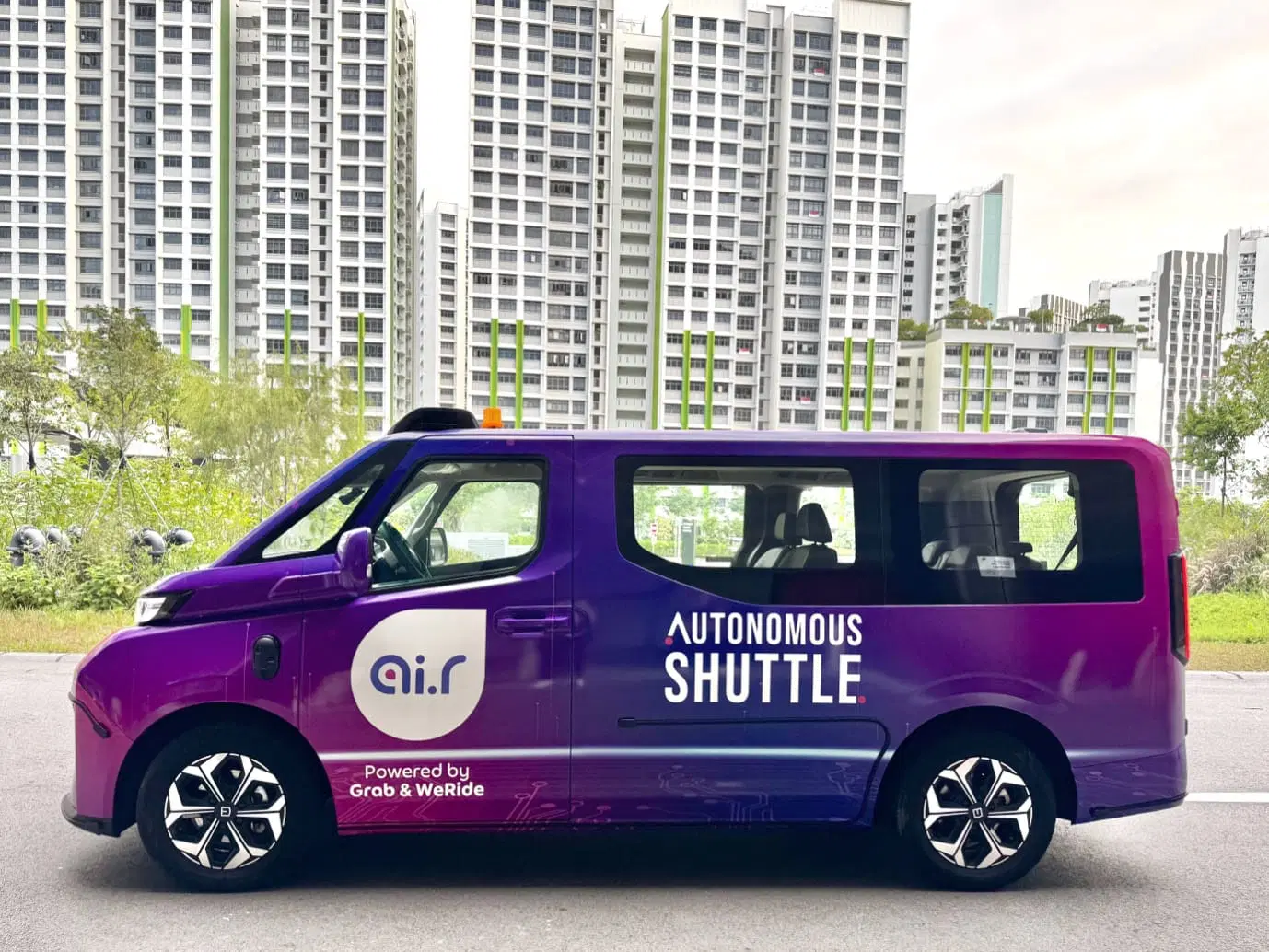
    WeRide and Grab have recently been given the go-ahead by Singapore’s Land Transport Authority to initiate their full-scale Ai.R fleet testing in Punggol. This move is significant as Punggol will be the nation’s first residential area to potentially provide an autonomous shuttle service.

    Launch of First Autonomous Shuttle Service

    The Ai.R, short for Autonomously Intelligent Ride, is an autonomous public ride service jointly operated by Grab and WeRide. The fleet comprises 11 vehicles, with ten being WeRide GXRs featuring five passenger seats each, and one Robobus with eight seats. The goal of this initiative is to transform Punggol into the first Singaporean neighbourhood to offer a dedicated autonomous shuttle service, with public operations anticipated to commence in early 2026.

    Improved Connectivity for Residents of Punggol

    The autonomous shuttles intend to connect residential areas to key facilities that include the Punggol Coast MRT station, the bus interchange at Punggol Coast Mall, retail establishments, and healthcare facilities. Safety Operators will be present on board throughout the testing phase and the preliminary public rides roll-out to supervise operations in real-time and ensure safety.

    Gearing Up for Reliability and Safety

    Each test run of the autonomous vehicles will generate real-world data that can help train and localize the vehicles’ AI driving models better. The AVs will analyze road infrastructure, traffic situations, and behavioural patterns of pedestrians and road users. They are also being equipped to handle Singapore’s well-known unpredictable weather conditions to ensure consistent and reliable performance.

    Navigating Complex Urban Environments

    To be fully operationally prepared, the Ai.R fleet is being trained across various real-world situations. This includes precision driving for smooth acceleration, deceleration, and obstacle avoidance; navigation of narrow residential roads, tight car park turns, and complex intersections; and facilitating seamless pick-ups and drop-offs. Equipped with LiDAR and camera sensors, the vehicles can identify hazards in all weather conditions, enabling adaptive responses to dynamic urban environments.

    Developing the Autonomous Transport Workforce

    Talent development is a crucial aspect of this programme. GrabAcademy and WeRide are working in collaboration to train over ten experienced Grab driver-partners as Ai.R Safety Operators. Post completion of classroom instruction and closed-circuit training, the initial group has moved on to on-road sessions.

    A Step towards Singapore’s Smart-Mobility Future

    The expansion of Ai.R testing underlines Singapore’s wider ambitions to integrate autonomous technologies into its public transport system. For WeRide and Grab, the initiative represents a significant advancement in commercializing autonomous mobility in a densely populated urban environment. This could potentially serve as a model for implementations across Southeast Asia. If successful, Punggol could soon be a shining example of how AV-enabled transit can improve connectivity, resilience, and urban liveability.

    Questions & Answers

    What is the Ai.R service?
    Ai.R, short for Autonomously Intelligent Ride, is an autonomous public ride service that is jointly operated by Grab and WeRide.

    What is the purpose of the Ai.R fleet testing in Punggol?
    The testing serves to transform Punggol into Singapore’s first neighbourhood to offer a dedicated autonomous shuttle service, with operations expected to start in early 2026.

    What is the significance of this initiative for Singapore?
    This initiative aligns with Singapore’s broader ambition to incorporate autonomous technologies into its public transport ecosystem, and also marks a significant advancement in commercializing autonomous mobility in a densely populated urban setting.

  • Google Boosts Global AI Innovation with New Major Hardware Engineering Center in Taiwan

    Google Boosts Global AI Innovation with New Major Hardware Engineering Center in Taiwan

    Google has inaugurated a new engineering center in Taiwan dedicated to artificial intelligence (AI) infrastructure hardware, marking its largest establishment of this kind outside the United States. This move underscores Taiwan’s pivotal role in the global technology landscape.

    Taiwan’s President, Lai Ching-te, lauded the launch event in Taipei, noting that Google’s investment underscores the company’s faith in Taiwan’s tech prowess. According to President Lai, Taiwan is not just a fundamental component of the global technology supply chain, but also a crucial hub for designing secure and trustworthy AI.

    Taiwan continues to be a critical player in advancing global AI owing to its solid semiconductor ecosystem, spearheaded by Taiwan Semiconductor Manufacturing Co. (TSMC). The high-tech chips developed by TSMC power systems from firms such as NVIDIA, which are at the forefront of global AI innovation.

    Raymond Greene, the acting U.S. Ambassador in Taipei, emphasized the importance of this expansion. He noted that this innovative foundation sets the stage for a promising new era, dubbing it a new golden age in the economic relationship between the U.S. and Taiwan.

    Google revealed that the new facility will concentrate on sophisticated AI hardware engineering. This will include the integration of AI chips such as Google’s Tensor Processing Units (TPUs) into motherboards and their attachment to servers.

    Additionally, Google confirmed that its Taiwan infrastructure engineering team, established in 2020, has tripled in size, and that the new center will be staffed by hundreds of employees who will support Google’s global data center operations.

    Google’s presence in Taiwan is not new. The company already runs multiple hardware development sites on the island and has been operating a data center in Changhua County since 2013. Google has also invested in several subsea cable projects connecting Taiwan to global networks.

    Aamer Mahmood, Google’s Vice President of Engineering, stated that the technology developed and tested in Taipei is deployed in Google data centers worldwide, which powers Google devices relied upon by billions globally. He added that this is more than an office investment; it signifies an investment in an ecosystem, further solidifying Taiwan’s position as an essential center for global AI innovation.

    Questions & Answers

    What is the focus of Google’s new engineering center in Taiwan?
    The new engineering center will concentrate on advanced AI hardware engineering, including the integration of AI chips into motherboards and servers.

    How does Taiwan contribute to global AI progress?
    Taiwan has a robust semiconductor ecosystem led by Taiwan Semiconductor Manufacturing Co. (TSMC), making it a critical player in advancing global AI. The chips developed by TSMC power systems for AI innovation worldwide.

    What does the new facility mean for Google’s presence in Taiwan?
    The new facility marks an expansion of Google’s presence in Taiwan. In addition to the new center, Google already operates multiple hardware development sites and a data center in Taiwan, and has invested in numerous subsea cable projects.

  • Coinbase Survey Reveals: Over 60% Singaporeans Own Cryptocurrency – A Deep Dive into Their Investment Trends

    Coinbase Survey Reveals: Over 60% Singaporeans Own Cryptocurrency – A Deep Dive into Their Investment Trends

    Cryptocurrencies have gained significant traction in Singapore, with the majority of its citizens having some level of interaction with the digital asset, as revealed by a recent survey.

    Singaporean Interest in Cryptocurrencies

    A substantial portion of Singaporeans, amounting to 61 percent, are in possession of some form of cryptocurrency, according to recently published survey data. Unsurprisingly, the predominant demographic among these investors are individuals aged 18 to 34 years, who make up 70 percent of the group. Of these, about 68 percent are male.

    Investment Approach: HODL vs Trading

    The study also revealed the investment habits of cryptocurrency owners. The majority, 58 percent, were found to be long-term investors, a strategy commonly referred to as HODL or “hold on for dear life”. On the other hand, 22 percent were classified as occasional traders, with another 20 percent identified as active traders. Remarkably, 42 percent of the survey participants had been investing in cryptocurrencies for over two years.

    The investment allocation was also explored in the study, with 74 percent of respondents stating that 10 percent or less of their portfolios was invested in digital assets. These portfolios typically contained an average of three different types of cryptocurrency. The median portfolio size ranged within S$3,000 ($2,300) to S$5,000.

    Cryptocurrency Price Predictions

    Looking ahead, 25 percent of the respondents anticipate the price of Bitcoin to reach between $100,000 and $150,000 within the next year. Meanwhile, 15 percent predict a rise above $150,000. However, the majority hold a more conservative prediction, expecting the value to fall within the $50,000 to $100,000 bracket. Only 18 percent of the respondents foresee Bitcoin dropping below $50,000. The price of Bitcoin at the time of the survey’s publication was approximately $86,000.

    The data for this report was collected from a pool of 3,513 active retail investors and other interested individuals in Singapore. The survey was conducted between August 15 and August 19 of the current year.

    Questions & Answers

    What percentage of Singaporeans own cryptocurrency?
    According to a recent survey, 61 percent of Singaporeans own some form of cryptocurrency.

    What is the average investment allocation to cryptocurrencies in Singapore?
    The survey found that 74 percent of investors have allocated 10% or less of their portfolios to cryptocurrency holdings.

    What are the future price expectations for Bitcoin among Singaporean investors?
    Within the next year, 25 percent of the respondents expect Bitcoin’s price to reach $100,000 to $150,000, 15 percent predict a rise above $150,000, and the majority forecast a value between $50,000 and $100,000.

  • OCBC Revolutionizes Digital Banking: Integrates Top Southeast Asian Wallets, Targets 2.72 Billion User Base

    OCBC Revolutionizes Digital Banking: Integrates Top Southeast Asian Wallets, Targets 2.72 Billion User Base

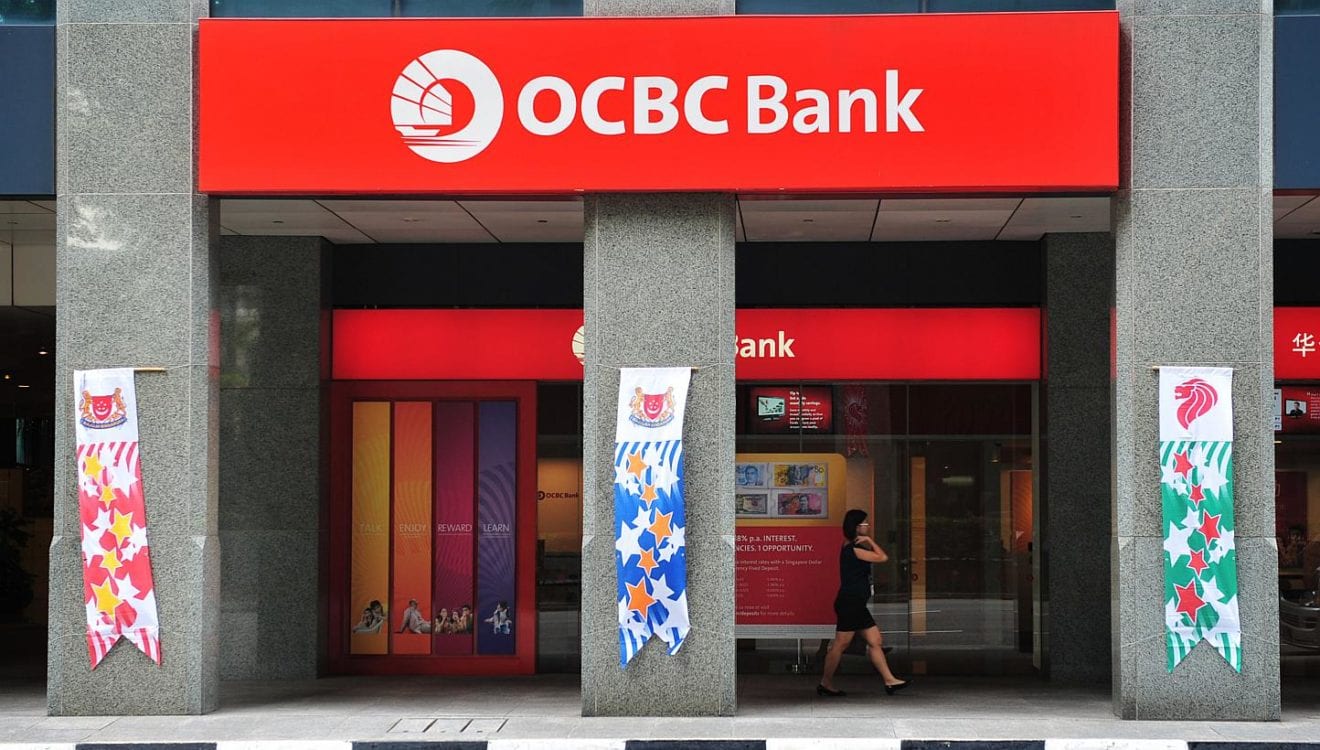
    Singapore’s OCBC bank has significantly advanced its position in the regional payments sector by incorporating eight major Southeast Asian digital wallets into its banking app. This move has established the most inclusive bank-to-wallet ecosystem in the region, according to the bank.

    The decision, facilitated by an expanded partnership with Visa, is designed to simplify remittances, reduce expenses, and bring countless unbanked consumers closer to digital financial services. Now, OCBC customers in Singapore can directly transfer money to top wallets in Indonesia, Malaysia, the Philippines, and Vietnam.

    The recently integrated wallets include the Philippines-based Coins and GCash, Indonesia’s GoPay, LinkAja, and Ovo, Vietnam’s Momo, the Philippines’ PayMaya, and Malaysia’s Touch ‘n Go. This addition builds upon the previous year’s integration of Weixin Pay and Alipay, bringing the total number of wallets to ten. Collectively, these wallets represent a user base of nearly 2.72 billion.

    Addressing the Needs of Singapore’s Foreign Workforce

    This improvement directly tackles the most significant challenges in conventional remittances, namely speed, cost, and accessibility. OCBC points out that a large number of foreign workers still depend on cash agents or manual transfers.

    Through bank-to-wallet connectivity, either the workers or their employers can send funds instantly and without any fees, even if the recipients do not have a bank account or access to physical branches. OCBC anticipates high adoption rates among Singapore’s 1.6 million foreign workers.

    Initial Success: Quadrupled Transfers to China

    OCBC introduced wallet transfers to China a year ago and has since processed more than S$60 million through this feature. Cross-border transfers to China have increased fourfold, with 90% of users avoiding branch visits. Three-quarters of these users are PMETs, primarily Chinese nationals sending money home. This initial success set the groundwork for the current broader rollout across Southeast Asia.

    Visa Partnership to Expand Global Reach

    The expanded capabilities have been made possible by Visa Direct, which links nearly 11 billion endpoints worldwide, including over 3.5 billion digital wallets. According to Adeline Kim, Visa’s Singapore country manager, Visa Direct is helping to “bridge financial gaps”. Moreover, six out of ten Singaporean remittance users anticipate maintaining or increasing their overseas transfers this year.

    OCBC’s Global Ambitions

    Sunny Quek, OCBC’s head of global consumer financial services, has said that the bank is making good on its promise to extend beyond China. He said that “By connecting OCBC accounts to eight of Southeast Asia’s most popular wallets, we are removing friction from cross-border payments and making remittances faster, cheaper, and more inclusive.”

    He further revealed OCBC’s long-term plan to connect its customers to 50 wallets globally, which would make its app “the most comprehensive wallet access of any banking app”.

    Boosting OCBC’s Regional Digital Presence

    This development further solidifies OCBC’s standing as a leading regional financial institution. As one of the world’s most highly-rated banks and one of the largest financial groups in Southeast Asia, OCBC continues to invest in consumer banking innovation in the face of growing competition in the digital payments and fintech landscapes.

    Questions & Answers

    What new capabilities has OCBC Bank added to its banking app?
    OCBC has integrated eight major Southeast Asian digital wallets into its banking app, facilitating direct money transfers to top wallets in Indonesia, Malaysia, the Philippines, and Vietnam.

    What are the benefits of this integration for OCBC customers?
    This integration simplifies remittances, reduces costs, and allows for the instant and fee-free transfer of funds – even if the recipients don’t have a bank account or access to physical branches.

    What is OCBC’s long-term vision for its banking app?
    OCBC aims to connect its customers to 50 wallets globally, with the goal of offering the most comprehensive wallet access of any banking app.