Author: Mei Ling Tan

  • Nike Revamps China Strategy, Directs Online Sales to Exclusive Channels Amid Rising Domestic Competition

    Nike Revamps China Strategy, Directs Online Sales to Exclusive Channels Amid Rising Domestic Competition

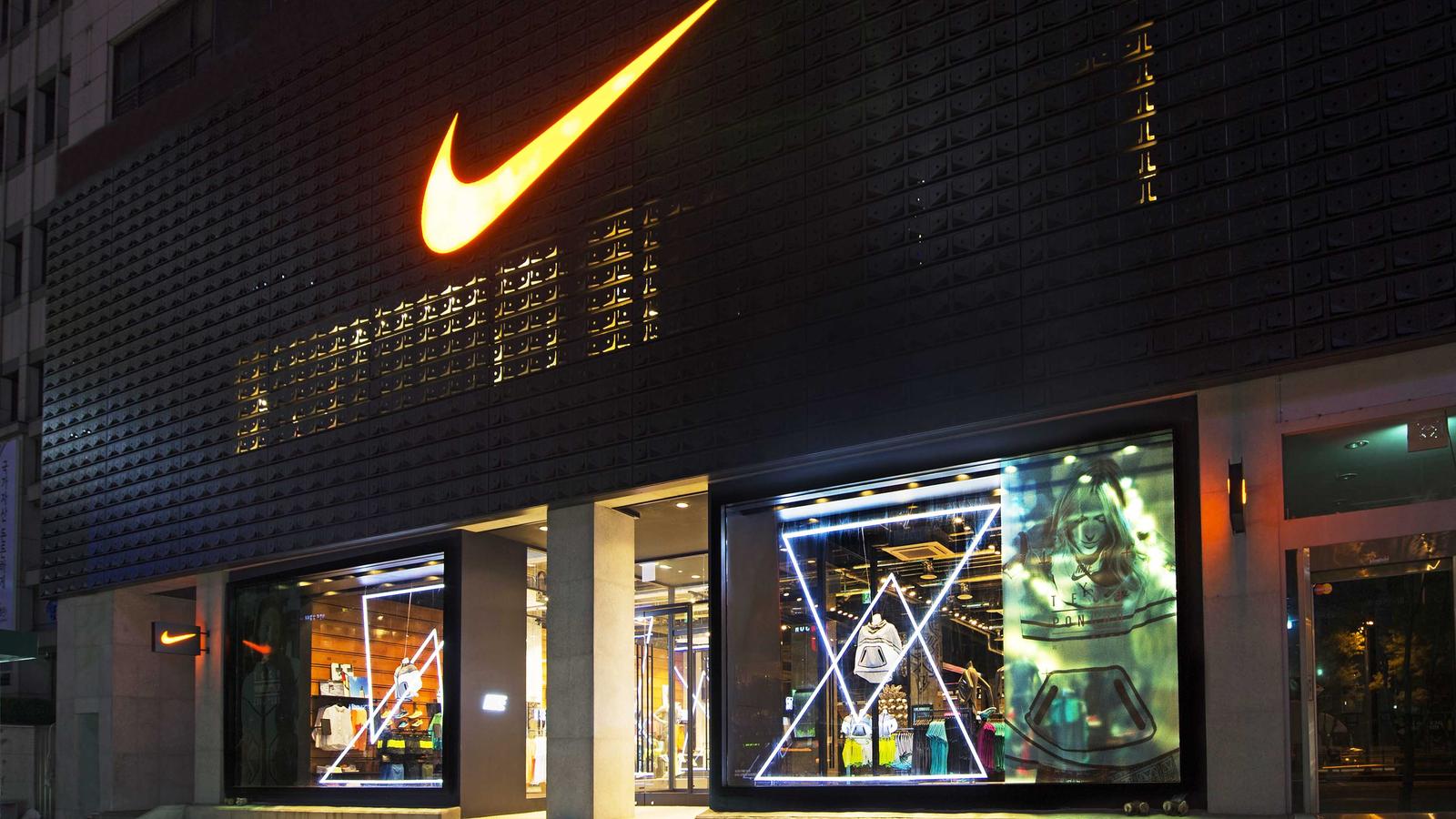
    In a move to regain customer loyalty in China, American athletic wear giant, Nike, is taking control of its online product distribution. The company aims to drive consumers to official Nike channels and implement full-price sales as it faces increasing competition from domestic brands.

    Nike’s new strategy includes limiting online sales by wholesale distributors, according to Cathy Sparks, VP and GM of Greater China. From January, major sportswear retailers in China will cease online sales of Nike’s clothing and footwear, focusing instead on in-store transactions. Online, Nike merchandise will be available through new Nike-branded digital storefronts on popular Chinese e-commerce platforms such as Tmall, JD.com, and Douyin, as well as Nike’s own website and app.

    Sparks, who has spent 25 years at the company and was appointed to oversee Chinese operations earlier this year, stated, “Our marketplace has become so fragmented and cluttered.” She added that consumers desire a premium brand experience that is reliable and seamlessly integrates digital and physical aspects.

    Recovery Challenges in China

    China, the third largest market for Nike, presents a significant area of concern. As the company seeks to recover growth, it’s implementing a comprehensive strategy that includes this shift towards e-commerce.

    The company reported last month that sales in Greater China declined by 17% on a constant-currency basis in the fourth quarter. This drop is even more significant than the 10% decrease seen in the previous quarter. Nike’s market share has been impacted by the rise of local competitors Anta and Li Ning, as well as international brands like On and Hoka.

    Investors are keenly observing Nike’s recovery strategy led by CEO Elliott Hill. Despite facing substantial challenges, Hill, who has been at the company’s helm for nearly two years, is determined to refocus on sports, rebuild wholesale relationships in North America, and introduce new products.

    In line with these changes, most of Nike’s 16 store partners in China, who manage thousands of Nike stores, will halt their online sales, a Nike spokesperson confirmed.

    Topsports, a leading Chinese sportswear retailer that makes 22% of its revenue from online sales of Nike products, is among the distributors expected to be impacted. The company has warned of a “significant” short-term negative effect but remains committed to collaborating closely with Nike on offline sales arrangements.

    Nike’s decision to alter its e-commerce strategy was criticized by BNP Paribas senior analyst Laurent Vasilescu, who called it a “strategic misstep” that could benefit competitors.

    Furthermore, Sparks highlighted the need for Nike to launch products that resonate more with Chinese consumers. The company has appointed a vice president of local product creation in Greater China to address this need.

    Questions & Answers

    What is Nike’s strategy to regain customer loyalty in China?
    In an attempt to regain customer loyalty, Nike is controlling its online distribution by driving consumers to official Nike platforms and implementing full-price sales, despite facing competition from domestic brands.

    How is Nike’s market performance in China?
    Nike reported a 17% decline in sales in Greater China on a constant-currency basis during the fourth quarter, showing a larger decrease than the 10% drop in the previous quarter.

    Why does Laurent Vasilescu, BNP Paribas senior analyst, consider Nike’s e-commerce strategy changes a strategic misstep?
    Vasilescu believes that Nike’s problem is not with distribution in China and elsewhere, but with its product. He suggests that the changes in e-commerce strategy could give opportunities to the company’s competitors.

  • ThaiBev Mulls Over Sale of Thailands Premier KFC Franchise Amid Profit Drop

    ThaiBev Mulls Over Sale of Thailands Premier KFC Franchise Amid Profit Drop

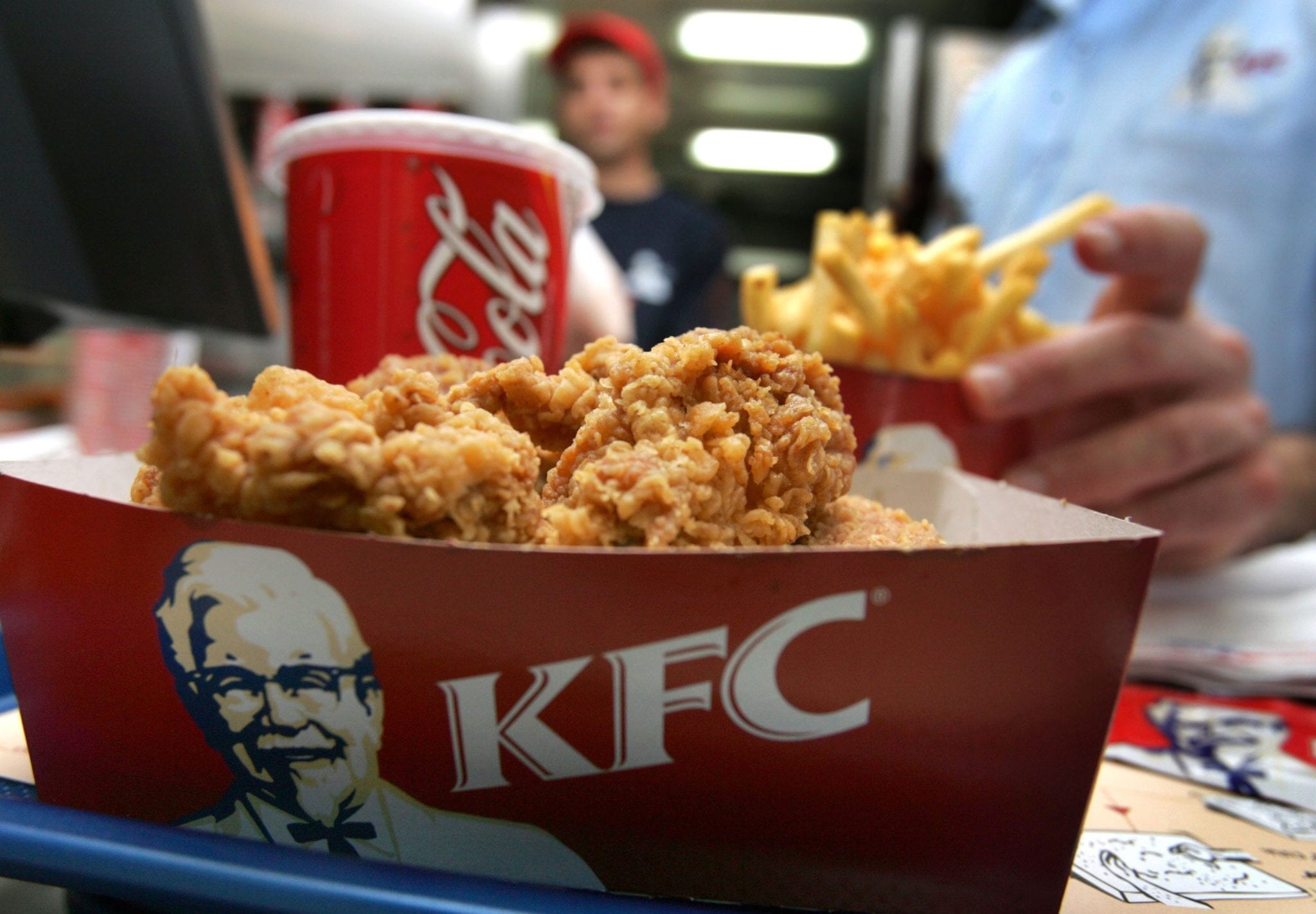
    ThaiBev, owned by Charoen Sirivadhanabhakdi, is reportedly contemplating the sale of its KFC franchise business in Thailand – the largest of its kind in the country. The fast-food chain’s operations are overseen by The QSR of Asia. This takeover was initiated when the subsidiary purchased 240 restaurants from Yum Restaurants International in 2017 for an estimated US$335 million.

    ThaiBev’s Expanding Portfolio and Challenging Profits

    Since the initial acquisition, the number of outlets has more than doubled to over 500 across Thailand, solidifying QSR’s position as the country’s largest franchise. However, this expansion has brought its own set of challenges for ThaiBev. The company, known for producing Chang, has experienced a 21.7% decrease in profits, according to its latest annual fiscal statements.

    The drop in profits is reportedly due to the expenses incurred from the continual expansion of the restaurant chain. Nonetheless, ThaiBev remains a significant player in the market, despite the challenges and costs associated with operating a booming fast-food business.

    The Future of ThaiBev’s KFC Franchise

    Currently, ThaiBev is working with the Bank of America Corp to gauge interest in potential transactions relating to the KFC franchise. However, it is important to note that there are no guaranteed sales at this point. The future of the KFC franchise under ThaiBev’s ownership remains uncertain.

    Questions & Answers

    Who currently owns the largest KFC franchise business in Thailand?
    ThaiBev, owned by Charoen Sirivadhanabhakdi, currently holds the largest KFC franchise business in Thailand.

    What has been the impact of the franchise expansion on ThaiBev’s profits?
    The expansion of the franchise has led to a 21.7% drop in ThaiBev’s profits, largely due to the costs associated with the ongoing growth of the restaurant chain.

    What is the future of ThaiBev’s KFC franchise?
    ThaiBev is contemplating the sale of its KFC franchise and is working with the Bank of America Corp to assess interest in potential transactions. However, no sale is guaranteed at this time.

  • Singapore’s Metro Redefines Retail, Plans Closure of Two Major Stores for Smaller Multi-Concept Outlets

    Singapore’s Metro Redefines Retail, Plans Closure of Two Major Stores for Smaller Multi-Concept Outlets

    Metro, a well-known retailer based in Singapore, has announced plans to shutter its department stores located at Paragon on Orchard Road and Causeway Point. This decision comes in line with the company’s strategic pivot away from traditional large-format department store models, as their leases approach expiration.

    Embracing a New Retail Model

    Metro’s future plans revolve around introducing a flexible retail model that focuses on smaller-format and multi-concept stores. The company is currently exploring potential locations and liaising with landlords to advance the rollout of these innovative multi-concept stores.

    To ensure the financial viability and success of its new retail approach, Metro is considering several key factors. These include the location, rental terms, and implementation timelines of these proposed stores. This strategic move is aimed at meeting the fundamentally different consumer expectations of today’s market, while allowing more flexibility for the introduction of new concepts, brands, and partnerships.

    Commenting on the new direction, Yip Hoong Mun, Group CEO and Executive Director of Metro, said that the company’s refreshed retail strategy is designed to tackle the challenging operating environment and align with customers’ evolving expectations.

    Transforming the Retail Landscape

    Tan Soo Khoon, the chairman of Metro, further highlighted that this repositioning would pave the way for a more agile retail platform. This transformation is expected to support the company’s long-term growth ambitions. “As the retail landscape continues to transform, it is vital for us to evolve alongside it,” Tan noted.

    In the past year, Metro has been revamping its offerings through various partnerships and experiential concepts. However, despite its initiatives, the company reported a net loss of US$8.8 million for the fiscal year ending March 31, attributing the downturn to lower revenue, weaker margins, and impairment charges.

    Meanwhile, potential plans are being reviewed to optimise and selectively reconfigure parts of the Orchard Road mall, which presently houses Metro.

    Questions & Answers

    What is the new retail model that Metro is adopting?
    Metro is shifting towards a flexible retail model centred on smaller-format and multi-concept stores.

    Why is Metro shifting away from traditional department stores?
    Metro’s shift is prompted by changing consumer expectations and a desire for greater flexibility to introduce new concepts, brands, and partnerships.

    Will Metro continue to operate in the Orchard Road Mall?
    Metro has expressed interest in remaining at the Paragon on Orchard Road under its new retail concept, and discussions are ongoing.

  • EU Slaps AliExpress with Record $629 Million Fine Over Counterfeit Goods Crackdown Failure

    EU Slaps AliExpress with Record $629 Million Fine Over Counterfeit Goods Crackdown Failure

    On Monday, AliExpress, Alibaba’s subsidiary, was slapped with a record-breaking €550 million (US$629 million) fine by the European Union for its failure to address sales of illegal, dangerous and counterfeit items on its platform. This penalty is considered to be the largest to date, issued by the European Commission in line with the EU’s Digital Services Act, a prominent law that mandates online platforms of substantial size to augment their efforts in combating harmful and illicit content.

    This penalty is the third of its kind issued by the European Commission, following charges placed on AliExpress in June of the previous year for non-compliance with a Digital Services Act stipulation. This regulation requires platforms to evaluate and reduce the risk of distributing illegal products. AliExpress was given until October 20 to suggest corrective actions. Should the regulatory body determine in December that the company has failed to meet the requirements of the Digital Services Act, further sanctions may be levied.

    The EU’s tech chief, Henna Virkkunen, expressed concern over this issue, describing it as highly risky for consumers and unfair to companies that abide by the rules. She highlighted the vast user base of AliExpress in Europe, standing at 193 million last year, compared to Shein’s 156 million and Temu’s 130 million. Temu has also been subject to fines under the Digital Services Act, and Shein is currently under investigation.

    AliExpress has voiced its intention to contest the fine, deeming it as excessive. “Today’s decision and disproportionate fine disregards our robust risk management structure and the substantial, proactive improvements we’ve implemented,” AliExpress stated via email. The company also indicated its active collaboration with the Commission to satisfy its evolving expectations.

    Assessment and Criticism of AliExpress’s Risk Management Practices

    The Commission criticized AliExpress for not adequately assessing whether it had sufficient personnel to manage risks and for overestimating the efficacy of its system in identifying and removing illicit products. Furthermore, the Commission took issue with the company’s ineffective penalty policy, which allowed penalized businesses to continue selling illegal products on its platform.

    The regulator also noted that AliExpress’s “brand authorisation” system, designed to deter counterfeit sales, was insufficient and easily bypassed by traders selling fraudulent items. There was also criticism of the company’s advertising and recommender systems for contributing to the spread of illicit products and relying on one quantitative indicator to assess the moderation system’s effectiveness in preventing the appearance or re-emergence of illegal products in similar forms.

    However, the regulator did consider the novelty of the Digital Services Act as a mitigating factor when determining the fine, which could have been even larger. This penalty far surpasses the €120 million fine imposed on Elon Musk’s social media platform X and the €200 million fine on Temu, both for Digital Services Act violations.

    Questions & Answers

    What is the significance of the fine imposed on AliExpress by the European Union?

    This penalty, amounting to €550 million (US$629 million), is a record-breaking fine issued by the European Commission under the EU’s Digital Services Act. It highlights the EU’s stance on ensuring large online platforms take more responsibility in preventing the distribution of illegal and harmful content.

    How has AliExpress responded to the fine?

    AliExpress has expressed its intention to appeal the fine, deeming it as excessive. The company asserts that this penalty neglects the robust risk management framework they have established and the proactive enhancements they’ve implemented in their operations.

    What criticisms has the European Commission voiced regarding AliExpress’s operations?

    The Commission has criticized AliExpress for inadequately assessing risks and overestimating its system’s effectiveness in identifying and removing illicit products. Other criticisms include the company’s ineffective penalty policy, its “brand authorisation” system’s shortcomings, and its advertising and recommender systems’ role in spreading illegal products.

  • Sheraton Saigon Elevates Event Experience with Level 23: New Multipurpose Venue and Skyline Bar

    Sheraton Saigon Elevates Event Experience with Level 23: New Multipurpose Venue and Skyline Bar

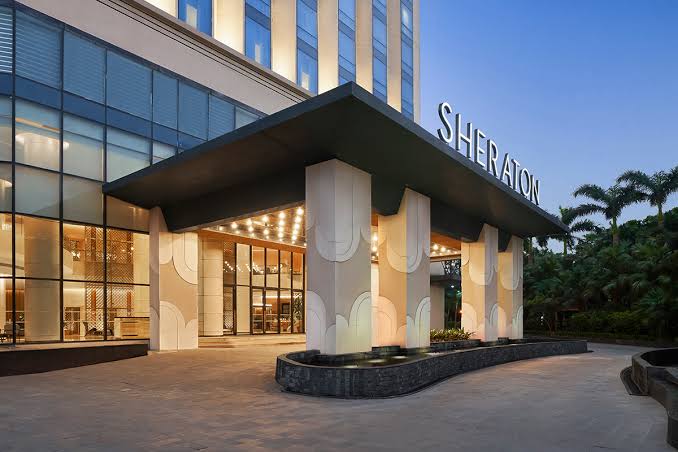
    In celebration of its 23rd anniversary, the Sheraton Saigon Grand Opera Hotel, located in the heart of Ho Chi Minh City, has recently unveiled Level 23. This innovative space showcases a convergence of meeting venues, event spaces, and a rooftop entertainment area, designed to meet the increasing demand from business travelers, international delegations, and local patrons for multi-functional destinations.

    Exploring the Offerings of Level 23

    Level 23 brings together the private event space Altitude 23, Summit – a versatile meeting and event area, and Hai Bar, one of the most elevated rooftop bars in Dong Khoi. This promising project was officially introduced to the public during the “High Above Saigon” event held on June 26, 2026.

    Summit, the meeting and event space, features five adaptable rooms that provide natural daylight and sweeping views of iconic landmarks such as the Nguyen Hue Boulevard, Bitexco Tower, and the city’s skyline. With the largest room, Grand Summit, capable of accommodating up to 212 guests in a theater-style arrangement, 180 for cocktail events, and 160 for banquets, Summit offers a venue solution for a variety of events. The rooms can be used individually or combined, providing the perfect setting for anything from executive meetings, product launches, and corporate events, to galas, weddings, and private celebrations.

    Adding to the allure of Level 23 is Hai Bar, the hotel’s renovated rooftop cocktail bar. Open from 5 p.m. daily, the bar offers breathtaking views of the Saigon Opera House, Notre-Dame Cathedral, the Saigon River, and Ba Son Bridge. Patrons can choose from 23 signature cocktails, each inspired by different regions of Vietnam and made with locally sourced ingredients.

    Introducing Altitude 23

    Altitude 23, the private event venue, is a spacious 260-square-meter area that offers panoramic views of Ho Chi Minh City. It can comfortably accommodate up to 200 guests in theater-style seating and up to 150 for banquets or cocktail receptions. The venue, which once housed the Night Spot nightclub, has been redesigned for contemporary events while preserving elements of the original space.

    According to Julian Wong, General Manager of the Sheraton Saigon Grand Opera Hotel, the introduction of Level 23 is a significant milestone for the hotel. He emphasized that the concept is not just about height but rather about providing a tranquil, elevated perspective of the vibrant city. Wong affirmed that guests are increasingly seeking destinations that can accommodate multiple purposes within a single visit, and Level 23, with its high-floor experience, perfectly fits the bill.

    The unveiling of Level 23 marks the hotel’s third substantial development in less than a year. Earlier, it opened the Grand Opera Tower, added 120 renovated rooms and suites, and became the first Marriott International hotel in Vietnam to receive LEED Gold Certification under the LEED v4.1 Operations and Maintenance standard.

    Questions & Answers

    What is the concept behind Level 23 at the Sheraton Saigon Grand Opera Hotel?
    Level 23 is designed to accommodate the increasing demand for multi-functional destinations that can cater to a variety of events, from business meetings to private parties, all within a single space.

    What unique features does Level 23 offer?
    It brings together three distinct venues: Summit, a versatile meeting and event space; Hai Bar, a rooftop cocktail bar; and Altitude 23, a private event venue. Each offers a unique high-floor experience with panoramic views of Ho Chi Minh City.

    What is the capacity of the venues at Level 23?
    Grand Summit, the largest space at Summit, can accommodate up to 212 guests. The rooftop bar, Hai Bar, is open to all guests, while Altitude 23 can seat up to 200 guests in a theater-style arrangement.

  • Vietnam’s Economic Surge: Standard Chartered Uplifts 2026 GDP Growth Forecast to 9.5%

    Vietnam’s Economic Surge: Standard Chartered Uplifts 2026 GDP Growth Forecast to 9.5%

    Standard Chartered has increased its projection for Vietnam’s economic growth in 2026 to 9.5%, a considerable increase from its previous estimate of 7.2%. This revision comes on the heels of Vietnam’s robust economic performance in the first half of the year, with key growth sectors showing continuing momentum. Moreover, the bank expects this positive trend to extend into 2027, anticipating a GDP growth of 11%. This revision signifies one of the most substantial forecast upgrades the bank has made for Vietnam in recent times.

    Forecast Adjustments and Economic Stability

    In tandem with this increased growth projection, Standard Chartered has decreased its inflation forecast for 2026 and 2027 to 4.4% and 3.3% respectively. This reduction comes as the bank predicts a further easing of price pressures. Consequently, the State Bank of Vietnam is expected to keep its policy rates unchanged, maintaining a balance between supporting economic growth and ensuring macroeconomic stability.

    According to Tim Leelahaphan, Senior Economist for Vietnam and Thailand at Standard Chartered, Vietnam has shown significant resilience and adaptability during the first half of 2026. Growth has exceeded expectations, largely due to the robust recovery of the manufacturing-processing industry, services, and investment sectors, as well as the beneficial impact of pro-growth policy measures.

    Outlook for the Future

    Despite existing global economic uncertainties and inflationary risks, Vietnam is stepping into the second half of the year with a solid foundation. Continuous domestic demand, persistent investment in infrastructure, enhanced production capacity, and ongoing economic restructuring are expected to cultivate a balanced and sustainable growth model. These factors are predicted to support the nation’s long-term development goals.

    With its revised 9.5% growth projection for 2026, Standard Chartered stands as one of the most optimistic international institutions regarding Vietnam’s economic future. Other international financial institutions have also echoed this upbeat outlook. This growing confidence in the resilience and prospects of the Vietnamese economy emphasizes the positive direction the country is headed in, despite varying forecasts. The principal factors supporting this economic expansion include recovering domestic demand, sustained investment inflows, pro-growth policies, and accelerated infrastructure development. However, external uncertainties still necessitate careful monitoring to ensure sustainable growth.

    Questions & Answers

    What is Standard Chartered’s revised economic growth projection for Vietnam in 2026?
    The bank has revised its growth projection to 9.5%, up from its previous forecast of 7.2%.

    What factors have contributed to Vietnam’s positive economic performance in the first half of 2026?
    The robust recovery of the manufacturing-processing industry, services, and investment sectors, along with the positive impact of pro-growth policy measures, have contributed to this positive performance.

    What are the main drivers expected to support the Vietnamese economy’s expansion in the coming years?
    Factors such as recovering domestic demand, sustained investment inflows, pro-growth policies, and accelerated infrastructure development are expected to remain the principal drivers supporting the country’s economic expansion.

  • Sunway Malls Revolutionizes Shopping with Malaysias First AI-Powered Smart Mall

    Sunway Malls Revolutionizes Shopping with Malaysias First AI-Powered Smart Mall

    Sunway Malls, one of Malaysia’s leading shopping center operators, has launched a pioneering artificial intelligence (AI) system designed to transform its locations into the nation’s first “smart malls.”

    The innovative AI network will work in tandem with Sunway’s existing ‘Internet of Things’ (IOT) framework to enhance operational efficiency and productivity while simultaneously enriching the consumer experience. This technological advancement builds on the successful integration of IOT at the Sunway Pyramid shopping center in Subang Jaya last year.

    Embracing Digital Transformation

    HC Chan, Group Managing Director of Sunway Malls, emphasized the growing importance of digital technology in the business landscape. He explained that the precision, timeliness, and relevance provided by this technology facilitates more insightful and strategic responses in an intensely competitive market.

    According to the company, all 16 Sunway Mall locations will be incorporated into a comprehensive IOT network. This integration will facilitate a cohesive management system that relies on automated, data-driven insights for decision-making processes. The company pledged to allocate resources “intelligently,” anticipating and resolving maintenance issues before they become problematic.

    Expanding Technological Features

    The extensive technological upgrade will introduce a range of features, including a 5G network, smart toilets and escalators, AI-enabled CCTV, and digital sustainability initiatives.

    Furthermore, Sunway Malls will launch a new AI customer chatbot and the Sunway Super lifestyle app, designed to enhance the customer experience. These digital services will offer smart parking, in-mall navigation, and a virtual shopping assistant, revolutionizing the shopping experience for customers.

    Questions & Answers

    What is the purpose of Sunway Malls’ new AI ecosystem?
    The AI ecosystem has been developed to enhance operational efficiency and productivity, while also improving the consumer experience at Sunway’s shopping centers.

    What other technological features will be introduced in the smart malls?
    In addition to the AI and IOT systems, the smart malls will feature a 5G network, smart toilets and escalators, AI-enabled CCTV, digital sustainability programs, and a customer chatbot.

    How is the decision-making process influenced by this digital transformation?
    Decision-making at Sunway Malls will be guided by a unified management system that uses automated, data-driven insights, allowing for intelligent resource allocation and proactive maintenance issue resolution.

  • Thailand Plans $362M Mega Cruise Terminal on Koh Samui to Boost Tourism

    Thailand Plans $362M Mega Cruise Terminal on Koh Samui to Boost Tourism

    Thailand is advancing a significant cruise terminal project, valued at THB12.2-billion (US$362-million), on Koh Samui, the country’s second-largest island. The terminal has been designed to accommodate large cruise ships and is part of 262 substantial transport initiatives slated for completion by 2027. The collective investment for these projects totals THB229.76 billion, as divulged by the Transport Ministry.

    Project Management and Approval Process

    The Marine Department is overseeing this major development, which aims to bolster maritime transportation, host larger cruise vessels and facilitate the growth of Thailand’s cruise tourism industry. The project is presently under review by the Transport Ministry, and once approved in principle, it will be put forward to the Cabinet for further approval.

    Simultaneously, applications for land usage under the jurisdiction of pertinent agencies such as the Royal Forest Department are being processed. The ministry expects Cabinet approval by 2027, followed by the bidding process in 2028. Construction is anticipated to begin shortly after and operations are projected to start by 2032, with an operational period of 30 years.

    Projected Benefits and Economic Impact

    Upon completion, the terminal is slated to serve between 200,000 and 400,000 tourists annually and should be able to manage approximately 240 cruise ship dockings each year. A study of the project estimates that the terminal could produce around THB46 billion in economic value over its 30-year lifespan, with an economic rate of return exceeding 15%.

    Koh Samui, located in the Gulf of Thailand and approximately 700 kilometers south of Bangkok, is the country’s second-largest island after Phuket. The island is renowned for its stunning beaches, luxurious resorts, vibrant nightlife, and access to nearby marine attractions such as the Mu Ko Ang Thong National Marine Park.

    Questions & Answers

    What is the main purpose of the cruise terminal project on Koh Samui?
    The cruise terminal project aims to enhance maritime transportation, accommodate larger cruise vessels, and support the growth of Thailand’s cruise tourism industry.

    When is the terminal expected to commence operations?
    The terminal is projected to start operations by 2032, with an operational period of 30 years.

    What is the expected economic impact of the terminal?
    The terminal could generate approximately THB46 billion in economic value over 30 years, with an economic rate of return surpassing 15%.

  • Chinese Airlines Secure $17.8 Billion Airbus Deal to Boost Capacity and Modernize Fleets

    Chinese Airlines Secure $17.8 Billion Airbus Deal to Boost Capacity and Modernize Fleets

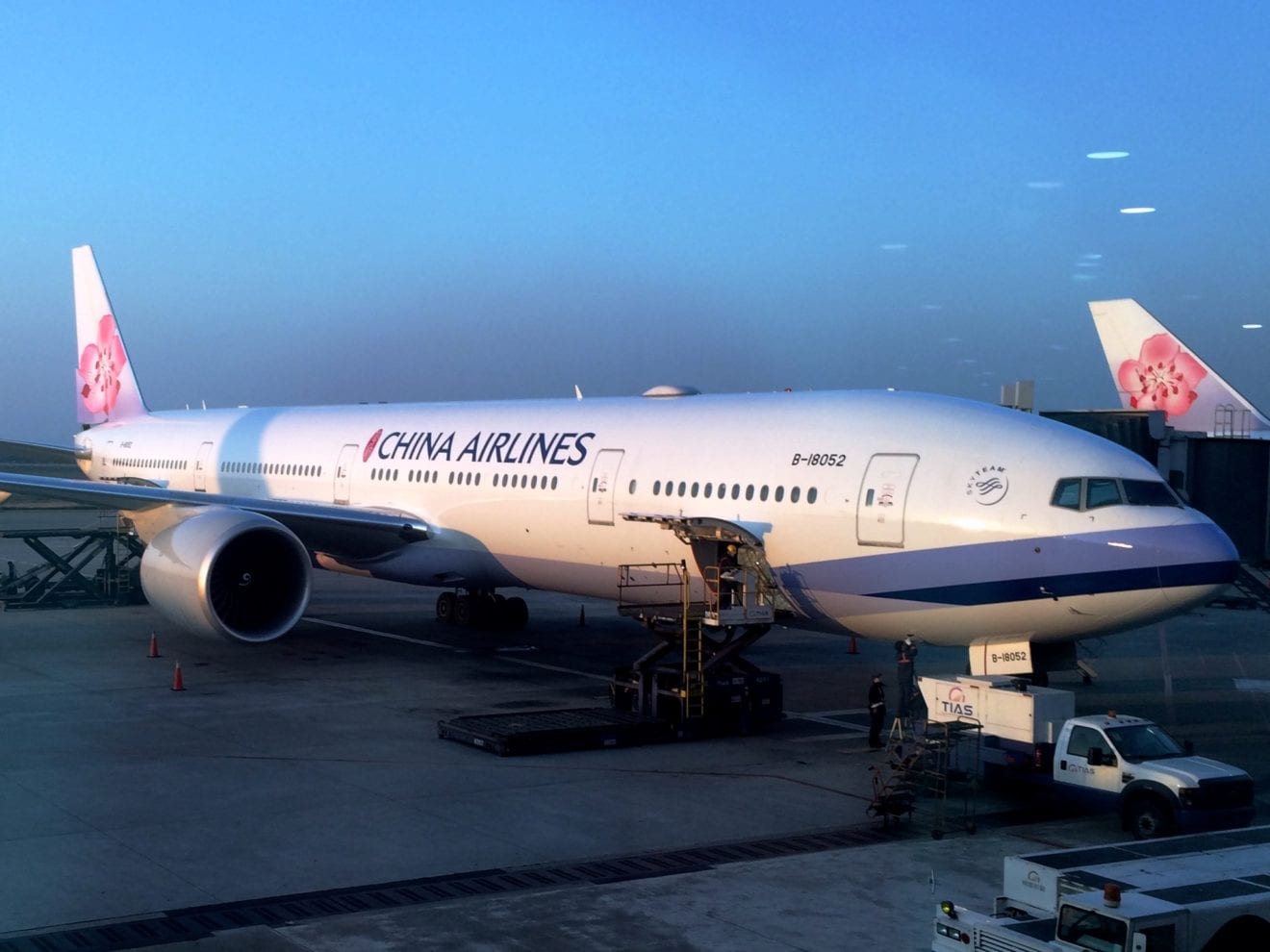
    Three major Chinese airline companies are set to acquire 95 aircraft from Airbus, in deals collectively valued at approximately $17.8 billion. This comes as part of a concerted effort by these airlines to expand their capacities and modernise their fleets with more fuel-efficient aircraft amidst the bourgeoning growth of China’s aviation market – the second-largest globally.

    Air China and its subsidiary Shenzhen Airlines have agreed to purchase 55 Airbus aircraft for a total value of $12.4 billion. Conversely, Hainan Airlines has independently agreed to buy 40 A320neo-family jets, with a list price of up to $5.4 billion.

    Air China will acquire 15 A350-900 wide-body jets, while Shenzhen Airlines will separately buy 40 narrow-body A320neo-family aircraft. The A350-900 jets, valued at roughly $6.09 billion, are set for delivery between 2030 and 2032. The 40 A320neo-family aircraft, worth approximately $6.35 billion, are slated for delivery between 2029 and 2032. Meanwhile, Hainan Airlines has scheduled the delivery of its 40 A320neo jets between 2028 to 2032.

    However, Air China has clarified that the actual transaction prices will be lower than the listed values, stating that Airbus has granted significant discounts in line with standard practice for large-scale aircraft orders.

    This surge of orders is indicative of the ongoing recovery and expansion of Chinese carriers post-pandemic, despite notable challenges. Recently, Air China reported a potential net loss of up to 2.6 billion yuan for the first half of this year, attributing the financial squeeze to rising fuel prices.

    Other Chinese carriers have also been investing in large orders with Airbus. Previous notable investments include those by China Eastern Airlines and China Southern Airlines, which have made substantial aircraft purchases in recent months.

    These new jets are predicted to increase the total capacity of the Air China group and Shenzhen Airlines by 7.1% and 4.3% respectively, based on their combined passenger and cargo capacity as of December 31, 2025. In addition, some of the new aircraft will replace older models set to be retired.

    Competition-wise, the A320neo family rivals the Boeing 737 MAX on medium-haul routes, while the A350-900 is favored for long-haul international services.

    According to the IATA World Air Transport Statistics, the U.S. remained the world’s largest aviation market last year with 890.1 million passengers, with China following closely at 776.1 million passengers.

    Questions & Answers

    What is the total value of the Airbus aircraft orders by the three Chinese airlines?
    The total list price of the 95 Airbus aircraft ordered by Air China, Shenzhen Airlines, and Hainan Airlines is approximately $17.8 billion.

    Which aircraft models are being purchased by the Chinese airlines from Airbus?
    The three airlines have agreed to purchase various models, with Air China acquiring 15 A350-900 wide-body jets and Shenzhen Airlines buying 40 narrow-body A320neo-family aircraft. Hainan Airlines will be purchasing 40 A320neo-family jets.

    How will these purchases affect the total capacity of the Air China group and Shenzhen Airlines?
    The acquisition of these new jets is expected to boost the total capacity of the Air China group by about 7.1% and Shenzhen Airlines by 4.3%, based on their combined passenger and cargo capacity as of December 31, 2025.

  • Vietnam’s Gold Prices Tumble: Global Market Trends and Implications Explored

    Vietnam’s Gold Prices Tumble: Global Market Trends and Implications Explored

    Gold prices in Vietnam witnessed another slump on Monday afternoon, following an earlier decrease of 0.2% in the same session. Saigon Jewelry Company reported a fall in the price of gold bars by 0.82% from the morning rate, settling at VND146 million (US$5,552.39) per tael. This resulted in an overall loss of approximately 1% for the day.

    Additionally, the price of gold rings also declined by 1%, reaching VND145 million per tael. It should be noted that a tael is equivalent to 37.5 grams or 1.2 ounces.

    Global Gold Price Trend

    Internationally, gold prices remained stable on Monday. Investors worldwide were assessing the influence of the escalating tensions between the U.S. and Iran on oil prices. Concurrently, U.S. Federal Reserve policymakers hinted at potential interest rate hikes to alleviate inflationary pressure.

    The spot price of gold lingered at $4,018.75 per ounce. Meanwhile, U.S. gold futures for August delivery slightly advanced by 0.1%, reaching $4,023.20.

    UBS analyst Giovanni Staunovo noted the negative correlation between gold and oil prices. He stated that market players are vigilantly monitoring the developments in the Middle East. Staunovo predicted a weaker dollar would bolster gold prices in the next 6 to 12 months, with expectations of the precious metal surpassing the $5,000 per ounce mark.

    Questions & Answers

    How much did gold prices in Vietnam fall on Monday?
    Gold prices in Vietnam fell by approximately 1% on Monday.

    What is the recent global trend in gold prices?
    Globally, gold prices have remained steady. However, the impact of the U.S.-Iran conflict on oil prices and possible interest rate hikes by the U.S. Federal Reserve are being closely observed by investors.

    What are the predictions for gold prices in the future?
    According to Giovanni Staunovo, a UBS analyst, a weaker dollar is expected to support an increase in gold prices over the next 6 to 12 months, potentially moving above the $5,000 per ounce mark.

  • Brochu Walker Makes Bold Asia Debut with Grand Flagship Store in Seouls Gangnam District

    Brochu Walker Makes Bold Asia Debut with Grand Flagship Store in Seouls Gangnam District

    Brochu Walker, a high-end American women’s fashion label, has announced the grand opening of its inaugural international flagship store. Situated in Seoul, the move signifies the brand’s first venture into the Asian market.

    Brochu Walker: New Horizons

    Positioned in the bustling district of Gangnam, the impressive five-level ‘Maison’ spans approximately 664 square meters, spread over two floors dedicated to retail. The spacious location also offers an exclusive, personalized shopping experience with an area set aside for private client consultations. The decision to expand into Seoul comes on the heels of the brand’s appointment of South Korean actress Cha Joo Young as its first Korean ambassador, a move that underscores the growing significance of the Asian market to the Los Angeles-based fashion house.

    The Maison design is the result of a partnership with the Seoul-based Blurker Design Studio. The store’s innovative design seamlessly blends modern interior aesthetics with elements of traditional Korean artistry. The space is punctuated by standout materials such as oak, marble, Hanji paper, and bronze, which sit alongside artwork commissioned from local creatives.

    Brochu Walker: A Personal Vision

    Karine Dubner, the CEO and chief creative officer of Brochu Walker, spoke passionately about the new store, saying, “Maison Seoul is the culmination of years of dreams, designs, and thoughtful collaborations.” Dubner’s sense of accomplishment is evident when she describes the finished space, which she views as an embodiment of Brochu Walker’s ethos – “quiet, beautiful, intentional, and deeply personal.” She also expressed her gratitude for the warm reception from the Korean community, which she described as “deeply humbling.”

    Originating in Los Angeles, Brochu Walker has built a reputation for its superior knitwear and subtly elegant ready-to-wear collections, placing it firmly in the ‘quiet luxury’ niche. The brand, which already has a solid brick-and-mortar presence across America with boutiques in California, Connecticut, Georgia, and New York, hints at further growth with plans in place to open more stores in Nashville and Austin.

    Questions & Answers

    What is Brochu Walker known for?
    Brochu Walker is renowned for its high-quality knitwear and subtly elegant ready-to-wear collections, which are part of the ‘quiet luxury’ segment.

    Where is the brand’s first international flagship store located?
    The brand’s first international flagship store is located in the Gangnam district of Seoul, South Korea.

    What are the future expansion plans of Brochu Walker?
    The brand has plans for further expansion within the US, with new stores expected to open in Nashville and Austin.

  • Chick-fil-A Boosts Singapore Presence: Second Restaurant Opens at Millenia Walk

    Chick-fil-A Boosts Singapore Presence: Second Restaurant Opens at Millenia Walk

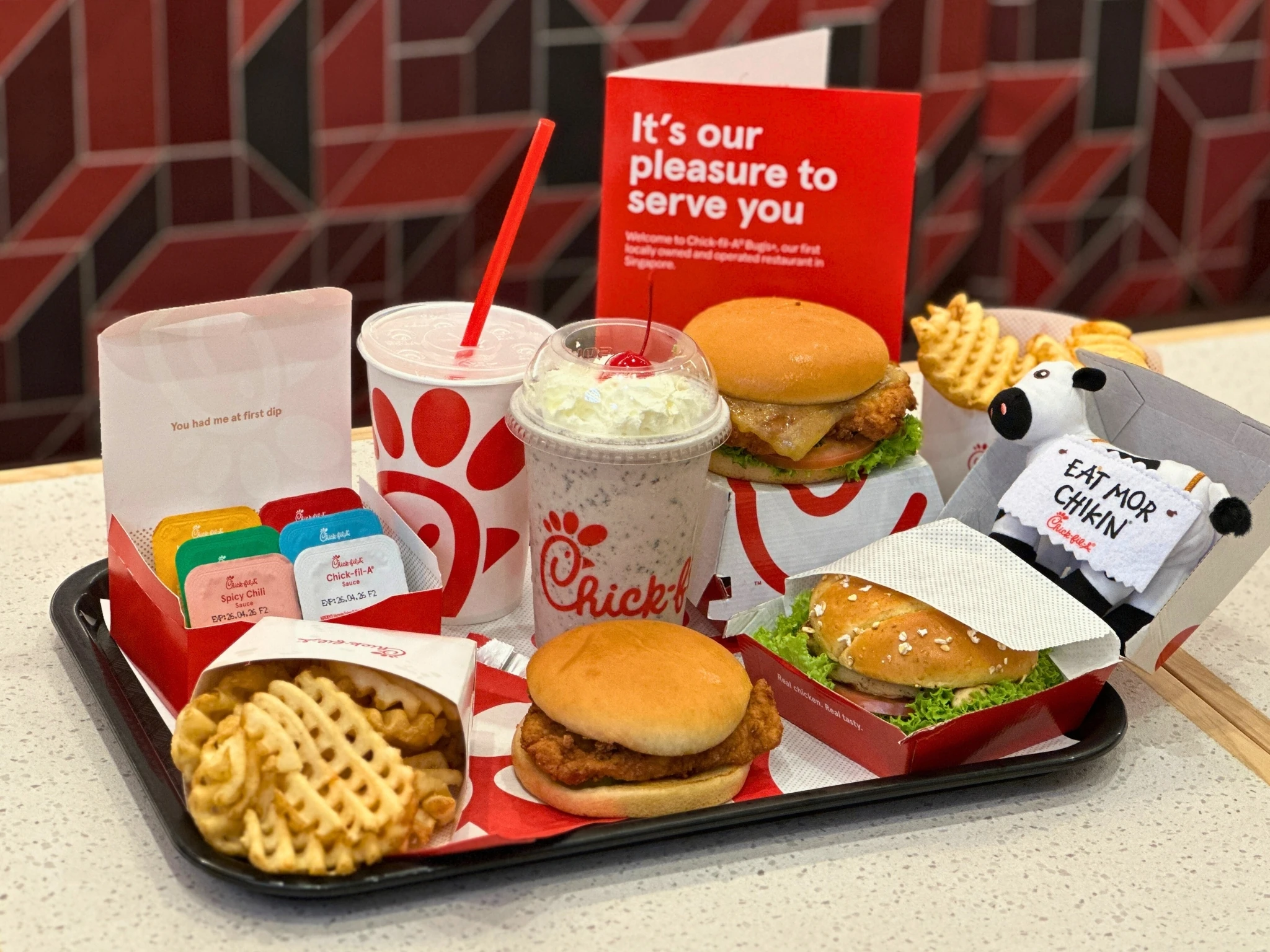
    American fast-food chain Chick-fil-A is set to expand its footprint in Singapore with the inauguration of its second restaurant, located at Millenia Walk, on July 30th.

    This new establishment forms part of the company’s strategic growth plan following its successful entry into Singapore last year, marking the brand’s debut in the Southeast Asian market. In a bid to boost its international presence, Chick-fil-A has committed to investing over US$75 million across Asia over the forthcoming decade.

    Details of the New Outlet

    The Millenia Walk restaurant, situated in Marina Centre, will offer both dine-in and takeaway services. Consistent with the brand’s longstanding global operating policy, the restaurant will operate from Monday to Saturday and remain closed on Sundays.

    The new venue will be managed by local owner-operator Deborah Ku, a seasoned professional in the food and beverage sector with more than two decades of industry experience. Ku will lead a workforce of 60 to 80 employees, focusing on training, mentorship, and leadership development.

    In expressing her excitement about the venture, Ku said, “Growing up in a culture deeply ingrained in warm hospitality, being part of Chick-fil-A’s journey in Singapore is a dream come true – not just for me, but also for my family, who have long admired the company’s strong culture of care and commitment to the community.” She added that she looks forward to creating a welcoming environment at Chick-fil-A Millenia Walk, where guests feel genuinely cared for and team members can grow, realize their potential, and make a profound impact in the lives of others.

    Community Contributions

    Coinciding with its launch, the Millenia Walk restaurant will participate in Chick-fil-A’s Shared Table program. This initiative combats food waste by redistributing surplus food to local charities through The Food Bank Singapore. So far, the program has provided more than 42 million meals globally.

    Chick-fil-A currently operates over 3,000 restaurants in multiple locations, including the United States, Canada, Puerto Rico, the United Kingdom, and Singapore.

    Questions & Answers

    What is Chick-fil-A’s investment plan for Asia?
    Chick-fil-A has committed to investing more than US$75 million across Asia over the next decade.

    Who will manage the new Chick-fil-A restaurant at Millenia Walk?
    The new restaurant at Millenia Walk will be managed by local owner-operator Deborah Ku, who has over 20 years of experience in the food and beverage industry.

    What is Chick-fil-A’s Shared Table program?
    The Shared Table program is an initiative by Chick-fil-A that redistributes surplus food to local charities. The Millenia Walk restaurant will participate in this program, which has so far provided over 42 million meals globally.

  • Brochu Walker Makes Luxurious Asian Debut with Flagship Store in Seouls Gangnam District

    Brochu Walker Makes Luxurious Asian Debut with Flagship Store in Seouls Gangnam District

    Brochu Walker, a well-known luxury womenswear label from the US, has unveiled its first global flagship store in Seoul, South Korea. This venture marks the brand’s initial foray into the Asian market.

    The store, recognized as ‘Maison’, is situated in the fashionable district of Gangnam in Seoul. The store spans a total of 664 square meters, with two floors dedicated to retail and additional space reserved for private client consultations. The establishment bears the distinction of being both the debut international flagship and the first Asian outpost for the Los Angeles-based brand.

    Earlier this year, South Korean actress Cha Joo Young was named the brand’s first Korean ambassador, emphasizing the growing significance of the Korean market to the US-based label. This strategic partnership illuminates the brand’s commitment to building a robust presence in Asia, particularly South Korea.

    The design of the flagship store, a collaboration with Seoul’s Blurker Design Studio, combines modern aesthetic with nods to traditional Korean craftsmanship. The decor incorporates a variety of materials such as oak, marble, Hanji paper, and bronze, with specially commissioned artwork from local artists enhancing the ambiance.

    “Maison Seoul has been a dream we nurtured for years. It’s a product of design, creativity, and thoughtful collaboration,” said Karine Dubner, CEO and Chief Creative Officer of Brochu Walker.

    She added, “Walking through the final product fills me with immense pride. The space embodies everything we envision Brochu Walker to be – quiet, beautiful, intentional, and deeply personal. The warm reception from the Korean community has left us humbled, and we are tremendously grateful for the welcome we’ve received.”

    Established in Los Angeles, Brochu Walker is celebrated for its exquisite knitwear and understated ready-to-wear collections, which are nested within the ‘quiet luxury’ segment. The label has progressively increased its physical presence in the US with stores in California, Connecticut, Georgia, and New York. It also intends to inaugurate more boutiques in upcoming locations like Nashville and Austin.

    Questions & Answers

    What market is Brochu Walker entering for the first time?
    Brochu Walker is entering the Asian market for the first time, with its international flagship store in Seoul, South Korea.

    Who is the brand’s first Korean ambassador?
    South Korean actress Cha Joo Young has been appointed as Brochu Walker’s first Korean ambassador.

    What are the materials used in the design of the flagship store in Seoul?
    Materials including oak, marble, Hanji paper, and bronze have been used in the design of the flagship store, alongside commissioned works by local artists.

  • Expanding Horizons: Seven & I Eyes Multi-Billion Dollar Investment in Polish Retail Giant Zabka

    Expanding Horizons: Seven & I Eyes Multi-Billion Dollar Investment in Polish Retail Giant Zabka

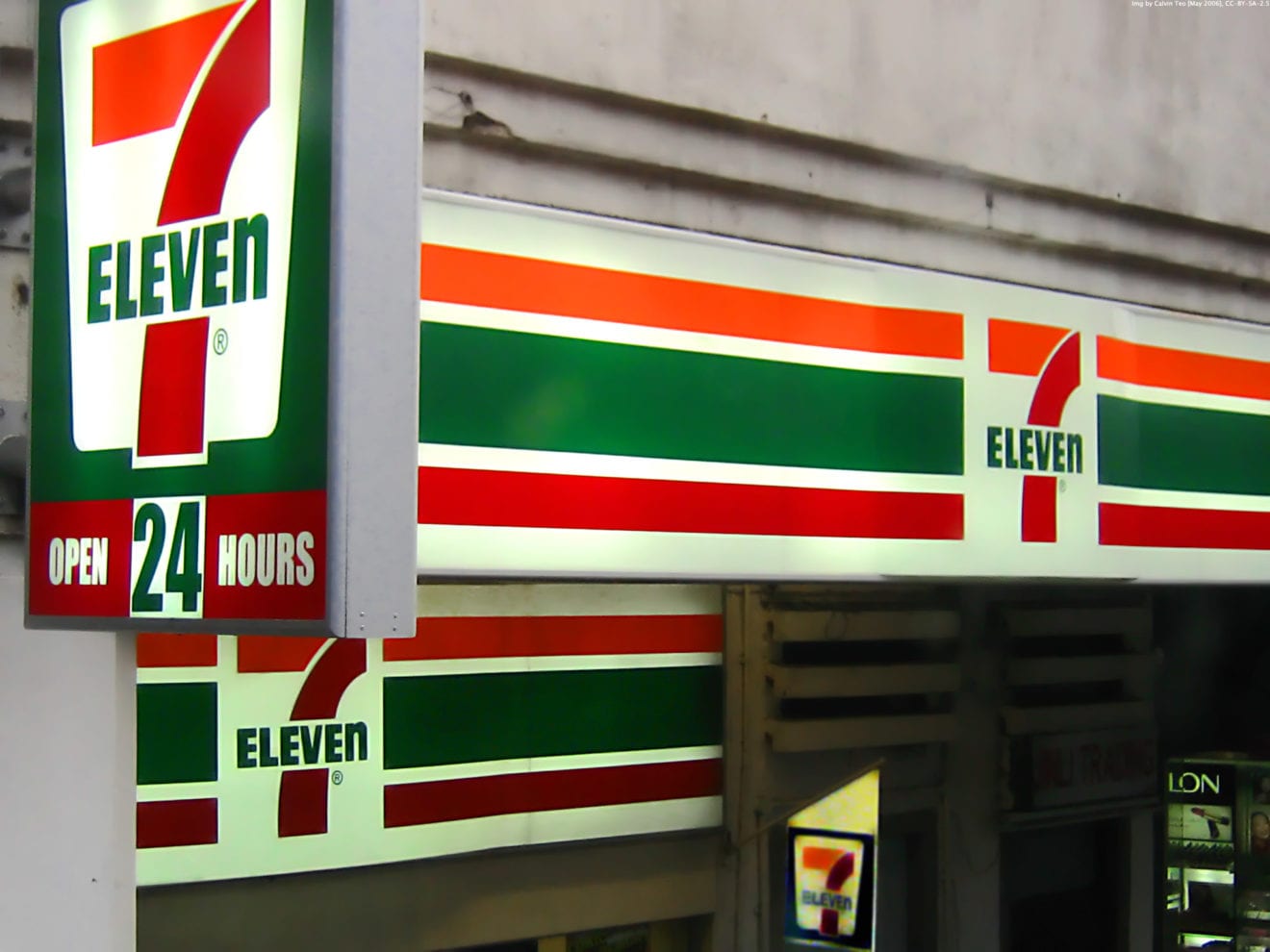
    Japanese retail giant Seven & I, proprietor of the international 7-Eleven chain, saw its share price increase by 3% on the Tokyo stock market this past Friday. This rise comes amidst discussions of the corporation’s potential acquisition of a share in Zabka Group, a prominent convenience store conglomerate in Poland.

    According to reports, the prospective investment could amount to several hundred billion yen, equivalent to several billion US dollars. The deal would mark a significant expansion of the company’s operations into Eastern Europe, extending its current strongholds in Japan and North America. This move is part of the strategic growth plan implemented by Seven & I’s CEO, Stephen Dacus, who started his tenure last year.

    Beyond Domestic Markets

    Seven & I’s share price increase was a standout performance in a market experiencing turbulence due to falling semiconductor shares. Analyst Naoshi Matsumoto explains: “Defensive sectors centered on domestic demand are being bought.” Other Japanese retail stocks, such as Aeon, experienced a similar rise in share value. Meanwhile, Warsaw-listed Zabka Group, which operates over 13,000 stores in Poland and Romania, saw its share value surge by 11% following the news.

    In 2021, Seven & I expanded its US presence by acquiring Speedway petrol stations. The company already operates outlets in three Nordic countries and has identified Europe as a significant area for future growth. However, the corporation has faced challenges in improving its performance following a standoff with Canadian rival, Alimentation Couche-Tard, which previously attempted a takeover.

    A Strategic Approach

    Seven & I has faced pressure from investors due to underwhelming returns and calls to focus on its core convenience store operations. In response, the company agreed to sell its supermarket business to Bain Capital last year. Further developments include discussions with SoftBank Corp and mobile payment operator PayPay about making significant investments in Seven & I. Bernstein analysts suggest this potential partnership could serve as a protective measure against future takeover attempts.

    Questions & Answers

    What prompted Seven & I’s recent share price increase?
    The share price rose following news that the company is in talks to acquire a stake in the Polish convenience store operator, Zabka Group.

    What plans does Seven & I have for future growth?
    In addition to its potential acquisition of a stake in Zabka Group, Seven & I is reportedly viewing Europe as a significant growth area. The company is also considering investments from SoftBank Corp and mobile payment operator PayPay.

    What challenges has Seven & I faced recently?
    The company has been under pressure from investors due to lackluster returns. It has also faced calls to concentrate on its core convenience store business, leading to its decision to sell its supermarket business to Bain Capital last year.

  • Inferno Engulfs Coupang Warehouse: 52-hour Blaze Sparks Major Evacuation in Seoul

    Inferno Engulfs Coupang Warehouse: 52-hour Blaze Sparks Major Evacuation in Seoul

    A significant fire broke out at Coupang’s No. 32 logistics center located in Incheon, west of Seoul, prompting an evacuation of surrounding businesses and factories due to structural collapse concerns. The fire, which originated on the building’s sixth floor and spread to the seventh, burned for over 52 hours.

    The Incident at Coupang’s Fulfillment Center

    The blaze commenced at approximately 6:54 am local time on Saturday. The fulfillment center, which serves the Seoul metropolitan area, primarily stores goods purchased directly by Coupang for their fast-delivery service. Spanning eight floors and covering an area of around 299,000 square meters, the centre’s vast size is equivalent to about 42 football fields. The fire’s cause remains unclear, however, the building contains numerous flammable items such as household goods, paper boxes, and vinyl packaging. An investigation will commence as soon as the fire is entirely extinguished.

    Despite the adverse conditions, all workers present in the building at the time of the fire were safely evacuated, according to the company. Surveillance footage taken on Monday morning showed an ongoing situation, with dozens of fire trucks still present and smoke continuing to pour out of the building, even amid rainfall.

    Late on Sunday, the authorities ordered an evacuation for businesses and factories within 116 meters (around 127 yards) of the warehouse’s ramp area due to fears of a partial building collapse. Coupang Corp, a subsidiary of the U.S.-based Coupang Inc, and South Korea’s most extensive e-commerce firm, has yet to publicly quantify the expected operational disruption or financial damage.

    In a recent fact sheet, Coupang revealed that it operates over 100 logistics centers across more than 30 regions in South Korea.

    A Message from Coupang’s Leadership

    The head of Coupang Fulfilment Services, Jeong Jong-cheol, issued a public apology on Saturday. He affirmed the company’s commitment to cooperating with authorities, supporting firefighting efforts, and assisting nearby residents affected by the incident. The company has declined further comment at this time.

    Questions & Answers

    What is the current status of the fire at Coupang’s logistics center?
    The fire burned for over 52 hours and has led to the evacuation of the center and surrounding businesses and factories.

    What caused the fire at the Coupang fulfillment center?
    The cause of the fire remains unknown, with an investigation pending once the blaze is fully extinguished.

    What has been the response from Coupang’s leadership?
    The head of Coupang Fulfilment Services, Jeong Jong-cheol, has issued a public apology and affirmed the company’s commitment to cooperating with authorities, supporting firefighting efforts, and assisting local residents affected by the incident.