Author: Mei Ling Tan

  • High-End Health: Nestlé’s Vitamin Business on the Selling Block Amid Consumer Shift to Premium Supplements

    High-End Health: Nestlé’s Vitamin Business on the Selling Block Amid Consumer Shift to Premium Supplements

    Nestlé, the Swiss food giant, is facing a challenge in its attempt to divest from its mass-market vitamin brands. The rise in demand for expensive, scientifically-backed products among health-conscious consumers is complicating the corporation’s efforts to secure a high price for its low-growth, low-margin brands.

    A Shift in Consumer Preferences

    In July, Nestlé announced a strategic review of its brands in the vitamins, minerals, and supplements category with an eye towards a potential sale. This decision, reaffirmed by new CEO Philipp Navratil, is driven by a growing consumer trend. Global supplement market trends indicate a shift towards brands offering supplements with scientifically proven ingredients. This trend is a potential hurdle for Nestlé, as it considers the sale of affordable mainstream brands such as Nature’s Bounty, Osteo Bi-Flex, and Puritan’s Pride, as well as its US private label business.

    The supplement market itself is quite fragmented, with its regulatory landscape continually changing. This adds an element of risk to any potential acquisition. Although industry players are showing a lack of interest, private equity funds appear more likely to be potential purchasers.

    The brands Nestlé is contemplating selling account for 2.8 per cent of its yearly sales, approximately $1.25 billion. Nestlé intends to increase its focus on premium dietary supplement brands, like Solgar, which offers a range of products from standard vitamins to those aimed at promoting brain health, hair growth, and stress reduction.

    A Potential Opportunity for Private Equity

    Nestlé’s acquisition of these vitamin brands in 2021, for US$5.75 billion, was the third-largest transaction in the vitamin, mineral, and supplement space of the last 12 years. However, matching these valuations could be challenging given the high consumer interest in brands offering products that have undergone rigorous clinical testing.

    Competitors such as Danone and Unilever are showing a preference for high-end brands with evident growth potential. Both companies are exercising caution regarding the mass supplements market due to the stringent European consumer protection regulation, which poses challenges to making promises about a product’s health benefits.

    Moreover, the return on investment is uncertain in such a fragmented industry. No brand that Nestlé is considering selling owns more than 2.1 per cent of the US vitamin market.

    Future Regulatory Challenges

    The future US regulatory landscape is another factor to consider. In March, the US Health Secretary expressed a desire to tighten the federal approval process for new food additives. Should this be finalized, it could increase scrutiny of new ingredients, making it more difficult for companies to market new food additives without US Food and Drug Administration review. This has elicited opposition from the Council for Responsible Nutrition, a supplement industry trade group.

    The preference against Nestlé’s mass-market vitamins is not limited to direct competitors in the packaged goods arena. GNC, a supplement retailer, is focusing on innovation within its own range and aligning with science-backed standards.

    Despite these challenges, the potential upside is significant. The global dietary supplement market, valued at US$192.7 billion in 2024, is projected to surge to $414.5 billion by 2033. This could attract buyout funds, but they are likely to drive a hard bargain.

    Questions & Answers

    What is the main hurdle Nestlé is facing in selling its vitamin brands?
    The main hurdle is the shift in consumer preferences towards expensive, scientifically-backed supplement products, which contrasts with the affordable, mass-market positioning of the brands Nestlé is considering selling.

    What are the potential regulatory challenges for the supplement industry?
    The regulatory landscape is continually changing, and there is talk of tightening the federal approval process for new food additives in the US. This could increase scrutiny of new ingredients and make it more difficult for companies to market new food additives without review.

    What is the potential future growth of the global dietary supplement market?
    The global dietary supplement market, valued at US$192.7 billion in 2024, is projected to increase to $414.5 billion by 2033. This substantial growth could attract potential buyers despite the current challenges.


  • Google Unleashes Gemini 3: A Revolutionary AI Model That’s Set to Change Your Digital World

    Google Unleashes Gemini 3: A Revolutionary AI Model That’s Set to Change Your Digital World

    Google has recently unveiled Gemini 3, a line of models touted as the company’s most powerful to date, offering both agentic and vibe-coding capabilities. The top-tier model in this series is the first to be accessible simultaneously via Google’s Gemini app as well as in Search and AI Mode.

    Gemini 3 Pro Introduced to Gemini and Google Search

    The release of Google’s new flagship AI model, Gemini 3 Pro, is a significant event due to its availability on the Gemini app. Additionally, Google subscribers have the opportunity to use this model in AI Mode in Search, with a broader roll-out to all US users expected in the near future. In the ensuing weeks, AI Mode and AI Overviews will begin to “intelligently route your most challenging questions” to this new model while reserving simpler tasks for older models.

    Gemini 3 Pro is described by Google as a “natively multimodal” model that can simultaneously process text, images, video, audio, and code, rather than tackling these elements individually. This allows users to amalgamate various information sources and ask the model to synthesize them. For example, the model can generate code for interactive learning materials like flashcards after processing a mixture of research papers, video lectures, and tutorials.

    Hailing Gemini 3 as their most intelligent model yet, Google believes this latest offering will bring users’ ideas to life. The model’s enhanced understanding of context and intent behind requests aims to achieve more results with less prompting.

    Enhanced User Interface Experiences in AI Mode

    The new features of Gemini 3 usher in significant improvements to Google’s apps. Users, for instance, can now create more comprehensive programs within the Canvas workspace of the Gemini app. The model has the capability to recognize handwritten recipes in various languages, which can then be compiled into a multilingual family cookbook.

    Google refers to the new capabilities of Gemini 3 as being able to provide ‘generative user interface experiences.’ When searching for information in AI Mode, Gemini 3 Pro will visually layout the responses to your queries. These visualizations include interactive tools and simulations that are instantaneously generated based on the user’s query.

    In the following weeks, Google will also debut a more research-focused version of the model, Gemini 3 Deep Think. This upgrade is expected to outperform Gemini 3 Pro, which is already setting the pace in independent benchmarks.

    Google Antigravity- A Gemini-Powered Coding Interface

    Along with the new model, Google has also launched a Gemini-powered coding interface named Google Antigravity. This app is akin to other agentic IDEs, merging a prompt window with a command-line interface and a browser window. Available in a free preview, the app is compatible with macOS, Windows, and Linux.

    Gemini: Unavoidable and Essential

    Despite Gemini 3’s impressive features, there are concerns that Google is overly ambitious in its push for AI among users. The prominent positioning of AI Overview at the top of the Search page as well as AI Mode being the first option before all results makes it impossible to miss, potentially irking users who aren’t as enthusiastic about AI.

    Questions & Answers

    What is the Gemini 3 Pro?
    Gemini 3 Pro is Google’s new flagship AI model, capable of processing different types of data simultaneously, including text, images, video, audio, and code.

    What are the new features introduced in Gemini 3?
    Gemini 3 introduces ‘generative user interface experiences.’ It also allows users to create more comprehensive programs within the Canvas workspace of the Gemini app, such as recognising handwritten recipes in various languages and compiling them into a multilingual family cookbook.

    What is Google Antigravity?
    Google Antigravity is a Gemini-powered coding interface that combines a prompt window with a command-line interface and a browser window. The app is compatible with macOS, Windows, and Linux.

  • Score Major Savings with YouTube TV’s Win-Back Offer: Everything You Need to Know

    Score Major Savings with YouTube TV’s Win-Back Offer: Everything You Need to Know

    YouTube TV is making efforts to regain former subscribers by offering a substantial discount. Individuals who have recently ended their subscription may be eligible for savings of up to $60.

    New Attraction for Previous Subscribers

    In a bid to reconnect with past subscribers, YouTube TV, under Google’s umbrella, is proposing a “we miss you” perk. Reportedly, the streaming behemoth is subtly unveiling a retention offer for certain users who have previously terminated or suspended their subscriptions.

    This offer isn’t a universal price reduction, so don’t anticipate it appearing spontaneously on your bill. Based on an unnamed source, a portion of users have uncovered a promotional code that discounts their one-month subscription cost by $60.

    Determining Eligibility

    Since this is a targeted strategy to regain customers, individuals must seek out the offer. Here’s how to do it:

    Access YouTube TV via a web browser (not the mobile app).
    Click on your profile icon and navigate to Settings.
    Choose Membership.
    Under the “Base Plan” section, look for a Manage button or a visible offer.

    If you find the promotion, you have the option to redeem it immediately. However, if you don’t see it, you might be momentarily out of luck.

    There’s no doubt that streaming costs are becoming exorbitant. With YouTube TV’s monthly cost nearing $83, it is considerably one of the most expensive options available, even though it is one of the highest quality services. A $60 discount, even just for one month, makes the service more competitive, particularly against chief competitor Hulu + Live TV.

    For comparison, Hulu + Live TV currently begins at approximately $89.99 per month (with ads included), although this price incorporates Disney+ and ESPN+, adding significant value if you utilize these services. On the other hand, more affordable alternatives like Sling TV range around the $40-$60 mark but come with a more complicated channel division (Orange vs. Blue) and fewer premium features like unlimited DVR.

    Obtaining YouTube TV for roughly $20 positions it in an attractive price bracket, albeit for a limited period.

    Reconsidering YouTube TV

    If I had recently terminated my YouTube TV subscription due to cost, this offer would not be sufficient to entice me back. In my view, the service provides the most seamless live TV experience available for purchase. Nevertheless, I would require more than a one-month discount to return if the initial issue was with pricing.

    Additionally, if you discontinued because the platform lacked specific channels (like the A&E networks or regional sports networks) or if you are drawn to the bundled value of Hulu, a temporary price reduction will not resolve these inherent issues. However, if you’re merely aiming to save money during football season, there’s no harm in accepting the offer, as there’s no contract to sign, and you have the freedom to transition to a more affordable option.

    Questions & Answers

    What is YouTube TV’s new offer?
    YouTube TV is offering a discount of up to $60 for one month to certain former subscribers in an attempt to win them back.

    How can I find out if I am eligible for the discount?
    To check eligibility, log in to YouTube TV from a web browser, click on your profile icon, go to Settings, select Membership, and look for a Manage button or visible offer under the “Base Plan” section.

    Is this offer enough to draw back former subscribers?
    While the discount makes the service more competitively priced for a month, it might not be enough to attract former users back long-term, especially if they left due to high costs or lack of certain channels. However, as there are no contracts, there’s no harm in taking the offer for the short term.

  • Key iPhone Air Designer Abidur Chowdhury Exits Apple for AI Startup: An Unexpected Twist in Tech

    Key iPhone Air Designer Abidur Chowdhury Exits Apple for AI Startup: An Unexpected Twist in Tech

    Abidur Chowdhury, one of Apple’s pivotal figures in the design process of the iPhone Air, has recently left the corporation. The move was unexpected, as Chowdhury had just been promoted to a key role within the company, hinting at an extended future collaboration.

    Unexpected Departure from Apple

    Chowdhury’s decision to leave Apple reportedly took the tech giant by surprise. His upward trajectory within the company’s design team suggested a bright future and the potential for an even more significant role in the years to come.

    Chowdhury was instrumental in the development of the iPhone Air, with his departure marking another loss for Apple from its ranks to AI-centric firms.

    Key Contribution to the iPhone Air

    In a break from tradition, Apple selected Chowdhury to introduce the iPhone Air this year, prior to Ternus delving into a more comprehensive presentation. This clear signal of Chowdhury’s prominence during the Apple event underscored the company’s recognition of his value.

    Chowdhury, known for his modesty, has never publicly championed his contributions at Apple. His decision to leave after taking center stage suggests either a lack of confidence in Apple’s direction or the opportunity of a more lucrative offer.

    Preference for AI Over iPhone Air?

    Artificial Intelligence (AI) is currently the most buzzed-about topic in the tech world. Several of Apple’s top employees have recently transitioned to companies with a stronger focus on AI. Considering Apple’s issues with Siri, this trend isn’t surprising.

    However, Chowdhury, to public knowledge, wasn’t involved with Siri. Speculation suggests that he may envision a brighter future in AI than with the iPhone Air, prompting his decision to depart.

    Questions & Answers

    Why did Abidur Chowdhury leave Apple?
    Although Chowdhury has not publicly stated a reason, speculation suggests that he may see a more promising future in AI than with Apple or have received a more attractive offer elsewhere.

    What was Abidur Chowdhury’s role at Apple?
    Chowdhury was a key figure in Apple’s design team and played a significant role in the development of the iPhone Air.

    What impact might Chowdhury’s departure have on Apple?
    Given Chowdhury’s instrumental role in the design and introduction of the iPhone Air, his departure may be a notable loss for Apple. His decision to leave may also potentially influence others within the company to consider opportunities outside Apple.

  • PDD Holdings Outpaces Forecasts with 14% Earnings Surge Amid E-Commerce Boom in China

    PDD Holdings Outpaces Forecasts with 14% Earnings Surge Amid E-Commerce Boom in China

    China-based e-commerce giant PDD Holdings exceeded expectations on Tuesday, reporting a 14% increase in third-quarter adjusted earnings. This indicates that the company’s aggressive marketing strategies and considerable discounts have successfully fueled demand within its domestic market.

    Surpassing Predictions

    PDD reported an adjusted earnings per share of 21.08 yuan (US$2.97), surpassing the average analyst forecast of 16.84 yuan. Despite these encouraging results, PDD’s US-listed shares, which operate the Pinduoduo platform in China and Temu internationally, experienced a 5% drop in early trading.

    Prominent Chinese retailers like PDD, Alibaba, and JD have been enticing local consumers with significant price reductions and billions of dollars’ worth of subsidized promotions. This strategy is in response to a lengthened period of diminished consumer confidence, caused by employment concerns and a weak property market. While these tactics have resulted in elevated sales, they are not reaching PDD’s usual high double-digit growth rates of past years.

    Moderating Revenue Growth

    PDD stated that its revenue increased by 9% in the quarter, while JD reported consistent sales growth in the previous week, demonstrating a robust demand for general merchandise and staples.

    PDD’s Co-CEO, Zhao Jiazhen, highlighted the competitive nature of the industry, noting, “We have witnessed many industry peers investing considerable capital into developing new business models, leading to increasingly fierce competition.” He further emphasized the company’s intention to continue investing in merchant support programs and platform upgrades, leading to expected financial fluctuations in future quarters.

    International Challenges

    Globally, cross-border platforms like Temu and Shein, known for selling inexpensive goods from China to the rest of the world, are facing increasing pressure. This comes after the US abolished duty-free exemptions on parcels worth less than US$800, and the EU announced plans to impose duties on low-cost packages beginning next year. Furthermore, Temu was recently flagged by a French consumer watchdog for selling illegal products.

    Co-CEO Chen Lei voiced concerns over the evolving trade barriers, stating, “We are witnessing a significant shift in the regulatory environment for the global business. We will inevitably face greater challenges and uncertainties.”

    For the quarter ending September 30, PDD reported revenue of 108.28 billion yuan, slightly lower than the 108.41 billion yuan average of 15 analyst estimates compiled by LSEG. Adjusted net income attributable to PDD’s shareholders was 31.38 billion yuan, an increase from 27.46 billion yuan a year earlier.

    Subdued Singles’ Day Sales

    China’s biggest shopping event, the Singles’ Day sales festival, concluded on a quiet note this year. Many retailers started offering discounts in the first half of October, which made it the longest festival to date. Pinduoduo saw an 11.7% sales growth in this period, while JD and Alibaba reported increases of 8.3% and 9.3% respectively.

    Questions & Answers

    What has led to PDD’s increased earnings in the third quarter?
    The rise in PDD’s earnings can be attributed to heavy marketing spending and steep discounts which bolstered demand in its home market.

    What challenges are PDD and other cross-border platforms facing?
    These platforms are facing regulatory pressure, with the US scrapping duty-free exemptions on low-value parcels and the EU planning to introduce duties on low-cost packages starting next year. There are also concerns over the sale of illicit products.

    How did the major Chinese retailers perform during the Singles’ Day sales festival?
    Despite being the longest festival to date, the event ended on a subdued note. Pinduoduo, JD, and Alibaba saw sales growth of 11.7%, 8.3%, and 9.3% respectively.

  • Japanese Coffee Titans Brew Expansion Strategy to Rival Starbucks in India and Southeast Asia

    Japanese Coffee Titans Brew Expansion Strategy to Rival Starbucks in India and Southeast Asia

    Japanese-themed full-service café chains are accelerating their proliferation across India and Southeast Asia. They are banking on the allure of their high-end atmosphere and Japan-centric menus to the emerging middle and upper-class consumers in these regions.

    Emergence of Full-Service Cafés

    Coffee-Kan, a full-service café where customers place their orders at the table and enjoy comprehensive waiter service, is gearing towards inaugurating its debut international outlet in India by 2027. The company is targeting to set up 60 stores throughout India and Southeast Asia within the next decade.

    Targeting urban office-goers and middle to high-income consumers in cities like Mumbai and Bengaluru, café operator C-United anticipates an average spending to surpass JPY2,000 yen (US$12.90), which is over double its average expenditure in Japan.

    The number of international café chain outlets in India saw a 13% hike in 2024 from the preceding year, tallying up to around 5,300 outlets. Leading the pack was Starbucks, followed by native brands Barista and Café Coffee Day, all of which only offer counter service. Industry experts believe that full-service cafes have a high growth potential.

    “Full-service cafes are gaining in popularity as a space where office employees and university students can relaxingly spend longer durations indulging in food, reading, and socializing,” remarked Takanori Higuchi of the Japan External Trade Organization office in New Delhi.

    C-United’s President Yuki Tomonari commented that “there is a demand for more expensive options in the full-service café format.”

    Thriving Market Potential

    Market research company Euromonitor International predicts that by 2030, India’s middle to high-income population will leap to over 40% from just 10% in 2020.

    Another Japan-based firm, Doutor Nichires Holdings, has plans to inaugurate the first international branch of its full-service concept Kanno Coffee in Taiwan by March 2026. The chain, which currently operates 12 outlets chiefly in urban areas in Japan, will spotlight matcha-based offerings in Taiwan and anticipates an average customer spending of approximately 1,000 yen.

    Doutor Nichires has already opened roughly 20 branches of its Hoshino Coffee brand across Taiwan and the Philippines. Kanno Coffee boasts numerous Japanese-style menu items that incorporate matcha,” observed President Masanori Hoshino. “We believe it will be successful even at a higher price point than Hoshino Coffee.”

    Komeda is also broadening its reach in Taiwan and Indonesia, managing about 80 international stores compared to 18 as of February 2021.

    Questions & Answers

    What does the term ‘full-service café’ refer to?
    Full-service cafes offer a dining experience where customers place their orders at their tables and enjoy complete waiter service.

    What are the expansion plans of Coffee-Kan?
    Coffee-Kan plans to open its first overseas outlet in India by 2027 and aims to establish 60 stores across India and Southeast Asia by 2030.

    What is the special offering of the Kanno Coffee chain?
    Kanno Coffee, a chain run by Doutor Nichires Holdings, places special emphasis on matcha-based offerings at its outlets.

  • Vietnam’s Coffee Exports Skyrocket, Set to Surpass $8B in 2025 Thanks to Quality Boost and Market Expansion

    Vietnam’s Coffee Exports Skyrocket, Set to Surpass $8B in 2025 Thanks to Quality Boost and Market Expansion

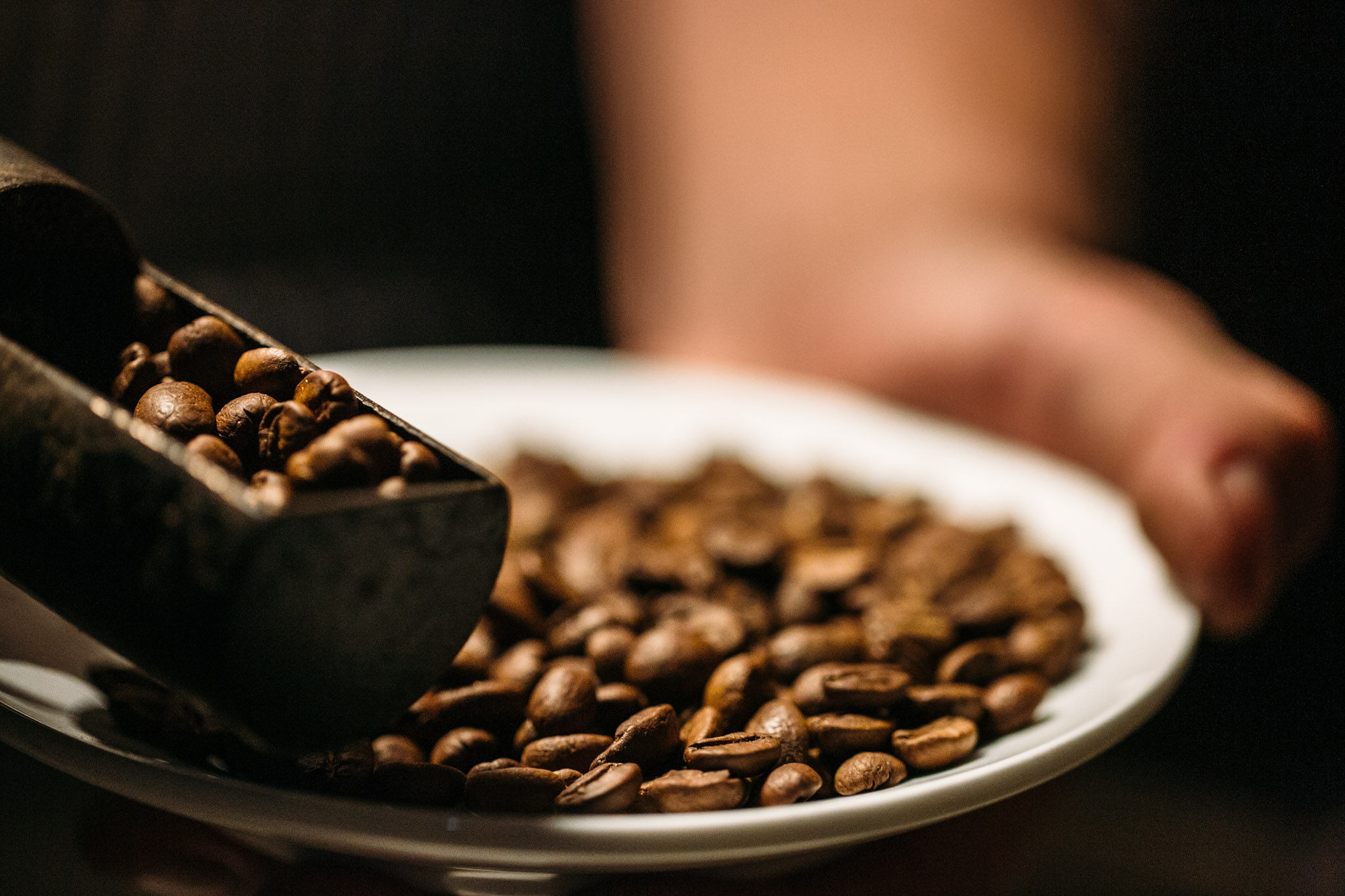
    The Vietnam Coffee-Cocoa Association has recently projected that coffee exports for this year could greatly exceed expectations, potentially reaching over US$8 billion. This is a substantial increase from the previously set target of $6 billion for 2030. The association attributes this optimistic forecast to three primary factors, namely enhanced product quality, an increased proportion of processed products, and strategic long-term market expansion.

    According to the Ministry of Agriculture and Environment, Vietnam’s coffee exports in the first ten months of this year amounted to 1.3 million tonnes, bringing in $7.41 billion. This indicates a remarkable growth of 61.8% compared to the same period last year. Notably, shipments to several markets, including Mexico, experienced exceptional growth. Specifically, exports to Mexico increased by a factor of 34.7.

    The average export price of coffee also saw a significant increase, reaching $5,653 per tonne, a 42.5% surge from the previous year. The association cited that the low coffee prices prior to 2020 resulted in farmers reducing their plantations, thereby decreasing the overall supply. Conversely, businesses have increased their investments in sustainable production chains to enhance quality in compliance with international standards.

    The tight global supply paired with the continued rise in demand led to a spike in coffee prices, propelling export revenue to unprecedented levels. The Association went further to analyze that free trade agreements, particularly the EU-Vietnam Free Trade Agreement (EVFTA), have encouraged both businesses and farmers to adjust their practices to meet stricter emission and quality standards.

    This year saw the coffee industry develop a comprehensive ecosystem focused on responsible production, ranging from raw-material sourcing to processing. This move is expected to pave the way for sustainable growth in the years to come.

    Questions & Answers

    What led to the surge in Vietnam’s coffee exports?
    Enhanced product quality, an increased proportion of processed products, and strategic long-term market expansion are major factors that have contributed to the surge in Vietnam’s coffee exports.

    How have free trade agreements impacted the coffee industry in Vietnam?
    Free trade agreements, specifically the EU-Vietnam Free Trade Agreement (EVFTA), have encouraged businesses and farmers in Vietnam to adjust their practices to conform to stricter emission and quality standards.

    What steps have been taken towards sustainable growth in Vietnam’s coffee industry?
    The industry has developed a comprehensive ecosystem focused on responsible production, which spans from raw-material sourcing to processing. This is a strategic move towards achieving sustainable growth in the future.

  • DHL Group to Propel India’s Dynamic Market with €1 Billion Investment by 2030

    DHL Group to Propel India’s Dynamic Market with €1 Billion Investment by 2030

    DHL Group, a world-renowned logistics company, has shared its ambitious plans to invest approximately EUR 1 billion across various business sectors in India by 2030. This hefty investment highlights DHL’s confidence in India’s potential for growth and aligns with the company’s Strategy 2030 for accelerating sustainable development.

    Investment Program Details

    The investment program is set to span various sectors, such as life sciences, healthcare, new energy, e-commerce, and digitalisation. Major developments in infrastructure include:

    – Establishing the first DHL Health Logistics hub for DHL Supply Chain India in Bhiwandi
    – Building India’s largest low-carbon-emission integrated operating facility for Blue Dart in Bijwasan
    – Setting up the first automatic sorting center for DHL Express India in Delhi
    – Opening the fifth DHL IT Services Centre in Indore
    – Creating an Electric Vehicle (EV) and Battery Logistics Centre of Excellence (COE) in Chennai and Mumbai
    – Constructing the largest low greenhouse gas (GHG) emission integrated ground hub for Blue Dart in Haryana

    Tobias Meyer, CEO of DHL Group, expressed confidence in India’s dynamic market despite current global trade challenges. He remarked that India’s diversified business strategies and policies support long-term investments, making it a promising location for the implementation of DHL’s investment program.

    The Significance of India in DHL’s Strategy 2030

    Despite the headwinds from tariffs, global trade remained resilient, with India’s combined merchandise and services exports witnessing a growth of 6.18% from April to August 2025. The average distance of goods trade in India is also projected to reach 6,190 kilometers in 2025, underscoring the growth of India’s exports to various countries across Asia, the Middle East, Europe, Africa, and the Americas.

    R.S. Subramanian, SVP – South Asia and Managing Director, India, DHL Express, noted that India’s diversification strategy has started to yield results, with increased trade to a wider range of markets. He added that the complexity of evolving supply chains, ranging from new supplier ecosystems to customs declarations, is handled efficiently by DHL’s logistics experts and digital tools.

    Investments in Life Sciences and Healthcare

    India has emerged as a global hub for contract manufacturing, research and development, and clinical trials in the life sciences and healthcare sector. To support India’s ambitions in this field, DHL has invested in its capabilities, establishing the Health Logistics Excellence Centre in Mumbai and a facility in Bhiwandi dedicated to life sciences and healthcare companies.

    New Energy Initiatives

    Edwin Pinto, Managing Director, India, DHL Global Forwarding, stated that DHL’s focus on New Energy aligns with India’s ambition for clean energy and electrification. As part of this focus, DHL plans to set up an EV and Battery Logistics Center of Excellence (COE) by Q4 2025.

    E-commerce Investments

    Balfour Manuel, Managing Director of Blue Dart, highlighted the importance of logistics and e-commerce sectors in driving India’s growth. To support this, DHL plans to invest in upgrading infrastructure, network, capacity, and last-mile reach and delivery centers nationwide.

    Sustainability Drive

    As part of its Strategy 2030, DHL Group has added a new pillar: Green Logistics of Choice. The company aims to reduce its absolute CO2 emissions to 29 million metric tons by 2030 and to achieve net-zero emissions by 2050. In India, the Group’s sustainability journey is focused on the electrification of its fleet.

    Digitalisation Initiatives

    The Group has also invested in making India a hub for digital innovation and technology talent. This includes the opening of its fifth DHL IT Services (ITS) center and the first dedicated technology training academy center in Indore.

    Questions & Answers

    What is the focus of DHL’s investment in India?
    The investment program focuses on sectors such as life sciences, healthcare, new energy, e-commerce, and digitalisation. Infrastructure developments include the establishment of logistics hubs, low-carbon-emission facilities, and IT Services centers.

    What are DHL’s sustainability goals in India?
    DHL aims to reduce its absolute CO2 emissions to 29 million metric tons by 2030 and to achieve net-zero emissions by 2050. The company’s sustainability efforts in India center around the electrification of its fleet.

    What does DHL’s digitalisation initiative in India involve?
    The digitalisation initiative involves making India a hub for digital innovation and technology talent. This includes the opening of DHL IT Services centers and the establishment of a dedicated technology training academy center in Indore.

  • Dairy Queen’s Exciting Expansion: 187 New Restaurants to Debut in Asia and Middle East

    Dairy Queen’s Exciting Expansion: 187 New Restaurants to Debut in Asia and Middle East

    Dairy Queen, a renowned international fast-food chain, is accelerating its global growth strategy with ambitious plans to establish 187 new outlets across Asia and the Middle East. This move signals one of the company’s most aggressive international growth initiatives in recent times.

    Breaking New Ground

    The company has inked fresh development agreements, marking its entry into Hong Kong, Macau, and Taiwan. It is an unprecedented move that not only establishes its presence in these regions for the first time but also bolsters its existing operations in the Middle East.

    Shanghai Dairy Queen Limited, a significant player in the company’s expansion, is managing the introduction of the brand into Hong Kong and Macau. The plan outlines the opening of 60 and 12 outlets in these locations, respectively.

    Partnerships and Expansion

    In Taiwan, an entirely new territory for the brand, Dairy Queen has formed a strategic alliance with SFB Corporation Limited and Shanghai Dairy Queen Limited. The partnership aims to launch 100 restaurants over the next decade, commencing with a grand market debut at Taipei 101 on November 18.

    In the Middle East, the company’s long-standing franchisee, Al-Majid Jawad WLL, is set to add 15 new restaurants in Qatar by 2030, expanding its total footprint in the region to 25 locations. The company anticipates the initial wave of these new Dairy Queen outlets to begin operations next year.

    A Strategic Move

    Nicolas Boudet, COO International at International Dairy Queen, underscored the importance of entering new markets and reinforcing existing ones as a critical aspect of the company’s growth strategy.

    “We’re thrilled to expand our global footprint with the aid of experienced franchise ownership groups,” said Boudet. “These groups are committed to running successful restaurants with teams dedicated to fulfilling our mission of creating positive memories for everyone who comes into contact with Dairy Queen.”

    Dairy Queen, which was established in 1940 and is now a subsidiary of Berkshire Hathaway, currently operates more than 7,700 restaurants worldwide.

    Questions & Answers

    What are Dairy Queen’s expansion plans in Asia and the Middle East?
    Dairy Queen plans to open 187 new restaurants across Asia and the Middle East. This includes establishing a presence in Hong Kong, Macau, and Taiwan for the first time.

    Who are Dairy Queen’s partners in their expansion into Taiwan?
    Dairy Queen has partnered with SFB Corporation Limited and Shanghai Dairy Queen Limited to launch 100 restaurants in Taiwan over the next ten years.

    How many Dairy Queen restaurants are there worldwide?
    Dairy Queen currently operates more than 7,700 restaurants worldwide.

  • APAC SMEs Eye European Trade Boom: FedEx Survey Unveils Surging Confidence & Growth Trends

    APAC SMEs Eye European Trade Boom: FedEx Survey Unveils Surging Confidence & Growth Trends

    Federal Express Corporation, a global leader in express transportation, has released the findings of a survey focusing on trade lane trends between the Asia Pacific (APAC) and Europe. The study illuminates the main drivers and obstacles to cross-border trade.

    Survey Details and Findings

    The survey, carried out in September 2025, gathered responses from 850 small- and medium-sized businesses (SMEs) across 13 APAC markets and over 1,200 SMEs across nine European markets. The study sought to understand business sentiment, readiness, and challenges in the context of cross-border expansion among APAC firms looking towards Europe and European firms eyeing APAC.

    The results show a significant upswing in European trade among APAC SMEs, with 76% of respondents noting elevated export volumes over the previous year. The United Kingdom (42%), Germany (40%), and France (38%) were identified as the chief markets propelling business growth.

    European SMEs also displayed strong confidence, as 87% of businesses are tilting their trade balance in favor of the APAC region or maintaining their current levels. China (55%), Japan (36%), and South Korea (24%) were identified as the top growth markets for the next two years. Importantly, this mutual optimism among SMEs mirrors the broader market dynamics, as the Asia–Europe trade lane witnessed thirty consecutive months of growth up to August 2025, underlining the impressive growth momentum in this critical business corridor.

    Trade Lane Developments and Challenges

    The escalation in Asia-Europe trade is attributable to several key factors. In the APAC region, robust consumer demand in Europe, better price competitiveness for Asian products and services, and strategic expansion opportunities have been instrumental, with 68% of participants attributing growth to these elements. A notable 85% of APAC businesses plan to inaugurate or expand trade with Europe in the next 12–24 months.

    Conversely, European businesses are attracted to APAC due to strategic potential, comprehensive logistics solutions, and favorable trade agreements. Despite the strong interest from both APAC and European SMEs to broaden cross-border trade, they also recognize the hurdles that lie ahead. Changes in regulations, intricate customs procedures, and worldwide market volatility are major apprehensions, affecting 86% of APAC SMEs and 78% of European SMEs.

    To address these issues, SMEs are exploring solutions. 30% of APAC and 41% of European firms are seeking digital tools to enhance supply chain visibility, simplify shipping, and decrease delivery times. Moreover, 27% of APAC and 41% of European SMEs are calling for improved customs expertise to steer through shifting regulations, avert delays, and manage costs effectively.

    Supporting Asia-Europe Trade

    Salil Chari, senior vice president, Marketing and Customer Experience at FedEx, Asia Pacific, asserted, “In the face of ongoing changes in global trade, it’s heartening to witness APAC and European SMEs exhibiting strong confidence in expanding along the Asia–Europe trade corridor. At FedEx, we’re aiding our customers to unlock their next growth phase by combining the reach of our global network, the strength of digital innovation, and our profound trade expertise, helping them trade smarter, more efficiently, and with greater confidence.”

    To bolster the growing trade, FedEx added five weekly flights connecting Asia to Europe during this month. Additionally, FedEx improved connectivity between Vietnam and Europe, lessening shipment time by one day. FedEx currently operates 26 weekly flights connecting APAC shipments to Europe, ensuring express shipments reach major European destinations within 48 hours.

    FedEx’s integrated air-and-road network, one of the fastest in Europe, guarantees swift deliveries across the region. With logistics hubs in Paris, France, and Liege, Belgium, the network supports over 550 pick-up and delivery stations across 45 countries and territories, sorting more than two million packages daily.

    FedEx also provides a wide array of smart digital solutions and specialized trade expertise to simplify cross-border trade. Their tools allow customers to streamline customs declarations by uploading Electronic Trade Documents digitally, track clearance status through the FedEx Import Tool, and access the FedEx Go-To Europe Hub – a platform with multimedia resources, trade guidelines, and local market insights.

    Questions & Answers

    What percentage of APAC SMEs reported an increase in export volumes to Europe over the past year?
    76% of APAC SMEs reported an increase in export volumes to Europe over the past year.

    What are the main concerns for SMEs conducting business across borders?
    Regulatory shifts, complex customs procedures, and global market volatility are major concerns for SMEs conducting business across borders.

    What measures has FedEx taken to support the growing trade between APAC and Europe?
    FedEx has added five weekly flights connecting Asia to Europe, improved connectivity between Vietnam and Europe, and offers a suite of smart digital solutions and specialized trade expertise to facilitate cross-border trade.

  • Apax Leaders English School Chief Faces Charges for $291M Investment Fraud Scheme: Over 10,000 Investors Duped

    Apax Leaders English School Chief Faces Charges for $291M Investment Fraud Scheme: Over 10,000 Investors Duped

    Nguyen Ngoc Thuy, owner of the English language school Apax Leaders, is facing allegations of defrauding 10,123 investors out of VND7.68 trillion (US$291 million) by selling fraudulent shares in his company, Egroup.

    The Investigation

    The Ministry of Public Security has finalised its probe into the activities of Egroup’s chairman, Mr. Thuy. It has recommended charges of bribery and wrongful misappropriation of assets against him and 29 of his associates.

    The Accusations

    Authorities claim that Thuy and his accomplices misrepresented the financial status of Egroup. They allegedly claimed the company had a charter capital of VND963 billion ($36 million) to appeal to potential investors.

    The reputation of the Apax English school, which Mr. Thuy owned, was also utilised to lure victims. At one point, the school boasted 120 centres scattered across the country, adding to its credibility. Some investors even traded real estate for the supposed shares.

    The 10,123 individuals who invested in Egroup were promised that the company would repurchase the shares after one year at a higher price.

    The Aftermath

    However, the police have discovered that 8,926 of these investors never received any return on their investment, essentially losing their money.

    Questions & Answers

    Who is Nguyen Ngoc Thuy?
    Nguyen Ngoc Thuy is the owner of the English language school, Apax Leaders. He is also the chairman of Egroup, a company involved in this alleged fraudulent case.

    What activities of Egroup is Nguyen Ngoc Thuy being investigated for?
    Thuy is being investigated for allegedly selling fraudulent shares of Egroup to over 10,000 investors, defrauding them of a total of VND7.68 trillion ($291 million).

    What was the false promise made to the investors?
    Investors were assured by Thuy and his associates that the company would repurchase the shares sold to them after one year at a higher price. However, the majority of these investors never received any return on their investments.

  • “Pomelo’s Fashion Revolution: Partnering with FJ Benjamin for Malaysian Market Domination”

    “Pomelo’s Fashion Revolution: Partnering with FJ Benjamin for Malaysian Market Domination”

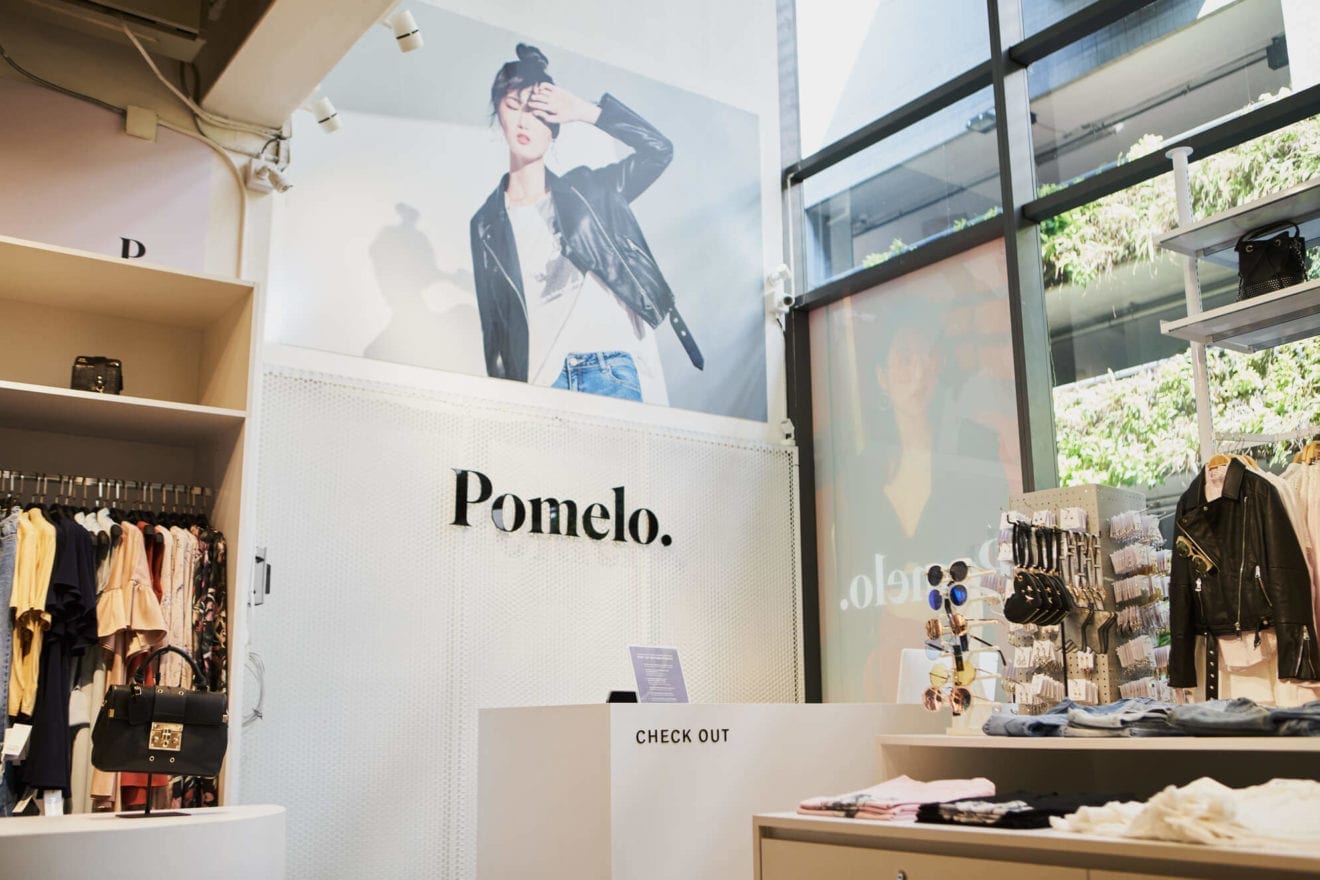
    The Thailand-based fashion label Pomelo recently entered into an exclusive distribution agreement with FJ Benjamin for operations in Malaysia. The arrangement, set to last an initial five years with an option for a five-year extension, provides FJ Benjamin with the authority to oversee the brand’s operations and store management within the country.

    Online Launch and Physical Stores

    Pomelo plans to make its initial foray into the Malaysian market via e-commerce marketplaces before the year’s end. This digital debut will be followed by the opening of physical stores within major shopping centres in Kuala Lumpur in the early part of next year.

    Collaborative Effort

    David Jou, CEO of Pomelo, highlighted the collaboration’s potential, combining Pomelo’s digital-first fashion and technology-driven retail model with FJ Benjamin’s extensive expertise in brand development and retail operations. He sees this partnership as an opportunity to reshape the fashion retail experience not just in Malaysia, but beyond its borders as well.

    Expansion of Pomelo

    Earlier this year, Pomelo expanded its reach by entering an exclusive distribution agreement with the Kolao Group, marking its first store opening in Laos. In addition to its home base of Thailand, Pomelo has a presence in Singapore, Indonesia, Cambodia, and the Philippines, and plans are underway for a future debut in Vietnam.

    Pomelo, founded in 2013, has carved out a niche for itself as a leading destination offering a curated selection of women’s wear that includes both emerging local designers and international brands. The company had projected an initial public offering (IPO) in 2022, but this plan has not yet been actualised.

    Questions & Answers

    What are Pomelo’s plans for entering the Malaysian market?
    Pomelo plans to launch online on e-commerce platforms before the end of this year, followed by the opening of physical stores within key shopping centres in Kuala Lumpur in the early part of next year.

    What does the partnership with FJ Benjamin entail?
    The partnership gives FJ Benjamin the authority to manage Pomelo’s operations and stores in Malaysia for an initial five-year term, with an option to extend for another five years.

    Where else does Pomelo operate?
    In addition to Thailand, Pomelo operates in Singapore, Indonesia, Cambodia, the Philippines, and Laos, with plans to debut in Vietnam in the future.

  • Australian Kensington Pride Mangoes Skyrocket in Vietnam: 7.5 Times Costlier than Local Produce

    Australian Kensington Pride Mangoes Skyrocket in Vietnam: 7.5 Times Costlier than Local Produce

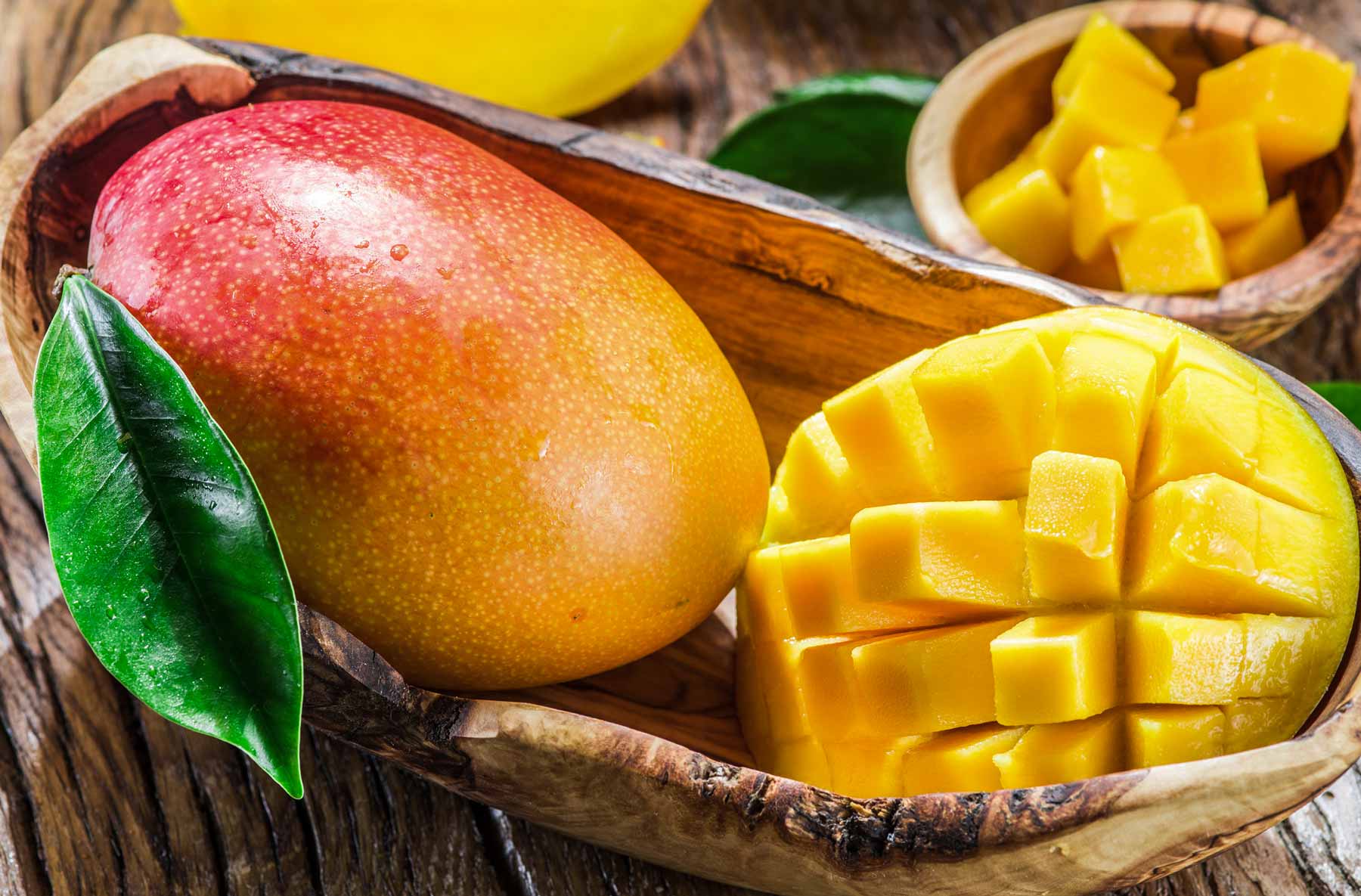
    Kensington Pride mangoes, originally from Australia, have been on sale in Vietnam at an astounding price — VND600,000 (US$22.8) per kilogram, which is 7.5 times more than the price of the local variety. A store owner in Dinh Bo Linh Street, located within the Binh Thanh Ward of Ho Chi Minh City (HCMC), revealed that a seven-kilogram box of these mangoes could bring in a whopping VND 3.7 million.

    Importing Exotic Fruits

    The store owner started importing these mangoes just recently, in late October, and has been conservatively buying only five boxes at a time due to the steep costs of transportation and storage. The Kensington Pride mangoes are characterized by their weight, approximately 500-600 grams per fruit, and their firm flesh and high sugar content that accounts for their exceptional sweetness.

    Similarly, an employee from a store in Hanoi’s West Lake region, which also sells the fruit at the same high price, mentioned that these mangoes need to be kept chilled at all times, which further adds to their cost.

    The Allure of Australian Mangoes

    The Australian mango variety, known for its brilliant golden flesh and gentle aroma, is primarily imported to Vietnam via air. It is also widely cultivated in the Mekong Delta region, specifically in the Tien Giang and Dong Thap provinces along with the Can Tho city. The locally grown variety is sold for VND20,000-25,000 per kilogram at the farm gate and VND80,000 at retail stores.

    In Australia, these mangoes flourish in dry climate regions like certain parts of Queensland and the Northern Territory. The harvest typically happens between October and December. Major Australian supermarkets such as Woolworths, Coles, and Harris Farm usually sell these mangoes for $6.7-8 per kilogram.

    Surge in Fruit and Vegetable Imports

    According to statistics from the customs department, the import of fruits and vegetables from Australia to Vietnam surpassed $100 million in the first nine months of this year, marking a 27% increase from the previous year. Mangoes, followed by cherries, grapes, mandarins, and oranges were the most imported items, each carrying a hefty price tag in Vietnam.

    Questions & Answers

    Why are Kensington Pride mangoes so expensive in Vietnam?
    The high cost is due to the import and cold storage charges, which makes the fruit more expensive than the local variety.

    What makes Kensington Pride mangoes different from other varieties?
    These mangoes are known for their bright golden flesh, mild aroma, and a distinct sweetness. They are also larger in size, weighing approximately 500-600 grams per fruit.

    Which fruits are the most imported from Australia to Vietnam?
    Mangoes top the list, followed by cherries, grapes, mandarins, and oranges. They all carry a high price tag in Vietnam due to import costs.

  • Highlands Coffee Brews Up Success with Record 17% Earnings Jump in Q3

    Highlands Coffee Brews Up Success with Record 17% Earnings Jump in Q3

    Highlands Coffee, the biggest coffeehouse chain in Vietnam, noted an earnings before interest, taxes, depreciation and amortization (EBITDA) of 666 million Philippine pesos, equivalent to US$11.3 million, for the third quarter. This demonstrates a 17.1% growth compared to the same period last year and is the highest quarterly EBITDA since Q3 2023 when Jollibee Foods Corporation, its parent company, started releasing its financial data separately.

    Contribution to Parent Company’s Earnings

    The Vietnamese coffee brand contributed about 6.1% to the total EBITDA of Jollibee Foods Corporation, which is based in the Philippines. Moreover, it made up 29% of the corporation’s coffee and tea sector. Sales at locations that have been in operation for a minimum of 15 months saw a 17.2% increase.

    The EBITDA of Highlands Coffee for the first three quarters of 2025 experienced a 9.5% rise, amounting to 1.9 billion Philippine pesos.

    Chain Expansion

    The coffee chain operates 928 branches both domestically and internationally, 109 of which were inaugurated within the first nine months of the year. Originally established in 1999 as a packaged coffee vendor in Hanoi, the business transitioned into the coffeehouse industry in 2002 with its pioneer branch in Ho Chi Minh City. The chain was later acquired by Jollibee Foods Corporation in 2012.

    Business Strategy

    David Thai, the founder and CEO, acknowledged earlier this year that the coffee chain has witnessed positive outcomes due to its business model, customer-centric approach, and well-defined positioning in terms of products, pricing, and taste. The company streamlined its operations and expanded methodically. Moreover, the firm primarily focuses on enhancing its flavor profiles before investing in marketing efforts.

    Highlands Coffee is planning to go public in Vietnam, Thai confirmed, although a specific timeline was not provided. Industry analysts and securities agencies forecast that it will likely be listed in 2026-2027, coinciding with an anticipated wave of initial public offerings.

    Vietnamese F&B Market

    In the first half of the current year, the food and beverage sector in Vietnam generated VND406.1 trillion, equivalent to US$15.4 billion in revenues, a slight increase from the VND403.9 trillion recorded a year earlier, as stated by digital management solution provider iPOS.

    Despite major holidays such as the Lunar New Year in February and the Reunification Day at the end of April not boosting sales as expected, Vietnamese consumers seem to be maintaining their F&B expenditures. However, the report also indicated that the number of F&B locations is dwindling and the market is heading towards intense competition.

    Questions & Answers

    What is the current contribution of Highlands Coffee to Jollibee Foods Corporation’s total EBITDA?
    Highlands Coffee contributes approximately 6.1% to Jollibee Foods Corporation’s total EBITDA.

    What is the business strategy of Highlands Coffee according to its CEO, David Thai?
    The business strategy of Highlands Coffee is based on its unique business model, customer-centric approach, and distinctive positioning in terms of products, pricing, and taste. The company prioritizes developing its flavor profiles before allocating resources to marketing.

    What is the projected timeline for Highlands Coffee to go public in Vietnam?
    Securities firms and analysts predict that Highlands Coffee will go public in Vietnam between 2026 and 2027.

  • Meta Triumphs in FTC Monopoly Lawsuit: Federal Judge Rules in Favor of Social Media Giant

    Meta Triumphs in FTC Monopoly Lawsuit: Federal Judge Rules in Favor of Social Media Giant

    In a significant legal triumph, technology giant Meta saw a favorable ruling from a federal judge in a lawsuit filed by the Federal Trade Commission (FTC). The lawsuit pertained to Meta’s acquisitions of Instagram in 2012 for $1 billion and WhatsApp in 2014 for $21 billion, comprising cash and Meta (formerly Facebook) stock. The final purchase price for WhatsApp had initially been $19 billion, but a surge in the Meta shares propelled it up to $21 billion.

    Monopoly or Fair Competition?

    The FTC’s contention was that Meta, which changed its brand name from Facebook in 2021, acquired these two prominent social media platforms to eliminate competition. The regulatory body viewed these acquisitions as possible infringements of anti-trust legislation. The seven-week trial witnessed the testimony from Meta’s founder, chairman, and CEO, Mark Zuckerberg, who posited that Meta faces stiff competition from other platforms such as YouTube and TikTok.

    These statements managed to draw the attention of Federal Judge James Boasberg, who in his ruling pointed out that YouTube and TikTok prevent Meta from monopolizing social media. He also highlighted that the dynamics of the social media market have transformed significantly since the FTC’s lawsuit was filed, with AI being the most notable shift. The judge argued that AI-generated content nullifies the FTC’s concerns, concluding that Meta does not hold a monopoly in the relevant market.

    Meta’s Market Share and Competition

    Judge Boasberg’s ruling stated that Meta’s apps only account for a “modest share” of the overall time spent on social media, which includes platforms like Facebook, Instagram, Snapchat, TikTok, and YouTube. The judge noted that this share is on a downward trend, and even excluding YouTube’s share, Meta would not constitute a monopoly. Boasberg’s ruling also acknowledged that TikTok, considered by Meta as its primary competitor, managed to penetrate the market a mere seven years ago and has been dominating the sector ever since.

    Reacting to the decision, Jennifer Newstead, Meta’s Chief Legal Officer, emphasized the beneficial nature of their products for people and businesses, and their embodiment of American innovation and economic growth. She expressed eagerness to continue collaborating with the Administration and to contribute to the country’s investment landscape.

    Instagram Acquisition and Market Valuation

    Meta’s acquisition of Instagram could be regarded as one of the most profitable tech deals in history. Instagram’s current estimated valuation ranges from $441 billion to $538 billion. Initially known for its ephemeral messages, Instagram gained user traction when people began using it to share photos of their meals. Instagram’s popularity soared when it incorporated the ‘Stories’ feature from Snapchat.

    Significance of Instagram and WhatsApp for Meta

    Meta argued during the trial that a forced breakup would have been catastrophic for the company. Instagram generates ad revenue for Meta, while WhatsApp provides business subscribers and enhances Meta’s international reputation. Zuckerberg also admitted that Facebook, the company’s flagship platform, is losing popularity. Meta’s argument that regulators had already approved the Instagram and WhatsApp acquisitions when initially proposed was also a crucial point in their defense.

    The Broader Tech Industry Implications

    This victory has considerable implications not only for Meta but also for the larger tech industry, as U.S. regulators have attempted to dismantle Google. The tech behemoth has been deemed a monopoly in two cases, one concerning the company’s search engine and the other its online advertising business. Other tech firms such as Apple and Amazon are also facing scrutiny from the government.

    Questions & Answers

    Why did the FTC sue Meta over its acquisition of Instagram and WhatsApp?
    The FTC claimed that Meta’s acquisitions of Instagram and WhatsApp were attempts to eliminate competition, which they viewed as a violation of anti-trust laws.

    What was Judge James Boasberg’s ruling on the case?
    Judge Boasberg ruled that Meta did not hold a monopoly in the relevant market. He noted that other platforms, such as YouTube and TikTok, prevent Meta from monopolizing social media.

    What is the significance of this ruling for the larger tech industry?
    This ruling is significant not just for Meta, but for the broader tech industry. With U.S. regulators attempting to dismantle other tech giants like Google, Apple, and Amazon, this victory could set a precedent for upcoming cases.