Author: Mei Ling Tan

  • Unveiling the Future of Retail: $575M ‘The Central’ Landmark Mall Set to Transform Bangkok’s Shopping Landscape

    Unveiling the Future of Retail: $575M ‘The Central’ Landmark Mall Set to Transform Bangkok’s Shopping Landscape

    Central Pattana, a leading retail and property development company based in Thailand, has recently publicized plans for a new shopping mall project in Bangkok. The project, named “The Central,” comes with a hefty price tag of $575 million and is slated to become the city’s new landmark shopping center in the northern district. Promising a mix of global brands and an array of retail experiences, The Central is poised to redefine the retail landscape of Northern Bangkok.

    The Central will be situated in the bustling northern central business district of Bangkok, stretching over an impressive 7851 square meters. The strategic location places the mall between Vibhavadi Rangsit Road and Phahon Yothin Road, two major thoroughfares in the city. The grand opening of the high-profile establishment is scheduled for the last quarter of next year.

    Chanavat Uahwatanasakul, the President of Retail and Development at Central Pattana, spoke enthusiastically about the project. He emphasized that The Central will carry forward the company’s legacy of top-tier shopping centers to the northern part of the city. Uahwatanasakul also spoke of the project as representing a significant step in urban evolution, fusing commerce, creativity, and community into a globally acclaimed experience. He envisions the new project as a catalyst for the next phase of retail and cultural development, potentially catapulting Bangkok into the league of the world’s most dynamic and liveable cities.

    The Central aims to provide seamless accessibility by connecting to major transportation services like the BTS, MRT, and the Don Mueang International Airport. Furthermore, it expects to draw in a large number of consumers from a 2.6 million-strong catchment area. According to Central Pattana, the consumers in this local catchment boast a purchasing power that is 2.3 times higher than the city’s average. The company also predicts retail sales, based on gross leasable area, to outperform other city malls by 45 per cent. Visitor frequency is expected to be twice that of the city’s average.

    The project is conceptualized under the theme “Flagship-reimagined destination,” aiming to attract global retailers seeking to launch flagship stores. The architectural design and interior layout have been meticulously planned to cater to this demand.

    Juthatham Chirathivat, Head of Business at Central Pattana, elaborates that The Central is much more than a shopping center. It is envisaged as a curated community for the new generation, marrying global design excellence with Thai hospitality. He believes that this unique blend of multi-generational living, flagship retail, and sustainable innovation will significantly shape the future of Bangkok.

    Questions & Answers

    What is the projected visitor frequency at The Central?
    The projected visitor frequency at The Central is expected to be twice the average of Bangkok city.

    What is the concept behind the design of The Central?
    The Central is designed under the theme “Flagship-reimagined destination,” aiming to cater to global retailers planning to establish their flagship stores.

    Who are the key people involved in the development of The Central?
    The key people involved in the development of The Central are Chanavat Uahwatanasakul, the President of Retail and Development at Central Pattana, and Juthatham Chirathivat, the Head of Business at Central Pattana.


  • Zara Unveils Japan’s First Zacaffe within its Osaka Flagship Store: A Fusion of Fashion and Culture

    Zara Unveils Japan’s First Zacaffe within its Osaka Flagship Store: A Fusion of Fashion and Culture

    Spanish retailer, Zara, has inaugurated a new flagship store in the Shinsaibashi district of Osaka, marking the introduction of Japan’s inaugural Zacaffe. This innovative café concept is an initiative by the brand to establish a cultural symbiosis with every city it operates in.

    Architectural Synergy

    The store, spanning a generous 1,900 square meters across four floors, is a harmonious blend of traditional Japanese architectural elements and modern design aesthetics. The interior design utilizes traditional elements such as tatami, adobe, and noren, alongside hammered black metal and steel finishes, creating a fusion of historic influences with contemporary styling.

    Product Display and Boutique Spaces

    The flagship store showcases a range of product display areas and exclusive “boutique” spaces. The store uses custom-made furniture and uniquely designed layouts to emphasize specific collections, contributing to a tailored and immersive customer experience.

    Brand Lines and Accessory Selection

    The Shinsaibashi outlet also houses dedicated sections for distinct brand lines. Furthermore, the store boasts an expanded catalogue of footwear and accessories, offering a comprehensive shopping experience to its patrons.

    Zara said, “The entire space is intuitively designed to provide a welcoming and immersive shopping experience, seamlessly integrating both women’s and kids’ collections.”

    Questions & Answers

    What is the unique feature of the new Zara store in Osaka’s Shinsaibashi district?
    The store marks the introduction of Japan’s first Zacaffe, a café concept with the aim of establishing a cultural connection with the city.

    What architectural elements does the new Zara store incorporate?
    The store design combines traditional Japanese elements like tatami, adobe, and noren with contemporary elements such as hammered black metal and steel finishes.

    What does the Zara store offer in terms of products and collections?
    The store features distinct display zones and boutique spaces to highlight specific collections. Additionally, it includes areas for distinct brand lines and an expanded selection of footwear and accessories.

  • Goldman Sachs in Exclusive Talks for $452M Acquisition of Burger King Japan

    Goldman Sachs in Exclusive Talks for $452M Acquisition of Burger King Japan

    Goldman Sachs is reportedly in exclusive negotiations to acquire the Japan operations of Burger King from Hong Kong-based private equity firm, Affinity Equity Partners.

    The transaction is speculated to be worth around 70 billion yen (approximately US$452 million). Goldman Sachs is allegedly preparing to acquire BK Japan Holdings. The latter entity currently operates approximately 310 Burger King locations throughout Japan.

    BK Japan has ambitious plans to expand its footprint. By the end of 2028, the company aims to have established a total of 600 Burger King branches within the country. This represents a substantial growth, considering that the company had only 77 stores in 2019.

    Burger King’s journey in Japan has seen its fair share of highs and lows. The brand initially penetrated the market in the 1990s, only to withdraw in 2001 due to poor performance. However, it made a comeback in 2007 via a franchise partnership led by South Korea’s Lotte Group and Japan’s Revamp. The operations were subsequently handed over to Lotteria, a subsidiary of Lotte, in 2010.

    Questions & Answers

    What is the reported value of the acquisition deal between Goldman Sachs and Burger King’s Japan operations?
    The deal is reportedly worth around 70 billion yen (approximately US$452 million).

    How many Burger King outlets does BK Japan Holdings currently operate?
    BK Japan Holdings currently operates approximately 310 Burger King locations throughout Japan.

    What are BK Japan’s expansion plans?
    BK Japan aims to establish a total of 600 Burger King branches within the country by the end of 2028.

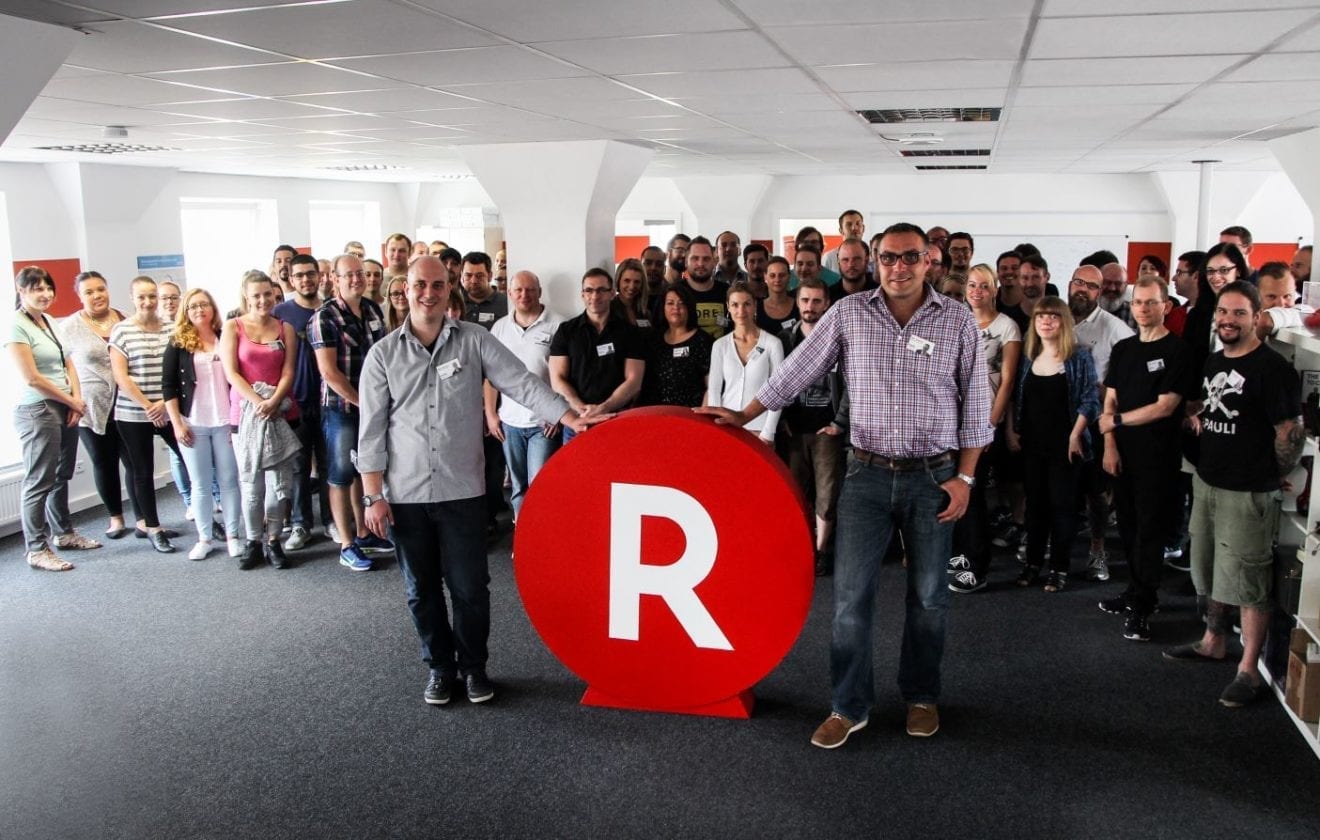
  • Rakuten Shatters Records with Stellar Q3 Performance: Returns to Profit After Six-Year Hiatus

    Rakuten Shatters Records with Stellar Q3 Performance: Returns to Profit After Six-Year Hiatus

    After a six-year hiatus, Rakuten, a well-known e-commerce platform in Japan, has made a successful return to profitability. This significant achievement is attributed to the consistent growth seen across all primary business sectors and an all-time high revenue figure reported in the third quarter.

    During this year’s third quarter, Rakuten’s consolidated revenue saw an increase of 10.9% compared to the previous year, hitting a milestone of US$4 billion. This marks the highest level of Q3 revenue ever reported by the company.

    In terms of EBITDA (Earnings Before Interest, Taxes, Depreciation, and Amortisation), Rakuten reported a record-breaking figure of $767 million. The company also managed to generate $8 million in operating profits throughout the first nine months of this fiscal year.

    Rakuten’s domestic e-commerce wing recorded a 14.5% increase in gross merchandise sales, amounting to $11 billion. This increase was primarily fuelled by a sustained demand for services.

    The company’s International business unit also reported favourable figures. Its revenue increased by 5.4% year on year, reaching $486.9 million, and its operating income rose sharply by 78.8% to $4.2 million.

    Several factors contributed to this growth, including increased sales of devices and content through Rakuten Kobo, a spike in communications and advertising revenue from Rakuten Viber, and a decrease in losses in the international advertising business.

    Rakuten’s improved financial stability and better credit metrics have positively impacted its rating outlook. The firm’s objective is to further improve its credit while maintaining medium-term financial stability. As explained by the company, its strategy involves building a stable financial base and enhancing its corporate value through cautious capital allocation.

    Questions & Answers

    What led to Rakuten’s return to operating profit after six years?
    Rakuten’s return to profitability can be attributed to the consistent growth across all major business sectors and record-breaking revenue in the third quarter of this fiscal year.

    What factors contributed to the company’s growth?
    The growth was due to increased sales of devices and content through Rakuten Kobo, higher communications and advertising revenue from Rakuten Viber, and a decrease in losses in the international advertising business.

    What is Rakuten’s strategy for maintaining its financial stability?
    Rakuten plans to maintain its financial stability by enhancing its credit further, constructing a stable financial base, and increasing corporate value through judicious capital allocation.

  • China’s Economy Under Pressure: Factory Output And Retail Sales Hit Yearly Lows

    China’s Economy Under Pressure: Factory Output And Retail Sales Hit Yearly Lows

    October witnessed the slowest growth in China’s factory output and retail sales in more than a year, applying added pressure on policymakers to overhaul the nation’s $19 trillion export-driven economy. Increasing supply and demand strains are poised to further hinder growth.

    For many years, those accountable for maintaining the momentum of the world’s second-largest economy had the choice of stimulating its massive industrial complex to enhance exports if domestic consumer spending dwindled. Alternatively, they could delve into public funds to finance GDP-boosting infrastructure projects.

    However, the tariff war initiated by former US President Donald Trump underscores the manufacturing behemoth’s dependency on the world’s most extensive consumer market. There are limits to how much growth the Chinese economy can derive from constructing more industrial parks, power substations, and dams.

    The Current State of Affairs

    The indicators released last Friday provide little optimism for a rapid recovery. As each month’s data worsens, the call for reform becomes more critical.

    According to data from the National Bureau of Statistics (NBS), industrial output experienced a yearly growth of 4.9% in October. This marks the weakest annual growth since August 2024, compared to a 6.5% increase in September, falling short of the anticipated 5.5% surge.

    Meanwhile, retail sales, a measure of consumption, saw a 2.9% expansion last month, which is also their slowest pace since last August. This decelerated from a 3.0% growth in September, albeit exceeding the projected gain of 2.8%.

    Fred Neumann, Chief Asia Economist at HSBC, remarked, “China’s economy is facing pressures from all sides.” He believes that the robust support from exports in the recent quarters will be challenging to maintain into the next year, even if US import tariffs are now lower than earlier feared.

    Policy Implications and Economic Outlook

    Policymakers are aware of the need for change to rectify historical supply-demand imbalances, spur household consumption, and confront the enormous local government debt that complicates provinces’ self-sufficiency.

    However, they also understand that structural reform will be challenging and politically risky, particularly at a time when the trade war has heightened economic pressure.

    Last week, separate data revealed that China’s exports unexpectedly collapsed in October. This is as manufacturers grapple to secure profits in other markets after months of front-loading intended to outpace Trump’s tariff threats.

    Contrary to expectations, China’s car sales also broke an eight-month growth streak. This is concerning, given that the fourth quarter is typically the strongest for auto sales, and the slump occurred despite an extra day due to a national holiday in October compared to 2024.

    Questions & Answers

    What are the main challenges faced by the Chinese economy?
    The Chinese economy is currently grappling with a slower growth pace in factory output and retail sales, increased supply and demand strains, manufacturers’ struggle to stay profitable because of the tariff war, and an unexpected decline in car sales.

    What measures are needed to boost China’s economy?
    Policymakers must address historical supply-demand imbalances, promote household consumption, and tackle the enormous local government debt. Structural reform, while challenging and politically risky, is crucial to enhance the nation’s economic outlook.

    How has the trade war affected China’s economy?
    The trade war has underscored China’s dependency on the global consumer market and increased economic pressure, leading to an unexpected collapse in exports in October. Manufacturers have been struggling to secure profits in other markets as they try to outpace tariff threats.

  • Golden Milestone: China Strikes Largest Gold Deposit Since 1949 Worth Nearly $193 Billion

    Golden Milestone: China Strikes Largest Gold Deposit Since 1949 Worth Nearly $193 Billion

    A significant gold deposit estimated to hold approximately 1,444 tonnes of reserves, valued at nearly US$193 billion, has been identified in China. This monumental find is the largest for the nation since 1949.

    The Discovery

    The find, termed as the Dadonggou deposit, is situated in China’s northeastern Liaoning Province. According to the country’s Ministry of Natural Resources, it is estimated to contain around 1,444.49 tonnes of gold within 2.586 billion tonnes of ore. Despite the ore being of a low grade, with an average grade of 0.56 grams per tonne, the sheer size of the deposit has earned it the title of the largest single gold discovery in China since 1949.

    With current market rates, the estimated value of the gold deposit is over 166 billion euro (US$192.9 billion).

    Collaborative Development

    The development of the Dadonggou mine is set to be a collaborative effort, with the China National Gold Group, Liaoning Mineral Geology Group, and the Yingkou Municipal Government partnering up. Investment plans from 2024 to 2027 indicate an estimated expenditure of over 20 billion yuan (US$2.82 billion). This investment will be directed towards establishing a comprehensive industry chain which includes exploration, mining, processing, smelting, and gold jewelry production.

    Previous Discoveries

    In the past year, China has reported several similar gold deposit discoveries, such as a substantial find in Hunan province. Prior to these discoveries, the world’s largest known gold deposits typically held only a few hundred tonnes.

    Industry estimates previously suggested that around 3,000 tonnes of gold remained undiscovered in China. This figure was considered to be a quarter of the untapped reserves in Russia and Australia. However, the frequency of new discoveries implies that China’s gold reserves could be considerably larger than previously believed.

    Recent Trends

    China has been increasing its mineral exploration activities in recent years. In 2024, the country produced 377.24 tonnes of gold, marking a 0.56% increase from the previous year. Domestic consumption of gold reached 985.31 tonnes, with the demand for gold bars and coins rising by over 24%.

    This latest discovery coincides with an increase in the global demand and price for gold. The value of the precious metal has soared by over 50% this year, reaching a peak of $4,381.21 per ounce on October 20. Factors contributing to this surge include a weaker dollar, geopolitical tensions, and aggressive central bank buying in emerging economies aiming to diversify their reserves.

    Questions & Answers

    Where was the largest gold deposit found in China?
    The largest gold deposit in China, named the Dadonggou deposit, was discovered in the northeastern Liaoning Province.

    What is the estimated value of the Dadonggou deposit?
    The estimated value of the Dadonggou deposit, at current prices, is approximately 166 billion euro or US$192.9 billion.

    Who will be responsible for the development of the Dadonggou mine?
    The development of the Dadonggou mine will be a joint project between the China National Gold Group, Liaoning Mineral Geology Group, and the Yingkou Municipal Government.

  • New Love Trend: Young Vietnamese Couples Investing in Homes Before Rings

    New Love Trend: Young Vietnamese Couples Investing in Homes Before Rings

    In a shift of convention, many young couples are prioritizing financial stability and homeownership over marriage. Rather than saving for a wedding, these couples are committing to mortgage contracts together, seeing this as the true foundation for their future.

    After a short dating period of only six months, Ngoc Ly and Huy Hoang, both 30 years old, decided to jointly purchase a 65-square-meter apartment on Tran Phu Street in Hanoi’s Ha Dong District, valued at USD135,000. The couple is not yet married, but they believe that owning a home lays a secure foundation, after which marriage can follow at any time.

    Hoang and Ly are both architecture graduates and began dating shortly before Lunar New Year festival of 2024. They had been working for six years before deciding to make a joint property purchase, both to grow their investments and to secure a place of their own.

    “In our assessment, we realized that no matter how hard we work, keeping pace with housing prices is almost impossible,” Hoang explains. “As people from other provinces, we’ve always dreamed of having our own place in Hanoi.”

    In May 2024, they jointly purchased the apartment in Ha Dong. A bank loan covered 60% of the property’s value. Another couple in Vung Tau, Le Hoai and Thien Nhi, both 26 years old, made a similar decision.

    The couple bought a two-story, 30-square-meter house for VND2 billion. Despite criticism and doubt from those around them, they believed purchasing a home should come before their wedding. To afford the house, they sold a homestay in Da Lat and borrowed more from relatives. In June 2024, they moved into their new house.

    A Shifting Paradigm

    The trend among young people to prioritize homeownership over marriage is growing. According to data from the Vietnam Association of Realtors Institute for Research and Evaluation, buyers aged 25–35 are now involved in over 40% of all transactions, and this figure can rise up to 70% in some housing projects.

    Truong Anh Tuan, head of the legal department at the Vietnam Real Estate Association, notes, “In recent years more young people have been pooling money to buy property together, especially in major cities. This reflects a shift in their perspective on ownership, which has become more flexible, pragmatic, and open to risk-taking.”

    Dr. La Linh Nga, director of the Center for Psychological and Educational Science Research and Application, adds that young people today approach love with practicality and independence. They plan carefully for each stage of their lives, from dating to marriage, from securing housing to starting a family.

    This trend highlights the harsh reality of homeownership dreams in the face of rising property prices and stagnant wages. As a result, the government has initiated programs like the “One Million Social Housing Units” and preferential credit packages to support young buyers.

    Questions & Answers

    What are the factors influencing young couples to prioritize homeownership before marriage?
    Rising property prices and stagnant wages are pushing young couples to prioritize homeownership. They are pooling resources to buy property together as they believe it provides a secure foundation for their future.

    What is the government doing to support young property buyers?
    The government has initiated several programs like the “One Million Social Housing Units” and preferential credit packages to assist young property buyers.

    What does this trend signify about the new generation’s perspective on homeownership?
    This trend reflects a shift in perspective among the new generation who are more pragmatic, flexible, and open to risk-taking. They are considering joint property ownership as a form of investment and a step towards financial stability.

  • UBS and Ant International Pioneer Real-Time Global Payments: Unveiling Next-Gen Blockchain Solutions for Cross-Border Settlements

    UBS and Ant International Pioneer Real-Time Global Payments: Unveiling Next-Gen Blockchain Solutions for Cross-Border Settlements

    Swiss institution UBS has announced a strategic partnership with Singaporean fintech firm Ant International. The collaboration aims to build blockchain-based tokenised deposits to facilitate real-time global payments. This alliance marks a significant milestone in the rapidly transforming digital finance sector in Asia.

    Exploring Blockchain Solutions

    At UBS’ Singapore head office, both companies signed a Memorandum of Understanding to delve into blockchain solutions. These solutions aim to upgrade cross-border settlements and liquidity management for Ant International’s global treasury functions.

    As per the details released on Monday, Ant International plans to utilize UBS Digital Cash, a blockchain payment platform launched in 2024. The platform is designed to expedite, streamline and secure settlement procedures across multiple markets.

    Tokenised Deposits: A Central Element

    A primary focus of this partnership is the examination of tokenised deposits, which will link UBS Digital Cash with Ant International’s proprietary Whale platform. The Whale platform is a next-generation blockchain-based treasury management system.

    This combined infrastructure is designed to facilitate real-time cash flows across Ant’s worldwide entities, bypassing traditional cut-off restrictions and enhancing liquidity visibility across various currencies.

    Pioneering Digital Asset Innovation

    Young Jin Yee, co-head of UBS Global Wealth Management Asia Pacific and country head UBS Singapore, stated that the alliance with Ant International builds upon the momentum of UBS Digital Cash’s pilot launch from the previous year. The combined expertise in digital assets and Ant’s progressive blockchain technology would deliver a real-time, multi-currency payment solution that is both transparent and efficient.

    The partnership also underscores UBS’s commitment to augmenting client access to global markets via digital innovation.

    A Strategic Alliance

    Kelvin Li, general manager of platform tech at Ant International, expressed excitement about the partnership with UBS, a global bank with a solid reputation for blockchain innovation. Li highlighted the shared belief in the transformative potential of these technologies for cross-border payments, and the anticipation of creating a larger impact together.

    This alliance showcases the growing interest in programmable money, tokenised deposits, and real-time settlement infrastructure – areas financial institutions deem critical for the future of cross-border payments.

    Unlocking Capital Efficiency

    For banks, businesses, and wealth managers, the opportunity to instantly move liquidity across markets can unveil new heights of capital efficiency, risk management, and treasury automation.

    As Asia becomes a global hub for digital-asset experimentation, the UBS-Ant partnership epitomizes the region’s increasing influence.

    Questions & Answers

    What is the main goal of the partnership between UBS and Ant International?
    The alliance aims to develop blockchain-based tokenised deposits to facilitate real-time global payments.

    What is the role of Ant International’s proprietary Whale platform in this partnership?
    The Whale platform, a next-generation blockchain-based treasury management system, will be linked with UBS Digital Cash to facilitate real-time cash flows across worldwide entities.

    What potential benefits can banks, businesses, and wealth managers expect from this partnership?
    They can anticipate new heights of capital efficiency, risk management, and treasury automation, thanks to the ability to instantly move liquidity across markets.

  • Tesla Shifts Gears: Embracing Apple CarPlay in Game-Changing Move

    Tesla Shifts Gears: Embracing Apple CarPlay in Game-Changing Move

    Tesla, a renowned auto manufacturing powerhouse, is said to be on the cusp of incorporating Apple CarPlay into its vehicles. This decision is a significant shift from the stance of Tesla’s CEO, Elon Musk, who had previously opposed the integration of Apple’s entertainment system into Tesla cars.

    Tesla and Apple’s Gradual Convergence

    iPhone-using Tesla drivers have long awaited the integration of Apple CarPlay into their vehicles. Over the years, Tesla has been gradually integrating components of Apple’s ecosystem into its models. In 2022, it incorporated Apple Music, followed by the addition of Apple Podcasts in 2023. However, offering full CarPlay integration remained a stubborn line the company wouldn’t cross.

    This situation is on the verge of changing, however. Reportedly, Tesla is gearing up to launch full support for CarPlay, a move expected to occur in the coming months. For Tesla drivers immersed in the Apple ecosystem, this is a welcome development. It enables them to use their iPhone’s mapping, music and messaging applications seamlessly on the vehicle’s large display, offering what many consider a long-desired feature.

    Why the Change in Tesla’s Stance?

    Elon Musk’s resistance to CarPlay integration has been reportedly linked to the protection of Tesla’s proprietary infotainment system, a key aspect of the vehicles’ user experience. So, what caused this change in attitude? The primary reason appears to be the increasing competition in the electric vehicle market.

    Reports indicate that the evolving electric vehicle landscape has prompted this shift in Tesla’s strategy. The absence of CarPlay has increasingly become a notable drawback as global competition intensifies, potentially affecting Tesla’s sales. The expected standard of vehicle integration has been established by CarPlay, and its exclusion is a conspicuous deficit.

    Another contributing factor is Apple’s decision to halt its car production ambitions. It is speculated that Musk would have held out on integrating CarPlay if Apple continued to be a direct competitor in the car industry. However, with the absence of this potential threat and with sales targets to meet, Tesla has deemed it necessary and strategic to integrate the Apple system.

    Tesla Embraces the ‘If You Can’t Beat ‘Em, Join ‘Em’ Philosophy

    Tesla seems to be adopting the old adage: ‘If you can’t beat ’em, join ’em.’ Many believe this move has been long overdue. While slick, Tesla’s native system is not an iPhone. The advantage of CarPlay lies in its seamless, effortless integration with the device many people use for their entire digital life.

    Forcing users to use a different proprietary system for navigation and media, despite its high quality, creates friction. The persistent opposition to CarPlay has often been perceived as a personal vendetta rather than a decision made with the user’s best interests in mind. By integrating CarPlay, Tesla is improving the user experience for drivers by eliminating a major point of frustration and making their high-tech cars feel truly connected to the driver’s digital life.

    Questions & Answers

    Why has Tesla decided to integrate Apple CarPlay into its vehicles?
    This decision is primarily motivated by increasing competition in the electric vehicle market and the need to meet customer expectations for seamless, device-integrated experiences.

    Wasn’t Elon Musk resistant to integrating Apple CarPlay into Tesla vehicles? What changed?
    Reportedly, Musk’s resistance was rooted in the protection of Tesla’s own proprietary infotainment system. However, the evolving electric vehicle landscape and Apple’s withdrawal from car production have necessitated this strategic adjustment.

    What does the integration of Apple CarPlay into Tesla vehicles mean for drivers?
    The move means that drivers can now enjoy a seamless connection between their iPhones and their vehicles, using their favorite maps, music, and messaging apps directly from the car’s display, enhancing the driving experience and usability of the vehicle.

  • Revolutionizing Global Commerce: Ant Group’s Vision for AI-Driven Financial Tools for SMEs

    Revolutionizing Global Commerce: Ant Group’s Vision for AI-Driven Financial Tools for SMEs

    Eric Jing, Chairman of Ant Group, recently presented his vision for propelling small-to-medium-sized enterprises (SMEs) into the next level of productivity at the Singapore FinTech Festival. He posited that artificial intelligence (AI)-driven financial tools and tokenised transactions would fundamentally transform how SMEs function and compete on a global scale.

    AI-Driven Transformation for SMEs

    Jing highlighted Ant Group’s dedication to equipping SMEs with AI-driven payment and operational tools. He believes the tools will position companies to reap the rewards of an upcoming global productivity boom. Jing expressed his belief that frontier technology can significantly foster inclusion and support SMEs.

    Singapore: A Global Hub for Growth

    Ant International, which became autonomous in 2024, has its headquarters in Singapore. It collaborates with over 1,400 institutional partners and its global payment and digitalisation network caters to 150 million businesses. The network also links QR-based wallets reaching more than 1.8 billion consumer accounts worldwide.

    Expectations for AI-Driven Finance

    Jing forecasts an increase in personalised AI financial advisors for consumers and an accelerated shift toward agentic commerce for businesses. He predicts the latter will be driven by autonomous systems capable of managing comprehensive payment and operational tasks. Jing believes that AI agents could be instrumental in helping SMEs that struggle with the complexities of the global trade environment.

    AI Tools Enhancing Efficiency for SMEs

    Antom, the merchant services division of Ant International, is already leveraging AI with Antom Copilot. This tool streamlines payment integration, onboarding, risk settings, and chargeback management. According to Ant International, Copilot reduces integration time by over 90%, improves winning rates for chargebacks by three percentage points, and cuts resolution time by 46%.

    Antom also recently launched EPOS360, an integrated application that combines POS systems, payments, banking, lending, and growth support into one platform. This tool is designed to help micro, small, and medium enterprises (MSMEs) expand more efficiently. Jing depicted these AI agents as virtual Chief Operating Officers (COOs) and Chief Financial Officers (CFOs) that serve as planners and implementers for SMEs.

    Emergence of Multi-Agent Systems

    Jing stressed that autonomous multi-agent systems capable of executing complex transactions are not just theoretical but are already becoming a reality. He maintained that these systems will form the backbone of the next phase of global digital commerce, especially for SMEs operating internationally.

    Jing underscored the importance of tokenisation of money as a key facilitator of real-time global transactions, especially for companies engaged in international trade. He also emphasised the importance of policy guidance from regulators.

    Trials in Tokenised Money

    In the context of Project Guardian, Ant International has taken part in pilot programmes involving tokenised money and cross-border transactions. These trials have illustrated how blockchain-based payments can provide real-time transparency and credibility to SMEs operating globally.

    Through the Monetary Authority of Singapore’s (MAS) PathFin.ai initiative, Ant International is also sharing its expertise on AI implementation. Jing highlighted the company’s Falcon Time-Series Transformer, an 8.5-billion-parameter model for FX and liquidity forecasting, which has contributed to significant improvement in cash-flow prediction accuracy and reduced hedging costs for businesses.

    Questions & Answers

    What is Ant Group’s vision for SMEs?
    Ant Group aims to equip SMEs with AI-driven financial tools and other operational aids to boost their productivity and global competitiveness.

    How is Ant International leveraging AI for SMEs?
    Ant International uses AI through tools like Antom Copilot and EPOS360 to streamline payment integration, onboarding, risk settings, and chargeback management, making these processes more efficient for SMEs.

    What are the benefits of tokenised money for SMEs?
    Tokenised money can facilitate real-time global transactions, providing transparency and credibility for SMEs that operate internationally. Through blockchain-based payments, SMEs can gain a competitive edge in the global market.

  • Vietjet Named Among Southeast Asia’s Most Valuable Airlines, Tops Vietnam’s Aviation Industry

    Vietjet Named Among Southeast Asia’s Most Valuable Airlines, Tops Vietnam’s Aviation Industry

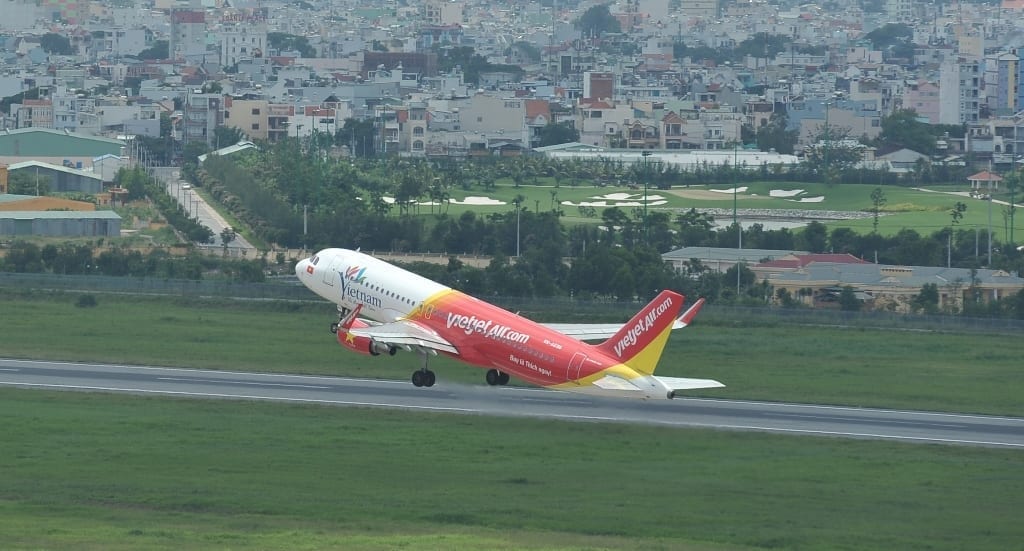
    Vietjet has been recognised by Brand Finance, the world’s leading brand valuation consultancy, as one of Southeast Asia’s most valuable airline brands, and the most valuable airline brand in Vietnam for 2025. This prestigious recognition underscores Vietjet’s growing presence as a leading carrier connecting Singaporean travellers with Vietnam and major destinations across Asean and beyond.
    As one of ASEAN’s six most valuable airline brands this year, Vietjet has steadily built its footprint in the region, offering more flight options, greater convenience, and affordable fares to travellers seeking new experiences. Since its first flight linking Singapore and Vietnam over a decade ago, and now operating four direct services to Ho Chi Minh City, Hanoi, Da Nang, and Phu Quoc, the airline further expands its proactive approach to meeting market demand and fostering tourism and trade growth between the two countries and beyond.
    With additional flights to Da Nang and Phu Quoc set to launch by the end of the year, Vietjet is poised to serve around half a million passengers annually on the Singapore–Vietnam flight network.

    In the first nine months of 2025, the airline reported revenue of VND52.329 trillion (approx. SGD2.59 billion), gross profit of VND6.724 trillion (approx. SGD332.8 million), and pre-tax profit of VND1.987 trillion (approx. SGD98.52 million), up 28% year-on-year. The company’s value has continued to rise steadily. As of 7 November 2025, the airline’s market capitalisation reached nearly VND105.3 trillion (approx. SGD5.22 billion). Operating 130 aircraft on more than 170 routes, Vietjet has served over 250 million passengers across the Asia-Pacific region to date.

    Building on its strong financial performance, the airline is evolving into a global aviation group with hundreds of new aircraft orders, an expanding intercontinental network, and ongoing sustainability initiatives that reinforce its commitment to a greener, future-ready aviation model.
    “Our consistent brand value growth reflects the trust of customers, investors, and international partners in Vietjet,” said Ms. Ho Ngoc Yen Phuong, Vietjet’s Vice President, Chief Financial Officer, and Member of the Board of Directors. “We will continue to deliver diverse, convenient, and affordable travel experiences to our passengers while further enhancing Vietnam’s value and position in the global aviation landscape.”
    Earlier this year, Vietjet was named the Grand Winner in the Tourism Category at the ASEAN Business Awards 2025, and also received multiple prestigious international honours from Skytrax, AirlineRatings, and the World Travel Awards.

    Brand Finance, the world’s leading brand valuation and financial consultancy, founded in 1996 and headquartered in London, United Kingdom, operates in over 25 countries worldwide.

  • AirAsia Launches Direct Cebu-Macao Service Reinforces Support for Disaster Resilience

    AirAsia Launches Direct Cebu-Macao Service Reinforces Support for Disaster Resilience

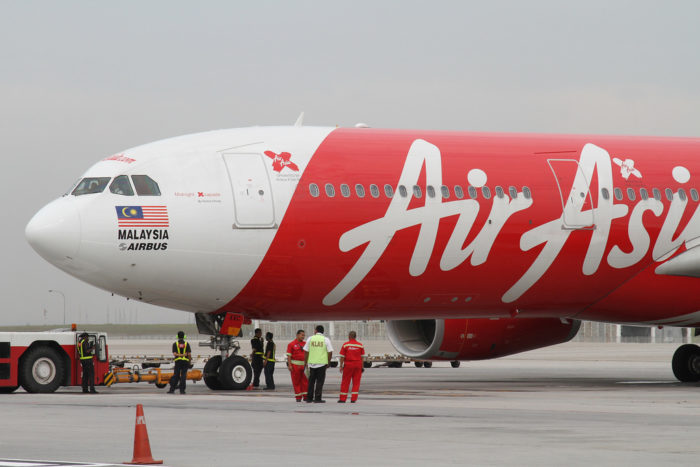
    AirAsia today launched new direct routes, with Cebu-Macao among them, expanding its regional network while reinforcing its commitment to supporting recovery efforts in calamity-hit Cebu through its ‘To the Philippines with Love’ campaign.”

    The new route forms part of AirAsia’s broader network expansion, which includes five additional Philippine routes comprising two international and three domestic connections. This development strengthens the airline’s global network of over 160 destinations across its group operations.

    Alongside this network growth, AirAsia continues to support disaster resilience initiatives in Cebu. As part of its rebuilding efforts, AirAsia will donate PHP15 for every seat sold from November 15 to January 14, 2026 to support earthquake and typhoon relief and recovery programs in Cebu.

    Through its philanthropic arm, AirAsia Foundation, AirAsia will disburse up to PHP 9 million to assist local communities through its support for grassroots organizations such as Bike Scouts, a social enterprise with more than a decade of on-ground disaster response experience across the Philippines.

    Tony Fernandes, Capital A CEO and Advisor at AirAsia Aviation Group, said: “Connectivity has always been at the heart of what we do, and it goes beyond flights or routes. As one Asean family, in times like these, uniting to help one another is not just the right thing to do, it is who we are. Our hearts are with everyone affected in the Philippines, including our own Allstars. We hope AirAsia’s contribution can bring hope, and help rebuild businesses and enable local residents to get back on their feet.”

    AirAsia Philippines CEO and President Capt. Suresh Bangah said, “We are deeply committed to partnering with the people of Cebu during the rebuilding process by providing affordable travel options that can spur economic activity and aid in recovery. As we expand our network, we also continue to make meaningful journeys by uplifting the communities we serve.”

    Yap Mun Ching, Executive Director of AirAsia Foundation, said, “At AirAsia Foundation, one of our main priorities involves helping communities rebuild stronger after a disaster. As the focus shifts from emergency relief to recovery in these communities, we leverage our network of social enterprises and trusted partners to connect resources with communities in need, supporting them to restore homes and livelihoods and make a meaningful difference for those affected.”

    The pledge was made by AirAsia Philippines CEO and President Capt. Suresh Bangah during the receiving ceremony of AirAsia’s inaugural Kuala Lumpur–Cebu flight, which was welcomed with a traditional water cannon salute at Mactan Cebu International Airport. The flight also marked the official launch of AirAsia’s Cebu hub, strengthening the airline’s commitment to expanding connectivity across the Philippines and the wider Asean region.

    In Macau, The inaugural flight was celebrated with a special event at the Macau International Airport, where passengers received welcome gifts from the Macao Government Tourism Office and limited-edition AirAsia merchandise.

    The Kuala Lumpur and Macao international services are among five additional routes in the Philippines added to the broader AirAsia network. Meanwhile, new domestic connections from Cebu to Davao, Iloilo, and Caticlan further reinforce the Queen City of the South’s position as a strategic hub, offering travelers more value-driven options across the region.

    “AirAsia’s goal is to accelerate Southeast Asia’s position as a global low-cost megahub,” Capt. Bangah added. “By linking our Cebu hub with cities like Macao, we’re connecting Visayas and Mindanao to a broader global network.”

    The new Cebu service expands AirAsia’s existing network from Hong Kong and Macao, which already includes direct flights to Kuala Lumpur, Kota Kinabalu (Sabah), Bangkok (Don Mueang), Manila, and Okinawa.

    Among recent recipients of the Foundation’s disaster resilience grants in 2024 is Bike Scouts, a social enterprise with more than a decade of on-ground disaster response experience across the Philippines, to provide critical communication access to communities isolated by typhoons, floods and other natural events. In 2025, AirAsia Foundation approved a grant for Arkomjogja, the implementer of past rebuilding and resilience programmes in Indonesia, to document lessons learnt and disseminate knowledge on the organisation’s community-driven post-disaster recovery model.

    AirAsia Foundation has a long-standing record of helming AirAsia’s post-disaster campaigns in Asean. Since its establishment in 2012, the Foundation has raised and distributed over USD 4 million to fund responses to Typhoon Haiyan in the Philippines (2013), the Palu tsunami (2018), and the Malaysian floods (2021), among others. AirAsia Foundation has also awarded over USD 670,000 in social enterprise grants across seven Asean countries, supporting impactful ventures that address poverty alleviation, promote sustainable livelihoods, and build climate resilience.

    The donation from AirAsia is in addition to the airline’s ongoing post-earthquake support for government partners through humanitarian flights. In coordination with government authorities, AirAsia transported search-and-rescue teams of the Metropolitan Manila Development Authority (MMDA) and critical rescue equipment to support emergency relief missions in Cebu.

  • Singtel Celebrates 14% Profit Leap: A Triumph of Regional Growth and Strategic Investments

    Singtel Celebrates 14% Profit Leap: A Triumph of Regional Growth and Strategic Investments

    The Singtel Group has reported a 14% increase in underlying net profit, reaching SGD 1.35 billion in the first half of the year. This growth has been mainly driven by regional associates Airtel and AIS, as well as operating companies NCS and Optus.

    Profit Increase Despite Economic Challenges

    Neglecting the impact of foreign currency fluctuations and contributions from Intouch, which concluded after its merger with Gulf, the underlying net profit would have increased by 22%. The net profit rose to SGD 3.40 billion, largely as a result of a net exceptional gain of SGD 2.05 billion from the partial sale of a stake in Airtel in May and the Intouch-Gulf merger.

    Operating revenue declined by 1.2% to SGD 6.91 billion, which was affected by the strong Singapore dollar. However, in constant currency terms, the Group’s operating revenue, EBITDA, and operating company EBIT would have increased by 1.9%, 4.9%, and 14%, respectively.

    CEO Insights

    Yuen Kuan Moon, Singtel Group CEO, stated that the group’s H1 results reflect the positive momentum across their diversified portfolio of businesses across the region. They have continued to drive growth in connectivity, digital services, and digital infrastructure and also unlocked value from their asset recycling efforts as they executed their Singtel28 plan.

    Despite the challenging macroeconomic outlook, and uncertainty surrounding the Optus business, Yuen believes their business and geographical diversity is providing stability to the Group’s performance. He expects their growth engines to change the business’s complexion in the mid term as they continue to scale.

    Plan Execution and Active Capital Management

    Since launching the Singtel28 plan, the Group’s active capital management has generated SGD 5.6 billion in proceeds, including SGD 1.5 billion from the recent divestment of a 0.8% stake in Airtel. The Group has achieved more than half of its new SGD 9 billion mid-term asset recycling target, which will be used to fund growth opportunities and provide returns to shareholders.

    The Group’s balance sheet remains strong, with a cash balance of SGD 3.4 billion as of September 2025, helping reduce net debt to SGD 8.7 billion and improve gearing ratios.

    Regional Associates’ Contributions

    The profit contributions from regional associates post-tax increased by 12% to SGD 0.92 billion. Excluding Intouch and considering constant currency terms, these contributions would have risen by 25%.

    Airtel Group saw solid earnings growth in both India and Africa due to effective execution and higher mobile tariffs, while AIS reported stronger profits due to revenue growth and effective cost management. However, Telkomsel’s performance was impacted by weaker mobile performance, a capital gain from the sale and leaseback of indoor infrastructure in the previous period, and higher interest expenses. Globe’s earnings also declined due to weak consumer spending.

    Questions & Answers

    What is the overall financial status of Singtel Group?
    Singtel Group has reported a 14% increase in underlying net profit, reaching SGD 1.35 billion in the first half of the year.

    What were the main contributors to Singtel Group’s growth?
    The growth was mainly driven by regional associates Airtel and AIS, as well as operating companies NCS and Optus.

    What does the Group’s CEO, Yuen Kuan Moon, attribute the positive results to?
    Yuen attributes the positive results to the group’s diversified portfolio of businesses across the region and active capital management as part of the Singtel28 plan. The plan has generated SGD 5.6 billion in proceeds, contributing to the reduction of net debt and improvement of gearing ratios.

  • Unlocking Connectivity: The Rising Impact of MVNOs on Malaysia’s Mobile Market

    Unlocking Connectivity: The Rising Impact of MVNOs on Malaysia’s Mobile Market

    The Malaysian mobile connectivity market is thriving with approximately 43.3 million active cellular mobile connections, a figure that represents a remarkable 121% of the country’s total population. Mobile Virtual Network Operators (MVNOs) play a crucial role in this bustling market by offering unique services, unlocking fresh demographics, and ultimately widening the scope of mobile connectivity throughout the country.

    The Growth Prospects of MVNOs in Malaysia

    The Malaysian MVNO market demonstrated significant growth in 2025, reaching a value of USD 0.8 billion, and it is projected to hit USD 1.06 billion by 2030. This estimate is based on a Compound Annual Growth Rate (CAGR) of 5.75% during the forecast period of 2025 to 2030.

    The recent shift towards a dual-wholesale 5G model has helped fuel this growth by eliminating previous pricing ambiguities that hindered the growth of virtual operators. Strategies such as implementing cloud-native OSS/BSS stacks, using eSIM-only distribution, and employing satellite-terrestrial convergence are being utilized by operators to penetrate new markets and reduce operational costs.

    As digitalization increases in the commercial sector, the average revenue per user in the business-to-business (B2B) segment has grown. On the consumer front, the proliferation of ultra-low-cost prepaid plans has led to a spike in subscriptions.

    Government programs like JENDELA bolster the infrastructure expansion and confirm the Malaysian MVNO market’s ability to sustain mid-single-digit compound growth throughout the decade.

    In terms of deployment models, cloud technology contributed to 70.51% of the revenue in 2024 and is predicted to register a CAGR of 10.14% until 2030. On the operations front, reseller and other light MVNO formats held a 62.33% share in 2024. However, full MVNO structures are tipped to expand at a CAGR of 19.19% until 2030.

    MVNOs: A Winning Strategy for Malaysia

    MVNOs offer mobile services to customers by leasing network capacity from an existing Mobile Network Operator (MNO), rather than owning its own infrastructure. This business model has several benefits for the Malaysian market:

    MVNOs enable new service providers to break into the market, fostering competition among established MNOs to innovate and cater to niche markets. As a result, consumers benefit from increased options.

    As 4G connectivity improves and 5G becomes more widespread, MNOs with surplus network capacity can partner with MVNOs to utilize this excess capacity, thereby offsetting some of the costs associated with building and maintaining their networks.

    In August 2025, China Mobile International Limited (CMI) partnered with Maxis to launch CMLink, CMI’s MVNO, in Malaysia. This partnership allowed CMI to offer services such as the “one card, multiple numbers” feature and data sharing between China and Malaysia, catering to students and professionals who frequently travel between the two countries.

    In October 2025, U Mobile entered a five-year wholesale access agreement with a new MVNO, Eastel, enabling Eastel to use U Mobile’s 4G and 5G networks for data, calls, SMS, roaming, and number portability.

    The Impact and Future of MVNOs in the Malaysian Market

    The rise of MVNOs in Malaysia is shaping the wider connectivity ecosystem. By facilitating the entry of new and specialized brands into the market, MVNOs can reach demographics that are often underrepresented.

    Increased competition in the market benefits consumers by offering them more choices and prompting MNOs to provide better prices, unique bundles, and superior customer service.

    For MNOs, collaborating with MVNOs helps maximize returns on their network investments.

    The Malaysian Communications and Multimedia Commission supports network sharing, encouraging the sharing of infrastructure. Under this model, MVNOs can add value by introducing new services to lower-income or hard-to-reach groups using the same networks.

    Looking ahead, the industry needs to ensure wider wholesale access, fair pricing, consistent network experience, sustainable differentiation, focus on underserved regions and regulatory support for MVNOs to thrive in Malaysia.

    Questions & Answers

    What is the projected growth for the Malaysian MVNO market by 2030?
    The Malaysian MVNO market is expected to reach USD 1.06 billion by 2030, growing at a CAGR of 5.75% during the forecast period (2025-2030).

    How are MVNOs contributing to the growth of the mobile connectivity market in Malaysia?
    MVNOs are contributing to the growth of Malaysia’s mobile connectivity market by unlocking new customer segments, introducing unique propositions, and facilitating broader mobile connectivity across the country.

    What are the key areas of focus for the Malaysian MVNO industry to reach its full potential?
    For MVNOs to reach their full potential in Malaysia, the industry needs to focus on wider wholesale access, fair pricing, consistent network experience, sustainable differentiation, targeting underserved regions, and gaining regulatory support.

  • China Mobile Boosts Global Connectivity with Pioneering 2Africa and SEA-H2X Submarine Cable Initiatives

    China Mobile Boosts Global Connectivity with Pioneering 2Africa and SEA-H2X Submarine Cable Initiatives

    In the first half of November 2025, China Mobile achieved substantial growth in its underwater cable investments, strengthening its influence in promoting worldwide digital connectivity.

    China Mobile Activates 2Africa Submarine Cable

    In Nairobi, Kenya, China Mobile spearheaded a significant event to mark the activation of the 2Africa submarine cable’s eastern sections, connecting South Africa, Kenya, Djibouti, Marseille, and Egypt. The event aimed to showcase next-generation infrastructure and intelligent connectivity platforms, designed to speed up digital transformation for African service providers and businesses.

    Guo Haiyan, the Ambassador of the People’s Republic of China to Kenya, emphasized that digital cooperation is becoming a crucial component of collaboration between China and Africa. The activation of the 2Africa submarine cable’s eastern section and the introduction of China Mobile’s AI+ Cloud-Network Convergence Industry Solutions are a testament to the robustness of China-Africa digital collaboration.

    Furthermore, she noted that Kenya is a crucial ally for China in pursuing digital transformation and pledged to continue sharing expertise to bolster Africa’s digital economy. Guo expressed hope that both nations would intensify collaboration to create an open and inclusive digital governance ecosystem that encourages mutual growth and prosperity.

    Simultaneously, Hon. William Kabogo Gitau, Kenya’s Cabinet Secretary for Information, Communications, and the Digital Economy, hailed the 2Africa project as a significant achievement in China-Africa collaboration. He believed the activation of the eastern section would greatly improve East Africa’s international communications capacity and strengthen digital connections between China and Africa.

    Li Huidi, Executive Vice President of China Mobile, stressed that AI and 5G technologies are powering Africa’s economic transformation and expressed readiness to cooperate closely with Kenya and other African countries to establish an intelligent foundation by integrating 2Africa cable resources and enhancing AI computing capabilities.

    SEA-H2X Cable Reaches Hong Kong

    In another notable achievement, China Mobile successfully completed the landing of the Hong Kong segment of the Southeast Asia-Hainan-Hong Kong (SEA-H2X) international submarine cable, marking an important milestone in the construction of the high-capacity network system.

    As the principal initiator and primary investor of the SEA-H2X project, China Mobile oversaw the Hong Kong landing, ensuring its smooth and timely execution.

    China Mobile’s investment in the SEA-H2X project strengthens its core capabilities in digital communication in the Asia-Pacific region and improves its overall competitiveness in global telecommunications. This venture laid a robust network foundation for the long-term growth of the regional digital economy and injected sustained impetus into worldwide digital interconnectivity.

    Questions & Answers

    What is the significance of the 2Africa submarine cable’s activation?
    The activation of the 2Africa submarine cable’s eastern sections presents a crucial step in enhancing digital collaboration between China and Africa. It will significantly improve East Africa’s international communications capacity and strengthen digital connections between the two regions.

    What is the SEA-H2X international submarine cable?
    The SEA-H2X is a high-capacity network system connecting several strategic locations across Asia. China Mobile successfully completed the landing of the Hong Kong segment of the SEA-H2X cable, marking a key milestone in its construction.

    How does China Mobile’s investment in SEA-H2X impact the company and the region?
    China Mobile’s investment in the SEA-H2X project solidifies its core strengths in digital communication in the Asia-Pacific region, enhancing its competitiveness in global telecommunications. It provides a robust network foundation for the growth of the regional digital economy and boosts worldwide digital interconnectivity.