Author: Mei Ling Tan

  • AI Revolution in Singapore’s Fintech Sector Fuels Shift in Employment Strategies: A Deep Dive into the 2025 Talent Report

    AI Revolution in Singapore’s Fintech Sector Fuels Shift in Employment Strategies: A Deep Dive into the 2025 Talent Report

    Singapore’s financial technology (fintech) industry is advancing into a new phase of sophistication. This phase is characterized by the embracement of artificial intelligence (AI), the introduction of stricter regulations, and an increasing focus on regional expansion. Consequently, industry players are radically reassessing their strategies for talent acquisition, development, and retention in response to a surge in AI-related roles.

    Emerging Trends

    There has been a marked 40% year-on-year increase in the demand for AI-related roles. As a result, fintech companies are ramping up their hiring of AI engineers, data scientists, and MLOps specialists. However, technical competence, while important, is not the sole criterion in the selection process. Employers are now placing greater emphasis on soft skills.

    A study conducted by the Singapore Fintech Association (SFA) and Page Executive indicates this shift in hiring preferences. The study revealed that 92% of employers rank communication and teamwork as the most crucial factors for success, ranking higher than academic qualifications. Moreover, 85% of employers consider adaptability and learning agility as vital in an AI-driven work environment.

    Upskilling Trends

    Despite a significant majority (90%) of job applicants possessing at least a bachelor’s degree, there is a growing trend towards continuous professional development in the sector.

    Approximately one quarter of professionals are enrolled in online courses, particularly in AI, data analytics, and advanced Excel. This trend reflects a deeper commitment to upskilling in order to remain competitive.

    Evolving Workforce Models

    Singapore continues to serve as the mainstay of Asia’s fintech ecosystem, hosting about a third of all fintech teams within the region. Nevertheless, as companies scale across the ASEAN market, they are adopting more integrated onshore-offshore operating models.

    While 71% of fintech companies still prioritize local hiring for strategic functions including compliance, enterprise sales, and regulatory roles, regional expansion is leading to more geographically dispersed workforce structures. As we look ahead to 2026, 32% of organizations plan to boost their workforce, and 21% anticipate an expansion in contract and freelance roles. Additionally, 22% are investing in upskilling and reskilling initiatives to address emerging skills gaps.

    Pay and Rewards

    The report underscores a growing gap in expectations surrounding remuneration. While 67% of fintech professionals regard salary as the primary reason for job changes, 70% of employers predict that cost optimization and budget constraints will influence hiring strategies in the coming year.

    AI, cloud, and compliance specialists are enjoying salary premiums of between 20 and 35 percent. This has led companies to increase their investment in training. Over 70% of companies are financing certifications and structured learning programs, with more than half viewing professional development as an essential tool for employee retention.

    Strategies for Fintech Employers

    The report provides four key recommendations for organizations:

    1. Adopt a skills-first hiring approach that balances adaptability with technical depth.
    2. Enhance the employee value proposition by achieving a balance between remuneration, purpose, career progression, and flexibility.
    3. Develop leadership pipelines and prioritize critical roles.
    4. Invest in training and mentorship programs to create a future-ready workforce.

    Questions & Answers

    What skills are increasingly in demand in the fintech sector?
    Demand for AI-related roles like AI engineers, data scientists, and MLOps specialists has climbed by 40 percent year-on-year. However, alongside technical skills, employers are also valuing soft skills like communication, teamwork, adaptability, and learning agility.

    What trends are emerging in terms of upskilling in the fintech sector?
    Almost 25% of professionals are enrolled in online programs, focusing on AI, data analytics and advanced Excel. This reflects a growing commitment to continuous learning and upskilling in the sector.

    What is the future outlook for hiring in the fintech sector?
    Looking ahead to 2026, 32% of organizations plan to increase their workforce. Another 21% expect to expand contract and freelance roles, while 22% are investing in upskilling and reskilling initiatives to bridge emerging skills gaps.


  • Tokyo Emerges as Global Fintech Powerhouse: Insights from Singapore FinTech Festival 2025

    Tokyo Emerges as Global Fintech Powerhouse: Insights from Singapore FinTech Festival 2025

    Japan demonstrated its aim to be a prominent platform for global fintech growth at the Singapore FinTech Festival 2025. The country’s aspirations are bolstered by regulatory transparency, digital-asset amendments, and an increasing interest from investors.

    Tokyo: The New Frontier of Fintech Innovation

    During the Singapore Fintech Festival 2025, FinCity.Tokyo gathered policy makers, venture capitalists, and fintech pioneers to elucidate why Tokyo is quickly evolving into a critical hub for worldwide financial innovation. The institution underscored how regulatory changes, cross-border partnerships, and the development of digital-asset infrastructure are transforming Tokyo from a conventional banking hub into a fintech-centric ecosystem.

    Policy Progress Enhances Japan’s Attractiveness

    Tokio Morita, the executive director of FinCity.Tokyo, underlined the organization’s objective to assist foreign fintech firms in understanding and penetrating the market. Speaking at the Japan Pavilion, Morita highlighted that Tokyo’s evolution is based on extensive public-private partnerships, a transparent regulatory landscape, and continuous investor engagement.

    “We are here to guide you through the regulatory intricacies, introduce you to business associates, capital, and specialists, and aid in expanding your operations,” Morita stated. He noted that Japan was one of the initial countries to legally acknowledge crypto assets and continues to refine its digital asset structures.

    Expanding Market Indicates Long-Term Prospects

    The fintech market in Japan is anticipated to attain $30.2 billion by 2033, growing at a Compound Annual Growth Rate (CAGR) of 14.1 percent. Tokyo also stands at the eleventh position in the global ecosystem index by Startup Genome, which further validates its escalating importance for founders and investors seeking steady growth.

    Natalie Shiori Fleming, APAC head at Banking Circle, shared her insights as a new participant in the Japanese market. She pointed out that Japan’s regulatory framework is explicit and progressive, particularly in the digital-asset sector.

    Establishing Tokyo as a Reliable Hub for Innovation

    The Singapore Fintech Festival 2025 session is part of FinCity.Tokyo’s broader strategy to project Japan as a reliable center for innovation, backed by policy stability, substantial capital resources, and robust institutional support.

    The organization strives to attract global fintech firms by offering a systematic, transparent route into one of Asia’s most advanced markets.

    Questions & Answers

    What is the projected growth of Japan’s fintech market?
    The fintech market in Japan is anticipated to reach $30.2 billion by 2033, growing at a CAGR of 14.1 percent.

    What are the factors contributing to Tokyo’s evolution into a fintech-centric ecosystem?
    Tokyo’s transition into a fintech-centric ecosystem is driven by regulatory changes, cross-border partnerships, and the development of digital-asset infrastructure.

    How does FinCity.Tokyo plan to attract global fintech firms?
    FinCity.Tokyo aims to attract global fintech firms by offering a systematic, transparent route into one of Asia’s most advanced markets.

  • Bamboo Airways Shuffles Top Management: Vice Chairman Bui Quang Dung Promoted to Helm

    Bamboo Airways Shuffles Top Management: Vice Chairman Bui Quang Dung Promoted to Helm

    Bui Quang Dung has been appointed as the new chairman of Bamboo Airways, replacing Le Thai Sam. The announcement was made on Thursday, confirming that the change would take effect from the preceding Wednesday. Dung simultaneously holds the position of deputy CEO at property development firm FLC Group, which is also the parent company of Bamboo Airways.

    A Wealth of Experience

    Dung brings with him a wealth of experience from several senior management roles at various firms including the investment management firm Colliers International, the multi-industry BIM Group, and property developer Empire Group. He is a proud alumnus of Southern Columbia University in the U.S., where he earned a master’s degree in business administration. With more than 15 years of experience in real estate investment management, Dung is set to contribute significantly to the airline’s growth. The airline confirmed that Sam, the outgoing chairman, would continue to serve as a member of the board.

    The History of Bamboo Airways

    Bamboo Airways was founded by FLC Group in 2017 and commenced operations in early 2019. It changed hands in May 2023 when it was fully sold to Sam, only to be repurchased by FLC Group in September of the same year.

    The recent reshuffle at the helm is part of a wider board restructuring initiated after the airline was reintegrated into the FLC Group. The company has witnessed several leadership changes, with Dung being the seventh chairman since 2022. The frequent changes were precipitated by the financial challenges faced by FLC Group.

    Plans for the Future

    Bamboo Airways has ambitious plans for the future, aiming to restructure its operations and expand its fleet and route network over the next five years. The airline has plans to add a new aircraft ahead of the peak travel season at the end of the year and another one before the Lunar New Year holidays in February 2026.

    At an extraordinary shareholders’ meeting held on Tuesday, Bui Hai Huyen, FLC’s CEO, announced that the company is currently in discussions with several local and international partners. The prospective collaborations would involve experience in aircraft leasing, purchasing, and financing.

    Questions & Answers

    Who is the new chairman of Bamboo Airways?
    Bui Quang Dung has been named as the new chairman of Bamboo Airways.

    What previous experience does Bui Quang Dung bring to his new role at Bamboo Airways?
    Dung has held senior management roles at several firms including Colliers International and the BIM Group. He also possesses over 15 years of experience in real estate investment management.

    What are Bamboo Airways’ plans for the future?
    Bamboo Airways intends to restructure its operations and expand its fleet and route network within the next five years. It also plans to add new aircraft to its fleet in the near future.

  • Vietnam’s Auto Market Zooms Ahead: 24% Sales Growth in October Fueled by Promotions & EV Surge

    Vietnam’s Auto Market Zooms Ahead: 24% Sales Growth in October Fueled by Promotions & EV Surge

    In a significant rebound from an initially sluggish year, the Vietnam Automobile Manufacturers Association (VAMA) reported a 24% surge in car sales in October, with a total of 37,910 vehicles sold. This increase reflects a revival in consumer demand coupled with an abundant supply, and is also attributed to the appeal of promotional programs during the year-end shopping season. The association, which comprises more than a dozen major auto companies, provided this information in its latest report.

    October Sales in Detail

    Breaking down the October sales, passenger cars dominated, with 27,246 units sold marking a 33% rise from September. Commercial vehicles also saw a boost, accounting for 10,162 units, a 6.6% increase. However, special-purpose vehicles experienced a slump in sales, dropping 15% to 502 units. Locally assembled vehicles saw a 19% increase in sales to 17,129, while imports, or completely built-up (CBU) units, witnessed a 28% surge with 20,781 units sold.

    SUVs, sedans, and MPVs were the top selling segments, aligning with the urban mobility needs of consumers.

    Factors Driving the Surge

    Industry experts pin the October sales boom on a confluence of factors. Aggressive promotional campaigns, improved supply chains, more flexible consumer credit, lower interest rates, and rising urban demand all played a role. The launch of multiple new models from Japanese, Korean, Chinese, and European brands also fueled the increase in sales.

    In the year to date, VAMA members have sold a total of 289,331 units, a 9.5% hike year-on-year. Sales of domestically assembled vehicles increased by 2%, while imports saw a significant 18% jump, indicating a growing consumer preference for imported vehicles with diverse designs and advanced technology.

    VinFast’s Record Performance

    However, it’s worth noting that these figures from VAMA may not fully represent the market, as the association does not include several major players such as VinFast and Hyundai, the two leading carmakers by market share in Vietnam, along with other brands like Audi, BYD, and Jaguar Land Rover.

    VinFast, a local automaker, reported a record delivery of 20,380 electric vehicles in October, bringing its total for the first ten months of 2025 to 124,264 units, the highest ever for a Vietnamese automaker. This milestone solidifies VinFast’s leadership in the electric vehicle segment and underscores its significant contribution to the local automotive industry.

    Looking Forward

    Vietnam’s auto market is poised for a promising year-end, with the influx of new models, growing demand for imported cars, and VinFast’s record performance shaping a dynamic, competitive, and technology-driven industry landscape.

    Questions & Answers

    What were the factors driving the surge in October auto sales in Vietnam?
    Promotional campaigns, improved supply chains, flexible consumer credit, lower interest rates, and rising urban demand, along with the launch of new models, primarily contributed to the surge.

    Which was the top-selling vehicle type in October?
    Passenger cars dominated the sales in October, registering a 33% rise from September.

    What does VinFast’s record delivery of electric vehicles indicate?
    VinFast’s record delivery underlines its leadership in the electric vehicle segment and marks a significant contribution to the Vietnamese automotive industry.

  • VinFast Set to Revolutionize Transport with Hybrid Vehicles in 2023: A Game Changer in the EV Market?

    VinFast Set to Revolutionize Transport with Hybrid Vehicles in 2023: A Game Changer in the EV Market?

    VinFast, a Vietnamese automaker, is reportedly planning to tap into the hybrid vehicle market by next year. The company will reportedly add gasoline-powered generators to its existing electric vehicle models, easing the transition for consumers into the electric vehicle market.

    VinFast’s Hybrid Vehicle Plans

    Informed sources have revealed that VinFast is gearing up to roll out hybrid versions of its VF 8 and VF 9 models. However, the automaker has yet to officially confirm these plans. The recent buzz surrounding VinFast’s entry into the hybrid market was stoked when Sailun, a Chinese tire manufacturer with operations in Vietnam, used images of a car resembling a VinFast model in their promotional materials for an upcoming line of hybrid vehicle tires.

    According to insiders, the VinFast hybrid vehicles will likely fall under the extended-range electric vehicle (EREV) category. These vehicles are fully powered by an electric engine, but feature a gasoline-fueled generator to recharge the battery. This specific type of hybrid vehicle could broaden the customer base for electric vehicles by addressing common concerns about long-distance travel and the availability of charging stations.

    Global Shift Towards Hybrid Vehicles

    VinFast’s move towards hybrid vehicles mirrors a broader global trend among automakers. Several leading companies, including Honda, Mercedes, and Volvo, initially committed to exclusively manufacturing electric vehicles. However, they later modified or abandoned these plans, incorporating hybrid vehicles into their lineups. BYD, currently the top-selling new-energy vehicle brand worldwide, also heavily relies on hybrid vehicle sales.

    In recent years, hybrid vehicle sales in Vietnam have seen consistent growth, with a variety of options available from manufacturers like Toyota, Honda, Nissan, Suzuki, and Subaru. Chinese brands like BYD, Jaecoo, and Lynk & Co are further expanding the hybrid vehicle segment. Depending on the design, the interaction between the gasoline engine and the electric motor produces diverse hybrid formats.

    Extended-range electric vehicles are relatively rare in the Vietnamese market. The Nissan Kicks was the only model in this category, but it is no longer available for sale.

    Questions & Answers

    What are VinFast’s plans for entering the hybrid vehicle market?
    VinFast is reportedly planning to introduce hybrid versions of its VF 8 and VF 9 models by next year.

    What is an extended-range electric vehicle (EREV)?
    An EREV is a vehicle that is entirely powered by an electric engine but also has a gasoline-fueled generator to recharge the battery.

    How does VinFast’s shift towards hybrid vehicles fit into global automotive trends?
    VinFast’s move aligns with a broader international trend, with many automakers initially committing to electric vehicles but later incorporating hybrid vehicles into their lineups.

  • Rapha Spins Retail and Community in New Shanghai Clubhouse: A Modern Hub for Cyclists

    Rapha Spins Retail and Community in New Shanghai Clubhouse: A Modern Hub for Cyclists

    Rapha, the prominent cycling brand, has established its premier Clubhouse in Mainland China, situated in Shanghai, in collaboration with Seen Studios, a creative design agency. This venture signifies the brand’s debut in Mainland China and presents an opportunity for Rapha to extend its unique retail-community model to Chinese consumers.

    Integrating Retail, Community, and Cycling Culture

    Debuted in London in 2012, the Clubhouse concept is a fusion of retail, café culture, and live events, which serve as a vibrant meeting point for cycling enthusiasts. Rapha’s Clubhouses can be found in numerous locations across Europe, North America, and the Asia Pacific, epitomizing the brand’s global reach.

    Alex Edwards, the Design Director at Seen Studios, expressed that the objective behind the inception of the Shanghai Clubhouse was to construct an environment that not only embodies cycling traditions but also caters to the contemporary rider community. “In collaboration, we have built a space that transcends being just a store to become a cycling cultural hub,” Edwards noted. He further emphasized the elements incorporated into the design, such as the inviting aura of Italian café culture, the practical sophistication of 1950s design, and Rapha’s commitment to fostering connections and preserving craftsmanship.

    Classy Interiors and Rich History

    Rapha’s Clubhouse in Shanghai, housed within a restored mansion dating back to 1925, marks the site’s first retail tenancy. The interior design of the Clubhouse is an ode to Italian café style and mid-century architecture, with an elegant combination of materials like walnut, stainless steel, white oak, and ceramic tiling. The design is accentuated with subtle pink highlights, which add a touch of charm to the space.

    In addition, functional elements have been incorporated into the design, including helmet hooks and café tiles featuring patterns inspired by the iconic Roubaix race. These thoughtful touches reflect the brand’s deep understanding and respect for cycling culture.

    The Future of Rapha in China

    Fran Millar, CEO of Rapha, voiced that the Shanghai Clubhouse is a testament to the burgeoning cycling community in China. She emphasized, “Cycling has the potential to transform lives, and this is particularly evident in China at present.”

    With an optimistic outlook on the future of the brand in the region, Millar added, “The Rapha Shanghai Clubhouse will serve as a home to the flourishing local cycling community and will pave the way for an exciting new phase in our endeavor to create the world’s most extraordinary cycling club.”

    Questions & Answers

    What is the concept behind Rapha’s Clubhouses?
    Rapha’s Clubhouses are a blend of retail, café culture, and live events, aiming to serve as a communal hub for cycling enthusiasts.

    What design elements have been incorporated into the Shanghai Clubhouse?
    The Shanghai Clubhouse’s design incorporates Italian café influences and mid-century architecture, featuring walnut, stainless steel, white oak, and ceramic tiling. Functional elements include helmet hooks and café tiles inspired by the Roubaix race.

    What does the establishment of the Shanghai Clubhouse mean for Rapha’s future in China?
    Rapha CEO, Fran Millar, sees the Shanghai Clubhouse as a testament to the thriving cycling community in China. She believes it will pave the way for an exciting new phase in Rapha’s mission to create the world’s most extraordinary cycling club.

  • Global Expansion Fuels 41% Profit Surge for Korean Beauty Mogul, Amorepacific

    Global Expansion Fuels 41% Profit Surge for Korean Beauty Mogul, Amorepacific

    Amorepacific, a renowned South Korean health and beauty conglomerate, has reported robust results for the third quarter. The company attributes this success to the global expansion of its primary beauty brands.

    For the quarter that concluded in September, the consolidated revenue witnessed a 4% increase year on year, reaching US$752 million, whereas the operating profit experienced a significant surge of 41%, amounting to $71 million.

    Domestic Market Performance

    The domestic market also performed well, presenting a 4% increase in revenue and a 24% rise in operating profit. The company credits this rise to increased sales across various channels such as online platforms, department stores, multi-brand shops, and duty-free and cross-border platforms.

    International Market Performance

    Internationally, the company saw a 3% growth in revenue and an impressive 73% leap in operating profit. This growth is seen as a result of the company’s consistent expansion efforts in global markets.

    Brand Performances

    In terms of individual brands, Innisfree topped with a revenue of $338.6 million. This was closely followed by Etude with a revenue of $192.4 million, Amos Professional at $138.7 million, Osulloc at $185.6 million, and Espoir at $129.2 million.

    The company stated, “The robust performance of our flagship brands, coupled with continued efficiency measures, has allowed us to bolster both growth and profitability across markets.”

    Questions & Answers

    What is the key factor behind Amorepacific’s robust Q3 results?
    The company attributes its solid Q3 performance to the global expansion of its main beauty brands.

    Which brand performed the best in terms of revenue?
    Innisfree topped the chart with a revenue of $338.6 million.

    How did the company perform in the domestic and international markets?
    Amorepacific saw a 4% increase in domestic revenue and a 3% growth in international revenue. The operating profit rose 24% domestically and jumped 73% internationally.

  • Surging Demand for Lifestyle Footwear Propels Asics to Stellar Q3 Performance

    Surging Demand for Lifestyle Footwear Propels Asics to Stellar Q3 Performance

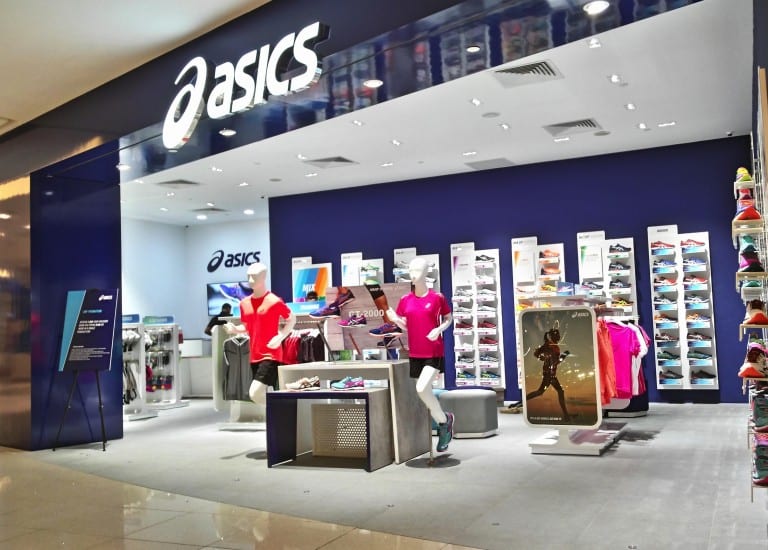
    Asics, the Japanese sportswear giant, has reported robust performance in both the third quarter and the overall nine-month period ending 30th September. This upturn is largely credited to growing demand for lifestyle-centric footwear and a steady flow in its key running sector.

    Surge in Q3 Sales

    The third quarter saw net sales soar to ¥218.5 billion (approximately $1.4 billion), marking a 17 per cent increase from the previous year’s corresponding period. Operating profit also witnessed a significant surge, reaching ¥46.2 billion ($298.9 million), a 38.5 per cent hike.

    Nine-month Period Profit

    During the nine-month period in question, Asics’ net sales touched ¥625.1 billion ($4.04 billion), a rise of 19 per cent from the same span the previous year. This, as the company revealed, was a first-time occurrence in nine months. The period also saw operating profit leap by 39.4 per cent, hitting ¥127.6 billion ($825.8 million), and gross margin bettering by 1.1 percentage points to land at 56.5 per cent. This surge is reflective of a beneficial product mix and an increase in direct-to-consumer sales.

    Driving Factors

    The upward trend in both periods was primarily driven by Asics’ SportStyle and Onitsuka Tiger lines, which registered about 45 per cent rise in net sales. The company’s core running products also maintained a steady pace, backed by continuous innovation and consumers’ propensity for premium footwear.

    Geographical Performance

    Region-wise, Japan, North America, and Europe emerged as the top performers with sales up by 34.5 per cent, 10.2 per cent, and 24 per cent respectively. Greater China also displayed robust growth, recording a 20.6 per cent increase.

    In a recent move, the company opened its first company-owned store in India’s Delhi metropolitan area and broadened its direct-to-consumer channel as a strategy to boost growth in the market.

    Factors Behind the Upturn

    Asics attributes its impressive results to strong product demand, disciplined inventory management, and efficient supply chain operations. However, the company also warned that it would need to keep an eye on currency fluctuations and high logistics costs as potential challenges in the coming quarter.

    Questions & Answers

    What led to the surge in Asics’ Q3 sales?
    The Q3 sales surge was primarily due to rising demand for lifestyle-centric footwear and consistency in the running segment.

    Which Asics product lines largely contributed to the sales increase?
    The sales uptick was mainly due to the SportStyle and Onitsuka Tiger lines, which reported around a 45 per cent increase in net sales.

    Which geographical areas showed significant sales growth for Asics?
    Japan, North America, and Europe were the standout performers, with Greater China also showing substantial growth.

  • Diminished Excitement Dampens China’s Singles Day Sales: A Deep Dive into the World’s Largest Shopping Festival

    Diminished Excitement Dampens China’s Singles Day Sales: A Deep Dive into the World’s Largest Shopping Festival

    China’s annual Singles’ Day shopping bonanza is drawing to a close following more than a month of promotional strategies across the nation’s main e-commerce platforms. However, this year’s event failed to generate the same level of consumer enthusiasm as previous editions due to an ongoing property crisis and increasing concerns about income security, resulting in a considerable drop in spending.

    Overcoming the Shopping Slump

    In an attempt to counteract the reduced spending, retailers have resorted to more aggressive discounting strategies throughout the year. Sales events have been extended, with billions of yuan being provided in the form of consumer subsidies and coupons. This year’s Singles’ Day, which occurs on November 11 and is also referred to as “Double 11,” started in early October, making it the longest-running event in its history.

    Josh Gardner, CEO of Kung Fu Data, a firm that handles online stores in China for global fashion and lifestyle brands, commented on the event’s performance. According to him, the results have been mixed, and the term ‘muted’ might best describe the overall public sentiment and sales outcome of this Singles’ Day event.

    Sales Performance: A Mixed Bag

    “Sales performance varied widely among brands. While some brands significantly exceeded their sales expectations, others experienced flat sales or a minor increase or decrease compared to the previous year,” Gardner said. Last year, the event generated a staggering 1.44 trillion yuan (US$202 billion) in sales, marking it as the longest-running event to date.

    In the past, major platforms, including Alibaba and JD, held extravagant celebrations to announce their record-breaking sales. Unfortunately, these companies haven’t disclosed their total Single’s Day sales for the past few years. However, JD announced that its turnover reached a new high this year, with a 40% increase in users placing orders and a nearly 60% surge in the number of orders.

    Attracting High-Spending Consumers

    In a strategic move to attract high-spending consumers, Alibaba pledged to provide 50 billion yuan in subsidies to its 88VIP members, who currently number around 53 million. Alibaba reported a 39% increase in daily active buyers from the previous year during the festival.

    Jacob Cooke, co-founder and CEO of WPIC Marketing + Technologies, mentioned that targeting 88VIP consumers is crucial. He said, “These consumers are high-spend and high-frequency buyers, which helps maintain consumption at the upper-end of the market.”

    Expanding Internationally

    Chinese e-commerce companies have been making significant efforts to expand globally. For instance, Alibaba’s Taobao extended Singles’ Day-related sales to over 20 countries this year. According to a report released in October by Bain, Chinese e-commerce companies should focus on global expansion given the lackluster consumer outlook at home.

    Questions & Answers

    Why has consumer excitement decreased during Singles’ Day?
    A slump in consumer spending has been observed due to an ongoing property crisis and concerns about income security in China.

    What strategies have retailers adopted to counteract the reduced spending?
    Retailers have implemented aggressive discounting strategies throughout the year, extended the duration of sales events, and offered billions in consumer subsidies and coupons.

    What is Alibaba’s strategy to attract high-spending consumers?
    Alibaba has pledged to provide 50 billion yuan in subsidies specifically for its 88VIP members in an effort to attract high-spending consumers.

  • Estée Lauder Dives into Latin America’s Fragrance Scene with Strategic Investment in Mexican Brand, Xinú

    Estée Lauder Dives into Latin America’s Fragrance Scene with Strategic Investment in Mexican Brand, Xinú

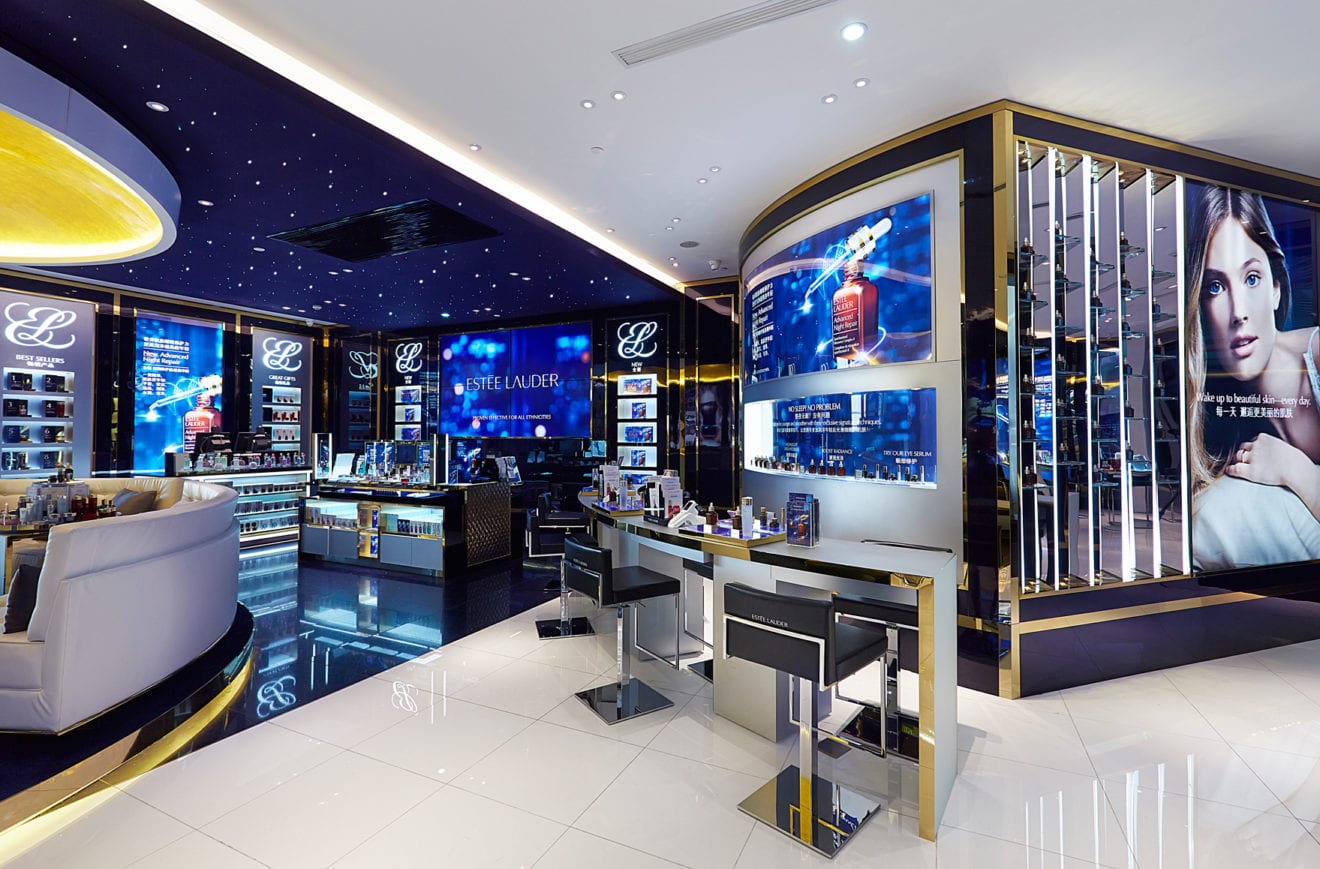
    Cosmetics giant Estée Lauder has recently invested in a minority share of the Mexican perfume label Xinú. This move represents Estée Lauder’s first venture into the Latin American market.

    The investment strategy was executed through New Incubation Ventures (NIV), Estée Lauder’s unit focused on early-stage investments and incubation. NIV is dedicated to financially backing and fostering up-and-coming beauty brands.

    Mexico: A Hub of Fragrance Innovation

    Stéphane de La Faverie, the President and CEO of Estée Lauder, has lauded Mexico as a vibrant center of perfume innovation. He believes that the country represents a unique melding of craftsmanship and cultural pertinence. In his view, Xinú is the embodiment of this ethos, as they redefine contemporary luxury through authenticity, artistry, and captivating narratives.

    Xinú presents itself as a brand inspired by the abundant and exotic richness of the American continent. It synthesizes elements of fragrance, design, and storytelling, and is highly regarded for its commitment to sustainable design. Xinú also prides itself on its sensorial retail environments and product offerings.

    Investment Reflects Commitment to Region

    De La Faverie expressed that this investment underlines Estée Lauder’s firm belief in the region’s exceptional talent. Moreover, it demonstrates their ongoing commitment to nurturing emerging brands that will shape the future of the fragrance and beauty sectors.

    Questions & Answers

    Why has Estée Lauder invested in Xinú?
    Estée Lauder’s investment in Xinú reflects the company’s belief in the region’s exceptional talent and its commitment to nurturing emerging brands that will shape the future of the fragrance and beauty sectors.

    What does Xinú represent according to Estée Lauder’s CEO?
    According to Estée Lauder’s CEO, Xinú is a brand that embodies the spirit of Mexican innovation in fragrance, redefining contemporary luxury through authenticity, artistry, and captivating narratives.

    How does Xinú distinguish itself in the perfume market?
    Xinú sets itself apart in the perfume industry through its inspiration from the abundant richness of the American continent, its synthesis of fragrance, design, and storytelling, its commitment to sustainable design, and its sensorial retail environments.

  • China’s Economic Troubles Deepen: Factory Output, Retail Sales Experience Record Lows

    China’s Economic Troubles Deepen: Factory Output, Retail Sales Experience Record Lows

    In October, China’s factory output and retail sales experienced their slowest growth in over a year, which is placing increasing pressure on policy makers to overhaul the $19 trillion export-driven economy. This comes as the country faces growing supply and demand challenges that threaten to further hamper growth.

    China’s Economy Dilemma

    For several decades, the officials responsible for maintaining China’s bustling economy, the world’s second largest, have had the option to stimulate its extensive industrial sector to increase exports if domestic consumer spending slackens. Alternatively, they could dip into public funds to finance infrastructure projects to boost the country’s GDP.

    However, the ongoing tariff war initiated by former U.S President Donald Trump has underscored China’s dependence on the world’s largest consumer market. It emphasizes that even an economy as large as China’s can only derive limited growth from developing more industrial parks, power substations, and dams.

    Recent economic indicators offer little promise of a swift recovery. The more the economic data deteriorates month by month, the more urgent the need for reform becomes.

    Slowing Industrial Output and Retail Sales

    According to data from the National Bureau of Statistics (NBS), industrial output in October grew by only 4.9% year-on-year, marking the slowest annual pace since August 2024. This is lower than the 6.5% growth seen in September and falls short of the 5.5% increase forecasted by economists.

    Retail sales, an indicator of consumption, rose by a mere 2.9% last month, also marking their slowest pace since August of the previous year. This is a decrease from the 3.0% growth in September, although it surpassed the forecasted growth of 2.8%.

    Challenges and Potential Reforms

    Policy makers are acknowledging the need for changes to rectify historical supply-demand imbalances, enhance household consumption and address the massive local government debt. This debt is preventing provinces, many of which have economies as large as those of nations, from becoming self-sufficient.

    However, they also understand that structural reform will be painful and politically risky, particularly at a time when trade tensions have increased pressure on the economy.

    Another surprise was China’s auto sales, which despite expectations of a surge ahead of the phase-out of various tax breaks and government incentives, ended an eight-month growth streak.

    Economy Undermined by Structural Issues

    Fixed asset investment contracted by 1.7% in the first 10 months of the year compared to the same period in the previous year. This decrease was far more significant than the anticipated 0.8% drop.

    Furthermore, a prolonged downturn in the country’s vital property sector, a significant repository of household wealth, showed no signs of letting up, with new home prices falling at their most rapid monthly rate in a year.

    Despite these challenges, the ruling Communist Party of China has pledged to considerably increase household consumption’s share of GDP, while also emphasizing the need to strengthen its vast industrial base.

    Questions & Answers

    What is the status of China’s factory output and retail sales?
    In October, China experienced the slowest growth in factory output and retail sales in more than a year, which is placing increased pressure on the economy.

    Has China’s dependence on the world’s largest consumer market been highlighted recently?
    Yes, the ongoing tariff war initiated by former U.S. President Donald Trump has underscored China’s dependence on the world’s largest consumer market.

    What challenges is China’s economy currently facing?
    China’s economy is facing numerous challenges, including a slowdown in industrial output and retail sales, a prolonged downturn in the property sector, and the need for structural reform to rectify historical supply-demand imbalances.

  • Discover Real Filipino Fun: Play Pusoy Card Game Online on GameZone

    Discover Real Filipino Fun: Play Pusoy Card Game Online on GameZone

    Play authentic Filipino Pusoy card game online on GameZone—safe, fair, PAGCOR-licensed, and packed with bonuses, excitement, and nonstop entertainment anytime.

    If you’ve been craving a fun, exciting way to play the Pusoy card game—the same one you enjoy during reunions, fiestas, or barkada nights—then you’re in for a treat. You no longer need a full table of players or a long weekend to enjoy Pusoy card game. Thanks to GameZone, the Philippines’ most trusted PAGCOR-licensed gaming platform, you can now play Pusoy anytime and anywhere with real players.

    Just head over to gzone.ph, log in, and explore a world filled with Filipino favorites like Tongits, Pusoy Dos, Color Game, and of course — the classic Pusoy card game that has been loved for generations. Whether you’re a complete beginner or a seasoned strategist, GameZone offers a smooth, exciting, and rewarding experience that captures the essence of true Filipino gameplay.

    Why Pusoy Has Become a Filipino Classic

    Locally known as Pusoy and internationally as Chinese Poker, this iconic card game has remained a cultural staple in the Philippines. It’s more than a pastime—it’s a mix of strategy, skill, fun, and Filipino bonding.

    Players get 13 cards and must create three separate hands:

    • Top hand (3 cards)
    • Middle hand (5 cards)
    • Bottom hand (5 cards, strongest)

    You’ll need sharp decision-making to build the most powerful combinations while outsmarting opponents. That perfect balance of luck and strategy is exactly why Filipinos love it.

    GameZone keeps that tradition alive by bringing Pusoy card game into the digital world while preserving everything you love about the classic gameplay.

    Why GameZone Is the Best Place to Play Pusoy Online

    GameZone is not just another gaming website — it’s one of the Philippines’ most trusted entertainment hubs. Here’s why players choose it every day:

    1. A Safe, Legal, and PAGCOR-Licensed Platform

    You’re not just playing for fun—you’re playing in a secure, fully regulated digital environment.

    GameZone operates under a PAGCOR license, ensuring fairness, transparency, and player protection.

    You can focus on strategy, not security concerns.

    1. Real Filipino Gameplay — Just Like Home

    GameZone’s version of Pusoy mirrors traditional Filipino rules and scoring.

    If you’ve played Pusoy card game before, everything will feel familiar—only smoother, faster, and more exciting.

    1. Play 24/7 Anywhere You Are

    Whether you’re relaxing at home, stuck in traffic, or waiting in line, Pusoy is always just a tap away.

    GameZone is optimized for both mobile and desktop, ensuring buttery-smooth gameplay on any device.

    1. Earn More With Daily Rebates + Bonuses

    Every bet matters on GameZone.

    With the Daily Rebate Program, you earn back a percentage of your wagers every single day.

    Unlock the Silver Level and enjoy rebates of up to 8%, making your gameplay more rewarding whether you win or lose.

    Plus, seasonal promos, bonuses, and events keep the fun going all year round.

    1. Social, Competitive, and Community-Driven

    Pusoy is best enjoyed with others — and GameZone keeps that spirit alive.

    Play with real Filipino players, chat, challenge others, and celebrate big wins together.

    It’s fiesta energy, now available online.

    How to Play Pusoy on GameZone (Quick Guide)

    If you’re new to the game, GameZone makes learning super easy. Here’s how it works:

    1. Receive Your 13 Cards

    You must arrange them into three poker-style hands:

    • Top (3 cards)
    • Middle (5 cards)
    • Bottom (5 cards, strongest)
    1. Arrange Hands Carefully

    Your bottom hand must be the strongest, followed by the middle, then the top.

    1. Score Points by Winning Hands

    Points are compared per level.

    The player with the best overall sets wins the round.

    GameZone’s interface comes with tutorials, guides, and smooth visual animations—perfect for beginners and experts.

    Expert Tips to Win More Pusoy Games on GameZone

    Want to level up your game? Try these simple but powerful strategies:

    • Understand Card Rankings

    Learn which combinations dominate: straights, flushes, full houses, and more.

    • Spread Strength Wisely

    Avoid stacking all powerful cards in one hand. Good balance wins more rounds.

    • Read Opponents’ Patterns

    Observe how other players arrange their hands. Great players read tendencies.

    • Practice Regularly

    The more you play, the faster you recognize strong combinations.

    • Take Advantage of Bonuses

    Use rebates and promos to extend your playtime and maximize value.

    These strategies can significantly boost your chances of winning.

    From Fiesta Tables to Digital Play: Pusoy’s Evolution

    For decades, Pusoy card game has been part of joyful Filipino gatherings—played during fiestas, family reunions, and weekend hangouts.

    People cheered, joked around, and celebrated every winning hand.

    GameZone has captured that same energy and brought it online, letting Filipinos enjoy the game anytime while preserving the camaraderie and excitement.

    It’s modern gaming with a Filipino heart and nostalgia.

    A Reminder: Play for Fun, Play Responsibly

    GameZone encourages responsible gaming. Online games should be enjoyed for entertainment—not used as a financial solution.

    Gambling is not a sustainable way of livelihood.

    Play smart. Set limits. Enjoy responsibly.

    Final Thoughts: Your Pusoy Adventure Begins on GameZone

    The Pusoy card game on GameZone offers the perfect mix of tradition, excitement, strategy, and modern convenience. Whether you’re reliving old memories or discovering the game for the first time, GameZone gives you the best Filipino gaming experience—fair, secure, and full of fun.

    If you want authentic gameplay, real competition, daily rebates, and a trusted PAGCOR-licensed platform, your Pusoy journey starts right here.

    Shuffle your cards. Trust your instincts.

    Play Pusoy the Filipino way — only on GameZone.

    FAQs About Playing Pusoy on GameZone

    1. Is the Pusoy card game on GameZone the same as traditional Pusoy?

    Yes. GameZone follows authentic Filipino rules and scoring systems to give players a traditional and familiar experience.

    1. Is GameZone legal and safe to use?

    Absolutely. GameZone is fully licensed by PAGCOR, ensuring secure, fair, and regulated gameplay.

    1. Can I play Pusoy on my phone?

    Yes! GameZone works smoothly on both mobile and desktop devices.


  • A2 Milk Amplifies China Connection: Targets Growth in English-Label Infant Formula Sales

    A2 Milk Amplifies China Connection: Targets Growth in English-Label Infant Formula Sales

    A2 Milk, a renowned dairy company, has expanded its enduring alliance with China State Farm Agribusiness Holding Shanghai Co (CSFA), with the inclusion of English-label (EL) infant formula within the cross-border e-commerce realm.

    Introducing A2 Genesis Product

    The initial focus of the rollout will be on the A2 Genesis product, a premium item in their line-up. Subsequently, other EL formulas, like A2 Platinum, will also be introduced to the market.

    New Agreement Enhances Distribution and Confidence

    In the newly ratified agreement, CSFA will now function as the sole import agent and principal distributor for EL products. This strategic move will allow A2 Milk to improve logistics, strengthen its retail footprint, and utilize the reputation of the state-owned enterprise to reinforce consumer confidence.

    Targeting the HMO Segment

    A2 Genesis was launched in the latter half of this year. This new product targets the rapidly expanding human-milk-oligosaccharide (HMO) sector, with a specific focus on gut health and immunity.

    David Bortolussi, CEO of A2 Milk, described this development as a pivotal component in the company’s China strategy. Meanwhile, Zhang Lei, Chairman of CSFA, portrayed this arrangement as a benchmark of successful collaboration in the dairy nutrition field.

    Expanded Agreement and Recent Acquisition

    The augmented agreement was officially established at the China International Import Expo in Shanghai, after a year of diligent preparation.

    Additionally, in September, A2 Milk successfully concluded its purchase of Yashili New Zealand’s Pokeno nutritional manufacturing facility for $282 million from China’s Mengniu Dairy Group.

    Questions & Answers

    What is the primary focus of A2 Milk’s initial rollout with CSFA?
    The primary focus of the initial rollout will be the premium A2 Genesis product, which targets the rapidly growing HMO sector, with an emphasis on gut health and immunity.

    What is the role of CSFA under the new agreement with A2 Milk?
    Under the new agreement, CSFA will function as the exclusive import agent and principal distributor for EL products, which will help A2 Milk streamline logistics, expand its retail presence, and build consumer confidence.

    What significant acquisition did A2 Milk make recently?
    In September, A2 Milk completed the acquisition of Yashili New Zealand’s Pokeno nutritional manufacturing facility for $282 million from China’s Mengniu Dairy Group.

  • South Korean Footwear Giant, Sappun, Makes Strides in Southeast Asia with Exclusive Indonesian Expansion

    South Korean Footwear Giant, Sappun, Makes Strides in Southeast Asia with Exclusive Indonesian Expansion

    South Korean female-oriented shoe brand, Sappun, has drawn out plans to broaden its global presence, beginning with Southeast Asia, Indonesia specifically.

    Expanding Footprints in Indonesia

    The footwear brand, which operates under the management of FNS Retail Co, has embarked on an exclusive alliance with Surya Bumi Retailindo. This Indonesian retail firm oversees over 20 international brands spread across sports, fashion, and lifestyle verticals, Salomon and Dickies included.

    The collaboration gives Surya Bumi Retailindo the exclusive distribution rights for Sappun within Indonesia while also setting a sturdy framework for sustained retail growth.

    Establishing Retail Presence

    Sappun, in accordance with this new partnership, has launched standalone outlets in three of Jakarta’s prime shopping precincts, such as Lippo Mall Puri, Plaza Senayan, and Grand Indonesia. Initial sales at these outlets have been reportedly on par with its flagship stores in South Korea, an indication of the strong demand from Indonesian shoppers.

    FNS Retail has plans to inaugurate five additional Sappun stores inside Indonesia by the conclusion of this year, with a future goal of reaching a total of 30 stores within the next five years.

    The entrance into the Indonesian market marks a noteworthy milestone as the first international expansion of a K-fashion women’s shoe brand. FNS Retail expressed their ambition to extend their presence further across Southeast Asia and Japan.

    The Growth of Sappun

    Sappun was founded in 2014 initially as an online-only brand which later expanded its operations to offline outlets across prominent Korean cities, including Seoul and Busan. To further extend its global reach, the brand continues to exploit e-commerce platforms like Shopee and Lazada.

    Sappun also has plans in the pipeline to launch operations in Vietnam in the near future.

    Questions & Answers

    What is Sappun’s expansion strategy?
    Sappun plans to broaden its global presence starting with Southeast Asia, specifically Indonesia. They aim to establish a robust retail presence through local partnerships and open standalone stores in prime shopping areas.

    How is the brand performing in Indonesia?
    Sappun has launched standalone outlets in three of Jakarta’s prime shopping precincts. The sales at these outlets have been reportedly on par with its flagship stores in South Korea, indicating strong demand from Indonesian shoppers.

    What are Sappun’s future plans?
    Sappun aims to extend its presence further across Southeast Asia and Japan. The brand also has plans to launch operations in Vietnam in the near future.

  • China’s Singles’ Day Sales Fall Flat Amid Consumer Apathy and Economic Concerns

    China’s Singles’ Day Sales Fall Flat Amid Consumer Apathy and Economic Concerns

    With the conclusion of China’s Singles’ Day sales festival, the largest shopping event worldwide, it’s clear that the country’s most significant e-commerce platforms were unable to stimulate widespread consumer enthusiasm. This comes in light of the lingering property crisis in China and rising concerns over income security, making it increasingly challenging to convince consumers to part with their money.

    Retailers’ Response

    Retailers, in response to the economic climate, have amplified their efforts in providing year-round discounts, introducing billions in consumer subsidies and coupons, and extending the duration of sales events. For this year’s Singles’ Day, many platforms commenced their sales in early October, making it the longest festival yet.

    However, the response has been mixed, according to Josh Gardner, CEO of Kung Fu Data, a company that manages online stores in China for various global fashion and lifestyle brands. He described the sales sentiment during the Singles’ Day period as “muted,” noting that some brands had performed exceptionally well while others observed flat or minor changes compared to the previous year.

    Last year’s sales event, also known as “Double 11” in China, reached an impressive total of 1.44 trillion yuan (US$202 billion). However, the figures for this year remain undisclosed, as companies such as Alibaba and JD have stopped revealing their total Singles’ Day sales in recent years.

    Platform Sales Performance

    JD reported on Wednesday that its turnover reached a “new high,” with a 40% increase in the number of users placing orders and a nearly 60% increase in the number of orders. Several brands on JD.com, including Bellamy Organic baby products from Australia, the American pet brand Instinct, and French skincare brand Avène, saw a surge in sales by over 150% compared to the previous year.

    Meanwhile, Alibaba’s Tmall and Taobao platforms have continued their Double 11 deals until November 14, yet they have not released any information regarding their sales performance for the entire period.

    Gardner reported that the Singles’ Day sales surge is not as robust as it was in the past, but October and November still account for approximately 30% to 40% of annual revenue for the brands he manages.

    Strategies for Attracting High-Spenders and International Growth

    In an attempt to lure high-spenders, Alibaba pledged 50 billion yuan in subsidies specifically for its 53 million 88VIP members in October. The company reported a 39% increase in daily active buyers from the previous year during the festival among those members.

    Moreover, Alibaba’s Taobao introduced Singles’ Day-related sales in over 20 countries this year, signalling a widespread push from Chinese e-commerce firms for international growth. According to a report released by Bain in late October, it is crucial for Chinese e-commerce companies to pursue global growth, considering the lukewarm consumer outlook domestically.

    Questions & Answers

    What is Singles’ Day in China?
    Singles’ Day is a Chinese sales festival held annually on November 11. It’s considered the world’s largest shopping event, with massive discounts offered by e-commerce platforms to stimulate consumer spending.

    How did Singles’ Day perform this year?
    This year’s Singles’ Day results were mixed. Some brands reported exceeding sales expectations, while others experienced flat or minor changes compared to the previous year.

    What are some strategies adopted by retailers during Singles’ Day?
    Retailers have introduced year-round discounts, billions in consumer subsidies and coupons, and extended sales events. Some are also attempting to attract high-spenders with exclusive offers and expanding their sales to international markets.