Author: Mei Ling Tan

  • Swiss Innovation Meets Asian Fintech: Spotlight on Switzerland at Singapore Fintech Festival 2025

    Swiss Innovation Meets Asian Fintech: Spotlight on Switzerland at Singapore Fintech Festival 2025

    Switzerland is set to be a focal point at the Singapore Fintech Festival 2025, which will mark the country’s ninth consecutive year of participation. The Swiss Pavilion is a testament to how Swiss innovation, trust, and cooperation continue to significantly impact Asia’s rapidly transforming fintech and digital finance sector.

    Switzerland’s Stalwart Presence

    Since its initial appearance at the Singapore Fintech Festival, the Swiss Pavilion, facilitated by Switzerland Global Enterprise and the Swiss Business Hub South East Asia + Pacific, has become a fundamental aspect of the event. The combination of Switzerland’s extensive financial expertise and avant-garde technology offers a one-of-a-kind value proposition for global partners.

    The Pavilion, themed ‘Innovation Meeting Trust,’ underscores the nation’s leadership in digital assets, AI-driven finance, and secure financial infrastructure.

    Switzerland’s Deep Tech Prowess

    “Switzerland has become a beacon for deep tech capabilities, bolstered by its capacity to innovate with integrity,” stated Renée Koh, Deputy Head of the Swiss Business Hub South East Asia + Pacific.

    She indicated that Switzerland could serve as a connecting bridge for Asia’s vast deep tech ambitions, linking ecosystems through trust, expertise, and a shared vision.

    Establishing Connections Among Innovation Hubs

    The Pavilion, part of Switzerland’s broader global innovation strategy, which includes its forthcoming participation at Expo 2025 Osaka, emphasizes the country’s dedication to sustainable, trust-based innovation.

    Given the rapidly growing fintech scene in Asia, Swiss institutions are positioning themselves as trustworthy partners for research, venture scaling, and digital transformation efforts.

    Koh highlighted the Swiss collaborative model that underpins their global success, “Our innovation infrastructure is intended for partnerships, be it through talent acquisition, R&D alliances or venture scaling.”

    Showcasing Swiss Excellence

    The 2025 Pavilion congregates an impressive variety of Swiss companies and institutions pushing the frontiers of global finance. The participants, including the Swiss National Bank, Securosys, ti&m, Chartered Investment, QAI Ventures, Scenario-X, Unique.ai, and Zweyberg, showcase Switzerland’s strengths in secure technology, asset tokenization, AI, and wealth management innovation.

    The exhibits represented at the Pavilion, ranging from tokenized investment structures to AI-based identity verification, reflect the expanse of Switzerland’s fintech ecosystem. The Swiss National Bank’s involvement, in particular, underscores the central role of innovation in contemporary central banking and digital currency research.

    A Platform for Collaboration

    The Singapore Fintech Festival, the world’s largest fintech gathering, is organized by the Monetary Authority of Singapore (MAS) in partnership with The Association of Banks in Singapore. The Festival brings together policymakers, technologists, and financial leaders, providing an excellent platform for Switzerland to bolster its reputation for stability, integrity, and superior quality innovation.

    Switzerland’s consistent presence via the Swiss Pavilion not only highlights the country’s fintech leaders but also strengthens cross-border collaboration with Asia’s financial juggernauts.

    This year’s participation emphasizes Switzerland’s message: that innovation, trust, and global collaboration are the core pillars of the digital economy.

    Questions & Answers

    What is Switzerland’s theme for the Singapore Fintech Festival 2025?
    Switzerland’s theme for the festival is ‘Innovation Meeting Trust,’ which highlights its leadership in digital assets, AI-driven finance, and secure financial infrastructure.

    What is the role of the Swiss Pavilion at the Singapore Fintech Festival?
    The Swiss Pavilion demonstrates Switzerland’s extensive financial knowledge and cutting-edge technology, offering a unique value proposition for global partners. It also showcases a variety of Swiss companies pushing the boundaries of global finance.

    What does Switzerland’s consistent presence at the Singapore Fintech Festival signify?
    Switzerland’s ongoing presence highlights the country’s financial technology leaders, while also strengthening cross-border collaboration with Asia’s financial powerhouses. It underlines Switzerland’s commitment to innovation, trust, and global collaboration.

  • Forrester Predicts Imminent Bust for Majority of APAC Stablecoin Ventures in 2026

    Forrester Predicts Imminent Bust for Majority of APAC Stablecoin Ventures in 2026

    In the coming year, the majority of stablecoin launches in Asia are predicted to fail, according to recent projections from research and advisory firm Forrester. In their 2026 Payments Predictions report, they estimate that 80% of local stablecoin launches in Asia Pacific will not succeed. The report cites several reasons for this projected failure, including a lack of practical uses, high compliance costs, and competition from Central Bank Digital Currencies (CBDCs) and tokenized deposits.

    The Future of Stablecoins in Asia

    Forrester’s predictions suggest that stablecoins pegged to the US dollar will continue to dominate the global supply. This is anticipated to occur as regional banks and regulatory authorities prioritize the development of scalable alternatives such as mBridge, ISO 20022, and CBDCs.

    However, stablecoins as a whole are not expected to find scalable use cases within the retail payments sector during 2026. This is due to several factors, including a poor user experience, complex infrastructure requirements, trust issues, and competition from existing digital payment options. The firm proposes that there may be more practical applications for stablecoins in the realms of B2B cross-border payments and the crypto-native economy.

    Predictions on AI Agents

    In addition to their projections on stablecoins, Forrester has also predicted trends for artificial intelligence (AI) agents. They anticipate that “true agentic payment” – transactions executed autonomously by AI – will make its debut in the B2C space in 2026. However, this technology is expected to remain experimental due to technical challenges and issues around consumer trust. Widespread implementation is predicted to start in 2027.

    In the B2B sector, AI agents are forecasted to execute one-third of all payments, as the technology can effectively address complexities in associated processes like invoicing and accounts payable.

    Senior Analyst at Forrester, Meng Liu, remarked, “Agentic and stablecoin payments are set to reshape global payment ecosystems by 2026, introducing diverse standards, protocols, business models, and blockchains that will drive significant fragmentation.”

    Questions & Answers

    Why are most stablecoin launches in Asia projected to fail in 2026?
    Forrester cites reasons such as lack of utility, high compliance costs, and competition from Central Bank Digital Currencies and tokenized deposits.

    What is the future outlook for stablecoins in retail payments?
    Forrester predicts that stablecoins will not find scalable use cases for retail payments in 2026 due to a range of challenges including poor user experience and trust issues.

    What are the predictions around AI agents in the B2B sector?
    In the B2B sector, AI agents are expected to handle one-third of all payments by resolving complexities in adjoining processes like invoicing and accounts payable.

  • Balancing Speed and Security: UOB CEO Wee Ee Cheong’s Take on AI Adoption in Fintech

    Balancing Speed and Security: UOB CEO Wee Ee Cheong’s Take on AI Adoption in Fintech

    United Overseas Bank (UOB) CEO, Wee Ee Cheong, recently expressed his concerns over the potential risks that come with the swift implementation of technology. He emphasized that in the financial services sector, ensuring security and maintaining trust is crucial to prevent undesired consequences.

    Striking a Balance between Progress and Risk

    There’s no denying that the integration of artificial intelligence (AI) brings about a myriad of advantages. However, it is equally important to recognize that with these benefits comes an array of risks. These risks can take various forms, from distorted results due to faulty data interpretation, breaches of data privacy, to the rise of sophisticated fraudulent activities. Wee Ee Cheong highlighted that the pace at which these technologies are adapted should be tempered with appropriate security measures.

    According to Wee, “Speed without security is fragile. The foundation of lasting relationships is trust,” while speaking at the Singapore FinTech Festival in 2025. He underscored the importance of regulatory transparency and the need for standardization within the industry.

    AI: An Aid, Not a Substitute

    Wee also shed light on the broader societal implications of the widespread use of AI, emphasizing that technology cannot and should not replace humans.

    “AI cannot replicate the empathy in advice, the ethics in decision-making, or the leadership and judgement that builds trust over time,” said Wee. He stressed the role of AI as a tool to assist humans in improving efficiency and increasing productivity rather than replacing them.

    A “Mindset-First” Approach

    Wee proposes that the financial sector should adopt a “mindset-first approach”. This approach centers on problem-solving guided by purpose and value, as opposed to a “technology-first approach” that promotes innovation solely for its own sake.

    As an illustration of this approach, he mentioned initiatives at UOB such as a program that has assisted 1,000 SMEs in Southeast Asia in the initial stages of AI integration and efforts to improve the skills of the bank’s 32,000 employees through an innovation academy.

    By working together, Wee believes we can shape a financial industry that is resilient, adaptive, and aligned with society’s changing needs and values.

    Questions & Answers

    What are the potential risks associated with the rapid adoption of AI in the financial sector?
    Answer: Risks can range from data misinterpretation leading to inaccurate results, violation of data privacy, and the emergence of sophisticated fraud schemes.

    What is the role of AI according to UOB CEO, Wee Ee Cheong?
    Answer: Wee views AI as a tool to aid humans in increasing efficiency and productivity, not as a replacement for human empathy, ethics, leadership and judgement.

    What approach does Wee advocate for in the financial sector regarding technology adoption?
    Answer: Wee advocates for a “mindset-first approach” that focuses on problem-solving guided by purpose and value, as opposed to a technology-centric approach that promotes development purely for the sake of innovation.

  • End of an Era: Isetan Bids Farewell to Tampines Mall Store After Three Decades

    End of an Era: Isetan Bids Farewell to Tampines Mall Store After Three Decades

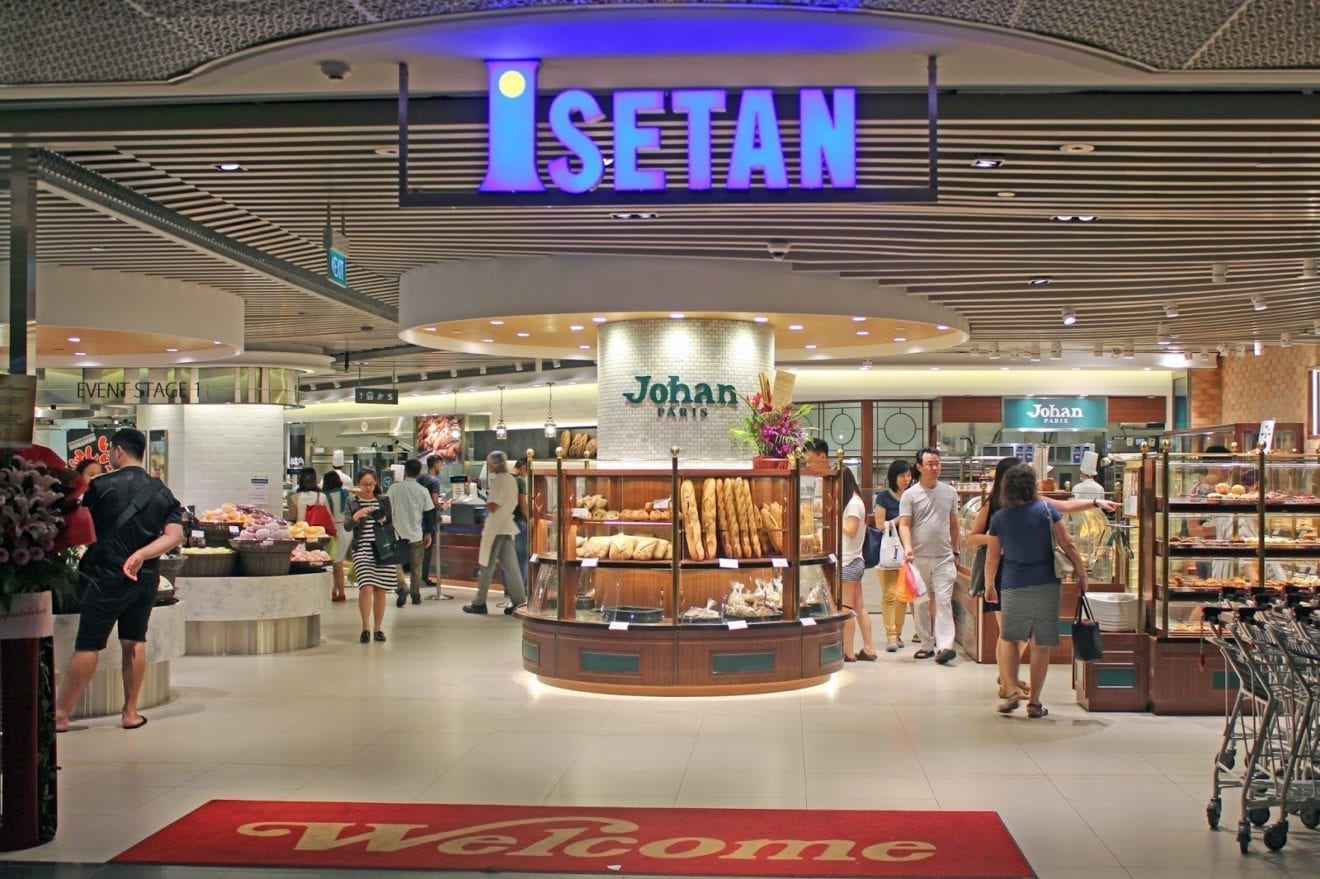
    After three decades of successful operation, Isetan, a renowned Japanese department store chain, has chosen to shutter its store at Tampines Mall in Singapore. This decision comes in the wake of the lease agreement’s expiration, a disclosure first made public in May.

    Decision Behind Closure

    An official statement from the company spokesperson suggests that the closure is a strategic move based on an evaluation of the local market conditions and the store’s long-term profitability prospects. The decision aims to realign the operational goals with the company’s broader business objectives.

    Isetan has held a significant presence in Tampines Mall since its inauguration in 1996. The company, as one of the mall’s primary tenants, has recently conducted a series of clearance sales to deplete the store’s inventory.

    Continued Operations at Other Venues

    Nevertheless, Isetan patrons need not worry, as the company assures that its other stores, located at Shaw House on Orchard Road and Serangoon’s Nex, will carry on with their usual business.

    Isetan is a comprehensive retail destination that stocks a wide range of products, from home essentials to fashion and beauty items. It has been serving the Singaporean market since 1972.

    Company’s Evolution

    At the zenith of its business, Isetan boasted a presence across Singapore with six outlets. However, in light of the escalating rental costs, the surge in e-commerce, and evolving consumer preferences, the retailer has gradually scaled back its operations in the past few years.

    Questions & Answers

    Why has Isetan decided to close its Tampines Mall store in Singapore?
    The decision to close the Tampines Mall store came after a careful evaluation of local market conditions and the potential for future profitability, in line with the company’s broader business objectives.

    What will happen to the other Isetan stores in Singapore?
    Isetan’s other stores, located at Shaw House on Orchard Road and Nex in Serangoon, will continue to operate as usual, unaffected by the Tampines Mall store’s closure.

    How has Isetan’s presence in Singapore evolved over the years?
    Isetan began operation in Singapore in 1972. At its peak, the company had six outlets across the city-state. However, due to various factors such as rising rents, e-commerce growth, and changing consumer habits, the retailer has scaled back its operations in recent years.

  • Swiss Sportswear Giant On Debuts First Stores in Seoul, Amplifying Brand Presence in APAC Region

    Swiss Sportswear Giant On Debuts First Stores in Seoul, Amplifying Brand Presence in APAC Region

    Swiss activewear label, On, has established its inaugural retail outlets in Seoul, signifying the brand’s growth in the Asia-Pacific region. These outlets are conveniently located in the Hyundai Seoul department store and Lotte World Mall Jamsil, offering shoppers easy access to On’s comprehensive selection of footwear, clothing, and accessories.

    The unique aesthetic of the stores draws upon the spirit of Korean runners and the picturesque running routes of the city. From vibrant Seoul streets to rough-hewn gravel trails, the store’s design truly captures the essence of the local running community. Complementing this are the store’s modern aluminium and glass-like fixtures and counters, channelling a sleek and sporty vibe.

    On’s new retail spaces are more than just shops – they are community-centred hubs offering in-store programs and hosting community-driven events. In addition, they will be launching exclusive collaboration products with the Seoul-based ready-to-wear brand, Post Archive Faction (PAF), and the Zendaya collection.

    Rebecca Cai, On’s Asia-Pacific General Manager, expressed her excitement about the launch. She said, “Bringing the complete On experience to Seoul, our first direct-to-consumer stores in South Korea, aligns with our passion for design, innovation, and active lifestyles. The city of Seoul resonates perfectly with these values.”

    She added, “Our esteemed wholesale partners have laid a strong foundation in this market. These new flagship stores mark the next phase in our strategic, multi-channel evolution. They provide a unique environment to display our brand in its entirety, particularly our expanding apparel collection. Additionally, they serve as dynamic hubs where our community can meet, connect and find inspiration.”

    Questions & Answers

    What can customers expect from On’s new stores in Seoul?
    Customers can look forward to a full range of On’s footwear, apparel and accessories. The stores will also serve as community hubs offering in-store programs and hosting community-driven events.

    What inspired the interior design of the stores?
    The interiors of the stores draw inspiration from Korean runners and the city’s scenic running paths. The stores feature modern aluminium and glass-like fixtures and counters to channel a sleek and sporty vibe.

    What is the significance of On’s expansion into Seoul?
    This expansion marks On’s first direct-to-consumer stores in South Korea, representing a significant step in the brand’s growth in the Asia-Pacific region. It also symbolizes On’s ongoing commitment to fostering active lifestyles and community connection.

  • Jins Makes Spectacular Debut in Vietnam: First Flagship Store Unveiled in Saigon Centre Amid Expansion Plans

    Jins Makes Spectacular Debut in Vietnam: First Flagship Store Unveiled in Saigon Centre Amid Expansion Plans

    In a strategic move to expand its footprint across Southeast Asia, Jins, a renowned Japanese eyewear retail brand, has inaugurated its introductory store in Vietnam. The expansive 200-square-meter flagship store is centrally located at Saigon Centre in Ho Chi Minh City.

    Reflective Design and Core Collections

    The design of the newly established store is a true reflection of the brand’s minimalist approach that combines unadorned simplicity with purposeful utility. The interior of the store embraces the Japanese spatial concepts, Shakkan-ho and Chigaidana, creating an environment of balance and systematic order. This design philosophy is a characteristic feature seen across all Jins outlets in Asia.

    The Vietnam branch offers the company’s key collections, namely Airframe, 360°, Home, and Combination Titanium. These collections are known for their lightweight materials, flexible hinges, and understated styling.

    A Significant Milestone

    The launch in Vietnam represents a significant landmark in the global expansion journey of Jins. Atsushi Ogawa, director of Jins Vietnam, expressed his delight in bringing the brand’s ‘Magnify Life’ philosophy to Vietnamese customers. This philosophy unifies functionality, creativity, and design aspects.

    Ogawa stated, “Jins is committed to establishing a long-lasting presence in Vietnam while also contributing to the growth of the local eyewear market. Our approach is centered on quality, innovation, and a customer-centric experience.”

    Future Expansion Plans

    In addition to launching the flagship store, Jins intends to unveil two more outlets in Ho Chi Minh City this month. The company initially entered the Vietnamese market in June with a temporary pop-up store. This store served to measure local demand before the brand’s permanent installation.

    This debut in Vietnam represents Jins’ eighth overseas market, following its presence in Japan, China, Taiwan, Hong Kong, the Philippines, the US, and South Korea. As of September this year, the company runs 810 stores worldwide, making Vietnam a significant addition to its Southeast Asian network.

    Questions & Answers

    What is the design philosophy of Jins?
    Jins follows a minimalist design ethos that combines simplicity with utility, reflecting Japanese spatial concepts such as Shakkan-ho and Chigaidana.

    What are the key collections offered by Jins in its Vietnam store?
    The Vietnam store carries Jins’ core collections, including Airframe, 360°, Home, and Combination Titanium, embodying lightweight materials, flexible hinges, and restrained styling.

    What are the future expansion plans of Jins in Vietnam?
    In addition to the flagship store, Jins plans to open two more stores in Ho Chi Minh City in the near future.

  • Lavazza Brews Up First Hong Kong Store: A New Chapter in Coffee Culture

    Lavazza Brews Up First Hong Kong Store: A New Chapter in Coffee Culture

    Italy’s iconic coffee brand, Lavazza, has recently established its inaugural store in Hong Kong’s bustling financial district, Central. This is a result of a strategic partnership with Yum China.

    The new location aims to provide a unique coffee experience by offering Lavazza’s premium Italian coffee blends and an extensive variety of beans from various parts of the globe.

    In a statement, Yum China conveyed its commitment to enhance the daily life of Hong Kong’s residents through Lavazza’s internationally acclaimed coffee.

    The opening of the store is a significant move in Lavazza and Yum China’s wider regional strategy. The two firms have ambitious plans for mainland China, intending to broaden Lavazza’s presence to include 1000 cafes by 2025. This expansion is fueled by a generous initial investment of US$200 million and the valuable in-depth market knowledge of Yum China.

    The collaboration in Hong Kong is a reflection of the companies’ shared objective to bring authentic Italian coffee experiences to urban professionals. Not only does this allow them to enjoy high-quality beverages, but it also bolsters Lavazza’s regional influence.

    Questions & Answers

    What is Lavazza’s plan for expansion in mainland China?
    Lavazza, in partnership with Yum China, plans to broaden its network to include 1000 cafes by 2025.

    What is the significance of Lavazza’s collaboration with Yum China in Hong Kong?
    The collaboration aims to offer authentic Italian coffee experiences to urban professionals in Hong Kong, while also strengthening Lavazza’s regional presence.

    What kind of coffee does the new Lavazza store in Hong Kong offer?
    The store provides Lavazza’s premium Italian coffee blends as well as a wide selection of beans sourced from around the world.

  • Burger King Gears Up for Expansion in China with $350M Investment, Targeting 4,000 Outlets by 2035

    Burger King Gears Up for Expansion in China with $350M Investment, Targeting 4,000 Outlets by 2035

    Restaurant Brands International (RBI) recently secured a $350 million investment for its Burger King China division, as part of a new joint venture with China-based alternative asset manager, CPE. This significant investment will support Burger King’s restaurant expansion, marketing initiatives, menu innovation, and operational processes within China.

    Unleashing Business Potential in China

    The main objective of this joint venture is to extend Burger King’s presence in China from its current standing of 1,250 restaurants to a staggering figure of more than 4,000 by 2035. Joshua Kobza, the CEO of RBI, expressed his excitement about the opportunity, stating that China remains one of the most exhilarating long-term prospects for Burger King on a global scale. He further added that the new joint venture and recent investments highlight their confidence in the Chinese market.

    Kobza also mentioned that this partnership with CPE would help unlock the full potential of the business. This is achievable by amalgamating Burger King’s globally recognized brand and large scale with CPE’s local market insights and operational expertise.

    Transaction Details and Future Growth Plan

    Upon the completion of this transaction, which is anticipated to occur in the first quarter of the upcoming year, CPE will hold an estimated 83% of Burger King China, while RBI will retain about 17%. An essential part of this deal entails that a wholly owned affiliate of Burger King China will sign a 20-year master development agreement. This agreement will provide the affiliate exclusive rights to develop the Burger King brand within the Chinese market.

    This strategic move aligns perfectly with RBI’s approach of teaming up with seasoned local operators and investors. Their shared goal is to drive profitable growth while maintaining a predominantly franchised business model globally. In line with this, the company aims to hit a target of 5% or more net restaurant growth by the end of its 2024–2028 outlook period.

    RBI’s transaction follows another recent investment, where it acquired stakes in Burger King China from its local franchisee for approximately $158 million in February.

    Questions & Answers

    What is the main objective of the joint venture between RBI and CPE?
    The goal is to extend Burger King’s presence in China from its current standing of 1,250 restaurants to more than 4,000 by 2035.

    Who will hold the majority stake in Burger King China after the transaction is completed?
    CPE will own approximately 83% of Burger King China, with RBI holding the remaining approximately 17%.

    What is the net restaurant growth target that RBI aims to achieve by the end of its 2024–2028 outlook period?
    RBI targets a 5% or more net restaurant growth by the end of this period.

  • Gong Cha Hits Thailand with Bold Expansion: Bubble Tea Giant Targets 100 New Stores in Latest Global Growth Surge

    Gong Cha Hits Thailand with Bold Expansion: Bubble Tea Giant Targets 100 New Stores in Latest Global Growth Surge

    Gong Cha, a leading global bubble tea brand, has recently launched its first concept store in Thailand. The new establishment is a result of a collaboration with Perfect Step, a local master franchisee and a subsidiary of Thai Outdoor Group.

    Strategic Location and Expansion Plan

    The new Gong Cha outlet is strategically located on the third floor of the Beacon Zone in CentralWorld. This store is the first move in an aggressive expansion plan, with the brand aiming to establish up to 100 stores across Thailand in the near future.

    Embracing Technology and Authenticity

    Every proposed Gong Cha outlet will present the brand’s Gong Cha 2.0 design. This modern and innovative design incorporates technology to enhance service speed and adaptability while maintaining the brand’s commitment to serving authentic whole-leaf teas.

    Focused on Global Expansion

    The Thailand launch is another milestone in Gong Cha’s ambitious global expansion plan. The brand recently made its foray into Colombia and aims to establish 10,000 outlets worldwide over the next decade. Gong Cha isn’t just focused on Asian markets; the brand will soon open its first Caribbean outlet at Atlantis Paradise Island.

    Accelerated US Expansion

    In the United States, Gong Cha is rapidly expanding its footprint through multi-unit franchise agreements in Milwaukee, Portland, and Nashville. The bubble tea brand has set a target of surpassing 500 locations across the country by 2028. To achieve this goal, Gong Cha is actively seeking top-tier franchise partners in regions including Southern California, Nevada, Utah, and the Southeastern US.

    Return to the Singapore Market

    Gong Cha had to exit the Singapore market after its franchise agreement with Gong Cha Singapore, which had been operating the brand since 2017, came to an end. However, Gong Cha Global has announced plans to re-enter the market next year.

    Currently, Gong Cha operates 2,200 locations in 30 international markets.

    Questions & Answers

    What is Gong Cha’s expansion plan for Thailand?
    Gong Cha plans to open up to 100 stores across Thailand.

    What is unique about the new Gong Cha outlets in Thailand?
    The new Gong Cha outlets in Thailand will feature the brand’s Gong Cha 2.0 design, which blends technology and authenticity, enhancing service speed and adaptability while staying true to authentic whole-leaf teas.

    What is Gong Cha’s expansion goal in the United States?
    Gong Cha aims to surpass 500 locations across the US by 2028 through multi-unit franchise agreements.

  • Mcredit’s B+ Rating Affirmed by Fitch Ratings, Highlighting Strong Financial Performance and Digital Transformation Progress

    Mcredit’s B+ Rating Affirmed by Fitch Ratings, Highlighting Strong Financial Performance and Digital Transformation Progress

    Fitch Ratings, a globally recognized credit rating agency, has once again affirmed the Long-Term Issuer Default Rating (IDR) of MB Shinsei Consumer Credit Finance Limited Liability Company (Mcredit), maintaining it at B+ with a stable outlook. This represents the second consecutive year Mcredit’s long-term credit rating has been upheld at this level.

    Steady Financial Foundation

    In a previous assessment in June 2025, the Vietnam Investment Credit Rating Joint Stock Company conferred an A- long-term issuer rating on Mcredit. This underlined Mcredit’s firm financial base, consistent market standing, and escalating acclaim within Vietnam’s consumer finance landscape.

    Fitch’s rating highlights the consistent backing from Mcredit’s two strategic shareholders, the Military Commercial Joint Stock Bank (MB) and SBI Shinsei Bank based in Japan. This collaboration has not only bolstered the company’s financial stamina and fostered transparent governance, but it has also encouraged a mutual emphasis on sustainable growth and digital innovation.

    Focus on Digital Transformation

    In response to evolving market trends, Mcredit has accelerated its comprehensive digital transformation in recent years. By effectively utilizing its strategic ecosystem – which includes partners like MB, MoMo, Viettel, and ZaloPay – Mcredit has been able to broaden its customer reach and diversify its offerings.

    This tactical approach has resulted in robust operational performance and sustained growth. In the first half of 2025, Mcredit reported a 31% year-on-year increase in total operating income. Profit before tax grew 11%, and the cost-to-income ratio (CIR) saw a 5.4 percentage point improvement compared to the previous year.

    Positive Ratings Reaffirm Business Strategy

    The favorable assessments Mcredit received from both Fitch Ratings and the Vietnam Investment Credit Rating Joint Stock Company underscore the company’s strong risk management, sustainable business strategy, and prowess in digital innovation. These ratings have further boosted market confidence for customers, partners, and investors both within Vietnam and internationally.

    Questions & Answers

    What is Mcredit’s Long-Term Issuer Default Rating (IDR) as affirmed by Fitch Ratings?
    Mcredit’s Long-Term Issuer Default Rating (IDR) has been affirmed as B+ with a stable outlook by Fitch Ratings.

    How have Mcredit’s strategic partnerships contributed to its operations?
    Mcredit’s partnerships have contributed to the company’s robust financial status, transparent governance, and focus on sustainable growth and digital transformation. They have also helped the company diversify its offerings and expand its customer base.

    What are some of Mcredit’s recent operational performance metrics?
    In the first half of 2025, Mcredit reported a 31% year-on-year increase in total operating income. Additionally, profit before tax rose 11%, and the cost-to-income ratio (CIR) improved by 5.4 percentage points compared to the previous year.

  • Vietnam’s Gold Prices Skyrocket to 3-Week High Amid Global Rate Surge and U.S. Government Resumption

    Vietnam’s Gold Prices Skyrocket to 3-Week High Amid Global Rate Surge and U.S. Government Resumption

    The price of gold in Vietnam saw a significant increase on Tuesday, reaching its peak since October 21st. This uptick was reflective of a global surge in gold prices, spurred by the anticipation of the U.S. government’s resumption.

    Saigon Jewelry Company reported a 1.20% increase in their gold prices, now standing at VND152 million (US$5,777.28) per tael. A tael, a common unit of measurement used in East Asia, equates to 37.5 grams or 1.2 ounces.

    Rise in Gold Jewelry Prices

    In line with the increase in gold prices, the cost of gold rings also saw a rise of 1.35%, now costing VND149.8 million per tael. So far this year, the price of gold in Vietnam has surged by a substantial 80.5%.

    Global Gold Rates

    Internationally, gold prices have been on a steady upward trend, reaching near three-week highs on Tuesday. These gains are believed to be influenced by expectations of another U.S. Federal Reserve interest rate cut in December, as well as indications of an end to the U.S. government shutdown.

    The price of spot gold also increased by 0.7%, reaching $4,142.83 per ounce, its highest since October 24th.

    Impact of U.S. Government Shutdown

    The U.S. Senate recently passed a deal to restore U.S. federal funding, marking an end to the longest government shutdown in history. This shutdown led to delays in key economic indicators, such as the U.S. non-farm payrolls report.

    The end of the shutdown is expected to provide more clarity on the U.S. economic outlook as well as the Federal Reserve’s interest rate trajectory. It is believed that the resolution of the shutdown has lifted a level of uncertainty, allowing markets to refocus on major speculative narratives for the year.

    According to Ilya Spivak, head of global macro at Tastylive, the upside is still favored for the rest of the year. With the path of least resistance for gold trending back to October’s high, it is anticipated that prices may continue to rise thereafter.

    Questions & Answers

    What caused the recent surge in gold prices in Vietnam and globally?
    Anticipation of the resumption of the U.S. government and expectations of another U.S. Federal Reserve interest rate cut in December are believed to have spurred the recent surge in gold prices.

    How has the U.S. government shutdown impacted the gold market?
    The U.S. government shutdown led to delays in key economic indicators, creating a level of uncertainty in the market. With the resolution of the shutdown, this uncertainty has been lifted, allowing markets to refocus and consequently affecting gold prices.

    What is the outlook for gold prices for the rest of the year?
    According to experts, the upside is still favored for the rest of the year, with potential for prices to continue rising.

  • UOB Bumps Up Vietnam’s Economic Growth Projection to 7.7%, Beating Previous Estimates Despite US Tariff Challenges

    UOB Bumps Up Vietnam’s Economic Growth Projection to 7.7%, Beating Previous Estimates Despite US Tariff Challenges

    United Overseas Bank (UOB) of Singapore has revised its predicted GDP growth rate for Vietnam upward, from 7.5% to 7.7%. This adjustment comes in response to Vietnam’s stronger-than-anticipated economic performance in the third quarter.

    Impressive Economic Performance Despite U.S. Tariff Threats

    Despite looming threats of U.S. tariffs, Vietnam showcased a robust economic performance by achieving a growth rate of 8.23% in the third quarter. This growth was primarily fueled by a surge in exports and manufacturing, according to UOB.

    In the year’s first nine months, exports soared by 16% year-on-year, while manufacturing rose by 10.8%. The Purchasing Managers’ Index also showed signs of recovery, expanding for three consecutive months following a three-month phase of contraction.

    Stabilized Outlook and Foreign Direct Investment

    The economic indicators suggest a stabilized economic outlook for Vietnam. This notion is further supported by the accelerated pace of foreign direct investment (FDI) into the country. FDI grew by 8.5% to reach $18.8 billion. If this trend continues, the year-end figures could potentially match 2024’s record-breaking total of $25.4 billion.

    However, UOB cautions that Vietnam’s open economy makes it susceptible to trade frictions. Exports of goods and services make up a significant 83% of Vietnam’s GDP, the second highest among ASEAN nations.

    Concerns Over the Impact of Tariffs and Exchange Rates

    Despite the robustness of Vietnam’s trade activities in the face of U.S. tariffs, there are concerns that export orders might dwindle as order frontloading eases and higher prices affect U.S. consumer demand in 2026.

    Another area requiring attention is the foreign exchange market. The Vietnamese dong was the second worst-performing Asian currency in the first nine months of 2025, depreciating 3.55% against the U.S. dollar. The currency that fared worse was the Indian rupee, which fell by 3.58%.

    Other Predictions of Vietnam’s Economic Growth

    Aside from UOB, other financial institutions have also revised their growth forecasts for Vietnam this year. HSBC, a British bank, predicts a growth figure of 7.9%, while the Asian Development Bank anticipates a growth rate of 6.7%.

    Vietnam’s Prime Minister, Pham Minh Chinh, expressed optimism last month, stating that with the current growth momentum, Vietnam could surpass its GDP growth target of 8% for this year, barring any major disruptions.

    Questions & Answers

    What is the revised GDP growth forecast for Vietnam by UOB?
    UOB has revised the GDP growth forecast for Vietnam from 7.5% to 7.7%.

    What factors are contributing to Vietnam’s economic growth?
    Strong exports, manufacturing, and foreign direct investment have been significant contributors to Vietnam’s economic growth.

    What concerns does UOB express regarding Vietnam’s economy?
    UOB has expressed concerns about possible trade friction due to Vietnam’s open economy. There are also concerns about the performance of the Vietnamese dong in the foreign exchange market.

  • Dollar Soars to Monthly Peak Against Vietnamese Dong Amid Anticipated US Shutdown End

    Dollar Soars to Monthly Peak Against Vietnamese Dong Amid Anticipated US Shutdown End

    A 49-year-old Singaporean has triumphed over 700 competitors to secure the opportunity to manage Chick-fil-A’s first restaurant in Asia.

    In a turn of events, Cambodian magnate Chen Zhi was tricked by an executive from his own Singapore family office.

    The spotlight is now on the world’s largest creditor, a status that has become the focus of attention globally.

    The bodies of missing Russian cryptocurrency millionaire Roman Novak and his wife have been discovered in the Dubai desert.

    Over 230 individuals fell sick in Ho Chi Minh City due to suspected Salmonella poisoning from consuming banh mi.

    Confusion Over New Vietnamese Education Laws

    Parents in Vietnam are grappling with the recent introduction of fines for compelling children to study, leading to widespread confusion.

    In a tragic incident in northern Vietnam, a woman caused a fatal accident by obstructing the road to dry rice.

    Seven footballers who were naturalized in Malaysia are now seeking compensation from the Football Association of Malaysia (FAM) following a FIFA ban.

    Interestingly, a Vietnamese individual is found to consume 81 packs of instant noodles annually, surpassing Koreans.

    Thailand has issued a new law where daytime drinking could be penalized with a $300 fine.

    The U.S. Dollar and Vietnamese Dong

    The U.S. dollar has reached a one-month high against the Vietnamese dong. On a Tuesday morning, Vietcombank sold the greenback at a 0.05% higher rate, pegging it at VND26,373.

    However, on the black market, the dollar saw a 0.36% fall, trading at VND27,650.

    Globally, the yen, seen as a safe-haven, reached its lowest since February on the same Tuesday. Riskier currencies held firm against the dollar, as traders predicted an end to the U.S. government shutdown in the coming days.

    The euro maintained stability at $1.1555, while sterling gradually edged higher to $1.3165.

    A deal that would restore U.S. federal funding and conclude the longest shutdown was passed by the U.S. Senate late on Monday. It now awaits the approval of the House, where Speaker Mike Johnson has expressed his intent to pass it by Wednesday and forward it to President Donald Trump for his signature.

    Questions & Answers

    Who is the Singaporean that emerged victorious over 700 competitors to run Chick-fil-A’s first restaurant in Asia?
    Details about this individual are yet to be disclosed.

    What law has recently been introduced in Vietnam in relation to children’s education?
    A new law has been enacted in Vietnam that imposes fines on parents who force their children to study.

    What is the current situation of the U.S. dollar against the Vietnamese dong?
    The U.S. dollar recently hit a one-month high against the Vietnamese dong, being sold 0.05% higher at VND26,373 by Vietcombank. However, it experienced a 0.36% drop on the black market, being traded at VND27,650.

  • KFC’s Zinger Banh Mi Sparks Debate: Innovative Fusion or Vietnamese Cuisine Faux Pas?

    KFC’s Zinger Banh Mi Sparks Debate: Innovative Fusion or Vietnamese Cuisine Faux Pas?

    KFC Australia has stirred up a buzz in the culinary world with its unique food fusion, the Zinger Banh Mi. This novel dish marries KFC’s crispy chicken fillet with a classic Vietnamese sandwich, introducing a fresh and somewhat unconventional dining experience.

    A Taste of Innovation

    On November 4, KFC Australia rolled out the Zinger Banh Mi across the country, following a successful trial run in Newcastle. This limited-edition dish comprises coleslaw, chili, coriander, mayonnaise, KFC Supercharger sauce, and a Zinger chicken fillet, all nestled within a traditional Banh Mi roll.

    Sally Spriggs, KFC’s group marketing director, expressed her excitement about the new offering. She said, “At KFC, we love putting our own spin on modern foods, and the Zinger Banh Mi is our take on a dearly-loved classic. It’s an exquisite blend of spice, freshness, and texture, a truly tantalising combination that heralds flavor innovation while offering our fans a fresh way to savour our renowned Zinger.”

    Melding Flavours and Cultures

    Food enthusiasts have shown considerable interest in this unique concoction. Georgia Mahood hailed it as the “ultimate flavor fusion”, characterising it as a marriage of KFC’s signature spice with the light and refreshing flavours typical of a Banh Mi. The traditional Vietnamese sandwich usually comprises a crusty baguette filled with ingredients like pate, grilled chicken, beef, pickles, and herbs.

    However, not all reactions to the Zinger Banh Mi have been entirely positive. Some critics, particularly those familiar with traditional Banh Mi, have expressed scepticism. One reviewer noted, “The banh mi from KFC was tasty, but it didn’t really taste like a banh mi. It’s missing the absolutely vital ingredients that define a banh mi!”

    The Zinger Banh Mi is available at select KFC restaurants, priced from AUD9.95 (US$6.50). However, this offering is only available until December 1.

    A Global Taste Journey

    The Zinger Banh Mi is part of KFC’s strategy to expand its menu with international-inspired offerings. This initiative features a series of limited-edition releases that tap into global food trends. Other offerings include the Sweet Tokyo Feast, which boasts crispy fried chicken coated in a sweet teriyaki-style glaze and sprinkled with sesame seeds. Earlier, the fast-food chain launched a kebab range that combined its iconic Original Recipe and Zinger chicken with flavourful salads and sauces.

    Questions & Answers

    What is the Zinger Banh Mi?
    The Zinger Banh Mi is a fusion of KFC’s crispy chicken fillet and a traditional Vietnamese sandwich. It features coleslaw, chili, coriander, mayonnaise, KFC Supercharger sauce, and a Zinger chicken fillet, served on a Banh Mi roll.

    Where can the Zinger Banh Mi be purchased, and for how long?
    The Zinger Banh Mi is available at selected KFC restaurants until December 1. The price starts at AUD9.95 (US$6.50).

    What other international-inspired offerings has KFC introduced?
    KFC has launched a series of limited-edition menu items inspired by international cuisine. These include the Sweet Tokyo Feast, featuring teriyaki-style glazed chicken, and a range of kebabs combining its Original Recipe and Zinger chicken with salads and sauces.

  • Jim Wang Takes Helm as CEO of Standard Chartered’s China Securities Unit: A Leap Forward in Asia’s Financial Landscape

    Jim Wang Takes Helm as CEO of Standard Chartered’s China Securities Unit: A Leap Forward in Asia’s Financial Landscape

    Standard Chartered recently revealed that it has chosen a new leader for its securities division in mainland China.

    Appointment of New CEO for Standard Chartered Securities (China) Limited

    Standard Chartered Securities (China) Limited (SCSCL), the Chinese securities branch of Standard Chartered’s Hong Kong banking unit, has welcomed Jim Wang into the role of CEO. Wang will be responsible for supervising the company’s comprehensive operations and will report directly to its board of directors.

    About Jim Wang

    Wang boasts an impressive career that spans two decades, during which he accumulated experience in various fields including securities, asset management, and banking. He has held high-ranking positions at multiple leading financial institutions, both domestically and internationally.

    Comments on Wang’s Appointment

    John Thang, Head of Markets and Strategic Client Management & Solutions for Hong Kong, Greater China & North Asia, made laudatory comments about Wang’s appointment. He noted, “Jim’s extensive international and domestic experience makes him an invaluable addition to our team. His deep understanding of China’s fixed income capital markets coupled with his proven leadership and management skills, underscored by a consistent record of delivering excellent business performance, makes him the perfect fit for this role.”

    Questions & Answers

    Who is the newly appointed CEO of Standard Chartered Securities (China) Limited (SCSCL)?
    Jim Wang was recently selected as the CEO of Standard Chartered Securities (China) Limited (SCSCL).

    What is Jim Wang’s primary responsibility in his new role?
    Wang will be in charge of overseeing the company’s overall operations and will be directly reporting to its board of directors.

    What can be said about Jim Wang’s professional experience?
    Jim Wang’s professional journey spans over 20 years, and includes experience in securities, asset management, and banking. He has served in senior managerial roles at several leading financial institutions both domestically and internationally.