Author: Mei Ling Tan

  • Apple Fitness+ Future: Will it Weather the Storm or Face a Shutdown?

    Apple Fitness+ Future: Will it Weather the Storm or Face a Shutdown?

    Despite questions about profitability, Apple’s Fitness+ service is poised to remain a part of the tech giant’s offerings. According to informed sources, it is improbable that the health and wellness service will cease, although it may experience some internal challenges moving forward.

    Apple Fitness+ Likely to Persist

    Fitness+ might not be the primary revenue generator for Apple, but it boasts a substantial user base. A potential discontinuation of the service could trigger an avalanche of negative media attention and social media uproar. The consensus is that Apple cannot afford to terminate Fitness+, as negative feedback would inflict more harm than the operational costs incurred by the service.

    Pressure on Fitness+ to Enhance its Performance

    The road ahead isn’t entirely smooth for Apple Fitness+. Sumbul Desai, the Head of Apple Health, has incorporated Fitness+ into her responsibilities and will now be directly reporting to Eddy Cue, Apple’s Services Chief.

    This structural change could signal a probable push for Fitness+ to boost its performance. The service might witness a substantial increase in promotions or more likely, the introduction of innovative, useful features designed to organically drive subscriptions.

    Unanimous opinion suggests that Apple is unlikely to discontinue Fitness+. Any financial advantage gained from such a move would be meager and would likely be immediately nullified by the subsequent negative media coverage.

    While Fitness+ might not appeal to everyone, the service’s unique elements have garnered a loyal following. What Apple could consider is diversifying the range of programs offered by Fitness+, in an attempt to engage a broader audience.

    Future Pricing Considerations

    Should the service see improvements and start attracting a wider swath of fitness devotees, we might observe a rise in its $10 monthly subscription fee. Given the current speculation that Fitness+ is not yielding substantial profits for Apple, it is conceivable that this could lead to a potential price increase.

    In such a scenario, Apple would need to expertly balance the value proposition of its new offerings with an appropriate pricing strategy for its increasing consumer base.

    Questions & Answers

    What is the future of Apple’s Fitness+ service?

    Apple’s Fitness+ service is expected to continue, although it could face internal pressure to improve performance and drive results.

    What changes can users expect in Apple Fitness+?

    Apple might consider introducing new, useful features and diversifying the range of programs on Fitness+, aiming to attract a larger audience.

    Could there be a price hike for the Fitness+ service in the future?

    If the service sees substantial improvements and gains a wider user base, there is a possibility of an increase in its monthly subscription fee. However, this would need to be balanced with maintaining customer satisfaction and perceived value.

  • Billionaires’ Playground: Sports Teams Emerge as Top Asset Class Among Ultra-Rich, J.P. Morgan Reveals

    Billionaires’ Playground: Sports Teams Emerge as Top Asset Class Among Ultra-Rich, J.P. Morgan Reveals

    Sports have emerged as a significant investment focus for billionaires, being viewed not only as an interest but also as a viable asset class, as highlighted by a report from J.P. Morgan.

    Billionaires Investing in Sports

    Approximately 20% of billionaire principals globally now hold a majority share in sports teams, as revealed in a research study named “2025 Principal Discussions Report” commissioned by J.P. Morgan’s 23 Wall Team, a specialized unit providing institutional coverage to top-tier families served by the bank. This figure is a significant leap from the mere 6% recorded in 2022. Furthermore, 34% have investments in stadiums and sports teams.

    In a ranking of key sectors for investments, sports came in fourth place, trailing behind real estate, technology, and energy.

    The Intersection of Interests and Investments

    Given the strong focus on sports, it is not surprising to find that the hobbies and interests of billionaires are closely connected. Out of the top 10 activities that billionaires are most passionate about, six are sports-related, encompassing tennis, winter sports, golf, gym workouts, fishing, and cycling.

    The report pointed out the enormity of sports investment, stating, “With the combined estimated value of US and European franchises standing at approximately $400 billion, and the total worth of sports Mergers and Acquisitions and investment having increased eight times over the past five years, this asset class has gone beyond just fandom. For many principals, ownership is both a strategic and emotional pursuit – a means to unite family unity, institutional capital, and generational legacy around a shared passion and enduring value.”

    Understanding Success: More than Financial Gain

    While a good return on investment is important, the surveyed billionaires indicated that other aspects hold higher value for them. Over 90% believe that time, health, and relationships – rather than money – are the true markers of a fulfilling life. Nearly 85% define success as their ability to “help others progress”, laying emphasis on creative thinking and values-based leadership.

    As Andrew L. Cohen, the executive chairman of the global private bank at J.P. Morgan, commented, “Principals remind us that prosperity is about much more than financial capital. Their viewpoints challenge us to reassess what building enduring wealth entails, placing importance on purpose, connections, and stewardship at the core of their journey.”

    The findings of the report were derived from comprehensive discussions conducted between March and August 2025 with 111 families spanning 28 countries, boasting a combined net worth exceeding $500 billion.

    Questions & Answers

    What percentage of billionaire principals now own a controlling stake in sports teams?
    Approximately 20% of billionaire principals globally now hold a majority share in sports teams.

    What are the top sectors for billionaire investments?
    The top sectors for investments are real estate, technology, energy, and sports.

    What do billionaires consider more valuable than money?
    More than 90% of billionaires believe that time, health, and relationships are more valuable than money. Nearly 85% define success as their capacity to “help others progress”.

  • Revolutionizing Auto-Updates: Kia Introduces Industry-First Plant Remote OTA for Seamless Driving Experience

    Revolutionizing Auto-Updates: Kia Introduces Industry-First Plant Remote OTA for Seamless Driving Experience

    Kia India has recently unveiled an innovative feature in its line of vehicles, the Plant Remote Over-The-Air (OTA) feature, as part of its ongoing commitment to provide seamless and smart mobility options geared toward improving the overall customer ownership experience.

    The Plant Remote OTA Feature

    The Plant Remote OTA feature will be available in Kia India’s latest models with integrated Connected Car Navigation Cockpit (CCNC) technology. This revolutionary feature guarantees that every connected Kia vehicle will receive the latest software updates remotely before departing the factory. This ensures that customers can enjoy an enhanced driving experience, with their new cars already upgraded and ready for use immediately upon delivery.

    Atul Sood, the Senior Vice President for Sales & Marketing at Kia India, expressed his excitement about the rollout of this feature. He emphasized how it embodies Kia’s commitment to spearheading innovation that genuinely heightens the customer journey. According to him, through this initiative, every vehicle will leave the factory equipped with the latest software, significantly enhancing the customer ownership experience by making it more convenient, intelligent, and future-ready. He added that this achievement further cements Kia’s vision for connected mobility, displaying the brand’s dedication to inspiring movement through advanced technology and significant innovation.

    Benefits for Customers

    One of the key benefits of this initiative is that it substantially reduces the need for manual intervention or visits to the dealership. As soon as customers take delivery of their new vehicle, they can instantly access a comprehensive suite of connected services and features.

    Additional Implementations

    The Plant Remote OTA feature, which is compliant with the Connected Car System 2.0 (CCS 2.0) through leveraging Controller OTA functionality, further solidifies Kia India’s position as a leader in tech-driven mobility solutions. The Plant OTA will also be incorporated across all future connected models, thus bridging the gap between production and delivery via timely features and security updates. This will significantly boost customer satisfaction levels and enhance the overall ownership experience.

    Questions & Answers

    What is the Plant Remote OTA feature introduced by Kia India?
    The Plant Remote OTA feature ensures that every connected Kia vehicle is updated with the latest software remotely before it leaves the factory, providing customers with an upgraded and ready-to-drive experience right from the point of delivery.

    How does the Plant Remote OTA feature benefit customers?
    This feature eliminates the need for manual intervention or visits to the dealership, enabling customers to access a full suite of connected services and features immediately upon receiving their vehicle.

    Will the Plant Remote OTA feature be included in future Kia models?
    Yes, the Plant OTA feature will be incorporated into all future connected models, facilitating timely feature and security updates between the production and delivery stages, thereby enhancing customer satisfaction and the overall ownership experience.

  • Singapore FinTech Festival 2025: Blueprint for Next Decade’s Financial Technology Revolution Begins This Week

    Singapore FinTech Festival 2025: Blueprint for Next Decade’s Financial Technology Revolution Begins This Week

    The Singapore FinTech Festival (SFF) 2025, the country’s premier annual financial technology event, is set to begin this week. The highly anticipated conference will feature over 800 speakers covering a myriad of topics within the industry.

    Looking Ahead to a Decade of Innovative Finance

    This year’s theme, “Technology Blueprint for the Next Decade of Finance,” aptly underscores the forward-looking spirit of the event. Scheduled for November 12 to 14, the festival marks its 10th year of being a central hub for fintech thought leadership and innovation. The event is a collaborative effort between the Monetary Authority of Singapore (MAS), the Global Finance & Technology Network (GFTN), Constellar, and the Association of Banks in Singapore (ABS).

    Across more than 400 sessions, over 800 speakers will discuss topics such as artificial intelligence, tokenization, settlement assets, quantum technology, and financial inclusion. In addition to these speakers, the event will host over 500 sponsors and exhibitors, creating a truly global platform with over 40 international pavilions spread across six exhibition halls.

    Insights Forum and Beyond

    Before the main conference, the Insight Forum will take place from November 10 to 11. This pre-event will include Public-Private Roundtables, the second annual Layer 1 Summit, and Thematic Spotlights.

    Kenneth Gay, Chief FinTech Officer at MAS, reflected on the significance of this milestone. He noted that SFF 2025 presents a pivotal moment in the financial technology industry, setting the stage for the next decade of fintech growth and transformation.

    Similarly, Sopnendu Mohanty, Group CEO of GFTN, highlighted the importance of responsible AI utilization, safe scaling in tokenization, and the readiness for a quantum future. According to Mohanty, these areas will be critical in shaping resilient and innovative financial infrastructures.

    Chua Wee Phong, Group CEO of Constellar, shared that apart from the exhibition, the festival will also offer immersive experiences, such as a new interactive digital engagement initiative powered by Ant International’s Antom. This, along with elements like the SFF Gallery, live-streamed sessions, and after-party celebrations, will contribute to a unique festival atmosphere centered on discovery, networking, and innovation.

    Questions & Answers

    What is the theme of the Singapore FinTech Festival (SFF) 2025?
    The theme for SFF 2025 is “Technology Blueprint for the Next Decade of Finance.”

    What topics will the speakers at SFF 2025 cover?
    The speakers will cover a range of topics, including artificial intelligence, tokenization, settlement assets, quantum technology, and financial inclusion.

    What are some highlights beyond the exhibition at SFF 2025?
    Beyond the exhibition, the festival will feature immersive experiences like a new interactive digital engagement initiative, the SFF Gallery, live-streamed sessions, and after-party celebrations.

  • Citi’s 20th Annual China Conference: Connect, Engage, and Explore Strategic Opportunities in Shanghai and Shenzhen

    Citi’s 20th Annual China Conference: Connect, Engage, and Explore Strategic Opportunities in Shanghai and Shenzhen

    Citi, the global banking giant, is all set to host its 20th China Conference in the cities of Shanghai and Shenzhen. The event promises engaging discussions from esteemed guest speakers such as Jane Fraser, Citi’s CEO, and Janet Yellen, the former US Secretary of the Treasury and former Federal Reserve Chair.

    The 20th Citi China Conference

    The conference, scheduled to be held in Shenzhen from November 11-12 and in Shanghai from November 13-14, has sparked interest from around the globe. Over 2,300 business leaders, investors, and thought leaders are expected to participate, making the event a significant international gathering.

    The four-day conference will include more than 40 sessions, with a speaker list featuring many notable figures. Among the key speakers are Jane Fraser, CEO of Citi, Janet Yellen, former US Secretary of the Treasury and ex-Federal Reserve Chair, and Nicholas Burns, former US Ambassador to China.

    Citi’s Commitment to China

    This conference marks Citi’s continuing commitment to promoting business opportunities in China. “The Citi China Conference underscores our vision of bridging global investors with strategic opportunities in China,” stated Marc Luet, Citi’s head of Japan, Asia North, and Australia Banking. “With a history of over 120 years in fostering growth for companies in China, we look forward to continuing this role by aligning our clients’ aspirations with possibilities within and beyond China.”

    In a first, the conference will be presented in a comprehensive format in China, symbolizing the significance of the Chinese market. Wenjie Zhang, Citi’s Country Officer and Head of Banking in China, added, “This represents our dedication to our clients in this region.”

    Questions & Answers

    When and where will the 20th Citi China Conference be held?
    The conference will take place in Shenzhen from November 11-12, and in Shanghai from November 13-14.

    Who are some of the key speakers at the conference?
    The key speakers include Citi CEO Jane Fraser, former US Secretary of the Treasury and ex-Federal Reserve chair Janet Yellen, and former US Ambassador to China Nicholas Burns.

    What is the significance of this conference for Citi?
    This conference marks Citi’s commitment to connecting global investors to strategic opportunities in China. It also represents the importance of the Chinese market to Citi.

  • OCBC Maintains Steady Q3 Profit Amid Lower Interest Income: A Balance Sheet Analysis

    OCBC Maintains Steady Q3 Profit Amid Lower Interest Income: A Balance Sheet Analysis

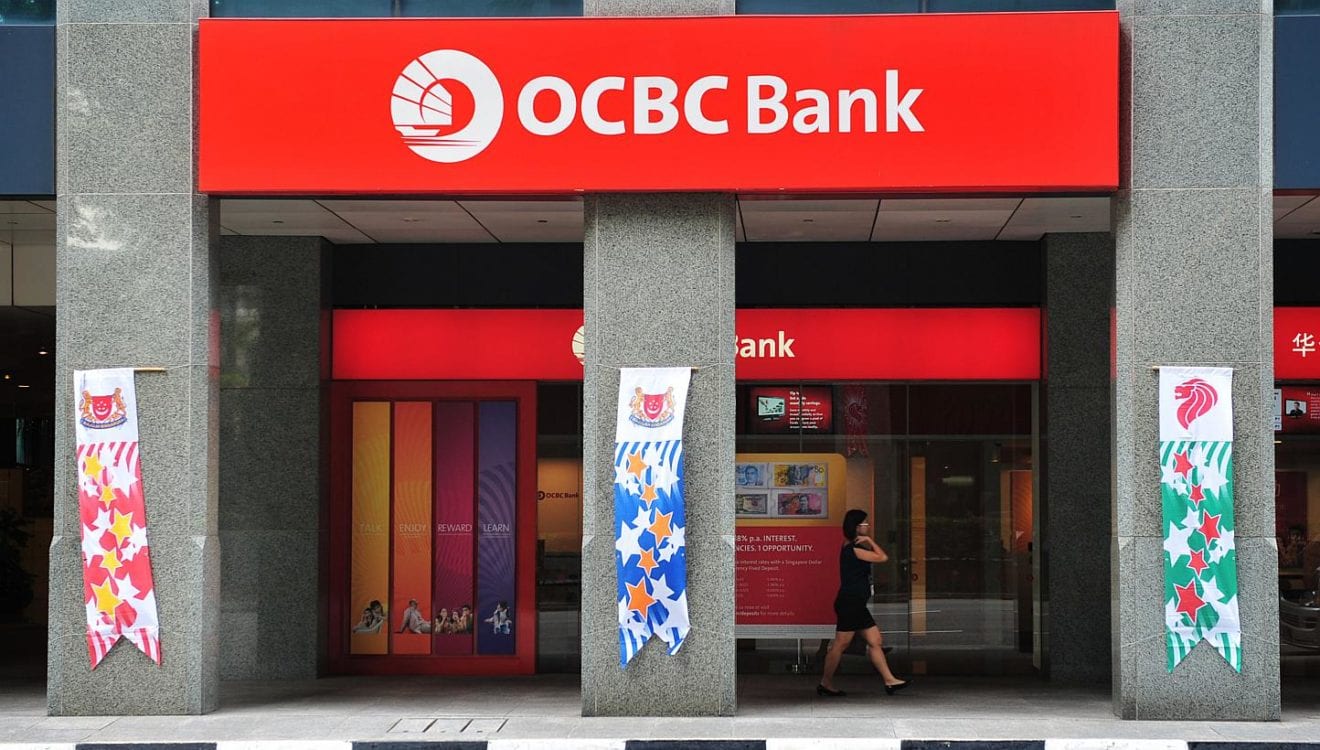
    OCBC, the Singapore-based banking corporation, has reported that its profits remained stable in the third quarter of 2025. The bank’s net earnings for the period matched the previous year’s figures, standing at approximately S$2 billion ($1.5 billion).

    Income and Expenditure Details

    The results showed that the bank’s non-interest income experienced a growth of 15 percent. It rose to S$1.6 billion, an increase driven by diversified earnings from fees, trading, and insurance. However, this upturn was balanced out by a drop in net interest income. Lowered by 9 percent due to contracting margins in a weakening interest rate environment, the net interest income fell to S$2.2 billion.

    The report also indicated a rise in operating costs, with an increase of 4 percent taking total expenses to S$1.5 billion.

    Year-To-Date Profits

    Considering the performance over the year to date, the bank’s net profit is reported to be S$5.7 billion. This signifies a decrease of 4 percent, indicating a drop in earnings from previous periods.

    Future Outlook

    Looking forward, the prospects appear challenging due to the dynamic policy environment and geopolitical tensions. Despite these complexities, OCBC’s strong balance sheet and robust capital position provide the flexibility to navigate these uncertain times. In the words of OCBC group CEO Helen Wong, their solid financial standing allows them to manage risks while continuing to serve their customers and invest in future growth.

    Questions & Answers

    What is the reported net profit of OCBC for the third quarter of 2025?
    The bank reported a net profit of S$2 billion, which is equivalent to $1.5 billion.

    How do changing dynamics in the policy environment and geopolitical tensions affect OCBC’s future prospects?
    These factors complicate the external environment, creating potential risks. However, OCBC’s robust capital position and strong balance sheet provide the flexibility to manage these uncertainties.

    What factors contributed to the 15 percent growth in OCBC’s non-interest income?
    The growth is attributed to diversified earnings from fees, trading, and insurance income.

  • Shaping the Future: DHL’s Strategic Leap into Digitalization, Sustainability & Infrastructure Growth in Asia Pacific

    Shaping the Future: DHL’s Strategic Leap into Digitalization, Sustainability & Infrastructure Growth in Asia Pacific

    DHL Express has confidently set its sights on growth amidst a rapidly changing global trade environment. The company is guided by its recently launched Strategy 2030, marking a full year of an ambitious plan. CEO for Asia Pacific, Ken Lee, explains that the strategy focuses on harnessing key strengths such as a robust and resilient network, deep industry know-how, and a dedicated workforce. Simultaneously, it emphasizes proactive investments in infrastructure, digital transformation, and sustainability in order to capture opportunities in high-growth sectors.

    Strategic Highlights

    Strategy 2030 outlines five primary areas of growth: capitalizing on geographic advantages, targeting life sciences and healthcare, focusing on new energy, bolstering e-commerce, and enhancing digital sales. Additionally, it introduces a new “fourth bottom line” aimed at making DHL the preferred choice for green logistics, reflecting the company’s commitment to leading in low-carbon logistics.

    DHL’s investments in infrastructure, including expanding air hubs in Hong Kong, Singapore, and Kuala Lumpur as well as modernizing the Air Hong Kong fleet, aim to increase resilience, enhance capacity, and offer seamless connectivity across its global network. These tangible improvements are reinforced by innovations in digital technology, robotics, automation, and strategic partnerships to increase Sustainable Aviation Fuel (SAF) usage and develop carbon-neutral facilities. These efforts have led to DHL being recognized as the first-ever Sustainability Advocate of the Year at the 2024 Payload Asia Awards.

    Resilience amidst Global Trade Dynamics

    Global trade continues to be influenced by changing supply chain patterns, geopolitical tensions, and economic uncertainty. However, DHL maintains a robust position as a logistics leader and trade enabler, underpinned by three core strengths: a complete portfolio spanning air, road, and ocean transportation; a presence in over 220 countries and territories; and a seasoned, committed workforce.

    Lee acknowledges the uncertainty of the current trade environment but stresses DHL’s ability to navigate it, citing their agility and flexibility in adapting to shifting customer demands and trade regulations. This resilience bolsters DHL’s capacity to make bold, forward-looking infrastructure investments across the region.

    Expanding Hubs and Modernizing Fleet

    DHL’s role as a trade facilitator involves assisting customers in expanding internationally. This necessitates a network of hubs and gateways at critical airports, backed by service centers and state-of-the-art ground facilities. In recent years, DHL has consistently invested ahead of demand to accommodate rising shipment volumes.

    Significant developments include the second expansion of the Central Asia Hub in Hong Kong in 2023 to meet growing shipment demand within and outside Asia. DHL also opened an expanded gateway in Kuala Lumpur and upgraded its South Asia Hub in Singapore. These improvements cater to expected growth from e-commerce and the region’s increasing importance as a global trading partner.

    Additionally, DHL has modernized its fleet, upgrading the Air Hong Kong-operated fleet with 14 new A330 freighters and retiring the older A300-600 aircraft. Lee notes that companies are increasingly requiring their suppliers to diversify sourcing options to minimize operational risks, and this is where DHL’s expertise comes into play.

    Operational Excellence and Customer Flexibility

    DHL’s success is not solely defined by its physical infrastructure. The company is also deeply integrating advanced digital technologies into its operations to streamline workflows, enhance service quality, and create a safer, more efficient working environment.

    In warehouses, AI-based tools and robotics platforms are reducing travel distances for staff and speeding up robot integration. Automated guided vehicles transport shipments and cargo pallets safely, improving productivity while relieving employees from strenuous tasks.

    The introduction of On-Demand Delivery (ODD) offers customers the flexibility to reschedule contactless deliveries at their convenience. This not only optimizes operational and cost efficiencies but also enhances the overall customer experience.

    Green Logistics and Decarbonization

    DHL Express’ commitment to sustainability is evident in its recognition as the first-ever Sustainability Advocate of the Year at the 2024 Payload Asia Awards. With a clear target of achieving net-zero greenhouse gas emissions by 2050, DHL is advancing initiatives such as fleet electrification, carbon-neutral building design, and scaling of SAF adoption.

    However, the scaling of SAF does pose its challenges. Lee acknowledges that supply has not yet reached economies of scale, which is why DHL is investing in SAF and other areas that can significantly reduce GHG emissions. DHL is also aiming to electrify two-thirds of its pickup and delivery fleet by 2030, although progress in some markets is limited due to the lack of mature charging infrastructure.

    Future Growth and Employee Contribution

    Looking ahead, DHL is focusing on 20 markets worldwide that exhibit strong geographic and economic advantages, two-thirds of which are in Asia. These markets are expected to benefit from increasing domestic and foreign investment, reshoring, and nearshoring strategies.

    Life sciences and healthcare logistics remain a top priority, with DHL expanding its Health Logistics division and strengthening its pharmaceutical capabilities. Growth in e-commerce, particularly in emerging markets, also shows no signs of slowing down. “With more SMEs turning to e-commerce to engage more customer segments, we continue to put resources into capturing these opportunities,” Lee says.

    Lee emphasizes that DHL’s ability to execute these ambitious plans relies on its people. Hence, the company offers training programs to ensure staff alignment with DHL’s culture and equips them with tools for continuous improvement. Emphasizing the importance of employee contribution, Lee encourages team members to contribute ideas and solutions, thereby fostering a sense of ownership over initiatives.

    Shaping the Future of Logistics

    Beyond its network, DHL engages with partners, regulators, and governments to strengthen the logistics ecosystem. Lee underscores the importance of public forums, workshops, and seminars to identify sector challenges and encourage collaboration. Despite global uncertainties, Lee remains optimistic, attributing DHL’s competitive edge to the strength of its group and its presence in many markets worldwide.

    Questions & Answers

    What is DHL’s Strategy 2030?
    Strategy 2030 focuses on harnessing key strengths such as a robust and resilient network, deep industry know-how, and a dedicated workforce. It emphasizes proactive investments in infrastructure, digital transformation, and sustainability in high-growth sectors.

    How is DHL addressing the challenge of sustainability in its operations?
    DHL is advancing initiatives such as fleet electrification, carbon-neutral building design, and scaling of Sustainable Aviation Fuel (SAF) adoption. The company aims to achieve net-zero greenhouse gas emissions by 2050.

    What role do DHL’s employees play in the company’s strategic plans?
    CEO Ken Lee emphasizes that DHL’s ability to execute ambitious plans relies on its people. The company offers training programs to ensure staff alignment with DHL’s culture and equips them with tools for continuous improvement. Employees are encouraged to contribute ideas and solutions, fostering a sense of ownership over initiatives.


  • Etihad Cargo and SF Airlines Boost Global Trade: Amplifying Seamless Connectivity in Major Chinese Logistics Hubs

    Etihad Cargo and SF Airlines Boost Global Trade: Amplifying Seamless Connectivity in Major Chinese Logistics Hubs

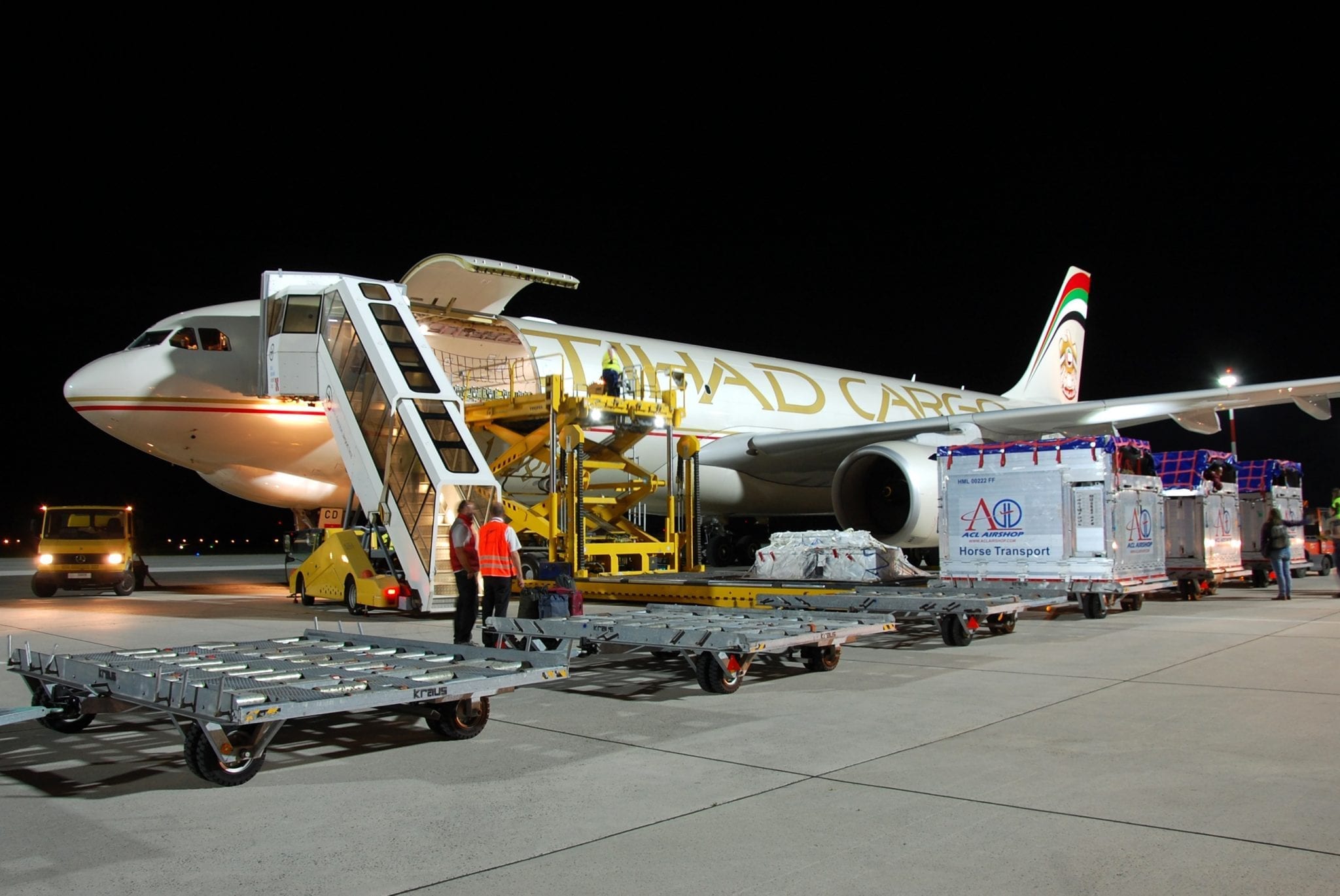
    Etihad Cargo, the freight and logistics division of Etihad Airways, and SF Airlines, China’s premier air cargo provider, have recently unveiled a significant capacity expansion as part of their Joint Business Agreement (JBA). This collaboration will establish a streamlined, mutual network, bolstering connections between Abu Dhabi and Chinese logistics powerhouses Shenzhen and Ezhou.

    Enhanced Connectivity Between Logistics Hubs

    Through the integration of freighter services from both Etihad Cargo and SF Airlines, the JBA delivers a combined total of nine weekly flights to Shenzhen, China’s first international cargo station operating round-the-clock. This setup at Shenzhen Bao’an International Airport allows for swift turnaround times, enhancing the overall customer experience.

    Furthermore, the collective number of flights to Ezhou, recognized as Asia’s first dedicated cargo airport, has increased to seven per week. Located in the Hubei Province, Ezhou Huahu Airport provides unmatched domestic reach and ever-increasing international connectivity.

    Collaborative Business Agreement

    The agreement was formalized in June by Antonoaldo Neves, CEO of Etihad Airways, and Li Sheng, Chairman of SF Airlines. Operating on a metal-neutral basis, both airlines will jointly market and combine their airfreight services, align service standards, and establish coordinated pricing.

    The collaboration is aimed at supporting burgeoning markets like cross-border e-commerce and pharmaceuticals. The alignment of Etihad Cargo’s SecureTech and PharmaLife solutions with SF Airlines’ robust domestic distribution network facilitates the smooth transport of electronics, time-critical goods, and precision equipment across Asia, the Middle East, and further afield.

    The consolidated Shenzhen and Ezhou figures include additional weekly flights recently introduced by Etihad Cargo as part of their winter 2025 schedule.

    Driving Global Trade Opportunities

    Stanislas Brun, Chief Cargo Officer of Etihad Airways, expressed, “Shenzhen and Ezhou are among China’s most dynamic and effective logistics hubs. Our joint business agreement connects our customers with China’s main distribution hub and an expanded global network. In strengthening our partnership with SF Airlines, we anticipate facilitating new trade opportunities and connecting more businesses and communities beyond borders.”

    Echoing these sentiments, Li Sheng, Chairman of SF Airlines, stated, “This strategic collaboration is projected to yield substantial business efficiencies, support revenue growth, and enhance customer satisfaction. By synergizing their strengths, Etihad Airways and SF Airlines are poised to deliver top-tier air cargo solutions that meet the dynamic needs of the global logistics industry.”

    This partnership aims at establishing stronger global connections to facilitate the movement of goods and ideas more effortlessly, thereby empowering the people and businesses behind each shipment. Both Etihad Cargo and SF Airlines are setting a new benchmark for international trade by promoting growth through collaboration and innovative ways to transport cargo globally.

    Questions & Answers

    What does the Joint Business Agreement between Etihad Cargo and SF Airlines entail?
    The agreement facilitates the integration of freighter services from both airlines, aligns service standards, and establishes coordinated pricing. It also involves a significant increase in the weekly flights to Chinese logistics hubs, Shenzhen and Ezhou.

    How does the partnership impact burgeoning markets?
    The collaboration supports growing markets like cross-border e-commerce and pharmaceuticals. The alignment of Etihad Cargo’s SecureTech and PharmaLife solutions with SF Airlines’ robust domestic distribution network enables seamless transport of goods across Asia, the Middle East, and beyond.

    What are the long-term goals of this collaboration?
    The long-term objectives of this strategic collaboration are to yield significant business efficiencies, support revenue growth, enhance customer satisfaction, and establish stronger global connections. It aims to facilitate new trade opportunities and connect more businesses and communities globally.

  • GrapeCo and Mondelēz Triumph at Woolworths New Zealand’s Annual Supplier Awards: Celebrating Innovation and Sustainability

    GrapeCo and Mondelēz Triumph at Woolworths New Zealand’s Annual Supplier Awards: Celebrating Innovation and Sustainability

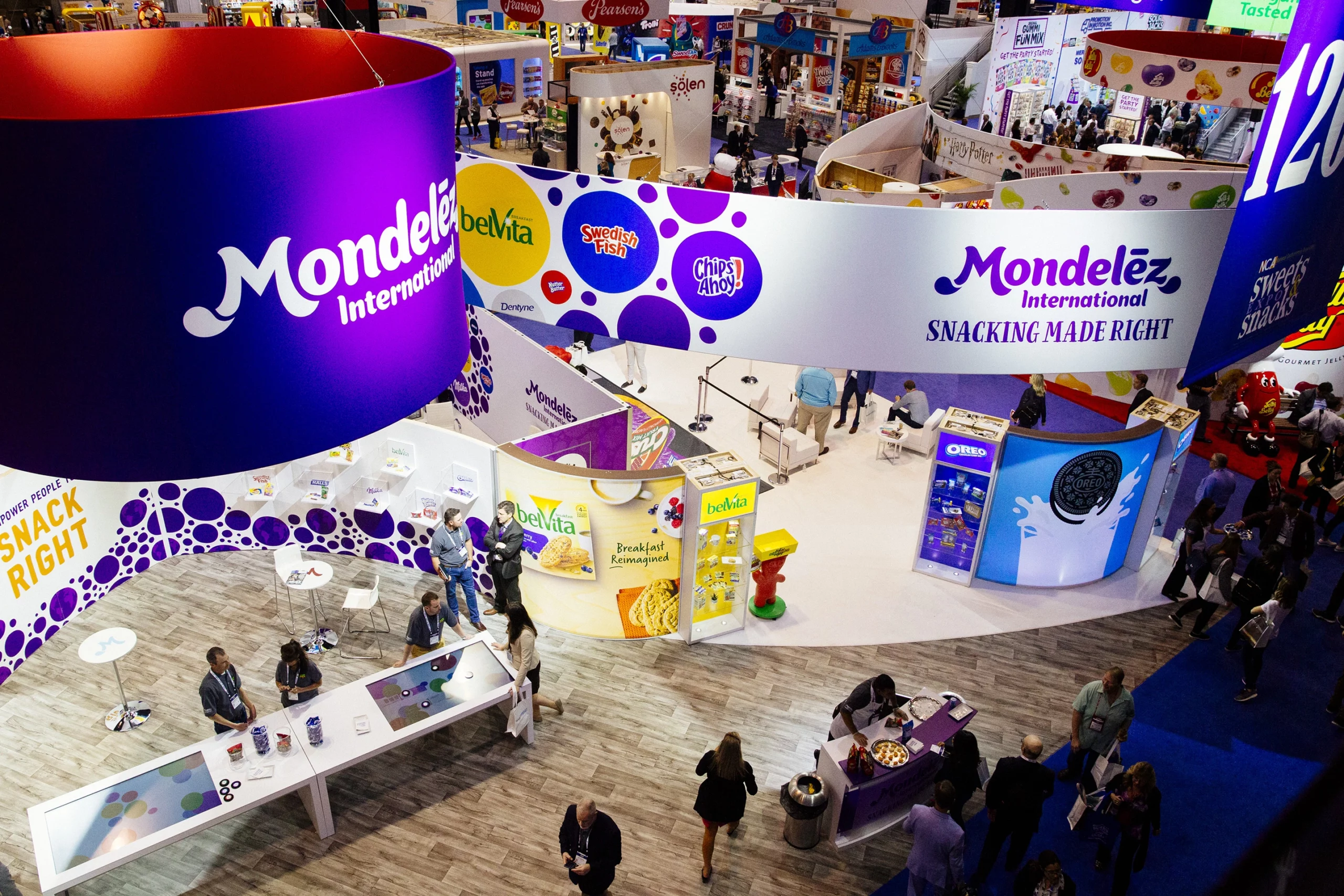
    Woolworths New Zealand recently honoured its partners and innovators in the food and grocery industry, handing out 20 awards at its annual Supplier Awards event at the Auckland War Memorial Museum. GrapeCo and Mondelēz were the illustrious recipients of the ‘Supplier of the Year’ titles.

    Supplier Excellence and Innovation

    The awards, which included 54 finalists, celebrated the ingenuity and collaborative efforts within the industry.

    GrapeCo, a grape supplier for Woolworths NZ, was awarded the ‘Fresh Supreme Supplier’ title for its novel grape varieties and its commitment to sustainability.

    Pieter De Wet, commercial director for Woolworths New Zealand, commended GrapeCo’s environmentally-friendly practice of testing reusable crates which could potentially eliminate more than 60 tonnes of packaging from the Woolworths supply chain.

    “GrapeCo’s dedication extends beyond the norm. Their impactful strategic partnership and their innovation makes them the worthy recipients of our ‘Fresh Supreme Supplier of the Year’ award,” De Wet stated.

    Mondelēz: Packaged Food Supreme Supplier of the Year

    Snack manufacturer Mondelēz was named the ‘Packaged Food Supreme Supplier of the Year’. This accolade represents Mondelēz’s resilience, innovation, and their significant contribution to growth in the industry.

    “Mondelēz has truly distinguished itself this year with exceptional performance and strategic ingenuity,” De Wet said. “Their consistent high performance over the past three years, along with their long-term leadership, makes them the rightful winners of the Supreme Award.”

    Other award recipients included Breadcraft Wairarapa, MaxFoods, Fonterra, Darren Lobb – Hellers, Vitaco, Hancocks, Simplot, Mondelez New Zealand, Amanda Collier (Suntory Oceania), Taryn Aspeling (Heinz Watties), Essity Australasia, Body Science (BSc), and Harriet Butler (Scalzo).

    Questions & Answers

    Who were the ‘Supplier of the Year’ winners at the Woolworths New Zealand Supplier Awards?
    The winners of the ‘Supplier of the Year’ titles were grape supplier GrapeCo and snack manufacturer Mondelēz.

    Why was GrapeCo awarded the ‘Fresh Supreme Supplier’ title?
    GrapeCo was awarded for its introduction of new grape varieties and its commitment to sustainability, specifically for testing reusable crates which could potentially reduce packaging by over 60 tonnes.

    What contributed to Mondelēz being named the ‘Packaged Food Supreme Supplier of the Year’?
    Mondelēz was recognized for its resilience, innovation, and significant contribution to growth within the food and grocery industry.

  • Retailers in Southeast Asia Brace for Trade Shifts: Why Resilient Supply Chains Matter More Than Ever

    Retailers in Southeast Asia Brace for Trade Shifts: Why Resilient Supply Chains Matter More Than Ever

    Retailers across Southeast Asia are entering a period of heightened uncertainty as global trade tensions escalate. Tariff regimes are shifting faster than many businesses can adapt, with new duties being introduced or revised at short notice. This volatility is disrupting supply chains, reshaping sourcing strategies, and making it harder for retailers to plan with confidence.

    As a region exposed to these shocks, the implications for Southeast Asia are serious. Costs are climbing, freight routes are being redrawn, and markets once seen as safe alternatives are now caught in the crossfire. Retailers who invested heavily in shifting production out of China to markets like Vietnam, Bangladesh, and India are finding those moves have not insulated them from tariff pressure.

    A Region Under Pressure

    The fashion and apparel sector has been hit especially hard. Brands that once viewed Southeast Asia for manufacturing as a hedge against China’s rising costs are now facing levies that rival or even exceed the duties applied to Chinese goods. Cambodia is contending with tariffs of around 19%, while India has been struck with a 50% rate, including a 25% ‘secondary tariff’ penalty tied to its diplomatic relations with Russia.

    For retailers across Singapore, Malaysia, Thailand and Indonesia, these trade shifts translate into tighter margins and less predictable stock availability. The problem isn’t only the cost, it’s the volatility. When tariffs can change week to week, long-term planning becomes nearly impossible.

    To manage this uncertainty, retailers need to concentrate on the areas of their supply chains that will give them the most flexibility and control. Four priorities in particular are emerging as essential for navigating this turbulence:

    Four Focus Areas for Resilient Retail Supply Chains

    1. Regionalisation and Friendshoring

    Retailers are diversifying sourcing across Southeast Asia to reduce dependence on China and manage trade risks. Vietnam and Indonesia have emerged as major beneficiaries, with Malaysia also increasingly in the mix. At the same time, trade and investment ties within the Association of Southeast Asian Nations (ASEAN) are strengthening, giving companies closer and lower-risk alternatives.

    1. Automation and Real-Time Response

    As tariffs shift unpredictably, so too must operations. Smarter warehouse systems, AI-powered demand forecasting, and robotics are helping retailers and logistics partners minimise waste and adapt quickly. eCommerce platforms like Lazada and Shopee are investing heavily in automation across their hubs in Singapore and Ho Chi Minh City, creating the flexibility needed to absorb volatility while meeting rising customer expectations.

    1. Unifying Planning and Execution

    Disconnected systems make disruption worse. The next step for Southeast Asia’s retailers is unification and connecting inventory management, fulfilment and transport into a single digital thread. By removing silos, retailers gain real-time visibility and the ability to allocate resources more intelligently. In a tariff environment that can change overnight, fast, coordinated decision-making is crucial.

    1. Scenario Planning and Risk Modelling
      Resilient supply chains don’t simply react to disruption, rather they actively prepare for it. Retailers across Southeast Asia are increasingly adopting advanced scenario planning and risk modelling tools to forecast the potential impact of tariff changes, shipping delays, or supplier constraints. By stress-testing supply chains against multiple outcomes, businesses can identify vulnerabilities, build contingency routes and avoid costly surprises when the unexpected happens. 

    Addressing Unpredictability and Meeting Market Demand

    What makes this period uniquely challenging is unpredictability. Static contingency plans are no longer viable. The real task is building long-term adaptability through agile, digitally connected supply chains that can flex with the pressures of global politics and seasonal buying peaks.

    With Black Friday, Lunar New Year and other peak shopping periods fast approaching, market volatility could undermine retailers’ ability to meet consumer demand. Shoppers, already squeezed by inflation, are unlikely to tolerate higher prices or empty shelves. Retailers that fail to adapt risk not only eroded margins but also weakened customer trust at the very moment loyalty matters most. For Southeast Asian retailers, the time to rewire supply chains and capitalise on available demand isn’t tomorrow, it’s now.

    Written by Richard Wright, Managing Director, South East Asia at Manhattan Associates

    Find out how Manhattan Associates strengthens supply chain resilience at https://www.manh.com/en-au

  • “Longchamp Embraces Green Retail Revolution with Pop-Up Concept Store in Hong Kong”

    “Longchamp Embraces Green Retail Revolution with Pop-Up Concept Store in Hong Kong”

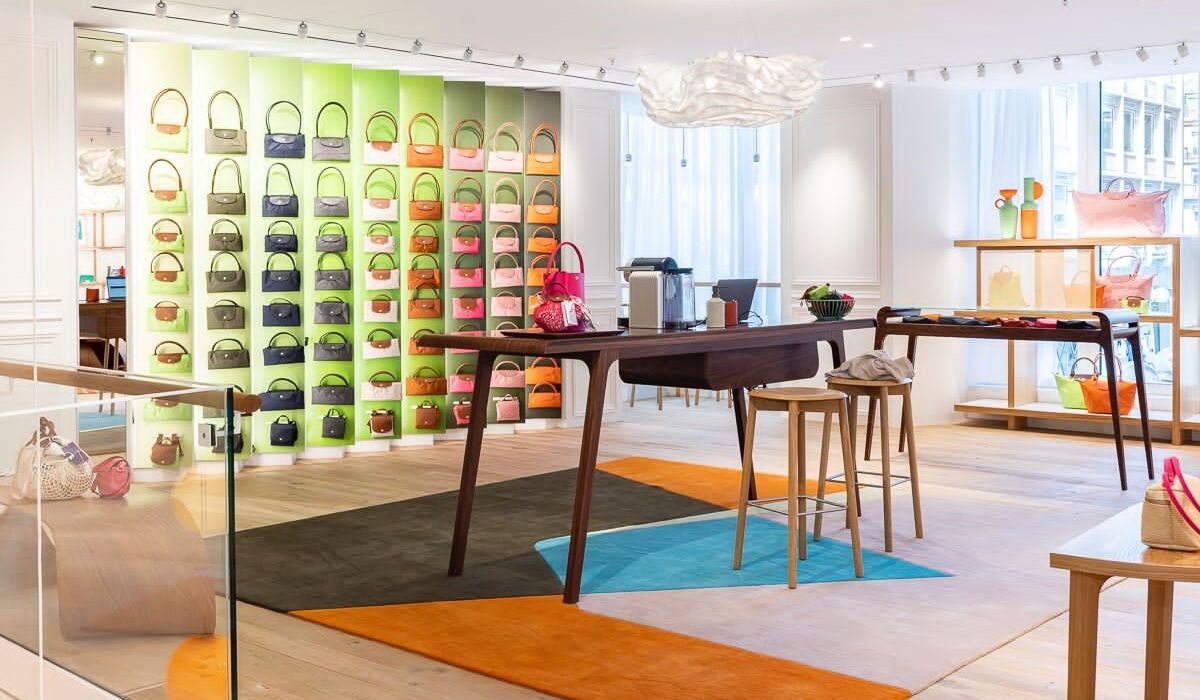
    In its ongoing pursuit of innovative retail formats and engaging visual narrations, Longchamp has launched a one-of-a-kind “Green Concept Store” on a temporary basis at Pacific Place, Hong Kong.

    A Green Retail Experience

    The pop-up store, which was launched on October 24, boasts an exclusively green interior – an aesthetic feature which extends to the walls, flooring, and fixtures. Darker tones have been incorporated into the design as a nod to the brand’s long-standing heritage.

    The concept store is an extension of Longchamp’s shift towards experiential retail, placing greater emphasis on the ambiance and design of the shopping environment than on traditional merchandising. Offering an immersive and extraordinary setting, the store is designed as an interlude, inviting visitors to experience the essence of the brand in a novel way.

    Star-Studded Opening

    To celebrate the launch, Longchamp hosted an event that saw attendance from notable personalities from the acting and fashion industries, including singer Jace Chan, actress Fish Liew, actor Martin Wong, and fashion figures Faye Tsui, Evelyn Choi, Zoe Yu, and Angie Ng.

    This temporary store in Hong Kong follows the August relaunch of the brand’s two refurbished stores in Singapore, situated at Ion Orchard and Marina Bay Sands.

    Questions & Answers

    What is the concept behind Longchamp’s Green Concept Store in Hong Kong?
    The Green Concept Store is an extension of Longchamp’s shift towards experiential retail. It’s a store designed with an immersive and unique setting, allowing visitors to experience the brand in a fresh, unconventional way.

    What does the interior of the Green Concept Store look like?
    The store is entirely enveloped in green, from walls and flooring to fixtures, with darker shades incorporated to reference the brand’s heritage.

    Where are Longchamp’s other recently renovated stores located?
    The recently renovated Longchamp stores are located in Singapore, at Ion Orchard and Marina Bay Sands.

  • Philippine Powerhouse Sunnies World Storms into Thailand, Unfurls Rapid Expansion Plans

    Philippine Powerhouse Sunnies World Storms into Thailand, Unfurls Rapid Expansion Plans

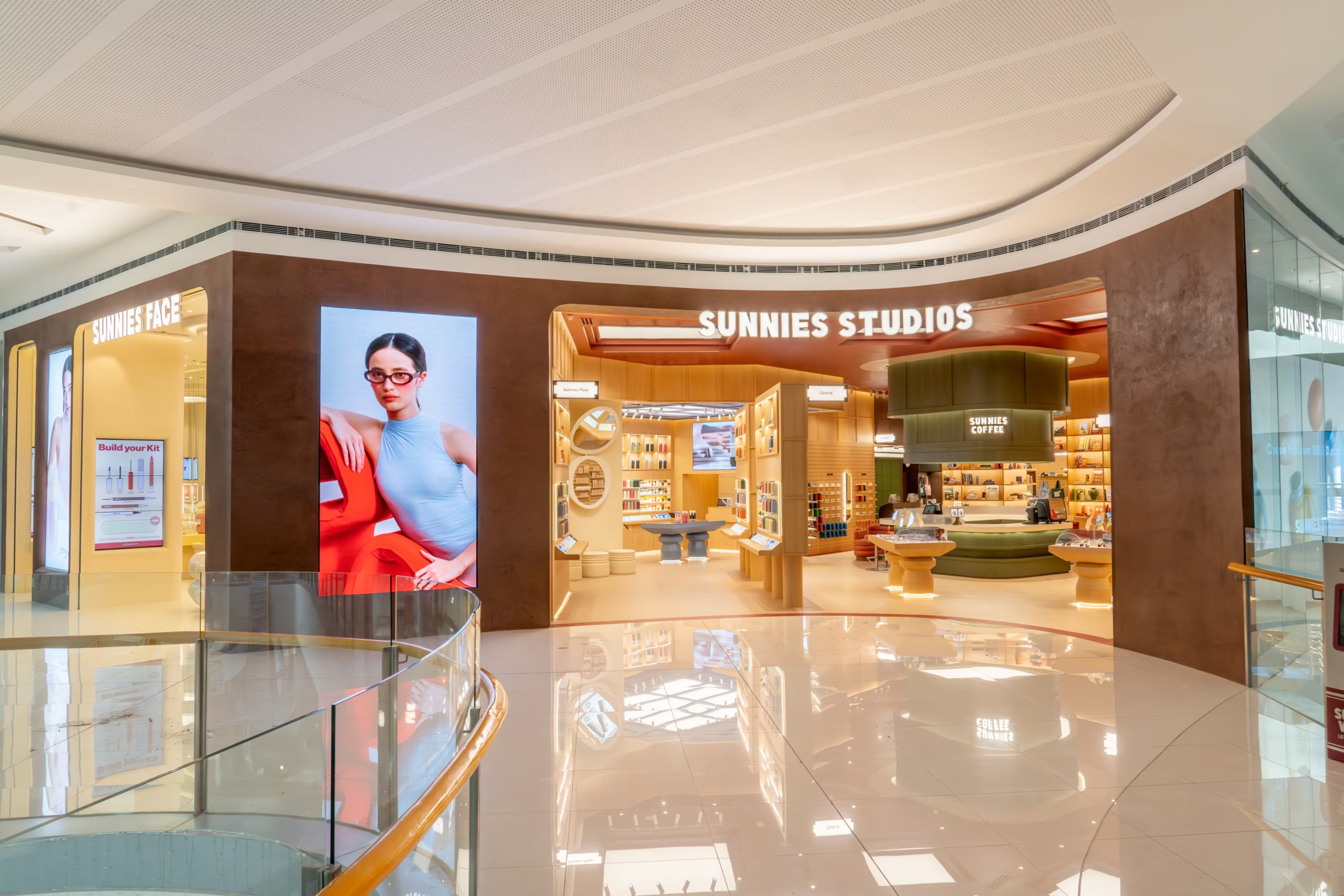
    Sunnies, a renowned lifestyle brand from the Philippines, has established its presence in Thailand, inaugurating its initial outlets in Bangkok. The company has also announced its intention to introduce two additional stores by the end of the current year.

    Sunnies World in Central Park Dusit

    Sunnies’ foremost establishment, Sunnies World, has been set up in Central Park Dusit. This outlet manifests all the diverse lifestyle concepts of the brand. It incorporates Sunnies Studios, which specializes in eyewear, Sunnies Face, the brand’s cosmetics segment, Sunnies Flask, offering customizable flasks, and Sunnies Coffee, a cafe.

    Adding a unique touch to the shopping experience, the store also features the Sunnies Face Bath. This is a lounge area where shoppers can explore a selection of merchandise exclusive to Thailand. The exclusive range includes items like tote bags, dumpling pouches, jelly pouches, and pencil cases.

    Second Store Opening at Central Ladprao

    The subsequent store, opened in Central Ladprao, provides Sunnies Studios eyewear, Sunnies Flask merchandise, and Sunnies Face cosmetic products.

    In a statement, the company described Sunnies World Thailand as more than just a store. They envisage it as a thriving community center facilitating the intersection of vision, beauty, and creativity.

    Upcoming Store Launches

    The brand has announced two additional store openings scheduled for the near future. The first, a Sunnies Flask store, is set to open at Central Rama on December 1. The second, offering Sunnies Studios, Sunnies Flask, and Sunnies Face products, will open at Fashion Island on December 19.

    Founded in 2013 by Bea Soriano-Dee, Eric Dee, Georgina Wilson, and Martine Ho, Sunnies started its journey as an eyewear label. The brand subsequently ventured into the realm of cosmetics, lifestyle accessories, and cafe concepts.

    Questions & Answers

    What is Sunnies’ plan for expansion in Thailand?
    Sunnies intends to establish its presence further in Thailand by opening two more outlets by the end of the year.

    What does the newly opened Sunnies World in Central Park Dusit offer?
    Sunnies World houses all the brand’s lifestyle concepts, including Sunnies Studios, Sunnies Face, Sunnies Flask, and Sunnies Coffee. It also features the Sunnies Face Bath, which offers Thailand-exclusive merchandise.

    What are the upcoming store openings for Sunnies in Thailand?
    Sunnies has plans to open a Sunnies Flask store at Central Rama on December 1, and another outlet offering Sunnies Studios, Sunnies Flask, and Sunnies Face products at Fashion Island on December 19.

  • Tea Tonic: Australian Organic Tea Brand Brews Up Expansion in Malaysia with Aeon Retail Partnership

    Tea Tonic: Australian Organic Tea Brand Brews Up Expansion in Malaysia with Aeon Retail Partnership

    Tea Tonic, a renowned Australian organic tea brand, is marking its arrival in Aeon Group’s Malaysian outlets, a move that is part of its broader strategy to expand across Southeast Asia.

    Support from Global Victoria

    The brand’s expansion into Malaysia is a result of the support it has received from Global Victoria. This assistance has enabled the Melbourne-based firm to extend its export reach to several countries, including Singapore, Thailand, New Zealand, and now Malaysia.

    About Tea Tonic

    Tea Tonic has its roots in 1998 when it was founded by Lisa Hilbert, a naturopath and herbalist. The brand prides itself on producing certified organic teas that are naturopath-formulated and made from natural ingredients that are Australian-certified organic.

    The company offers its products in two formats – loose-leaf and individually wrapped teabags. Additionally, it also provides tea accessories and gift sets.

    Some of the brand’s most popular blends are the Apple Tree Tea, Blue Magic Tea (with butterfly pea), Body Reset Tea, Chocolate Chai Tea, Chamomile Tea, and French Earl Grey Tea.

    Message from Tea Tonic

    Tea Tonic expressed its excitement about the launch in Malaysia, stating, “Malaysian consumers can now enjoy our colourful range of Melbourne-crafted teas made with organic ingredients that celebrate both flavour and wellbeing.”

    Questions & Answers

    Question: What is Tea Tonic’s expansion strategy?
    Answer: Tea Tonic’s expansion strategy focuses on broadening its reach across Southeast Asia, and its recent launch in Malaysia’s Aeon Group outlets is a part of this plan.

    Question: Who is the founder of Tea Tonic?
    Answer: The Australian organic tea brand, Tea Tonic, was founded by Lisa Hilbert, a naturopath and herbalist, in 1998.

    Question: What products does Tea Tonic offer?
    Answer: Apart from offering a wide variety of tea blends like Apple Tree Tea, Blue Magic Tea, Body Reset Tea, Chocolate Chai Tea, Chamomile Tea, and French Earl Grey Tea, the brand also provides loose-leaf tea, individually wrapped teabags, tea accessories and gift sets.

  • Lactalis Australia Enriches Pauls Dairy Line with Double Espresso Caramel and Summer Berries Flavours

    Lactalis Australia Enriches Pauls Dairy Line with Double Espresso Caramel and Summer Berries Flavours

    Lactalis Australia has recently introduced two novel tastes to their high-protein dairy line, Pauls. The fresh offerings, Double Espresso Caramel and Summer Berries, add an exciting twist for consumers.

    The introduction of Double Espresso Caramel and Summer Berries is a thrilling addition to Pauls’ high-protein dairy line. Sold in convenient 400ml bottles, each serving delivers an impressive 30g of protein. These new flavors not only promise a burst of taste but also health benefits, as the company maintains that Paul’s flavored milk range is low in fat and contains no added sugar.

    A spokesperson for Lactalis Australia expressed the company’s enthusiasm for the launch, acknowledging that the new flavors build upon the successful range, providing even more variety for Australians in search of tasty, functional dairy products.

    The representative reaffirmed the company’s commitment to innovation and growth, stating, “Here at Lactalis Australia, we’re proud to continue diversifying our product portfolio to respond to the shifting needs and preferences of our consumers.”

    Questions & Answers

    What new flavors has Lactalis Australia added to their high-protein dairy range, Pauls?
    Pauls has introduced two new flavors to their high-protein dairy line: Double Espresso Caramel and Summer Berries.

    What are the health benefits of Pauls’ flavored milk range?
    Each serving of Pauls’ flavored milk contains 30g of protein. The range is also low in fat and free from added sugars.

    What is Lactalis Australia’s commitment in terms of their product range?
    Lactalis Australia is committed to continually innovating and expanding their product portfolio to meet the evolving needs and preferences of their consumers.