Author: Mei Ling Tan

  • Boost in Personalized E-Commerce Experience Demanded by Savvy Singapore Shoppers

    Boost in Personalized E-Commerce Experience Demanded by Savvy Singapore Shoppers

    Singaporean consumers are increasingly expecting more from their online shopping experiences, favoring personalised and relevant product discovery over novelty. This finding is according to a recent report called the Spark of Discovery 2026.

    Efficiency and Personalisation

    The study shared that Singaporeans are progressively seeking out efficient, customised experiences. Nearly half of the respondents (43%) stated that a swifter, more streamlined shopping process would be the most valuable improvement that retailers could offer them.

    In addition, the survey indicated that 63% of surveyed participants still find enjoyment crucial in online shopping, 62% prefer to stick with planned purchases, and 60% remain open to discovering new items. These data points signify a more purposeful approach to online browsing and purchasing.

    Trust Over Influence

    Trust is more important than influence when it comes to online shopping. Only 28% of Singaporean consumers admitted that content from influencers generates excitement about brands, which falls below the Asia-Pacific average of 34%. Meanwhile, positive reviews and readily accessible customer support emerged as the strongest factors driving engagement.

    Singapore is seen as a key indicator of the direction in which e-commerce in the Asia-Pacific region is moving, according to Sukesh Singh, MD, SEA at Criteo. Singh goes on to explain: “Consumers here are highly digitally literate; they know exactly what a great shopping experience looks like, and they have no patience for anything less. They want discovery to find them at the right moment, not interrupt them at the wrong one.”

    Artificial Intelligence and Personalisation

    These findings have emerged as retailers are boosting investments in artificial intelligence to enhance personalisation. Over half of the respondents declared that they are comfortable with brands leveraging their purchase history to provide customised recommendations, while 44% noted that timely and relevant advertisements enhance the shopping experience.

    On the retailer side, the report found that a vast majority (92%) plan on utilising AI to improve customer experiences, while 91% intend to employ it to make product discovery more efficient. These figures suggest that retailers are increasingly shifting their focus towards data-driven targeting as opposed to broad-reaching campaigns.

    The report also underscored the significant influence of shopping festivals on Singapore consumers, with 85% stating that they are swayed by such events. This reinforces the importance of providing pertinent recommendations during peak spending periods.

    Questions & Answers

    What value do Singaporean consumers see in online shopping experiences?
    Efficiency and personalisation are highly valued by Singaporean consumers in their online shopping experiences. A streamlined, less time-consuming shopping process is seen as the most valuable improvement that retailers could offer.

    How important is trust for Singaporean consumers when shopping online?
    Trust is crucial for Singaporean consumers when shopping online. Positive reviews and accessible customer support are among the strongest factors driving engagement.

    How are retailers responding to the demand for personalised experiences?
    Retailers are increasingly investing in artificial intelligence to enhance personalisation. They plan to utilise AI to improve customer experiences and make product discovery more efficient.

  • Starbucks Brews Plan for India Expansion, Aiming for 100 New Stores Annually in the Tea Land

    Starbucks Brews Plan for India Expansion, Aiming for 100 New Stores Annually in the Tea Land

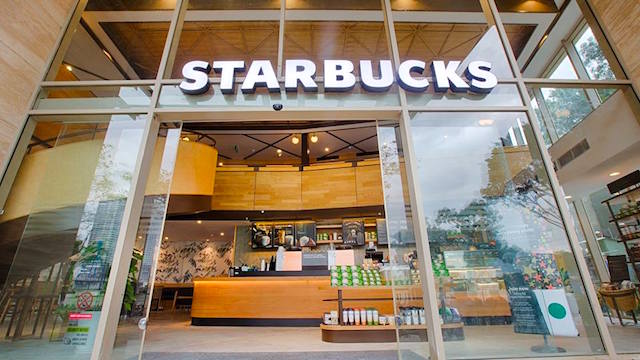
    Starbucks is setting its sights on India, one of its fastest-growing markets worldwide, with plans to launch up to 100 stores per year. The renowned coffee chain, despite coffee being a less popular choice than tea in India, sees substantial potential for growth in the region.

    Tata Starbucks, a joint venture between Starbucks and the Tata Group, currently boasts over 500 stores across India, holding around 30% of the country’s structured coffee market. It intends to continue expanding its footprint by adding 50 to 100 outlets each year.

    Sushant Dash, Tata Starbucks CEO, highlighted the significant growth rate India represents for Starbucks on a global scale. He noted that the store count in India has more than doubled over the last four to five years. This growth coincides with the rise in coffee consumption among younger and urban consumers, which has sparked competition from both local and international entrants.

    Adapting to Local Consumer Needs

    To seize the emerging opportunities, Tata Starbucks is broadening its horizons by diversifying its store formats, including drive-through stores, highway locations, kiosks, and experiential outlets. The company is investing in the Starbucks Reserve concept, now operating in six different locations in Mumbai, Delhi, and Kolkata.

    This expansion aligns with the company’s ambition to operate 1,000 retailers in India by 2028. In line with this aspiration, Tata Starbucks intends to increase its workforce to approximately 8,600 partners and extend its network of drive-through stores, airport cafes, and 24-hour locations.

    In addition, the company is exploring opportunities beyond major metropolitan areas, intending to extend its presence in Tier 2 and Tier 3 cities to capitalize on India’s upcoming wave of consumer growth.

    Questions & Answers

    What is Starbucks’ growth plan for India?
    Starbucks plans to open up to 100 stores per year in India, aiming to operate 1,000 stores by 2028.

    How is Tata Starbucks adapting to the Indian market?
    Tata Starbucks is diversifying its store formats to meet local needs, including drive-through stores, highway locations, kiosks, and experiential outlets. It is also expanding its presence in Tier 2 and Tier 3 cities.

    What is the current position of Starbucks in the Indian coffee market?
    Starbucks, through its joint venture with the Tata Group, Tata Starbucks, currently operates over 500 stores and holds about 30% of the country’s structured coffee market.

  • Kevin Murphy Grows Marketplace Revenue 141% with Pattern 

    Kevin Murphy Grows Marketplace Revenue 141% with Pattern 

    Premium haircare brand strengthens marketplace control while maintaining salon channel growth

    Premium haircare brand Kevin Murphy has grown its Amazon Australia revenue by 141% with ecommerce accelerator Pattern, transforming the marketplace from a grey market challenge into one of the brand’s fastest growing retail channels.

    Distributed in Australia by Ozdare, Kevin Murphy partnered with Pattern to manage its presence on Amazon Australia amid growing consumer demand and unauthorised reseller activity.

    “Given the growing influence of marketplaces in Australia, it was important for Kevin Murphy to establish a stronger presence where consumers are increasingly searching for and purchasing products,” explained George Leighton, Head of Retail (Consumer) for Ozdare/Kevin Murphy. “At the same time, maintaining the balance between our professional salon channel and consumer retail presence remained a key priority throughout the process.”

    Launched in November 2025 ahead of the peak Black Friday Cyber Monday (BFCM) shopping period, Kevin Murphy entered Amazon Australia with no official marketplace presence despite significant existing consumer demand on the platform. Within just four months of launch, the brand increased units sold by 115% quarter-on-quarter while simultaneously increasing average order value by 8.4%, demonstrating strong consumer demand for premium haircare products on Amazon Australia.

    Pattern’s ANZ Managing Director, Merline McGregor said the results reflected a broader shift occurring across the Australian retail landscape as premium brands increasingly embrace marketplaces as strategic growth channels rather than viewing them as discount environments.

    “Many premium beauty and haircare brands have historically approached Amazon cautiously because of concerns around pricing control, unauthorised sellers and protecting brand equity,” McGregor said. “What Kevin Murphy has demonstrated is that with the right retail media, marketplace and brand protection strategy, Amazon can become a highly effective growth channel that complements existing retail and salon partnerships rather than competing against them.”

    Kevin Murphy’s growth trajectory is significant given the brand launched during the peak BFCM promotional period yet continued accelerating well beyond the initial sales surge. Strong March performance against a BFCM-boosted comparison period highlighted that the brand’s Amazon Australia strategy was driving sustained long-term growth rather than short-term discount-driven spikes.

    Working with Pattern has helped Kevin Murphy regain greater control over its marketplace presence and pricing environment. Since launch, Buy Box ownership increased from 65% to 91% while multiple unauthorised sellers were successfully removed from the platform, helping to protect brand integrity.

    As part of the ongoing partnership, Pattern developed and manages Kevin Murphy’s Amazon Australia storefront, optimising all product listings and implementing a full-funnel advertising strategy spanning branded search, generic category discovery and competitor targeting. By the end of the first quarter, approximately 80% of ad-driven sales were coming from first-time Kevin Murphy customers on Amazon Australia, highlighting the platform’s ability to drive new customer acquisition.

    “The reality is consumers are already searching for premium brands like Kevin Murphy on marketplaces, regardless of whether those brands officially sell there or not. What Kevin Murphy has demonstrated is that when brands take ownership of that customer experience with the right marketplace, retail media and brand protection strategy, Amazon can become a powerful channel for both growth and new customer acquisition,” concluded McGregor.

    About Pattern Inc

    Pattern accelerates brands on global ecommerce marketplaces leveraging proprietary technology and AI. Utilising more than 77 trillion data points, sophisticated machine learning and AI models, Pattern optimises and automates all levers of ecommerce growth for global brands, including advertising, content management, logistics and fulfilment, pricing, forecasting and customer service. Hundreds of global brands depend on Pattern’s ecommerce acceleration platform every day to drive profitable revenue growth across 60+ global marketplaces—including Amazon, TikTok Shop, Walmart.com, Target.com, eBay, Tmall, JD, and Mercado Libre.  For more information, visit https://au.pattern.com/


  • Converse Unveils Mega Flagship Store in Bengaluru, Launches Converse By You Customisation Platform in India

    Converse Unveils Mega Flagship Store in Bengaluru, Launches Converse By You Customisation Platform in India

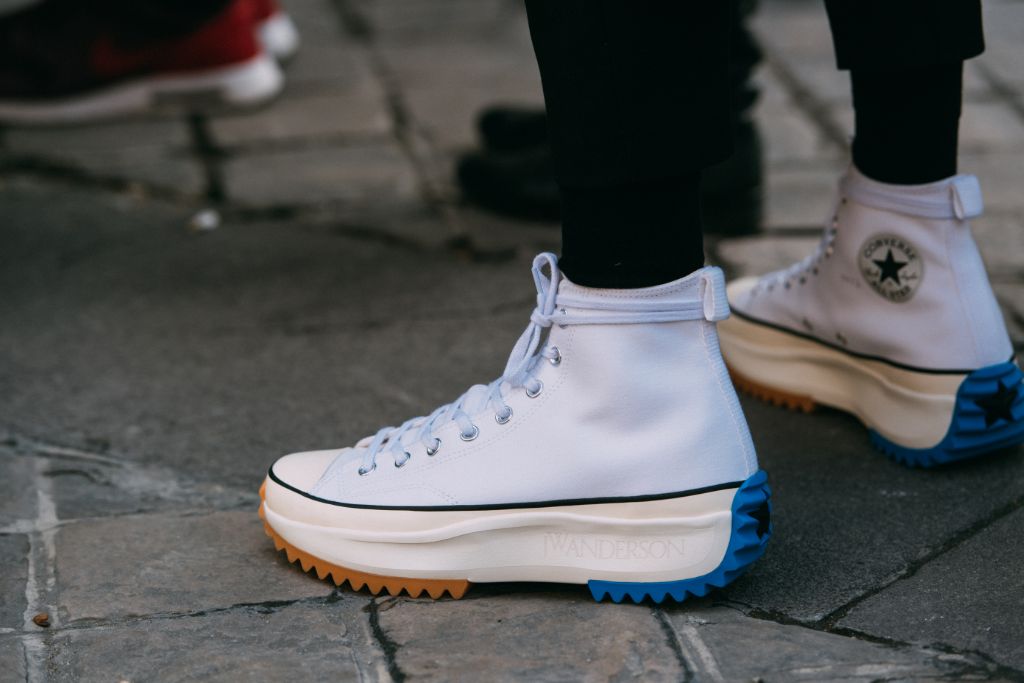
    Converse, the iconic American shoe company, has unveiled its largest flagship store in Bengaluru, India, located in the esteemed Phoenix Mall of Asia. This venture has been accomplished in collaboration with Bhaane Group and it marks a significant milestone for Converse as it introduces its global customisation platform, Converse By You, to the Indian market for the first time.

    A New Retail Experience

    The Converse By You platform grants customers the ability to add a personal touch to their purchases using an array of design elements, limited-edition patches, and artwork inspired by the local culture. This move underscores Converse’s commitment to offering an enhanced retail experience that is tailored to its customers’ preferences and the prevailing local trends.

    The new store goes beyond the conventional retail experience by seamlessly integrating elements of skateboarding, art, music, and youth culture to create an immersive atmosphere for customers. Noteworthy features of the store include ‘Play for Peace,’ an interactive skateboard installation designed by artist Ansh Kumar, and a grand mural by Bengaluru’s very own artist, Benson Diengdoh.

    Besides offering an innovative retail experience, the store also houses Converse’s staple footwear collections, such as the Chuck Taylor All Star and Chuck 70 ranges, as well as a selection of newer products.

    Converse’s Journey in India

    Converse, established in 1908 and a part of Nike Inc since 2003, launched its first standalone store in India in November 2024 through an exclusive collaboration involving franchise, wholesale, and e-commerce distribution with Bhaane Group. In addition to the newly minted flagship store in Bengaluru, Converse operates three other standalone stores across India, specifically in Mumbai, Chennai, and Kolkata.

    Questions & Answers

    What is the significance of the new Converse store in Bengaluru?
    This store is Converse’s largest flagship outlet in India and it introduces the Converse By You platform to the Indian market, allowing customers to personalise their purchases.

    What unique features does the new store offer?
    The store includes an interactive skateboard installation named ‘Play for Peace’ by artist Ansh Kumar, and a large mural by local artist Benson Diengdoh. The store also integrates elements of skateboarding, art, music, and youth culture to offer an immersive shopping experience.

    What are the key products available at the new store?
    The store offers Converse’s core footwear lines, including the Chuck Taylor All Star and Chuck 70 collections, as well as an assortment of newer product ranges.

  • From Delivery Uniforms to Designer Accessories: DHL and Eric Wongs Eco-Friendly Upcycled Collection Takes Flight

    From Delivery Uniforms to Designer Accessories: DHL and Eric Wongs Eco-Friendly Upcycled Collection Takes Flight

    In a novel sustainability initiative, DHL Express has teamed up with Eric Wong, a renowned Hong Kong-based fashion designer, to create the DHL x Absurd Laboratory BFFS Upcycled Collection. This unique line of accessories is fashioned from old courier uniforms which have been taken out of service.

    Eric Wong, the creative mind behind Absurd Laboratory, earned the DHL GoGreen Plus Alumni Prize at the Redress Design Award held the previous year. His design philosophy is commonly recognized for its utilization of deconstruction and upcycling techniques.

    The Upcycled Collection

    The upcycled collection features an array of items crafted from repurposed DHL polo shirts and cargo trousers. Included in the collection is a multipurpose bucket hat, a sling bag, a pair of clogs, and bear-shaped pendants that boast cartoon-inspired designs.

    The revenue generated from this assortment will be used to fund Redress and its initiatives aiming to help budding designers who are passionate about sustainable and circular fashion.

    A Step Towards Sustainability

    Andy Chiang, Senior Vice President and Managing Director of DHL Express Hong Kong and Macau, expressed that this project aligns with the company’s wider sustainability objectives.

    DHL, being a crucial logistics ally to the fashion industry, will be fulfilling international orders of this collection using its GoGreen Plus service. It is a purposeful move aimed at lowering CO2 emissions by employing Sustainable Aviation Fuel.

    Eric Wong shared that this project was a chance to breathe new life into discarded materials. By reusing old DHL courier uniforms, he endeavored to create modern accessories that tell a tale of sustainability and circular design.

    The DHL x Absurd Laboratory BFFS Upcycled Collection can be purchased from the Absurd Laboratory’s online store, Midwest Vintage stores, and The Redress Closet.

    Questions & Answers

    What is the DHL x Absurd Laboratory BFFS Upcycled Collection?
    It’s a collection of accessories created from old courier uniforms which are no longer in use. The collection includes a convertible bucket hat, sling bag, clogs, and bear-shaped pendants.

    Where will the profits from this collection be directed?
    The revenue generated from the sales will fund Redress, an organization that supports emerging designers with a focus on sustainable and circular fashion.

    How does this project support sustainability?
    This initiative contributes to sustainability in two ways: firstly, it upcycles old courier uniforms into fashionable accessories, reducing waste. Secondly, DHL will be using its GoGreen Plus service, which employs Sustainable Aviation Fuel, to ship international orders of the collection, thereby reducing CO2 emissions.

  • Cracking Into Global Markets: Vietnam’s First Shipment of Ready-to-Eat Eggs Lands in Japan

    Cracking Into Global Markets: Vietnam’s First Shipment of Ready-to-Eat Eggs Lands in Japan

    Vietnam has made significant strides in its food export sector with its first shipment of ready-to-eat poultry eggs to Japan. The delivery was facilitated by Vinh Thanh Dat Food (VFood) on Thursday, following an extensive collaboration with a Japanese partner. The endeavor is notable as Japan is renowned for having some of the world’s most rigorous food safety standards.

    Years of Collaboration Lead to a Successful Shipment

    The partners invested nearly two years in product development, tailoring the ready-to-eat eggs to the specific tastes of Japanese consumers while ensuring they adhered to the country’s stringent food safety regulations. This meticulous process involved comprehensive research, product refining, and assistance from Japanese experts.

    This shipment represents more than just a successful export; it symbolizes VFood’s determination to elevate the worth of Vietnamese eggs. Further, it opens doors for other processed egg products to penetrate demanding international markets and solidify their presence.

    Addressing Oversupply through Increased Exports

    Presently, the poultry egg market in Vietnam is grappling with an oversupply due to a surge in farm expansions when egg prices were high. This expansion has led to production exceeding demand, thereby resulting in a drop in egg prices. Thus, venturing into new export markets is seen as a viable solution to manage the surplus stock, enhance poultry farmers’ earnings, and in turn, instill greater confidence in them to sustain production.

    In the long run, increasing exports can help farmers standardize and upgrade their production processes. Simultaneously, it could serve as a catalyst for growth in Vietnam’s poultry egg sector.

    Questions & Answers

    What is significant about the recent shipment of ready-to-eat eggs from Vietnam to Japan?
    This shipment marks the first time that Vietnam has exported ready-to-eat eggs to Japan, a country known for its strict food safety standards.

    How did VFood prepare for this milestone shipment?
    VFood collaborated with a Japanese partner and invested nearly two years in product research, development, and refinement to ensure the eggs met Japanese consumers’ tastes and the country’s food safety regulations.

    What are the potential benefits of expanding egg exports for Vietnam’s poultry sector?
    Expanding exports can help manage the current oversupply of eggs in the Vietnamese market, improve poultry farmers’ incomes, and encourage them to maintain production. In the long term, it can aid in standardizing and upgrading production processes and boosting the overall poultry egg sector.

  • JD.com Ignites Hong Kong Expansion with Launch of Citys First JD Mall

    JD.com Ignites Hong Kong Expansion with Launch of Citys First JD Mall

    JD.com, a prominent Chinese e-commerce company, has inaugurated its first physical JD Mall in Hong Kong. This venture marks the beginning of an ambitious expansion strategy, which projects the opening of 6 to 8 more stores across the city over the forthcoming three years.

    The retail store, located in Wan Chai, boasts a sprawling 30,000 square feet area, making it one of the largest home appliances and consumer electronics specialists in Hong Kong. Notably, this is the first JD Mall branch established outside of mainland China, adding to the over 30 stores already operating across the country.

    The decision to open a physical store in Hong Kong followed an announcement by JD.com last year about its quest for an ideal location. The company’s offline retail concept integrates product displays, interactive experiences, and post-sale services.

    JD.com’s expansion blueprint includes the addition of six to eight JD Mall branches in Hong Kong. Future locations are expected to be in prominent districts like Sha Tin, Mong Kok, and Tuen Mun.

    The Wan Chai store offers an extensive array of products, from home appliances and consumer electronics to smart home systems, AI-enabled devices, and robotics. JD.com asserts that the store adheres to a “sourced in Hong Kong, sold in Hong Kong” policy. This is supported by local suppliers and products designed based on local market needs.

    A spokesperson for JD Mall labelled Hong Kong as a significant gateway to the Greater Bay Area. The city’s mature consumer market and robust retail ecosystem were also cited as the reasons for this expansion.

    The spokesperson highlighted that JD Mall will leverage JD.com’s strong supply chain capabilities, digital operations expertise, and experience-led retail model. They also assured that the store would comply with local regulations and cater to consumer preferences.

    The spokesperson added, “Through our local operations, we will deliver high-quality products, innovative retail experiences, and exceptional service to Hong Kong consumers, while contributing to the continued diversification and upgrading of the local retail sector.”

    JD.com also revealed plans to broaden omnichannel retail services in the city, and to reinforce partnerships with other businesses within the JD.com ecosystem.

    Questions & Answers

    What is the expansion plan of JD.com in Hong Kong?
    JD.com plans to open six to eight more physical JD Mall locations across the city over the next three years.

    What is unique about the new JD Mall store in Hong Kong?
    The store is unique because it offers a wide variety of products, including home appliances, consumer electronics, smart home systems, AI-enabled devices, and robotics. Moreover, it follows a ‘sourced in Hong Kong, sold in Hong Kong’ approach.

    How does JD.com plan to cater to the Hong Kong market?
    JD.com plans to cater to the Hong Kong market by aligning with local compliance standards and consumer preferences. It also aims to strengthen collaboration with other businesses within the JD.com ecosystem and to expand omnichannel retail services in the city.

  • Vietnam’s Gold Prices Soar Despite Global Market Decline: A Week of Ups and Downs

    Vietnam’s Gold Prices Soar Despite Global Market Decline: A Week of Ups and Downs

    Vietnam’s gold market saw a modest rise in prices on Saturday, ending the week on a slightly high note. The day observed a 0.34% increase in the prices of gold bars from Saigon Jewelry Company, which closed at VND147.2 million (US$5,594.85) per tael. This showed a 0.14% increase over the week.

    Similarly, the prices of gold rings also rose, marking a 0.4% increase to VND147.2 million per tael. For context, a tael is a traditional Asian unit of weight, which is equivalent to 37.5 grams or 1.2 ounces.

    Global Gold Prices

    In contrast to Vietnam, global gold prices experienced a downward trend on Friday. The decline marked the third consecutive weekly fall for the yellow metal. The decrease in prices was influenced by the strengthening of the U.S. dollar and a hawkish stance of the Federal Reserve.

    Spot gold decreased by 0.9%, settling at $4,169.44 per ounce. This was after hitting its lowest level since June 11 at $4,119.78. Also, U.S. gold futures contracted by 1.4% to $4,186.50.

    Senior market analyst at Jefferies-owned Tradu.com, Nikos Tzabouras, commented on the situation. He noted that gold is at risk of sinking further into bear market territory, potentially falling below the $4,000/oz mark. He attributed this to the challenging market environment and the unfavorable effects of prolonged higher Federal Reserve expectations on non-yielding assets, which, however, is beneficial to the dollar.

    With regards to gold price projections, Goldman Sachs revised its forecast, lowering its December prediction to $4,900 per ounce from its earlier estimate of $5,400. The firm reasoned that while its price outlook remains generally positive, it is exercising caution due to potential near-term downside risk and medium-term upside risk.

    Questions & Answers

    What caused the rise in Vietnam’s gold prices?
    The increase in Vietnam’s gold prices is not attributed to a specific cause in the article. However, gold prices can rise due to various factors such as fluctuations in currency values, inflation, and geopolitical instability.

    What is causing the downturn in global gold prices?
    The global decline in gold prices is attributed to the strengthening of the U.S. dollar and the hawkish stance of the Federal Reserve, which has increased expectations for higher interest rates.

    What is Goldman Sachs’ revised forecast for gold prices by December?
    Goldman Sachs has revised its forecast for gold prices by December to $4,900 per ounce, a decrease from its previous estimate of $5,400 per ounce.

  • Prime Minister Albanese Extends Petrol Price Relief for Australian Motorists Amid Middle East Crisis

    Prime Minister Albanese Extends Petrol Price Relief for Australian Motorists Amid Middle East Crisis

    The Australian government has announced plans to further alleviate the financial strain on motorists impacted by the ongoing conflict in the Middle East. The Prime Minister, Anthony Albanese, is expected to confirm that the nation’s petrol price relief measures will be extended.

    Australia, heavily reliant on imported fuel, has taken decisive action to mitigate the impact of soaring global oil prices on its citizens. In response to significant disruption to oil shipments via the Strait of Hormuz, the country reduced its petrol tax for motorists by half and slashed a levy for truck drivers in March. These interim measures, set to expire at the end of June, will now be prolonged for another month, offering some financial respite for drivers throughout July.

    Government’s Commitment to Economic Relief

    Prime Minister Albanese’s decision underlines the government’s commitment to providing economic relief to those affected by the international crisis. “We are cognizant of the continued pressures our citizens face,” Albanese noted in a pre-emptive statement, due to be publicly released soon. The extension of these measures offers a tangible reflection of the government’s efforts to support its citizens during these challenging times.

    Questions & Answers

    What measures has the Australian government taken to alleviate financial pressures on motorists?
    The government has halved the petrol tax for motorists and reduced a levy for truck drivers.

    Why were these measures introduced?
    These measures were introduced in response to rising global oil prices, caused by significant disruption to oil shipments via the Strait of Hormuz.

    Until when will these relief measures be available?
    Originally set to expire at the end of June, these measures will now be extended through the end of July.

  • Malaysia Soars to 15th Spot in Global Economic Competitiveness, Credits Boom in AI and Semiconductor Industry

    Malaysia Soars to 15th Spot in Global Economic Competitiveness, Credits Boom in AI and Semiconductor Industry

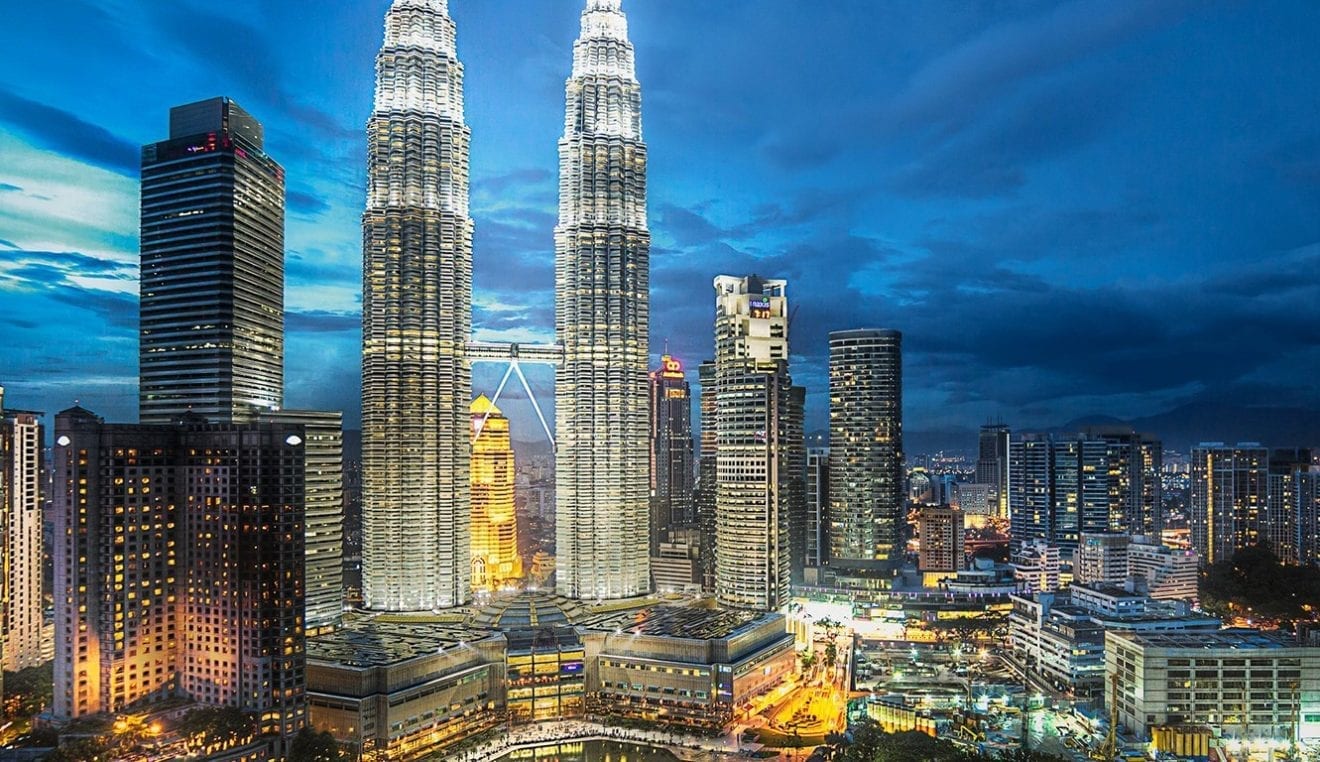
    In the most recent 2026 IMD World Competitiveness Ranking, Malaysia’s standing significantly improved, moving up eight spots to claim the 15th place. This notable advancement represents the country’s greatest leap in recent years. The International Institute for Management Development, the authority that published the ranking, attributed Malaysia’s enhanced position to advancements across all four pillars of competitiveness.

    The four pillars considered in the ranking include economic performance, government efficiency, business efficiency, and infrastructure. Malaysia demonstrated remarkable progress in all these areas. The country obtained 4th place worldwide for economic performance, while government efficiency ascended 11 places, reaching the 14th position. Business efficiency moved up 16 spots to the 16th position, and infrastructure experienced a slight boost, improving two spots to rank 33rd.

    An Examination of Sub-factors

    Looking deeper into the sub-factors, Malaysia’s domestic economy ranking ascended four places, achieving the 11th position, and the international trade ranking rose one spot to the 5th position. One significant leap was observed in the international investment sector, which climbed seven places to reach the 19th position.

    The IMD ranking evaluates 70 economies based on the aforementioned four fundamental pillars. Malaysia’s consistent improvement is evidenced by its steady ascent over the years. In the previous year, the nation jumped 11 places to secure the 23rd position among 69 economies. This was a marked improvement from the 34th position it held among 67 economies in 2024.

    According to economists, the critical factors contributing to Malaysia’s elevated ranking include a robust economic foundation, heightened trade competitiveness, improved public and business sector performance, and expanding opportunities within the technology sector.

    Stephen Innes, Managing Partner at SPI Asset Management, believes that Malaysia’s substantial boost in competitiveness is not merely indicative of a short-term recovery. Instead, he points to the rapid growth of artificial intelligence and the semiconductor industry as key drivers of this progress. Innes notes that Malaysia’s advantageous positioning across the electrical and electronics supply chain, coupled with its appeal in attracting investment in advanced packaging and data centers, makes it a natural beneficiary of global supply chain diversification.

    Questions & Answers

    What factors led to Malaysia’s improved ranking in the 2026 IMD World Competitiveness Ranking?
    Malaysia’s improvement is attributed to advancements in economic performance, government efficiency, business efficiency, and infrastructure. The rapid growth in artificial intelligence and the semiconductor industry were also highlighted as key contributors.

    How has Malaysia’s ranking evolved over the years?
    Malaysia has shown steady improvement in its standing, moving from 34th out of 67 economies in 2024, to 23rd out of 69 in 2025, and finally to 15th out of 70 economies in 2026.

    What sub-factors saw notable improvement in Malaysia’s ranking?
    Significant improvements were observed in the country’s domestic economy, international trade, and international investment rankings.

  • Heinz and Heineken Unveil Limited-Edition Combo: Beer Meets Ketchup in Epic 150-Year Brand Collaboration

    Heinz and Heineken Unveil Limited-Edition Combo: Beer Meets Ketchup in Epic 150-Year Brand Collaboration

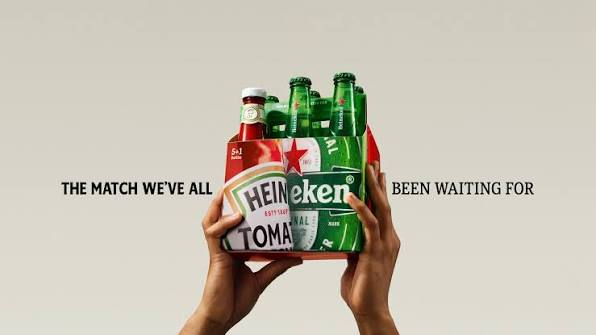
    Iconic brands Heinz and Heineken have teamed up to release a unique, limited-edition six-pack that combines their popular ketchup and beer products. This creative collaboration is not introducing a new consumption trend, but rather capitalizes on an already established pattern of consumer behaviour.

    Long-standing Consumer Habits Inspire Collaboration

    The pairing of these two beloved products acknowledges how they are often consumed together at various social settings. Be it a casual gathering, a sporting event, a barbecue, or simply during a burger meal, the consumption of Heinz ketchup and Heineken beer is a common occurrence.

    Dana Katz, Director of Integrated Communications at Heineken, stated that this brand pairing has been 150 years in the making. She emphasized that instead of creating a novel habit, this collaboration is a testament to what consumers have been doing for decades.

    The unique concept behind the partnership, according to Katz, emerged from an already existing link between the two brands. She mentioned that the idea didn’t feel like a new creation, but more of a discovery of something which had been hidden in plain sight, going even as far as the similarity in the brand names.

    Rolling Out in Select International Markets

    The exclusive Heinz x Heineken six-pack is set to hit the shelves in a number of selected international markets. These include the United Kingdom, Ireland, and Canada.

    Questions & Answers

    What is the unique selling proposition of the Heinz x Heineken six-pack?
    The unique selling point of this product is it combines two popular items that are often consumed together, Heinz ketchup and Heineken beer, into one convenient pack.

    Where will the Heinz x Heineken pack be available?
    The pack will be available in selected international markets, including the UK, Ireland, and Canada.

    What inspired the collaboration between Heinz and Heineken?
    The concept emerged from an already existing link between the two brands, recognizing that their products are often consumed together in various social settings.

  • Allianz GI Sets Eyes on Asias Potential: The Future of Asset Management in Rising Eastern Economies

    Allianz GI Sets Eyes on Asias Potential: The Future of Asset Management in Rising Eastern Economies

    The Asia-Pacific region is becoming a major focus for Allianz Global Investors (Allianz GI) as global growth trends shift eastward. The firm’s CEO, Tobias C. Pross, asserts that Asia remains one of the few regions where structural growth opportunities are still present despite geopolitical challenges and the slowing growth of Western economies.

    Allianz GI’s Growing Presence in Asia

    Allianz GI has been continually expanding its footprint across the Asia-Pacific region, as the firm sees the area’s growth dynamics moving away from conventional Western markets. Pross highlights that whenever growth is discussed in an inflationary context, the Asia-Pacific region stands out prominently.

    The firm has seen a promising start to 2026, reporting approximately €8 billion in net inflows during the first quarter, which has pushed the assets under its management above €600 billion for the first time.

    The company’s recent initiatives include investments in China, Indonesia, and Taiwan, launching new active ETF capabilities, and inaugurating a new office in South Korea. Julie Koo, former Citi executive, has been brought onboard as the Head of Asia Pacific to further strengthen Allianz’s leadership team in the region.

    Investment Opportunities and Market Expansion

    Allianz GI perceives Asia as a long-term source of investment opportunities and client growth, rather than just a distribution market. While some global investors have started to tread cautiously in the China market, Pross affirms that Allianz GI is still dedicated to China, seeing periods of geopolitical uncertainty as opportunities for active managers.

    Allianz GI is also expanding its private markets platform to offer access to infrastructure, private credit, and private equity strategies to a broader range of investors. Pross noted that demand is growing across Asia, as private banks, insurers, and wealthy individuals explore alternative income sources and diversification.

    Furthermore, Allianz GI views artificial intelligence as a significant investment area. The company is developing a global data platform and proprietary large language models to enhance investment research and portfolio management.

    Questions & Answers

    What is Allianz GI’s growth strategy for the Asia-Pacific region?
    Allianz GI aims to expand its presence by investing in key markets such as China, Taiwan, and Indonesia, and by launching new active ETF capabilities. The firm also plans to strengthen its leadership team in the region.

    How does Allianz GI view the China market?
    Despite some investors’ growing caution, Allianz GI remains committed to the China market. The firm believes that periods of geopolitical uncertainty often create opportunities for active managers.

    What role does artificial intelligence play in Allianz GI’s strategy?
    Allianz GI is significantly investing in artificial intelligence. The firm is developing a global data platform and proprietary large language models to enhance its investment research and portfolio management.

  • UOB Private Bank Taps Dennis Hong to Fuel North Asias Wealth Management Expansion

    UOB Private Bank Taps Dennis Hong to Fuel North Asias Wealth Management Expansion

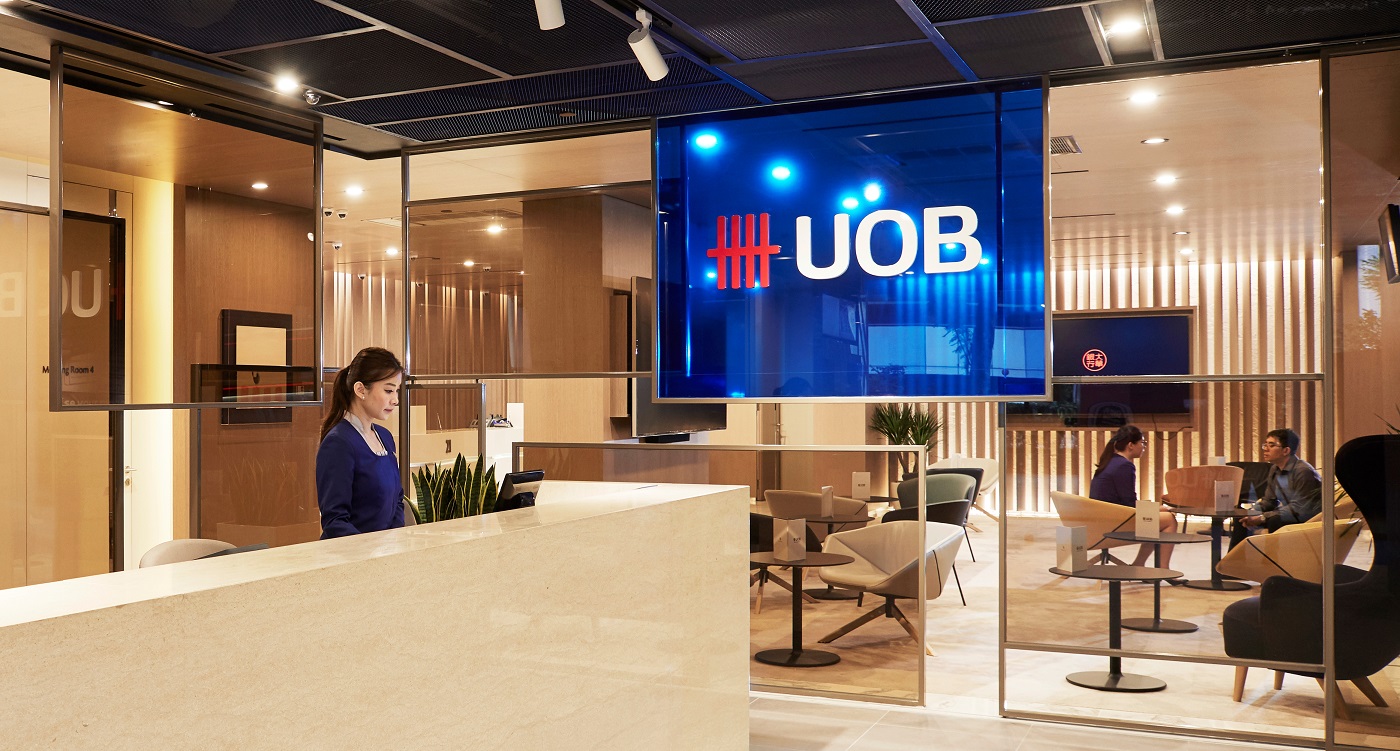
    United Overseas Bank (UOB) Private Bank has announced the appointment of Dennis Hong to the position of Regional Market Head for Greater China and North Asia, commencing in September 2026. This decision aligns with UOB’s ongoing plan to fortify its wealth management sector and tap into the increasing cross-border wealth traffic between Greater China and ASEAN.

    Hong’s Role and Responsibilities

    Hong’s new assignment will see him spearheading the advancement and strategic planning of UOB Private Bank’s operations in Greater China and North Asia. He will be managing principal markets such as China, Hong Kong, Taiwan, and Japan. Hong’s responsibilities will encompass the formulation of market strategies, expansion of client base, enhancement of advisory services, and supervision of regional teams. All these efforts are directed towards fostering client relationships and facilitating consistent business growth.

    Hong enters his new role at UOB Private Bank with a wealth of knowledge and experience in private banking and wealth management. His most recent position saw him guiding an Asia-Pacific private banking division, which emphasized the Greater China and North Asia markets. Hong has demonstrated his skills in building and managing significant teams, creating market propositions, and promoting business growth across major regional markets throughout his career. Hong will be stationed in Singapore, reporting directly to Chew Mun Yew, the Head of UOB Private Bank.

    UOB Private Bank’s Growth Strategy

    UOB Private Bank has confirmed that the Greater China market will continue to be a fundamental component of its regional growth strategy. This approach is particularly relevant as clients are increasingly seeking integrated wealth, investment, and financing solutions across various jurisdictions.

    The bank also intends to bolster its value proposition for high-net-worth (HNW) and ultra-high-net-worth (UHNW) clients, demonstrating its commitment to providing superior financial services and ensuring customer satisfaction.

    Questions & Answers

    What is the role of Dennis Hong at UOB Private Bank?
    Dennis Hong has been appointed as the Regional Market Head, Greater China and North Asia. His responsibilities include leading the growth and strategic development of the bank’s operations in these regions.

    What experience does Dennis Hong bring to his new role at UOB Private Bank?
    Hong has extensive experience in private banking and wealth management. He has previously led an Asia-Pacific private banking franchise with a strong focus on Greater China and North Asia.

    What is UOB Private Bank’s growth strategy for the Greater China market?
    UOB Private Bank has identified the Greater China market as a key pillar of its regional growth strategy. The bank aims to meet the growing demand for integrated wealth, investment, and financing solutions across multiple jurisdictions.

  • Chinese Beauty Brand Judydoll Conquers Europe via Joybuy E-commerce Platform

    Chinese Beauty Brand Judydoll Conquers Europe via Joybuy E-commerce Platform

    Judydoll, a renowned beauty brand from China, has made its grand entrance into the European market. This move was achieved through a successful launch on the e-commerce platform, Joybuy, spanning multiple countries including the UK, Germany, the Netherlands, France, Belgium, and Luxembourg.

    Established Origins and Expanding Presence

    Having its roots in Shanghai, Judydoll was established under the Joy Group in 2017. Recognized for its economically priced color cosmetics, Judydoll has been able to solidify its presence through various online marketplaces such as Tmall and Taobao. Subsequent to this online success, the brand ventured into physical retail, growing its network of stores.

    Presently, Judydoll operates over 100 stores throughout China. Furthermore, it has managed to broaden its international footprint by opening flagship stores in Singapore, along with retail collaborations throughout the Gulf Cooperation Council region.

    European Expansion Supported by Efficient Logistics

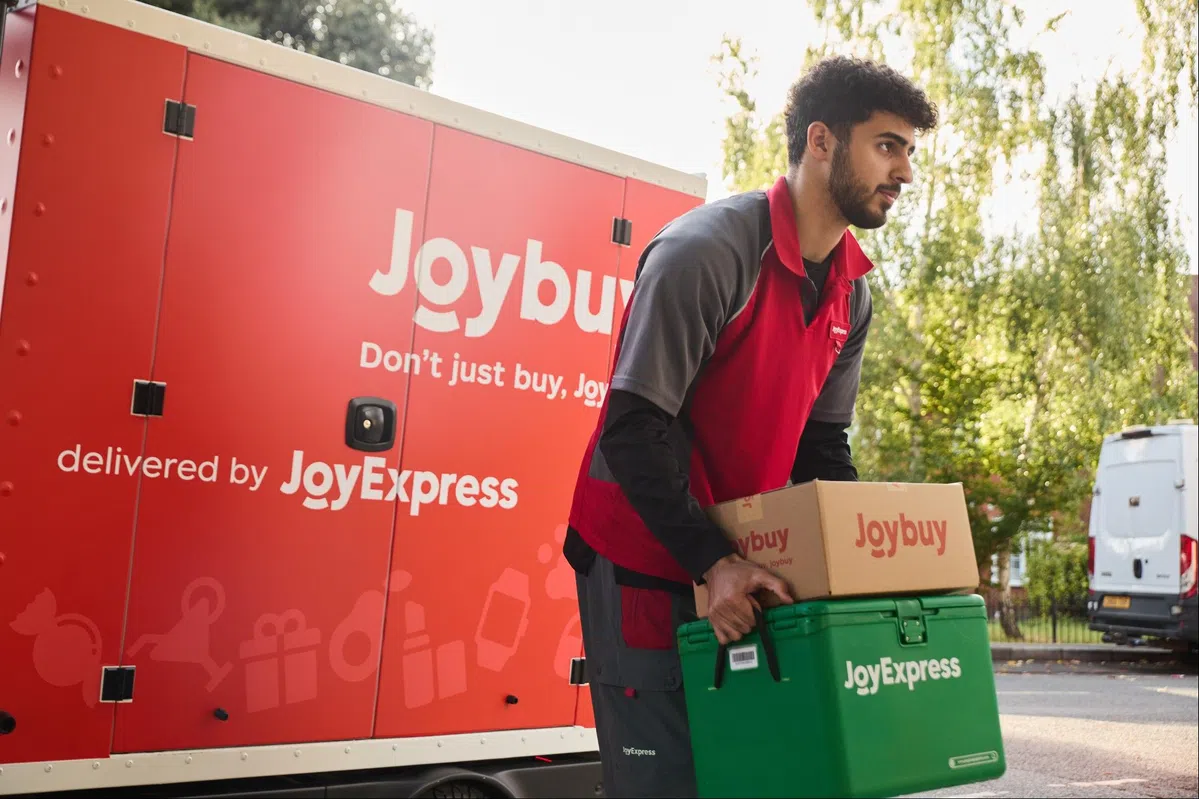
    Judydoll’s launch in Europe is backed by Joybuy’s effective logistics network. This collaboration ensures local fulfillment along with the promise of next-day delivery, making it easier for customers to access their products.

    In the company’s words, “Judydoll and Joybuy’s collective effort is aimed at bringing superior beauty products closer to European consumers.”

    Questions & Answers

    When was Judydoll established and by whom?
    Judydoll was established in 2017 by the Joy Group.

    How did Judydoll establish its initial presence?
    Judydoll initially established its presence through online marketplaces such as Tmall and Taobao, and later expanded into physical retail.

    What facilitates Judydoll’s launch in Europe?
    Judydoll’s European launch is facilitated by Joybuy’s logistics network, ensuring local fulfillment and next-day delivery.

  • Lululemon Issues Apology in China for Cultural Misstep at Great Wall Event

    Lululemon Issues Apology in China for Cultural Misstep at Great Wall Event

    Lululemon, the popular athleisure brand, has publicly apologized in China following controversy surrounding a performance during a company-sponsored event at the Great Wall. The incident incited negative reactions on social media due to the apparent use of a Japanese drum, viewed as culturally insensitive by some.

    Controversy and Apology

    The company expressed remorse on Weibo, the Chinese social media platform, acknowledging that they had failed to anticipate the potential cultural sensitivities associated with the drum performance. They attributed this oversight to “limitations in professional knowledge”. Lululemon went on to apologize both to their customers and brand ambassador Zhu Yilong, a well-known Chinese actor. The company also announced that they had taken down all promotional materials related to the event.

    The controversy was triggered by a grand yoga festival organized near Beijing in the previous month to commemorate Lululemon’s decade-long presence in mainland China. The event attracted over 2,000 participants and was part of the brand’s broader initiative to further engage with Chinese consumers through community-centered experiences.

    A drum performance featuring Zhu Yilong and the HiiKo Drum Group became a hot topic of debate when some social media users noted the drum used resembled a Japanese taiko drum, not a traditional Chinese one. The criticism rapidly proliferated across Chinese social media platforms.

    In their public apology, Lululemon stated that the event was designed to honor Chinese culture, but conceded that they had underestimated the cultural implications. They expressed that they have “learned profound lessons” from the experience and will improve their review processes for upcoming events.

    Challenges for International Brands

    This incident underscores the difficulties global brands can encounter when attempting to understand and respect cultural nuances in foreign markets. Earlier in the year, French fashion brand, Lemaire, also found itself apologizing after a fragrance campaign was criticized by Chinese consumers who felt the brand had used culturally insensitive imagery and messaging.

    Questions & Answers

    What was the cause of the controversy involving Lululemon in China?
    The controversy was sparked when Lululemon used a drum in a performance that was alleged to be a Japanese taiko drum instead of a traditional Chinese drum. This was viewed as culturally insensitive by some.

    What was Lululemon’s response to the backlash?
    Lululemon issued a public apology on Weibo, acknowledging their failure to anticipate potential cultural sensitivities. They also removed all promotional materials connected to the event and apologized to their customers and brand ambassador, actor Zhu Yilong.

    What lessons has Lululemon learned from this experience?
    According to their public apology, the company “learned profound lessons” and intends to strengthen its review processes for future events to better recognize and respect cultural nuances.