Author: Mei Ling Tan

  • “Yum China’s Expanding Empire: Over 17,500 Stores Fueled by Digital Sales and Franchise Strategy”

    “Yum China’s Expanding Empire: Over 17,500 Stores Fueled by Digital Sales and Franchise Strategy”

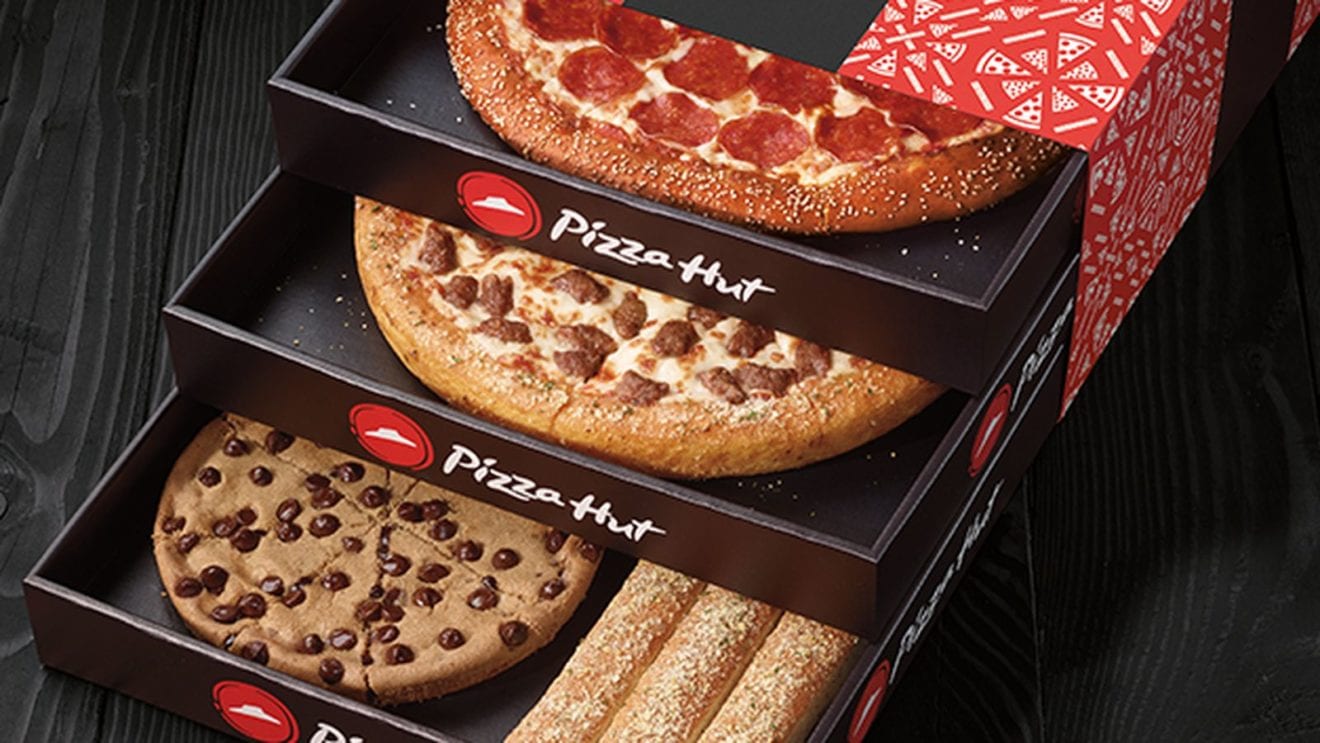
    Yum China, operating franchises such as KFC, Pizza Hut, and additional dining brands, has disclosed a stable growth in its third-quarter financial results, citing robust digital and delivery sales as primary contributing factors. These assets served to balance a tempered in-store sales trajectory in an increasingly cautious consumer market.

    In the financial quarter culminating on September 30, the company recorded an annual revenue increase of 4%, amounting to USD 3.2 billion. In addition, Yum China reported an 8% rise in operating profit, reaching USD 400 million, which expanded margins to 12.5%.

    Sales and Store Count

    The quarter saw system sales increase by 4%, bolstered by the opening of 536 new stores. Furthermore, same-store sales experienced a minor growth of 1%. Cumulatively, Yum China’s store count now totals 17,514, including 12,640 KFC outlets and 4,022 Pizza Hut locations.

    Digital Sales and Delivery

    Yum China’s growth was largely underpinned by digital sales, which accounted for an impressive 95% of total sales. Simultaneously, delivery sales experienced an upward surge of 32% year-on-year, contributing to 51% of the company’s total revenue.

    Joey Wat, CEO of Yum China, expressed satisfaction with the company’s steady performance within a dynamic market, attributing the positive growth to expanding store openings, encouraging same-store sales growth and margin expansion.

    Brand Performance

    KFC emerged as the primary growth driver for the company, noting a 5% rise in system sales and a 2% same-store growth. Throughout the quarter, KFC expanded by 402 new stores, with 41% operating as franchises. KFC’s operating profit increased by 6%, amounting to USD 384 million and improving margins to 16%.

    Meanwhile, Pizza Hut demonstrated moderate growth with a 4% rise in system sales and a 1% increase in same-store sales. An additional 158 new outlets lifted the operating profit by 7%, resulting in USD 57 million.

    Collective membership across both KFC and Pizza Hut escalated 13% year on year, reaching 575 million. This growth saw member sales contributing to 57% of total system sales.

    Wat also emphasized the swift expansion of both Kcoffee, now with over 1,800 outlets, and Kpro, a concept brand focusing on energy bowls and smoothies. The latter brand has expanded to over 100 locations in top-tier cities.

    Future Plans

    Looking forward, Yum China anticipates opening between 1,600 to 1,800 new stores within the current year, with a higher proportion of franchised locations. The company aims for 40-50% of new KFC stores and 20-30% of new Pizza Hut locations to operate as franchises. The company also intends to continually innovate their menu offerings to encourage customer loyalty and repeat visits.

    Questions & Answers

    What is the primary growth driver for Yum China?
    The primary growth driver for Yum China is its KFC brand, which experienced a 5% rise in system sales and 2% same-store growth.

    What contributed to the robust growth of Yum China’s digital and delivery sales?
    Yum China’s digital channels, franchise strategy, and flexible store formats contributed to the significant growth in its digital and delivery sales.

    What are Yum China’s future expansion plans?
    Yum China plans to open between 1,600 to 1,800 new stores in the coming year, largely focusing on franchised KFC and Pizza Hut locations. It also plans to continue innovating its menu offerings to encourage repeat customer visits.

  • “Vietnamese E-commerce Boom: Monthly Online Spending Hits $1.3B on Top Platforms

    “Vietnamese E-commerce Boom: Monthly Online Spending Hits $1.3B on Top Platforms

    In the first three quarters of the year, consumers in Vietnam have shown a growing preference for e-commerce, spending approximately VND34 trillion (US$1.3 billion) per month on popular platforms such as Shopee, TikTok Shop, Lazada, and Tiki. According to analysis from data provider Metric, the gross merchandise value of these leading platforms reached a total of VND305.9 trillion, marking a substantial 34% increase from the previous year.

    Factors Fueling E-commerce Growth

    Several factors contribute to the impressive growth of these e-commerce platforms. A surge in demand, coupled with enticing incentives such as heavy discounts and low shipping fees, has led to increased consumer spending. Additionally, sellers are investing more in livestreaming and short-form video content to further stimulate buyer interest.

    Shopee has maintained its position as the dominant platform, accounting for 56% of the gross merchandise value for the aforementioned period. It is trailed by TikTok Shop, which holds 41% of the market share.

    Shopee’s collaboration with YouTube has also paid off, with 2.4 million products now linked to the video sharing platform. In another strategic move, Shopee recently teamed up with Meta to facilitate the purchase of its products via Facebook livestreams.

    Platform-Specific Strategies

    Meanwhile, TikTok has honed its focus on promoting sales through videos and livestreams. One particular campaign in the northern mountain province of Lai Chau was notably successful, with 300 tons of potatoes sold in the months of September and October.

    Lazada, holding a steady 3% market share, saw the strongest growth in average order value over the past nine months. The platform has been expanding its product range by partnering with several milk brands and South Korean retailer G-Market, adding an estimated 20 million new products to its offerings.

    Looking forward, Metric predicts the gross merchandise value for these four platforms will rise by 15% year-on-year in the fourth quarter. Fashion, beauty, household goods, and groceries-food are expected to continue leading in sales.

    Questions & Answers

    What factors are contributing to the growth of e-commerce in Vietnam?
    Increased demand, attractive discounts, low shipping fees, and more investment in livestreaming and short video content are driving e-commerce growth.

    Which e-commerce platform holds the largest market share in Vietnam?
    Shopee holds the largest market share, accounting for 56% of the gross merchandise value in the first three quarters of the year.

    Which categories are expected to lead in sales in the fourth quarter?
    Fashion, beauty, household goods, and groceries-food are forecast to maintain the lead in sales.

  • Korean Air Takes Flight with A350F: New Era of Eco-Friendly and Efficient Cargo Transport Unveiled

    Korean Air Takes Flight with A350F: New Era of Eco-Friendly and Efficient Cargo Transport Unveiled

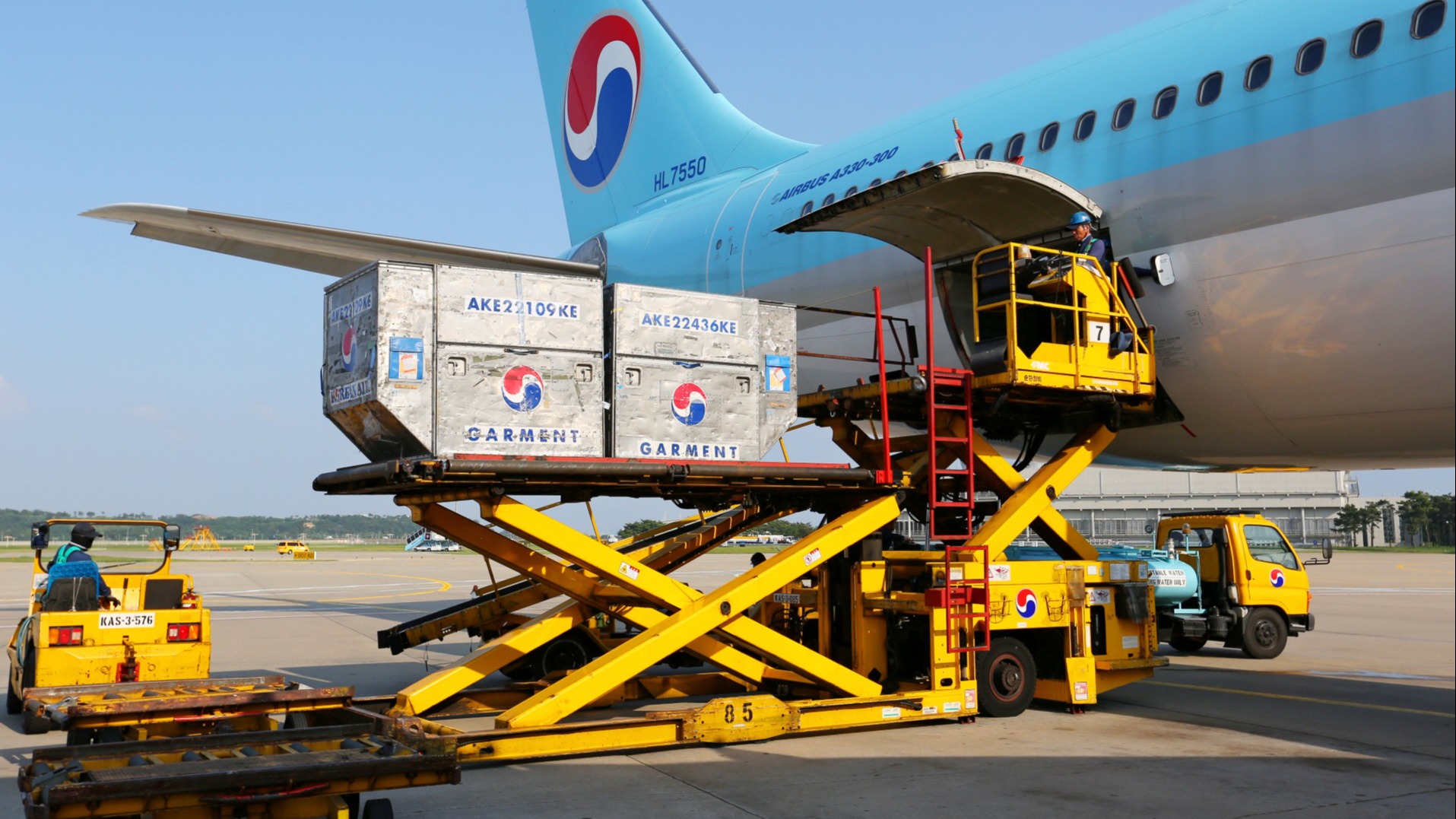
    Korean Air has joined the ranks of customers for the world’s only newly designed large freighter, the A350F, by modifying seven of its current A350-1000 passenger aircraft orders to the freighter model.

    Endorsement from a Major Cargo Operator

    Korean Air is a leading global cargo operator, making its choice to incorporate the A350F into its fleet a significant endorsement of the freighter’s unique capabilities. The A350F is set to provide Korean Air with the most efficient solution in the large freighter segment.

    The A350F’s Unique Features

    The A350F stands out with the industry’s largest main deck cargo door, its fuselage length and capacity optimally designed for standard pallets and containers. More than 70% of its airframe boasts advanced materials, resulting in a take-off weight that is 46 tonnes lighter than its nearest competitor. Indeed, the A350F is the only freighter aircraft that completely complies with the International Civil Aviation Organization’s (ICAO) forthcoming CO₂ emissions standards, set to take effect in 2027.

    Technological Advancements and Payload Capacity

    The A350F, which is currently under development, can carry an impressive payload of up to 111 tonnes and can fly up to 4,700 nautical miles or 8,700 kilometers. It’s equipped with the latest Rolls-Royce Trent XWB-97 engines, which will enable the aircraft to reduce its fuel consumption and carbon emissions by up to 40% compared to previous generation aircraft with similar payload-range capabilities.

    A350 Family’s Growing Popularity

    As of the end of September 2025, the newest generation A350 family had secured 1,445 orders from 63 global customers. This includes 65 orders for the brand-new A350F from 10 cargo carriers and one leasing company.

    Korean Air’s total order of A350 aircraft now stands at 33, which includes 20 A350-1000s, seven A350Fs, and six A350-900s. The first two of these have already been delivered.

    Questions & Answers

    What is significant about Korean Air’s decision to incorporate the A350F into its fleet?
    Korean Air is a major global cargo operator. Its decision to include the A350F in its fleet is seen as a significant endorsement of the aircraft’s unique capabilities.

    What sets the A350F apart from other freighter aircraft?
    The A350F has the industry’s largest main deck cargo door and has a fuselage length and capacity designed to optimize standard pallets and containers. The airframe uses advanced materials in more than 70% of its construction, making the aircraft lighter and more efficient.

    What can be expected from the A350F in terms of its payload and emissions?
    The A350F can carry a payload of up to 111 tonnes and fly up to 4,700 nautical miles or 8,700 kilometers. Powered by the latest Rolls-Royce Trent XWB-97 engines, the aircraft is expected to reduce fuel consumption and carbon emissions by up to 40%, meeting the ICAO’s enhanced CO₂ emissions standards due in 2027.

  • Vietnam Stocks Celebrate Largest Leap in a Month: Key Players and Factors in the Remarkable 2.16% Surge

    Vietnam Stocks Celebrate Largest Leap in a Month: Key Players and Factors in the Remarkable 2.16% Surge

    On Tuesday, Vietnam’s leading VN-Index experienced a significant increase, soaring by 2.16% to reach 1,654.98 points, marking the largest surge since October 6. This remarkable growth allowed the index to close approximately 35 points higher, a notable recovery from the 69-point decline it experienced over the previous three sessions.

    The trading value also increased significantly, rising by 16% to reach VND34.25 trillion, equivalent to US$1.3 billion.

    Dominant Performers

    The VN30 basket, which consists of the 30 highest capped stocks, saw impressive growth in 24 tickers. The rise was spearheaded by SSI Securities Corporation, VPBank, and Vincom Retail, each experiencing a gain of 6.9%. Other strong performers included Techcombank, which closed 4.2% higher, and MB, which rose by 3.9%.

    Despite the general upward trend, there were a few stocks that did not follow suit. The most notable of these were the tech heavyweight FPT Corporation and the state-owned Petrovietnam Gas, both of which saw a 1.6% decrease.

    Foreign Investment

    Foreign investors demonstrated significant activity, making net purchases worth VND1.22 trillion. Notably, the majority of this investment was directed towards HDBank and Masan Consumer.

    Lastly, the HNX-Index, which hosts mid-cap and small-cap stocks on the Hanoi Stock Exchange, rose by 2.6%. Simultaneously, the UPCoM-Index for the Unlisted Public Companies Market closed 0.57% higher.

    Questions & Answers

    What was the percentage increase of the VN-Index?
    The VN-Index increased by 2.16%.

    Which companies led the rise in the VN30 basket?
    The rise was led by SSI Securities Corporation, VPBank, and Vincom Retail, each with a 6.9% gain.

    What was the trend among foreign investors?
    Foreign investors were net buyers, mainly investing in HDBank and Masan Consumer.

  • 21Shares Shakes Things Up: New Leadership Structure Amidst $11 Billion Crypto Assets Management

    21Shares Shakes Things Up: New Leadership Structure Amidst $11 Billion Crypto Assets Management

    21Shares, a well-known firm that specializes in exchange-traded products (ETPs) tied to cryptocurrency assets, recently unveiled some major changes in its leadership structure. Having recently been taken over by a U.S. broker, the company currently oversees more than $11 billion in assets.

    Adrian Fritz’s Promotion

    With a tenure of four years, Adrian Fritz, who held the position of Global Head of Research, has ascended to the role of Chief Investment Strategist. In this new leadership role, Fritz will pivot his concentration towards sales and capital markets. As Vice President and Chief Investment Strategist, Fritz’s obligations will comprise of directing the company’s global investment strategy. This involves enhancing market predictions, portfolio evaluations, and the asset allocation strategy in digital assets.

    Eliézer Ndinga to Lead Research

    The leadership baton for the five-member research team has been passed to Eliézer Ndinga, the former Head of Strategy at 21Shares since April 2020.

    Ndinga, who originally founded the research team, served in this role for over three years. He held the position of Vice President, Head of Strategy at 21.co in New York City from December 2023 onwards. Ndinga will now resume his duties from the company’s headquarters in Zurich.

    Questions & Answers

    Who has been promoted to the role of Chief Investment Strategist at 21Shares?
    Adrian Fritz, who previously served as the Global Head of Research for the firm, has been promoted to the role of Chief Investment Strategist.

    Who will succeed Adrian Fritz as the head of the research team at 21Shares?
    Eliézer Ndinga, the former Head of Strategy at the company, will now lead the research team.

    What are the new roles and responsibilities of Adrian Fritz and Eliézer Ndinga?
    As the Chief Investment Strategist, Adrian Fritz will oversee the company’s global investment strategy, improve market forecasts, portfolio assessments, and manage the asset allocation strategy in digital assets. Eliézer Ndinga, on the other hand, will lead the research team from the company’s headquarters in Zurich.

  • WhatsApp Unveils Full-Fledged Native App for Apple Watch: Upgrade Your Messaging Experience Now!

    WhatsApp Unveils Full-Fledged Native App for Apple Watch: Upgrade Your Messaging Experience Now!

    WhatsApp has made a long-awaited move by releasing a specialized, native application designed specifically for the Apple Watch. This significant development includes voice messages and comprehensive chat history, effectively bringing key features to users’ fingertips.

    WhatsApp for Apple Watch: A Fresh Look

    Previous versions of WhatsApp for the Apple Watch left much to be desired, functioning essentially as a rudimentary notification center. Users would receive alerts and possibly view the first line of a message, but anything more involved required using an iPhone.

    The recent update signals a shift in this dynamic. WhatsApp’s parent company, Meta, announced the launch of a completely new, native application built specifically for watchOS. This isn’t merely a slight tweak, but a comprehensive application designed to enhance the usability of the watch application.

    Key Features of the New Application

    With the new application, users can expect a variety of features including:

    – Reading complete messages, irrespective of length
    – Recording and sending voice messages
    – Identifying incoming calls with call notifications
    – Responding with emojis
    – Viewing better quality images and stickers
    – Accessing an extensive chat history

    While these features present exciting prospects, it’s important to note that they require the latest software. Users will need an Apple Watch Series 4 or later model and must run watchOS 10 or a newer version.

    For the millions of users, particularly outside the United States, who rely on WhatsApp as their primary mode of communication, this update represents a significant improvement on the Apple Watch’s functionality, which previously felt restricted by its iMessage-centric design.

    However, when compared to its competition, WhatsApp has been slow to adapt. For example, Telegram, one of WhatsApp’s main competitors, has long had an efficient native watch application. This allows users to browse chats, send voice messages, and even view stickers. The new WhatsApp application seems less like an innovative move and more like an attempt to catch up with the advanced features provided by its competitors.

    Despite these shortcomings, the arrival of the new application enhances the overall functionality of the Apple Watch, especially in terms of enabling quick replies without relying on an iPhone.

    Final Thoughts

    For users who regularly communicate overseas where WhatsApp maintains a stronger presence than iMessage, the update is a welcome development. The ability to swiftly send voice messages, a preferred method of communication for many, remedies a significant inconvenience previously experienced on the Apple Watch. This update single-handedly addresses this issue, making the Apple Watch a more comprehensive device.

    Questions & Answers

    What are the key features of the new WhatsApp application for the Apple Watch?
    The new application allows users to read complete messages, record and send voice messages, identify incoming calls with notifications, respond using emojis, view high-quality images and stickers, and access an extensive chat history.

    What is required to access the new WhatsApp application on the Apple Watch?
    To use the new WhatsApp application, users must have an Apple Watch Series 4 or later model and must run watchOS 10 or a newer version.

    Does the new application make WhatsApp more competitive?
    While the new features bring WhatsApp closer to its competitors, the update could be viewed as an effort to catch up with existing features offered by apps like Telegram rather than a groundbreaking innovation.

  • Singapore’s Retail Sector Sustains Growth in September, Led by Watch and Jewellery Sales Surge

    Singapore’s Retail Sector Sustains Growth in September, Led by Watch and Jewellery Sales Surge

    In September, retail sales in Singapore continued their upward trajectory, albeit at a slower pace than in August.

    Overview of Retail Sales

    Singapore’s retail sales, excluding motor vehicles, witnessed a 2% growth in September. This figure is slightly lower than the revised 4.7% increase recorded in August. The total retail sales value for the month was estimated at SG$3.5 billion (US$2.67 billion), with online sales accounting for 17.6% of this value.

    However, when adjusted for seasonal factors, there was a 2.3% decrease in retail sales in September compared to August.

    Sector-wise Breakdown

    The growth in retail sales was majorly driven by the watches and jewellery sector, which saw a year-on-year increase of 16.6%, largely due to increased jewellery sales.

    Next in line was the recreational goods sector, which exhibited an 11% rise in sales, followed by supermarkets and hypermarkets with a 5.1% increment.

    In stark contrast, both petrol service stations and retailers of apparel and footwear experienced a decline in sales by 8% and 3.6% respectively.

    Food and Beverage Services Sales

    Sales in the food and beverage services sector also declined, registering a 1.6% drop, a more significant decrease compared to the 0.2% drop in the previous month. This downturn was primarily attributed to the underperformance of the restaurant sector. The total sales value for the F&B services sector was estimated at SG$966 million, with online sales constituting 26.3% of this value.

    Questions & Answers

    What was the percentage increase in Singapore’s retail sales for September?
    The retail sales in Singapore saw a 2% increase in September.

    Which sector led the sales growth in September?
    The watches and jewellery sector led the sales growth in September with a 16.6% increase year-on-year.

    Did all sectors see an increase in sales?
    No, the sales of petrol service stations and retailers of apparel and footwear saw a decline, as did the food and beverage services sector.

  • Coolmate, Vietnam’s Digital Fashion Powerhouse, Secures Series C Funding for Global Expansion and Women’s Line Launch

    Coolmate, Vietnam’s Digital Fashion Powerhouse, Secures Series C Funding for Global Expansion and Women’s Line Launch

    Coolmate, a Vietnamese brand known for its digital-first approach in fashion, has successfully completed its latest Series C financing. The specific details of the funding have been kept under wraps, but it is understood that the funds will be used to fuel both global expansion and the brand’s entrance into women’s fashion.

    The fundraising effort was spearheaded by Vertex Growth Fund and saw contributions from Cool Japan Fund, YoungOne CVC, and other pre-existing investors such as Vertex Ventures SEA & India and Kairous Capital.

    Nhu Chi Pham, the CEO and founder of Coolmate, expressed her gratitude for the investment. She asserted, “This financial boost enables us to further endorse our vision, break into new markets, and continue to cultivate a brand that is a true symbol of Vietnamese ingenuity.”

    A Look at Coolmate’s Journey

    Established in 2019, Coolmate has quickly made its mark on the industry, having already fulfilled over 5 million orders across the nation. It operates using a technology-aided local supply chain, allowing for efficient and effective business transactions.

    This latest influx of capital will be strategically funneled into three main areas: Women’s fashion, global market penetration, and the establishment of physical retail outlets.

    Detailed Expansion Plans

    Coolmate launched its “Go Women” initiative in March, introducing a new line of activewear for women. The company has a 2030 target of generating 40% of its total revenue from women’s products.

    The “Go Global” strategy has been initiated with Coolmate’s debut on Amazon US where it has quickly gained a “Best Seller” status and now processes over 25,000 orders monthly. The next phase of this strategy involves expanding throughout Southeast Asia in an effort to reach 30% international revenue by the year 2030.

    Finally, with the “Go Offline” strategy, Coolmate plans to open brick-and-mortar stores, aiming to enhance customer experience, and projecting to obtain 40% of its revenue from offline sales by 2030.

    It’s worth noting that Coolmate secured a $6 million investment in a Series B fundraising round last year, led by Vertex Venture Southeast Asia and India.

    Questions & Answers

    What is Coolmate’s business model?
    Coolmate operates with a digital-first approach in fashion, utilizing a technology-enabled local supply chain to conduct business transactions efficiently.

    What are the future expansion plans of Coolmate?
    Coolmate plans to venture into women’s fashion, expand its brand globally, and establish physical retail outlets to enhance customer experience.

    What are the goals set for 2030 by Coolmate?
    Coolmate aims to achieve 40% of its total revenue from women’s products, 30% international revenue, and 40% of its revenue from offline sales by 2030.

  • Cargojet Bolsters Global Presence: New Direct Air Cargo Service Bridges Canada and Europe

    Cargojet Bolsters Global Presence: New Direct Air Cargo Service Bridges Canada and Europe

    Cargojet Inc. has expressed delight in the launching of a direct air cargo service bridging Canada and Europe, set to commence on November 1, 2025. The service will establish a connection between Liege Airport (LGG), an outstanding cargo gateway in Europe, and the principal cargo hubs in Canada.

    Strengthening Transatlantic Ties

    Co-CEOs of Cargojet, Pauline Dhillon and Jamie Porteous, jointly remarked on the new service. They asserted that this move would further solidify the ties between Canada and Europe, in addition to offering broader opportunities for their clientele. They further noted that by leveraging Cargojet’s unmatched reputation for punctuality and dependability, the service is set to position Cargojet at the heart of transatlantic trade. This will effectively cater to the forwarder community’s changing demands by providing quicker transits, reliable service, and superior flexibility for shippers across both continents.

    Welcome to Liege Airport

    VP Marketing & Sales at Liege Airport, Torsten Wefers, voiced his excitement about welcoming Cargojet to Liege Airport, which is acknowledged as one of the top cargo hubs in Europe. He emphasized that this collaboration signifies a significant advancement for the LGG community and Europe-Canada logistics, providing new prospects and connectivity for their clients and partners.

    Expansion of Global Network

    This weekly service denotes a considerable broadening of Cargojet’s global network, guaranteeing customers reliable, time-sensitive capacity and improved intercontinental connectivity. Incorporated within Cargojet’s domestic overnight network, the route promises to offer streamlined connections throughout Canada, enhancing overall transit times and providing increased flexibility for freight forwarders, logistics providers, and shippers.

    The route, initially operating once a week, improves access to one of Europe’s most strategic cargo hubs, with intentions to amplify frequency as demand and opportunities persistently grow. This integration bolsters Cargojet’s long-term expansion design and reaffirms its status as a dependable associate in the global logistics market.

    Questions & Answers

    What is the significance of Cargojet’s new direct air cargo service?
    The service strengthens the ties between Canada and Europe, expands opportunities for Cargojet’s customers, and positions the company at the center of transatlantic trade.

    What benefits does the weekly service provide?
    The service extends Cargojet’s global network, offers reliable, time-sensitive capacity, and enhances connectivity across continents. It also provides streamlined connections throughout Canada and increased flexibility for freight forwarders, logistics providers, and shippers.

    What are the future plans for this route?
    Initially, the route will operate once a week, with plans to increase frequency as demand and opportunities continue to grow. This move supports Cargojet’s long-term expansion strategy in the global logistics market.

  • Surging Sales Propel Coupang’s Q3 Profits: Detailed Insights into the South Korean E-commerce Giant’s Stellar Performance

    Surging Sales Propel Coupang’s Q3 Profits: Detailed Insights into the South Korean E-commerce Giant’s Stellar Performance

    South Korea’s premier online retailer, Coupang, has witnessed an increase in profits in the third quarter, reflecting a sustained momentum in sales growth.

    Revenue and Profit Analysis

    The firm’s net revenues have experienced an 18% upsurge to reach $9.3 billion for the quarter that ended on September 30, marking a 20% rise when assessed on a constant currency basis. The net income and net income attributable to Coupang shareholders have also witnessed notable growth, with a 48% and 36% increment respectively, to reach $95 million.

    Segment Details

    The product commerce segment of the company’s operations reported a 16% surge in net revenues, amounting to $8 billion. This was matched by a 10% increment in active customers, bringing the total to 24.7 million.

    The developing offerings segment, encompassing international operations and innovative initiatives like Eats, Play, Fintech, and Farfetch, recorded commendable growth with a 32% rise in revenues, equating to $1.3 billion.

    Profit Margins

    The gross profit margins of the company expanded over 50 basis points, touching 29.4%. This was primarily driven by the product commerce segment. Additionally, the adjusted EBITDA margins saw an increase of 10 basis points, reaching 4.5%.

    CEO’s Statement

    Bom Kim, the CEO of Coupang, has expressed optimism and conviction in the consistent performance and growth potential of the Korean market. “Korea remains a remarkably durable growth opportunity with a largely untapped runway ahead,” he stated. He further emphasized the company’s continued strength across all customer segments.

    Kim also noted the firm’s accelerating progress in Taiwan, highlighting impressive year-over-year and quarter-over-quarter revenue growth. The levels of customer adoption in Taiwan, he added, are reminiscent of the early stages of their retail business in Korea, reinforcing the company’s confidence in Taiwan’s long-term potential.

    Questions & Answers

    What was the net revenue reported by Coupang for the third quarter?
    The net revenue reported by Coupang for the third quarter was $9.3 billion.

    How much did the company’s active customer base grow in the product commerce segment?
    In the product commerce segment, Coupang’s active customer base grew by 10%.

    What are the key factors behind the expansion of Coupang’s gross profit margins?
    The expansion of Coupang’s gross profit margins was primarily driven by the product commerce segment.

  • Yum Brands Eyeing Potential Pizza Hut Sell-Off Amid Underperformance

    Yum Brands Eyeing Potential Pizza Hut Sell-Off Amid Underperformance

    Yum Brands, the parent company of Pizza Hut, is currently exploring strategic alternatives for its pizza arm, which may include a potential sale. This move comes as Pizza Hut’s performance has been an underwhelming aspect of the business, failing to match the success of other sectors within the company.

    Strategic Review Initiated

    On Tuesday, Yum Brands disclosed that the company had commenced a formal evaluation of strategic alternatives for Pizza Hut. The purpose of this review is to unlock the brand’s full potential and optimise the value for the company’s stakeholders.

    In a statement, Christopher Turner, Yum Brands’ CEO, noted the Pizza Hut team has been diligently tackling business and category-specific challenges. However, the brand’s performance suggests that further action is required to unlock its full value. He further hinted that these goals might be more effectively achieved if Pizza Hut was not under the Yum Brands umbrella.

    A New Approach

    Turner stated that a new approach, which could potentially involve selling the business, may allow Pizza Hut to realise its full potential. However, he did not elaborate on what other approaches might be under consideration.

    Yum Brands has noted that no specific timeline has been set for the completion of this strategic review. Likewise, the company has not guaranteed that this process will result in a transaction.

    For guidance on this strategic review, Yum Brands has engaged the services of Goldman Sachs and Barclays as their financial advisors.

    Questions & Answers

    Why is Yum Brands considering selling Pizza Hut?
    The company is exploring different strategic options for Pizza Hut, including a potential sale, to maximise the brand’s potential and the value for the company’s shareholders.

    What is the timeline for this strategic review?
    Yum Brands has not set a specific deadline for the completion of the review.

    Has Yum Brands guaranteed that this review will result in a transaction?
    No, the company has stated that there is no assurance that the review process will lead to a transaction.

  • H3Tech Leverages Vietnam’s Tech Prowess to Transform Global Healthcare Landscape

    H3Tech Leverages Vietnam’s Tech Prowess to Transform Global Healthcare Landscape

    H3Tech, a pioneer in healthcare technology, seeks to revolutionize the U.S. healthcare sector by employing a sophisticated tech approach and a business model rooted in Vietnam. The company differentiates itself from other offshore providers by being a strategic development collaborator for healthcare tech businesses both within the U.S. and worldwide.

    According to Mikael Ohman and Michael Gilbert, the co-CEOs and co-founders, the healthcare sector represents close to 20% of the U.S. economy. However, it is plagued by high costs and mediocre outcomes. Observing the potential of technology to not only cut costs but also enhance quality, they brought H3Tech into existence. Their vision was to utilize high-tech solutions to make a significant impact on the lives of individuals involved in healthcare.

    Both Mikael and Mike possess extensive experience working with international software engineering firms across the globe. They note that Vietnam boasts some of the highest quality software engineers and technology leaders globally. Thus, when it came to launching H3Tech, Vietnam was their preferred choice. Mike recognized and acknowledged the efforts the Vietnamese government has put into education and additional support for the technology sector.

    Questions & Answers

    What is the goal of H3Tech?
    H3Tech aims to revolutionize the U.S. healthcare sector by leveraging advanced technology and a business model rooted in Vietnam.

    How does H3Tech differentiate itself from other offshore vendors?
    Unlike typical offshore vendors, H3Tech positions itself as a strategic development collaborator for healthcare tech businesses, both within the U.S. and worldwide.

    Why was Vietnam chosen as the primary location for H3Tech’s operations?
    Vietnam was chosen due to its high-quality software engineers and technology leaders. The Vietnamese government’s investment in education and additional support for the technology sector was also a significant factor in the decision.

  • The $25 Billion Elephant in Luxury’s Stockroom: How Anna Kistner Is Making It Disappear

    The $25 Billion Elephant in Luxury’s Stockroom: How Anna Kistner Is Making It Disappear

    An algorithm that predicts demand with 87% accuracy. A 48‑variable framework that cuts unsold inventory by more than half. Anna Kistner, a former buyer at Galeries Lafayette and Maison‑B‑More, and current Analytics Manager at Saks Global, spent more than ten years developing the Predictive Buying Intelligence Platform (PBIP) – and it is finally giving luxury retail a way to stop guessing wrong.

    Every year, the US luxury sector suffers an estimated $25 billion in markdowns. Roughly 40% of collections are sold at a discount, and up to 10% remain unsold – a staggering amount of waste that damages both margins and the environment. The root cause is simple, yet persistent: buyers place orders six months before a season starts, relying on intuition, historical sales and brand presentations. By the time products arrive, consumer demand has already shifted.

    Anna Kistner saw this pattern repeat season after season – at Richemont’s Van Cleef & Arpels, at Majid Al Futtaim, at Maison B More, and as Head of Accessories at Galeries Lafayette’s Dubai Mall, the largest luxury department store in the Middle East. Her answer is PBIP: a rigorous algorithm that weighs 48 variables across five dimensions – social signals (TikTok, Instagram, Lyst Index), competitive intelligence, brand performance, macroeconomic conditions, and retail operations. The model produces a single actionable score that guides assortment planning, quantities and store allocation.

    Of course, PBIP is not a magic wand. Implementing it requires a retailer to have clean, integrated data – a hurdle that not every brand or retailer can clear quickly. Moreover, traditional forecasting tools (ranging from basic Excel models to enterprise ERP modules) still dominate the market, and many buyers remain wedded to intuition. But where PBIP stands apart is its granularity: it does not simply project aggregate demand; it recommends per‑store quantities based on local trends, competition, and even weather.

    The results are measurable. In validation tests covering 412 product decisions, PBIP delivered 87% forecast accuracy – far above the industry’s 50‑60% average. A case study on an outerwear buy increased full‑price sell‑through from 59% to 82%, reduced unsold inventory from 10% to 4%, and saved $1.34 million in margin on a single category. By matching inventory more precisely to demand, the methodology also prevents overproduction, cutting into the 11 million tons of textile waste the US sends to landfills annually. “Every time a buyer overorders, the environment pays,” Kistner says.

    A career built on solving the forecasting gap

    Before PBIP existed, Kistner was already questioning the industry’s reliance on guesswork. At Majid Al Futtaim Fashion, one of the Middle East’s largest retail conglomerates, she worked with brands including Halston Heritage, Intropia, All Saints, and Sacoor Brothers. She earned the trust to place multi‑million dollar orders independently in New York, Madrid, London and Lisbon – and received a “High Achiever” award for creating a product training system adopted across the organization.

    At Maison B More, she ran a $3.4 million annual buying budget across more than 80 world‑leading brands such as Roberto Cavalli, Versace, Philipp Plein, Iceberg, and Dirk Bikkembergs. She renegotiated over 40 contracts and boosted productivity by 30%. She traveled regularly to Milan and Paris Fashion Weeks, placing buying orders and representing the company in front of top luxury brands. She reported directly to the CEO, managed 17 brand stores and the e‑commerce platform.

    Later, as Head of Accessories at Galeries Lafayette Dubai Mall, she led a team of 112 and managed partnerships with world‑leading houses including Dior, Louis Vuitton, Gucci, Valentino, Fendi, Celine, and more than 60 timepiece and jewelry brands – despite COVID‑19, she delivered the full $26 million annual revenue plan.

    The buyer of the future

    “In five years, the buyer will no longer be someone who simply picks products,” Kistner predicts. “They will be an architect of demand – someone who configures how a system makes decisions. The human role is not disappearing. It is becoming more strategic.”

    For an industry long governed by intuition and heritage, Kistner offers proof. Not that data replaces taste – but that taste, backed by data, wastes less, sells more, and respects both the customer and the planet.

    Anna Kistner is a luxury retail analytics leader. Her views are her own.

    Links:
    🔗 LinkedIn
    🔗 www.annakistner.com
    🔗 PBIP methodology

    Written by Ming Hi Yang

  • Deutsche Bank Boosts Thailand Operations with Ex-Julius Baer Exec Appointment

    Deutsche Bank Boosts Thailand Operations with Ex-Julius Baer Exec Appointment

    Deutsche Bank Private Bank has appointed a former executive from Julius Baer’s onshore Thailand joint venture to their private wealth team. Penluck Sriboonruang has taken the post of vice president on the Thailand team, now based in Singapore and reporting directly to Paul Handley, the Southeast Asia market head.

    Professional Experience

    Sriboonruang brings with her a vast amount of experience, having worked for over seven years in the field. Her previous roles include being a senior private banker at the Thailand joint venture SCB-Julius Baer, as well as a team leader at the Bangkok-based Siam Commercial Bank.

    A representative for Deutsche Bank Private Bank has confirmed the details of Sriboonruang’s appointment.

    Questions & Answers

    Who has Deutsche Bank Private Bank appointed to their private wealth unit?
    Deutsche Bank Private Bank has appointed Penluck Sriboonruang to their private wealth unit.

    What is Penluck Sriboonruang’s role in Deutsche Bank?
    Penluck Sriboonruang has been appointed as the vice president in the Thailand team at Deutsche Bank Private Bank.

    What is her professional background?
    Penluck Sriboonruang has over seven years of combined experience at Thailand joint venture SCB-Julius Baer, where she was a senior private banker, and Bangkok-based Siam Commercial Bank, where she was a team leader.

  • Riding on Risk: The Perilous Reality of Motorbike Travel in Vietnam

    Riding on Risk: The Perilous Reality of Motorbike Travel in Vietnam

    Motorbikes, possessing the rapidity of a car but the simplicity of a bicycle, inherently pose a high risk to safety, particularly when traversed on less than optimal roads. As an individual who has spent a significant time commuting through the city by both motorbike and car, I have come to deeply comprehend a sobering reality: motorbikes, the primary mode of transportation in Vietnam, are also the most perilous. The danger lies not only in their petite, vulnerable structure, but also in the habits and attitudes of the people and a transportation infrastructure that is inadequately equipped to provide adequate protection for riders.

    The Danger Lurking in Motorbikes

    In developed nations, cars are predominantly the preferred choice of transport. This preference is not solely attributed to the affluence of the people, but also to the inherent safety cars provide. The occupants in a car are shielded by a robust metal structure, airbags, seatbelts, anti-lock braking systems, collision sensors, rear-view cameras, and blind spot warnings. Motorbike riders, on the other hand, are left completely vulnerable to the tumult of traffic. A minor brush or an abrupt swerve can easily result in a fall, leading to grave injury or even fatality.

    In my personal observation, most roadway accidents in Vietnam invariably involve motorbikes. They occur on a daily basis, whereby a minor wobble, a sharp brake, or an inattentive pedestrian can rapidly escalate into catastrophe. Although car accidents are not unheard of, the possibility of fatal consequences is significantly less.

    A Closer Examination of the Risks

    Another factor contributing to the danger of motorbikes is their sheer volume. In major cities such as Hanoi and Ho Chi Minh City, it is commonplace for a family to own two or three motorbikes. The narrow city roads, swarming with millions of bikes, generate chaos. Riders are compelled to evade cars, dodge pedestrians, navigate around buses, and occasionally mount pavements when confronted with traffic jams. These behaviors are born out of the necessity for convenience and the habit of seeking shortcuts, yet they continually place riders in precarious situations.

    Further exacerbating the situation is the lack of traffic awareness amongst a subset of riders. Unconventional helmet use, running red lights, driving against the traffic, over-speeding, and phone usage while driving are prevalent practices. As motorbikes are compact and agile, riders often experience a sense of freedom, forgetting the grave implications one moment of negligence can bring about. Unlike car drivers, who are subjected to more stringent licensing procedures and have higher financial liabilities, many motorbike users obtain their license with minimal training. Some even resort to stand-ins for their tests or commence riding before achieving the legal age.

    The Psychological Aspect and Infrastructure Hurdles

    There is also a psychological element at play. Car drivers generally exhibit more caution as even a minor collision can result in costly repairs. Motorbike riders, conversely, often downplay minor incidents and adopt aggressive or reckless behavior to save a few minutes. This overconfidence often results in motorbike accidents that are unforeseen and frequently unavoidable.

    The infrastructure in Vietnam further exacerbates the risk. Numerous roads lack specially designated lanes for motorbikes, exhibit faded lane markings, inconsistent speed bumps, and poorly positioned traffic lights. Rain can render the roads slippery, while manhole covers and potholes, barely noticeable to cars, can easily cause a motorbike rider to lose control.

    Reassessing Motorbike Use

    Motorbikes undoubtedly play an integral role in Vietnamese life, especially in narrow lanes, rural regions, or areas with underdeveloped transport infrastructure. However, as urban areas aspire to more sophisticated transportation systems, it is imperative to alter our mindset. Rather than solely relying on motorbikes, we should consider public transport, small cars, e-bikes, or bicycles as safer and more sustainable alternatives. The authorities must also enact stronger measures: assign lanes for motorbikes, strictly enforce traffic regulations, and educate about road safety from an early age. Riders must comprehend that they are operating a high-risk vehicle and not simply indulging in convenient transportation.

    Observing from the safety of my car, as hundreds of motorbikes jostle under the rain, amid exhaust fumes and blaring horns, the realization is stark: a single wrong move or abrupt stop could swiftly result in tragedy.

    Motorbikes have been an integral part of Vietnamese life for generations, but they also present a significant risk that needs to be reconsidered. Traffic safety is not just the responsibility of the government; it is a personal choice. We can choose to decelerate, to exercise caution, and to opt for safer vehicles to safeguard ourselves and our loved ones. After all, the ultimate objective is not the speed or convenience of the journey, but to return home safely every time.

    Questions & Answers

    Why are motorbikes considered dangerous?
    Motorbikes are considered dangerous due to their small, exposed structure, the riders’ habits and mindset, and a transportation infrastructure that inadequately protects riders.

    What factors contribute to motorbike accidents in Vietnam?
    The sheer volume of motorbikes, lack of traffic awareness among some riders, psychological factors, and infrastructure issues contribute to motorbike accidents in Vietnam.

    What measures can be taken to improve safety for motorbike riders?
    To improve safety for motorbike riders, authorities can assign designated lanes for motorbikes, strictly enforce traffic regulations, and educate about road safety from an early age. Additionally, riders can choose safer vehicles and exercise more caution while driving.