Author: Mei Ling Tan

  • Vietnam Gold Prices Tumble Despite Global Stability: A Detailed Analysis Amid US Interest Rate Speculations

    Vietnam Gold Prices Tumble Despite Global Stability: A Detailed Analysis Amid US Interest Rate Speculations

    On Tuesday morning, the price of gold in Vietnam dropped, even as global rates remained stable. A notable drop was seen in the gold bar from Saigon Jewelry Company, which decreased by 0.53%, making its current price VND148.2 million (US$5,628.34) per tael.

    Changes in Local and Global Gold Prices

    There was also a decrease in the price of gold rings, with rates falling by 0.34%, establishing a current price of VND145.9 million per tael of 37.5 grams, or 1.2 ounces. Despite such recent drops, there has been a significant increase in the price of gold in Vietnam throughout the year, with a surge of 76% observed so far.

    On a global scale, gold prices remained largely unchanged as investors anticipated the U.S. private payroll data expected to be released later this week. This data is critical in assessing the potential for an additional interest rate cut from the U.S. Federal Reserve this year.

    Stability in Spot Gold Prices

    Spot gold displayed minimal changes, maintaining a steady rate at $3,993.10 an ounce. Edward Meir, an analyst at Marex, suggests that gold is in the process of establishing a trading range, potentially in the high 3000s to the mid-4000s. This range is considered a consolidation following a significant move in prices.

    Despite a sharp increase of 53% this year, there has been an 8% decrease in the price of the metal from the record high that was observed on October 20th. Ole Hansen, the head of commodity strategy at Saxo Bank, commented on the current trend in gold prices. He noted, “Gold’s pause still looks like a breather, not a breakdown. Seasonal softness, temporary Chinese policy noise, and a firmer dollar explain the short-term retreat, but none change the longer-term narrative.”

    Questions & Answers

    What is the current price for Saigon Jewelry Company’s gold bar?
    The current price for Saigon Jewelry Company’s gold bar is VND148.2 million (US$5,628.34) per tael.

    By how much has the price of gold in Vietnam increased this year?
    The price of gold in Vietnam has seen a substantial increase of 76% this year.

    What factors are contributing to the current global gold price trend?
    Several factors, including seasonal softness, temporary Chinese policy noise, and a stronger dollar, are contributing to the short-term retreat in global gold prices. However, these do not influence the longer-term narrative.

  • Armani Beauty Debuts in Mumbai with Flagship Store and Celebratory Diwali Campaign

    Armani Beauty Debuts in Mumbai with Flagship Store and Celebratory Diwali Campaign

    Armani Beauty has recently unveiled a flagship store in Mumbai’s Phoenix Palladium Mall. This grand opening coincides with the brand’s debut Diwali campaign in India, marking the luxury beauty brand’s retail expansion within the nation during the festive season.

    Embracing Local Culture

    To celebrate this milestone, Armani Beauty has decorated its Palladium Mall store with Diwali-themed items that draw inspiration from the marigold motifs prevalent in Indian culture. This approach aims at highlighting India’s largest festive season, thereby blending Armani’s presence seamlessly with local traditions.

    Charles-Alexandre Bockzmak, GM of L’Oréal International Distribution Sapmena, noted that this novel Diwali initiative in India aligns with Armani Beauty’s goal of local and cultural relevance. It also aims to provide Indian consumers with unique experiences that transcend mere commercial transactions.

    Biju Kassim, CEO of Global SS Beauty Brands, which is Armani Beauty’s distribution partner in India, echoed this sentiment. He emphasized that this first-ever Diwali campaign by Armani in India signifies a transformative beauty movement in the country.

    A Vision Beyond Commerce

    Both Bockzmak and Kassim agreed that this venture reaffirms Armani’s mission to “take beauty beyond commerce,” making the brand more relatable and in tune with the evolving needs and trends of Indian consumers. This collaborative approach with local partners underscores the brand’s commitment to remain current and connected with its target market.

    Armani Beauty operates under the Giorgio Armani fashion house and is marketed under a long-term license with L’Oréal. The brand announced its first flagship store in India in November of the previous year, marking a significant expansion in its global retail footprint.

    Questions & Answers

    What is the significance of Armani Beauty’s new flagship store in Mumbai?
    The store marks Armani Beauty’s retail expansion in India, timed perfectly to coincide with the festive season of Diwali.

    What is unique about Armani Beauty’s first-ever Diwali campaign in India?
    The campaign emphasizes Armani’s commitment to cultural relevance and aims to offer Indian consumers unique experiences that extend beyond traditional commercial interactions.

    How does Armani Beauty plan to stay current with the evolving needs of Indian consumers?
    Armani Beauty aims to remain current by embracing local culture and traditions, and working collaboratively with local partners to understand and cater to evolving consumer trends and demands.

  • US Dollar Clinches Marginal Victory Over Vietnamese Dong Amidst Divided Federal Reserve

    US Dollar Clinches Marginal Victory Over Vietnamese Dong Amidst Divided Federal Reserve

    On Tuesday morning, the U.S. dollar saw marginal gains against the Vietnamese dong. Vietcombank’s transactions reflected a 0.008% rise in the value of the dollar, selling at VND26,349.

    The U.S. Dollar on the Black Market

    Interestingly, on the black market, the dollar experienced a more significant increase of 0.14%, selling at VND27,840.

    Global Scene

    Globally, the U.S. dollar was trading close to a three-month high on Tuesday. The Federal Reserve’s evident division has led traders to restrain their expectations for interest rate cuts.

    In particular, the Australian dollar experienced fluctuations following the central bank’s cautious stance on inflation risks. After an immediate slip of 0.3%, it managed to recover some of its losses, closing at $0.6529, a 0.17% decrease for the day.

    The Dollar Index

    The dollar index, which juxtaposes the U.S. currency against a basket of six other currencies, also experienced a slight uptick of 0.1%, standing at 99.99.

    Questions & Answers

    What was the selling rate of the U.S. dollar against the Vietnamese dong on Tuesday?
    The U.S. dollar was sold at VND26,349, reflecting a 0.008% gain against the Vietnamese dong.

    What was the performance of the U.S. dollar on the black market?
    On the black market, the U.S. dollar rose 0.14% to VND27,840 against the Vietnamese dong.

    How did the Australian dollar perform after the central bank’s policy decision?
    The Australian dollar experienced a slip of 0.3% immediately after the policy decision, but it managed to recover and closed at $0.6529, a 0.17% decrease for the day.

  • Revival on the Horizon: Metro Manila Retail Vacancy Rate Expected to Bounce Back to Pre-Pandemic Figures

    Revival on the Horizon: Metro Manila Retail Vacancy Rate Expected to Bounce Back to Pre-Pandemic Figures

    The retail vacancy rate in Metro Manila is projected to return to pre-pandemic levels by 2022, according to a recent study by Colliers Philippines. The rate of empty retail spaces in Metro Manila eased to 11.4% as of September 30, 2021. By the close of next year, forecasts indicate a reduction to 9.5%, almost matching the 9.3% recorded in the third quarter of 2019.

    Long-Term Forecasts

    The report also offers long-term projections, with a predicted rate of 8.2% by the end of 2027. This figure is notably lower than the pre-pandemic benchmarks, signaling a positive recovery trend for the retail sector in the region.

    The study attributes the anticipated improvement to two main factors. The first is the continuous entry of international retail brands into the Filipino market. The second is the rapid expansion of existing brands.

    The Role of Foreign Brands

    According to Joey Bondoc, Research Director at Colliers, foreign brands play a crucial role in this trend. He noted that many of these brands have previously exited the market but are now making a significant comeback.

    Bondoc further highlighted the attractive refurbishment strategies of major developers in the region, which are drawing in these companies. These refurbishments are focusing more on experiential retail, adding another layer of attraction for both brands and consumers.

    Industries Occupying Retail Spaces

    The report also shed light on the dominant industries in retail space occupancy. The food and beverage sector, fast fashion, and general retail were listed as the primary occupiers of retail spaces. Their continued presence and growth contribute to the overall decreasing trend of retail vacancies.

    Questions & Answers

    What is the anticipated retail vacancy rate in Metro Manila by the end of 2022?
    The retail vacancy rate is expected to decrease to 9.5% by the end of 2022.

    What factors are contributing to the decrease in retail vacancies?
    The entry of foreign retail brands into the Philippines market and the accelerated expansion of existing brands are primarily driving this improvement.

    Which industries are the biggest occupiers of retail space in Metro Manila?
    The food and beverage sector, fast fashion, and general retail industries are the main occupiers of retail spaces.

  • Rush for Retail Reign: AI Firm Harex InfoTech Joins Bid War for Korean Giant Homeplus

    Rush for Retail Reign: AI Firm Harex InfoTech Joins Bid War for Korean Giant Homeplus

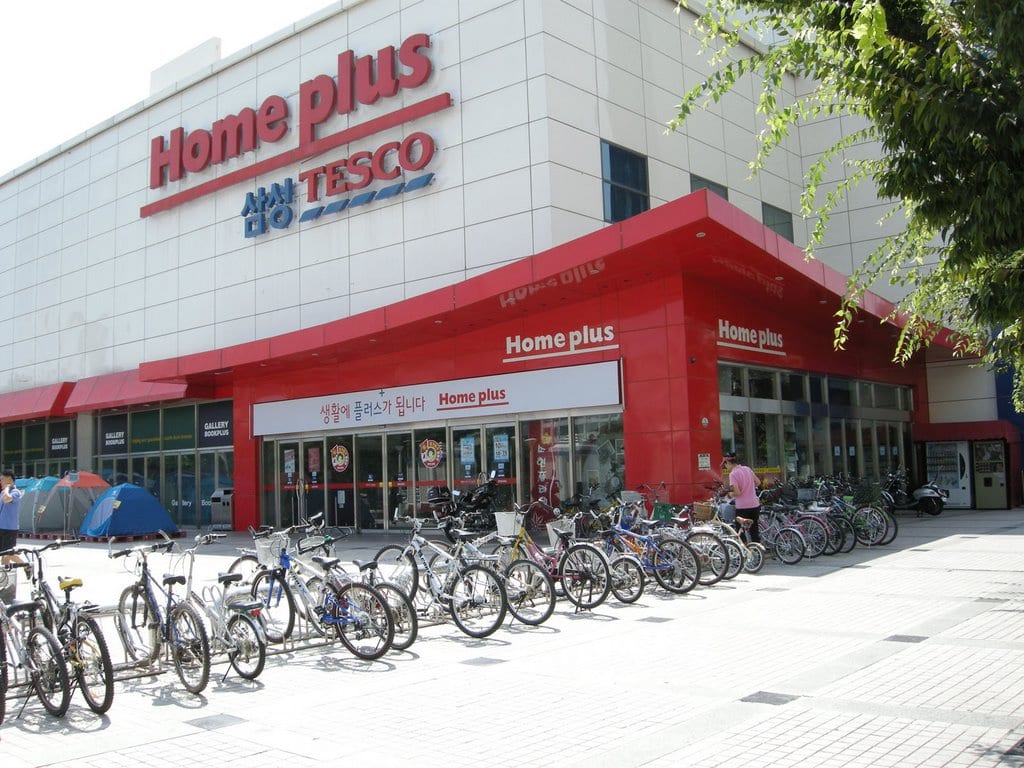
    In the quest for acquiring the South Korean retail giant Homeplus, two contenders have stepped forward. The attempt to secure new ownership for Homeplus is aimed at stabilizing its operations.

    AI company Harex InfoTech and an anonymous bidder have expressed their interest by submitting their respective letters of intent (LOIs) before the cut-off date of October 31, as informed by investment banking insiders.

    Homeplus, a retail arm which MBK Partners took over from Tesco in 2015, went bankrupt following years of falling sales and liquidity crunches. It was reportedly grappling with basic expenditures, such as electricity bills. However, in March, the court gave Homeplus the green light to look for a buyer under its rehabilitation scheme.

    In preparation of its bid, Harex InfoTech is said to be strategizing to amass approximately 2 billion US dollars in the United States. With the proposed deal, all regular shares owned by MBK Partners would be voided. In contrast, new shares would be allocated to the bidder who succeeds.

    It is obligatory for the triumphant bidder to assume Homeplus’ debts. These include a debt of 940 million US dollars owed to Meritz Financial Group and preferred shares amounting to 405.8 million US dollars held by the National Pension Service (NPS).

    The process of due diligence for qualified bidders will persist through to November 21, with ultimate bids scheduled to be submitted by November 26.

    While the existing deadline for presenting Homeplus’ rehabilitation plan is November 10, those keeping a close watch on the industry anticipate the court to prolong it to sync with the bidding timeline.

    Questions & Answers

    What is the current development with Homeplus’ ownership?
    Two firms have submitted their letters of intent to bid for the ownership of Homeplus.

    Who are the current bidders for Homeplus?
    AI firm Harex InfoTech and an undisclosed bidder have shown interest in acquiring the South Korean retail giant.

    What financial obligations will the successful bidder of Homeplus have to assume?
    The winning bidder is required to tackle Homeplus’ debts, which consist of a 940 million US dollar debt to Meritz Financial Group and preferred shares valued at 405.8 million US dollars held by the National Pension Service.

  • Grab Soars Past Quarterly Revenue Projections, Fueled by Consumer Adoption of ‘Superapp’ Services

    Grab Soars Past Quarterly Revenue Projections, Fueled by Consumer Adoption of ‘Superapp’ Services

    Grab Holdings Inc. surpassed projected revenues for the third quarter, thanks to strong consumer spending on its ride-hailing and food delivery services. The increase in user numbers can be linked to the company’s efforts in expanding its platform.

    Grab’s Superapp Transformation

    Grab’s initiative to transform into a “superapp” by integrating food and grocery delivery, ride-hailing, and financial services has proven successful. These integrated services offer consumers a comprehensive solution for their daily mobility and lifestyle requirements amidst an unpredictable economic climate. The concept’s popularity has surged, especially in regions where tariffs have reshaped the economy.

    In addition to offering standard services, Grab has been emphasizing more cost-effective options in ride-hailing and food delivery. This strategy aims to appeal to budget-minded consumers and provide a safety net against potential declines in consumer spending.

    According to CFO Peter Oey, approximately one-third of new monthly users in the deliveries segment are drawn from these affordable channels. Furthermore, about 40% of these users have subsequently upgraded to standard products. Oey noted, “We’re observing increased engagement from these saver platforms or these affordable products, and simultaneously, users are spending more frequently as we successfully upsell them.”

    Expansion into Autonomous Vehicles

    As the service sector in Southeast Asia becomes increasingly competitive, Grab is exploring new avenues for growth. One such venture involves leveraging its ride-hailing platform to penetrate the autonomous robotaxis market. Industry analysts predict that this sector will witness considerable growth in the near future.

    The company has also raised the lower limit of its annual revenue forecast from $3.33 billion to $3.38 billion, while the upper limit remains at $3.40 billion. Grab’s revenue for the period stood at $873 million, marginally beating analysts’ average estimate of $872.9 million.

    Additionally, the company has updated its yearly adjusted earnings before interest, taxes, depreciation, and amortisation (EBITDA) forecast. The new range is set between $490 million and $500 million, up from the previous projection of $460 million to $480 million.

    The third-quarter revenue for Grab’s deliveries segment stood at $465 million, slightly under the estimated $470 million.

    Questions & Answers

    What is Grab’s strategy for attracting cost-conscious consumers?
    Answer: Grab has introduced more affordable options in its ride-hailing and food delivery services to attract budget-minded consumers.

    How is Grab planning to expand amidst increasing competition in Southeast Asia’s service sector?
    Answer: Grab is planning to leverage its ride-hailing platform to expand into the autonomous robotaxis market.

    What has been the impact of Grab’s transformation into a “superapp”?
    Answer: The transformation has been successful, as it provides consumers with a one-stop solution for their daily mobility and lifestyle needs in the midst of an unpredictable economic landscape.

  • Retail Growth Trends: Which Sectors Are Expanding the Fastest?

    Retail Growth Trends: Which Sectors Are Expanding the Fastest?

    Retail growth in Asia is no longer uniform. Expansion is concentrating in formats that save time, sharpen value, and use digital touchpoints to move customers from discovery to purchase more efficiently. Several sectors are compounding faster than the broader market, driven by structural shifts in consumer behavior rather than short-term cycles. The following is a data-led look at where growth is concentrating and why these formats continue to outperform.

    Convenience Stores Continue Steady Compounding

    Convenience retail has become one of the most reliable growth engines in the region. Analysts estimate that the Asia Pacific convenience store market will see sustained high single-digit growth through the decade, supported by rapid urbanization, increasing numbers of smaller households, and demand for quick missions such as coffee, snacks, and ready-to-eat meals.

    Southeast Asian markets are contributing strongly. Chains in Thailand, Indonesia, Vietnam, and the Philippines are expanding store networks, increasing prepared food ranges, and integrating mobile ordering and digital loyalty. Growth in this channel is coming not only from new outlets but from strengthened day-part performance. Morning coffee and lunch missions, for example, have become important productivity drivers because they increase both trip frequency and basket size.

    The strategic learning here is that convenience stores are no longer simply small-format distribution points. They function as neighborhood service hubs that prioritize speed and reliability. Operators that continue to deepen fresh food, beverage programs, and frictionless payments are positioned to sustain multi-year growth.

    Value Formats and Private Label Gains Prove Sticky

    Despite easing inflation in some markets, value-led retail has retained momentum. Consumers have adjusted to comparing prices across channels and seeking better value for everyday essentials. Shopper research across India, Indonesia, Malaysia, and the Philippines indicates that value-conscious behavior has become normalized rather than temporary.

    Private label growth reinforces this shift. In many Asian grocery and general merchandise categories, retailers are expanding their own-brand assortments and improving packaging, quality control, and ingredient profiles. Surveys in India and Southeast Asia show that a significant share of shoppers who switched to private label during periods of higher inflation now believe the quality is on par with national brands. This suggests that the gains for private label are likely to be durable.

    Retailers that manage both entry-level and premium private label tiers are outperforming because they capture both budget-conscious shoppers and those willing to trade up selectively within the store brand ecosystem.

    Beauty Remains a High-Confidence Category

    Beauty has been one of the strongest consumer categories globally, and Asia accounts for a major share of the growth. Industry forecasts suggest that the global beauty and personal care market could continue growing at approximately 5 percent annually through the end of the decade, with Asia projected to grow even faster due to rising incomes and broader retail availability.

    Within the region, India stands out. The growth of specialty beauty retailers, stronger brand distribution partnerships, and the rise of dermatology-inspired skincare have widened the customer base. Premium beauty is also expanding faster than the mass segment in several metropolitan markets, indicating that even in value-conscious environments, the category maintains emotional and aspirational pull.

    What differentiates beauty is repeat purchasing frequency. Newness, product education, influencer-driven discovery, and accessible entry price points give retailers and brands multiple touchpoints to re-engage customers.

    E-Commerce Growth Normalizes but Remains Structural

    Online retail in Asia has transitioned into a phase of more stable and sustainable growth. The years of rapid pandemic-driven acceleration have been followed by a period of recalibration focused on profitability and retention. Even so, e-commerce continues to gain share in total retail transactions across major Asian markets.

    Reports from digital economy studies indicate that Southeast Asia’s online retail sector has returned to growth after a reset year, with increasing emphasis on payment reliability, faster logistics, and lower friction in checkout. In India, projections suggest that e-commerce could continue to grow at double-digit rates over the next five years, driven by wider smartphone penetration and rising trust in digital transactions in Tier 2 and Tier 3 cities.

    Social commerce and live shopping are becoming meaningful conversion funnels. Retailers that integrate in-platform checkout and reliable last-mile delivery see stronger repeat behavior than those that rely solely on traditional marketplace models.

    Food and Beverage Chains Scale Affordably

    Affordable indulgence has become a major growth theme. Beverage chains and compact-format quick service restaurants are expanding across Southeast Asia with simplified menus, high beverage turnover, and a strong focus on pickup and digital ordering. Several Chinese-origin beverage brands have expanded aggressively through Indonesia, Malaysia, Vietnam, and Singapore by keeping average transaction values low and positioning themselves as habitual treats rather than occasional luxuries.

    The key advantage is operational simplicity. Small-format stores require lower staffing levels and are easier to replicate across diverse neighborhoods. When paired with app-based ordering and localized flavor innovation, these models scale faster than traditional dining formats.

    The Role of Multi-Year Growth Metrics

    Quarterly comparisons can be misleading because of promotional timing, seasonality, and holiday effects. For a clearer view of momentum, analysts and retail planning teams often use multi-year measures such as compound annual growth rate. A simple way to run this calculation is by using a CAGR calculator, which helps isolate underlying expansion trends over time.

    This approach is particularly useful when comparing sectors like convenience retail versus beauty, or when evaluating how online market share is shifting in specific countries.

    Signals to Watch Through 2026

    1. Prepared food attach in convenience
       Higher attach rates usually indicate stronger customer habit formation and support higher per-store productivity.
    2. Private label repeat rates
       If shoppers continue repurchasing own-brand products even when promotions ease, retailers can expect durable margin uplift.
    3. Beauty newness cadence
       Consistent flow of meaningful product launches sustains category momentum and store traffic.
    4. Share of e-commerce orders initiated via social feeds
       The more shopping activity begins on social platforms, the more important native checkout and frictionless returns become.
    5. Unit economics for small-format F&B chains
       Sustained profitability at low average ticket sizes is a leading indicator of scalability.

    Bottom Line

    Retail growth in Asia is concentrating in formats that make everyday shopping easier and more efficient. Convenience stores with strong foodservice programs, value-led retailers with credible private label assortments, specialty beauty operators, scalable beverage and QSR formats, and omnichannel e-commerce platforms are positioned to compound fastest over the next few years.

    The common thread is not just price or assortment, but the degree to which each format aligns with how consumers live day to day. Retailers that continue improving speed, value, and digital connectivity across channels are the ones most likely to sustain growth through 2026 and beyond.

  • Meta’s AI Chatbot: Revolutionizing Ad Targeting with User Conversations

    Meta’s AI Chatbot: Revolutionizing Ad Targeting with User Conversations

    Meta, the technology powerhouse, has revealed a major transformation in its advertising approach, indicating that it plans to utilize user engagement with its Meta AI chatbot to improve the accuracy and customization of its ad targeting. The objective of this initiative is to augment the company’s efficiency in marketing products and services to its extensive user community.

    Meta pointed out that user dialogues and input within the Meta AI environment will form a novel and potent data source for its advertising platform. This policy is set to be officially implemented on December 16.

    Meta already utilizes complex tactics—including the examination of posts, analysis of click history, and understanding of network relationships throughout its social media ecosystem—to deduce consumer interest. However, the discussions with the Meta AI chatbot provide a level of direct, explicit data that simply has no match.

    Users could voluntarily reveal information about specific items they are actively seeking, travel arrangements they are planning, or personal problems that a product being advertised could conceivably resolve. This direct intent is significantly more valuable than the inferred data, allowing Meta to construct highly personalized ad profiles.

    Apart from advertising, the data gathered from interactions with Meta AI will also be employed to fine-tune and personalize the content feed that users view across Meta’s diverse platforms. This strengthens the chatbot’s position as a crucial instrument in shaping the overall user experience and commercial strategy.

    Questions & Answers

    What changes is Meta making to its advertising strategy?
    Meta is planning to use user interactions with its AI chatbot to improve the accuracy and customization of its ad targeting.

    How does this new strategy differ from Meta’s existing methods of ad targeting?
    While Meta already uses complex methods to deduce consumer interests, such as analyzing posts, click history, and network relationships, this new strategy will provide a more direct and explicit level of data.

    What other uses does Meta have for the data collected from its AI chatbot interactions?
    Beyond advertising, the data collected from AI chatbot interactions will be used to personalize the content feed that users view across Meta’s various platforms.

  • TGI Fridays Ignites Indian Market with Massive Expansion: 51 New Locations on the Horizon

    TGI Fridays Ignites Indian Market with Massive Expansion: 51 New Locations on the Horizon

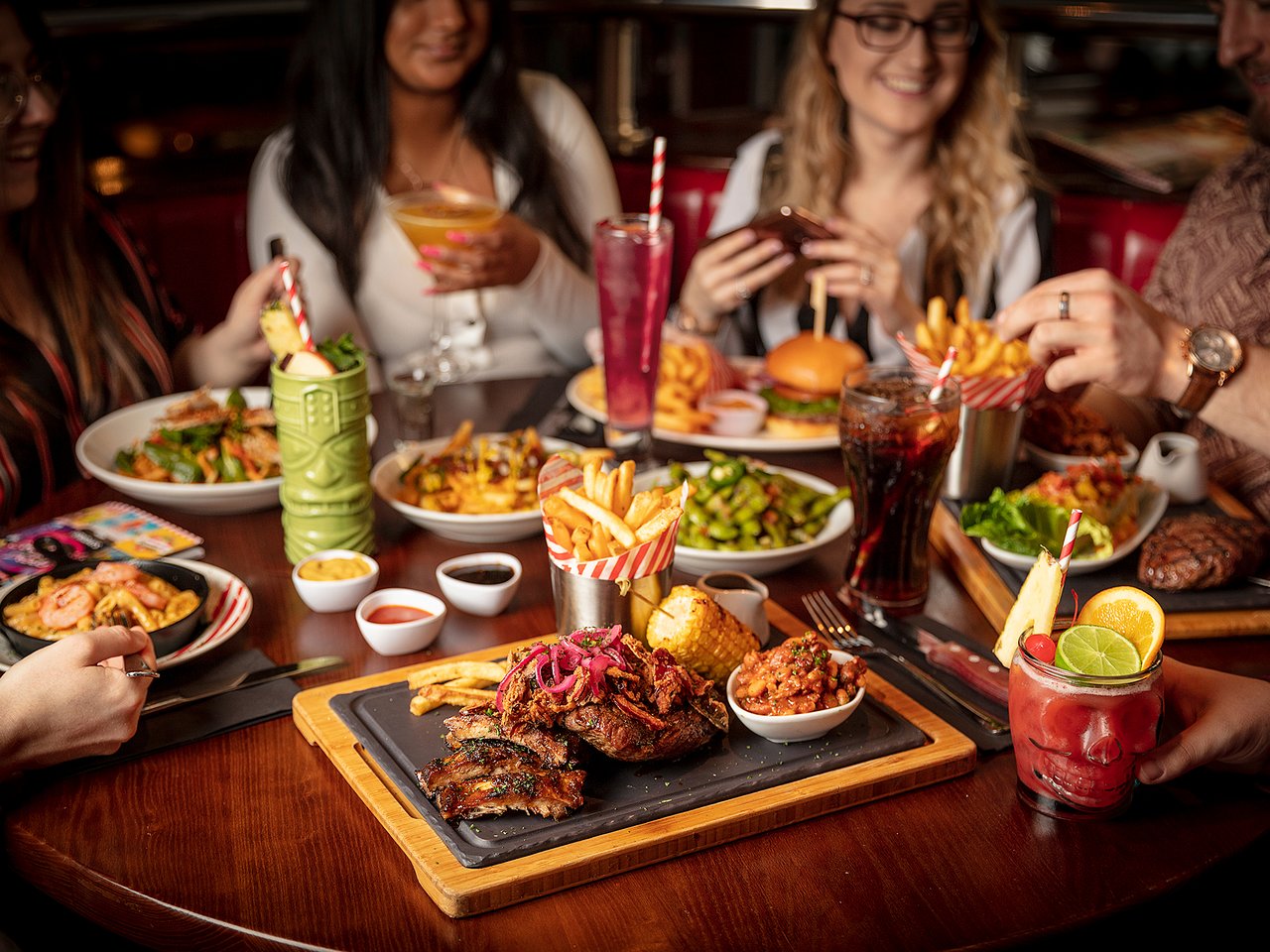
    Sugarloaf TGIF Management, the parent company of TGI Fridays, has entered into a master franchise agreement with USR Hospitality, an Indian corporation. The intention is to open 51 TGI Fridays restaurants throughout India.

    Key Personnel

    John Neitzel, former president and COO of TGI Fridays, has come on board with USR Hospitality to assist in the brand’s expansion within the Indian market. His leadership and comprehensive knowledge of the TGI Fridays brand, coupled with his record of achievement, were cited by USR Hospitality as key reasons for his appointment.

    “We’re privileged to serve as the master franchisee in India and are excited about collaborating with John to extend the TGI Fridays brand throughout the nation,” commented Prasoon Mukherjee, the Chairman of USR Hospitality.

    He went on to further explain the company’s strategic advantages, stating, “John is an accomplished leader with a profound understanding of the TGI Fridays brand and a solid track record of success. Coupled with our in-depth expertise in the hospitality industry, comprehension of the consumer preferences in our markets, and real estate development acumen, USR is uniquely positioned to spur unprecedented growth for the brand.”

    Expansion Plans

    USR Hospitality’s development plans for TGI Fridays include both high-street and mall locations. Furthermore, the company has acquired exclusive rights to establish restaurants in airports across the country. This strategy aims to bring the TGI Fridays dining experience to millions of travelers throughout India.

    Questions & Answers

    What is the nature of the agreement between Sugarloaf TGIF Management and USR Hospitality?

    The two companies have entered into a master franchise agreement that will see the development of 51 TGI Fridays restaurants across India.

    Who is John Neitzel and what is his role in this project?

    John Neitzel is the former president and COO of TGI Fridays. He has joined USR Hospitality to assist in the expansion of the brand in India.

    What are the locations targeted by USR Hospitality for the development of TGI Fridays?

    USR Hospitality plans to develop TGI Fridays restaurants in high-street and mall locations across India. They have also secured exclusive rights to open restaurants in airports nationwide.

  • Shein Yanks Controversial Child-like Dolls Off Shelves Following French Regulatory Intervention

    Shein Yanks Controversial Child-like Dolls Off Shelves Following French Regulatory Intervention

    Chinese e-commerce giant Shein recently removed a questionable product line, featuring childlike sex dolls, from its online platform. This action was prompted by the discovery and notification from France’s Directorate-General for Competition, Consumer Affairs, and Fraud Control (DGCCRF). The French authority voiced concerns over the products, which were suggestive of child pornography.

    Initiative from French Consumer Watchdog

    The DGCCRF found, apart from the childlike sex dolls, several other inappropriate items, including adult-looking sex dolls. They promptly reported their findings to the legal authorities. The DGCCRF stated that the product descriptions and the doll’s categorization on the website clearly indicated the pornographic nature of the content.

    The agency further noted that the website did not have any effective filtering measures in place to restrict minors and sensitive audiences from accessing such adult content.

    Shein’s Response

    In response, Shein immediately took action to remove the implicated products from its platform. A spokesperson for the company communicated via email that they had acted promptly upon becoming aware of these significant issues.

    The company stressed its strict policy against content or products violating its internal standards or legal requirements, emphasizing its commitment to a zero-tolerance policy in such matters.

    Physical Expansion in France

    Shein, a fast-fashion enterprise based in China, is planning to establish its first physical store in France. The store is scheduled to open on Wednesday at the Bazar de l’Hôtel de Ville (BVH) in Paris. The company’s aggressive pricing strategy has caused some disquiet among traditional French apparel retailers, who feel that Shein is undermining their business model.

    Additionally, Shein has announced plans to open five more stores within France.

    Questions & Answers

    What was the response of Shein to the discovery of inappropriate products on their platform?
    Shein immediately removed the products upon being notified by the DGCCRF.

    What is Shein’s policy regarding content or products that breach its principles or laws?
    Shein has a strict no-tolerance policy towards any content or products that infringe upon its internal policies or applicable laws.

    What are Shein’s expansion plans in France?
    Shein is planning to open its first physical store in Paris and has plans to open five more stores within France.

  • Muji Initiates Massive Recall of 600,000 Room Sprays: Safety Concerns Over Bacterial Contamination

    Muji Initiates Massive Recall of 600,000 Room Sprays: Safety Concerns Over Bacterial Contamination

    Japanese retail giant, Muji, has recently launched a recall for approximately 600,000 units of their room fragrance sprays. The recall action came into effect after the detection of bacteria during the production process.

    The Recall Details

    The recall applies to 11 different scents of the 300ml Room Fragrance Spray, a product that has been available for purchase since September 2024. Despite the identified bacteria posing a minimal risk to human health, Muji has decided to proceed with the recall as a safety precaution for its customers. As of now, there have been no reported illnesses related to this issue.

    Muji’s Response

    In response to the situation, Muji has expressed its apologies and reassured its customers that it is taking the necessary steps to prevent similar incidents from happening in the future. The company is reportedly intensifying its hygiene protocols and thoroughly reviewing its production processes to avoid any future contamination.

    The company’s statement read, “We deeply regret the worry and inconvenience this situation has caused our customers. We are committed, as a company, to preventing a similar occurrence in the future.”

    Returning the Products

    Customers in possession of the affected room fragrance sprays are advised to return them for a complete refund. This can be done at Muji’s physical stores, through their official website, or via the company’s customer service hotline.

    Despite the setback, Muji remains committed to its expansion plans. Last month, the company unveiled its ambitious strategy to grow its presence globally, with the opening of several flagship stores across Southeast Asia and Europe.

    Questions & Answers

    What products are included in the recall?
    The recall includes 11 variants of the 300ml Room Fragrance Spray that has been sold since September 2024.

    Why is Muji recalling these products?
    Muji is recalling the room fragrance sprays as a precautionary measure after detecting bacteria during the product’s manufacturing process.

    How can customers return the affected products?
    Customers can return the affected products for a full refund either in-store, on the Muji’s official website, or via its customer service hotline.

  • Colgate-Palmolive Sees Q3 Sales Surge: Higher Pricing Counters Volume Decline

    Colgate-Palmolive Sees Q3 Sales Surge: Higher Pricing Counters Volume Decline

    Despite a decline in volume, Colgate-Palmolive reports an increase in their third-quarter sales, attributing the growth to a rise in product pricing. The company’s net sales for the quarter that ended on September 30 increased by 2% to amount to $5.1 billion. The product pricing saw a hike of 2.3% during this quarter, which countered the volume decrease of 1.5%.

    Organic Sales and Private Label Pet Sales

    The organic sales saw a slight rise of 0.4%. This included a negative impact of 0.8% from a decrease in private label pet sales. The company had earlier exited this non-strategic business.

    CEO Noel Wallace highlighted that the sales growth was achieved despite the slowdown of category growth in numerous markets.

    Regional Sales Analysis

    A regional analysis shows a fall in net sales in North America by 0.4% and in Asia Pacific by 1.5%. However, there was an increase of 2% in Latin America, 7.6% in Europe, and 6.8% in Africa/Eurasia. The sales of Hill’s Pet Nutrition also showed a rise of 1.4%.

    Operating Profit and Net Income

    On the other hand, the operating profit fell by 1% to $1.059 billion, and the attributable net income also saw a decrease from $737 million in the previous year to $735 million.

    For the upcoming year, Colgate-Palmolive anticipates the net sales will remain in the low single digits. However, the company lowered its previous forecast for organic sales from 2-4% to now 1-2%.

    Company’s Future Strategy

    CEO Wallace stressed on their new 2030 strategy and the implementation of their previously announced Strategic Growth and Productivity Program. He believes that the company is well-positioned to stimulate growth despite the uncertainty in global markets and worldwide category growth. Wallace considers this 2030 strategy as their roadmap to adapt and overcome the challenges and seize the opportunities in this complex operating environment.

    Questions & Answers

    What was the percentage increase in Colgate-Palmolive’s third-quarter sales?
    The third-quarter sales of Colgate-Palmolive went up by 2%.

    What caused the drop in Colgate-Palmolive’s volume?
    The volume decrease of 1.5% was countered by a product pricing increment of 2.3%.

    What is Colgate-Palmolive’s forecast for their net sales and organic sales?
    Colgate-Palmolive expects the net sales to be in the lower single digits. However, the organic sales are forecasted to increase between 1 and 2%.

  • Undersea Superhighways: The Future of Digital Connectivity in Asia

    Undersea Superhighways: The Future of Digital Connectivity in Asia

    The majority of today’s internet traffic is transmitted via undersea fiber-optic cables, rather than through satellites or overland networks. The National Bureau of Asian Research reports that over 97% of transoceanic telecommunications—including financial, voice, and internet data—are facilitated by these underwater cable systems. This is especially true in Asia, where many countries are separated by bodies of water, making these cables crucial for digital connectivity.

    The Evolution of Submarine Cables

    Undersea cables have come a long way from their origins as colonial-era telegraph lines. They have developed into high-capacity systems capable of transmitting terabits of data per second. Modern technologies, such as optical amplification and dense wavelength division multiplexing (DWDM), allow these cables to stretch thousands of kilometers across oceans.

    Asia’s Digital “Bridges”

    These undersea cables, often referred to as digital “bridges,” are now jointly funded and operated by consortia of telecom firms, governments, and major tech companies. In managing these cables, these entities must balance commercial interests, abide by various regulations, and mitigate geopolitical risks.

    Asia’s most significant subsea cables include the Asia-Africa-Europe 1 (AAE-1), Asia-America Gateway (AAG), Asia Pacific Gateway (APG), Asia Submarine-Cable Express (ASE), South-East Asia-Japan Cable 2 (SJC2), SEA-ME-WE 6, and the PEACE Cable. These cables link various Asian countries with each other and the rest of the world, providing high-capacity connectivity across continents.

    The Importance of Undersea Cables in Asia

    Undersea cables are particularly crucial in Asia. Island nations, such as the Philippines and Indonesia, depend on these cables to connect to continental networks. Conversely, landlocked or peninsular states like Laos and Myanmar rely on terrestrial links that connect to undersea systems.

    The expansion of undersea cable capacity and routes promotes digital inclusion, reduces latency, and improves connectivity for remote and rural communities. Research indicates that doubling the capacity of these cables can decrease internet prices in a country by 30-50%, enabling wider online access.

    Fostering Connectivity and Cultural Exchange

    Submarine cables serve as the backbone of Asia’s digital regionalism. They facilitate the exchange of culture and knowledge across borders, enabling various professionals and creators to connect, learn, and collaborate with ease.

    Moreover, these undersea cables highlight Asia’s growing digital interdependence. No country can thrive alone; data, trade, and communication freely cross borders, uniting societies. Much like physical bridges, submarine cables connect Asia beneath the ocean, enabling the free flow of ideas and opportunities.

    Challenges and Considerations

    While undersea cables significantly enhance connectivity, they also come with their own set of challenges. If landing stations are monopolized or interconnection is gated, it may lead to the exclusion of certain actors such as small businesses or rural communities. Additionally, like physical bridges, submarine cables are vulnerable to sabotage, which could lead to significant disruptions in connectivity. Therefore, it is crucial to establish protective measures and governance to manage these risks.

    Questions & Answers

    What is the role of submarine cables in digital connectivity?
    Submarine cables facilitate the majority of transoceanic telecommunications, including financial transactions, voice calls, and internet data. They play a crucial role in connecting different countries and enabling the exchange of information across continents.

    How do submarine cables impact internet accessibility and costs?
    Expanding undersea cable capacity can significantly reduce internet prices in a country, thereby enabling wider online access. However, monopolization can undermine these benefits.

    What are the potential risks associated with submarine cables?
    Potential risks include monopolization of landing stations, sabotage of cables, and the possibility of cables being used as political tools in disputed sea regions. Therefore, protective measures and governance are vital to manage these risks.

  • HSBC and Standard Chartered Predict Blockchain and AI Boom in Hong Kong’s Fintech Future

    HSBC and Standard Chartered Predict Blockchain and AI Boom in Hong Kong’s Fintech Future

    During the 10th annual Hong Kong FinTech Week in 2025, HSBC CEO Georges Elhedery and Standard Chartered CEO Bill Winters discussed the city’s significant role as an international finance hub. Both CEOs shared a bullish outlook about the future of digital assets, blockchain, artificial intelligence (AI), and other tech-related advancements.

    The Future of Blockchain Settlements

    Standard Chartered CEO, Bill Winters, shared his vision for the future of money and settlements, anticipating a shift away from traditional methods. He expressed a mutual belief with Hong Kong’s leadership that, in due course, all transactions will be settled on blockchains and all money will become digital. “This implies a complete transformation of the financial system, although the specifics remain uncertain,” he stated.

    AI: Emphasizing Efficiency and Adoption

    HSBC CEO, Georges Elhedery, highlighted the distinctive approach to AI in Asia, particularly in mainland China and Hong Kong. This contrasts with the cutting-edge innovation focus in the US and the emphasis on safety through regulations in Europe. Elhedery pointed out the efficiency and speedy delivery showcased by AI, as well as the mass adoption of such emerging technologies, using the DeepSeek moment as an example.

    “This has truly been enlightening,” Elhedery commented.

    Tech Milestones in Hong Kong

    Both HSBC and Standard Chartered have been proactive in introducing new fintech innovations in Hong Kong, particularly in relation to digital assets. HSBC made several commendable strides, including being the first to complete a local blockchain-based settlement and the initial launch of tokenized gold. Standard Chartered has also shown leadership in crypto custody and the pioneering of tokenized money market funds.

    Elhedery reaffirmed their commitment to Hong Kong, stating, “HSBC announced on October 9th an investment exceeding HK$100 billion ($13 billion) for acquiring minority shares of Hang Seng Bank in Hong Kong. This demonstrates our strong confidence and belief in Hong Kong’s future outlook.”

    Questions & Answers

    What future predictions were made for blockchain settlements?
    Standard Chartered’s CEO, Bill Winters, predicted that all future transactions will be settled on blockchains and all money will be digital, implying a total transformation of the current financial system.

    What is the Asian approach to AI, according to HSBC’s CEO?
    HSBC’s CEO, Georges Elhedery, stated that Asia, particularly mainland China and Hong Kong, has embraced AI by showcasing efficiency, speed of delivery, and promoting mass adoption of such technologies.

    How is Hong Kong’s role as an international finance hub being reinforced?
    HSBC and Standard Chartered have been active in introducing new fintech innovations in Hong Kong, particularly in the area of digital assets. HSBC’s recent investment of more than HK$100 billion ($13 billion) in Hang Seng Bank also indicates confidence in Hong Kong’s future financial outlook.

  • Malaysia’s Digital Banking Revolution: The Race to Modernize Amid a Surge in Fintech Innovations

    Malaysia’s Digital Banking Revolution: The Race to Modernize Amid a Surge in Fintech Innovations

    As the Malaysian payments market surpasses the $90 billion mark, a significant challenge confronts traditional banking institutions – the urgent need to modernize to keep up with the rapid digital transformation and evolving consumer demands. The question then arises as to what strategies will help them stay ahead of the curve.

    The Digital Challenge

    While consumers in Malaysia are rapidly embracing digital payments, many banks are struggling to keep pace. Cards and digital wallets have become ubiquitous, fintech start-ups can offer a virtual card in minutes, and regulatory bodies are increasingly opening up the market to new players. However, banks operating on outdated systems risk being left behind in this rapidly-evolving market.

    By 2025, it is projected that card payments in Malaysia will reach MYR 422.4 billion ($92.6 billion), an increase from MYR 387 billion in 2024. This growth is largely driven by credit and charge cards, which make up nearly 60% of expenditures, with Malaysians using them more than twice as often as debit cards. Moreover, the use of contactless payment methods is now commonplace, with over 63% of consumers owning and using a contactless card.

    Regional Shift

    Despite the rise of digital payments, cash still accounts for nearly half of daily transactions in Malaysia. This is partly due to habit and partly because not all merchants and consumers are ready to completely let go of cash. As a result, banks are tasked with balancing different customer expectations – catering to the digital-savvy younger generation while also servicing traditional segments of the market.

    According to a recent study by Visa, about six out of ten consumers in Southeast Asia now prefer to go cashless, while more than seven out of ten reported having gone cashless for over a week as they experimented with new payment methods. In this context, cards continue to be the preferred payment medium, mainly due to their widespread acceptance by merchants and their use in funding digital wallets.

    Fintechs Lead the Charge

    The impact of this dual-speed market is most discernible in consumer behavior. Younger Malaysians, having grown up in the digital age, are more likely to use e-wallets and super-apps before applying for a traditional bank card. They expect financial services to be instantaneous, integrated, and accessible through familiar apps. Fintech companies have been quick to meet these demands.

    Companies like BigPay, Wise, GoPayz, and MAE offer instant virtual cards and integrate payments into everyday apps. Utilizing cloud-based systems allows them to roll out services such as multi-currency wallets and spending insights faster and more affordably than traditional banks. Moreover, lower fees on international spending and transfers make them more appealing to consumers.

    Regulatory Responses

    Regulatory bodies are also driving change. In 2022, Bank Negara Malaysia issued five licenses for digital banks under its new framework, which was updated in 2024 to enhance capital requirements and consumer safeguards. The central bank also introduced DuitNow QR as the national QR code standard, compelling banks and non-bank providers to adopt the same system. This initiative has facilitated the wider adoption of QR code-based transactions and reduced barriers to cashless transactions for consumers.

    Setting the Bar Higher for Banks

    These regulatory reforms have spurred innovation and raised the standards for banking institutions. They are part of the Financial Sector Blueprint 2022-2026, which envisions a more digital, inclusive, and fraud-protected financial system. Far from inhibiting progress, these regulations are actually accelerating it, with objectives that extend beyond convenience to include financial inclusion, resilience, and cross-border connectivity.

    Meeting Consumer Expectations

    For banks, the challenge lies in leveraging their scale and trustworthiness to gain a competitive edge in the digital realm. This necessitates direct attention to modernizing their legacy systems. Modern card management platforms can accommodate credit, debit, and digital credentials from a unified system.

    Such platforms also support instant issuance, thereby reducing the cost of maintaining multiple outdated platforms and enabling seamless integration with digital wallets and super-apps. They further offer enhanced features such as real-time fraud detection, flexible repayment options, and personalized card controls.

    Winning Customer Loyalty

    Modern platforms also open up a broader range of possibilities. They offer analytical capabilities that enable banks to detect and prevent fraud, and facilitate the design of products like ‘buy now, pay later’ schemes, which are gaining popularity among younger consumers.

    Moreover, these platforms enable banks to tailor offers and limits to individual consumer behavior, converting transaction data into personalized services. In a competitive market, these capabilities can be the key to winning customer loyalty and keeping up with fintech competitors.

    From Plans to Action

    Some banks have already commenced their digital transformation journey. For instance, Co-opbank Pertama implemented a new fraud management system to comply with stricter Bank Negara regulations and enhance online customer protection. This initiative highlighted how modern platforms can deliver regulatory compliance and a superior customer experience simultaneously.

    Further, banks that have replaced their outdated systems have been able to introduce flexible credentials – allowing a single card to switch between debit, credit, installment, or rewards – while extending fraud protection across all channels. These examples demonstrate that the shift towards digitalization is not just possible, but practical.

    Questions & Answers

    What is the projected growth of card payments in Malaysia by 2025?
    By 2025, card payments in Malaysia are expected to reach MYR422.4 billion ($92.6 billion), up from MYR387 billion in 2024.

    What steps are traditional banks taking to modernize their services?
    Many banks are adopting modern card management platforms that can issue credit, debit, and digital credentials from a single system. These platforms also offer features like real-time fraud detection, flexible repayment options, and personalized card controls.

    How are regulatory bodies in Malaysia driving the digital transformation in the banking sector?
    Regulatory bodies in Malaysia are issuing licenses for digital banks and introducing initiatives like DuitNow QR – the national QR code standard. This is part of a larger push towards a more digital, inclusive, and fraud-protected financial system.