Author: Mei Ling Tan

  • FedEx Bolsters APAC-Europe Trade Lane with Five New Weekly Flights, Fueling E-commerce and Retail Growth

    FedEx Bolsters APAC-Europe Trade Lane with Five New Weekly Flights, Fueling E-commerce and Retail Growth

    Federal Express Corporation (FedEx), a prominent international express transportation corporation, recently disclosed its plans to add five additional weekly flights connecting the Asia Pacific region (APAC) with its European base at Paris Charles de Gaulle Airport. This move will not only reinforce the reliability of services on the Asia-Europe trade route but also paves the way for businesses to access European markets swiftly and reliably. Moreover, this move comes just in time for the year-end holiday shopping season, offering businesses increased flexibility.

    Details of the Expansion

    The additional flights will emanate from two main hubs: three flights from the FedEx APAC hub at Guangzhou Baiyun International Airport and two from the FedEx Shanghai International Express and Cargo Hub. Employing Boeing B777 freighters, all flights will connect directly to the FedEx European hub at Paris Charles de Gaulle Airport.

    This expansion will augment the average daily capacity between APAC and Europe, enabling businesses in the area to leverage growth prospects in sectors experiencing high demand, such as e-commerce, manufacturing, hi-tech, and retail industries. The Europe-Asia trade lane has been thriving, with a consistent increase in air freight volume over the previous two and a half years and an impressive 13% year-on-year surge in August 2025.

    The European Union serves as the largest import market for more than 100 countries, with APAC economies being among the fastest-growing suppliers. This upward trend is expected to accelerate as businesses are seeking out new trade and growth prospects in Europe.

    Supporting Asia-Europe Trade

    Salil Chari, Senior Vice President of Marketing and Customer Experience, Asia Pacific, FedEx, noted that the Asia-Europe corridor is one of the fastest-growing trade routes. According to a survey conducted by FedEx of nearly 4,000 customers in Asia this year, over 20% stated plans to shift their trading focus to Europe within the coming year.

    FedEx’s increased service frequency between APAC and Europe means that the company now operates 26 weekly flights connecting APAC deliveries to Europe. This enhanced service allows express shipments to reach major European destinations in as little as 48 hours. FedEx has also improved its connectivity from Northern Vietnam to Europe, further strengthening trade links for Asia’s importers and exporters.

    Long-term Commitment

    This expansion of flight services underlines FedEx’s long-term commitment to facilitating global commerce and boosting the success of businesses across the Asia Pacific and beyond.

    Questions & Answers

    How is FedEx enhancing its services?
    FedEx is adding five additional weekly flights connecting the Asia Pacific region to its European base at Paris Charles de Gaulle Airport.

    Which sectors will benefit from this expansion?
    High-demand sectors such as e-commerce, manufacturing, hi-tech, and retail industries will benefit from this expansion.

    What is the frequency of FedEx’s service between APAC and Europe?
    With the increased service frequency, FedEx now operates 26 weekly flights connecting Asia Pacific deliveries to Europe.
  • Shinsegae Duty Free to Exit Incheon Airport’s DF2 Zone Amid Rising Losses: A Strategic Shift or an Economic Warning?

    Shinsegae Duty Free to Exit Incheon Airport’s DF2 Zone Amid Rising Losses: A Strategic Shift or an Economic Warning?

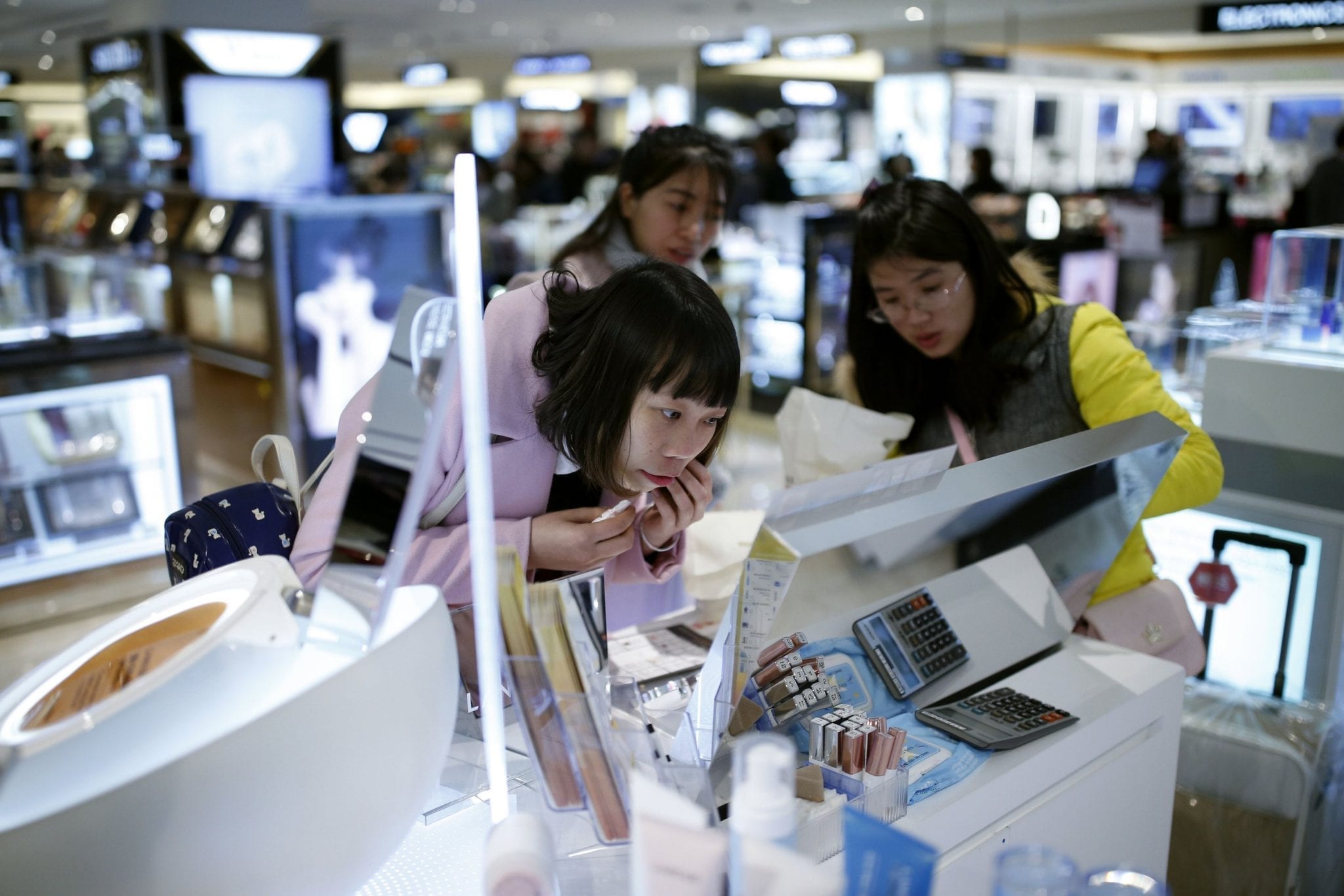
    Shinsegae Inc, a major retail conglomerate in South Korea, announced on Thursday that it plans to shut down its duty-free business unit in Incheon International Airport’s DF2 zone. This decision has been prompted by growing losses.

    Motivation Behind the Decision

    As South Korea’s second-largest department store chain, Shinsegae has resolved to enhance the operational efficiency of its duty-free business by confronting escalating losses head-on. The company intends to cease operations within the DF2 zone, which houses cosmetics, perfumes, liquor, and tobacco offerings, by April 27, 2026.

    However, Shinsegae DF Inc’s duty-free outlets in the airport’s DF4 zone will continue business as usual.

    Challenging Market Conditions

    A representative from Shinsegae cited a myriad of adverse and unpredictable circumstances plaguing the duty-free market, such as high exchange rates, economic downturn, and diminished spending among primary consumers. The company had previously sought rent modifications from the Incheon International Airport Corp (IIAC), but the airport authority denied these requests.

    Future Business Focus

    With the impending shutdown of its DF2 zone outlet, Shinsegae DF plans to concentrate on its continuing operations in the airport’s DF4 zone and its city center store in Myeongdong, central Seoul.

    Just last month, Hotel Shilla Co relinquished its DF1 zone license to the airport due to mounting losses. The IIAC is predicted to initiate a new bidding process for the DF1 zone license previously held by Shilla Duty Free later this year.

    Questions & Answers

    Why is Shinsegae closing its duty-free business in the DF2 zone?
    Shinsegae is closing its duty-free operations in the DF2 zone due to escalating losses and a desire to improve overall operational efficiency.

    What areas does the DF2 zone cover?
    The DF2 zone houses a variety of products, including cosmetics, perfumes, liquor, and tobacco.

    What will be the future focus of Shinsegae DF?
    Following the closure of its DF2 zone outlet, Shinsegae DF will focus on its remaining operations in the airport’s DF4 zone and its downtown store in Myeongdong.

  • Starbucks Strikes Success: Turnaround Strategy Brews Positive Sales Growth After Two Years

    Starbucks Strikes Success: Turnaround Strategy Brews Positive Sales Growth After Two Years

    Starbucks has finally shown a surge in comparable sales growth, marking the first increase in nearly two years. This promising development suggests the early success of the renowned coffee company’s turnaround strategy.

    Turnaround Indicators

    The fourth quarter, which ended on September 28, witnessed a 1 per cent increase in global comparable store sales. This significant growth, the first in seven quarters, was mainly due to an increase in comparable transactions.

    In North America, and particularly in the US, comparable store sales remained steady. There was a 1 per cent rise in the average ticket, which was counterbalanced by a 1 per cent drop in comparable transactions. This is a notable improvement from a 2 per cent dip in the third quarter, a change credited to the positive momentum generated by the ‘Back to Starbucks’ initiative. Moreover, the company pointed out that comparable sales in the market began to show positive growth as of September.

    International Growth

    International comparable store sales saw a 3 per cent increase, with China’s comparable store sales experiencing a 2 per cent hike.

    The consolidated net revenues for the quarter grew by 5 per cent, amounting to US$9.6 billion, thus extending the 4 per cent rise witnessed in Q3.

    Brian Niccol, the chairman and CEO, expressed his optimism regarding the progress of the ‘Back to Starbucks’ strategy. He stated, “It’s clear that our turnaround is taking hold. Our return to global comp growth and the momentum we are building give me confidence that we are on the right path to deliver the very best of Starbucks for our customers, partners and shareholders.”

    However, for the entire year, comparable store sales witnessed a 2 per cent fall, with a 2 per cent decline in North America and the US, a flat growth in international markets, and a 1 per cent decrease in China.

    Financial Summary

    On the financial front, net earnings plummeted by 85 per cent to $133 million in the fourth quarter and fell by 50 per cent to $1.8 billion for the entire year.

    Starbucks closed 107 net stores in Q4, including 627 stores, with a majority (90 per cent) being in North America. This aligns with the restructuring plan announced earlier, where Starbucks unveiled its plans to cut its North American store network by approximately 1 per cent and eliminate around 900 non-retail partner roles.

    At the quarter’s end, Starbucks’ global portfolio consisted of 61 per cent of stores located in the US and China, including 16,864 stores in the US and 8,011 outlets in China.

    Questions & Answers

    What is the ‘Back to Starbucks’ strategy?
    The ‘Back to Starbucks’ strategy is a turnaround plan designed to boost the company’s sales growth and profitability.

    How has this strategy impacted Starbucks’ performance?
    The ‘Back to Starbucks’ strategy has positively impacted the company, resulting in a 1 per cent increase in global comparable store sales and a 5 per cent rise in consolidated net revenues in Q4.

    What is the future plan of Starbucks in light of the recent restructuring?
    Starbucks plans to focus more on the US and Chinese markets, which currently comprise 61 per cent of the company’s global portfolio. The company also intends to reduce its North American store network by about 1 per cent and cut 900 non-retail partner roles as a part of its restructuring plan.

  • Pop Culture Meets Travel Retail: Pop Mart Unveils First Middle Eastern Store at Qatar’s Hamad International Airport

    Pop Culture Meets Travel Retail: Pop Mart Unveils First Middle Eastern Store at Qatar’s Hamad International Airport

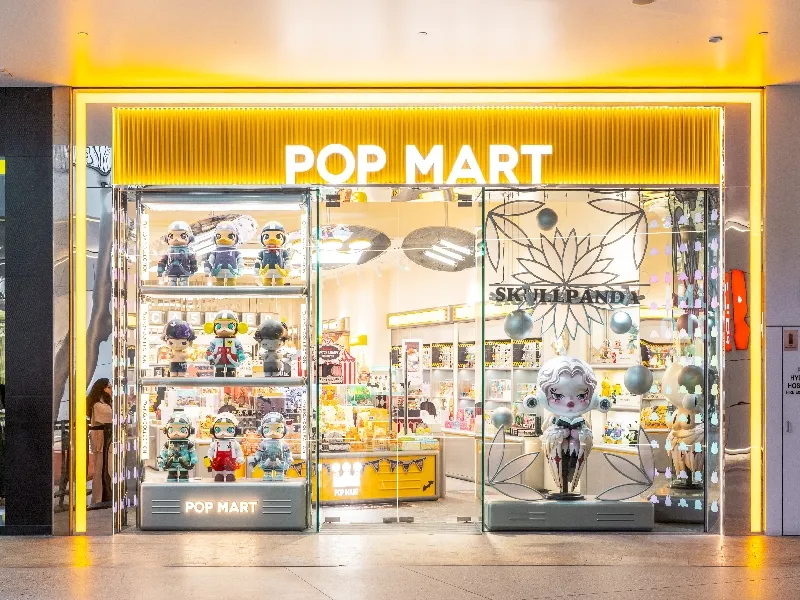
    Qatar Duty Free has embarked on a collaboration with Chinese collectibles company Pop Mart to unveil the brand’s first Middle Eastern store. This partnership marks a novel blend of travel retail and pop culture experiences.

    Unveiling Pop Culture at Hamad International Airport

    The new store, located at Hamad International Airport, brings a culture-inspired theme to passengers. It provides an immersive retail experience featuring the brand’s popular characters.

    The grand opening of the store was marked with a unique travel-themed fashion show. The event featured travel-ready outfits accessorized with Pop Mart collectibles, and was attended by international influencers and Pop Mart enthusiasts.

    The Twinkle Twinkle Wonderful Journey Series

    The store’s launch also presented an exclusive collection of travel-inspired Pop Mart collectibles named the ‘Twinkle Twinkle Wonderful Journey Series’. This series includes travel essentials such as bags, U-shaped pillows, and card holders.

    Revolutionizing Airport Retail

    Thabet Musleh, Chief Retail and Hospitality Officer of Qatar Airways Group, commented on the partnership, emphasizing the company’s commitment to revolutionizing airport and regional retail. He mentioned that this unique concept aligns perfectly with their vision to continually surprise travelers with exclusive, experience-centric concepts that redefine travel retail trends and standards.

    Justin Moon, Senior VP and COO of Pop Mart International Group, highlighted the significance of the collaboration. He noted that by integrating Qatar’s rich culture with their vibrant characters, they are setting a global benchmark for how pop culture connects with local communities.

    Following Pop Mart’s initial Middle Eastern debut in Abu Dhabi in May, the brand has recorded an increase in sales, thanks in large part to the popularity of their ‘ugly-cute’ Labubu figures.

    Questions & Answers

    What is the significance of the partnership between Qatar Duty Free and Pop Mart?
    The collaboration introduces a unique blend of travel retail and pop culture, marking Pop Mart’s first store opening in the Middle East.

    What special features does the new Pop Mart store offer?
    The store provides an immersive, culture-inspired retail experience, highlighting the brand’s popular collectibles. It also features an exclusive collection of travel-inspired items called the ‘Twinkle Twinkle Wonderful Journey Series’.

    What was the outcome of Pop Mart’s initial debut in the Middle East?
    Following its first launch in Abu Dhabi, Pop Mart has seen increased sales, particularly for its ‘ugly-cute’ Labubu figures.

  • Amazon’s Q3 Profit Skyrockets, Thanks to Cloud Services and AI-Driven Sales Boost

    Amazon’s Q3 Profit Skyrockets, Thanks to Cloud Services and AI-Driven Sales Boost

    Amazon recently announced robust profit growth for the third quarter, showing sustained double-digit growth due to advancements across the company.

    Strong Sales and Revenue Growth

    The net income for the quarter ending on September 30 experienced a 13% increase, reaching a total of $180.2 billion. Sales in North America grew by 11%, while international sales saw a 14% rise. AWS sales also experienced substantial growth, increasing by 20%.

    According to CEO Andy Jassy, Amazon’s sustained momentum and growth during this quarter can be attributed to the meaningful improvements brought about by AI across all aspects of the business. “AWS is growing at a rate we haven’t seen since 2022. We are witnessing strong demand in AI and core infrastructure, and our focus has been on boosting capacity,” Jassy remarked.

    Key Business Developments

    The most notable achievement for Amazon this quarter was its ability to sustain the high momentum from the last reporting period. This was driven by broad developments across all business areas, which included a 16.3% increase in service revenue and a 9.6% rise in product sales.

    Despite a $2.5 billion legal settlement with the FTC and severance fees related to layoffs, net income increased by 38.2% to $21.2 billion. However, these extra costs resulted in flat operating income growth. Excluding these costs, operating income would have seen a 24.6% rise.

    The 30.2% growth in technology and infrastructure costs signified Amazon’s increased investment in areas like fulfillment and technology, despite its current success. While these investments are critical to foster new growth avenues and maintain competitive sharpness, there is a need for increased efficiency, which is being partially achieved through the elimination of certain roles and corporate hierarchy streamlining.

    Robust Retail Business

    Amazon’s retail business continues to exhibit strong growth, fueled by the ongoing expansion of fast delivery services into more rural areas and the competitive pricing and convenience of household essentials.

    Considering the broader Amazon ecosystem, the increasing sophistication of seller services is helping drive fee revenue and push up advertising sales, while also ensuring one of the widest possible selections for shoppers.

    For the fourth quarter, the company projects net sales to grow between 10% and 13%. Operating income is expected to range from $21.0 billion to $26.0 billion, compared to the $21.2 billion from the previous year.

    As Amazon looks to the future, potential for growth remains. The company is well-positioned to leverage AI more effectively to personalize customer journeys and decision making, and to drive efficiency savings in operations and logistics.

    Questions & Answers

    What led to Amazon’s growth in the third quarter?
    Amazon’s growth in the third quarter was primarily due to improvements across the business, driven by AI and broad advances in all business areas.

    What challenges did Amazon face in its operations this quarter?
    Operational challenges for Amazon this quarter included a $2.5 billion legal settlement with the FTC and severance fees related to layoffs, which affected operating income growth.

    What are Amazon’s plans and expectations for the fourth quarter?
    Amazon expects net sales to grow between 10% and 13% in the fourth quarter, with operating income estimated to be between $21.0 billion and $26.0 billion.

  • Coach Dives into Hospitality with Flagship Restaurant Launch at Jewel Changi Airport: A Mix of Fashion, Food, and New York Heritage

    Coach Dives into Hospitality with Flagship Restaurant Launch at Jewel Changi Airport: A Mix of Fashion, Food, and New York Heritage

    Coach, the American fashion brand, has unveiled The Coach Restaurant Singapore at Jewel Changi Airport as part of its continued expansion into the hospitality industry and overarching lifestyle approach.

    The Restaurant Blueprint

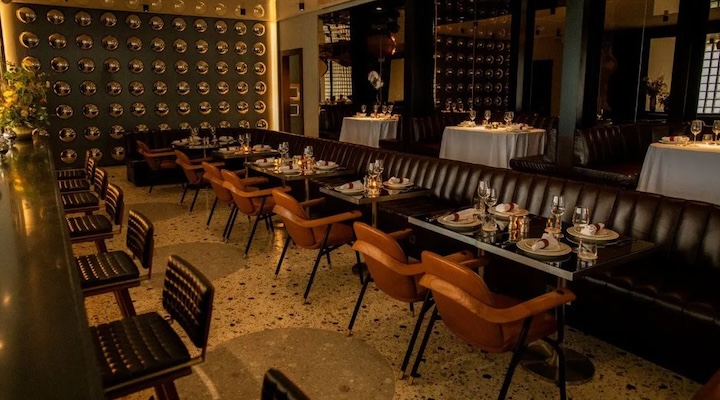
    The restaurant’s design is heavily influenced by Coach’s New York roots, boasting an impressive view of the Jewel’s Rain Vortex. Its layout is spacious, accommodating a 56-seat dining room, a 10-seat bar, and a 10-seat chef’s counter that is centered around an open woodfire kitchen.

    The interior design is a creative harmony of bronze mirrors, terrazzo flooring, tropical wood louvres, and leather accents, the latter being utilized in menu covers and staff aprons. As the centerpiece, a full-sized yellow taxi cab is suspended above the dining area, a nod to the brand’s origin.

    Location and Comment from Coach

    Marcus Sanders, VP of global food and beverage at Coach, highlighted Singapore’s vibrant food culture and international community as the driving factors behind the decision to place the hospitality concepts there.

    He said, “In this venue, we are providing an opportunity for guests to come together, celebrate, and experience the Coach brand in a manner that is both timeless and innovative.”

    The Wider Strategy

    This latest venture enhances Coach’s existing food and beverage initiatives and aligns with its Coach Coffee Shop and the recently revamped retail store at Jewel. These three spaces are designed to fortify the brand’s most comprehensive integrated lifestyle concept in Asia.

    Questions & Answers

    What is the design inspiration for The Coach Restaurant Singapore?

    The design takes its cues from Coach’s New York heritage and includes elements such as bronze mirrors, terrazzo flooring, tropical wood louvres, and leather accents.

    What are the features of the restaurant?

    The restaurant includes a 56-seat dining room, a 10-seat bar, and a 10-seat chef’s counter built around an open woodfire kitchen. A full-sized yellow taxi cab is suspended above the dining area as a focal point.

    What is the purpose of the new restaurant in Coach’s broader strategy?

    The new restaurant is part of Coach’s continued expansion into the hospitality industry. It complements Coach’s existing food and beverage ventures, including the Coach Coffee Shop and the refurbished retail store at Jewel, strengthening the brand’s integrated lifestyle concept in Asia.

  • Blume Debuts Affordable, Gut-Friendly Sodas at Woolworths: The Tasty Solution to Australia’s Fibre Deficiency

    Blume Debuts Affordable, Gut-Friendly Sodas at Woolworths: The Tasty Solution to Australia’s Fibre Deficiency

    Blume, an Australian brand known for its prebiotic beverages, has expanded its reach by launching its gut-friendly drink line in Woolworths stores across the nation. At only $3 per bottle, these drinks offer a healthier, high-fibre, and low-sugar alternative to traditional soft drinks.

    Flavours and Nutritional Benefits

    Blume’s product lineup consists of three flavours: Raspberry Lime, Mango, and Lemon Yuzu Ginger. Each bottle contains 6g of plant-based fibre, which Blume states accounts for over 20% of an adult’s recommended daily fibre intake. These beverages also contain approximately 90% less sugar than the average soft drink.

    Rachel Castelino, the founder of Blume, developed these drinks to address the prevalent fibre deficiency in Australia. Research has shown that about 72% of Australians do not meet the suggested daily fibre intake.

    Addressing Australia’s Fibre Deficiency

    Castelino believes that introducing Blume’s products into Woolworths stores will aid in mitigating Australia’s fibre deficiency while also reducing sugar consumption. “Our expansion into Woolworths will help achieve our goal of bridging Australia’s fibre deficiency gap and decreasing the sugar content in our diet,” she stated.

    Considering the current cost-of-living crisis, Castelino also emphasized that Blume aims to develop products that not only benefit consumers’ health but also their financial well-being. “We wanted to create something that genuinely makes people feel good, both in terms of their gut health and their wallet,” she added.

    Blume’s beverages are designed to enhance fibre consumption and reduce sugar intake, strategically positioning the brand at the intersection of health-focused and affordable beverage alternatives.

    Questions & Answers

    What is the mission of Blume’s beverages?
    The mission of Blume’s beverages is to address Australia’s fibre deficiency and reduce sugar consumption by providing a healthier alternative to traditional soft drinks.

    Why has Blume decided to launch its product line in Woolworths stores?
    Blume’s expansion into Woolworths stores is a strategic move aimed at increasing its product accessibility to consumers across Australia, thus helping to bridge the fibre deficiency gap in the country.

    What makes Blume’s drinks stand out from other soft drinks?
    Blume’s drinks are unique due to their high fibre content, low sugar levels, and affordability. Each bottle of Blume’s drink provides over 20% of an adult’s daily fibre needs and contains 90% less sugar than conventional soft drinks.

  • Savour the Crunch: Bundaberg and Kettle Reintroduce Ginger Beer Flavoured Crisps

    Savour the Crunch: Bundaberg and Kettle Reintroduce Ginger Beer Flavoured Crisps

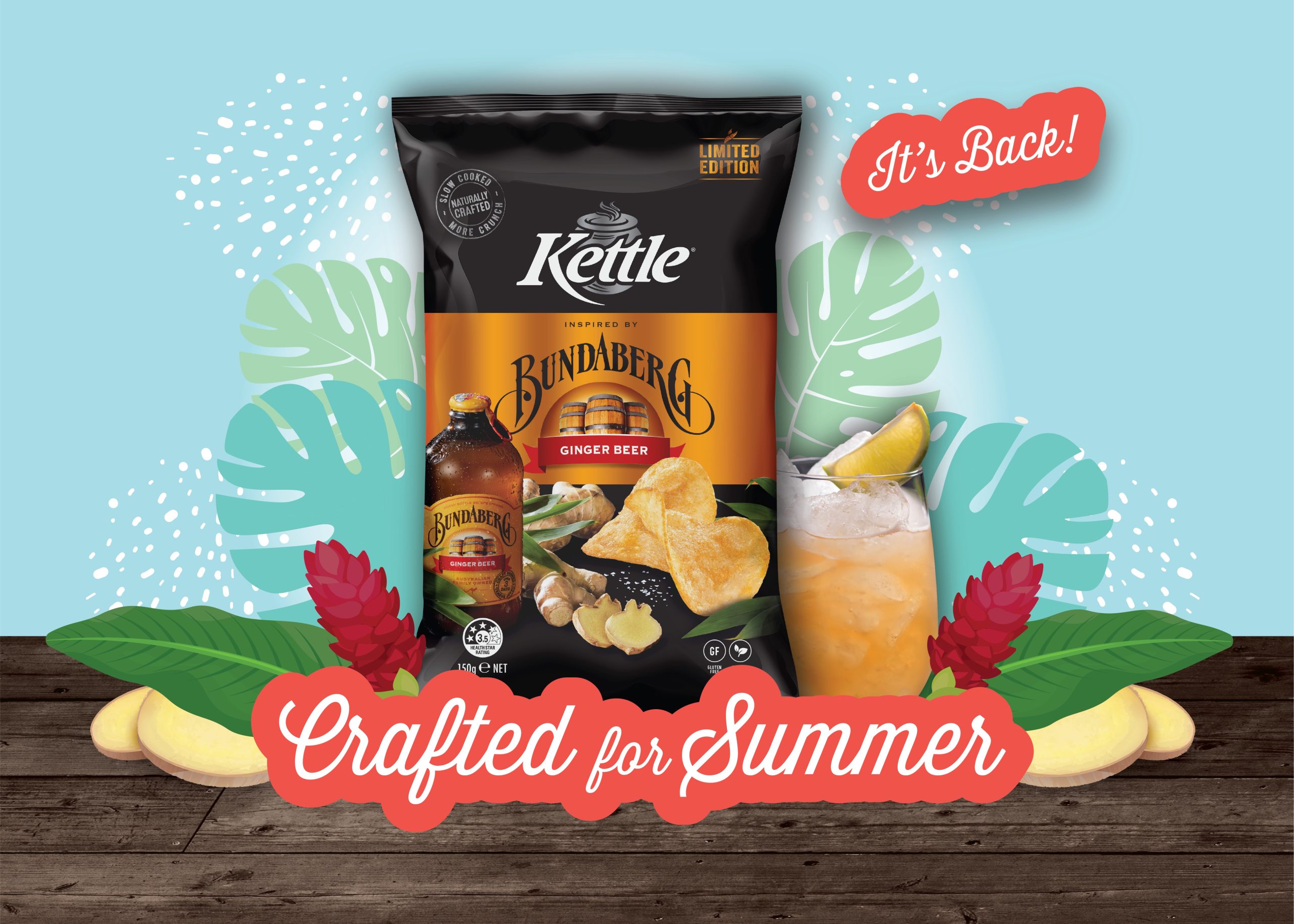
    Bundaberg, a renowned brewed beverage firm, has joined forces with Snackbrands Australia’s Kettle Chips to reintroduce a limited-edition flavored snack, intriguingly referred to as Ginger Beer chips.

    Meeting the Tastes of Australians

    The collaboration aims to meet the distinctive taste preferences of Australians, combining the crunch and caramel nuances of Kettle with a flavor inspired by the ‘spicy-sweet’ taste profile of Bundaberg’s famed ginger beer.

    John McLean, Bundaberg’s CEO, expressed satisfaction with the partnership and the response it garnered from the Australian audience. He further revealed the company’s anticipation to reintroduce Kettle’s Ginger Beer Chip this summer season.

    “At the core of our operations lies the principle of taste,” McLean said. “Consequently, partnering with a company that shares our commitment to quality and flavorful products is an exciting venture for us.”

    Ginger Beer Chip Availability

    The Kettle Bundaberg Ginger Beer Chips will be available for purchase next month in 90g and 150g bags. Independent supermarkets and convenience stores across the country will stock the product.

    James Deysel, the Managing Director of Snackbrands Australia, reflected on the successful reception of the product back in 2023. He stated, “The response was magnificent. It was evident that Australians were not yet ready to part with this product. This collaboration champions bold, unique, summer tastes and the type of innovation that sparks conversation.”

    Questions & Answers

    What is the collaboration between Bundaberg and Kettle Chips?
    The collaboration involves the reintroduction of Kettle Bundaberg Ginger Beer Chips, a limited-edition flavored snack inspired by the ‘spicy-sweet’ taste profile of Bundaberg’s ginger beer.

    Who will stock the Ginger Beer Chips?
    The Kettle Bundaberg Ginger Beer Chips will be available for purchase in independent supermarkets and convenience stores across Australia.

    What sizes will the Ginger Beer Chips be available in?
    The Ginger Beer Chips will be sold in 90g and 150g bags.

  • Supercharged Supermarket Sales Propel Coles’ First Quarter Success

    Supercharged Supermarket Sales Propel Coles’ First Quarter Success

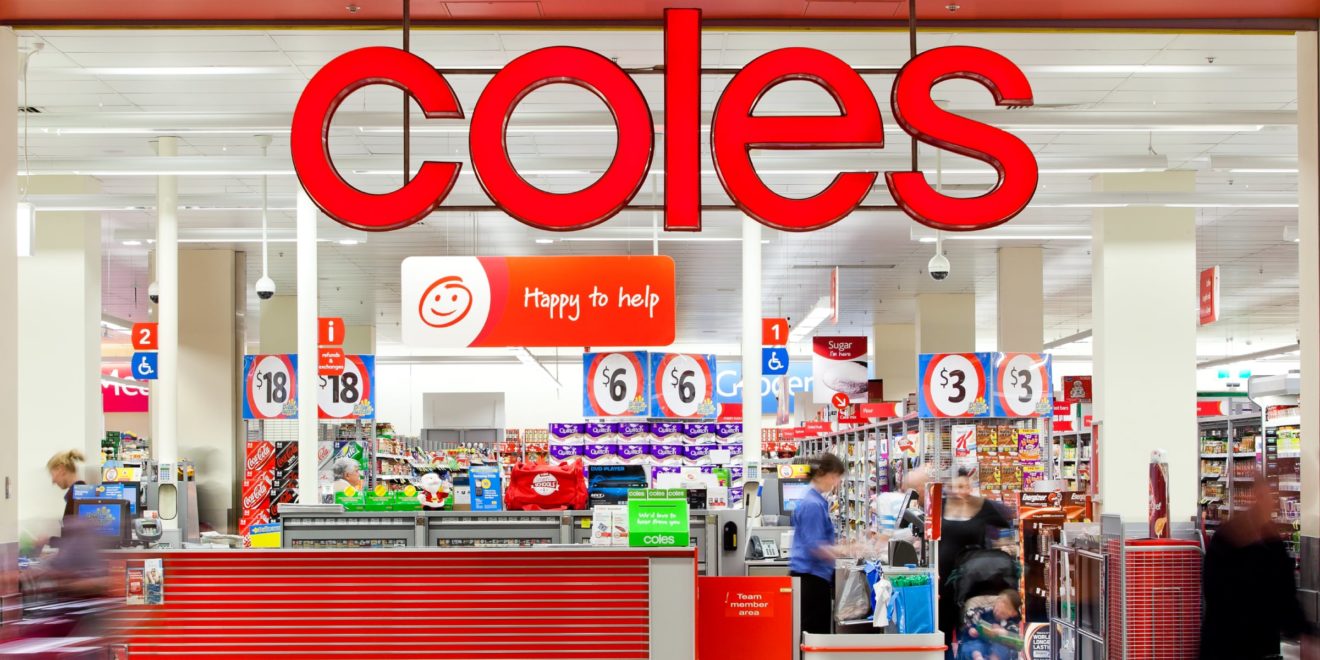
    Coles, the prominent Australian supermarket chain, reported an increase in sales for the first quarter, primarily fueled by the robust performance of its supermarket division.

    Sales Increase in the First Quarter

    Coles experienced a 3.9% rise in sales for the 13 weeks ending September 28, totaling $10.9 billion. The supermarket division was the primary driver for this growth, where the sales surged by 4.8% reaching $9.9 billion.

    Dynamic Competitive Market

    Excluding tobacco, the supermarket sales increased by 7%, which was supported by a concentrated effort on product selection and value, enhanced availability, and a 28% increase in e-commerce sales. Amid an ever-changing competitive market, Coles has adjusted its pricing structure across various categories to adapt to the evolving landscape. The retailer has expanded the number of products in its everyday low price (EDLP) range to cater to customer needs.

    Decrease in Tobacco Sales

    The sales of tobacco drastically fell by 57% due to new legislation and growth in the illicit market. Excluding tobacco, the inflation of supermarket prices moderated to 1.2% from 1.5% in the previous quarter.

    Liquor Segment Sales

    Despite the overall sales growth, the liquor segment experienced a minor slip, with sales dropping 1.1% to $842 million. Additionally, the ‘other’ segment, related to the product supply agreement with Viva Energy, witnessed a 17.9% decrease in sales to $156 million.

    CEO’s Comments on Performance

    Coles Group CEO Leah Weckert expressed satisfaction with their performance, attributing the supermarket sales growth to the focus on value, quality, and customer experience. Noting the positive impact of major transformation projects, Weckert mentioned that availability had reached its highest levels since pre-Covid, with e-commerce sales penetration reaching 13.3%.

    Looking Forward

    As Coles enters the second quarter, supermarket sales growth remains at similar levels to the first quarter, whereas the liquor market continues to be challenging with customers staying budget-conscious. As the holiday season approaches, Coles aims to cater to every taste and budget with their Christmas range and continue to focus on improving the omnichannel customer experience.

    Questions & Answers

    What was the key driver for Coles’ sales growth in the first quarter?
    The supermarket segment was the primary driver for first quarter sales growth, accounting for a 4.8% rise.

    What changes did Coles make to adapt to the changing competitive market?
    Coles has adjusted its pricing structure across various categories and expanded the number of products in its everyday low price (EDLP) range.

    How has Coles been performing in the second quarter?
    In the early part of the second quarter, supermarket sales growth has remained at similar levels to the first quarter. However, the liquor market continues to be challenging with budget-conscious consumers.

  • Woolworths Sees 2.7% Surge in Sales: Riding the Wave of E-commerce and Food Sector Growth

    Woolworths Sees 2.7% Surge in Sales: Riding the Wave of E-commerce and Food Sector Growth

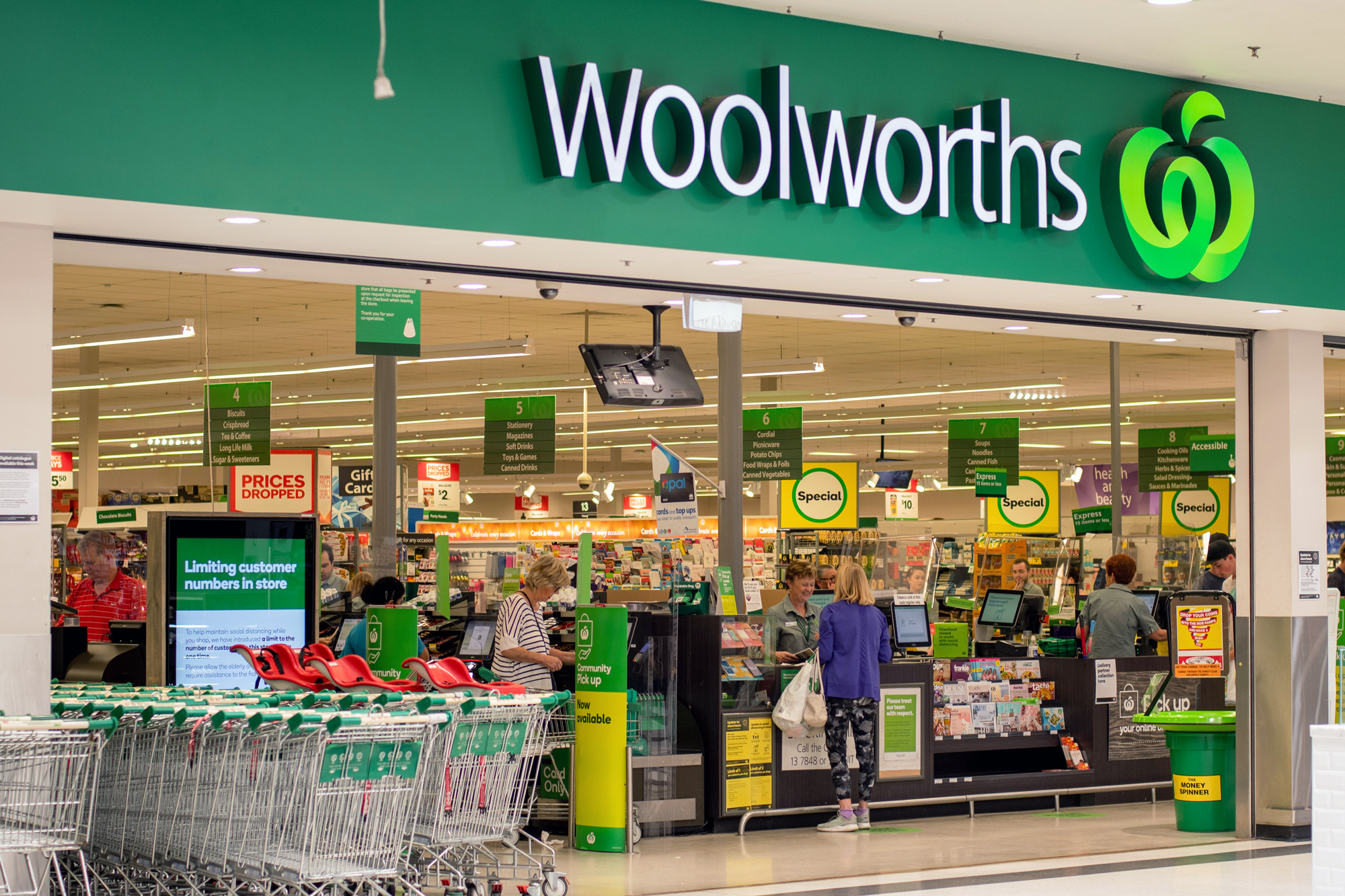
    Woolworths, a major retail group, has announced a rise of 2.7 percent in its total sales for the first quarter of the current fiscal year. The increase, which pushed the company’s revenue to $18.5 billion, is mainly due to a surge in food sales and the expansion of its on-demand services.

    Growth Powered by E-Commerce and Food Sales

    The company’s e-commerce sales experienced significant growth, rising by 13.2 percent to reach $2.7 billion. Australian food sales also saw an increase of 2.1 percent, amounting to $13.8 billion. This was largely fueled by an increase in the sales of chilled food, meat, and fruits. However, long-life sales experienced slower growth.

    Long-life sales saw a boost from drinks, snacking, and health and wellness products, while sales of baby, pet, and home essentials proved to be a challenge. Additionally, tobacco sales saw a considerable drop, declining by 51.5 percent compared to the same period the previous year.

    Increase in On-Demand Services

    Woolworths’ WooliesX sales in Australia increased by 12.9 percent, amounting to $2.2 billion, primarily driven by same-day and on-demand services. Among all of Woolworth’s e-commerce offerings, Milkrun, a grocery-delivery service, demonstrated the most growth. It is now supported by 628 stores, with 113 new stores added during the quarter.

    New Zealand Sales Performance

    In New Zealand, food sales reached $1.98 billion, marking a 2.5 percent year-on-year increase. This was primarily driven by the growth of e-commerce and sales of fruits and vegetables, meat, chilled, and frozen categories. E-commerce sales in the country grew by 15.8 percent, fueled by consumer demand for convenience and the company’s Same Day services. Milkrun also expanded its reach, extending to 87 stores across the nation.

    Other Notable Performances

    W Living, a division of Woolworths, saw a sales increase of 3.3 percent to $1.35 billion, largely due to the strong performance by Petstock. Petstock’s sales surged by 15.8 percent to $238 million, following the expansion of six stores and the inclusion of wholesale revenue from distributors Big Dog and TimePet.

    Big W saw a moderate increase in sales of 1 percent to $1.13 billion. However, the decline in items due to the cycling of winter clothing and clearance activity was evident. The brand’s e-commerce gross transaction value rocketed by 46.3 percent to $213 million, largely due to a 148 percent growth at Big W Market.

    Futures Outlook

    Woolworths’ group CEO Amanda Bardwell expressed cautious optimism for the key trading quarter ahead. She mentioned robust plans for the festive season, including a refreshed seasonal range. Bardwell concluded by stating that while it might take time for the full benefits of the company’s strategic actions to be realized, they remain confident these steps will lead to meaningful improvements for both their customers and shareholders.

    Questions & Answers

    What led to the growth of Woolworths’ sales in the first quarter?
    The growth was primarily driven by an increase in food sales and the expansion of on-demand services.

    How did Woolworths’ e-commerce perform in the first quarter?
    E-commerce sales rose by 13.2 percent to reach $2.7 billion, demonstrating strong performance.

    What is the company’s outlook for the future?
    Woolworths remains cautiously optimistic about the key trading quarter and has strong plans in place for the festive season, including a refreshed seasonal range.

  • Nespresso Stirs Up Retail Innovation: Merging Experiential Marketing with Everyday Coffee Culture

    Nespresso Stirs Up Retail Innovation: Merging Experiential Marketing with Everyday Coffee Culture

    In the current retail landscape, the focus has shifted from transactional success to experiential design. Retail spaces are no longer merely about selling products but aim to evoke emotions and offer unique experiences. High-end pop-ups and roving coffee vans are becoming more common as retailers transform retail into a theatrical performance, driven by lifestyle trends and emotional resonance.

    This transformation is evident in Nespresso’s recent marketing initiatives. NespressoGo, a mobile, multi-city campaign, has redefined Australia’s morning coffee rituals. Nespresso’s successful marketing approach has always been centered around the idea of coffee as an experience rather than just a product. The brand’s boutique design, packaging, and storytelling have transformed a daily habit into a premium lifestyle experience.

    In spring, Nespresso launched its silver van onto Bennelong Lawn, introducing a ‘Happy Hour’ campaign. The campaign, featuring sunrise run clubs, live DJs, and iced lattes, was designed to appeal to a new generation that thrives outdoors and online.

    The campaign was inspired by the cultural shift among Gen Z and millennials toward early mornings as a time for wellness, creativity, and connection, according to Burcu De La Cruz, Nespresso ANZ’s marketing manager for brand, communications, and sustainability. The success of earlier campaigns in Bondi and Collingwood inspired the brand to expand the concept nationally with sunrise pop-ups in Sydney, Melbourne, and Brisbane, in collaboration with run clubs.

    This strategic expansion of Nespresso’s retail experience allowed the brand to interact with consumers outside traditional retail environments. This strategy aligns with Nespresso’s broader goal of combining luxury with accessibility, creating immersive brand moments that reflect changing consumer lifestyles. De La Cruz notes that these lifestyles are rapidly evolving, with morning culture at its peak and a growing preference among young Australians for iced coffee and digital-first engagement.

    Many of the experiences offered by Nespresso were designed to be “social-media friendly,” creating a wider reach through influencer and user-generated content.

    The Return of Presence

    Post-digital retail trends highlight a renewed desire for physical, sensory connection. Consumers are starting to perceive friction in shopping as a luxury, and in response, retailers are creating experiences that leave a lasting impression.

    Examples of this trend include Mecca’s ‘beauty atelier’ in Australia and Nike’s House of Innovation concept stores globally. These experiential stores merge brand architecture with entertainment, encouraging visitors to create content as they shop.

    Experiential retail is also a thriving data strategy. Pop-ups and events provide live behavioral insights that cannot be replicated through e-commerce. For instance, Nespresso’s roaming van serves as a research lab, gathering social metrics and demographic data while embedding itself in community activities.

    This trend upends traditional retail norms by prioritizing connection over transaction and brand immersion over brand awareness.

    The Future of Feeling

    As AI personalization and one-click checkout become more commonplace, emotional engagement is emerging as the new brand differentiator. Future retail success may depend on brands’ ability to shape mood as effectively as they manage inventory.

    Nespresso and other forward-thinking brands are creating experiences that ‘move’ rather than simply sell. The goal, as De La Cruz states, is to “blend luxury with accessibility” – to make the extraordinary feel commonplace. Today, retail is defined not by its shelves but by its stages, where commerce, culture, and community converge for a shared coffee at dawn.

    Questions & Answers

    What is the current trend in retail?
    The current trend in retail is moving towards experiential design, where retailers aim to create unique experiences and evoke emotions rather than solely focusing on selling products.

    How are brands like Nespresso adapting to these trends?
    Nespresso is creating immersive experiences that blend luxury with accessibility. They’re leveraging ‘social-media friendly’ events and mobile campaigns to engage with consumers in their lifestyle habits, particularly those of younger demographics.

    What does the future of retail look like?
    The future of retail is likely to prioritize emotional engagement and brand immersion. As aspects like AI personalization and one-click checkout become standard, brands will need to distinguish themselves by creating experiences that resonate with consumers on an emotional level.

  • Coach Unveils Chic Dining Experience with New Flagship Restaurant at Jewel Changi Airport

    Coach Unveils Chic Dining Experience with New Flagship Restaurant at Jewel Changi Airport

    Coach, the well-known American fashion brand, has expanded its horizons into the hospitality industry by introducing The Coach Restaurant in Singapore’s Jewel Changi Airport. This venture is a part of the brand’s wider lifestyle strategy.

    Design Inspired by New York Heritage

    The Coach restaurant’s design takes inspiration from the brand’s New York roots. The establishment offers breathtaking views of Jewel’s Rain Vortex. It includes a spacious 56-seat dining room, a 10-seat bar, and a chef’s counter with 10 seats, all built around a centralized, open woodfire kitchen.

    The interior design showcases a harmonious blend of bronze mirrors, terrazzo floors, and tropical wooden louvres. Leather accents have been thoughtfully utilized in menu covers and staff aprons, adding to the restaurant’s sophisticated ambiance. A noteworthy feature is a full-sized yellow taxi cab hanging above the dining area, serving as a focal point and a nostalgic nod to the brand’s origins.

    Singapore: A Natural Choice for Coach’s Venture

    Marcus Sanders, the Vice President of Global Food and Beverage at Coach, shared his excitement about the brand’s new venture. He highlighted that Singapore’s vibrant food culture and diverse international community made it an excellent choice to host their hospitality concepts.

    Sanders expressed his desire to create a space where guests can gather, celebrate, and experience Coach in a manner that feels both traditional and innovative.

    Building on Previous Successes

    The new restaurant is an extension of Coach’s earlier forays into the food and beverage sector. It enhances the brand’s in-house coffee shop and its refurbished retail store, both located at Jewel. These three distinct spaces are strategically devised to bolster the brand’s most extensive integrated lifestyle concept in Asia.

    Questions & Answers

    What is the inspiration behind the design of The Coach Restaurant?
    The design of the restaurant is inspired by Coach’s New York Heritage. It features bronze mirrors, terrazzo flooring, and tropical wooden louvres alongside leather accents used in menu covers and staff aprons.

    Why did Coach choose Singapore for their hospitality venture?
    Coach chose Singapore due to its dynamic food culture and globally diverse community, which aligns with Coach’s broader lifestyle strategy.

    How does the new restaurant enhance Coach’s integrated lifestyle concept?
    The new restaurant, along with Coach’s coffee shop and refurbished retail store at Jewel Changi Airport, strengthens the brand’s largest integrated lifestyle concept in Asia.

  • Singapore’s Aupen, Adored by Taylor Swift, Partners with LVMH for a Stellar Debut Jewelry Collection

    Singapore’s Aupen, Adored by Taylor Swift, Partners with LVMH for a Stellar Debut Jewelry Collection

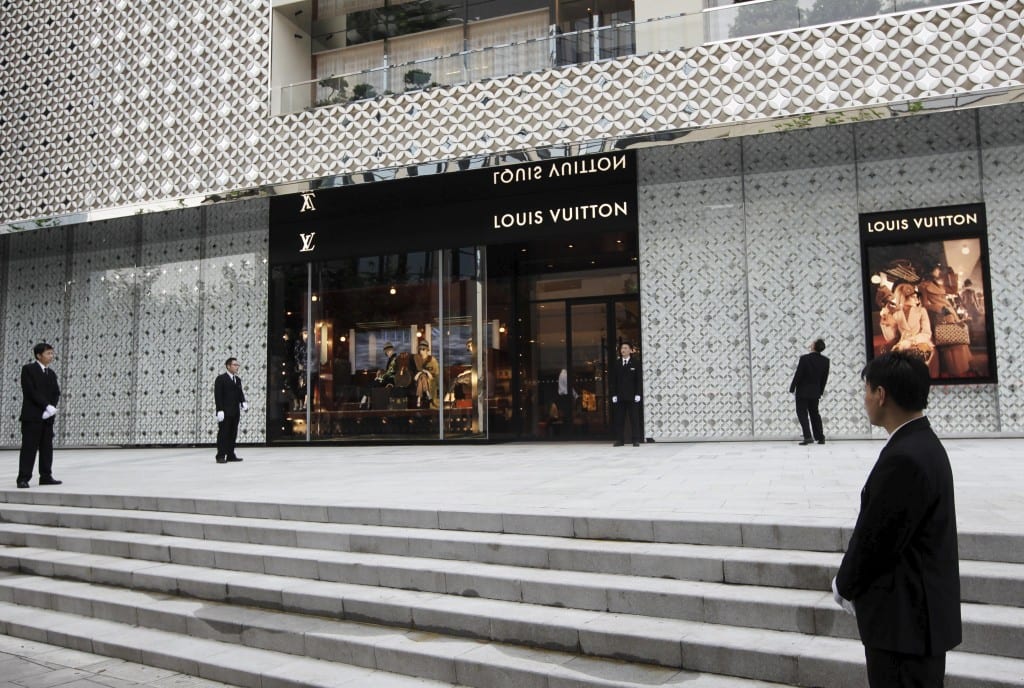
    Aupen, a luxury bag brand from Singapore whose designs have been sported by renowned personalities like Taylor Swift and Selena Gomez, is eager to unveil its debut fine jewelry collection. This exciting event, scheduled for Saturday, is happening in collaboration with the French fashion powerhouse LVMH.

    The New Collection

    The upcoming collection features exquisite pieces, adorned with gold and diamonds. These intricate designs are deeply influenced by the life experiences of Aupen’s founder, Nicholas Tan. Tan, a former Southeast Asian Games swimming gold medalist and a Harvard graduate, founded Aupen with a vision to create products that resonate with his personal journey.

    The successful collaboration with LVMH has been facilitated by LVMH Metiers d’Art, a creative initiative under the umbrella of the LVMH group.

    Exclusive Website Launch

    The new jewelry line will be exclusively available on Aupen’s website, and this launch will be accompanied by the re-release of select bags from the brand’s archives. One of these iconic designs includes the Joy bag, recently made popular by American actress and singer, Selena Gomez.

    Established in November 2022, Aupen is known for its asymmetrical leather bag designs that pay homage to the beauty of life’s imperfections. The brand’s design ethos revolves around minimalistic and authentic styles, with a strong emphasis on superior craftsmanship.

    High-End Production

    The manufacturing process of Aupen’s products involves top-tier facilities. The hardware is produced at the Paris-based Jade Groupe, while the handbag leather is sourced from Tanneries Roux, a company known for its specialization in calfskin.

    Aupen has captured the attention of global celebrities. Taylor Swift, the American billionaire singer, was seen with an Aupen Nirvana bag in August 2023. Other stars like Emily Blunt, Jennifer Aniston, and Ana Taylor-Joy have also been photographed with Aupen products.

    Questions & Answers

    What is the inspiration behind Aupen’s new fine jewelry collection?
    The collection draws inspiration from the life experiences of Aupen’s founder, Nicholas Tan, a former Southeast Asian Games swimming gold medalist and a Harvard alumnus.

    Where can consumers purchase the new jewelry line from Aupen?
    The fine jewelry collection will be exclusively available on Aupen’s official website.

    Who are some of the celebrities seen with Aupen products?
    Well-known celebrities seen with Aupen products include Taylor Swift, Selena Gomez, Emily Blunt, Jennifer Aniston, and Ana Taylor-Joy.

  • U.S. Dollar Rallies on Black Market, Boosted by Hawkish Fed Comments

    U.S. Dollar Rallies on Black Market, Boosted by Hawkish Fed Comments

    On Thursday morning, the U.S. dollar experienced a rise against the Vietnamese dong in the black market, and also saw an increase over major currencies. The greenback saw a hike of 0.18% to VND27,800 at unofficial exchange points.

    Meanwhile, Vietcombank maintained its rate at VND26,345. The State Bank of Vietnam also held its reference rate steady at VND25,091.

    On a global scale, the dollar made gains following some hawkish comments from the Federal Reserve, settling near a two-week high at 99.09 against a selection of currencies. The Federal Reserve, on Wednesday, reduced rates by 25 basis points as anticipated and confirmed that it will conclude its balance sheet contraction on December 1.

    In other currency news, the Australian dollar saw a rise of 0.2% to $0.6588. Similarly, the New Zealand dollar also observed a gain of 0.2% to $0.5775.

    Questions & Answers

    What was the increase of the U.S. dollar against the Vietnamese dong?
    The U.S. dollar saw a rise of 0.18% against the Vietnamese dong on the black market.

    What was the reaction of the Australian and New Zealand dollars to the news?
    Both the Australian and New Zealand dollars rose 0.2%, to $0.6588 and $0.5775 respectively.

    What measures did the Federal Reserve take on Wednesday?
    The Federal Reserve lowered rates by 25 basis points as expected and announced that it will end its balance sheet drawdown on December 1.

  • Vietnam Shrimp Exports Skyrocket by 22% in 2025: A Triumphant Three-Year High Driven by Global Demand

    Vietnam Shrimp Exports Skyrocket by 22% in 2025: A Triumphant Three-Year High Driven by Global Demand

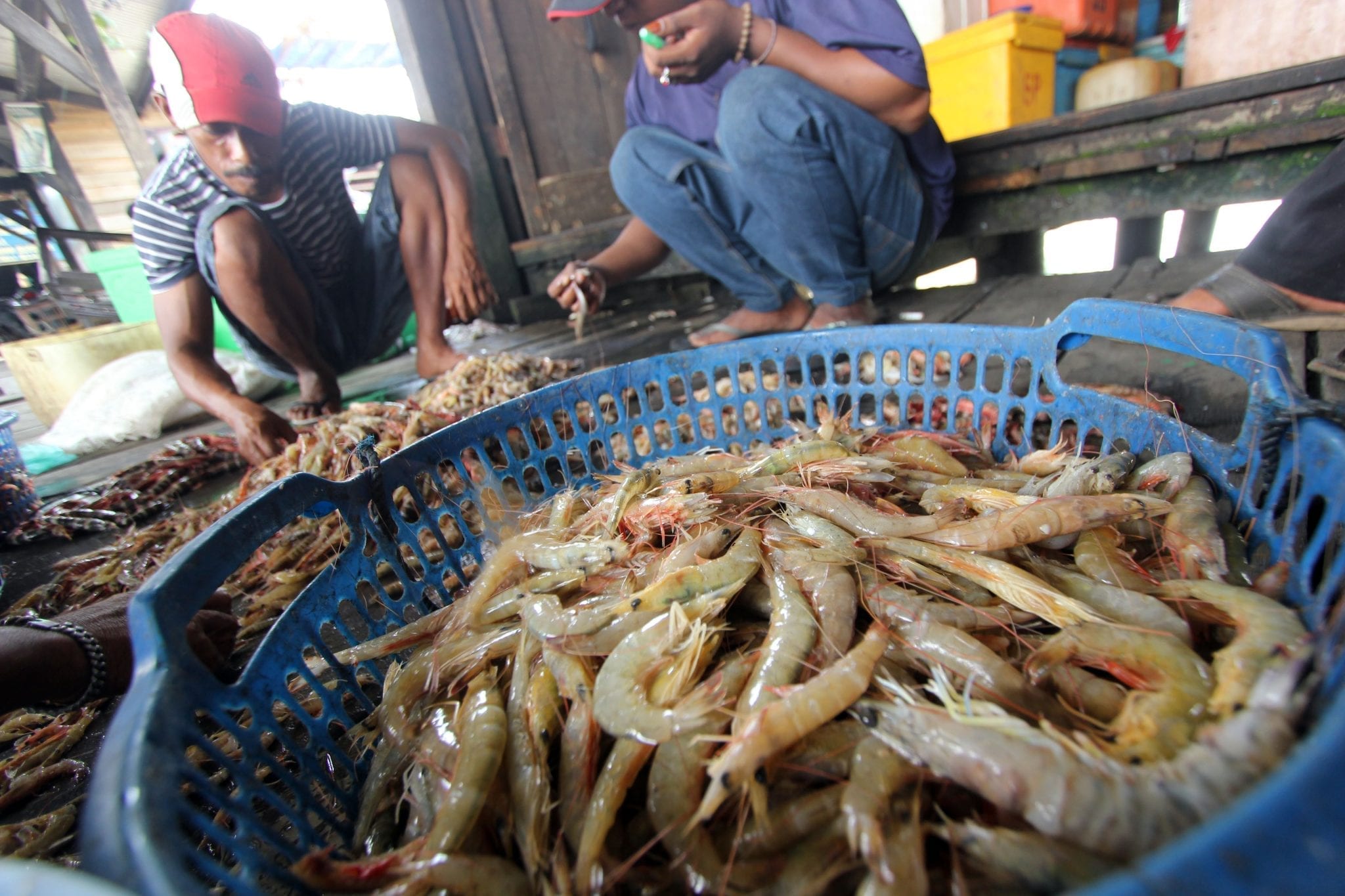
    Vietnam’s shrimp industry has enjoyed a robust growth of 22% in export value year-on-year, reaching over US$3.4 billion in the first three quarters of 2025. This significant surge is the most considerable for this period within the last three years.

    Growth Drivers

    The notable increase in shrimp exports can be attributed to recovering demands from various markets, including China, the U.S, the EU, and the nations under the Comprehensive and Progressive Agreement for Trans-Pacific Partnership (CPTPP). Furthermore, the ability of Vietnamese businesses to adapt to the flux of the market has also played a key role in this growth.

    The exports to China and Hong Kong alone contributed $966 million, a 65% increase from the previous year, accounting for almost 30% of the total export value.

    Rising Inventories

    Even though there’s been a substantial growth, a surge in inventories in these markets might result in a slowdown in imports during the last quarter of this year and the beginning of 2026.

    Despite potential anti-dumping tariffs, the U.S market has also seen a growth of 4% in shrimp exports, amounting to $587 million. In a bid to diversify and mitigate risks, many businesses are steering their focus towards the EU and other Asian markets. The EU alone had a total export value of $434 million, marking an increase of 21%.

    Exports to CPTPP and Other Asian Markets

    The CPTPP bloc accounted for almost $941 million in shrimp exports, up by 34%. Within the bloc, Japan topped the chart with a total import of $426 million, due to its steady demand for convenient and sustainably processed products.

    Exports to other Asian markets such as South Korea and Taiwan experienced significant growth as well. However, exports to Canada and Russia have shown signs of stagnation.

    Future Projections

    The Vietnam Association of Seafood Exporters and Producers predicts a slight downturn in shrimp exports in the final quarter due to potential hurdles in shipments to the U.S. On a positive note, stricter controls on Indonesian exports and Ecuador’s priority on China might decrease competition in other markets, paving the way for Vietnamese shrimp in the EU, Japan, and South Korea.

    The association expressed optimism for exports to the EU throughout the festive season and into 2026. The industry could further expand its market share by adjusting promptly to market trends and enhancing the national seafood brand.

    Despite the potential slowdown due to abundant global supply and cooling prices, Vietnam’s advantages under the EVFTA, coupled with its strong processing capacity and export experience, are expected to maintain the momentum.

    Questions & Answers

    What factors contributed to the growth in Vietnam’s shrimp exports?
    The recovery of demand from China, the U.S., the EU, and CPTPP nations, along with the adaptability of Vietnamese businesses to changing market conditions, were key to the growth of shrimp exports.

    What challenges does the shrimp industry potentially face in the coming months?
    The surge in inventories could lead to a slowdown in imports in the last quarter of 2025 and the beginning of 2026. In addition, potential anti-dumping tariffs in the U.S. might pose a hurdle to the industry.

    What strategies are Vietnamese businesses employing to maintain momentum in the shrimp industry?
    To mitigate risks, businesses are diversifying their focus towards the EU and other Asian markets. They are also adapting swiftly to market trends and strengthening the national seafood brand to expand their market share.