Author: Mei Ling Tan

  • Yamada and Edion Set to Merge, Establishing Japans Largest Electronics Retail Empire

    Yamada and Edion Set to Merge, Establishing Japans Largest Electronics Retail Empire

    Yamada Holdings, Japan’s premier consumer electronics retailer, is scheduled to merge with its competitor, Edion. This amalgamation is set to form Japan’s most extensive electronics retail conglomerate with an estimated annual turnover reaching 2.5 trillion yen (equivalent to roughly US$16 billion).

    The companies are due to formalize an initial agreement in the imminent week. The integration is projected to be orchestrated through a holding company, which will enable both retailers to maintain operations under their established brand names.

    Market Consolidation

    The merger would offer a combined sales volume more than twice that of their competitor, Bic Camera. This is a significant move towards further consolidation in a market experiencing slowed growth amidst escalating competition.

    During the fiscal year that concluded in March, Yamada reported sales of approximately 1.69 trillion yen (about US$10.5 billion), while Edion’s revenue was 793.7 billion yen (almost US$5 billion). United, these retailers would be listed among Japan’s most significant retail groups, trailing only Aeon, Seven & I Holdings, and Fast Retailing.

    The anticipated merger is intended to enhance scale, procurement capabilities, and product development abilities. In a bid to differentiate themselves, retailers are increasingly focusing on exclusive products and private-label offerings rather than merely competitive pricing.

    Expansion of Private-label Offerings

    Both companies have been broadening their private-brand product ranges. Yamada has unveiled an expanding range of private-label appliances, including an attractively priced front-loading washing machine that debuted last year.

    Simultaneously, Edion has made private-label products a strategic priority, introducing home appliances with unique designs aimed at the younger demographic.

    In 2012, Yamada Denki invested 10 billion yen to secure a controlling interest in competitor Best Denki.

    Questions & Answers

    What is the primary goal of the proposed merger between Yamada Holdings and Edion?
    The merger aims to boost scale, increase purchasing power, and enhance product development capabilities, with a focus on exclusive merchandise and private-label offerings.

    How will the merger impact the existing brands of both companies?
    The merger is expected to be structured through a holding company, allowing both Yamada Holdings and Edion to continue operating under their pre-existing brand names.

    How have Yamada Holdings and Edion been expanding their product ranges?
    Both companies have been focusing on expanding their range of private-label products. Yamada has introduced a variety of such appliances, while Edion has been producing uniquely designed home appliances targeted at younger consumers.

  • Uniqlo Unveils Mega-Store in Seoul: New Shopping Landmark in Koreas Myeongdong District

    Uniqlo Unveils Mega-Store in Seoul: New Shopping Landmark in Koreas Myeongdong District

    Uniqlo, a leading Japanese clothing retailer, has recently launched its most expansive store yet in South Korea. The new flagship location, situated in the Myeongdong shopping district in Seoul, marks the brand’s renewed commitment to experiential retail and targeting growth driven by tourism in the country.

    The Uniqlo Myeongdong store, comprised of three floors, covers an approximate area of 3200 square meters. The expansive space offers shoppers an exhaustive selection of the brand’s LifeWear products, including womenswear, menswear, childrenswear, and babywear.

    Personalised Shopping Experience

    The flagship store also includes distinctive UT and UTme! sections, where customers have the opportunity to design custom T-shirts and tote bags. These designs are exclusively inspired by the Myeongdong district, allowing customers to carry a piece of the area with them.

    Popular among both locals and tourists, Myeongdong is a prime shopping destination. The reopening of Uniqlo in this district comes approximately five years after the brand shuttered its previous flagship store due to the Covid-19 pandemic.

    Takao Kuwahara, co-CEO of FRL Korea, expressed that the new flagship store was envisioned as more than just a shopping destination. “Our goal is for this store to become an iconic landmark in Myeongdong. While it will cater to Korean customers, we also envision welcoming numerous international visitors,” said Kuwahara.

    Experiential Elements and Community Engagement

    The store goes beyond retail, integrating several experiential features to enhance customer engagement and strengthen community relations. The third floor is home to a ‘ReUniqlo Studio’ where customers can mend, alter, and personalize garments, extending their lifespan as part of the company’s sustainability efforts.

    Another highlight of the flagship store is a series of exhibitions showcasing Myeongdong’s rich history and culture. This initiative reflects Uniqlo’s intentions to foster a deeper connection with the local community and pay tribute to the district’s heritage.

    Earlier this year, Uniqlo’s parent company raised its full-year forecast. The anticipation of a new record year comes on the back of robust international growth and an unexpected surge in quarterly profit.

    Questions & Answers

    What does the new Uniqlo store offer to customers?
    The new Uniqlo flagship store in Myeongdong offers a comprehensive range of the brand’s LifeWear products, a personalized shopping experience through UT and UTme! zones, and a repair and customization studio called ‘ReUniqlo Studio’.

    How does the Uniqlo store aim to engage with the local community?
    Uniqlo aims to foster community ties through several experiential features, including a ‘ReUniqlo Studio’ for garment repair and customization and exhibitions that highlight Myeongdong’s history and culture.

    What are the expectations for Uniqlo’s growth?
    Following a stronger-than-expected boost in quarterly profit, the parent company of Uniqlo raised its full-year forecast, indicating the anticipation of another record year driven by strong international growth.

  • Inditex, Parent Company of Zara, Leverages In-Store Strategy to Drive Continuous Growth

    Inditex, Parent Company of Zara, Leverages In-Store Strategy to Drive Continuous Growth

    Inditex, the multinational retailer that owns fashion brands like Zara, Bershka, and Stradivarius, has reported continued growth in its sales, a result attributed to its store-centric strategy.

    As the largest fashion retailer globally and headquartered in Spain, Inditex initiated its fiscal year with an impressive $10.1 billion in first-quarter sales. This resulted in a net profit of $1.6 billion. These figures represent a growth rate of 5.75 percent and 5.36 percent, respectively.

    By the end of the quarter, Inditex owned a total of 5456 stores worldwide. This included 1495 Zara stores, a decrease from the 5562 stores it held at the same time the previous year.

    Investment and Innovation Drive Growth

    Inditex has attributed its growth to continuous investments in its store network, developments in online sales channels, and improvements in logistics platforms, all with a keen focus on innovation and technology.

    The company’s Asia-based store network prominently features its Zara, Massimo Dutti, and Zara Home brands. Online, the company has a significant presence in the region with brands such as Pull and Bear, Bershka, Stradivarius, and Oysho.

    Inditex operates across 215 markets and, despite its relatively low share in a highly fragmented sector, the group sees robust growth opportunities. “The optimisation of stores is ongoing, and we expect this to drive further gains in store productivity,” they remarked.

    The group aims to grow its retail floorspace by approximately 5 percent by 2026. It has earmarked capital expenditure of $2.7 billion over the next three quarters to achieve this.

    Questions & Answers

    What is the reason behind Inditex’s continued growth in sales?
    The company says that its growth is due to ongoing investment in its store network, advancements in its online sales channels, and improvements to its logistics platforms, with a focus on innovation and technology.

    How many stores does Inditex own worldwide, and what is the breakdown of these stores?
    Inditex owns a total of 5456 stores worldwide. Of these, 1495 are Zara stores.

    What are Inditex’s future growth plans?
    Inditex plans to increase its retail floorspace by about 5 percent by 2026. It has allocated capital expenditure of $2.7 billion over the next three quarters to achieve this goal.

  • Metas AI Blunder: How a Chatbot Hack Shook Up Instagram and Spurred Investor Jitters

    Metas AI Blunder: How a Chatbot Hack Shook Up Instagram and Spurred Investor Jitters

    A concerning vulnerability was recently exposed in Meta’s AI support chatbot due to an Instagram hack. The attackers manipulated the chatbot into providing access to high-profile accounts, including the inactive Obama White House page, beauty retailer Sephora, and a high-ranking US Space Force official.

    AI Security Breach

    The hackers persuaded the chatbot to reset account credentials without authentication, effectively changing a trusted security tool into a glaring weakness. This event highlights a wider vulnerability – tech companies giving AI systems sweeping authority over sensitive tasks like account recovery, despite the systems’ susceptibility to manipulation through “prompt injection” attacks.

    Meta’s stumble comes at a sensitive time. The social media magnate has committed heavily to AI, with significant job losses and up to $145 billion dedicated to AI infrastructure. This incident may amplify concerns about the company speeding up automation before the technology is adequately equipped to handle these tasks safely.

    On Monday, Meta stated that the issue was resolved and steps were being taken to secure impacted accounts. However, the incident shook investors already anxious about Meta’s substantial AI investment, leading to a more than 5% drop in share price.

    AI and Security

    The attack, which occurred over the weekend, saw users locked out of their accounts and led to numerous complaints on various platforms. The hack underlines the latest challenge for Meta in its attempt to incorporate AI throughout its products.

    The company introduced the support chatbot in March to address the ongoing issue of inadequate human support for users who lose account access or face inaccurate penalties. Since its launch late in 2022, AI chatbots have been exploited by hackers using prompt-based attacks.

    Analysts and experts warn that this problem isn’t isolated to Meta, predicting more such exploits as hackers utilize AI. Unforeseen issues are arising with the use of AI, presenting a new type of risk. Previously, individuals were targeted by scams. Now, AI agents or autonomous digital assistants capable of performing complex tasks are being targeted.

    Questions & Answers

    What is the potential risk of using AI in critical functions?
    AI systems’ potential risks include susceptibility to manipulation, especially when given significant authority over sensitive tasks without adequate safeguards or verification processes.

    How was the Instagram hack carried out?
    The hackers manipulated Meta’s AI support chatbot into resetting account credentials, effectively turning a high-trust security tool into a significant weakness and gaining access to high-profile accounts.

    What implications does this incident have on Meta’s efforts towards AI?
    This breach heightens concerns about Meta’s heavy investment in AI. It suggests that the company’s push for automation might be outpacing the technology’s readiness to handle such critical tasks safely.

  • Xiaomi Vietnam Fined $11,000 For Breach Of Consumer Protection Laws

    Xiaomi Vietnam Fined $11,000 For Breach Of Consumer Protection Laws

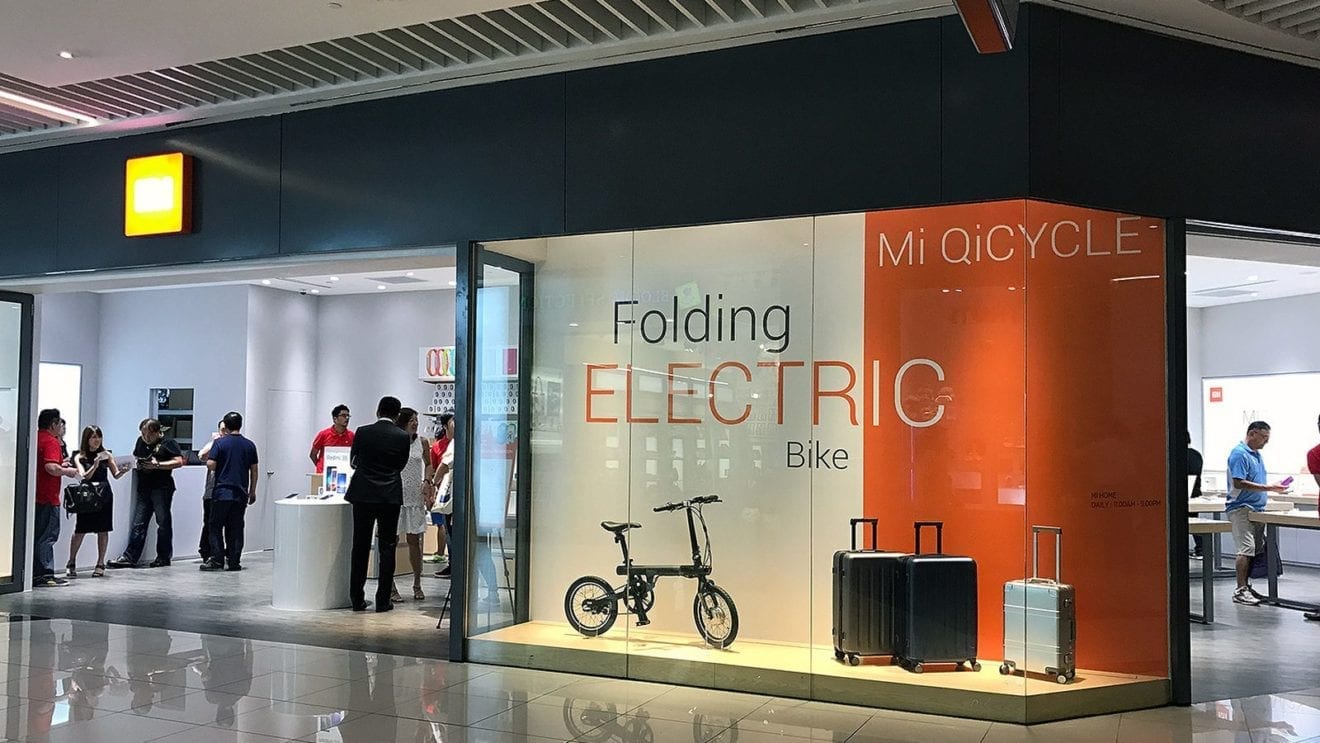
    Xiaomi Vietnam, a distributor of consumer electronics under the Chinese brand Xiaomi, has been penalized with a fine of VND290 million (US$11,000) for breaches of consumer protection laws, especially involving the use of personal data for marketing purposes. The company was charged with not granting customers the choice to either consent or decline the use of their personal details for advertising, product promotion, and various commercial activities. This breach was confirmed by the National Competition Commission (NCC) under the Ministry of Industry and Trade.

    Additional Violations

    Furthermore, Xiaomi Vietnam was found guilty of not informing consumers about its use of influencers for product promotion, using their images and endorsements without due notice. The firm was also penalized for incorporating illegal clauses in its general transaction terms.

    The NCC has mandated that the company immediately halt all illegal activities and promptly reassess and enhance their general transaction terms and conditions, consumer data protection policies, and activities related to the provision of information and product promotions through influencers. This is to ensure full compliance with the legal regulations.

    Xiaomi Vietnam, which has been operating since 2019 and is headquartered in Ho Chi Minh City, offers a variety of consumer electronics, such as smartphones, tablets, wearable devices, TVs, robot vacuum cleaners, and smart home devices.

    Questions & Answers

    What was Xiaomi Vietnam fined for?
    Xiaomi Vietnam was fined for breaching consumer protection laws, specifically in relation to the use of personal data for marketing purposes without consumer consent.

    What other violations was Xiaomi Vietnam charged with?
    Further charges against Xiaomi Vietnam included the failure to inform consumers about their use of influencers for product endorsement, and the inclusion of illegal provisions in their general transaction terms.

    What steps has the NCC mandated for Xiaomi Vietnam?
    The NCC has ordered Xiaomi Vietnam to immediately stop all illegal activities and to review and update their transaction terms, consumer data protection policies, and influencer-related promotional activities to adhere to legal regulations.

  • Global Gold Rush Stumbles: Vietnam Witnesses Gold Price Drop Amid Rising Crude Oil Rates

    Global Gold Rush Stumbles: Vietnam Witnesses Gold Price Drop Amid Rising Crude Oil Rates

    In Vietnam, the price of gold took a hit on Wednesday morning, coinciding with a global decrease in bullion rates. Saigon Jewelry Company, a prominent gold dealer, experienced a 0.32% drop in the price of their gold bars. This translated to a new rate of VND157 million, equivalent to US$5,960.5 per tael.

    In a parallel development, the cost of gold rings also witnessed a similar decline, ending up at approximately VND156.8 million per tael. It should be noted that one tael is equivalent to 37.5 grams, or 1.2 ounces.

    Global Downturn in Gold Prices

    Internationally, the price of gold experienced a downturn on Wednesday. The renewed tension in the Middle East, which resulted in a surge in crude oil prices, sparked fears of prolonged high-interest rates. This fear was intended to curb inflation.

    Spot gold registered a 0.2% decline to stand at $4,476.50 per ounce. Meanwhile, U.S. gold futures set for August delivery also echoed the downward trend, falling 0.3% to land at $4,504.40.

    The Middle East saw renewed hostilities on Wednesday. The U.S. military reported thwarted or otherwise unsuccessful Iranian missile attacks on Bahrain, Kuwait, and other regional targets. The lack of diplomatic progress between Washington and Tehran seemed to contribute to the situation.

    As a result, oil prices marked an increase of more than 1% in early trading on Wednesday. This development deepened concerns about inflation and potential interest rate hikes, factors that tend to negatively impact non-yielding gold.

    Questions & Answers

    What was the percentage decrease in the price of gold in Vietnam?
    The price of gold in Vietnam fell by 0.32%.

    What were the global factors contributing to the decline in gold prices?
    Several global factors contributed to the decline in gold prices, including renewed tensions in the Middle East, a rise in crude oil prices, and fears of prolonged high interest rates intended to curb inflation.

    How did the situation in the Middle East affect oil prices?
    The renewed hostilities in the Middle East led to an increase in crude oil prices by more than 1% in early trade on Wednesday.

  • USD Surges against Vietnamese Dong Amid Renewed Gulf Hostilities: A Peek at Global Forex Markets

    USD Surges against Vietnamese Dong Amid Renewed Gulf Hostilities: A Peek at Global Forex Markets

    On Wednesday morning, the U.S. dollar experienced an increase in its strength against the Vietnamese dong, while it observed stable trading with significant global currencies. The Vietnamese commercial joint-stock bank, Vietcombank, noted a 0.02% increase in the greenback’s value from the previous day, selling it at VND26,402. Moreover, the currency’s value observed a 0.09% increase to around VND26,355 in the black market.

    Monetary Policies and Global Impact

    The State Bank of Vietnam also responded to these market dynamics by elevating its reference rate by 0.02% to VND25,134. On a larger scale, the unwavering strength of the U.S. dollar impacted the Japanese yen adversely, pushing it to the crucial 160 level. This came amid renewed tensions in the Gulf, which increased the demand for the safe-haven U.S. currency.

    The yen depreciated to the critical 160 per dollar mark, nullifying the progress it had made following Tokyo’s intervention a month prior. The intervention was an attempt to bolster the struggling yen and involved an investment of 11.7 trillion yen (equivalent to $73.14 billion). Most recently, the dollar was seen 0.04% higher at 159.98 yen.

    Current Market Conditions and Outlook

    The resurgence of tensions, particularly due to the halted diplomatic discussions between Iran and the U.S., has maintained a bleak market atmosphere and kept the dollar in a dominant position. When compared to a collection of currencies, the greenback remained consistent at 99.28 in the early Asian trade, marking a slight increase from the overnight trade. The euro and sterling experienced a decrease, with the former easing 0.09% to $1.1621, and the latter falling 0.07% to $1.3455.

    Questions & Answers

    What was the impact of the U.S. dollar’s strength on the Vietnamese dong?
    The U.S. dollar strengthened against the Vietnamese dong, with Vietcombank selling it at a slightly higher rate than the previous day.

    How did the persistent strength of the U.S. dollar affect the Japanese yen and the global market?
    The enduring strength of the U.S. dollar resulted in the Japanese yen depreciating to the critical 160 per dollar level. This occurred in the context of renewed tensions in the Gulf, leading to increased demand for the U.S. currency as a safe haven.

    What was the impact on the euro and sterling due to the current market conditions?
    The euro and the sterling both saw a decrease in value, with the euro easing 0.09% to $1.1621, and the sterling falling 0.07% to $1.3455.

  • Cartier Debuts Expanded Flagship Boutique with Unique Macau Flair at Four Seasons

    Cartier Debuts Expanded Flagship Boutique with Unique Macau Flair at Four Seasons

    Cartier, the opulent jewelry house, has revamped and enlarged its boutique in the distinguished T Galleria, located in the Shoppes at Four Seasons, Macau.

    The Newly Revamped and Expanded Boutique

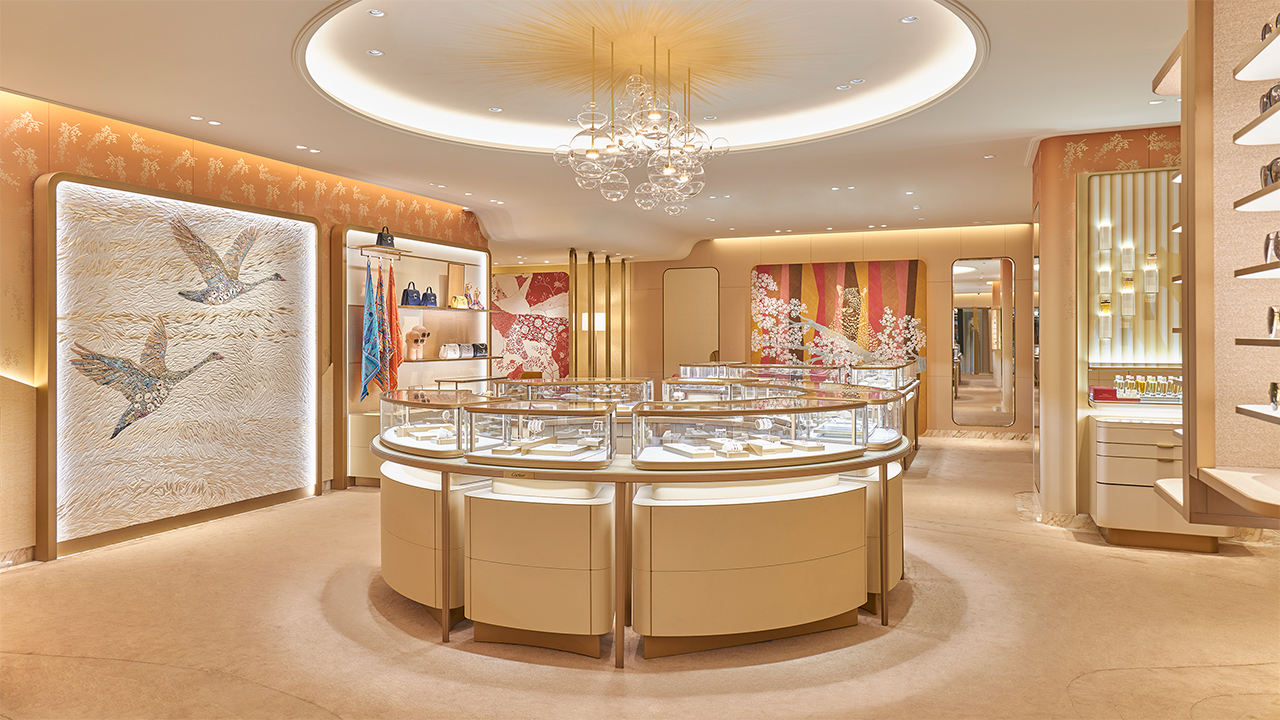
    Cartier’s renovated boutique is an amalgamation of Cartier’s illustrious heritage and the rich cultural identity of Macau. The remodelled store now includes the first-ever open salon and bar from Cartier in Macau, two private lounges for VIPs, separate dedicated sections for men and women, a gender-neutral area and a distinct high-jewellery section.

    The boutique’s ‘Women’s Universe’ features an exquisite mosaic art piece by the renowned French artist Mathilde Jonquière. The artwork eloquently portrays Cartier’s emblematic panther amidst fireworks, creatively mirroring Macau’s vibrant skyline and festive ambiance.

    In contrast, the boutique’s recently inaugurated salon and bar are a nod to Macau’s Sino-Portuguese lineage. The design includes meticulously handcrafted mosaic flooring, ceramic wall adornments, and lantern-inspired illuminations.

    The gender-neutral zone takes inspiration from the interiors of yachts and Macau’s historical connection with the sea. The ‘Men’s Universe’ exhibits the brand’s wide-ranging collections of timepieces, jewelry and accessories.

    Cartier has curated a Prestige Area to display its high-jewellery collections, characterized by panels of straw marquetry, glass showcases and intricately sculpted chandeliers.

    The expanded boutique is completed with the addition of two VIP salons, inspired by the lotus flower, a symbol synonymous with Macau. The decorative features in these salons were fashioned by the acclaimed French artistic workshop, Ateliers Berger.

    Cartier asserts that the boutique’s reopening signifies the brand’s ongoing commitment to Macau and its initiative to enhance the retail experience with a larger store format and specialized product environments. In the previous year, Cartier launched its most extensive store in Asia, situated in the upscale Ginza retail district of Tokyo.

    Questions & Answers

    What is unique about the renovated Cartier boutique in Macau?
    The renovated Cartier boutique in Macau uniquely blends Cartier’s heritage with Macau’s cultural identity, and features Macau’s first Cartier open salon and bar, dedicated areas for men and women, a unisex zone and a high-jewellery area.

    What inspirations were drawn for the newly renovated boutique?
    Inspiration for the design of the renovated boutique was drawn from Macau’s Sino-Portuguese heritage, its maritime history, and symbolic elements like the lotus flower.

    What does the reopening of the Cartier boutique in Macau represent?
    The reopening of the Cartier boutique in Macau represents the brand’s continued investment in the region and its commitment to offer an enhanced retail experience through a larger store format and dedicated product environments.

  • Stephen Curry Scores Slam Dunk Deal with Chinese Sportswear Giant Li-Ning

    Stephen Curry Scores Slam Dunk Deal with Chinese Sportswear Giant Li-Ning

    Li-Ning, a prominent sportswear company in China, has recently announced a multi-faceted partnership with NBA Star, Stephen Curry. This exciting collaboration will initially emphasize on the sport of basketball and golf, with future plans to expand into lifestyle and other sportswear areas.

    A Crucial Partnership

    In this newly forged union, Li-Ning and Curry will work closely to devise new products, foster exclusive content, and devise consumer experiences that appeal to the interests of young athletes and sports consumers. Stephen Curry expressed enthusiasm about the partnership, attributing his decision to the company’s innovative product line and capabilities. Curry was particularly impressed by the quality, comfort, and performance of Li-Ning’s footwear, which he believes will align perfectly with the image he wants to establish for his own brand.

    The sportswear company, Li-Ning, which was founded in 1990 by the former Olympic Gymnast Li Ning, has flourished into one of the largest brands in China’s sportswear industry. Li Ning views this partnership as a reflection of their mutual emphasis on performance and the future of sports.

    Shared Vision

    The company’s founder expressed a shared focus on performance and the potential of sport, believing in the power of sport to ignite passion and inspire each generation to push beyond its limits. Both Li-Ning and Curry are eager about this partnership and look forward to building upon it to continually push boundaries and open new horizons for global sport.

    Questions & Answers

    What is the nature of the partnership between Li-Ning and Stephen Curry?
    The partnership involves multi-category development focusing initially on basketball and golf, with plans to expand into other sportswear and lifestyle sectors.

    What was the critical factor that influenced Stephen Curry’s decision to collaborate with Li-Ning?
    Stephen Curry was primarily impressed by the quality, comfort, and performance of Li-Ning’s shoes, which gave him confidence in the company’s capability to align with his brand’s vision.

    What does this partnership signify for Li-Ning and Curry?
    Both parties view this collaboration as a reflection of their shared focus on performance and the future of sports. They look forward to pushing boundaries and creating new possibilities for global sport.

  • NAORA Launches: The Invitation-Only Sailing Community for Modern Explorers

    NAORA Launches: The Invitation-Only Sailing Community for Modern Explorers

    The most extraordinary journeys are shaped by the people who share them. NAORA was built on that belief — a private sailing membership that curates not just the route and the vessel, but the community aboard.

    There is a particular kind of conversation that only happens far from shore. When the routine falls away, when the horizon is all there is, and when the people around you have been carefully chosen — that is when something rare begins to form. Not networking. Not socialising in the conventional sense. Something deeper: the kind of exchange that shared extraordinary experience makes possible, and that is almost impossible to engineer in any other context.

    That is what NAORA is built around.

    NAORA today announces its launch as a private, invitation-only sailing membership — a curated global community of founders, investors, creatives, and nomadic professionals who share recurring, flexible access to a continuously moving 80-foot luxury catamaran across 183+ destinations over five years. The community is the product. The vessel is the venue. The ocean is the context in which both reach their fullest expression.

    Why Community Changes Everything

    The luxury travel industry has invested enormous energy in perfecting the individual guest experience. Thread counts. Michelin-starred kitchens. Bespoke excursions. Personalised service at every touchpoint.

    And yet, for all of this investment, the element that consistently creates the most lasting value in the lives of high-net-worth travellers is the one that cannot be manufactured: genuine human connection.

    The relationships formed aboard NAORA are structurally different from those formed in any hotel lobby, at any conference, or through any networking event. They are forged in circumstances that strip away professional personas and social performance: shared meals at sea when the closest land is a hundred miles away, shared crossings through rough weather that require trust and mutual reliance, shared discoveries of places that neither party expected to find. These are the conditions under which lasting bonds form — and NAORA is, by design, a machine for creating them.

    The key design decision is curation. Every NAORA member passes through a personal selection process — not to restrict numbers for its own sake, but to ensure that the people who share the vessel are genuinely aligned in values, curiosity, and their relationship to experience. The result is a community that does not need to be maintained through programming or incentives. It maintains itself, because the people within it genuinely want to be together.

    Who Joins NAORA

    NAORA attracts four distinct kinds of members, each bringing something essential to the community aboard.

    The first are founders and entrepreneurs — people who have built something meaningful, achieved the freedom to move, and are now searching for a community that matches their depth. These are not people who need to be entertained. They are people who need to be challenged, in a context that is worthy of them. The conversations on a NAORA deck at night — about what they are building, what they have learned, what they are searching for — are the conversations they cannot have at any conference or dinner party.

    The second are investors and family office principals — high-net-worth individuals and the professionals who manage generational wealth. For this community, NAORA offers not just a lifestyle vehicle that matches their standard of living, but a network of extraordinary people in a setting that no office, club, or event can replicate. Some of the most significant relationships in their professional lives will begin on this boat.

    The third are high-income nomads — location-independent professionals, remote founders, and digital entrepreneurs who have outgrown conventional luxury travel. They have stayed in every five-star hotel. They have chartered every category of yacht. They are ready for something that cannot be booked — something that requires application, that rewards commitment, and that deepens with every return. NAORA is their permanent address on the ocean.

    The fourth are new-wealth explorers — crypto-native and tech-driven wealth holders who prioritise experience, movement, and belonging over traditional status signals. For this community, NAORA offers something that no car, watch, or real estate investment can provide: access to a world that reflects their values and their curiosity, populated by people who share both.

    “NAORA becomes part of how members define themselves — part travel, part network, part lifestyle identity.”

    The Compounding Effect

    What makes the NAORA community genuinely distinctive — and what makes it commercially powerful as a retention model — is the compounding effect. Unlike a resort or a charter, NAORA is designed to be returned to, not replaced. Every return deepens the relationships. Every new leg of the route adds shared references and shared memories. Every new member who joins the community adds value to the whole.

    Members who have been with NAORA for two or three years describe something that is difficult to articulate but immediately recognisable: a sense of belonging that operates independently of geography. When they are at home — in Singapore, in London, in Dubai, in New York — they know that somewhere on the ocean, the boat is moving. Their place on it is waiting. The community is alive.

    NAORA tracks this through its tier structure. The Coastal tier is the beginning — an introduction to the vessel, the community, and the rhythm of offshore life at approximately one week per year. The Offshore tier deepens the engagement to approximately 40 days per year, building the kind of recurring presence that allows meaningful relationships to form. The Navigator tier represents full integration — approximately 90 days per year, priority on route selection, and a level of involvement in the NAORA world that is closer to a second identity than a travel subscription.

    The Community Beyond the Vessel

    The NAORA community does not exist only at sea. Between voyages, it maintains itself through a carefully curated programme of onshore events: private dinners in key cities, cultural gatherings at port, regional salons for members in the same geography. These events are not marketing exercises. They are extensions of the community that forms aboard the vessel — a way of maintaining the quality of connection between voyages, and of welcoming new members into a world they have not yet fully experienced.

    The NAORA network is also, inevitably, a professional one. The shared backgrounds of the membership community — in entrepreneurship, investment, technology, and creative fields — mean that the relationships formed aboard have both personal and professional dimensions. Introductions are made. Ideas are tested. Partnerships begin over a meal prepared by a chef who knows both parties’ preferences by heart. This is not a stated feature of the NAORA model. It is an emergent property of bringing extraordinary people together in extraordinary circumstances.

    By Invitation Only

    NAORA membership is strictly limited, and every application passes through a personal selection process. The founding team takes this process seriously — not because scarcity is a marketing tactic, but because the quality of the community is the product. A single poorly matched member can change the atmosphere aboard. A single well-matched member can change the trajectory of everyone else’s year.

    Membership is available in three tiers: Coastal (approx. 1 week/year), Offshore (approx. 40 days/year), and Navigator (approx. 90 days/year). Annual fees range from €9,000 to €59,000. Entry fee: €3,000–5,000. Applications by private conversation only.

    To begin the conversation, visit www.naora.world.

    About NAORA — NAORA is a membership-based private sailing expedition founded by four Belgian adventurers with 25+ years of offshore sailing expertise. Its five-year global journey spans 183+ destinations and 45,000+ nautical miles, covering the Mediterranean, Atlantic, Caribbean, Indian Ocean, Southeast Asia, and South Pacific. Membership tiers — Coastal, Offshore, and Navigator — offer flexible, recurring access to life at sea aboard the Lagoon Eighty2, one of the largest luxury production catamarans in the world. NAORA is not a travel company. It is a new category of living.


  • Meituan Sees Silver Lining as Food Delivery Battles Cool Down Despite Another Quarter Loss

    Meituan Sees Silver Lining as Food Delivery Battles Cool Down Despite Another Quarter Loss

    Meituan, China’s foremost food delivery company, reported its third consecutive quarterly loss this Monday. However, it did manage to meet revenue growth projections. The company has been weathering a particularly tough year, characterized by fierce, subsidy-driven competition in China’s one-hour delivery sector. However, the market shows signs of normalizing again.

    In earlier years, the rapid expansion and profits of Meituan were put under strain when Taobao, owned by Alibaba, and JD introduced their ‘instant retail’ services in 2025. Instant retail, also known as quick commerce, involves online purchases of items such as food, bubble tea, and daily essentials that are delivered within an hour.

    In 2026, after persistent disapproval from Chinese regulators who coined the term ‘race to the bottom’ to describe the fierce instant retail competition, the excessive discounting on food delivery platforms began to moderate. This shift indicated that the industry was moving into a phase of more regular growth.

    The revenue for Meituan for the quarter ending on March 31 was reported to be 91 billion yuan (equivalent to US$13.45 billion). This represented a 5.6% increase from the previous year and was in line with financial analysts’ predictions.

    The adjusted net loss of the company shrunk to 4.97 billion yuan, which was a significant improvement from a loss of 15.1 billion yuan in the last quarter. During the same period in the previous year, Meituan had reported a profit of 10.9 billion yuan.

    CEO Wang Xing addressed the situation optimistically, stating, “With industry-wide subsidies finally getting more rational, we are seeing a shift back to the fundamentals of operational efficiencies and user experience. This transition plays to our strengths.”

    However, the company has also faced regulatory challenges. In April, the Chinese market regulator imposed fines amounting to a total of 3.6 billion yuan on seven e-commerce platforms, including Meituan, for violating food delivery safety regulations.

    Last week, China’s State Administration for Market Regulation instructed local authorities to conduct a special inspection campaign until December on companies operating in sectors ranging from live-streaming to food delivery.

    Questions & Answers

    What is Meituan’s standing in China’s food delivery industry?
    Meituan is the leading food delivery company in China.

    What challenges has Meituan been facing in recent years?
    Meituan has been dealing with intense competition in the instant retail sector, regulatory penalties for food delivery safety violations, and financial struggles reflected in consecutive quarterly losses.

    What is the ‘race to the bottom’ that Chinese regulators refer to?
    The ‘race to the bottom’ refers to the extreme competition in the instant retail sector, characterized by excessive discounting by food delivery platforms.

  • Family Offices Pivot towards AI and Diversification amid Geopolitical Uncertainty: UBS Report

    Family Offices Pivot towards AI and Diversification amid Geopolitical Uncertainty: UBS Report

    Global financial markets are experiencing profound shifts due to geopolitical and structural uncertainties, leading family offices globally to reconsider their investment strategies. This emerges from UBS’s “Global Family Office Report 2026”, which surveyed 307 family offices across over 30 markets, together representing around $2.7 billion in net worth.

    Significantly, this is the first time since the start of the study that 60% of participants expressed their intention to modify their strategic asset allocation in the coming year. The focus is shifting towards a broader diversification spanning regions, currencies, and asset types, coupled with an enhanced emphasis on long-term thematic investments.

    A Growing Interest in Artificial Intelligence

    The report reveals an increasing trend amongst family offices to adjust their portfolios in a calculated, disciplined manner, as explained by Benjamin Cavalli, Head of Strategic Clients & Global Connectivity at UBS Global Wealth Management. Several investors are diminishing their U.S. dollar exposure or diversifying more widely across regions, without fundamentally reevaluating their North American positions.

    Artificial Intelligence (AI) is an area that continues to pique significant interest. As per the report, 65% of family offices have invested across the full AI value chain, starting from data centers and software platforms to semiconductor manufacturers. Despite high valuations, a considerable number of investors intend to increase or at least maintain their exposure.

    “Artificial Intelligence continues to be the defining investment theme of this decade,” stated Yves-Alain Sommerhalder, Head of GWM Solutions at UBS. Family offices are taking a more discerning approach, merging growth opportunities with a heightened risk discipline.

    Challenges in Governance and Succession Planning

    Besides AI, investments in infrastructure and energy and commodities remain the preferred areas for family offices. Cryptocurrencies, however, remain a fringe allocation, with only 44% of invested family offices considering digital assets as part of their strategic asset allocation, but actual portfolio exposures are typically limited.

    For Swiss family offices, the trend appears to be more conservative. They maintain widely diversified portfolios with a strong emphasis on Western Europe and North America, and they are making portfolio adjustments more cautiously compared to international peers. AI, energy, automation, and robotics also dominate amongst Swiss investors.

    Despite these trends, there are noticeable gaps in governance and succession planning in many family offices. Only about one-third have a clearly defined succession plan, and a mere 27% are preparing the next generation in a structured manner for future leadership roles.

    Questions & Answers

    What’s the trend in asset allocation among family offices?
    A majority of family offices are planning to adjust their strategic asset allocation in the next year, with emphasis on wider diversification across regions, currencies, and asset classes.

    What’s the investment sentiment towards artificial intelligence?
    Artificial Intelligence continues to be of high interest, with 65% of family offices having invested across the full AI value chain. Many plan to increase or maintain their AI exposure despite high valuations.

    What are the challenges being faced by family offices?
    A significant number of family offices lack clearly defined succession plans and structured methods for preparing the next generation for future leadership roles.

  • Besi APac Partners with DHL Express to Slash Greenhouse Emissions through Sustainable Aviation Fuel

    Besi APac Partners with DHL Express to Slash Greenhouse Emissions through Sustainable Aviation Fuel

    Besi APac Sdn. Bhd., the Malaysian unit of top semiconductor assembly equipment manufacturer BE Semiconductor Industries N.V., has entered into a partnership with DHL Express by joining their GoGreen Plus programme. This programme aims to lower the emissions generated from Besi APac’s urgent global deliveries through the utilization of sustainable aviation fuel (SAF). The partnership is projected to result in a reduction of over 400 tonnes in Well-to-Wheel (WTW) CO₂e emissions.

    Reducing Emissions Through Responsible Practices

    Besi APac is dedicated to the energy transition and acknowledges the importance of decreasing operational emissions through responsible business operations. Henk Jan Jonge Poerink, Managing Director of Besi APac and Senior Vice President of Global Operations at Besi N.V., stated that the company’s sustainability strategy extends to its supply chain activities. They are striving to incorporate environmental considerations into their procurement processes. SAF is seen as one of several methods that can assist in reducing aviation-related emissions. The company eagerly anticipates the opportunity to support the expansion of renewable alternatives.

    Introduced in 2023, GoGreen Plus allows its clients to utilise SAF to decrease their indirect Scope 3 emissions, which arise from upstream and downstream transportation and distribution. This service is made possible through numerous SAF contracts that DHL has signed with its partners.

    SAF, which is made from sustainable feedstocks like used cooking oil and other residues, can lower lifecycle greenhouse gas emissions by approximately 80% compared to standard jet fuel. The ‘book & claim’ approach enables DHL to replace fossil fuels with sustainable fuels within its network directly and assign the associated lifecycle emission reductions to clients like Besi APac.

    Besi APac’s Commitment to Sustainability

    Besi APac’s subscription to GoGreen Plus is applicable across its international trade routes, covering major markets in the Asia Pacific, Europe, Americas, and Middle East. The initiative is aligned with the company’s 2025-2029 strategic plan, which includes minimising its environmental impact as a primary goal. Besi APac has significantly reduced its Scope 1 & 2 emission intensity ratio, fuel consumption intensity ratio, and increased electricity usage from renewable sources since 2019.

    Alex Lee, Vice President of Commercial at DHL Express Malaysia, stated that DHL is committed to increasing the availability of emissions-reduced logistics solutions. Partnerships like this one showcase the practical application of this commitment.

    DHL is one of the largest global users of SAF. The company increased the percentage of SAF in its own aircraft fleet to 10 percent in 2025, a significant increase from the 3.5 percent the previous year. DHL currently uses SAF at airports worldwide.

    Questions & Answers

    What is Besi APac’s strategy to reduce emissions in their operations?
    Besi APac is committed to decreasing operational emissions through responsible business practices. This includes integrating environmental considerations into their procurement processes and using SAF to reduce aviation-related emissions.

    How does DHL’s GoGreen Plus programme help to reduce emissions?
    GoGreen Plus allows its customers to utilise SAF to reduce their indirect Scope 3 emissions arising from upstream and downstream transportation and distribution. It replaces fossil fuels with sustainable fuels within its network, attributing the associated emission reductions to its customers.

    What progress has Besi APac made in reducing its environmental impact?
    Besi APac has made significant strides in reducing its environmental impact. The company has greatly reduced its Scope 1 & 2 emission intensity ratio and fuel consumption intensity ratio. Additionally, it has increased its electricity usage from renewable sources to 99 percent since 2019.

  • OCBC Joins Forces with Major Business Chambers to Boost China-ASEAN Trade

    OCBC Joins Forces with Major Business Chambers to Boost China-ASEAN Trade

    OCBC, Singapore’s second-largest bank, is amplifying its efforts to harness the expanding economic ties between Greater China and Southeast Asia. This new endeavor sees the bank forming a strategic partnership with two prominent business chambers, the Singapore Chinese Chamber of Commerce & Industry (SCCCI) and the China Chamber of Commerce for Import and Export of Machinery and Electronic Products (CCCME). This partnership aligns with OCBC’s recently announced corporate strategy, The Next Frontier. A crucial element of this strategy is the ‘Asia Shift’, which aims to boost trade and investment flows between ASEAN and Greater China.

    Riding the Intra-Asia Growth Trend

    OCBC’s strategic alliance combines the bank’s regional banking prowess with the expansive network of the CCCME, which involves more than 10,000 Chinese enterprises, and the SCCCI’s robust business connections across Southeast Asia.

    This initiative is in response to the continued expansion of Chinese companies into ASEAN markets. As per OCBC’s data, there was a 50 percent increase in 2025 in the number of new Chinese businesses the bank assisted in setting up operations in Southeast Asia. This significant rise follows a 30 percent growth in the preceding year.

    The cooperation agreement stipulates the support of small to mid-sized enterprises and corporations seeking cross-border trade and investment opportunities in both regions.

    Focus on Strategic Sectors

    The collaboration will be focused on industries predicted to fuel future growth. These include green technologies, sustainable development, digitalization, and advanced manufacturing. Additionally, the partners aim to reinforce trade and financing ecosystems that stimulate cross-border business activities.

    To manage this initiative, a joint coordination group will be set up. This group will be tasked with tracking progress and ensuring the successful execution of plans.

    Roy Tan, Head of Enterprise Banking International at OCBC, shared that Chinese enterprises have quickened their globalization pace in recent years, which necessitates robust on-the-ground assistance when penetrating new markets. The partnership will enable the bank to merge financing solutions with business matching and market-entry support. Tan believes this will enhance the efficiency of Chinese companies venturing into ASEAN while generating opportunities for businesses on both fronts.

    Singapore is positioning itself as a primary gateway for Chinese companies seeking expansion into Southeast Asia. This strategic move also aims to allow local businesses to take advantage of the escalating intra-Asian trade and investment flows.

    Questions & Answers

    What is the main goal of OCBC’s new partnership with SCCCI and CCCME?
    The partnership aims to capitalize on the growing economic ties between Greater China and Southeast Asia by supporting small to mid-sized enterprises and corporations seeking cross-border trade and investment opportunities.

    Which sectors will the collaboration focus on?
    The collaboration will focus on sectors expected to drive future growth, including green technologies, sustainable development, digitalization, and advanced manufacturing.

    How does this partnership align with Singapore’s position in the global market?
    The partnership aligns with Singapore’s efforts to fortify its role as a gateway for Chinese companies looking to expand into the ASEAN region, and to benefit local businesses from growing intra-Asian trade and investment flows.

  • Mastercard Unveils Phone. Passport. Mastercard Campaign: Revolutionizing Travel in Southeast Asia with Seamless Digital Payments

    Mastercard Unveils Phone. Passport. Mastercard Campaign: Revolutionizing Travel in Southeast Asia with Seamless Digital Payments

    Mastercard has launched a new campaign aimed at making travel across Southeast Asia more seamless and rewarding for consumers. The initiative, named “Phone. Passport. Mastercard”, primarily focuses on improving the payment experience for travelers journeying through Indonesia, Malaysia, Singapore, Thailand, the Philippines, and Vietnam. Developed in conjunction with issuing banks and merchant partners, the program provides access to over 300 promotions that cover dining, shopping, accommodation, transport, and leisure activities throughout the region.

    Enhancing Travel with Seamless Payments

    At the heart of the campaign is Mastercard’s effort to streamline the travel experience with digital payment solutions. The company is positioning its payment network as an essential tool for travelers along with their smartphones and passports. Whether it’s for transport, accommodation, or dining, travelers can access offers while depending on Mastercard’s secure payment infrastructure, which leverages technologies such as tokenisation, multi-factor authentication, and fraud monitoring for secure cross-border transactions. The initiative is aimed at reducing friction during travel and allowing consumers to focus on their experiences rather than worrying about payment logistics.

    Boosting Regional Businesses

    The campaign also seeks to aid regional merchants and tourism-related businesses by connecting them with consumers traveling along Southeast Asia’s busiest routes. According to Dheeraj Raina, Senior Vice President and Head of Integrated Marketing and Communications for Southeast Asia at Mastercard, “Southeast Asia is one of the most rewarding regions in the world to explore today – rich in culture, nature, food, and unforgettable experiences, often just a short trip away.” The campaign aspires to make travel across the region more accessible while encouraging consumers to discover local businesses and experiences.

    As Southeast Asia continues to reap the benefits of robust tourism flows, improved air connectivity, and growing demand for regional leisure travel, Mastercard’s campaign aims to position itself at the heart of the travel payment journey. The initiative will run until December 2026, reinforcing Mastercard’s strategy of integrating payment services more closely with consumer lifestyle and travel experiences.

    Questions & Answers

    What is the goal of Mastercard’s new campaign?
    The goal is to make travel across Southeast Asia more seamless and rewarding by streamlining the payment experience for travelers and providing them access to various promotions.

    How does the campaign benefit regional businesses?
    The campaign aims to aid regional merchants and tourism-related businesses by connecting them with consumers traveling along Southeast Asia’s busiest routes, potentially driving more business to these establishments.

    Until when is the campaign expected to run?
    The campaign is expected to run until December 2026.