Author: Mei Ling Tan

  • Telcos fear surging energy costs due to 5G

    Telcos fear surging energy costs due to 5G

    More than 90% of mobile operators fear that the arrival of the 5G era will result in significantly higher energy costs, according to research from data center equipment provider Vertiv and 451 Research.

    A survey of mobile operators, released at Mobile World Congress in Barcelona, found high interest in technologies and services that can improve energy efficiency of 5G networks.

    More than 90% of respondents expressed an interest in the emerging energy savings as a service (ESaaS) model of reducing energy costs.

    This model involves working with energy partners to use technologies including IoT sensors, artificial intelligence and other connected technology to gain real-time insight into energy consumption patterns and where improvements can be made.

    Vertiv has predicted that the move to 5G will increase total network energy consumption by up to 170% by 2026, with the largest increases expected in macro, node and network data center areas.

    Despite this and other challenges ahead, the survey also indicates that operators are optimistic about the potential of 5G, and believe the 5G era will start in earnest in 2021. Nearly nine in 10 (88%) respondents to the survey are planning to deploy 5G in 2021-2022.

    To support the transition to 5G, 37% of operators have deployed multi-access edge computing technology, with a further 47% planning to do so.

    451 Research research vice president Brian Partridge said the survey sought to deliver clarity around operators’ hopes and fears around 5G and edge deployments,

    “The two toughest connectivity challenges for supporting 5G topologies were revealed to be upgrading access and aggregation layer networks and adding new backhaul links,” he said.

    “Survey respondents indicated that the availability of high quality connectivity to distributed POPs and ease of site acquisition were viewed as the most critical enablers to 5G success. We were frankly surprised by some of these results and believe it brings clarity to the level of transformation the industry now faces.”


  • Airtel taps Ciena for high-speed backbone network

    Airtel taps Ciena for high-speed backbone network

    India’s Bharti Airtel has contracted Ciena to deploy a large-scale photonic control plane backbone network that will connect more than 4,000 towns across the nation.

    Under the agreement, announced at Mobile World Congress in Barcelona, the companies will collaborate to deploy a network spanning 130,000km.

    The network deployment, which the companies said will be one of the world’s largest photonic control plane deployments, forms part of Airtel’s Project Leap network transformation program.

    Airtel plans to use the network to serve exploding demand for high-speed data services, and to enable the delivery of high-speed broadband to end users over 4G/5G/FTTH architectures.

    For retail and enterprise customers, the network will also support bandwidth on demand, optical VPNs, latency based routing and dynamic data center interconnection.

    Airtel CTO Randeep Sekhon said the backbone architecture will be capable of working with data rates of 400Gbps and higher, and delivering low-latency software-controlled connectivity for cloud infrastructure.

    “Airtel has always pioneered the introduction of cutting-edge network technologies to serve its customers. We are pleased to work with Ciena to build one of world’s largest optical spine and leaf networks, which is also a big step towards 5G readiness by leveraging our huge fiber assets,” he said.

    “This will not only scale our network for massive capacity but also protect traffic and enhance service delivery to all our customers. It will also help Airtel further strengthen its position as a key enabler of digital experiences in an increasingly connected world.”

  • VMware announces 5G-ready Telco Cloud platform

    VMware announces 5G-ready Telco Cloud platform

    VMware has announced the launch of its 5G-ready Telco Cloud platform, as well as new solutions aimed at helping ease operators’ migration to 5G.

    Announced at Mobile World Congress in Barcelona, the new Telco Cloud platform is optimized for both 4G and 5G using a single architecture that supports both networks.

    “5G is at a massive inflection point, and planning decisions made today will have far reaching financial and operational ramifications for CSPs going forward,” VMware EVP for strategy and corporate development and GM for Telco NFV Group Shekar Ayyar said.

    “By moving away from the inflexible, hardware-defined architectures of the past, and rolling out 5G as a fully-virtualized architecture right out of the gate, telcos will be able to beat competitors to market with new value-added services and improve the performance and operational efficiencies of their networks. VMware today provides the best foundation for the 5G-ready telco cloud.”

    The company also announced new and upgraded solutions in its telco portfolio aimed at helping operators prepare their networks for 5G.

    These include VMware Smart Assurance 10, that will provide full integration with VMware vCloud NFV, the new VMware NSX-T 2.4 Data Center release, and an expanded VMware Ready for NFV Certification Program.

    The upgraded portfolio also includes Vmware HCX – which is designed to help operators build hybrid highways interconnecting heritage infrastructure and 5G environments on which commercial OpenStack ecosystem workloads can be migrated to a distributed, multi-cloud architecture.

  • New retail stores to open at Changi Airport

    New retail stores to open at Changi Airport

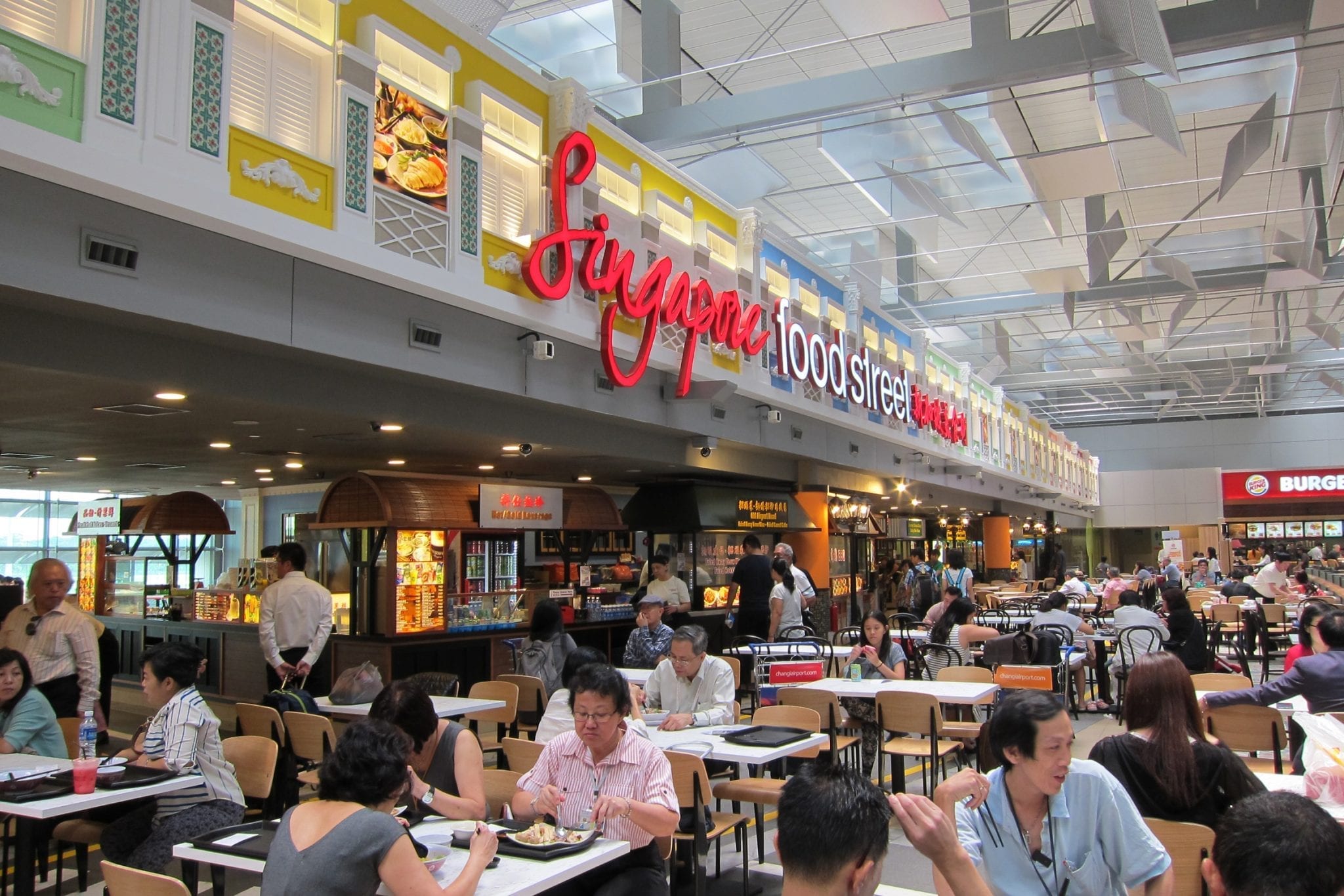
    Changi Airport has added new restaurants and stores to its retail offer. In the transit area, Irvin’s Salted Egg has opened a kiosk at Terminal 1. In the public areas, new eateries have opened at Terminal 3’s basement 2 including three by the Pezzo Group: Crave, Coffee Boy and Stuff’d. Mr Teh Tarik Express and multi-concept gourmet food hall, Terminal M, featuring a mix of Korean, Chinese and Japanese foods, are also available at this terminal.

    Visitors can now shop a new outlet of casual clothing retailer The Blues or confectioner The Cocoa Trees.

    Singapore Changi Airport handled 5.62 million passenger movements in January, a 6 per cent year-on-year increase.

    Passenger traffic growth during January was broad-based with increases recorded for all regions except the Middle East.

  • AirAsia sets up venture capital fund to boost, Redbeat

    AirAsia sets up venture capital fund to boost, Redbeat

    AirAsia has launched a new venture capital fund, RedBeat Capital, to invest in start-up businesses that aims to boost the low-cost carrier’s ancillary segment. RedBeat Capital will work alongside San Francisco-based venture capital firm 500 Startups in supporting businesses seeking to enter or expand their presence in southeast Asia, with a particular focus on travel and lifestyle, logistics, and financial technology.

    It will also invest in digital streams as such artificial intelligence, the internet of things, and cyber security.

    AirAsia and RedBeat Capital are on the lookout for the world’s best and brightest to help us develop a travel technology ecosystem,” says AirAsia Group‘s chief executive Tony Fernandes.

    “We intend to operationalise this year… to identify and invest in startups that are willing to grow and expand, particularly into southeast Asia where we have the network, data and regional expertise to help accelerate their business.”

    AirAsia adds that the venture capital fund will complement and enhance the group carrier’s transformation into a travel technology company.

    In a separate interview, Fernandes tells FlightGlobal that AirAsiahas already invested over $10 million into RedBeat Capital.

    “One of the reasons we’re doing what we’re doing is because you can’t survive long-haul low-cost purely on an airfare, so there are lots of ancillary streams to supplement that,” he said.

    AirAsia‘s digital venture arm RedBeat Ventures will oversee RedBeat Capital. Aireen Omar, who is AirAsia Group‘s deputy chief executive for technology, also serves as the chief executive of RedBeat Ventures.

  • Gap spinning off Old Navy business

    Gap spinning off Old Navy business

    Gap plans to spin off and float its Old Navy business, creating two independent publicly traded companies. Old Navy will operate only its own brand, while the as yet unnamed company – dubbed NewCo for now – will own the Gap brand, Athleta, Banana Republic, Intermix and Hill City.

    “It is clear that Old Navy’s business model and customers have increasingly diverged from our specialty brands over time, and each company now requires a different strategy to thrive moving forward,” said Gap’s chairman Robert Fisher in a statement.

    “Recognising that, we determined that pursuing a separation is the most compelling path forward for our brands – creating two separate companies with distinct financial profiles, tailored operating priorities and unique capital allocation strategies, both well positioned to achieve their strategic goals and create significant value for our customers, employees and shareholders.”

    NewCo will launch with about $9 billion in annual revenue and a strong balance sheet.

    Old Navy, a value-focused brand which is currently one of the fastest-growing apparel labels in the US, will have annual revenue of about $8 billion.

    In a statement, Gap said separating Old Navy would allow it to capitalise on its scale, broad customer awareness and unique positioning to extend its category leadership and deliver profitable growth as an independent company.

    “Through this separation, Old Navy will have the flexibility, focus and control needed to increase customer access by further applying its strategic real estate strategy, evolving its omni-channel model and expanding its product categories to continue to successfully resonate with value-focused customers. Old Navy will be well positioned to invest in capabilities and initiatives that will continue to grow its market share.”

    After the split, Gap Inc’s current president and CEO Art Peck will hold the same position with NewCo.

    Sonia Syngal, current president and CEO of Old Navy, will continue to lead the brand as a standalone company.

  • Alfamart Philippines opening 200 new stores this year

    Alfamart Philippines opening 200 new stores this year

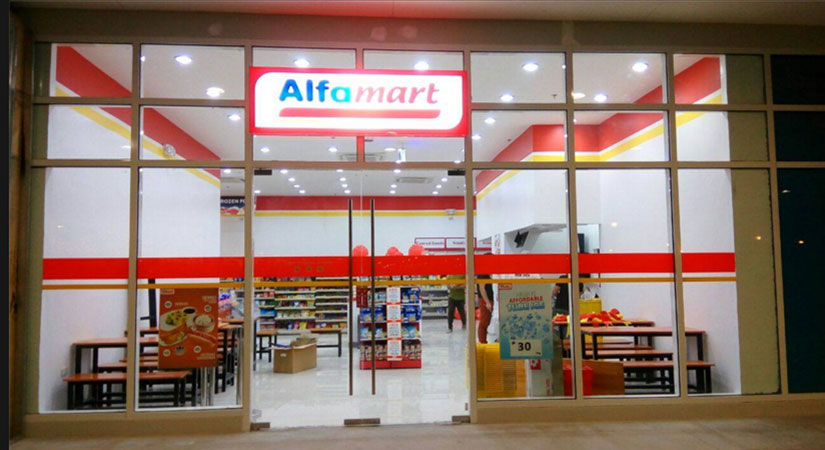
    Mini-mart chain Alfamart will open 200 new stores in the Philippines next year, according to a Fitch Ratings report. It said Alfamart Philippines stores already has 400 stores in the country, of which 180 were opened this year in partnership with local operator and majority stakeholder SM Group. The 200 new stores will take its total network to 600 locations in the Philippines by the end of next year.

    “Alfamart’s investment risk for its Philippine expansion is mitigated by the strong presence of SM Group in the country … Fitch expects Alfamart to have access to SM Group’s large business network and tap its widely known brand”.

    SM Retail operates 1729 stores nationwide. Alfamart’s Indonesian parent has a 35 per cent stake in the Alfamart Philippines business.

    According to the report, “Both Indonesia and the Philippines are consumer-driven markets with young populations and expanding middle classes. Both economies have similar income levels of GDP per capita of US$3000-$4000. Consumers in both markets also prefer to buy small amounts of bundled products rather than filling grocery carts”.

    It described the mini-mart sector in the Philippines “as untapped and having limited competition … the existing players mostly operate convenience stores that carry more limited products. Alfamart’s stores offer additional products, such as fresh and frozen food, personal care and small household appliances, giving the company some competitive advantage in grabbing market share.

    “Alfamart chose to expand in the Philippines as it believes it has more potential than other Southeast Asian markets, such as Thailand and Vietnam.”

  • Jollibee Malaysia opens in Kota Kinabalu

    Jollibee Malaysia opens in Kota Kinabalu

    Jollibee Malaysia has opened its first outlet – in the beachside city of Kota Kinabalu. CEO Ernesto Tanmantiong said opening in Malaysia marked a new chapter for the group.

    “We invite Malaysians to come and see for themselves why people line up for hours.”

    Jollibee Foods head of international business, Dennis Flores, said Jollibee is beloved throughout Asia, because it appeals to diverse tastes and cultures.

    “This has propelled us to become the fastest-growing Asian restaurant company, and we are thankful for the overwhelming support. It drives us to do better for our customers, and to continue to serve delicious food with our signature warm service.”

    The Jollibee Malaysia opening follows the brand’s recent expansion into London and Manhattan as its rapidly expands its global store network to surpass 4300.

    After making its debut in the capital of Sabah, Jollibee Malaysia plans further outlets in major cities across the country.

  • Jollibee acquires Smashburger

    Jollibee acquires Smashburger

    Jollibee has taken full ownership and control of US fast-food chain Smashburger after acquiring an 85 per cent stake in February.

    The Philippine company said it paid US$10 million to acquire the remaining 15 per cent of the company and that it has made management changes.

    Tom Ryan, Smashburger founder and CEO, will take on the additional title of chief product development advisor at Jollibee Foods Corporation globally, focusing on strengthening taste and quality aspects across key brands and enhancing their relevance across global markets.

    Jose “Pepot” Minana has assumed the role of Smashburger president, including daily operations, collaborating on strategy and brand direction, and lead the continuing integration of Smashburger into the Jollibee Foods portfolio.

    Smashburger has 351 stores and accounts for 7 per cent of Jollibee’s global sales which totalled $3.4 billion last year.

  • H&M launches a new collection with gender-neutrality

    H&M launches a new collection with gender-neutrality

    Fashion giant H&M has teamed up with Swedish streetwear brand Eytys to launch a gender neutral fashion collection that will go on sale in selected stores worldwide on January 24. The new unisex collection, which is being designed in collaboration with H&M, will feature footwear, apparel and accessories for men, women and kids.

    The footwear collection will include new takes on a number of Eytys’ signature chunky-soled styles and will come in custom-designed boxes decorated by painter Zoe Barcza.

    “With this collaboration, we hope to introduce the H&M customer to our design philosophy of robust and fuss-free design where function triumphs embellishment and style spans genders,” said Max Schiller, creative director at Eytys.

    “The collection is all about proportions – creating a distinct unisex silhouette by playing around with loose silhouettes and chunky architectural footwear. It’s the Eytys idea of a ‘generic’ look, one that is meant to elevate integrity, attitude and confidence.”

    According to H&M, the Eytys design approach and overall ethos are rooted in the digital age, but also in freedom from restraints based on gender or age.

    “Together the brands have extracted the core of Eytys DNA and developed a unisex collection featuring a no- fuss and fashion-forward range of shoes and clothes.”

    Schiller said H&M admired Eytys’ distinct look and initially approached the company with the idea of creating a shoe collection.

    But after initial brainstorming, it was decided to create a full gender neutral fashion collection – shoes, clothes and accessories – and enable customers to experience the whole brand aesthetic and ethos, he said.

  • Pierre Poignant succeeds Lucy Peng as Lazada Group CEO

    Pierre Poignant succeeds Lucy Peng as Lazada Group CEO

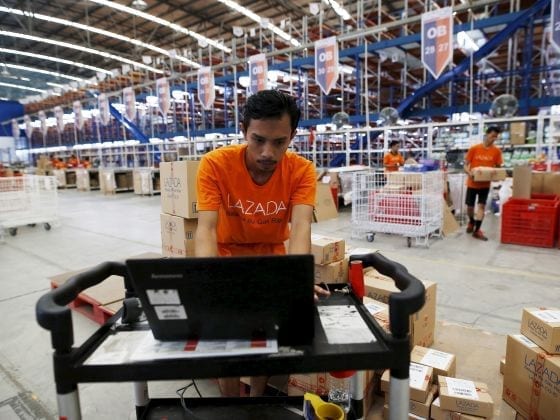
    Lazada Group has announced its new CEO this year, with group executive president Pierre Poignant taking the role immediately. The move is a leadership succession plan for both Lucy and Pierre where Lucy will remain as Executive Chairwoman and continue to be based in Singapore.

    In a media statement, Lazada described the change as “succession planning”.

    Poignant, who was appointed president in August, will lead the company’s strategic development into new growth pillars, while continuing to manage Lazada’s operations in Indonesia, Malaysia, the Philippines, Singapore, Thailand and Vietnam, working closely with country CEOs and regional functional team leaders.

    “Pierre is a well-respected Lazada co-founder, who has contributed tirelessly to the company for the past six years,” said Peng. “He and the team of other co-founders had the vision to build our logistics network from the ground up back in the days when no one in Southeast Asia believed in e-commerce – this valuable asset has now set us apart from the competition. Over the years, Pierre has consistently delivered beyond his call of duty and excelled in every role he has taken up.”

    Poignant said Lazada has benefitted from the Alibaba ecosystem, from the technological prowess to the logistics network.

    “This year is a turning point for Lazada. We have improved and evolved and now come out stronger, more efficient, and more agile than the start of the year. Our transformation has just begun and I am confident next year will be another watershed year,” said Poignant.

  • Bo’s Coffee acquiring new Shops

    Bo’s Coffee acquiring new Shops

    ilipino cafe chain Bo’s Coffee plans to more than double its store network within four years and is also eyeing expansion into the Middle East.

    In an interview, founder Steve Benitez says the ambitious growth plan has been fuelled by strong local demand. With 103 cafes currently, Benitez is targeting between 200 and 250 by 2022.

    “Our job is to make sure that we are able to popularize coffee and be able to supply so much, not only in the Philippines but globally,” he said.

    In its home market, Bo’s Coffee, which was founded in 1996, will be targeting Luzon, especially given the brand has “only scratched the surface” there to date.

    In the Middle East, Bo’s Coffee plans to open a second store in Qatar shortly, followed by three more within two years. Other markets in the region are now in its sights.

    The expansion plans will be accelerated following an investment by Philippine-focused Navegar Fund which was attracted to Bo’s Coffee by its efforts to support local coffee-growing communities.

    “Seventy to 80 per cent of our coffee beans are sourced locally,” said Benitez. “We were trailblazers. We started featuring Philippine coffee and the other shops followed after.”

    Bo’s Coffee recently opened a 300sqm flagship store in Cebu which supports social enterprises by partnering with local micro-small entrepreneurs in their store interiors, products, and merchandise inside.

  • Vietjet Air offers 2.4 million cheap tickets to the fast ones

    Vietjet Air offers 2.4 million cheap tickets to the fast ones

    Budget airline Vietjet Air will offer 2.4 million tickets starting from 0 VND on March 6-8 to celebrate the International Women’s Day (March 8). Promotional tickets will be on sale from 12:00 to 14:00 for flights across Vietnam, Thailand and some other international ones.

    Meanwhile, low-cost tickets for some flights to Japan and Hong Kong (China) will be offered every hour of the three days. The tickets are valid for passengers travelling from May 7 to December 31 this year.

    The promotional tickets are available on all sales channels, including the website www.vietjetair.com

    Vietjet Air currently operates 40 domestic routes and 66 international ones.

  • Vietnamese pork banned in several countries

    Vietnamese pork banned in several countries

    Some countries and terriories are banning pork imports from Vietnam following the recent outbreaks of African swine fever in the country. Violators of the ban face fines and even imprisonment. Taiwan has announced that Vietnamese people coming in with pork products would be fined about $6,500, according to Vietnam’s Ministry of Foreign Affairs.

    The fine will go up to $33,000 if a passenger is caught for a second time and denied entry if they do not pay the fine in full.

    A Vietnamese woman was fined $6,500 for bringing a pork snack into Taichung airport in central Taiwan on February 27.

    Vietnam Airlines has been warning passengers against carrying pork items into Japan and Australia.

    Passengers carrying raw or processed foods to Japan from Vietnam must have a certificate of safety, failing which they face three years’ imprisonment or a fine of JPY1 million ($8,900).

    In Australia, passengers must declare all foods made from plant or animal ingredients or face a fine of AUD420,000 ($298,032).

    Dubai, the U.K. and the U.S. also prohibit pork products from Vietnam.

    Following China and Mongolia, Vietnam has become the third Asian country hit by the incurable African swine fever, which has been detected in the cities of Hanoi and Hai Phong, and four provinces of Thai Binh, Hung Yen, Ha Nam, Thanh Hoa and Hai Duong.

    The flu is a viral disease that infects all pig species through bodily fluids such as blood and mucus. It causes hemorrhagic fever with a 100 percent mortality rate.

    Humans are not affected by the disease.

  • Singapore Airlines ups Johannesburg frequency

    Singapore Airlines ups Johannesburg frequency

    Effective March 31, Singapore Airlines (SQ) is permanently increasing capacity on the Johannesburg-Singapore route, with three additional flights on Wednesdays, Fridays and Sundays.

    They will be on a permanent basis after the increase was trialed in July and August last year. SQ481 will depart from Johannesburg at 22h30, arriving in Singapore at 14h55 the next day.

    Flight SQ482 departs from Singapore at 16h35, arriving in Johannesburg at 21h10.

    SQ479 and SQ478, the airline’s existing Johannesburg flights, will continue to fly onward to Cape Town daily.