Author: Mei Ling Tan

  • Australian dollar lost

    Australian dollar lost

    The Australian dollar has fallen against its US counterpart Tuesday, buying 70.91 US cents from Monday’s 71.11 US cents. The local currency is at  79.39 Japanese yen, from 79.23 ; 62.40 euro cents, from 62.36 ; 53.57 British pence, from 53.48 and 104.16 NZ cents, from 104.04. Last Friday, the local currency has been given a lift after a survey of Chinese manufacturing surprised on the high side.

    The Caixin/Markit Manufacturing Purchasing Managers’ Index (PMI), released on Friday, rose to 49.9 in February, from 48.3 in January, topping expectations. It was enough to hoist the Aussie dollar up to 71.05 US cents from a low of 70.90 US cents, though it was still down 0.4 per cent on the week. The US currency rose overnight when data showed US economic growth beat forecasts in the December quarter, supported by strength in household consumption.

    In contrast, Australian households have been reining in spending amid sluggish wage growth and sliding home prices. CoreLogic property data out on Friday showed home prices across the country fell another 0.7 per cent in February, though that was a small improvement from January’s 1 per cent drop. The Reserve Bank of Australia recently warned that a further significant fall in prices could undermine household wealth and spending.

    The weakness in consumption is one reason analysts suspect figures for GDP out next week will indicate annual growth slowed to about 2.6 per cent last quarter.

    “We expect home price falls to double to 14 per cent, peak to trough, making a negative household wealth effect on consumption likely,” said UBS economist George Tharenou.

    “We expect GDP to clearly slow to a below-trend 2.3 per cent in 2019, seeing unemployment rise and the RBA cut in November, with risk of earlier easing.”

    Investors have already moved to price in the risk of a cut in interest rates this year, with futures implying about an 80 per cent probability of a quarter point easing in the 1.5 per cent cash rate. That in turn has pushed down Australian bond yields and fattened the premium offered by US debt. Yields on Australian 10-year bonds are now 56 basis points below those on US paper, compared with 36 basis points at the start of the year. Australian government bond futures dipped in line with Treasuries, with the three-year bond contract easing 3.5 ticks to 98.330 while the 10-year contract fell 5 ticks to 97.8550.

  • Karma queues up 3 vehicles for Shanghai auto show

    Karma queues up 3 vehicles for Shanghai auto show

    Karma Automotive is prepping three vehicles — a concept car developed with Italian design house Pininfarina, the next-generation Revero electric car and the Karma Vision concept – that it hopes will propel the brand in a new direction.

    They will debut next month at the Shanghai auto show.

    “Taken together, Karma’s Shanghai Big Three represents our transformation from an old-value car manufacturer to a company building long-term value in part by becoming an open-platform luxury high-tech automotive incubator,” Karma CEO Lance Zhou said in a statement.

    Karma Automotive, headquartered in Irvine, Calif., was founded after the demise of Fisker Automotive, created by noted designer Henrik Fisker. The company’s sole product was the gasoline-electric Fisker Karma luxury car. Chinese supplier Wanxiang Group bought Fisker Automotive in a bankruptcy auction and put a revised version of the Karma back into production as the Revero in 2016.

    Karma plans to introduce a revised version of the Revero this year. The car is sold through a network of 19 stores in the U.S., Canada and Chile.

    The company released little information about the three vehicles scheduled for the Shanghai auto show, which opens April 16.

  • GrabFood grabs pole position in Vietnam food delivery market

    GrabFood grabs pole position in Vietnam food delivery market

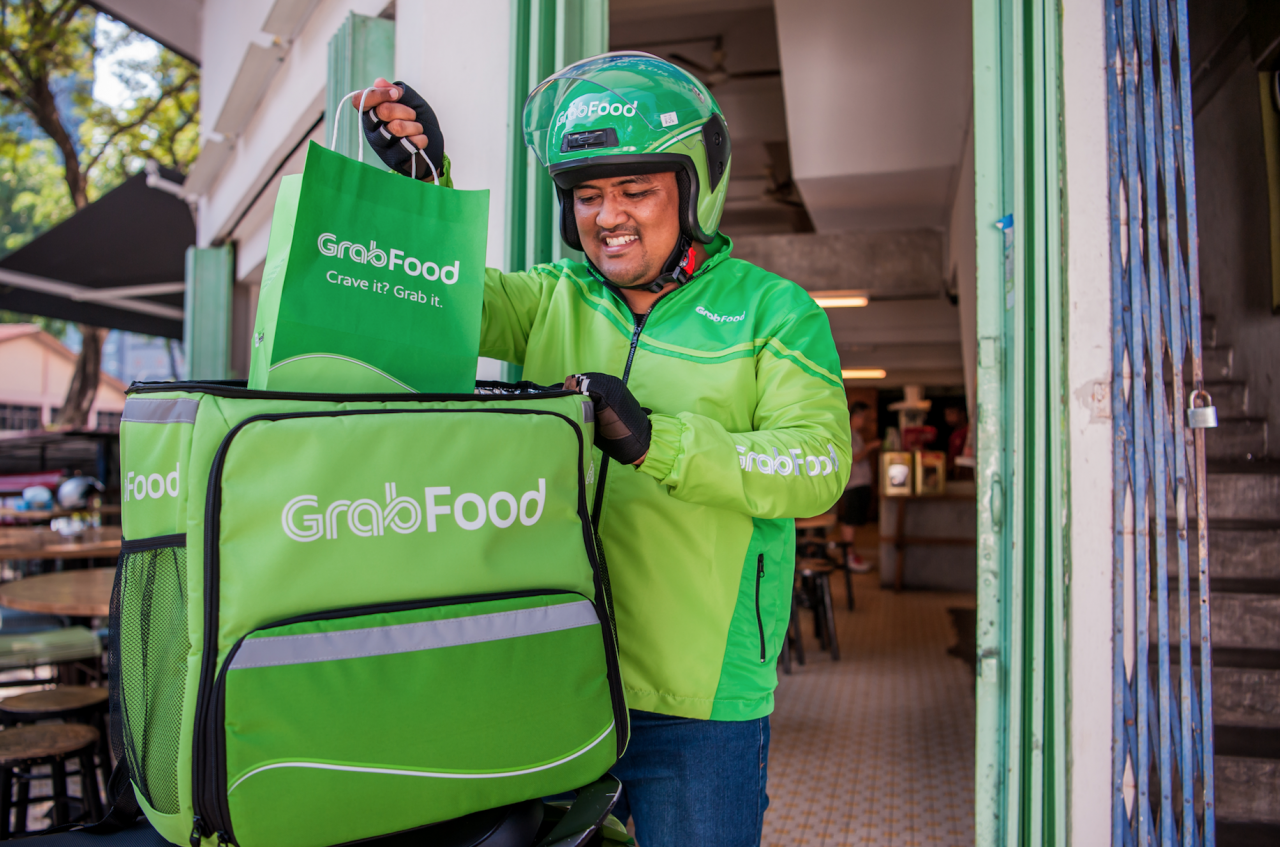
    Despite being a new entrant, GrabFood has experienced rapid growth in the online food delivery market. GrabFood recently announced that it has grown 25 times since June 2018, in terms of orders received. A survey by Kantar TNS in January 2019 found that GrabFood was the most often used food delivery service in Hanoi and Ho Chi Minh City, as cited by 68 percent of respondents.

    The GCOMM market research company, which polled 600 people in Hanoi and Ho Chi Minh City, said in a recent report that 98 percent were satisfied with GrabFood’s service.

    This was a surprising outcome, given that GrabFood is a new entrant in Vietnam’s food delivery market, which is witnessing fierce competition with the likes of Foody.vn, Now and Vietnammm all in the fray.

    Grab’s ecosystem with a large network of driver-partners has greatly contributed to this success. More than 175,000 driver-partners in 15 cities and provinces have joined GrabFood’s network within seven months. The problem of recruiting a huge number of partners, which demands a large recruitment team and financial resources and yet takes many years, has been overcome.

    Driver-partners also saw a 20 percent increase in income from delivering food and parcels, according to latest statistics from Grab.

    Instead of offering a slew of discounts and other promotional programs to attract customers, GrabFood competes based on creative strategies, adapting to the diverse demands and tastes of customers in the various regions. GrabFood has also focused on building a network of merchant-partners. According to a Grab representative, an expansion in the number of merchant-partners was imperative for further growth. GrabFood cares about its partners’ growth and wants to build a win-win relationship so that they can grow together, the representative said.

    For example, GrabFood has many exclusive menus of well-known restaurants with “GrabFood Signatures”. These co-created dishes and drinks are constantly in the top three of most ordered items at big partners like Gong Cha and MeetFresh.

    In addition, GrabFood has reduced the average delivery time to just 20 minutes, which means customers can enjoy their favorite food delivered fresh and delicious. This, in turn, means that merchant-partners can retain customer loyalty. At the same time, marketing campaigns undertaken in cooperation with GrabFood help them increase their customer base.

    The Grab representative also said that on average, merchant-partners earn up to 300 percent in incremental revenue within two to three months of being on the platform.

    GrabFood has the advantage of being a technology mobile platform to which smart functions have been integrated, including locating the nearest restaurants, updating status of orders and chatting with drivers via GrabChat.

    Cashless payment for food delivery via GrabPay by Moca has been beta tested in Hanoi, and will soon be expanded to all three cities GrabFood currently operates in.”Our goal is to become the number one on-demand food delivery service in Southeast Asia and Vietnam in 2019,” the representative said.At the beginning of 2019, GrabFood announced that it was expanding its network to 15 cities and provinces.

    “On the whole, Grab’s management has made good moves. Expanding into payments and food delivery are smart, synergistic moves,” said Nitin Pangarkar, Associate Professor, Department of Strategy and Policy at the National University of Singapore (NUS) Business School.

  • Vietnam is Nestlé’s fastest-growing market in South East Asia

    Vietnam is Nestlé’s fastest-growing market in South East Asia

    Nestlé South-East Asia posted solid growth last year underpinned by double-digit growth in Vietnam. The growth was based on strong momentum gained by five of its biggest brands, MILO, NESCAFÉ, MAGGI, NAN and Nestlé itself. This year, the Swiss giant plans to improve organic sales growth and underlying margins as it progresses toward its 2020 target.

    Chris Johnson, Executive Vice President, Chief Executive Officer Zone, Asia, Oceania and sub-Saharan Africa (AOA), speaks to Retail News about how one of the biggest companies in the world has set its business goals for 2019 and contributes to the Vietnam’s overall socio-economic development.

    Can you share the highlights of Nestlé’s business performance last year?

    Nestlé Vietnam has had strong performance in the last four years and we are among the fastest growing food FMCG companies in Vietnam.

    Although Vietnam is not a huge market for Nestlé, it is the fastest growing market in Asia. And its contribution to growth has been important. We have much confidence in the growth potential of Nestlé Vietnam based on a strong and growing economy and burgeoning middle class and population.

    If we look at other countries, sometimes we are strong in one or two categories, but here we have a broad presence in a number of categories. MILO is the strongest brand for Nestlé Vietnam along with four other brands including NESCAFÉ, MAGGI, Nestlé itself and NAN – infant nutrition.

    Last year our efforts were recognized by the government with an award for being the 59th biggest corporate tax payer from the Ministry of Finance, a Certificate of Merit for significant contribution to the FDI sector over the last 30 years in Vietnam from the Ministry of Investment and Planning, a place in the list of top 10 sustainable businesses in Vietnam by the Vietnam Council for Sustainable Development, and an award for prominent employer in manpower development from the Ministry of Labour.

    This year we expect Vietnam will continue to be an important, growing contributor to Nestlé.

    Nestlé Vietnam is a key contributor to not only the growth of Zone AOA but also the Nestlé Group.

    What is Vietnam’s role in the development of Nestlé in Asia?

    Vietnam is important not only because we have a strong business here but also because of the coffee landscape. Vietnam is the second biggest coffee producer in the world and the biggest in robusta. Nestlé is the biggest buyer of coffee in Vietnam with an annual purchase volume of 20-25 percent of the total coffee output. We also invested above $600 million into the economy via coffee purchase and exports.

    In 2011 Nestlé unveiled the NESCAFÉ Plan, among whose important aspects was helping Vietnamese farmers with their crops. Our agronomists provide farmers with training in good agriculture practices and technical assistance. We have distributed 27 million high-yield plantlets since 2011, encouraged farmers to reduce water usage 20 percent and increase their income and resilience through better farming practices, and have provided 200,000 training sessions to farmers to develop the industry.

    The reason we do this, the core philosophy of Nestlé, is that this is not about donations, it is good business for us that Vietnamese coffee farmers do well. That assures we have good-quality supply for the world. Vietnam is a good example of how Nestlé operates well for other countries.

    How does Nestlé plan for short-term and long-term investments in Vietnam for 2019 and subsequently?

    We have a long-term vision and a firm belief in the potential of the country. In 2017 we inaugurated the Bong Sen factory in North Vietnam and a new distribution center in the South.

    In 2018 we further expanded our business, notably through a new distribution center in the northern province of Hung Yen and the NESCAFÉ Dolce Gusto production line in the southern province of Dong Nai. This year will be another year of growth with more and more capacity in line with our ambition in Vietnam.

    Our growth priority remains, and our 2019 activities will continue our long-term strategy that is set for 2017-2020. We want to introduce new products that meet new consumer needs, and Creating Shared Values – CSV will always remain a big driver of our goals.

    Once again, as the world’s top conglomerate in nutrition, health and wellness, we aspire to take a holistic view of our product offerings. This means we must improve our recipe to increase good nutrients, while reducing fat, sugar and salt. At the same time, we want to promote a healthier lifestyle for our Vietnamese consumers and Nestlé looks forward to more collaborations to fulfill this mission.

    The overall plan is to continue to grow, continue to focus on our five core brands in Vietnam. We believe Nestlé Vietnam can reach mid-double-digit growth in 2019.

    What activities have been undertaken in support of the United Nations’ sustainable development goals?

    Since its inception in 2011, the NESCAFÉ Plan has been hailed as one of the most successful public-private partnerships by the Ministry of Agriculture and Rural Development. In eight years we have distributed over 27 million high-yield, disease-resistant plantlets to help farmers replant over 21,000 hectares of aging coffee trees.

    In addition to supporting sustainable farming practices in accordance with international 4C standards, the program also assists farmers in managing coffee quality and supports them in updating market information.

    We see this initiative as a win-win situation because farmers can get a better life and improve their income by 30 percent while Nestlé benefits from high-quality coffee products.

    In addition to the NESCAFÉ Plan, MILO via the Activ Vietnam program in conjunction with the Ministry of Education and the Government’s Project 641 have embarked in grassroot sports development and promoting a healthier lifestyle in school.

    Nestlé Vietnam provided the market with two billion fortified servings in 2018 and has been collaborating closely with the Ministry of Health and the National Institute of Nutrition in the proposal of the national Recommended Daily Allowance (RDA).

    We also promote woman entrepreneurs under the NESCAFÉ Plan, improve women’s incomes in rural areas through the “Go rural” project with the Women’s Union. We are also a signatory to UN Women Empowerment Principles. We recognise that among others, gender equality and women’s empowerment are critical to Creating Shared Value for our business with a respect for diversity.

    How do you view the challenge of competition from local and foreign firms in the coming years?

    We always welcome competition. At the end of the day consumers benefit from competition because they have more choices. More importantly, that drives us to work hard and be competitive every day. We have been trying to do the right things in producing high-quality products while the market is becoming stronger and stronger thanks to competition.

    This is your first trip to Vietnam since you took over as Executive Chief Officer Zone Asia, Oceania and sub-Saharan Africa (AOA) in January. What is your most valuable takeaway from the trip?

    I have only been in the job now for about two months and Vietnam is the third market I have visited after China and India. The most valuable thing for me is to connect with the people working here. We have over 2,300 employees and I am very proud of the team here.

    The next step will be making sure that Nestlé Vietnam continues to cooperate with the government and farmers to ensure successful operations and make social contributions when doing business in the country.


  • Hanoi metro fares initially capped at 65 US cents

    Hanoi metro fares initially capped at 65 US cents

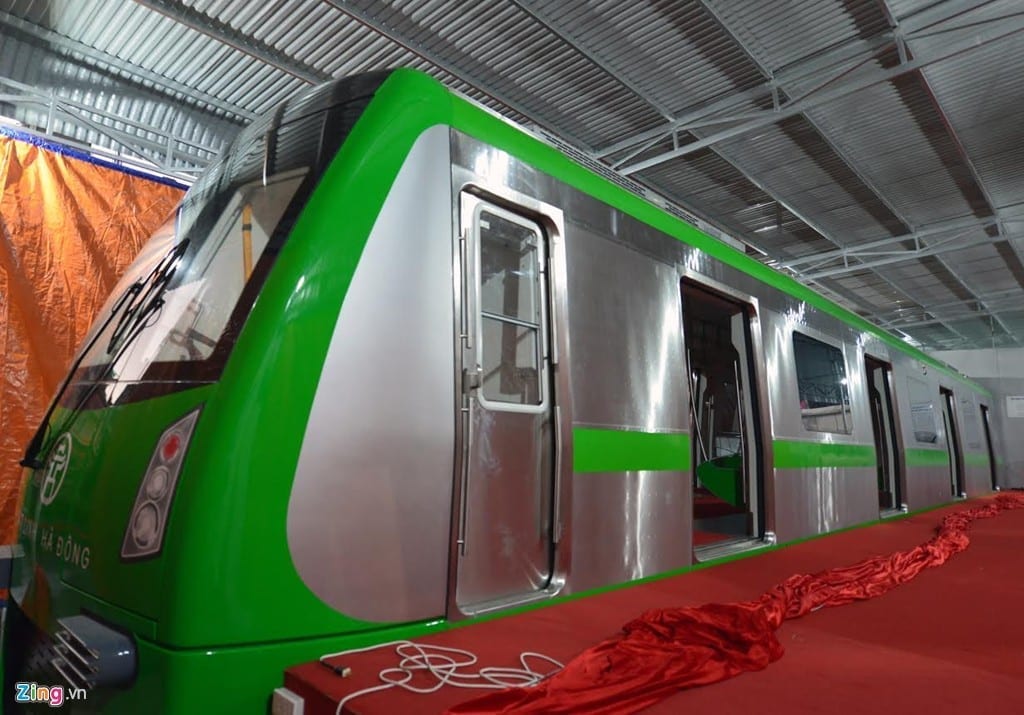
    The maximum fare on Hanoi’s first metro line will be VND15,000 (65 cents), city authorities said in a draft proposal. The minimum will be VND8,000 (34 cents).

    Passengers can also buy monthly season tickets for VND200,000 ($8.61) or daily tickets for VND30,000 ($1.29), both allowing unlimited trips.

    The proposal, meant to collect public opinion, said the fares would only apply initially when the commercial run begins next month, and would be increased later.

    Work on the Cat Linh-Ha Dong elevated railway began in 2011 and was originally scheduled for completion in 2013. But several hurdles, including loan disbursement issues with China that were only resolved in December 2017, stalled it for years.

    The original estimated cost of $552.86 million also ballooned to more than $868 million, including $670 million in loans from China.

    The metro eventually entered the testing phase with all 13 cars carrying out trial runs on both lines. The ministry wanted commercial operations to begin before the Lunar New Year in early February, but this deadline too was missed.

    The Chinese contractor of the metro, China Railway Sixth Group Co., Ltd, plans to finish trial run this month. It has been carrying them out since last September.

    Hanoi, a city of more than 7.5 million people, has 5.2 million motorbikes and around 550,000 cars, besides some 1.2 million vehicles brought by non-residents, according to police figures.

  • Amazon crafts new grocery offerings

    Amazon crafts new grocery offerings

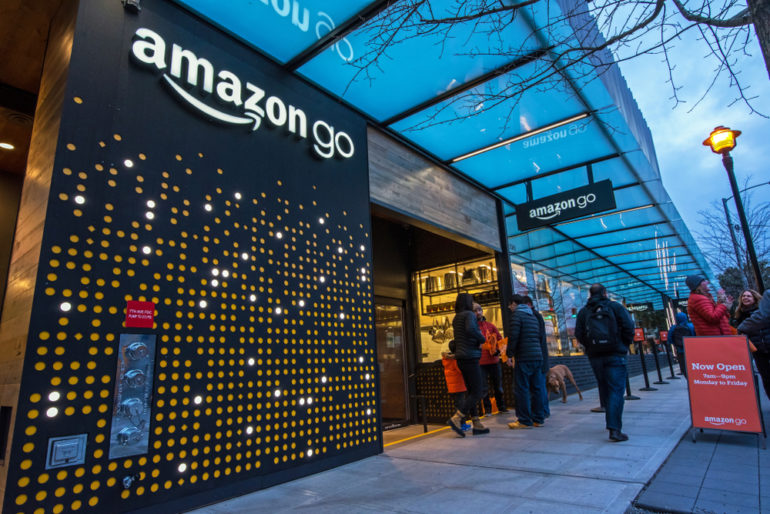
    E-commerce giant Amazon is plotting a new grocery business in the US. The online retail giant is planning to strengthen its supermarket brand by purchasing local grocery chains that operate at least a dozen stores, the report claims.

    The first store is expected to open in Los Angeles by the end of the year, with leases signed for two more locations, set to open by early 2020. The business is in talks to bring the grocery stores to shopping malls in San Francisco, Seattle, Chicago, Washington, D.C. and Philadelphia.

    Amazon, which bought the healthy supermarket chain Whole Foods for $13.7 billion in 2017, had “ambitions in this space” for a long time.

    Amazon’s big rival, Walmart has already been preparing for a battle with the retail giant, the source said. Walmart is introducing grocery pickup at 3,100 stores by next January and will also offer grocery delivery from about 800 more stores by the end of 2019.

  • LuLu Group opens first Build-A-Bear store in India

    LuLu Group opens first Build-A-Bear store in India

    LuLu Group International’s retail arm Tablez has launched the first Build-A-Bear store in India. The American personalised, experiential toy-retail brand is now available at Toys R Us in Phoenix Marketcity, Bangalore. Selling customised stuffed toys, the firm aims to reach 9 million sales in the top 15 cities in India within five years out of standalone stores and Toys R Us shop-in-shop formats.

    “The Build-A-Bear concept is a one-of-a-kind retail experience, and we are thrilled to open the first store in Bangalore,” said Tablez MD Adeeb Ahamed. “Build-A-Bear is synonymous with creativity and novelty for children. I am sure that each child that enters our store will cherish their experience and leave with an indelible memory.

    “From standalone stores to shop-in-shop formats, Build-A-Bear is ready to reach out to families and kids in India and help loved ones create memories and spend more time together. We plan to open 20 standalone stores of Build-A-Bear across key cities in India over the next 10 years, along with shop-in-shop formats across all our Toys R Us stores as well,” he said.

    The Build-A-Bear brand is best known for its “Choose Me” wall, from which each guest can choose an unstuffed animal to bring to life. It has close to 500 stores globally.

  • Dyson Beauty Demo Zone opens at 1 Utama mall

    Dyson Beauty Demo Zone opens at 1 Utama mall

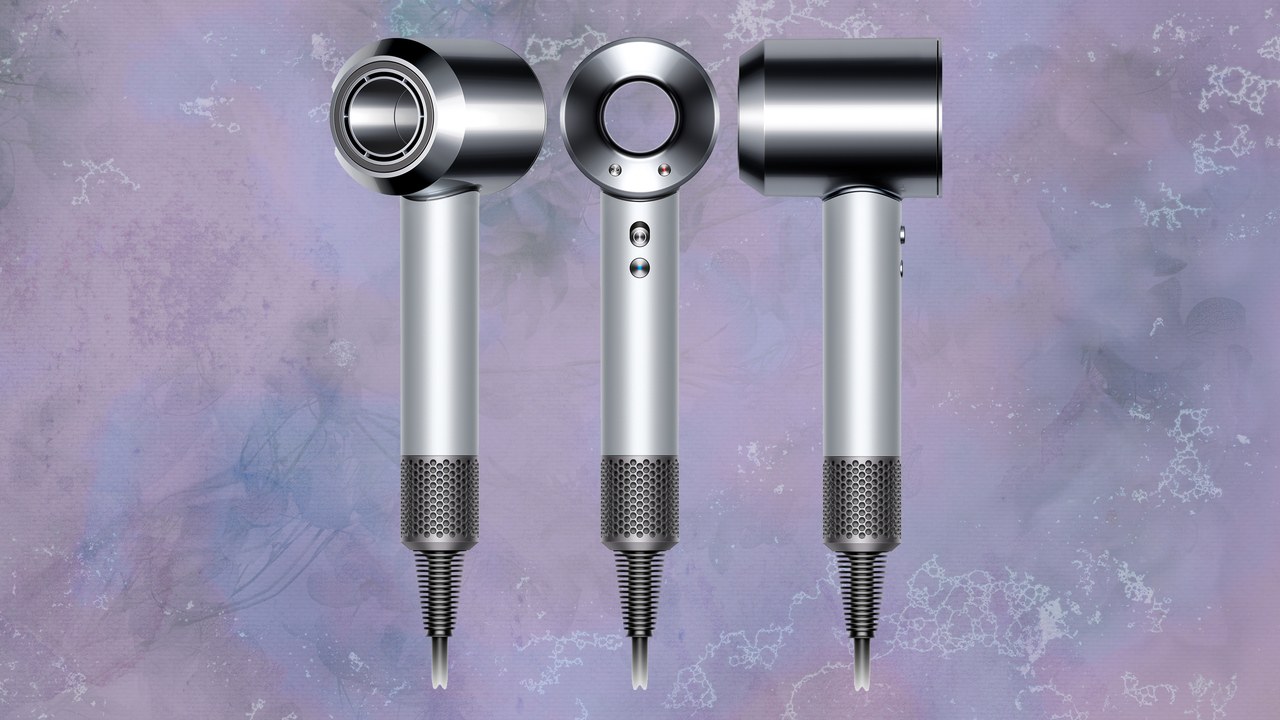
    A Dyson Beauty Demo Zone has opened at Kuala Lumpur’s 1 Utama mall. The outlet, which opened a few days ago, invites shoppers to examine, test and purchase the brand’s range of hair care products.

    Dyson is a British engineering design firm opened by James Dyson, the inventor of cyclonic vacuum technology. Its hair care products employ a high-speed jet of focussed air to effect drying and styling without intense heat.

    The brand is offering a free stand to OneCard members purchasing the Dyson Supersonic hair dryer as an opening special, while stocks last.

  • Samsung supplying 5G NR solutions for Sprint

    Samsung supplying 5G NR solutions for Sprint

    Samsung has announced at Mobile World Congress this week that it is supplying its 5G new radio solutions for US operator Sprint‘s 5G new radio solutions.

    Sprint is deploying Samsung’s 5G NR solution, which combines Samsung’s existing Massive MIMO technology with new software and a new channel card, in one of its first 5G cities, Chicago.

    The operator plans to launch its 5G network in Chicago, Atlanta, Dallas and Kansas City in May as part of a nationwide launch, and plans to go live in five more cities in the first half of 2019.

    Sprint has been using Samsung’s Massive MIMO technology in its 2.5-GHz TD-LTE network since 2018. The modular nature of the upgrade will allow Sprint to offer both LTE and 5G services on the same radio using the split-mode capabilities of the MIMO solution.

    “Our collaboration on massive MIMO has delivered significant LTE capacity and speed enhancements,” Sprint SVP of network deployment and operations Scott Santi said.

    “With 5G, we look forward to giving Sprint customers even greater experiences from gaming and entertainment services, to IoT and business applications.”

    Samsung is showcasing its 2.5-GHz 64-transmit 64-receive Massive MIMO unit at its Mobile World Congress booth in Barcelona.

  • China Mobile, partners launch first 5G devices

    China Mobile, partners launch first 5G devices

    Members of the China Mobile-led 5G Device Forerunner Initiative have used Mobile World Congress to announce the launch of their first batch of devices, including China Mobile’s own in-house developed Forerunner One.

    Forerunner One is a 5G mobile smart hub device powered by Qualcomm’s inaugural Snapdragon X50 5G modem.

    The device supports connections in sub-6GHz 5G frequencies including the 2.6-GHz band, and is designed to convert high-speed 5G data into Wi-Fi and WiGig signals.

    It comes installed with Android 9.0 and an AI voice assistant, and is expected to reach the market in the first half of 2019.

    Meanwhile the members of the initiative have also used the event to launch four 5G chipsets – from Qualcomm, Huawei, MediaTek and Unisoc respectively – as well as 5G devices from Huawei, vivo, OPPO, ZTE, Xiaomi and Samsung.

    Some of the launched devices support both nonstandalone and standalone 5G, and others support peak throughputs of up to 4.67Gbps in sub-6GHz frequencies.

    The 5G Device Forerunner Initiative was established a year ago during the GTI Summit in Barcelona. So far 36 members comprising all aspects of the device industry have participated in the initiative.

  • Cisco announces $5b financing for operators’ 5G transition

    Cisco announces $5b financing for operators’ 5G transition

    Cisco announced that it is planning to fork out $5 billion funding over the next three years to help its customers for network transitions to 5G. Cisco said “the 5G movement is in steep ascent and service providers face significant financing pressures as they prepare for this 5G revolution.”

    Cisco’s recent Mobile VNI Forecast shows that by 2022, the average 5G connection (22 GB/month) will generate nearly three times more traffic on the networks than the average 4G connection (8 GB/month).

    Service providers must expand their networks to support this growth. At the same time, they must invest in new 5G services to stay competitive, the vendor said in a statement. Cisco said it is planning to commit $5 billion in 5G funding via Cisco financing over the next three years to help its customers succeed with their network transitions to 5G.

    Meanwhile, Cisco has also announced a raft of announcements with Asian mobile carriers including Bharti Airtel, KT, Softbank and Rakuten

    Cisco is helping Bharti Airtel to build India’s largest 5G-ready, IP-based automated network. Airtel aims to deliver enhanced subscriber experiences and offer high-speed mobile access for its mobile customers in the country.

    Airtel’s IP-based network architecture will enable new functionality, including segment routing, traffic engineering and Ethernet VPN that helps ensure seamless interoperability and the ability to leverage existing investments in its MPLS-TP network. The automated IP network architecture will also give Airtel the ability to enhance its services to SMBs and enterprises.

    The deal with KT will see Cisco transitioning KT’s network architecture to better manage 5G traffic with advanced routing and automation software, intelligent analytics and machine learning.

    The network includes a 5G routing backbone with Cisco Network Convergence System Router 6000 and ACI on Nexus 9000 switching platform at KT’s distributed data centers in the country.

    In Japan, Cisco is helping SoftBank to deploy Segment Routing IPv6 (SRv6) in its 5G mobile network to help the Japanese telco reduce capex and opex. It is also helping Rakuten Mobile Network to launch the world’s first virtualized, cloud native mobile network by October 2019.

    Cisco is also using the MWC2019 to unveil a host of products and services covering 5G, WiFi 6, smart city and connected cars.

  • Maxis to launch full 5G trials with Huawei

    Maxis to launch full 5G trials with Huawei

    Malaysia’s Maxis has signed an agreement with Huawei during Mobile World Congress in Barcelona to accelerate 5G development in Malaysia.

    Under the agreement, the companies plan to collaborate on full-fledged 5G trials involving end-to-end systems and services.

    The memorandum of understanding was signed by Maxis CEO-designate Gokhan Ogut and CTO Morten Bangsgaard, as well as Huawei rotating chairman Guo Ping, president of Southern Pacific Jeffery Liu and CEO of Malaysia Michael Yuan.

    “Maxis has long started its 5G journey, and we are already focusing on live trials, investments and evolving our network infrastructure to be ready for a future where smart solutions will be part of everyday life,” Ogut commented.

    “We are pleased to be working with world class technology leader and long term partner Huawei on our 5G trials, and to be a pioneer in bringing the latest technologies to Malaysia once again.”

    Huawei said that to date it has signed over 30 commercial 5G contracts and shipped more than 40,000 5G base stations across Europe, Asia and the Middle East.

  • Rakuten using Red Hat technologies in mobile rollout

    Rakuten using Red Hat technologies in mobile rollout

    Japan’s Rakuten announced it has arranged to use open source technologies provided by Red Hat in its upcoming end-to-end cloud native mobile network.

    The network, which is scheduled to launch in October, will use Red Hat’s open hybrid cloud technologies, Rakuten announced at this week’s Mobile World Congress in Barcelona.

    Rakuten Mobile Network has built an NFV based network supported by Red Hat Enterprise Linux, the Red Hat OpenStack Platform and Red Hat Ceph Storage software-defined storage solution.

    The deployment will support the planned launch of 4G mobile services, and leave Rakuten Mobile Network well placed to roll out 5G services subject to government licensing approval.

    “Our vision is to build a network that innovates at the speed of software and scales at the speed of cloud, and with a culture founded in technical and operational innovation, we are uniquely positioned to achieve that. We are excited to work with leading partners from around the world such as Red Hat as we work to create the world’s first end-to-end fully virtualized cloud-native network,” Rakuten Mobile Network CTO Tareq Amin said.

    “End-to-end automation for both network and services is a pillar of our systems building strategy, and by using Red Hat’s open source technology we can achieve automation and auto-scaling, enabling more productive operations and allowing us to provide cost-effective services to our customers.”

  • Adore Beauty to launch New Zealand before Summer

    Adore Beauty to launch New Zealand before Summer

    After putting international expansion plans on ice for the past few years to focus on growth in its home market of Australia, e-commerce business Adore Beauty is ready to go overseas again, and the first stop is New Zealand. According to Kate Morris, Adore Beauty’s founder and CEO, the Australian business will launch a localised website in New Zealand within the next six months. This will be accompanied by a local marketing campaign to increase awareness of the brand in the market.

    “The offering will be more competitive, and we’ll be looking to make ourselves a bit easier to find for New Zealand customers,” Morris told.

    Adore Beauty has shipped internationally since it launched in 1999, but in the past, the experience was less than ideal for overseas customers, since prices were in Australian dollars.

    In January 2017, the company partnered with Borderfree, a tech solution that enabled customers to see different currencies, payment methods and customs and taxes, depending on their location.

    This was always intended as a stop-gap solution to improve the international shopping experience until the business had capacity to think about international expansion again, according to Morris.

    “It wasn’t an area of focus; we weren’t spending any marketing dollars outside of our Australian consumers,” Morris said about international sales over the past few years.

    That has changed, as Adore Beauty recently completed a significant warehouse transformation project with HighJump, which saw its capacity triple to 4500sqm. This will enable the online beauty retailer to support its growing Australian business, while servicing new customers.

    “You’ve got to make sure you keep up your promises to the customers you already have before expanding out and trying to support new ones,” Morris said.

    “Part of our brand is the service level [we provide] and our reliability. Unless we can execute on that wherever we go, what’s our offering? We need to be consistent with our brand.”

    Morris said the New Zealand launch is just the first part of Adore Beauty’s expansion plans. It marks the “reopening of international generally”, she said.

  • Superdry opens the first New Zealand store

    Superdry opens the first New Zealand store

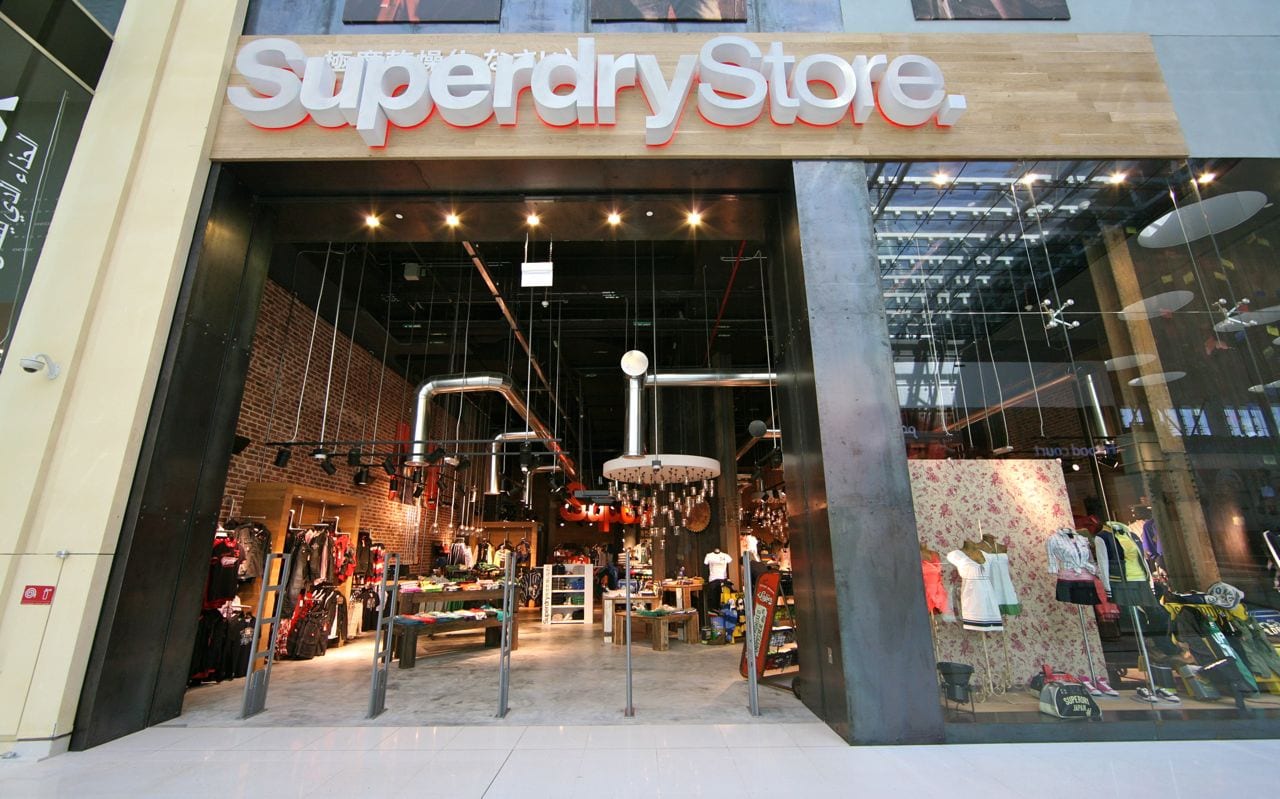
    Sports fashion brand Superdry will open its first store in New Zealand next month in the heart of Auckland’s Queen Street shopping district. The new store, which will feature Superdry’s iconic jackets, menswear, womenswear, accessories and snow gear categories, will be the 18th Superdry store opened by Brand Collective, which first secured the international licence in 2007.

    Coinciding with the store announcement, the brand on Wednesday launched an online offering in New Zealand, catering and shipping to local customers.

    Antony Hampson, brand general manager, said the expansion in New Zealand is a natural step for the brand.

    “With a population of 4.7 million, New Zealand offers a significant opportunity for the Superdry brand,” Hampson said.

    Superdry has over 500 stores worldwide in over 40 countries. New Zealand is the 47th country the brand has entered.