Author: Mei Ling Tan

  • Swire Properties’ community ambassadors visit Taikoo Dockyard retirees in HK

    Swire Properties’ community ambassadors visit Taikoo Dockyard retirees in HK

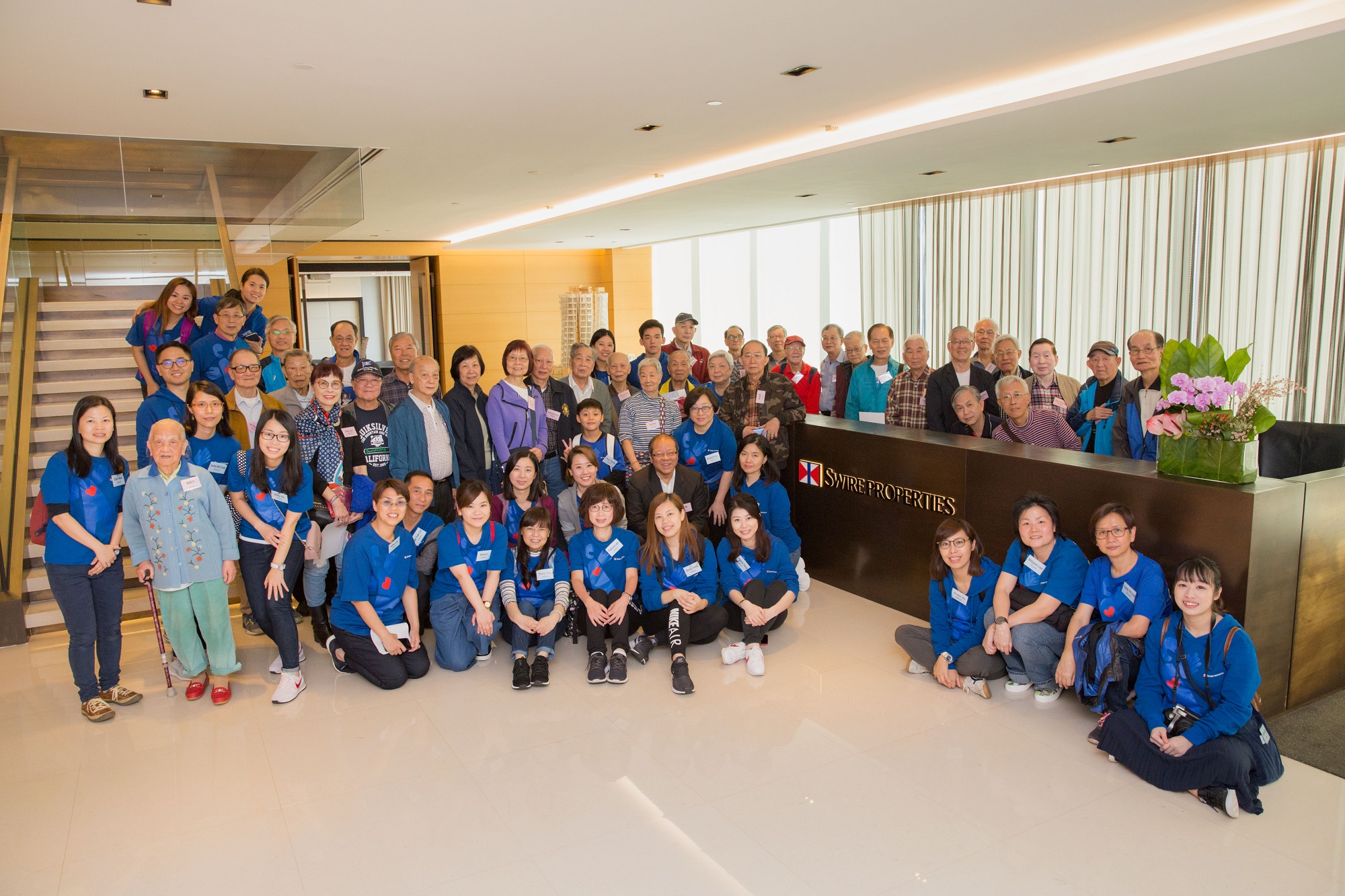
    Swire Properties’ Community Ambassador held a gathering with some 40 retirees of Taikoo Dockyard. It has been a tradition to organise such gatherings during Chinese New Year since 2015 to stay in touch with the old Swire staff and foster friendship across generations. Hosted by Mrs Elizabeth Kok, Director & Senior Advisor at Swire Properties, the old staff of the Swire group shared their fond memories of working in the Island East area, where the Swire group once operated the largest shipyard in Hong Kong for over a century.

    The sharing session was followed by a visit to the LEGO model of Taikoo Dockyard at Cityplaza, which reminisced about working lives in the area. While looking back to the good old days, the old staff are also amazed by the transformation of the area which is now developed into a blue-chip private housing estate and a major commercial area, against the backdrop of Hong Kong’s rapid development in the past decades.

    Many of the participants had spent their entire career life in Swire for more than 40 years. Mr Lam, aged over 90, was in charge of electric machine room of Taikoo Dockyard. Bringing along his old staff card to the gathering as a way to share his memory, he treasured the rare opportunity to gather with his former colleagues and the Community Ambassadors.

    Mrs Elizabeth Kok, Director & Senior Advisor at Swire Properties, welcomed the veterans in the gathering. She remarked that the event was so meaningful that it offered the old staff a chance to revisit their former workplace at Cityplaza.

  • Higher fuel prices dent AirAsia X’s Q4 performance

    Higher fuel prices dent AirAsia X’s Q4 performance

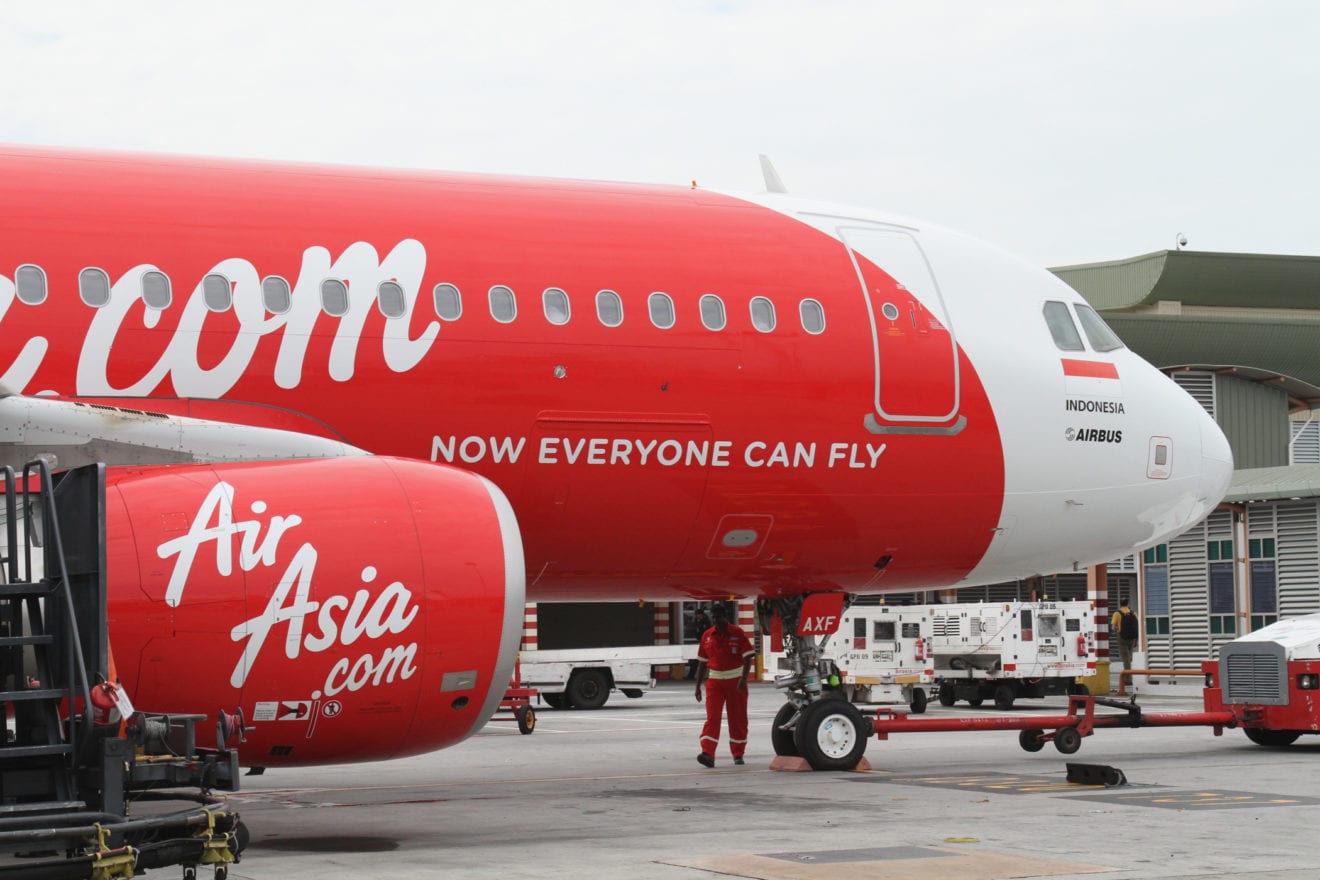
    AirAsia X Bhd suffered a net loss of RM99.27 million in the fourth quarter ended Dec 31, 2018 compared with a net profit of RM84.42 million a year ago due to higher fuel prices. In a filing with Bursa Malaysia, the airline reported an increase in average fuel price to US$89 per barrel during the quarter from US$69 per barrel a year ago, which resulted in a lower net operating profit of RM27.4 million from RM120 million a year ago.

    In addition, the group provided an impairment on amount due from joint venture amounting to RM24 million during the quarter under review.

    During the quarter, the group reported a 1% improvement in cost per available seat kilometre (CASK) to 12.27 sen while CASK ex-fuel improved by 16% from 8.22 sen to 6.94 sen a year ago, due to enhanced cost management.

    Revenue for the quarter fell 5.93% to RM1.15 billion from RM1.22 billion a year ago.

    For the financial year ended Dec 31, 2018 (FY18), the group also swung into the red registering a net loss of RM312.7 million compared with a net profit of RM98.89 million a year ago while revenue fell marginally to RM4.54 billion from RM4.56 million a year ago.

    AirAsia X said its current forward booking trend and average fares for the first quarter of 2019 are within expectation and prospects are anticipated to remain encouraging.

    The airline will be adding up to five aircraft through operating leases this year via AirAsia X Thailand while AirAsia X Malaysia will remain with 24 aircraft.

    AirAsia X Malaysia will focus on maximising aircraft utilisation of its current fleet and leverage on the group’s strategy in new route launches as well as increasing frequencies of core routes.


  • JD.com and Rakuten to collaborate on drone delivery

    JD.com and Rakuten to collaborate on drone delivery

    Chinese online retailer JD and Rakuten, the Japanese e-commerce firm, will collaborate on developing unmanned delivery solutions in Japan. According to a new agreement signed between JD and Rakuten, JD’s drones and autonomous delivery robots will be used in Rakuten’s unmanned delivery services, which the firm launched in 2016. The two companies will collaborate on Rakuten’s lineup of unmanned delivery services to suit a wide range of applications and situations.

    Rakuten has already gained experience through providing delivery services and trials in collaboration with corporate partners and local governments. In 2018, its first delivery trial was conducted using a combination of drones and autonomous delivery robots, a step toward solving the last mile challenge for the logistics sector in Japan.

    “We are delighted to begin this collaboration with JD, which boasts the most cutting-edge proprietary delivery network in China as well as a track record and knowhow in delivery with drones and UGVs,” said Koji Ando, group managing executive officer of Rakuten. “By using JD’s drones and UGVs with the unmanned delivery solutions created by Rakuten, we hope to accelerate innovation in the Japanese logistics sector and contribute to building a society that can offer greater convenience to all citizens.”

    JD began developing its drone program in 2015, and launched the world’s first commercial drone deliveries in 2016 in rural China. It currently operates drones in Jiangsu, Shaanxi and other provinces.

    Since then, JD’s drones have logged more than 400,000 minutes of flight time. In January this year, the company announced the success of Indonesia’s first government-approved drone test flight, opening the door for future commercial drone use in Indonesia and Southeast Asia.

    On the ground in China, its autonomous delivery robots are being used in urban areas in several cities and are becoming frequent sights on a number of university campuses and in office parks. JD has also launched two smart delivery stations in the cities of Changsha and Hohhot, transforming last-mile logistics and further increasing delivery speed for customers.

    “We have been using drones and autonomous delivery robots for real deliveries in China for more than two years,” said Jun Xiao, president of JD-X, JD’s logistics innovation lab. “This is one way we are innovating to make logistics more accessible, reliable and cost-effective.

    “In Japan, there are many opportunities for drones to make deliveries in mountainous areas, remote islands and in emergency situations. As we push the bounds of what our autonomous delivery technology can do, and explore its use in a wide range of applications from e-commerce to humanitarian support, we believe it will continue to bring significant benefit to people around the world.”

  • Vietjet to ink $13 billion Boeing deal during Trump-Kim summit

    Vietjet to ink $13 billion Boeing deal during Trump-Kim summit

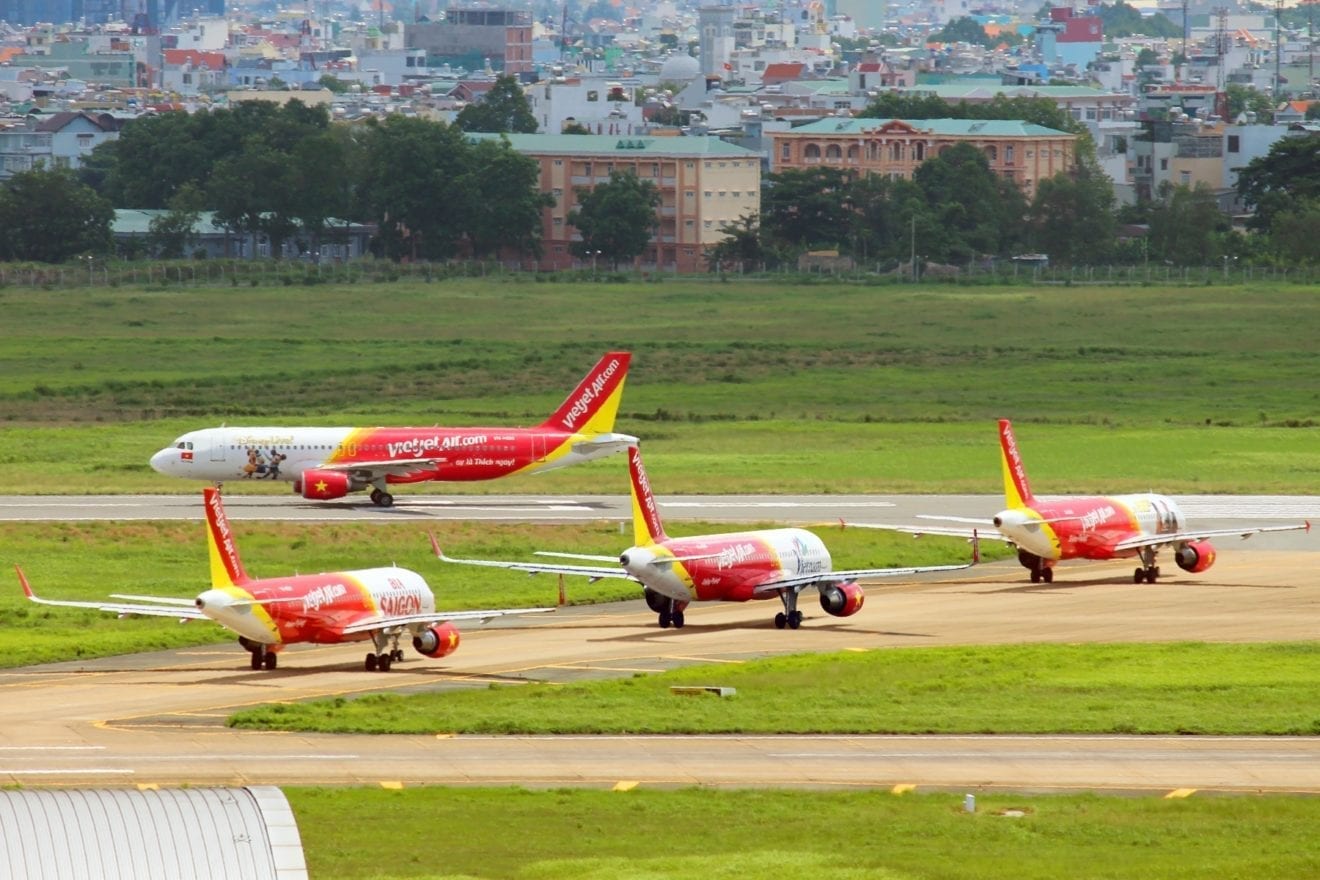
    Vietnamese budget airline Vietjet will sign next week a deal to buy 100 narrow-body Boeing aircraft. The signing will take place on the sidelines of the upcoming Trump-Kim summit, sources said. The sources also said Vietjet will finalize next week a provisional deal agreed last year to buy 100 narrow-body Boeing 737 MAX jets worth almost $13 billion at list prices.

    The U.S. Federal Aviation Administration (FAA) last week gave Vietnam a Category 1 safety rating, allowing local airlines to operate direct flights to the U.S.

    Vietjet, along with other local airlines, had previously expressed interest in operating direct flights to the U.S.

    The carrier, the largest private airline in Vietnam, had also signed a deal to buy Boeing 737 MAX narrow-body jets when former U.S. President Barack Obama visited Hanoi in 2016.

    It also finalized a deal in November last year with Airbus for 50 A321neo jets during a visit to Hanoi by French Prime Minister Edouard Philippe.

    Vietjet currently operates 40 domestic routes and 66 international routes. It has 385 flights daily within Vietnam and to places such as Japan, Hong Kong, South Korea, Taiwan, Singapore, mainland China, Thailand, Myanmar and Malaysia.

  • Godiva sells Asia business to South Korea’s MBK for $1bn

    Godiva sells Asia business to South Korea’s MBK for $1bn

    Belgian chocolatier Godiva has sold select assets to MBK Partners as part of a global strategy to grow the business fivefold. Under the terms of the transaction, MBK will purchase the retail and distribution operations in four of Godiva’s more than 100 markets: Japan, South Korea, Australia and the future rights to develop New Zealand. The transaction, anticipated to close mid year, includes consumer packaged goods (CPG), digital commerce, travel retail (for Japan and South Korea) and more than 300 retail stores, as well as the Godiva production facility in Brussels that supplies product to these markets. All remaining 100-plus markets will continue to be owned and operated by Godiva.

    While the terms of the deal were not disclosed and completion is conditional on the necessary approvals, once settled Godiva Chocolatier will retain exclusive brand ownership in all global markets, granting a perpetual license to MBK Partners. Godiva will continue to source its products from the Belgian facility together with the production facility it owns in the US, and its affiliate facilities in Istanbul, Turkey.

    “Since 2008, we have been very pleased with the performance of Godiva, having nearly doubled its revenue and the number of stores operating globally, and we continue to see tremendous upside for this brand moving forward,” said Murat Ulker, chairman of Godiva’s owner Yildiz Holding.

    “Realising the potential ahead, together with Godiva leadership, we conducted a strategic review to explore new ways for generating the necessary cash flow to fuel the robust growth. This transaction is an ideal solution that provides the momentum to fuel expansion in other high potential areas of our portfolio.”

    “We believe this deal is a win-win for everyone,” added Godiva CEO Annie Young-Scrivner. “It gives us the financial flexibility we need to execute our fivefold growth strategy by accelerating efforts in new and existing markets and supporting the plan of opening of more than 2000 cafes globally, while preserving our Belgian legacy, quality, and craftsmanship that have helped to make our brand iconic.”

    Among Godiva’s various markets, Japan, South Korea, Australia and New Zealand collectively have some of the strongest brand equity and include more than 300 retail stores, making these regions the most compelling areas for monetisation. In Japan, Godiva has almost 90 per cent aided brand awareness and is the number one retail brand in the country, with the highest premium time spent in stores, according to 2017 research by the Nikkei Marketing Journal.

    At the same time, Yildiz sees significant unrealised opportunity for the brand that, when coupled with the infusion of capital, infrastructure and capabilities from MBK Partners, is expected to deliver a strong return on investment.

  • Malaysia’s BLand earmarks RM1.05b property launches this year

    Malaysia’s BLand earmarks RM1.05b property launches this year

    Berjaya Land Bhd (BLand) plans to launch some RM1.05 billion worth of properties in 2019, mainly The Tropika in Bukit Jalil and Timur Bayu in Shah Alam, after a two-year hiatus. The group, via its subsidiary Berjaya Golf Resort Bhd, launched The Tropika over the weekend, a mixed development project with a gross development value (GDV) of RM720 million, comprising 868 residential units across four towers.

    BLand senior general manager of property marketing Tan Tee Ming expects The Tropika in Bukit Jalil to be the main revenue contributor for the group’s property segment this year.

    The Tropika is located on 6.5 acres of freehold land in Bukit Jalil. There are four different types of units, namely Type A, Type B, Type C and Type D measuring 732 sq ft, 974 sq ft, 1,318 sq ft and 1,251 sq ft respectively.

    Tan said units of the first tower is priced at RM725 psf and every subsequent tower will increase RM50 psf.

    “There are two market segments that we want to cater for in The Tropika. We thought of the buyers in mind and the first segment is young families. We also want to focus on investors. We know that there will be a rental market for the apartments that we build here,” Tan told the media.

    The Tropika is within close proximity to SJKC Lai Meng, International Medical University and Asia Pacific University, as well as the Bukit Jalil Complex, the Bukit Jalil Recreational Park and the Bukit Jalil Gold & Country Resort.

    Surrounding the four residential towers of The Tropika is a 2.9-acre deck equipped with 68 types of facilities.

    The commercial space of the project features a 23,695 sq ft grocer along with a two-storey dual frontage office lots ranging from 3,316 sq ft to 3,814 sq ft and retail space ranging from 752 sq ft to 1,677 sq ft.

    Completion of the commercial component will take two years while the residential towers will take four years.

    Tan said BLand is also planning to develop the 12-acre land next to The Tropika, where the Berjaya Property Gallery sits on, into a 1,500-unit residential project with managed healthcare.

    Meanwhile, he said the Timur Bayu development in Shah Alam has a GDV of RM330 million, consisting of high-rise and low-rise residential units. It is expected to launch the project in the third quarter this year.

  • 6 Tips and Tricks to Boost your eCommerce Business

    6 Tips and Tricks to Boost your eCommerce Business

    We have heard it all before, eCommerce is the future of retail sales. In 2018 the worldwide online retail sales amounted to 2.84 trillion US dollars. By 2021, the market will evolve to 4.88 trillion US dollars in worldwide online retail sales. This is a growth rate of 72% in just three years!

    The big question now is, how can you be a part of this exponential growth and enjoy a piece of the cake? There are many different alternatives to exploit eCommerce sales. One is to sell through established marketplaces like Amazon, eBay and Walmart; the other option is to build your own eCommerce store. It is even possible to do both at the same time, thereby creating a truly omnichannel experience.

    Whatever online sales channels you pursue, one thing is clear – the eCommerce industry is marked by growth, also in terms of buyers. In 2017, 21.8% of the world’s population made an online purchase. By 2021 this figure is projected to increase to 28.2%. As more people buy online, there will be more businesses that will move their retail stores online. This will foster a competitive environment, where only the best will survive.

    To boost your eCommerce business and maintain a strong market position, there are a range of tips and tricks that can be applied. These will pave the way for success!

    Source the RIGHT products

    As you might assume, the specific products you sell have an effect on your sales. But how do you know which products to source in the first place?

    Well, products that are high in demand, low in competition and sell at a profitable margin. Of course, this is easier said than done. In fact, such analyses require in-depth product market research. However, manual estimations of product sales data are subject to human error and will require extensive effort.

    However, there is a solution to this problem! Product market research BI platforms like Algopix provide actionable data that sellers can leverage to identify the RIGHT products to sell. Algopix shows product specific profit analyses, demand levels, sales performances, average seller ratings, number of competitive offerings, keyword insights and product details.

    The platform services 16 international Amazon, eBay and Walmart marketplaces. This data can be exploited to either develop smart sales strategies in established marketplaces or get insights needed to build your own eCommerce store.

    The success of your eCommerce business starts with sourcing the RIGHT products: They are the foundation of your business and should be selected with careful consideration. Making use of BI platforms like Algopix will significantly improve your ability to source high demand and margin products that are low in competition. Naturally, your products will sell better.

    Generate high-quality traffic

    It is a number one priority to generate traffic! If there is no traffic to your online store, nobody will look at your products and your sales will be low or even close to zero.

    However, increased traffic is not enough! If the traffic to your website is not relevant to the offered product or service, customers will likely not engage on the website (i.e. sign-up, subscribe, etc.). The quality of the traffic also plays a critical role and companies should aim to concentrate their marketing efforts on targeted customer groups.

    So, how do you stimulate traffic and get buyers to your online store? The best ways to do this is to exploit a range of different marketing channels and improve SEO.

    The list of different marketing channels is long. Companies can make use of paid advertising, email campaigns, social media coverage, affiliate programs, influencer marketing and content creation (e.g. guest blogs). By harnessing these channels, online store owners can target specific audiences and draw them to their website. Of course, the importance of these channels depends on unique business needs.

    Marketing channels are not the only ways to attract buyers. In fact, 70%-80% of Google users are solely focused on organic search results. This shows that SEO is the most important factor in generating traffic. To position your company perfectly and allow your target audience to navigate to your online store easily, SEO is critical but not easy to master. In fact, SEO should be handled by professionals to promote an online store through effective channels, thereby organically navigating buyers to the online store.

    Content is king

    The content of an online store plays a fundamental role in customer acquisition and retention. The most important factor is that the content is targeted to the right audience and is relevant to them. Next to the written content, visual content is nearly as important and of course, should also be in high resolutions. Why should anybody buy a product that is not clearly described or displayed?

    To create exceptional content on your website, there are a couple of tips and tricks that can be applied. First, it is vital to have convincing landing pages! The first impression of a customer on your online store often determines if you are able to convert him or not. Also, good landing pages will lower your bounce rate and keep customers engaged, moving them down the sales funnel. It is also important to note that convincing landing pages will need to have effective Call to Action (CTA) buttons. Especially the UI and UX are critical for driving conversions.

    Another tip is to make use of videos to explain a complex service to customers. They don’t want to read long texts and be bothered by minor details. Instead, make a short video explaining the value of your product or service that can be accessed fast and understood easily.

    Businesses or online stores that have a blog are more likely to generate traffic towards their website. In fact, these companies will have improved SEO because Blog posts on selected topics will likely have high rankings in search results. It is also an excellent way to engage readers and inform them about news, developments or any other topic of interest.

    Foster trust among your customers

    Trust is one of the biggest hurdles in eCommerce. Due to the fact that online retail businesses find it hard to replicate an in-store customer experience, they have to convince their buyers in different ways.

    One such way is through customer reviews and testimonials: Inside knowledge on a product or service is valuable and a key decision maker in online purchases. According to a study, 77% of shoppers take the time to read product reviews before they make any purchases online. This shows that reviews and testimonials will make or break your online business. To avoid any negative reviews, make sure to offer exceptional customer service.

    This includes being available on phone, email and chat for any inquiries, no matter how superficial they are. Customers want immediate service as well. The longer you keep them waiting, the more likely they will feel irrelevant. In contrast, if you reply fast, customers will remember the outstanding experience they had and the capable company they were buying from.

    Good customer service can also be expressed by offering a free return policy and free shipping. These are like unspoken rules of eCommerce. In fact, 9 out of 10 customers say that free shipping is the top incentive to shop online. Return policies have a similar effect because it reduces the risk for the buyer. If the product does not fit or is broken, it can simply be returned at the expense of the seller.

    There are also other ways to signal trust to your customer base. One of them is to work with established brands and integrate them. For example, offering payment services such as PayPal signals to the buyer that there is a secure payment channel. This will improve your brand reputation because you have trusted companies in your ecosystem which customers probably have already had contact with. Similarly, quality badges or rewards from reputable institutions or organizations will signal trust.

    Drive conversions

    The average conversion rate for eCommerce websites is 2.86%, which is close to nothing! To get a different view, 97.14% of the customers visiting your landing page do not subscribe to the newsletter, do not sign-up and will not make a purchase. This shows how hard it is to move customers through the sales funnel and convert them. There are some tips and tricks though…

    Discounts are a great way to incentivize conversions. Everybody likes to shop at reduced prices and customers are willing to search for the best deal that they can find out there. 88% of online buyers compare different marketplaces and online stores to find the offer with the best price. Hence, discounts attract buyers and drive sales.

    Another effective way to drive conversions is to create a sense of urgency on your landing pages and website. A good example would be a discount that is restricted in time (e.g. get 30% discounts if you buy in the next hour). Subconsciously, this influences buyers to engage and convert quickly.

    The UX and UI of a landing page or website are also important to encourage conversions. Customers should not have to search for CTA buttons and the whole experience should be effortless. This will allow customers to navigate your online store intuitively and keep engaged until conversion. UX and UI are also not tasks that can be delivered in perfection. It is important to objectively evaluate the performance of different landing pages, CTA buttons and illustrations based on A/B testing. Only this will reliably show how effective they are and what preferences your customers have.

    Frictionless checkout process

    The checkout process or shopping cart on your website is the last step before completing a purchase. Buyers have come all the way through the sales funnel and are now finally ready to make a purchase! Or are they…? A study by the Baymard Institute shows that 27% of customers leave the customer checkout process because it is too long and complex.

    You, as an online seller, do not want to lose those sales! To avoid this, make your checkout process as smooth as possible. Most important is reducing the number of stages in the checkout process to the bare minimum. Get rid of anything that seems unnecessary, as it only annoys customers.

    To make this possible, online businesses will have to include the option to checkout without signing-up. Just enable them to make a purchase as a guest user. It will likely take customers 2-3 minutes to sign-up and they will feel unnecessary commitment. Therefore, enable the option to checkout directly and fast as a guest.

    Lastly, a progress bar in the checkout can be extremely helpful because it shows the buyer progress. It comes naturally that he will be less likely to abandon the shopping cart if he has already completed 80% of it. These are small details that can make a big difference in purchasing decisions.

    eCommerce success is not a piece of cake

    These six tips and tricks will boost your eCommerce business and empower your success. Of course, there are also other recommendations, but these are the most valuable ones along the sourcing and buying process. They often intersect and are dependent on each other, because online sellers need to create a completely integrated and fluid sales process that runs smoothly. To achieve this, sellers will most likely have to facilitate technology and BI as well. It is a journey and there is competition, but don’t forget: The market is huge and the opportunities are endless. Therefore, your effort will be rewarded!

    Company Description:

    Algopix is a comprehensive product market research platform that provides essential data to analyze market demand, possible margins and shipping costs for current and future inventory.

    By providing rapid actionable product insights, Algopix helps sellers save time on manual research, increase sales volume and reduce risks of buying low-demand or low margin inventory.

  • Korean Air plans to make 16 trillion won in sales by 2023

    Korean Air plans to make 16 trillion won in sales by 2023

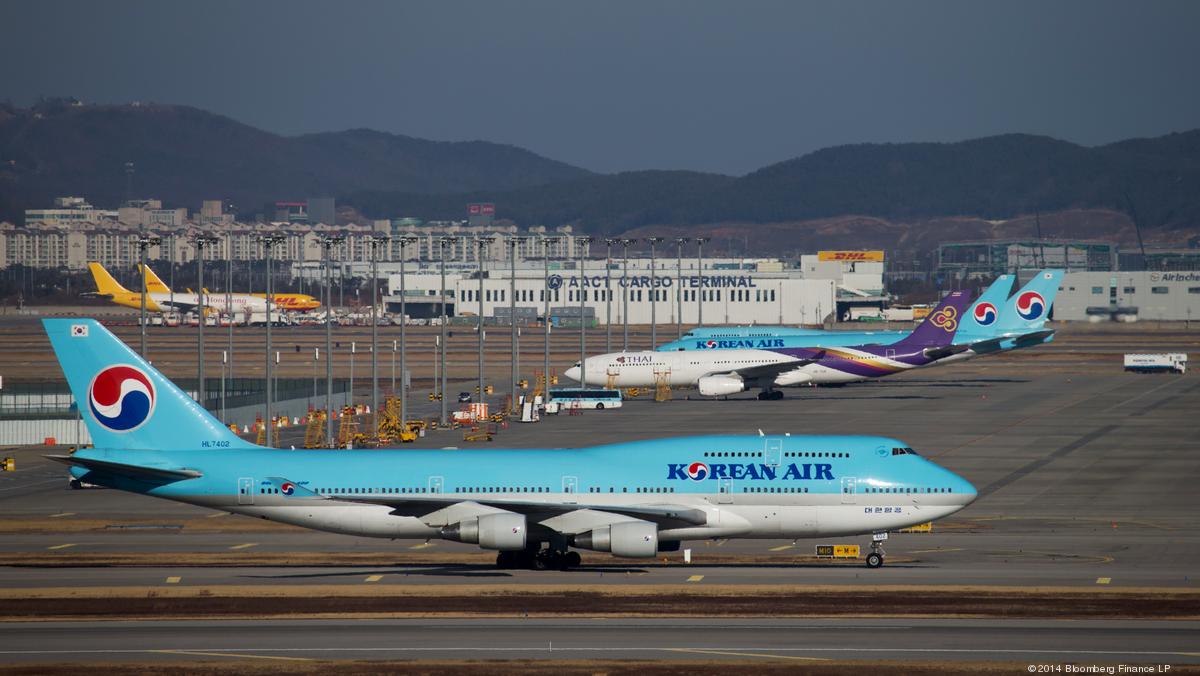
    Korean Air unveiled its mid-term business strategy Tuesday, saying it aims to record 16.2 trillion won ($14.4 billion) in sales by 2023. The goal comes as the airline’s March shareholders’ meeting draws near. Korean Air Chairman Cho Yang-ho’s term at the country’s largest airline ends this year and shareholders will vote on his re-election. To achieve the sales target, it needs to grow by an average 5.1 percent every year. Last year, the airline inked 12.7 trillion won in sales.

    Its operating profit target for 2023 is 1.7 trillion won, about 2.5 times more than last year’s 692.4 billion won.

    The company said it will work to raise the profitability of its business to reach a 10.6 percent profit to sales ratio. Last year, the ratio stood at 5.5 percent. Along with improved profits, the company plans to lower its debt ratio to below 400 percent from last year’s 699 percent.

    To expand sales, Korea’s largest full-service carrier plans to expand routes connecting America and Asia through a joint venture inked with U.S. airline Delta Air Lines last year. The partnership enables the two companies to share revenue, costs, flights and sales networks with antitrust immunity on their trans-Pacific operations.

    The airline also plans to open up new flight routes headed to Europe and Southeast Asia, both growing as popular travel destinations.

    As for its cargo business, the airline plans to bolster its business with emerging markets like Vietnam, India and Central and South America.

    In the aerospace business, the company said it will develop new technologies to build parts for passenger aircraft and start mass producing unmanned aerial vehicles to secure future growth engines.

    This year, Korean Air proposed a target of 13.2 trillion won in revenue and 1 trillion won in operating profits.

  • Warm weather blamed for worsening Bossini International loss

    Warm weather blamed for worsening Bossini International loss

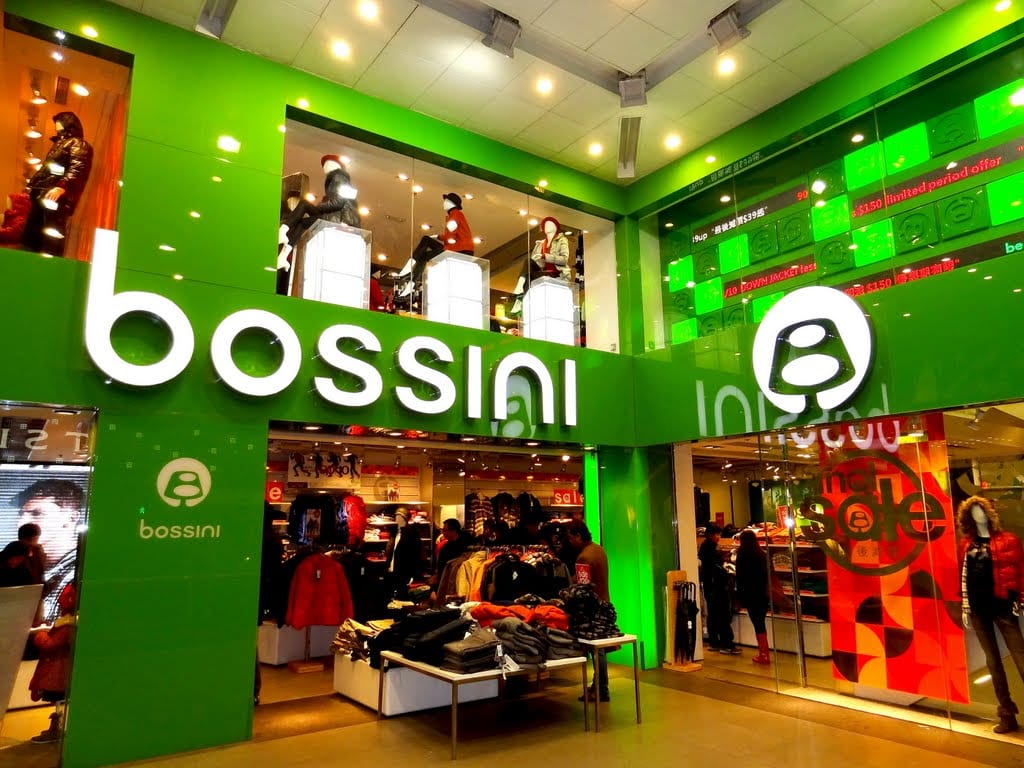
    An unseasonably warm winter and weak consumer sentiment in core markets has been blamed for a more than doubling of losses for Bossini International in the six months to December. The casual-fashion retailer reported a 10 per cent decline in group revenue to HK$875 million (US$111.5 million) and a 5 per cent drop in same-store sales for the period. Gross profit fell 11 per cent and the loss attributable to shareholders ballooned from $12 million in the same period a year earlier to $26 million (US$3.3 million).

    Operating profit in the key Hong Kong and Macau market, where Bossini has 39 stores, improved, despite a 5 per cent decline in same-store sales.

    In Singapore, sales plummeted 23 per cent due to store closures. Same-store sales there fell by 6 per cent, in Taiwan by 7 per cent and in Mainland China by 3 per cent. Group-wide same-store sales fell by 5 per cent, worse than the 2 per cent of the December 2017 half.

    As at the end of last year, Bossini International had a total net retail floor area for directly managed stores of 362,000sqft, about 4000sqft less than a year earlier, across 295 stores, (11 more than a year earlier). It opened 114 franchised stores in markets outside Hong Kong and Macau, taking the total franchised network to 768.

    Hong Kong challenge

    Bossini chairman Man Kuen Bess Tsin said the significant decline in retail sales growth in Hong Kong since July and the negative impact of the devaluation of the Renminbi had impacted on the company’s sales in its home market, which accounts for 66 per cent of group revenue.

    “The Hong Kong retail market presented a cautious optimism if not a mixed picture. Strong inbound tourism, especially from Mainland China, was recorded in Hong Kong. Nevertheless, the consumption per capita started to drop in the third quarter, despite the annually increasing numbers of tourist arrivals in Hong Kong.”

    The group’s total net retail floor area in Hong Kong and Macau reduced from 125,800sqft to 121,600sqft, a decrease of 3 per cent, while sales per square foot slipped 5 per cent to $7200 (from $7600). Operating profit in Hong Kong and Macau was $17 million, up from $12 million for an operating margin of 3 per cent (compared with 2 per cent a year earlier).

    Mainland China revenue decreased 2 per cent.

    Bossini Singapore posted an operating loss of 5 million, 20 per cent more than the comparable period and the operating margin was negative 9 per cent.

    Cautious outlook

    Tsin said Bossini International management is “cautiously optimistic” about the year ahead.

    “However, in face of the complex and volatile global economy and geopolitics, the outlook is full of uncertainties. As an open economy, Hong Kong is particularly vulnerable to the impact of the global situation. At the same time, the local economy and consumption structure are also gradually changing.

    Challenges and opportunities coexist. The group is fundamentally strong with a healthy financial position, which is capable of facing the potential challenges.”

    Tsin said the export franchising business is a main focus of the group.

    “We will further expand and optimise the distribution network, leveraging the economy of scale in market reach and profitability.”

    The company will focus on introducing more new products and designs, with a focus on functionality at the core of its product strategy. Alongside the young adult segment, the company will develop more childrenswear lines to broaden its customer base and it will strengthen supply chain management to improve operational efficiencies.

  • India’s yogi to open clothing stores

    India’s yogi to open clothing stores

    Indian yoga guru Baba Ramdev is making moves into fashion through his firm Patanjali. The brand plans to launch 100 exclusive clothing stores with e-commerce support across India by next year. It is also seeking to open small venues in metropolitan areas. Twenty stores are expected to be operational by the end of this year in cities such as Jaipur, Agra, Patna and Nasik.

    A recent ad campaign for the Baba Ramdev brand sought to “create a movement towards embracing and embodying Indian fashion,” according to a report.

    The firm’s flagship in New Delhi sells around 3000 items under three distinct sub-brands, which will be made available on Amazon, Flipkart and Paytm under the new expansion drive.

  • 5G to change life, drive innovation

    5G to change life, drive innovation

    Korea’s Finance Minister Hong Nam-ki said once the world’s first 5G smartphone is introduced at the end of March and 5G connectivity is in full swing, life will improve significantly.  “Commercialized 5G is a core infrastructure of the fourth industrial revolution as it superconnects everything in real time and transfers massive amounts of data at high speeds,” Finance Minister Hong said during a meeting on innovation-led growth Wednesday. “The 5G smartphone, which is to be launched for the first time in the world in March, and 5G telecommunications services will be used in interactive education and digital health care, which will contribute significantly to the quality of life.”

    He said the government has been working on establishing the foundation for the commercialization of 5G, including distributing the 5G frequency to telecommunication companies in June 2018, expanding R&D investments and even setting a new tax rate – a maximum of 3 percent – for companies building the 5G network.

    “This year, the three telecommunication companies – SK Telecom, KT and LG U+ – are expected to invest more than 3 trillion won [$2.67 billion]” in 5G, Hong said.

    Samsung Electronics is expected to hold an event at the end of March to introduce its first 5G smartphone, dubbed the “Galaxy S10 X.” It will also be celebrating 10 years since the mobile phone manufacturer released its first Galaxy phone.

    In December, the company tested its 5G smartphone as the three Korean mobile telecommunication companies officially switched on 5G-network services for clients in the greater Seoul area and in some of the larger cities in the country.

    Finance Minister Hong said the commercialization of 5G services will spark innovation and convergence in various industries, including manufacturing, logistics, health and medical services, even in disaster prevention and management.

    5G is estimated to have maximum data transmission speeds 20 time faster than 4G.

    According to the government, 5G connectivity will not only increase the access to virtual and augmented reality, including wireless holograms for education or entertainment, but with the help of 5G, autonomous vehicles will roam the streets while traffic control will be managed more efficiently by applying artificial intelligence technologies in real time.

    Smart factories with wireless robots and quality control and delivery by drones will become a reality.

    By 2026, the global 5G equipment and device market is expected to be worth around 344 trillion won, while the telecommunication service market will be worth around 410 trillion won and the 5G-based convergence market about 1,440 trillion won.

    By 2030, the economic effects of 5G will be valued at an estimated 47.8 trillion won in Korea, which is equivalent to 2.5 percent of the country’s economy.

  • SK Telecom to launch data analyzer with Microsoft

    SK Telecom to launch data analyzer with Microsoft

    Korea’s No. 1 mobile carrier SK Telecom said Wednesday it will collaborate with U.S. software giant Microsoft for big data solutions to expand its presence in the global market. SK Telecom said it signed a development and global business cooperation agreement with Microsoft in Silicon Valley to step up development and global marketing in big data analysis.

    Under the partnership, SKT will launch its real-time big data analyzer, Metatron, on Microsoft’s public cloud platform Azure.

    Metatron provides quick and easy data analysis, which also includes data collection, storage and visualization processes. Azure is the world’s second-largest public cloud provider, used in 140 nations across the globe.

    The two companies agreed to launch the big-data-based asset performance-management service for the commercial market in July.

    “The partnership is expected to set the ground for Metatron’s footprint in the global market,” Choi Yong-jin, SKT’s data labs director, said in a release.

    Already well-established in its domestic market, SK Telecom has focused on leveraging its mobile network technology expertise and increasing revenue in content, software and security.

    During MWC Barcelona, set to open next Monday, the company plans to demonstrate its 5G technology, including quantum-safe cryptography solutions and mobile edge computing.

    Quantum-safe technology encrypts transmitted data using special quantum keys, which prevents interception or theft.

    Edge-computing systems process data locally, in nearby data centers or on devices, which eases the strain on networks and improves data reply times.

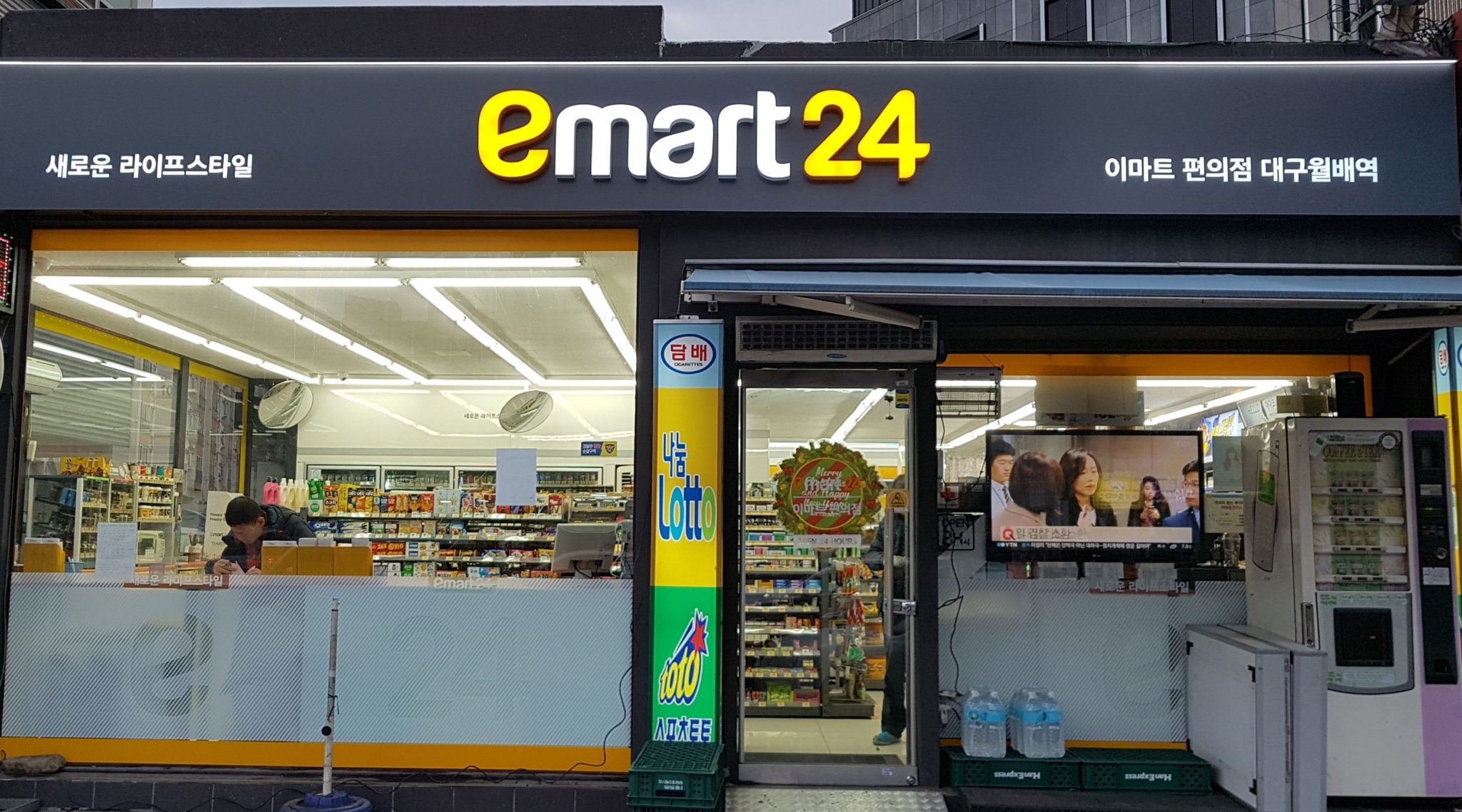
  • Emart24 ups the booze to capture solo drinker market

    Emart24 ups the booze to capture solo drinker market

    Convenience store chain Emart24 will expand its alcohol selection tenfold at around 500 branches this year, the brand said Wednesday. The products will be offered using the shop-in-shop model with 120 products, including wine, whiskey and micro-beers, displayed in a dedicated corner. Three to six racks will be added at each outlet to hold the products.

    The company explained the efforts are motivated by the rise of solo drinkers, those who enjoy a few drinks after work as opposed to drinking in larger groups.

    The reduction of the workweek to 52 hours and changing lifestyles, which prioritize work-life balance, have further driven up the number of solo drinkers. Before the announcement, the convenience store tested the shop-in-shop model at 19 branches for two months from November. Sales of wine, craft beer and whiskey increased 20-fold. Overall sales at these 19 branches doubled.

    Emart24 said it plans to expand the shop-in-shop concept to products other than alcohol in the future. It is considering fresh food and imported snacks.

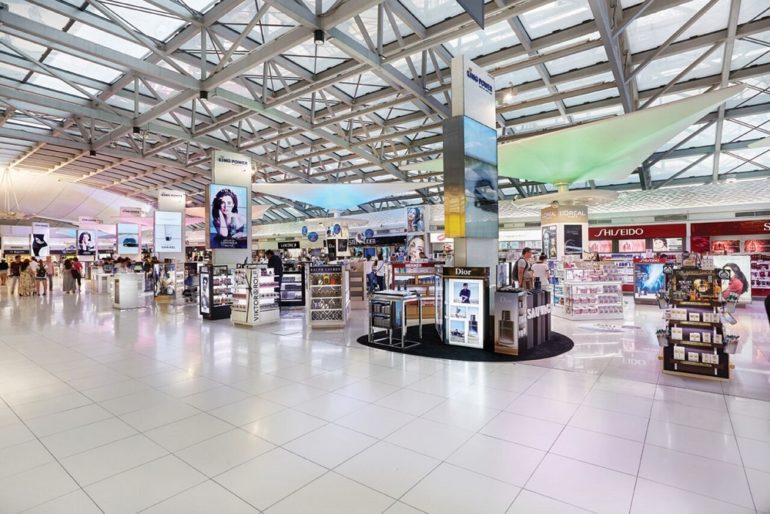
  • King Power duty free monopoly ending soon

    King Power duty free monopoly ending soon

    Thailand’s much-maligned airport duty-free monopoly appears set to be nearing an end. For years, major Thai retailers have complained that incumbent operator King Power has controlled the retail offer – and prices – at Thailand’s largest airports, especially Suvarnabhumi outside Bangkok. Frequent travellers often comment that airport ‘duty-free’ prices are higher than at other airports in the region, including Singapore and Hong Kong.

    On Wednesday, state-owned Airports of Thailand (AOT) approved guidelines for concessions for duty-free and commercial activities at its airports, the first step in opening up retail spaces to other companies.

    According to Reuters, AOT will offer three retail licences at an upcoming auction, clearing the way for Thai retail giants Central Group and The Mall Group, along with South Korea’s Hotel Shilla, to enter the fray.

    King Power’s current licence ends next year.

    AOT says contracts will cover duty-free retail, commercial businesses such as food and beverage outlets and pick-up counters for shoppers who buy goods in town and collect them at the airport after clearing customs and immigration.

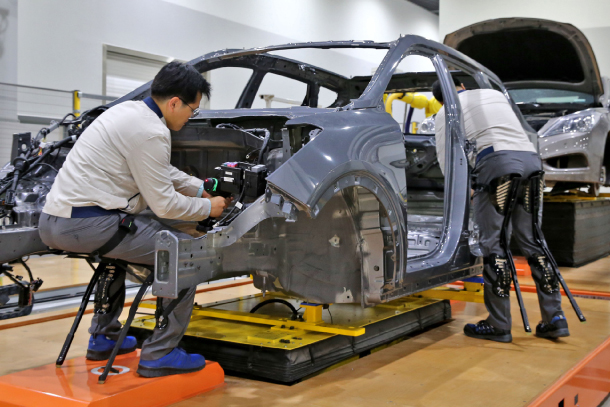
  • Hyundai Motor raided as defect cover-up investigated

    Hyundai Motor raided as defect cover-up investigated

    Prosecutors raided the main office of Hyundai Motor and its smaller affiliate Kia Motors on Wednesday as part of a probe into allegations that the company tried to conceal defects in some of its vehicle lineups. The Seoul Central District Prosecutors’ Office sent its investigators to search the quality division at the headquarters of the automaker to collect evidence.