Author: Mei Ling Tan

  • The Africa Netpreneur Prize Initiative by jack Ma Foundation calls for applications in March

    The Africa Netpreneur Prize Initiative by jack Ma Foundation calls for applications in March

    The Africa Netpreneur Prize Initiative (ANPI) will officially call for applications starting from the 27th of March 2019. The ANPI is a US$10 million Prize competition for African entrepreneurs, founded by the Jack Ma Foundation. Each year for the next ten years, the Prize will host a pitch competition in Africa where ten finalists from across the continent will compete for US$1 million in total prize money.

    The Prize, which is supported by its continental partner Nailab, is focused on empowering a new generation of entrepreneurs, with a focus on small businesses, grassroots communities and women-founded enterprises.

    “The Netpreneur Prize Initiative has brought together a strong ecosystem of players to support both technology-driven and traditional businesses. We look forward to unveiling the full slate of regional partners and to receiving applications from promising African entrepreneurs in the coming weeks,” said Sam Gichuru, Founder and CEO, Nailab.

    All ten finalists will receive grant funding from the Jack Ma Foundation, as well as access to the Netpreneur community of African business leaders to leverage the community’s shared expertise, best practices, and resources.

    “By 2030, we hope to identify and shine a spotlight on 100 African entrepreneur heroes who will inspire the continent. From day one, our approach has been community-based and focused on inclusiveness; to be truly for Africans and by Africans. To realize these goals, we are excited to work with Nailab as our implementing partner in Africa and multiple African partners across to continent.”
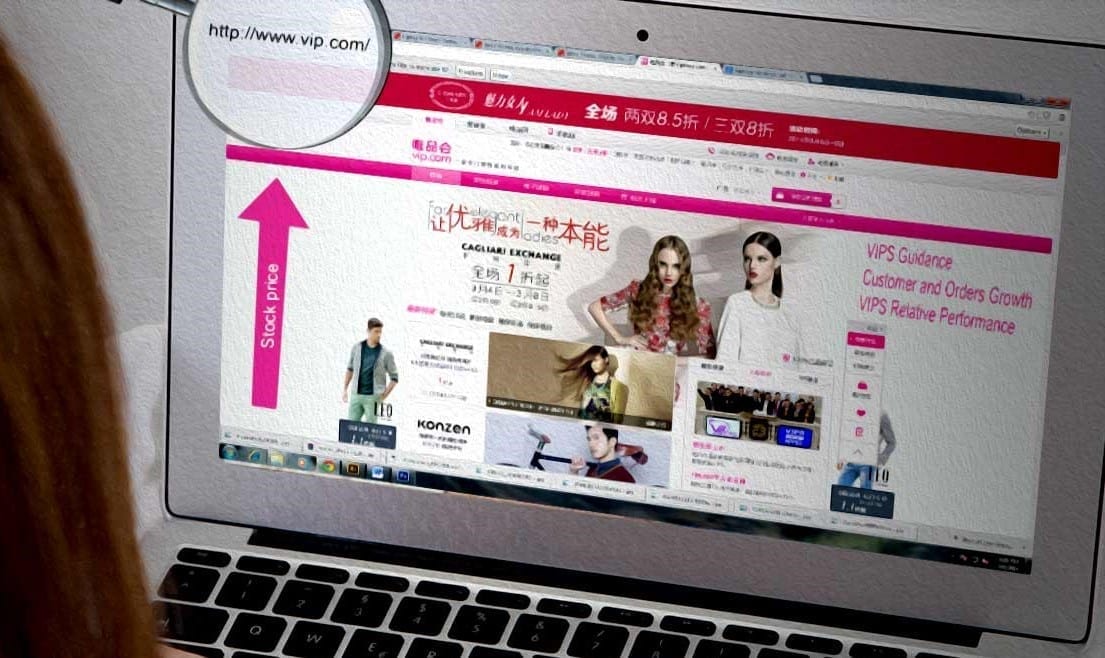

  • Rising active customer count gives Vipshop good impact

    Rising active customer count gives Vipshop good impact

    Chinese online discounter VIPShop is reaping the benefits of a 13 per cent increase in active customers last quarter to 32.4 million – well ahead of the 5 per cent full-year improvement. Its annual results released overnight showed net revenue soared 15.9 per cent last year to RMB84.5 billion (US$12.3 billion) and net income attributable to shareholders rose 9.2 per cent to RMB2.1 billion ($309.6 million). VIPShop says its Gross Merchandise Volume (GMV) for the full year rose 21 per cent to RMB131.0 billion.

    “We are pleased to have finished the fourth quarter of 2018 with solid operational results,” said chairman and CEO Eric Shen.

    “Going forward, we will continue to strengthen our core capabilities, aiming to bring highly desirable selections of products to our valued customers on a daily basis, which will drive our long-term growth and profitability.”

    CFO Donghao Yang said the fourth quarter saw “a healthy sequential recovery” of VIPShop’s bottom-line, which was mostly attributable to a focus on the highly profitable apparel category.

    “During this quarter, we began to shift some low-margin categories from our first-party business into the marketplace platform, reducing their drag on our bottom-line while still delivering a solid GMV growth of 15 per cent year over year. We remain focused on stabilising our margins, aiming to drive enhanced shareholder return in the long run.”

    During the fourth quarter of last year, VIPShop added about 86,000sqm of warehousing space, taking its capacity to 3 million sqm.

    For the first quarter of the new year, the company expects net revenue to grow by up to 5 per cent, to between RMB19.9 billion and RMB20.9 billion.

  • Rolls-Royce agrees to follow Korea’s lemon law

    Rolls-Royce agrees to follow Korea’s lemon law

    Rolls-Royce announced Wednesday it will follow Korea’s voluntary lemon law for automakers, making it the first foreign luxury brand to accept the newly introduced regulation. Korea’s revised automobile management law, enacted last month, forces complying automakers to replace or refund recently purchased vehicles that repeatedly exhibit problems, similar to lemon laws in the United States.

    While most local automakers have adopted the rule, Volvo has been the only overseas brand to do so.

    The U.K.-based automaker said it will abide by the country’s revised auto guidelines to strengthen its quality commitment to Korean customers.

    “Rolls-Royce will be the first luxury brand to accept the amended automobile management act,” said Rolls-Royce Motor Cars CEO Torsten Muller-Otvos at a launch event on Wednesday for the automaker’s showroom in Cheongdam-dong, southern Seoul.

    “It is our responsibility … to reassure our Korean customers that we will stand by our promise of ultimate quality,” added Muller-Otvos.

    Foreign automakers’ reputations took a blow in Korea last year. BMW Korea conducted two series of recalls after its vehicles began bursting into flames due to component defects.

    The Korean unit of Mercedes-Benz was fined 2.8 billion won ($2.5 million) in December for violating environmental and customs law regarding emissions certifications.

    BMW was fined for similar reasons at the start of this year.

    The quality push from Rolls-Royce comes as the luxury automaker achieved record sales figures last year in the Korean market as foreign imported vehicles continue to grow in popularity.

    According to the Korea Automobile Importers & Distributors Association, Rolls-Royce sales in the domestic market grew 43 percent to 123 units last year from 86 in 2017. Foreign auto imports increased by 11.8 percent.

    The luxury automaker’s performance in the Korean market last year outpaced its 22 percent growth in global sales.

    According to Rolls-Royce, the brand’s sales grew at a rapid pace in Korea last year thanks to an expanded lineup, including the Phantom.

    The CEO said he expects the company’s performance in the country to continue to improve.

    “Korea is a very important cornerstone in our Asia strategy,” said Muller-Otvos. “We might even see at a certain moment Korea overtaking the Japanese business in terms of size.”

    The luxury automaker’s chief also emphasized the automaker’s commitment to the luxury sector as the auto industry braces for major changes.

  • Japanese Brand Muji Will Open First Vietnam Store in 2020

    Japanese Brand Muji Will Open First Vietnam Store in 2020

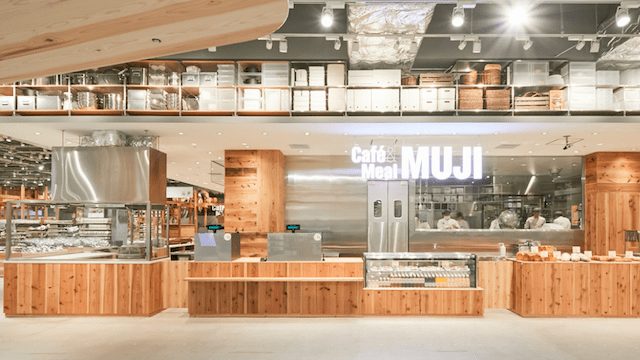
    Japanese household goods and apparel chain Muji plans to open in Vietnam next year. The company will establish its subsidiary Muji Vietnam this August with headquarters in Ho Chi Minh City. The first store is scheduled to open in the second quarter. Muji’s parent Ryohin Keikaku says it chose Vietnam as Muji’s next overseas market because of the country’s fast-paced development. Vietnam has the third-largest population in ASEAN and is undergoing rapid economic growth.

    “From our business’ point of view, it is one of the major markets in ASEAN, with the estimated real GDP growth of 7.1 per cent last year,” the company said in a statement released in Japan.

    “We expect that our experience and knowhow in the global market will help in running stores that serve everyday living and [that will] increase Muji’s fans in the area.”

    Muji products are among the most popular items hand-carried back into Vietnam from travellers visiting countries such as Thailand, Singapore, Hong Kong and the Philippines.

    The opening of first Muji Vietnam store is expected to attract many Vietnamese youngsters, with the minimalist lifestyle reflected in the retailer’s product range currently a trend in the country.

    Muji has more than 450 stores in Japan, and 470 stores in other countries.

  • BreadTalk buys out joint venture partner in Thailand

    BreadTalk buys out joint venture partner in Thailand

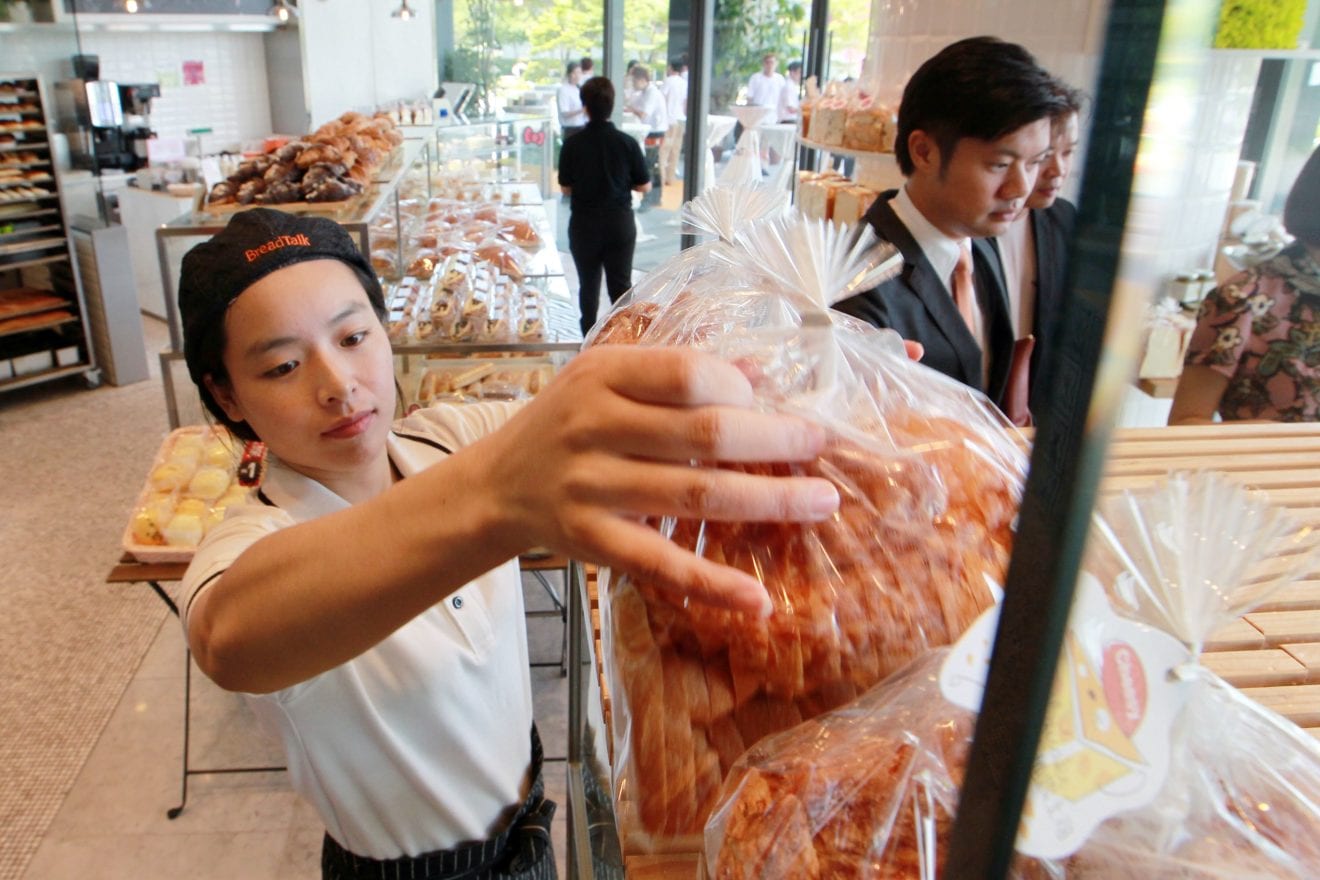
    Minor Group has sold its half share in BreadTalk Thailand to the bakery’s Singapore-listed owner. According to the Straits Times, BreadTalk paid US$5.15 million for the stake, which Minor Group is expected to use to expand its other food and beverage brands in the kingdom, including The Coffee Club.   The BreadTalk Thailand joint venture, called BTM Thailand, was set up in 2014.

    Minor Group’s other brands in Southeast Asia include ThaiExpress, Xin Wang Hong Kong Cafe, Swensens and the Pizza Restaurant Company.

  • Footasylum shares soar after JD Sports takes stake

    Footasylum shares soar after JD Sports takes stake

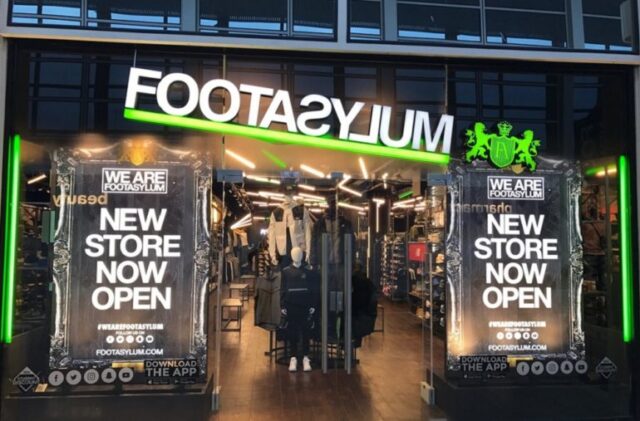
    Shares in Footasylum soared after British retailer JD Sports said it had acquired an 8.3 percent stake and could buy nearly 30 percent of its smaller rival. JD, which has used a number of corporate acquisitions to assemble its network of more than 2,400 stores over the past two decades, said that it “confirms it is not intending to make an offer for Footasylum” under merger regulations.

    But investors drove shares in the company, which is listed on the secondary market of the London Stock Exchange, rose 58.6 percent to 46 pence in the first hour of trading.

    Footasylum, started by JD Sports co-founder David Makin in 2005, was forced to cut prices at its 60 stores after a disappointing run up to Christmas which saw British consumers rein in spending.

    It now competes with JD Sports, Sports Direct and Asos among others, which are all feeling the impact of sluggish British consumer spending amid squeezed household incomes and uncertainty ahead of Britain’s impending exit from the European Union.

    Makin and fellow JD Sports founder John Wardle were bought out by the company’s current majority owners Pentland Group in 2005 and later resigned as directors.

    Footasylum said in January its full-year core earnings would come in at the lower end of analysts’ estimates.

    JD Sports shares were up about 1 percent at 454.03 pence.

  • Incheon Airport to add AI to security systems

    Incheon Airport to add AI to security systems

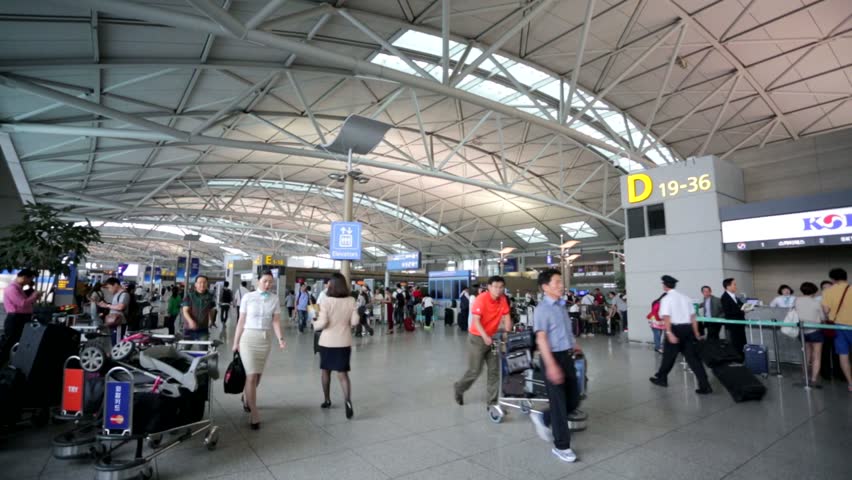
    Never mind airport security, artificial intelligence (AI) may also be rooting through your luggage in the near future at Incheon International Airport. Incheon International Airport Corporation said Wednesday it will incorporate AI into its security systems in a bid to improve accuracy in screening passenger luggage for prohibited items.

    The airport has already started working on the project to develop an AI-based X-ray screening system to be tested in the second half of next year.

    Instead of the existing system that relies on X-ray scanning, manual image checking by security officers and a final physical check, artificial intelligence will crosscheck the X-ray scan and the analysis will be available to officers along with the X-ray image.

    The first-stage AI scan is expected to complement and improve the accuracy of the security check as an officer will continue to be responsible for the final call to physically inspect luggage.

    The airport said it will apply deep-learning technology on over 600,000 pieces of footage of around 20 prohibited items and 20,000 commercially sold liquid products to develop an algorithm for imagery interpretation and improve the AI’s screening accuracy.

    The development project is expected to take two years overall, with a proof-of-concept system to take 10 months to develop.

    “By preemptively incorporating AI technology into security, [we] will strengthen airline security and plan to provide a safer and more convenient environment for passengers,” said Chung Il-young, CEO of Incheon International Airport Corporation.

    This will be the country’s first large-scale practical application of the technology, according to the airport.

    It is part of broader efforts to introduce a “Smart Security System” with the Ministry of Land, Infrastructure and Transport.

    The airport is also planning to introduce a tunnel security search system, the first of its kind, which will allow passengers to simply go through security checks by walking through a tunnel.

    The airport screened around 60 million pieces of luggage last year through the conventional X-ray system and found 3 million prohibited items such as firearms and swords.

  • Ikea to launch ‘intelligent curtain’

    Ikea to launch ‘intelligent curtain’

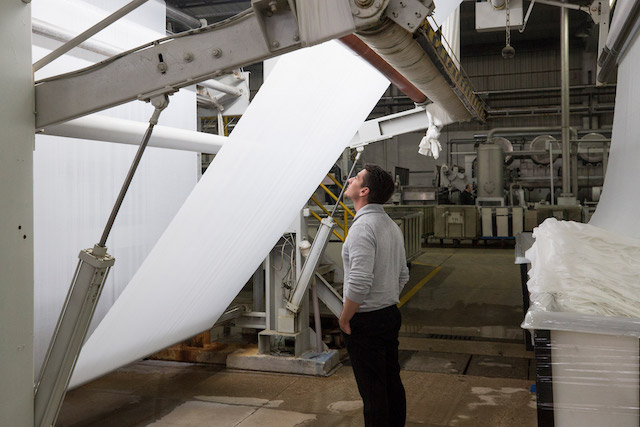
    Ikea has developed an ‘intelligent curtain’ capable of purifying air. The invention, coated with sunlight-activated minerals that break down airborne pollutants, has been developed in collaboration with several European and Asian universities. “By enabling a curtain to purify the air, we are creating an affordable and space-saving air purifying solution that also makes the home more beautiful,” said Ikea product developer Mauricio Affonso.

    The Gunrid intelligent curtain will be sold in stores next year and is expected to sell well in areas particularly affected by air pollution.

    According to the World Health Organisation, 91 per cent of humanity lives in areas affected by significant air pollution, which kills around 7 million people every year.

    “Gunrid is the first product to use the technology,” said Ikea’s head of sustainability Lena Pripp-Kovac, “but the development will give us opportunities for future applications on other textiles.”

    “We know that there is no single solution to solve air pollution. We work long term for positive change, to enable people to live healthier and more sustainable lives”, she said.

  • VinFast to test its first car for safety in Europe next month

    VinFast to test its first car for safety in Europe next month

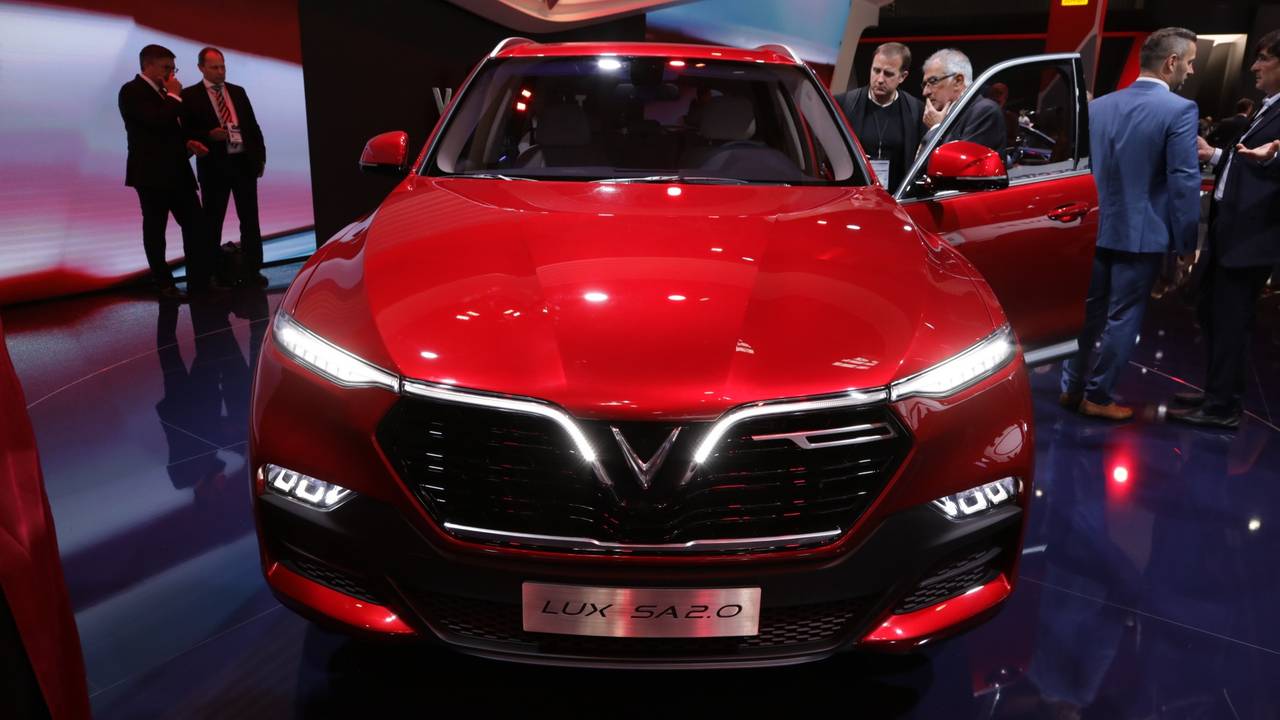
    VinFast, Vietnam’s first indigenous car manufacturer, plans to test its first vehicle for safety parameters in Europe on March 6. According to company executives, the vehicle will be tested for international standards to ensure its highest safety. This announcement came after VinFast’s Hai Phong factory successfully manufactured the first body shell of the Lux A2.0, a sedan, Wednesday.

    Shaun William Calvert, deputy general director in charge of production, said the first body shell meets the highest quality requirements.

    VinFast, the car manufacturing unit of Vietnam’s largest private conglomerate Vingroup, showed off its first two car models, a sedan and an SUV, at the Paris Motor Show in France last October just a year after the company’s incorporation, grabbing the attention of the local and international media.

    VinFast’s first cars are expected to hit the road in August 2019.

  • Smartwatch market set for a shakeup: Juniper Research

    Smartwatch market set for a shakeup: Juniper Research

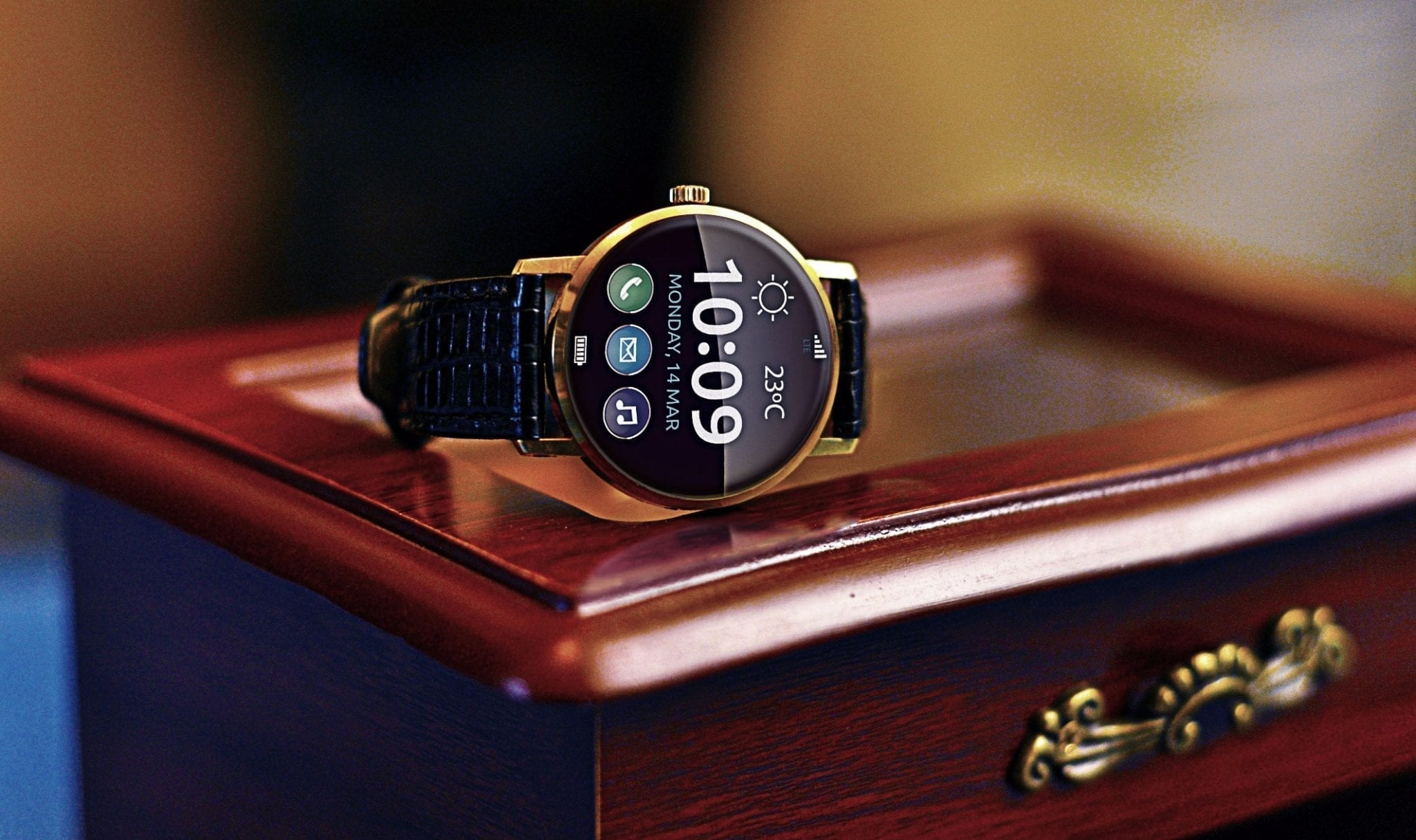
    Big brands are set to lose share in a major shakeup of the smartwatch market. According to Juniper Research, the largest brands in the category now will see their market share fall by 2023 as new niche players gain ground. Four leading brands including Apple, Samsung, Fitbit, and Fossil will see sales decline from an estimated 58 per cent of the market last year to 47 per cent by 2023. The decline is due to the growth of smaller players such as Garmin, Huami and Huawei.

    Smaller players will thrive thanks to strategies tailored for niche markets, their choice of cases or price points, while other brands are releasing premium smartwatches combining the best of fitness, outdoor activity and health features. While Apple will remain the largest single vendor in terms of shipments over the next four years, Huawei will enjoy the fastest growth, at a CAGR of 20 per cent.

    An intensified focus on healthcare integration will also contribute to an increase in smartwatch shipments over the next few years. Juniper forecasts that Apple and Withings will lead this section, followed by Fitbit and Garmin.

    China to become the biggest market

    The rise of smaller players is linked to the rapid expansion of the Chinese market offering lower-priced smartwatches. The Far East and China have now overtaken North America as the largest geographical market, with more than 24 million smartwatches shipped last year, compared to 19.5 million in North America.

    The gap between these two markets will widen by 2023, with the Far East and China trebling its shipments by then.

    Slower hybrid market

    The adoption of hybrid smartwatches will be slower than expected. Last year, hybrid smartwatches represented about 22 per cent of all smartwatch sales. The slower growth is linked to smaller players focusing on digital smartwatches offering more possibilities in terms of apps, connectivity and sensors than hybrid watches, which remain limited in their functionality.

  • Armani’s pop-up opens in Thailand

    Armani’s pop-up opens in Thailand

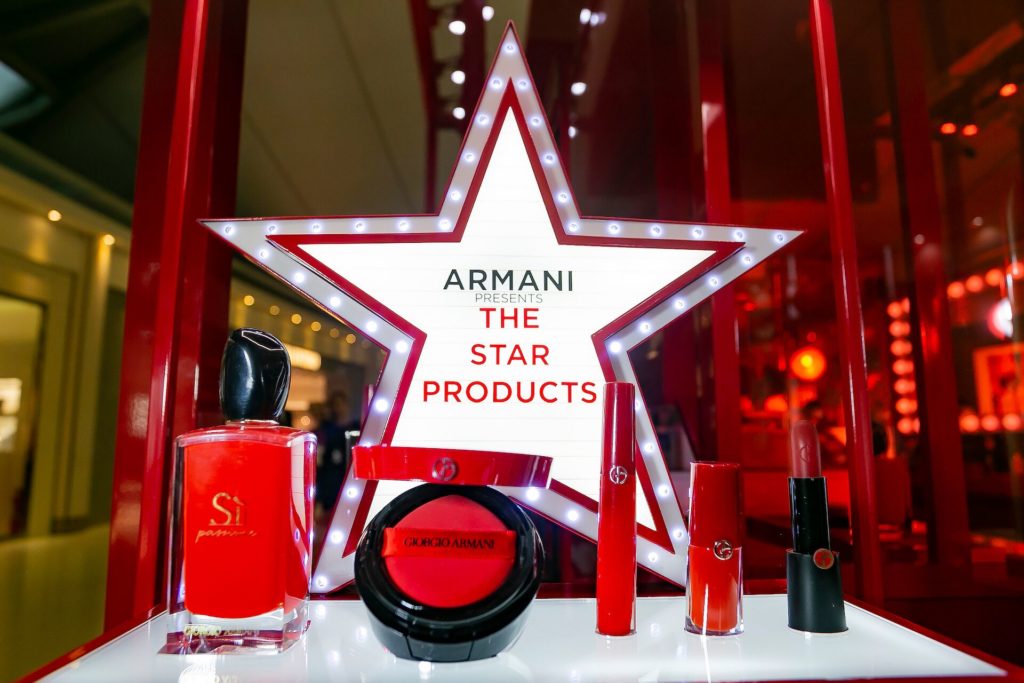
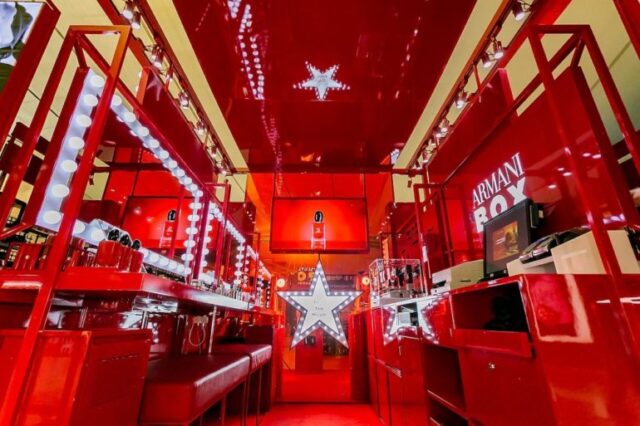
    Giorgio Armani beauty announces the opening of its itinerant pop-up store ARMANI BOX in Bangkok Suvarnabhumi Airport in Thailand. The opening of ARMANI BOX BANGKOK was celebrated on February 11th with a ribbon-cutting ceremony and an exclusive event in the presence of influencers from Thailand and China. During the event, the design of ARMANI BOX BANGKOK was revealed: with its hot red walls and black lighting fixtures, it is full of surprises. A giant gorilla, Uri, welcomes visitors as they enter the store: created by Italian artist Marcantonio Raimondi Malerba, the full-sized golden gorilla is a replica of the black one that resides in Giorgio Armani’s home in Milan. “This resin gorilla is a gift that came from a movie set. He’s called Uri”.

    It is hard to think about Giorgio Armani without bringing cinematic images to mind. The new ARMANI BOX experience allows the visitor to become a movie star with a series of details to explore: from the Walk of Fame digital handprint, to the backstage makeup stations, as well as a red carpet indicating the way. Visitors can also film their very own screen test, entering a director’s booth and playing with their emotions; portrait photos and videos will be available to keep, share and post online.

    The ARMANI BOX is a sensorial and playful immersion in Giorgio Armani beauty’s universe. Visitors can discover product exclusives included a limited edition version of its new lip product Rouge d’Armani Matte #400, and personalize their products with engraving.

  • Heineken Malaysia 2018 net profit up 4.6%

    Heineken Malaysia 2018 net profit up 4.6%

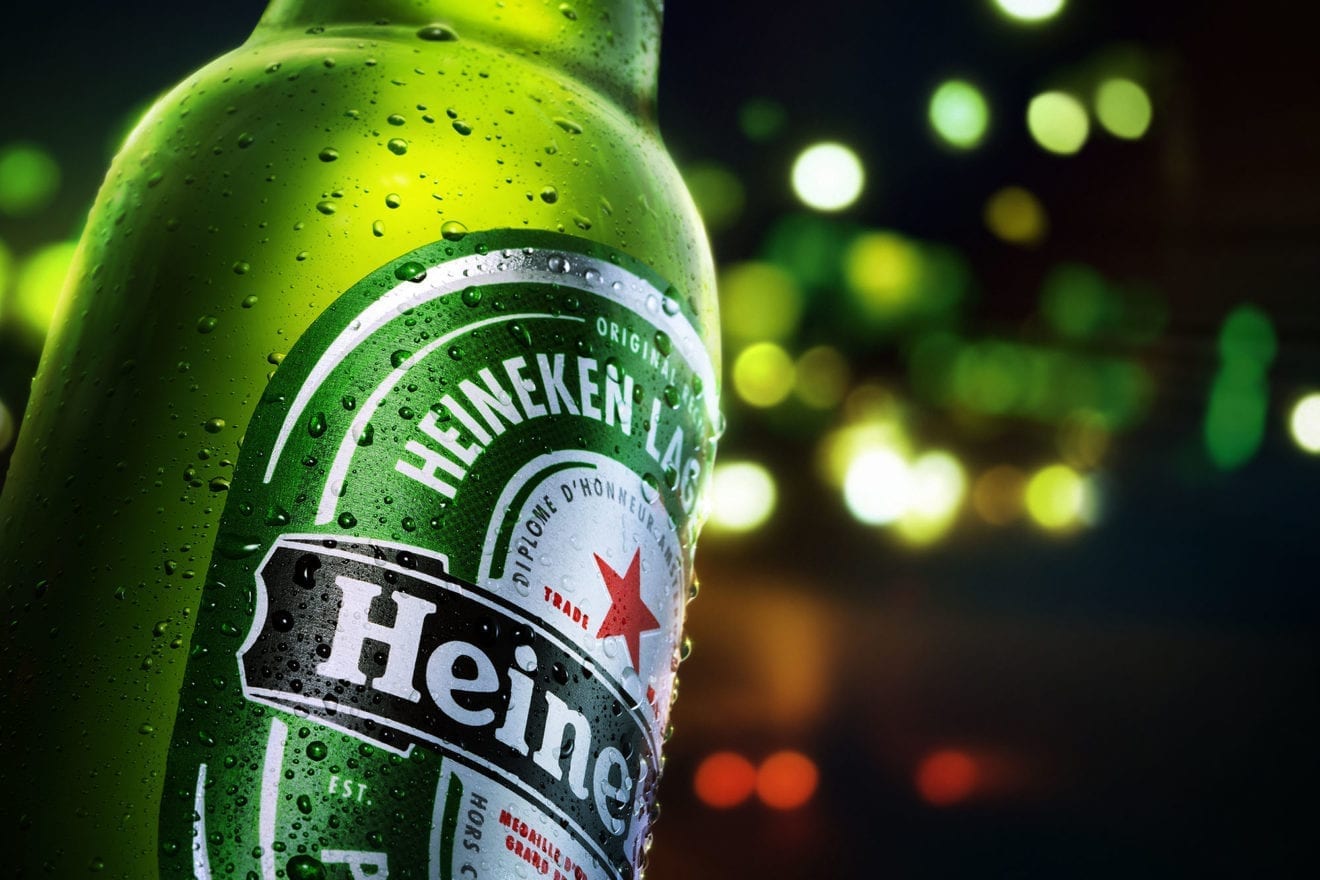
    Heineken Malaysia Bhd, which posted a 4.6% jump in its net profit for the financial year ended Dec 31, 2018 (FY18), remains cautious about its outlook given the challenging environment due to intense competition, implementation of the sales & service tax (SST), and the continued presence of contraband beer in the market. In line with rising global commodity prices, the group also expects an increase in cost of operations including raw materials and packaging.

    Finance director Szilard Voros said how the group will perform in FY19 also depend on the market, adding that it will benefit if consumers remain optimistic and if efforts to curb illicit trade are stepped up.

    “But we remain cautious because SST was just introduced in September so that also comes with a lag… we also need to see how things settle down after Chinese New Year and see what is the normalised performance and if there’s a growth continuation,” he told reporters at a media and analyst briefing today after announcing the group’s financial results.

    Managing director Roland Bala (pix) said the external environment remains challenging. Amidst slowing global growth rates, currency volatility and uncertainty in the commodity markets, he said the group will need to adopt a cautious approach in cost management.

    “Moving forward, we will continue to invest in our core brands and leverage on our portfolio. As consumer taste profile changes, we will make bets on brands that we believe will have scale,” he added.

    Heineken’s net profit for the fourth quarter ended Dec 31, 2018 grew 6.8% to RM100 million compared with RM93.64 million in the same quarter last year due to higher revenue as well as efficient and effective management of commercial spend and overheads.

    Group revenue grew 12.3% to RM662.28 million as compared to RM589.96 million in the same quarter in 2017 mainly due to increase in sales volume driven by the flagship Tiger brand.

    For the full year period, net profit grew 4.6% to RM282.2 million from RM270.06 million a year ago, while revenue rose 8.3% to RM2.03 billion from RM1.87 billion.

    It has proposed a final dividend of 54 sen per share for the quarter under review, bringing the full-year dividend payout to 94 sen.

  • CU convenience stores parent records sales leap

    CU convenience stores parent records sales leap

    The operator of South Korea’s CU convenience stores, BGF Retail, has achieved KRW189.5 billion (US$168.9 million) in operating profit last year, a leap of more than 600 per cent over last year. The company said on Tuesday its sales had risen by 515.3 per cent to KRW5.77 trillion ($5.14 billion). The results confirmed market predictions of a major upswing for the firm following demerging into separate holding and operating entities in November 2017.

    However, despite the improved trading figures, net profit dropped 98.1 per cent to KRW47.2 billion ($42.06 million). A statement by the firm explained that profits from some business activities made after the demerger had been attributed to the previous year’s statements.

  • US opens doors to Vietnamese mango after years of attempt

    US opens doors to Vietnamese mango after years of attempt

    The US’s Animal and Plant Health Inspection Service has given the green light for the import of mangoes from Vietnam. The license comes exactly 10 years after Vietnam applied for it. To export fresh mangoes to the U.S., farmers and business will need to meet stringent standards. APHIS will inspect each shipment thoroughly before granting phytosanitary certificates.

    Mango is Vietnam’s sixth fresh fruit licensed to be imported into the U.S. after dragon fruit, rambutan, longan, lychee, and star apple fruit.

    Some 96 percent of Vietnam’s mango production is consumed domestically, with the rest exported currently to 40 countries either as fresh fruit or in processed form.

    The main market is China. The other important ones are Europe, South Korea, Japan, Australia, and New Zealand.

  • Air France-KLM more than doubles profits in 2018 despite strikes

    Air France-KLM more than doubles profits in 2018 despite strikes

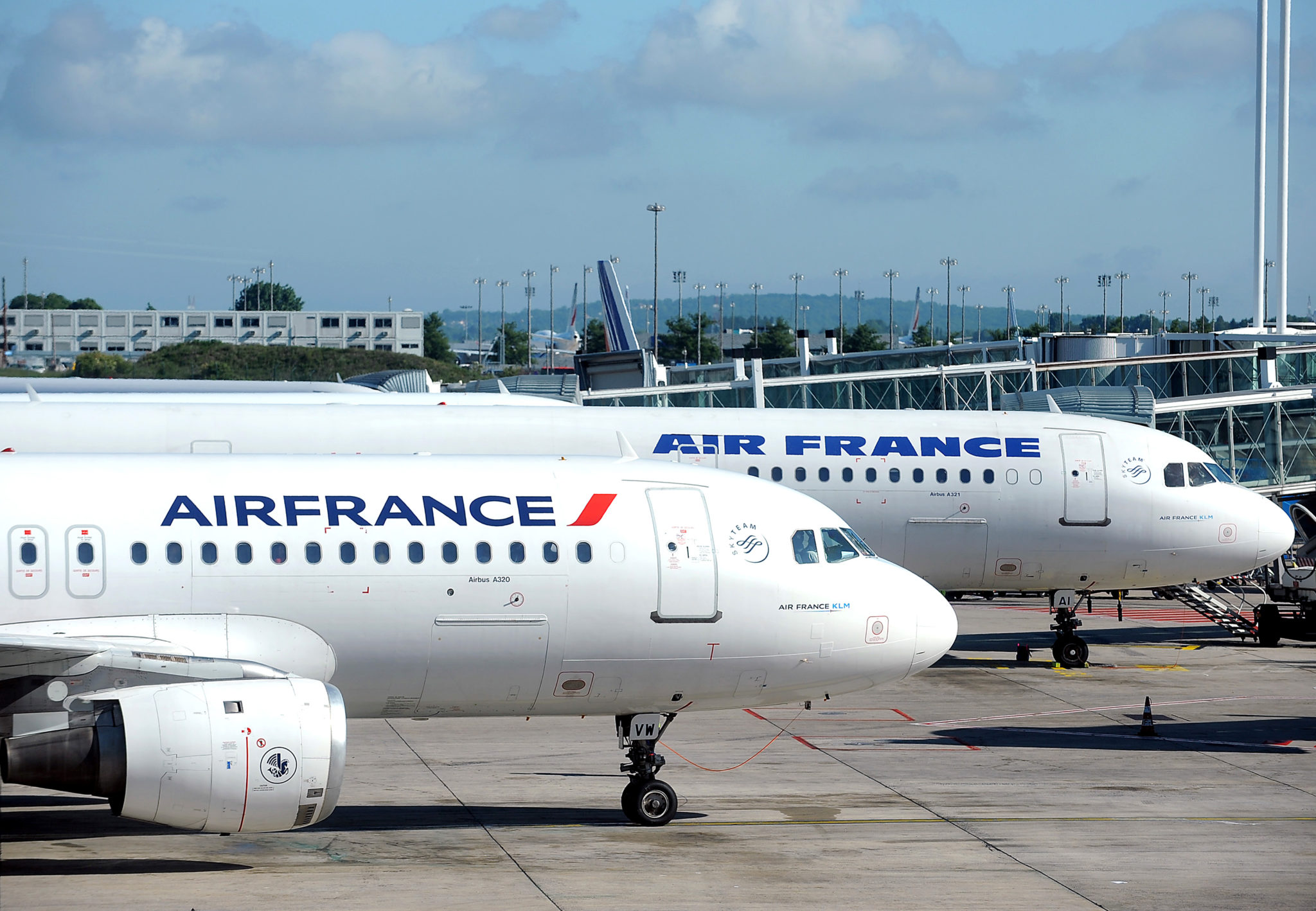
    Air France-KLM, which was badly hit last year by strikes and management upheaval, reported on Wednesday that its annual net profits rose by 150% to 409 million euros (US$463 million). “The strong performance of our front-line teams and continued cost control helped partly offset the impact of strikes at Air France in the first half of the year, as well as significant fuel headwinds,“ Benjamin Smith, the company’s new chief executive, said in a statement.

    The Canadian businessman took over in September following Jean-Marc Janaillac’s sudden exit in a bitter dispute over salaries in the group’s French wing.

    Fifteen days of strike cost the company 335 million euros, Air France said.

    On Tuesday, Air France pilots voted by 85% in favour of a new pay deal, concluding a series of long employee-management negotiations.

    Revenue growth last year was up in all business segments, with operating earnings coming in at of 1.3 billion euros, the Franco-Dutch airline group reported.

    The group said it had carried more than 100 million passengers last year, making it the leading European airline for long-haul traffic.

    Transavia, a low-coast subsidiary, carried 15.8 million passengers last year, an increase of 7.1% on 2017.

    Full year 2018 capacity increased by 2.1%, mainly driven by the South American, North Atlantic and Asian networks, with respective growth of 8.6%, 3.0% and 2.1%, Air France-KLM said.

    In 2019, the group will concentrate on “operational efficiency”, financial director Frederic Gagey said.

    “We can make a lot more money compared to last year,“ he said, adding that Air France-KLM would also be looking to renewing its fleet to replace some of its more fuel-guzzling planes.