Author: Mei Ling Tan

  • David Beckham Receives A 6 Month Driving Ban For Using Mobile Phone Behind The Wheel

    David Beckham Receives A 6 Month Driving Ban For Using Mobile Phone Behind The Wheel

    English footballer David Beckham has been handed a six-month driving ban for using his mobile when he was behind the wheel. The former England captain pleaded guilty to the charge after he was photographed by a member of the public holding a phone as he drove his Bentley in “slow moving” traffic in London on November 21, last year. Beckham was at Bromley Magistrates Court, south of London earlier this week, where he was given the six-month ban, fined 750 Pounds, and was ordered to pay 100 Pounds to prosecution costs and a 75 Pound surcharge fee within seven days.

    The 44-year-old already has six points on his license from his previous offenses for speeding and now gets six more. Beckham pleaded guilty to the charge and said there is no excuse for what happened. However, the former Manchester United player also said that he had “no recollection of the particular incident.”

    While the district court Judge Catherine Moore said she acknowledged the slow pace of the traffic, she did also say that there was “no excuse” under the law. Prosecutor Matthew Spratt said: “Instead of looking straight forward, paying attention to the road he appeared to be looking at his lap.” Beckham’s lawyer Gerrard Tyrrell further stated that the footballer found driving relaxing. He said, “He takes his children to school each day and picks them up when he can. To deprive him of that is something he will acknowledge.”

    The short but important ban on David Beckham reiterates why need to avoid using our phones behind the wheel. The incident should serve as an example to drivers across the globe that safety can’t be ignored even if it is in slow moving traffic.

  • Qualcomm shows how important Apple’s business is

    Qualcomm shows how important Apple’s business is

    Last month, just as Apple and Qualcomm were into the opening statements of their billion-dollar trial in San Diego, surprising news was released. Behind the scenes, Apple and Qualcomm had been negotiating a settlement and both companies finally shook hands on a deal. Apple paid the chip maker an undisclosed amount of money; in return, Apple received a 6-year licensing agreement (with a two-year option) and a multi-year chip supply deal.

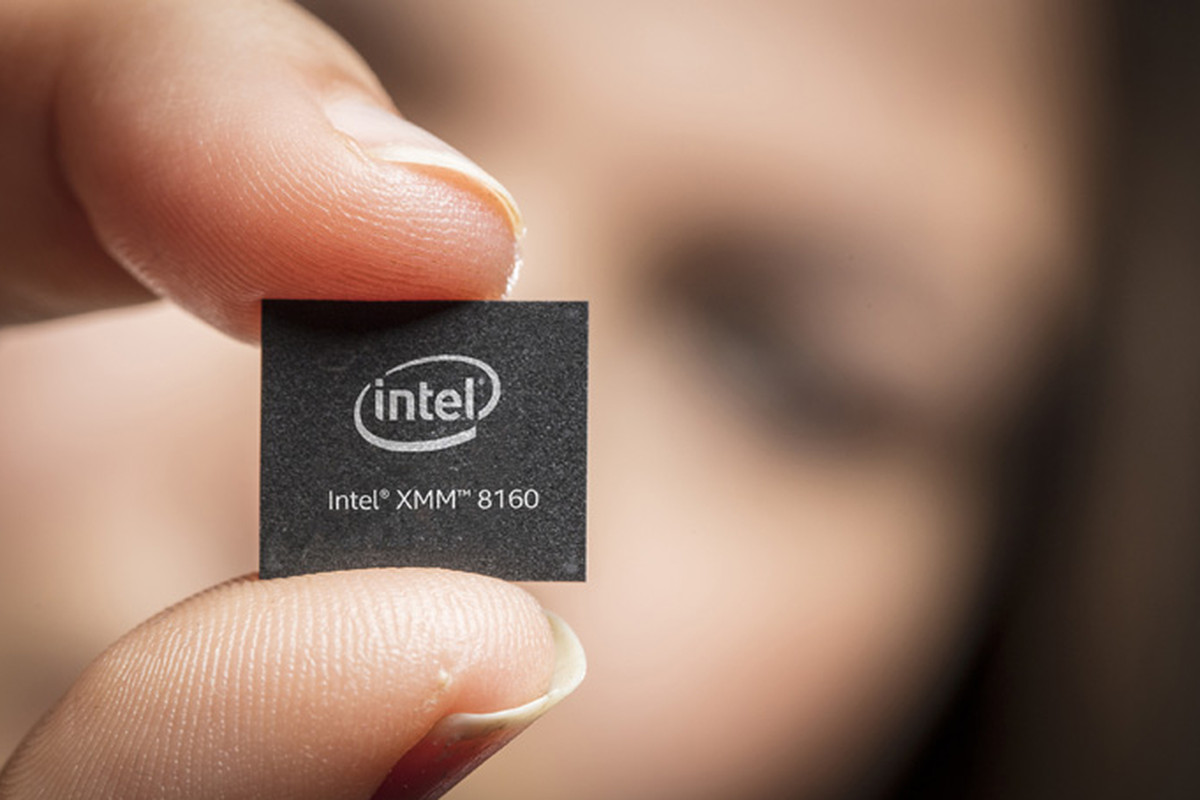
    It was no secret that Apple was getting desperate for a company to supply it with 5G modem chips for the iPhone. Apple wasn’t totally convinced that Intel, whose 4G LTE modem chips are exclusively used on the 2018 iPhones, could deliver the 5G component in time. In fact, during the FTC v. Qualcomm non-jury trial in January, Apple supply chain executive Tony Blevins testified that the firm had spoken with Samsung and MediaTek about sourcing their 5G modem chips. And even though Intel said early last month that it would ship its chips starting in the second half of this year, Apple still felt compelled to shake hands with Qualcomm. Hours after the agreement was announced, Intel said that it was leaving the mobile 5G modem chip business.

    According to one analyst, Apple will pay Qualcomm as much as $9 for each iPhone it sells with a 5G Qualcomm modem chip. The terms of the settlement obviously benefit Qualcomm greatly, and the company has decided to reward its executives including CEO Steve Mollenkopf. The executive received a bonus consisting of 40,794 shares of Qualcomm stock. The shares are currently valued at over $3.5 million. Not that Mollenkopf was underpaid; last year he took home $20 million according to data from FactSet.

    Other Qualcomm executives received bonuses too, thanks to the settlement with Apple. Company president Cristiano Amon scored $2.14 million in Qualcomm stock and Chief Technical Officer James Thompson was given $1.65 million in company shares. Other beneficiaries included General Counsel Donald Rosenberg and interim CFO David Wise. The pair received $1.22 million and $254,000, respectively. Wise pointed out that other Qualcomm employees will receive higher bonuses too, thanks to the settlement. Investors also have benefited from the deal with Apple (assuming that they weren’t short the stock). The day before it was announced, Qualcomm’s shares closed at $57.18. Yesterday, the stock closed at $85.84, which means that it has soared 50% over the last three weeks.

    The bonuses and the stock surge are both an indication of how important Apple’s business is for Qualcomm. Apple only used Qualcomm’s modem chips on the iPhone from 2011-2015. As a result, Apple demanded and received a $1 billion incentive payment from the chip maker annually. But Apple CEO Tim Cook was upset that Qualcomm was receiving five times more in royalties than it was paying all of its other suppliers combined. Qualcomm’s royalty payments were based on the retail price of the iPhone, and that didn’t make Cook very happy either.

    Apple ended up testifying against Qualcomm at a hearing held by the South Korea Fair Trade Commission. That angered Qualcomm, as did a statement from Apple that it would have to add a second modem chip supplier due to “Qualcomm’s exclusionary conduct.” At the same time, Qualcomm learned that Apple was planning on using Intel modem chips on the iPhone 7 and it stopped sending Apple those $1 billion checks. In return, Apple told its contract manufacturers like Foxconn and Pegatron to stop paying royalties to Qualcomm. Apple sued Qualcomm in January 2017 leading to a number of suits filed by both companies against each other. All of those suits have been withdrawn by Apple and Qualcomm as part of the settlement.

    Now that Apple and Qualcomm are on speaking terms, a 5G iPhone seems a sure bet for 2020.

  • APAC Billionaires Hit the Hardest in 2018

    APAC Billionaires Hit the Hardest in 2018

    Global billionaire wealth and its population have fallen for only the second time since the global financial crisis in 2008, with those in APAC suffering the most.

    After reaching record levels the previous year, global billionaire wealth in 2018 declined by 7 percent to $8.6 trillion, while the billionaire population fell by 5.4 percent to 2,604, according to the 2019 edition of Billionaire Census, published by global ultra high net worth intelligence and data company Wealth X.

    This fall in wealth was largely caused by a slowdown in global growth, persistent trade tensions and a slump in equity markets, the report said. The findings of the report, which has been published annually since 2013, were based on Wealth-X’s global database of more than 1 million records on the world’s wealthiest individuals.

    The report noted that apart from the U.S., U.K., Russia, and France, nearly all of the top 15 countries by billionaire population saw a decline. Asia-Pacific’s billionaire population fell by 13.4 percent, driven by large declines in China, India, and Singapore.

    The region also saw the largest decline in billionaire wealth – billionaires here saw their net worth fall by an average of 9 percent, compared to 7 percent in EMEA and 6 percent in the Americas. The report attributed this to three factors: weak equity market performance on the back of slowing growth, tariff disputes, and emerging market volatility.

    Top Billionaire Countries

    1. United States (705 billionaires)
    2. China (285)
    3. Germany (146)
    4. Russia (102)
    5. United Kingdom (97)
    6. Switzerland (91)
    7. Hong Kong (87)
    8. India (82)
    9. Saudi Arabia (57)
    10. France (55)
    11. United Arab Emirates (55)
    12. Brazil (49)
    13. Italy (47)
    14. Canada (45)
    15. Singapore (39)
  • Pomelo Fashion boosts revenue by 5x with in-house tech stack forstreamlining vertical supply chain

    Pomelo Fashion boosts revenue by 5x with in-house tech stack forstreamlining vertical supply chain

    Omnichannel fast fashion company Pomelo builds a proprietary in-house technology stack to enable the seamless management of a complex vertical supply chain across its multiple locations and labels. This technology stack was developed to meet Pomelo’s changing logistical
    needs as it’s business model evolved from one based on private label sourcing to one that is fully vertically-integrated, allowing for control over every aspect of launching, building, and scaling a fashion brand.

    Named Henry after Henry Ford, who popularized the modern assembly line for mass production, Pomelo’s solutions stack forms the common foundation of its building and scaling strategy, and integrates all aspects of its processes from design, manufacturing, content creation, retailing (in-app, online, and in-store) to inventory optimization. Henry is used in Pomelo’s multiple labels and categories including Pomelo, PM, Alita, and BEET across a manufacturing base spanning Southeast Asia and China.

    “Our competitors are still using spreadsheets and paper purchase orders to manage a highly complex system of product development, manufacturing, and omnichannel retailing. As a fashion company with tech DNA, we’re building, from the ground up, a brand-new tech stack for today’s digital world that incorporates the latest in machine learning, big data, and automation,” says Lloyd Lin, Regional Vice President of Production. “We have always been focused on technology as a means to innovate key areas of the business, including our supply chain.”

    Managing Fashion Supply Chains in a Digital World Pomelo’s tech stack started as a simple back-end inventory tracker in 2015. Today, 4 years on, Henry is now capable of tracking the entirety of Pomelo’s supply chain in real-time and functions as the brand’s control center. It accurately manages profit margins and provides data-driven insights and analytics on customers’ purchase behaviors that simplify the design and purchasing teams’ buying decisions. With Henry’s help, Pomelo, and their customers, in turn, have enjoyed significant costs-savings.

    In the same vein, Pomelo’s supply chain has also seen further streamlining and innovation in 2018. The samples production process, essential to every new launch of which Pomelo has three weekly, is a long process involving multiple iterations and external vendors. In order to reduce material waste, production costs and time spent, Pomelo’s newly established samples lab automates the process of sample production. Managed entirely in-house, the lab is customized for Pomelo products, allowing for better quality control. In 2019, Pomelo plans to put in place a bidding process that allows production partners to bid on orders in their areas of specialization to further optimize the supply chain.

    The trailblazing startup, which terms itself a Digitally Native Vertical Brand (DNVB), focuses on innovating key areas of its business, like the supply chain, through technology. The results of Pomelo’s optimization push speak for themselves: in 2018, Pomelo dramatically expanded its range across labels by more than five times, and its total revenues by nearly the same amount.

    Pomelo’s technology team is primarily based in Bangkok, but also has developed resources in China and India. “The rate at which we continue to improve our technology is a long-term competitive advantage we are very excited about, and ultimately a key differentiator for Pomelo. We will continue investing in and strengthening our team, as well as our technology stack to ensure that we are setting the standard for how an omnichannel fashion brand anchored in today’s digital world should be managed.” says Pomelo CEO David Jou.

  • Volvo Cars Could Cut Several Hundred Jobs

    Volvo Cars Could Cut Several Hundred Jobs

    Swedish carmaker Volvo, which is owned by China’s Geely, is cutting several hundred jobs, Swedish radio reported on Friday citing sources.The carmaker, whose number of employees has more than doubled over the past decade to about 43,000, confirmed it was reviewing staff and other costs to ensure its business had the “right skills”.

    “As a growing company, Volvo Cars is constantly reviewing its cost base. This becomes even more important in light of the headwinds the industry is facing and Volvo Cars are now increasing its focus on costs related to staffing and bought services,” the company said in an emailed statement.

    The jobs primarily affected were those of consultants and staff involved in factory production will not be affected, a Volvo spokesman said. He declined to specify the number of job cuts and savings expected from the layoffs. Volvo’s fortunes have come under renewed threat with the car sector facing one of its most challenging periods due to trade conflicts, hefty bills to develop electric and driverless cars, and an overall downturn in the industry.

    The company, which has put its listing plans on ice due to the tariff wars and auto stock downturn, has reported lower first-quarter profit and warned that margins will remain under pressure this year.

  • Android Q may have a life-saving feature exclusive to Pixel phones

    Android Q may have a life-saving feature exclusive to Pixel phones

    At Google I/O this year, the company behind Android revealed many new and exciting things coming to the next iteration of the world’s most popular mobile OS. These include native support for foldable devices, system-wide Dark Mode, Smart Replies and Suggestions, and a handful of other features.

    But aside from those, savvy developers have uncovered something else that’s coming with Android Q, and it wasn’t mentioned at this year’s I/O. The folks over at XDA have found lines of code in the Android Q Beta 3, referencing a possible automatic car crash detection feature. The beta has an app called Safety Hub, and strings of code within the app suggest that automatic car crash detection is coming to Android Q, and that it may also be a Pixel-exclusive feature.

    Google is no stranger to introducing Pixel-exclusive features, though they’ve been more on the “bonus” side of things, so to speak. Two prominent examples are the excellent Night Sight mode, baked into the Google camera app, and unlimited Google Photos storage for original quality photo backups, available only to Pixel phone owners. However, more essential features have always managed to make their way into Android skins by other OEMs, so the upcoming car crash detection may start as a Pixel-exclusive thing and become more widely available thereafter.

    It’s currently unclear how Android Q will detect car crashes, though it’s likely going to happen by gathering data from various sensors on the phone. For example, Google could use GPS data to determine whether you’re driving, use the accelerometer to detect when a violent stop occurs, and even rely on the microphone to pick up the sound of the crash. After an accident has been detected, the Safety Hub app could automatically alert emergency services and/or select contacts.

    We have our fingers crossed that future Android Q betas will reveal more about this potentially life-saving feature, and that it won’t be Pixel-exclusive forever.

  • Deutsche Bank Hires Asia Fixed Income Head

    Deutsche Bank Hires Asia Fixed Income Head

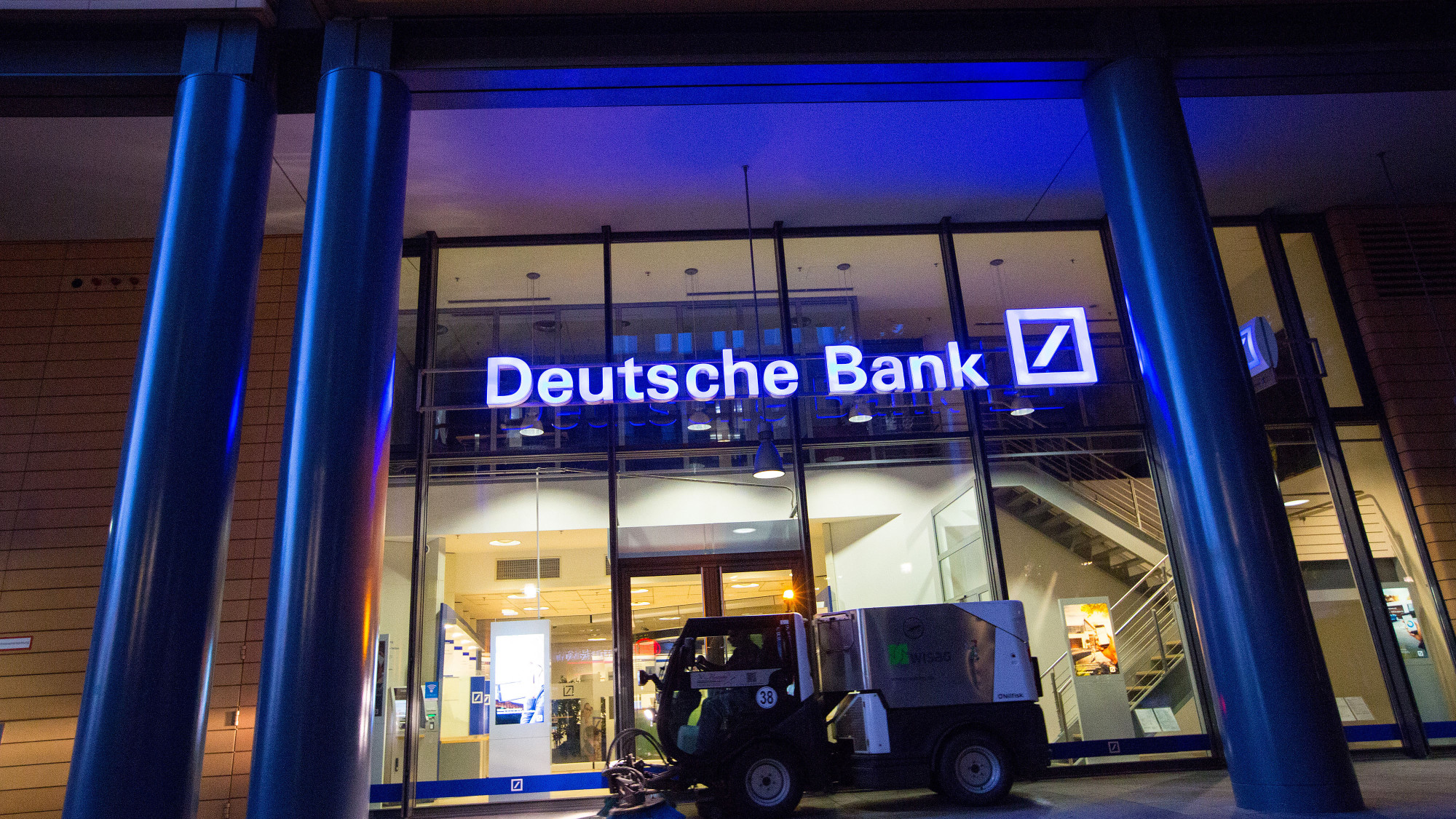
    The German lender’s latest recruit from J. Safra Sarasin is the latest in a series of hires as it looks to grow in the region. Deutsche Bank has hired Eric Leung to lead its Asia fixed income team in its Wealth Management division. The news was confirmed by a representative of the bank, who said he started on Wednesday.

    Leung joins from global pure-play private bank J. Safra Sarasin, where he worked for over a decade, most recently as Executive Director and Head of Fixed Income Asia. Prior to that, he worked at HSBC Private Bank.

    He will be based in Hong Kong, reporting to Akshay Prasad, managing director, head of capital markets, Wealth Management.

    Under Lok Yim, the bank’s head of Asia, Middle East and Africa, Deutsche Bank WM has set its sights on Asia’s rich, bolstering its ranks to grow its business, particularly in North Asia.

    In an interview with Reuters in 2018, he said Deutsche Bank is focusing on ultra high net worth clients in the region, those with more than $25 million, and the top end of the $5-$25 million high net worth bracket.

    Deutsche has some $230 billion in assets under management (AUM), $56 billion of which is in Asia, according to Hong Kong-based Asian Private Banker.

  • Eraman and AirAsia’s Ourshop.com announce partnership to transform travel retailing in Malaysia

    Eraman and AirAsia’s Ourshop.com announce partnership to transform travel retailing in Malaysia

    Duty-free operator Eraman Malaysia and AirAsia-controlled online retailer Ourshop have entered into a major new partnership. It allows travelers to collect products pre-booked on Ourshop.com at a dedicated pick-up point, located at the Eraman duty-free outlet in klia2 at Kuala Lumpur International Airport.

    Owned by airport operator Malaysia Airports, Eraman is Malaysia’s largest airport travel retailer. It operates more than 50 shops and F&B outlets at airports including Kuala Lumpur International, Kuching, Kota Kinabalu, Penang, Langkawi and Labuan.

    Ourshop, launched in July last year, is AirAsia’s online marketplace offering a wide selection of products from duty free, high street and local retailers from across the world.

    The partnership has the added benefit of allowing access to passenger trends and travelers’ departing and arrival destinations, enabling more precise marketing and product selection.

    Travelers purchasing products on ourshop.com can earn AirAsia BIG Points, which can be used to redeem free flights on airasia.com. AirAsia said it was thereby creating a “cycle of value”, as the more miles traveled or items bought, the more travelers earn points.

    AirAsia added that passengers can enjoy the peace of mind that they are purchasing from an official retailer or brand directly, thus removing any doubt of product authenticity that it says has plagued e-commerce traditionally.

    Eraman General Manager Zulhikam Ahmad said his company is thrilled to be part of the Trinity collaboration with parent company Malaysia Airports and Ourshop. “This initiative is very timely as we have just undergone a brand refresh exercise,” he said. “We fully understand that e-commerce is fast becoming significant in the travel retail and duty-free market space.

    “Hence, Eraman is embarking on this journey to ensure we too do not miss out on providing the convenience and keeping up with the trends.”

    Malaysia Airports Senior General Manager Mohammad Nazli Abdul Aziz commented: “The partnership between the nation’s key players in the travel retail industry will undoubtedly elevate the shopping experience for all travelers passing through our doors.

    “This is just a taste of the many exciting activities and initiatives that we have lined up as part of Malaysia Airports’ Commercial Reset strategy.

    “We want to bring excitement and joy to our guests when they are at the airport; and in doing so, we hope to change the traditional perceptions of the airport as a mere hub for connectivity, becoming also a place to enjoy the vast retail offerings available – both at our airports and now digitally.”

    Ourshop General Manager Hassan Choudhury said: “What used to be a 20-minute shopping experience as travelers rush to their boarding gates is now 365 days of shopping indulgence.

    “I want to thank Eraman for exploring this unique online shopping experience for travelers with us. We look forward to sharing incredible success together.”

  • Vietnam cashless transactions among lowest in ASEAN

    Vietnam cashless transactions among lowest in ASEAN

    Cash transactions remain highly popular in Vietnam compared to other ASEAN countries as it has low banking penetration. A new Standard Chartered report says Vietnam has the lowest bank account ratio in six ASEAN countries at 30.8 percent of the population aged 15 and up.

    This ratio is 34.5 percent in the Philippines, 48.9 percent in Indonesia and 81.6 in Thailand. Credit card ownership in Vietnam accounts for only 4.1 percent of the population, compared to 9.8 percent in Thailand. The debit card ownership ratio, meanwhile, is 26.8 percent, lower than Indonesia at 30.9 percent and Malaysia at 73.8 percent.

    Only 3.5 percent of the Vietnamese population have a mobile money account, while this ratio is 10.9 in Malaysia.

    Even though the country’s e-commerce industry has been growing at a double-digit rate in recent years, 90.2 percent of online purchases are paid with cash, the report said. This ratio is highest, compared to only 47 percent in the Philippines where the percentage of the population with bank accounts is only slightly higher than that of Vietnam.

    “Although there is a rise in alternative electronic means of payments in the region, cash still dominates. Apart from Singapore, the more traditional means of banking and payments remain more popular for the rest of ASEAN,” the report said.

    The reasons for high cash usage, Standard Chartered said, is a lack of understanding of how digital payments methods work and how to start using them.

    Others included concerns over the confidentiality of financial records and the perception that cash is still the simplest and most straightforward payment method, the bank said.

    But there is still a lot of potential for cashless payment to grow in Vietnam, the report said, noting that with over 70 million mobile users and 64 million internet users, e-wallet payments are set to gain more traction in the coming time.

    There are over 20 e-wallet apps in Vietnam, while foreign operators such as Samsung Pay, Alipay, and Amazon have also entered the local market to tap the large potential, the report said.

    The value of e-wallets transactions in 2017 exceeded VND53 trillion ($2.2 billion), an increase of 64 percent from the previous year, according to the State Bank of Vietnam.

    The government is striving to increase cashless payment in the country. A resolution issued in January recommended that cashless transactions made viable for all urban household bill payments by the end of this year, prioritizing mobile payments and payment via card readers.

    Ho Chi Minh City this week has instructed all schools, hospitals and many others to accept non-cash payments.

  • Maruti Suzuki Opens 300th Commercial Vehicle Outlet

    Maruti Suzuki Opens 300th Commercial Vehicle Outlet

    Maruti Suzuki India has inaugurated its 300th commercial vehicle showroom in India. The 300th outlet comes in less than three years, and with it Maruti Suzuki’s Commercial retail outlet network is now present in over 230 cities across the country. With the recent addition, the Company’s total sales network has crossed over 2,940 showrooms covering more than 1,860 towns and cities. Currently, the company sells only the Super Carry LCV in the country and it commands a 12 percent market share in India and it’s sold 23,000 units already ever since it was launched. It is offered in two colors Superior White and Superior Silver.

    The Super Carry LCV comes with a loading bay of 3.25 sq.mt and offers a payload capacity of 740 kg. The ground clearance stands at 175mm, while suspension duties are performed by MacPherson struts at the front and a rigid axle with leaf springs at the rear. The wheelbase measures 2110mm and at 4.3 meters, the turning radius similar to that of a hatchback. The LCV gets all the basic features including a light steering wheel, mobile charging socket, dual assist grip, multi-purpose storage spaces, lockable glovebox and bottle holders. An air-conditioner, however, is missing from the ensemble.

    The Super Carry is available with a diesel engine in the country and this 793cc twin-cylinder diesel engine that made its debut on the Celerio last year and comes paired to a 5-speed manual transmission. However, the diesel variant will be discontinued as it would not comply with the upcoming BS6 norms. The company will therefore only offer it with petrol and the CNG variant, which according to the company will be great for its consumers.

    Shashank Srivastava, Executive Director, Maruti Suzuki India said, “The Light Commercial Vehicle segment has been the largest volume contributor in the commercial vehicle industry in the country. Globally, Suzuki Motor Corporation has expertise in this segment and the Super Carry is part of that lineage. Super Carry for India has been developed specifically keeping in mind the unique requirements of the Indian mini truck customer. Starting the commercial segment with Super Carry, we have rapidly rolled out our network to keep pace with the growing demand and business opportunity for light commercial vehicles. With the growth in entrepreneurship and businesses, we see a continuous requirement of Light commercial vehicles for various business applications.”

  • Hero Pleasure Plus 110 Launched In India

    Hero Pleasure Plus 110 Launched In India

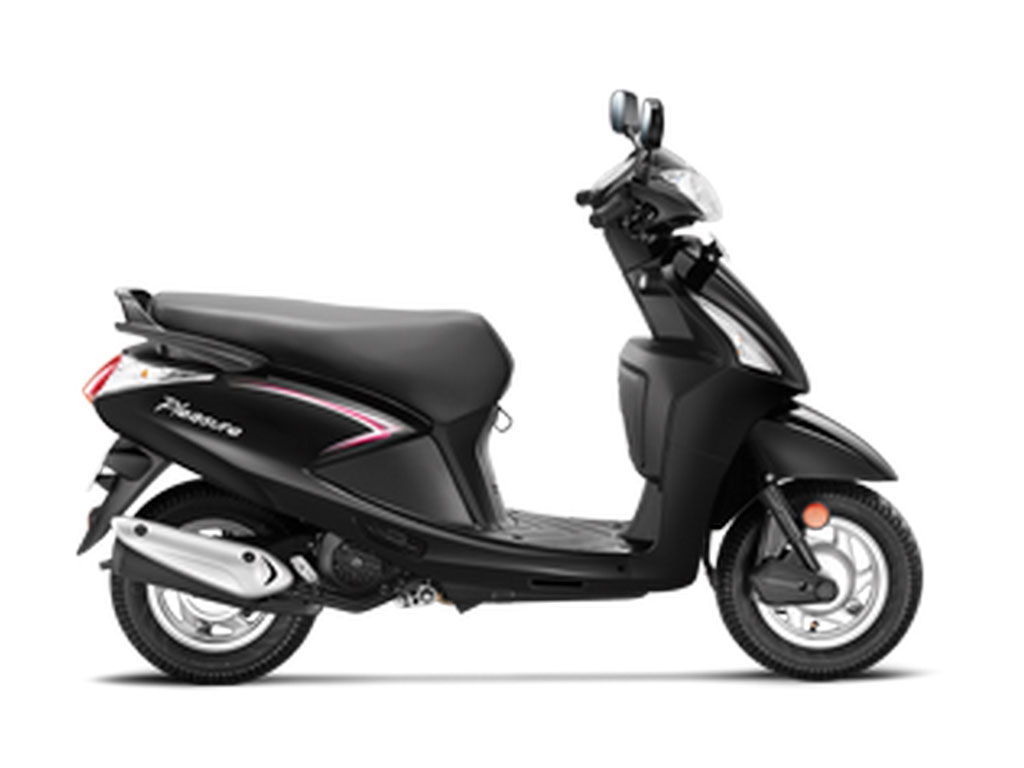
    Hero MotoCorp’s second launch for the day is the all-new Pleasure Plus scooter. The new Hero Pleasure 110 is priced at ₹ 47,300going up to ₹ 49,300  and gets comprehensive upgrades over the outgoing version with a revised design, new colors and more features on offer. It still remains one of the most affordable scooters on sale and will be attracting a number of first-time female buyers. Bookings for the new Pleasure commence from today across the two-wheeler maker’s dealerships pan India, while deliveries will begin by the end of this month.

    The all-new Hero Pleasure had been given a number of revisions for a smart looking appearance. The scooter looks fresh with the bright colors, while the front apron gets a bow-tie like silver plastic cladding that lends a cute face to the model. The headlamp design is completely new and is an angular-upright shaped unit that gets a retro-touch while looking all modern. The side panels have been reworked and get brushed silver highlights for added effect. The taillights are new and the instrument console has been revised as well with a new digital display. The scooter comes with a USB charging slot as well.

    The 2019 Hero Pleasure Plus draws power from the more powerful 110 cc single-cylinder air-cooled engine that is tuned for 8 bhp and 8.7 Nm of peak torque. The motor is paired with a CVT unit. The more powerful engine replaces the 102 cc mill that was seen on the predecessor and belt out nearly 7 bhp and 8.1 Nm of peak torque. The updated scooter continues to use spring loaded shocks at either end that help keeps costs low. Braking performance too comes from the 130 mm drum brakes at the front and rear with Integrated Braking System (IBS) offered as standard.

    The Hero Pleasure has always been an entry-level offering and comprehensively updated version will certainly help the scooter solidify its position in that space. The aggressive pricing will also help the model that competes against the likes of the Honda Activa-i and the TVS Scooty Zest. Bookings for the updated Pleasure scooter are now open.

  • New outlets boost Koufu Sales

    New outlets boost Koufu Sales

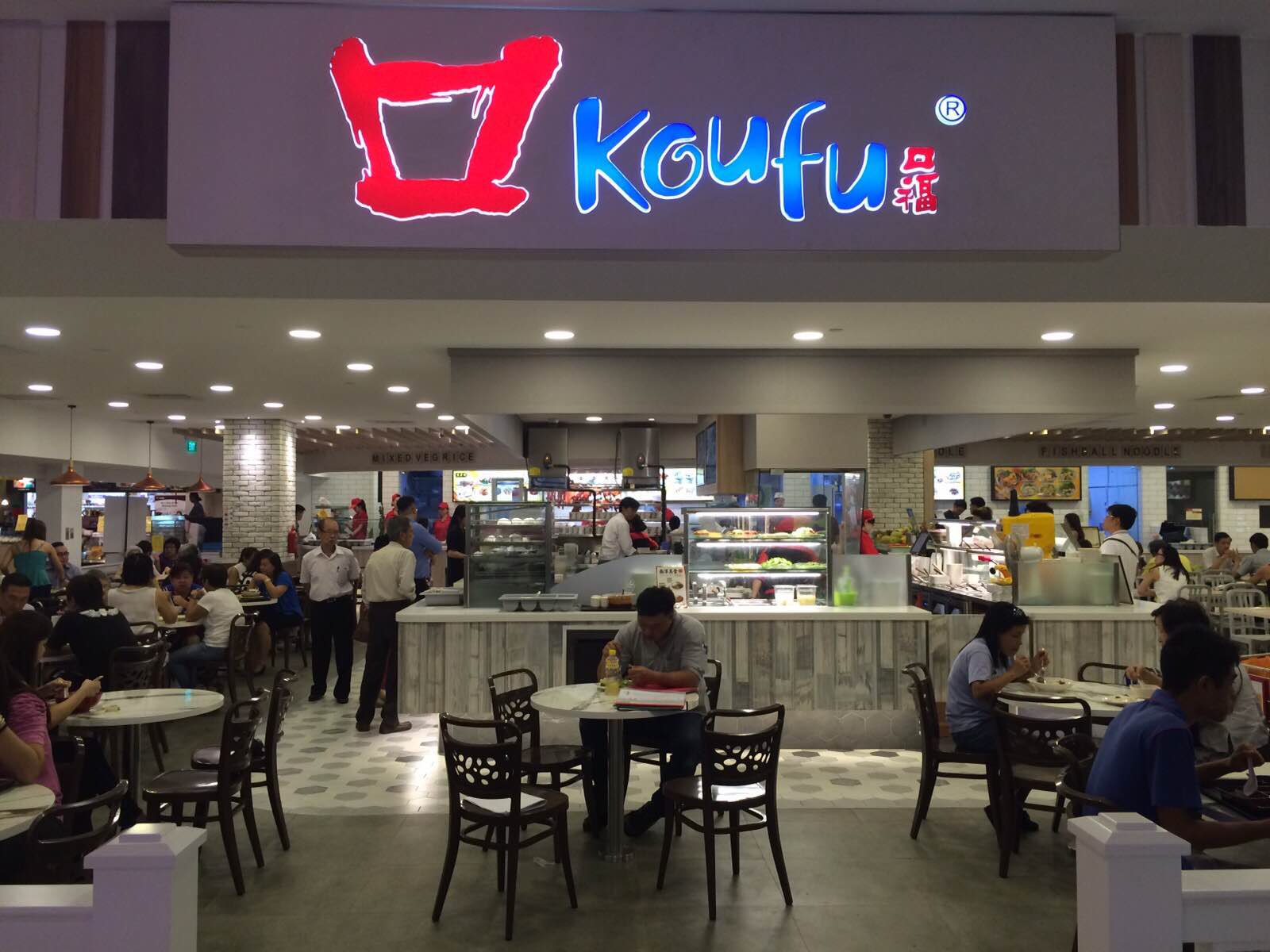
    Singaporean food court and coffee shop management firm Koufu has reported 12.3 percent net profit growth for this year’s first quarter to S$7 million (US$5.13 million) on higher contributions across its business segments.

    The growth in net profit outpaced the 4.9 percent growth in Q1 revenue to $57.8 million compared to $55.1 million during the same period last year.

    “We are pleased to have achieved a strong start for the year,” said Koufu’s executive chairman and CEO Pang Lim. “We remain firmly focused on the expansion of our market share in food courts and coffee shops, growing our F&B concept stores, and bringing new food options and varieties to consumers both locally and in the region, leveraging on our distinct portfolio of brands.

    “We are encouraged by the strong reception of our R&B Tea brand and will continue to nurture this fast-growing brand in Singapore and in the region. Overseas, we have opened our second tea-beverage kiosk at Macau University this quarter and are currently negotiating terms with potential partners to operate both the R&B Tea and Elemen brands abroad. In Singapore, we will continue to seek and secure new premises to expand the number of F&B outlets in pursuit of sustainable growth.”

    Koufu’s synergistic business segments – outlet and mall management as well as F&B retail – both registered increased contributions during the period. The outlet and mall management segment, which contributed 51.4 percent of the group’s revenue, achieved a 9.2 per cent rise in segment revenue during the period. F&B Retail, which contributed 48.6 percent of the group’s revenue, saw a 0.7 percent growth to SGD28.1 million. The improved performance from both segments was due to new openings and overall robust revenue growth from all outlets that outweighed store closures during the quarter.

    The group’s islandwide network numbers 49 food courts, 15 coffee shops, a hawker center and a commercial mall under the outlet and mall management segment, while the F&B retail segment constitutes 73 self-operated F&B stalls, 16 F&B kiosks, eight quick-service restaurants, and three full-service restaurants.

  • Spectrum cash grabs could hinder 5G’s potential

    Spectrum cash grabs could hinder 5G’s potential

    Poorly designed 5G spectrum auctions could seriously hamper the potential of the 5G era before it even begins in earnest, the GSMA has warned.

    A new Auction Best Practice by the industry body highlights some key concerns from recent 4G and 5G spectrum allocations, including a trend towards governments artificially inflating spectrum prices.

    This could have the effect of limiting subsequent network investment, thus harming consumers and delaying the potential of 5G from materializing.

    The GSMA has also outlined policy recommendations for governments including ensuring that the top priority for spectrum auctions is supporting affordable, quality mobile services for consumers.

    According to the regulator, spectrum auctions are not always suitable and should not be the only award process considered.

    Where an auction model is used, the auction design should not create unnecessary risk and uncertainty for bidders and should include adequate lot sizes with flexible packages of the spectrum.

    GSMA Intelligence estimates that the socio-economic impact of 5G will be $2.2 trillion over the next 15 years. But these benefits will depend on a favorable regulatory and policy environment for 5G.

    “Auctions can and do fail when poorly designed. We’re seeing a worrying trend of badly run spectrum awards that could seriously impact the potential of 5G before we get started. It’s time for policymakers to work more closely with stakeholders to enable more timely, fair and effective awards,” GSMA head of spectrum Brett Tarnutzer said.

    “This is a crucial time in the development of 5G. Spectrum is an essential to fuel for mobile networks and its ineffective use will only lead to bad consequences for consumers. The most important objective of awarding frequencies should not be about making the most money, but rather about ensuring consumers benefit from the best mobile connectivity.”

  • PTA lays out mobile license renewal terms

    PTA lays out mobile license renewal terms

    The Pakistan Telecommunications Authority has laid out the terms of the renewal of the mobile licenses of mobile operators Jazz, Telenor Pakistan and China Mobile Pakistan.

    Under the terms set by the government, a renewal price for the spectrum included in the licenses will be set at $39.5 million per MHz for 900-MHz spectrum and $29.5 million per MHz for 1800-MHz spectrum. This is based on benchmarks set during spectrum auctions in 2016 and 2017.

    Operators will be able to choose to pay 100% of the renewal fees upfront, or 50% upfront with the remainder in five annual installments. The upfront payment will be due on June 25.

    The renewed licenses will have a tenure of 15 years and will have technology-neutral terms as well as provisions for spectrum sharing or trading. Operators will need to comply with certain terms and conditions related to coverage, quality of service and other matters.

    China Mobile Pakistan will be provided with options to replace its 900-MHz spectrum that is subject to cross-border interference, the PTA said. If these options are not accepted, the allocation shall be dealt with without any compensation in the form of additional frequency assignments

  • Going into 5G, don’t forget security

    Going into 5G, don’t forget security

    For years telco revenues as measured in Average Revenue Per User (ARPU) have been on a decline. As consumers and business acquire a taste for broadband and mobile broadband connectivity, operators are pressured to offer bigger and faster pipes and to do so more cheaply lest competition from OTTs and mobile virtual network operators (MVNO) take home the bacon. We have reached a point where telcos are finding themselves becoming almost exclusively connectivity vendors– what some call “the pipe business”.

    As Gunter Reiss, vice president of strategy at A10 Networks, tells it, that a lot of operators want to get out of being labeled a telco – a connectivity provider.

    He cites the comment made by Johan Johan Wibergh, chief technology officer at Vodafone: “We want to become a technology provider. We want to become a service provider to the enterprise community.”

    Based on what we understand about 5G technology, this may just be what the industry is praying for. Some believe that 5G features like network splicing, enhanced mobile broadband, ultra reliable low latency communications and massive machine type communications, are all geared towards the performance requirements of enterprises.

    To date, a number of telcos in Asia and around the world are making significant investments in 5G with the intent to target enterprise opportunities. One area that has always lagged when it comes to understanding and planning for is around security.

    At the 2019 Total Security Conference, a chief security officer speaking at a panel noted that “if you want to stay secure from cyber threat, then stay out of the internet.” However, the reality is that the internet has become so embedded into everyday living and business that it would be a business suicide if any business stays out of it.

    So for telcos, the challenge is building infrastructure, including 5G-based connectivity solutions, that appeal to the risk appetite of their enterprise customers.

    In an exclusive with Telecom Asia, Reiss opens up to the threats and opportunities operators must face as they rise to the 5G challenge.

    Given that operators will need to invest more around security as part of their 5G rollout. How do they monetize in these investments?

    Gunter Reiss: There are two ways:

    First, every operator has to protect their own infrastructure because the system is their bread and butter.

    Secondly, we see a lot of operators today starting to offer managed security services to enterprises. Cloud providers are doing the same thing.

    Instead of buying a DDoS appliance directly for your premises, you want a DDoS service – literally just buying it as part of your connectivity, or part of any of the other specific IoT services you would buy from a mobile operator. You would add the security services on top of it.

    This is why service providers and mobile operators in the 5G world will finally become a true service provider and partner to the enterprise community.

    This is how they will monetize their investments, including security.

    As operators near 5G rollout, what remains their biggest concern?

    Gunter Reiss: That would be – “How can we protect our mobile infrastructure?”

    It’s the same as what they have now with 4G – just with 5G, they realize that they have more points to protect. If you think about it in 4G it was the GI-LAN infrastructure they just needed to protect – and it doesn’t scale. Scale requirements just weren’t there.

    But what we see now, they have to protect the peer points. They have to protect the mobile edge – this is what they are building the architecture for. That’s the conversations we have with them.

    There is another aspect – our latest DDoS weapons report revealed more than 23.5 million DDoS weapons all around the world. The largest number is more than 6 million in China, followed by 3 million in the US. And as you go into each country, we can actually highlight how many DDoS weapons there are. This is important for operators because this is a proactive defense of your infrastructure.

    So that’s basically how we help these operators to protect the infrastructure. And again, it doesn’t really matter if they’re on 4G right now. They are realizing that they have to protect the infrastructure. They have to start planning, investing and allocating budgets for the protection of the mobile infrastructure along the journey to 5G.

    You don’t want to wait and suddenly say, “Now that I’m launching 5G, it’s time for me to adjust my security architecture or infrastructure, and how I deal with connectivity suppliers.”

    As operators look to harness the non-traditional business opportunities presented by 5G, including areas like Smart Cities, what should I be looking at as an operator?

    Gunter Reiss: What you should look at is in order to support – ultimately as an operator – you need to increase your ARPU, you want to sell more services.

    Now, particularly then with 5G, you need to build relationships with the various industries from smart cities, to governments, to hospitals, to whatever industry it is. And, of course, in that way, industry explosion of the IoT endpoints – depending on what data you trust – up to 35 billion over the next years.

    When you take all that into consideration, you have to protect your infrastructure all the way, obviously, to where the IoT endpoints get connected, and as a consequence you need a comprehensive security architecture.

    And the only way to really be able to manage the scale requirements is with Intelligent Automation.

    And this is where you leverage machine learning algorithms, any AI type of capabilities and analytics to get more visibility about your network and your application environment in order to really be able to secure your infrastructure. The complexity is just getting that much larger than what these operators are dealing with today.

    This is basically the straightforward message I try to explain to them.

    It’s not about how cyberattacks will come through the internet anymore. They come through those peering partners, and they come directly from the IoT devices which get weaponized from the phones. So, you have to have protection right away at the mobile edge.

    And for this, you need to leverage automation capabilities.

    As activities around 5G accelerate in 2019, what’s your expectation?

    Gunter Reiss: 5G is still in its early stage. I think we will see over the next 12 months a lot more operators commercially launching 5G services with various used-cases.

    And I would say that at least within this year, we’ll see between 20 and 30 mobile operators launching new commercial services around the world.

    But 2020 is going to be, I think, that big push where more operators will come with 5G commercial services. And this, from an A10 perspective, is the opportunity. We are working with a lot of them already right now under 4G virtualization developments and securing the 4G virtualized and NFV type of environment.

    Now that they are future proof and ready, from a scale perspective, to take that all the way into this full 5G architecture.

    As I mentioned before, for some time, we will see a hybrid type of 4G / 5G network architecture. Then some of those early adopters will go out with the 5G standalone, network architecture.

    Even if the operator is not launching 5G yet in 2019, they’re already working and starting to work with us on their plans towards 5G and how to protect that infrastructure. This is why we are super thrilled and excited about it.