Author: Mei Ling Tan

  • Airtel to merge VSAT business with Hughes India

    Airtel to merge VSAT business with Hughes India

    India’s Bharti Airtel has agreed to merge its domestic satellite operations with Hughes Network Systems’ Indian subsidiary Hughes Communications India.

    The companies will combine their very small aperture terminal (VSAT) satellite operations in a bid to benefit from enhanced scale, improved operational efficiencies and wider market reach.

    Under the agreement, Hughes will take a majority stake in the combined entity, with Airtel owning a significant minority stake.

    The combined company will continue to serve existing Hughes and Airtel customers while introducing new VSAT and related technologies in the Indian market.

    “We are very excited about the synergies that this partnership will bring to the Indian ecosystem,” Hughes Communications India president Partho Banerjee said.

    “These are exciting times for satellite broadband service providers as VSAT becomes more mainstream, driven by growing demand from both, enterprise and government segments.”

    Airtel Business director and CEO Ajay Chitkara added that the tie-up is aimed at better serving the connectivity needs of what he called Digital India.

    “The partnership will bring amazing synergies to the forefront and combine the proven capabilities of both the companies. Customers can look forward to highly secure and reliable connectivity solutions across the length and breadth of India,” he said.

  • McLaren GT Teased Ahead Of Its Debut On May 15

    McLaren GT Teased Ahead Of Its Debut On May 15

    We have seen the McLaren GT before in its prototype version and McLaren has finally teased the production spec model. The new McLaren is a Gran Tourer and the brand has decided to call it GT (without any suffix or prefix). As we are aware that McLarens are categorized into three segments- Sports, Super, and Ultimate Series, the upcoming GT will be positioned between the Sports and Super segment. In fact, McLaren has said that the GT will be slightly different having a mix of cross-country abilities and McLaren’s dynamic and agile characteristics. The McLaren GT also takes inspiration from the Speedtail.

    As customary as it could be, the new teaser gives just a slight idea of its design and aerodynamics, leaving us curious about the rest. However, it reveals the silhouette and rear of the car and the outline looks pretty much identical to the 720 S. The air ducts on the bulbous rear haunches are sizeable and the tail looks angular housing the integrated spoiler. However, it gets dual exhaust pipes and different LED lights.

    The McLaren GT will get a center mounted engine which is unlike other models. The engine in the question is the same 4.0-litre, twin-turbocharged, V8 engine which will be differently tuned and given it’s a GT, it’s not expected to have the outright performance of track-focused cars like the McLaren 600lt Spider or even the 720 S.The McLaren GT will make its first public appearance on May 15.

  • China Mobile USA’s license application denied

    China Mobile USA’s license application denied

    As expected, the US Federal Communications Commission today voted to deny China Mobile’s application to provide telecom services between the US and foreign destinations. The vote was unanimous.

    China Mobile USA filed an application back in 2011 requesting authority to provide international facilities-based and resale services in the US, but it wasn’t until last year that the government made a recommendation on behalf of the executive branch to deny the application due to national security and law enforcement concerns.

    In the order adopted today, the FCC said it found that China Mobile USA did not demonstrate that its application was in the public interest. In fact, the FCC found that due to several factors related to China Mobile USA’s ownership and control by the Chinese government, granting such an application would raise substantial and serious national security risks.

    Several commissioners also called on the agency to do more in terms of protecting the nation’s telecom security, especially in light of 5G coming down the pike.

    Commissioner Brendan Carr said the Chinese government owns a number of other carriers that already are operating in the US, including China Unicom and China Telecom, and those companies hold the same Section 214 authorization that China Mobile sought. “Our national security agencies should examine whether the FCC should revoke those existing Section 214 authorizations, and the FCC should open a proceeding on those matters,” he said.

    Commissioner Geoffrey Starks said the need for strong FCC action to address security vulnerabilities has never been greater. “As we move into a world of 5G and the Internet of Things, and our network grows larger and more interconnected than ever, real risks and the potential harm of telecom network vulnerabilities will grow exponentially,” he said, before raising a number of questions he said need to be answered, including how to address the continued operation of 2G and 3G networks with known cybersecurity flaws.

    Commissioner Jessica Rosenworcel also made a call to action. “We are at an inflection point as the world races to deploy next-generation wireless networks,” she said. “With 5G service, we will have wireless capability built into the world around us. This will provide a whole new range of opportunities for civic and commercial life. But as they multiply, this will vastly expand our surface exposure to attack.”

    Chairman Ajit Pai was part of a US delegation that last week attended an international conference on 5G network security hosted by the Czech Republic. There was a broad consensus at that meeting that network security is not only a priority but a necessity, he said. The conference produced a set of 5G security principles that reflect a common understanding of the importance of security in 5G.

    Pai also joined several other Administration officials yesterday in a detailed briefing of members of the Senate Select Committee on Intelligence, and while he said he can’t discuss what transpired in the meeting, “I can say that at the intersection of national security and communications lies a strong bipartisan consensus in favor of proactive measure to protect our networks at the front end, not as an afterthought,” he said.

    Separately, the commission adopted a Notice of Proposed Rulemaking (NPRM) that proposes to reallocate the 1675-1680 MHz band for terrestrial fixed and mobile (except aeronautical mobile) use on a shared basis with existing federal users. The NPRM also seeks comment on appropriate service and technical rules for the band.

  • Forever New Building Ouit Presence in North America

    Forever New Building Ouit Presence in North America

    Australian retailer Forever New is ramping up its presence in North America, with plans to launch a standalone website in the US, sell through major department stores, including Bloomingdales and Nieman Marcus, and open two new stores in Canada.

    The news, announced on Monday, is the latest sign of Forever New’s global aspirations. The brand has formed a string of partnerships with retailers around the world, including Asos and Next in the UK, Zalora in Singapore and Zalando in Europe, and last year, it revamped its website to better serve international customers.

    “Forever New has a unique product offering and our handwriting is not only relevant to the markets in the Southern Hemisphere but also in the Northern Hemisphere. We offer a real point of difference,” Carolyn Mackenzie, managing director of Forever New, told Inside Retail.

    Focus on third-party expansion

    According to Mackenzie, the retailer’s presence in the Canadian market over the last few years has sparked interest from American retailers.

    Forever New, which trades as Ever New in North America, appears to have four bricks-and-mortar stores in Canada – three in the Vancouver area, and one in Toronto. The retailer plans to open a second store in Toronto a new location in Calgary this year.

    The retailer started selling in the US market via Nordstrom.com in 2018, and on Monday, it announced it will launch a standalone website in the coming months. It will also launch offline in Bloomingdales and Nieman Marcus department stores, and expand its online presence via Nordstrom, Lulus, South Moon Under and Amazon.

    Mackenzie said the privately-held business is currently focusing its efforts on third-party and digital expansion, but that it may open standalone stores in the US in future.

    “Being an agile and fast-moving business means there is always the possibility…” she said.

    Broader transformation underway

    The ramp-up overseas is just part of the multi-faceted transformation currently underway at Forever New.

    In late 2018, it overhauled its global e-commerce platform to make the online shopping experience more seamless, and in 2019, it unveiled two first-to-market digital initiatives: a reserve-in-store option and visually-similar product recommendation tool.

    It has also launched a new high-end store concept designed by Hecker Guthrie, featuring terrazzo tiled floors, brushed brass detailing and fluted glass panels.

    “[T]he new store concept embodies the feminine signature of the brand,” Mackenzie said, calling it “the perfect backdrop to the brand’s distinctive designs and prints”.

    Next up for Forever New? More inclusive sizes.

    “Following on from the success of Forever New Petite and to ensure the accessibility of Forever New for all, we’re planning on expanding our category offering with ‘Forever New Curve’,” Mackenzie said.

    “Stay tuned for more details on these exciting initiatives.”
  • Indian Drivers Face The Heat As Uber Plans IPO

    Indian Drivers Face The Heat As Uber Plans IPO

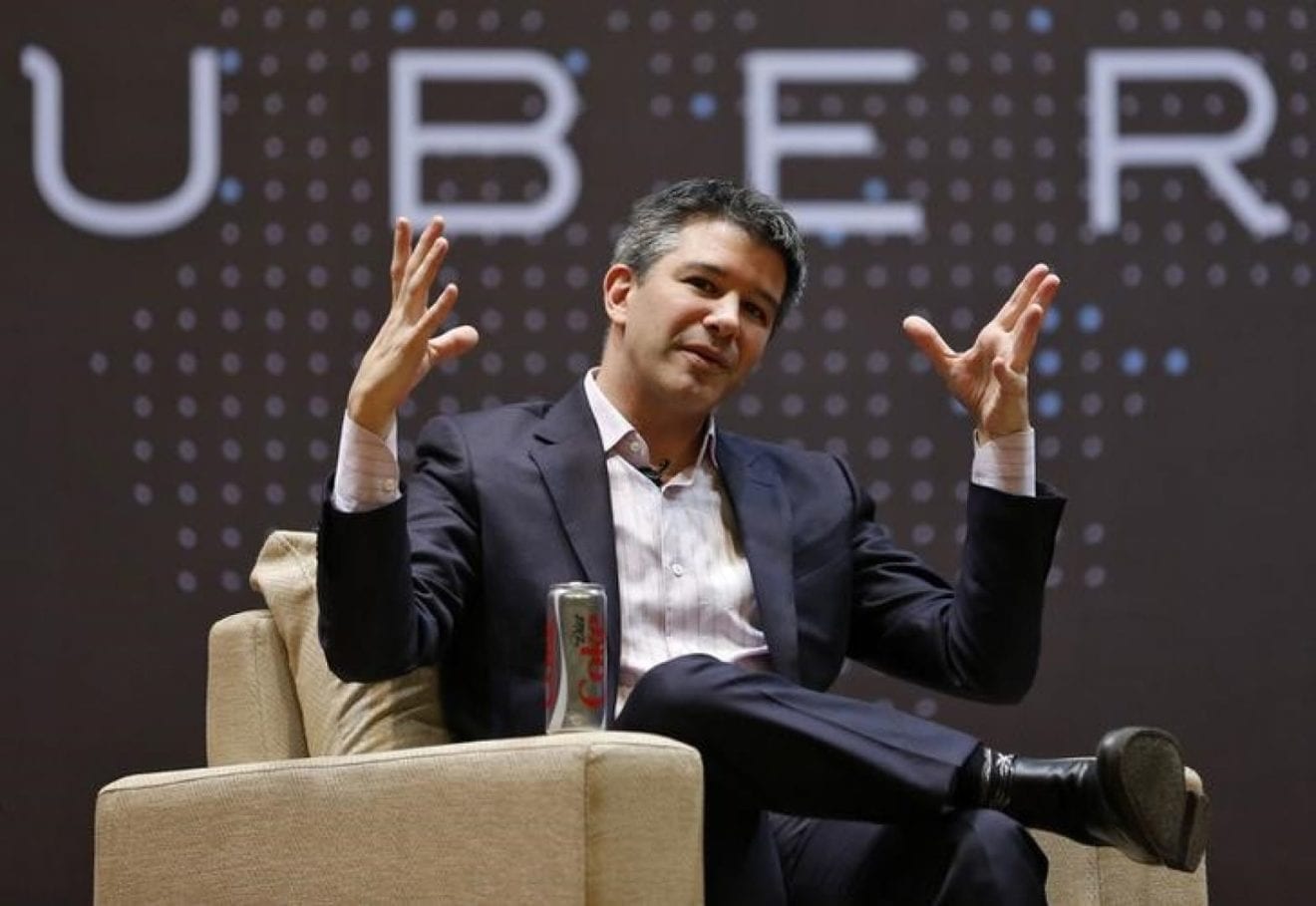
    As Uber drivers planned a global strike on Wednesday ahead of the ride-hailing giant’s massive initial public offering (IPO), Uber drivers in India said they are facing the heat as cash incentives have considerably gone down while work hours have gone up. Drivers in cities like Los Angeles, New York City, London and Tokyo were to join the strike and log off from the apps on Wednesday.

    According to Santosh, an Uber driver in Delhi-NCR, the initial adrenaline rush is over and it has been difficult to run the family as income is low, incentives are down and stress levels are high owing to the pressure to pay monthly EMIs towards car and home loans.

    “When I joined Uber, things were just going fine. Now, with low cash incentives, I have to drive for long hours to make the ends meet,” Santosh told IANS.

    Dharam and Shamu, both Uber drivers, also echoed Santosh’s view.

    An email sent to Uber India for comment went unanswered.

    Uber launched its services in India in 2013 with its UberBLACK service and launched its premium UberX service in 2014.

    Uber currently operates in 31 cities in the country and aims to take its services to other, deeper parts of the country.

    The global ride-hailing platform in January announced the appointment of Indian Institute of Technology (IIT)-Kharagpur alumnus Pavan Vaish as the new Head of Central Operations.

    Uber filed its IPO process last month. It would be listed on the New York Stock Exchange (NYSE) under the symbol “UBER”.

    The company is seeking a market value just above $90 billion in its IPO, according to documents filed with regulators. The ride-hailing company has also announced a one-off bonus for drivers as it prepared to go public.

    As of December 31, 2018, it had 91 million, or 9.1 crores, monthly active platform users. There were 3.9 million, or 39 lakh, drivers on the platform by the end of 2018.

    Uber and Lyft drivers in cities, including Los Angeles, New York City, and London, were set to join the strike and log off from the apps (from 7 am to 9 am ET) on Wednesday.

    “Wall Street investors are telling Uber and Lyft to cut down on driver income, stop incentives and go faster to Driverless Cars,” Bhairavi Desai, Executive Director of the New York Taxi Workers Alliance, was quoted as saying by the CNET.

    “With the IPO, Uber’s corporate owners are set to make billions, all while drivers are left in poverty and go bankrupt,” she added.

    In a statement to CNET, an Uber representative said: “Drivers are at the heart of our service — we can’t succeed without them — and thousands of people come into work at Uber every day focused on how to make their experience better, on and off the road”.

  • Toyota, Panasonic To Set Up Firm To Connect Cars

    Toyota, Panasonic To Set Up Firm To Connect Cars

    Japan’s Toyota Motor and Panasonic Corp said they plan to establish a joint company to develop “connected” services to be used in homes and urban development. The tie-up deepens the partnership between the companies, which in January announced a joint venture to build electric-vehicle (EV) batteries, pooling the R&D and manufacturing strengths of one of the world’s largest automakers and battery makers to compete in the fast-growing EV market.

    In their latest venture, Toyota and Panasonic said they will set up a new company early next year to focus on technology that could be used to offer personalized services in the home. The pair plan to be 50-50 partners in the new firm and will increase cooperation at their respective housing operations in Japan.

    “We will put our respective strengths together to offer new value in everyday life,” Panasonic President Kazuhiro Tsuga said in a joint statement on Thursday.

    The move comes at a time when lower-emissions vehicles and ride-sharing services have opened up the auto industry to new competitors, leaving traditional car makers and their suppliers scrambling to find alternate revenue streams.

    Toyota has been developing connected cars that can share information on usage – data that could be leveraged for on-demand ride-sharing, insurance, and maintenance.

    The automaker has said it will tap into its partner network and its operations which range from building and selling cars, homes and companion robots to expand into new transportation and home energy services.

    “If we are able to use this network going forward not only to manufacture and sell vehicles but to also provide new services, our future possibilities will greatly expand,” President Akio Toyota told reporters on Wednesday.

    “In addition to cars, I think that having our own housing business and connected business will be a big advantage for us.”

  • 2019 Triumph Scrambler 1200 India Launch Date Out

    2019 Triumph Scrambler 1200 India Launch Date Out

    Triumph Motorcycles India will be launching the long-anticipated Triumph Scrambler 1200 on May 23, 2019. The motorcycle made its global debut in last year in October 2018 and went on sale in the global marker early this year, and now the British motorcycle maker is finally ready to launch the new Scrambler 1200 in India as well. Globally, the motorcycle is offered in two variants, the base trim Scrambler 1200 XC, and a top-spec Scrambler 1200 XE. India, however, will only get the former and we have already ridden the bike and told you all about it.

    The Triumph Scrambler 1200 is powered by the company’s ‘high-torque’ 1,200 cc parallel-twin engine that already powers the Thruxton R and the newly launched Speed Twin. However, Triumph has made several changes to it to make it more suited for the all-terrain nature of the bike. In the Scrambler 1200, the engine churns out 89 bhp @ 7,400 rpm and develops a peak torque of 110 Nm @ 3,950 rpm. This means the Scrambler 1200 will have more grunt with minimal throttle input, suitable for traversing broken trails and for riding off-road. The motor comes mated to a 6-speed gearbox with a torque-assisted clutch.

    Both motorcycles come with superior off-road capabilities thanks to the fully adjustable 45 mm USD forks from Showa up front (47 mm for XE) and fully adjustable twin-spring Ohlins rear suspension. While the XC comes with 200 mm of travel both at the front and back, on the XE, the suspension units offer 250 mm of travel. The XE also gets gold anodized front forks compared to the black unit on the XC. Both models are equipped with piggy-back reservoirs. Furthermore, the Scrambler 1200 also comes with the first-in-segment 21-inch front wheel, along with 17-inch rear wheels, both are spoked and come shod in dual-purpose tires from Metzler Tourance tubeless tires. The bike comes with twin 320 mm discs with Brembo M50 monoblock calipers up front and a single 255 mm disc, also gripped by a Brembo’s 2-piston floating. Both bikes get switchable ABS, but the XE trim gets switchable cornering ABS.

    The 2019 Triumph Scrambler 1200 also come loaded with some of the best-in-class features like – ride-by-wire, cruise control, heated grips, under seat mobile storage with a USB charging port, keyless ignition, Single-button cruise control, and torque assist clutch. Triumph has also equipped the motorcycle with its latest generation full-color TFT instrument display, with 5 riding modes – Road, Rain, Sport, Off-Road and Rider-Configurable. The classy bits include – all-LED lighting with DRL headlight, Intuitive switch cubes & 5-way joystick, illuminated backlit switches. Furthermore, the Scrambler 1200 also gets a first-of-its-kind integrated accessory fit connectivity Bluetooth module, enabling the world’s first integrated GoPro control system, ‘turn-by-turn’ navigation, plus phone and music operation. The bike comes in two color options – Jet Black with Matt Black, and Khaki Green with Jet Black.

  • Sincere Fine Watches opening in Changi

    Sincere Fine Watches opening in Changi

    Sincere Fine Watches has opened a multi-brand boutique at Jewel Changi Airport.

    The only luxury multi-brand watch store at the newly opened airport shopping center spans 183sqm and was inspired by Jewel’s dome-shaped facade and modern architecture.

    Glass and rose-gold elements are used throughout the boutique, combined with warm-brown hues on the wooden panels and shades of copper to create a welcoming aura.

    The new boutique brings together 20 international labels, some of them relatively new to the market. They include Armin Strom; Baume & Mercier; Blancpain; Bremont; Graham; Hamilton; IWC Schaffhausen; Longines; Maurice Lacroix; Mido; Montblanc; Panerai; Omega; Rado; TAG Heuer; Tissot; and Tudor.

    Sincere Fine Watches plans more brands and timepieces exclusive to the Jewel Changi store soon.

  • HKBN launches broadband-pay TV bundles

    HKBN launches broadband-pay TV bundles

    HKBN has launched a new range of bundled broadband and pay TV offers for both enterprise and consumer customers, in collaboration with TVB.

    Subscribers to HKBN Enterprise Solutions will be able to sign up for a 100Mbps business broadband service for prices starting at HK$588 on a 24-month contract. The service will be bundled with access to a basic myTV SUPER pay TV pack as well as a sports upgrade pack.

    Meanwhile consumer customers can subscribe to a 100Mbps service for prices starting at HK$198 or a 1000Mbps service for prices starting at HK$238, which will be bundled with the myTV Gold service, as well as a home telephone service and Wi-Fi concierge service.

    HKBN will waive initial installation fees for both the enterprise and consumer packages.

    “HKBN has been striving to disrupt the status quo in the market. After studying the toll levels of current pay TV content in the market, we strongly believe that a great deal of room still exists for customers to enjoy world-class movies, entertainment and sports events at more competitive prices,” HKBN EVP William Yeung said.

    “Today, we aim to further strengthen the dual play of superb broadband service and OTT content through the advantage myTV SUPER collaboration. HKBN will deliver a wave of offers for both the residential and enterprise market as a way to reward our customers.”

  • Shoppers Stop revamps department store design

    Shoppers Stop revamps department store design

    Indian retail conglomerate calls in German design house to create new concept.

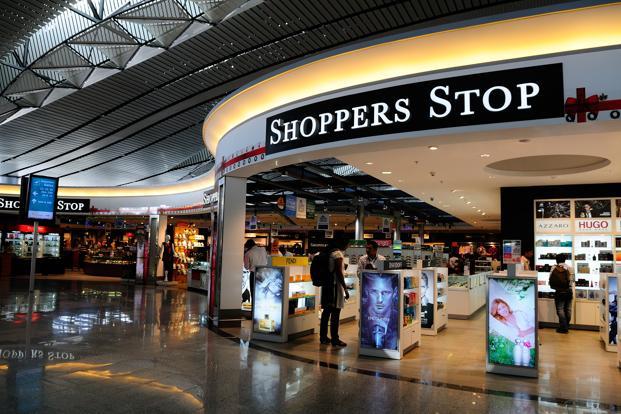
    Indian fashion and lifestyle retailer Shoppers Stop, which operates large-format department stores, home stores and specialty stores across the country, is implementing a new store design concept for its department stores nationwide.

    The new concept is the work of German architecture, design and branding firm Schwitzke, with the first store opening last month in Ambience Mall Vasant Kunj, New Delhi.

    “The objective behind this exercise was to upgrade the shopping experience at our stores,” said Shoppers Stop customer care associate, MD and CEO Rajiv Suri. “We engaged Schwitzke to help us conceive this concept that offers a modern shopping experience to our customers in line with what is happening globally. Carrying all our categories and spread across 60,000sqft, the new outlet opened in Delhi reflects the latest aesthetics in-store design.”

    The new design will be applied to all the retailers’ department stores going forward.

    “Every year, we open between five and seven department stores,” said Suri.

    “These will all be rolled out in the new design format. Anywhere between five and seven existing stores will also get renovated annually to upgrade the shopping experience. It will take us some time to renovate all the department stores, but I think there will be continuous evolution on the concept itself. There could be another upgrade to this concept considering frequent and constant changes in digitisation. So there will be small amendments/updates as we go on.”

    The rollout of the new design will be gradual, with touches and visual elements of the concept temporarily added to the existing 83 Shoppers Stop stores across the territory prior to each location’s full fit-out.

    The company has earmarked a third of its profits for upgrade and renovation of its store network, with the remaining funds allocated to setting up new stores and IT systems upgrades. The firm plans to open 25 new stores this year.

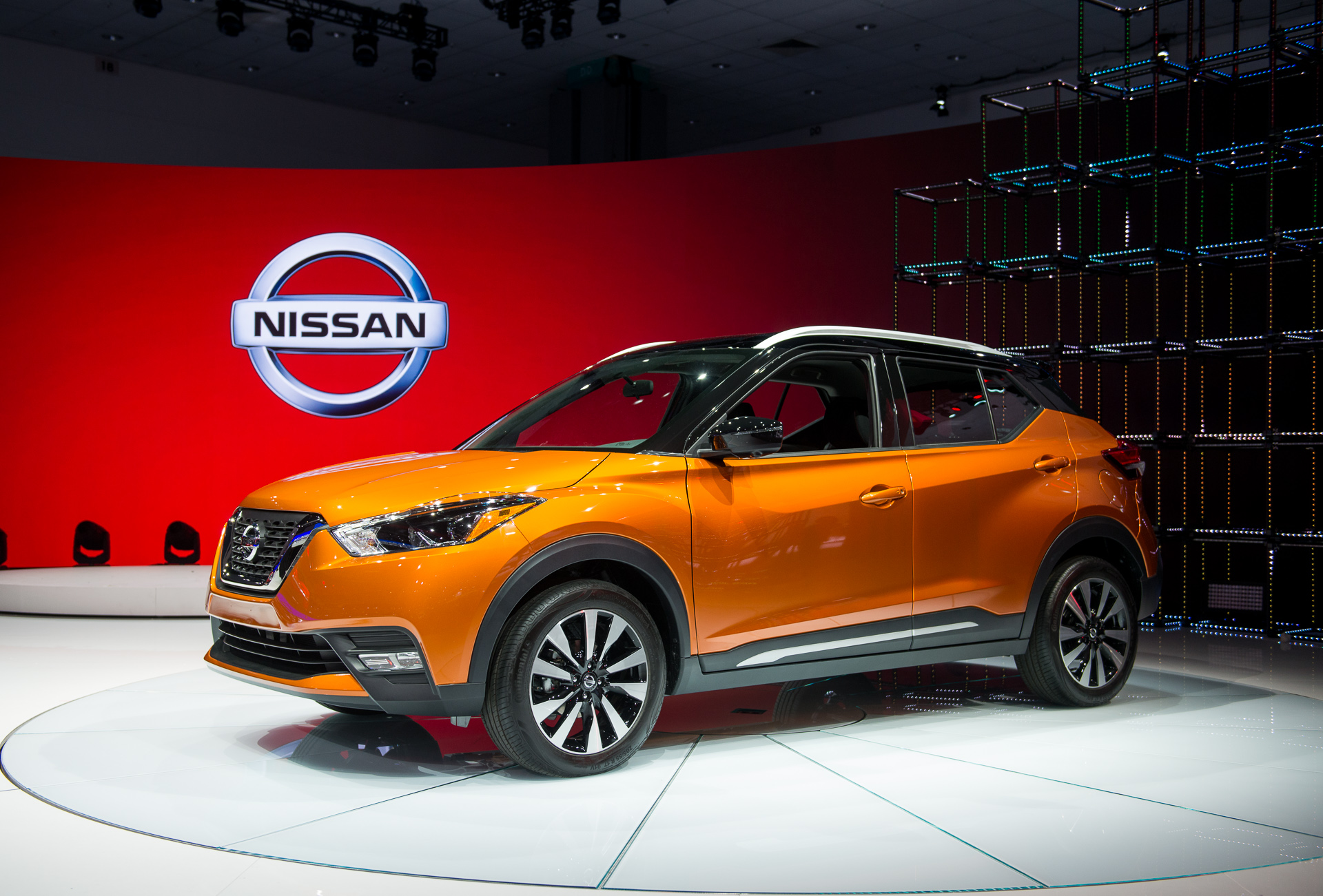
  • Nissan Spain To Cut 600 Jobs From Barcelona Plant

    Nissan Spain To Cut 600 Jobs From Barcelona Plant

    The Spanish arm of Japanese carmaker Nissan has reached an agreement with unions to cut 600 jobs at its plant in Barcelona, or almost 20 percent of the plant’s workforce. The layoffs, a mixture of voluntary redundancies and early retirements over the next year, were a condition for a planned investment of 70 million euros ($79 million) in a new painting facility, Nissan said in a statement on Thursday.

    Nissan, which has five plants and employs around 5,000 people in Spain, reached the agreement after more than a month of negotiations with unions. As part of the deal, any further changes to the workforce are to be negotiated separately with unions.

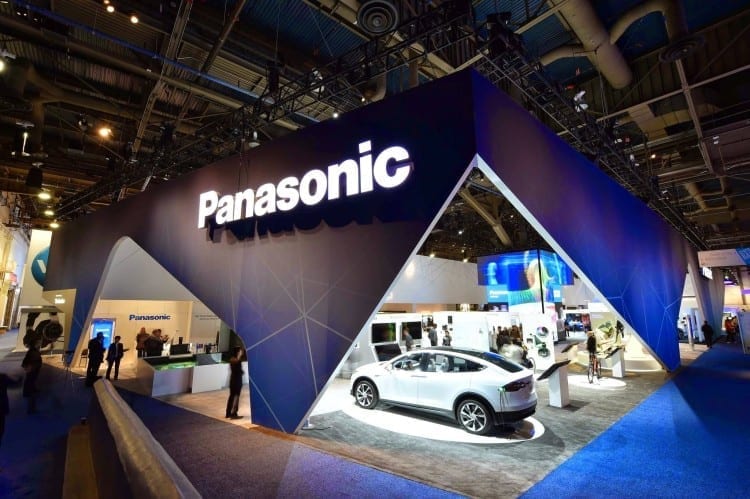
  • Panasonic Flags First Profit Drop In 8 years

    Panasonic Flags First Profit Drop In 8 years

    Panasonic Corp warned profit this financial year would fall for the first time in eight years as costs to boost battery output rise and it moves to overhaul some businesses amid investor pressure to find new avenues of growth. The Japanese conglomerate expects operating profit for the year through March 2020 to slump 27 percent to 300 billion yen ($2.7 billion) from a year earlier. That is well below analyst expectations of a 12 percent decline, according to Refinitiv.

    The company is looking at a 15 billion yen loss at its automotive unit this year, it said on Thursday. Panasonic expects costs to ramp up battery production in Japan and China for a planned electric-vehicle (EV) battery joint venture with Toyota Motor Corp to weigh heavily.

    Toyota and Panasonic said they will set up a new company early next year to focus on technology that could be used to offer personalised services in the home.

    Panasonic switched its focus to corporate clients such as automakers a few years ago to escape price wars in lower-margin consumer electronics. The shift, which involved a vast migration of TV engineers to the automotive unit, helped the company restore profit growth, but its non-consumer businesses did not grow as fast as the company had hoped.

    “Over the last three years, we aimed for stable revenue and profit growth focusing mainly on the automotive business … but development costs and insufficient abilities to adjust to rapid battery production expansion limited our profits,” Panasonic President Kazuhiro Tsuga said. The business was also squeezed last year due to production delays for Tesla Inc’s mass-market Model 3 sedan.

    Panasonic is Tesla’s exclusive supplier of battery cells and industry watchers have said the Japanese company needs to cut its reliance on the U.S. electric carmaker.

    Elon Musk, Tesla’s mercurial CEO, last month blamed Panasonic for the production delays. He previously said Tesla was looking for other battery suppliers for its new Shanghai car factory.

    Tsuga, however, told a post-earnings press conference on Thursday that Panasonic’s relationship with Tesla remained good.

    “We are not just a supplier but a partner,” he said.

    Panasonic is set to deepen its partnership with Toyota, announcing earlier on Thursday they would establish a joint company to develop “connected” services to be used in homes and urban development. Panasonic also said it would sell its solar battery research arm and a solar battery plant in Malaysia to China’s GS-Solar for an undisclosed amount.

  • Hydro Flask Starts in Hong Kong

    Hydro Flask Starts in Hong Kong

    Hydro Flask, the US brand of high-performance, insulated stainless-steel flasks targeting the outdoors market, has launched in Hong Kong.

    From this month, Hydro Flask products are being sold by Hong Kong retailers through an expansion of the company’s partnership with the Primer Group. Products will be stocked through outdoor and sporting goods retailers, lifestyle stores, travel retailers and gourmet grocers.

    “We’re excited to expand our strong relationship with Primer to bring Hydro Flask to Hong Kong. It’s a key part of our global expansion and influences markets beyond Asia,” said Mike Wallenfels, VP of global sales at Hydro Flask.

    The brand’s launch is timely as growing numbers of Asian consumers are purchasing reusable containers in preference to single-use plastic and paper cups, for environmental reasons.

    The company produces containers suited to cold drinks, coffee, beer, wine and food, along with backpacks, casual clothing and accessories.

    Hydro Flask is a subsidiary of listed company Helen of Troy Limited.

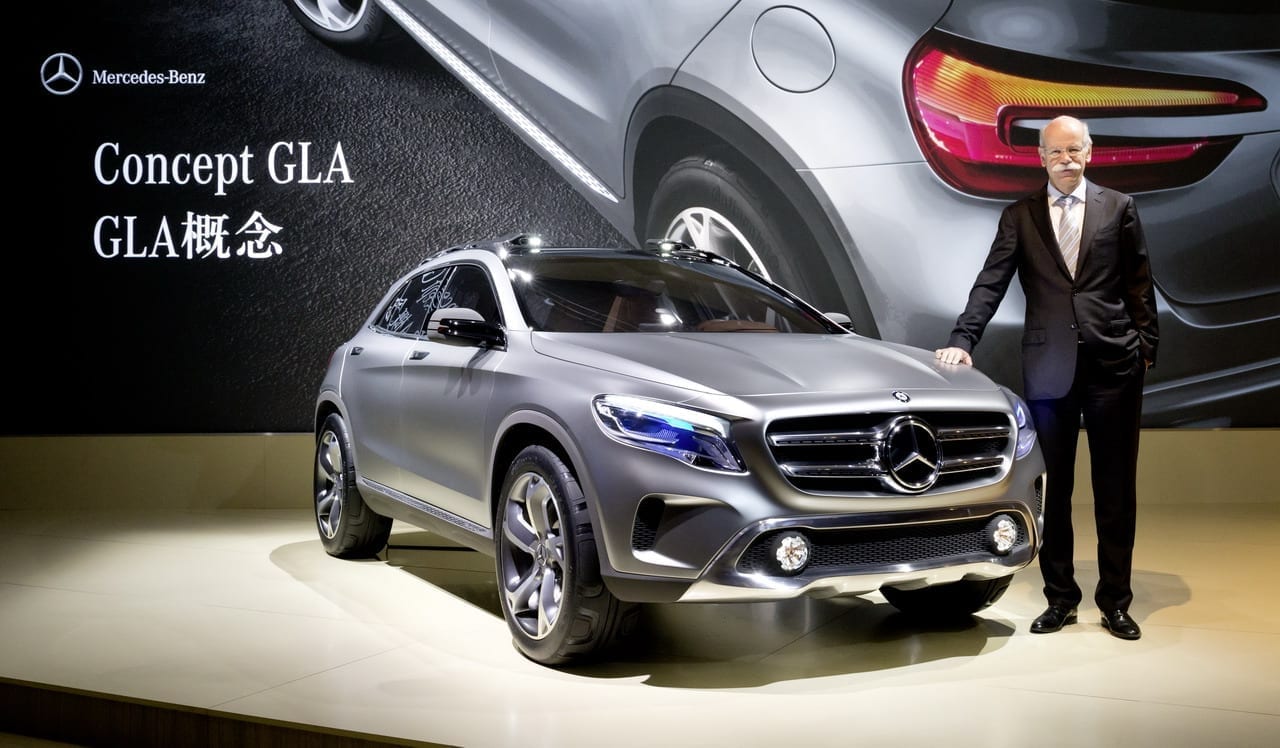
  • Daimler CEO Says His Successor Will Have A Tough Job

    Daimler CEO Says His Successor Will Have A Tough Job

    Daimler’s next chief executive will have a tough job to restore margins at Mercedes-Benz, current boss Dieter Zetsche told Reuters on Wednesday, as Mercedes-Benz launched a new luxury electric car to rival Tesla.

    Zetsche, who bows out as CEO on May 22, said the German luxury carmaker needed to find a way to rebuild margins after research and development (R&D) costs at Mercedes-Benz ballooned.

    “There are many challenges ahead. We are in a situation of an economic slowdown. It is not going to be easier going forward,” he said on the sidelines of the launch event near Oslo.

    Pressure to develop electric and autonomous cars has led R&D costs at Mercedes-Benz passenger cars to rise to 14 billion euros ($15.7 billion) from around 8 billion euros four years ago, Zetsche said.

    At the same time, China, the world’s largest car market, has seen sales momentum slowing for nine months in a row, with a 5.2 percent fall in sales in March.

    Mercedes-Benz’s large electric car will hit showrooms this summer, years after Tesla launched its Model S in 2012.

    Daimler has been cautious about embracing mass production of electric vehicles at Mercedes-Benz amid concerns about operating range and customer acceptance.

    The company took a 9.1 percent stake in Tesla for around $50 million in May 2009 to learn about battery technology but sold its stake for a $780 million profit in 2014.

    Daimler launched an electric car under the smart brand in 2010, but waited until 2014 to build an electric Mercedes-Benz B-Class.

    Daimler, like other manufacturers, has struggled to make electric cars profitable, although the cost of battery packs is expected to fall as they invest in ramping up battery cell production.

    ING analysts say the total cost of ownership, including fuel prices, could reach parity between electric and combustion engined vehicles by 2025.

    In an effort to make a profit with electric cars, Daimler has opted to manufacture the Mercedes EQC in a way that enables it to be built on the same production line as a combustion engined car, retooling existing plants.

    Daimler is investing more than 10 billion euros to expand the electric EQ model range and is building battery cell production facilities.

    The Mercedes EQC will have an operating range of 445-471 kms, with a base version costing below 60,000 euros to make it eligible for Germany’s electric car environmental bonus.

    Asked whether Daimler was too late to the electric vehicle trend, Zetsche said: “For the past 40 years I have heard that German manufacturers have missed all the important trends. But apparently, customers still like cars from manufacturers that have missed the boat.”

    Zetsche took over as CEO of DaimlerChrysler in 2006 and took the decision to sell Chrysler, returning Mercedes to the top-selling luxury brand globally in 2016 and defending the title ever since.

    Zetsche said Daimler’s future hinged on making electric cars profitably.

  • Philipp Plein opens First Single Brand Store in Singapore

    Philipp Plein opens First Single Brand Store in Singapore

    Switzerland-based fashion house Philipp Plein has opened its first single-brand store in Singapore.

    Located at Marina Bay Sands, the two-level flagship store spans ​​236sqm with separate entrances for the men’s and women’s areas.

    Menswear is located on the first floor, which is decorated with the brand’s distinctive crystal skull design. Clothing is arranged on the right-hand side of the shop, with accessories on the left.

    The womenswear collection of clothing and accessories is located on the second floor.

    The store is part of a broader expansion by the fashion house in Asia: more new stores will soon be opening in Seoul and Bangkok and another in Kuwait.

    Founded in 2008, Philipp Plein now has 250 single-brand stores worldwide.